AgriBid Watermelon Exchange
A private B2B marketplace where large retailers and food manufacturers run competitive bids for bulk watermelon contracts with logistics integration.
The future of bulk watermelon procurement: building a B2B exchange that transforms agricultural sourcing
The global fresh produce industry is undergoing rapid digitization. While grains, dairy, and meat have increasingly adopted digital procurement platforms, specialty fresh produce—like watermelons—still relies heavily on fragmented relationships, brokers, phone calls, and spreadsheets.
This creates a massive opportunity for a private B2B marketplace for watermelon contracts that enables competitive bidding, transparent pricing, and integrated logistics. A purpose-built platform like AgriBid Watermelon Exchange can modernize how retailers and food manufacturers source bulk watermelons—bringing efficiency, price discovery, compliance, and supply chain visibility into a single digital ecosystem.
In this comprehensive guide, we’ll break down:
- ✅ Target audience and buyer intent
- ✅ Market gaps and digital transformation opportunity
- ✅ Core features and platform architecture
- ✅ Recommended tech stack and infrastructure trade-offs
- ✅ Monetization strategies
- ✅ Risk management and regulatory considerations
- ✅ Competitive landscape and differentiation
- ✅ Step-by-step implementation roadmap
If you're researching how to build a B2B agricultural marketplace, validating a fresh produce exchange idea, or exploring agri-tech SaaS opportunities, this article addresses your core decision-making criteria.
Why the watermelon supply chain is ripe for disruption
Watermelons may seem simple—but bulk procurement is not.
Current procurement challenges
Large retailers and food manufacturers typically source watermelons through:
- Long-standing supplier relationships
- Regional brokers
- Seasonal contract negotiations
- Phone/email-based RFQs
- Manual quality and compliance verification
- Third-party freight coordination
This results in:
- Limited price transparency
- Inconsistent quality verification
- Supply volatility due to weather and seasonality
- Logistical inefficiencies
- Poor data centralization
Unlike commodities such as wheat or corn, watermelons are highly perishable, regionally seasonal, and sensitive to transport timing. That makes digital coordination even more valuable.
Industry context
The global fresh produce market exceeds hundreds of billions annually (refer to FAO and USDA reports for updated statistics). Yet digital B2B penetration in specialty produce remains significantly lower than in durable commodities.
This inefficiency represents a clear SaaS opportunity.
Target audience analysis
Understanding user intent is critical for product-market fit.
Primary buyers (demand side)
-
Large grocery chains
- National and regional retailers
- Require predictable seasonal supply
- Prioritize price stability and quality assurance
-
Food manufacturers
- Juice processors
- Pre-cut fruit suppliers
- Private label food brands
-
Wholesale distributors
- Aggregate supply for smaller retailers
- Manage cross-border trade
Their goals:
- Secure consistent seasonal supply
- Optimize cost via competitive bidding
- Ensure compliance and traceability
- Reduce procurement overhead
- Improve forecasting accuracy
Primary sellers (supply side)
- Large-scale watermelon growers
- Agricultural cooperatives
- Exporters/importers
- Regional aggregators
Their goals:
- Secure large contracts before harvest
- Reduce dependency on brokers
- Improve pricing leverage
- Predict demand earlier
- Streamline logistics coordination
Secondary stakeholders
- Logistics providers (refrigerated trucking)
- Cold chain operators
- Quality inspection agencies
- Insurance providers
- Financial institutions (trade finance)
A marketplace that integrates these actors creates network effects and defensibility.
The market gap: why a private B2B watermelon exchange makes sense
There are B2B marketplaces like:
But they are horizontal and not specialized for:
- Perishable goods
- Contract farming
- Seasonal harvest cycles
- Logistics integration
- Quality verification at scale
The opportunity lies in vertical SaaS + marketplace hybridization:
Not just listing watermelons, but managing the entire contract lifecycle—from bid to delivery.
Core solution overview
AgriBid Watermelon Exchange would operate as a private, verified B2B procurement platform where:
- Buyers create seasonal procurement requests.
- Suppliers submit competitive bids.
- Contracts are digitally executed.
- Logistics are coordinated in-platform.
- Quality and compliance documentation is attached and verified.
- Payments and settlements are tracked.
Core features of the watermelon B2B marketplace
1. Verified supplier onboarding
- KYC/KYB verification
- Farm certification uploads (GlobalG.A.P., organic, etc.)
- Production capacity disclosure
- Past performance tracking
2. Competitive bidding engine
Buyers can:
- Post contract requirements (volume, timeline, region)
- Set quality specifications
- Define logistics needs
- Open blind or transparent bidding
Suppliers can:
- Submit tiered pricing
- Offer logistics bundling
- Propose flexible delivery windows
3. Smart contract lifecycle management
- Digital contract signing
- Milestone tracking
- Volume fulfillment tracking
- Amendment logging
- Automated penalty triggers for delays
4. Integrated logistics marketplace
- Freight bidding module
- Cold-chain tracking
- Real-time GPS updates
- Delivery confirmation workflows
5. Quality & compliance dashboard
- Batch-level traceability
- Inspection upload system
- Temperature compliance logs
- Recall management system
6. Data analytics & forecasting
- Historical pricing trends
- Regional supply analytics
- Weather risk overlays
- Demand forecasting
Competitive analysis
| Feature | AgriBid | Generic B2B Marketplace | Broker Network | Direct Contracting | Commodity Exchange |
|---|---|---|---|---|---|
| Competitive bidding | ✅ | ✅ | ❌ | ❌ | ✅ |
| Perishable logistics integration | ✅ | ❌ | ❌ | ❌ | ❌ |
| Traceability dashboard | ✅ | ❌ | ❌ | ❌ | ❌ |
| Seasonal contract automation | ✅ | ❌ | ❌ | ✅ | ✅ |
The differentiation is clear: vertical specialization + logistics + compliance = defensible moat.
Monetization strategy options
1. Transaction-based commission
- 1%–3% of contract value
- Shared fee model (buyer + seller)
- Scales with platform growth
2. SaaS subscription tier
For enterprise buyers:
- Advanced analytics
- Priority bidding
- API integrations
- Forecast modeling
3. Logistics margin
- Freight brokerage commission
- Cold-chain coordination fees
4. Value-added services
- Trade finance integration
- Insurance facilitation
- Quality inspection partnerships
Diversifying revenue ensures resilience.
Recommended tech stack for building the platform
Frontend
Why?
- Fast iteration
- SEO-optimized SSR
- Excellent ecosystem
Backend
- Node.js (NestJS) or Go
- REST + GraphQL hybrid
- Microservices for bidding, logistics, payments
Database
- PostgreSQL for transactional data
- Redis for real-time bidding
- Object storage (AWS S3) for documents
Infrastructure
- AWS or GCP
- Kubernetes for scaling
- CloudFront for global CDN
Real-time bidding architecture example
// simplified WebSocket bidding update (Node.js + Socket.io)
io.on("connection", (socket) => {
  socket.on("placeBid", (data) => {
    updateBidInDatabase(data);
    io.emit("bidUpdated", data);
  });
});
Trade-offs:
- Microservices = scalable but complex
- Monolith = faster MVP, harder long-term scaling
For MVP: Start modular monolith → migrate later.
Risk factors and mitigation strategies
1. Supply volatility
Mitigation:
- Multi-region supplier network
- Weather risk alerts
- Volume diversification
2. Price manipulation
Mitigation:
- Blind bidding option
- Anti-collusion monitoring
- Audit trails
3. Cold chain failure
Mitigation:
- IoT integration
- Mandatory temperature logs
- Insurance partnerships
4. Regulatory compliance
- USDA standards (US market)
- EU food safety compliance
- Export/import documentation automation
Unique selling proposition (USP)
AgriBid Watermelon Exchange is not just a marketplace.
It is:
A vertically integrated procurement infrastructure for bulk watermelon sourcing with embedded logistics and compliance intelligence.
Key differentiation:
- Private B2B only (no public listings)
- Competitive sealed bids
- Logistics and compliance built-in
- Seasonal contract intelligence
- Data-driven pricing transparency
This combination creates strong network effects and high switching costs.
Go-to-market strategy
Phase 1: Regional pilot
- Focus on one major watermelon-producing region
- Partner with 5–10 anchor buyers
- Onboard top 20 suppliers
Phase 2: Expand logistics network
- Integrate 3PL providers
- Offer freight bundling
Phase 3: Data monetization
- Launch analytics subscription tier
- Publish anonymized price indices
Implementation roadmap
MVP feature prioritization
- Buyer RFQ creation
- Supplier bidding
- Contract signing
- Basic logistics coordination
- Admin verification panel
- AI price prediction
- Weather forecasting overlays
- IoT integration
- Embedded finance
Building efficiently with modern SaaS infrastructure
Speed matters. Marketplace businesses require:
- Fast iteration cycles
- Scalable architecture
- Built-in auth and payments
- Secure role-based dashboards
Using a production-ready SaaS foundation like TurboStarter can accelerate development by handling:
- Authentication
- Multi-tenant architecture
- Billing infrastructure
- Admin systems
- API scaffolding
This reduces months of engineering work.
Long-term expansion opportunities
Once watermelon procurement succeeds, expansion paths include:
- Other melons (cantaloupe, honeydew)
- Citrus procurement
- Berry contracts
- Broader fresh produce exchange
Eventually:
Become a vertical agricultural procurement infrastructure platform.
Why this idea has strong venture-scale potential
Marketplace + SaaS hybrid = powerful economics:
- Recurring subscription revenue
- Transaction-based upside
- High switching costs
- Network effects
- Embedded financial services expansion
As volume grows, data becomes the real moat.
Final actionable blueprint
If you're serious about building a B2B watermelon marketplace:
- Interview procurement heads at major retailers.
- Validate willingness to use digital bidding.
- Build a narrow regional MVP.
- Focus heavily on trust and verification.
- Integrate logistics early.
- Use modular architecture.
- Design for compliance from day one.
- Establish strong governance policies.
- Prioritize supplier onboarding incentives.
- Scale vertically before expanding horizontally.
Conclusion: the digital transformation of watermelon sourcing
The agricultural sector is one of the last major industries undergoing digital transformation. A private B2B watermelon exchange with integrated logistics directly addresses inefficiencies in pricing, transparency, compliance, and coordination.
AgriBid Watermelon Exchange has the potential to:
- Modernize bulk procurement
- Reduce waste
- Increase transparency
- Improve margin predictability
- Build defensible network effects
The opportunity is not merely to create a marketplace—but to build the digital infrastructure layer for watermelon contract procurement.
The future of fresh produce sourcing will be data-driven, transparent, and integrated.
Now is the time to build it.
More 🏢 B2B Application SaaS ideas
Discover more innovative b2b application SaaS ideas that are trending in 2026. Each idea is AI-generated with market validation and growth potential to help you find your next profitable venture faster than competitors.
Your competitors are building with TurboStarter
Below are some of the SaaS ideas that have been generated and built with our starter kit.
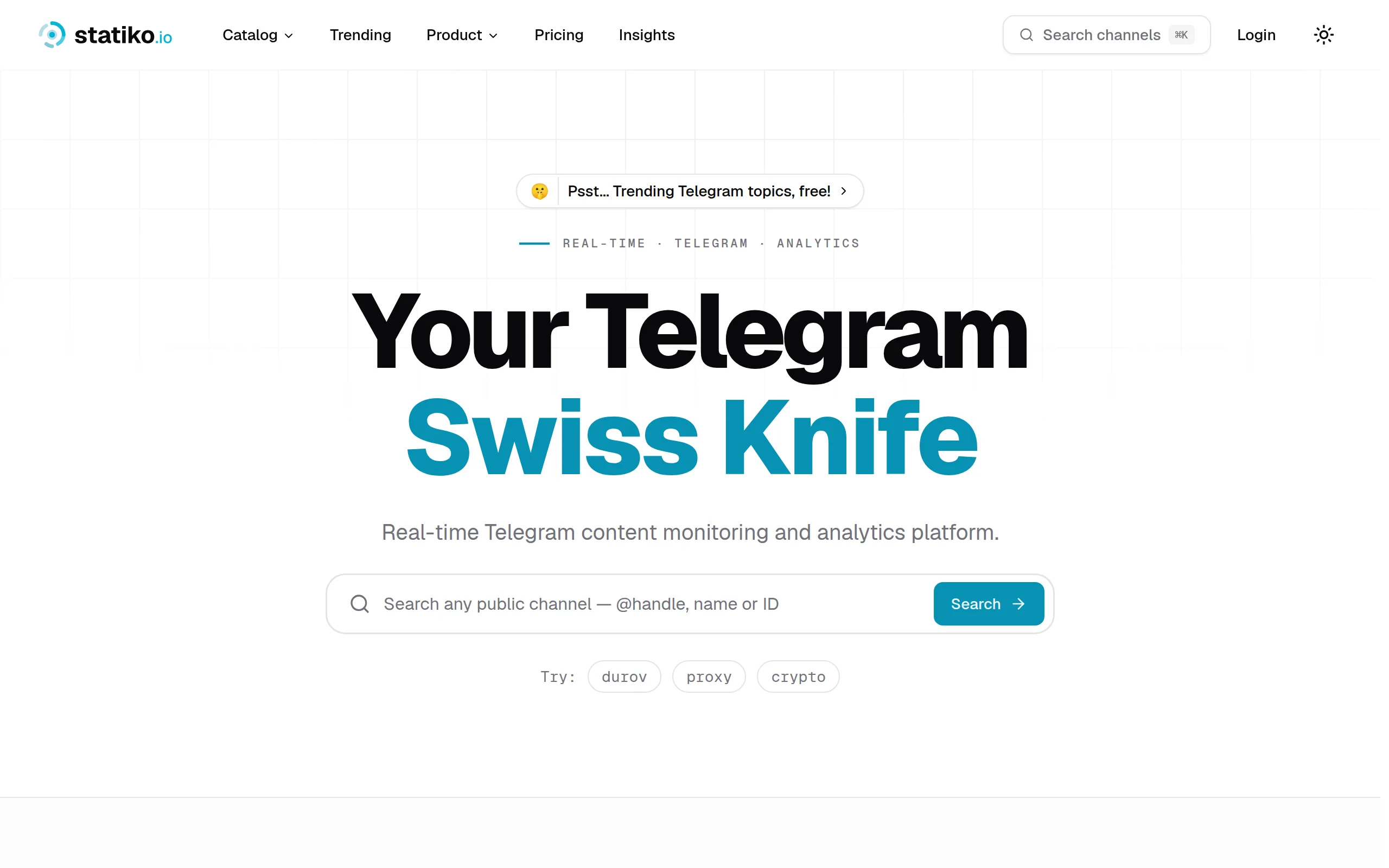
Statiko
Monitor any Telegram channel in real time - track posts, edits, deletions, and growth with AI recaps 📡

Shibui
AI website builder - describe your business, pick a niche template, edit by chatting, and publish instantly ✨

Pro Service
Find verified home service professionals, compare quotes, and pay securely through escrow - built for Brazilians across the US 🏠
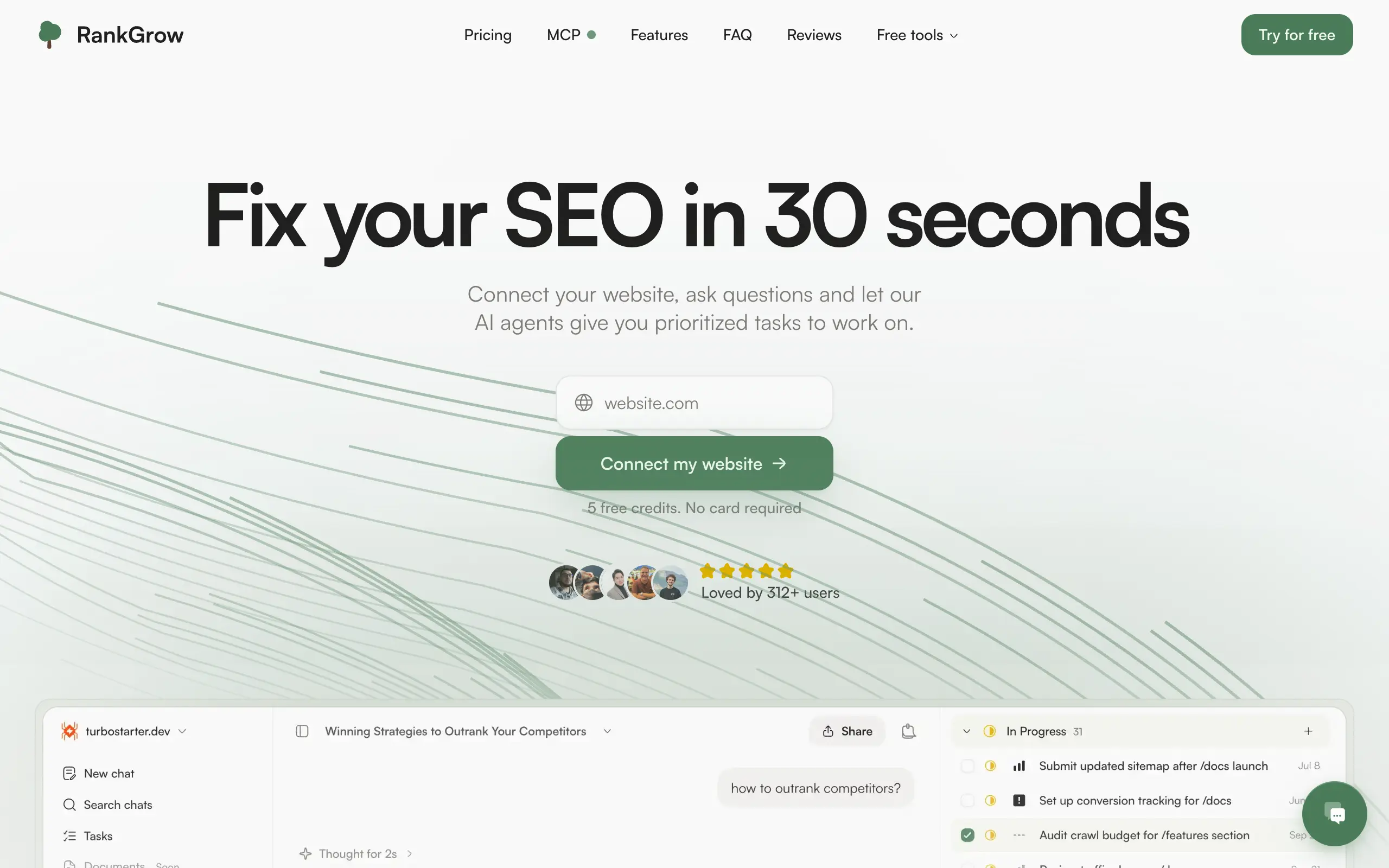
RankGrow
Fix your SEO with AI agents - connect Search Console, get prioritized tasks, and grow organic traffic 📈
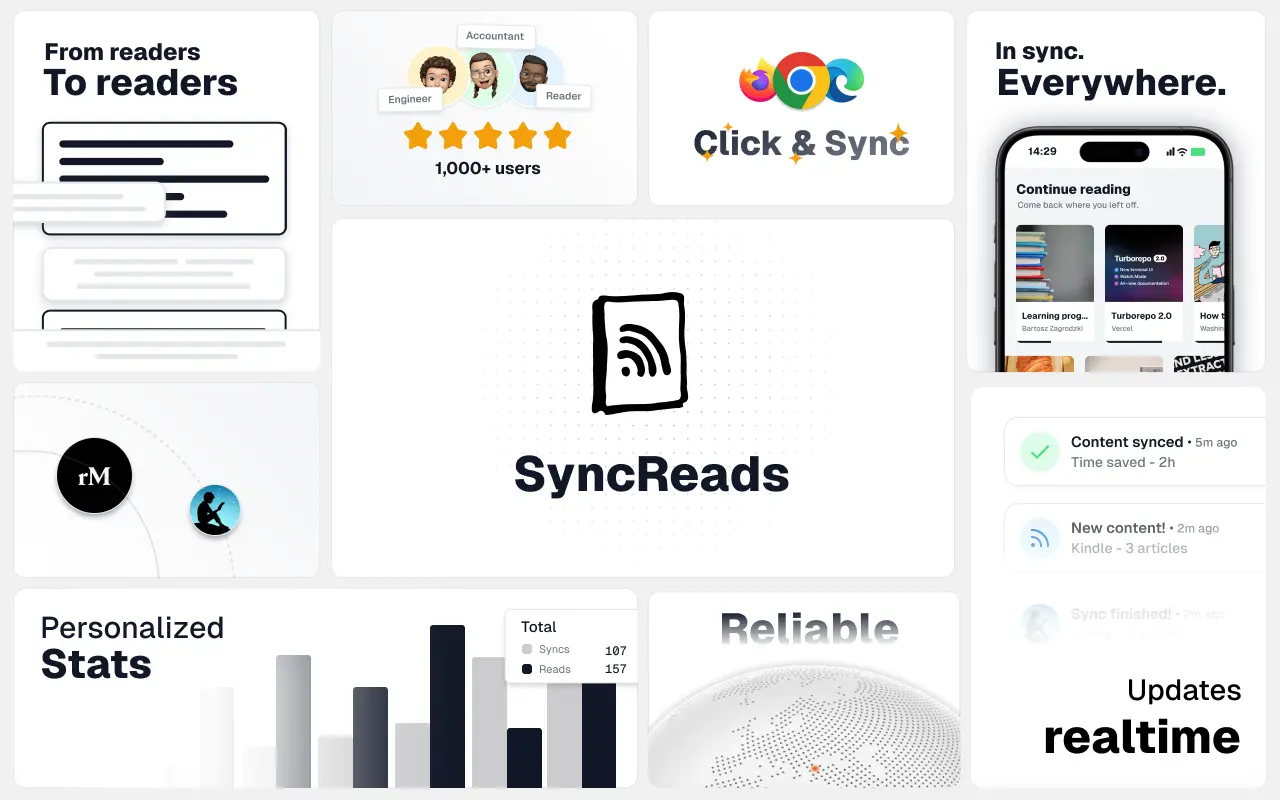
SyncReads
Sync your favorite content for distraction-free reading, save time and replace multiple apps. Anytime, anywhere 🔄
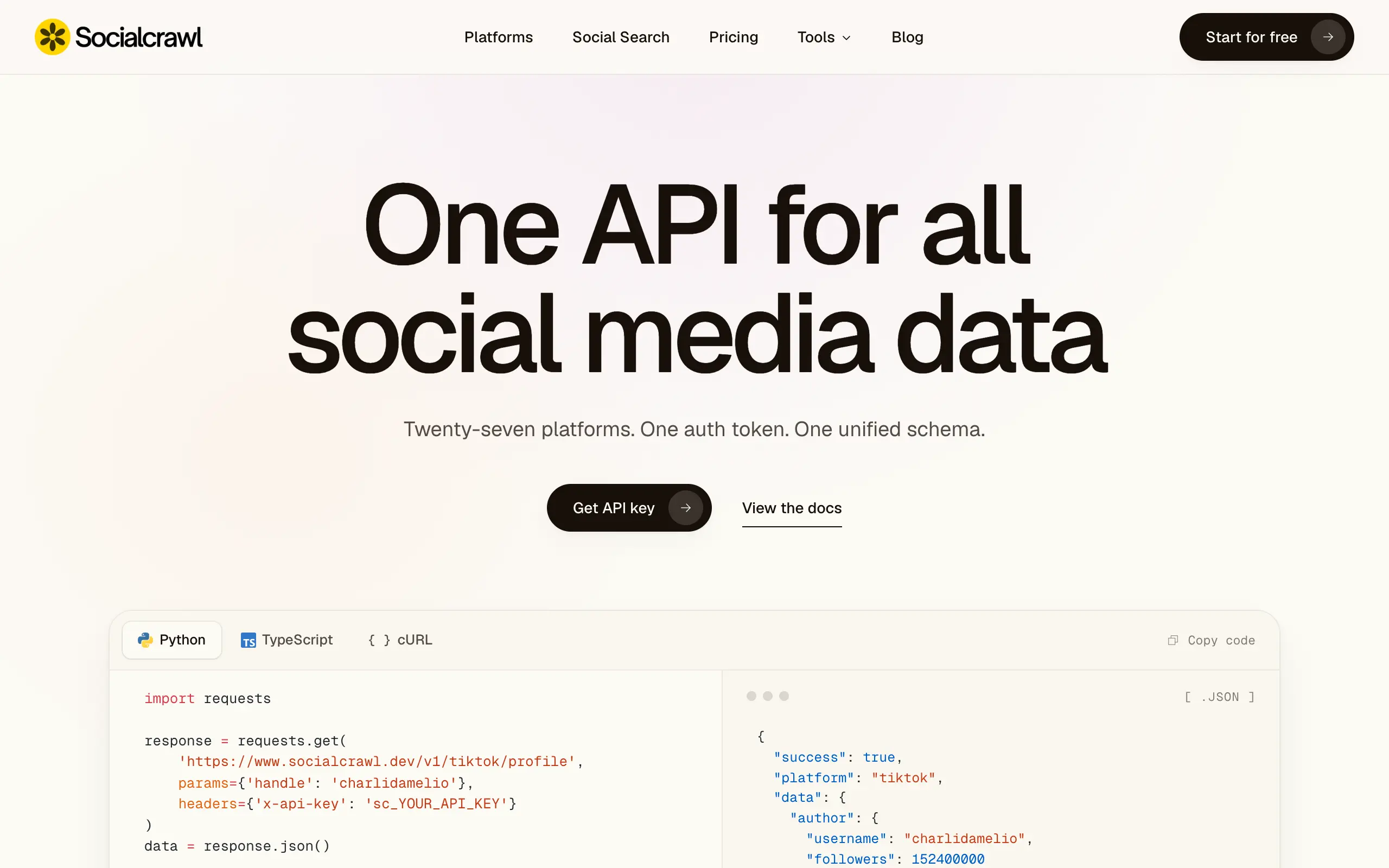
Socialcrawl
Get clean, structured data from 21 platforms like TikTok, Instagram, and YouTube with a single request 📊
Statiko
Monitor any Telegram channel in real time - track posts, edits, deletions, and growth with AI recaps 📡
Shibui
AI website builder - describe your business, pick a niche template, edit by chatting, and publish instantly ✨
Pro Service
Find verified home service professionals, compare quotes, and pay securely through escrow - built for Brazilians across the US 🏠
RankGrow
Fix your SEO with AI agents - connect Search Console, get prioritized tasks, and grow organic traffic 📈
SyncReads
Sync your favorite content for distraction-free reading, save time and replace multiple apps. Anytime, anywhere 🔄
Socialcrawl
Get clean, structured data from 21 platforms like TikTok, Instagram, and YouTube with a single request 📊
Statiko
Monitor any Telegram channel in real time - track posts, edits, deletions, and growth with AI recaps 📡
Shibui
AI website builder - describe your business, pick a niche template, edit by chatting, and publish instantly ✨
Pro Service
Find verified home service professionals, compare quotes, and pay securely through escrow - built for Brazilians across the US 🏠
RankGrow
Fix your SEO with AI agents - connect Search Console, get prioritized tasks, and grow organic traffic 📈
SyncReads
Sync your favorite content for distraction-free reading, save time and replace multiple apps. Anytime, anywhere 🔄
Socialcrawl
Get clean, structured data from 21 platforms like TikTok, Instagram, and YouTube with a single request 📊
Statiko
Monitor any Telegram channel in real time - track posts, edits, deletions, and growth with AI recaps 📡
Shibui
AI website builder - describe your business, pick a niche template, edit by chatting, and publish instantly ✨
Pro Service
Find verified home service professionals, compare quotes, and pay securely through escrow - built for Brazilians across the US 🏠
RankGrow
Fix your SEO with AI agents - connect Search Console, get prioritized tasks, and grow organic traffic 📈
SyncReads
Sync your favorite content for distraction-free reading, save time and replace multiple apps. Anytime, anywhere 🔄
Socialcrawl
Get clean, structured data from 21 platforms like TikTok, Instagram, and YouTube with a single request 📊
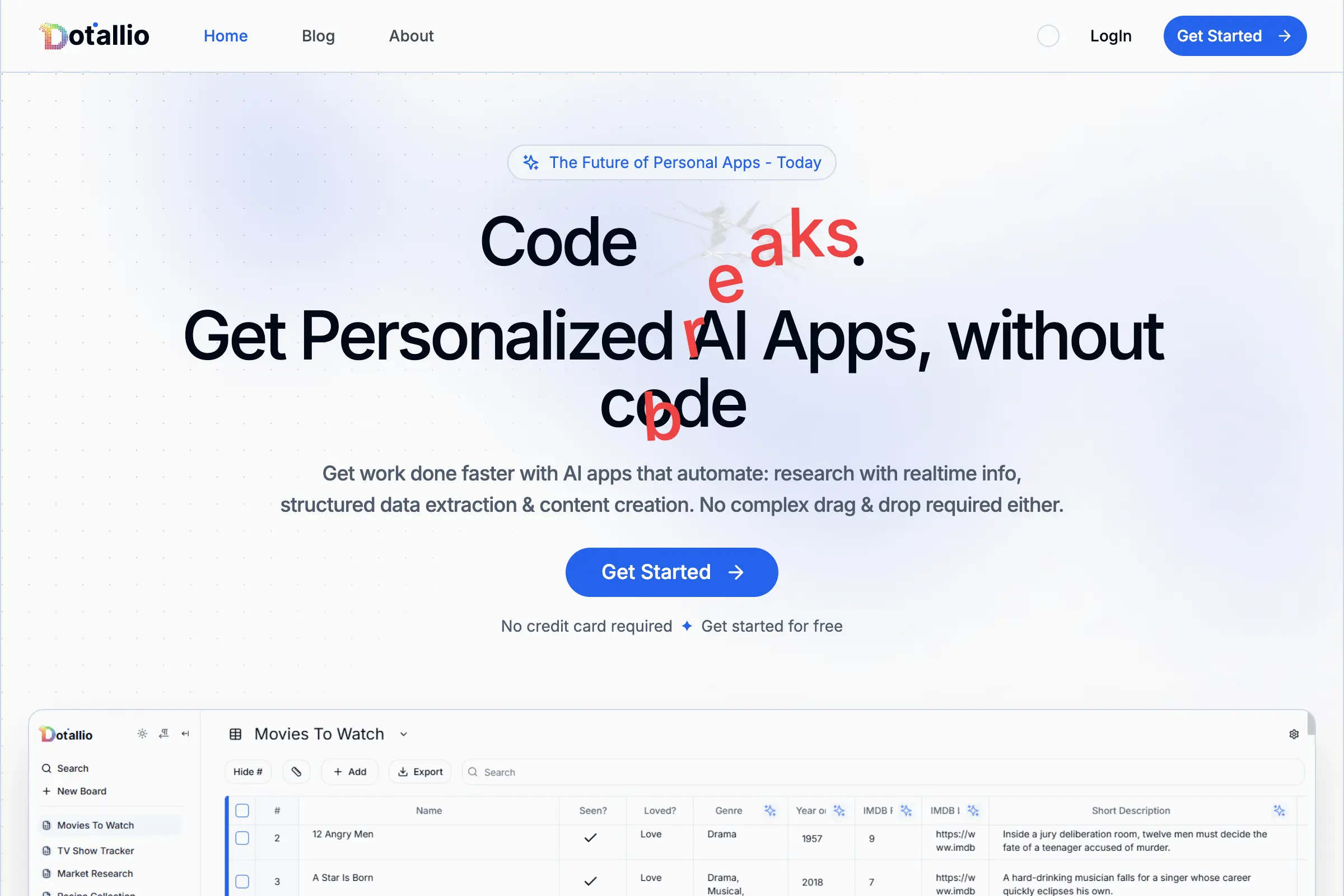
Dotallio
Personalized AI apps that automate research, data extraction, and content creation without code 🤖

Talk to Santa
Enjoy a magical live video chat or receive a unique AI-generated video greeting from Santa Claus 🎅

pozywka.pl
Scalable blog for food journalist, focused on performance and user experience 🌭
zagrodzki.me
Personal blog and portfolio of Bart Zagrodzki, where he shares his knowledge and work 💼
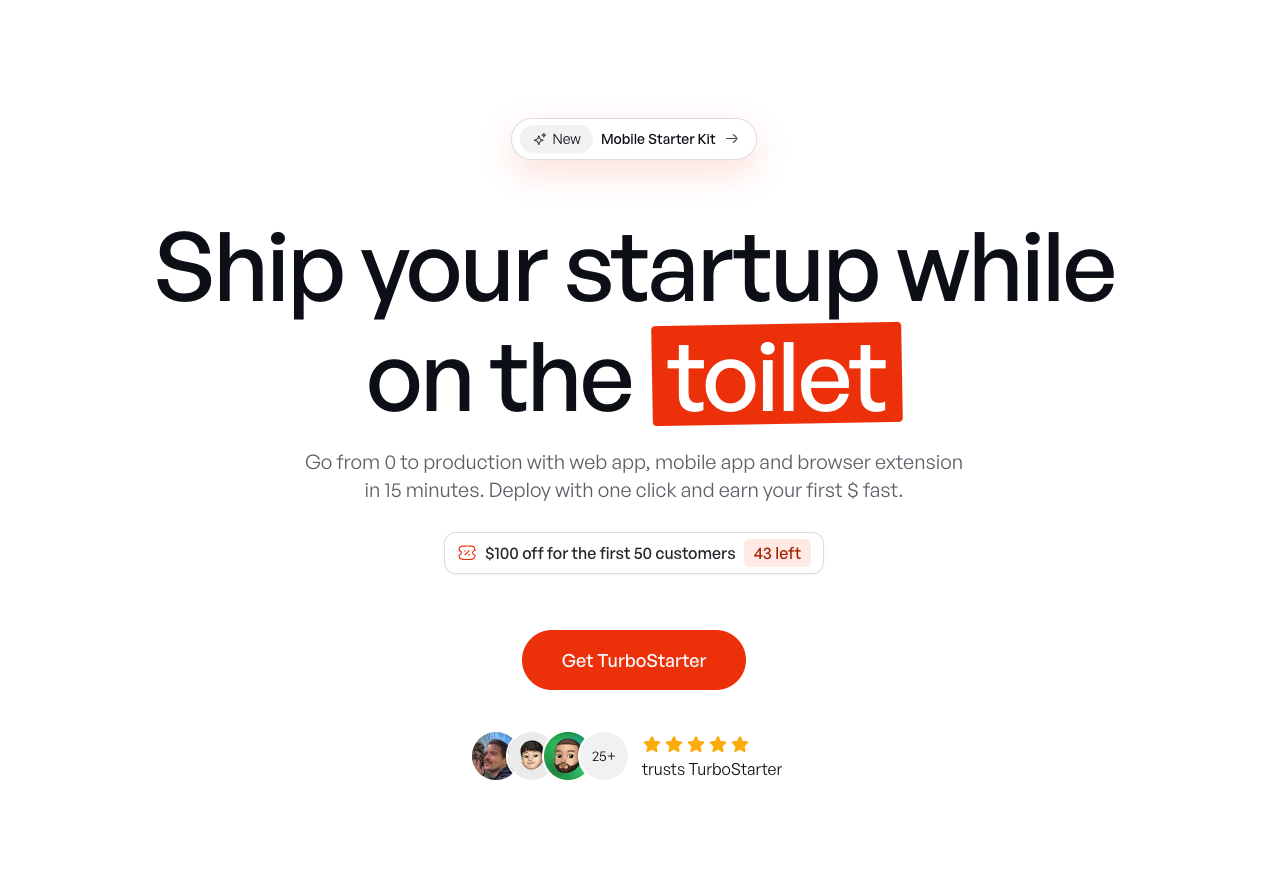
TurboStarter
Ship your startup everywhere. In minutes.
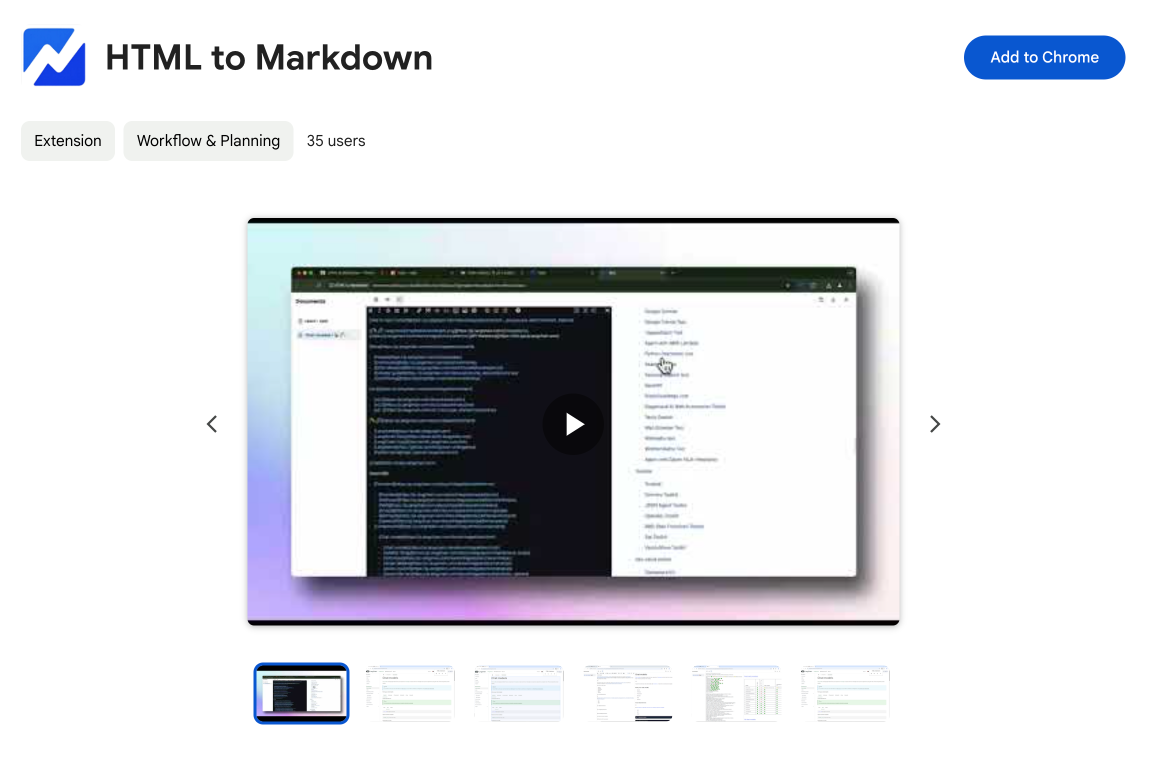
HTML to Markdown
Convert HTML to Markdown with ease, directly in your browser 📄
Dotallio
Personalized AI apps that automate research, data extraction, and content creation without code 🤖
Talk to Santa
Enjoy a magical live video chat or receive a unique AI-generated video greeting from Santa Claus 🎅
pozywka.pl
Scalable blog for food journalist, focused on performance and user experience 🌭
zagrodzki.me
Personal blog and portfolio of Bart Zagrodzki, where he shares his knowledge and work 💼
TurboStarter
Ship your startup everywhere. In minutes.
HTML to Markdown
Convert HTML to Markdown with ease, directly in your browser 📄
Dotallio
Personalized AI apps that automate research, data extraction, and content creation without code 🤖
Talk to Santa
Enjoy a magical live video chat or receive a unique AI-generated video greeting from Santa Claus 🎅
pozywka.pl
Scalable blog for food journalist, focused on performance and user experience 🌭
zagrodzki.me
Personal blog and portfolio of Bart Zagrodzki, where he shares his knowledge and work 💼
TurboStarter
Ship your startup everywhere. In minutes.
HTML to Markdown
Convert HTML to Markdown with ease, directly in your browser 📄
Dotallio
Personalized AI apps that automate research, data extraction, and content creation without code 🤖
Talk to Santa
Enjoy a magical live video chat or receive a unique AI-generated video greeting from Santa Claus 🎅
pozywka.pl
Scalable blog for food journalist, focused on performance and user experience 🌭
zagrodzki.me
Personal blog and portfolio of Bart Zagrodzki, where he shares his knowledge and work 💼
TurboStarter
Ship your startup everywhere. In minutes.
HTML to Markdown
Convert HTML to Markdown with ease, directly in your browser 📄
Omichat
Chat with 50+ AI models, including ChatGPT and Claude, in one place - switch models anytime without losing context 🤖
Claude Fast
Supercharge your Claude Code with 6x effective context window and specialized AI agents 🤖
EmojAI
AI-powered emoji picker with smart, context-aware suggestions 🤖
Solohacker
Autonomous company launcher - AI agents work 24/7, escalate what matters, and you stay in control 🤖
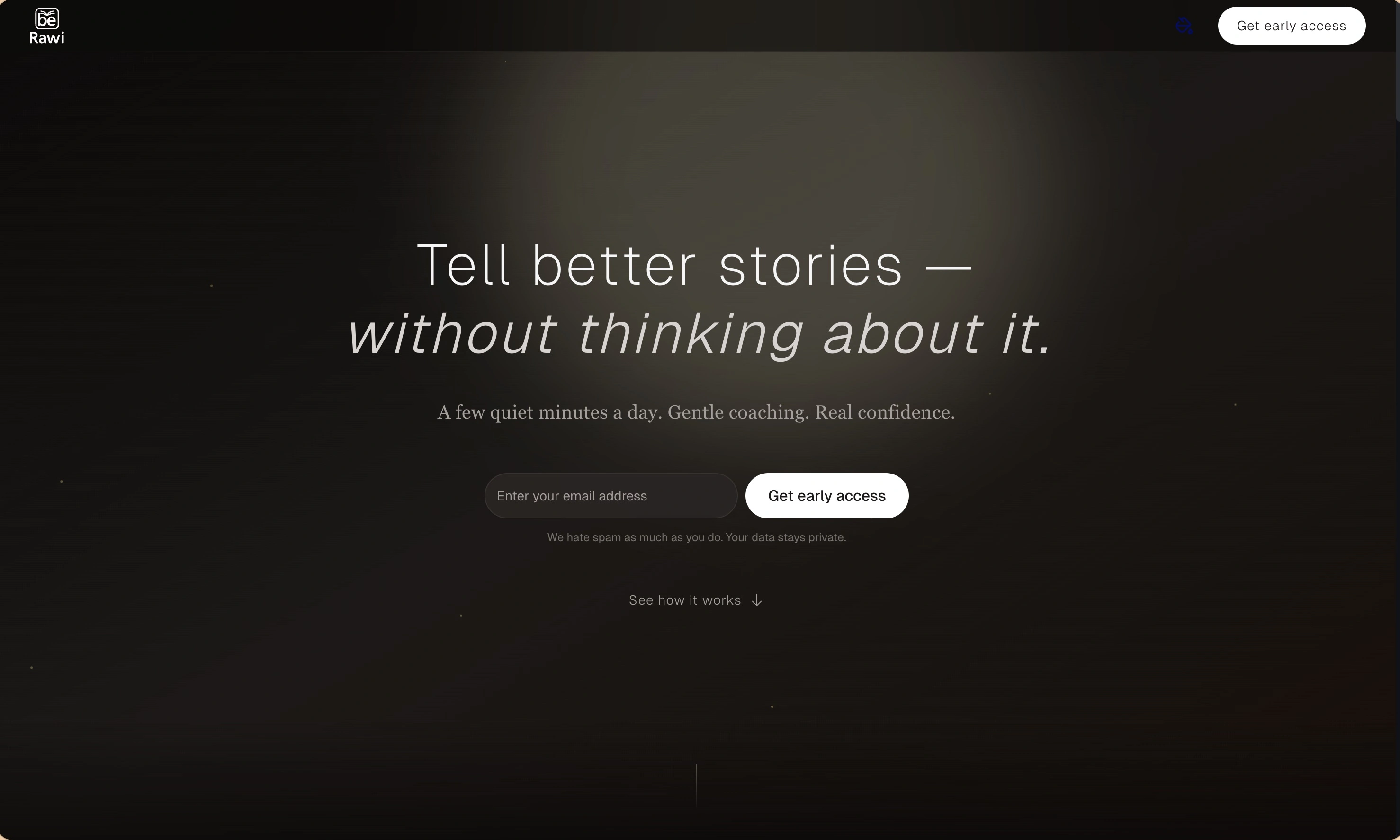
BeRawi: Storytelling Coach
Practice storytelling daily with instant feedback to sound clearer, more engaging, and confident 🎤
Omichat
Chat with 50+ AI models, including ChatGPT and Claude, in one place - switch models anytime without losing context 🤖
Claude Fast
Supercharge your Claude Code with 6x effective context window and specialized AI agents 🤖
EmojAI
AI-powered emoji picker with smart, context-aware suggestions 🤖
Solohacker
Autonomous company launcher - AI agents work 24/7, escalate what matters, and you stay in control 🤖
BeRawi: Storytelling Coach
Practice storytelling daily with instant feedback to sound clearer, more engaging, and confident 🎤
Omichat
Chat with 50+ AI models, including ChatGPT and Claude, in one place - switch models anytime without losing context 🤖
Claude Fast
Supercharge your Claude Code with 6x effective context window and specialized AI agents 🤖
EmojAI
AI-powered emoji picker with smart, context-aware suggestions 🤖
Solohacker
Autonomous company launcher - AI agents work 24/7, escalate what matters, and you stay in control 🤖
BeRawi: Storytelling Coach
Practice storytelling daily with instant feedback to sound clearer, more engaging, and confident 🎤
Omichat
Chat with 50+ AI models, including ChatGPT and Claude, in one place - switch models anytime without losing context 🤖
Claude Fast
Supercharge your Claude Code with 6x effective context window and specialized AI agents 🤖
EmojAI
AI-powered emoji picker with smart, context-aware suggestions 🤖
Solohacker
Autonomous company launcher - AI agents work 24/7, escalate what matters, and you stay in control 🤖
BeRawi: Storytelling Coach
Practice storytelling daily with instant feedback to sound clearer, more engaging, and confident 🎤

Connect with like-minded people
Join our community to get feedback, support, and grow together with 1,000+ builders on board, let's ship it!
Join usShip your startup everywhere. In minutes.
Don't burn tokens on setup and start building features on day one.