AgriBuy AI
AI-driven procurement platform that forecasts demand, optimizes supplier selection, and automates purchasing for large food and vegetable wholesale groups.
Understanding the problem AgriBuy AI is built to solve
Large food and vegetable wholesale groups operate in one of the most complex procurement environments in the world. Demand is volatile, products are perishable, supplier reliability fluctuates by season, and margins are razor-thin. Yet, despite these challenges, many wholesalers still rely on spreadsheets, manual forecasting, phone calls, and fragmented ERP modules to manage procurement.
This creates several compounding problems:
- Inaccurate demand forecasting, leading to over-purchasing (waste) or under-purchasing (lost revenue)
- Suboptimal supplier selection, driven by habit rather than performance data
- Slow purchasing cycles, which are misaligned with real-time market conditions
- Limited visibility, making it difficult for leadership teams to optimize procurement strategy at scale
AgriBuy AI addresses these challenges with an AI-driven procurement platform for food and vegetable wholesalers that combines demand forecasting, supplier optimization, and automated purchasing into a single, intelligent workflow.
The primary keyword for this article—AI procurement software for food wholesalers—accurately reflects the core search intent: decision-makers looking for a modern, data-driven way to optimize agricultural and food procurement operations.
Who is AgriBuy AI for? Target audience analysis
AgriBuy AI is a B2B SaaS platform designed for organizations that purchase, aggregate, and distribute large volumes of fresh produce and food products.
Primary buyer personas
1. Procurement directors and heads of supply chain
- Responsible for supplier contracts, purchasing strategy, and cost control
- Pain points: lack of forecasting accuracy, supplier risk, rising costs
- Buying motivation: margin protection, operational efficiency, data-driven decisions
2. Operations managers at wholesale food groups
- Manage day-to-day purchasing and inventory flow
- Pain points: manual processes, supplier delays, unpredictable demand
- Buying motivation: automation, fewer errors, faster execution
3. CFOs and financial controllers
- Oversee working capital, cash flow, and waste reduction
- Pain points: excess inventory, price volatility, lack of cost predictability
- Buying motivation: financial forecasting, cost optimization, reduced write-offs
4. Enterprise wholesale cooperatives and buying groups
- Aggregate purchasing power across multiple entities
- Pain points: inconsistent procurement practices across members
- Buying motivation: centralized intelligence, benchmarking, standardization
User intent insight
Most users searching for AI procurement platforms in agriculture are not looking for generic ERP replacements. They want decision intelligence layered on top of existing systems that improves outcomes without disrupting operations.
Market opportunity and gap in agricultural procurement software
Why traditional procurement tools fall short
Most existing procurement systems were designed for manufacturing or non-perishable goods, where demand is relatively stable and lead times are predictable. Fresh food procurement breaks those assumptions.
Common limitations include:
- Rule-based forecasting that ignores weather, seasonality, and market trends
- Static supplier scoring models that don’t adapt to real-world performance
- Manual approvals and purchasing workflows that slow down decisions
- Poor integration with real-time sales and inventory data
The growing demand for AI in agri-food supply chains
Several macro trends make AgriBuy AI especially timely:
- Increased food price volatility, driven by climate change and geopolitical instability
- Rising pressure to reduce food waste, both financially and regulatorily
- Labor shortages, increasing the need for automation
- Advances in machine learning, making predictive procurement feasible at scale
Industry research from organizations such as FAO, McKinsey, and the World Economic Forum consistently highlights AI-driven supply chain optimization as a top priority for the agri-food sector (suggest citing these sources when publishing).
The clear gap AgriBuy AI fills
AgriBuy AI sits at the intersection of:
- AI demand forecasting
- Supplier performance intelligence
- Automated procurement execution
Unlike generic procurement platforms, it is purpose-built for food and vegetable wholesale groups, where perishability, seasonality, and supplier variability are first-class inputs, not edge cases.
How AgriBuy AI works: core features and solution design
AI-powered demand forecasting for perishable goods
At the heart of AgriBuy AI is a forecasting engine designed specifically for fresh food demand planning.
Key capabilities include:
- Short-term and mid-term demand forecasting by SKU, category, and location
- Seasonality-aware models that adapt to regional and historical patterns
- Continuous learning from sales, inventory, and spoilage data
- Scenario modeling for promotions, weather events, and supplier disruptions
This allows procurement teams to move from reactive purchasing to anticipatory planning.
Intelligent supplier selection and scoring
AgriBuy AI continuously evaluates suppliers based on:
- Historical delivery performance
- Price consistency and volatility
- Quality metrics (returns, spoilage rates)
- Lead time reliability
- Contract compliance
Instead of static scorecards, the platform uses dynamic, AI-driven rankings to recommend the best supplier mix for each purchase cycle, balancing cost, reliability, and risk.
- Manual supplier selection
- Relationship-driven decisions
- Lagging performance indicators
- Limited cross-supplier comparison
- AI-ranked supplier recommendations
- Data-driven trade-offs
- Real-time performance updates
- Optimized supplier portfolios
Automated purchasing workflows
AgriBuy AI doesn’t stop at recommendations—it closes the loop with automation.
Core automation features:
- Auto-generated purchase orders based on forecasted demand
- Configurable approval rules for compliance and control
- Supplier-specific ordering logic (minimums, lead times, contracts)
- Real-time order tracking and exception handling
This reduces procurement cycle time while maintaining governance.
Technical architecture and recommended tech stack
AgriBuy AI is best positioned as a cloud-native SaaS platform with modular integration capabilities.
Frontend
- React for dynamic, data-rich dashboards (React)
- TypeScript for type safety and maintainability
- Tailwind CSS for scalable UI design systems (TailwindCSS)
Trade-off: React provides flexibility and ecosystem maturity, but requires disciplined state management for complex data flows.
Backend and APIs
- Node.js or Python (FastAPI) for API services
- REST and event-driven APIs for ERP and supplier integrations
- Role-based access control and audit logging
AI and data layer
- Python-based ML stack (e.g., scikit-learn, PyTorch)
- Time-series forecasting models (LSTM, Prophet-style approaches)
- Feature pipelines incorporating weather, seasonality, and sales data
- Continuous retraining and performance monitoring
Infrastructure
- Cloud hosting on AWS, GCP, or Azure
- Containerized services using Docker and Kubernetes
- Data warehousing for historical analysis
Architecture consideration
AI forecasting accuracy depends more on data quality and feedback loops than on model complexity. Early focus should be on clean integrations and human-in-the-loop validation.
Competitive landscape and positioning
How AgriBuy AI compares to alternatives
| Feature | Generic ERP | Procurement suites | AgriBuy AI | Manual processes |
|---|---|---|---|---|
| AI demand forecasting | ❌ | ⚠️ | ✅ | ❌ |
| Perishable-aware logic | ❌ | ❌ | ✅ | ❌ |
| Supplier intelligence | ⚠️ | ✅ | ✅ | ❌ |
| Automation-first workflows | ❌ | ⚠️ | ✅ | ❌ |
Unique selling proposition (USP)
AgriBuy AI’s competitive advantage lies in:
- Vertical specialization in food and vegetable wholesale
- AI-native design, not retrofitted analytics
- End-to-end procurement intelligence, from forecast to order execution
- ERP-agnostic integration, reducing switching costs
This positioning makes it complementary to existing systems rather than a replacement, lowering adoption friction.
Monetization strategies for AgriBuy AI
AgriBuy AI supports several scalable revenue models.
Subscription-based SaaS pricing
- Tiered pricing based on procurement volume or number of SKUs
- Enterprise plans with custom integrations and SLAs
Usage-based components
- Pricing tied to number of forecasts generated
- Supplier evaluations or automated purchase orders executed
Value-based pricing (advanced)
- Revenue share or savings-based pricing
- Particularly attractive for large wholesale groups focused on waste reduction
Early-stage SaaS companies often succeed with predictable subscription pricing, then introduce usage or value-based components once ROI is proven.
Risks, challenges, and mitigation strategies
Data availability and quality
Risk: Poor historical data limits forecasting accuracy
Mitigation: Start with hybrid models combining AI predictions and human overrides
Change management resistance
Risk: Procurement teams distrust automated decisions
Mitigation: Transparent recommendations with explainable AI outputs
Supplier adoption friction
Risk: Suppliers resist new digital workflows
Mitigation: Keep supplier-side requirements minimal and API-driven
Regulatory and compliance concerns
Risk: Food traceability and audit requirements
Mitigation: Built-in audit logs and compliance reporting
Go-to-market strategy for AgriBuy AI
Ideal initial market entry
- Mid-to-large regional wholesale food groups
- Organizations already using basic ERPs but lacking advanced forecasting
Sales motion
- Consultative B2B sales
- ROI-driven demos using historical customer data
- Pilot programs focused on one category or region
Partnerships
- ERP vendors serving agri-food businesses
- Industry associations and buying cooperatives
- Implementation partners such as TurboStarter for rapid MVP development and scaling
Step-by-step implementation roadmap
Example: purchase recommendation logic (simplified)
function recommendSupplier(suppliers, demandForecast) {
  return suppliers
    .filter(s => s.availableCapacity >= demandForecast)
    .sort((a, b) => b.performanceScore - a.performanceScore)[0];
}
Why AgriBuy AI has long-term defensibility
AgriBuy AI becomes more valuable over time because:
- Forecasting models improve with proprietary data
- Supplier intelligence compounds across seasons
- Switching costs increase as workflows automate
- Network effects emerge across wholesale groups
This creates a strong moat in a traditionally underserved vertical.
Final thoughts: turning procurement into a strategic advantage
AgriBuy AI represents a shift from procurement as a cost center to procurement as a competitive advantage. By combining AI demand forecasting, supplier intelligence, and automated purchasing, it directly addresses the most painful inefficiencies in food and vegetable wholesale operations.
For founders, operators, and investors exploring AI-driven procurement software for food wholesalers, AgriBuy AI offers a clear, differentiated path to value—grounded in real operational needs and enabled by modern AI capabilities.
More 🏢 B2B Application SaaS ideas
Discover more innovative b2b application SaaS ideas that are trending in 2026. Each idea is AI-generated with market validation and growth potential to help you find your next profitable venture faster than competitors.
Your competitors are building with TurboStarter
Below are some of the SaaS ideas that have been generated and built with our starter kit.

Statiko
Monitor any Telegram channel in real time - track posts, edits, deletions, and growth with AI recaps 📡

Shibui
AI website builder - describe your business, pick a niche template, edit by chatting, and publish instantly ✨

Pro Service
Find verified home service professionals, compare quotes, and pay securely through escrow - built for Brazilians across the US 🏠
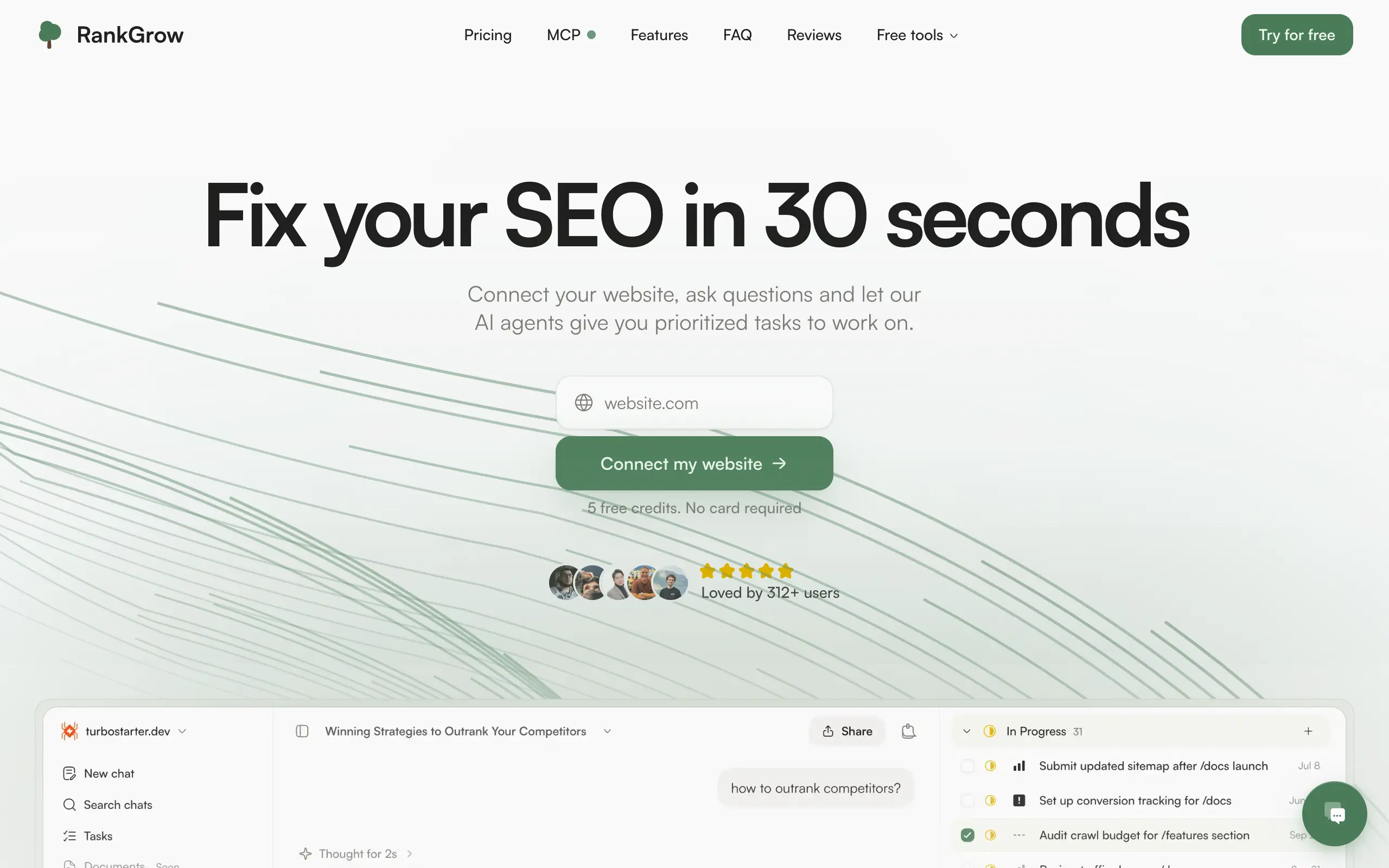
RankGrow
Fix your SEO with AI agents - connect Search Console, get prioritized tasks, and grow organic traffic 📈
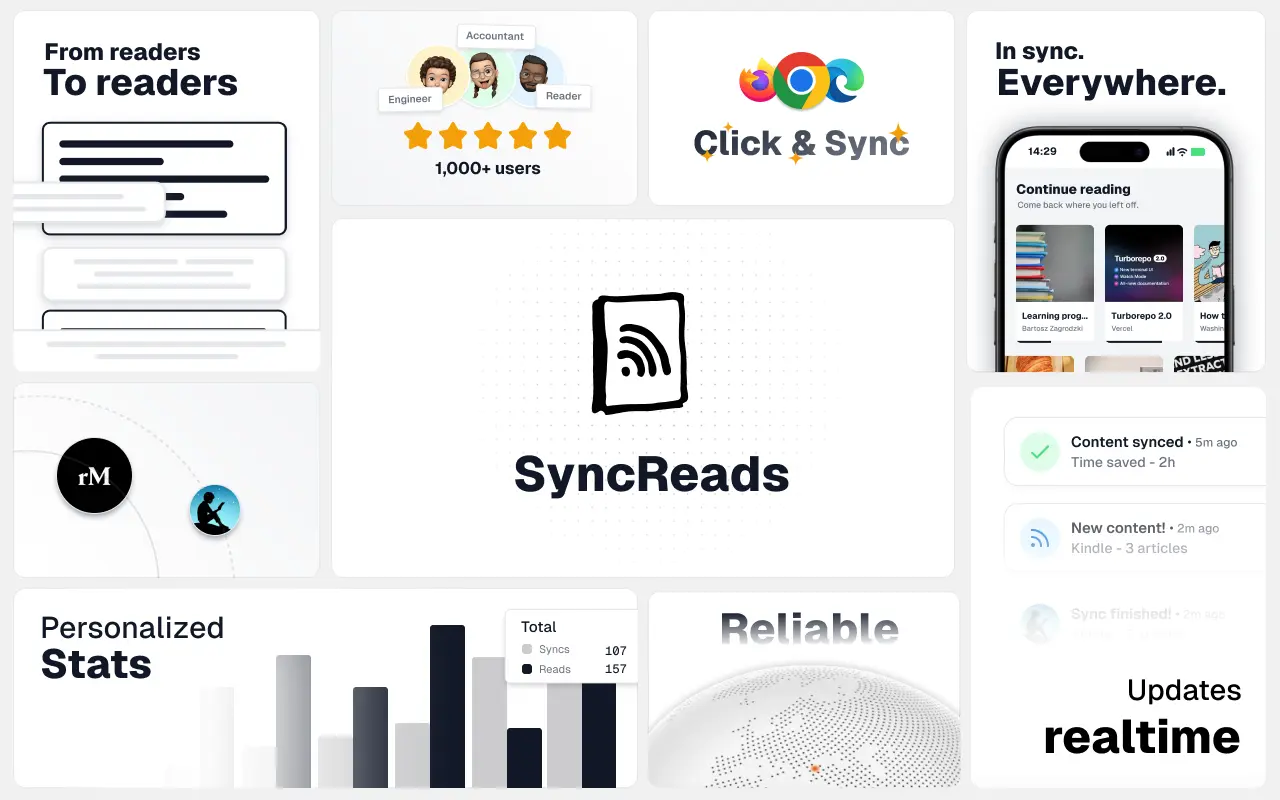
SyncReads
Sync your favorite content for distraction-free reading, save time and replace multiple apps. Anytime, anywhere 🔄
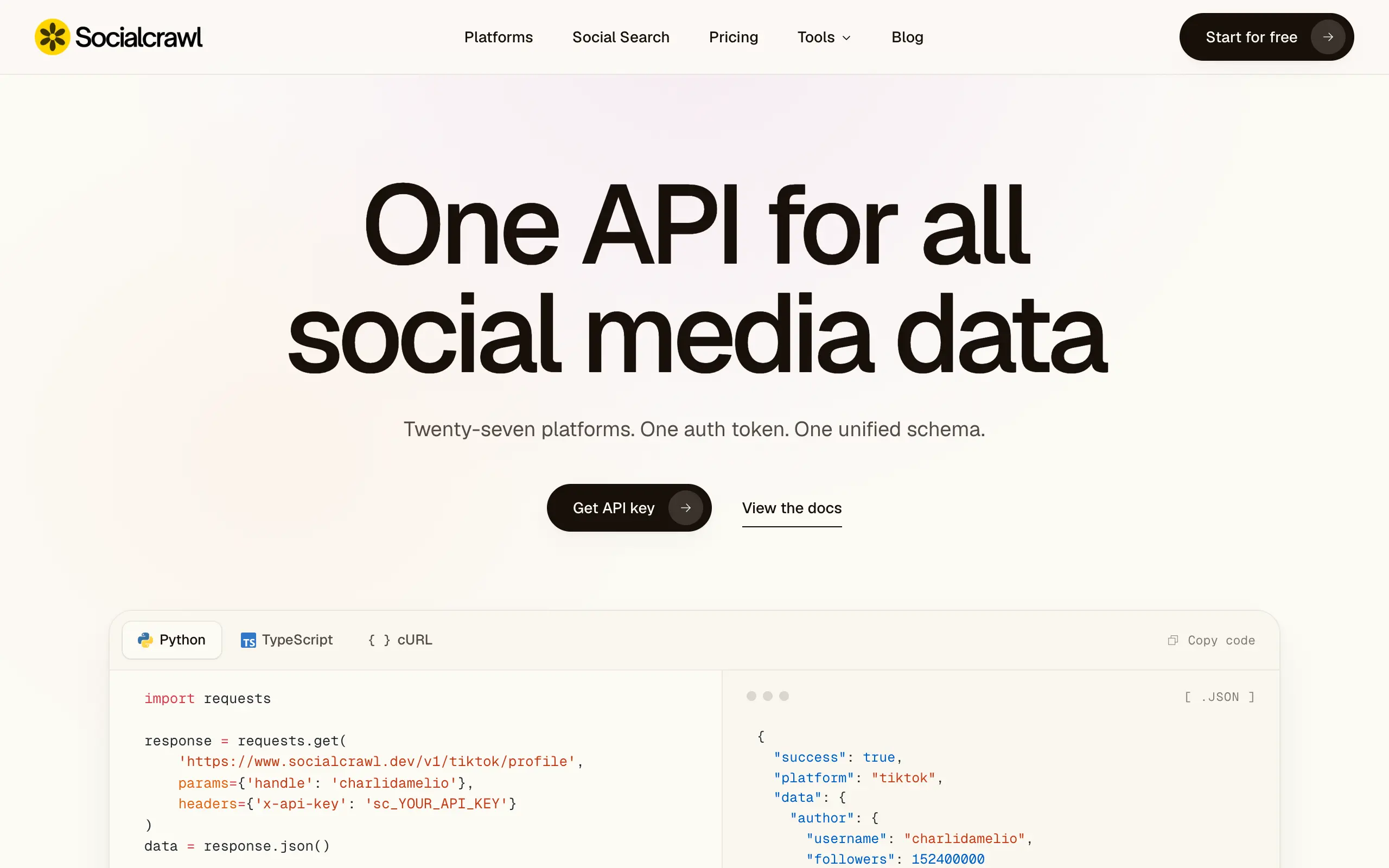
Socialcrawl
Get clean, structured data from 21 platforms like TikTok, Instagram, and YouTube with a single request 📊
Statiko
Monitor any Telegram channel in real time - track posts, edits, deletions, and growth with AI recaps 📡
Shibui
AI website builder - describe your business, pick a niche template, edit by chatting, and publish instantly ✨
Pro Service
Find verified home service professionals, compare quotes, and pay securely through escrow - built for Brazilians across the US 🏠
RankGrow
Fix your SEO with AI agents - connect Search Console, get prioritized tasks, and grow organic traffic 📈
SyncReads
Sync your favorite content for distraction-free reading, save time and replace multiple apps. Anytime, anywhere 🔄
Socialcrawl
Get clean, structured data from 21 platforms like TikTok, Instagram, and YouTube with a single request 📊
Statiko
Monitor any Telegram channel in real time - track posts, edits, deletions, and growth with AI recaps 📡
Shibui
AI website builder - describe your business, pick a niche template, edit by chatting, and publish instantly ✨
Pro Service
Find verified home service professionals, compare quotes, and pay securely through escrow - built for Brazilians across the US 🏠
RankGrow
Fix your SEO with AI agents - connect Search Console, get prioritized tasks, and grow organic traffic 📈
SyncReads
Sync your favorite content for distraction-free reading, save time and replace multiple apps. Anytime, anywhere 🔄
Socialcrawl
Get clean, structured data from 21 platforms like TikTok, Instagram, and YouTube with a single request 📊
Statiko
Monitor any Telegram channel in real time - track posts, edits, deletions, and growth with AI recaps 📡
Shibui
AI website builder - describe your business, pick a niche template, edit by chatting, and publish instantly ✨
Pro Service
Find verified home service professionals, compare quotes, and pay securely through escrow - built for Brazilians across the US 🏠
RankGrow
Fix your SEO with AI agents - connect Search Console, get prioritized tasks, and grow organic traffic 📈
SyncReads
Sync your favorite content for distraction-free reading, save time and replace multiple apps. Anytime, anywhere 🔄
Socialcrawl
Get clean, structured data from 21 platforms like TikTok, Instagram, and YouTube with a single request 📊
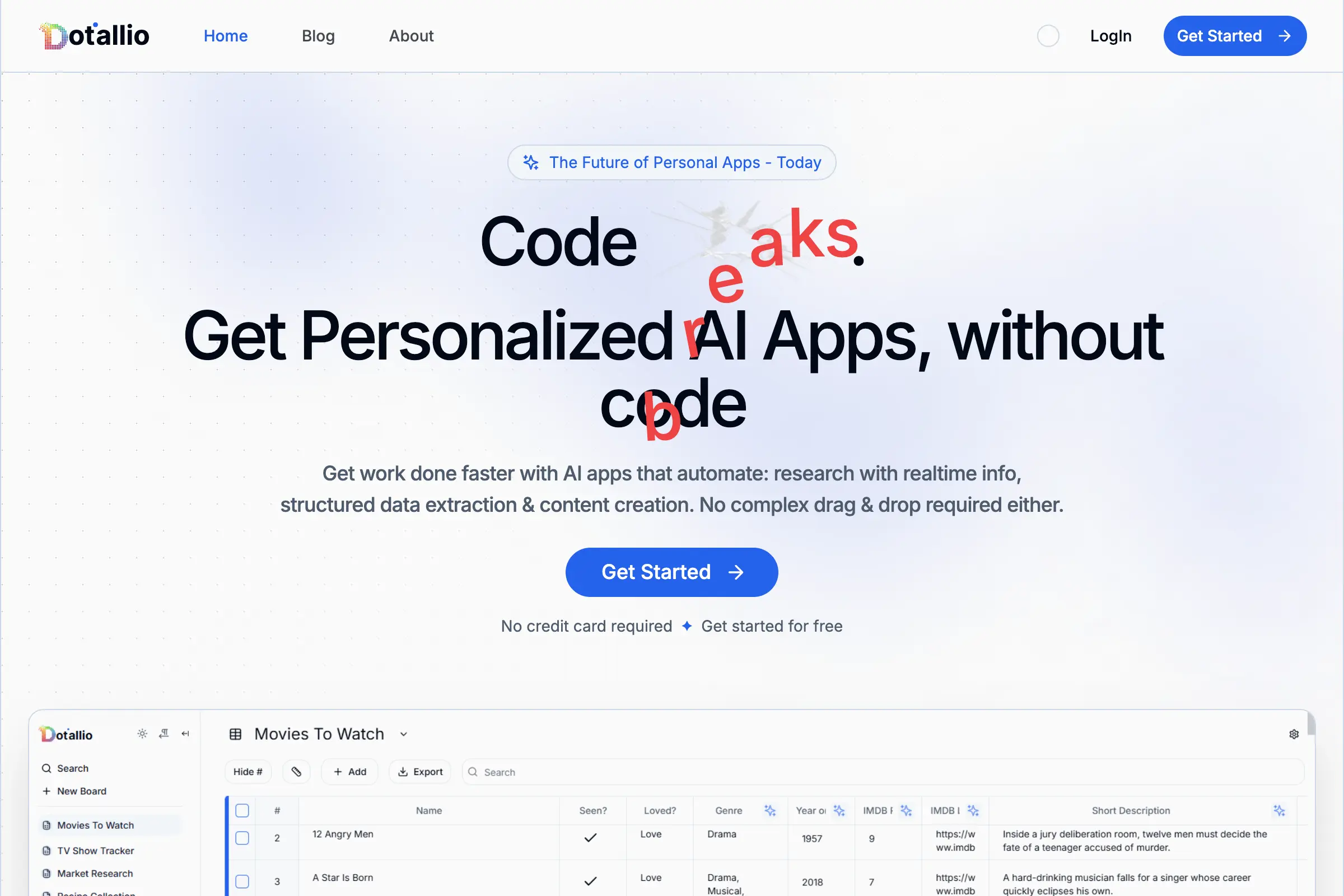
Dotallio
Personalized AI apps that automate research, data extraction, and content creation without code 🤖

Talk to Santa
Enjoy a magical live video chat or receive a unique AI-generated video greeting from Santa Claus 🎅

pozywka.pl
Scalable blog for food journalist, focused on performance and user experience 🌭
zagrodzki.me
Personal blog and portfolio of Bart Zagrodzki, where he shares his knowledge and work 💼
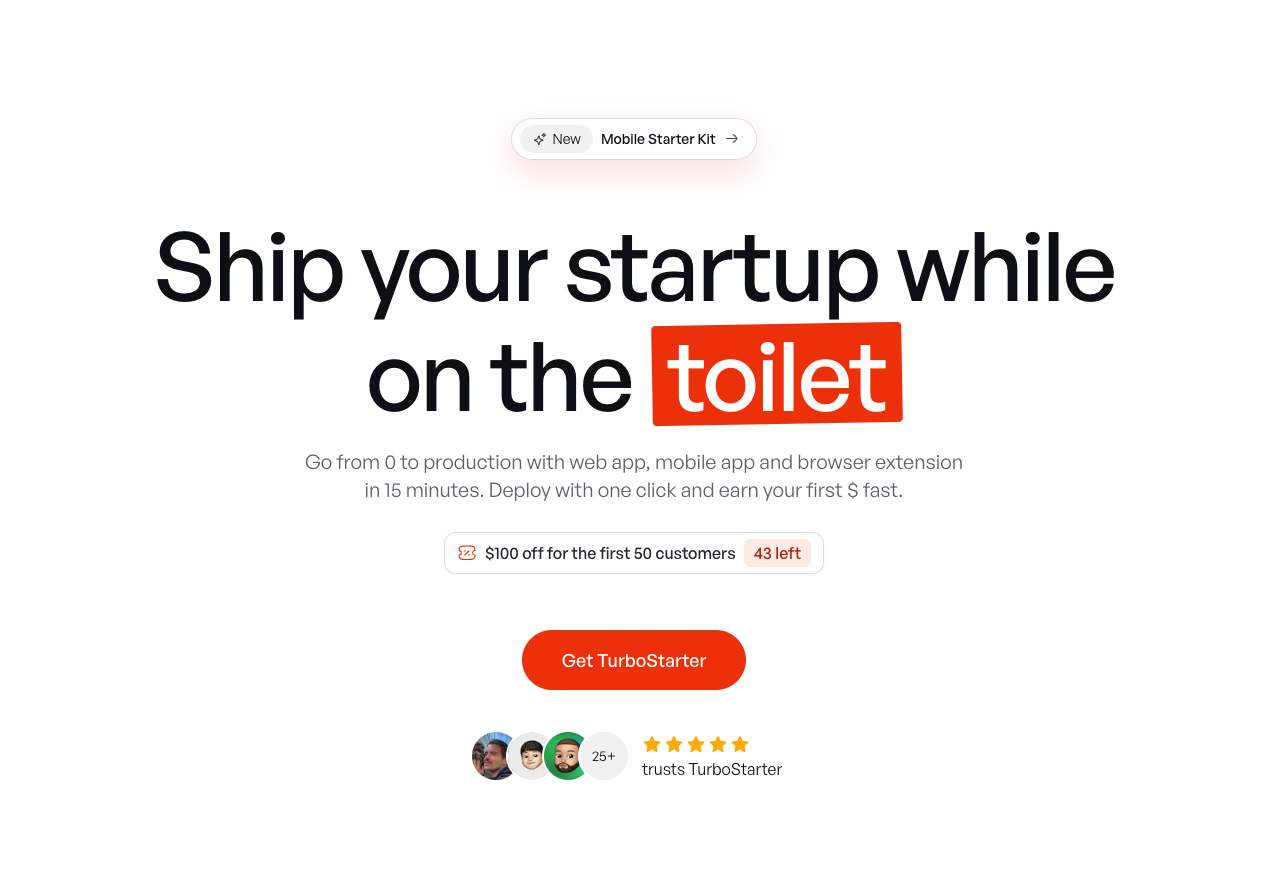
TurboStarter
Ship your startup everywhere. In minutes.
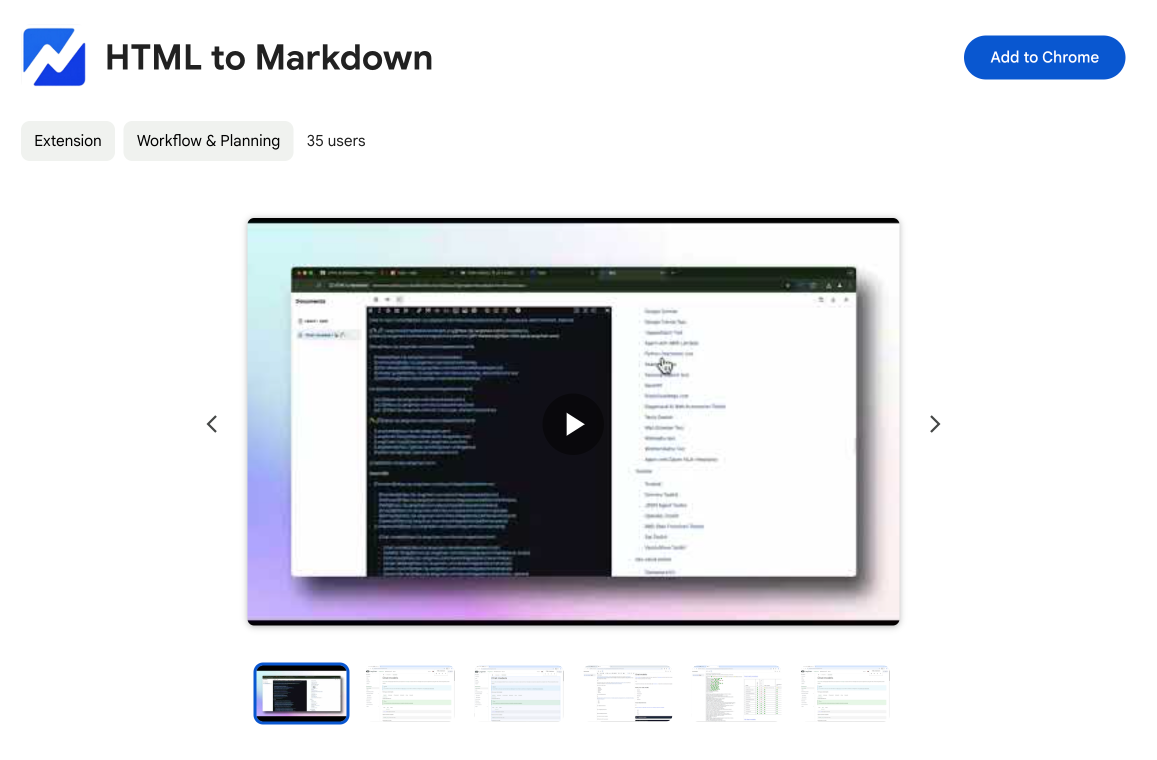
HTML to Markdown
Convert HTML to Markdown with ease, directly in your browser 📄
Dotallio
Personalized AI apps that automate research, data extraction, and content creation without code 🤖
Talk to Santa
Enjoy a magical live video chat or receive a unique AI-generated video greeting from Santa Claus 🎅
pozywka.pl
Scalable blog for food journalist, focused on performance and user experience 🌭
zagrodzki.me
Personal blog and portfolio of Bart Zagrodzki, where he shares his knowledge and work 💼
TurboStarter
Ship your startup everywhere. In minutes.
HTML to Markdown
Convert HTML to Markdown with ease, directly in your browser 📄
Dotallio
Personalized AI apps that automate research, data extraction, and content creation without code 🤖
Talk to Santa
Enjoy a magical live video chat or receive a unique AI-generated video greeting from Santa Claus 🎅
pozywka.pl
Scalable blog for food journalist, focused on performance and user experience 🌭
zagrodzki.me
Personal blog and portfolio of Bart Zagrodzki, where he shares his knowledge and work 💼
TurboStarter
Ship your startup everywhere. In minutes.
HTML to Markdown
Convert HTML to Markdown with ease, directly in your browser 📄
Dotallio
Personalized AI apps that automate research, data extraction, and content creation without code 🤖
Talk to Santa
Enjoy a magical live video chat or receive a unique AI-generated video greeting from Santa Claus 🎅
pozywka.pl
Scalable blog for food journalist, focused on performance and user experience 🌭
zagrodzki.me
Personal blog and portfolio of Bart Zagrodzki, where he shares his knowledge and work 💼
TurboStarter
Ship your startup everywhere. In minutes.
HTML to Markdown
Convert HTML to Markdown with ease, directly in your browser 📄
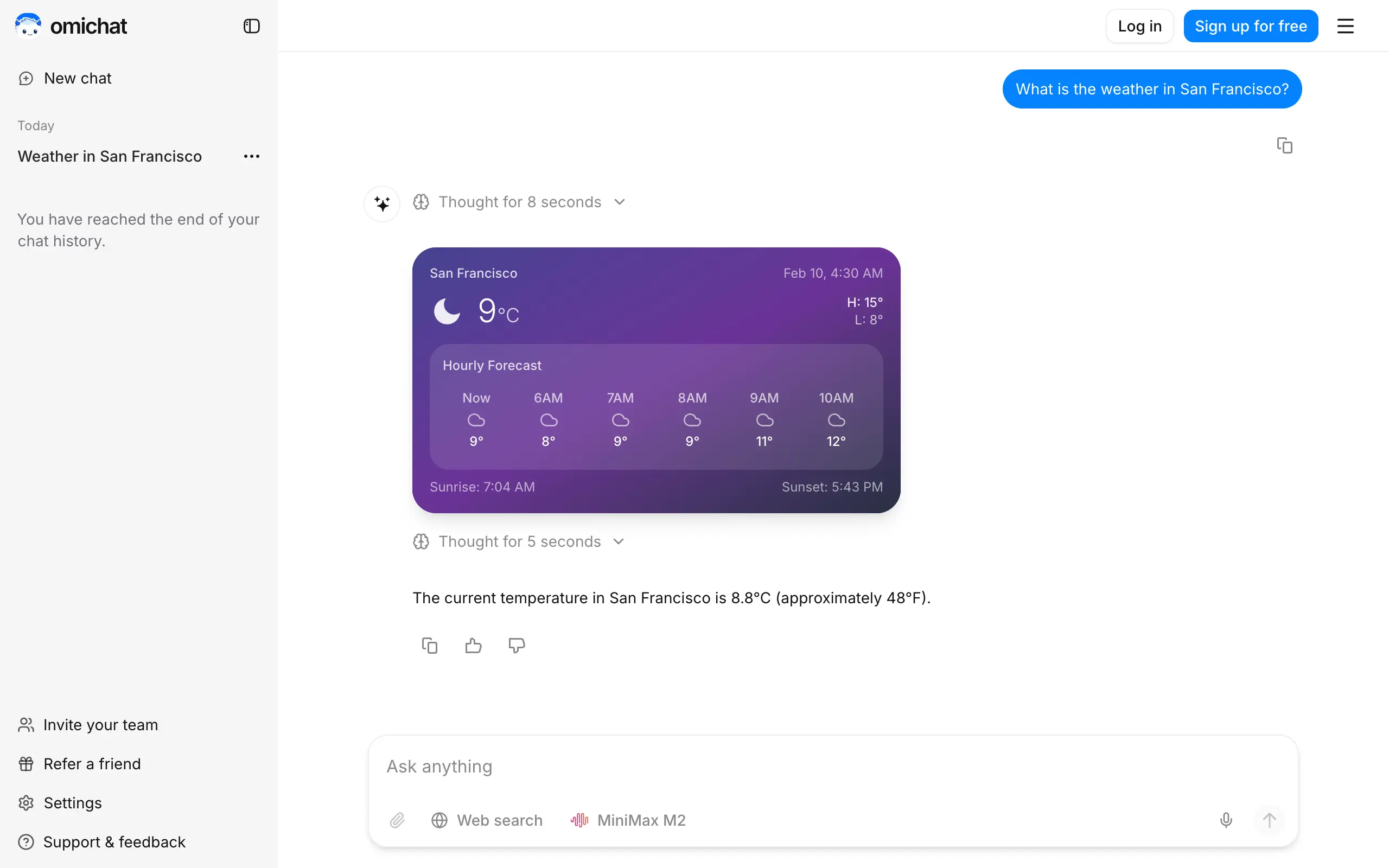
Omichat
Chat with 50+ AI models, including ChatGPT and Claude, in one place - switch models anytime without losing context 🤖
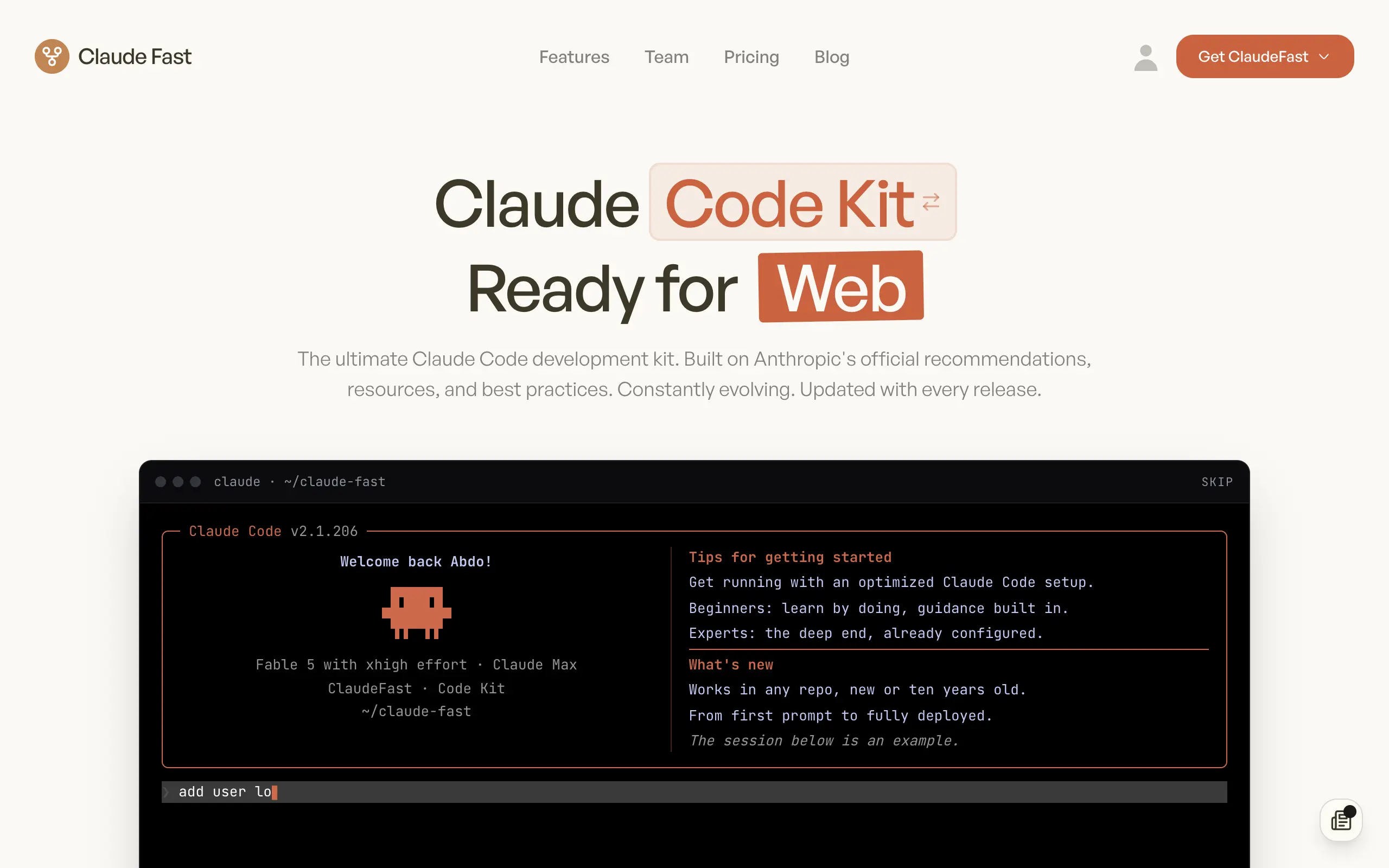
Claude Fast
Supercharge your Claude Code with 6x effective context window and specialized AI agents 🤖
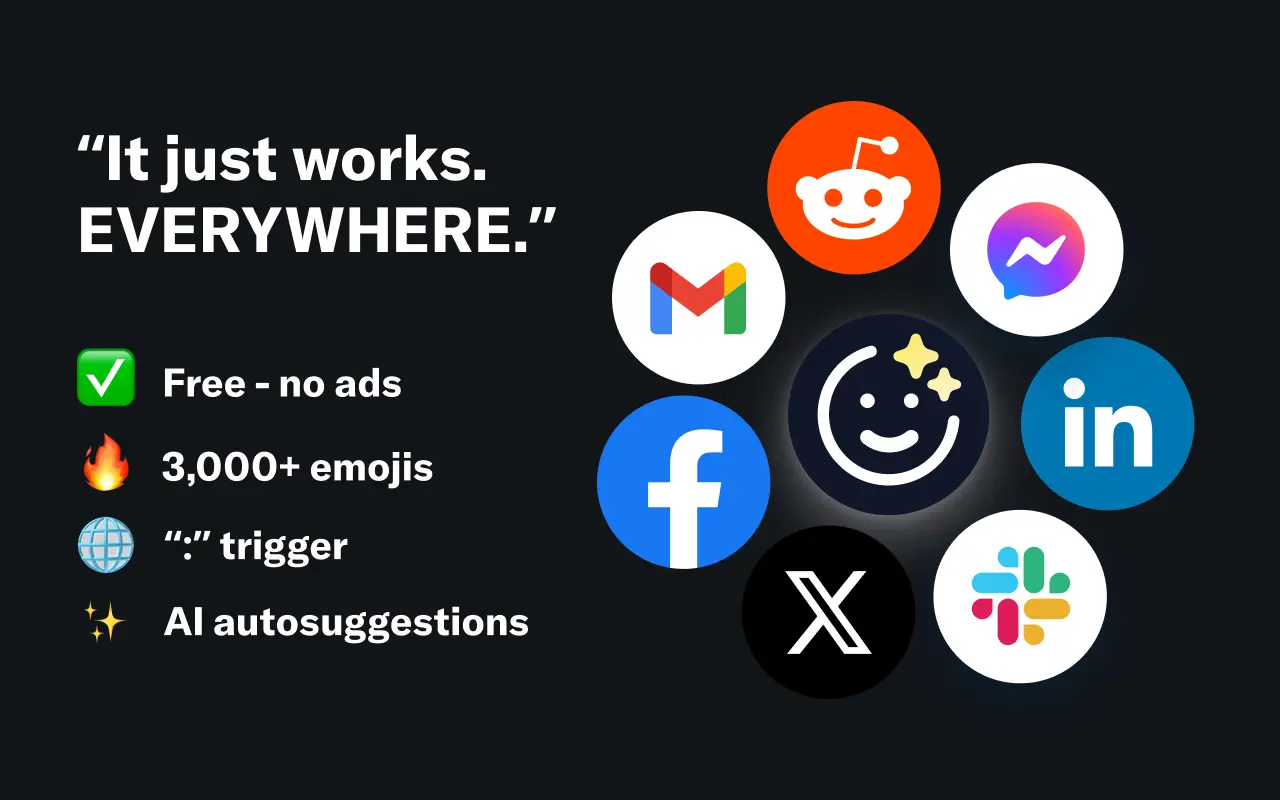
EmojAI
AI-powered emoji picker with smart, context-aware suggestions 🤖

Solohacker
Autonomous company launcher - AI agents work 24/7, escalate what matters, and you stay in control 🤖

BeRawi: Storytelling Coach
Practice storytelling daily with instant feedback to sound clearer, more engaging, and confident 🎤
Omichat
Chat with 50+ AI models, including ChatGPT and Claude, in one place - switch models anytime without losing context 🤖
Claude Fast
Supercharge your Claude Code with 6x effective context window and specialized AI agents 🤖
EmojAI
AI-powered emoji picker with smart, context-aware suggestions 🤖
Solohacker
Autonomous company launcher - AI agents work 24/7, escalate what matters, and you stay in control 🤖
BeRawi: Storytelling Coach
Practice storytelling daily with instant feedback to sound clearer, more engaging, and confident 🎤
Omichat
Chat with 50+ AI models, including ChatGPT and Claude, in one place - switch models anytime without losing context 🤖
Claude Fast
Supercharge your Claude Code with 6x effective context window and specialized AI agents 🤖
EmojAI
AI-powered emoji picker with smart, context-aware suggestions 🤖
Solohacker
Autonomous company launcher - AI agents work 24/7, escalate what matters, and you stay in control 🤖
BeRawi: Storytelling Coach
Practice storytelling daily with instant feedback to sound clearer, more engaging, and confident 🎤
Omichat
Chat with 50+ AI models, including ChatGPT and Claude, in one place - switch models anytime without losing context 🤖
Claude Fast
Supercharge your Claude Code with 6x effective context window and specialized AI agents 🤖
EmojAI
AI-powered emoji picker with smart, context-aware suggestions 🤖
Solohacker
Autonomous company launcher - AI agents work 24/7, escalate what matters, and you stay in control 🤖
BeRawi: Storytelling Coach
Practice storytelling daily with instant feedback to sound clearer, more engaging, and confident 🎤

Connect with like-minded people
Join our community to get feedback, support, and grow together with 1,000+ builders on board, let's ship it!
Join usShip your startup everywhere. In minutes.
Don't burn tokens on setup and start building features on day one.