AI-Driven Maintenance Scheduler
A SaaS platform for manufacturing plants that leverages AI to predict maintenance needs on production equipment, schedules downtime, auto-generates work orders, and optimizes technician allocation. It integrates with commonly used ERP and maintenance systems, reducing unexpected breakdowns and increasing production uptime. The core advantage is real-time predictive analytics using sensor data and maintenance logs to minimize disruptions.
Understanding the need for an AI-driven maintenance scheduler in manufacturing
Manufacturing plants are the lifeblood of global industry, where efficiency, reliability, and uptime directly impact profitability and competitiveness. Yet, even as digital transformation sweeps the sector, many facilities remain burdened by reactive maintenance approaches—fixing equipment after it breaks. This reactive stance leads to unplanned downtime, high costs, and unpredictable resource allocation.
An AI-driven maintenance scheduler fundamentally changes this paradigm. By leveraging artificial intelligence to predict maintenance needs, automatically schedule downtime, generate work orders, and optimize technician assignments, manufacturers can reduce unexpected equipment failures and maximize production output. For today's data-driven, lean-focused operations leaders, the promise of real-time predictive analytics applied to maintenance processes is a potential game-changer.
This article offers a deep dive into the AI-driven maintenance scheduler SaaS opportunity, examining its benefits, the market landscape, technology stack, monetization, risks, competitive positioning, and actionable steps to effective implementation.
Target audience analysis: who benefits from an AI-driven maintenance scheduler?
The primary users and buyers for an AI-driven maintenance scheduler reside in the industrial and manufacturing sectors, particularly those operating medium to large-scale facilities with complex, asset-intensive production lines.
Key audience segments:
- Operations managers & plant managers: Responsible for equipment availability, maintenance workflow, and uptime metrics.
- Maintenance supervisors & technicians: Tasked with planned and unplanned maintenance activities, resource scheduling, and reporting.
- IT and digital transformation leaders: Oversee technology adoption, integration with ERP and EAM (Enterprise Asset Management) systems, and data security.
- COOs and operations directors: Focused on maximizing efficiency, minimizing costs, and driving continuous improvement.
Pain points addressed:
- Unexpected production halts due to equipment failure
- Inefficient manual scheduling and resource allocation
- Limited visibility into real-time asset health
- Difficulty integrating maintenance data with broader ERP systems
- High overtime or contractor costs due to rushed breakdown response
- Poor tracking of maintenance history and its impact on asset lifespan
Buyer motivation and decision factors:
- Proven potential for ROI via reduced downtime and extended equipment life
- Smooth integration with existing ERP, CMMS, or EAM systems
- User-friendly dashboards for insights and reporting
- Compliance with industry safety and data regulations
- Demonstrated expertise and reliability from the SaaS provider
Market opportunity and gap analysis
Current maintenance landscape in manufacturing
Despite advancements in sensors and connectivity (IIoT), many plants still rely on preventive or even reactive maintenance schedules:
- Preventive: Scheduled maintenance at set intervals, regardless of actual equipment health, often wasting resources.
- Reactive: Maintenance only after failure, leading to costly downtime and secondary damage.
Emerging maintenance strategies include predictive maintenance, where sensors, historical data, and AI predict when intervention is needed, allowing facilities to optimize both cost and reliability. However, few solutions automate the full workflow—from prediction to scheduling, technician assignment, and work order creation.
Industry insight
According to a recent Deloitte report, predictive maintenance can reduce maintenance costs by 10-40% and unplanned downtime by 50% or more.
Market gaps addressed by the AI-driven maintenance scheduler
- End-to-end automation: Automating the entire process, not just prediction, fills a critical integration gap.
- Real-time, multi-source data analytics: Many current tools lack seamless integration of sensor (IoT) data and historical maintenance logs.
- Smart technician allocation: Few platforms optimize technician schedules based on current workloads, skills, location, and priority.
- Seamless ERP/EAM integration: True interoperability with leading platforms (SAP, Oracle, Infor, etc.) remains rare but vital.
- User-driven insights: Instant reporting, easy-to-configure dashboards, and actionable intelligence help gain user adoption.
Market size: The global predictive maintenance market in manufacturing is estimated to reach billions by the mid-2020s (report suggestion for reference). Driven by digital transformation incentives, cost-saving pressures, and chronic skilled labor shortages, this is a growth segment for SaaS innovation.
Core features and SaaS solution overview
An effective AI-driven maintenance scheduler delivers a tightly integrated, user-centric platform. Below are the essential features and technical strengths that differentiate a best-in-class solution.
1. Predictive analytics engine
- Sensor integration: Live data collection from vibration, temperature, pressure, and other industrial sensors.
- AI/ML-powered prediction: Models trained on both real-time sensor inputs and historical maintenance logs to forecast equipment failure or degradation.
- Customizable thresholds: Users can fine-tune alert parameters per asset.
2. Automated maintenance scheduling
- Dynamic downtime planning: Suggests optimal windows for maintenance to minimize production impact.
- Work order auto-generation: Automatically creates detailed work orders, including required parts and tools, based on predicted needs.
- Auto-prioritization: Ranks tasks by urgency, asset criticality, and production schedules.
3. Technician allocation optimization
- Skill-based assignment: Allocates work orders to technicians with the appropriate skills and availability.
- Workload balancing: Considers current and upcoming assignments to prevent overloading any team member.
- Mobile access: Technicians can receive, update, and complete jobs via mobile devices, improving responsiveness.
4. Integration with ERP/EAM/CMMS platforms
- Plug-and-play connectors: Prebuilt integrations for major enterprise platforms (e.g., SAP, Oracle, IBM Maximo, Infor).
- Data sync: Real-time two-way synchronization of asset data, schedules, and completed work orders.
- API extensibility: Custom APIs for less-common or legacy systems.
5. Reporting, insights, and continuous improvement
- Dashboards: Visualize maintenance KPIs, machine health trends, downtime analytics, and technician productivity.
- Automated recommendations: AI-driven suggestions for further optimization (e.g., inventory adjustments, preventive actions).
- Regulation compliance: Tracks maintenance for audits and safety reporting, supporting ISO and other standards.
6. Security, compliance, and reliability
- Role-based access control
- Data encryption in transit and at rest
- Compliance with relevant industrial and IT regulations
Predictive analytics
AI models analyze sensor data to forecast failures before they happen.
Automated scheduling
End-to-end automation from prediction to planned maintenance and work order creation.
Technician optimization
Smart allocation tools boost workforce productivity and reduce bottlenecks.
ERP/EAM integration
Out-of-the-box connectors and robust APIs ensure seamless system interoperability.
Recommended tech stack: balancing scalability, AI, and interoperability
Building an AI-driven SaaS for manufacturing requires careful technology selection to ensure scalability, real-time analytics, and secure system integration.
Core backend and AI infrastructure
- Python for machine learning and predictive analytics (rich ecosystem: scikit-learn, TensorFlow, PyTorch)
- Node.js or Go for scalable API and scheduling logic
- FastAPI (FastAPI) or Express (Express) for RESTful APIs
Data ingestion & real-time processing
- Apache Kafka (Kafka) or RabbitMQ (RabbitMQ) for event streaming from sensors
- Time-series databases—such as InfluxDB (InfluxDB) or TimescaleDB (TimescaleDB)—to store telemetry and asset health data
Frontend and user experience
- React (React) with TypeScript for robust, component-based UIs
- TailwindCSS (TailwindCSS) for rapid, consistent styling
- Mobile app options: React Native (React Native) or Flutter (Flutter) for cross-platform technician apps
Integrations and extensibility
- GraphQL (GraphQL) for flexible data queries and ERP/EAM system integration
- REST APIs for broad, standards-based interoperability
Security and compliance
- OAuth2 and SSO for identity and access management
- End-to-end encryption (HTTPS everywhere; data at rest and in transit)
Key trade-offs to consider:
- Python is ideal for AI, but Node.js/Go can deliver faster, non-blocking scheduling logic.
- Kafka scales for massive real-time data, but may be overkill for smaller installations.
- GraphQL offers flexibility, while classic REST APIs deliver easier initial interoperability.
Monetization strategies: maximizing value for manufacturers
1. Subscription-based pricing
- Per-site or per-facility tiered plans (based on asset count, sensor data volume, or feature set)
- Annual contracts with discounts over monthly payments
2. Usage-based pricing
- Metered pricing for data processed, number of assets monitored, or scheduled work orders
- Add-on features: Advanced AI modules or real-time mobile apps as premium upgrades
3. Integration and implementation services
- Setup and integration fees for custom ERP/EAM connector development
- Professional onboarding and training packages
4. Support and service tiers
- Standard and premium support (differentiated by SLA response times, dedicated account managers, etc.)
Best approach: A hybrid subscription + usage-based model aligns customer costs with realized value while enabling upsell opportunities for larger fleets, advanced modules, or white-glove service.
Potential risks and mitigation strategies
Launching and scaling an AI-driven maintenance scheduler involves technical, operational, and market-facing risks.
Many plants operate a mix of legacy and new systems. Use standards-based APIs, prebuilt connectors, and offer flexible integration support. Early discovery & tailored onboarding mitigate integration delays.
AI models must remain reliable across diverse environments. Adopt continuous learning loops, enable easy user feedback on predictions, and provide transparency in algorithm logic.
Technicians may be resistant to automated workflows. Invest in user-friendly design, extensive training, and pilot programs with clear, visible wins.
Industrial data is sensitive. Prioritize security-first architecture, obtain relevant certifications (ISO 27001, SOC 2), and conduct regular audits.
Market leaders may attempt to replicate features. Build strong customer relationships, focus on continual innovation, and highlight unique integration and automation benefits.
Competitive advantage analysis
Understanding the SaaS competitive landscape is essential to finding market fit and long-term success. Here's how the AI-driven maintenance scheduler stands out:
| Feature | Legacy CMMS | Other AI Tools | Manual Methods | AI-driven Scheduler |
|---|---|---|---|---|
| Predictive analytics | ❌ | ✅ | ❌ | ✅ |
| Auto-scheduling | ❌ | ❌ | ❌ | ✅ |
| Technician optimization | ❌ | ❌ | ❌ | ✅ |
| ERP/EAM integration | ✅ | ❌ | ❌ | ✅ |
| User-friendly dashboards | ❌ | ✅ | ❌ | ✅ |
Unique selling propositions (USPs):
- Truly end-to-end workflow: Not just predictive maintenance, but fully automated scheduling, technician dispatch, and reporting.
- Industry-leading integrations: Pre-built ERP/EAM connectors position the platform for real, scalable adoption.
- Continuous AI adaptation: Self-improving models ensure ongoing accuracy, even as equipment ages or production shifts.
- Rapid time-to-value: Manufacturers realize ROI faster with minimal disruption to existing processes.
Implementation steps: how to launch an ai-driven maintenance scheduler
Moving from concept to a fully-deployed, value-delivering SaaS requires a clear, actionable roadmap.
Discovery and requirements gathering: Conduct site visits or virtual workshops to deeply understand current maintenance workflows, integration needs, and KPIs.
MVP development: Build a proof-of-concept using synthetic or limited real sensor data. Prioritize the predictive analytics engine, automated scheduling, and basic technician assignment modules.
Integration pilots: Establish connections with leading ERP/EAM platforms; conduct pilot integrations at a willing client site to validate data exchange and user experience.
Iterative AI training: Deploy continuous improvement pipelines to refine failure prediction accuracy based on new operational data and user feedback.
User experience refinement: Undertake thorough UX/UI testing with plant managers and technicians; incorporate feature requests (e.g., custom dashboards, mobile alerts).
Go-to-market launch: Offer pilot deployments with clear cost/ROI projections, flexible contract terms, and robust onboarding/training support.
Scale and expand: Add industry-specific features, new integration options, and advanced reporting as feedback and market demands evolve.
Sample code: lightweight predictive scheduling with Python and FastAPI
To illustrate a simplified scheduling logic, here's an example of using Python for AI-based maintenance predictions and FastAPI for serving real-time recommendations.
import datetime
from fastapi import FastAPI
from typing import List

app = FastAPI()

# Dummy data: sensor readings and example ML function
def predict_failure(sensor_data) -> float:
    # Placeholder for ML model prediction
    return 0.85 if sensor_data['vibration'] > 0.7 else 0.15

@app.post("/predict_schedule/")
def recommend_maintenance_schedule(
    asset_id: str,
    sensor_data: dict,
    maintenance_windows: List[dict]
):
    risk = predict_failure(sensor_data)
    if risk > 0.8:
        schedule = next(
            (window for window in maintenance_windows if window['available']),
            {"time": "No window available"}
        )
        return {"asset_id": asset_id, "schedule": schedule}
    else:
        return {"asset_id": asset_id, "schedule": "Defer maintenance"}
This pattern can be extended to interface with the full AI stack, multi-asset orchestration, and integration APIs as discussed in the tech stack section.
Actionable next steps and conclusion
The industrial sector is moving rapidly toward intelligent, automated maintenance management. By adopting an AI-driven maintenance scheduler, manufacturing plants can significantly reduce downtime, optimize maintenance staff, and realize measurable ROI. Competitive success depends on robust integrations, AI transparency, and a relentless focus on user experience.
Key recommendations:
- Engage early with plant leadership and technicians to ensure buy-in and accurate requirements.
- Leverage the latest advances in AI/ML, IIoT, and scalable cloud infrastructure to deliver rapid, reliable predictions.
- Prioritize seamless ERP/EAM integrations and security certifications up front.
- Prepare to iterate: continuous feedback and model refinement drive value over the long term.
- For fast prototyping, consider starting with an industrial SaaS launcher like TurboStarter, which accelerates secure, integration-ready deployments.
By bridging predictive analytics with automated maintenance workflows, the AI-driven maintenance scheduler SaaS platform offers a compelling proposition for manufacturers seeking digital edge, reliability, and cost savings in an ever-more competitive landscape.
More 🏢 B2B Application SaaS ideas
Discover more innovative b2b application SaaS ideas that are trending in 2026. Each idea is AI-generated with market validation and growth potential to help you find your next profitable venture faster than competitors.
Your competitors are building with TurboStarter
Below are some of the SaaS ideas that have been generated and built with our starter kit.
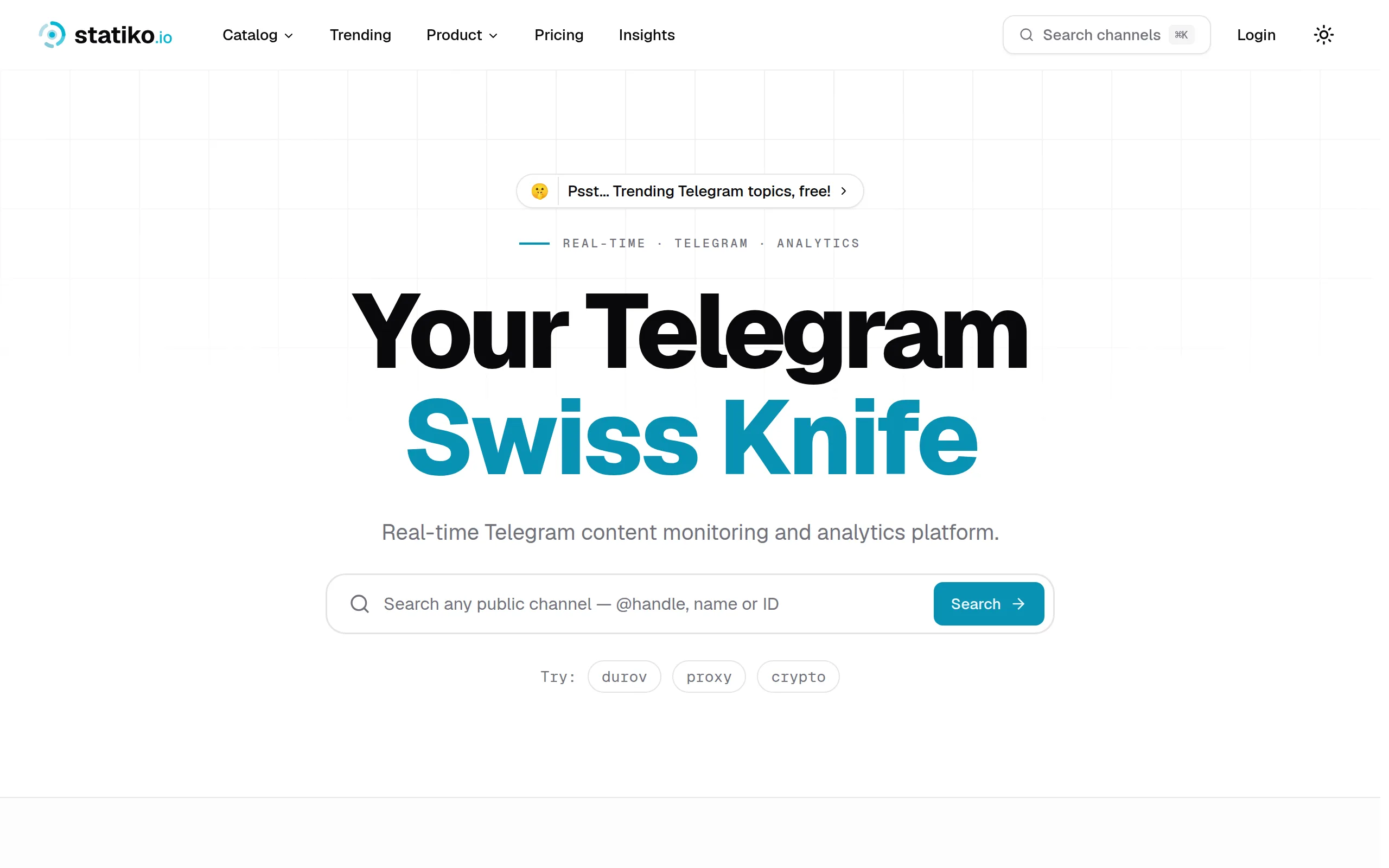
Statiko
Monitor any Telegram channel in real time - track posts, edits, deletions, and growth with AI recaps 📡

Shibui
AI website builder - describe your business, pick a niche template, edit by chatting, and publish instantly ✨

Pro Service
Find verified home service professionals, compare quotes, and pay securely through escrow - built for Brazilians across the US 🏠
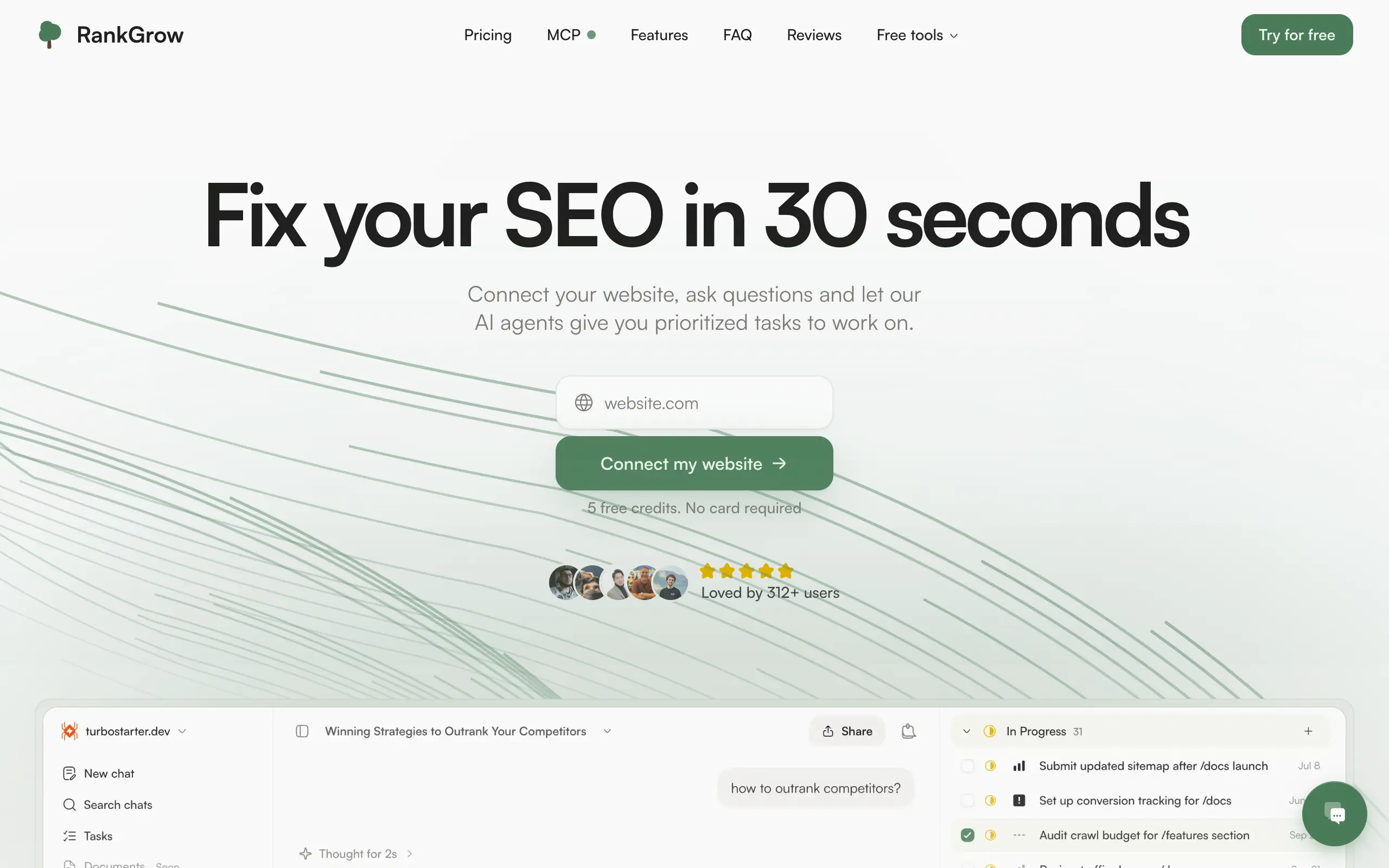
RankGrow
Fix your SEO with AI agents - connect Search Console, get prioritized tasks, and grow organic traffic 📈
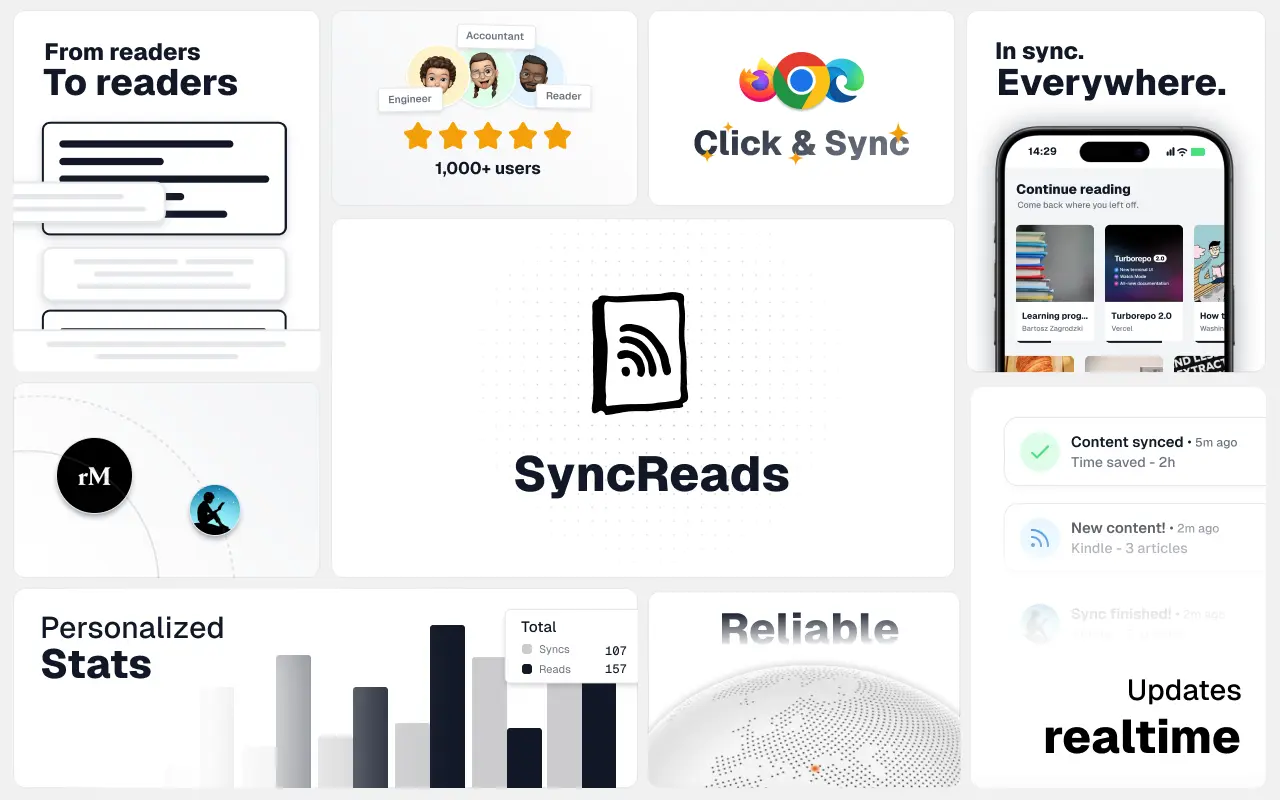
SyncReads
Sync your favorite content for distraction-free reading, save time and replace multiple apps. Anytime, anywhere 🔄
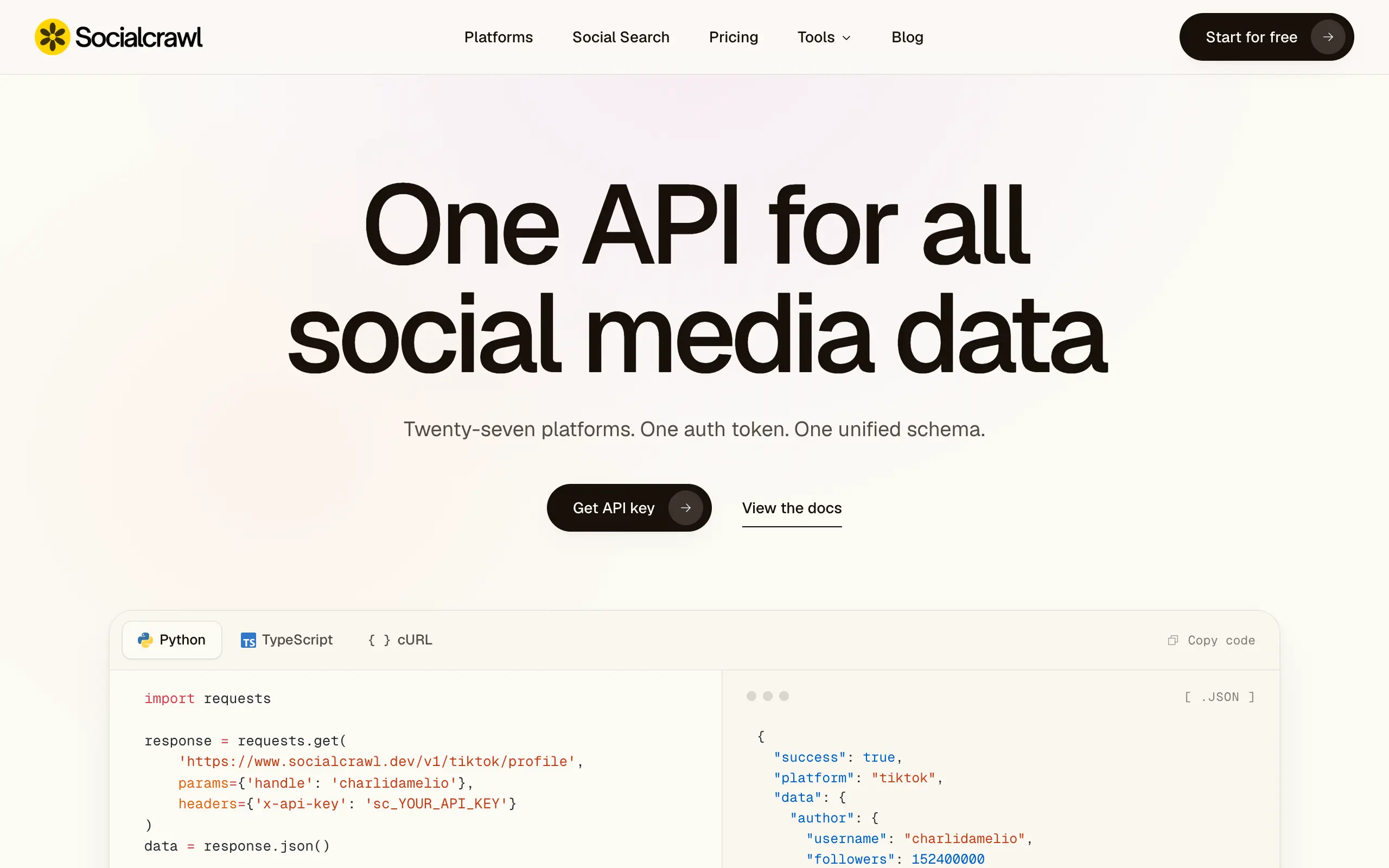
Socialcrawl
Get clean, structured data from 21 platforms like TikTok, Instagram, and YouTube with a single request 📊
Statiko
Monitor any Telegram channel in real time - track posts, edits, deletions, and growth with AI recaps 📡
Shibui
AI website builder - describe your business, pick a niche template, edit by chatting, and publish instantly ✨
Pro Service
Find verified home service professionals, compare quotes, and pay securely through escrow - built for Brazilians across the US 🏠
RankGrow
Fix your SEO with AI agents - connect Search Console, get prioritized tasks, and grow organic traffic 📈
SyncReads
Sync your favorite content for distraction-free reading, save time and replace multiple apps. Anytime, anywhere 🔄
Socialcrawl
Get clean, structured data from 21 platforms like TikTok, Instagram, and YouTube with a single request 📊
Statiko
Monitor any Telegram channel in real time - track posts, edits, deletions, and growth with AI recaps 📡
Shibui
AI website builder - describe your business, pick a niche template, edit by chatting, and publish instantly ✨
Pro Service
Find verified home service professionals, compare quotes, and pay securely through escrow - built for Brazilians across the US 🏠
RankGrow
Fix your SEO with AI agents - connect Search Console, get prioritized tasks, and grow organic traffic 📈
SyncReads
Sync your favorite content for distraction-free reading, save time and replace multiple apps. Anytime, anywhere 🔄
Socialcrawl
Get clean, structured data from 21 platforms like TikTok, Instagram, and YouTube with a single request 📊
Statiko
Monitor any Telegram channel in real time - track posts, edits, deletions, and growth with AI recaps 📡
Shibui
AI website builder - describe your business, pick a niche template, edit by chatting, and publish instantly ✨
Pro Service
Find verified home service professionals, compare quotes, and pay securely through escrow - built for Brazilians across the US 🏠
RankGrow
Fix your SEO with AI agents - connect Search Console, get prioritized tasks, and grow organic traffic 📈
SyncReads
Sync your favorite content for distraction-free reading, save time and replace multiple apps. Anytime, anywhere 🔄
Socialcrawl
Get clean, structured data from 21 platforms like TikTok, Instagram, and YouTube with a single request 📊
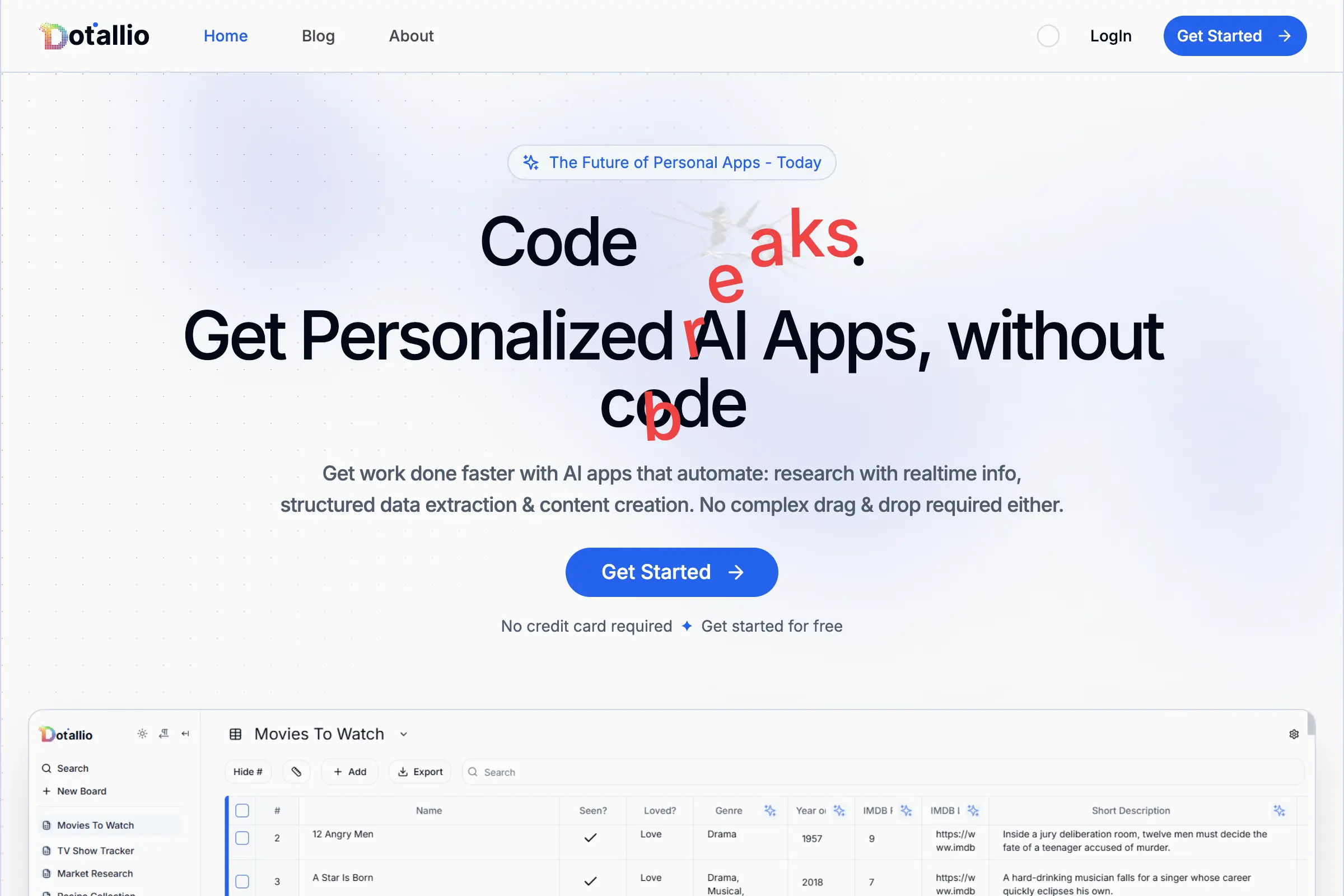
Dotallio
Personalized AI apps that automate research, data extraction, and content creation without code 🤖

Talk to Santa
Enjoy a magical live video chat or receive a unique AI-generated video greeting from Santa Claus 🎅

pozywka.pl
Scalable blog for food journalist, focused on performance and user experience 🌭
zagrodzki.me
Personal blog and portfolio of Bart Zagrodzki, where he shares his knowledge and work 💼
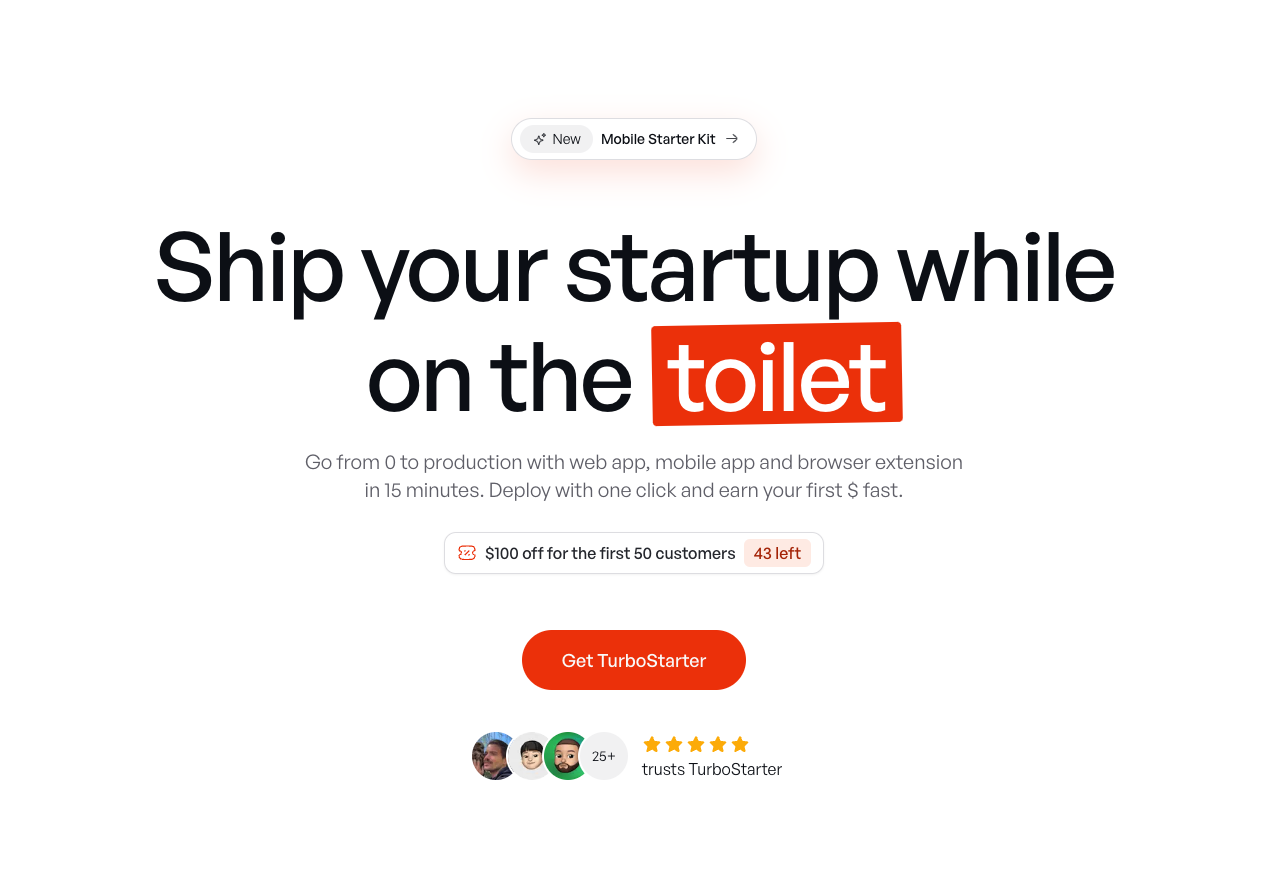
TurboStarter
Ship your startup everywhere. In minutes.
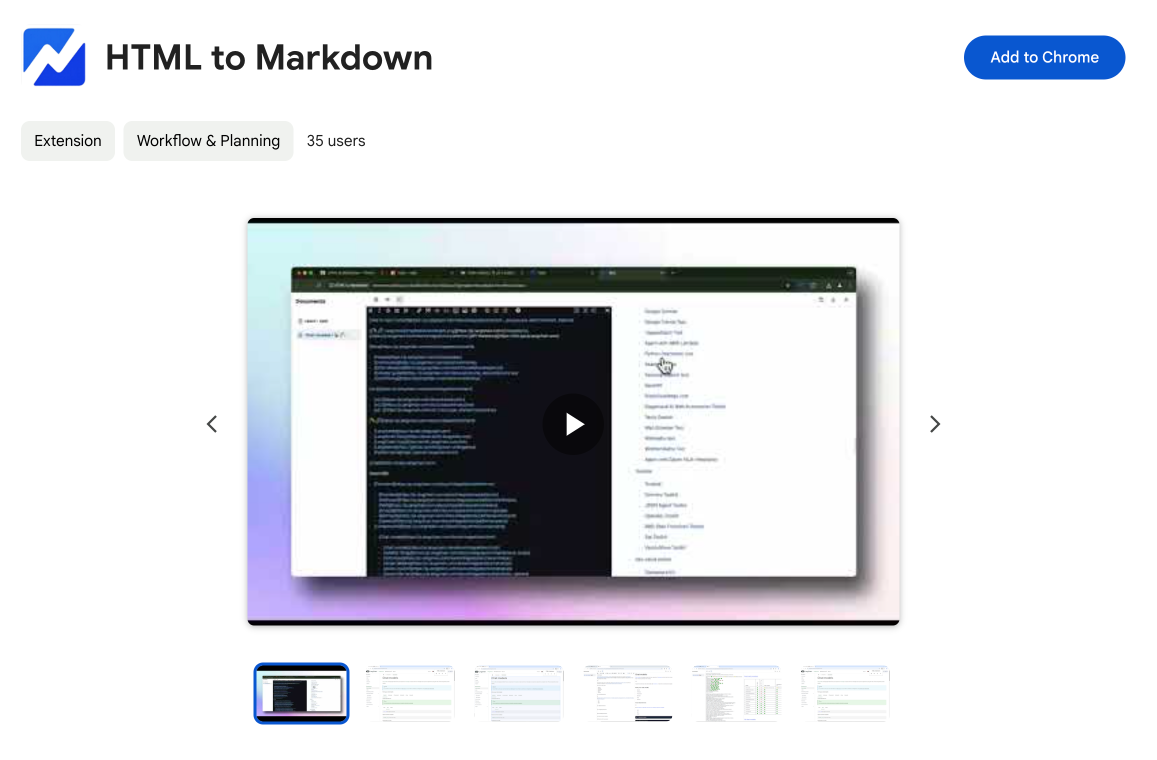
HTML to Markdown
Convert HTML to Markdown with ease, directly in your browser 📄
Dotallio
Personalized AI apps that automate research, data extraction, and content creation without code 🤖
Talk to Santa
Enjoy a magical live video chat or receive a unique AI-generated video greeting from Santa Claus 🎅
pozywka.pl
Scalable blog for food journalist, focused on performance and user experience 🌭
zagrodzki.me
Personal blog and portfolio of Bart Zagrodzki, where he shares his knowledge and work 💼
TurboStarter
Ship your startup everywhere. In minutes.
HTML to Markdown
Convert HTML to Markdown with ease, directly in your browser 📄
Dotallio
Personalized AI apps that automate research, data extraction, and content creation without code 🤖
Talk to Santa
Enjoy a magical live video chat or receive a unique AI-generated video greeting from Santa Claus 🎅
pozywka.pl
Scalable blog for food journalist, focused on performance and user experience 🌭
zagrodzki.me
Personal blog and portfolio of Bart Zagrodzki, where he shares his knowledge and work 💼
TurboStarter
Ship your startup everywhere. In minutes.
HTML to Markdown
Convert HTML to Markdown with ease, directly in your browser 📄
Dotallio
Personalized AI apps that automate research, data extraction, and content creation without code 🤖
Talk to Santa
Enjoy a magical live video chat or receive a unique AI-generated video greeting from Santa Claus 🎅
pozywka.pl
Scalable blog for food journalist, focused on performance and user experience 🌭
zagrodzki.me
Personal blog and portfolio of Bart Zagrodzki, where he shares his knowledge and work 💼
TurboStarter
Ship your startup everywhere. In minutes.
HTML to Markdown
Convert HTML to Markdown with ease, directly in your browser 📄
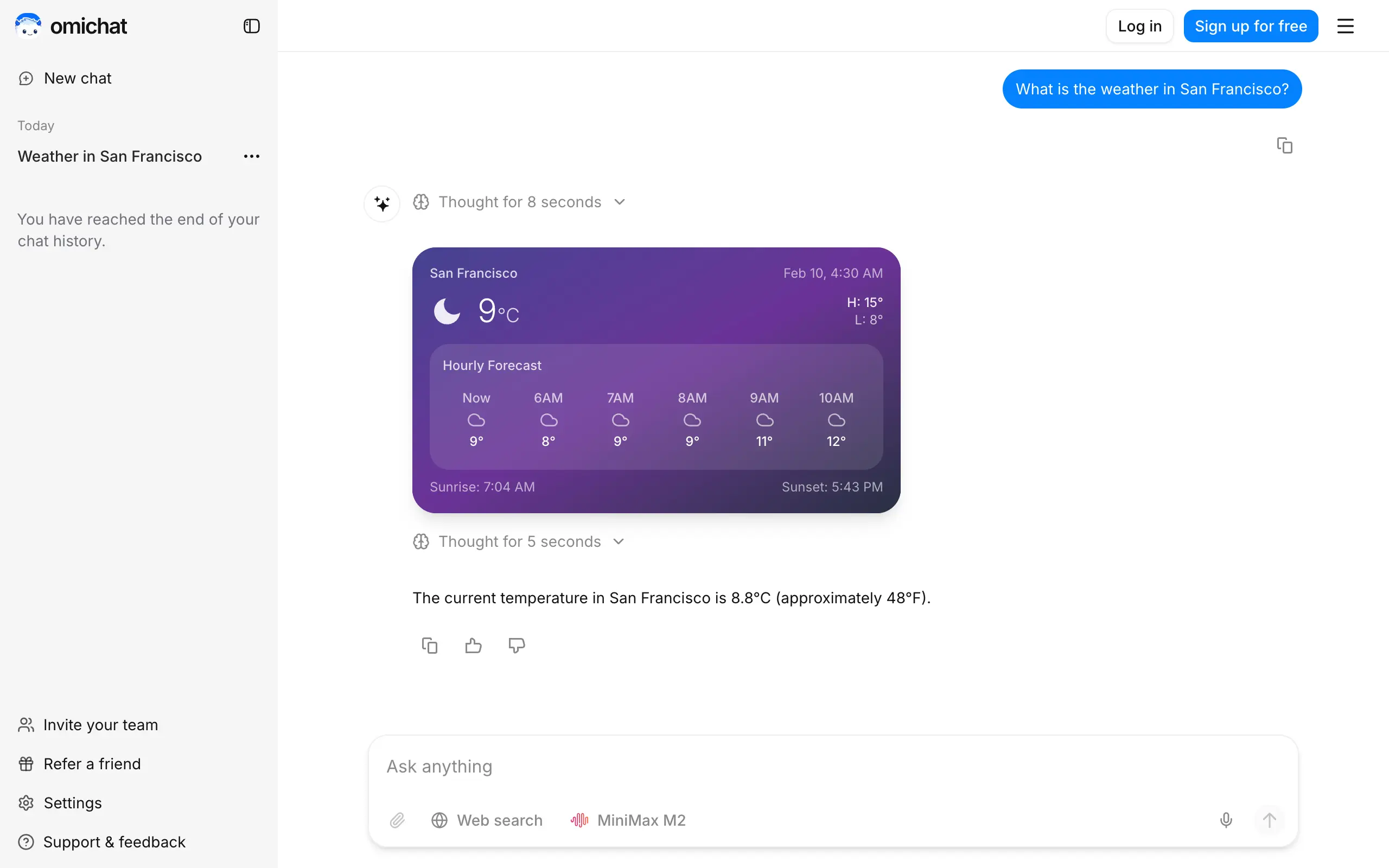
Omichat
Chat with 50+ AI models, including ChatGPT and Claude, in one place - switch models anytime without losing context 🤖
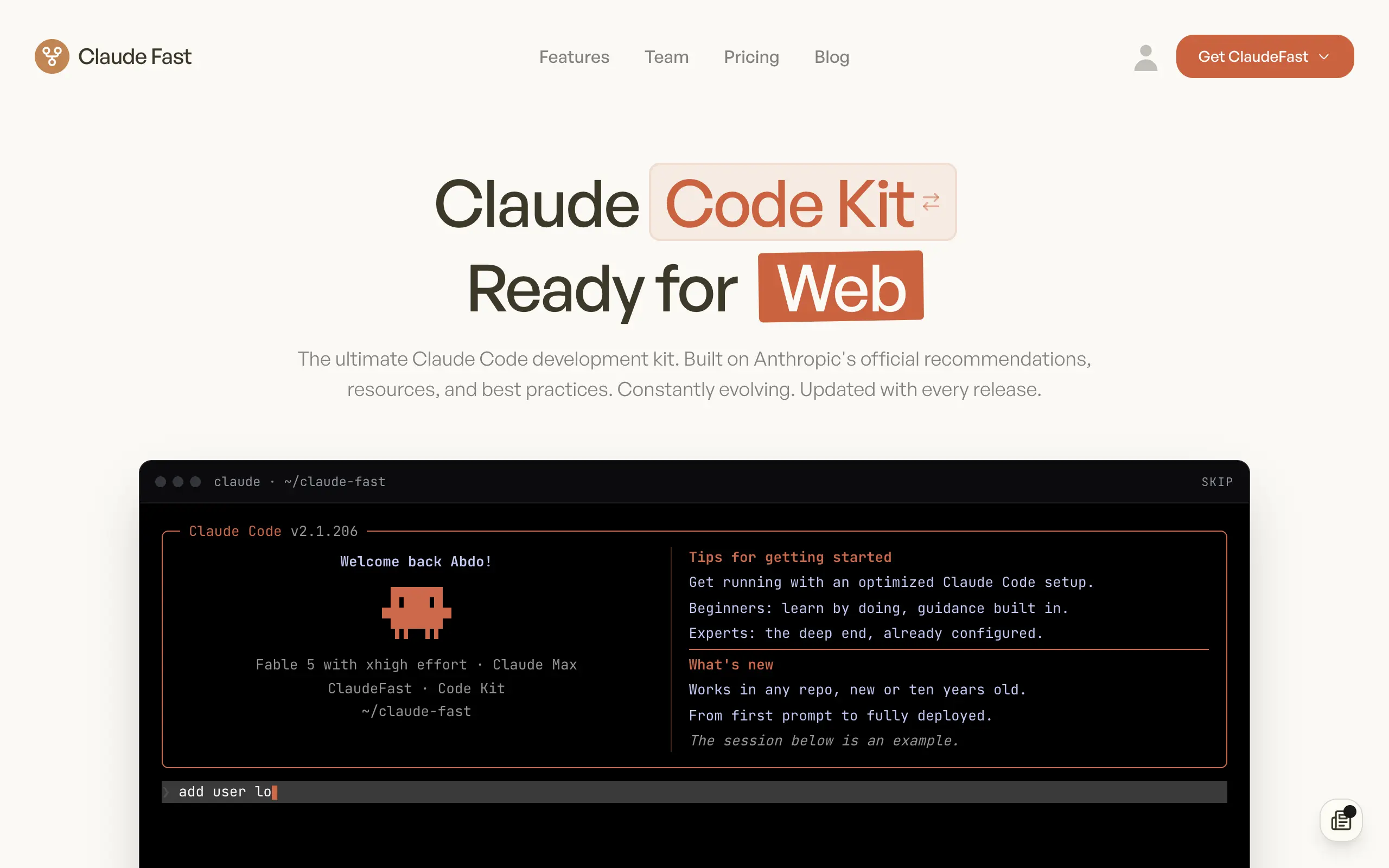
Claude Fast
Supercharge your Claude Code with 6x effective context window and specialized AI agents 🤖
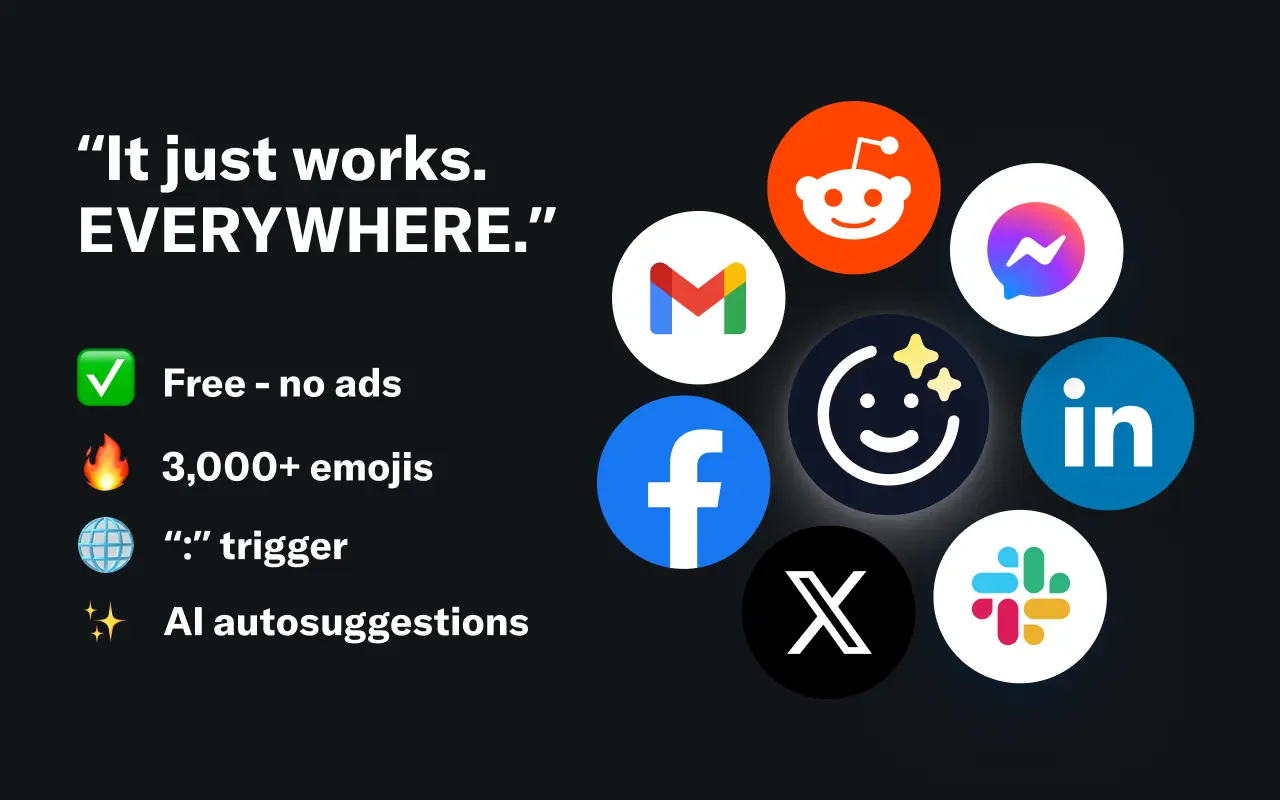
EmojAI
AI-powered emoji picker with smart, context-aware suggestions 🤖
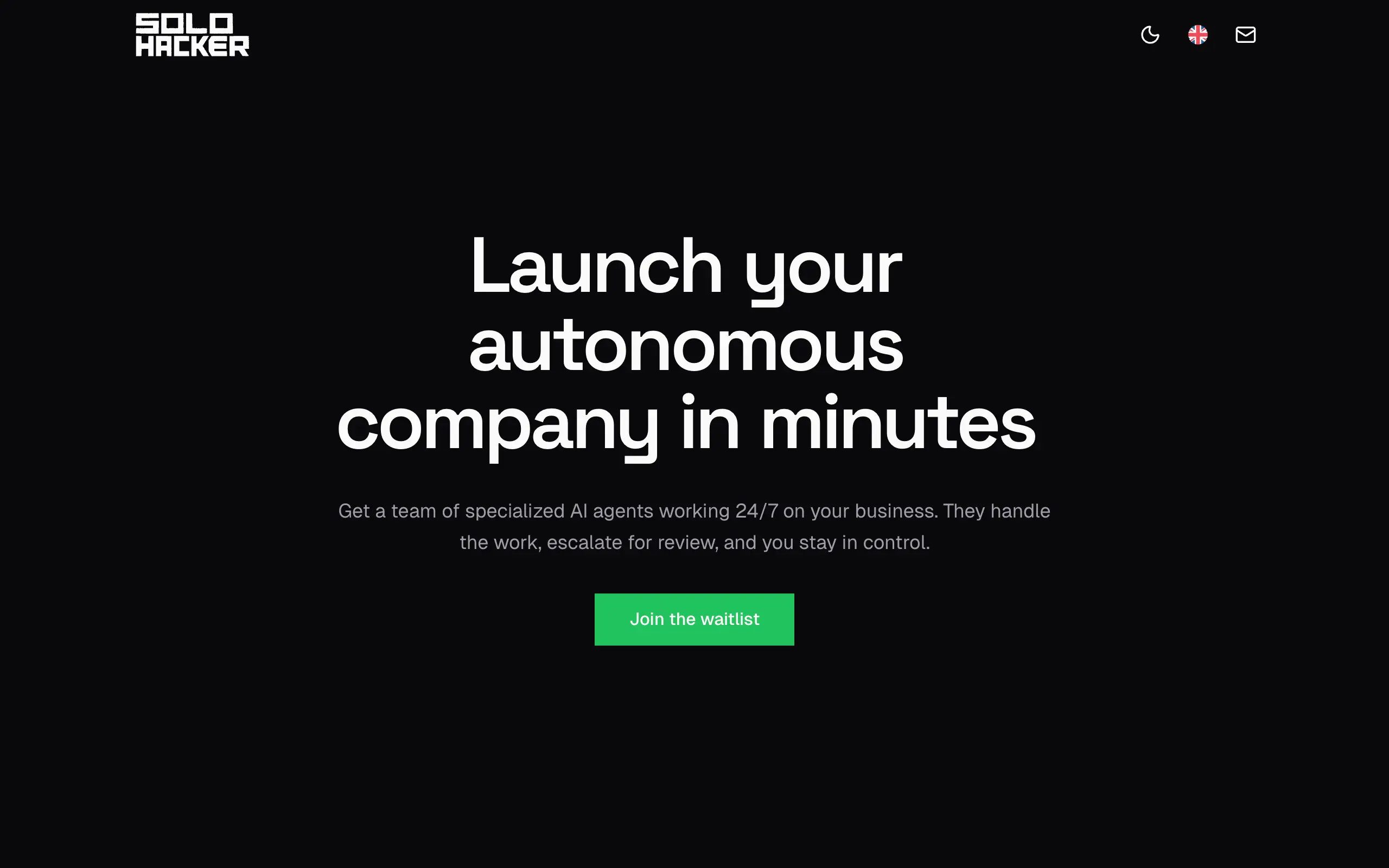
Solohacker
Autonomous company launcher - AI agents work 24/7, escalate what matters, and you stay in control 🤖

BeRawi: Storytelling Coach
Practice storytelling daily with instant feedback to sound clearer, more engaging, and confident 🎤
Omichat
Chat with 50+ AI models, including ChatGPT and Claude, in one place - switch models anytime without losing context 🤖
Claude Fast
Supercharge your Claude Code with 6x effective context window and specialized AI agents 🤖
EmojAI
AI-powered emoji picker with smart, context-aware suggestions 🤖
Solohacker
Autonomous company launcher - AI agents work 24/7, escalate what matters, and you stay in control 🤖
BeRawi: Storytelling Coach
Practice storytelling daily with instant feedback to sound clearer, more engaging, and confident 🎤
Omichat
Chat with 50+ AI models, including ChatGPT and Claude, in one place - switch models anytime without losing context 🤖
Claude Fast
Supercharge your Claude Code with 6x effective context window and specialized AI agents 🤖
EmojAI
AI-powered emoji picker with smart, context-aware suggestions 🤖
Solohacker
Autonomous company launcher - AI agents work 24/7, escalate what matters, and you stay in control 🤖
BeRawi: Storytelling Coach
Practice storytelling daily with instant feedback to sound clearer, more engaging, and confident 🎤
Omichat
Chat with 50+ AI models, including ChatGPT and Claude, in one place - switch models anytime without losing context 🤖
Claude Fast
Supercharge your Claude Code with 6x effective context window and specialized AI agents 🤖
EmojAI
AI-powered emoji picker with smart, context-aware suggestions 🤖
Solohacker
Autonomous company launcher - AI agents work 24/7, escalate what matters, and you stay in control 🤖
BeRawi: Storytelling Coach
Practice storytelling daily with instant feedback to sound clearer, more engaging, and confident 🎤

Connect with like-minded people
Join our community to get feedback, support, and grow together with 1,000+ builders on board, let's ship it!
Join usShip your startup everywhere. In minutes.
Don't burn tokens on setup and start building features on day one.