AppTrack
AppTrack is a unified analytics platform designed for software engineers to monitor web and mobile app performance in one dashboard. It offers real-time insights, user behavior tracking, and customizable reports to streamline app management.
Streamlined Analytics for Modern Software Engineering
In today's rapidly evolving digital landscape, software engineers need more than just data—they need actionable insights that bridge the gap between development and business performance. A unified analytics solution offers a single dashboard to monitor web and mobile app performance, real-time user behavior, and customizable reports. This comprehensive platform empowers teams to minimize friction, optimize performance, and ultimately deliver products that truly resonate with users.
Through a blend of intuitive design, robust technical architecture, and market-aware functionalities, this analytics suite caters to the precise needs of modern engineering teams. It addresses the growing challenge of silos in data collection and analysis, providing a holistic observability layer. By unifying disparate data sources into one seamless view, the platform simplifies the process of understanding user trends and feature engagement.
Understanding the Target Audience
Who Benefits Most?
This analytics platform is tailored specifically for software engineers and technical teams in B2B environments. Key target audience characteristics include:
- Software Engineers and Developers: The platform serves those responsible for coding and maintaining both web and mobile applications, offering them a unified system to monitor performance metrics and debug issues promptly.
- Product Managers: By receiving real-time insights and customizable reports, product managers can make data-driven decisions faster, leading to more efficient product life cycles.
- Data Analysts: Analysts benefit from integrated user behavior tracking and reporting functionalities that streamline data collection and interpretation.
These professionals are searching for a tool that not only collects data but also presents it in an actionable format—helping to drive improvements in both user experience and overall application performance.
Key Insight
When technical teams have the right tools, significant improvements in efficiency and product quality are achieved—minimizing downtime and accelerating time-to-market.
Unleashing Market Opportunity and Growth Potential
Addressing a Fragmented Market
In an era defined by the explosion of web and mobile applications, the market for robust analytics platforms has never been more vibrant. With increasing user expectations and the exponential growth of data, the demand for intuitive, integrated analytics platforms continues to rise:
- Rising Mobile Usage: With mobile devices now the primary computing tool for many, continuous monitoring of mobile apps is critical.
- Web Application Complexity: As web applications incorporate more dynamic content and interactive features, traditional analytics struggle to capture nuanced user behavior.
- Data-Driven Decision Making: Businesses across sectors are increasingly relying on data to shape their strategies, creating a flood of demand for tools that can dissect and present data effectively.
- Competitive Pressure: The necessity to outperform rivals by quickly iterating and adapting products makes real-time insights more valuable than ever before.
These factors combine to create a fertile environment for a unified analytics platform. With the right balance of functionality and usability, the platform can seize a substantial share of the B2B market—where each client represents an opportunity for long-term partnership and recurring revenue.
Building on a Robust Tech Stack
Modern Tools for Modern Challenges
Developing a platform with the ability to deliver real-time data, handle complex queries, and present analytics in an understandable format demands the most modern and efficient technological solutions. Leveraging a modern tech stack not only ensures resiliency and scalability but also speeds up the development process—especially when using frameworks that support rapid implementation like TurboStarter.
A potential tech stack might include:
-
Frontend: React, Next.js, or Angular for creating interactive, dynamic UIs. The decision to use frameworks like React is underpinned by its component-based architecture, which enables reusability and rapid development.
const test = () => { console.log("this is a code snippet!"); } -
Backend: Node.js combined with Express or a serverless architecture on platforms like AWS Lambda provides a robust foundation for handling real-time data processing and heavy API load.
-
Database: Utilizing modern NoSQL databases such as MongoDB or DynamoDB can facilitate efficient storage and quick retrieval of high-velocity data.
-
Real-Time Communication: Technologies like WebSockets or MQTT can be integrated to enable real-time analytics, ensuring that end-users observe live updates as soon as data is generated.
-
Containerization and Orchestration: Containers (Docker) and orchestration (Kubernetes) provide scalability and consistent deployment environments across development and production stages.
For rapid prototyping or jumpstarting the project, TurboStarter is an excellent choice. Its starter kits for web, mobile, and browser extensions provide a head start in integrating many of these technologies seamlessly into the final product.
Feature highlight
The modular nature of the tech stack ensures that each component can be scaled independently, keeping cost and efficiency in check.
Monetization Strategy: Turning Insights into Revenue
Generating Sustainable Income Streams
While the core function of any analytics platform is to deliver invaluable insights, the business model behind it should ensure sustainable and scalable revenue generation. Here are some viable monetization strategies:
- Subscription-Based Pricing: Offer tiered plans that cater to the varying needs of small startups, medium-sized teams, and large enterprises. Each tier could bundle different features such as advanced analytics, priority support, or additional user seats.
- Freemium Model: Provide a basic version free of charge with limitations on data volume or feature access. This approach can encourage early adoption and help demonstrate the platform’s value before prompting an upgrade.
- Usage-Based Billing: Charge customers based on the amount of data processed, number of tracked events, or API calls. This model aligns costs with usage, making it attractive for businesses with fluctuating data needs.
- Enterprise Licensing: For larger organizations, offer tailored enterprise solutions that include dedicated support, custom feature development, and integration assistance with existing systems.
- Add-On Services: Consider offering premium analytics reports, consulting services, or integrations with other business systems like CRM and marketing automation tools for an additional fee.
These options not only allow for flexibility in revenue models but also enable the platform to capture value across different segments of the market. A well-defined strategy for premium offerings ensures that as customers scale, so does their engagement and spending.
Subscription Model: Offers a recurring income stream that scales with the user's requirements and ensures ongoing customer engagement.
Enterprise Licensing: Provides high-value contracts with customized solutions to meet the complex needs of large organizations.
Navigating Potential Risks and Challenges
Identifying and Mitigating Challenges
Every innovative platform must acknowledge and address potential risks to ensure long-term viability and customer satisfaction.
- Data Security and Privacy: With the platform tracking user behaviors and performance metrics, ensuring data security and compliance with international regulations (such as GDPR and CCPA) is paramount. A robust security framework and regular audits help minimize these risks.
- Scalability Concerns: As the user base grows, so does the demand on the platform's infrastructure. Planning for horizontal scaling and incorporating modern cloud architecture principles is critical.
- Market Competition: The analytics space is crowded with many established players. Staying ahead means not only matching their features but also continually innovating and addressing gaps in current offerings.
- Technical Debt: Rapid development is enticing, especially with a starter kit like TurboStarter, but there is a risk of incurring technical debt if the platform isn't built with long-term maintainability in mind. It's essential to design systems that are both flexible and sustainable.
- Integration Complexity: The value of a unified analytics platform lies in its ability to integrate data seamlessly from diverse sources. Poor integration can lead to incomplete data aggregation and analysis, weakening the overall utility of the solution.
Implementing robust testing protocols, monitoring systems, and an agile development approach can significantly mitigate these risks. An ongoing focus on maintenance and iterative improvement ensures that the platform remains competitive and secure.
Establish strong security protocols, prioritize scalability in architecture decisions, and continuously evaluate market trends to adjust features and pricing models as necessary.
Competitive Advantages in a Crowded Marketplace
Standing Out Among Industry Leaders
In a market where the analytics landscape is increasingly competitive, establishing and maintaining a competitive advantage is crucial for long-term success. Here are the platform's key differentiators:
- Unified Data Repository: Unlike fragmented solutions that require separate tools for web and mobile analytics, this platform unifies all data points, providing a single source of truth.
- Real-Time Insights: The capability of delivering real-time performance metrics and user behavior analytics gives teams the agility to respond swiftly to issues and opportunities.
- High Customizability: With detailed customization options for dashboards and reports, the platform can adapt to various business needs and operational contexts, making it highly versatile.
- Scalable Architecture: Built for growth, the platform's use of modern technologies like WebSockets, containerization, and cloud computing ensures it can handle increased loads as customers expand.
- User-Centric Design: An intuitive user interface minimizes the learning curve and maximizes productivity, allowing teams to focus more on decision-making rather than data wrangling.
- Integration Capabilities: Seamless connectivity with popular development tools, CRM systems, and third-party apps enhances its utility and positions it as the backbone of digital operations.
Why Choose Us?
A unified platform that combines real-time insights, high customizability, and seamless integration, ensuring your team always stays ahead of the curve.
The competitive edge lies not only in the technical aspects but also in the platform's focus on the customer experience. With ongoing customer support and iterative enhancements based on user feedback, this analytics tool is designed to evolve continuously with the changing needs of its users.
Leveraging the Future with TurboStarter
When considering rapid development and scalability, starting with a robust framework can make all the difference. For instance, TurboStarter provides a comprehensive starter kit for web, mobile, and browser extension development. It’s an excellent resource for those looking to jumpstart their projects without reinventing the wheel—saving time, effort, and resources that can be redirected to fine-tuning the core functionalities of the analytics platform.
Concluding Implementation Steps
The path from concept to a fully functional, market-ready analytics platform involves careful planning, agile execution, and continuous refinement. Below are the actionable steps to implement the platform:
Conduct a comprehensive market analysis to identify target user requirements and refine the value proposition.
Define a modular tech stack leveraging modern frameworks like React for the UI and Node.js for the backend, ensuring scalability and performance.
Use rapid prototyping tools such as TurboStarter to accelerate initial development and gather early user feedback.
Integrate data security protocols and scalable cloud solutions to prepare for increasing user loads while safeguarding sensitive information.
Implement continuous integration and delivery (CI/CD) pipelines to ensure rapid deployment of updates and bug fixes.
Develop strategic pricing models, including subscription tiers and usage-based billing, to align revenue streams with market expectations.
Launch a beta version to a select group of power users to test real-time capabilities, gather detailed feedback, and validate user experience.
Iterate and enhance the platform based on feedback, focusing on seamless integration with popular development and data tools.
Scale infrastructure incrementally, ensuring the platform can support a growing user base without compromising performance.
Roll out full-scale marketing and sales campaigns, leveraging the unique competitive advantages and industry partnerships to drive customer adoption.
Final Thoughts
Implementing a unified analytics platform is more than just a technical challenge—it’s an opportunity to redefine how teams interact with data. By centralizing key insights, offering robust integration, and maintaining a user-focused approach, this platform is poised not only to capture a significant share of the market but also to become an indispensable tool for modern software engineering teams.
Embracing best practices, leveraging modern tech stacks, and ensuring agile development pipelines will ensure that the platform remains scalable, secure, and ahead of the competition. As the digital landscape evolves, having a reliable partner in analytics supports rapid problem-solving, data-driven decision-making, and ultimately, sustained competitive advantage.
Whether you're a small startup needing to refine your app management or a large enterprise looking to consolidate disparate data sources into a single, actionable dashboard, this platform has the potential to transform your operations. With a clear roadmap for implementation, a strong monetization strategy, and a solid foundation built on modern technology, the journey from concept to market leadership is well within reach.
Take the next step toward unified analytics and empower your team with the insights they need to thrive in today’s demanding digital ecosystem.
More 🏢 B2B Application SaaS ideas
Discover more innovative b2b application SaaS ideas that are trending in 2026. Each idea is AI-generated with market validation and growth potential to help you find your next profitable venture faster than competitors.
Your competitors are building with TurboStarter
Below are some of the SaaS ideas that have been generated and built with our starter kit.
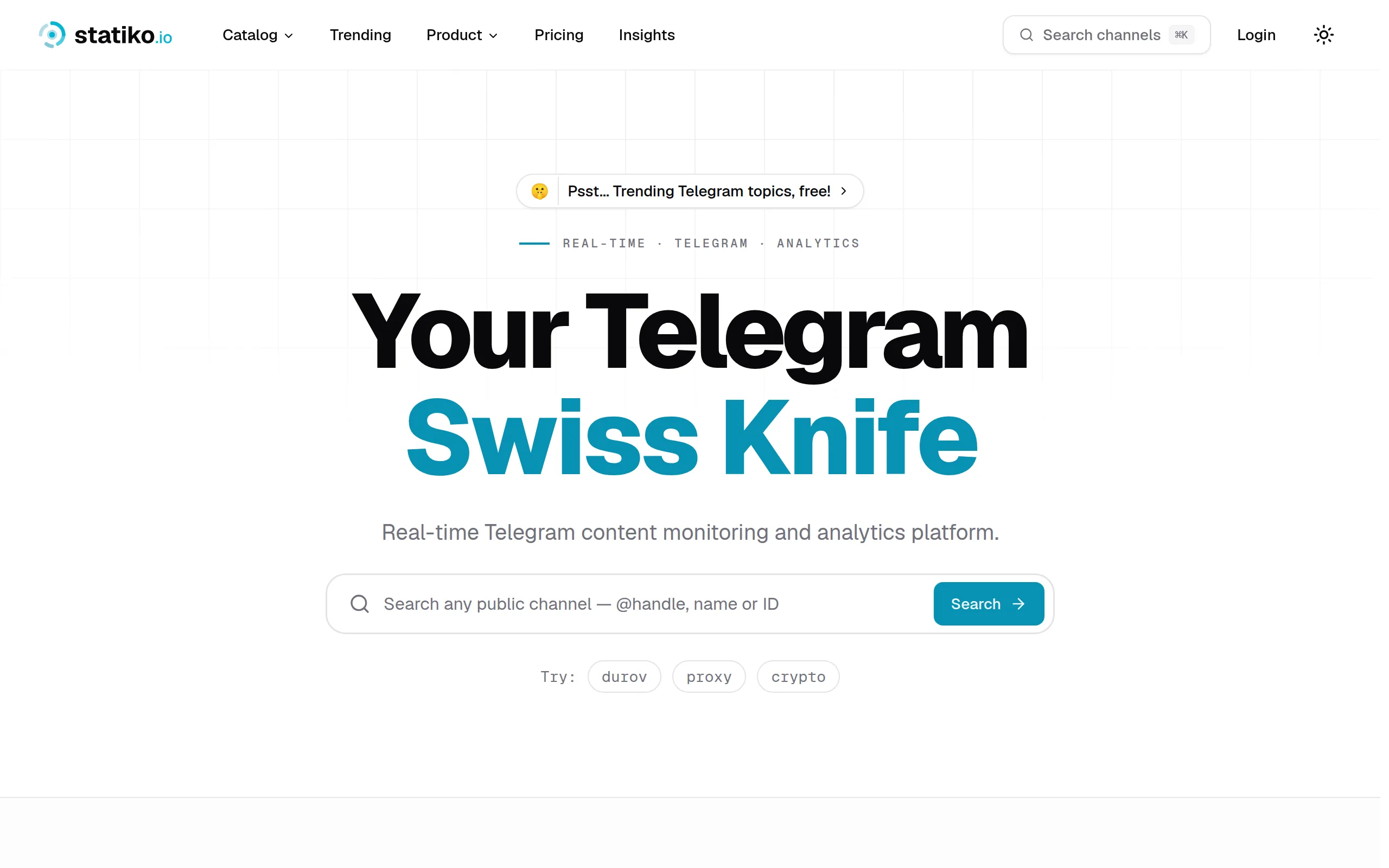
Statiko
Monitor any Telegram channel in real time - track posts, edits, deletions, and growth with AI recaps 📡

Shibui
AI website builder - describe your business, pick a niche template, edit by chatting, and publish instantly ✨

Pro Service
Find verified home service professionals, compare quotes, and pay securely through escrow - built for Brazilians across the US 🏠
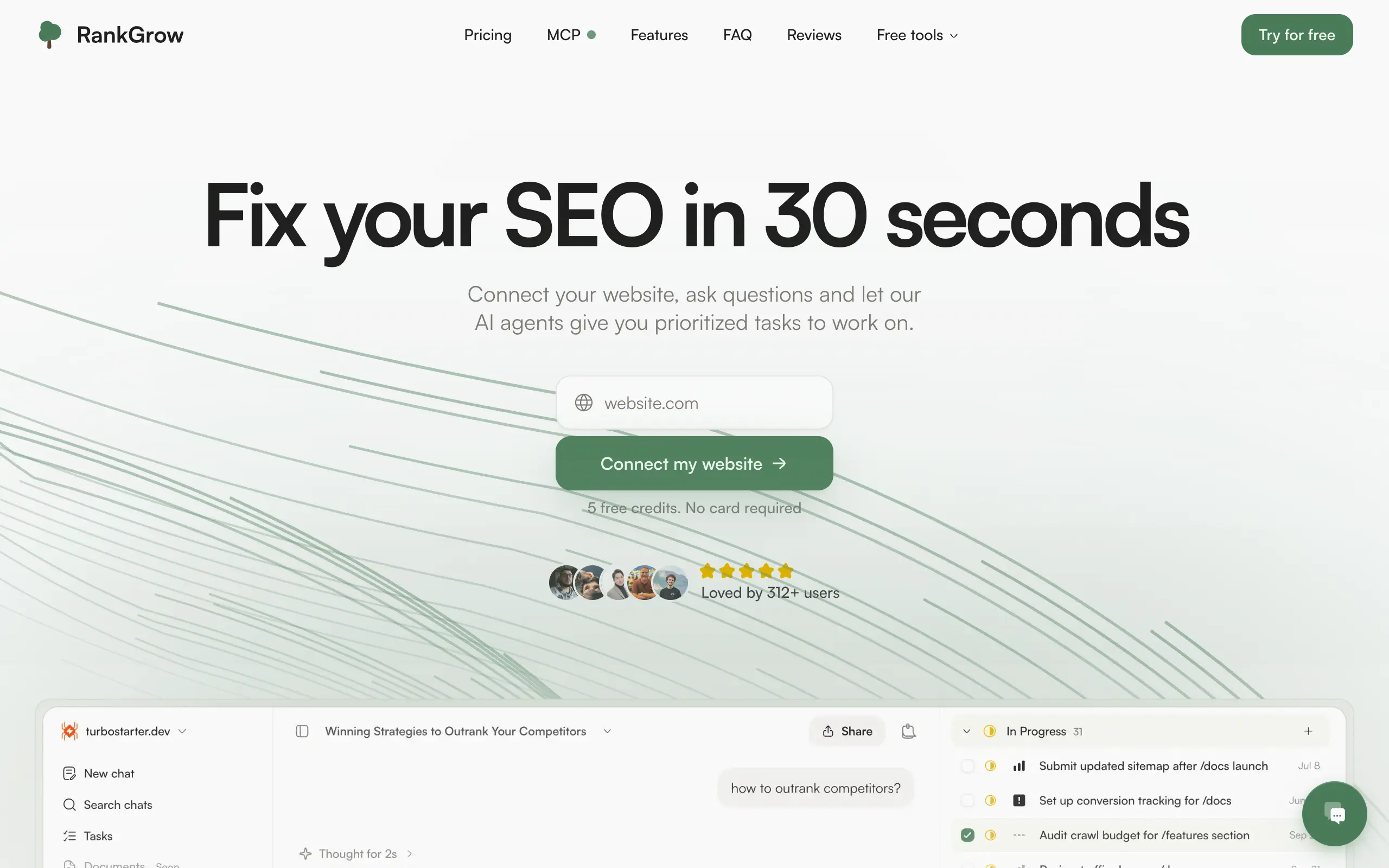
RankGrow
Fix your SEO with AI agents - connect Search Console, get prioritized tasks, and grow organic traffic 📈
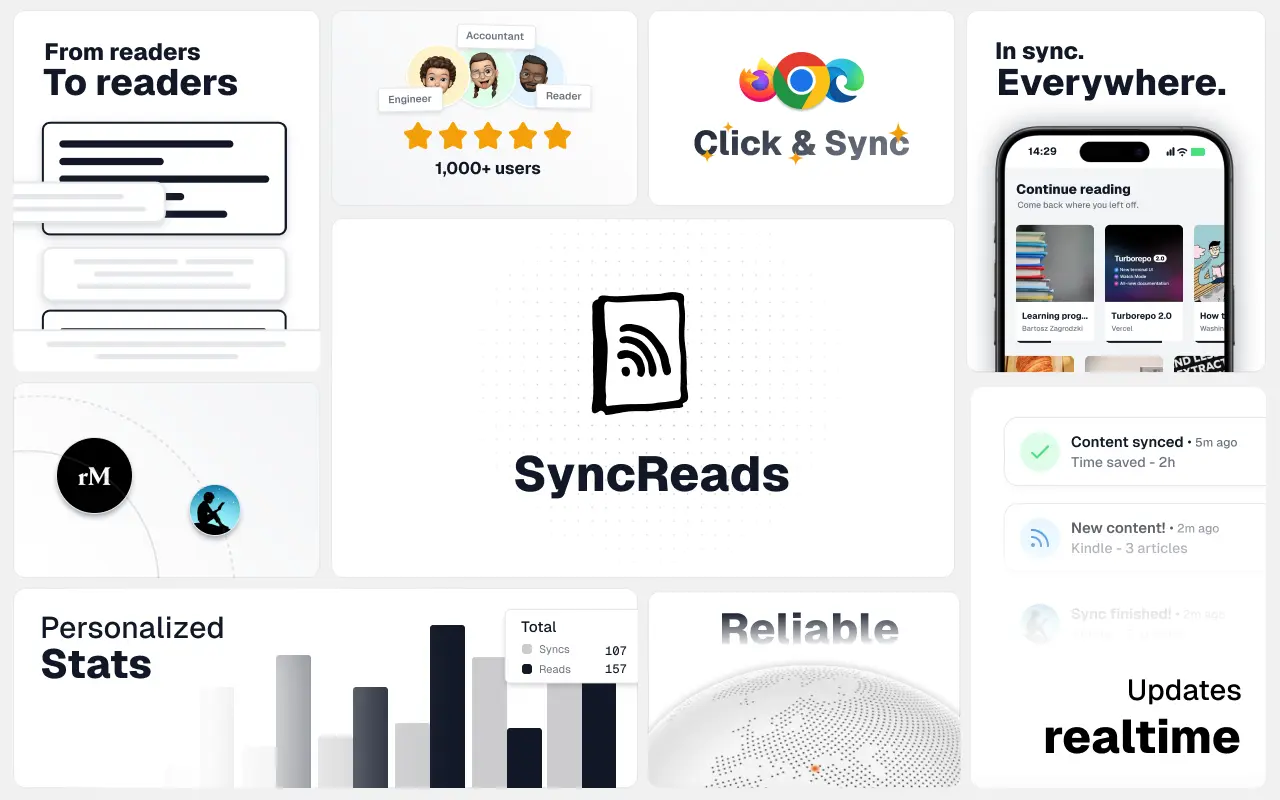
SyncReads
Sync your favorite content for distraction-free reading, save time and replace multiple apps. Anytime, anywhere 🔄
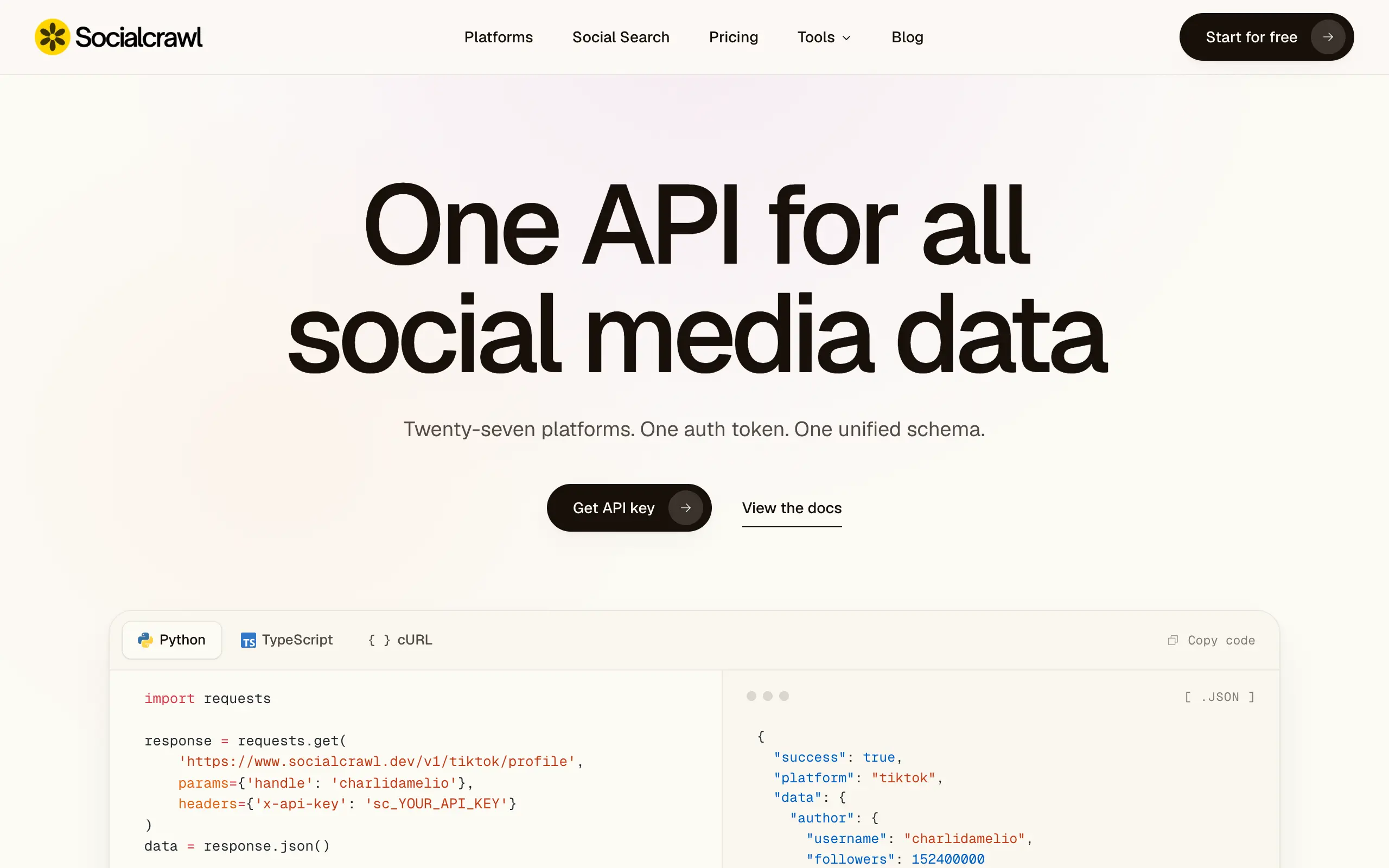
Socialcrawl
Get clean, structured data from 21 platforms like TikTok, Instagram, and YouTube with a single request 📊
Statiko
Monitor any Telegram channel in real time - track posts, edits, deletions, and growth with AI recaps 📡
Shibui
AI website builder - describe your business, pick a niche template, edit by chatting, and publish instantly ✨
Pro Service
Find verified home service professionals, compare quotes, and pay securely through escrow - built for Brazilians across the US 🏠
RankGrow
Fix your SEO with AI agents - connect Search Console, get prioritized tasks, and grow organic traffic 📈
SyncReads
Sync your favorite content for distraction-free reading, save time and replace multiple apps. Anytime, anywhere 🔄
Socialcrawl
Get clean, structured data from 21 platforms like TikTok, Instagram, and YouTube with a single request 📊
Statiko
Monitor any Telegram channel in real time - track posts, edits, deletions, and growth with AI recaps 📡
Shibui
AI website builder - describe your business, pick a niche template, edit by chatting, and publish instantly ✨
Pro Service
Find verified home service professionals, compare quotes, and pay securely through escrow - built for Brazilians across the US 🏠
RankGrow
Fix your SEO with AI agents - connect Search Console, get prioritized tasks, and grow organic traffic 📈
SyncReads
Sync your favorite content for distraction-free reading, save time and replace multiple apps. Anytime, anywhere 🔄
Socialcrawl
Get clean, structured data from 21 platforms like TikTok, Instagram, and YouTube with a single request 📊
Statiko
Monitor any Telegram channel in real time - track posts, edits, deletions, and growth with AI recaps 📡
Shibui
AI website builder - describe your business, pick a niche template, edit by chatting, and publish instantly ✨
Pro Service
Find verified home service professionals, compare quotes, and pay securely through escrow - built for Brazilians across the US 🏠
RankGrow
Fix your SEO with AI agents - connect Search Console, get prioritized tasks, and grow organic traffic 📈
SyncReads
Sync your favorite content for distraction-free reading, save time and replace multiple apps. Anytime, anywhere 🔄
Socialcrawl
Get clean, structured data from 21 platforms like TikTok, Instagram, and YouTube with a single request 📊
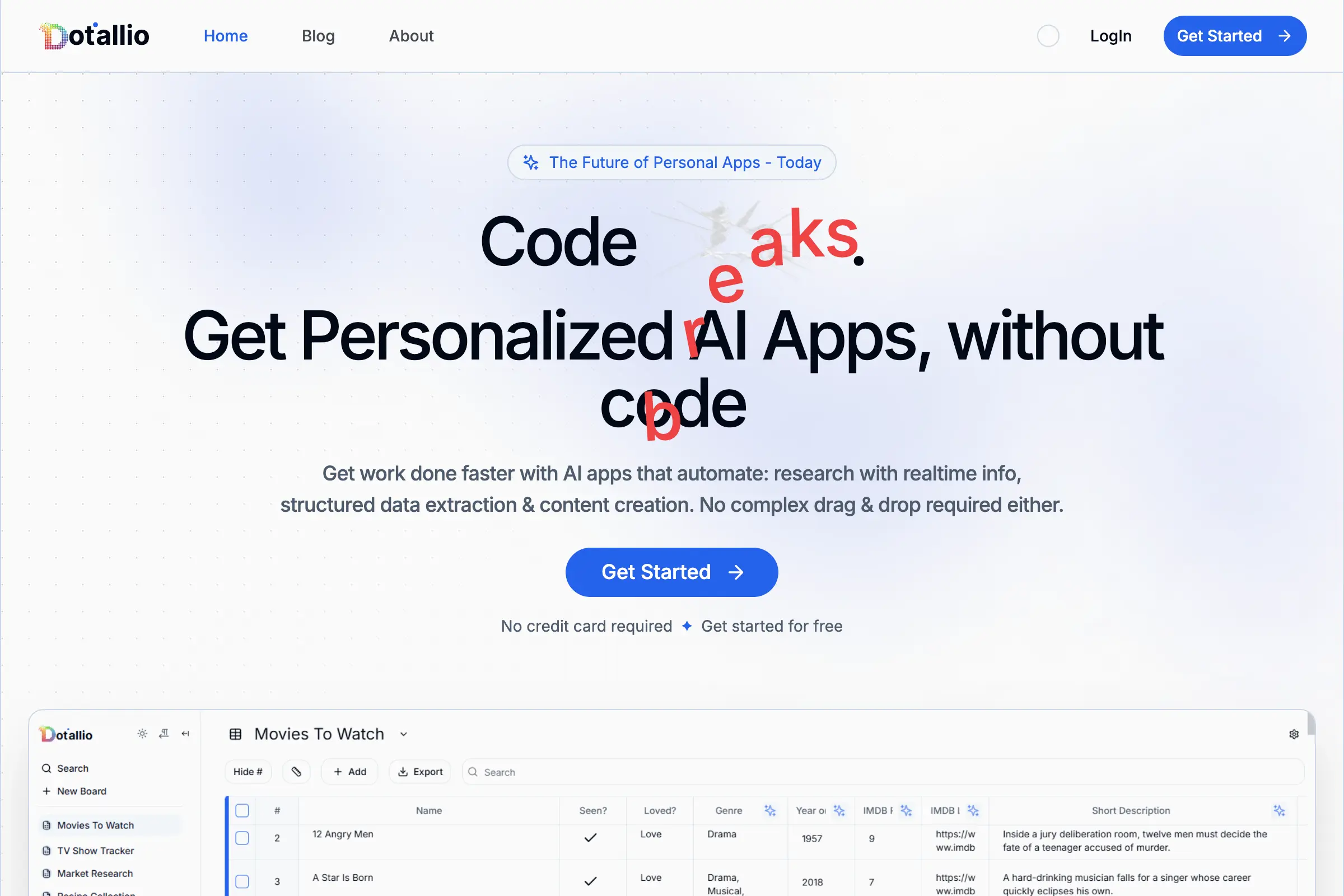
Dotallio
Personalized AI apps that automate research, data extraction, and content creation without code 🤖

Talk to Santa
Enjoy a magical live video chat or receive a unique AI-generated video greeting from Santa Claus 🎅
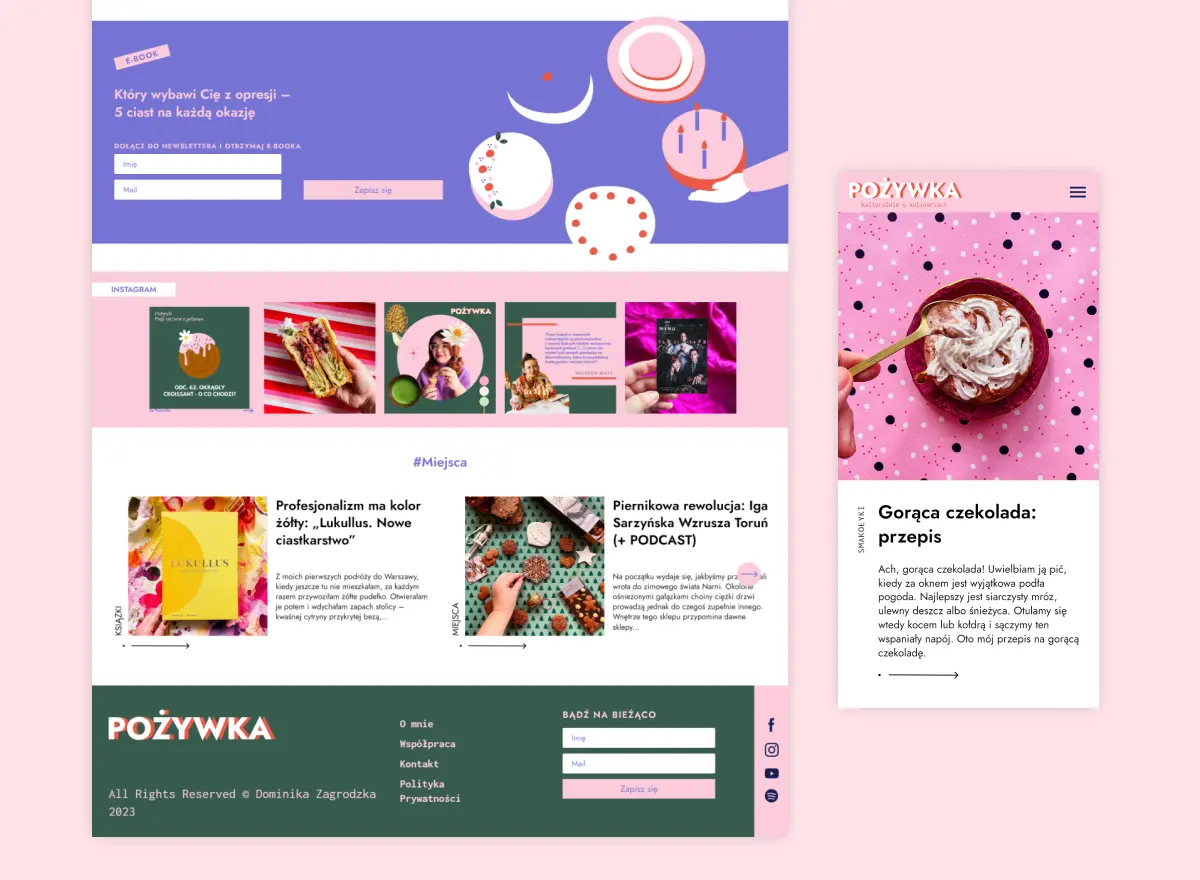
pozywka.pl
Scalable blog for food journalist, focused on performance and user experience 🌭
zagrodzki.me
Personal blog and portfolio of Bart Zagrodzki, where he shares his knowledge and work 💼
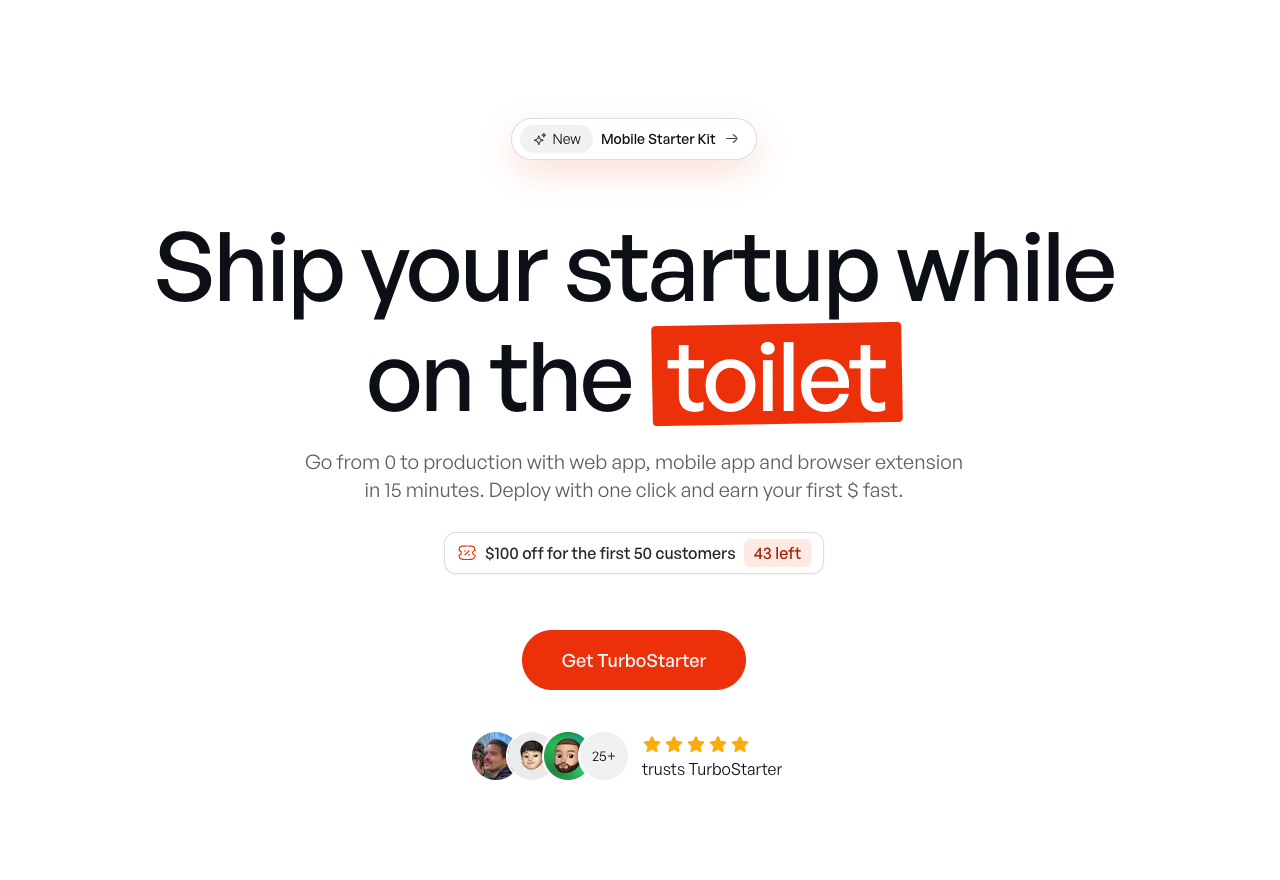
TurboStarter
Ship your startup everywhere. In minutes.
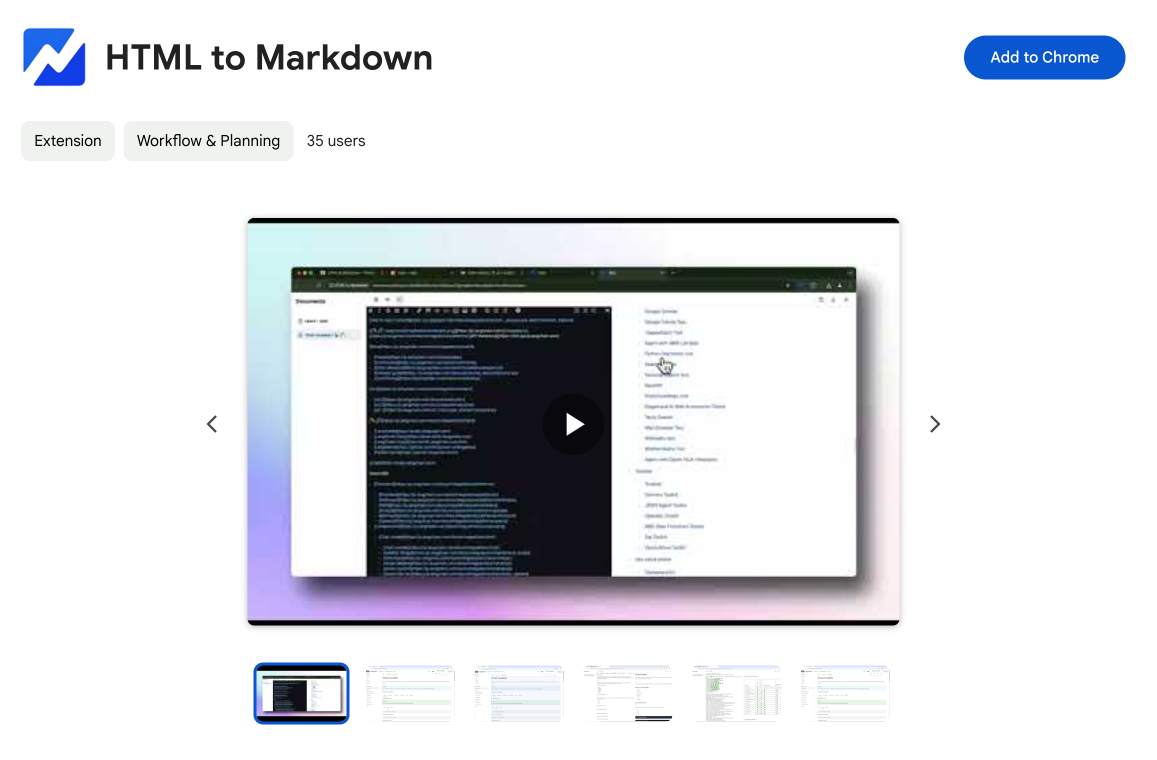
HTML to Markdown
Convert HTML to Markdown with ease, directly in your browser 📄
Dotallio
Personalized AI apps that automate research, data extraction, and content creation without code 🤖
Talk to Santa
Enjoy a magical live video chat or receive a unique AI-generated video greeting from Santa Claus 🎅
pozywka.pl
Scalable blog for food journalist, focused on performance and user experience 🌭
zagrodzki.me
Personal blog and portfolio of Bart Zagrodzki, where he shares his knowledge and work 💼
TurboStarter
Ship your startup everywhere. In minutes.
HTML to Markdown
Convert HTML to Markdown with ease, directly in your browser 📄
Dotallio
Personalized AI apps that automate research, data extraction, and content creation without code 🤖
Talk to Santa
Enjoy a magical live video chat or receive a unique AI-generated video greeting from Santa Claus 🎅
pozywka.pl
Scalable blog for food journalist, focused on performance and user experience 🌭
zagrodzki.me
Personal blog and portfolio of Bart Zagrodzki, where he shares his knowledge and work 💼
TurboStarter
Ship your startup everywhere. In minutes.
HTML to Markdown
Convert HTML to Markdown with ease, directly in your browser 📄
Dotallio
Personalized AI apps that automate research, data extraction, and content creation without code 🤖
Talk to Santa
Enjoy a magical live video chat or receive a unique AI-generated video greeting from Santa Claus 🎅
pozywka.pl
Scalable blog for food journalist, focused on performance and user experience 🌭
zagrodzki.me
Personal blog and portfolio of Bart Zagrodzki, where he shares his knowledge and work 💼
TurboStarter
Ship your startup everywhere. In minutes.
HTML to Markdown
Convert HTML to Markdown with ease, directly in your browser 📄
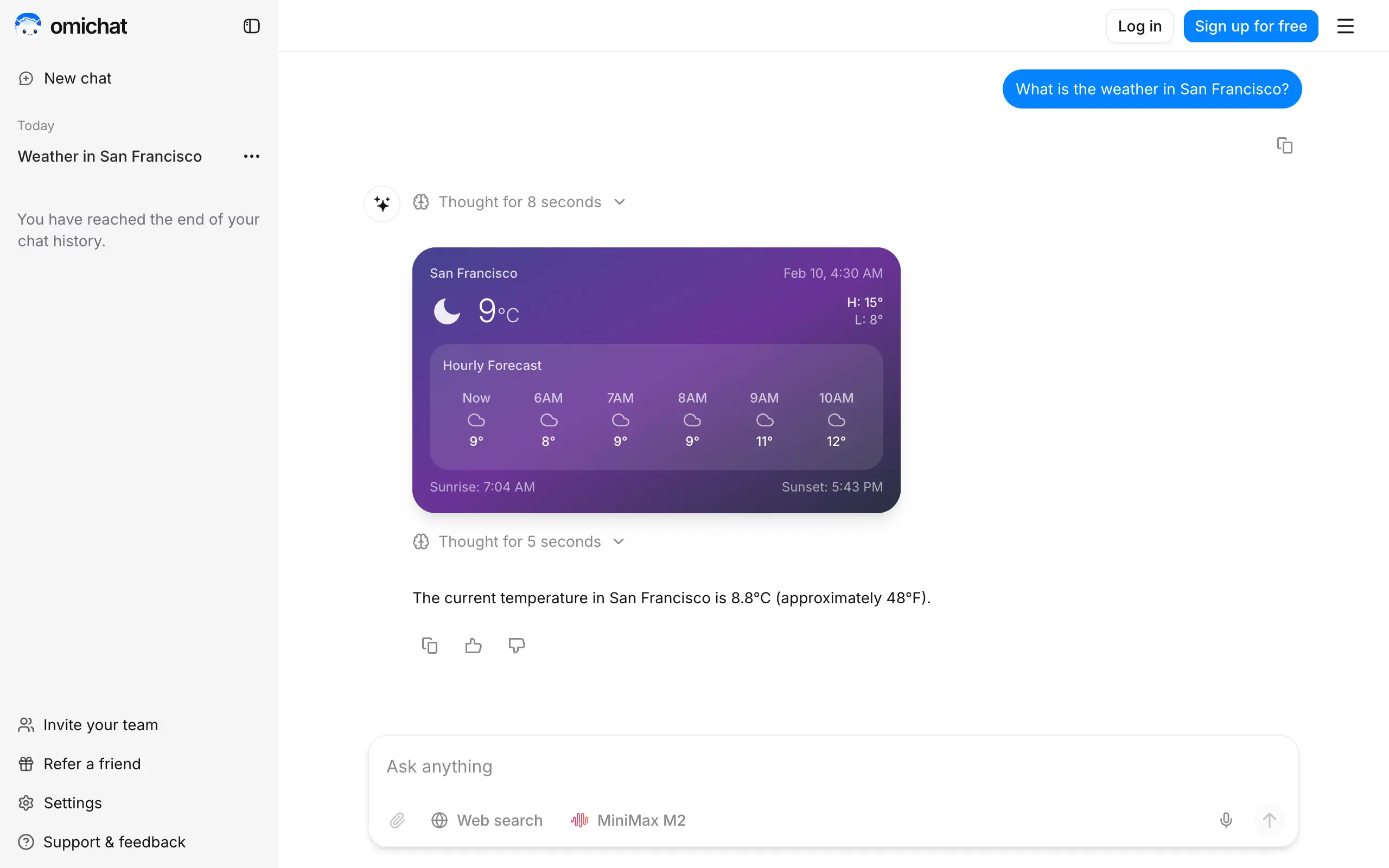
Omichat
Chat with 50+ AI models, including ChatGPT and Claude, in one place - switch models anytime without losing context 🤖
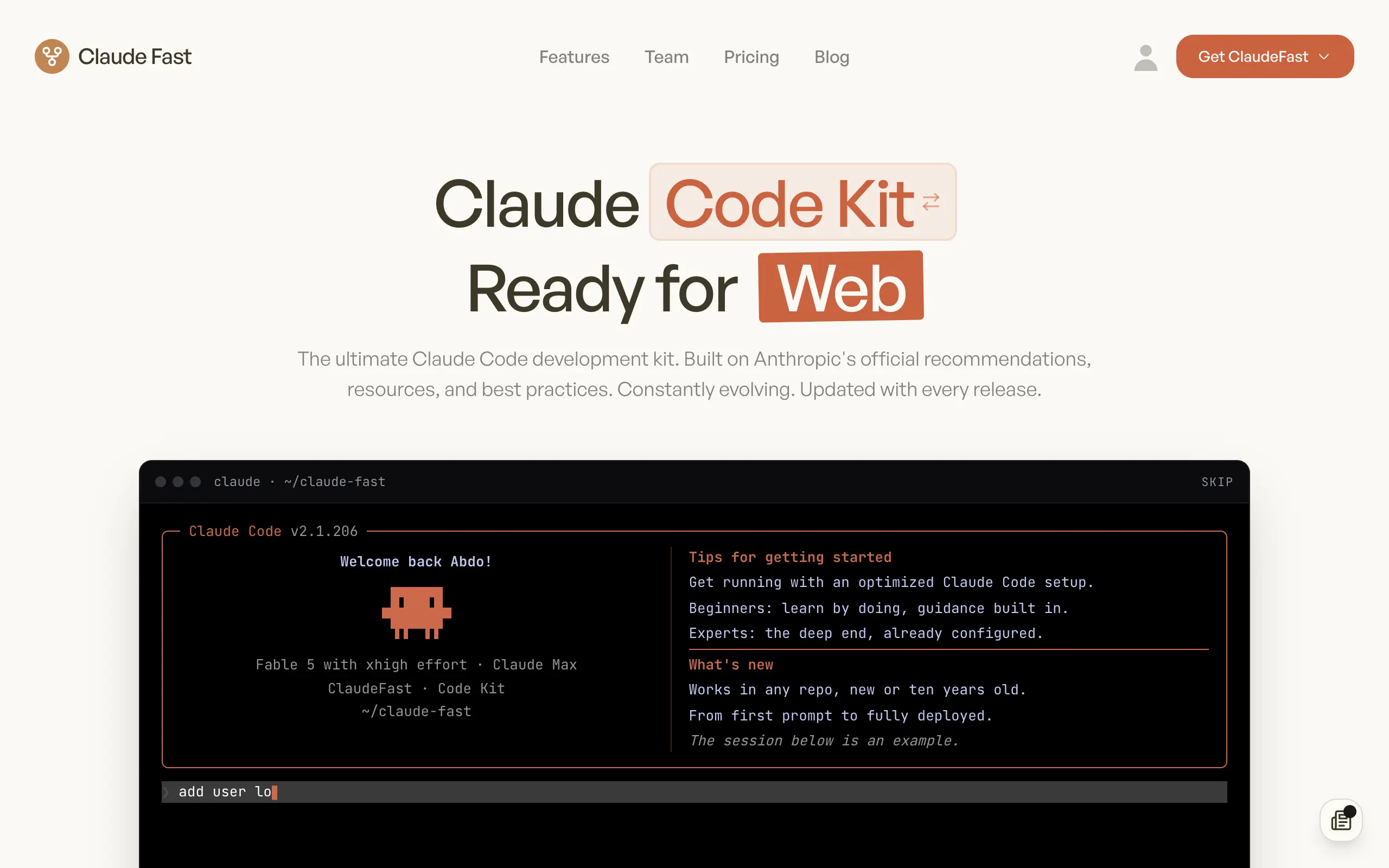
Claude Fast
Supercharge your Claude Code with 6x effective context window and specialized AI agents 🤖
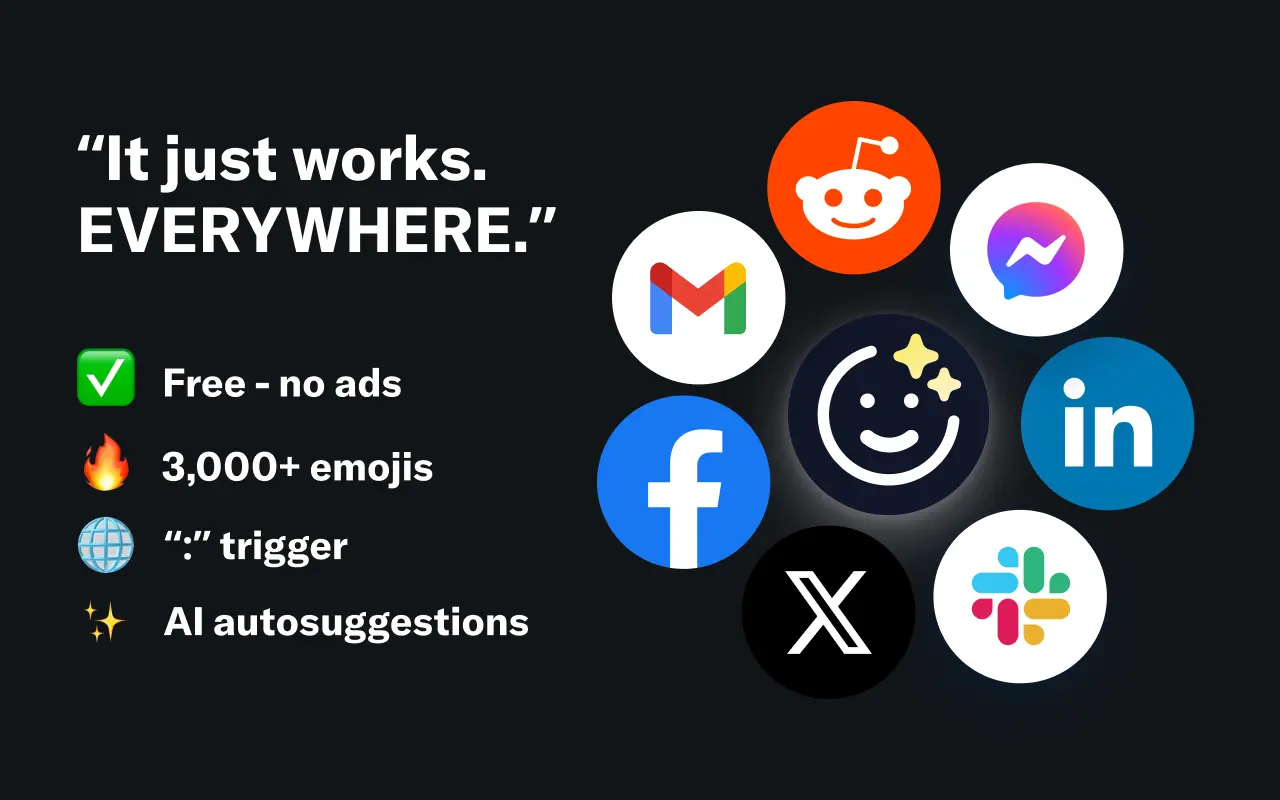
EmojAI
AI-powered emoji picker with smart, context-aware suggestions 🤖
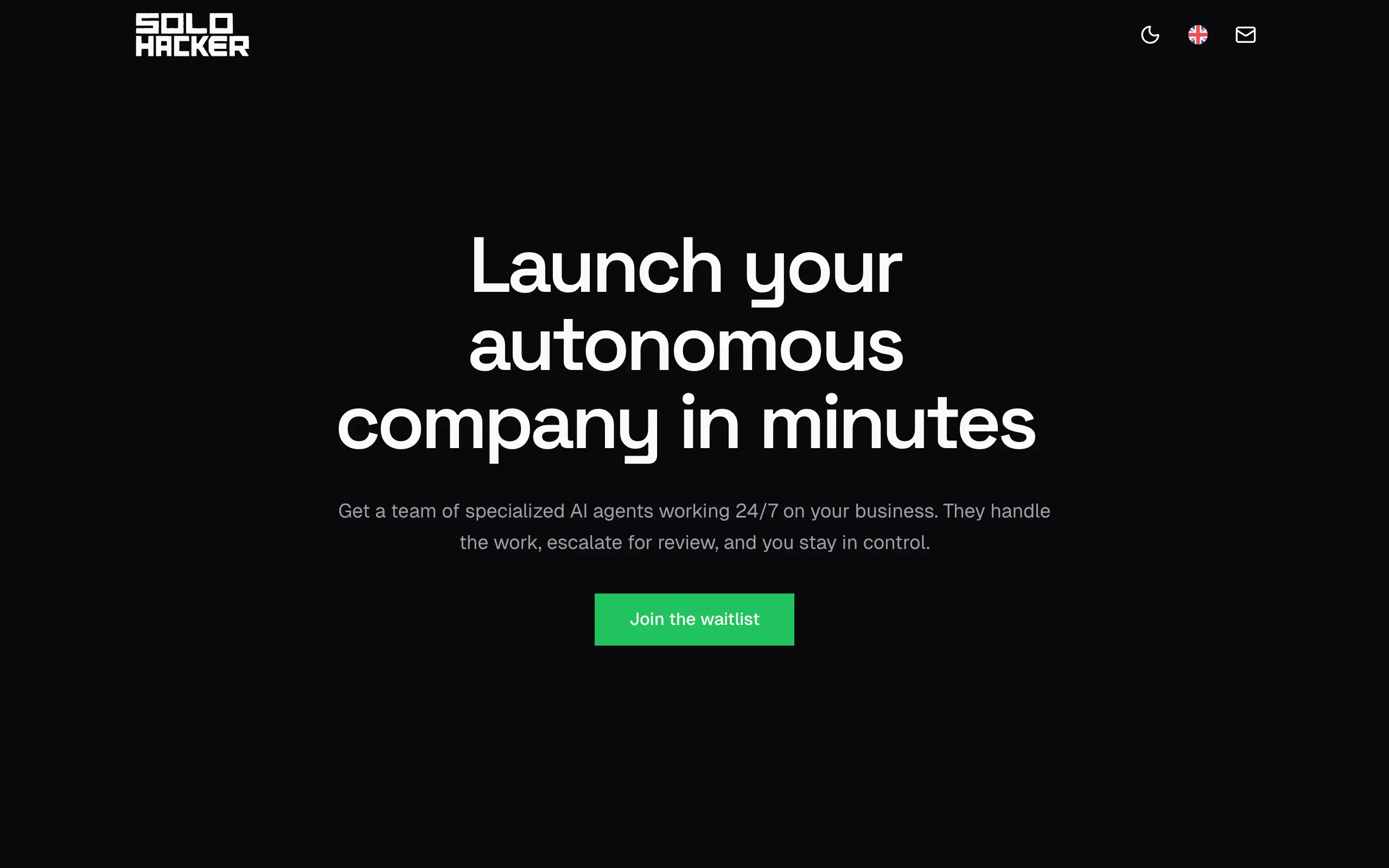
Solohacker
Autonomous company launcher - AI agents work 24/7, escalate what matters, and you stay in control 🤖

BeRawi: Storytelling Coach
Practice storytelling daily with instant feedback to sound clearer, more engaging, and confident 🎤
Omichat
Chat with 50+ AI models, including ChatGPT and Claude, in one place - switch models anytime without losing context 🤖
Claude Fast
Supercharge your Claude Code with 6x effective context window and specialized AI agents 🤖
EmojAI
AI-powered emoji picker with smart, context-aware suggestions 🤖
Solohacker
Autonomous company launcher - AI agents work 24/7, escalate what matters, and you stay in control 🤖
BeRawi: Storytelling Coach
Practice storytelling daily with instant feedback to sound clearer, more engaging, and confident 🎤
Omichat
Chat with 50+ AI models, including ChatGPT and Claude, in one place - switch models anytime without losing context 🤖
Claude Fast
Supercharge your Claude Code with 6x effective context window and specialized AI agents 🤖
EmojAI
AI-powered emoji picker with smart, context-aware suggestions 🤖
Solohacker
Autonomous company launcher - AI agents work 24/7, escalate what matters, and you stay in control 🤖
BeRawi: Storytelling Coach
Practice storytelling daily with instant feedback to sound clearer, more engaging, and confident 🎤
Omichat
Chat with 50+ AI models, including ChatGPT and Claude, in one place - switch models anytime without losing context 🤖
Claude Fast
Supercharge your Claude Code with 6x effective context window and specialized AI agents 🤖
EmojAI
AI-powered emoji picker with smart, context-aware suggestions 🤖
Solohacker
Autonomous company launcher - AI agents work 24/7, escalate what matters, and you stay in control 🤖
BeRawi: Storytelling Coach
Practice storytelling daily with instant feedback to sound clearer, more engaging, and confident 🎤

Connect with like-minded people
Join our community to get feedback, support, and grow together with 1,000+ builders on board, let's ship it!
Join usShip your startup everywhere. In minutes.
Don't burn tokens on setup and start building features on day one.