AutoClient Engine
AI agent that finds, qualifies, and books high-paying clients automatically for freelancers and agencies. Eliminates manual outreach completely.
The future of client acquisition: how an AI auto client engine transforms freelance and agency growth
Finding high-paying clients consistently is one of the hardest—and most time-consuming—parts of running a freelance business or agency. Manual outreach, cold emails, LinkedIn networking, follow-ups, qualification calls… it’s a full-time job on its own.
That’s exactly where an AI auto client engine like AutoClient Engine steps in.
This article breaks down how an automated client acquisition system works, who it’s for, the market opportunity behind it, and how you can build or leverage such a platform to scale predictable revenue—without burning out on outreach.
What is an AI auto client engine?
An AI auto client engine is a SaaS platform that automates the entire client acquisition pipeline:
- Lead discovery
- Prospect qualification
- Personalized outreach
- Follow-ups
- Meeting booking
Unlike traditional CRM or outreach tools, this system acts as a proactive AI agent, not just a passive tool.
Instead of you searching for leads, the system:
- Identifies ideal prospects
- Reaches out using tailored messaging
- Filters out low-quality leads
- Books meetings directly on your calendar
The promise is simple but powerful: zero manual outreach, high-quality inbound-like results.
Why this problem matters (and why now)
Client acquisition has become harder over the past few years due to:
- Increased competition in freelance marketplaces
- Declining cold email response rates
- Saturation on LinkedIn outreach
- Rising CAC (Customer Acquisition Cost)
At the same time, AI capabilities have rapidly improved:
- Large Language Models (LLMs) can generate hyper-personalized outreach
- AI agents can perform multi-step workflows autonomously
- Data enrichment tools provide deep prospect insights in real-time
Market insight
According to widely cited industry reports (e.g., McKinsey, Gartner), AI-driven sales automation is expected to significantly reduce customer acquisition costs while improving conversion rates through personalization at scale.
This convergence creates a perfect opportunity for an AI-powered client acquisition SaaS.
Target audience: who needs an auto client engine?
Primary users
The ideal customers for AutoClient Engine include:
- Freelancers (designers, developers, copywriters, marketers)
- Boutique agencies (marketing, SaaS, consulting)
- B2B service providers
- Growth consultants and sales teams
Pain points they face
These users typically struggle with:
- Inconsistent lead flow
- Time wasted on unqualified prospects
- Low response rates from cold outreach
- Lack of scalable acquisition systems
- Burnout from manual prospecting
Behavioral traits
Your target users:
- Value time more than cost
- Are willing to invest in automation
- Already understand outbound marketing
- Want predictable revenue systems
Market opportunity and gap analysis
The market already has tools like:
- Outreach platforms (e.g., email automation tools)
- CRMs
- Lead databases
- AI writing assistants
But there’s a clear gap:
Most tools help you do outreach faster—not eliminate the need to do it.
The opportunity
AutoClient Engine differentiates by:
- Acting as a fully autonomous system
- Combining multiple tools into one workflow
- Delivering results (booked calls) instead of features
Competitive landscape breakdown
| Feature | Traditional CRM | Email Tools | Lead Databases | AutoClient Engine |
|---|---|---|---|---|
| Lead discovery | ❌ | ❌ | ✅ | ✅ |
| AI personalization | ❌ | ✅ | ❌ | ✅ |
| Automated qualification | ❌ | ❌ | ❌ | ✅ |
| Meeting booking | ✅ | ❌ | ❌ | ✅ |
| End-to-end automation | ❌ | ❌ | ❌ | ✅ |
Core features of an AI auto client engine
To truly eliminate manual outreach, the platform needs tightly integrated features.
1. AI-powered lead discovery
The system should:
- Scrape and aggregate data from:
- Company websites
- Job boards
- Public directories
- Filter leads based on:
- Industry
- Company size
- Revenue signals
- Hiring activity
2. Intelligent lead qualification
Not all leads are equal.
AI can evaluate:
- Budget potential
- Urgency signals (e.g., hiring for marketing roles)
- Fit with your service offering
This ensures only high-intent prospects move forward.
3. Hyper-personalized outreach
Using LLMs, the system generates:
- Custom cold emails
- LinkedIn messages
- Follow-up sequences
Each message can include:
- Company-specific insights
- Pain-point references
- Personalized hooks
Example:
const message = generateOutreach({
  company: "SaaS startup",
  signal: "recent funding",
  painPoint: "user acquisition",
});
4. Multi-channel automation
A strong auto client engine uses:
- Email outreach
- LinkedIn messaging
- Optional SMS or WhatsApp follow-ups
This increases response rates significantly.
5. AI-driven follow-ups
Most deals are closed after multiple touchpoints.
The system should:
- Detect non-responses
- Send follow-ups at optimal times
- Adjust messaging dynamically
6. Calendar booking integration
The final step:
- Sync with tools like Google Calendar
- Automatically book meetings
- Send confirmations and reminders
7. Feedback learning loop
The system improves over time by learning:
- Which messages convert best
- Which industries respond more
- Which signals predict high-value clients
Unique selling proposition (USP)
The strongest differentiator of AutoClient Engine is:
It delivers outcomes (booked clients), not just tools.
Most platforms offer features. This offers results.
Key advantages
- Fully autonomous AI workflow
- Built for revenue generation, not task management
- Continuous optimization through data feedback
- Eliminates human bottlenecks in outreach
Recommended tech stack for building AutoClient Engine
Building a robust AI SaaS requires careful stack selection.
Frontend
- React for UI
- TailwindCSS for styling
Pros:
- Fast development
- Large ecosystem
Trade-off:
- Requires performance optimization at scale
Backend
- Node.js or Python (FastAPI)
- Microservices architecture for scalability
AI layer
- OpenAI APIs or similar LLM providers
- Prompt engineering + fine-tuning
Data sources
- Public web scraping (with compliance)
- APIs like LinkedIn alternatives or enrichment tools
Infrastructure
- AWS / GCP for scalability
- Serverless functions for automation workflows
Workflow automation
- Queue systems (e.g., Redis + BullMQ)
- Event-driven architecture
CRM layer
- Internal lightweight CRM
- Or integrations with HubSpot / Salesforce
Monetization strategies
There are several viable pricing models.
1. Subscription model
- Tiered pricing based on:
- Number of leads processed
- Outreach volume
- Active campaigns
2. Performance-based pricing
Charge based on:
- Booked meetings
- Qualified leads
This aligns incentives with users.
3. Hybrid model
- Base subscription + performance fee
This is often the most profitable and scalable.
4. Agency plan
Offer white-label solutions for agencies managing multiple clients.
Risks and how to mitigate them
1. Spam and compliance issues
Risk:
- Violating email or platform policies
Mitigation:
- Use compliant sending practices
- Rotate domains and inboxes
- Follow GDPR and CAN-SPAM guidelines
2. AI hallucinations
Risk:
- Incorrect personalization
Mitigation:
- Use structured prompts
- Validate outputs before sending
3. Low-quality leads
Risk:
- Poor targeting reduces trust
Mitigation:
- Invest heavily in lead scoring algorithms
4. Platform dependency
Risk:
- Changes in LinkedIn or email APIs
Mitigation:
- Diversify data sources
- Build owned datasets
Competitive advantage strategy
To win in this space, focus on:
1. Data advantage
Better data = better leads.
2. Outcome-based UX
Show users:
- Meetings booked
- Revenue generated
Not just activity metrics.
3. Continuous learning system
AI improves over time → compounding advantage
4. Niche targeting first
Start with:
- SaaS agencies
- Marketing freelancers
Then expand.
Step-by-step implementation roadmap
Go-to-market strategy
Phase 1: niche domination
Focus on one segment:
- Example: SaaS marketing agencies
Phase 2: content-driven growth
Create SEO content around:
- “How to get clients automatically”
- “AI lead generation tools”
- “Automated outreach software”
Phase 3: outbound using your own tool
Dogfood your product:
- Use AutoClient Engine to acquire customers
Phase 4: partnerships
- Collaborate with:
- CRM tools
- Freelance platforms
- Agency communities
Future trends in AI client acquisition
The space is evolving quickly.
What’s coming next:
- Fully autonomous AI sales agents
- Voice-based outreach automation
- Real-time personalization using live data
- AI negotiating deals
Keeping up with advancements in AI agents and LLM capabilities will be critical to maintaining a competitive edge.
Example user journey
A freelance designer signs up, defines their ideal client, and within days starts receiving booked calls without sending a single email.
An agency sets up multiple campaigns for different services and scales outbound efforts across industries with minimal human involvement.
Why this idea stands out
Most SaaS tools:
- Help you work faster
AutoClient Engine:
- Removes the work entirely
That shift—from tool to autonomous system—is what makes this idea powerful.
Actionable next steps to build or launch
If you're serious about building an AI auto client engine:
- Identify a narrow niche
- Build a simple outreach automation MVP
- Layer AI personalization
- Add qualification logic
- Focus on delivering booked meetings
- Iterate based on real usage data
You don’t need a perfect system at launch—just one that delivers results.
Final thoughts
The demand for automated client acquisition is only growing.
Freelancers and agencies don’t want more tools—they want predictable revenue systems.
An AI auto client engine solves that at its core.
If executed well, this isn’t just another SaaS product—it becomes an essential growth engine for thousands of businesses.
Build faster with the right foundation
If you're planning to build AutoClient Engine or a similar SaaS, starting from scratch can slow you down significantly.
Using a proven starter kit like TurboStarter helps you:
- Launch faster with production-ready architecture
- Focus on core AI features instead of boilerplate
- Scale efficiently from MVP to full product
In a competitive market like AI-powered client acquisition, speed and execution matter more than ever.
Frequently asked questions
Yes—when implemented correctly. AI systems can scale outreach, personalize messaging, and optimize performance far beyond human capacity.
It can significantly reduce the need for manual prospecting, but human sales skills are still valuable for closing high-ticket deals.
Most systems can generate initial responses within days, but optimization may take a few weeks for best results.
Yes, but it's especially powerful for users who already understand their target audience and offer.
By combining AI, automation, and smart positioning, AutoClient Engine represents a major shift in how client acquisition is done—and whoever executes it best stands to dominate this emerging category.
More 🏢 B2B Application SaaS ideas
Discover more innovative b2b application SaaS ideas that are trending in 2026. Each idea is AI-generated with market validation and growth potential to help you find your next profitable venture faster than competitors.
Your competitors are building with TurboStarter
Below are some of the SaaS ideas that have been generated and built with our starter kit.
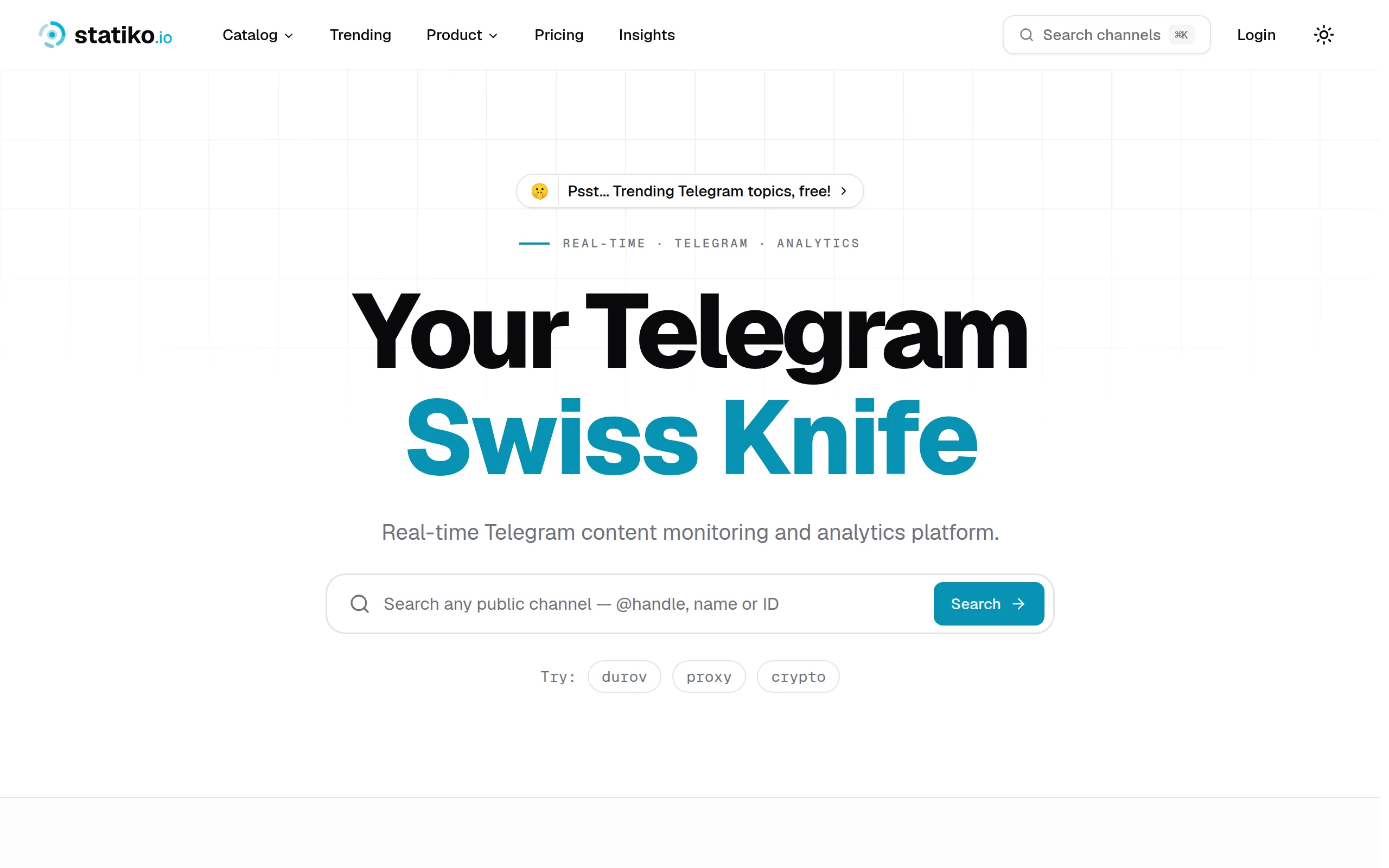
Statiko
Monitor any Telegram channel in real time - track posts, edits, deletions, and growth with AI recaps 📡
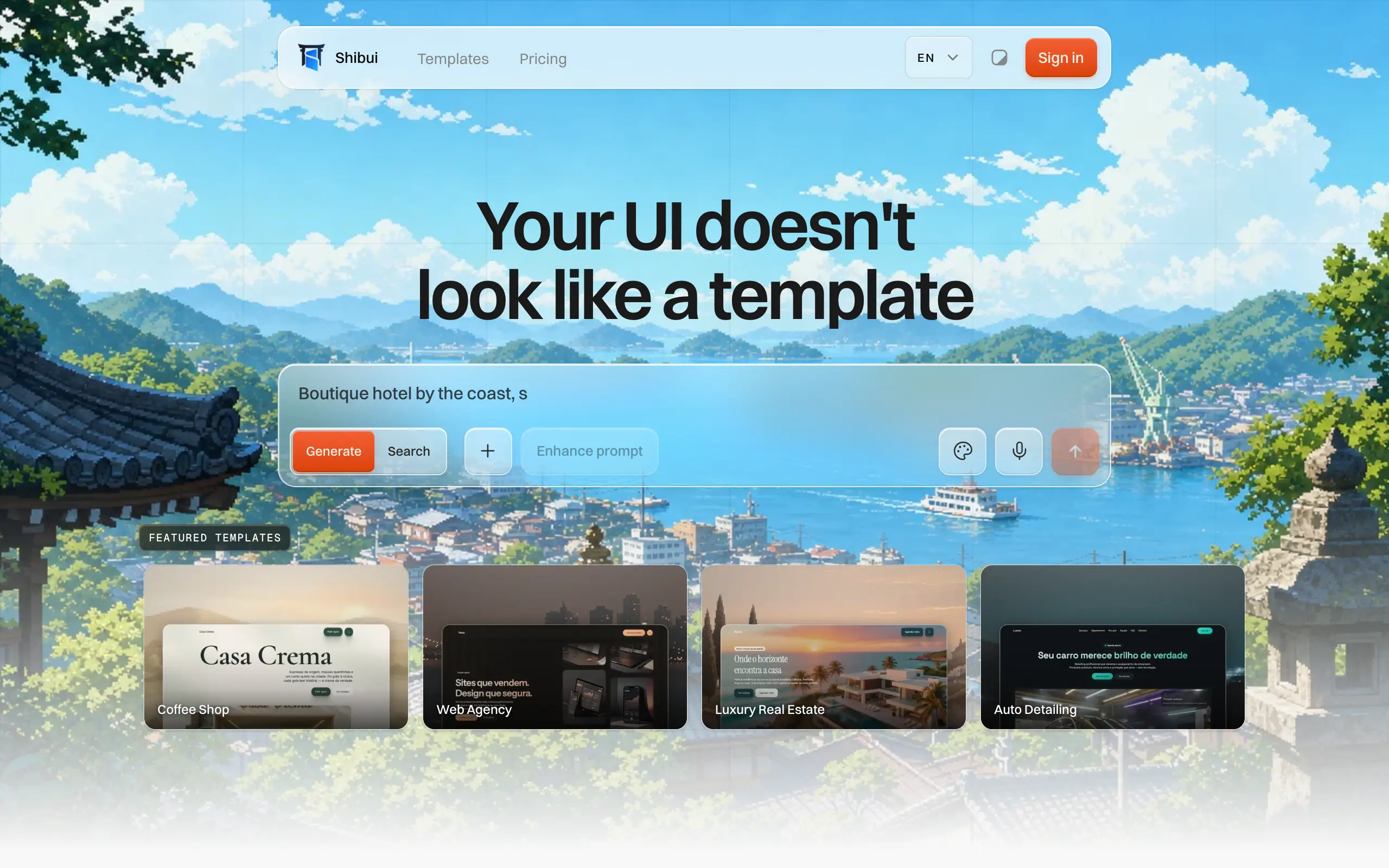
Shibui
AI website builder - describe your business, pick a niche template, edit by chatting, and publish instantly ✨
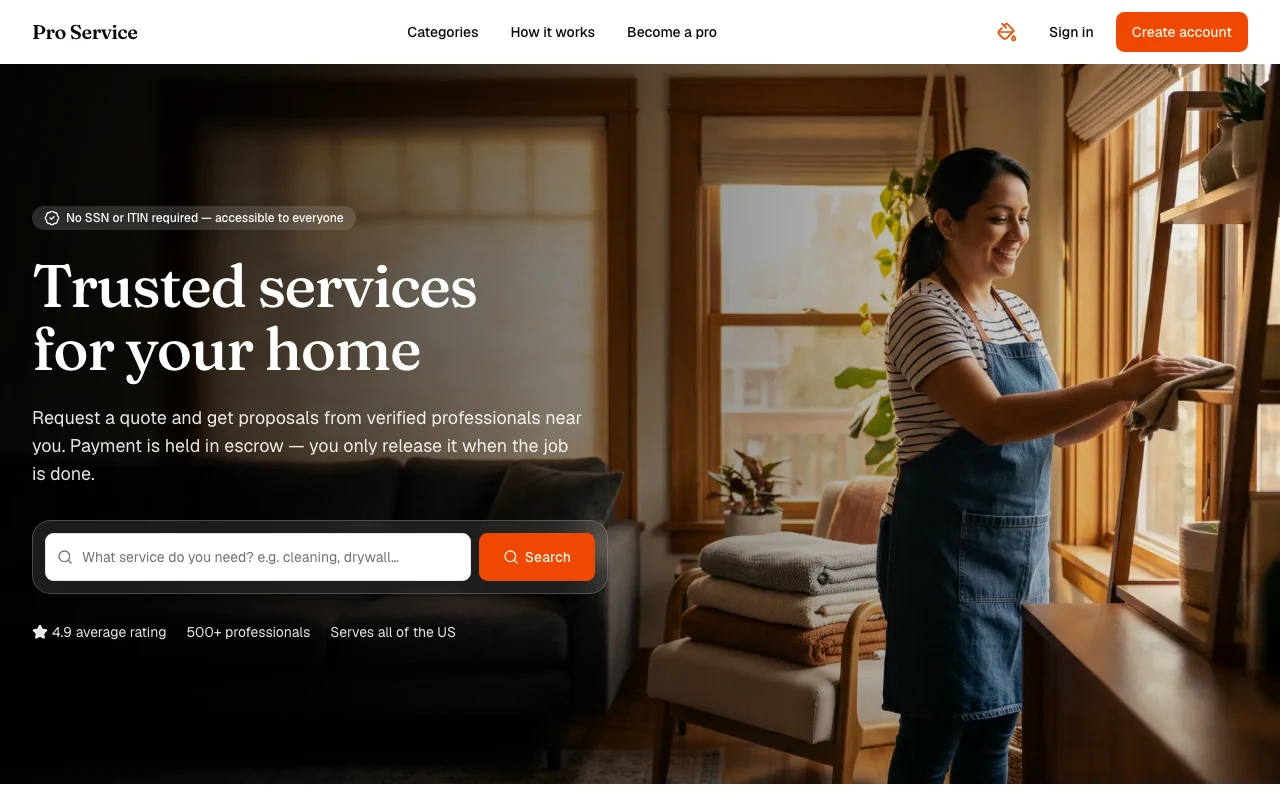
Pro Service
Find verified home service professionals, compare quotes, and pay securely through escrow - built for Brazilians across the US 🏠
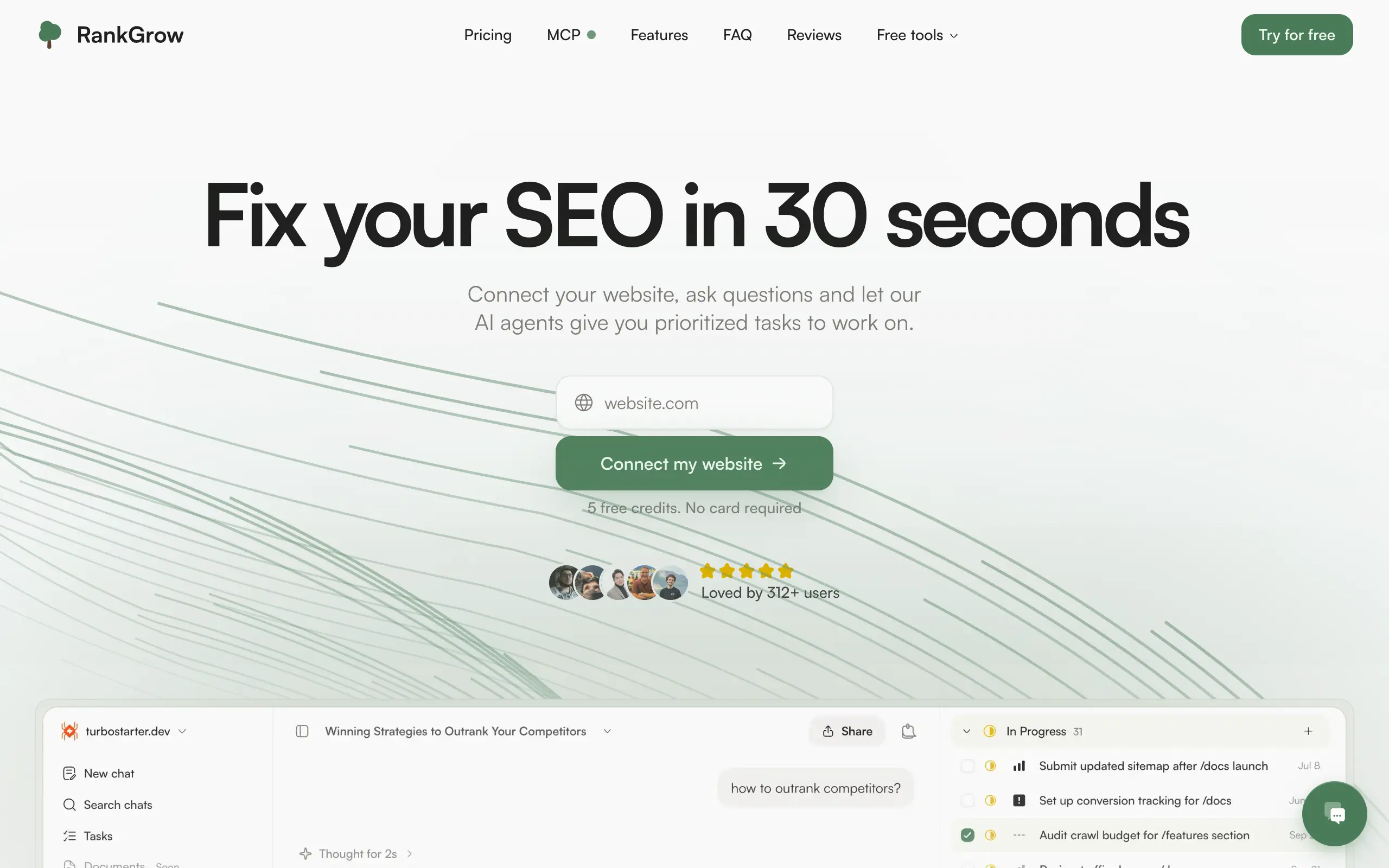
RankGrow
Fix your SEO with AI agents - connect Search Console, get prioritized tasks, and grow organic traffic 📈
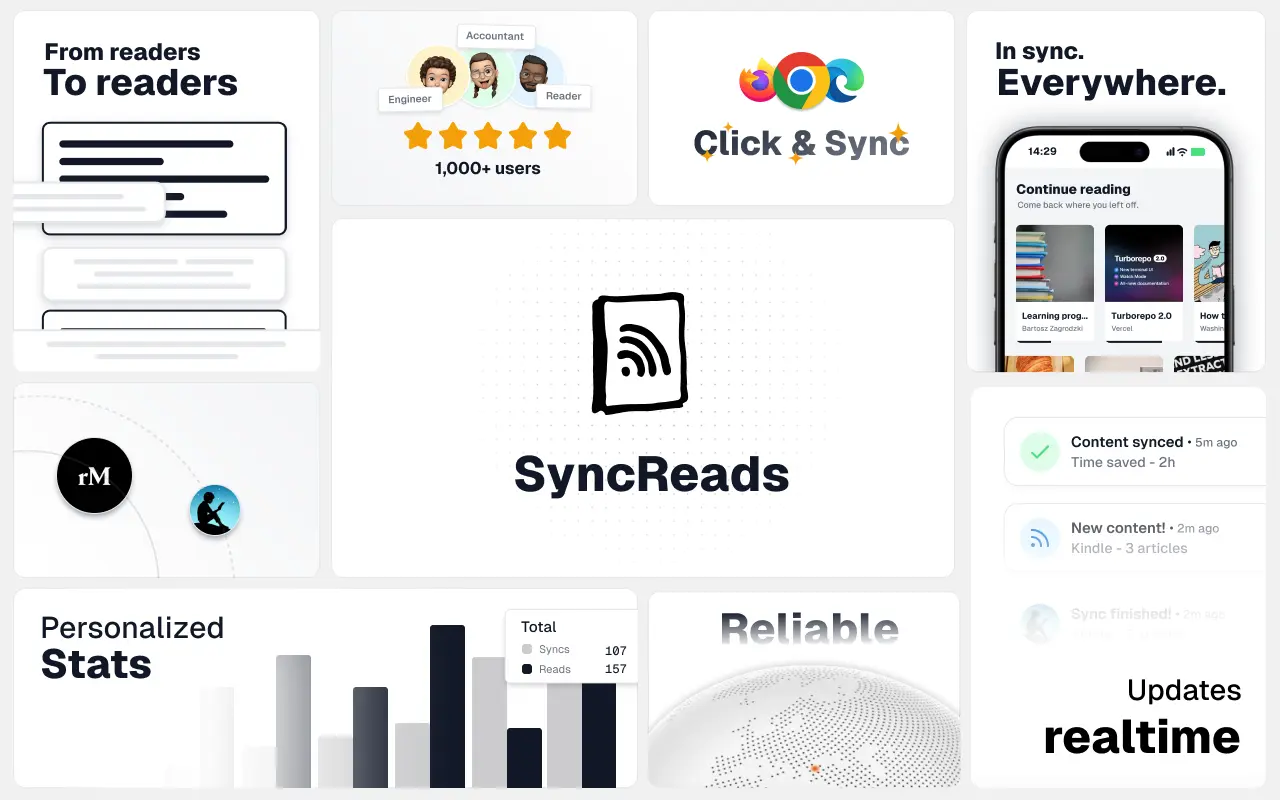
SyncReads
Sync your favorite content for distraction-free reading, save time and replace multiple apps. Anytime, anywhere 🔄
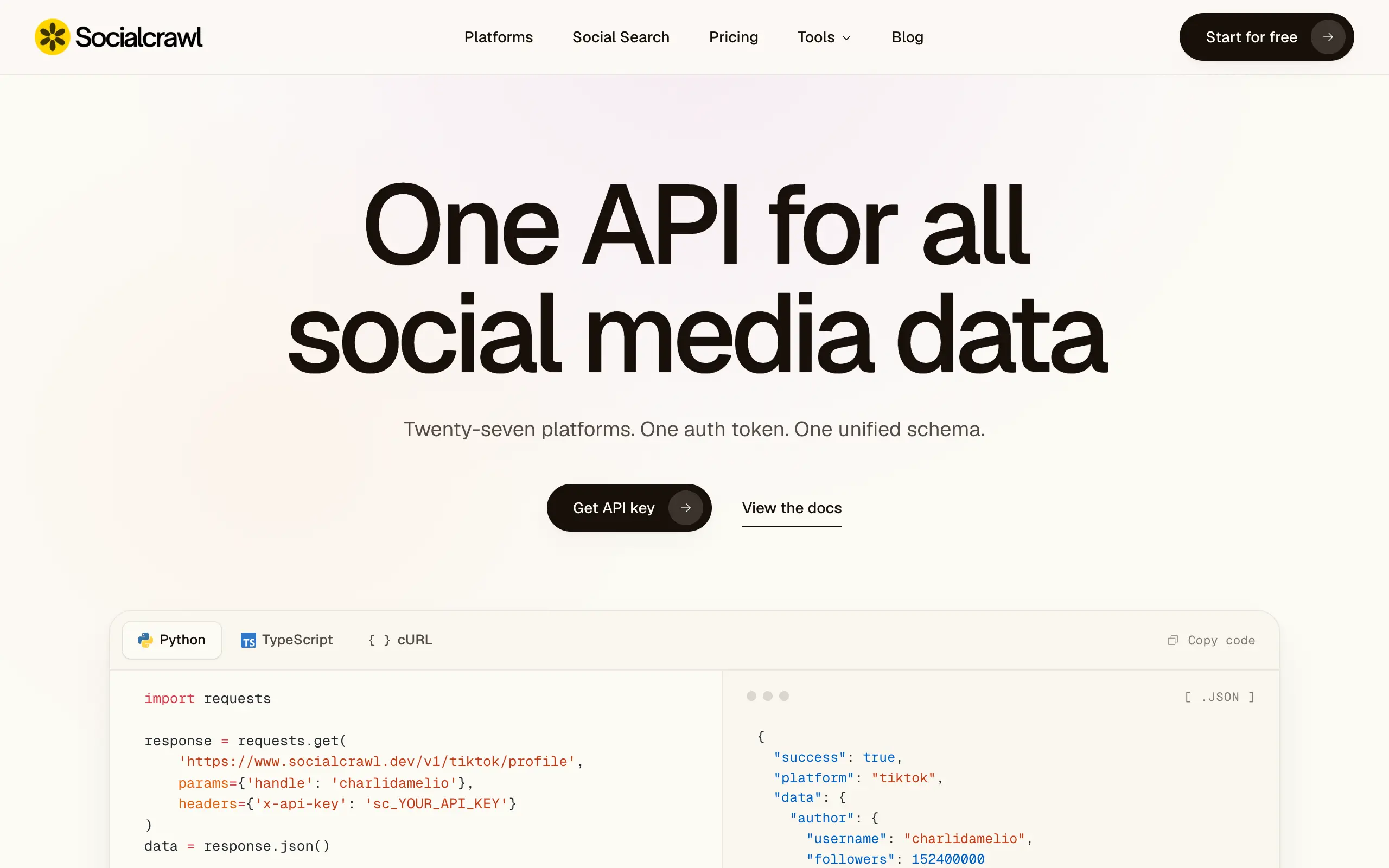
Socialcrawl
Get clean, structured data from 21 platforms like TikTok, Instagram, and YouTube with a single request 📊
Statiko
Monitor any Telegram channel in real time - track posts, edits, deletions, and growth with AI recaps 📡
Shibui
AI website builder - describe your business, pick a niche template, edit by chatting, and publish instantly ✨
Pro Service
Find verified home service professionals, compare quotes, and pay securely through escrow - built for Brazilians across the US 🏠
RankGrow
Fix your SEO with AI agents - connect Search Console, get prioritized tasks, and grow organic traffic 📈
SyncReads
Sync your favorite content for distraction-free reading, save time and replace multiple apps. Anytime, anywhere 🔄
Socialcrawl
Get clean, structured data from 21 platforms like TikTok, Instagram, and YouTube with a single request 📊
Statiko
Monitor any Telegram channel in real time - track posts, edits, deletions, and growth with AI recaps 📡
Shibui
AI website builder - describe your business, pick a niche template, edit by chatting, and publish instantly ✨
Pro Service
Find verified home service professionals, compare quotes, and pay securely through escrow - built for Brazilians across the US 🏠
RankGrow
Fix your SEO with AI agents - connect Search Console, get prioritized tasks, and grow organic traffic 📈
SyncReads
Sync your favorite content for distraction-free reading, save time and replace multiple apps. Anytime, anywhere 🔄
Socialcrawl
Get clean, structured data from 21 platforms like TikTok, Instagram, and YouTube with a single request 📊
Statiko
Monitor any Telegram channel in real time - track posts, edits, deletions, and growth with AI recaps 📡
Shibui
AI website builder - describe your business, pick a niche template, edit by chatting, and publish instantly ✨
Pro Service
Find verified home service professionals, compare quotes, and pay securely through escrow - built for Brazilians across the US 🏠
RankGrow
Fix your SEO with AI agents - connect Search Console, get prioritized tasks, and grow organic traffic 📈
SyncReads
Sync your favorite content for distraction-free reading, save time and replace multiple apps. Anytime, anywhere 🔄
Socialcrawl
Get clean, structured data from 21 platforms like TikTok, Instagram, and YouTube with a single request 📊
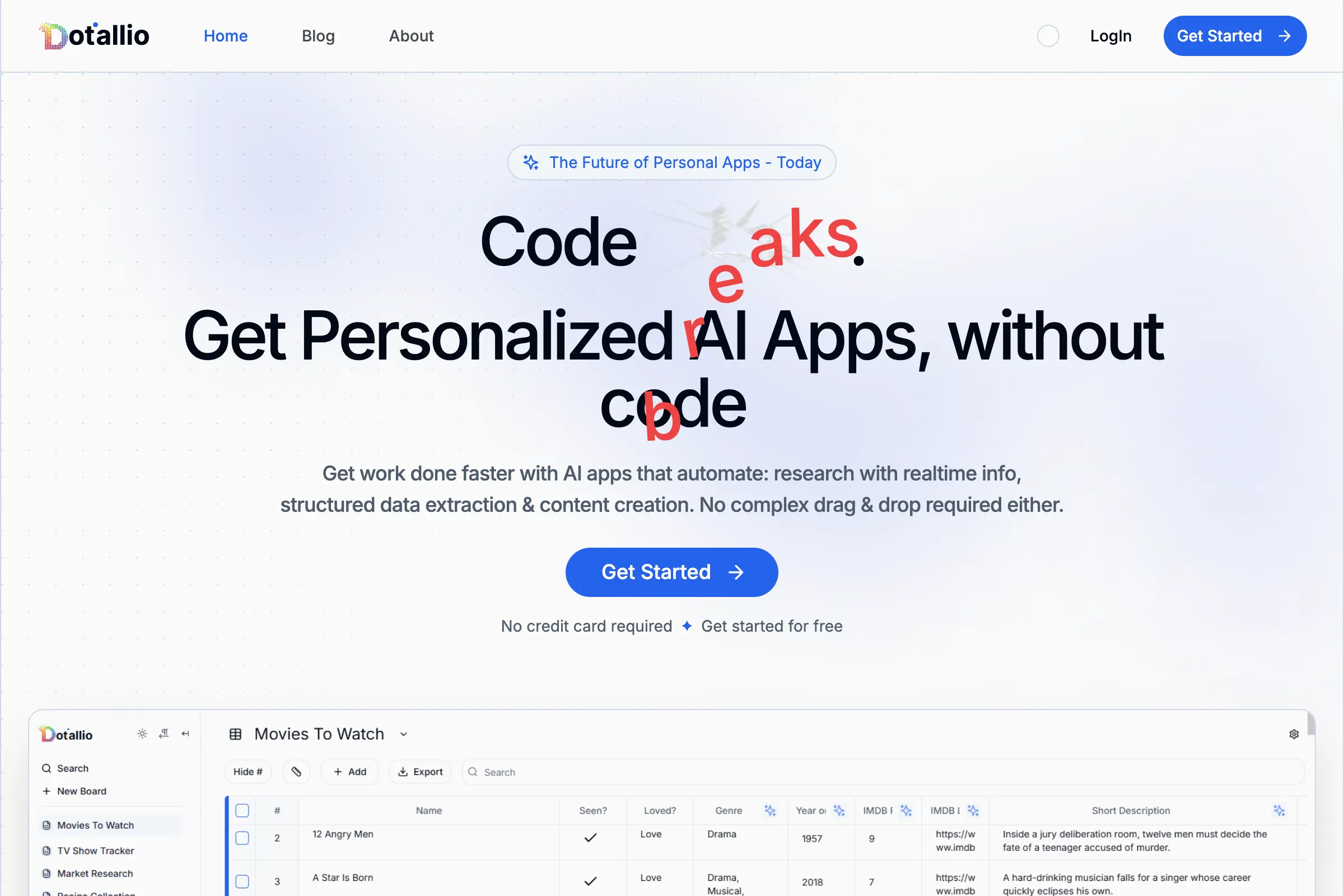
Dotallio
Personalized AI apps that automate research, data extraction, and content creation without code 🤖
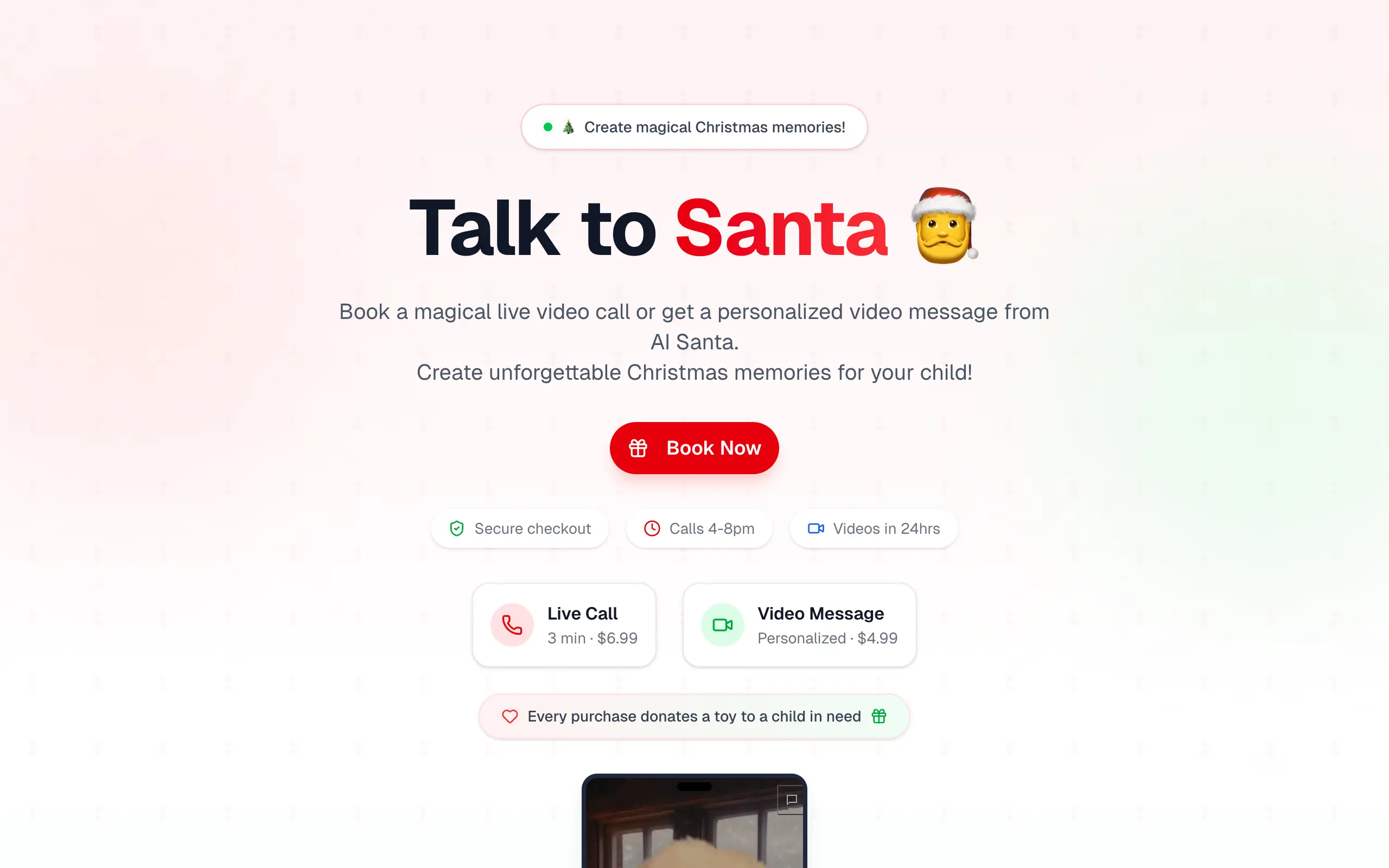
Talk to Santa
Enjoy a magical live video chat or receive a unique AI-generated video greeting from Santa Claus 🎅
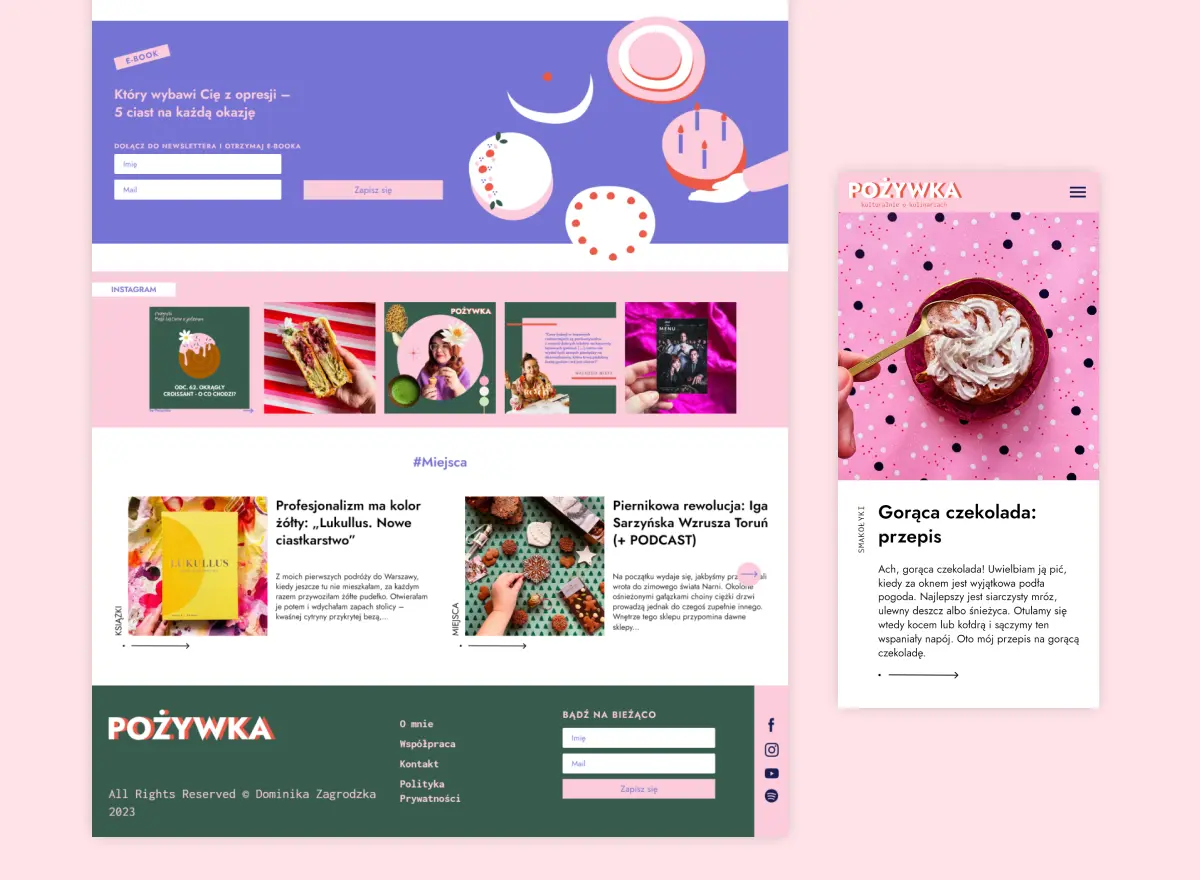
pozywka.pl
Scalable blog for food journalist, focused on performance and user experience 🌭
zagrodzki.me
Personal blog and portfolio of Bart Zagrodzki, where he shares his knowledge and work 💼
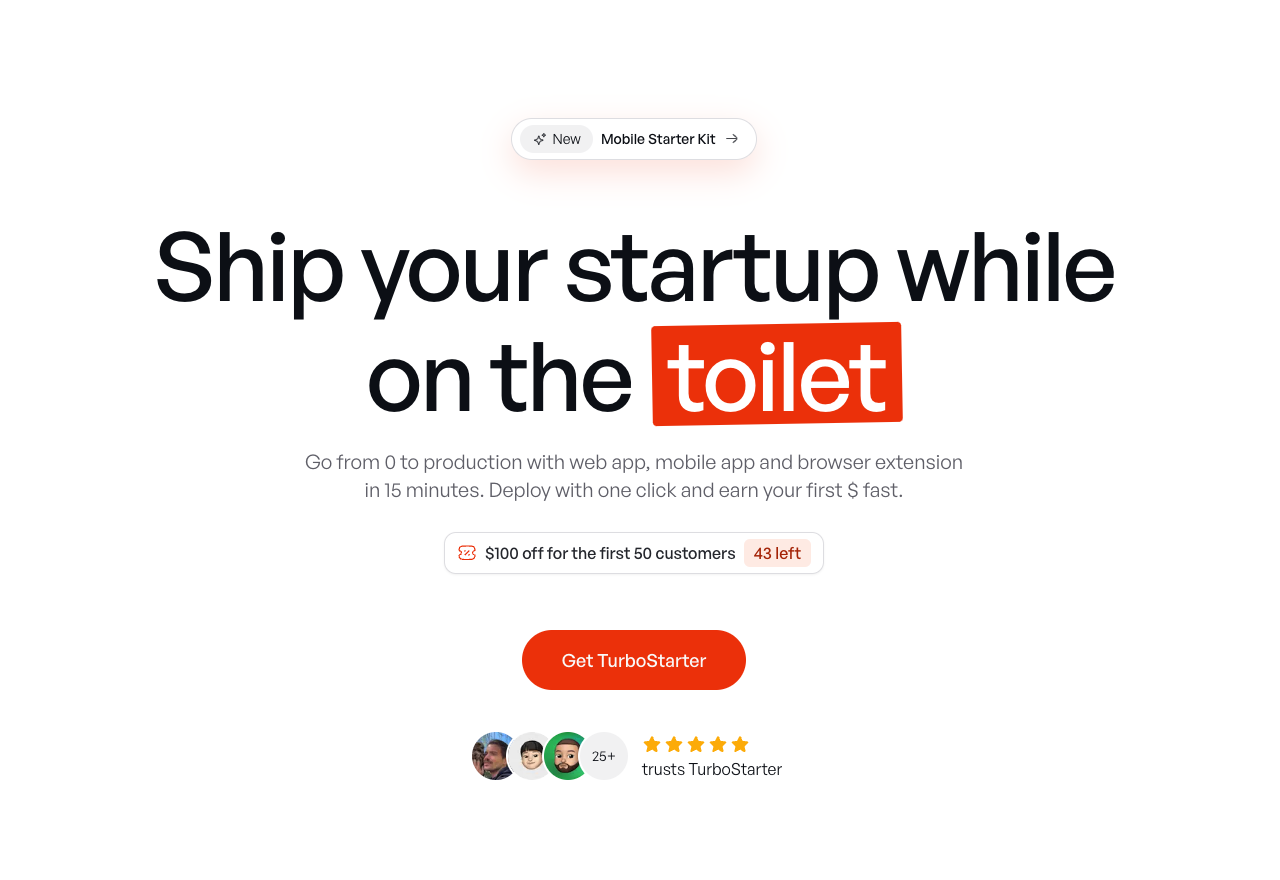
TurboStarter
Ship your startup everywhere. In minutes.
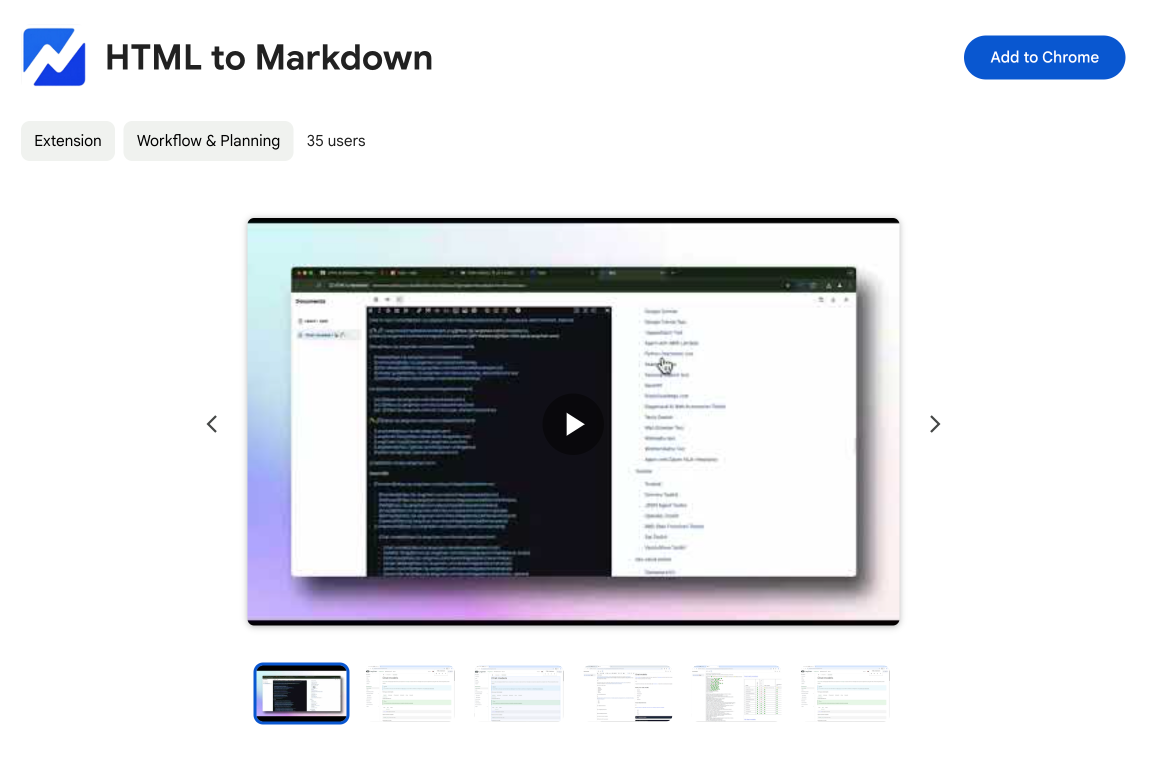
HTML to Markdown
Convert HTML to Markdown with ease, directly in your browser 📄
Dotallio
Personalized AI apps that automate research, data extraction, and content creation without code 🤖
Talk to Santa
Enjoy a magical live video chat or receive a unique AI-generated video greeting from Santa Claus 🎅
pozywka.pl
Scalable blog for food journalist, focused on performance and user experience 🌭
zagrodzki.me
Personal blog and portfolio of Bart Zagrodzki, where he shares his knowledge and work 💼
TurboStarter
Ship your startup everywhere. In minutes.
HTML to Markdown
Convert HTML to Markdown with ease, directly in your browser 📄
Dotallio
Personalized AI apps that automate research, data extraction, and content creation without code 🤖
Talk to Santa
Enjoy a magical live video chat or receive a unique AI-generated video greeting from Santa Claus 🎅
pozywka.pl
Scalable blog for food journalist, focused on performance and user experience 🌭
zagrodzki.me
Personal blog and portfolio of Bart Zagrodzki, where he shares his knowledge and work 💼
TurboStarter
Ship your startup everywhere. In minutes.
HTML to Markdown
Convert HTML to Markdown with ease, directly in your browser 📄
Dotallio
Personalized AI apps that automate research, data extraction, and content creation without code 🤖
Talk to Santa
Enjoy a magical live video chat or receive a unique AI-generated video greeting from Santa Claus 🎅
pozywka.pl
Scalable blog for food journalist, focused on performance and user experience 🌭
zagrodzki.me
Personal blog and portfolio of Bart Zagrodzki, where he shares his knowledge and work 💼
TurboStarter
Ship your startup everywhere. In minutes.
HTML to Markdown
Convert HTML to Markdown with ease, directly in your browser 📄
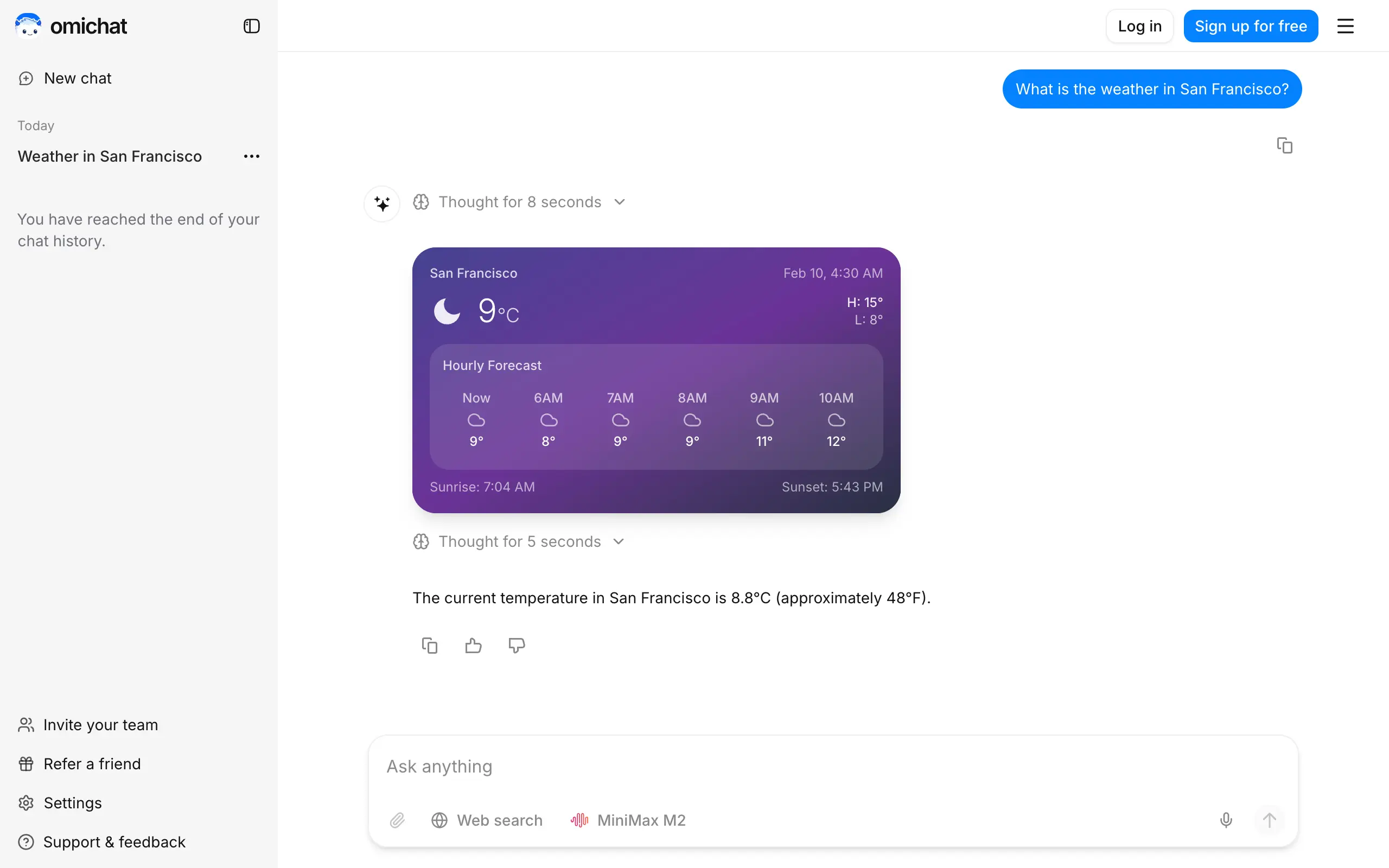
Omichat
Chat with 50+ AI models, including ChatGPT and Claude, in one place - switch models anytime without losing context 🤖
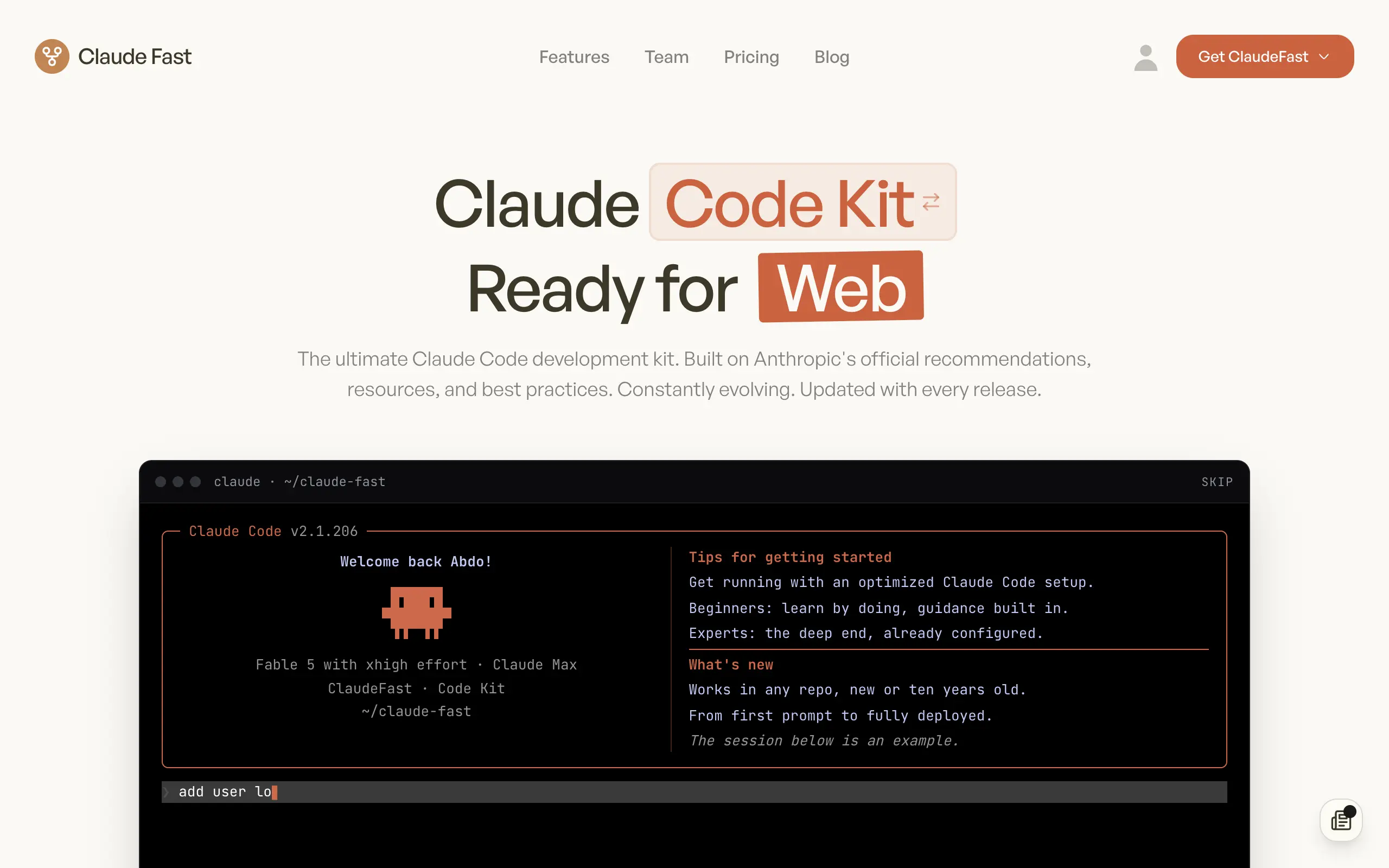
Claude Fast
Supercharge your Claude Code with 6x effective context window and specialized AI agents 🤖
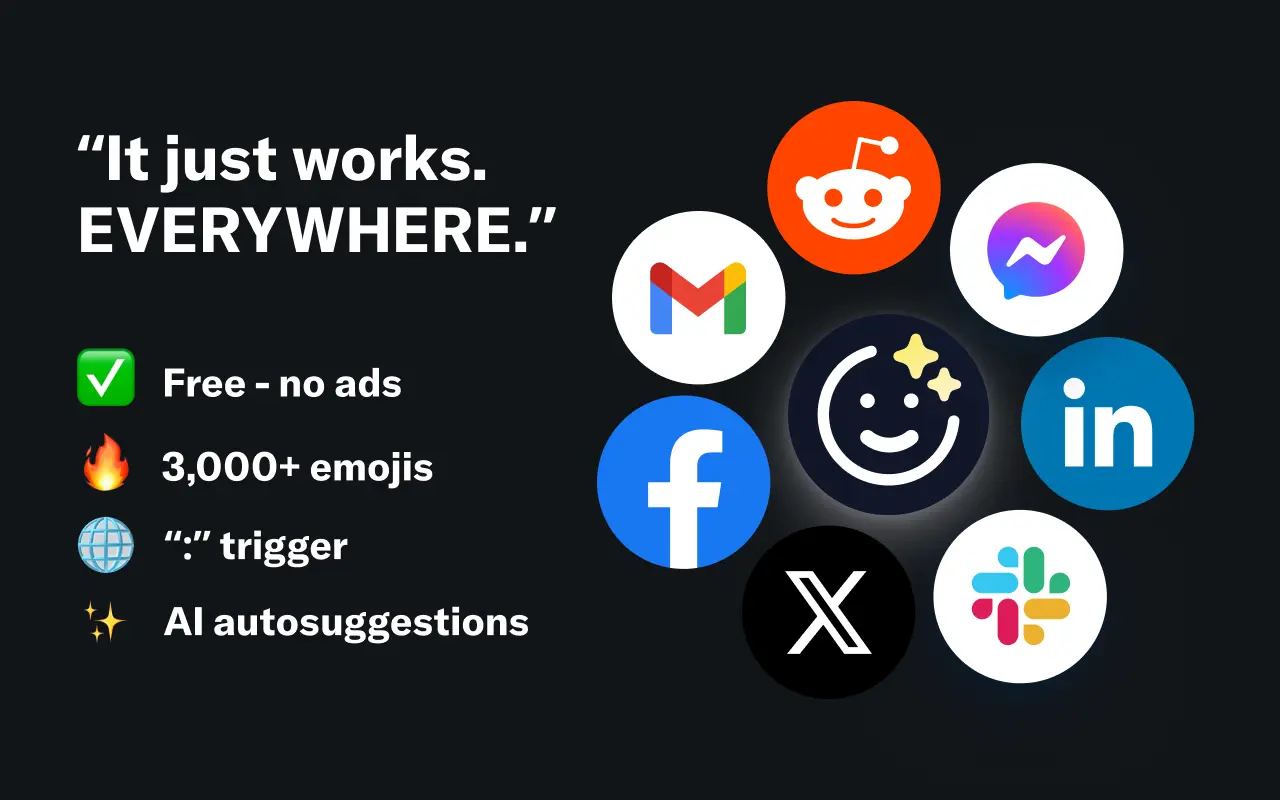
EmojAI
AI-powered emoji picker with smart, context-aware suggestions 🤖
Solohacker
Autonomous company launcher - AI agents work 24/7, escalate what matters, and you stay in control 🤖
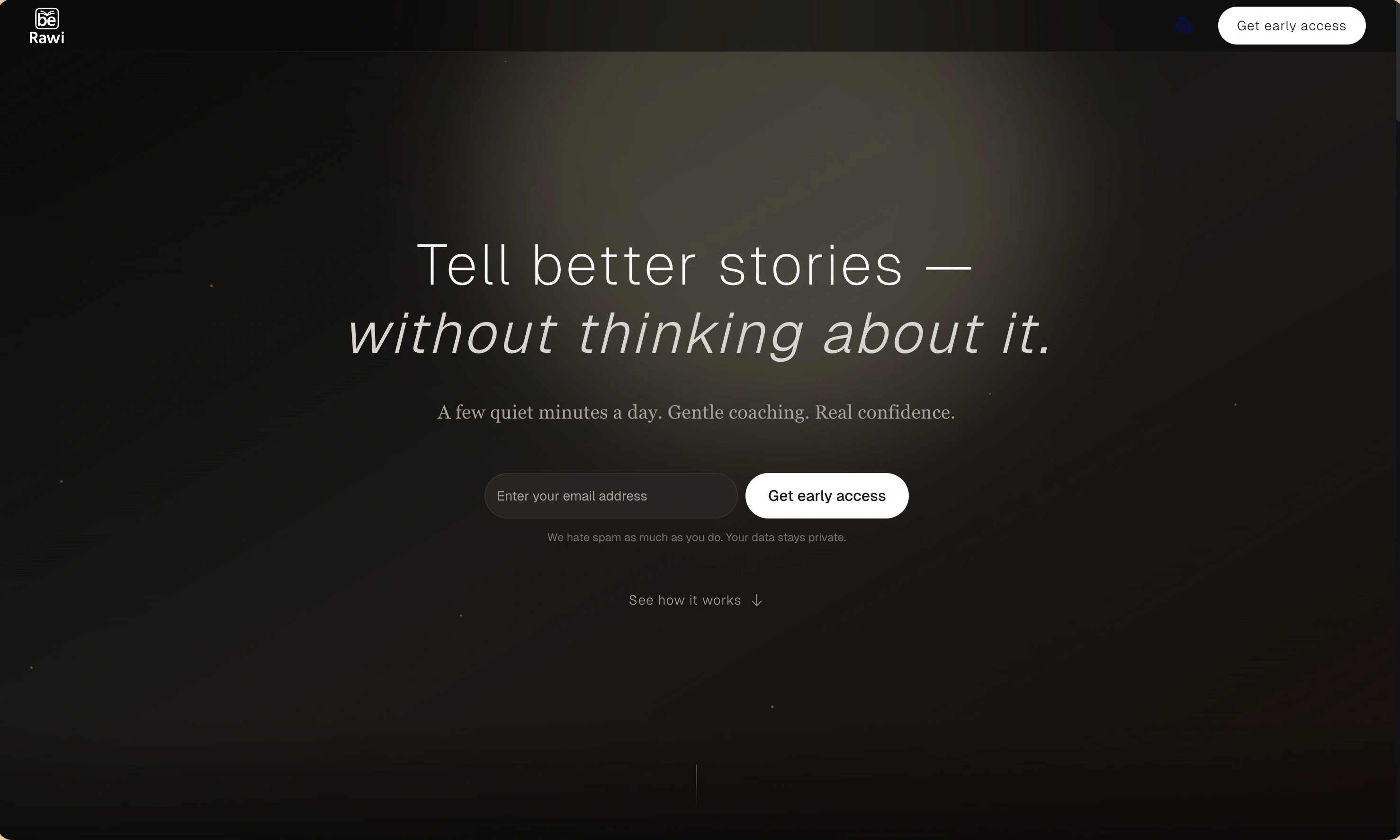
BeRawi: Storytelling Coach
Practice storytelling daily with instant feedback to sound clearer, more engaging, and confident 🎤
Omichat
Chat with 50+ AI models, including ChatGPT and Claude, in one place - switch models anytime without losing context 🤖
Claude Fast
Supercharge your Claude Code with 6x effective context window and specialized AI agents 🤖
EmojAI
AI-powered emoji picker with smart, context-aware suggestions 🤖
Solohacker
Autonomous company launcher - AI agents work 24/7, escalate what matters, and you stay in control 🤖
BeRawi: Storytelling Coach
Practice storytelling daily with instant feedback to sound clearer, more engaging, and confident 🎤
Omichat
Chat with 50+ AI models, including ChatGPT and Claude, in one place - switch models anytime without losing context 🤖
Claude Fast
Supercharge your Claude Code with 6x effective context window and specialized AI agents 🤖
EmojAI
AI-powered emoji picker with smart, context-aware suggestions 🤖
Solohacker
Autonomous company launcher - AI agents work 24/7, escalate what matters, and you stay in control 🤖
BeRawi: Storytelling Coach
Practice storytelling daily with instant feedback to sound clearer, more engaging, and confident 🎤
Omichat
Chat with 50+ AI models, including ChatGPT and Claude, in one place - switch models anytime without losing context 🤖
Claude Fast
Supercharge your Claude Code with 6x effective context window and specialized AI agents 🤖
EmojAI
AI-powered emoji picker with smart, context-aware suggestions 🤖
Solohacker
Autonomous company launcher - AI agents work 24/7, escalate what matters, and you stay in control 🤖
BeRawi: Storytelling Coach
Practice storytelling daily with instant feedback to sound clearer, more engaging, and confident 🎤

Connect with like-minded people
Join our community to get feedback, support, and grow together with 1,000+ builders on board, let's ship it!
Join usShip your startup everywhere. In minutes.
Don't burn tokens on setup and start building features on day one.