AutoPolicy AI
AI compliance copilot that automatically generates, updates, and audits company policies based on regulations like GDPR, SOC 2, and ISO standards.
The rising need for AI-driven compliance automation
Regulatory complexity is increasing at a pace that most companies simply cannot match manually. Frameworks such as GDPR, SOC 2, and ISO 27001 evolve regularly. New privacy laws (like state-level regulations in the U.S.) and industry-specific mandates continuously reshape compliance requirements.
For startups and growing B2B companies, this creates a painful reality:
- Compliance is mandatory to close enterprise deals.
- Regulations are complex and constantly changing.
- Manual policy creation is time-consuming and error-prone.
- Hiring dedicated compliance experts is expensive.
This is where an AI compliance copilot like AutoPolicy AI becomes strategically powerful. By automatically generating, updating, and auditing company policies based on recognized frameworks, it transforms compliance from a reactive cost center into a proactive, scalable system.
This article explores the full opportunity behind AutoPolicy AI — including market positioning, target audience, product architecture, tech stack, monetization strategy, risks, and implementation roadmap.
Understanding user search intent
When users search for:
- “AI compliance software”
- “Automated GDPR policy generator”
- “SOC 2 policy automation”
- “ISO 27001 documentation tool”
- “Compliance AI copilot”
They are typically looking for one or more of the following:
- A faster way to generate compliance policies
- Guidance on preparing for audits
- Tools to reduce compliance consulting costs
- Automation to keep policies updated with regulation changes
- Risk reduction and audit readiness
AutoPolicy AI must directly address these needs by:
- Demonstrating regulatory expertise (E-E-A-T)
- Providing automation clarity (how it works)
- Showing practical ROI (cost savings, time savings)
- Explaining integration with real-world compliance workflows
The compliance problem: why current solutions fall short
Traditional compliance processes are broken.
1. Manual policy drafting
Companies often:
- Copy templates from the internet
- Hire consultants to draft policies
- Modify generic documents without deep contextualization
This results in:
- Inconsistent documentation
- Overly generic policies
- Gaps in implementation alignment
2. Static documentation in a dynamic environment
Regulations change. Business processes evolve. Cloud infrastructure shifts.
Yet most policies are static PDFs stored in Google Drive.
3. Audit panic cycles
Organizations scramble before SOC 2 or ISO audits:
- Scrambling to update policies
- Realizing outdated language
- Discovering misalignment between documentation and practice
4. High consulting costs
Compliance consulting firms charge:
- $10,000–$50,000+ for SOC 2 readiness
- Recurring annual audit preparation fees
There is a clear market gap for AI-powered continuous compliance automation.
Market opportunity for AI compliance automation
The governance, risk, and compliance (GRC) software market is expanding rapidly. According to public industry reports from major research firms (e.g., Gartner and MarketsandMarkets), the global GRC market is projected to grow steadily due to increased regulatory scrutiny and digital transformation.
Key drivers:
- Rise in data protection laws (GDPR, CCPA, global equivalents)
- Increase in SaaS businesses selling to enterprise
- Cybersecurity threats and data breaches
- Investor and board-level risk oversight
Ideal market segment
AutoPolicy AI should focus on:
- SaaS startups (Series A–C)
- Cloud-native companies
- B2B companies selling to enterprise clients
- Fintech and Healthtech startups
- Remote-first companies handling global data
These organizations:
- Need SOC 2 or ISO certification to close deals
- Lack large internal compliance teams
- Move quickly and need scalable documentation
This creates a powerful positioning angle:
“Compliance that scales as fast as your company.”
Target audience deep dive
1. Startup founders
Pain points:
- Enterprise deals blocked due to missing SOC 2
- Overwhelmed by compliance complexity
- Limited budget
Desired outcome:
- Fast path to audit readiness
- Clear checklist and policy coverage
2. CTOs and engineering leaders
Pain points:
- Policies misaligned with actual infrastructure
- Security questionnaires from enterprise clients
- Constant need to update documentation
Desired outcome:
- Policies automatically aligned with tech stack
- Audit-friendly documentation
- Reduced manual documentation overhead
3. Compliance officers / GRC managers
Pain points:
- Time-consuming updates
- Tracking regulation changes
- Preparing for annual audits
Desired outcome:
- Continuous monitoring
- Automated updates
- Gap detection
4. Legal teams
Pain points:
- Ensuring regulatory coverage
- Risk exposure from outdated policies
Desired outcome:
- Version control
- Audit trail
- Change tracking
The core solution: how AutoPolicy AI works
AutoPolicy AI acts as an AI compliance copilot, not just a document generator.
Core pillars
Policy generation
Generate GDPR, SOC 2, and ISO-aligned policies tailored to company size, industry, and infrastructure.
Regulatory monitoring
Continuously track regulation updates and recommend policy changes automatically.
Policy auditing
Audit existing documentation against selected compliance frameworks and highlight gaps.
Version control & audit logs
Maintain detailed change history for auditors and legal review.
Feature breakdown: what makes it powerful
1. AI policy generator
Users input:
- Company size
- Industry
- Countries of operation
- Cloud provider (AWS, Azure, GCP)
- Data processing types
- Security tools in use
The system outputs:
- Information Security Policy
- Data Protection Policy
- Access Control Policy
- Incident Response Plan
- Vendor Management Policy
- Business Continuity Plan
Each mapped directly to frameworks like:
- GDPR Articles
- SOC 2 Trust Services Criteria
- ISO 27001 Annex A controls
2. Regulation-aware update engine
AutoPolicy AI monitors:
- GDPR updates
- EU AI Act developments
- SOC 2 guidance changes
- ISO revisions
- U.S. state privacy laws
When changes occur, the system:
- Flags affected policies
- Suggests updates
- Provides rationale
- Tracks version changes
This shifts compliance from reactive to proactive.
3. Gap analysis and audit simulation
Before audits, users can run:
- SOC 2 readiness check
- ISO 27001 coverage review
- GDPR compliance mapping
The system produces:
- Control coverage percentage
- Missing documentation
- Weak policy areas
- Evidence requirements
4. Integration layer
To align policies with real-world systems, integrate with:
- GitHub
- AWS
- Google Cloud
- Okta
- Jira
- HRIS systems
This enables policy contextualization:
- Access control policies reflect real IAM structure
- Backup policies reflect actual cloud settings
- Incident plans align with ticketing workflows
Competitive landscape analysis
Major players in compliance automation:
- Vanta
- Drata
- Secureframe
However, many focus heavily on control monitoring, not intelligent policy generation and real-time regulatory updates.
Positioning difference
AutoPolicy AI can differentiate through:
- Deeper AI-powered policy contextualization
- Real-time regulatory intelligence
- Lower entry pricing for startups
- Multi-framework support beyond SOC 2
Competitive feature comparison
| Feature | Vanta | Drata | Manual Consultants | AutoPolicy AI |
|---|---|---|---|---|
| AI-generated custom policies | ❌ | ❌ | ❌ | ✅ |
| Continuous regulatory update engine | ❌ | ❌ | ❌ | ✅ |
| Control monitoring | ✅ | ✅ | ❌ | ✅ |
| Lower startup pricing | ❌ | ❌ | ❌ | ✅ |
Recommended tech stack for AutoPolicy AI
Building a scalable AI compliance copilot requires a thoughtful stack.
Frontend
Why:
- Fast development
- SEO optimization (critical for compliance search traffic)
- Strong ecosystem
Backend
- Node.js (with NestJS or Express)
- PostgreSQL for structured policy data
- Redis for caching regulatory updates
- Vector database (e.g., Pinecone or open-source alternatives) for semantic regulation search
AI layer
- LLM API (OpenAI, Anthropic, etc.)
- Retrieval-Augmented Generation (RAG) for:
- Regulation documents
- ISO standards
- Legal references
Example policy generation call:
const generatePolicy = async (companyProfile) => {
  const response = await aiClient.generate({
    framework: "SOC2",
    companySize: companyProfile.size,
    cloudProvider: companyProfile.cloud,
    region: companyProfile.region,
  });

  return response.policyDocument;
};
Compliance data architecture
Key design principle:
Never generate policies without referencing actual framework sources.
Use:
- Structured compliance control mapping tables
- Version-controlled regulation datasets
- Internal rule engine before LLM generation
This ensures legal defensibility and trust.
Monetization strategy
1. Tiered SaaS pricing
Starter (Startup-friendly)
- GDPR + SOC 2 policy generator
- Basic updates
- $99–$199/month
Growth
- Multi-framework
- Integration support
- Audit simulation
- $399–$799/month
Enterprise
- Dedicated compliance workspace
- Custom regulation tracking
- SSO
- SLA
- Custom pricing
2. Add-on revenue
- Audit preparation bundles
- Expert review sessions
- Regulatory intelligence reports
- White-label API for legal firms
3. API monetization
Allow:
- Law firms
- GRC platforms
- Consulting firms
To integrate AutoPolicy AI’s policy engine.
Unique selling proposition (USP)
AutoPolicy AI is not just:
- A policy template library
- A SOC 2 checklist tool
- A static documentation manager
It is:
A continuously learning compliance intelligence engine that keeps policies aligned with evolving regulations and real-world infrastructure.
That positioning differentiates it from checklist-based competitors.
Risks and mitigation strategies
Risk 1: Legal liability
Mitigation:
- Clear disclaimers
- Human-in-the-loop review
- Version audit trails
- Legal advisory board
Risk 2: AI hallucinations
Mitigation:
- Retrieval-Augmented Generation
- Strict framework control mapping
- Validation rules
- Manual override options
Risk 3: Regulatory complexity
Mitigation:
- Start with 3 frameworks (GDPR, SOC 2, ISO 27001)
- Expand gradually
- Maintain dedicated compliance data team
Risk 4: Enterprise trust barrier
Mitigation:
- Publish methodology
- Offer transparency reports
- SOC 2 Type II certification internally
Implementation roadmap
Go-to-market strategy
1. SEO content engine
Target keywords:
- AI compliance software
- SOC 2 automation tool
- GDPR policy generator
- ISO 27001 documentation software
- Compliance automation SaaS
Create:
- Deep compliance guides
- Framework comparison articles
- Audit readiness checklists
2. Founder-focused distribution
- LinkedIn content for CTOs
- Startup community partnerships
- Integration partnerships (cloud providers)
3. Compliance webinars
Host:
- “How to prepare for SOC 2 in 2026”
- “Automating GDPR policy updates”
Position AutoPolicy AI as an authority.
Building faster with the right foundation
Launching a compliance SaaS requires:
- Secure authentication
- Team roles
- Subscription billing
- Audit logging
- Multi-tenant architecture
Instead of building everything from scratch, starting with a production-ready SaaS foundation like TurboStarter significantly accelerates development and reduces architectural risk.
This allows the team to focus on:
- AI logic
- Regulation intelligence
- Policy mapping engine
Rather than rebuilding authentication and billing systems.
Long-term vision
AutoPolicy AI can evolve into:
- A full AI GRC platform
- Enterprise compliance knowledge graph
- Regulatory impact prediction engine
- Cross-border compliance simulator
Eventually, it could provide:
- Real-time compliance scoring
- Automated evidence collection
- Continuous board-level compliance dashboards
Final actionable next steps
If you are building AutoPolicy AI:
- Interview compliance-focused startups immediately.
- Map GDPR + SOC 2 controls into structured datasets.
- Design RAG architecture before building UI.
- Launch a narrow, powerful MVP.
- Position as “AI compliance copilot,” not document generator.
- Build authority content early for SEO dominance.
The regulatory world is not getting simpler. It is getting more dynamic, more complex, and more scrutinized.
The companies that win will not manage compliance manually.
They will automate it intelligently.
And an AI compliance copilot like AutoPolicy AI is positioned to lead that transformation.
More 🏢 B2B Application SaaS ideas
Discover more innovative b2b application SaaS ideas that are trending in 2026. Each idea is AI-generated with market validation and growth potential to help you find your next profitable venture faster than competitors.
Your competitors are building with TurboStarter
Below are some of the SaaS ideas that have been generated and built with our starter kit.
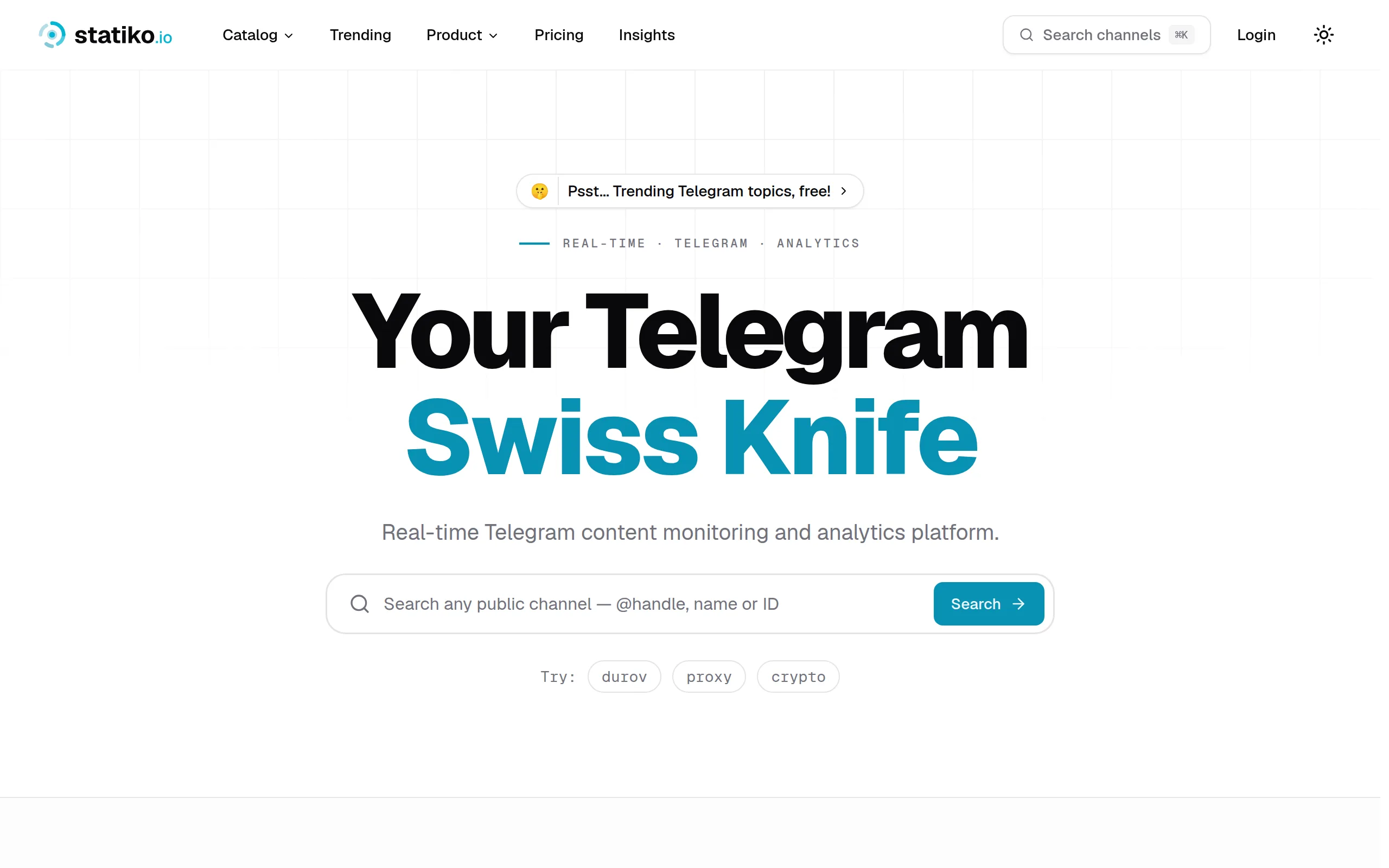
Statiko
Monitor any Telegram channel in real time - track posts, edits, deletions, and growth with AI recaps 📡

Shibui
AI website builder - describe your business, pick a niche template, edit by chatting, and publish instantly ✨

Pro Service
Find verified home service professionals, compare quotes, and pay securely through escrow - built for Brazilians across the US 🏠
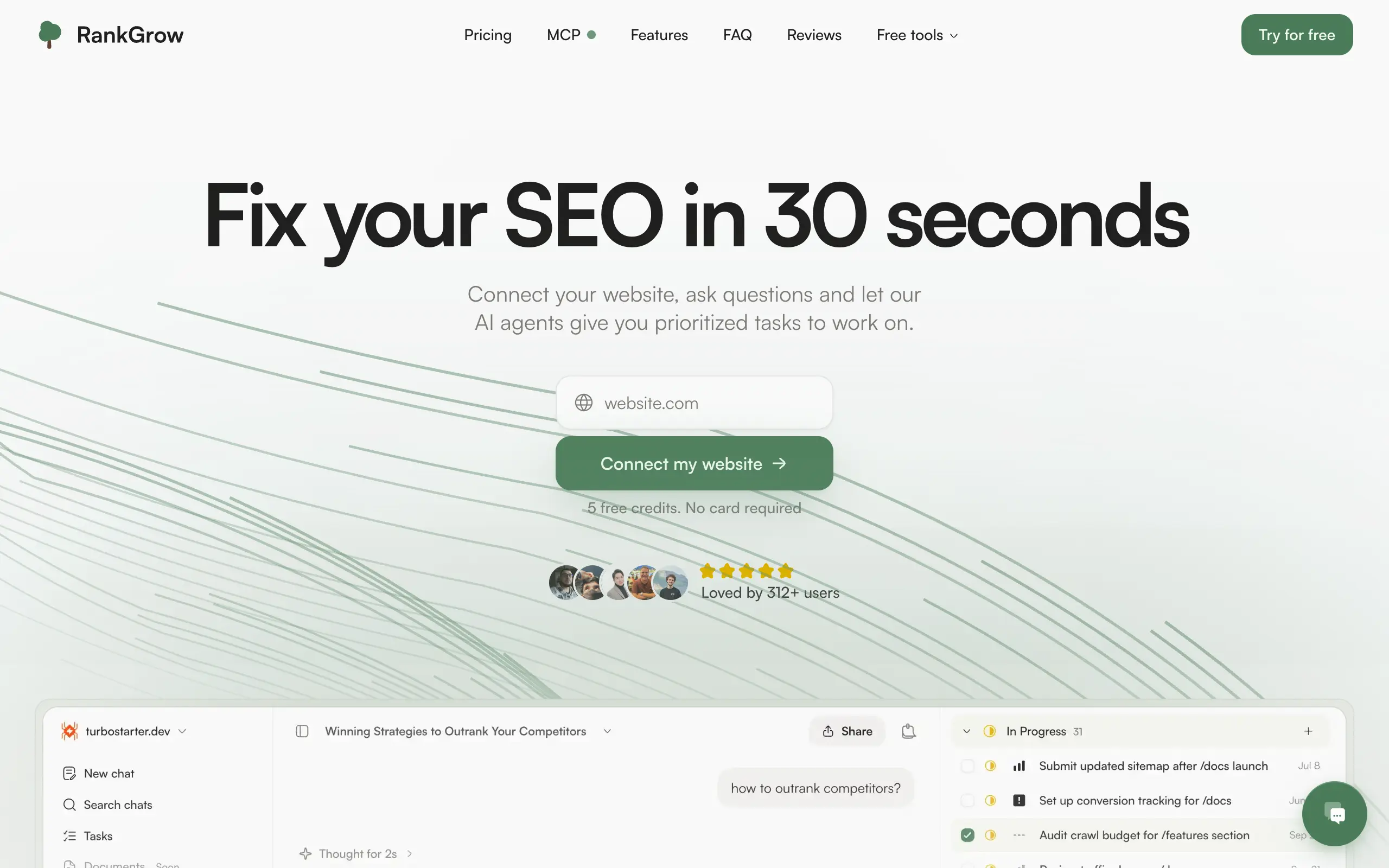
RankGrow
Fix your SEO with AI agents - connect Search Console, get prioritized tasks, and grow organic traffic 📈
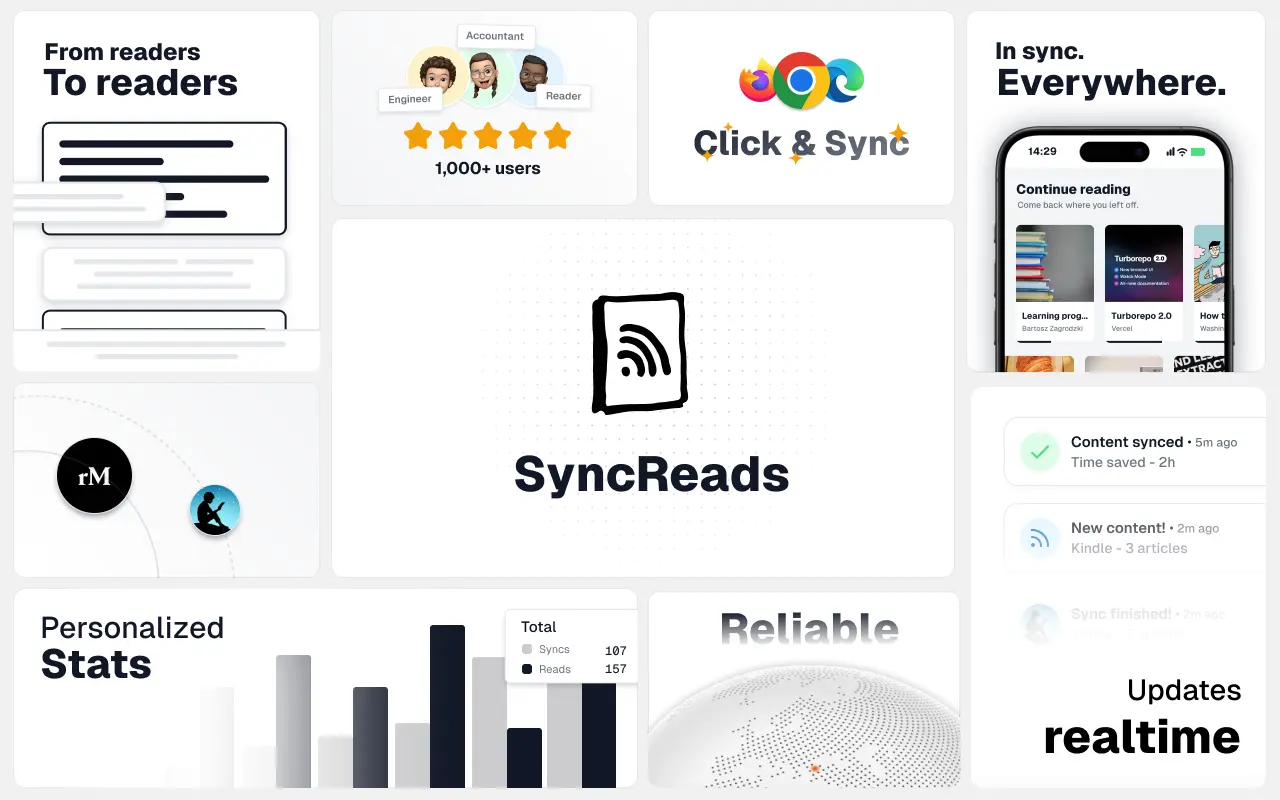
SyncReads
Sync your favorite content for distraction-free reading, save time and replace multiple apps. Anytime, anywhere 🔄
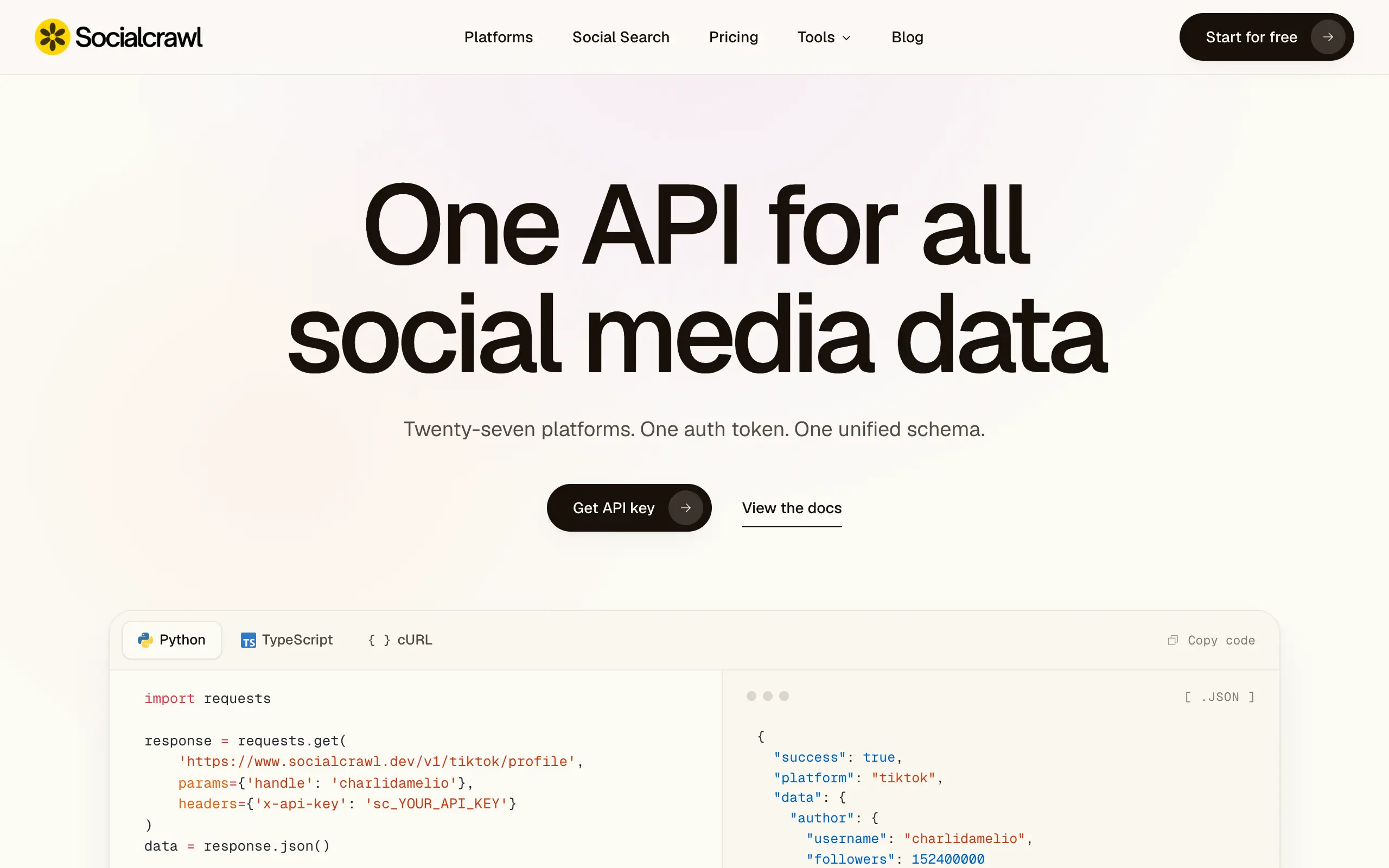
Socialcrawl
Get clean, structured data from 21 platforms like TikTok, Instagram, and YouTube with a single request 📊
Statiko
Monitor any Telegram channel in real time - track posts, edits, deletions, and growth with AI recaps 📡
Shibui
AI website builder - describe your business, pick a niche template, edit by chatting, and publish instantly ✨
Pro Service
Find verified home service professionals, compare quotes, and pay securely through escrow - built for Brazilians across the US 🏠
RankGrow
Fix your SEO with AI agents - connect Search Console, get prioritized tasks, and grow organic traffic 📈
SyncReads
Sync your favorite content for distraction-free reading, save time and replace multiple apps. Anytime, anywhere 🔄
Socialcrawl
Get clean, structured data from 21 platforms like TikTok, Instagram, and YouTube with a single request 📊
Statiko
Monitor any Telegram channel in real time - track posts, edits, deletions, and growth with AI recaps 📡
Shibui
AI website builder - describe your business, pick a niche template, edit by chatting, and publish instantly ✨
Pro Service
Find verified home service professionals, compare quotes, and pay securely through escrow - built for Brazilians across the US 🏠
RankGrow
Fix your SEO with AI agents - connect Search Console, get prioritized tasks, and grow organic traffic 📈
SyncReads
Sync your favorite content for distraction-free reading, save time and replace multiple apps. Anytime, anywhere 🔄
Socialcrawl
Get clean, structured data from 21 platforms like TikTok, Instagram, and YouTube with a single request 📊
Statiko
Monitor any Telegram channel in real time - track posts, edits, deletions, and growth with AI recaps 📡
Shibui
AI website builder - describe your business, pick a niche template, edit by chatting, and publish instantly ✨
Pro Service
Find verified home service professionals, compare quotes, and pay securely through escrow - built for Brazilians across the US 🏠
RankGrow
Fix your SEO with AI agents - connect Search Console, get prioritized tasks, and grow organic traffic 📈
SyncReads
Sync your favorite content for distraction-free reading, save time and replace multiple apps. Anytime, anywhere 🔄
Socialcrawl
Get clean, structured data from 21 platforms like TikTok, Instagram, and YouTube with a single request 📊
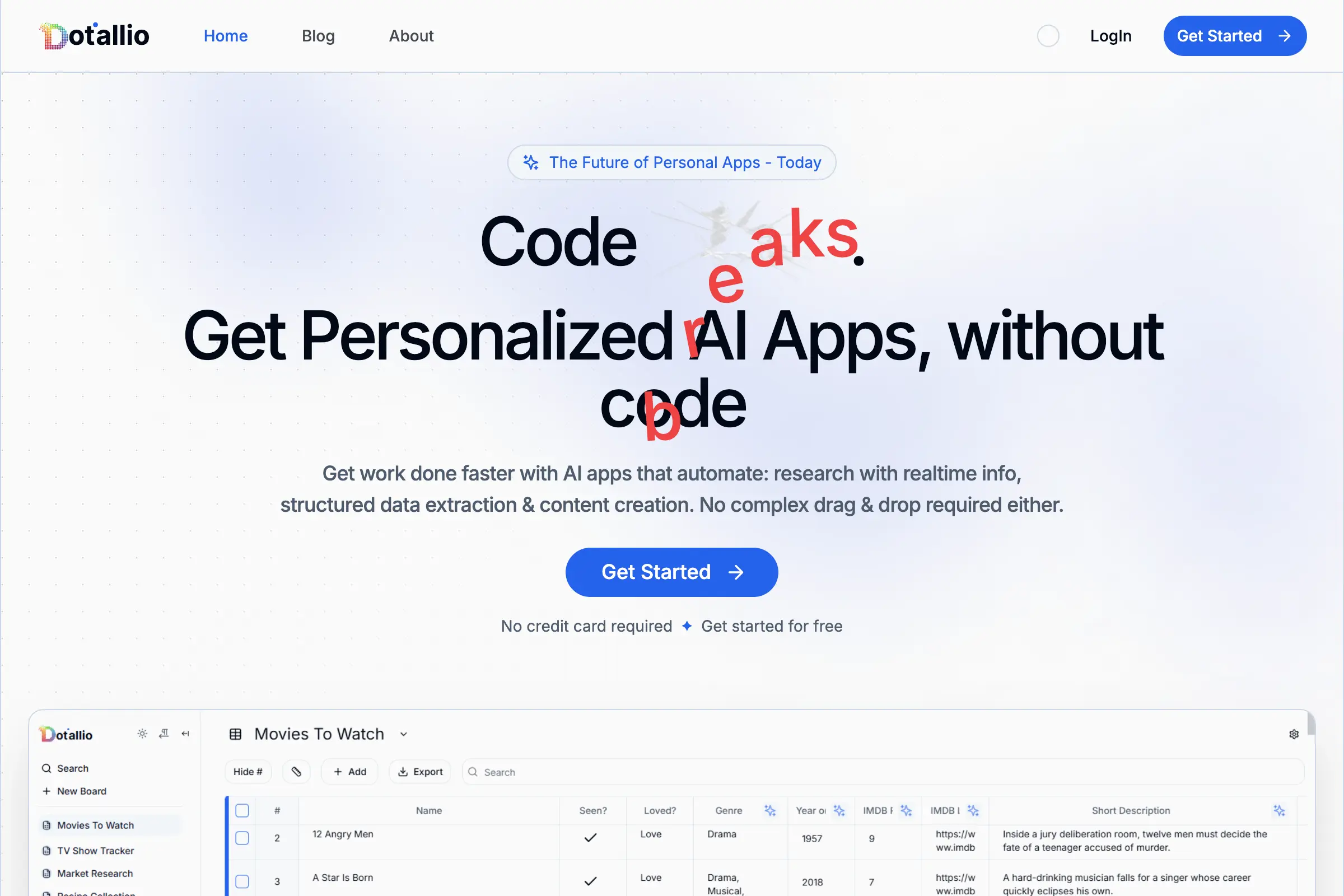
Dotallio
Personalized AI apps that automate research, data extraction, and content creation without code 🤖

Talk to Santa
Enjoy a magical live video chat or receive a unique AI-generated video greeting from Santa Claus 🎅

pozywka.pl
Scalable blog for food journalist, focused on performance and user experience 🌭
zagrodzki.me
Personal blog and portfolio of Bart Zagrodzki, where he shares his knowledge and work 💼
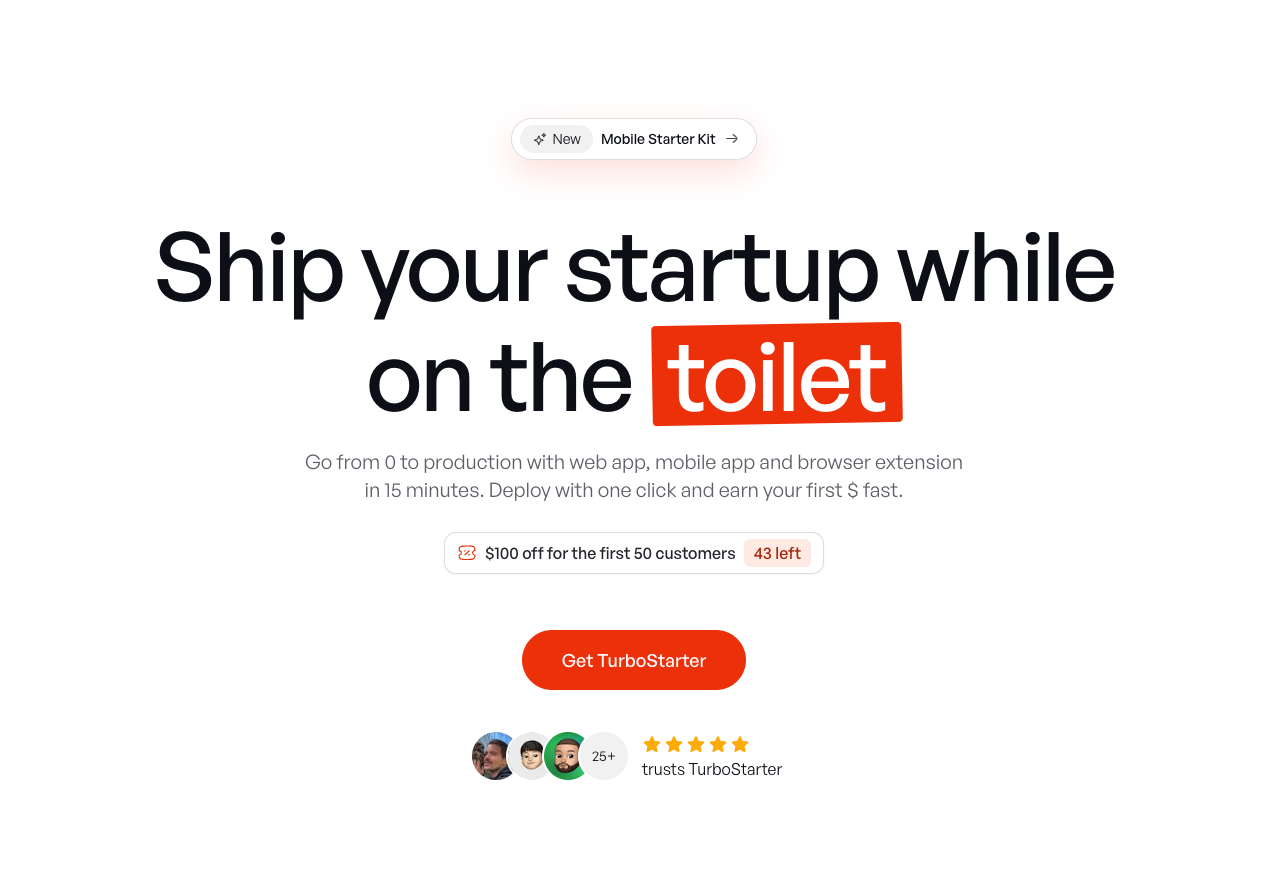
TurboStarter
Ship your startup everywhere. In minutes.
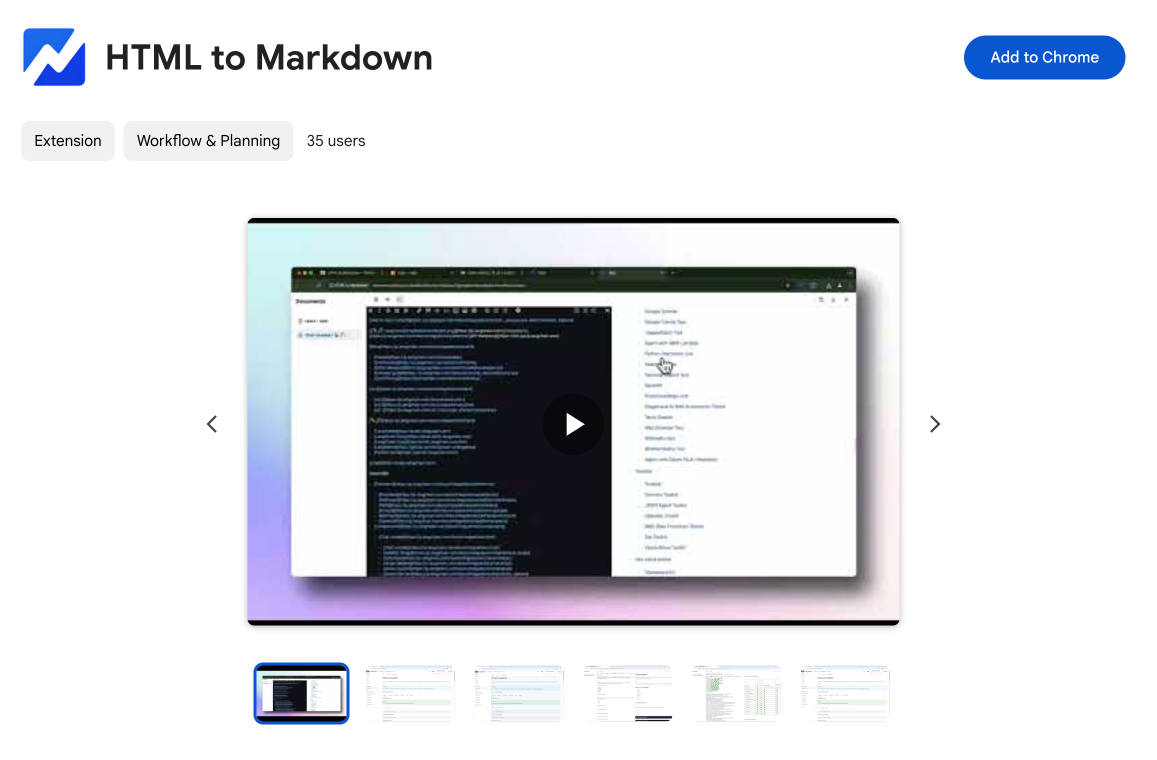
HTML to Markdown
Convert HTML to Markdown with ease, directly in your browser 📄
Dotallio
Personalized AI apps that automate research, data extraction, and content creation without code 🤖
Talk to Santa
Enjoy a magical live video chat or receive a unique AI-generated video greeting from Santa Claus 🎅
pozywka.pl
Scalable blog for food journalist, focused on performance and user experience 🌭
zagrodzki.me
Personal blog and portfolio of Bart Zagrodzki, where he shares his knowledge and work 💼
TurboStarter
Ship your startup everywhere. In minutes.
HTML to Markdown
Convert HTML to Markdown with ease, directly in your browser 📄
Dotallio
Personalized AI apps that automate research, data extraction, and content creation without code 🤖
Talk to Santa
Enjoy a magical live video chat or receive a unique AI-generated video greeting from Santa Claus 🎅
pozywka.pl
Scalable blog for food journalist, focused on performance and user experience 🌭
zagrodzki.me
Personal blog and portfolio of Bart Zagrodzki, where he shares his knowledge and work 💼
TurboStarter
Ship your startup everywhere. In minutes.
HTML to Markdown
Convert HTML to Markdown with ease, directly in your browser 📄
Dotallio
Personalized AI apps that automate research, data extraction, and content creation without code 🤖
Talk to Santa
Enjoy a magical live video chat or receive a unique AI-generated video greeting from Santa Claus 🎅
pozywka.pl
Scalable blog for food journalist, focused on performance and user experience 🌭
zagrodzki.me
Personal blog and portfolio of Bart Zagrodzki, where he shares his knowledge and work 💼
TurboStarter
Ship your startup everywhere. In minutes.
HTML to Markdown
Convert HTML to Markdown with ease, directly in your browser 📄
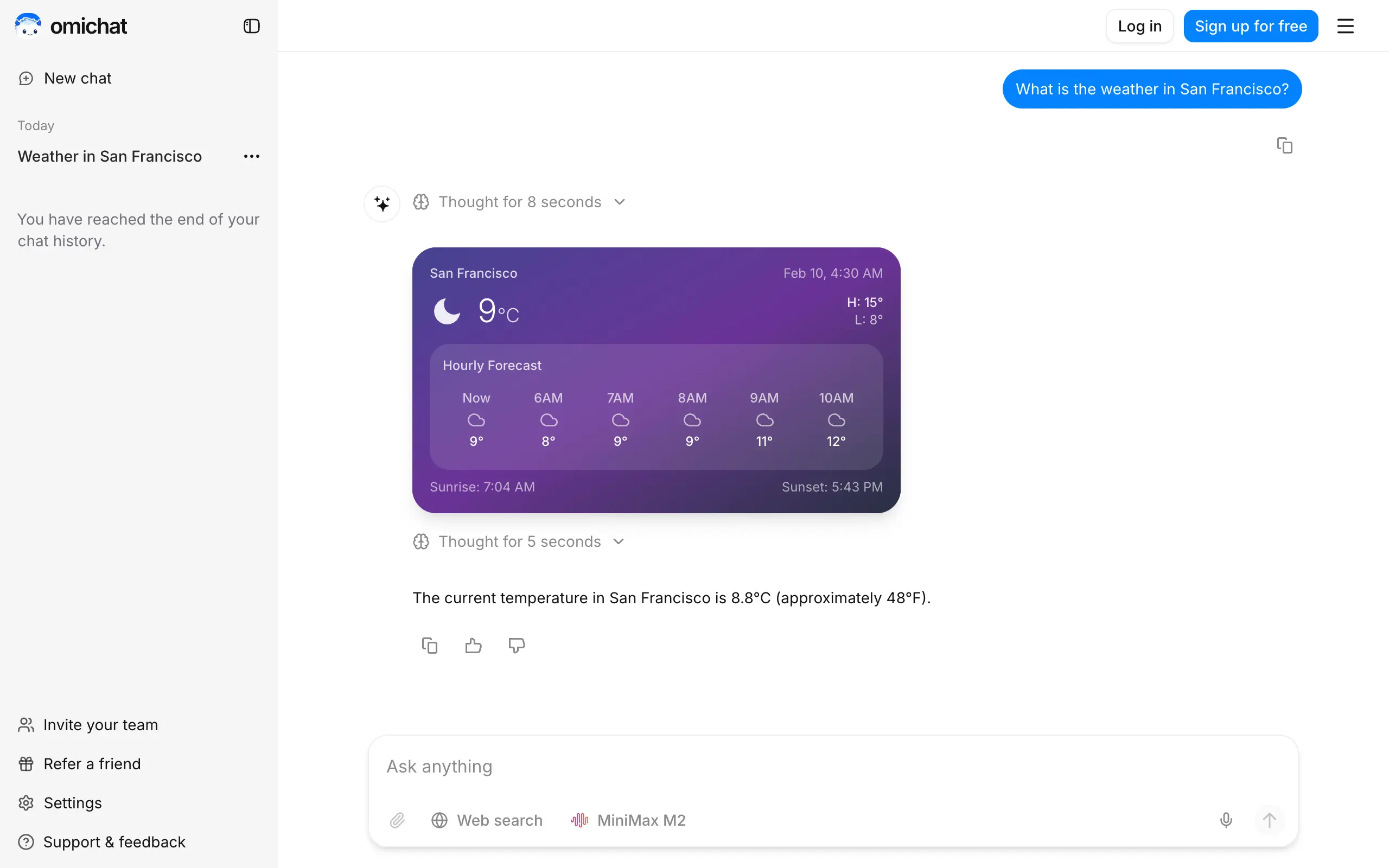
Omichat
Chat with 50+ AI models, including ChatGPT and Claude, in one place - switch models anytime without losing context 🤖
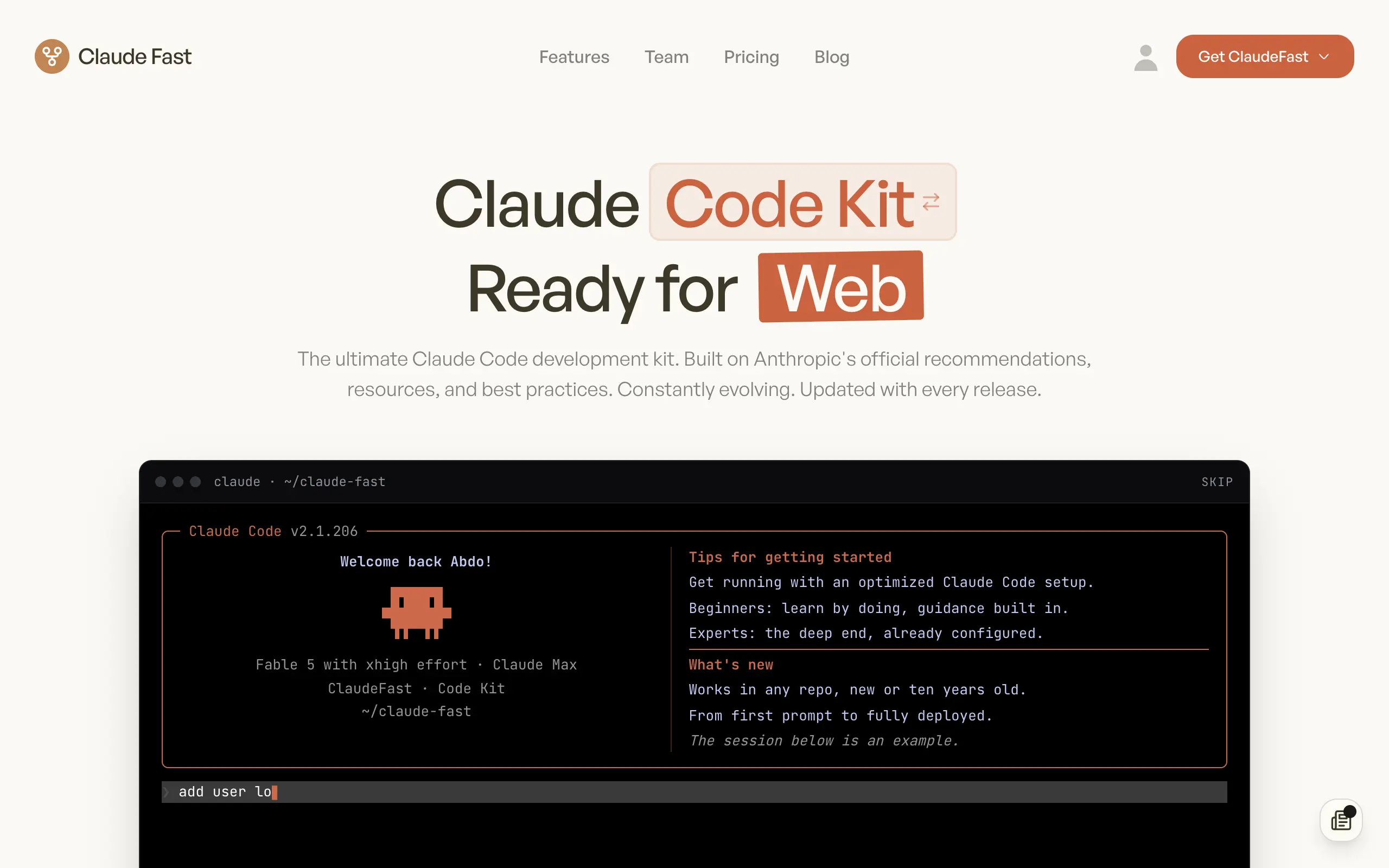
Claude Fast
Supercharge your Claude Code with 6x effective context window and specialized AI agents 🤖
EmojAI
AI-powered emoji picker with smart, context-aware suggestions 🤖
Solohacker
Autonomous company launcher - AI agents work 24/7, escalate what matters, and you stay in control 🤖
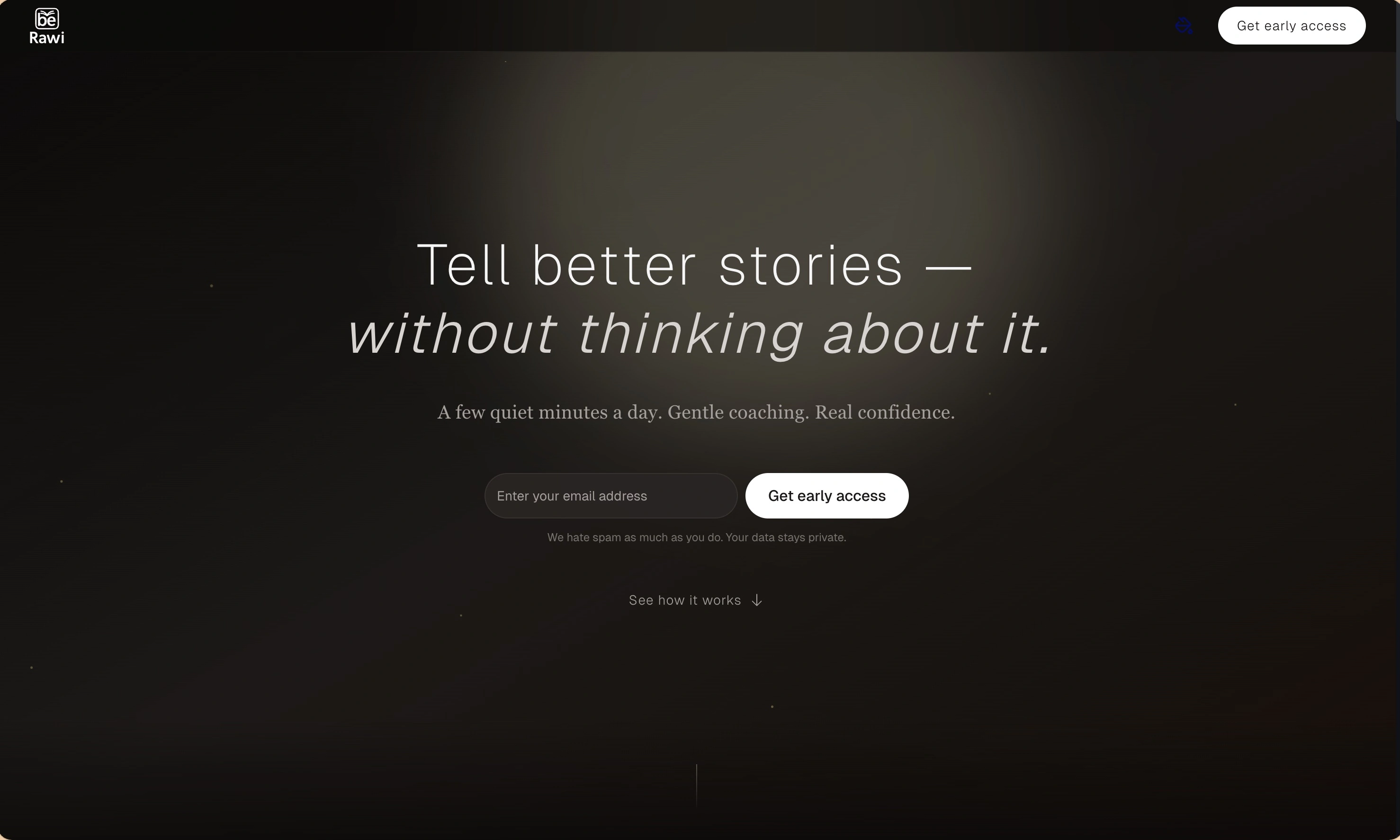
BeRawi: Storytelling Coach
Practice storytelling daily with instant feedback to sound clearer, more engaging, and confident 🎤
Omichat
Chat with 50+ AI models, including ChatGPT and Claude, in one place - switch models anytime without losing context 🤖
Claude Fast
Supercharge your Claude Code with 6x effective context window and specialized AI agents 🤖
EmojAI
AI-powered emoji picker with smart, context-aware suggestions 🤖
Solohacker
Autonomous company launcher - AI agents work 24/7, escalate what matters, and you stay in control 🤖
BeRawi: Storytelling Coach
Practice storytelling daily with instant feedback to sound clearer, more engaging, and confident 🎤
Omichat
Chat with 50+ AI models, including ChatGPT and Claude, in one place - switch models anytime without losing context 🤖
Claude Fast
Supercharge your Claude Code with 6x effective context window and specialized AI agents 🤖
EmojAI
AI-powered emoji picker with smart, context-aware suggestions 🤖
Solohacker
Autonomous company launcher - AI agents work 24/7, escalate what matters, and you stay in control 🤖
BeRawi: Storytelling Coach
Practice storytelling daily with instant feedback to sound clearer, more engaging, and confident 🎤
Omichat
Chat with 50+ AI models, including ChatGPT and Claude, in one place - switch models anytime without losing context 🤖
Claude Fast
Supercharge your Claude Code with 6x effective context window and specialized AI agents 🤖
EmojAI
AI-powered emoji picker with smart, context-aware suggestions 🤖
Solohacker
Autonomous company launcher - AI agents work 24/7, escalate what matters, and you stay in control 🤖
BeRawi: Storytelling Coach
Practice storytelling daily with instant feedback to sound clearer, more engaging, and confident 🎤

Connect with like-minded people
Join our community to get feedback, support, and grow together with 1,000+ builders on board, let's ship it!
Join usShip your startup everywhere. In minutes.
Don't burn tokens on setup and start building features on day one.