BadgeCycle
A lifecycle management platform for employee and visitor cards, tracking issuance, reprints, expirations, and deactivations to reduce waste and admin overhead.
Understanding the problem BadgeCycle solves in modern organizations
Organizations today manage far more identities than ever before. Employees join, leave, change roles, and move locations. Contractors and visitors flow in and out daily. Members of associations or educational institutions need secure access without friction. Yet, despite digital transformation across HR, IT, and security, physical badge lifecycle management remains surprisingly manual.
Most companies still rely on:
- Spreadsheets exported from HR systems
- Email-based badge requests
- Manual print queues
- Ad-hoc deactivation processes
This fragmentation creates real risk. Active badges for former employees increase security exposure. Delayed badge issuance hurts onboarding experience. Lost or damaged cards cause operational downtime. And none of this is easily auditable.
BadgeCycle addresses this gap with a centralized badge lifecycle management platform that syncs HR data directly with badge creation, replacement, and deactivation workflows. The goal is simple but powerful: ensure every physical badge reflects real-time organizational reality.
What is BadgeCycle? A badge lifecycle management platform explained
BadgeCycle is a B2B SaaS platform designed to manage the entire lifecycle of employee, visitor, and member cards—from creation to deactivation—using authoritative HR and identity data as the source of truth.
Instead of treating badge printing as an isolated task, BadgeCycle treats it as a living system tied to:
- HRIS updates (new hires, terminations, role changes)
- Visitor management workflows
- Membership databases
- Security and access control policies
The primary keyword that defines the platform is badge lifecycle management software, with closely related semantic keywords such as:
- employee badge management system
- visitor badge lifecycle
- access card deactivation software
- HR-integrated badge printing
- physical identity lifecycle management
BadgeCycle sits at the intersection of HR, IT, facilities, and security—making it uniquely positioned to eliminate blind spots between systems.
Target audience analysis: who needs badge lifecycle management most?
BadgeCycle is not a generic productivity tool. It serves organizations where physical identity still matters deeply.
Primary customer segments
Mid-market and enterprise companies (250–10,000+ employees)
These organizations often have:
- Multiple offices or campuses
- Hybrid or high-turnover workforces
- Distributed HR and facilities teams
Manual badge workflows simply don’t scale here.
Regulated industries
Industries with compliance and audit requirements benefit immediately:
- Healthcare (HIPAA-aligned access control)
- Financial services
- Manufacturing and critical infrastructure
- Government contractors
In these environments, a single active badge for a terminated employee is a serious liability.
Educational institutions and associations
Universities, training centers, and professional associations manage:
- Students or members with defined lifecycle dates
- Temporary access requirements
- Seasonal onboarding and offboarding spikes
BadgeCycle supports predictable yet complex badge churn.
User intent: what people searching for BadgeCycle want to know
Search intent around badge lifecycle management typically falls into three categories:
-
Operational pain validation
“Is there a better way to manage employee badges than spreadsheets?” -
Solution comparison and evaluation
“What software integrates HR systems with badge printing?” -
Implementation guidance
“How do we automate badge creation and deactivation securely?”
This article addresses all three by explaining the problem, detailing the solution, and offering practical implementation guidance.
Market opportunity and gap in the badge management space
Why badge lifecycle management is underserved
Most existing solutions focus on access control hardware or visitor management, not lifecycle orchestration.
- Access control systems (e.g., door readers) assume badges already exist.
- Visitor tools handle temporary passes but ignore employee churn.
- HRIS platforms stop at digital identity, not physical credentials.
This leaves a clear gap: no system owns the full lifecycle of physical badges.
Macro trends creating urgency
Several trends make BadgeCycle especially timely:
- Hybrid workforces: Frequent onboarding/offboarding cycles
- Zero trust security models: Physical access must match identity state
- Audit readiness: Increased scrutiny on access logs and deactivation timelines
- Automation expectations: Manual workflows are no longer acceptable
BadgeCycle positions itself as infrastructure—not a nice-to-have tool, but a foundational system for physical identity governance.
Core features that define BadgeCycle’s value
HR data synchronization as the source of truth
At the heart of BadgeCycle is real-time synchronization with HR systems.
Key capabilities include:
- Automatic badge creation on new hire events
- Scheduled deactivation on termination dates
- Role-based badge templates
- Location-aware badge rules
Why HR data matters
When HR is the system of record, badge data stays accurate without manual reconciliation. This dramatically reduces security gaps and administrative overhead.
Unified badge lifecycle workflows
BadgeCycle models the badge lifecycle explicitly:
- Request or trigger
- Approval (if required)
- Printing or issuance
- Active usage
- Replacement (loss, damage, role change)
- Deactivation and audit logging
This structure ensures nothing falls through the cracks.
Print order management and vendor coordination
Instead of emailing print vendors or managing queues manually, BadgeCycle:
- Centralizes print orders
- Tracks status and fulfillment
- Maintains design consistency
- Reduces duplicate or incorrect prints
Replacement and exception handling
Lost badges, name changes, or department transfers are inevitable. BadgeCycle supports:
- One-click replacement requests
- Automatic invalidation of old badge IDs
- Audit trails for every change
Deactivation and compliance auditing
Deactivation is often the weakest link. BadgeCycle ensures:
- Immediate or scheduled deactivation
- Proof of deactivation for audits
- Historical lifecycle logs tied to identity records
BadgeCycle vs traditional approaches: a clear comparison
| Capability | Spreadsheets | Email workflows | Access control only | BadgeCycle | HRIS alone |
|---|---|---|---|---|---|
| HR sync | ❌ | ❌ | ❌ | ✅ | ✅ |
| Lifecycle automation | ❌ | ❌ | ❌ | ✅ | ❌ |
| Audit trail | ❌ | ❌ | ✅ | ✅ | ❌ |
The table makes the value proposition obvious: BadgeCycle owns the lifecycle end-to-end.
Recommended tech stack for building BadgeCycle
Building a badge lifecycle management platform requires reliability, security, and integration flexibility.
Frontend
- React for component-driven UI (React)
- TypeScript for safety and maintainability
- Tailwind CSS for rapid, consistent styling (TailwindCSS)
Trade-off: Tailwind accelerates development but requires design discipline to avoid inconsistency.
Backend
- Node.js with a structured framework (e.g., NestJS-style architecture)
- PostgreSQL for relational lifecycle and audit data
- Redis for event queues and workflow states
Integrations
- HRIS APIs (Workday, BambooHR, etc.)
- Badge printer APIs or vendor file exports
- Webhooks for real-time lifecycle events
Security considerations
- Role-based access control
- Immutable audit logs
- Encrypted data at rest and in transit
Security is non-negotiable
Because BadgeCycle manages access credentials, even indirectly, it must be built with enterprise-grade security from day one.
Monetization strategies for BadgeCycle
BadgeCycle supports several proven B2B SaaS monetization models.
Per-employee or per-identity pricing
This aligns value directly with usage and scales naturally.
- Example: pricing tiers based on active badge count
- Predictable revenue for SaaS operators
Location or site-based pricing
Useful for organizations with:
- Campuses
- Warehouses
- Multi-office environments
Add-on modules
Optional paid features could include:
- Advanced audit exports
- Custom badge templates
- Dedicated vendor integrations
- SLA-backed support
Enterprise contracts
For regulated industries, annual contracts with compliance guarantees can significantly increase LTV.
Competitive advantage: why BadgeCycle stands out
BadgeCycle’s moat is lifecycle ownership.
Key differentiators
- HR-driven automation rather than manual triggers
- Explicit lifecycle modeling instead of ad-hoc tasks
- Vendor-agnostic printing and access control
- Audit-first design philosophy
Competitors tend to solve parts of the problem. BadgeCycle solves the systemic issue.
Lifecycle-first design
Every badge action is tied to a defined lifecycle state, not an email or ticket.
HR as source of truth
Eliminates reconciliation errors and delayed deactivations.
Audit-ready by default
Built-in logs and reports support compliance without extra work.
Risks and mitigation strategies
Integration complexity
Risk: HR and printer APIs vary widely.
Mitigation: Start with the most common systems and build a flexible connector framework.
Change management resistance
Risk: Facilities teams may resist new workflows.
Mitigation: Design UX around existing processes, not idealized ones.
Security perception
Risk: Customers may fear centralizing badge data.
Mitigation: Clear documentation, certifications, and transparent security practices.
BadgeCycle should cache the last known state and queue lifecycle actions until connectivity is restored.
No. It complements them by ensuring badge data is accurate and timely.
Step-by-step implementation roadmap
For founders or product teams building BadgeCycle, clarity of execution matters.
A platform like TurboStarter can accelerate early development by providing a solid SaaS foundation, allowing teams to focus on domain-specific complexity instead of boilerplate.
Why BadgeCycle is positioned for long-term relevance
Physical credentials are not disappearing anytime soon. Even in a world of mobile access and biometrics, transitional systems require governance. BadgeCycle doesn’t bet against the future—it manages the present responsibly.
By anchoring physical badge management to authoritative identity data, BadgeCycle creates:
- Stronger security posture
- Better employee experience
- Lower operational costs
- Higher audit confidence
This combination is rare—and valuable.
Final thoughts: from idea to execution
BadgeCycle is more than a badge printing tool. It’s infrastructure for physical identity lifecycle management.
The opportunity lies not just in automating tasks, but in redefining how organizations think about access, identity, and accountability. Teams that execute this vision with discipline, empathy for end users, and enterprise-grade reliability can build a defensible, high-impact SaaS business.
If you’re serious about turning this idea into a scalable product, the next step is execution—architecture, validation, and iteration.
More 🏢 B2B Application SaaS ideas
Discover more innovative b2b application SaaS ideas that are trending in 2026. Each idea is AI-generated with market validation and growth potential to help you find your next profitable venture faster than competitors.
Your competitors are building with TurboStarter
Below are some of the SaaS ideas that have been generated and built with our starter kit.
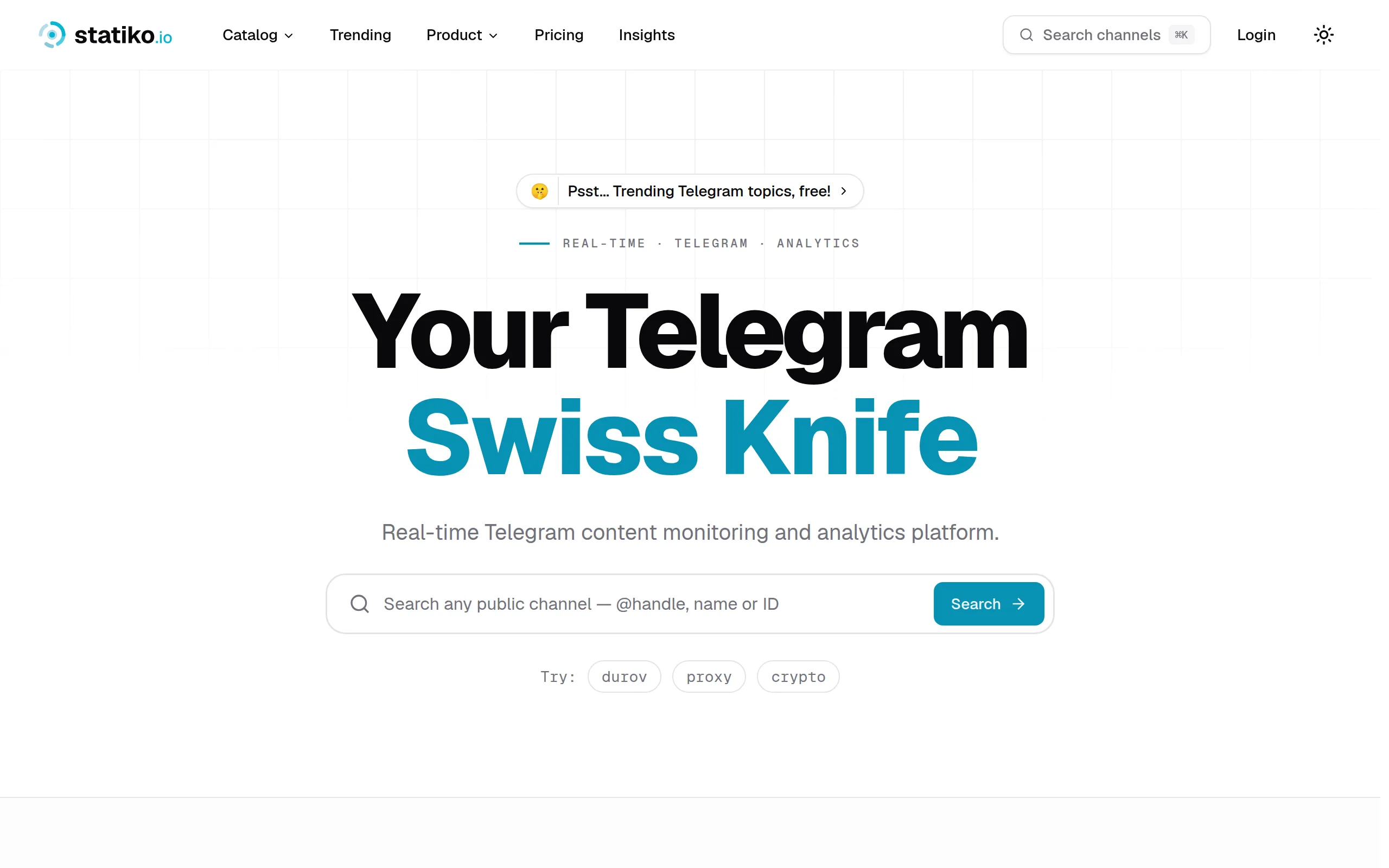
Statiko
Monitor any Telegram channel in real time - track posts, edits, deletions, and growth with AI recaps 📡
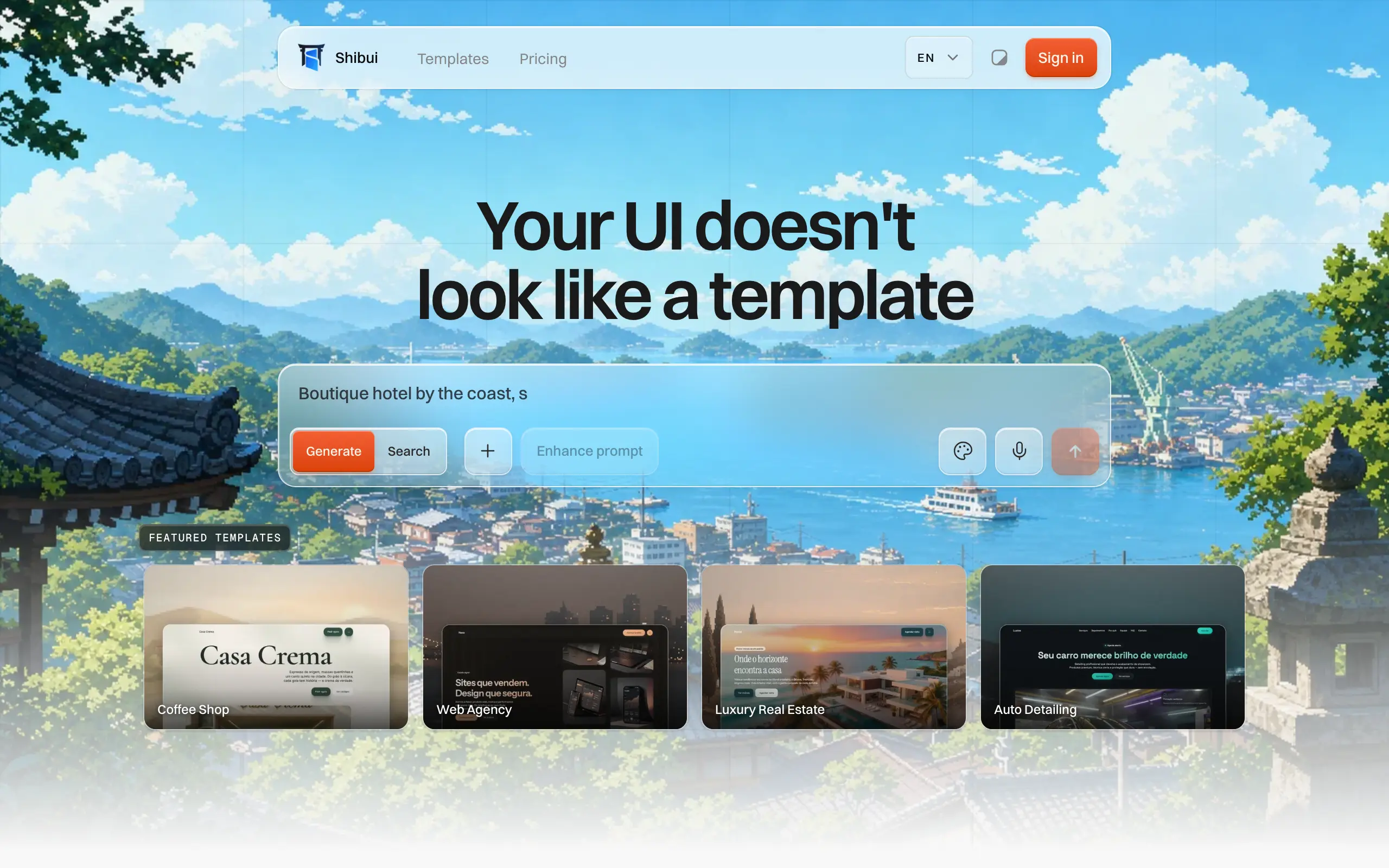
Shibui
AI website builder - describe your business, pick a niche template, edit by chatting, and publish instantly ✨

Pro Service
Find verified home service professionals, compare quotes, and pay securely through escrow - built for Brazilians across the US 🏠
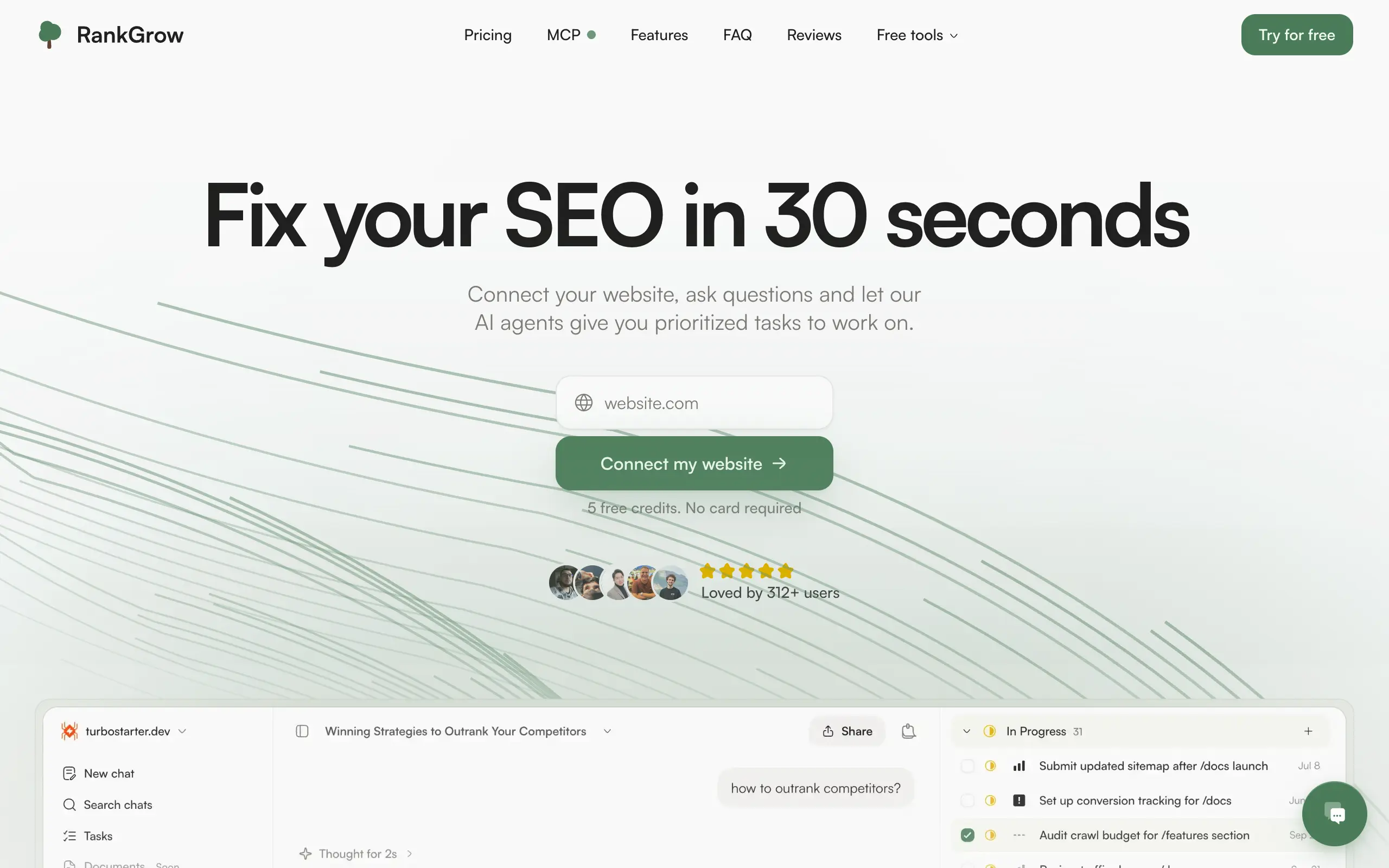
RankGrow
Fix your SEO with AI agents - connect Search Console, get prioritized tasks, and grow organic traffic 📈
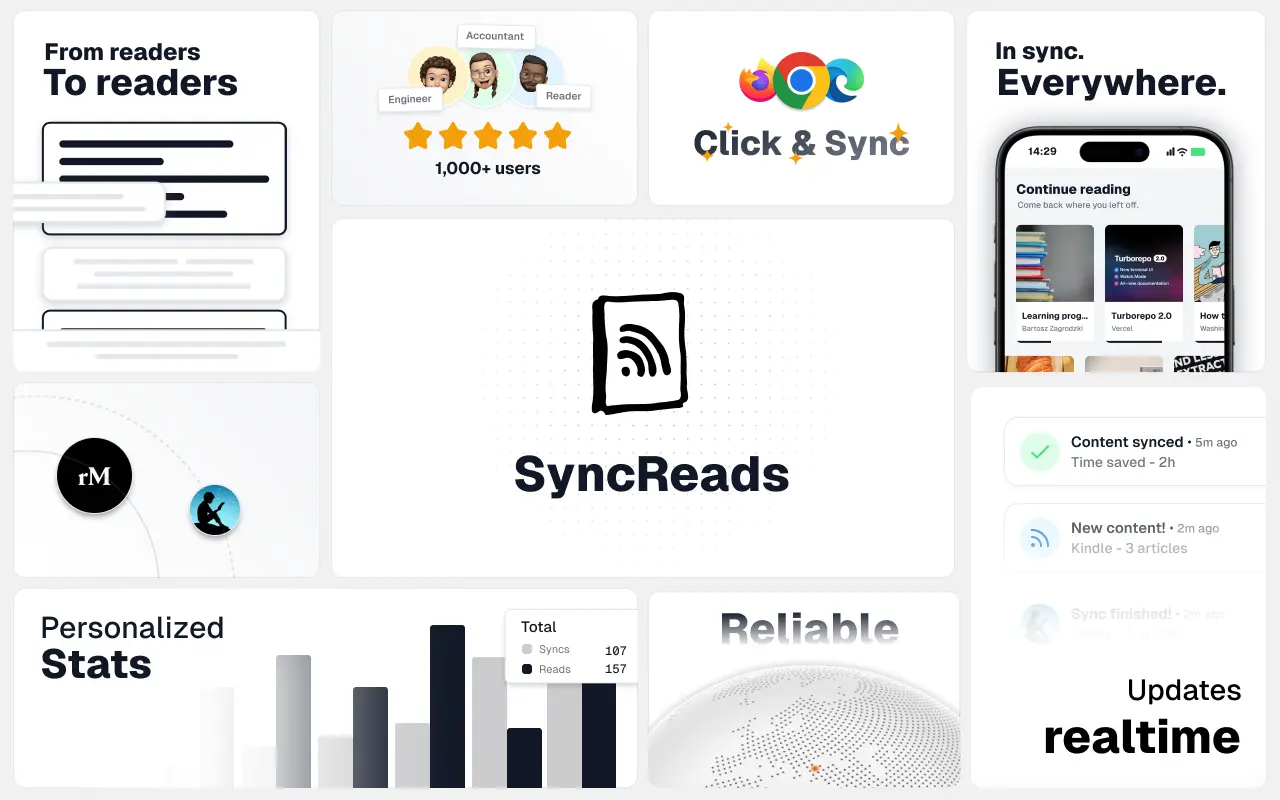
SyncReads
Sync your favorite content for distraction-free reading, save time and replace multiple apps. Anytime, anywhere 🔄
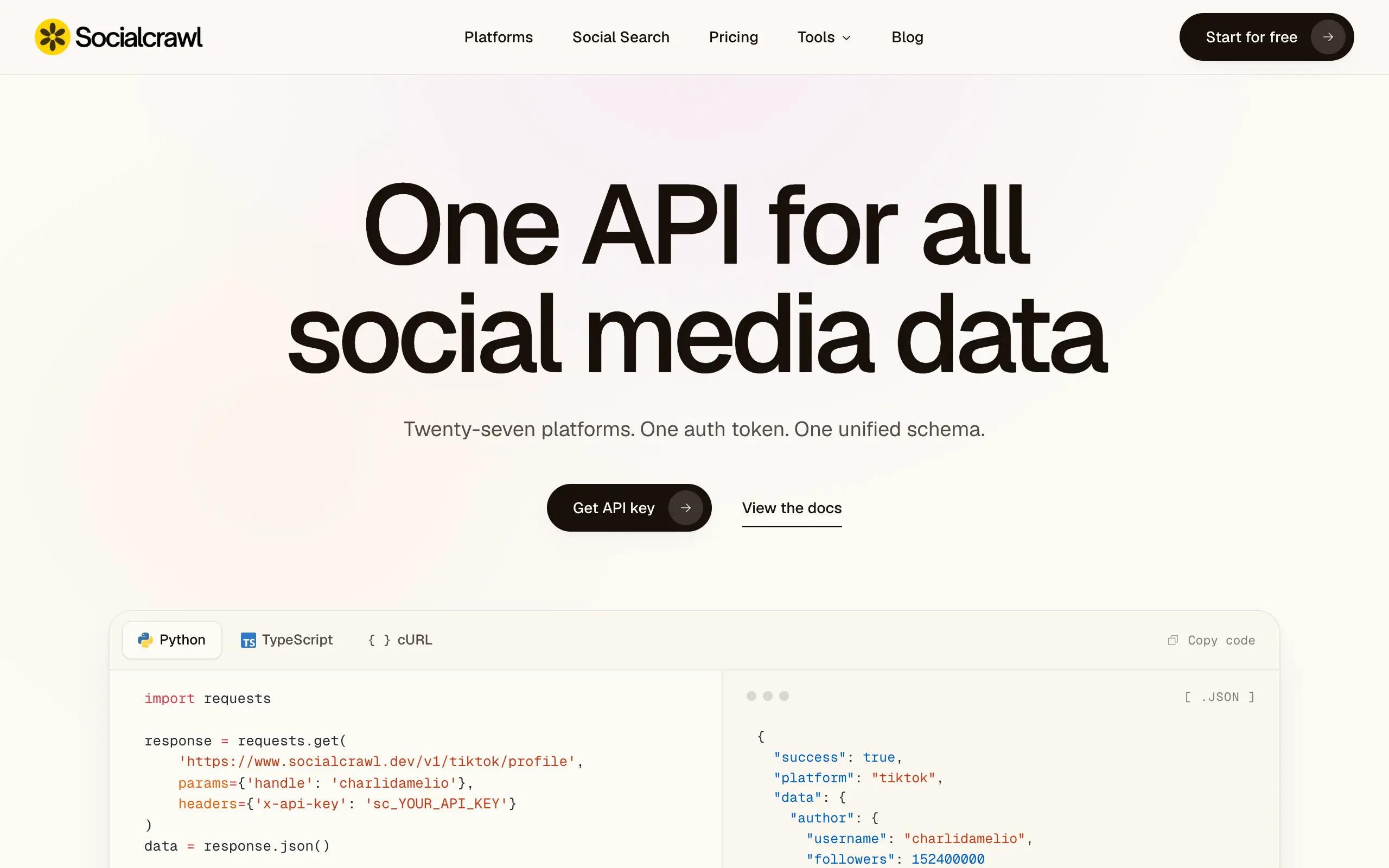
Socialcrawl
Get clean, structured data from 21 platforms like TikTok, Instagram, and YouTube with a single request 📊
Statiko
Monitor any Telegram channel in real time - track posts, edits, deletions, and growth with AI recaps 📡
Shibui
AI website builder - describe your business, pick a niche template, edit by chatting, and publish instantly ✨
Pro Service
Find verified home service professionals, compare quotes, and pay securely through escrow - built for Brazilians across the US 🏠
RankGrow
Fix your SEO with AI agents - connect Search Console, get prioritized tasks, and grow organic traffic 📈
SyncReads
Sync your favorite content for distraction-free reading, save time and replace multiple apps. Anytime, anywhere 🔄
Socialcrawl
Get clean, structured data from 21 platforms like TikTok, Instagram, and YouTube with a single request 📊
Statiko
Monitor any Telegram channel in real time - track posts, edits, deletions, and growth with AI recaps 📡
Shibui
AI website builder - describe your business, pick a niche template, edit by chatting, and publish instantly ✨
Pro Service
Find verified home service professionals, compare quotes, and pay securely through escrow - built for Brazilians across the US 🏠
RankGrow
Fix your SEO with AI agents - connect Search Console, get prioritized tasks, and grow organic traffic 📈
SyncReads
Sync your favorite content for distraction-free reading, save time and replace multiple apps. Anytime, anywhere 🔄
Socialcrawl
Get clean, structured data from 21 platforms like TikTok, Instagram, and YouTube with a single request 📊
Statiko
Monitor any Telegram channel in real time - track posts, edits, deletions, and growth with AI recaps 📡
Shibui
AI website builder - describe your business, pick a niche template, edit by chatting, and publish instantly ✨
Pro Service
Find verified home service professionals, compare quotes, and pay securely through escrow - built for Brazilians across the US 🏠
RankGrow
Fix your SEO with AI agents - connect Search Console, get prioritized tasks, and grow organic traffic 📈
SyncReads
Sync your favorite content for distraction-free reading, save time and replace multiple apps. Anytime, anywhere 🔄
Socialcrawl
Get clean, structured data from 21 platforms like TikTok, Instagram, and YouTube with a single request 📊
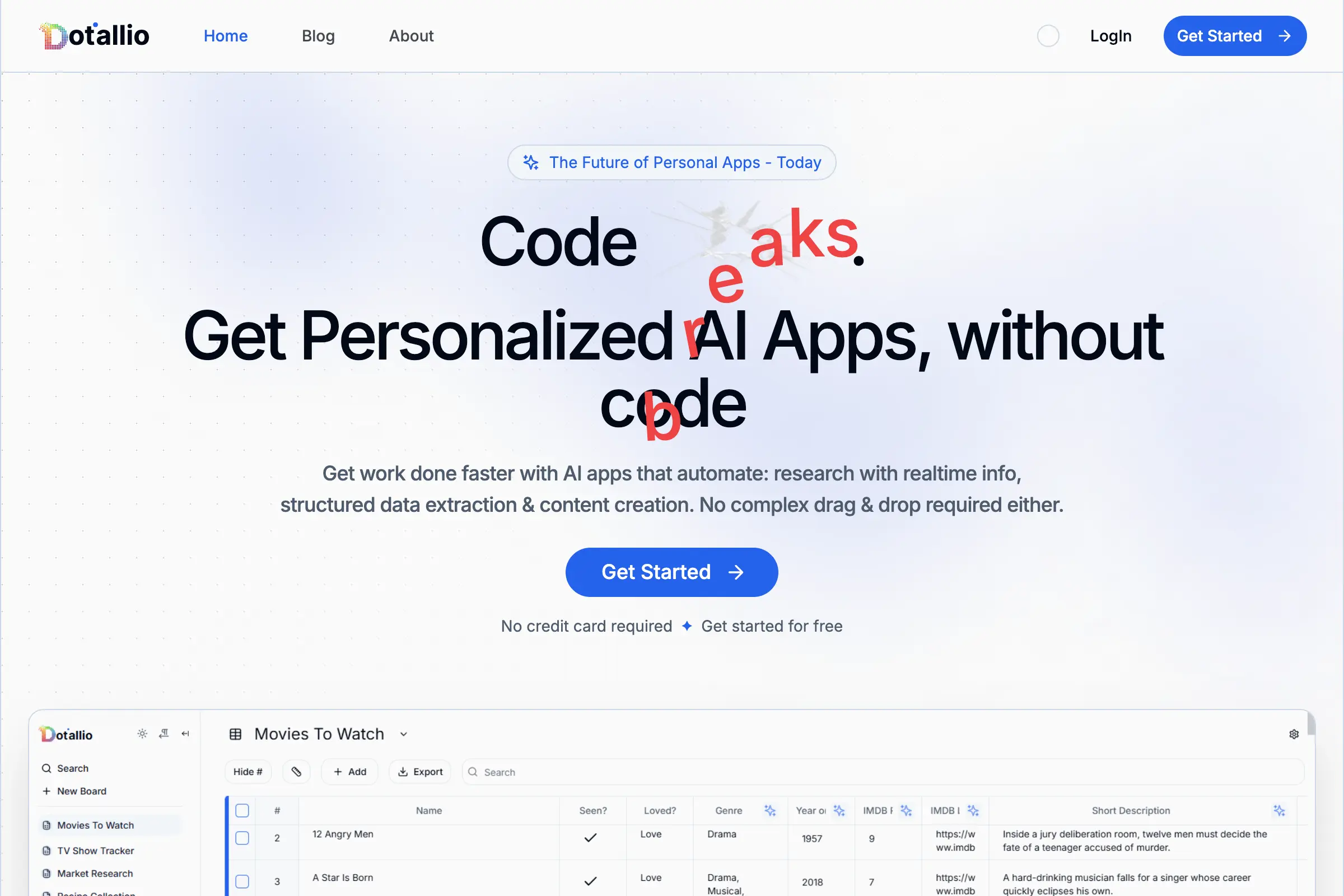
Dotallio
Personalized AI apps that automate research, data extraction, and content creation without code 🤖
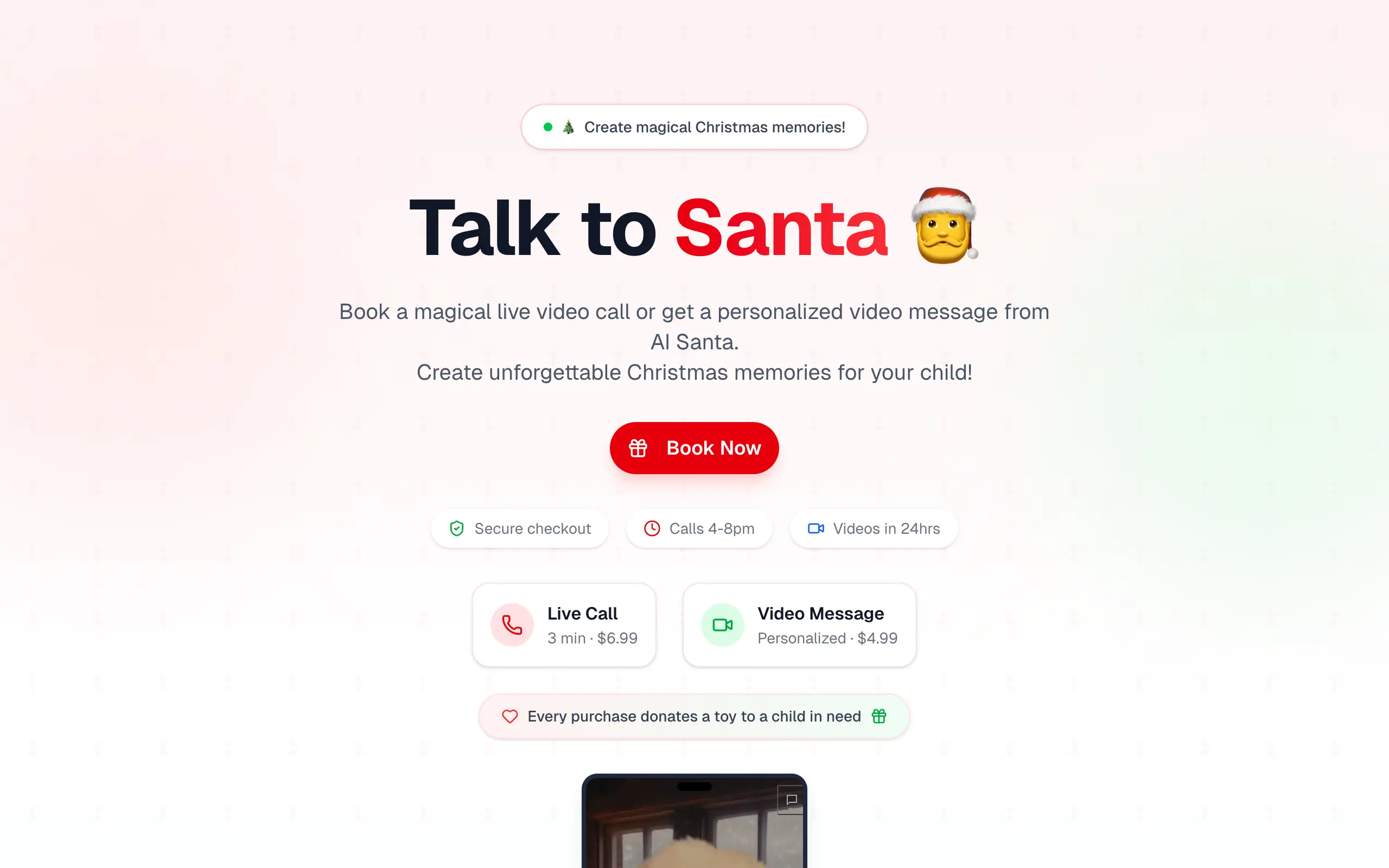
Talk to Santa
Enjoy a magical live video chat or receive a unique AI-generated video greeting from Santa Claus 🎅
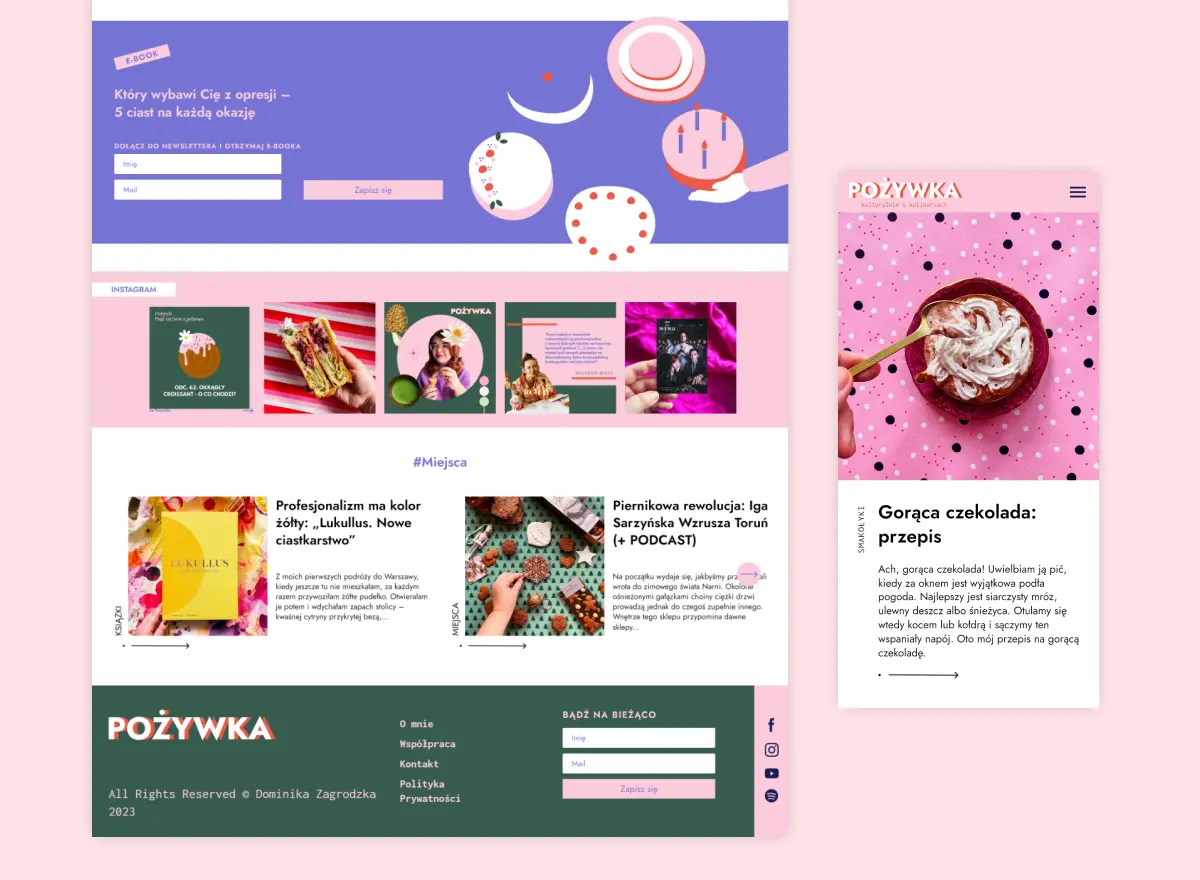
pozywka.pl
Scalable blog for food journalist, focused on performance and user experience 🌭
zagrodzki.me
Personal blog and portfolio of Bart Zagrodzki, where he shares his knowledge and work 💼
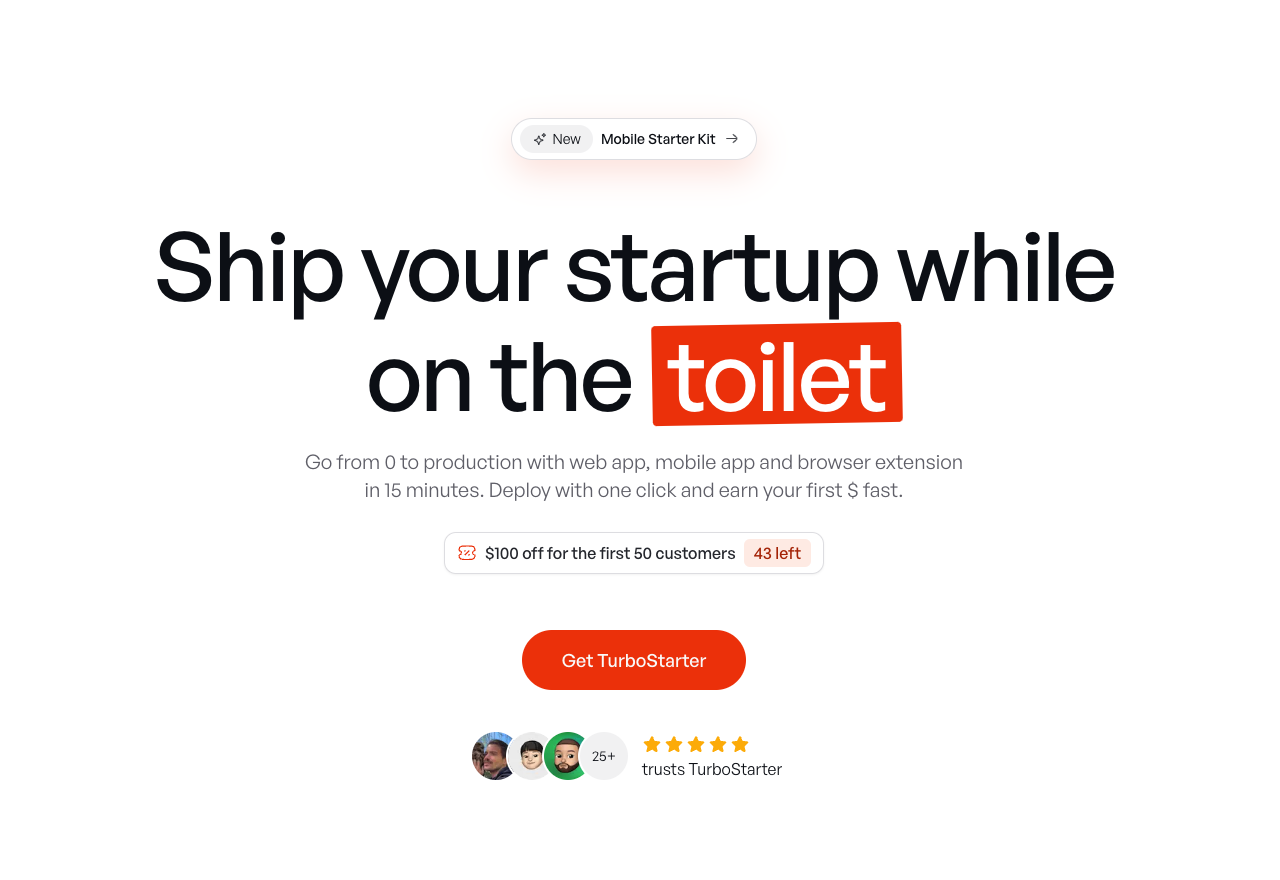
TurboStarter
Ship your startup everywhere. In minutes.
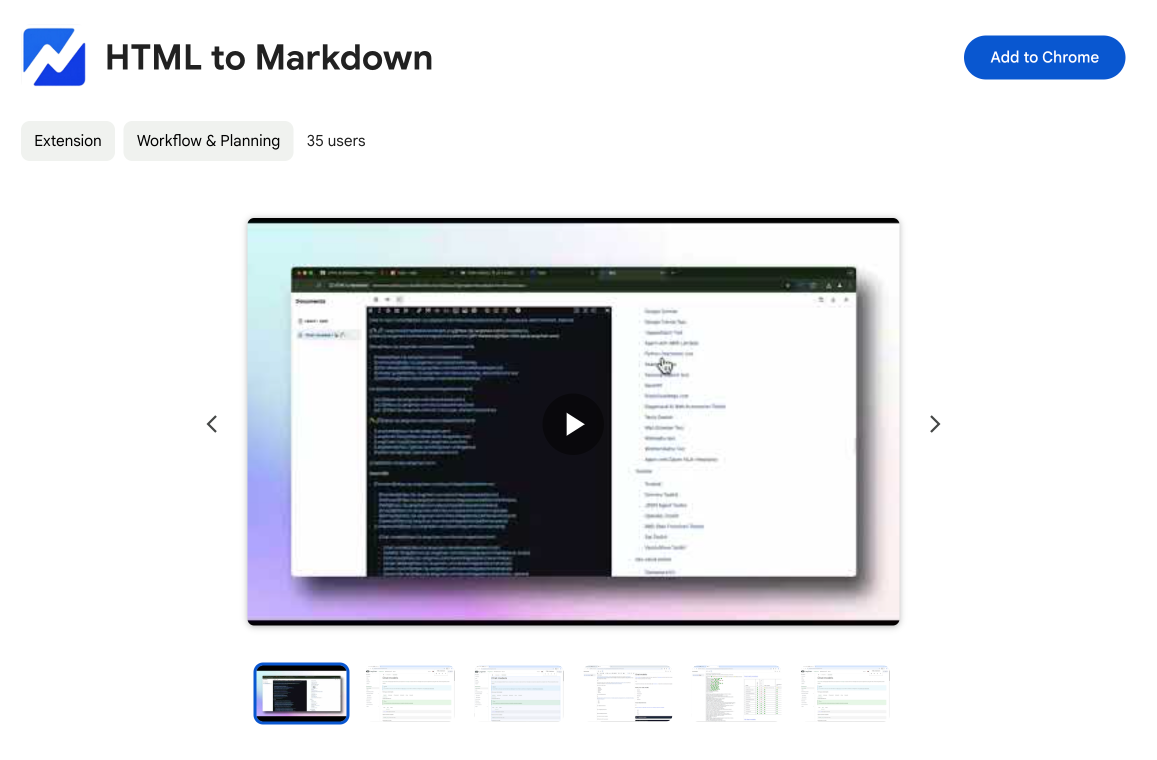
HTML to Markdown
Convert HTML to Markdown with ease, directly in your browser 📄
Dotallio
Personalized AI apps that automate research, data extraction, and content creation without code 🤖
Talk to Santa
Enjoy a magical live video chat or receive a unique AI-generated video greeting from Santa Claus 🎅
pozywka.pl
Scalable blog for food journalist, focused on performance and user experience 🌭
zagrodzki.me
Personal blog and portfolio of Bart Zagrodzki, where he shares his knowledge and work 💼
TurboStarter
Ship your startup everywhere. In minutes.
HTML to Markdown
Convert HTML to Markdown with ease, directly in your browser 📄
Dotallio
Personalized AI apps that automate research, data extraction, and content creation without code 🤖
Talk to Santa
Enjoy a magical live video chat or receive a unique AI-generated video greeting from Santa Claus 🎅
pozywka.pl
Scalable blog for food journalist, focused on performance and user experience 🌭
zagrodzki.me
Personal blog and portfolio of Bart Zagrodzki, where he shares his knowledge and work 💼
TurboStarter
Ship your startup everywhere. In minutes.
HTML to Markdown
Convert HTML to Markdown with ease, directly in your browser 📄
Dotallio
Personalized AI apps that automate research, data extraction, and content creation without code 🤖
Talk to Santa
Enjoy a magical live video chat or receive a unique AI-generated video greeting from Santa Claus 🎅
pozywka.pl
Scalable blog for food journalist, focused on performance and user experience 🌭
zagrodzki.me
Personal blog and portfolio of Bart Zagrodzki, where he shares his knowledge and work 💼
TurboStarter
Ship your startup everywhere. In minutes.
HTML to Markdown
Convert HTML to Markdown with ease, directly in your browser 📄
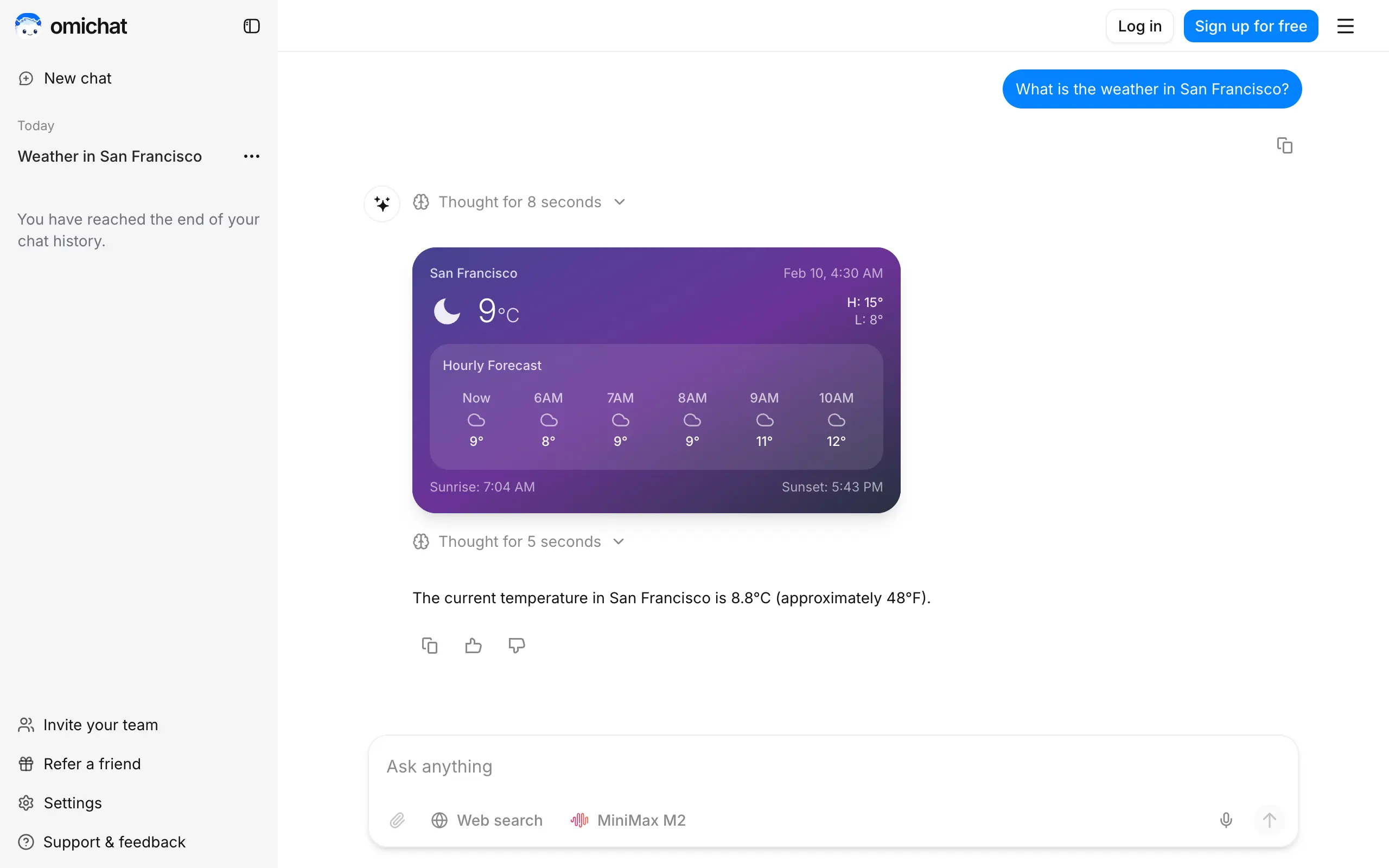
Omichat
Chat with 50+ AI models, including ChatGPT and Claude, in one place - switch models anytime without losing context 🤖
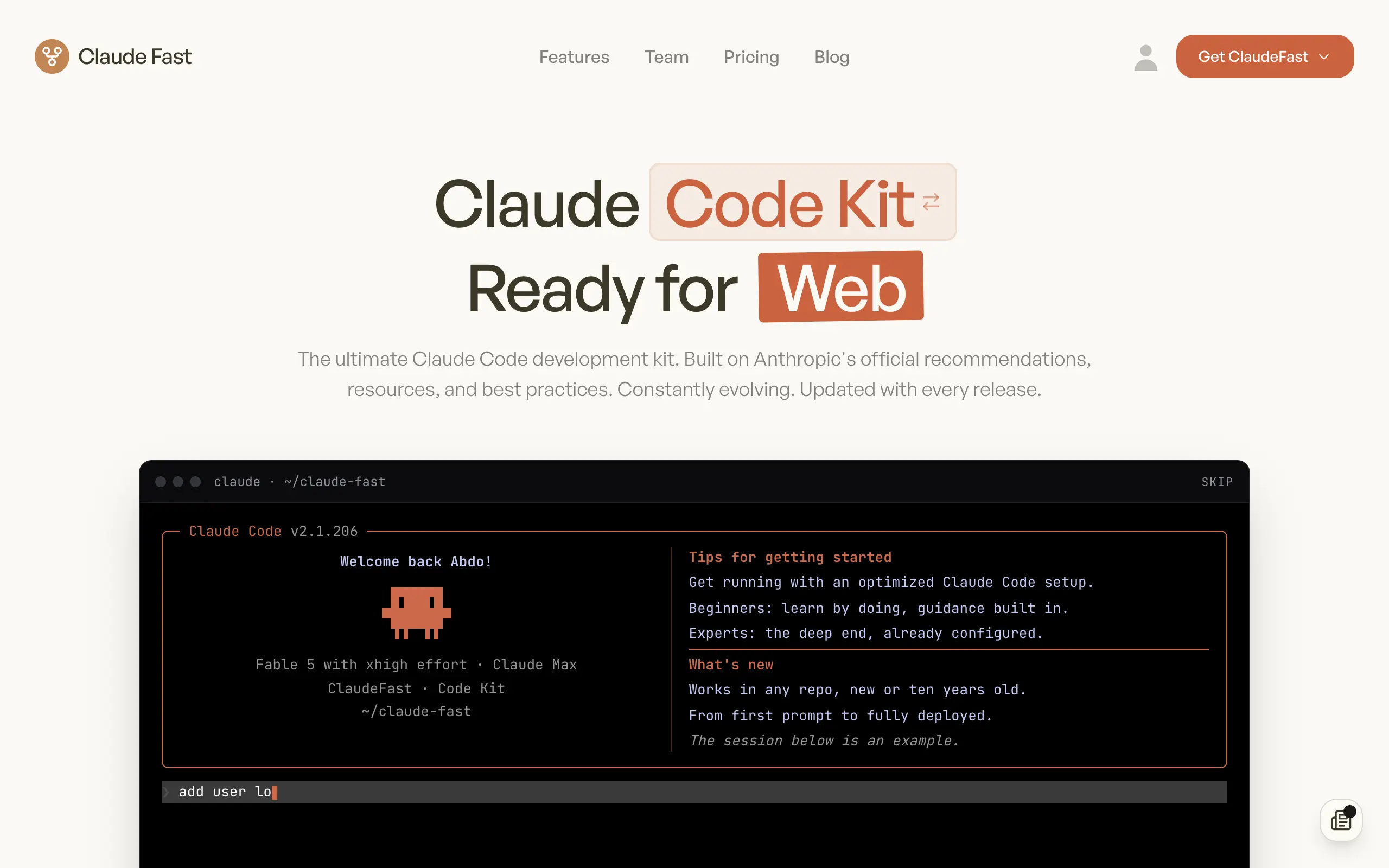
Claude Fast
Supercharge your Claude Code with 6x effective context window and specialized AI agents 🤖
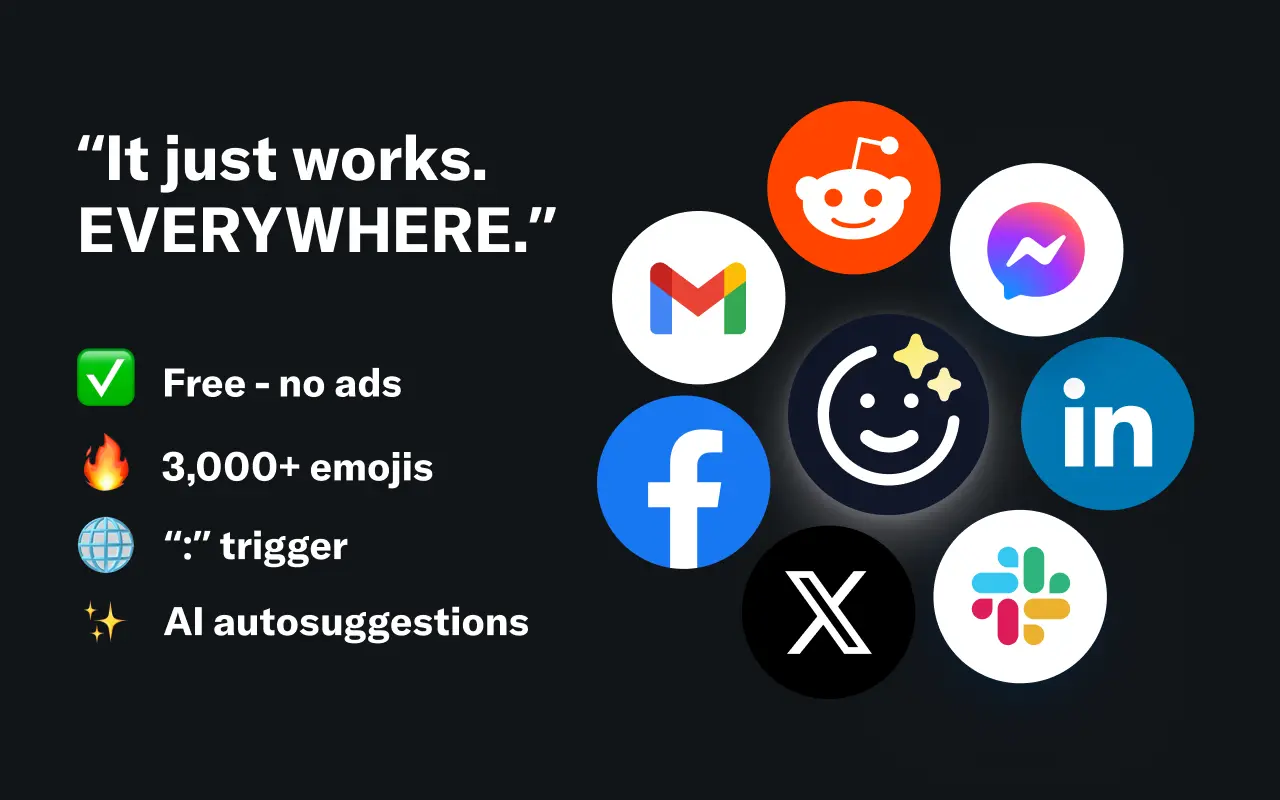
EmojAI
AI-powered emoji picker with smart, context-aware suggestions 🤖
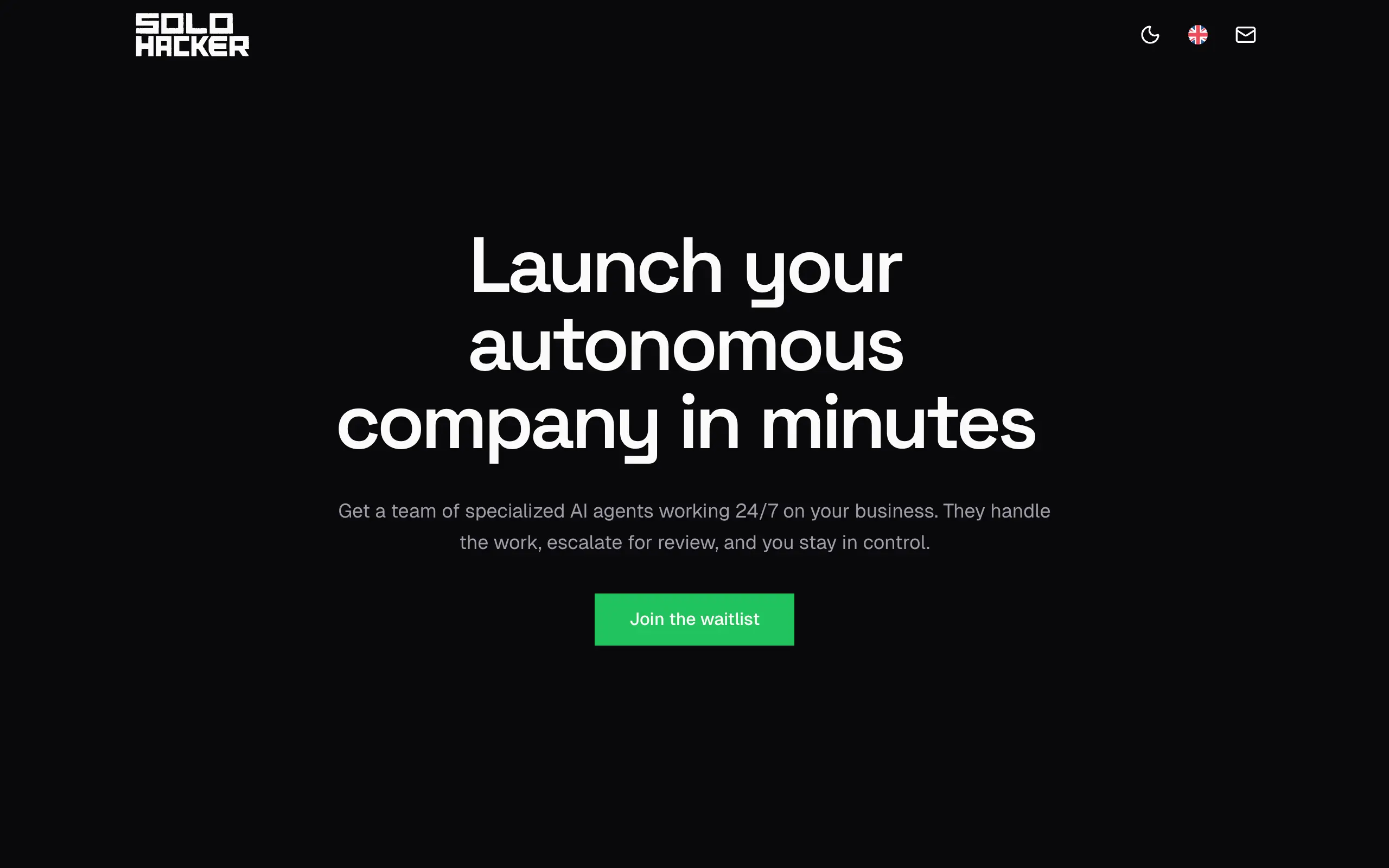
Solohacker
Autonomous company launcher - AI agents work 24/7, escalate what matters, and you stay in control 🤖
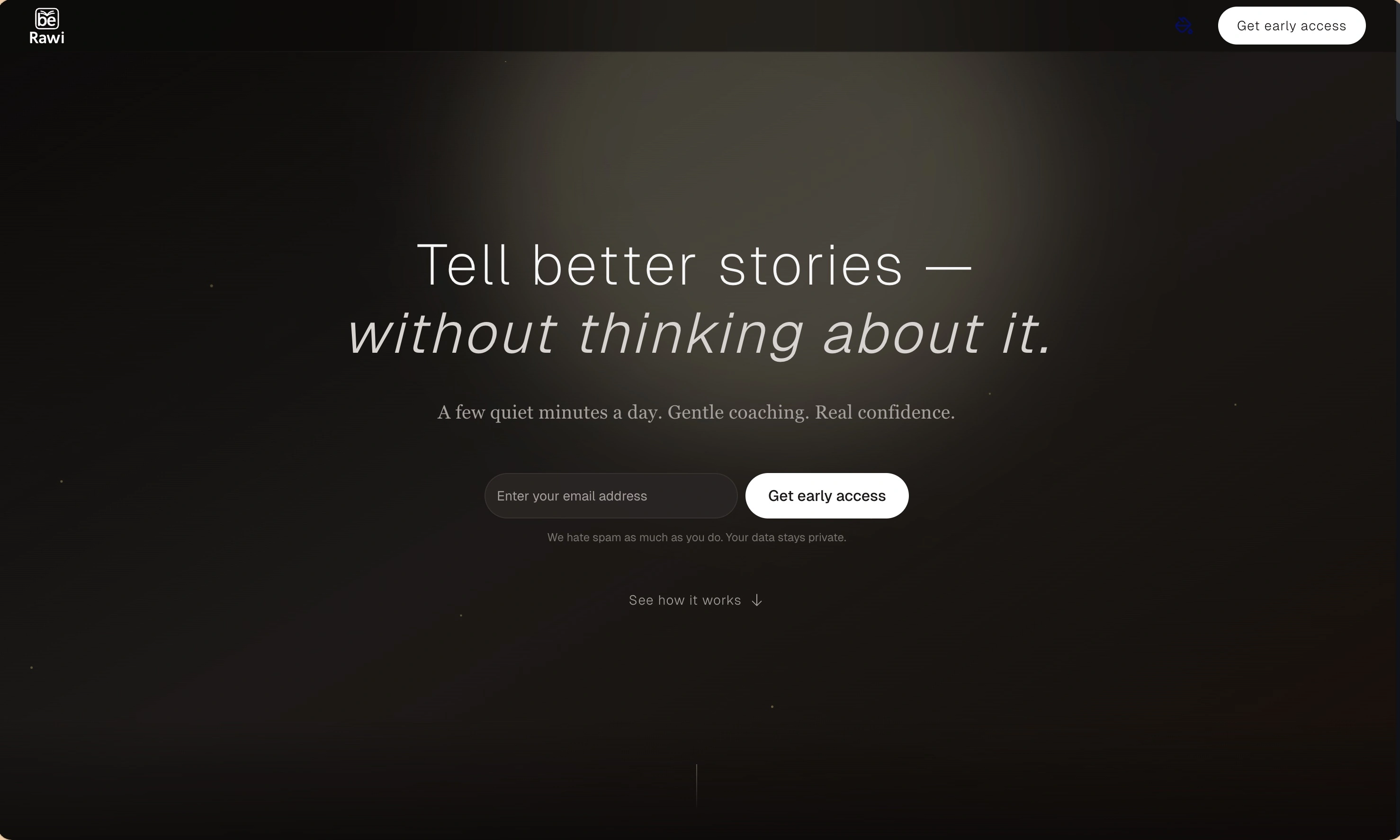
BeRawi: Storytelling Coach
Practice storytelling daily with instant feedback to sound clearer, more engaging, and confident 🎤
Omichat
Chat with 50+ AI models, including ChatGPT and Claude, in one place - switch models anytime without losing context 🤖
Claude Fast
Supercharge your Claude Code with 6x effective context window and specialized AI agents 🤖
EmojAI
AI-powered emoji picker with smart, context-aware suggestions 🤖
Solohacker
Autonomous company launcher - AI agents work 24/7, escalate what matters, and you stay in control 🤖
BeRawi: Storytelling Coach
Practice storytelling daily with instant feedback to sound clearer, more engaging, and confident 🎤
Omichat
Chat with 50+ AI models, including ChatGPT and Claude, in one place - switch models anytime without losing context 🤖
Claude Fast
Supercharge your Claude Code with 6x effective context window and specialized AI agents 🤖
EmojAI
AI-powered emoji picker with smart, context-aware suggestions 🤖
Solohacker
Autonomous company launcher - AI agents work 24/7, escalate what matters, and you stay in control 🤖
BeRawi: Storytelling Coach
Practice storytelling daily with instant feedback to sound clearer, more engaging, and confident 🎤
Omichat
Chat with 50+ AI models, including ChatGPT and Claude, in one place - switch models anytime without losing context 🤖
Claude Fast
Supercharge your Claude Code with 6x effective context window and specialized AI agents 🤖
EmojAI
AI-powered emoji picker with smart, context-aware suggestions 🤖
Solohacker
Autonomous company launcher - AI agents work 24/7, escalate what matters, and you stay in control 🤖
BeRawi: Storytelling Coach
Practice storytelling daily with instant feedback to sound clearer, more engaging, and confident 🎤

Connect with like-minded people
Join our community to get feedback, support, and grow together with 1,000+ builders on board, let's ship it!
Join usShip your startup everywhere. In minutes.
Don't burn tokens on setup and start building features on day one.