Barakah Leads
A halal-friendly lead follow-up hub for Muslim and ethical SMEs, turning WhatsApp, web, and referrals into tracked sales pipelines.
Barakah Leads: a halal-friendly CRM opportunity for ethical SMEs
Muslim-owned and values-led small businesses often manage leads across WhatsApp chats, web forms, Instagram messages, referral notes, spreadsheets, and personal inboxes. The result is familiar: promising inquiries receive late responses, follow-ups depend on memory, team members duplicate work, and business owners lack a reliable view of their sales pipeline.
Barakah Leads is positioned to solve this operational gap. It is a halal-friendly lead follow-up hub for Muslim and ethical SMEs that centralizes leads from WhatsApp, websites, and referrals into a trackable sales pipeline.
The primary keyword opportunity is halal CRM software, supported by related search terms such as:
- halal-friendly CRM
- WhatsApp lead management
- lead follow-up software for small businesses
- ethical business CRM
- CRM for Muslim businesses
- WhatsApp sales pipeline
- Islamic business software
- referral lead tracking
- small business sales pipeline
- customer relationship management for SMEs
The strongest opportunity is not simply to build another generic CRM. It is to create a simple, culturally aligned, trust-centered lead management platform that helps businesses respond promptly, keep promises, protect customer data, and grow without using manipulative sales practices.
Positioning insight
Barakah Leads should lead with business outcomes first: fewer missed leads, faster follow-ups, clearer sales visibility, and more trustworthy customer communication. Its halal-friendly principles become the differentiator that makes the product feel designed for its market rather than adapted as an afterthought.
The customer problem Barakah Leads should solve
A large number of microbusinesses and SMEs do not fail because they lack demand. They lose revenue because their lead handling process is inconsistent.
Consider a local service business receiving inquiries through a WhatsApp Business number, a website contact form, and recommendations from past clients. One owner may handle every conversation personally. A small team may forward messages internally. A referral may arrive as a voice note, then disappear under newer chats. Even when the business has strong products or services, the sales process remains fragmented.
The practical consequences are significant:
- Leads receive responses too late.
- Follow-up messages are forgotten after the first conversation.
- Sales teams cannot see who owns each inquiry.
- Referral sources are not recorded or rewarded accurately.
- Business owners do not know which channel produces qualified leads.
- Customer notes are scattered across personal devices.
- Pipeline forecasts rely on intuition instead of structured activity data.
- Teams may use high-pressure tactics because they lack a disciplined follow-up process.
For Muslim and ethical businesses, there is an added tension. Many owners want to grow commercially while remaining aligned with principles such as honesty, clarity, consent, privacy, fairness, and responsible communication. Traditional sales software rarely speaks to these concerns. It may be overly complex, focused on aggressive automation, or priced for venture-backed sales teams rather than local SMEs.
Barakah Leads can fill the space between informal messaging apps and enterprise CRM platforms.
Target audience for halal-friendly lead management software
The ideal customer is not every company that needs a CRM. A focused initial market will improve product decisions, landing page relevance, and outbound sales efficiency.
Primary audience: Muslim-owned service SMEs
The most compelling first segment is Muslim-owned businesses that generate inbound leads and rely heavily on WhatsApp or referrals.
Typical examples include:
- Home renovation and interior design businesses
- Accounting, bookkeeping, and tax advisory firms
- Halal travel agencies and Umrah service providers
- Islamic education providers and tutoring businesses
- Clinics, wellness centers, and therapy practices
- Legal and immigration consultancies
- Event planners, caterers, and wedding vendors
- Modest fashion retailers with consultation-based sales
- Digital agencies and freelance studios
- Property agents and property management businesses
- Halal food distributors and B2B suppliers
These businesses usually share several characteristics. They receive leads from relationship-driven channels, use conversational sales processes, need visibility across a small team, and want software that is easy to adopt without dedicated operations staff.
Secondary audience: ethical and community-led SMEs
Barakah Leads can broaden beyond explicitly Muslim businesses without diluting its values. Ethical businesses often need the same capabilities and may appreciate a product built around respectful communication and privacy-conscious customer handling.
Potential adjacent markets include:
- Social enterprises
- Sustainability-focused service firms
- Community organizations with paid services
- Minority-owned businesses
- Family businesses
- Values-led consultancies
- Independent professionals with referral-led pipelines
The message for this audience should focus less on faith-specific language and more on responsible customer relationship management, transparent workflows, and simple operational control.
Buyer roles and their jobs to be done
The product should be designed around the people who feel the pain most acutely.
Founder or owner-operator
Needs a clear picture of active leads, team performance, next actions, and revenue opportunities without becoming a CRM administrator.
Sales or customer support coordinator
Needs one place to assign inquiries, record context, schedule follow-ups, and avoid asking prospects to repeat themselves.
Service professional
Needs a mobile-friendly way to capture referral details and progress conversations while working away from a desk.
Marketing manager
Needs attribution data to understand whether website forms, campaigns, partners, or referrals create the best leads.
A strong user story is simple:
“When a potential customer contacts us on WhatsApp or through our website, I want the inquiry captured, assigned, and followed up at the right time so that no genuine opportunity is lost and every customer receives a respectful response.”
Market gap: why generic CRMs do not fully fit
The CRM market is mature, but maturity does not equal accessibility. Well-known platforms can be powerful, yet many early-stage and small businesses find them expensive, hard to configure, or designed for sales motions that do not match relationship-led local commerce.
The market gap for Barakah Leads sits at the intersection of channel fragmentation, trust-based selling, and small-team simplicity.
| Business need | Spreadsheets | Generic enterprise CRM | WhatsApp only | Barakah Leads opportunity |
|---|---|---|---|---|
| Simple lead capture | ✅ | ✅ | ❌ | ✅ |
| WhatsApp-centered workflow | ❌ | Often complex | ✅ | ✅ |
| Shared pipeline ownership | Limited | ✅ | ❌ | ✅ |
| Referral attribution | Manual | Available but overbuilt | Manual | ✅ |
| Ethical communication guardrails | ❌ | Rare | ❌ | ✅ |
The WhatsApp workflow gap
WhatsApp is often the real CRM for small businesses, whether the owner intends it to be or not. It is convenient, familiar, and fast. However, it is not a complete shared sales system.
A WhatsApp conversation alone does not provide:
- A structured opportunity stage
- Reliable assignment across team members
- Follow-up reminders and overdue task queues
- Source attribution for leads
- Sales reporting by channel or team member
- Consistent qualification fields
- A durable audit trail of customer interactions
- Permission-aware access for staff
Barakah Leads should not try to replace WhatsApp as a customer communication channel. It should make WhatsApp conversations operationally manageable.
The values alignment gap
“Halal-friendly” should not be used as a superficial label. It needs to translate into specific product choices that customers can see and trust.
Examples include:
- Clear consent status for marketing follow-ups
- Templates designed for respectful, non-coercive communication
- Easy opt-out recording
- Transparent lead ownership and internal accountability
- Privacy-conscious data retention controls
- No dark patterns that pressure users into sending unwanted messages
- Flexible pipeline language that avoids overly aggressive sales framing
- Guidance for fair and accurate referral tracking
This approach also has broad market appeal. Businesses increasingly need to demonstrate responsible data handling and respectful outreach practices. A platform that makes the ethical option easier can become more valuable as regulations and customer expectations evolve.
The Barakah Leads product vision
Barakah Leads should be a focused lead operating system, not an all-in-one business suite on day one. The core experience must help a team answer four questions in seconds:
- Who has contacted us?
- What do they need?
- What should happen next?
- Which leads are most likely to become customers?
The product’s unique selling proposition can be expressed as:
Barakah Leads helps Muslim and ethical SMEs turn WhatsApp, web, and referral inquiries into organized, respectful sales conversations with clear ownership and reliable follow-up.
Core feature set for the minimum viable product
The first version should focus on reliable workflows that produce measurable value quickly.
Unified lead inbox and lead records
Each lead should have a single record containing:
- Contact name and preferred contact method
- Phone number, email address, and optional company name
- Source channel such as WhatsApp, website, referral, walk-in, or campaign
- Inquiry summary and customer need
- Assigned team member
- Pipeline stage
- Next follow-up date
- Conversation notes
- Consent and communication preference status
- Referral partner or referring customer
- Estimated deal value where relevant
The interface should make it easy to create a record from a mobile device. If a team member cannot add a lead in under a minute, they will return to informal notes.
Visual sales pipeline
A kanban-style pipeline gives owners immediate operational visibility. The default stages should remain simple, while allowing businesses to customize labels.
A sensible initial structure includes:
- New inquiry
- Contacted
- Qualified
- Proposal or quote sent
- Awaiting decision
- Won
- Not proceeding
Each movement should create a history entry. This makes performance reviews more factual and helps teams identify bottlenecks, such as too many leads remaining in “contacted” with no next step.
Follow-up tasks and reminders
The follow-up engine is likely the most valuable feature in Barakah Leads. Every active lead should have a clear next action. When no future task exists, the system should flag that lead for attention.
Useful reminders include:
- Follow up after an unanswered WhatsApp message
- Check in after a quote expires
- Call a referral lead within a chosen response window
- Request missing documents or requirements
- Send a post-consultation summary
- Reconnect with a qualified lead after a selected number of days
The goal is not relentless automation. It is dependable, timely service.
Website form capture
A lightweight embeddable form or webhook endpoint can convert website inquiries directly into pipeline records. The setup should support essential fields without forcing every business to redesign its website.
Useful options include:
- A hosted lead form
- An embed snippet for a contact page
- Webhook support for existing form tools
- Hidden source and campaign fields
- Spam protection
- Instant team assignment rules
- Automated confirmation emails where appropriate
Referral tracking
Referrals are particularly important in community-based and trust-led businesses. Yet they are commonly tracked informally, making it difficult to understand which relationships create revenue.
A referral workflow should let users record:
- Who referred the lead
- The type of referral source
- The relationship or partner category
- Referral date
- Referral notes
- Conversion status
- Any agreed reward or appreciation workflow
This feature can become a meaningful differentiator for agencies, consultants, community businesses, and service providers.
Simple reporting dashboard
Small business owners need useful reporting, not dozens of charts. The initial dashboard should answer practical questions:
- How many new leads arrived this week or month?
- Which source delivers the highest number of qualified leads?
- What is the current pipeline value?
- Which leads have overdue follow-ups?
- What is the win rate by source?
- How long does a lead take to move from inquiry to customer?
- Which referral partners generate converted customers?
Avoid vanity reporting
Do not prioritize superficial activity metrics such as message volume. The most useful metrics are response time, qualified lead rate, follow-up completion, pipeline conversion, sales cycle length, and revenue by source.
WhatsApp integration strategy and practical trade-offs
WhatsApp integration is strategically important, but it is also an area where product teams must be precise about platform rules, consent, and technical complexity.
The official route is the WhatsApp Business Platform, which supports business messaging through approved APIs and integrations. Barakah Leads should avoid promising unrestricted access to personal WhatsApp histories or unsupported automation.
A phased WhatsApp roadmap
Start with click-to-chat links, saved message templates, lead creation shortcuts, manual activity logging, and reminders. This delivers immediate workflow value without requiring a complex messaging integration.
Add official WhatsApp Business Platform connections for eligible businesses. Support incoming message events, shared team routing, approved template management, and conversation status updates.
Introduce rules-based routing, response-time reporting, conversation tagging, secure team collaboration, and carefully controlled automation that respects customer consent.
Trade-offs to communicate clearly
An official WhatsApp integration can create strong retention, but it carries dependencies.
- "Platform approval": businesses may need to complete Meta onboarding and verification steps.
- "Template rules": outbound business-initiated messages may require approved templates.
- "Customer consent": messaging workflows must respect opt-in requirements and local privacy rules.
- "Implementation effort": webhooks, delivery states, message types, and media handling require robust engineering.
- "Cost structure": business messaging fees may vary by market and conversation category.
The MVP should therefore sell WhatsApp lead organization rather than overpromise a full WhatsApp replacement. This protects the roadmap and keeps early adoption friction low.
Ethical CRM principles as a product advantage
Barakah Leads can make ethical sales behavior a practical operating system rather than a marketing claim.
Consent-aware outreach
Every lead record should display a clear communication status. Businesses should be able to record whether a prospect has agreed to receive follow-up messages, what channel they prefer, and whether they have opted out.
A visible consent indicator reduces accidental over-messaging and gives staff confidence when contacting prospects.
Respectful message templates
Instead of generic “last chance” or pressure-heavy sales scripts, Barakah Leads can provide editable templates that encourage clarity and helpfulness.
Examples include:
- Thanking a prospect for their inquiry
- Clarifying service scope and pricing
- Checking whether a customer still needs assistance
- Confirming an appointment
- Requesting permission before sending promotional updates
- Closing a conversation politely when there is no further interest
Templates should always be optional and customizable. The purpose is consistency, not robotic communication.
Transparent data practices
Trust depends on more than a privacy policy. Customers should be able to understand what data is collected, why it is used, and who can access it.
Core safeguards include:
- Role-based user permissions
- Secure authentication and session handling
- Encryption for sensitive data in transit and at rest
- Export and deletion workflows
- Data retention settings
- Audit logs for significant record changes
- Clear processor and subprocessor disclosures
- Region-aware privacy documentation
For teams serving European customers, data protection planning should account for the GDPR. The product should be built with legal review rather than relying on broad compliance claims.
Recommended tech stack for Barakah Leads
A modern SaaS stack should optimize for speed, security, maintainability, and the ability to add integrations over time. The best choice depends on the founding team’s expertise, but a TypeScript-first architecture is a practical fit for this product.
Frontend and application framework
Use Next.js with React and TypeScript.
This combination works well because it supports:
- Fast server-rendered marketing pages for SEO
- Authenticated application routes
- API endpoints and server-side actions
- A large ecosystem for SaaS development
- Strong typing across the product
- Flexible deployment options
For the user interface, Tailwind CSS enables rapid, consistent styling. A component system built around accessible primitives is particularly useful for forms, tables, modals, and mobile-responsive pipeline boards.
Database and backend services
PostgreSQL is a strong default for lead records, task relationships, activity timelines, permissions, and reporting queries. CRM data is relational by nature, so a robust relational database is usually preferable to a document-first approach.
A managed backend platform such as Supabase can accelerate early development by providing PostgreSQL, authentication, storage, and real-time capabilities. Alternatively, a dedicated managed Postgres provider paired with a custom auth provider offers more architectural control.
Key data entities should include:
- Organizations
- Users
- Roles and permissions
- Contacts
- Leads
- Pipeline stages
- Activities
- Tasks
- Referral sources
- Consent records
- Message templates
- Form submissions
- Integration events
- Audit log entries
Background jobs and automation
Follow-up reminders, webhook processing, scheduled reports, and integration retries should not run solely inside user-facing web requests.
A background job system is essential for:
- Reminder scheduling
- Email notifications
- WhatsApp event processing
- Retry handling after third-party API failures
- Daily pipeline summaries
- Data exports
- Lead assignment automation
The main trade-off is operational complexity. A simple MVP may use managed cron jobs and a queue service, while a larger product may need dedicated workers and observability tooling.
Billing, authentication, and analytics
For subscriptions, Stripe provides mature billing capabilities, though founders should confirm supported countries, tax requirements, and payout availability for their operating entity.
Authentication should support email login, passwordless sign-in, and optional Google sign-in if relevant to the target market. Require multi-factor authentication for administrator roles as the platform grows.
Product analytics should remain privacy-conscious. Track feature adoption and funnel behavior while minimizing unnecessary personal data collection. For a CRM product built on trust, the analytics strategy should reflect the same values promoted to customers.
Starting faster with a SaaS starter kit
A polished SaaS product requires more than application screens. Teams also need authentication, billing, email flows, account management, settings, legal page scaffolding, and production-ready deployment conventions.
TurboStarter can reduce the time spent rebuilding common SaaS foundations, allowing the team to focus on the Barakah Leads workflow, WhatsApp integrations, referral logic, and industry-specific onboarding.
Monetization strategy for Barakah Leads
The business model should align with the purchasing power and operational maturity of small businesses. Transparent monthly pricing will likely be easier to understand than complex per-feature billing.
Recommended pricing structure
A tiered subscription model can scale with customer growth.
- "Starter": suitable for solo operators with a limited number of users, one pipeline, basic forms, tasks, and reporting.
- "Team": suitable for small sales teams that need assignments, shared pipelines, referral tracking, automation rules, and richer reporting.
- "Growth": suitable for businesses using official messaging integrations, advanced permissions, multiple pipelines, and higher usage limits.
- "Partner or agency": suitable for consultants, business networks, or agencies that manage multiple client workspaces.
A free trial is usually more appropriate than a permanently free plan for a CRM product. The user needs enough time to add leads, establish a pipeline, and experience reminders before judging value. A 14-day trial may work for low-friction onboarding, while a 30-day trial may be more appropriate for businesses with slower sales cycles.
Revenue expansion opportunities
Once the core product is proven, expansion can come from value-added services rather than feature clutter.
Potential revenue streams include:
- Additional user seats
- Official WhatsApp integration usage
- Advanced reporting
- Extra workspaces for agencies
- Custom onboarding and CRM migration
- Branded forms
- Referral program modules
- Data retention and compliance controls
- Premium customer success support
- Industry-specific templates
The key is to avoid monetizing basic ethical safeguards. Consent tracking, deletion workflows, and essential privacy settings should not become expensive add-ons.
Competitive advantage and defensibility
The most obvious competitors are generic CRMs, spreadsheet workflows, simple form tools, WhatsApp Business, and industry-specific practice management platforms. Barakah Leads does not need to beat every competitor on feature volume. It needs to be clearly better for a specific workflow.
Barakah Leads should compete on focused simplicity
A typical enterprise CRM often has hundreds of settings. Barakah Leads should aim for an owner to see value in the first session:
- Import or add leads.
- Set pipeline stages.
- Connect a form or create a WhatsApp shortcut.
- Assign follow-up dates.
- Review the overdue follow-up queue.
That speed to value is a competitive advantage for SMEs that do not have CRM administrators.
Barakah Leads should compete on channel-native operations
A lead system built for WhatsApp, web forms, and referrals feels more relevant than a general-purpose CRM configured from scratch. The product should use familiar language and workflows that match how local businesses already work.
Barakah Leads should compete on trust
Trust can become a durable brand advantage when reflected across product, support, policies, and education.
Differentiating signals may include:
- Ethical outreach template library
- Consent-first follow-up design
- Clear privacy controls
- Transparent pricing
- Helpful onboarding for non-technical owners
- Content tailored to Muslim and values-led entrepreneurs
- Referral tracking that respects community relationships
- Education around customer trust rather than pressure tactics
Barakah Leads should create workflow switching costs
A CRM becomes harder to replace when it stores useful operational history. Over time, Barakah Leads can become the system of record for:
- Lead histories
- Follow-up routines
- Source attribution
- Referral partner relationships
- Conversion data
- Sales playbooks
- Team accountabilities
- Custom pipeline configurations
The defensible element is not merely the data itself. It is the accumulated workflow discipline and trust the business has built around the platform.
Risks and mitigation strategies
Every SaaS idea has risks. Addressing them early improves product credibility and reduces expensive rework.
Build the initial product so it delivers value without deep messaging automation. Use official API pathways when available, maintain clear consent records, and avoid unsupported scraping or account automation practices.
Make adoption friction extremely low. Offer CSV import, mobile-friendly lead creation, simple onboarding, prebuilt pipelines, and a daily overdue follow-up view that creates immediate habit value.
Serve Muslim-owned SMEs deeply while presenting the broader value as ethical, respectful, privacy-conscious lead management. This preserves authenticity while expanding the addressable market.
Invest early in role-based access, secure infrastructure, audit logging, backup policies, incident response procedures, and transparent data processing documentation.
Maintain a disciplined roadmap. Prioritize lead capture, ownership, pipeline progression, follow-ups, and source tracking before building broad marketing automation or customer support suites.
Go-to-market strategy for Barakah Leads
The first customers should come from segments where the founder can speak directly to real workflow pain. Broad paid acquisition is unlikely to be the best first move.
Start with a narrow vertical wedge
Choose one or two initial customer groups, such as halal travel agencies, Muslim-owned professional services firms, or local home-service businesses. Interview at least 20 potential users before finalizing the MVP.
Questions to ask include:
- Where do your leads currently arrive?
- How many leads go unanswered or receive delayed replies?
- Who is responsible for follow-up?
- How do you track referrals?
- Which part of your sales process feels most disorganized?
- What CRM tools have you tried before?
- What made you stop using them?
- What would make you trust a new platform with customer information?
The answers will shape product language, onboarding defaults, and pricing.
Use educational content as a growth channel
SEO content can attract users already looking for practical CRM help. Useful topics include:
- How to manage WhatsApp leads for a small business
- How to stop missing website inquiries
- CRM setup for a service business
- How to track referral leads without spreadsheets
- Respectful follow-up message examples
- How Muslim businesses can grow sales ethically
- Best pipeline stages for a consulting business
- How to calculate lead response time
Avoid unsupported market statistics. When publishing numerical claims, cite primary reports, recognized research firms, government data, or official platform documentation. For example, a future article discussing messaging adoption should reference a reputable source directly in the editorial process.
Build a partner distribution model
Partnerships may become especially effective because the target market is relationship-driven.
Potential partners include:
- Muslim business associations
- Islamic finance and bookkeeping firms
- Business coaches
- Digital marketing agencies
- Web design studios
- Community entrepreneurship programs
- Halal industry networks
- Coworking spaces
- Local chambers of commerce
Partners can refer clients, deliver setup support, or offer Barakah Leads as part of a broader digital operations package.
Actionable implementation plan
A disciplined launch plan should validate the customer problem before investing heavily in integrations and advanced automation.
The first success metric should not be total registered users. It should be whether active businesses consistently return to Barakah Leads because it helps them complete follow-ups and close opportunities that would otherwise be forgotten.
Final perspective
Barakah Leads has a credible opportunity to become more than a niche CRM. Its strongest potential lies in solving a widespread small-business problem through a workflow that feels familiar, focused, and trustworthy.
The platform should not try to out-feature enterprise CRM software. It should help a small team handle the leads they already receive through WhatsApp, web forms, and referrals with greater consistency and care.
By combining practical pipeline management, respectful follow-up systems, referral attribution, privacy-conscious design, and a culturally aligned brand, Barakah Leads can create a distinctive position in the growing market for small business lead management software.
More 🏢 B2B Application SaaS ideas
Discover more innovative b2b application SaaS ideas that are trending in 2026. Each idea is AI-generated with market validation and growth potential to help you find your next profitable venture faster than competitors.
Your competitors are building with TurboStarter
Below are some of the SaaS ideas that have been generated and built with our starter kit.
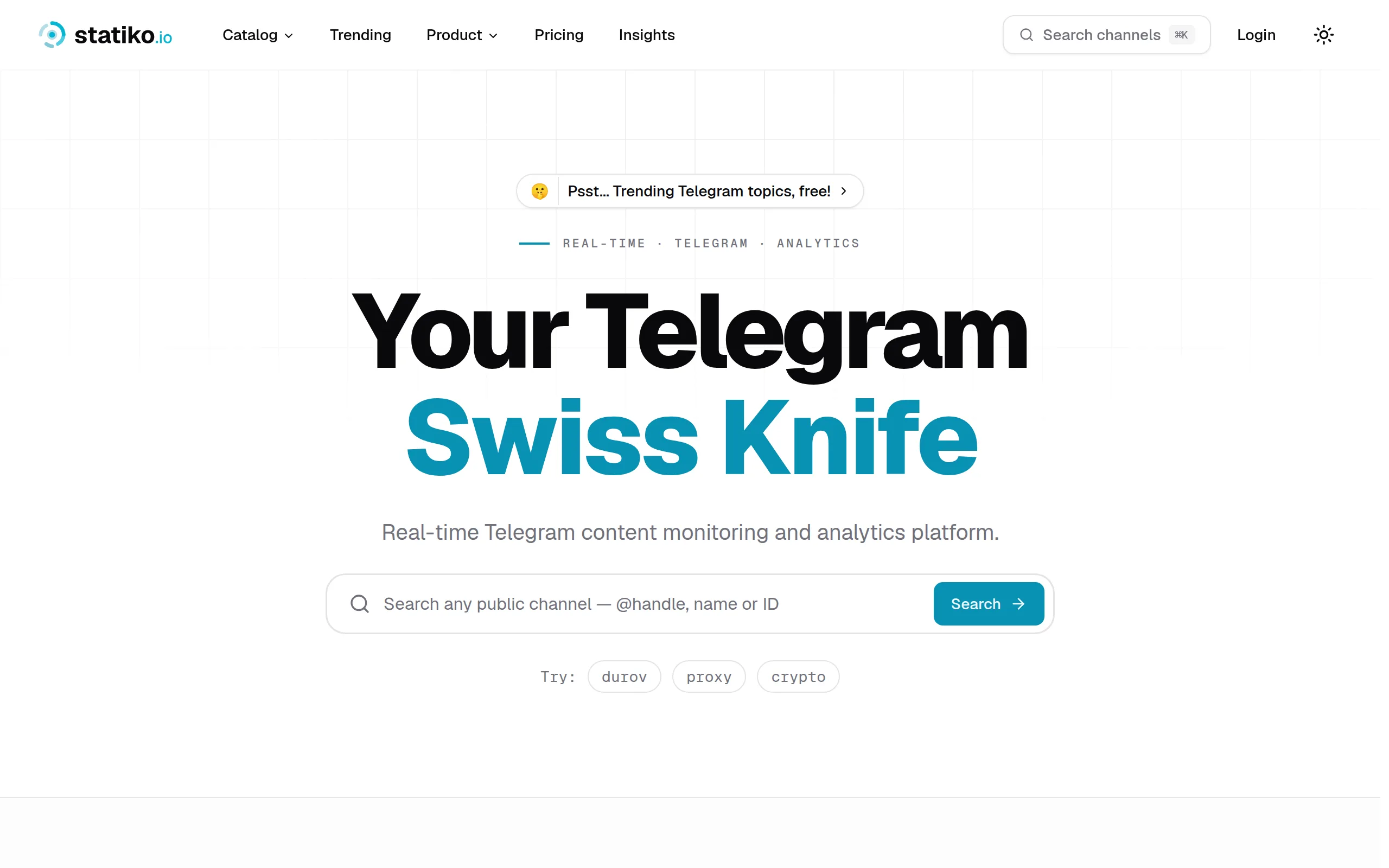
Statiko
Monitor any Telegram channel in real time - track posts, edits, deletions, and growth with AI recaps 📡
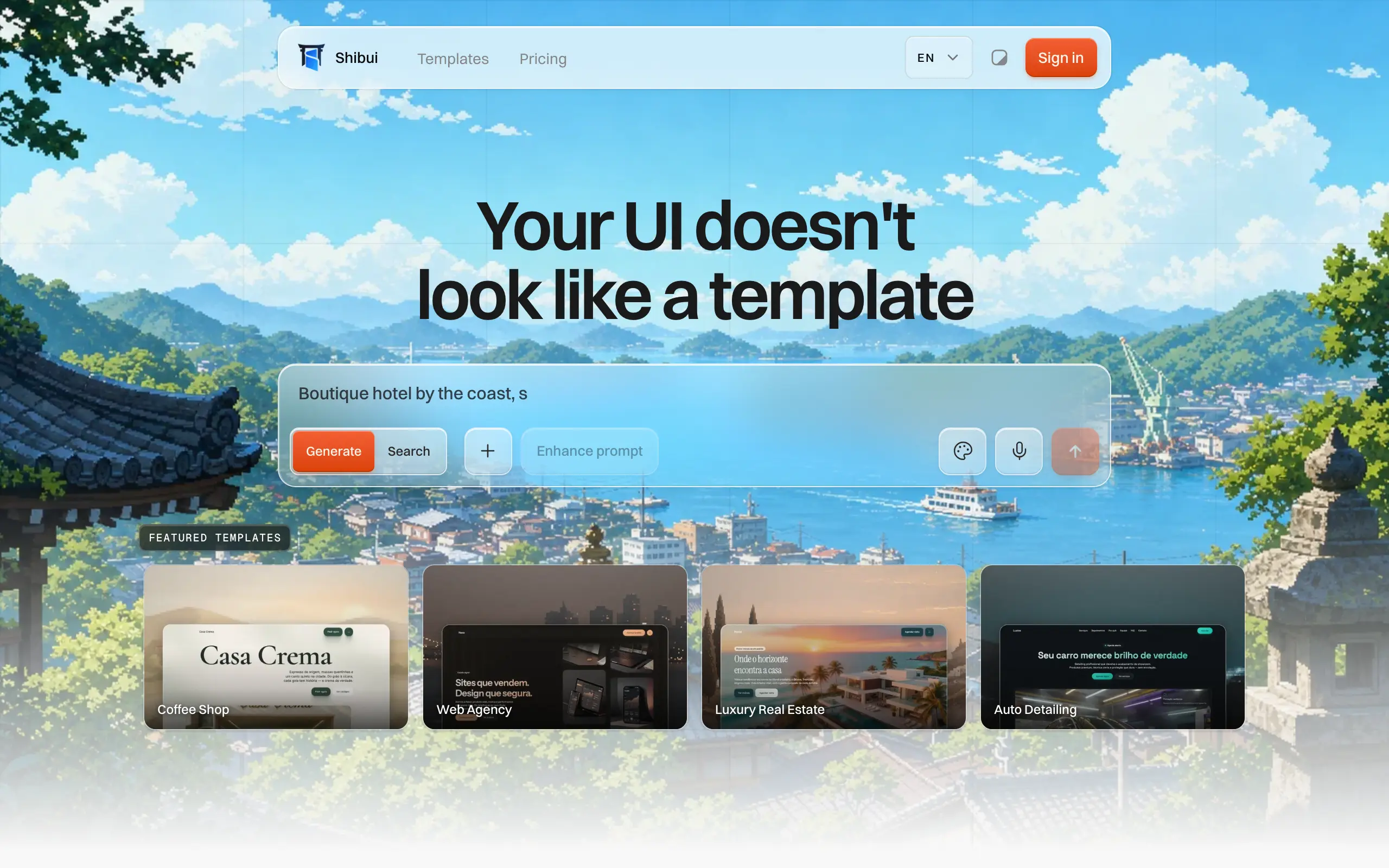
Shibui
AI website builder - describe your business, pick a niche template, edit by chatting, and publish instantly ✨
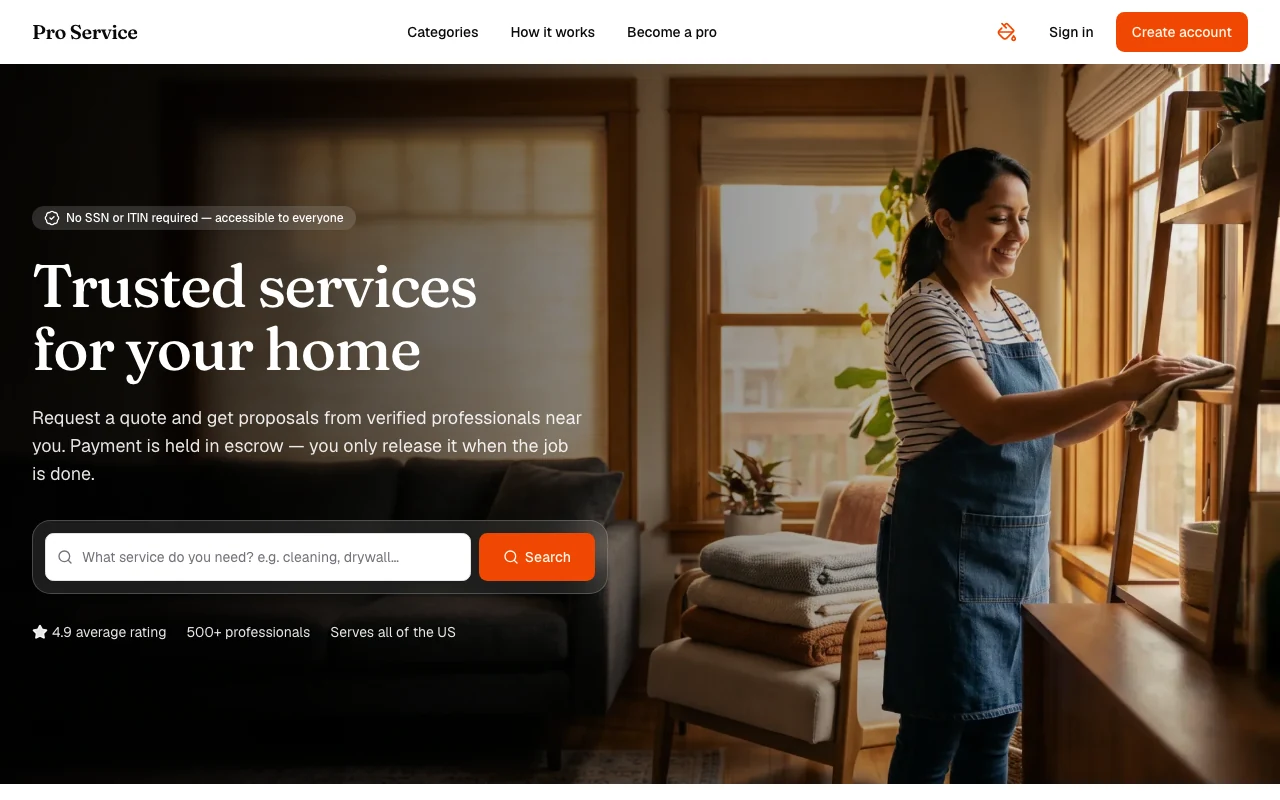
Pro Service
Find verified home service professionals, compare quotes, and pay securely through escrow - built for Brazilians across the US 🏠
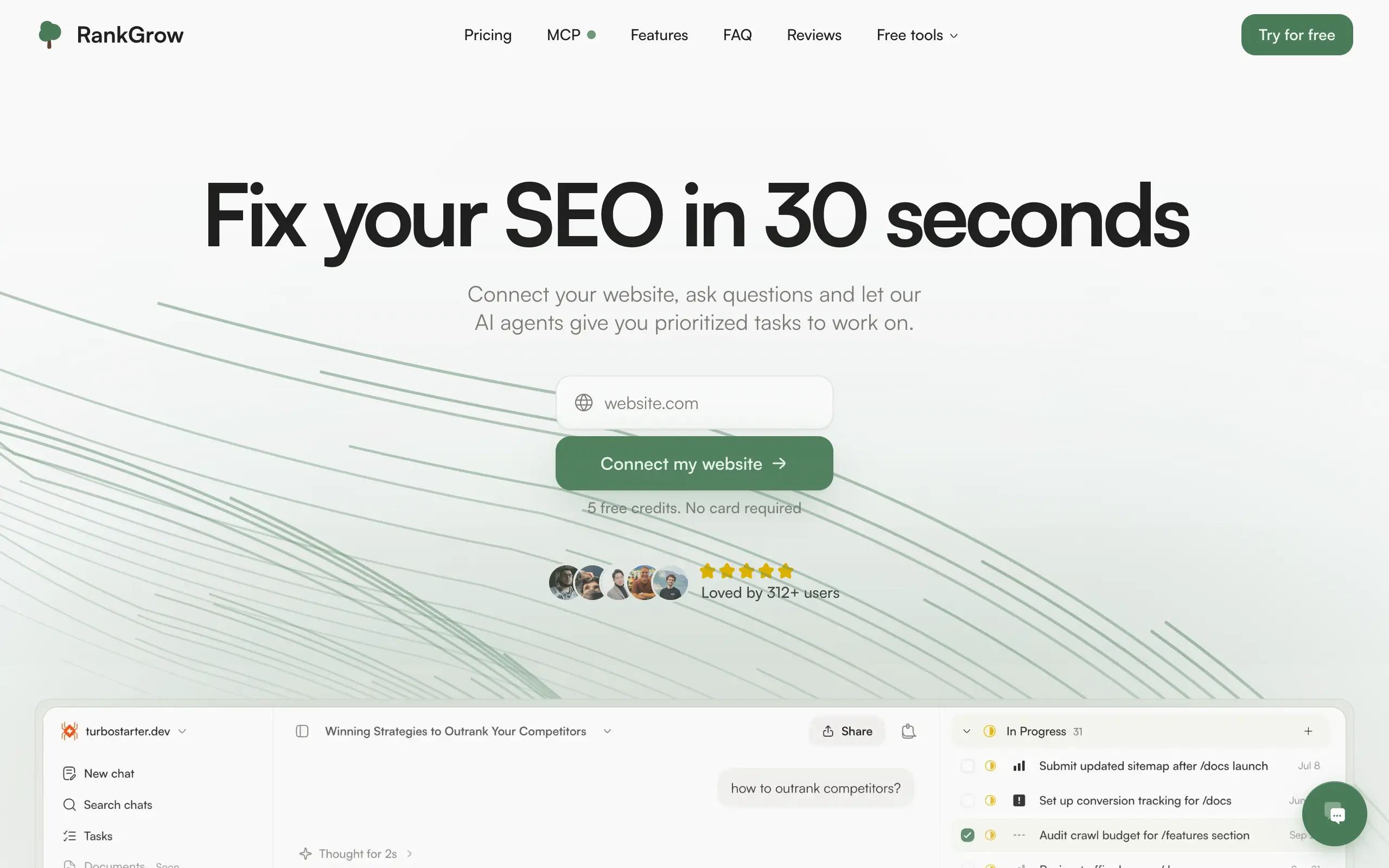
RankGrow
Fix your SEO with AI agents - connect Search Console, get prioritized tasks, and grow organic traffic 📈
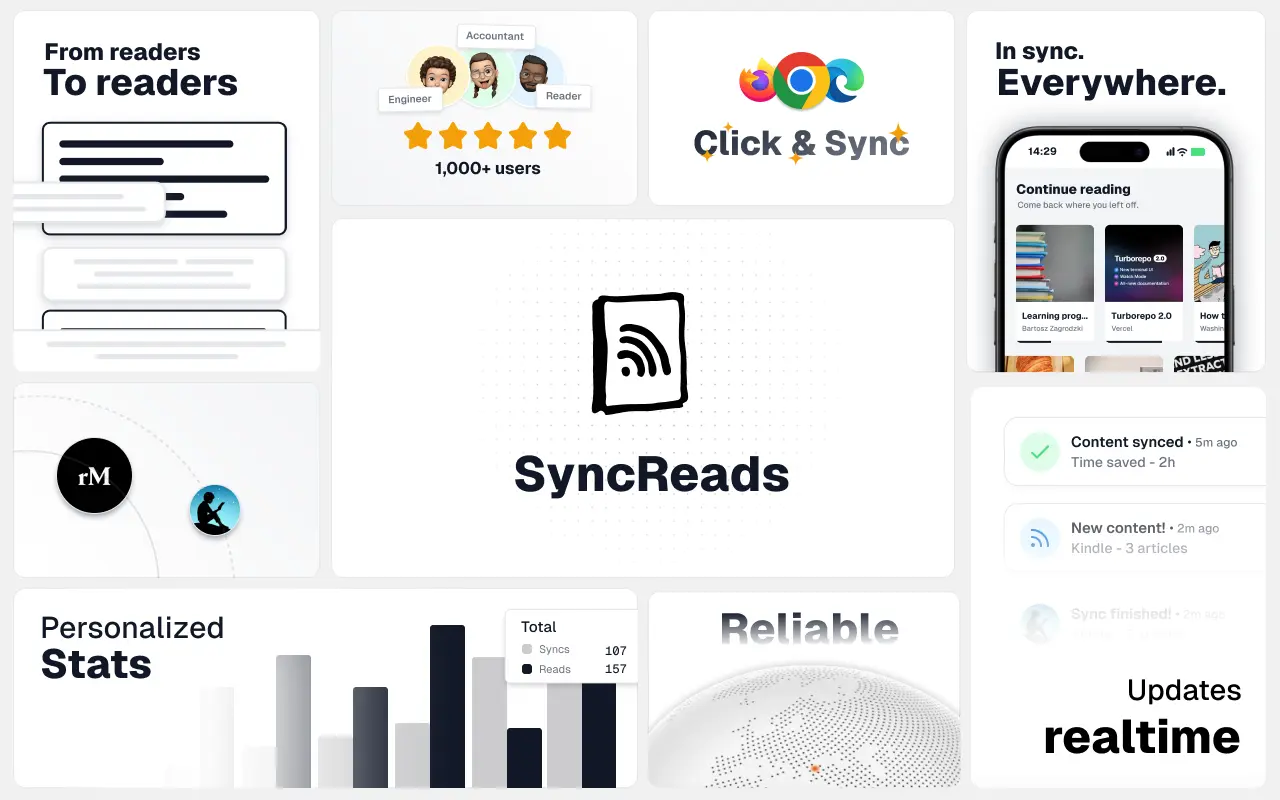
SyncReads
Sync your favorite content for distraction-free reading, save time and replace multiple apps. Anytime, anywhere 🔄
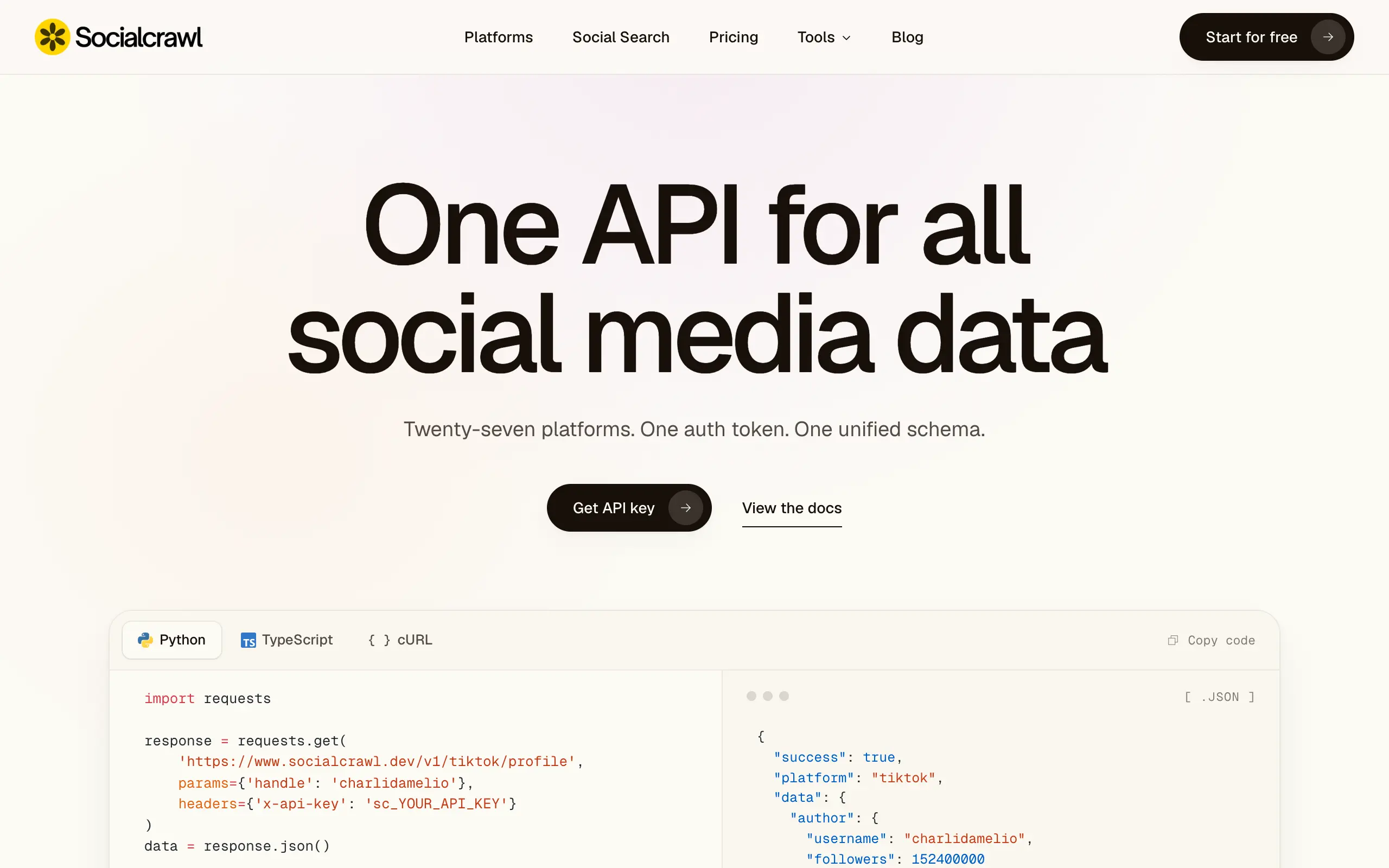
Socialcrawl
Get clean, structured data from 21 platforms like TikTok, Instagram, and YouTube with a single request 📊
Statiko
Monitor any Telegram channel in real time - track posts, edits, deletions, and growth with AI recaps 📡
Shibui
AI website builder - describe your business, pick a niche template, edit by chatting, and publish instantly ✨
Pro Service
Find verified home service professionals, compare quotes, and pay securely through escrow - built for Brazilians across the US 🏠
RankGrow
Fix your SEO with AI agents - connect Search Console, get prioritized tasks, and grow organic traffic 📈
SyncReads
Sync your favorite content for distraction-free reading, save time and replace multiple apps. Anytime, anywhere 🔄
Socialcrawl
Get clean, structured data from 21 platforms like TikTok, Instagram, and YouTube with a single request 📊
Statiko
Monitor any Telegram channel in real time - track posts, edits, deletions, and growth with AI recaps 📡
Shibui
AI website builder - describe your business, pick a niche template, edit by chatting, and publish instantly ✨
Pro Service
Find verified home service professionals, compare quotes, and pay securely through escrow - built for Brazilians across the US 🏠
RankGrow
Fix your SEO with AI agents - connect Search Console, get prioritized tasks, and grow organic traffic 📈
SyncReads
Sync your favorite content for distraction-free reading, save time and replace multiple apps. Anytime, anywhere 🔄
Socialcrawl
Get clean, structured data from 21 platforms like TikTok, Instagram, and YouTube with a single request 📊
Statiko
Monitor any Telegram channel in real time - track posts, edits, deletions, and growth with AI recaps 📡
Shibui
AI website builder - describe your business, pick a niche template, edit by chatting, and publish instantly ✨
Pro Service
Find verified home service professionals, compare quotes, and pay securely through escrow - built for Brazilians across the US 🏠
RankGrow
Fix your SEO with AI agents - connect Search Console, get prioritized tasks, and grow organic traffic 📈
SyncReads
Sync your favorite content for distraction-free reading, save time and replace multiple apps. Anytime, anywhere 🔄
Socialcrawl
Get clean, structured data from 21 platforms like TikTok, Instagram, and YouTube with a single request 📊
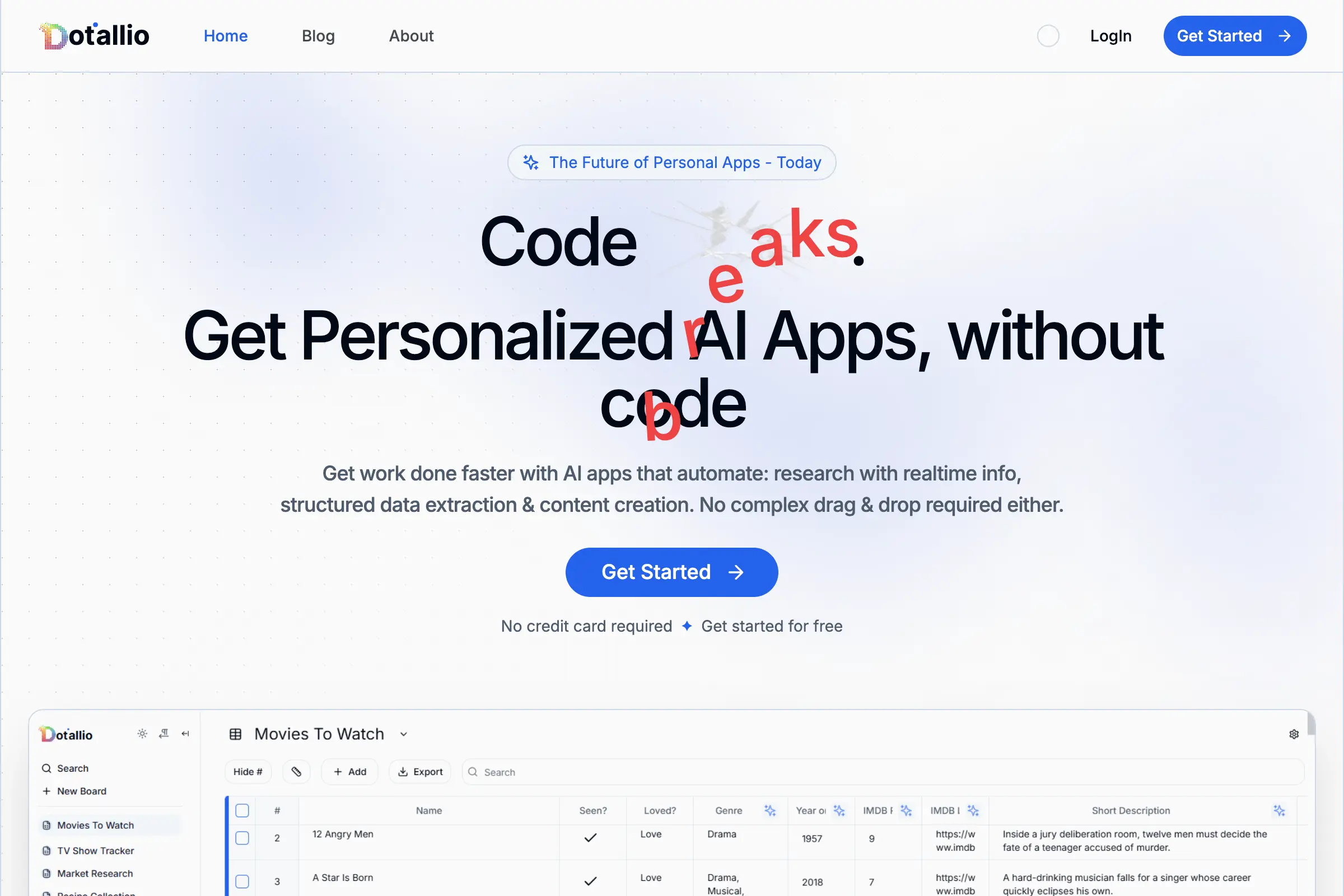
Dotallio
Personalized AI apps that automate research, data extraction, and content creation without code 🤖
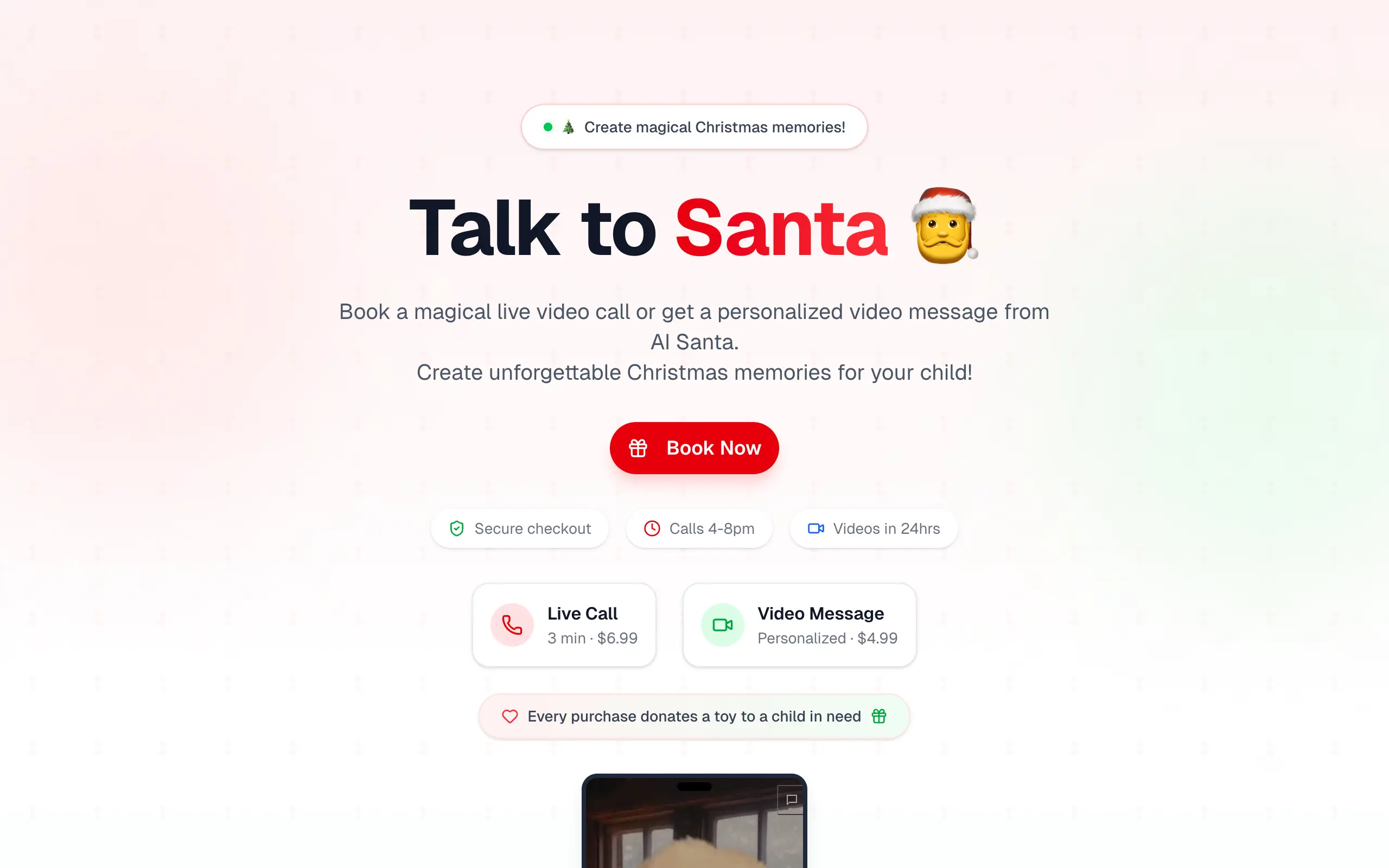
Talk to Santa
Enjoy a magical live video chat or receive a unique AI-generated video greeting from Santa Claus 🎅
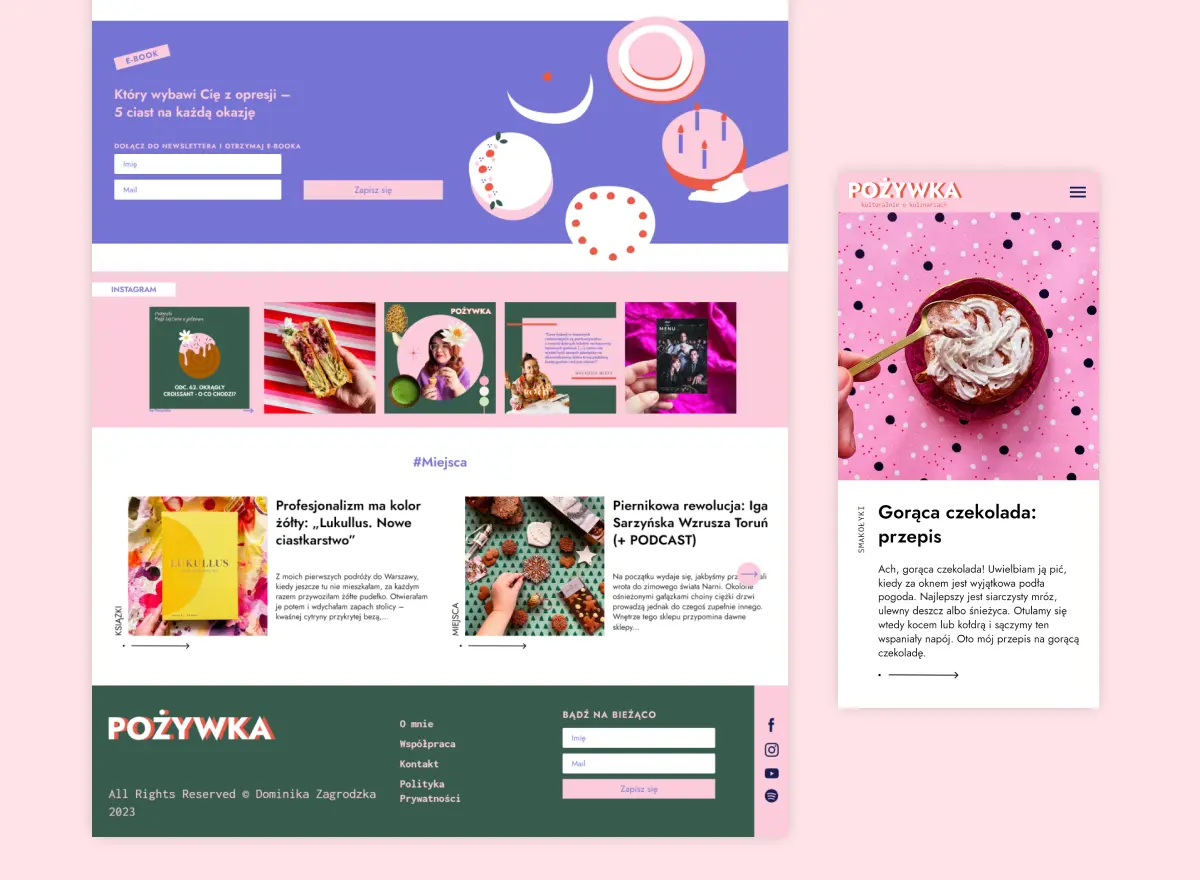
pozywka.pl
Scalable blog for food journalist, focused on performance and user experience 🌭
zagrodzki.me
Personal blog and portfolio of Bart Zagrodzki, where he shares his knowledge and work 💼
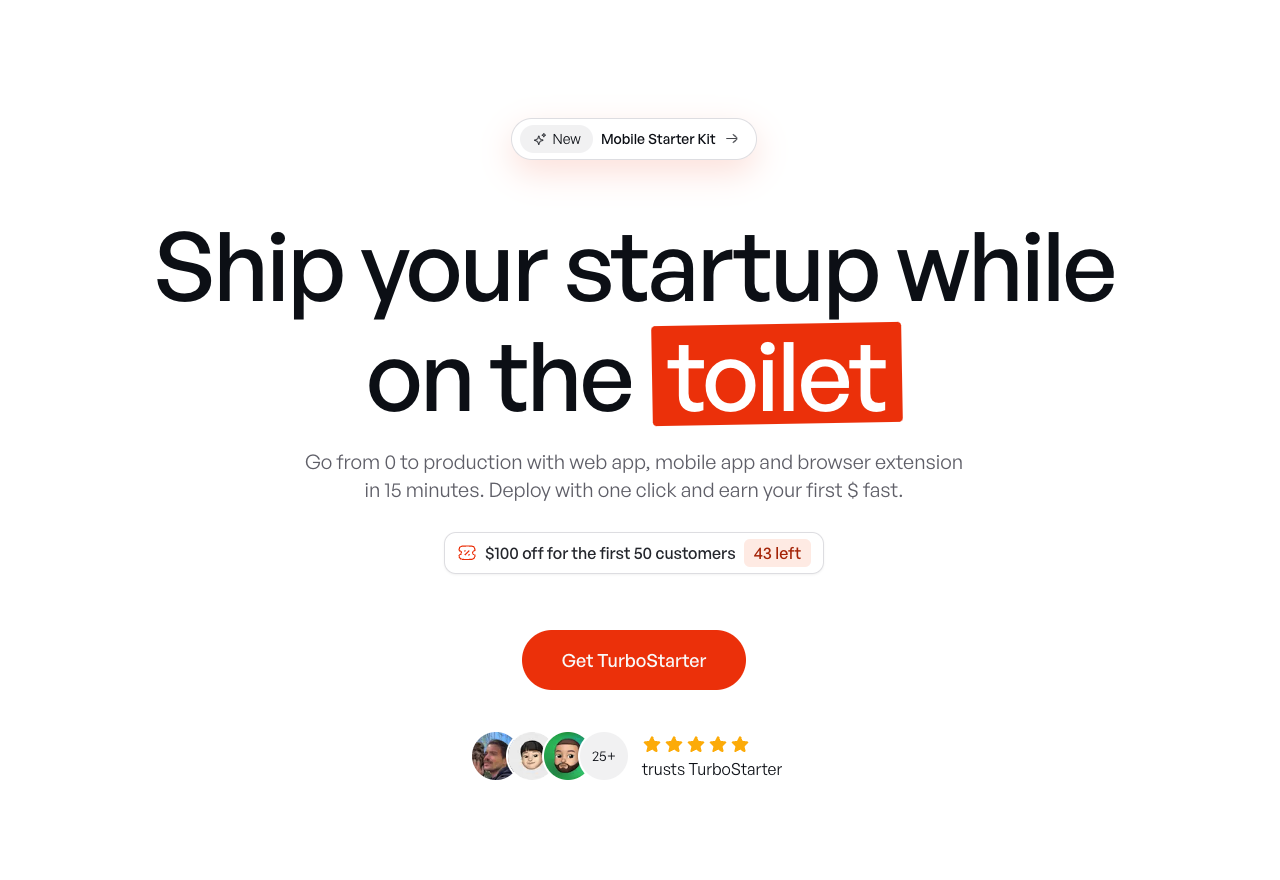
TurboStarter
Ship your startup everywhere. In minutes.
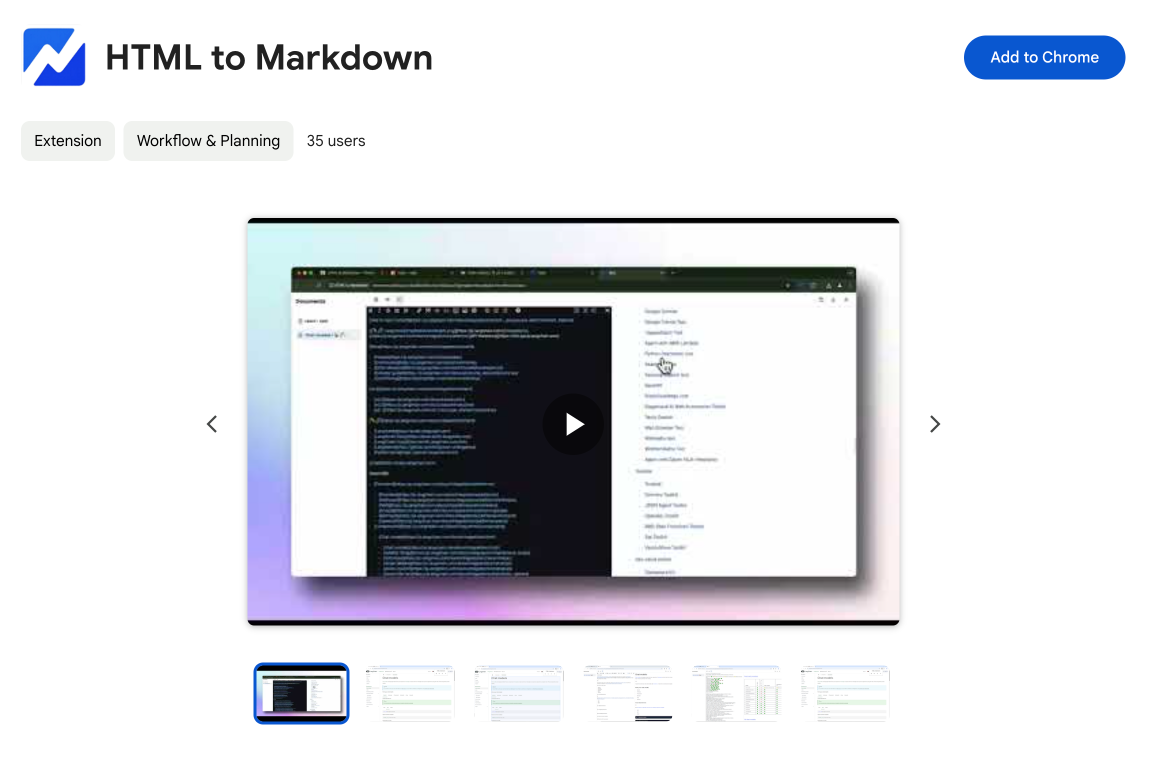
HTML to Markdown
Convert HTML to Markdown with ease, directly in your browser 📄
Dotallio
Personalized AI apps that automate research, data extraction, and content creation without code 🤖
Talk to Santa
Enjoy a magical live video chat or receive a unique AI-generated video greeting from Santa Claus 🎅
pozywka.pl
Scalable blog for food journalist, focused on performance and user experience 🌭
zagrodzki.me
Personal blog and portfolio of Bart Zagrodzki, where he shares his knowledge and work 💼
TurboStarter
Ship your startup everywhere. In minutes.
HTML to Markdown
Convert HTML to Markdown with ease, directly in your browser 📄
Dotallio
Personalized AI apps that automate research, data extraction, and content creation without code 🤖
Talk to Santa
Enjoy a magical live video chat or receive a unique AI-generated video greeting from Santa Claus 🎅
pozywka.pl
Scalable blog for food journalist, focused on performance and user experience 🌭
zagrodzki.me
Personal blog and portfolio of Bart Zagrodzki, where he shares his knowledge and work 💼
TurboStarter
Ship your startup everywhere. In minutes.
HTML to Markdown
Convert HTML to Markdown with ease, directly in your browser 📄
Dotallio
Personalized AI apps that automate research, data extraction, and content creation without code 🤖
Talk to Santa
Enjoy a magical live video chat or receive a unique AI-generated video greeting from Santa Claus 🎅
pozywka.pl
Scalable blog for food journalist, focused on performance and user experience 🌭
zagrodzki.me
Personal blog and portfolio of Bart Zagrodzki, where he shares his knowledge and work 💼
TurboStarter
Ship your startup everywhere. In minutes.
HTML to Markdown
Convert HTML to Markdown with ease, directly in your browser 📄
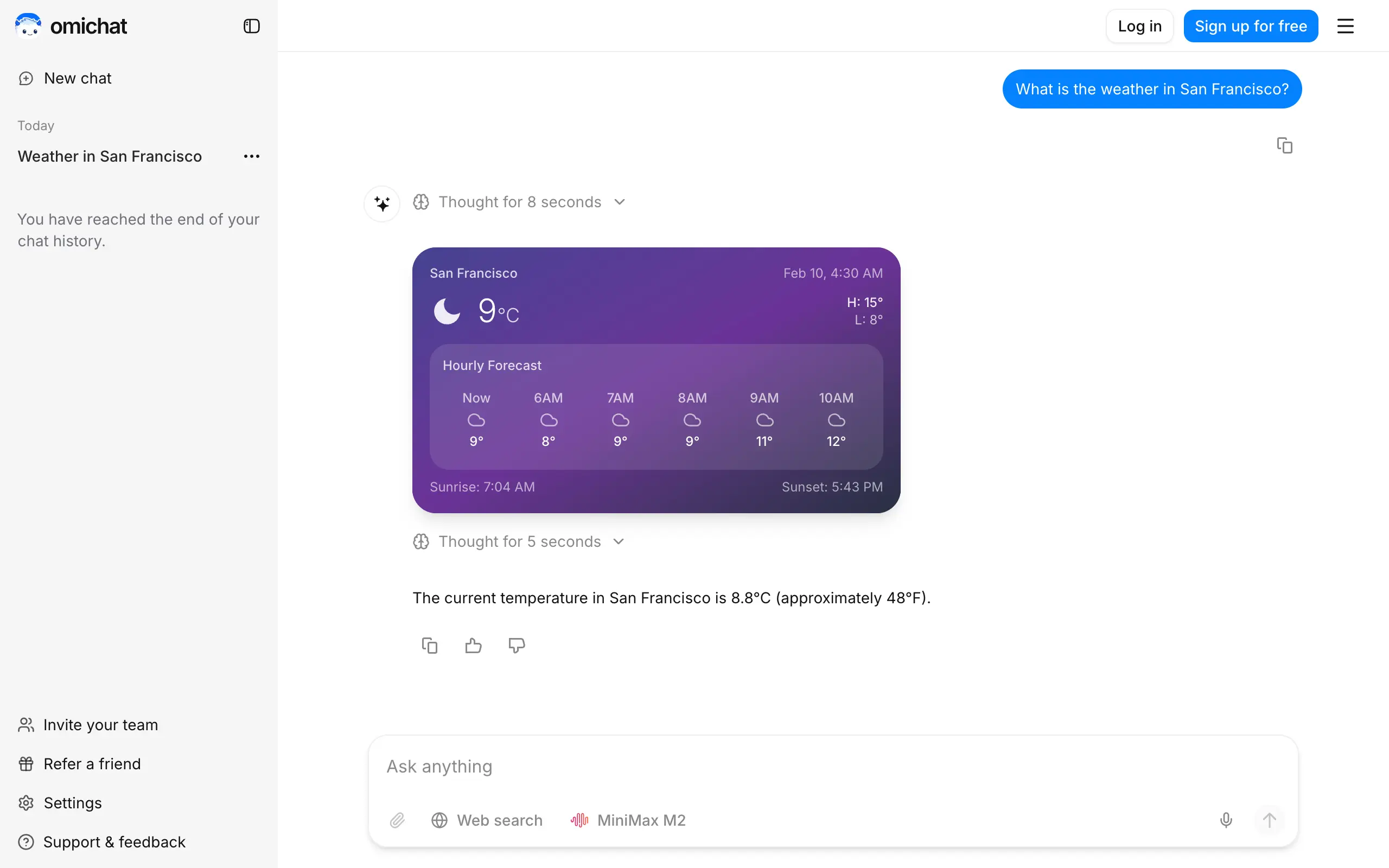
Omichat
Chat with 50+ AI models, including ChatGPT and Claude, in one place - switch models anytime without losing context 🤖
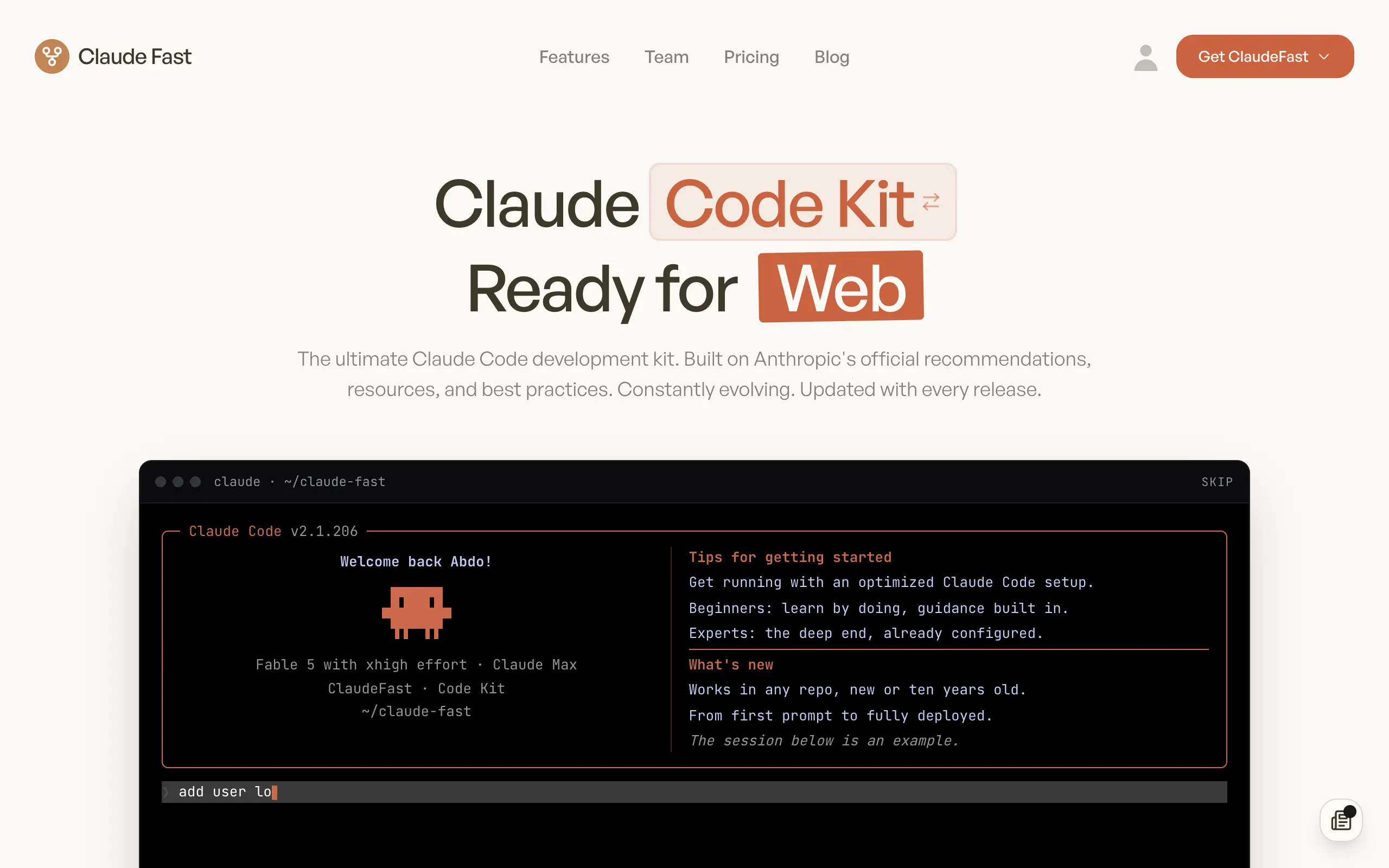
Claude Fast
Supercharge your Claude Code with 6x effective context window and specialized AI agents 🤖
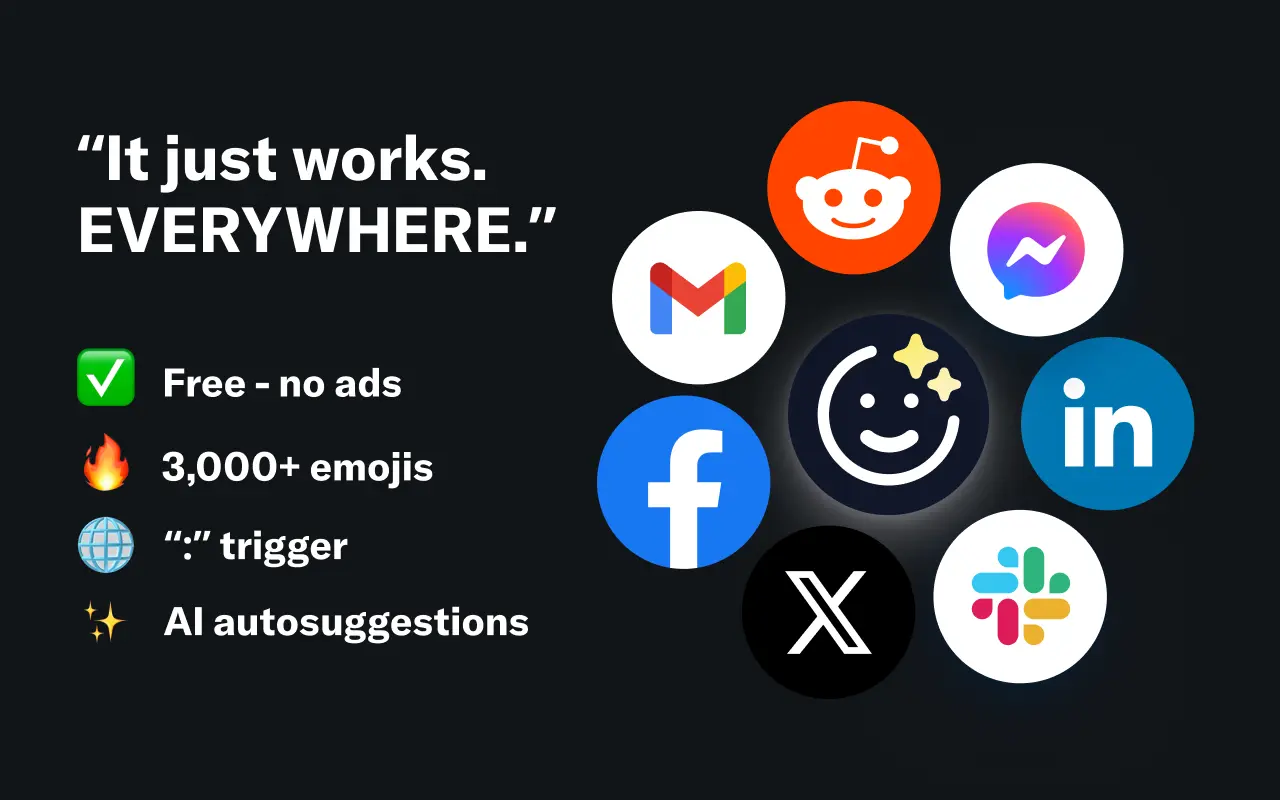
EmojAI
AI-powered emoji picker with smart, context-aware suggestions 🤖
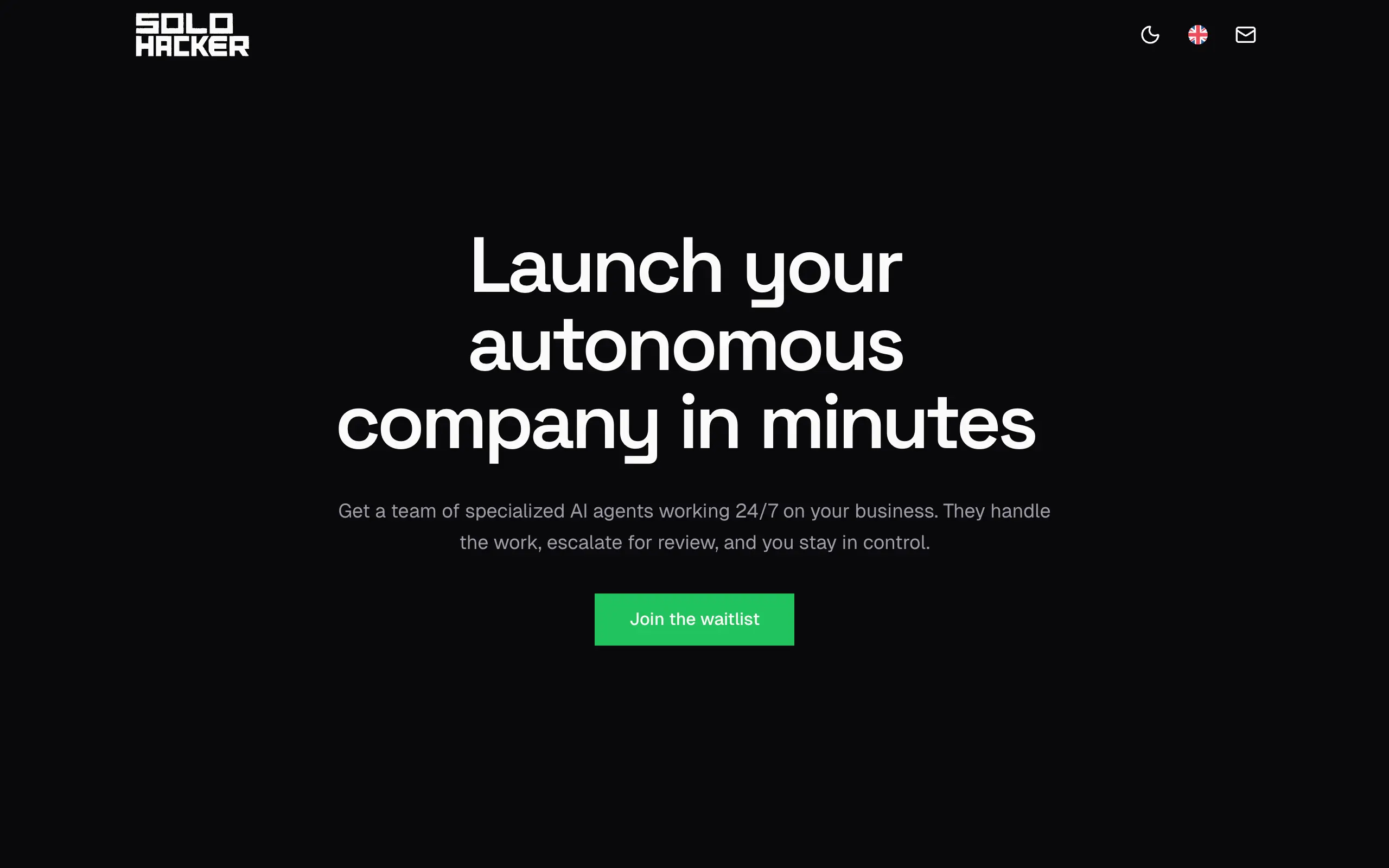
Solohacker
Autonomous company launcher - AI agents work 24/7, escalate what matters, and you stay in control 🤖
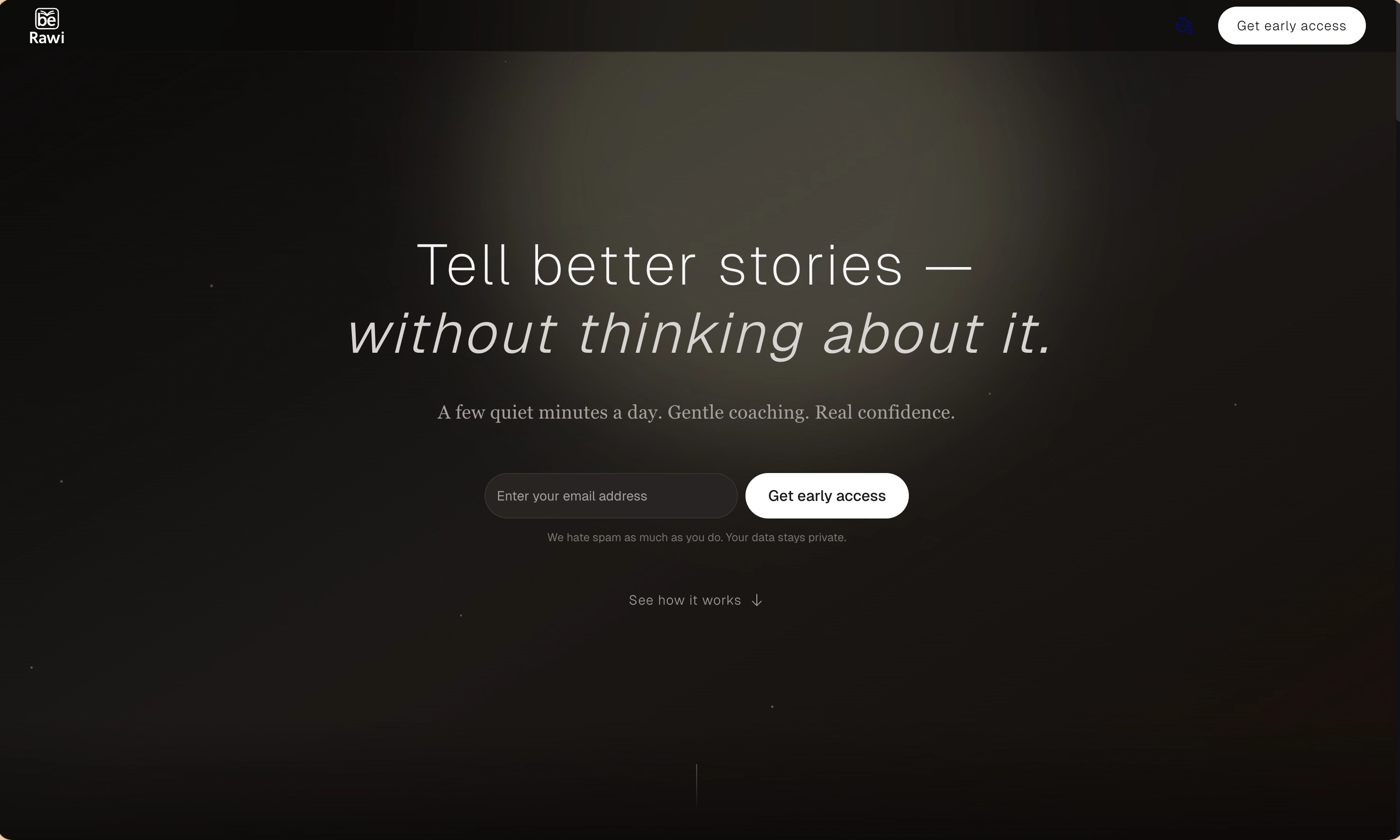
BeRawi: Storytelling Coach
Practice storytelling daily with instant feedback to sound clearer, more engaging, and confident 🎤
Omichat
Chat with 50+ AI models, including ChatGPT and Claude, in one place - switch models anytime without losing context 🤖
Claude Fast
Supercharge your Claude Code with 6x effective context window and specialized AI agents 🤖
EmojAI
AI-powered emoji picker with smart, context-aware suggestions 🤖
Solohacker
Autonomous company launcher - AI agents work 24/7, escalate what matters, and you stay in control 🤖
BeRawi: Storytelling Coach
Practice storytelling daily with instant feedback to sound clearer, more engaging, and confident 🎤
Omichat
Chat with 50+ AI models, including ChatGPT and Claude, in one place - switch models anytime without losing context 🤖
Claude Fast
Supercharge your Claude Code with 6x effective context window and specialized AI agents 🤖
EmojAI
AI-powered emoji picker with smart, context-aware suggestions 🤖
Solohacker
Autonomous company launcher - AI agents work 24/7, escalate what matters, and you stay in control 🤖
BeRawi: Storytelling Coach
Practice storytelling daily with instant feedback to sound clearer, more engaging, and confident 🎤
Omichat
Chat with 50+ AI models, including ChatGPT and Claude, in one place - switch models anytime without losing context 🤖
Claude Fast
Supercharge your Claude Code with 6x effective context window and specialized AI agents 🤖
EmojAI
AI-powered emoji picker with smart, context-aware suggestions 🤖
Solohacker
Autonomous company launcher - AI agents work 24/7, escalate what matters, and you stay in control 🤖
BeRawi: Storytelling Coach
Practice storytelling daily with instant feedback to sound clearer, more engaging, and confident 🎤

Connect with like-minded people
Join our community to get feedback, support, and grow together with 1,000+ builders on board, let's ship it!
Join usShip your startup everywhere. In minutes.
Don't burn tokens on setup and start building features on day one.