BenchBridge
Private talent liquidity network where web agencies securely share, borrow, or lease vetted developers to reduce bench time and increase utilization.
The new economics of agency utilization
In the agency world, margins are made or lost on utilization rates. Every unbilled hour erodes profitability. Every missed opportunity because the “right” developer isn’t available leaves revenue on the table.
BenchBridge is a private talent liquidity network for web agencies that enables agencies to securely share, borrow, or lease vetted developers. The core goal: reduce bench time, increase utilization, and unlock predictable revenue across partner agencies.
This article provides a deep, expert-level breakdown of:
- The target audience and pain points
- The market gap and opportunity
- Core features and product architecture
- Recommended tech stack and trade-offs
- Monetization strategy
- Competitive positioning
- Risks and mitigation strategies
- Actionable implementation roadmap
If you're exploring how to build or validate a B2B SaaS marketplace in the agency ecosystem, this guide directly addresses that intent.
Understanding the core problem: bench time and underutilization
What is bench time in agencies?
In web and digital agencies, “bench time” refers to developers and technical staff who are salaried but not currently billable to a client project.
Common causes include:
- Project delays
- Lost bids
- Scope reductions
- Seasonal slowdowns
- Hiring ahead of signed contracts
- Specialized skills not matching current demand
For agencies operating on tight margins (often 10–25%), even a 10% drop in utilization can significantly impact profitability.
The hidden costs of bench time
Bench time is not just salary waste. It creates:
- Cash flow pressure
- Lower morale among developers
- Higher attrition risk
- Opportunity cost from idle capacity
- Reactive hiring cycles
Agencies face a paradox:
- When they hire conservatively, they miss revenue opportunities.
- When they hire proactively, they risk bench overhead.
BenchBridge introduces a structural solution: inter-agency talent liquidity.
Target audience analysis
BenchBridge is a B2B SaaS platform focused on agencies and service firms in the digital ecosystem.
Primary audience: small-to-mid sized web agencies (10–150 employees)
These agencies:
- Rely heavily on project-based revenue
- Experience uneven workload cycles
- Cannot afford full-time specialists in every stack
- Want to grow without bloating payroll
Pain points:
- Inconsistent pipeline forecasting
- Expensive hiring cycles
- Freelancers with inconsistent quality
- Limited geographic hiring reach
Secondary audience: larger agencies (150–500 employees)
These agencies:
- Have frequent bench pockets
- Run multi-stack teams
- Face enterprise client spikes
- Need rapid capacity scaling
Pain points:
- Complex internal staffing logistics
- Cross-border legal complexity
- High turnover among contractors
- Internal politics around “sharing” talent
Tertiary audience: agency operations leaders
Key roles:
- COO
- Head of Delivery
- VP Engineering
- Resource Manager
- Founder/CEO
These decision-makers care about:
- Utilization %
- Revenue per employee
- Gross margin
- Client satisfaction
- Hiring velocity
BenchBridge directly targets these metrics.
Market opportunity and structural gap
The fragmented agency ecosystem
Globally, there are:
- 100,000+ digital agencies
- Millions of developers working in agency environments
- Thousands of niche technology specialists
Yet there is no structured, private liquidity layer between agencies.
Current alternatives:
- Freelance platforms (Upwork, Toptal)
- Informal Slack groups
- Personal founder networks
- Offshore outsourcing firms
These are inefficient, risky, or lack trust guarantees.
The structural inefficiency
Agencies operate in silos. Each one:
- Hires
- Benches
- Fires
- Rehires
All independently.
There is no shared capacity market.
BenchBridge introduces the concept of:
A private, vetted talent exchange layer exclusively for agencies.
Not public freelancers. Not random gig workers. Not anonymous contractors.
But vetted, agency-employed developers available temporarily.
This is a blue ocean in B2B SaaS.
BenchBridge value proposition
At its core, BenchBridge is about utilization optimization.
For agencies with idle developers:
- Monetize bench time
- Reduce payroll pressure
- Keep team engaged
- Avoid layoffs
- Maintain morale
For agencies needing capacity:
- Instantly access vetted developers
- Avoid long hiring cycles
- Reduce recruiter fees
- Scale up temporarily
- Maintain delivery timelines
Unique selling proposition (USP)
BenchBridge is:
- Private (not public gig marketplace)
- Agency-only (no freelancers directly)
- Vetted & trusted
- Short-to-mid term leasing model
- Mutually beneficial liquidity network
This creates defensibility through:
- Network effects
- Trust gating
- Reputation scoring
- Industry specialization
Core features and product architecture
1. Agency onboarding and vetting
Trust is the foundation.
Features:
- Agency verification (legal entity checks)
- Portfolio review
- Revenue bracket classification
- NDA framework
- Mutual trust agreement
Why vetting matters
Without strong vetting, the platform degrades into a generic freelancer marketplace. The moat is trust.
2. Developer profile standardization
Each developer listed includes:
- Tech stack (React, Node, Laravel, etc.)
- Years of experience
- Project types
- Availability window
- Hourly or monthly lease rate
- Timezone
- English proficiency
- Internal rating score
3. Private matching engine
Agencies can:
- Search by stack
- Filter by availability
- Filter by price
- Filter by timezone
- Filter by experience level
Potential enhancement:
- AI-assisted matching
- Skill gap detection
- Predictive availability modeling
4. Lease contract automation
Built-in:
- Standardized contract templates
- IP protection clauses
- Non-solicitation clauses
- Time-bound leasing agreements
- Automated invoicing
5. Payment & escrow
Revenue flows:
- Borrowing agency pays BenchBridge.
- BenchBridge holds escrow.
- Releasing agency receives payout minus fee.
Optional features:
- Milestone payments
- Weekly billing
- Dispute resolution
6. Rating & reputation system
Post-engagement ratings:
- Technical performance
- Communication
- Timeliness
- Cultural fit
Agencies also receive ratings.
This builds:
- Trust graph
- Long-term defensibility
- Network effects
7. Utilization analytics dashboard
Agencies see:
- Bench ratio trends
- Monetized bench hours
- Revenue recovered
- Borrowed capacity ROI
- Utilization delta %
This makes BenchBridge not just a marketplace — but a strategic operations tool.
Feature comparison vs alternatives
| Feature | BenchBridge | Freelance platforms | Recruiting firms | Internal hiring | Slack groups |
|---|---|---|---|---|---|
| Agency-only network | ✅ | ❌ | ❌ | ❌ | ❌ |
| Short-term leasing | ✅ | ✅ | ❌ | ❌ | |
| Vetted companies | ✅ | ❌ | ✅ | ❌ | |
| Escrow & contracts | ✅ | ✅ | ❌ | ❌ | |
| Utilization analytics | ✅ | ❌ | ❌ | ❌ |
Recommended tech stack (with trade-offs)
Building a B2B marketplace SaaS like BenchBridge requires scalability, security, and strong data modeling.
Frontend
Why?
- SEO-friendly rendering
- Fast UI iteration
- Enterprise dashboard UX
Backend
Options:
Option 1: Node.js + TypeScript
- High developer velocity
- Shared language across stack
- Strong ecosystem
Option 2: Ruby on Rails
- Faster MVP
- Built-in conventions
- Strong for marketplace logic
Trade-off:
- Node scales microservices more flexibly
- Rails accelerates early-stage build
Database
- PostgreSQL (relational contracts & structured queries)
- Redis (caching & session management)
Why relational? Because:
- Contracts
- Ratings
- Payment records
- Agency relationships
All require strong relational integrity.
Payments
- Stripe Connect (marketplace split payments)
- Escrow logic
Infrastructure
- Vercel (frontend)
- AWS / GCP (backend)
- Docker for portability
Security layer
- Role-based access control (RBAC)
- Encryption at rest
- GDPR compliance
- SOC2 readiness
Trust is your product
Security is not a feature — it is the foundation of this marketplace.
Monetization strategy
BenchBridge has multiple viable revenue models.
1. Transaction fee model (primary)
- 10–20% platform fee on each lease
Pros:
- Scales with usage
- Aligns incentives
Cons:
- Requires sufficient liquidity
2. Subscription tiers
Examples:
- Free tier (limited listings)
- Pro ($99–299/month)
- Enterprise custom plan
Includes:
- Advanced analytics
- Priority placement
- Lower transaction fees
3. Revenue-sharing hybrid
Lower subscription + lower fee
4. Premium verification badge
Agencies can pay for:
- Enhanced vetting
- Featured status
- Highlighted listings
5. Financial services layer (future expansion)
- Invoice factoring
- Short-term payroll loans
- Insurance
This expands ARPU significantly.
Competitive advantage analysis
BenchBridge’s moat comes from:
1. Network effects
More agencies → more liquidity → better matching → higher value.
2. Trust gating
Strict entry requirements increase:
- Signal quality
- Brand reputation
- Stickiness
3. Industry focus
Not horizontal. Not general freelance.
Focused on:
- Web agencies
- Software teams
- Project-based firms
4. Data advantage
Over time, BenchBridge can:
- Predict demand cycles
- Identify skill shortages
- Offer proactive suggestions
Data compounds defensibility.
Risks and mitigation strategies
Risk 1: Disintermediation
Agencies might bypass platform after first deal.
Mitigation:
- Escrow protection
- Ongoing ratings
- Subscription value
- Legal terms
Risk 2: Trust breaches
Developer poaching.
Mitigation:
- Non-solicitation clauses
- Legal enforcement support
- Reputation penalties
Risk 3: Liquidity imbalance
Too many suppliers, not enough demand.
Mitigation:
- Geographic rollouts
- Controlled invites
- Demand-first acquisition strategy
Risk 4: Legal complexity (cross-border)
Mitigation:
- Standardized contracts
- Clear liability allocation
- Legal partnerships
Go-to-market strategy
Phase 1: Private beta (city or niche)
Focus on:
- 20–50 agencies
- Similar size
- Same region
- Existing founder networks
Phase 2: Vertical specialization
Examples:
- Shopify agencies
- Webflow agencies
- React-focused dev shops
Vertical trust accelerates liquidity.
Phase 3: Expand geographically
Roll out region by region.
Implementation roadmap
MVP build acceleration
Instead of building from scratch, founders can leverage SaaS starter frameworks like TurboStarter to:
- Accelerate authentication setup
- Implement payments quickly
- Deploy production-ready dashboards
- Focus on marketplace logic
This significantly reduces:
- Time to MVP
- Engineering complexity
- Infrastructure setup
Long-term expansion opportunities
BenchBridge can evolve into:
- Global agency alliance network
- M&A matchmaking platform
- White-label staffing solution
- Talent insurance provider
- Agency credit scoring engine
The real opportunity is building the Bloomberg terminal for agency capacity.
Why this idea is timely
Several macro trends increase demand:
- Remote-first development
- Global distributed teams
- Increasing project volatility
- Rising hiring costs
- Economic uncertainty
Agencies need flexibility without long-term risk.
BenchBridge becomes the liquidity layer for human capital.
Frequently asked strategic questions
Freelancers lack embedded agency process knowledge. Agencies trust other agencies more than unknown individuals. BenchBridge operates at the company-to-company trust level.
No. It’s a private, vetted liquidity exchange focused on utilization optimization — not recruiting.
Through contractual protection, rating systems, and reputational consequences that outweigh short-term gains.
Final strategic insight
BenchBridge is not just a SaaS platform.
It’s infrastructure.
It introduces:
- Capital efficiency into agencies
- Talent liquidity
- Risk-sharing
- Margin stabilization
If executed correctly, it transforms how agencies operate financially.
Action plan for founders
- Interview 30 agencies.
- Quantify average bench cost per month.
- Model 15% utilization recovery.
- Validate willingness to lease developers.
- Design airtight legal framework.
- Build MVP with escrow.
- Launch invite-only.
- Optimize liquidity before scaling.
Then embed data analytics and expand vertically.
BenchBridge represents a category-defining B2B SaaS opportunity in the agency ecosystem. With the right trust architecture, legal safeguards, and network effects strategy, it can become the default operating layer for agency talent liquidity worldwide.
More 🏢 B2B Application SaaS ideas
Discover more innovative b2b application SaaS ideas that are trending in 2026. Each idea is AI-generated with market validation and growth potential to help you find your next profitable venture faster than competitors.
Your competitors are building with TurboStarter
Below are some of the SaaS ideas that have been generated and built with our starter kit.
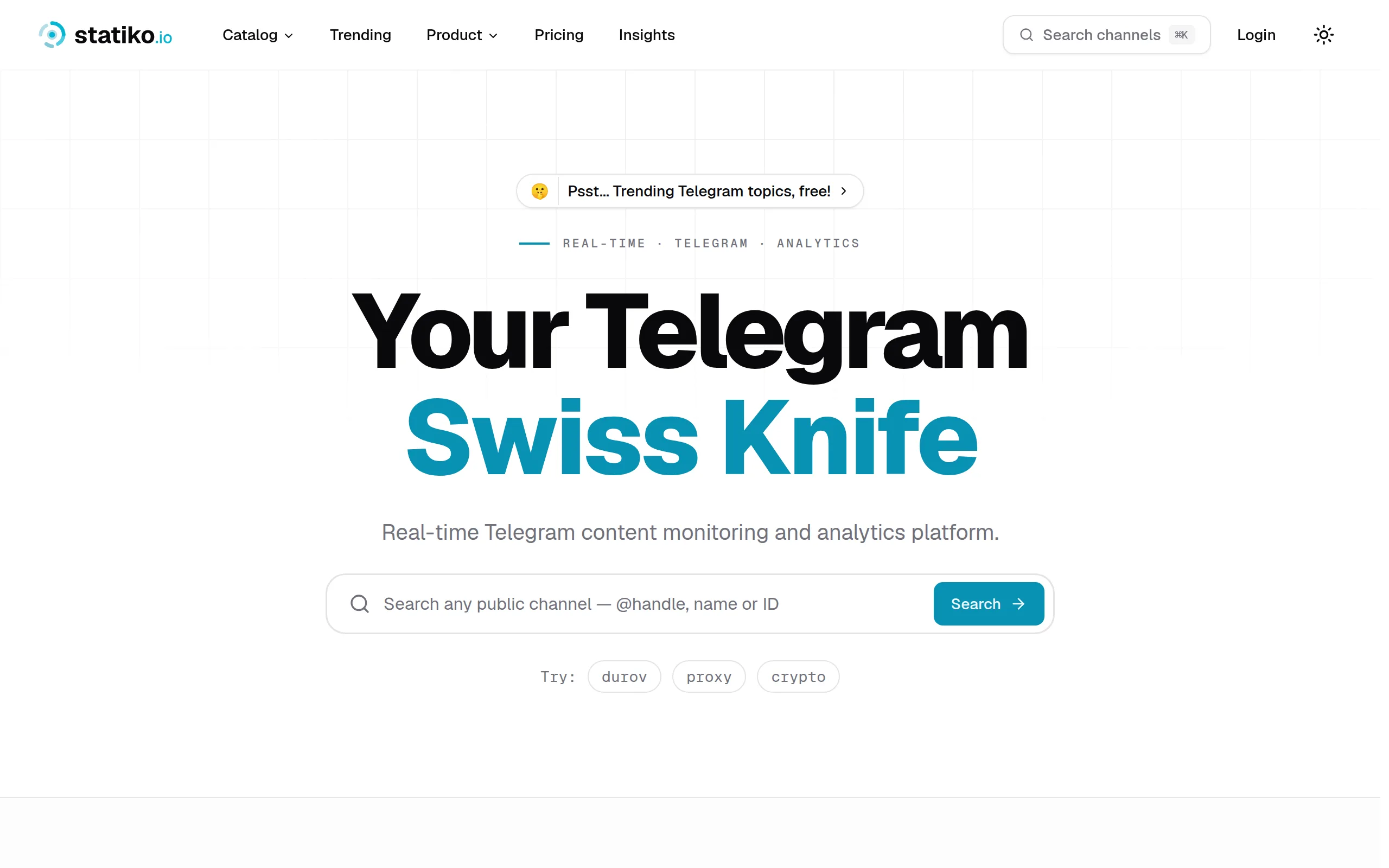
Statiko
Monitor any Telegram channel in real time - track posts, edits, deletions, and growth with AI recaps 📡

Shibui
AI website builder - describe your business, pick a niche template, edit by chatting, and publish instantly ✨

Pro Service
Find verified home service professionals, compare quotes, and pay securely through escrow - built for Brazilians across the US 🏠
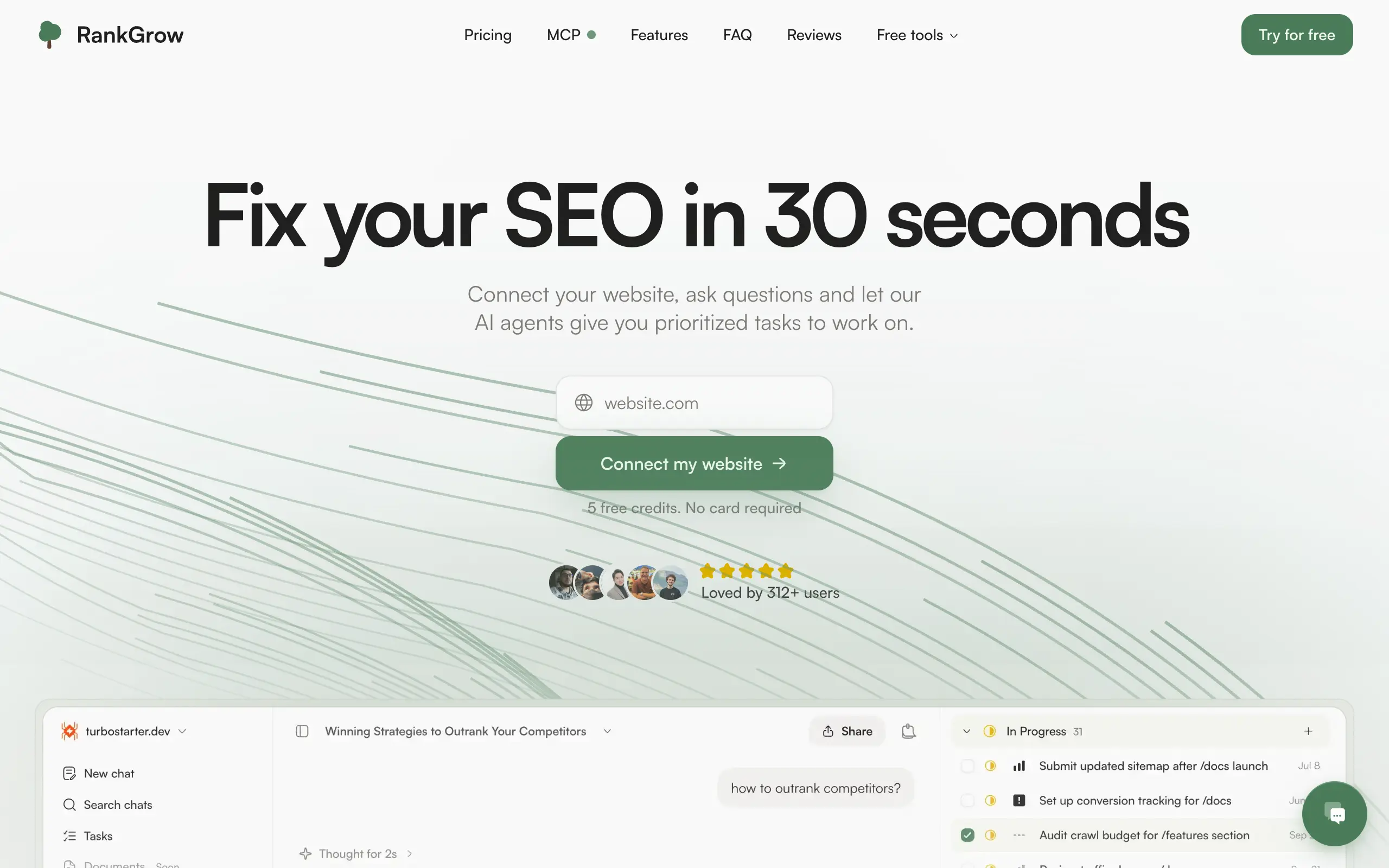
RankGrow
Fix your SEO with AI agents - connect Search Console, get prioritized tasks, and grow organic traffic 📈
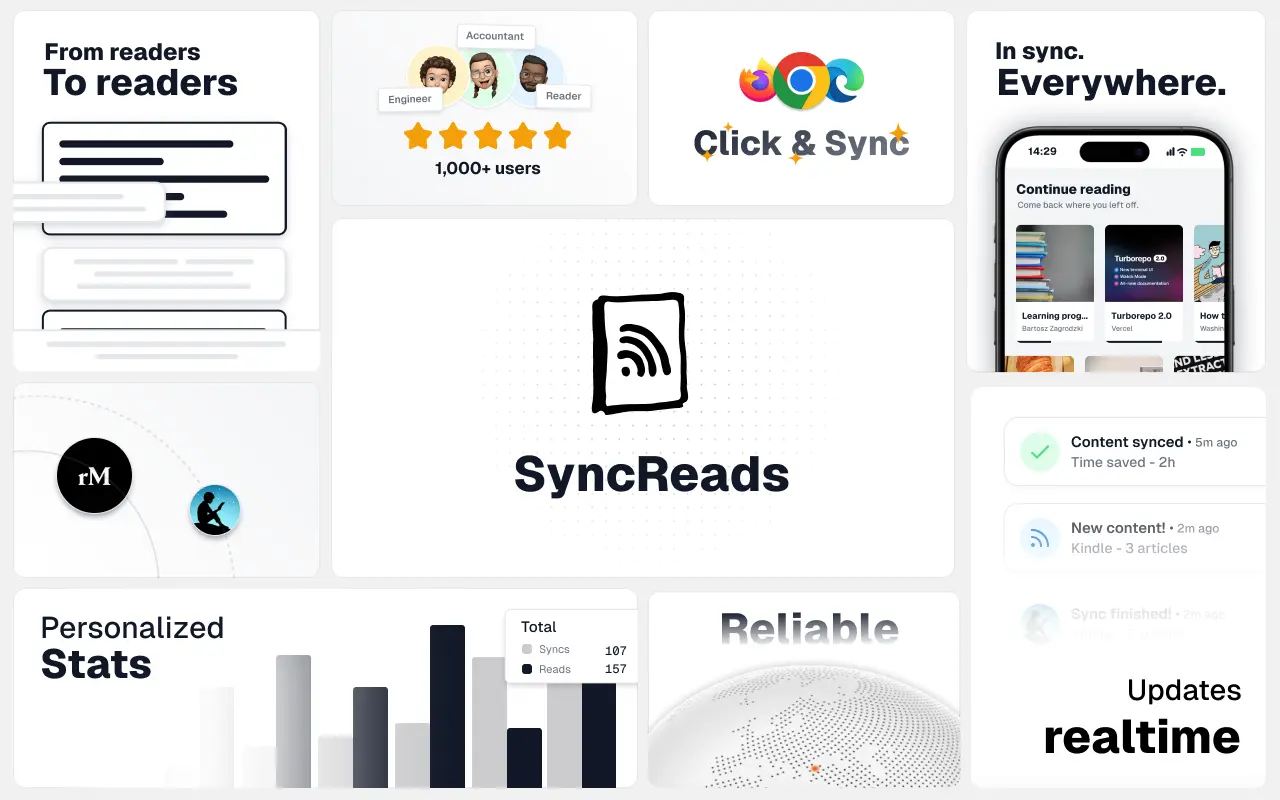
SyncReads
Sync your favorite content for distraction-free reading, save time and replace multiple apps. Anytime, anywhere 🔄
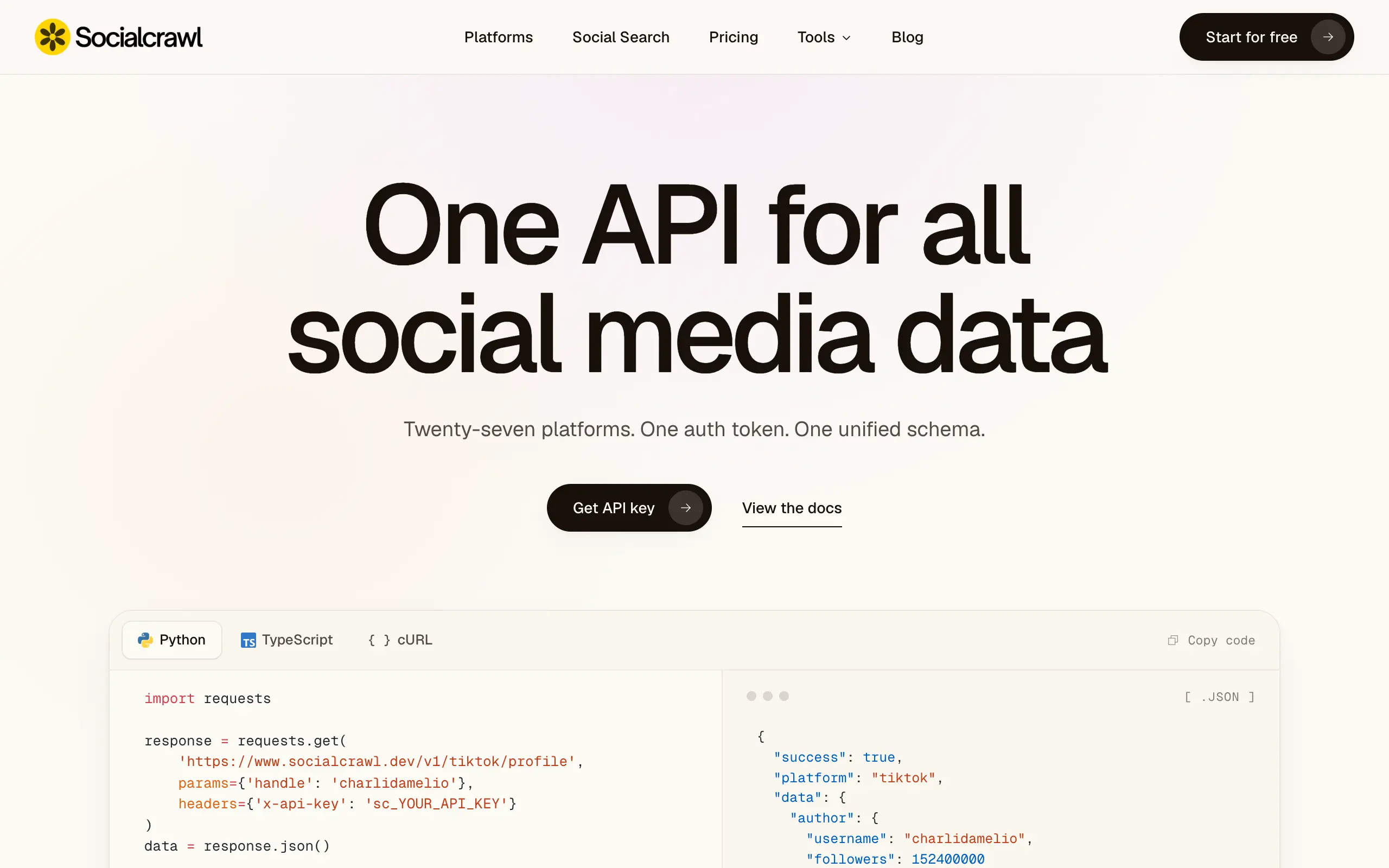
Socialcrawl
Get clean, structured data from 21 platforms like TikTok, Instagram, and YouTube with a single request 📊
Statiko
Monitor any Telegram channel in real time - track posts, edits, deletions, and growth with AI recaps 📡
Shibui
AI website builder - describe your business, pick a niche template, edit by chatting, and publish instantly ✨
Pro Service
Find verified home service professionals, compare quotes, and pay securely through escrow - built for Brazilians across the US 🏠
RankGrow
Fix your SEO with AI agents - connect Search Console, get prioritized tasks, and grow organic traffic 📈
SyncReads
Sync your favorite content for distraction-free reading, save time and replace multiple apps. Anytime, anywhere 🔄
Socialcrawl
Get clean, structured data from 21 platforms like TikTok, Instagram, and YouTube with a single request 📊
Statiko
Monitor any Telegram channel in real time - track posts, edits, deletions, and growth with AI recaps 📡
Shibui
AI website builder - describe your business, pick a niche template, edit by chatting, and publish instantly ✨
Pro Service
Find verified home service professionals, compare quotes, and pay securely through escrow - built for Brazilians across the US 🏠
RankGrow
Fix your SEO with AI agents - connect Search Console, get prioritized tasks, and grow organic traffic 📈
SyncReads
Sync your favorite content for distraction-free reading, save time and replace multiple apps. Anytime, anywhere 🔄
Socialcrawl
Get clean, structured data from 21 platforms like TikTok, Instagram, and YouTube with a single request 📊
Statiko
Monitor any Telegram channel in real time - track posts, edits, deletions, and growth with AI recaps 📡
Shibui
AI website builder - describe your business, pick a niche template, edit by chatting, and publish instantly ✨
Pro Service
Find verified home service professionals, compare quotes, and pay securely through escrow - built for Brazilians across the US 🏠
RankGrow
Fix your SEO with AI agents - connect Search Console, get prioritized tasks, and grow organic traffic 📈
SyncReads
Sync your favorite content for distraction-free reading, save time and replace multiple apps. Anytime, anywhere 🔄
Socialcrawl
Get clean, structured data from 21 platforms like TikTok, Instagram, and YouTube with a single request 📊
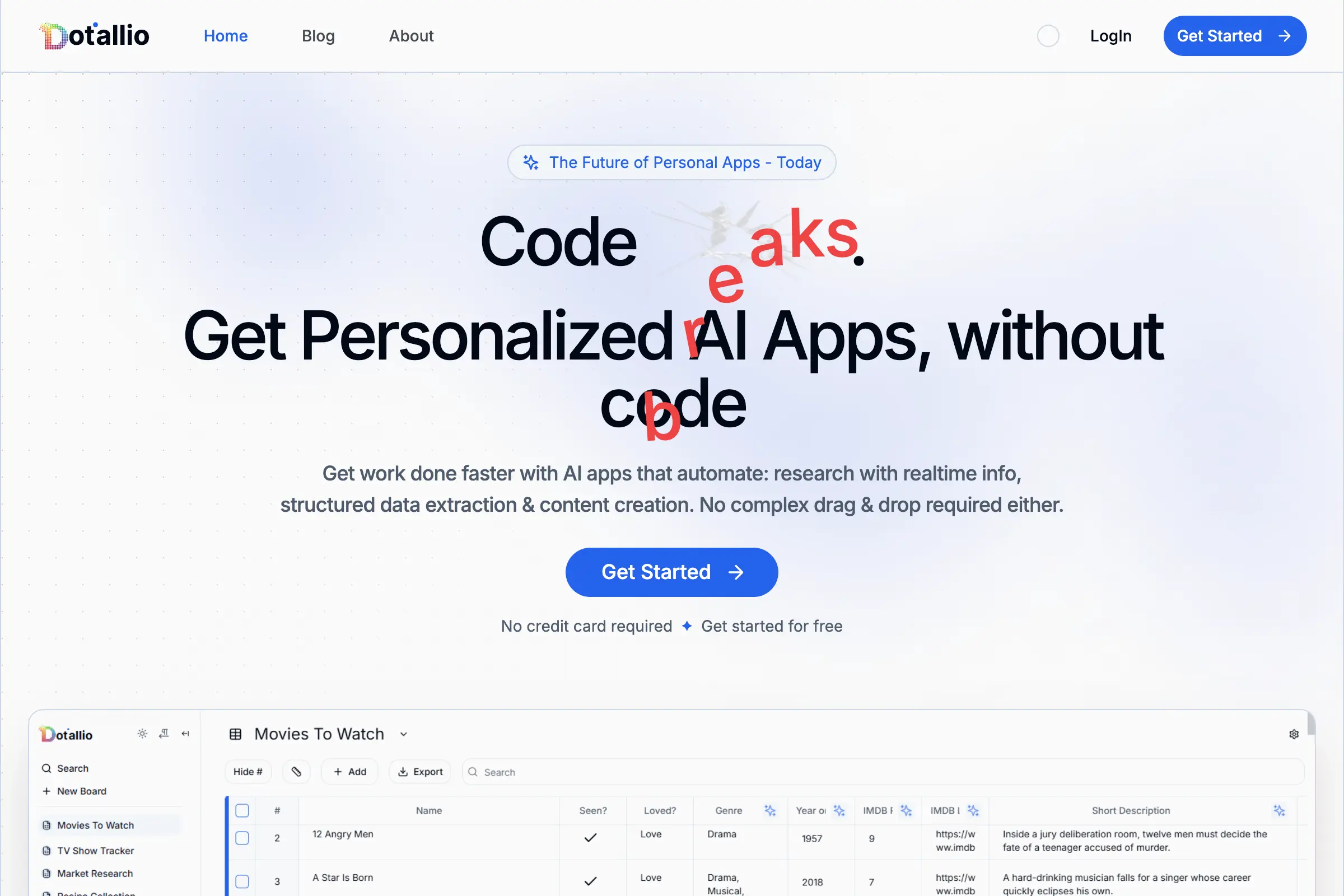
Dotallio
Personalized AI apps that automate research, data extraction, and content creation without code 🤖

Talk to Santa
Enjoy a magical live video chat or receive a unique AI-generated video greeting from Santa Claus 🎅
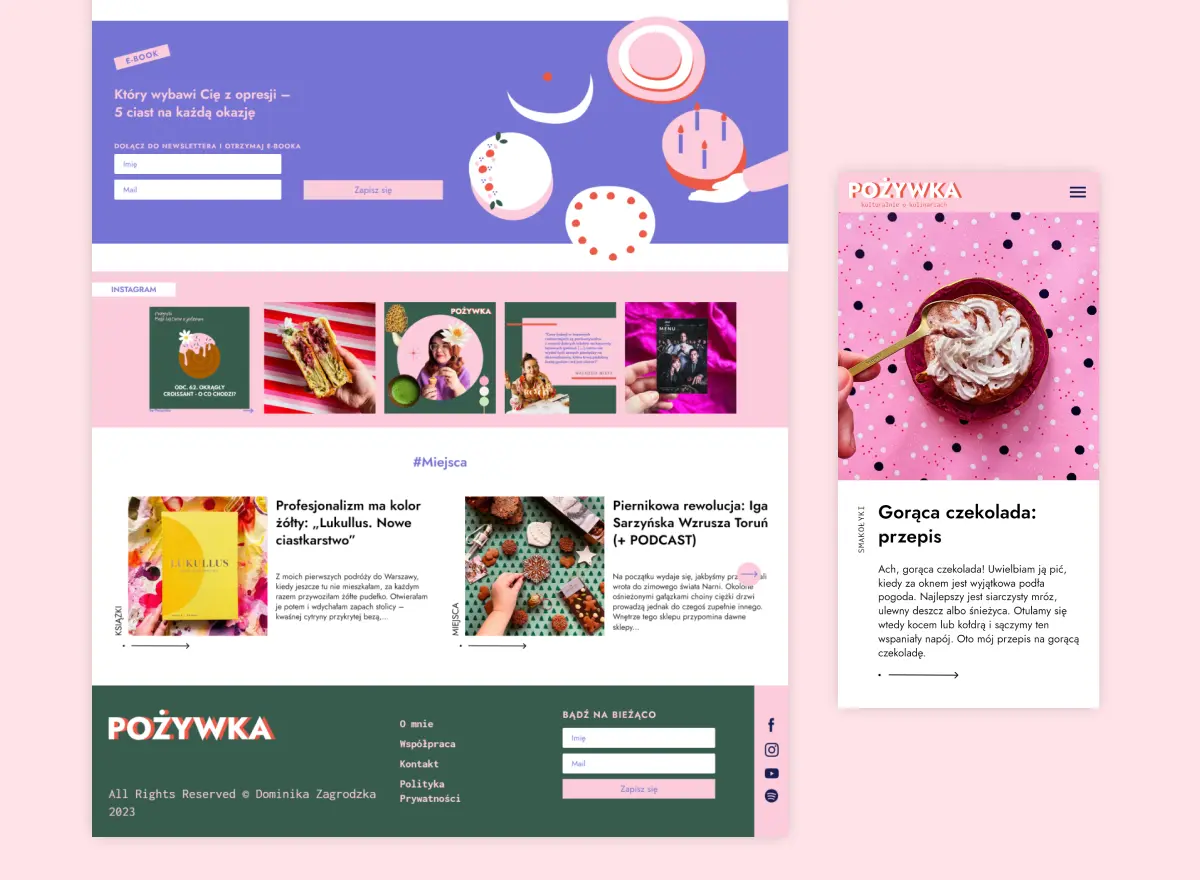
pozywka.pl
Scalable blog for food journalist, focused on performance and user experience 🌭
zagrodzki.me
Personal blog and portfolio of Bart Zagrodzki, where he shares his knowledge and work 💼
TurboStarter
Ship your startup everywhere. In minutes.
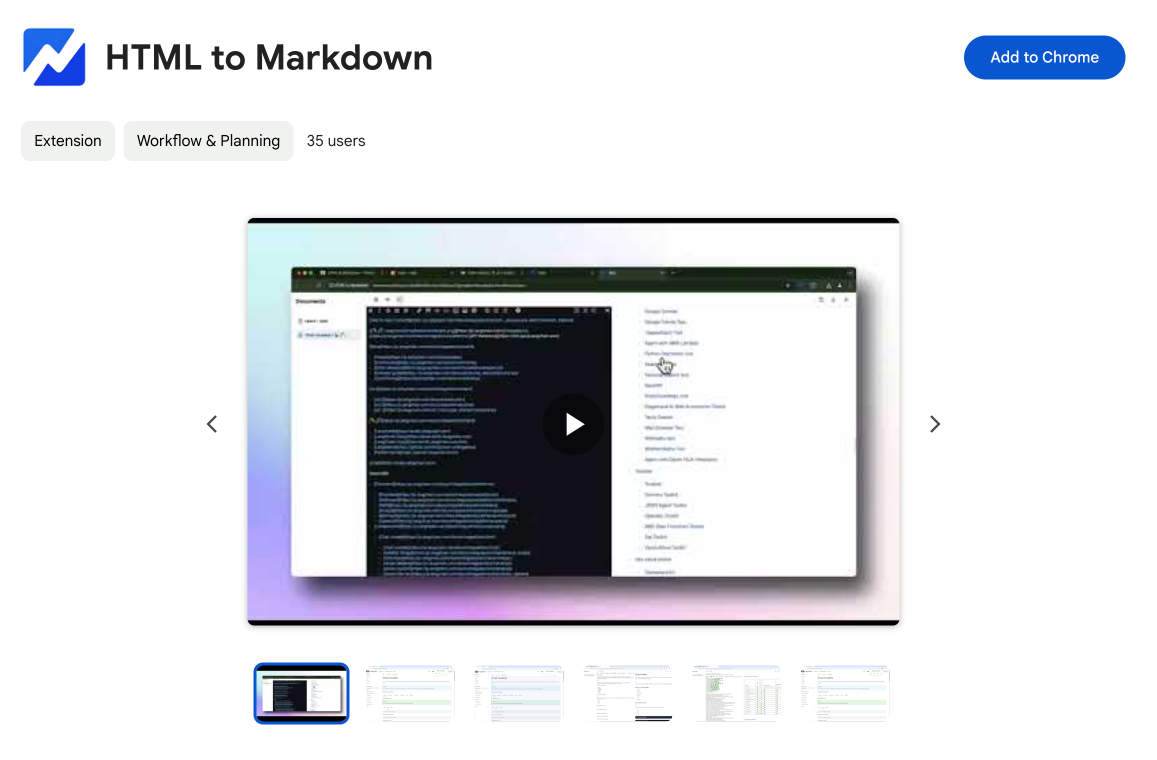
HTML to Markdown
Convert HTML to Markdown with ease, directly in your browser 📄
Dotallio
Personalized AI apps that automate research, data extraction, and content creation without code 🤖
Talk to Santa
Enjoy a magical live video chat or receive a unique AI-generated video greeting from Santa Claus 🎅
pozywka.pl
Scalable blog for food journalist, focused on performance and user experience 🌭
zagrodzki.me
Personal blog and portfolio of Bart Zagrodzki, where he shares his knowledge and work 💼
TurboStarter
Ship your startup everywhere. In minutes.
HTML to Markdown
Convert HTML to Markdown with ease, directly in your browser 📄
Dotallio
Personalized AI apps that automate research, data extraction, and content creation without code 🤖
Talk to Santa
Enjoy a magical live video chat or receive a unique AI-generated video greeting from Santa Claus 🎅
pozywka.pl
Scalable blog for food journalist, focused on performance and user experience 🌭
zagrodzki.me
Personal blog and portfolio of Bart Zagrodzki, where he shares his knowledge and work 💼
TurboStarter
Ship your startup everywhere. In minutes.
HTML to Markdown
Convert HTML to Markdown with ease, directly in your browser 📄
Dotallio
Personalized AI apps that automate research, data extraction, and content creation without code 🤖
Talk to Santa
Enjoy a magical live video chat or receive a unique AI-generated video greeting from Santa Claus 🎅
pozywka.pl
Scalable blog for food journalist, focused on performance and user experience 🌭
zagrodzki.me
Personal blog and portfolio of Bart Zagrodzki, where he shares his knowledge and work 💼
TurboStarter
Ship your startup everywhere. In minutes.
HTML to Markdown
Convert HTML to Markdown with ease, directly in your browser 📄
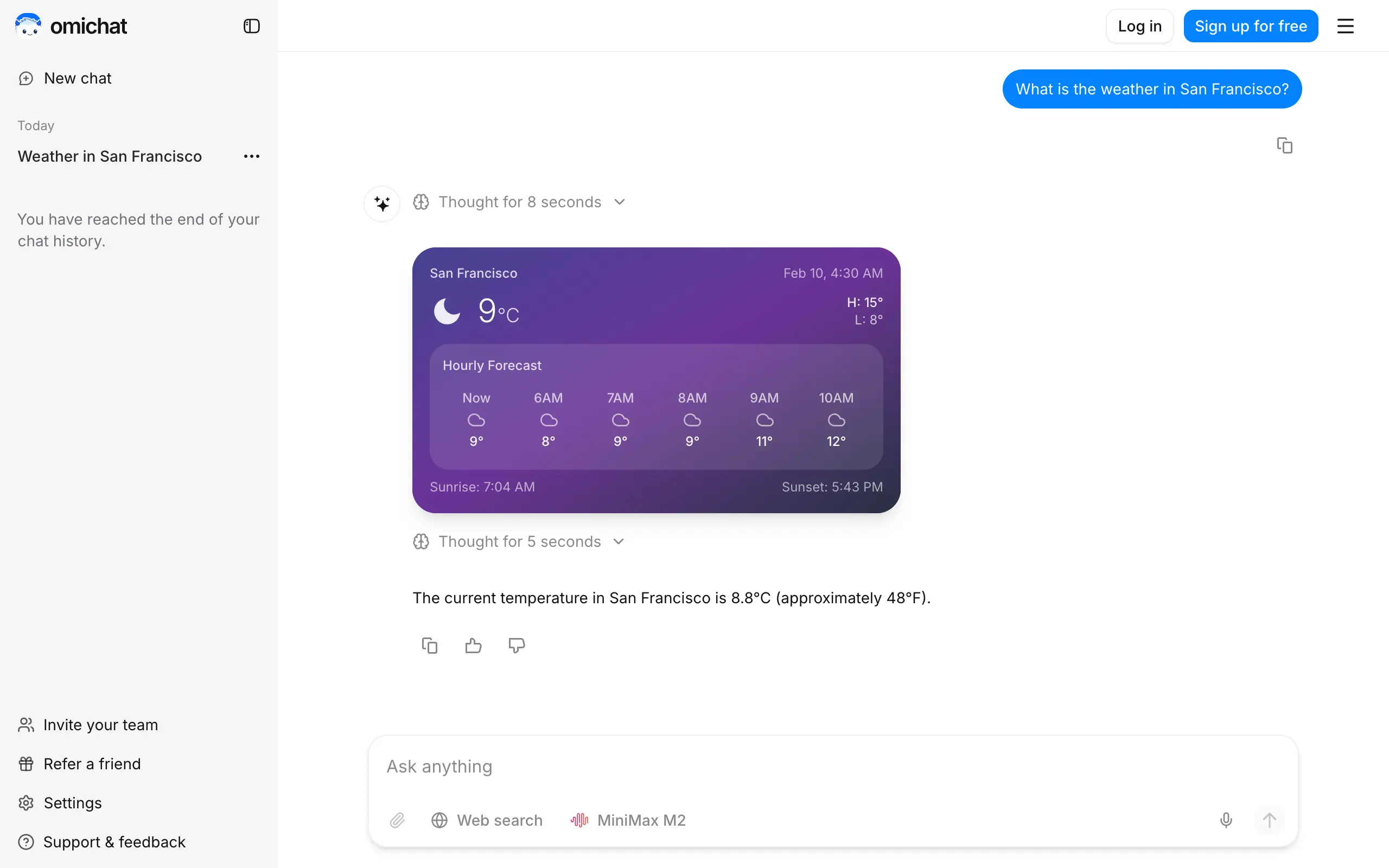
Omichat
Chat with 50+ AI models, including ChatGPT and Claude, in one place - switch models anytime without losing context 🤖
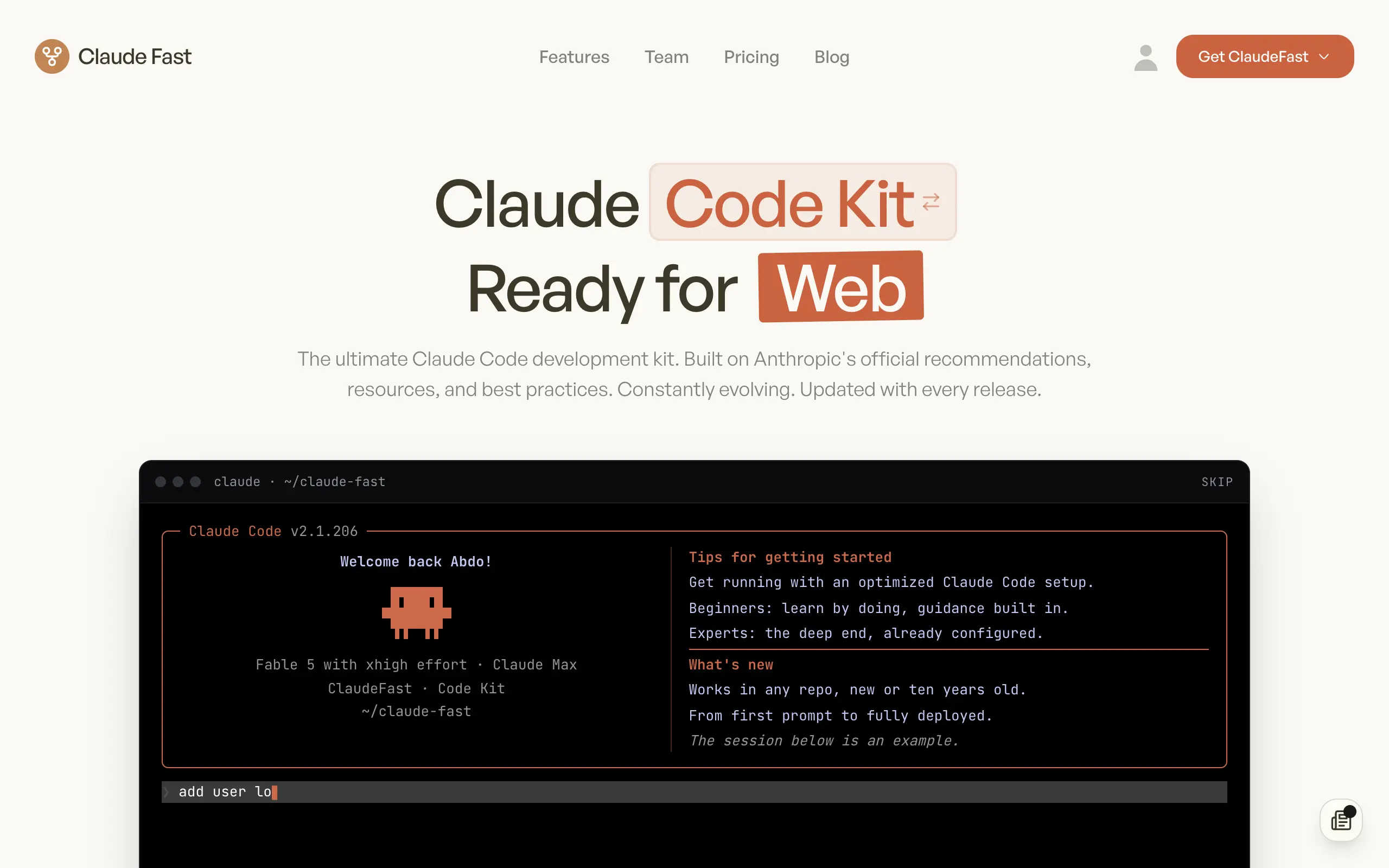
Claude Fast
Supercharge your Claude Code with 6x effective context window and specialized AI agents 🤖
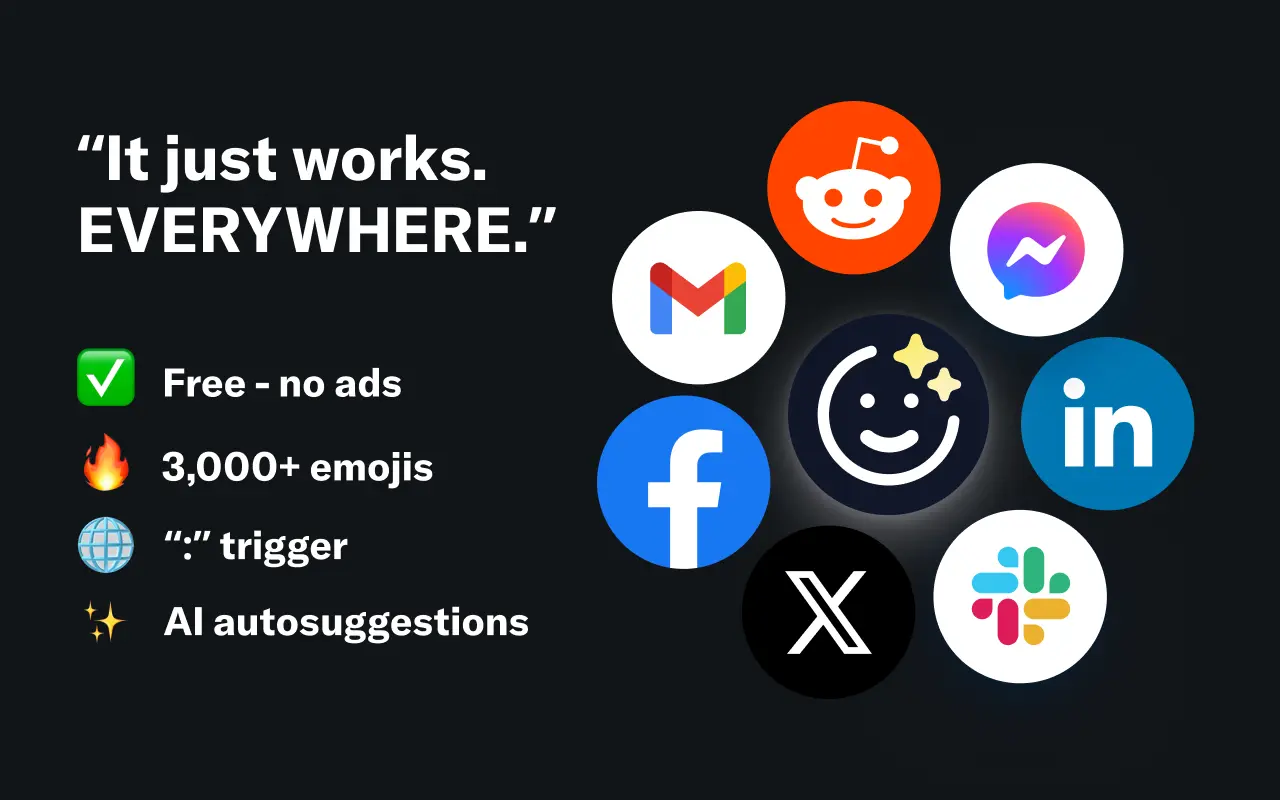
EmojAI
AI-powered emoji picker with smart, context-aware suggestions 🤖
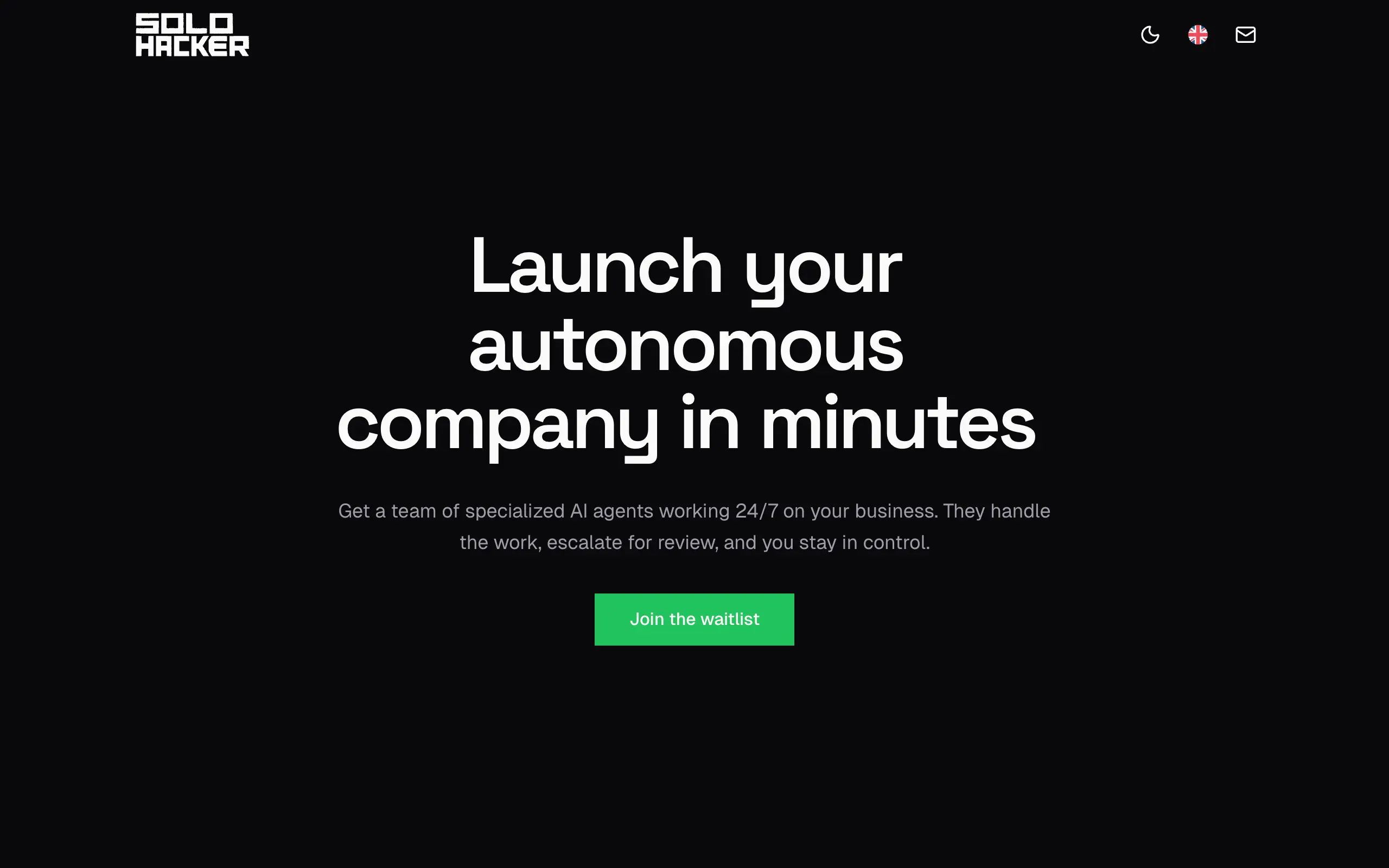
Solohacker
Autonomous company launcher - AI agents work 24/7, escalate what matters, and you stay in control 🤖
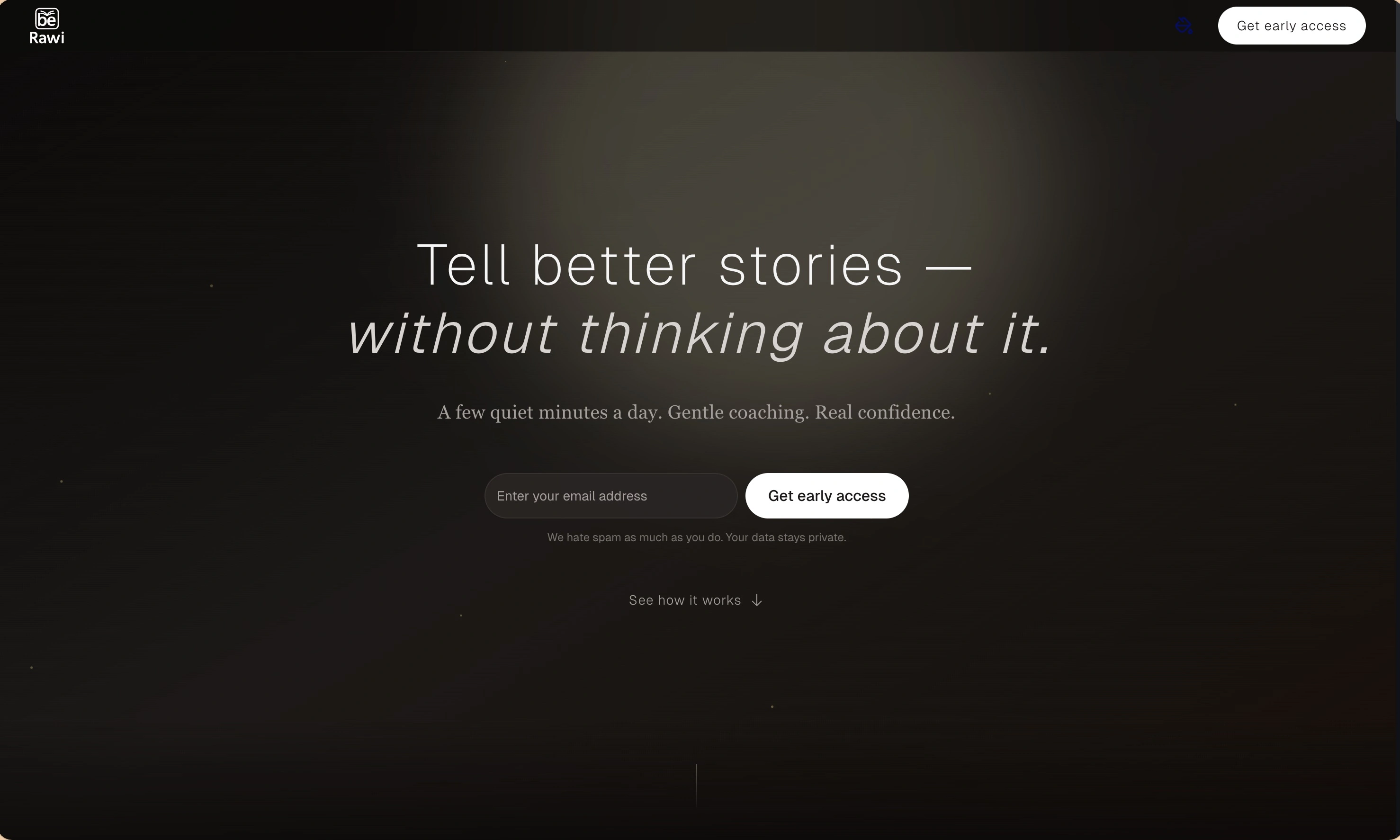
BeRawi: Storytelling Coach
Practice storytelling daily with instant feedback to sound clearer, more engaging, and confident 🎤
Omichat
Chat with 50+ AI models, including ChatGPT and Claude, in one place - switch models anytime without losing context 🤖
Claude Fast
Supercharge your Claude Code with 6x effective context window and specialized AI agents 🤖
EmojAI
AI-powered emoji picker with smart, context-aware suggestions 🤖
Solohacker
Autonomous company launcher - AI agents work 24/7, escalate what matters, and you stay in control 🤖
BeRawi: Storytelling Coach
Practice storytelling daily with instant feedback to sound clearer, more engaging, and confident 🎤
Omichat
Chat with 50+ AI models, including ChatGPT and Claude, in one place - switch models anytime without losing context 🤖
Claude Fast
Supercharge your Claude Code with 6x effective context window and specialized AI agents 🤖
EmojAI
AI-powered emoji picker with smart, context-aware suggestions 🤖
Solohacker
Autonomous company launcher - AI agents work 24/7, escalate what matters, and you stay in control 🤖
BeRawi: Storytelling Coach
Practice storytelling daily with instant feedback to sound clearer, more engaging, and confident 🎤
Omichat
Chat with 50+ AI models, including ChatGPT and Claude, in one place - switch models anytime without losing context 🤖
Claude Fast
Supercharge your Claude Code with 6x effective context window and specialized AI agents 🤖
EmojAI
AI-powered emoji picker with smart, context-aware suggestions 🤖
Solohacker
Autonomous company launcher - AI agents work 24/7, escalate what matters, and you stay in control 🤖
BeRawi: Storytelling Coach
Practice storytelling daily with instant feedback to sound clearer, more engaging, and confident 🎤

Connect with like-minded people
Join our community to get feedback, support, and grow together with 1,000+ builders on board, let's ship it!
Join usShip your startup everywhere. In minutes.
Don't burn tokens on setup and start building features on day one.