BidBrief
An AI-assisted proposal workspace for local service businesses that creates polished quotes from site notes, photos, and voice memos. Teams win jobs faster and follow up automatically.
BidBrief is an AI proposal workspace for local service businesses that turns messy field information into clear, professional quotes and reliable follow-up workflows. It is designed for the reality of service work: a technician leaves a property with phone photos, handwritten notes, measurements, and a quick voice memo—not a perfectly structured estimate.
The opportunity is compelling because the gap is not simply “businesses need quoting software.” Most contractors already have some way to send an estimate. The real gap is between capturing job details in the field and producing a persuasive, accurate proposal fast enough to win the job.
BidBrief closes that gap by helping teams convert site visits into polished, branded proposals while the job is still fresh in the customer’s mind.
The core positioning
BidBrief should be positioned as an AI-assisted proposal and follow-up workspace for local service teams, not as a generic CRM or accounting tool. Its promise is simple: capture the work once, create a better proposal faster, and stop profitable jobs from going cold.
Why AI proposal software matters for local service businesses
Local service companies often win or lose jobs based on speed, clarity, trust, and follow-through. A homeowner requesting a roof repair, landscaping project, HVAC replacement, painting estimate, or electrical upgrade may contact several providers on the same day. The business that responds first with a credible, easy-to-understand proposal has a meaningful advantage.
Yet many service businesses still rely on a fragmented workflow:
- A field employee takes photos on a personal phone.
- Measurements are written in a notebook or texted to an office manager.
- Details are dictated through a voice memo.
- Pricing is assembled later from spreadsheets, paper price books, or old estimates.
- The proposal is manually formatted and emailed hours or days after the visit.
- Follow-up depends on someone remembering to call the customer.
This process creates operational drag at every stage. Information gets lost, estimates become inconsistent, customers wait too long, and sales teams spend valuable time chasing work that could be automated.
AI proposal software for contractors and local service businesses addresses this bottleneck by turning unstructured field data into a usable draft proposal. BidBrief can organize notes, identify work scopes, surface missing details, assemble quote sections, and trigger follow-up sequences after the proposal is sent.
The result is not merely a faster document. It is a repeatable sales process that helps service companies protect margin, improve customer communication, and increase the number of jobs they close.
The target audience for BidBrief
BidBrief should initially focus on owner-led and operationally mature local service businesses that quote frequently but do not have an enterprise sales operations team. These teams feel the pain of proposal delays most acutely and can see a direct connection between improved quoting and revenue.
Primary customer segments
The strongest early customer profiles are businesses with relatively high ticket sizes, recurring estimate activity, visual site conditions, and meaningful competition.
Home improvement contractors
Roofers, remodelers, painters, flooring installers, fence companies, and general contractors need clear scope-based proposals that build homeowner confidence.
Mechanical and trade service teams
HVAC, plumbing, electrical, solar, pest control, and restoration businesses often collect field notes that must become technically accurate quotes.
Outdoor service businesses
Landscapers, hardscapers, tree care companies, pool builders, and irrigation teams rely heavily on site photos, measurements, and visual presentation.
The buyer, user, and economic champion
BidBrief should recognize that the person using the workspace may not be the person paying for it.
| Role | Primary problem | Desired outcome | Key objection | BidBrief message |
|---|---|---|---|---|
| Owner | Lost jobs and inconsistent sales process | More revenue with less admin | Will staff actually use it? | Turn field visits into faster, consistent proposals |
| Estimator | Too much repetitive proposal writing | Fewer errors and faster turnaround | Will AI produce incorrect scope? | AI drafts, humans approve, teams stay in control |
| Office manager | Missing details and forgotten follow-up | One organized workflow | Will it add another system? | Centralize proposal records, approvals, and reminders |
| Field technician | Documentation is slow and inconvenient | Quick capture from a phone | Too much typing on site | Use photos, voice notes, and guided job prompts |
The highest-intent audience is likely searching for phrases such as:
- AI estimating software for contractors
- proposal software for service businesses
- contractor quote software
- field service proposal software
- automated estimate follow-up
- job quote app for small business
- AI quoting tool for local contractors
- contractor proposal templates
- estimate follow-up automation
These users are usually not looking for abstract AI inspiration. They want a practical way to produce quotes faster, stop forgetting leads, and present their company more professionally.
The market gap in contractor quoting and follow-up
The proposal software market contains several established categories:
- General CRM platforms organize leads and customer communications.
- Field service management platforms handle scheduling, dispatching, invoicing, and payments.
- Accounting tools manage budgets, invoices, and financial records.
- Document tools create PDFs and basic estimate templates.
- Enterprise construction software supports complex project costing and procurement.
BidBrief can avoid competing head-on with every category by owning a narrower, valuable workflow: the transition from field visit to proposal acceptance.
Where existing workflows break down
Many all-in-one field service tools offer estimates, but estimate creation may still depend on manually entering every line item, manually writing scope descriptions, and manually following up. That can be sufficient for standard repair jobs, but it is less effective for visual, consultative, or custom work.
A local service company often needs to answer customer questions that go beyond price:
- What exactly will the team do?
- Which materials or service options are included?
- Why is this recommendation appropriate for the property?
- What did the technician observe during the visit?
- What happens next after approval?
- How can the customer compare options without confusion?
This is where polished proposal content matters. A basic estimate may list prices. A strong proposal helps the customer make a buying decision.
BidBrief’s market opportunity
The product opportunity is strongest where businesses face all of the following conditions:
- Every site visit creates scattered information.
- Proposals require customized language or visual proof.
- Sales depend on responding quickly.
- Follow-up is inconsistent or manual.
- The average job value can justify a paid workflow tool.
A painting contractor quoting a multi-room interior project, for example, needs to combine photos, room notes, surface-preparation requirements, material choices, labor assumptions, exclusions, and timeline expectations. A generic estimate line item does not fully communicate this value. BidBrief can turn the same field inputs into a customer-ready proposal that is clearer and more persuasive.
For market validation, the founding team should interview at least 20 to 30 businesses in one or two tightly defined verticals. Rather than asking whether they “would use AI,” ask operational questions:
- How long does it take to send a quote after an on-site visit?
- What information regularly goes missing between the field and office?
- How many open estimates receive no follow-up?
- What percentage of quotes are sent more than 24 hours after the visit?
- Which quote types take the longest to write?
- What does a missed or delayed estimate cost in revenue?
- What tools are already part of the workflow?
The best early signal is not enthusiasm. It is a company willing to share real, anonymized historical estimates and test whether BidBrief can create a usable draft from its normal site-visit materials.
How BidBrief should solve the proposal workflow
BidBrief should be built as a controlled AI workspace rather than a one-click “generate proposal” tool. Local service businesses need speed, but they also need trust, pricing discipline, and human oversight.
The ideal workflow starts with capture, moves through structured proposal drafting, and ends with customer follow-up and visibility.
Capture job information where work happens
The mobile-first capture experience should make documentation easier than sending a text message to the office. Users should be able to create a job record and attach:
- Site photos and annotated images
- Voice memos from the walkthrough
- Typed notes and checklist answers
- Measurements, quantities, and observations
- Customer preferences and budget indicators
- Existing plan documents or PDFs where relevant
- Suggested service packages or options
Voice input is particularly important. A technician may be able to describe site conditions in 60 seconds but resist typing a detailed narrative on a phone. BidBrief can transcribe the memo, extract structured fields, and preserve the original audio for reference.
The product should never silently invent a measurement, material specification, code requirement, or price. AI-generated content must be presented as a draft that the estimator can verify.
Turn site notes into a proposal draft
The proposal generation engine should convert raw job information into editable, structured sections such as:
- Executive summary written in the company’s preferred tone
- Property observations and recommended work
- Detailed scope of work
- Included materials, labor, and optional upgrades
- Assumptions, exclusions, and customer responsibilities
- Proposed timeline and next steps
- Photo evidence with captions
- Price packages and optional add-ons
- Terms, warranty language, and acceptance instructions
The differentiator is not simply generating text. It is generating text in the right structure, with content grounded in job-specific materials and company-approved templates.
For example, a roofing company should be able to maintain reusable content blocks for underlayment, flashing, ventilation, cleanup, permits, warranty terms, and financing language. The AI then selects and adapts those approved blocks based on the job context, while the estimator reviews the final proposal.
Add a structured review layer
A trustworthy AI quoting workflow needs visible quality controls. BidBrief should include an internal review checklist that identifies missing information before a proposal is sent.
Examples of useful checks include:
- A scope mentions a material but no material option is selected.
- Site photos are attached but no photos are included in the customer proposal.
- A proposal has a total price but no payment schedule.
- The work description includes demolition but no disposal language.
- The job contains a requested timeline but no schedule expectation appears in the proposal.
- A service option is selected without a clear inclusion or exclusion statement.
This kind of guidance is valuable because it improves estimator consistency without forcing teams into rigid templates.
Send proposals and automate follow-up
A sent proposal should become an active sales object, not a static PDF buried in email. BidBrief should track proposal status, customer engagement, follow-up activity, and next actions.
An effective initial follow-up system can include:
- A confirmation message immediately after the proposal is sent.
- A gentle reminder after a configurable number of days.
- A value-focused follow-up with answers to common objections.
- A final check-in that asks whether the customer wants to proceed, revise, or pause.
- A task assignment for a human call when a high-value proposal remains unresolved.
Follow-up should be configurable by trade, deal size, and sales stage. A $500 repair quote and a $25,000 renovation proposal should not receive identical messaging.
Avoid over-automation
Automated proposal reminders should feel helpful, not relentless. Let businesses define quiet hours, stop sequences when a customer replies, and personalize messaging by job type. Human review is especially important for high-value or emotionally sensitive projects.
Core features for an MVP and beyond
The first release should solve one complete workflow exceptionally well. Avoid trying to replace scheduling, dispatch, accounting, payments, and full CRM capabilities on day one.
MVP features that create immediate value
A credible BidBrief MVP should include:
- A team workspace with company branding and user roles
- Job creation with customer details and project metadata
- Photo, document, and voice memo uploads
- Speech-to-text transcription for voice notes
- AI-assisted note summarization and scope drafting
- Configurable proposal templates by trade or job type
- Editable proposal sections and reusable content blocks
- Optional packages or good-better-best pricing layouts
- Proposal sharing through a customer-friendly link and PDF export
- Proposal status tracking
- Basic automated email follow-up sequences
- An internal dashboard for draft, sent, viewed, won, lost, and overdue proposals
- Audit history showing who changed or sent a proposal
High-value features for later releases
Once the core workflow is validated, BidBrief can expand through features that increase retention and account value:
- Price book and labor-rate integrations
- E-signature and deposit collection
- CRM and field service management integrations
- Multi-language proposal generation
- AI photo analysis with user-confirmed observations
- Proposal win-loss analytics
- Content recommendations based on historical close rates
- Team approval workflows for discounts and high-value bids
- Customer-facing proposal comparison tools
- Automated reactivation campaigns for dormant estimates
- Industry-specific templates for roofing, HVAC, landscaping, and remodeling
The roadmap should be driven by observed workflow friction. If customers spend more time correcting AI scope language than they save, proposal quality must improve before new features are added.
A defensible AI proposal software advantage
BidBrief’s unique selling proposition is the combination of multimodal field capture, controlled proposal generation, and automated estimate follow-up in a workflow designed for local service teams.
A generic AI writer can turn a prompt into text. A generic CRM can remind someone to follow up. A field service platform can produce an estimate. BidBrief becomes more valuable when it connects the full chain:
Site evidence → structured job context → company-approved proposal → customer decision → automated follow-up
That connected workflow can develop defensibility over time.
The competitive advantage framework
BidBrief can build a sustainable advantage through four layers.
Verticalized proposal intelligence
Proposal quality improves when the product understands the vocabulary, scope patterns, exclusions, and customer expectations of a specific trade. A roofing estimate should not read like a landscaping quote. Vertical templates and guided capture flows create a better outcome than generic text generation.
Company-specific knowledge
Every service company has its own pricing philosophy, service standards, warranty wording, preferred materials, and brand voice. BidBrief should allow teams to create a controlled library of approved content and use it as grounding context for AI drafts.
Workflow data and feedback loops
With permission and appropriate privacy controls, BidBrief can learn which proposal structures, option formats, follow-up timings, and content blocks correlate with positive outcomes. The product should be careful not to promise causal certainty from small datasets, but it can surface useful patterns.
Operational stickiness
Once a company relies on BidBrief for proposal history, templates, branded content, follow-up rules, and performance visibility, switching costs become meaningful. This stickiness comes from real workflow value, not from trapping customer data.
Recommended tech stack for BidBrief
The ideal stack should support fast iteration, strong security, mobile-friendly field capture, and reliable asynchronous processing. For an early-stage SaaS, the priority is shipping a stable workflow while keeping the architecture flexible enough for integrations and AI improvements.
Recommended application architecture
A modern TypeScript stack is a strong fit for BidBrief:
- Next.js for the web application, server-side rendering, and API routes
- React for interactive proposal editing and dashboard interfaces
- TypeScript for safer shared types across frontend and backend
- Tailwind CSS for a fast, consistent design system
- PostgreSQL for transactional customer, proposal, and workflow data
- Prisma for type-safe database access and migrations
- Supabase or a managed PostgreSQL provider for authentication, database, and storage acceleration
- Stripe for subscriptions and potential future deposit collection
- OpenAI or another enterprise-capable model provider for transcription and proposal drafting
- Resend for transactional email delivery and proposal notifications
- Sentry for error monitoring and production diagnostics
For founders who want to move faster without rebuilding standard SaaS foundations, TurboStarter can reduce time spent on boilerplate such as authentication, billing foundations, user management, and dashboard setup.
Trade-offs to consider
A serverless-first deployment can accelerate the initial product, but AI tasks and media processing need careful handling. Uploading large photo sets, transcribing long voice memos, generating PDFs, and sending scheduled follow-ups should run through durable background jobs rather than inside a standard request-response cycle.
A managed backend reduces operational burden, but sensitive customer data demands clear security practices. BidBrief should isolate tenant data, use signed upload URLs, encrypt data in transit, set retention policies, and log sensitive administrative actions.
A single model provider simplifies the first version, while a provider abstraction creates long-term flexibility. The pragmatic path is to start with one reliable provider, store prompt and output metadata for quality evaluation, and design a clean internal interface so models can be changed later.
Example proposal generation flow
type ProposalInput = {
  companyContext: string;
  approvedContentBlocks: string[];
  siteNotes: string;
  voiceTranscript: string;
  photoCaptions: string[];
  selectedOptions: string[];
};

export async function createProposalDraft(input: ProposalInput) {
  const prompt = `
Create an editable service proposal draft.

Use only supported facts from the supplied project context.
Do not invent measurements, pricing, code requirements, or warranties.
Flag missing information as questions for the estimator.

Company context:
${input.companyContext}

Approved content:
${input.approvedContentBlocks.join("\n")}

Site notes:
${input.siteNotes}

Voice transcript:
${input.voiceTranscript}

Photo captions:
${input.photoCaptions.join("\n")}

Selected options:
${input.selectedOptions.join("\n")}
`;

  return generateStructuredProposal(prompt);
}
The important product principle is that the AI should return a structured schema, not only a block of prose. Structured outputs make it easier to render proposals, validate fields, track edits, and keep the user in control.
Monetization strategy for BidBrief
BidBrief should use a subscription model tied to the value of faster quoting and higher proposal throughput. The pricing should be simple enough for local service businesses to understand, while still allowing expansion as teams add users and automation volume.
A practical pricing model
A tiered SaaS model can work well:
- Starter plan for solo operators or small teams with a limited number of proposals and standard templates
- Team plan for growing businesses needing multiple users, branded proposals, automation, and analytics
- Growth plan for higher-volume service companies needing approvals, advanced integrations, and more AI processing
- Enterprise or multi-location plan for franchises, larger operators, custom onboarding, and enhanced support
Usage-based limits can be applied carefully to expensive workloads such as transcription minutes, AI-generated drafts, storage, or high-volume email sends. However, proposal limits should not feel punitive. Customers should see BidBrief as a revenue tool, so pricing should scale in a predictable way as they win more work.
Additional revenue opportunities
Potential expansion revenue includes:
- White-glove template setup and onboarding
- Industry-specific proposal packs
- Custom branded proposal design
- Premium CRM or field service management integrations
- Advanced revenue analytics
- Multi-location administration
- AI-assisted historical proposal migration
- Additional storage for photo-heavy businesses
The strongest pricing anchor is the cost of a missed job. If a faster, clearer proposal helps a contractor win even one additional mid-ticket project, the subscription can be justified quickly.
Risks and mitigation strategies
AI-assisted quoting has substantial potential, but it also introduces risks that need to be addressed at the product, policy, and go-to-market levels.
Mitigate this with grounded generation, approved company content, editable sections, clear uncertainty flags, and mandatory human review before sending. Never frame AI output as a final technical assessment.
Make mobile capture exceptionally fast. Support voice notes, photo uploads, simple checklists, and offline-friendly workflows where possible. Sell the product as less paperwork rather than more process.
Position BidBrief as a proposal acceleration layer that can complement current systems. Prioritize integrations with the tools customers already use instead of requiring a full system replacement.
Implement tenant isolation, encryption, access controls, retention settings, secure media storage, and a transparent privacy policy. Obtain legal guidance for regional requirements and data-processing agreements.
Use configurable cadence rules, reply detection, suppression controls, quiet hours, and per-customer communication preferences. Encourage human outreach for larger opportunities.
There is also a product-market-fit risk. Many small contractors say they want more automation but will not change habits unless onboarding proves immediate value. The best mitigation is a concierge onboarding motion: help early customers convert their existing proposal templates, capture a few real jobs, and demonstrate time saved within the first week.
Go-to-market strategy for an AI contractor proposal workspace
The most effective initial go-to-market approach is likely vertical and local rather than broad and generic.
Instead of marketing BidBrief as software for every service business, start with a narrow wedge such as:
- Painting contractors with teams of 3 to 25 employees
- Residential roofers that produce frequent inspections and estimates
- Landscaping and hardscaping companies with visual project proposals
- HVAC replacement teams selling high-ticket equipment packages
- Restoration companies documenting site conditions for property owners
A focused niche makes it easier to create relevant templates, language, case studies, onboarding, and search content.
Content and SEO opportunities
BidBrief can attract high-intent organic traffic by publishing useful resources around real sales and proposal problems:
- How to write a contractor proposal that wins more jobs
- What to include in a roofing estimate
- Estimate follow-up email templates for contractors
- Contractor quote vs proposal differences
- How fast should a service business send an estimate?
- Best proposal software for landscaping companies
- How to turn site visit notes into an estimate
- Good-better-best pricing examples for home services
These pages should include practical examples, checklists, screenshots, and trade-specific guidance. When citing market data, quote win rates, or industry benchmarks, reference reputable industry associations, public research, or clearly named reports rather than making unsupported claims.
Partnership channels
BidBrief can also build distribution through trusted service-business ecosystems:
- Local contractor consultants and business coaches
- Marketing agencies serving home service companies
- Trade associations and regional builder groups
- Field service implementation specialists
- Equipment distributors and franchise networks
- CRM and field service management integration partners
Partnerships are especially useful because local service buyers often trust recommendations from peers and industry advisors more than generic software ads.
Actionable implementation plan
The right approach is to validate the workflow before investing heavily in broad automation or complex integrations.
The initial success metrics should be operational and outcome-oriented:
- Median time from site visit to sent proposal
- Percentage of proposals sent within 24 hours
- Average time spent creating a proposal
- Proposal follow-up completion rate
- Proposal view rate
- Win rate by proposal type
- Number of missing-information flags caught before sending
- Weekly active estimators
- Customer retention after the first 90 days
BidBrief should aim to become the proposal operating system for local service businesses—not by replacing every tool they use, but by owning the most revenue-critical moment between inspection and signed work.
Final perspective
The strongest version of BidBrief is not an AI tool that writes generic estimates. It is a practical, trustworthy AI proposal software platform for contractors and local service businesses that helps teams capture real field evidence, create polished quotes faster, and maintain consistent follow-up.
Its advantage comes from being purpose-built around the everyday realities of service work: busy technicians, incomplete site notes, visual job conditions, customized scopes, and sales opportunities that disappear when no one follows up.
By starting with a focused vertical, maintaining human approval controls, grounding AI outputs in company knowledge, and proving measurable improvements in quote turnaround, BidBrief can earn trust in a market where speed and professionalism directly affect revenue.
More 🏢 B2B Application SaaS ideas
Discover more innovative b2b application SaaS ideas that are trending in 2026. Each idea is AI-generated with market validation and growth potential to help you find your next profitable venture faster than competitors.
Your competitors are building with TurboStarter
Below are some of the SaaS ideas that have been generated and built with our starter kit.
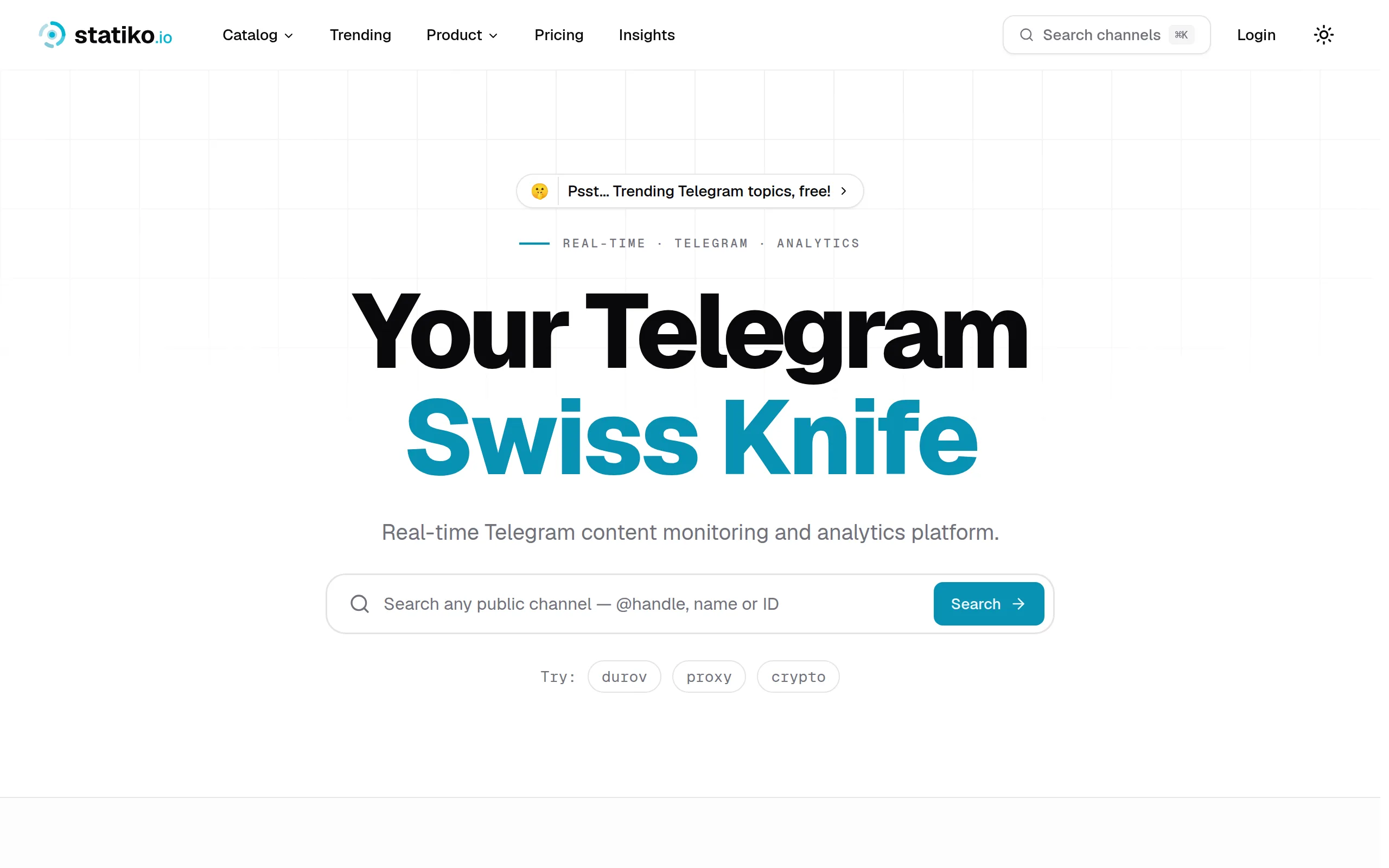
Statiko
Monitor any Telegram channel in real time - track posts, edits, deletions, and growth with AI recaps 📡
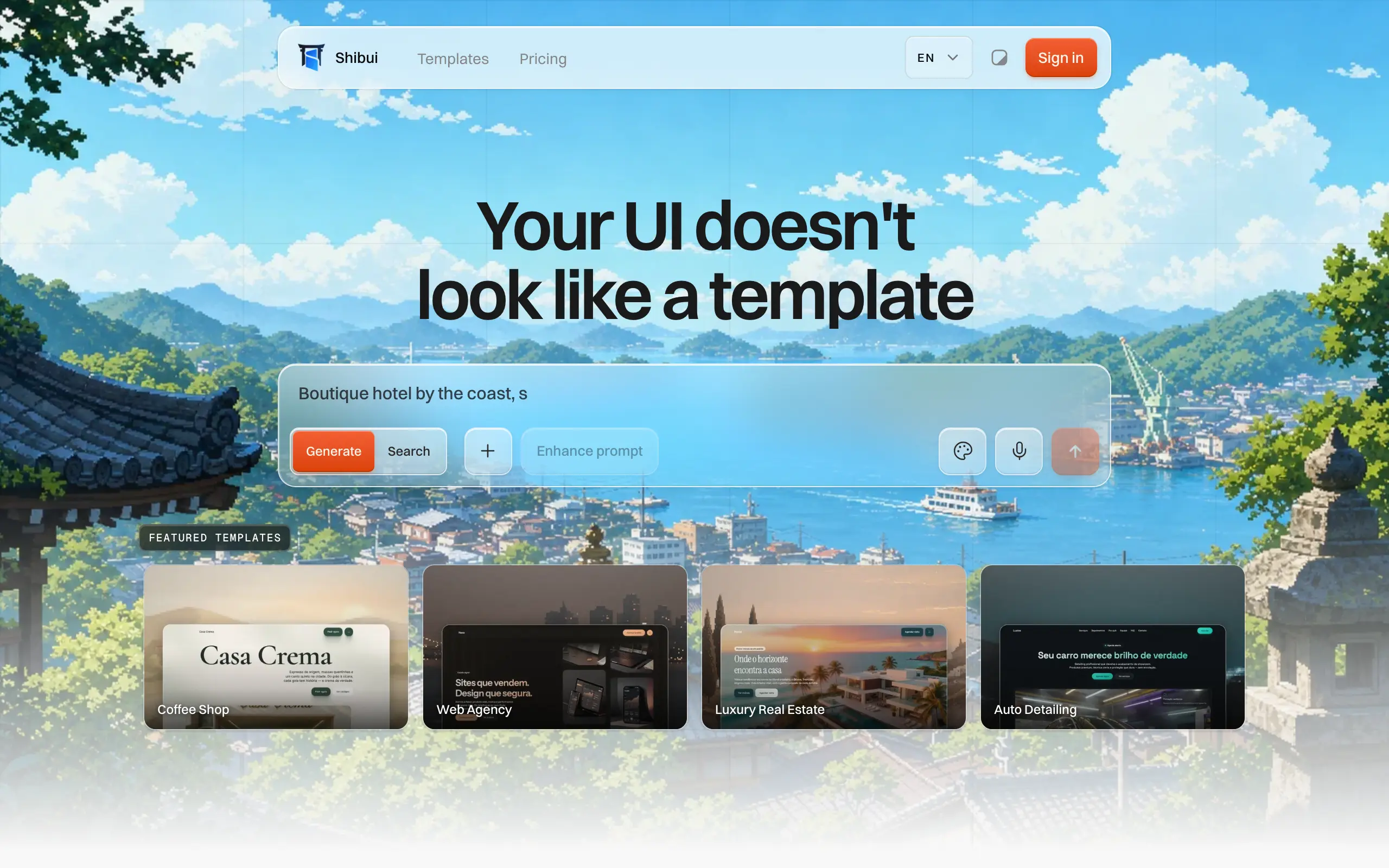
Shibui
AI website builder - describe your business, pick a niche template, edit by chatting, and publish instantly ✨
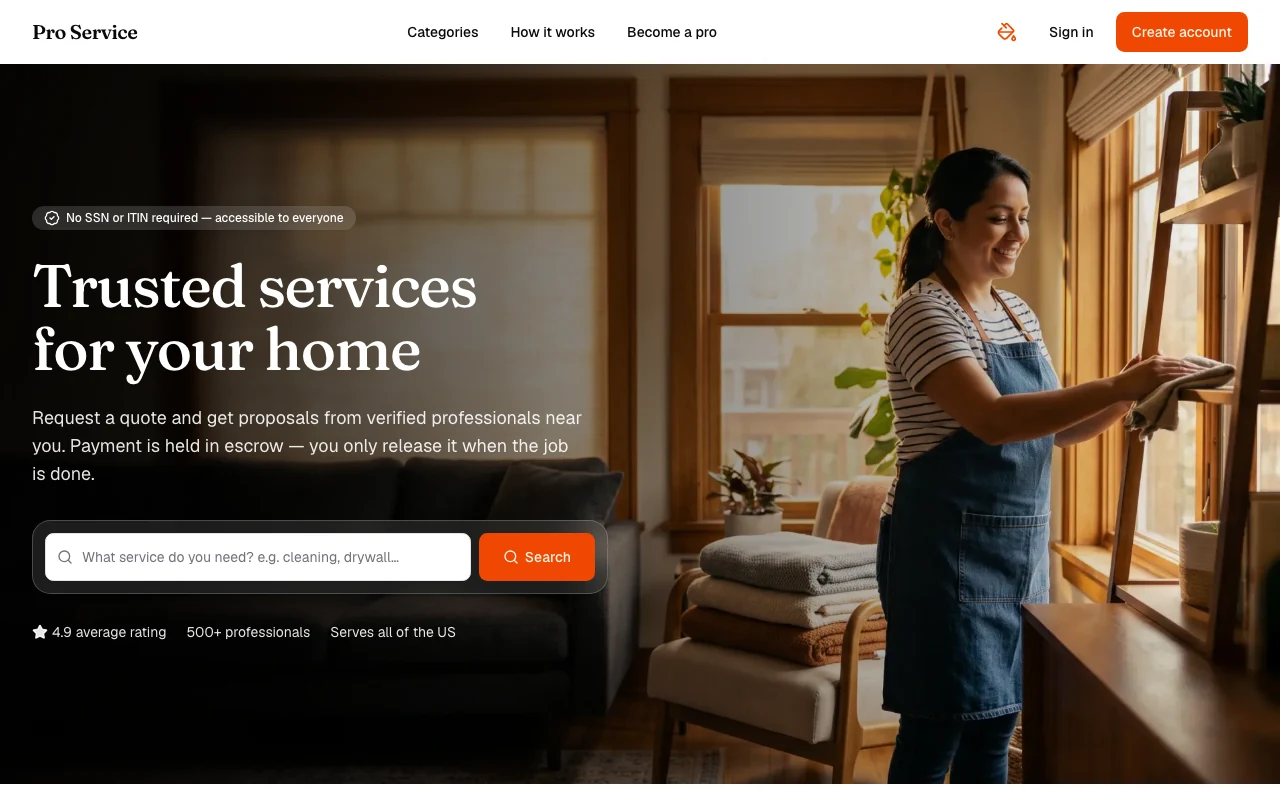
Pro Service
Find verified home service professionals, compare quotes, and pay securely through escrow - built for Brazilians across the US 🏠
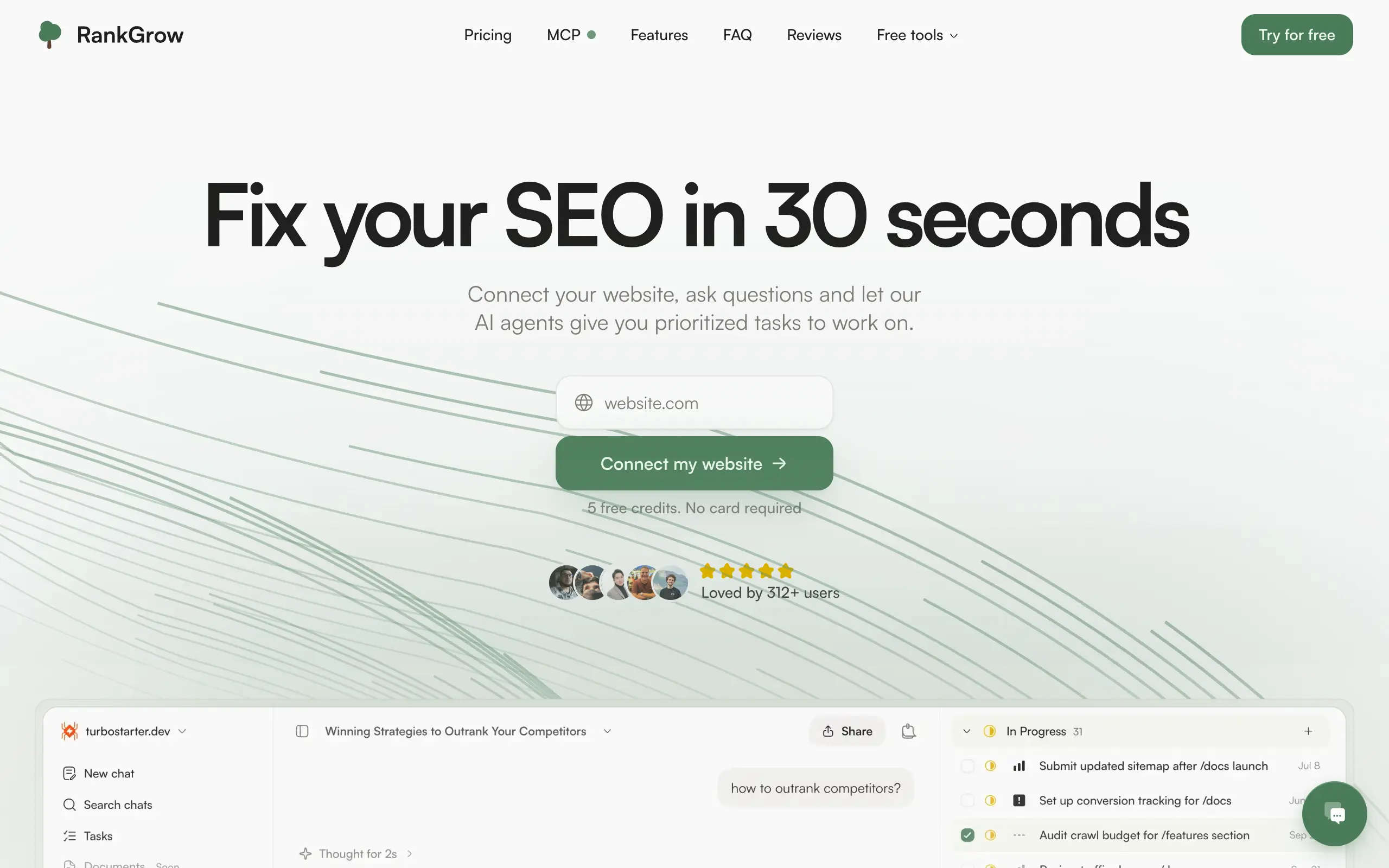
RankGrow
Fix your SEO with AI agents - connect Search Console, get prioritized tasks, and grow organic traffic 📈
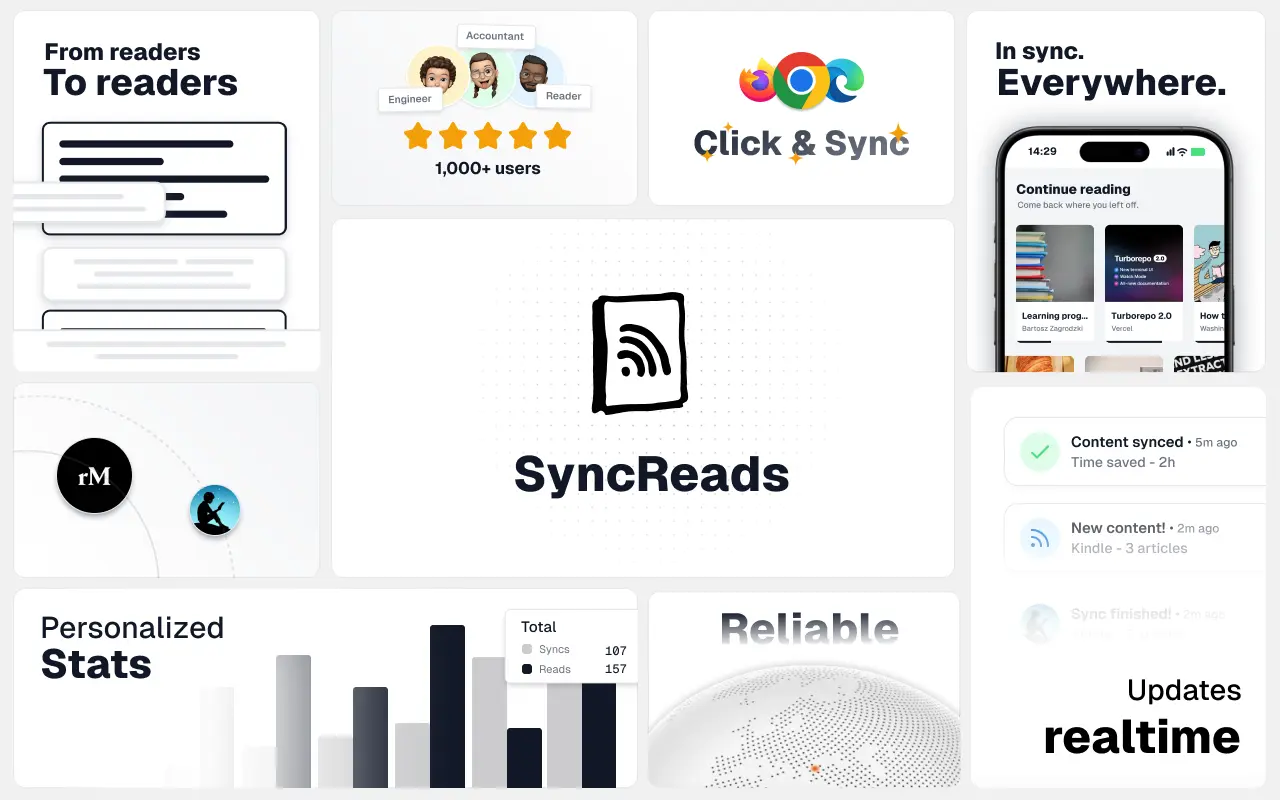
SyncReads
Sync your favorite content for distraction-free reading, save time and replace multiple apps. Anytime, anywhere 🔄
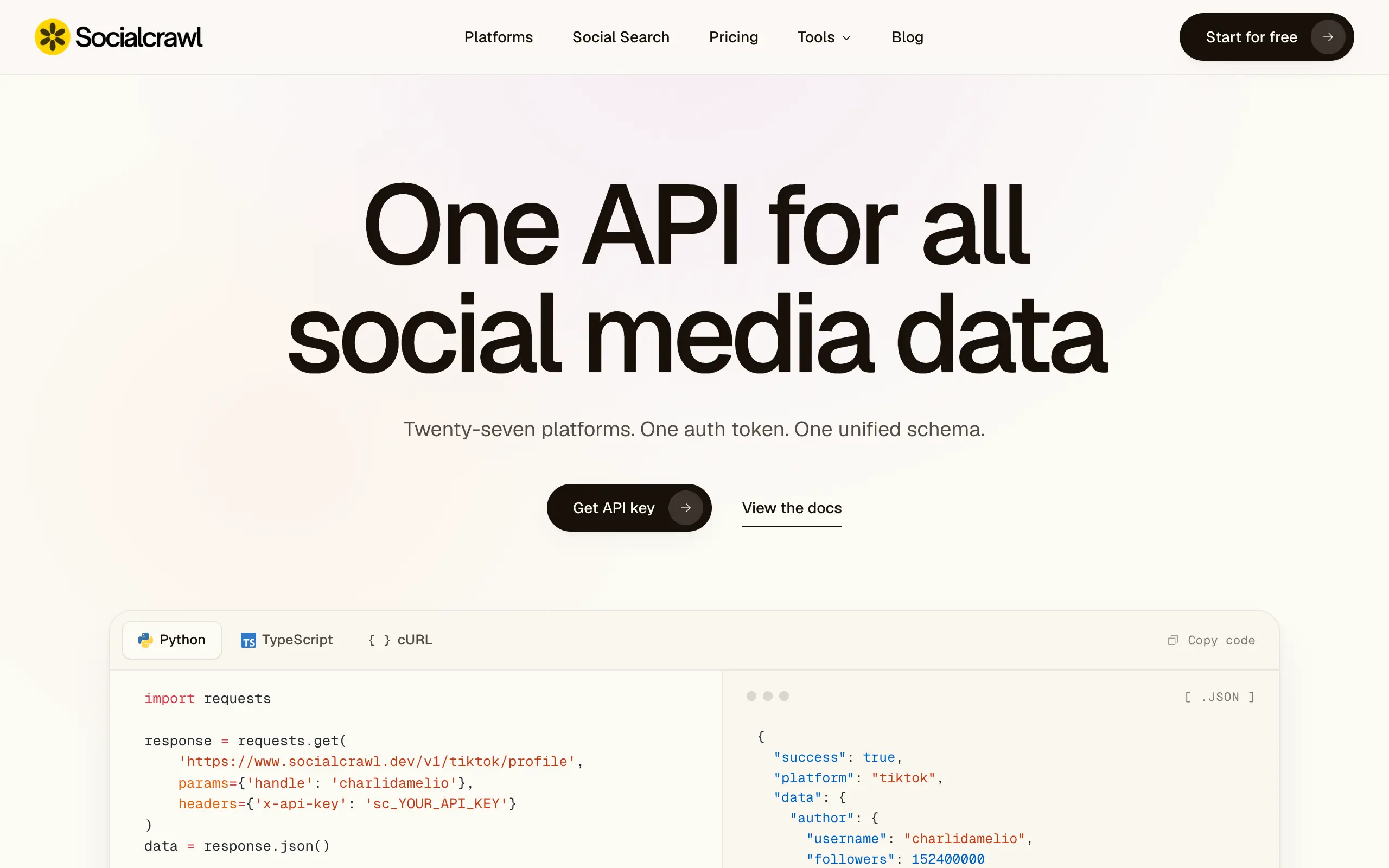
Socialcrawl
Get clean, structured data from 21 platforms like TikTok, Instagram, and YouTube with a single request 📊
Statiko
Monitor any Telegram channel in real time - track posts, edits, deletions, and growth with AI recaps 📡
Shibui
AI website builder - describe your business, pick a niche template, edit by chatting, and publish instantly ✨
Pro Service
Find verified home service professionals, compare quotes, and pay securely through escrow - built for Brazilians across the US 🏠
RankGrow
Fix your SEO with AI agents - connect Search Console, get prioritized tasks, and grow organic traffic 📈
SyncReads
Sync your favorite content for distraction-free reading, save time and replace multiple apps. Anytime, anywhere 🔄
Socialcrawl
Get clean, structured data from 21 platforms like TikTok, Instagram, and YouTube with a single request 📊
Statiko
Monitor any Telegram channel in real time - track posts, edits, deletions, and growth with AI recaps 📡
Shibui
AI website builder - describe your business, pick a niche template, edit by chatting, and publish instantly ✨
Pro Service
Find verified home service professionals, compare quotes, and pay securely through escrow - built for Brazilians across the US 🏠
RankGrow
Fix your SEO with AI agents - connect Search Console, get prioritized tasks, and grow organic traffic 📈
SyncReads
Sync your favorite content for distraction-free reading, save time and replace multiple apps. Anytime, anywhere 🔄
Socialcrawl
Get clean, structured data from 21 platforms like TikTok, Instagram, and YouTube with a single request 📊
Statiko
Monitor any Telegram channel in real time - track posts, edits, deletions, and growth with AI recaps 📡
Shibui
AI website builder - describe your business, pick a niche template, edit by chatting, and publish instantly ✨
Pro Service
Find verified home service professionals, compare quotes, and pay securely through escrow - built for Brazilians across the US 🏠
RankGrow
Fix your SEO with AI agents - connect Search Console, get prioritized tasks, and grow organic traffic 📈
SyncReads
Sync your favorite content for distraction-free reading, save time and replace multiple apps. Anytime, anywhere 🔄
Socialcrawl
Get clean, structured data from 21 platforms like TikTok, Instagram, and YouTube with a single request 📊
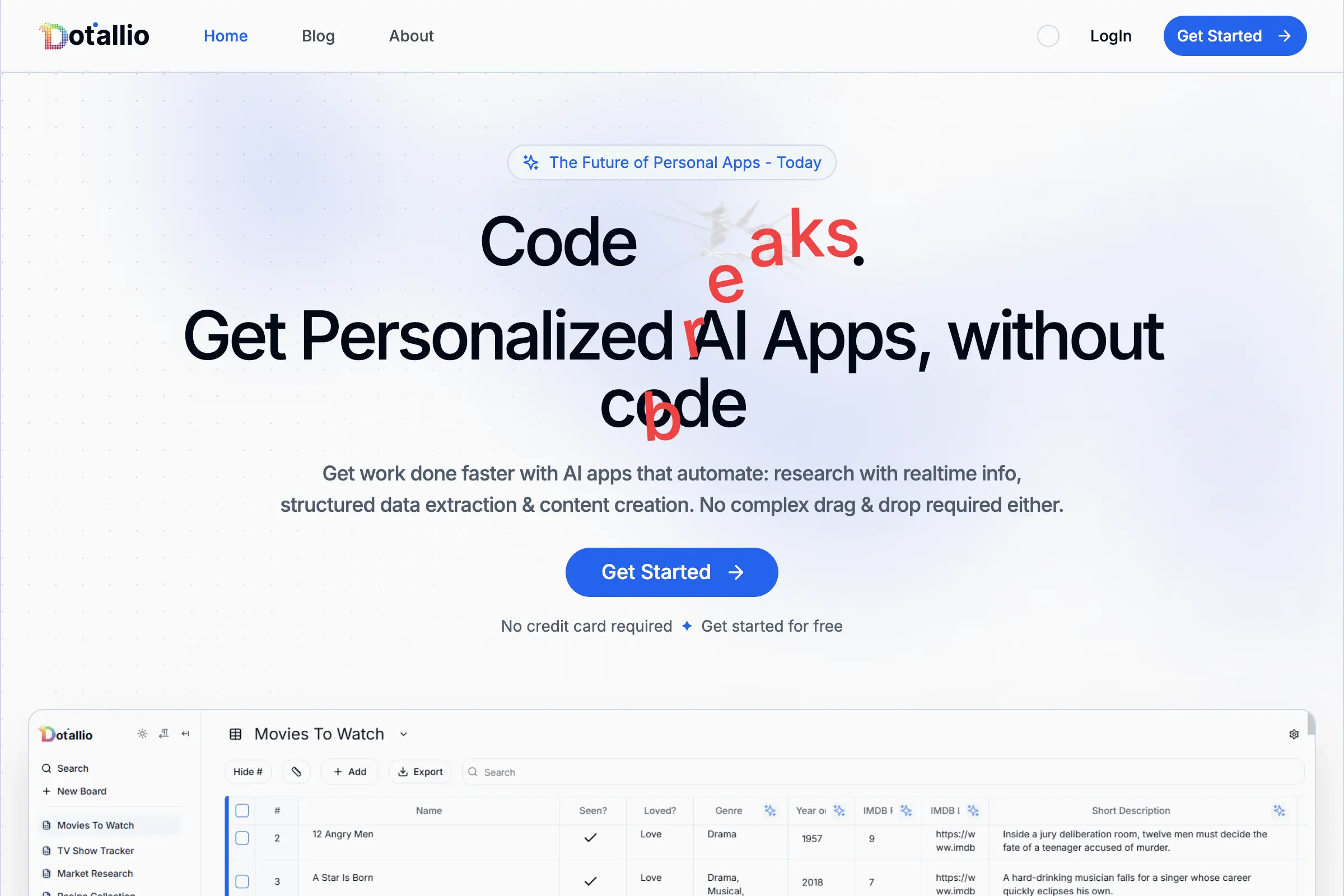
Dotallio
Personalized AI apps that automate research, data extraction, and content creation without code 🤖
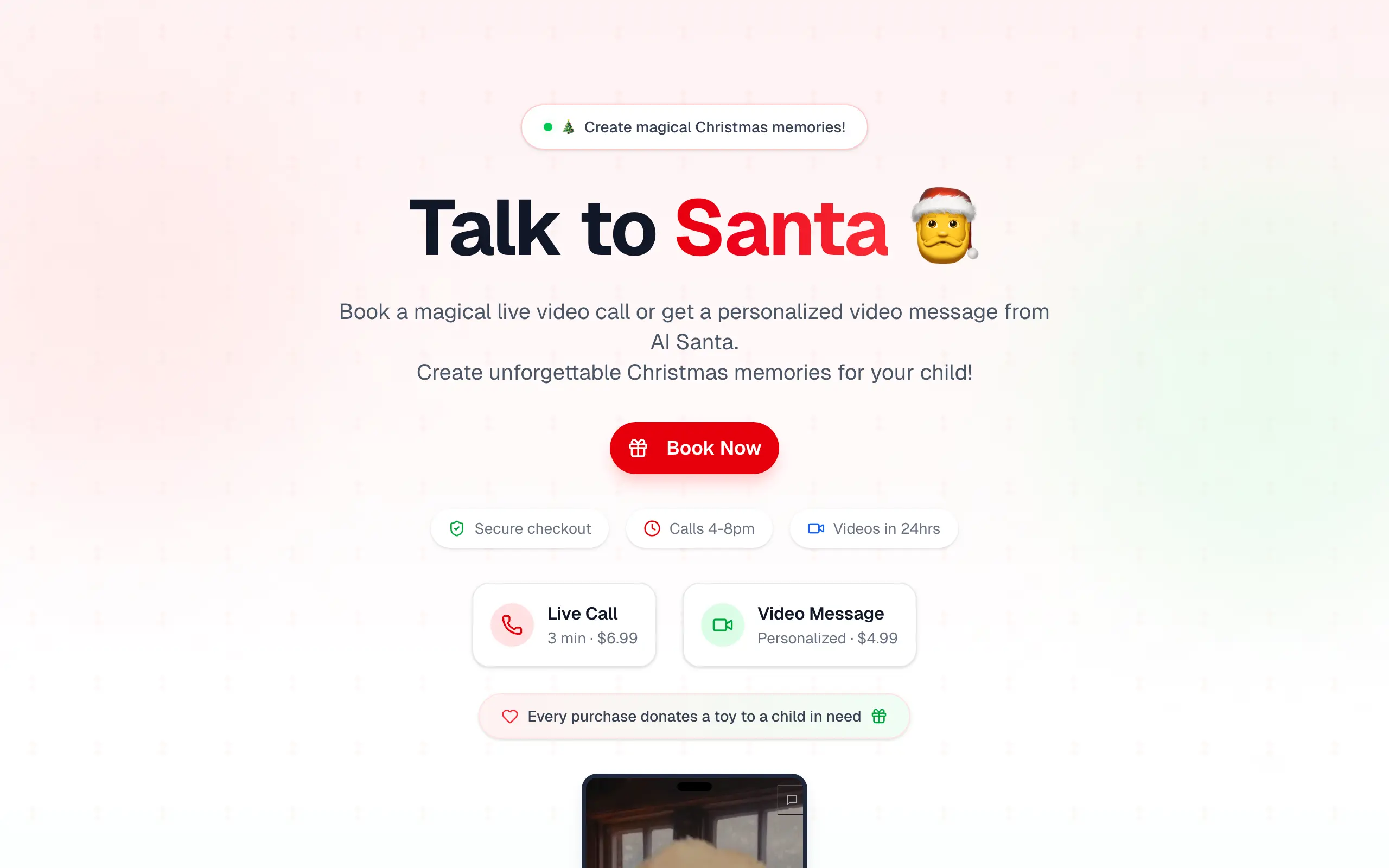
Talk to Santa
Enjoy a magical live video chat or receive a unique AI-generated video greeting from Santa Claus 🎅
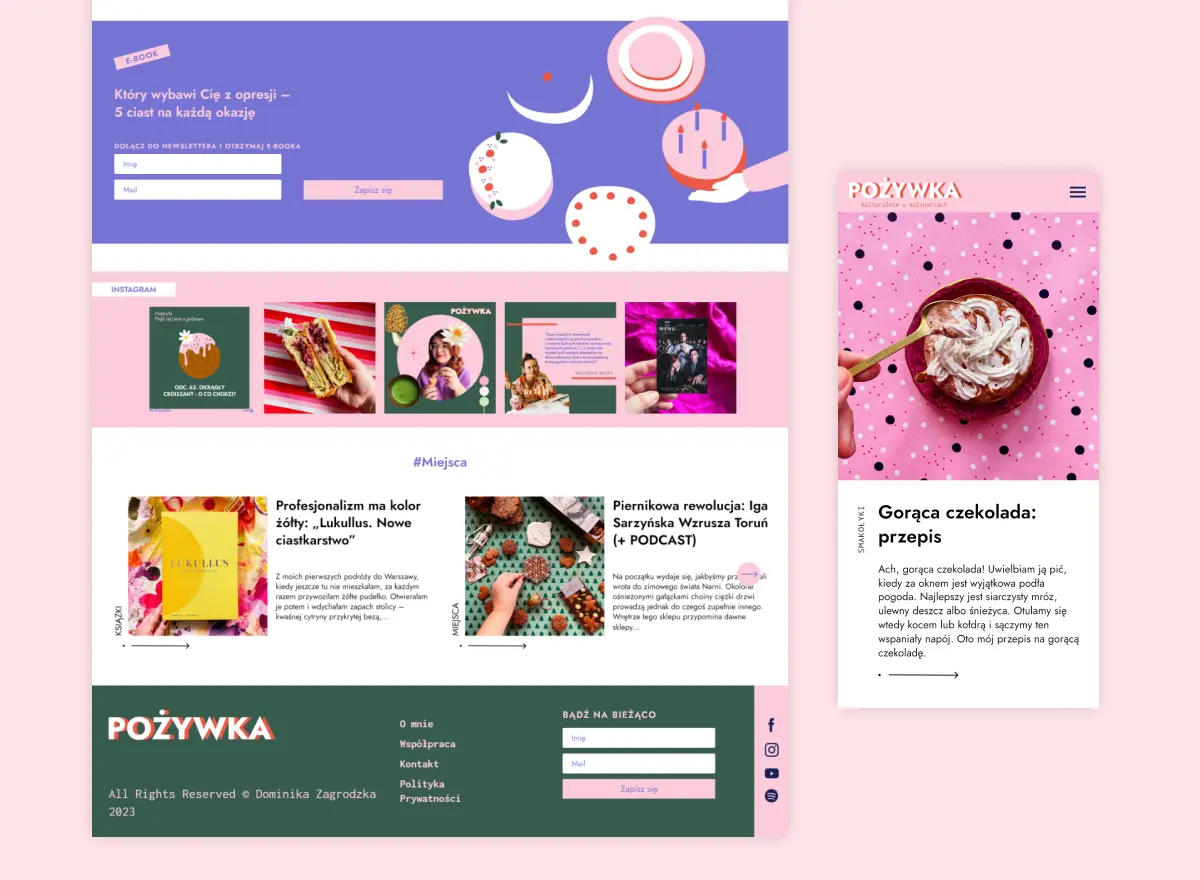
pozywka.pl
Scalable blog for food journalist, focused on performance and user experience 🌭
zagrodzki.me
Personal blog and portfolio of Bart Zagrodzki, where he shares his knowledge and work 💼
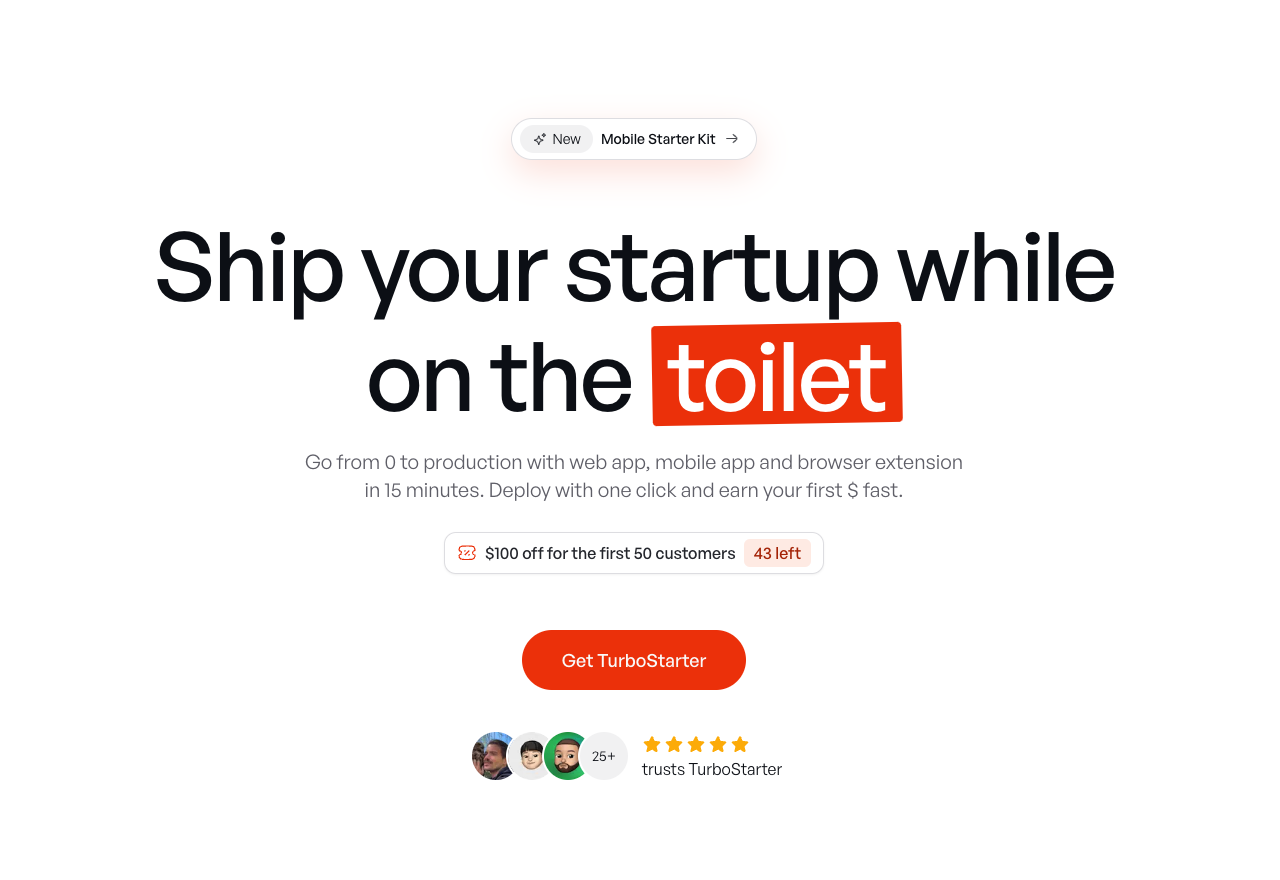
TurboStarter
Ship your startup everywhere. In minutes.
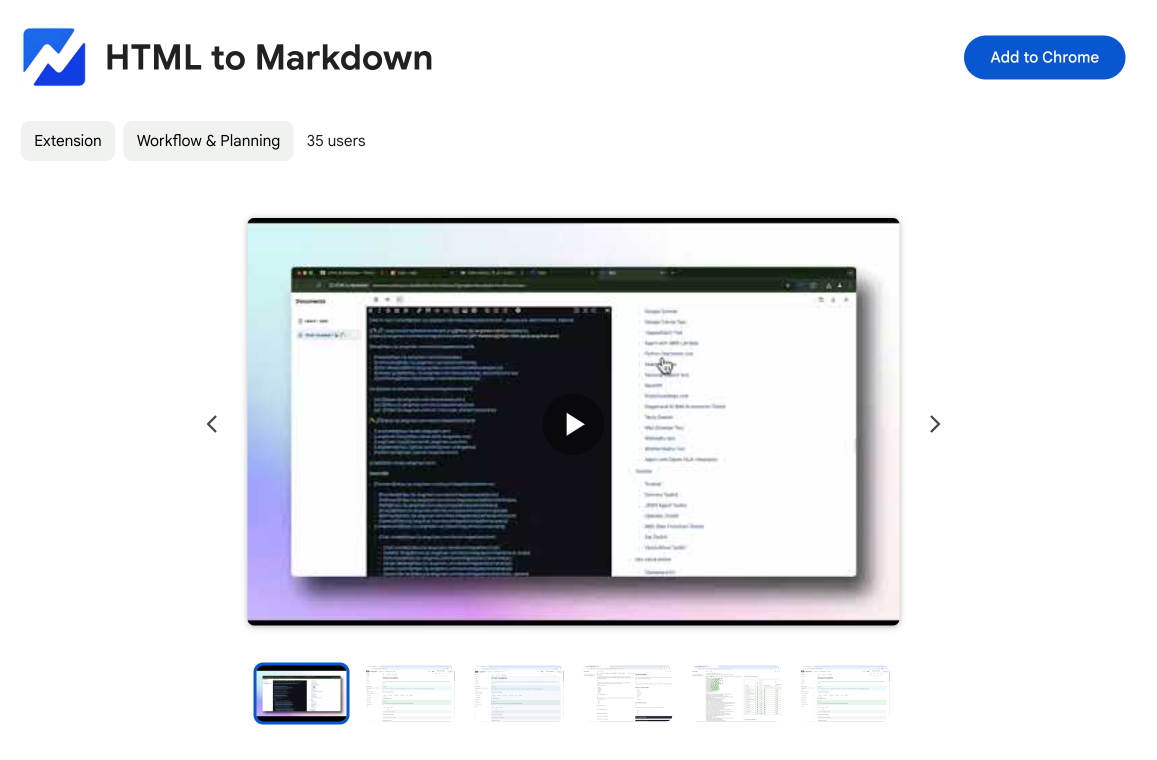
HTML to Markdown
Convert HTML to Markdown with ease, directly in your browser 📄
Dotallio
Personalized AI apps that automate research, data extraction, and content creation without code 🤖
Talk to Santa
Enjoy a magical live video chat or receive a unique AI-generated video greeting from Santa Claus 🎅
pozywka.pl
Scalable blog for food journalist, focused on performance and user experience 🌭
zagrodzki.me
Personal blog and portfolio of Bart Zagrodzki, where he shares his knowledge and work 💼
TurboStarter
Ship your startup everywhere. In minutes.
HTML to Markdown
Convert HTML to Markdown with ease, directly in your browser 📄
Dotallio
Personalized AI apps that automate research, data extraction, and content creation without code 🤖
Talk to Santa
Enjoy a magical live video chat or receive a unique AI-generated video greeting from Santa Claus 🎅
pozywka.pl
Scalable blog for food journalist, focused on performance and user experience 🌭
zagrodzki.me
Personal blog and portfolio of Bart Zagrodzki, where he shares his knowledge and work 💼
TurboStarter
Ship your startup everywhere. In minutes.
HTML to Markdown
Convert HTML to Markdown with ease, directly in your browser 📄
Dotallio
Personalized AI apps that automate research, data extraction, and content creation without code 🤖
Talk to Santa
Enjoy a magical live video chat or receive a unique AI-generated video greeting from Santa Claus 🎅
pozywka.pl
Scalable blog for food journalist, focused on performance and user experience 🌭
zagrodzki.me
Personal blog and portfolio of Bart Zagrodzki, where he shares his knowledge and work 💼
TurboStarter
Ship your startup everywhere. In minutes.
HTML to Markdown
Convert HTML to Markdown with ease, directly in your browser 📄
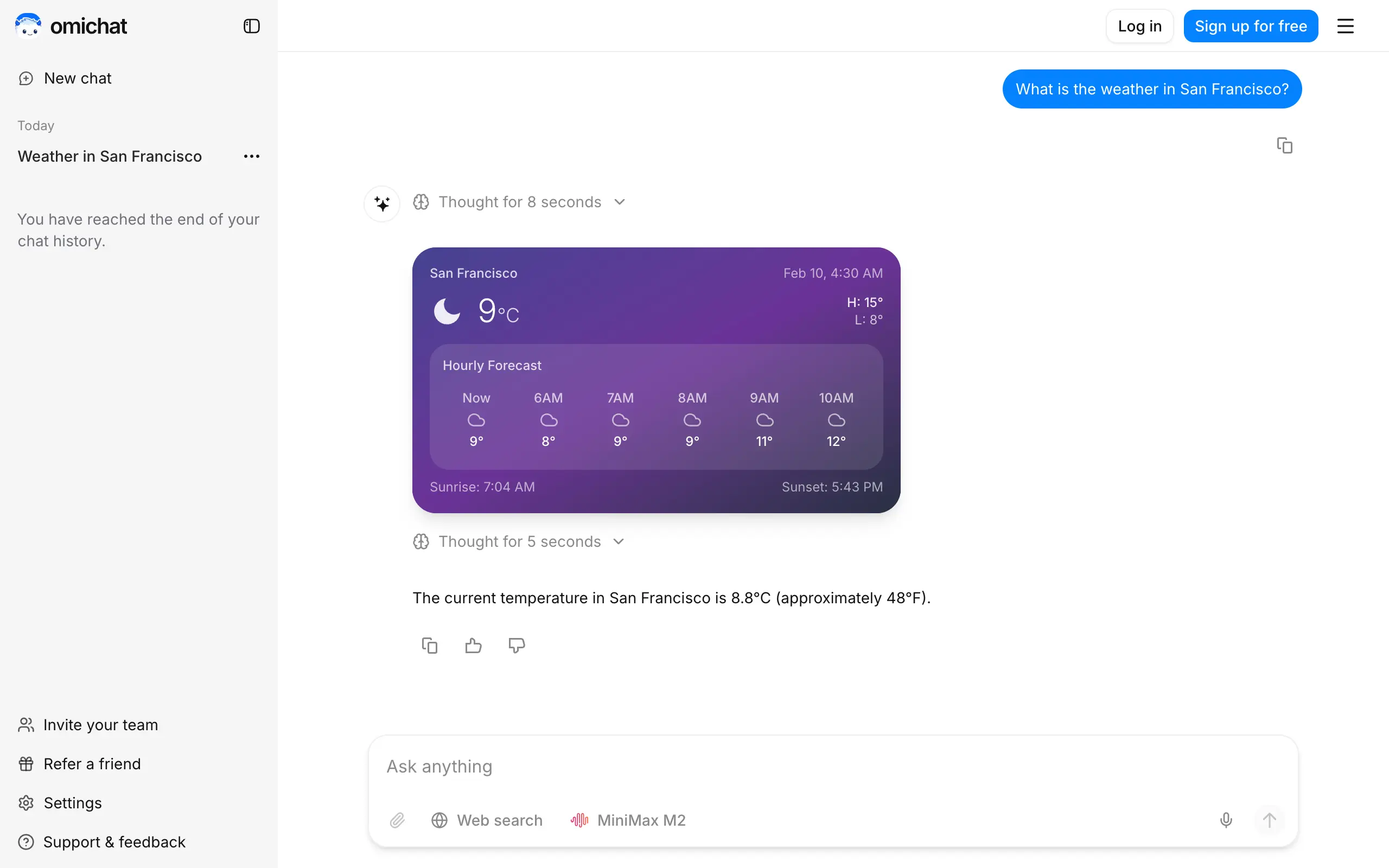
Omichat
Chat with 50+ AI models, including ChatGPT and Claude, in one place - switch models anytime without losing context 🤖
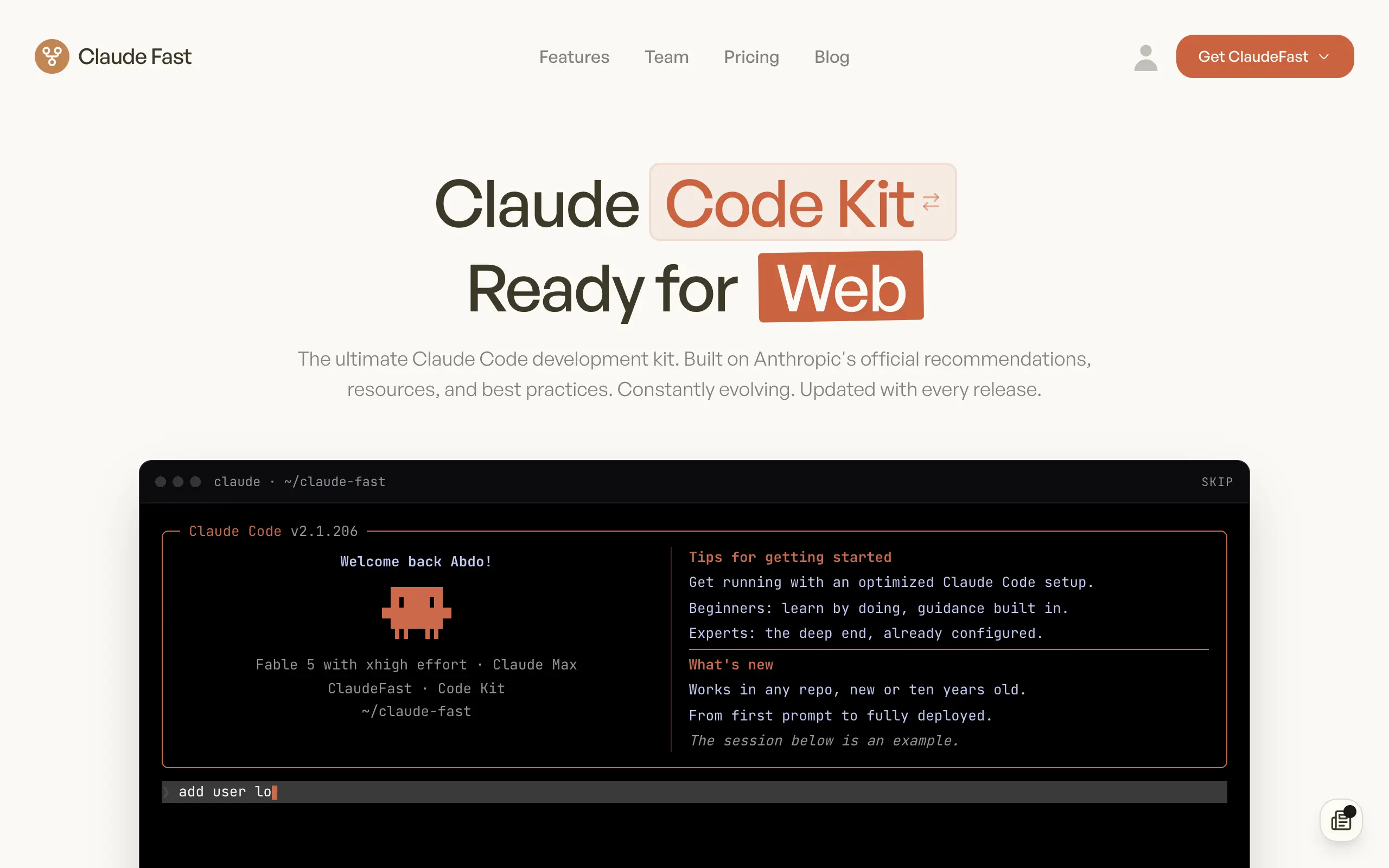
Claude Fast
Supercharge your Claude Code with 6x effective context window and specialized AI agents 🤖
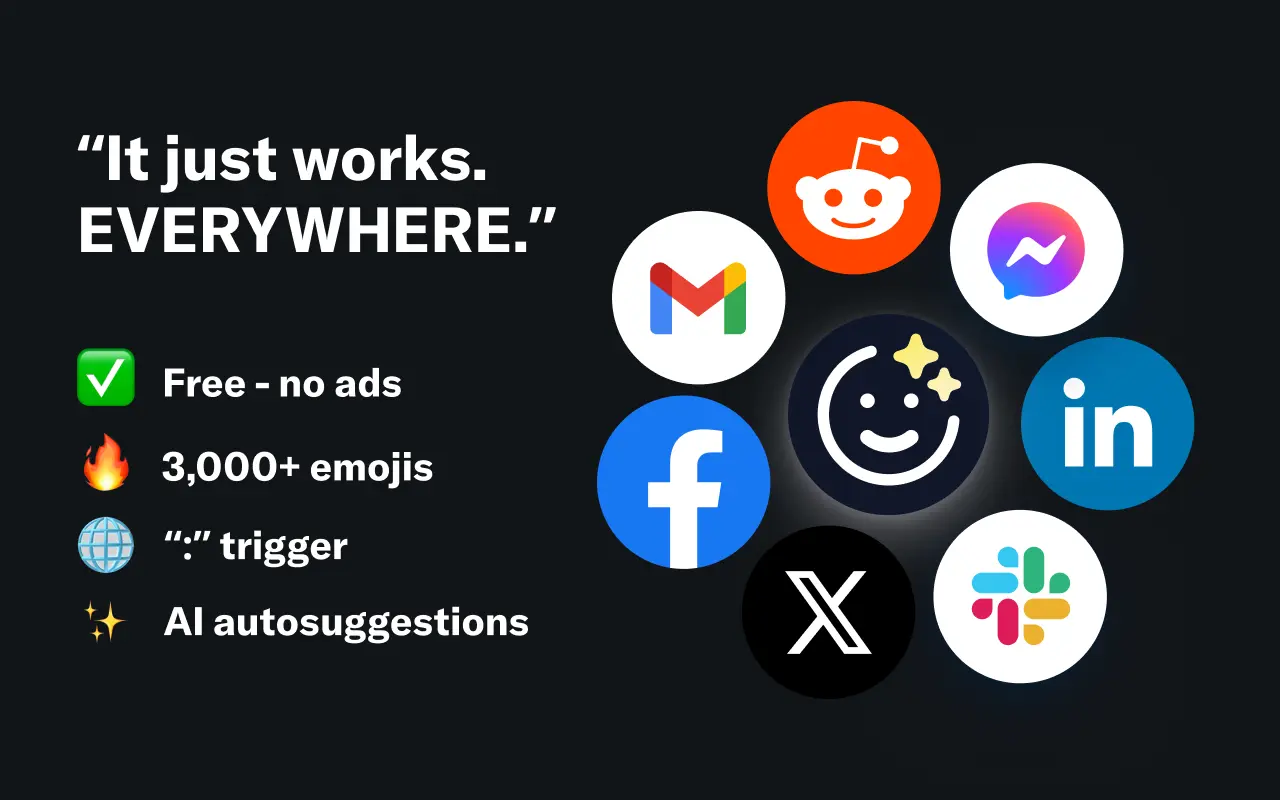
EmojAI
AI-powered emoji picker with smart, context-aware suggestions 🤖
Solohacker
Autonomous company launcher - AI agents work 24/7, escalate what matters, and you stay in control 🤖
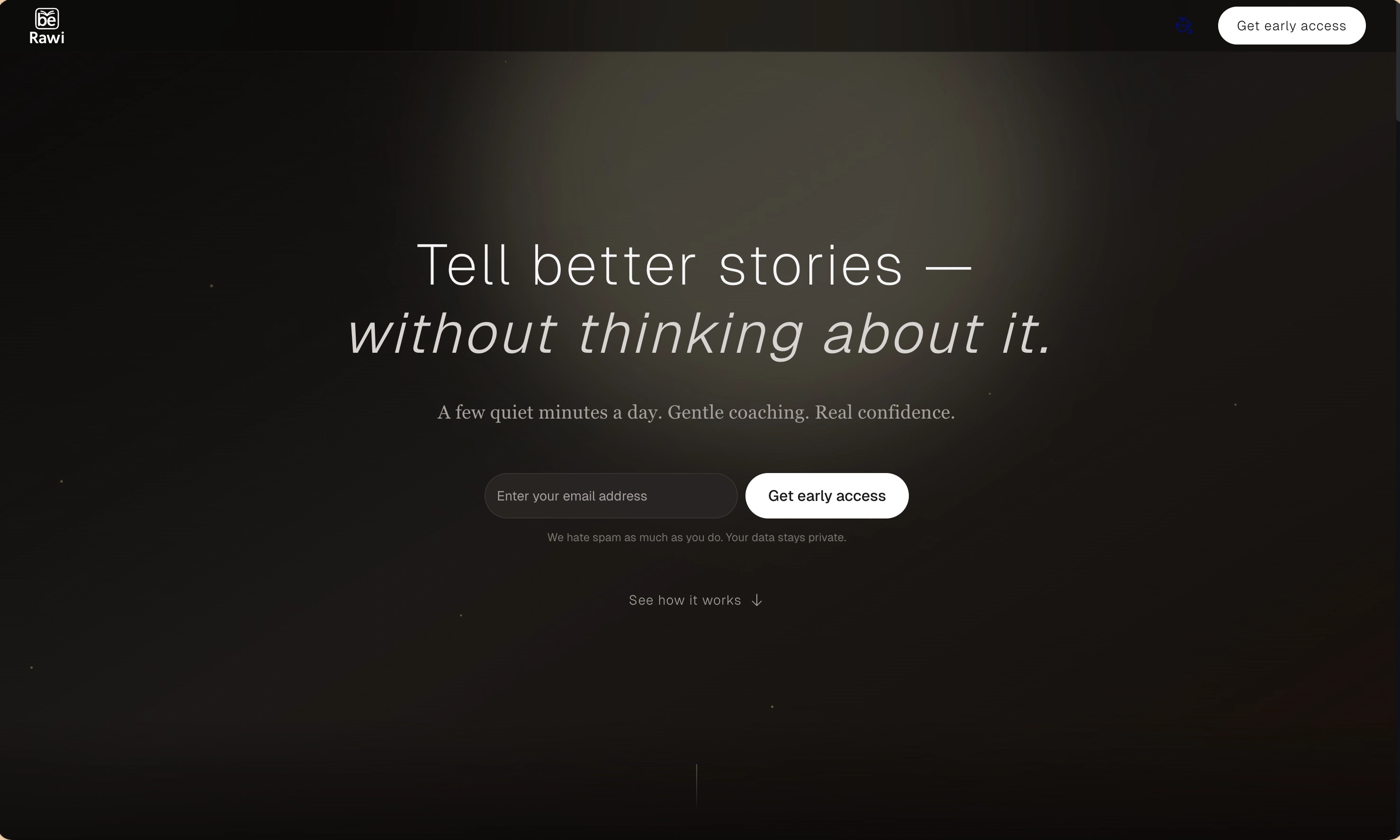
BeRawi: Storytelling Coach
Practice storytelling daily with instant feedback to sound clearer, more engaging, and confident 🎤
Omichat
Chat with 50+ AI models, including ChatGPT and Claude, in one place - switch models anytime without losing context 🤖
Claude Fast
Supercharge your Claude Code with 6x effective context window and specialized AI agents 🤖
EmojAI
AI-powered emoji picker with smart, context-aware suggestions 🤖
Solohacker
Autonomous company launcher - AI agents work 24/7, escalate what matters, and you stay in control 🤖
BeRawi: Storytelling Coach
Practice storytelling daily with instant feedback to sound clearer, more engaging, and confident 🎤
Omichat
Chat with 50+ AI models, including ChatGPT and Claude, in one place - switch models anytime without losing context 🤖
Claude Fast
Supercharge your Claude Code with 6x effective context window and specialized AI agents 🤖
EmojAI
AI-powered emoji picker with smart, context-aware suggestions 🤖
Solohacker
Autonomous company launcher - AI agents work 24/7, escalate what matters, and you stay in control 🤖
BeRawi: Storytelling Coach
Practice storytelling daily with instant feedback to sound clearer, more engaging, and confident 🎤
Omichat
Chat with 50+ AI models, including ChatGPT and Claude, in one place - switch models anytime without losing context 🤖
Claude Fast
Supercharge your Claude Code with 6x effective context window and specialized AI agents 🤖
EmojAI
AI-powered emoji picker with smart, context-aware suggestions 🤖
Solohacker
Autonomous company launcher - AI agents work 24/7, escalate what matters, and you stay in control 🤖
BeRawi: Storytelling Coach
Practice storytelling daily with instant feedback to sound clearer, more engaging, and confident 🎤

Connect with like-minded people
Join our community to get feedback, support, and grow together with 1,000+ builders on board, let's ship it!
Join usShip your startup everywhere. In minutes.
Don't burn tokens on setup and start building features on day one.