BrandMock Studio
Streamline packaging design approvals with a 3D label visualization SaaS, supporting custom models, annotation, and client-ready sharable previews.
Understanding the need for 3D label visualization in packaging design
Packaging design is a critical touchpoint for brands, directly influencing consumer perception and purchase decisions. In today's fast-paced, visually driven market, brands and agencies face mounting pressure to deliver innovative, eye-catching packaging—while also ensuring accuracy, compliance, and rapid turnaround. Traditional 2D mockups and static PDFs often fall short, leading to miscommunications, costly revisions, and delayed approvals.
BrandMock Studio addresses this gap by offering a SaaS platform for 3D label visualization, annotation, and streamlined approval workflows. By enabling stakeholders to interact with realistic, custom packaging models online, BrandMock Studio transforms how brands, designers, and clients collaborate on packaging projects.
Who is BrandMock Studio for? Target audience analysis
Understanding the core users is essential for any B2B SaaS. BrandMock Studio is designed for:
- Brand managers and marketing teams: Overseeing product launches and ensuring packaging aligns with brand guidelines.
- Packaging designers and creative agencies: Creating, iterating, and presenting packaging concepts to clients.
- Packaging manufacturers and suppliers: Needing accurate, production-ready label files and clear feedback.
- Consumer goods companies (FMCG, cosmetics, food & beverage, etc.): Managing large product portfolios with frequent packaging updates.
- Regulatory and compliance teams: Reviewing labels for legal and industry compliance before production.
User pain points addressed:
- Difficulty visualizing how 2D designs will appear on real-world packaging.
- Inefficient feedback loops and version control.
- Challenges in communicating design intent to non-technical stakeholders.
- Risk of costly errors due to misinterpretation or overlooked details.
Market opportunity and gap analysis
The global packaging design software market is growing rapidly, driven by:
- E-commerce expansion: More SKUs, faster product cycles, and the need for digital-first packaging assets.
- Remote collaboration: Distributed teams and clients require cloud-based, interactive tools.
- Sustainability and compliance: Increased scrutiny on labeling accuracy and material usage.
Current gaps in the market:
- Most design tools (e.g., Adobe Illustrator, Photoshop) are 2D-focused and lack real-time 3D visualization.
- Existing 3D packaging tools are often expensive, desktop-based, or require specialized skills.
- Approval workflows are fragmented, relying on email, PDFs, or generic project management tools.
BrandMock Studio's unique value:
- Cloud-based, no installation required: Accessible from any browser.
- Intuitive 3D visualization: Supports custom packaging shapes and real-time label application.
- Integrated annotation and feedback: Streamlines communication and reduces revision cycles.
- Sharable, client-ready previews: Secure links for stakeholders to review and approve designs.
Core features and solution details
BrandMock Studio is purpose-built to address the end-to-end packaging design approval process. Key features include:
3D packaging model support
- Upload or select from a library of common packaging shapes (bottles, boxes, cans, tubes, etc.).
- Import custom 3D models (e.g., .OBJ, .GLTF formats) for unique packaging.
- Realistic rendering with lighting, shadows, and material options.
Label application and visualization
- Drag-and-drop 2D label artwork onto 3D models.
- Real-time preview of how labels wrap, align, and distort on curved surfaces.
- Toggle between different packaging variants, sizes, or flavors.
Annotation and feedback tools
- Pin comments directly on specific areas of the 3D model.
- Threaded discussions for context-rich feedback.
- Version history and change tracking.
Sharable, client-ready previews
- Generate secure, read-only links for clients or stakeholders.
- Interactive 3D viewer—no account required for reviewers.
- Optional watermarking and expiration controls for sensitive projects.
Approval workflow management
- Assign reviewers, set deadlines, and track approval status.
- Automated notifications and reminders.
- Export approved label files and annotated PDFs for production.
Integration and extensibility
- API access for integration with DAM, PLM, or project management systems.
- Single sign-on (SSO) and enterprise user management.
3D model support
Upload or select packaging shapes, including custom models.
Real-time label visualization
Instantly see how 2D artwork appears on 3D packaging.
Annotation & feedback
Pin comments, track changes, and streamline approvals.
Sharable previews
Send interactive, secure 3D previews to clients and stakeholders.
Approval workflow
Manage reviewers, deadlines, and export production-ready files.
Recommended tech stack for BrandMock Studio
Choosing the right technology stack is crucial for performance, scalability, and user experience. Here’s a recommended stack for a modern, cloud-based 3D label visualization SaaS:
Frontend
- React: Component-based UI, large ecosystem, and strong community support.
- Three.js: Industry-standard JavaScript library for 3D rendering in the browser.
- TailwindCSS: Utility-first CSS framework for rapid, consistent styling.
- Redux or Zustand: For state management, especially for complex UI interactions.
Backend
- Node.js with Express: Scalable, event-driven backend for API and real-time features.
- PostgreSQL: Reliable, scalable relational database for user data, projects, and versioning.
- AWS S3: Secure storage for 3D models, label assets, and previews.
Real-time collaboration
Authentication and security
- Auth0 or Firebase Auth: Secure, scalable authentication with SSO support.
Trade-offs and considerations
- Three.js is highly flexible but requires careful optimization for large or complex models.
- React offers rapid development but may need SSR (Server-Side Rendering) for SEO if public previews are indexed.
- Node.js is event-driven and great for real-time features, but compute-heavy 3D processing may require offloading to serverless functions or microservices.
Tip
Consider using TurboStarter to accelerate your SaaS MVP development with pre-built authentication, billing, and deployment workflows.
Monetization strategy options
A robust monetization plan ensures sustainability and growth. For BrandMock Studio, consider these models:
1. Subscription-based pricing
- Tiered plans: Offer different feature sets (e.g., number of projects, storage, advanced annotation) at escalating price points.
- Per-user or per-seat pricing: Scales with team size, common in B2B SaaS.
2. Usage-based pricing
- Charge based on the number of 3D previews generated, storage used, or number of external reviewers.
3. Enterprise and white-label solutions
- Custom pricing for large brands or agencies needing advanced integrations, SSO, or on-premise deployment.
4. Add-ons and integrations
- Premium features (e.g., advanced analytics, custom model support, API access) as paid add-ons.
5. Free trial or freemium
- Allow users to try basic features with limited projects or watermarked previews, encouraging upgrades.
Potential risks and mitigation strategies
Launching a B2B SaaS in the packaging design space comes with challenges. Here’s how to anticipate and address them:
Many designers are accustomed to 2D workflows. Mitigate by offering intuitive onboarding, tutorials, and seamless import/export with popular design tools.
Optimize rendering, limit model complexity, and provide server-side processing for heavy tasks.
Implement robust encryption, access controls, and compliance with industry standards (e.g., GDPR).
Offer well-documented APIs and pre-built connectors for popular DAM/PLM systems.
Differentiate with superior UX, faster iteration, and customer-centric support.
Competitive advantage analysis
To stand out in a competitive market, BrandMock Studio must deliver clear, defensible advantages:
| Feature | BrandMock Studio | Traditional 2D Tools | Legacy 3D Software | Generic Project Mgmt |
|---|---|---|---|---|
| 3D label visualization | ✅ | ❌ | ❌ | ❌ |
| Cloud-based, no install | ✅ | ✅ | ❌ | ✅ |
| Integrated annotation | ✅ | ❌ | ✅ | ❌ |
| Sharable 3D previews | ✅ | ❌ | ✅ | ❌ |
| Approval workflow | ✅ | ❌ | ❌ | ✅ |
Unique selling proposition (USP):
BrandMock Studio is the only SaaS platform that combines browser-based 3D packaging visualization, real-time annotation, and client-ready sharing in a seamless, intuitive workflow—eliminating the friction and fragmentation of legacy tools.
Implementation steps: How to build and launch BrandMock Studio
Building a successful SaaS like BrandMock Studio requires a structured, iterative approach. Here’s a high-level roadmap:
Actionable next steps and conclusion
BrandMock Studio is poised to transform packaging design approvals by bridging the gap between creative intent and real-world execution. By leveraging 3D label visualization, integrated annotation, and seamless sharing, it empowers brands and agencies to deliver better packaging, faster.
To move forward:
- Validate the concept with real users and iterate on the MVP.
- Prioritize performance and usability, especially for non-technical stakeholders.
- Invest in onboarding, support, and integrations to drive adoption.
- Monitor industry trends (e.g., AI in design, AR/VR packaging previews) to stay ahead of the curve.
In summary:
BrandMock Studio’s SaaS approach to 3D packaging design approval offers a compelling, differentiated solution for modern brands and agencies. By focusing on user experience, collaboration, and cloud accessibility, it stands out as a future-ready platform in the packaging design ecosystem.
Frequently asked questions about 3D label visualization SaaS
It enables stakeholders to see exactly how 2D artwork will appear on real packaging, reducing miscommunication and costly errors.
Yes, BrandMock Studio supports uploading custom 3D models in standard formats like .OBJ and .GLTF.
Absolutely. The platform is designed for multi-project, multi-client workflows with secure sharing and approval management.
BrandMock Studio offers API access and can integrate with popular DAM, PLM, and project management tools.
All assets and projects are encrypted in transit and at rest, with robust access controls and compliance with industry standards.
Ready to streamline your packaging design approvals?
Explore how TurboStarter can help you launch your SaaS faster and more efficiently.
More 🏢 B2B Application SaaS ideas
Discover more innovative b2b application SaaS ideas that are trending in 2026. Each idea is AI-generated with market validation and growth potential to help you find your next profitable venture faster than competitors.
Your competitors are building with TurboStarter
Below are some of the SaaS ideas that have been generated and built with our starter kit.
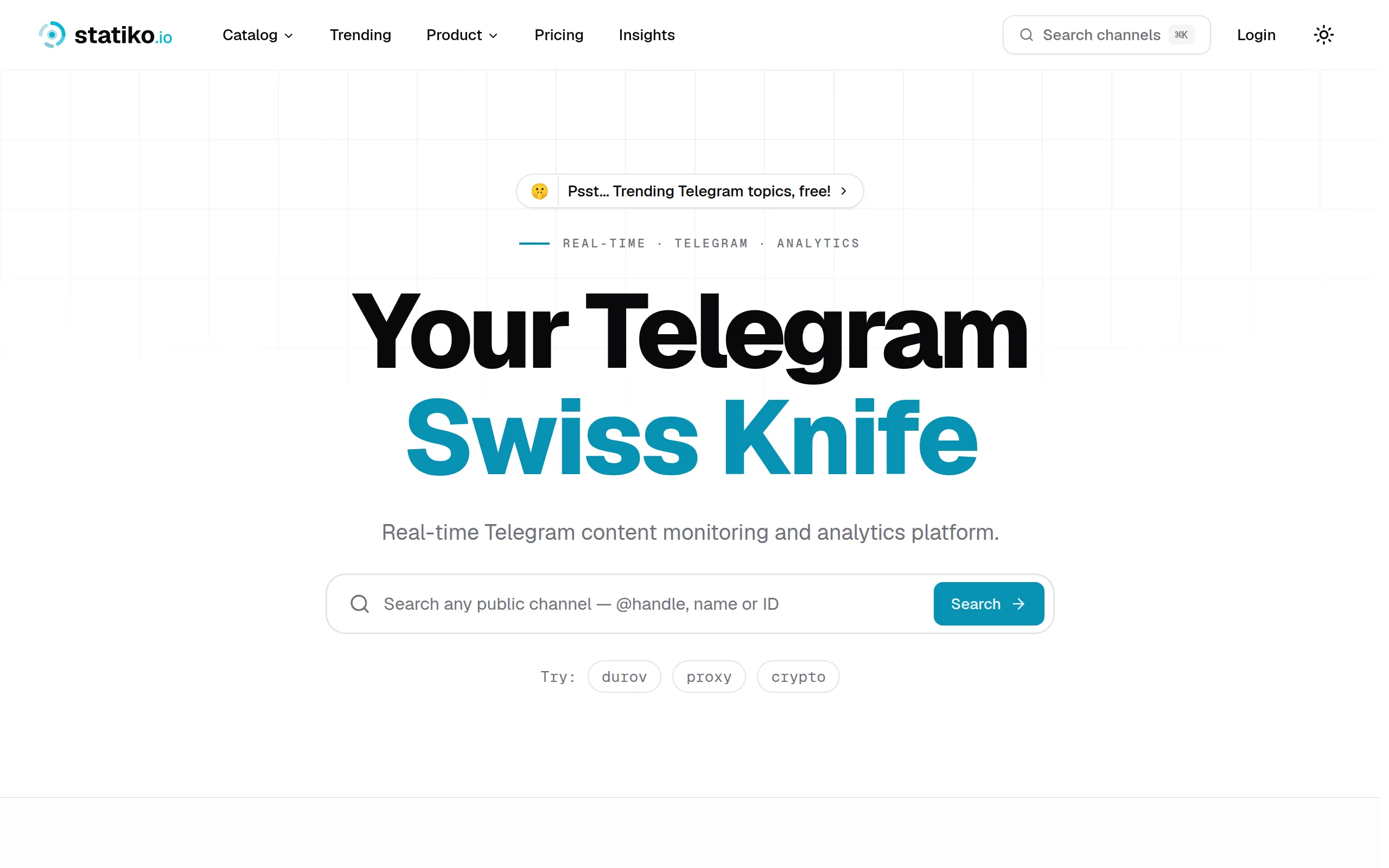
Statiko
Monitor any Telegram channel in real time - track posts, edits, deletions, and growth with AI recaps 📡
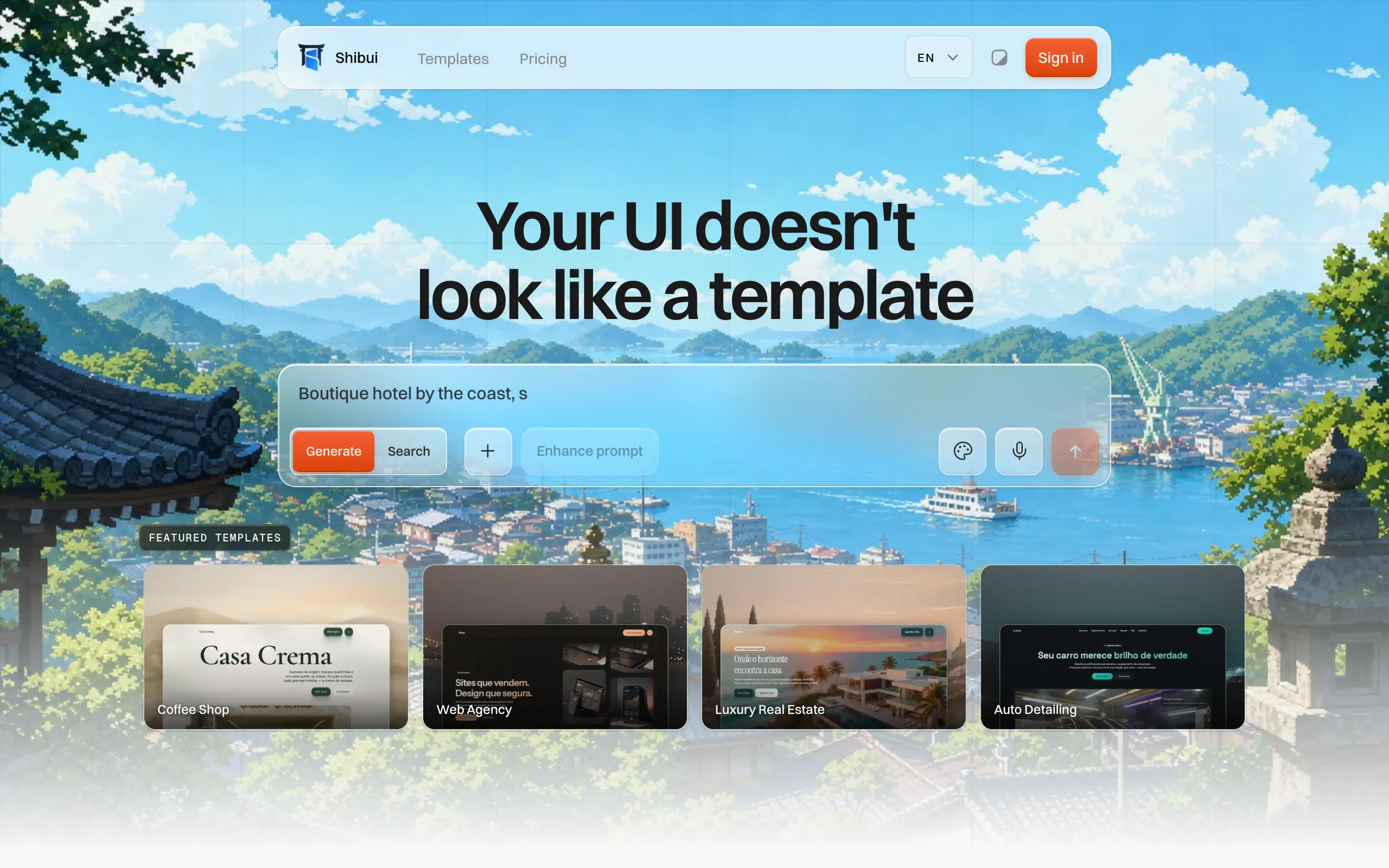
Shibui
AI website builder - describe your business, pick a niche template, edit by chatting, and publish instantly ✨
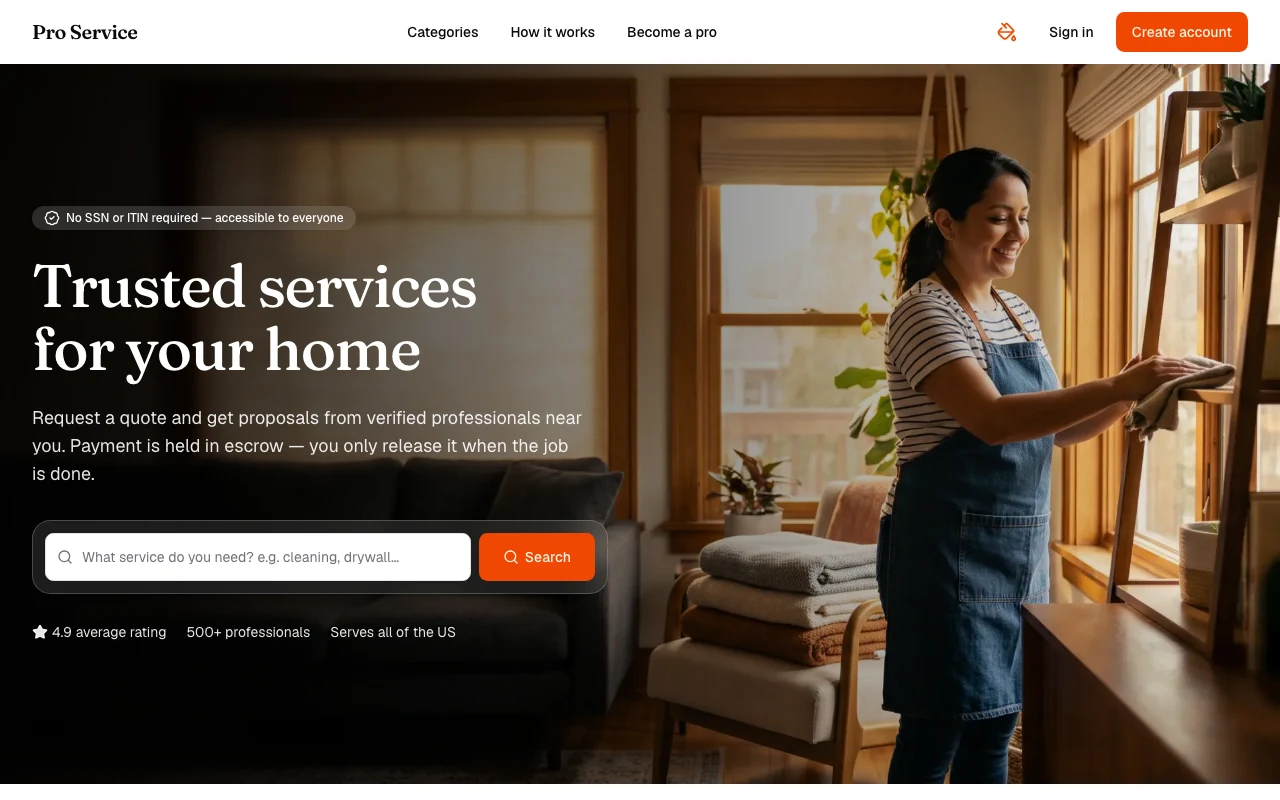
Pro Service
Find verified home service professionals, compare quotes, and pay securely through escrow - built for Brazilians across the US 🏠
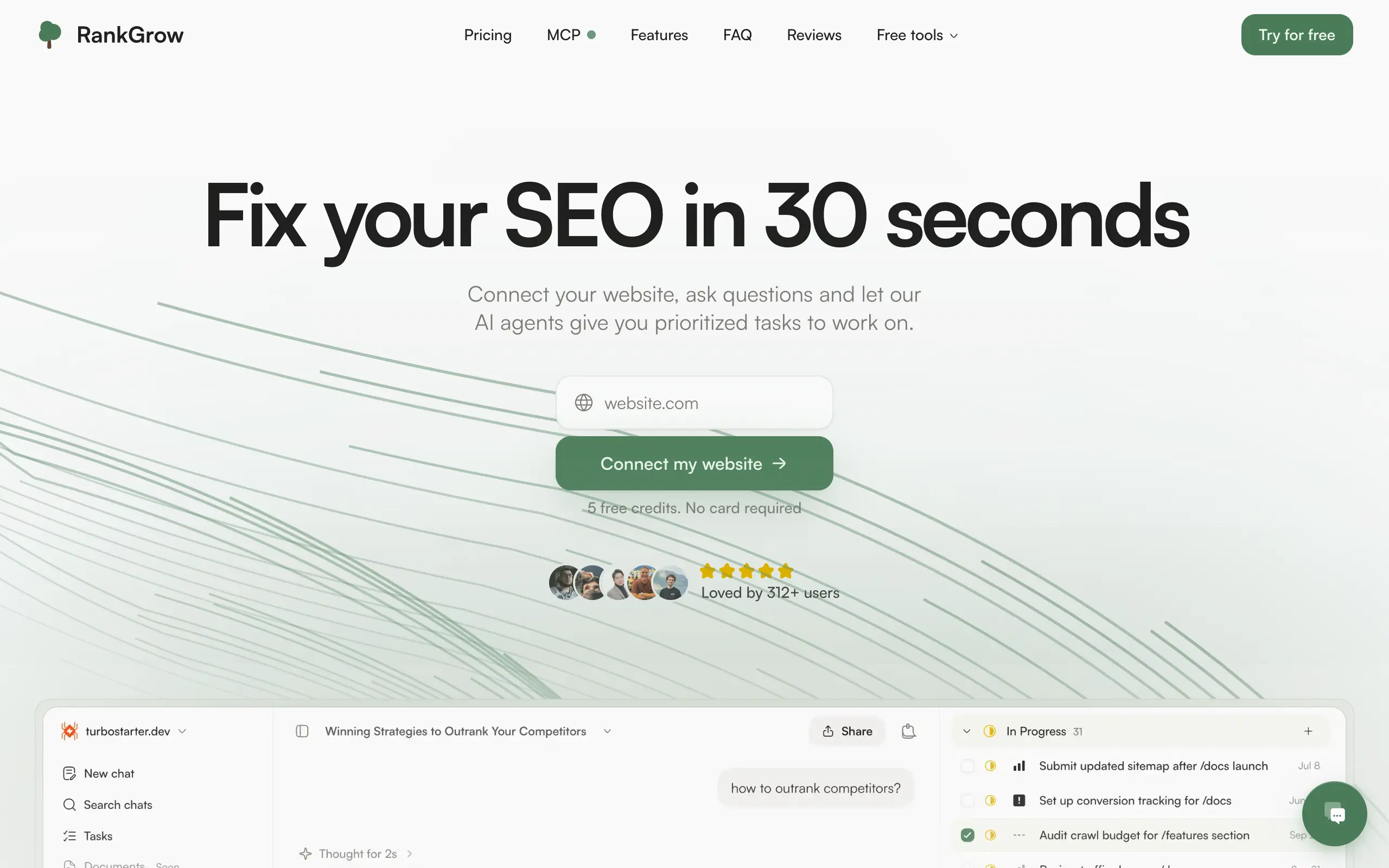
RankGrow
Fix your SEO with AI agents - connect Search Console, get prioritized tasks, and grow organic traffic 📈
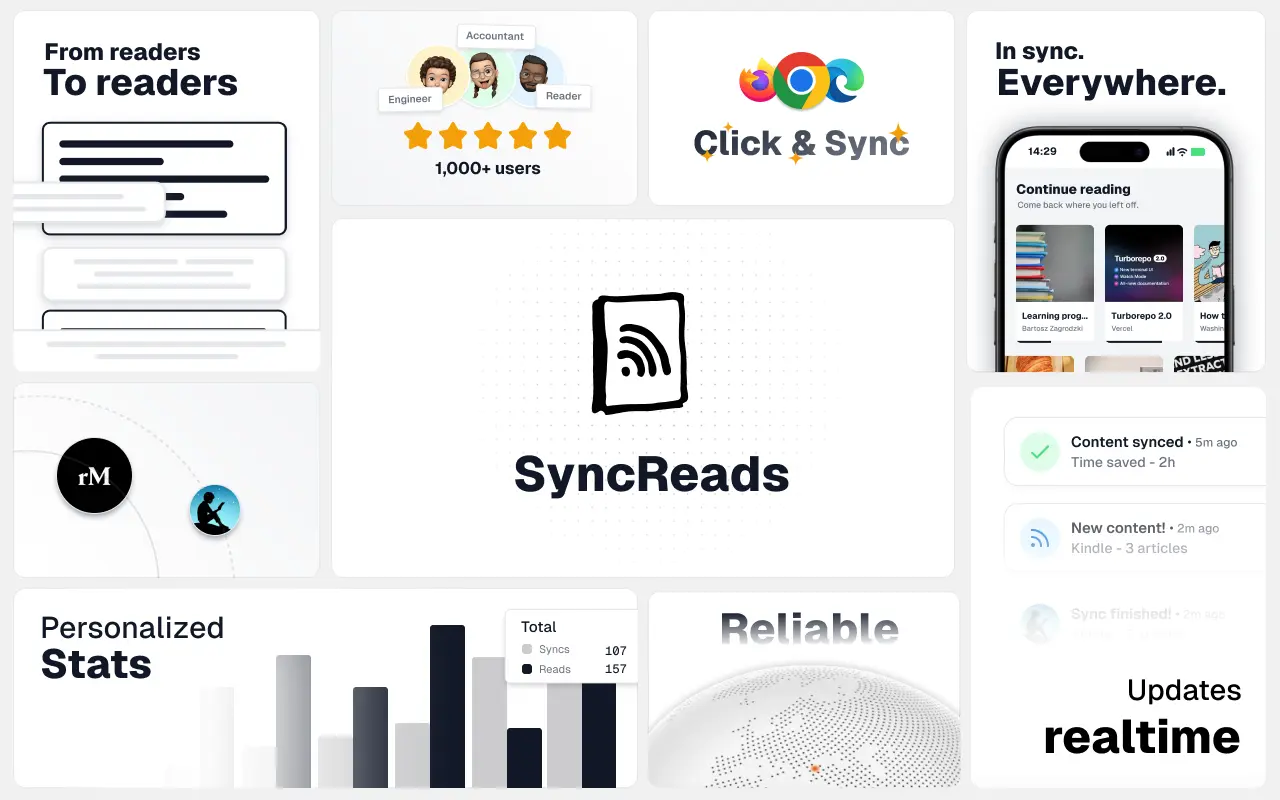
SyncReads
Sync your favorite content for distraction-free reading, save time and replace multiple apps. Anytime, anywhere 🔄
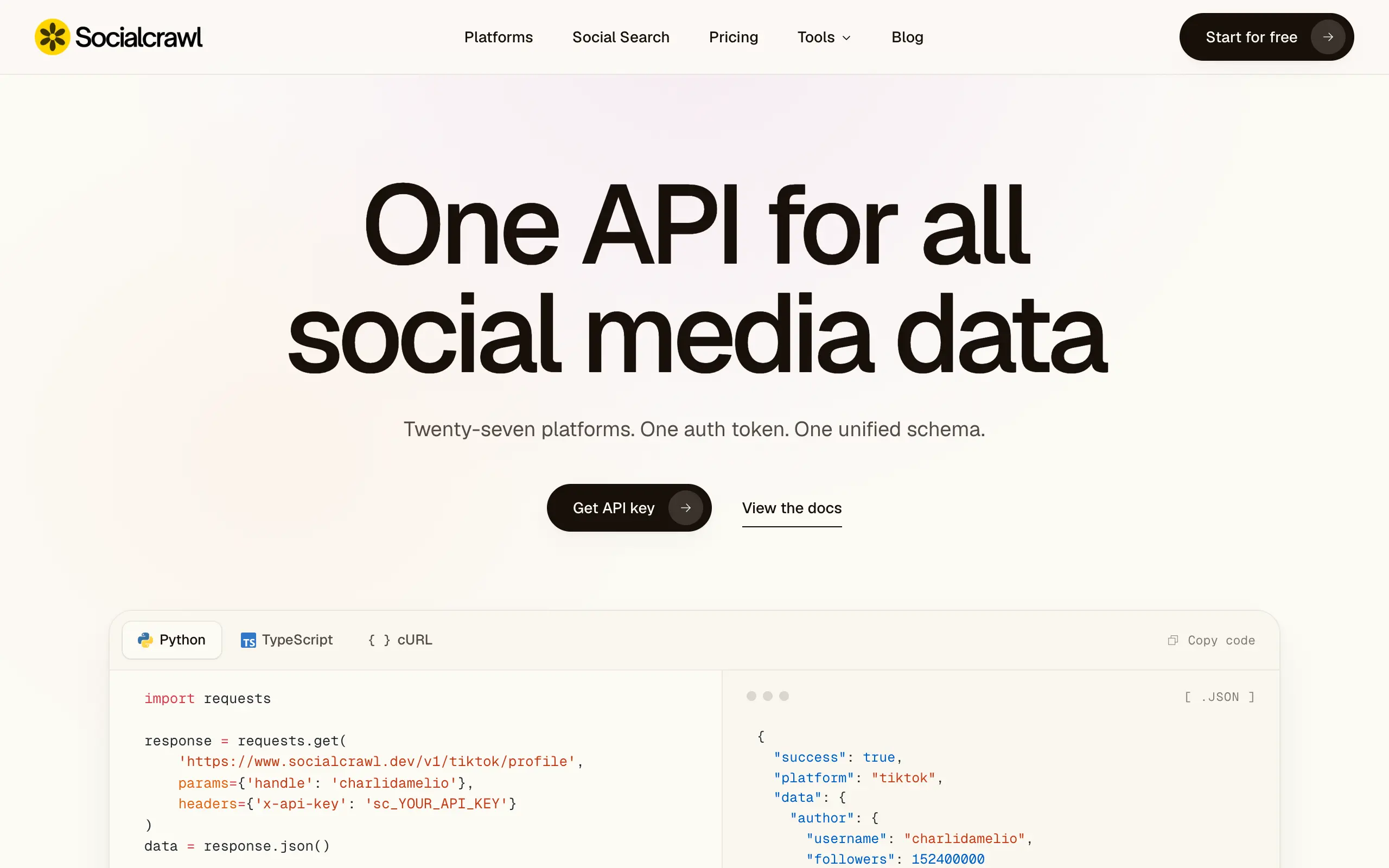
Socialcrawl
Get clean, structured data from 21 platforms like TikTok, Instagram, and YouTube with a single request 📊
Statiko
Monitor any Telegram channel in real time - track posts, edits, deletions, and growth with AI recaps 📡
Shibui
AI website builder - describe your business, pick a niche template, edit by chatting, and publish instantly ✨
Pro Service
Find verified home service professionals, compare quotes, and pay securely through escrow - built for Brazilians across the US 🏠
RankGrow
Fix your SEO with AI agents - connect Search Console, get prioritized tasks, and grow organic traffic 📈
SyncReads
Sync your favorite content for distraction-free reading, save time and replace multiple apps. Anytime, anywhere 🔄
Socialcrawl
Get clean, structured data from 21 platforms like TikTok, Instagram, and YouTube with a single request 📊
Statiko
Monitor any Telegram channel in real time - track posts, edits, deletions, and growth with AI recaps 📡
Shibui
AI website builder - describe your business, pick a niche template, edit by chatting, and publish instantly ✨
Pro Service
Find verified home service professionals, compare quotes, and pay securely through escrow - built for Brazilians across the US 🏠
RankGrow
Fix your SEO with AI agents - connect Search Console, get prioritized tasks, and grow organic traffic 📈
SyncReads
Sync your favorite content for distraction-free reading, save time and replace multiple apps. Anytime, anywhere 🔄
Socialcrawl
Get clean, structured data from 21 platforms like TikTok, Instagram, and YouTube with a single request 📊
Statiko
Monitor any Telegram channel in real time - track posts, edits, deletions, and growth with AI recaps 📡
Shibui
AI website builder - describe your business, pick a niche template, edit by chatting, and publish instantly ✨
Pro Service
Find verified home service professionals, compare quotes, and pay securely through escrow - built for Brazilians across the US 🏠
RankGrow
Fix your SEO with AI agents - connect Search Console, get prioritized tasks, and grow organic traffic 📈
SyncReads
Sync your favorite content for distraction-free reading, save time and replace multiple apps. Anytime, anywhere 🔄
Socialcrawl
Get clean, structured data from 21 platforms like TikTok, Instagram, and YouTube with a single request 📊
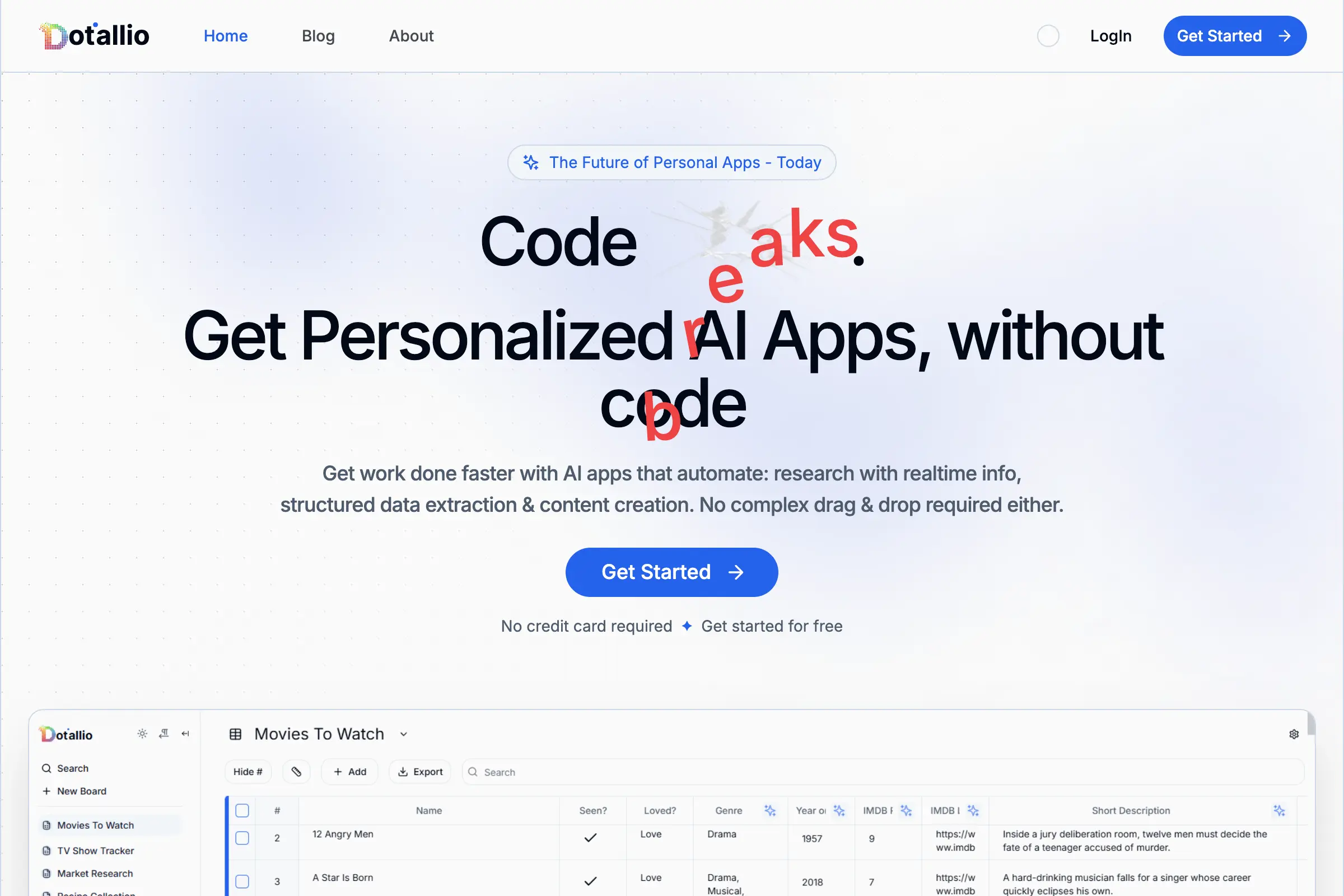
Dotallio
Personalized AI apps that automate research, data extraction, and content creation without code 🤖
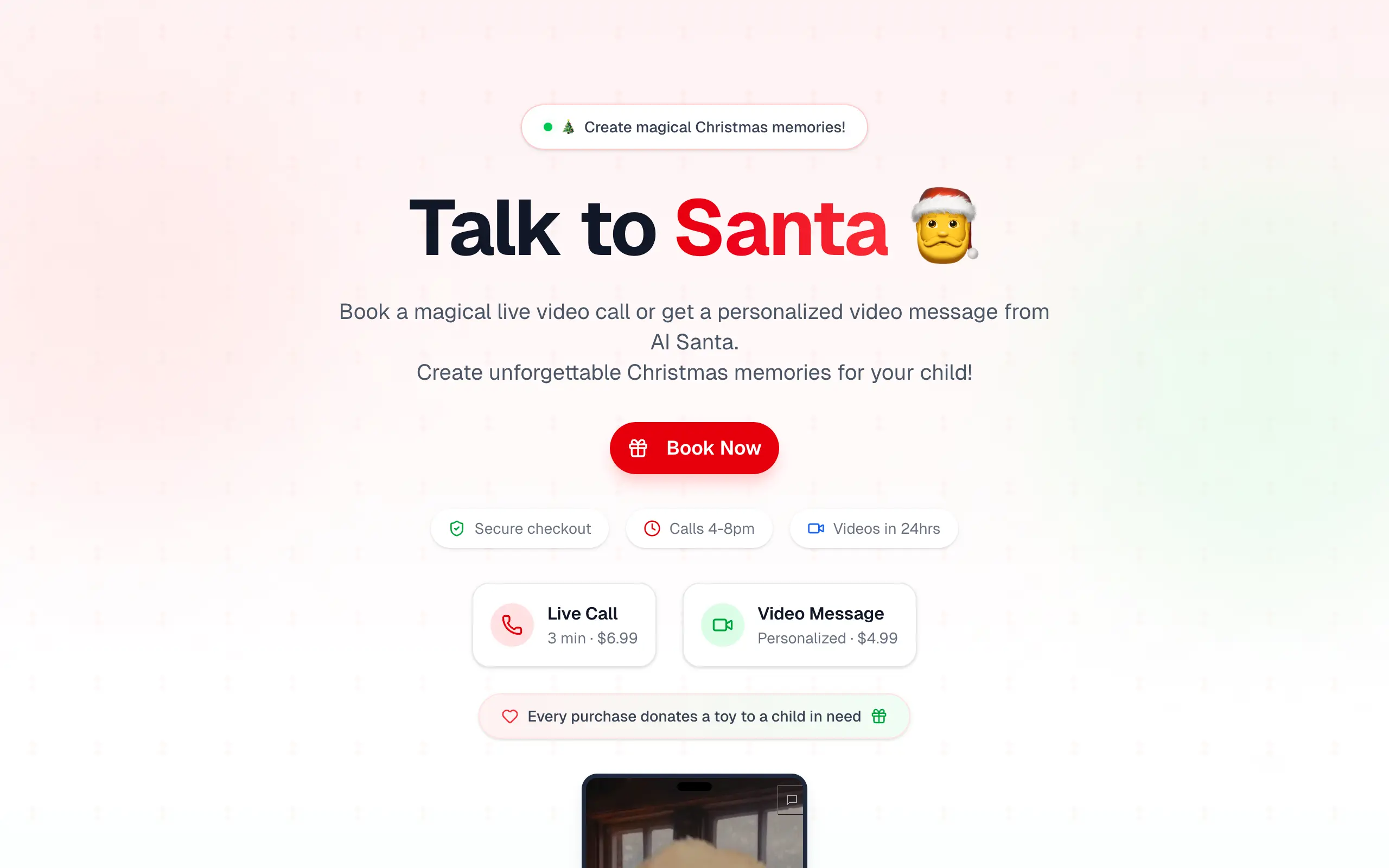
Talk to Santa
Enjoy a magical live video chat or receive a unique AI-generated video greeting from Santa Claus 🎅
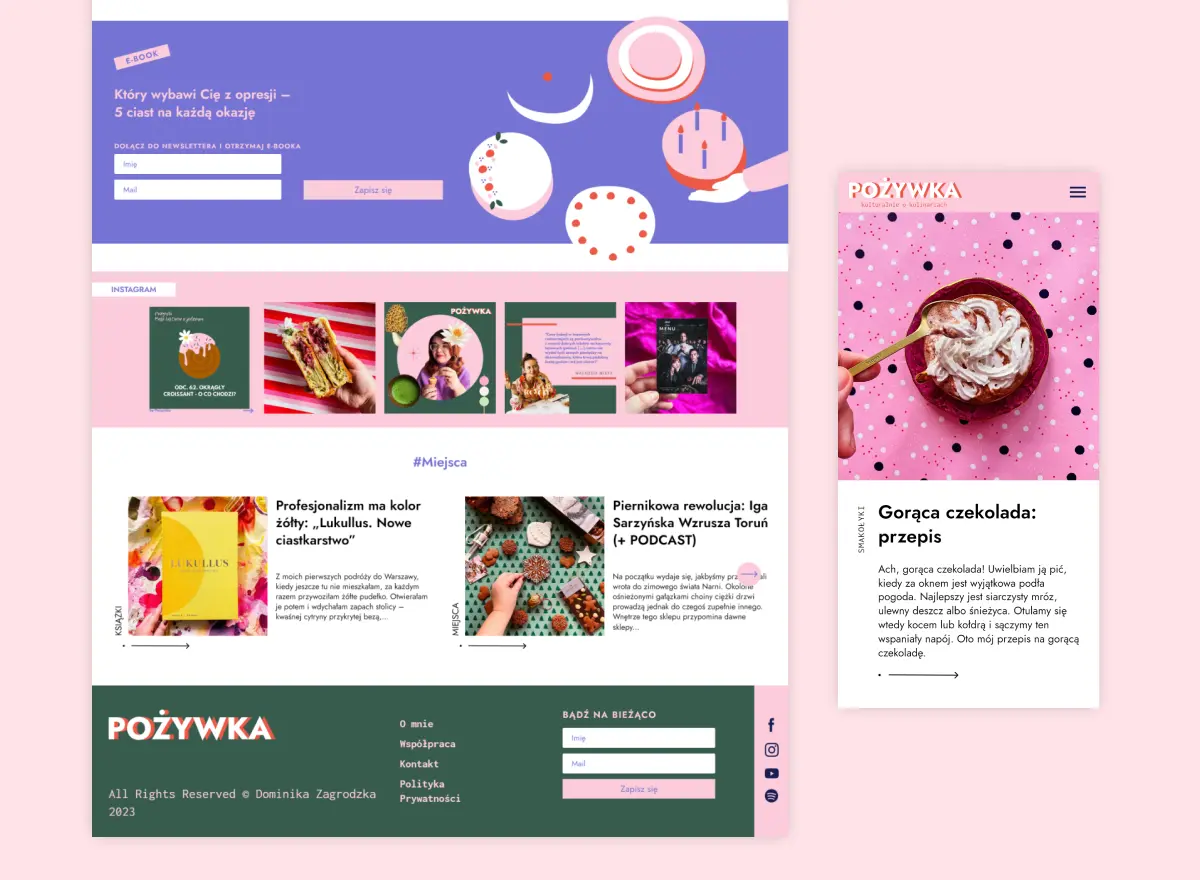
pozywka.pl
Scalable blog for food journalist, focused on performance and user experience 🌭
zagrodzki.me
Personal blog and portfolio of Bart Zagrodzki, where he shares his knowledge and work 💼
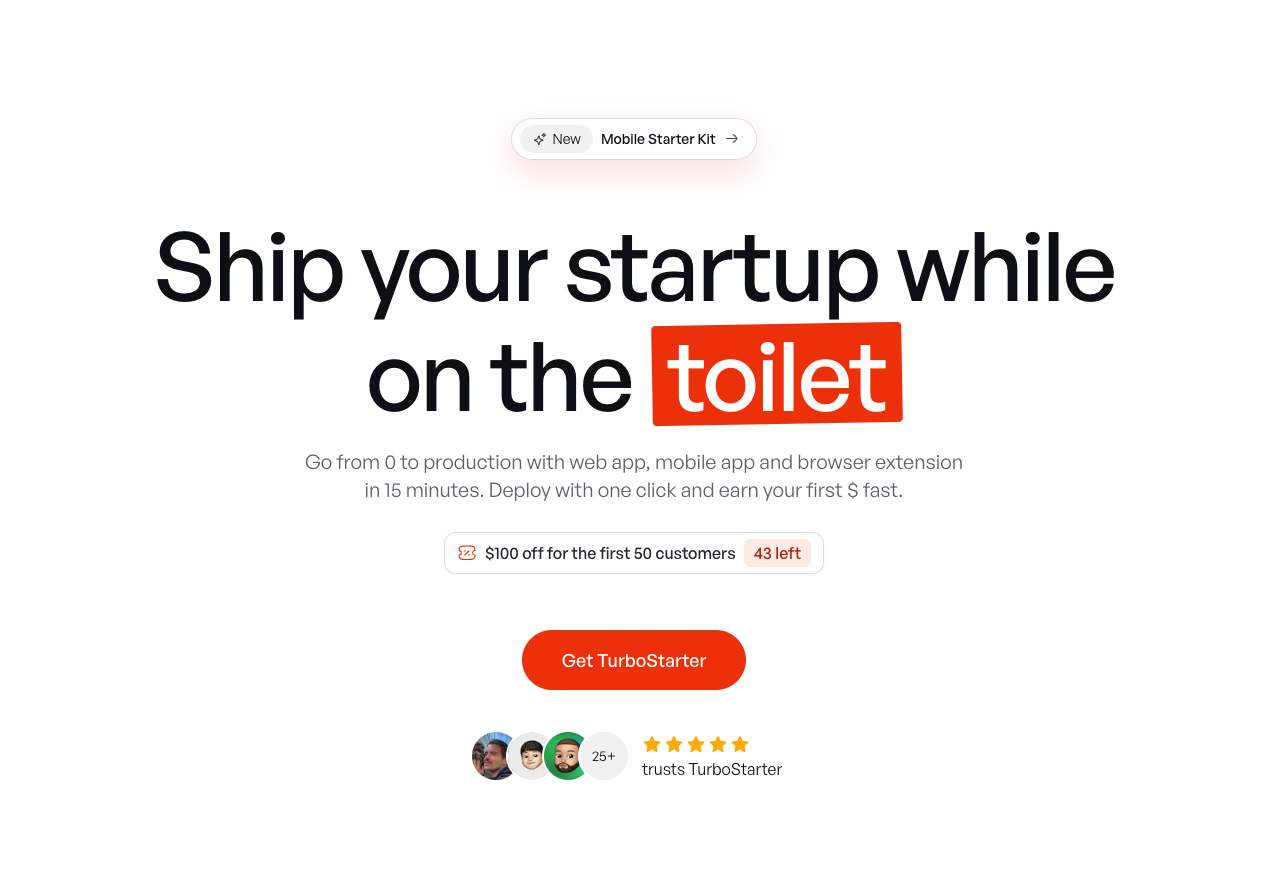
TurboStarter
Ship your startup everywhere. In minutes.
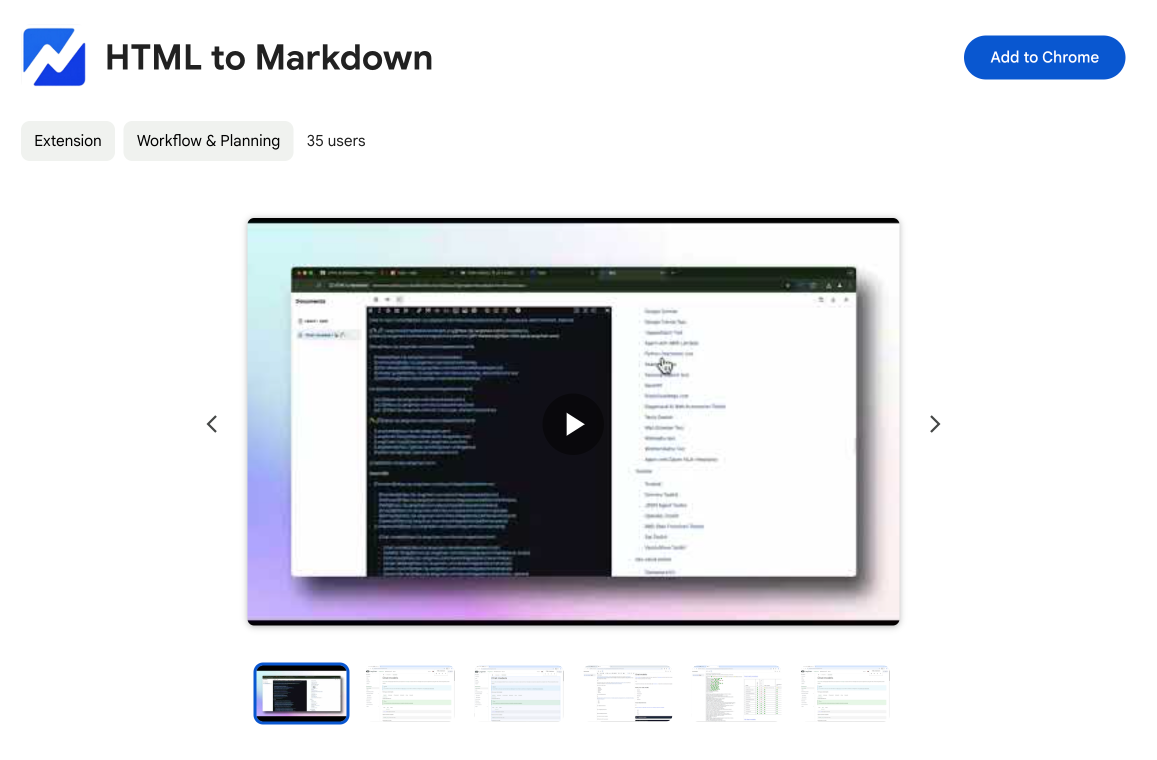
HTML to Markdown
Convert HTML to Markdown with ease, directly in your browser 📄
Dotallio
Personalized AI apps that automate research, data extraction, and content creation without code 🤖
Talk to Santa
Enjoy a magical live video chat or receive a unique AI-generated video greeting from Santa Claus 🎅
pozywka.pl
Scalable blog for food journalist, focused on performance and user experience 🌭
zagrodzki.me
Personal blog and portfolio of Bart Zagrodzki, where he shares his knowledge and work 💼
TurboStarter
Ship your startup everywhere. In minutes.
HTML to Markdown
Convert HTML to Markdown with ease, directly in your browser 📄
Dotallio
Personalized AI apps that automate research, data extraction, and content creation without code 🤖
Talk to Santa
Enjoy a magical live video chat or receive a unique AI-generated video greeting from Santa Claus 🎅
pozywka.pl
Scalable blog for food journalist, focused on performance and user experience 🌭
zagrodzki.me
Personal blog and portfolio of Bart Zagrodzki, where he shares his knowledge and work 💼
TurboStarter
Ship your startup everywhere. In minutes.
HTML to Markdown
Convert HTML to Markdown with ease, directly in your browser 📄
Dotallio
Personalized AI apps that automate research, data extraction, and content creation without code 🤖
Talk to Santa
Enjoy a magical live video chat or receive a unique AI-generated video greeting from Santa Claus 🎅
pozywka.pl
Scalable blog for food journalist, focused on performance and user experience 🌭
zagrodzki.me
Personal blog and portfolio of Bart Zagrodzki, where he shares his knowledge and work 💼
TurboStarter
Ship your startup everywhere. In minutes.
HTML to Markdown
Convert HTML to Markdown with ease, directly in your browser 📄
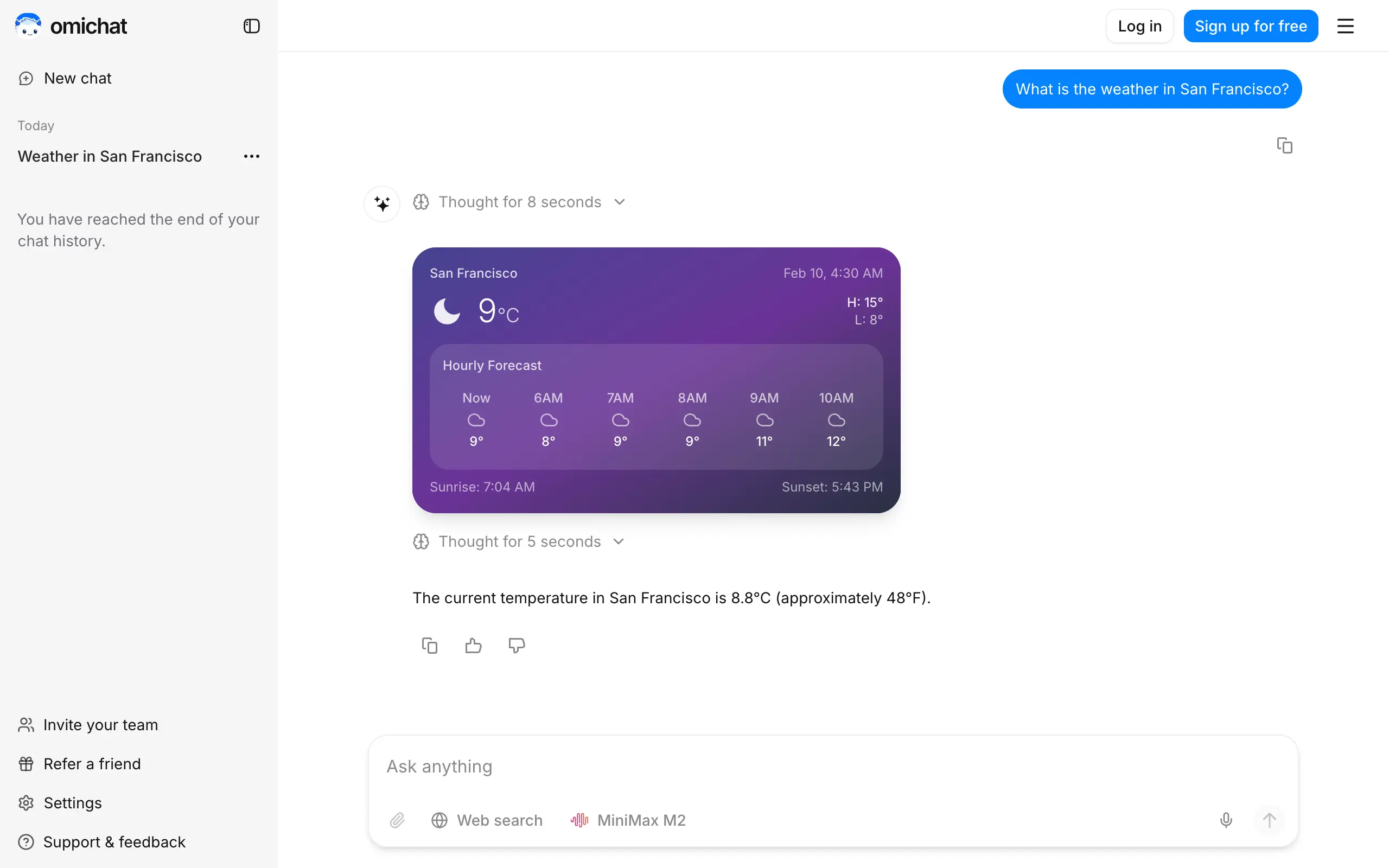
Omichat
Chat with 50+ AI models, including ChatGPT and Claude, in one place - switch models anytime without losing context 🤖
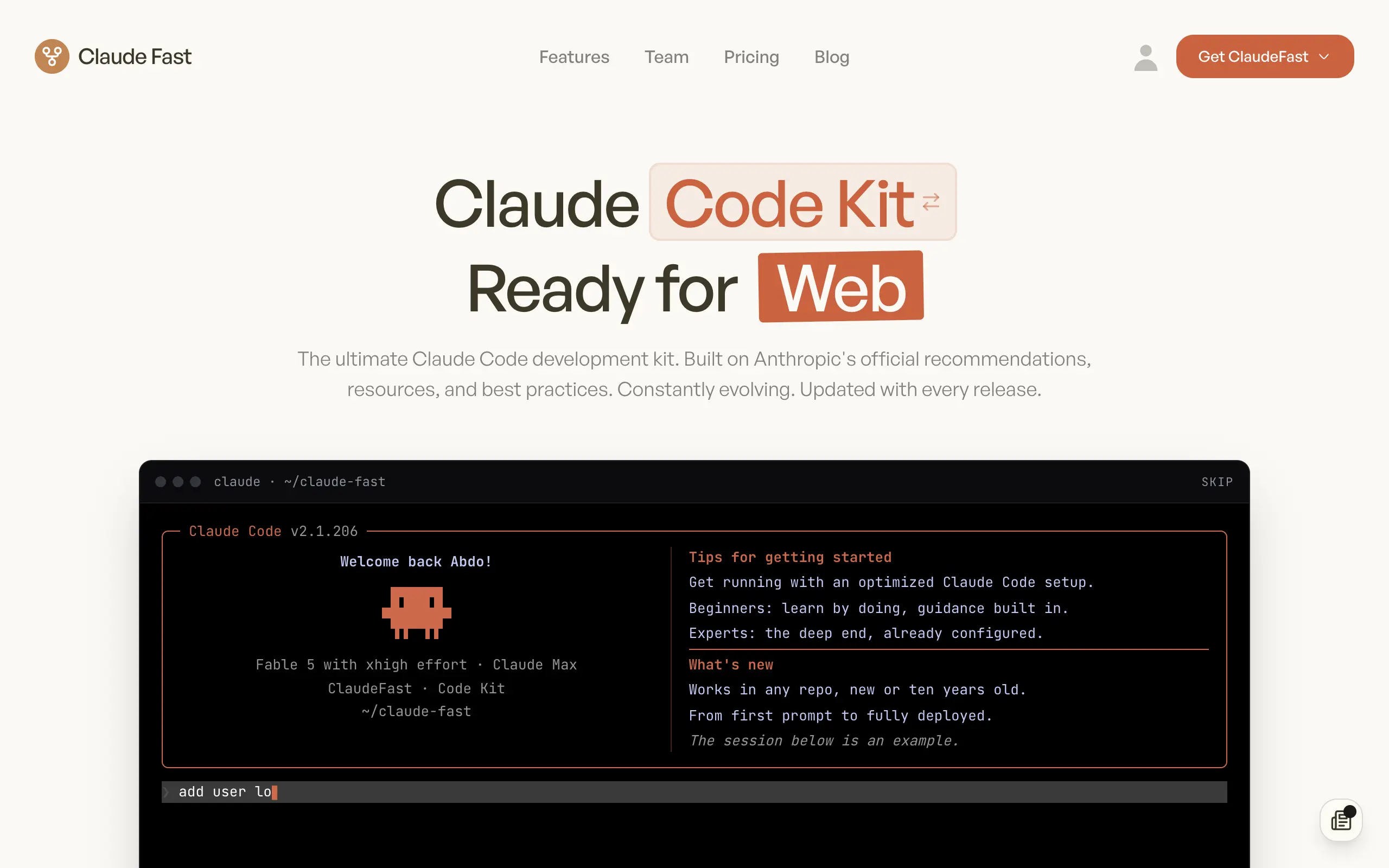
Claude Fast
Supercharge your Claude Code with 6x effective context window and specialized AI agents 🤖
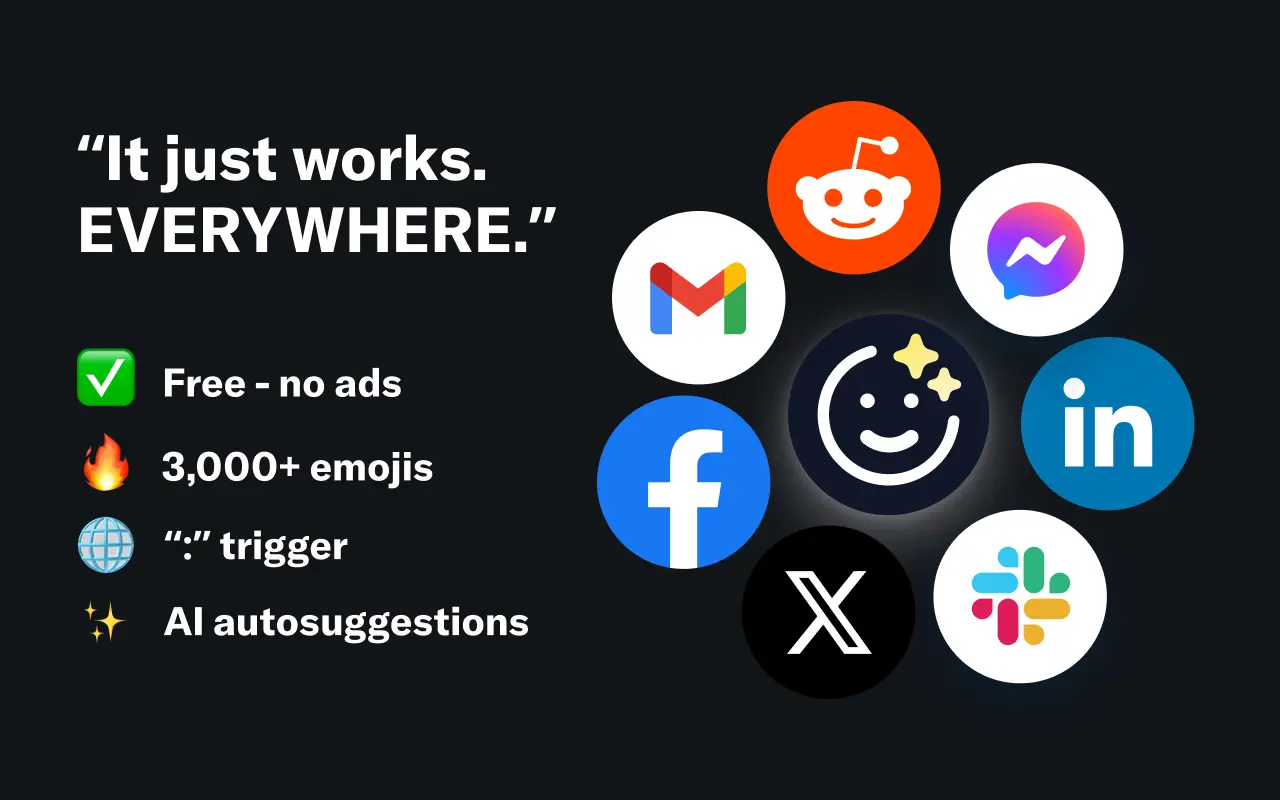
EmojAI
AI-powered emoji picker with smart, context-aware suggestions 🤖
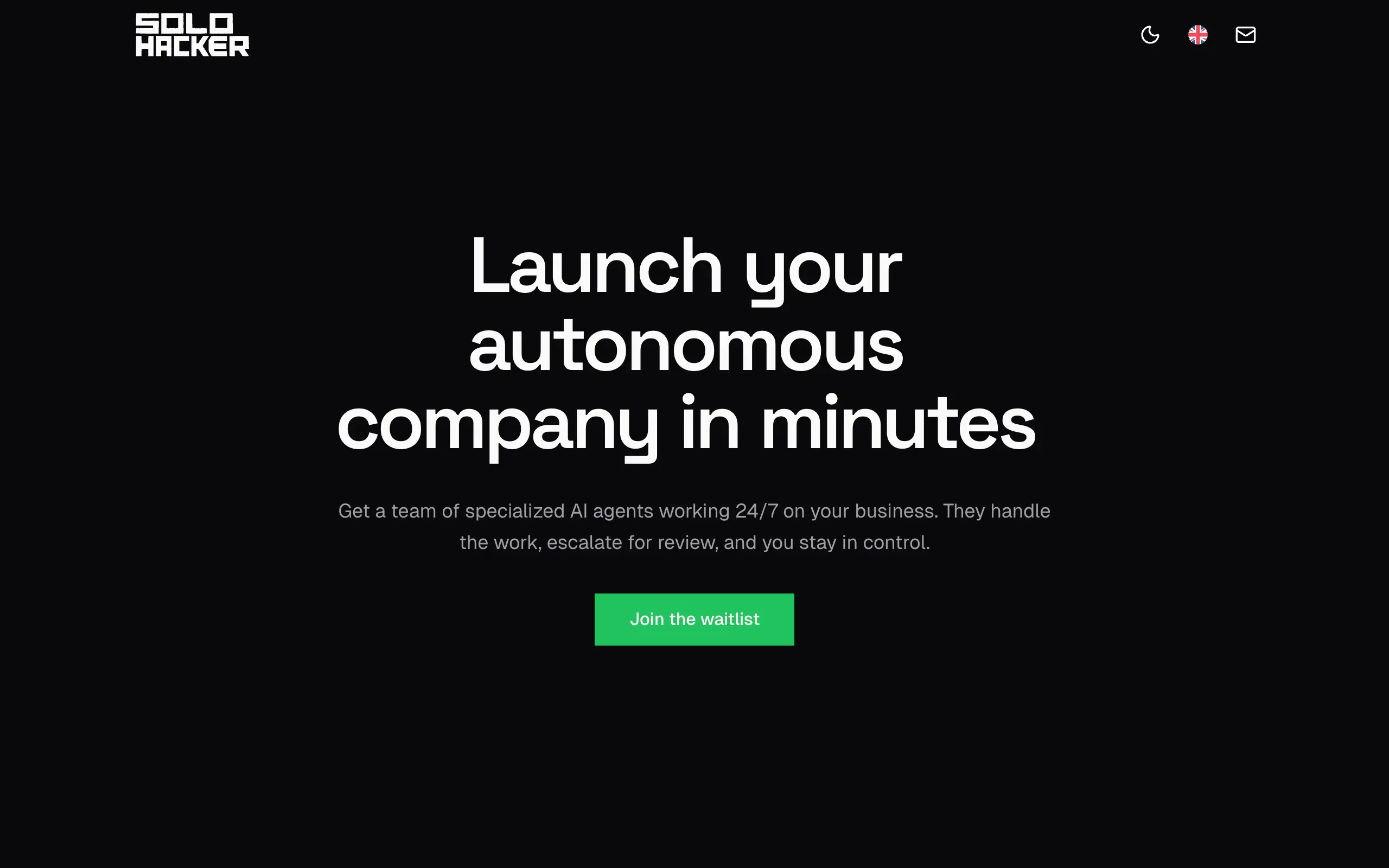
Solohacker
Autonomous company launcher - AI agents work 24/7, escalate what matters, and you stay in control 🤖
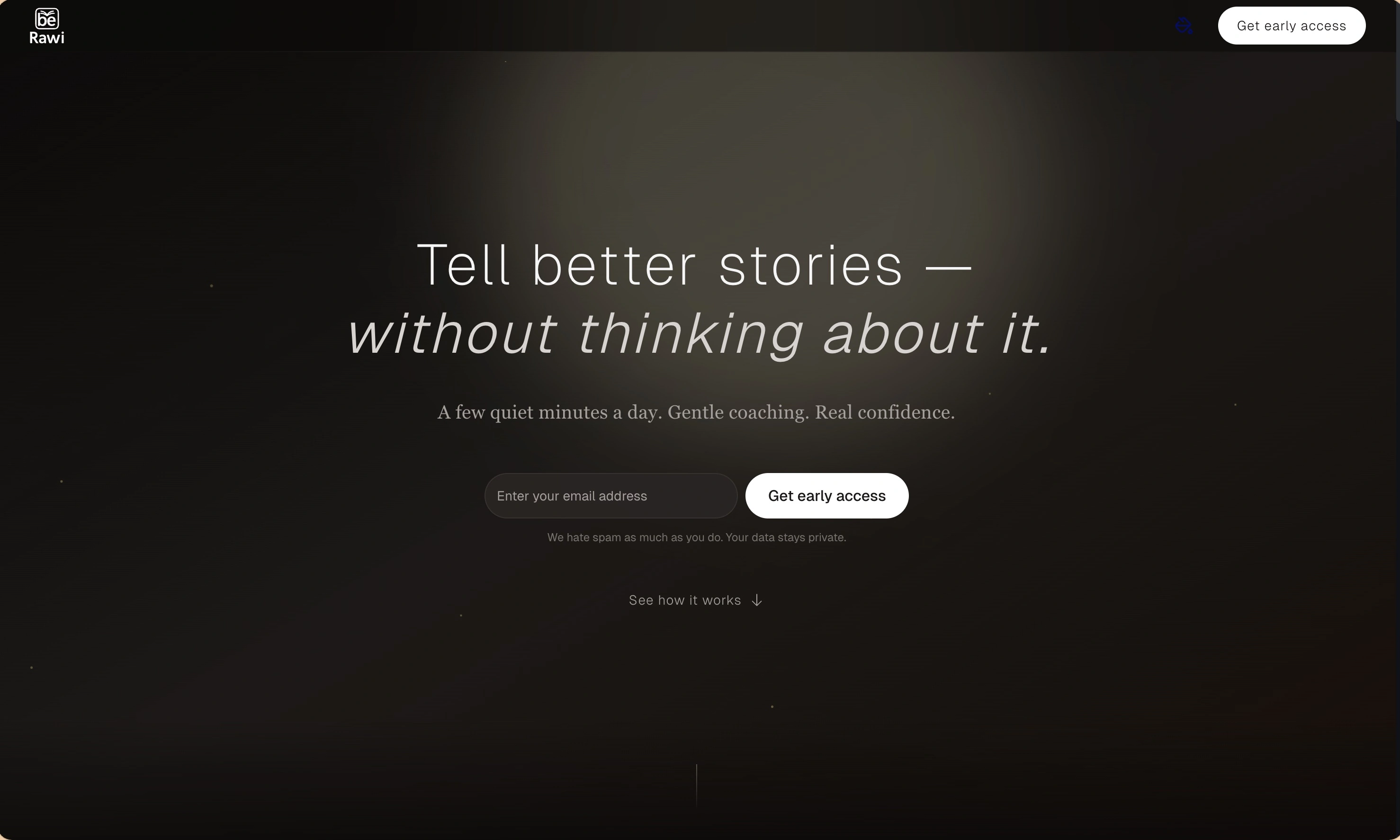
BeRawi: Storytelling Coach
Practice storytelling daily with instant feedback to sound clearer, more engaging, and confident 🎤
Omichat
Chat with 50+ AI models, including ChatGPT and Claude, in one place - switch models anytime without losing context 🤖
Claude Fast
Supercharge your Claude Code with 6x effective context window and specialized AI agents 🤖
EmojAI
AI-powered emoji picker with smart, context-aware suggestions 🤖
Solohacker
Autonomous company launcher - AI agents work 24/7, escalate what matters, and you stay in control 🤖
BeRawi: Storytelling Coach
Practice storytelling daily with instant feedback to sound clearer, more engaging, and confident 🎤
Omichat
Chat with 50+ AI models, including ChatGPT and Claude, in one place - switch models anytime without losing context 🤖
Claude Fast
Supercharge your Claude Code with 6x effective context window and specialized AI agents 🤖
EmojAI
AI-powered emoji picker with smart, context-aware suggestions 🤖
Solohacker
Autonomous company launcher - AI agents work 24/7, escalate what matters, and you stay in control 🤖
BeRawi: Storytelling Coach
Practice storytelling daily with instant feedback to sound clearer, more engaging, and confident 🎤
Omichat
Chat with 50+ AI models, including ChatGPT and Claude, in one place - switch models anytime without losing context 🤖
Claude Fast
Supercharge your Claude Code with 6x effective context window and specialized AI agents 🤖
EmojAI
AI-powered emoji picker with smart, context-aware suggestions 🤖
Solohacker
Autonomous company launcher - AI agents work 24/7, escalate what matters, and you stay in control 🤖
BeRawi: Storytelling Coach
Practice storytelling daily with instant feedback to sound clearer, more engaging, and confident 🎤

Connect with like-minded people
Join our community to get feedback, support, and grow together with 1,000+ builders on board, let's ship it!
Join usShip your startup everywhere. In minutes.
Don't burn tokens on setup and start building features on day one.