BriefGarden
Capture scattered brand thinking and grow it into approved briefs, messaging angles, and campaign plans with an auditable idea trail.
Why creative brief management software is becoming essential for brand teams
Marketing teams rarely struggle because they lack ideas. They struggle because valuable thinking is distributed across Slack threads, meeting notes, voice memos, presentation comments, customer interviews, and half-finished documents.
A strategist may identify the audience tension in a workshop. A creative director may articulate a strong campaign thought during review. A product marketer may share the strongest proof point in an internal message. Weeks later, the team is trying to assemble a creative brief and cannot distinguish approved direction from informal discussion.
That is the operational problem behind creative brief management software.
BriefGarden is a B2B SaaS concept designed to capture fragmented brand thinking and turn it into approved creative briefs, messaging angles, and campaign plans. Its defining value is an auditable idea trail: every important decision can be traced back to its source, contributors, revisions, and approval status.
This is more than a better document editor. It is a structured system for moving from raw input to aligned marketing execution without losing the reasoning that makes a campaign credible.
For marketing leaders, brand managers, creative agencies, product marketing teams, and in-house studios, BriefGarden addresses a high-cost workflow gap. It brings clarity to the fuzzy middle between “we had a good conversation” and “the team has a signed-off brief they can execute.”
The core opportunity
The strongest creative brief software does not just standardize templates. It preserves context, records decisions, and helps teams turn ambiguous ideas into usable campaign direction.
The problem with modern creative briefing workflows
Most companies already have documents, project management tools, and communication platforms. Yet briefs still arrive incomplete, inconsistent, or too late.
The issue is not a lack of tools. It is a lack of a dedicated workflow for shaping strategic thinking into an approved marketing artifact.
A typical campaign planning process looks something like this:
- A stakeholder raises a request in a chat channel.
- Marketing collects background information in meetings.
- Strategy develops early angles in a slide deck or whiteboard.
- Copywriters, designers, and channel owners add feedback in separate tools.
- A project manager attempts to turn all of that into a brief.
- Leadership gives approval verbally or through scattered comments.
- The creative team starts work while still asking basic strategic questions.
The result is rework, delayed launches, inconsistent messaging, and a frustrating lack of accountability.
Where brief creation breaks down
The biggest failure points are predictable.
- "Lost context" happens when valuable customer insight and stakeholder rationale stay in chats, recordings, or personal notes.
- "Version confusion" happens when several brief files circulate with no reliable source of truth.
- "Unclear ownership" happens when no one knows who must provide input, make the decision, or approve the final direction.
- "Weak approvals" happen when a casual “looks good” comment is mistaken for formal sign-off.
- "Creative rework" happens when writers and designers receive requests without a clear audience, promise, proof, tone, or constraint.
- "Strategic amnesia" happens when future teams cannot understand why a previous positioning decision was made.
A modern creative operations platform must solve these issues without making strategy feel bureaucratic.
What BriefGarden should be
BriefGarden should be positioned as creative brief management software for teams that need to convert scattered brand inputs into approved, traceable campaign direction.
The product metaphor is useful. A garden is not a filing cabinet. Ideas need capture, care, pruning, structure, and the right environment to grow. BriefGarden can make that process visible.
Instead of treating briefs as static documents, the product treats them as living decision systems with a clear lifecycle:
Capture raw ideas, research notes, stakeholder requests, links, and observations from the places where brand thinking naturally occurs.
Organize contributions around a campaign, product launch, audience segment, or strategic initiative.
Shape inputs into structured messaging angles, audience insights, value propositions, and creative territories.
Convert the strongest direction into a standardized creative brief and campaign plan.
Route the brief through role-based review, formal approval, and an auditable decision history.
Use the final approved brief as the source of truth for creative production, channel planning, and post-campaign learning.
The product should feel lighter than enterprise work management software while being more rigorous than a shared document folder.
Target audience for creative brief management software
BriefGarden should not initially try to serve every team that creates marketing content. The first version needs a sharply defined ideal customer profile.
Primary audience: in-house brand and marketing teams
The highest-potential early buyers are mid-market and growing enterprise marketing organizations with enough complexity to feel briefing pain, but not enough process maturity to justify an expensive custom system.
These teams often include:
- Brand managers coordinating campaigns across multiple channels
- Product marketers translating product strategy into launch messaging
- Content marketing leads managing editorial and campaign workflows
- Creative operations managers responsible for process consistency
- In-house creative teams receiving requests from many stakeholders
- Marketing leaders who need visibility into campaign decisions and approvals
A company with 20 to 200 marketing and creative contributors is an especially compelling segment. At that scale, informal workflows stop being reliable, while heavyweight digital asset management or work management platforms may be too broad to solve the briefing problem well.
Secondary audience: creative and brand agencies
Agencies have a related but distinct need. They must collect client feedback, document approvals, protect strategic rationale, and prevent scope drift.
For agencies, BriefGarden can become a client-facing strategic workspace that creates a transparent trail from discovery inputs to approved campaign briefs. This supports better client trust and reduces disputes about what was approved.
An agency-oriented package could include:
- Client portals with controlled access
- Branded brief templates
- Approval records by client stakeholder
- Comment resolution tracking
- Exportable strategy summaries
- Workspace separation by client account
Tertiary audience: distributed product and growth teams
Product-led SaaS companies often create campaigns at the intersection of product, growth, sales, customer success, and brand. Their challenge is ensuring launch messages reflect both customer reality and product truth.
BriefGarden can support these teams by tying a campaign brief to:
- Customer research evidence
- Product capabilities and constraints
- Sales objections
- Competitive positioning
- Channel-specific execution plans
- Post-launch learnings
In-house marketing teams
Create consistent campaign briefs, reduce creative rework, and keep approvals visible across stakeholders.
Creative agencies
Capture client input, formalize sign-off, and protect the strategic logic behind deliverables.
Product marketing teams
Turn product knowledge, customer insight, and launch requirements into a single approved narrative.
The market gap: documents and project tools do not preserve strategic reasoning
BriefGarden sits at the intersection of creative operations, marketing resource management, brand management, collaboration software, and AI-assisted content planning.
However, there is still a clear category gap.
Most existing tools solve one piece of the workflow:
| Tool category | What it does well | Where it falls short | BriefGarden opportunity | Primary buyer |
|---|---|---|---|---|
| Documents | Flexible drafting | Weak structure and fragmented approvals | Template-driven briefs with decision history | Marketing manager |
| Project management | Tasks, dates, and delivery tracking | Limited space for strategic thinking | Connect campaign rationale to execution | Creative operations lead |
| Whiteboards | Early ideation and workshops | Hard to turn workshops into approved plans | Move ideas from exploration to sign-off | Strategist |
| Digital asset management | Asset storage and governance | Focuses on finished assets, not decisions | Capture the thinking before production | Brand leader |
| Chat platforms | Fast communication | Context disappears quickly | Promote important discussion into durable records | Cross-functional team |
The differentiated position is not “another place to write a brief.” It is a brief-to-campaign operating layer that creates strategic traceability.
That matters in an environment where marketing teams are expected to move faster while maintaining stronger brand consistency. As AI increases content output, the quality of the underlying strategic input becomes more valuable. Teams can generate many variations of copy, but they still need alignment on the audience, promise, evidence, and boundaries.
For market sizing, a launch plan should reference credible analyst research from sources such as Gartner, Forrester, or Capterra where licensing permits. Avoid relying on unsupported market-size claims in sales materials. Instead, lead with observable operational pain such as approval delays, rework cycles, and time spent locating campaign context.
BriefGarden’s unique selling proposition
BriefGarden’s USP should be straightforward:
BriefGarden turns scattered brand thinking into approved campaign briefs with a complete, searchable idea trail.
This positioning emphasizes three benefits competitors often separate:
-
Capture
Teams can save ideas and evidence when they arise rather than reconstructing them later. -
Cultivate
Contributors can develop raw thoughts into audience insight, messaging angles, and campaign recommendations. -
Certify
Teams can approve a specific version of strategic direction and retain a clear record of who decided what.
The auditable trail is the key differentiator. A normal collaborative document shows edits. BriefGarden should show strategic lineage.
For example, a campaign claim should be able to answer:
- Where did this customer insight originate?
- Which research source supports this message?
- Who proposed the angle?
- What objections were raised?
- Which version was approved?
- Which stakeholder signed off?
- Which campaign assets were created from the approved brief?
- What did the team learn after launch?
This makes BriefGarden valuable not only during campaign creation, but also during retrospectives, onboarding, compliance reviews, agency handoffs, and future planning.
Core product features for BriefGarden
The initial product should focus on the workflow that creates the most value: capture to approval. Resist the urge to become a complete project management suite in the first release.
Idea capture inbox
The idea capture inbox is where scattered thinking enters the system.
Users should be able to add:
- Quick notes and observations
- Links to research, calls, and existing documents
- Customer quotes
- Competitive examples
- Screenshots and uploaded files
- Voice-note transcripts when transcription is available
- Campaign requests from internal stakeholders
- Tagged feedback from reviewers
Every input needs basic metadata such as author, date, source, topic, confidence level, and associated initiative.
A useful distinction is between an idea and an evidence item. Ideas are hypotheses or creative directions. Evidence items support, challenge, or contextualize those ideas.
Structured brief builder
The brief builder should provide flexible templates rather than an empty page.
A core campaign brief template may include:
- Business objective
- Campaign objective
- Target audience
- Audience tension or insight
- Core message
- Value proposition
- Reasons to believe
- Desired audience action
- Tone and brand guardrails
- Required deliverables
- Mandatory inclusions
- Risks and exclusions
- Measurement plan
- Approvers
The interface should allow teams to attach idea cards and evidence directly to individual brief sections. This transforms a brief from a static summary into a navigable strategy record.
Messaging angle workspace
A campaign rarely starts with one perfect message. Teams need a safe space to compare several directions before committing.
BriefGarden should let users create messaging angles with fields such as:
- Angle name
- Audience relevance
- Strategic rationale
- Supporting evidence
- Example headline
- Potential objections
- Brand fit score
- Channel suitability
- Approval status
A side-by-side comparison view would be especially valuable for review meetings. Stakeholders should be able to see not just the proposed words, but the logic behind each route.
Approval workflows and decision log
Approval needs to be explicit, role-aware, and version-specific.
The system should support:
- Draft, in review, changes requested, approved, and archived states
- Required approvers by template or campaign type
- Comment threads attached to specific sections
- Resolution status for feedback
- Approval deadlines and reminders
- Snapshotting of approved versions
- Immutable timestamps for formal decisions
- Exportable approval records
Avoid performative approval
A simple reaction or informal comment should not silently change campaign status. Require an explicit approval action tied to a named version of the brief.
Campaign plan generation
Once a brief reaches approval, users should be able to generate a campaign plan that translates strategy into execution.
The plan can include:
- Channel recommendations
- Audience segments by channel
- Key message hierarchy
- Required assets
- Owner assignments
- Milestones
- Launch dependencies
- Measurement criteria
- Links to external work items
This is an ideal point for integrations with project management tools. BriefGarden should remain the source of truth for the strategy while execution tasks can live in the team’s existing workflow platform.
Searchable knowledge base
Over time, the product becomes more valuable as a repository of approved strategic decisions.
Search should support filters for:
- Brand or business unit
- Campaign type
- Audience segment
- Product line
- Market or region
- Approval status
- Date range
- Contributor
- Message theme
- Channel
- Performance outcome
A future AI search feature could answer questions such as “show approved campaigns targeting procurement leaders with a risk-reduction message” while linking users to the original source material.
How AI should support, not replace, strategic judgment
AI is a relevant feature area for creative brief software, but it must be implemented carefully.
The best use of AI in BriefGarden is not autonomous campaign strategy. It is reducing the administrative work that prevents humans from doing better strategic thinking.
Useful AI-assisted capabilities include:
AI can summarize long meeting notes, extract decisions from transcripts, suggest tags, and identify potential evidence items from uploaded research.
AI can turn grouped notes into draft audience insights, summarize recurring themes, and propose alternative messaging angles grounded in selected source material.
AI can flag missing brief sections, identify unsupported claims, detect conflicting audience definitions, and check whether a draft meets brand brief requirements.
The essential design principle is source-grounded generation. Every AI-generated suggestion should display the ideas, notes, or research items it used. Users need the ability to inspect, edit, accept, or reject outputs.
AI features should never imply that generated messaging is validated customer truth. A language model can help structure and explore ideas, but it cannot replace research, business judgment, legal review, or brand leadership.
For enterprise adoption, BriefGarden should also offer clear controls around data retention, model providers, workspace isolation, and permission-aware retrieval.
Recommended tech stack for building BriefGarden
A successful first version should prioritize fast iteration, strong multi-tenant security, collaborative editing, and reliable audit logging.
A TypeScript-first stack is a practical choice because it reduces context switching across the product.
Frontend and application framework
Use Next.js with React and TypeScript.
Next.js works well for a SaaS application because it supports server-rendered pages, route handlers, authentication patterns, and a mature deployment ecosystem. React remains a strong fit for the interactive interfaces BriefGarden needs, including document editing, board views, comments, filters, and approval flows.
For design systems and responsive styling, Tailwind CSS offers speed and consistency. Pair it with accessible component primitives from a well-maintained library if the team needs to move quickly.
Database and data model
PostgreSQL is the recommended primary database.
The product’s core data is relational:
- Organizations and workspaces
- Users and memberships
- Campaigns and briefs
- Brief templates and sections
- Ideas and evidence items
- Comments and mentions
- Approvals and version snapshots
- Permissions and audit events
PostgreSQL is well suited to these requirements. Its JSONB support can also help with flexible template fields, although critical reporting data should remain normalized where possible.
Use an ORM such as Prisma if it improves team velocity and type safety. The trade-off is that complex reporting and performance-sensitive queries may eventually require carefully written SQL.
Authentication and authorization
For a B2B SaaS product, authorization is not an afterthought.
BriefGarden needs roles such as:
- Workspace administrator
- Brand owner
- Brief author
- Contributor
- Reviewer
- Approver
- Read-only guest
- Agency or client collaborator
Use a trusted authentication provider such as Clerk or Auth0 depending on requirements. Larger customers may require SAML single sign-on and SCIM provisioning, so the architecture should leave room for enterprise identity features.
Authorization should be enforced on the server, not only hidden in the interface. Every read, comment, edit, export, approval, and AI retrieval action must respect workspace and project permissions.
Collaboration and real-time updates
For an early MVP, near-real-time updates may be sufficient for comments, status changes, and notifications. You do not need full multiplayer document editing on day one.
If real-time collaboration becomes a core differentiator, Yjs is a strong option for conflict-free collaborative editing. The trade-off is increased implementation complexity, especially around document history, access control, and editor integration.
Start with reliable section-level editing and versioning. Introduce live cursors and simultaneous editing only after validating that customers truly need them.
Background jobs, search, and storage
Use background jobs for notifications, document exports, AI processing, and integration syncs. A managed queue or workflow service can reduce operational overhead.
For file storage, use an object storage provider compatible with secure, private uploads. Ensure uploaded research and attachments are scanned, access-controlled, and included in retention policies.
For search, begin with PostgreSQL full-text search and structured filters. Move to a dedicated search engine only when relevance, scale, or semantic search requirements justify the added complexity.
Billing and SaaS infrastructure
Stripe is a practical billing choice for subscriptions, invoicing, metered usage, and customer self-service billing portals.
For teams building quickly, TurboStarter can accelerate the SaaS foundation with production-ready patterns for authentication, payments, teams, and application structure. The strategic advantage is spending more of the engineering budget on BriefGarden’s differentiated workflow instead of rebuilding commodity SaaS infrastructure.
A practical BriefGarden data model
A clean domain model helps preserve the idea trail that makes the product distinctive.
type BriefStatus =
  | "draft"
  | "in_review"
  | "changes_requested"
  | "approved"
  | "archived";

type Idea = {
  id: string;
  workspaceId: string;
  campaignId?: string;
  title: string;
  body: string;
  sourceType: "note" | "research" | "meeting" | "customer_quote" | "feedback";
  createdBy: string;
  createdAt: Date;
  tags: string[];
};

type BriefVersion = {
  id: string;
  briefId: string;
  versionNumber: number;
  status: BriefStatus;
  content: Record<string, unknown>;
  createdBy: string;
  createdAt: Date;
  approvedAt?: Date;
};

type DecisionEvent = {
  id: string;
  campaignId: string;
  entityType: "idea" | "angle" | "brief" | "approval";
  entityId: string;
  action: string;
  actorId: string;
  occurredAt: Date;
  metadata: Record<string, unknown>;
};
The important architectural principle is that an approved brief should be represented as a durable version snapshot, not merely as the latest state of an editable record.
Monetization strategy for BriefGarden
A seat-based SaaS model is the most natural starting point, but the pricing structure should align with how marketing teams collaborate.
Recommended pricing model
Offer a free trial rather than a permanently broad free tier. The product’s value is easier to demonstrate with a real campaign than with a limited sandbox.
Potential plans include:
- "Starter" for small marketing teams needing templates, briefs, and basic approvals
- "Team" for cross-functional teams needing unlimited campaigns, integrations, advanced templates, and reporting
- "Business" for larger organizations needing advanced permissions, custom workflow rules, analytics, and priority support
- "Enterprise" for SSO, SCIM, audit exports, custom retention controls, implementation support, and contractual security requirements
A hybrid pricing model can work well:
- Base workspace fee
- Included contributor seats
- Per-seat pricing for full editors and approvers
- Lower-cost guest or client collaborator access
- Usage-based AI credits for transcription, synthesis, or semantic search
Avoid charging for every read-only stakeholder too early. Broad visibility often helps adoption inside large organizations.
Expansion revenue opportunities
Once the core workflow is established, BriefGarden can add higher-value modules:
- Brand governance and compliance review
- Agency-client collaboration portals
- Campaign performance retrospectives
- AI research synthesis
- Template libraries for industries and campaign types
- Advanced analytics for cycle time and approval bottlenecks
- Strategic knowledge base access for non-marketing teams
Competitive advantage and defensibility
BriefGarden will face competition from broad platforms, document tools, and internal processes. Its advantage must come from workflow depth rather than generic feature breadth.
Defensibility through strategic data structure
The more a team uses BriefGarden, the more valuable its history becomes.
The workspace gradually contains:
- Approved audience insights
- Reusable message pillars
- Evidence-backed value propositions
- Brand-specific terminology
- Past campaign decisions
- Stakeholder feedback patterns
- Performance learnings
- Reusable templates
This creates a proprietary strategic knowledge base that is difficult to recreate in a generic document tool.
Defensibility through approval trust
When companies rely on BriefGarden as the source of truth for approved strategy, switching costs increase. The product becomes embedded in governance, not just drafting.
That is especially meaningful for regulated industries, complex brand portfolios, and agency relationships where proof of approval matters.
Defensibility through focused integrations
BriefGarden should integrate with the systems teams already use, but it should avoid becoming dependent on them.
Examples include:
- Slack or Microsoft Teams for notifications and idea capture
- Project management platforms for campaign execution
- Cloud storage for source materials
- Video meeting tools for transcript ingestion
- Digital asset management platforms for approved asset links
- CRM or research repositories for customer evidence
The product wins by connecting these systems around a strategic workflow, not by attempting to replace all of them.
Key risks and mitigation strategies
Every SaaS idea in the collaboration space has execution risks. BriefGarden should address them early.
Mitigate this by making capture and brief creation faster than existing behavior. Integrations, lightweight templates, browser capture, and one-click exports can reduce adoption friction. The product must remove work rather than create an extra reporting layer.
Mitigate this by focusing on capabilities documents do poorly, including structured approvals, decision lineage, reusable evidence, permissions, and portfolio-level reporting. Do not compete only on writing experience.
Mitigate this with source citations inside the product, transparent AI controls, workspace-level opt-in settings, human approval requirements, and clear messaging that AI assists rather than validates strategy.
Mitigate this by building strong tenant isolation, audit logs, role-based access control, data export controls, and a documented security roadmap from the beginning. Enterprise features can be phased, but the underlying architecture should not need a rewrite.
Mitigate this with a disciplined product boundary. BriefGarden owns strategic intake, shaping, briefing, approval, and learning. Existing tools can own granular production tasks and resource scheduling.
Go-to-market strategy for BriefGarden
The initial go-to-market motion should be founder-led and problem-focused.
Start by interviewing marketing leaders, creative operations managers, agency strategists, and product marketers. Ask for recent examples of delayed campaigns, unclear feedback, brief revisions, and approval failures. Request anonymized artifacts where possible.
The goal is not simply to validate that people dislike briefing. Most people do. The goal is to identify a repeatable, expensive problem where the organization has both urgency and budget.
Best early wedge
A compelling wedge is campaign brief approval for high-stakes launches.
These may include:
- Product launches
- Brand refreshes
- Integrated campaigns
- Seasonal promotions
- New market entry campaigns
- Agency-led creative work
- Executive-visible marketing initiatives
High-stakes projects create enough urgency for teams to adopt a dedicated workflow. Once a team trusts BriefGarden for a major campaign, expansion into ongoing campaign planning and brand knowledge management becomes easier.
Content-led demand generation
SEO content should target practical buyer searches, including:
- Creative brief management software
- Marketing brief approval workflow
- Campaign brief template
- How to write a creative brief
- Creative operations software
- Brand approval process
- Marketing campaign planning workflow
- Agency client approval software
- Messaging framework template
Create useful assets around these topics:
- Brief templates for product launches and brand campaigns
- Approval workflow checklists
- Campaign planning scorecards
- Guides to reducing creative rework
- Messaging angle evaluation frameworks
- Creative operations maturity assessments
The content should educate rather than merely promote. Demonstrating real process expertise will strengthen E-E-A-T signals and attract visitors with active workflow pain.
A 90-day implementation roadmap
The first 90 days should focus on proving the core workflow, not building every collaboration feature.
Days 1 to 30: validate the workflow and design the MVP
Interview at least 15 to 25 potential users across in-house teams and agencies. Map their current briefing process in detail.
Build clickable prototypes for:
- Idea capture
- Campaign workspace
- Structured brief creation
- Commenting
- Approval states
- Decision history
The key question is whether users see the idea trail as meaningfully more valuable than a shared document.
Days 31 to 60: build the core product
Develop the smallest usable workflow:
- Workspace and user management
- Campaign creation
- Idea and evidence capture
- Brief templates
- Brief editor
- Comments and mentions
- Approval status changes
- Immutable approved snapshots
- Audit log
- Search and filtering
Pilot with design partners using real campaigns. Prioritize weekly feedback sessions and observe where users leave the product to complete work elsewhere.
Days 61 to 90: strengthen adoption and prepare for paid pilots
Add the features needed to make the product operationally credible:
- Notifications and reminders
- Exportable brief formats
- Basic role-based permissions
- Template duplication
- Campaign dashboard
- Activity feed
- Onboarding guidance
- Initial integration with one widely used collaboration tool
At this stage, measure activation rather than vanity metrics. A strong activation event could be defined as a workspace that captures several ideas, creates a brief, requests feedback, and receives at least one formal approval within its first campaign.
Build the decision trail first
If BriefGarden can reliably connect raw thinking to an approved brief, it has solved its core problem. Advanced AI, rich integrations, and analytics can follow once customers trust the workflow.
Final perspective
BriefGarden has a credible opportunity because it addresses a persistent problem in modern marketing operations: strategic context gets lost before work reaches the creative team.
The product should not position itself as a generic notes app, project board, or AI copy generator. Its strongest identity is as creative brief management software that preserves the path from idea to approval.
That distinction matters.
When teams can see the evidence behind a message, compare possible angles, gather structured feedback, and verify final approval, they produce better work with less rework. They also build a reusable institutional memory instead of starting from zero with every campaign.
The most successful version of BriefGarden will make creative strategy feel less chaotic without making it feel rigid. It will give teams enough structure to move with confidence, enough flexibility to explore strong ideas, and enough accountability to ensure everyone is building from the same approved direction.
More 🏢 B2B Application SaaS ideas
Discover more innovative b2b application SaaS ideas that are trending in 2026. Each idea is AI-generated with market validation and growth potential to help you find your next profitable venture faster than competitors.
Your competitors are building with TurboStarter
Below are some of the SaaS ideas that have been generated and built with our starter kit.
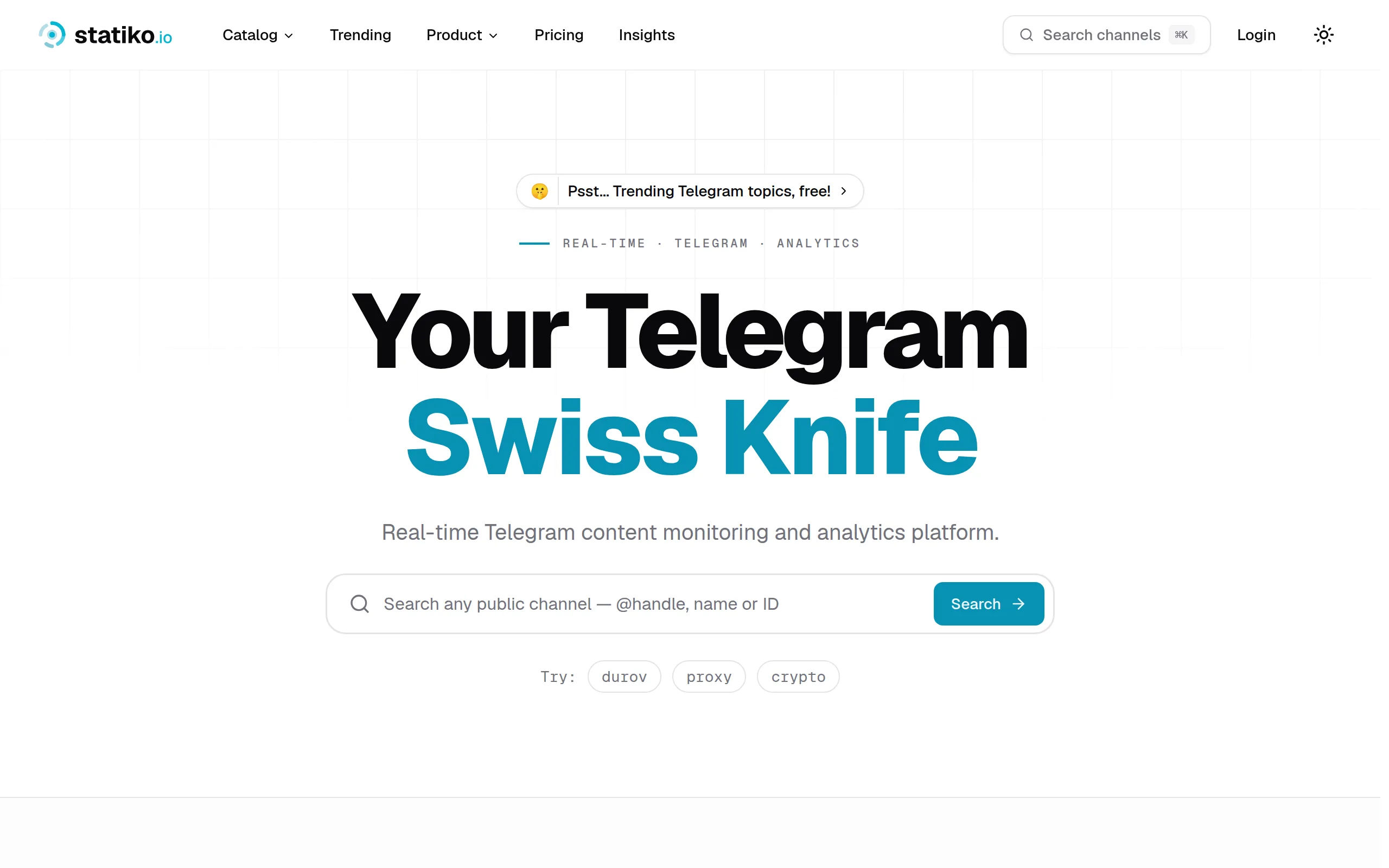
Statiko
Monitor any Telegram channel in real time - track posts, edits, deletions, and growth with AI recaps 📡

Shibui
AI website builder - describe your business, pick a niche template, edit by chatting, and publish instantly ✨

Pro Service
Find verified home service professionals, compare quotes, and pay securely through escrow - built for Brazilians across the US 🏠
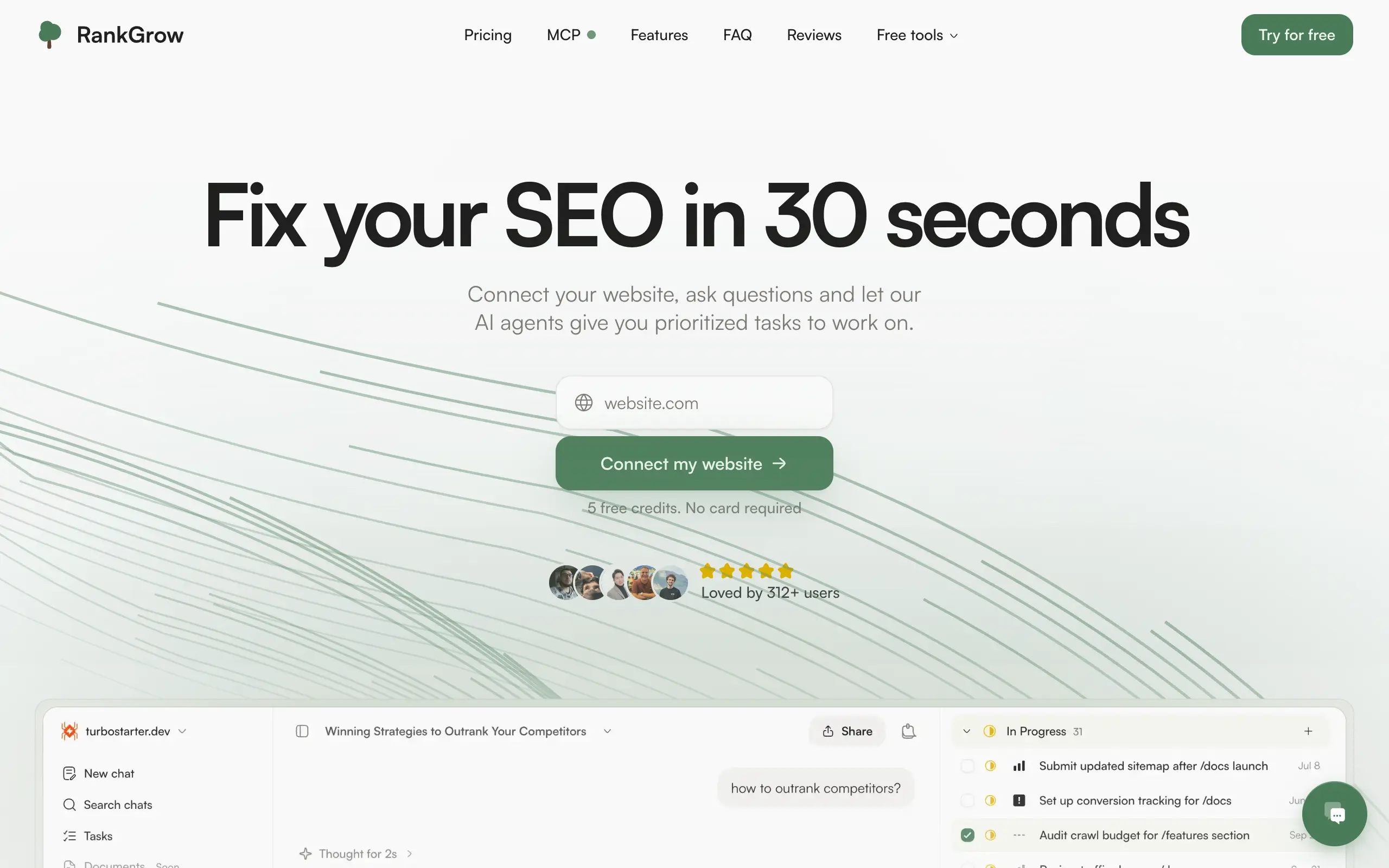
RankGrow
Fix your SEO with AI agents - connect Search Console, get prioritized tasks, and grow organic traffic 📈
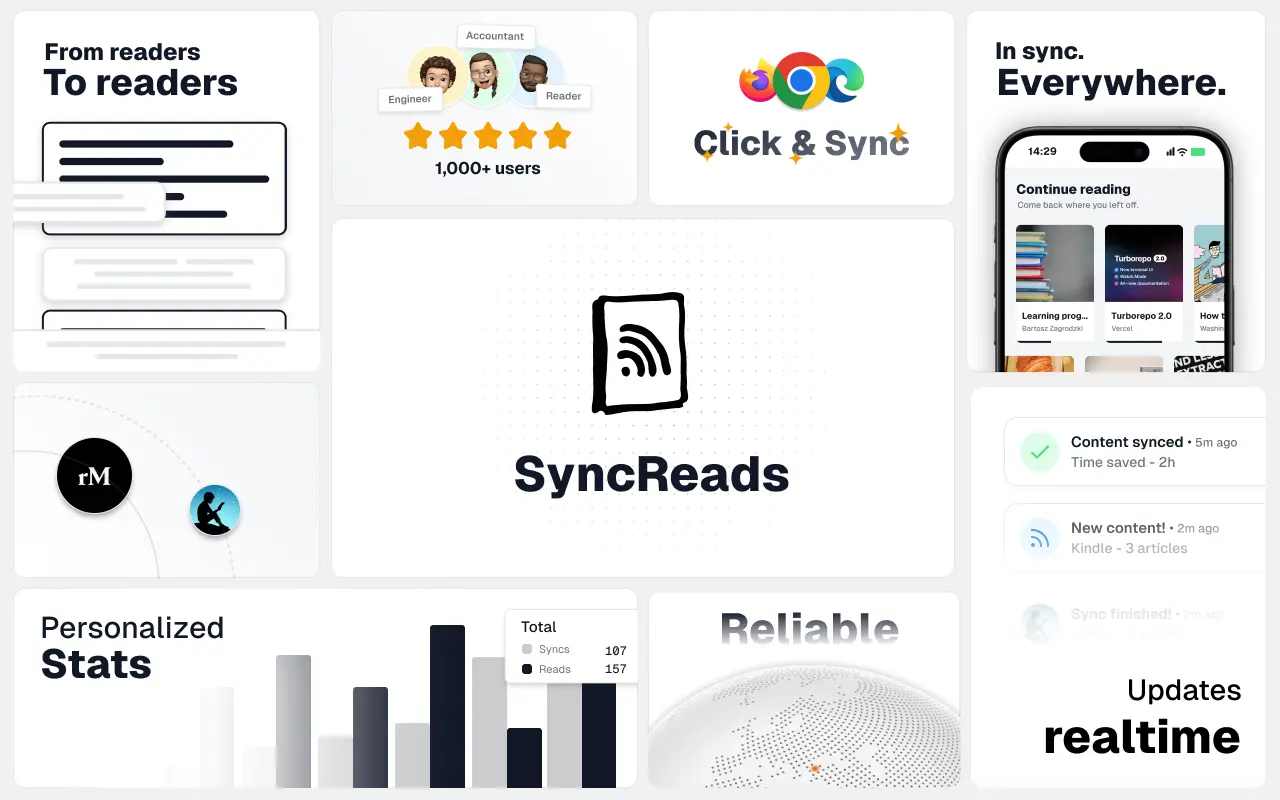
SyncReads
Sync your favorite content for distraction-free reading, save time and replace multiple apps. Anytime, anywhere 🔄
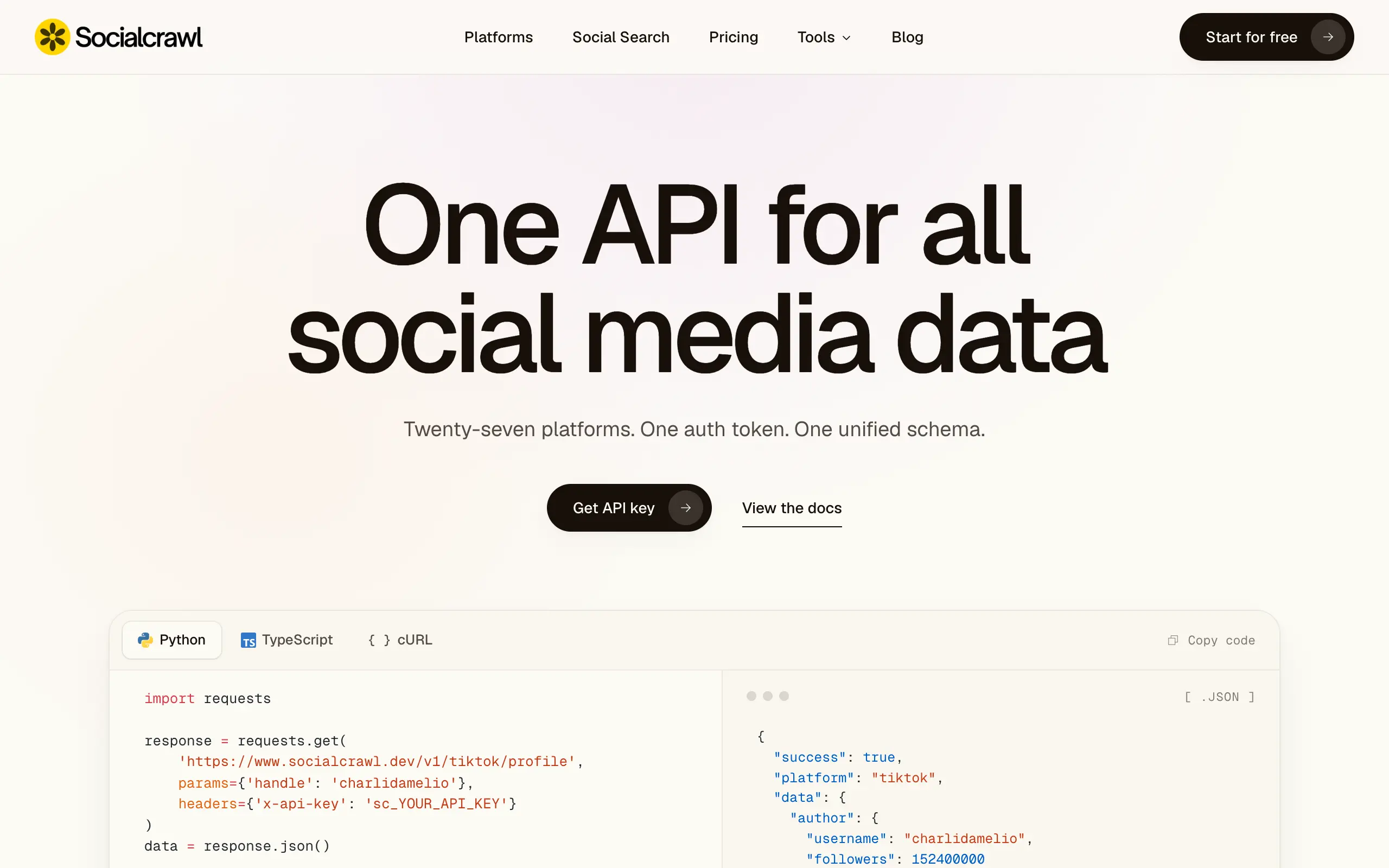
Socialcrawl
Get clean, structured data from 21 platforms like TikTok, Instagram, and YouTube with a single request 📊
Statiko
Monitor any Telegram channel in real time - track posts, edits, deletions, and growth with AI recaps 📡
Shibui
AI website builder - describe your business, pick a niche template, edit by chatting, and publish instantly ✨
Pro Service
Find verified home service professionals, compare quotes, and pay securely through escrow - built for Brazilians across the US 🏠
RankGrow
Fix your SEO with AI agents - connect Search Console, get prioritized tasks, and grow organic traffic 📈
SyncReads
Sync your favorite content for distraction-free reading, save time and replace multiple apps. Anytime, anywhere 🔄
Socialcrawl
Get clean, structured data from 21 platforms like TikTok, Instagram, and YouTube with a single request 📊
Statiko
Monitor any Telegram channel in real time - track posts, edits, deletions, and growth with AI recaps 📡
Shibui
AI website builder - describe your business, pick a niche template, edit by chatting, and publish instantly ✨
Pro Service
Find verified home service professionals, compare quotes, and pay securely through escrow - built for Brazilians across the US 🏠
RankGrow
Fix your SEO with AI agents - connect Search Console, get prioritized tasks, and grow organic traffic 📈
SyncReads
Sync your favorite content for distraction-free reading, save time and replace multiple apps. Anytime, anywhere 🔄
Socialcrawl
Get clean, structured data from 21 platforms like TikTok, Instagram, and YouTube with a single request 📊
Statiko
Monitor any Telegram channel in real time - track posts, edits, deletions, and growth with AI recaps 📡
Shibui
AI website builder - describe your business, pick a niche template, edit by chatting, and publish instantly ✨
Pro Service
Find verified home service professionals, compare quotes, and pay securely through escrow - built for Brazilians across the US 🏠
RankGrow
Fix your SEO with AI agents - connect Search Console, get prioritized tasks, and grow organic traffic 📈
SyncReads
Sync your favorite content for distraction-free reading, save time and replace multiple apps. Anytime, anywhere 🔄
Socialcrawl
Get clean, structured data from 21 platforms like TikTok, Instagram, and YouTube with a single request 📊
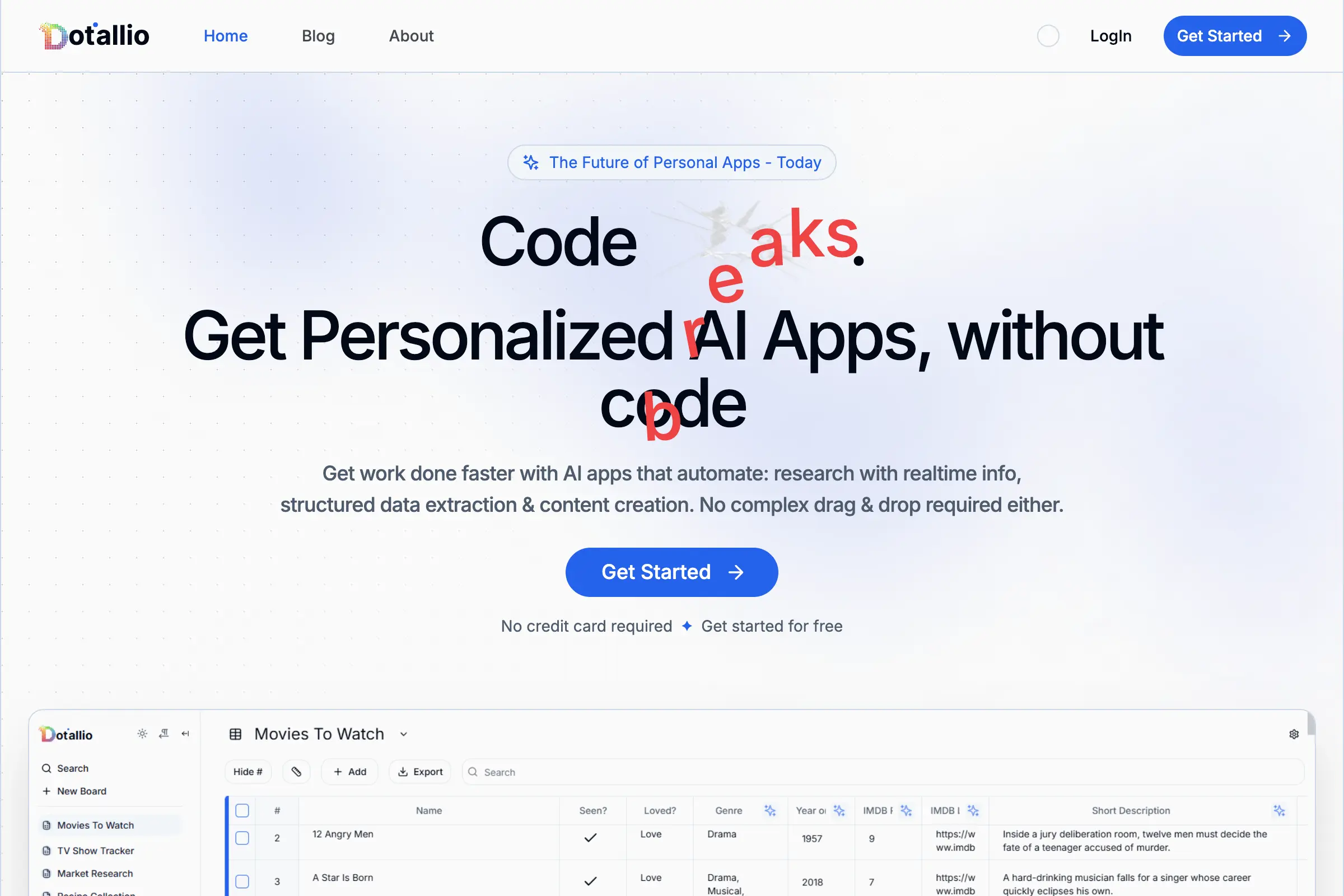
Dotallio
Personalized AI apps that automate research, data extraction, and content creation without code 🤖

Talk to Santa
Enjoy a magical live video chat or receive a unique AI-generated video greeting from Santa Claus 🎅

pozywka.pl
Scalable blog for food journalist, focused on performance and user experience 🌭
zagrodzki.me
Personal blog and portfolio of Bart Zagrodzki, where he shares his knowledge and work 💼
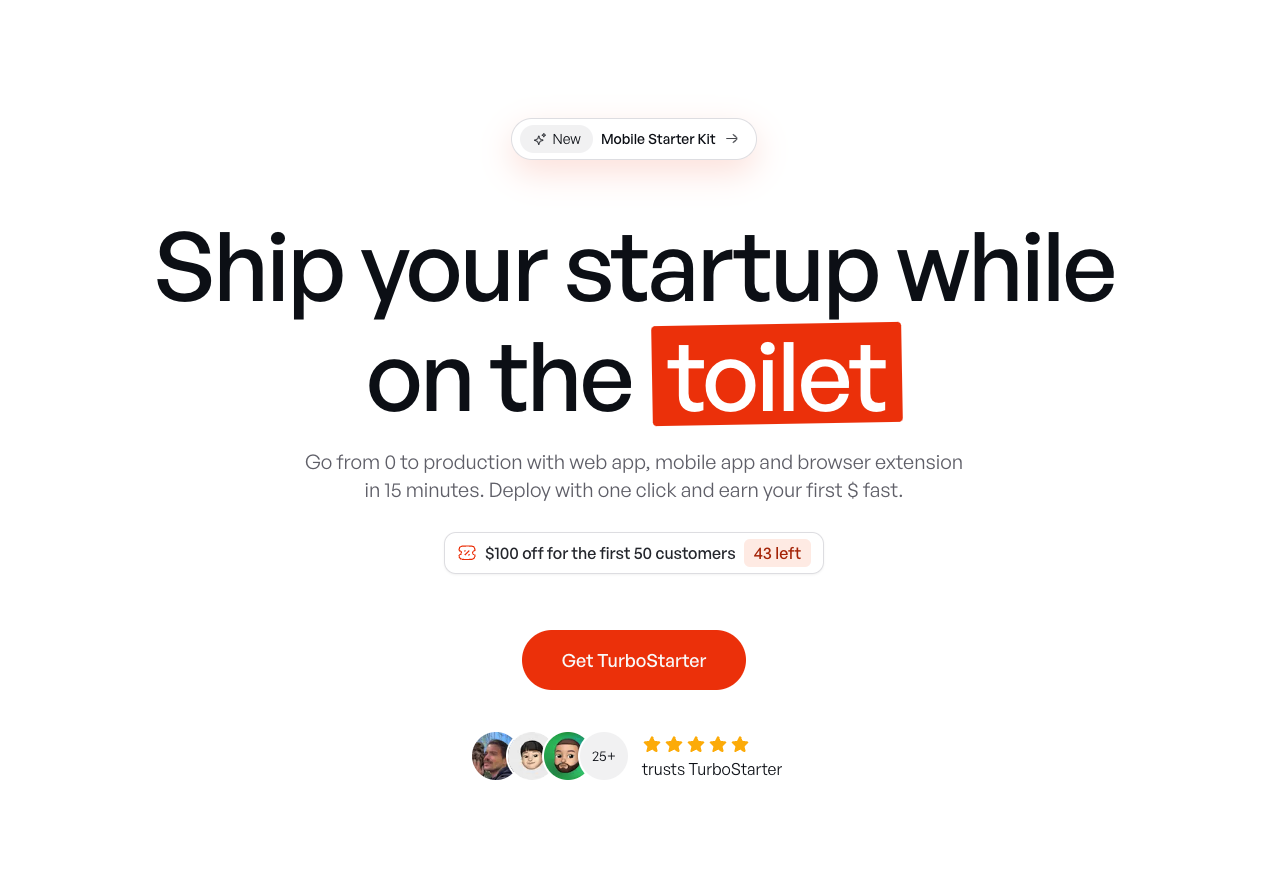
TurboStarter
Ship your startup everywhere. In minutes.
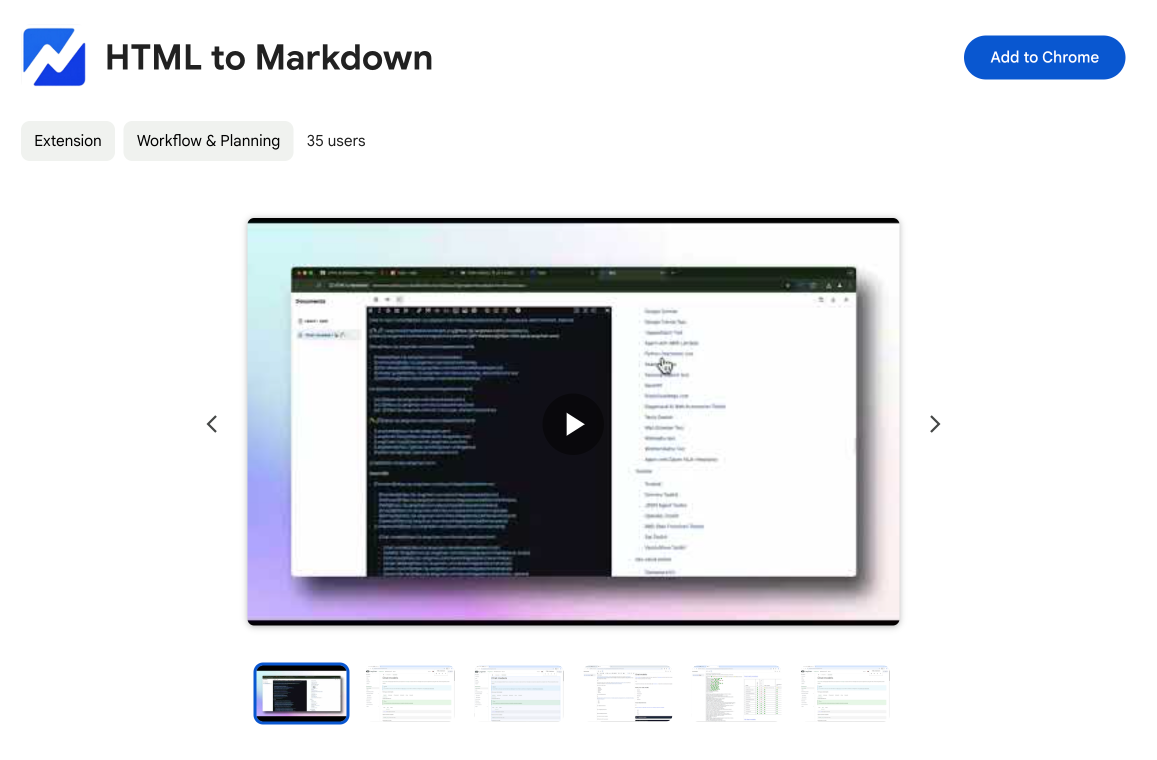
HTML to Markdown
Convert HTML to Markdown with ease, directly in your browser 📄
Dotallio
Personalized AI apps that automate research, data extraction, and content creation without code 🤖
Talk to Santa
Enjoy a magical live video chat or receive a unique AI-generated video greeting from Santa Claus 🎅
pozywka.pl
Scalable blog for food journalist, focused on performance and user experience 🌭
zagrodzki.me
Personal blog and portfolio of Bart Zagrodzki, where he shares his knowledge and work 💼
TurboStarter
Ship your startup everywhere. In minutes.
HTML to Markdown
Convert HTML to Markdown with ease, directly in your browser 📄
Dotallio
Personalized AI apps that automate research, data extraction, and content creation without code 🤖
Talk to Santa
Enjoy a magical live video chat or receive a unique AI-generated video greeting from Santa Claus 🎅
pozywka.pl
Scalable blog for food journalist, focused on performance and user experience 🌭
zagrodzki.me
Personal blog and portfolio of Bart Zagrodzki, where he shares his knowledge and work 💼
TurboStarter
Ship your startup everywhere. In minutes.
HTML to Markdown
Convert HTML to Markdown with ease, directly in your browser 📄
Dotallio
Personalized AI apps that automate research, data extraction, and content creation without code 🤖
Talk to Santa
Enjoy a magical live video chat or receive a unique AI-generated video greeting from Santa Claus 🎅
pozywka.pl
Scalable blog for food journalist, focused on performance and user experience 🌭
zagrodzki.me
Personal blog and portfolio of Bart Zagrodzki, where he shares his knowledge and work 💼
TurboStarter
Ship your startup everywhere. In minutes.
HTML to Markdown
Convert HTML to Markdown with ease, directly in your browser 📄
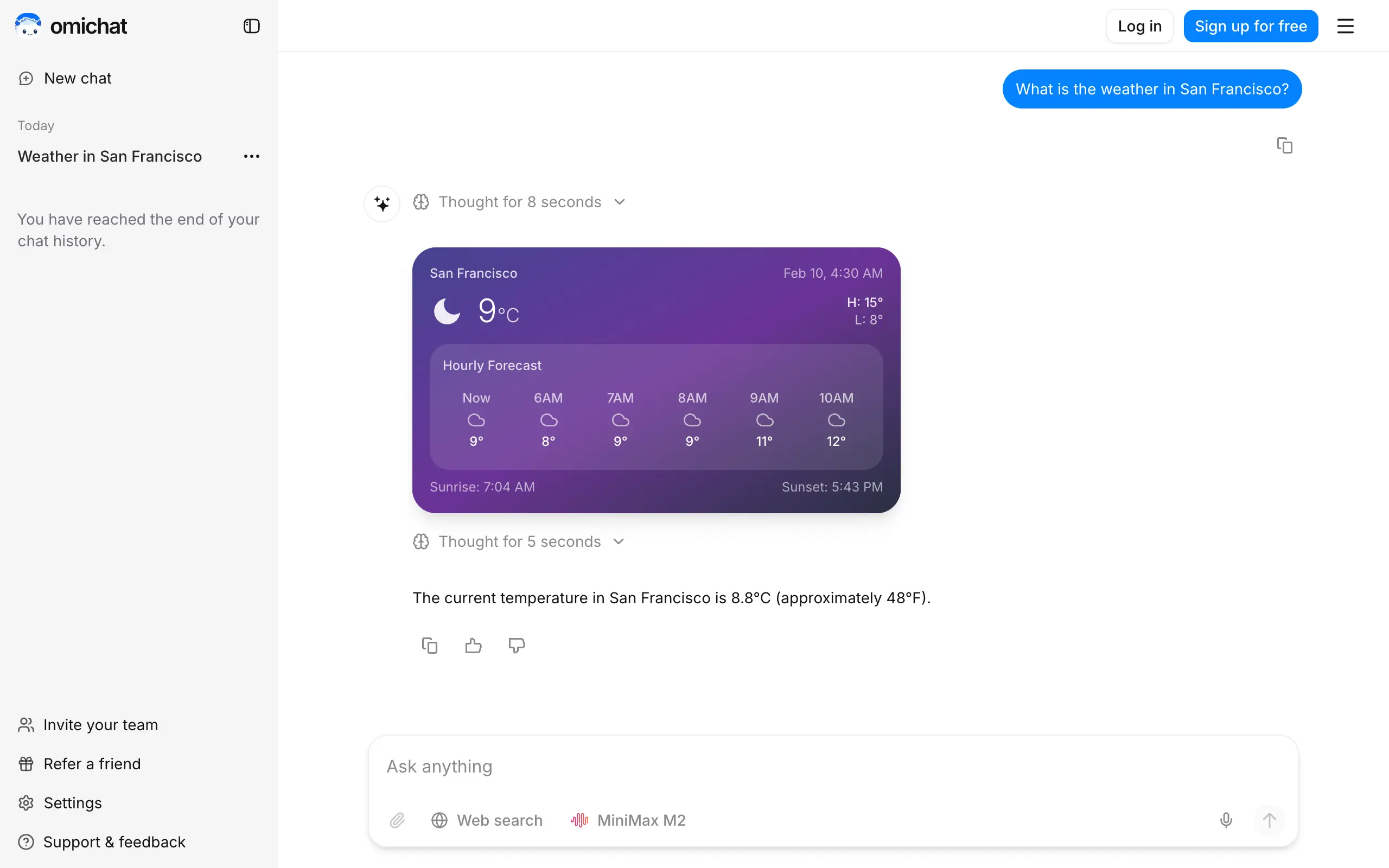
Omichat
Chat with 50+ AI models, including ChatGPT and Claude, in one place - switch models anytime without losing context 🤖
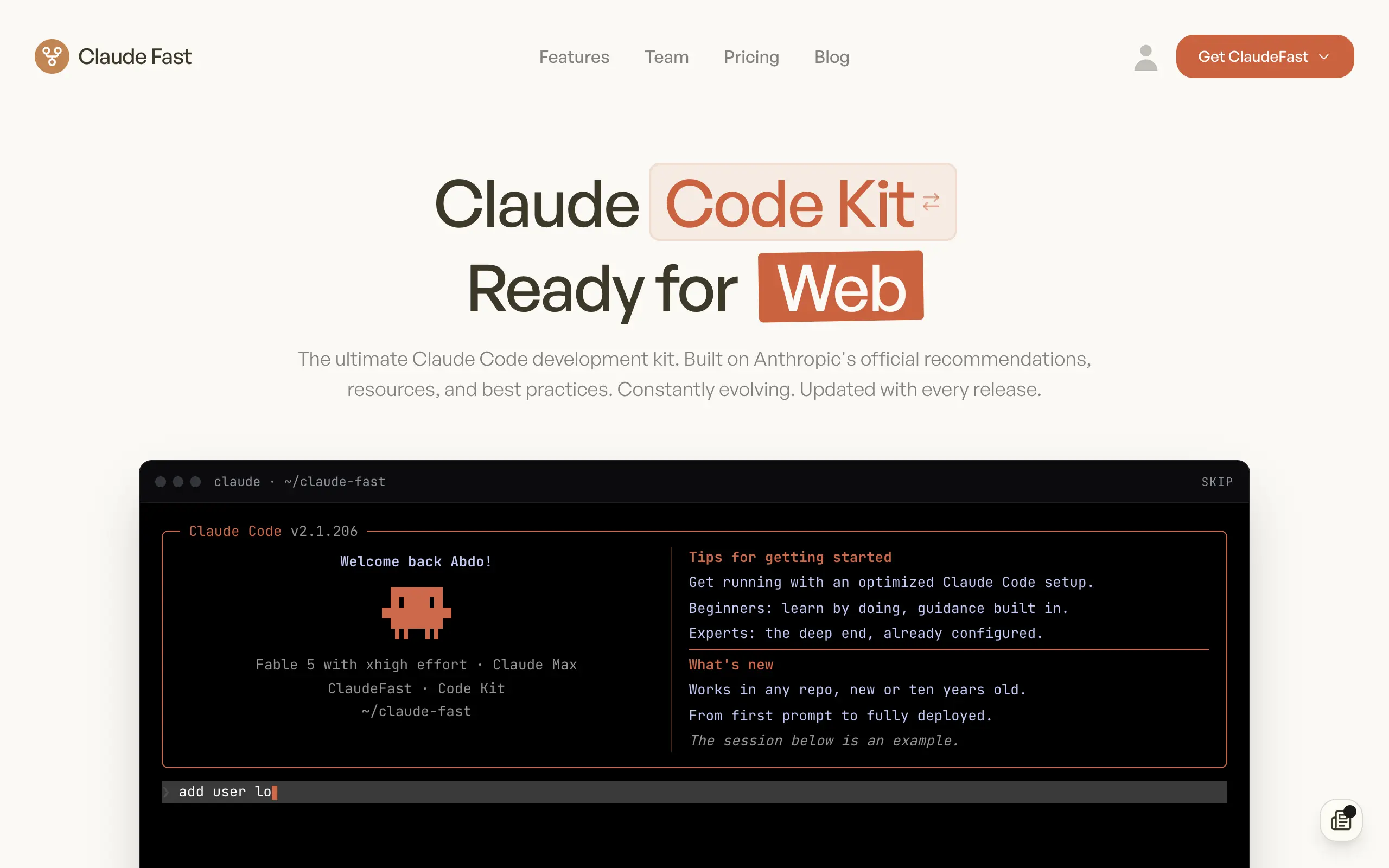
Claude Fast
Supercharge your Claude Code with 6x effective context window and specialized AI agents 🤖
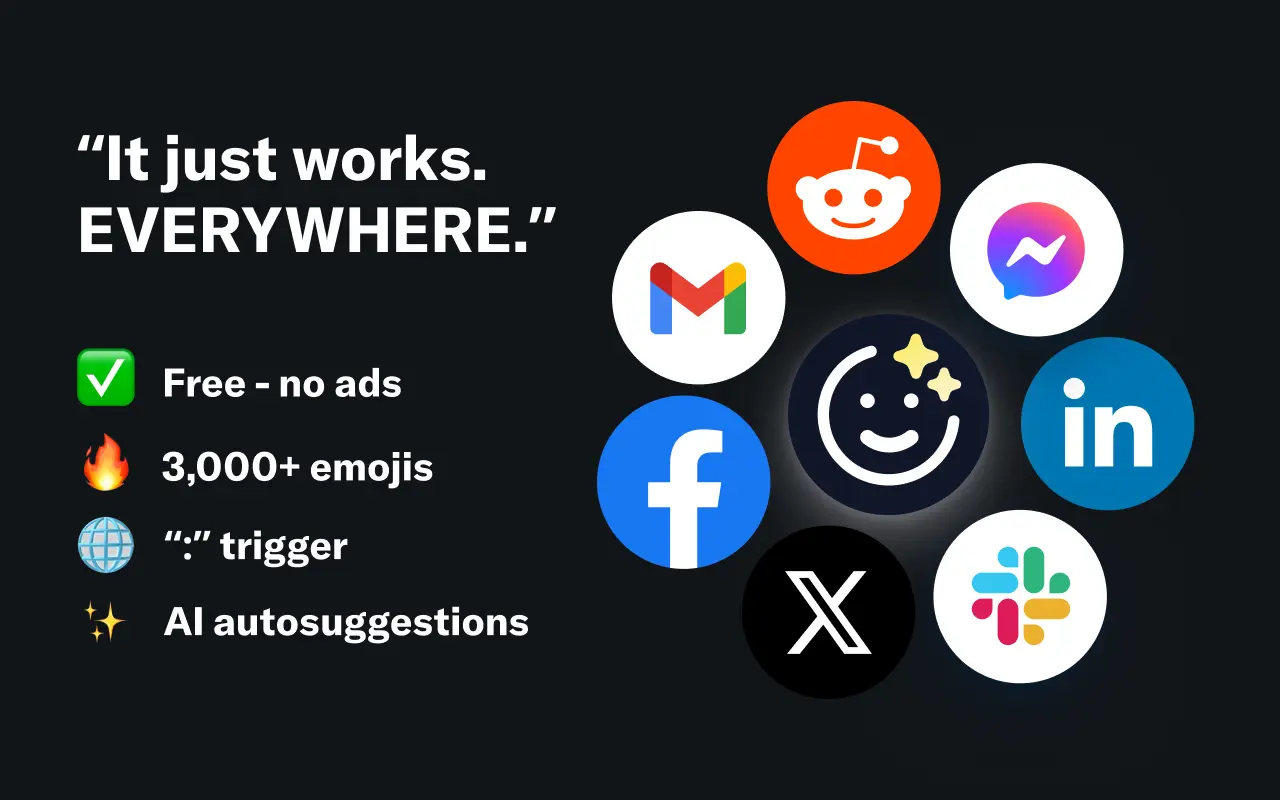
EmojAI
AI-powered emoji picker with smart, context-aware suggestions 🤖

Solohacker
Autonomous company launcher - AI agents work 24/7, escalate what matters, and you stay in control 🤖

BeRawi: Storytelling Coach
Practice storytelling daily with instant feedback to sound clearer, more engaging, and confident 🎤
Omichat
Chat with 50+ AI models, including ChatGPT and Claude, in one place - switch models anytime without losing context 🤖
Claude Fast
Supercharge your Claude Code with 6x effective context window and specialized AI agents 🤖
EmojAI
AI-powered emoji picker with smart, context-aware suggestions 🤖
Solohacker
Autonomous company launcher - AI agents work 24/7, escalate what matters, and you stay in control 🤖
BeRawi: Storytelling Coach
Practice storytelling daily with instant feedback to sound clearer, more engaging, and confident 🎤
Omichat
Chat with 50+ AI models, including ChatGPT and Claude, in one place - switch models anytime without losing context 🤖
Claude Fast
Supercharge your Claude Code with 6x effective context window and specialized AI agents 🤖
EmojAI
AI-powered emoji picker with smart, context-aware suggestions 🤖
Solohacker
Autonomous company launcher - AI agents work 24/7, escalate what matters, and you stay in control 🤖
BeRawi: Storytelling Coach
Practice storytelling daily with instant feedback to sound clearer, more engaging, and confident 🎤
Omichat
Chat with 50+ AI models, including ChatGPT and Claude, in one place - switch models anytime without losing context 🤖
Claude Fast
Supercharge your Claude Code with 6x effective context window and specialized AI agents 🤖
EmojAI
AI-powered emoji picker with smart, context-aware suggestions 🤖
Solohacker
Autonomous company launcher - AI agents work 24/7, escalate what matters, and you stay in control 🤖
BeRawi: Storytelling Coach
Practice storytelling daily with instant feedback to sound clearer, more engaging, and confident 🎤

Connect with like-minded people
Join our community to get feedback, support, and grow together with 1,000+ builders on board, let's ship it!
Join usShip your startup everywhere. In minutes.
Don't burn tokens on setup and start building features on day one.