BugSync
A unified bug tracker that auto-syncs across multiple platforms (Jira, Trello, GitHub) to centralize and prioritize reported issues for software companies.
Understanding the need for unified bug tracking
When software development teams rely on numerous platforms like Jira, Trello, and GitHub, managing bugs and reported issues can quickly become chaotic. Teams waste countless hours manually syncing tickets, juggling priorities in different systems, and sifting through fragmented conversations. BugSync aims to solve this problem as a SaaS solution by providing a truly unified bug tracker that auto-syncs reported issues across popular platforms, centralizing management and radically streamlining the prioritization process.
If you’re searching for the best way to centralize bug tracking, improve issue management efficiency, or optimize cross-platform software workflows, this deep-dive is designed to meet your needs. We’ll unpack the opportunity, target audience, core features, recommended stack, and more—all grounded in proven industry practices.
Target audience analysis: Who needs BugSync the most?
BugSync is engineered for software organizations and engineering teams who:
- Manage active projects across two or more platforms (e.g., Jira for epics, Trello for sprints, GitHub for developer check-ins).
- Struggle with duplicate or missed bug reports due to fragmented issue streams.
- Have remote or distributed teams collaborating asynchronously.
- Are scaling quickly—outgrowing lightweight or platform-specific workflows.
- Need clearer visibility for product managers, QA leads, and executives.
Key pain points solved
- Manual overhead: No more double-entering or copy-pasting tickets between tools.
- Fragmented communication: Consolidate discussions, attachments, and updates in one place.
- Delayed prioritization: Gain global views and reporting, prevent urgent issues from being buried.
- Integration complexity: Eliminate custom scripts or unreliable integrations.
- Auditing and compliance: Maintain a single source of truth for critical incident history.
Decision-maker personas
- CTOs/VPs of Engineering: Need to enforce development standards and reporting across teams.
- Product Managers: Demand a consolidated backlog and actionable analytics.
- QA Leads: Require transparent escalation channels and centralized defect management.
- DevOps/SRE teams: Want seamless handoffs and clear bug ownership.
Market opportunity and competitive landscape
Why the timing is perfect for BugSync
The global market for bug tracking systems is projected to grow at a CAGR of over 6% through 2028, according to industry analysts (see reference format: “Global Bug Tracking Software Market Report, 2023–2028”). Post-pandemic, development teams are increasingly remote and distributed, often bringing their preferred tools with them. While integration marketplaces and automation tools exist, true cross-platform synchronization and prioritization remain a major gap.
Competitor snapshot
| Solution | Core Feature Set | Multi-Platform Sync | Pricing | Integrations Level |
|---|---|---|---|---|
| Jira, GitHub, Trello | Individual bug tracking | ❌ | Varies | Native/Single |
| Zapier, Unito | Workflow automation | Partial/Rule-based | Medium/High | 3rd-party |
| Linear, ClickUp | Next-gen project management | Basic (Manual sync) | Medium | Growing |
| BugSync | Centralized + auto-sync across tools | ✅ | Flexible | Deep, native |
Gaps in the market
- Existing tools primarily sync “tasks” not “bugs,” lack context-rich prioritization, or offer only brittle one-way integrations.
- Automation platforms require complex user configuration and frequently break on API changes.
- High-growth engineering teams demand a plug-and-play, native-quality unification they can trust.
BugSync's core features: Centralizing and supercharging bug management
BugSync is designed to address every major pain point with a laser focus on user experience and deep integration.
Unified multi-platform syncing
BugSync connects directly with Jira, Trello, and GitHub using official APIs and webhooks, ensuring real-time, bidirectional synchronization of bugs and their statuses, comments, custom fields, and attachments.
Example: A QA engineer files a bug in Trello, and within seconds, it appears in Jira and GitHub Issues—complete with all context and labels.
Intelligent deduplication and prioritization
- Duplicate detection: Machine learning identifies similar bug reports filed on different platforms.
- Centralized prioritization: Flag, rank, or escalate bugs from one dashboard; updates propagate everywhere.
- Smart assignment: Route bugs automatically to the correct owner or team based on rules or past activity.
Advanced reporting and analytics
- Unified dashboards: Visualize bug trends across projects, platforms, and teams.
- SLAs and alerts: Set response time targets; get notified if issues age past thresholds on any platform.
- Cross-platform burndown: Track progress from backlog to production.
Collaboration and auditing
- Comments and history: Comments sync across platforms; all updates are logged for auditing.
- Custom tags and workflows: Apply your company’s labels, priorities, or custom status flows.
Robust security & compliance
- End-to-end encryption for data in transit and at rest.
- Granular permissions: Control visibility by team, project, or severity.
- SOC2-ready infrastructure.
Seamless setup and migration
- Plug-and-play onboarding: Authenticate accounts and map projects in minutes.
- Historical sync: Import your legacy bug histories for continuity.
True cross-platform syncing
Natively integrates and auto-syncs bugs across Jira, Trello, and GitHub in both directions, eliminating silos.
Smart deduplication
Leverages AI to merge similar reports and avoid duplicate bug entries across tools.
Unified dashboards
Provides organization-wide reporting for clear, actionable overviews on all outstanding issues.
Recommended tech stack for BugSync
Selecting the optimal tech stack is crucial to ensuring integration reliability, real-time performance, and scalability for a cross-platform SaaS like BugSync.
Backend
- Node.js: Fast, event-driven, and perfect for orchestrating webhooks and asynchronous workflows.
- TypeScript: Ensures maintainable, type-safe code for mission-critical data flows.
- PostgreSQL: Handles complex relational data, audit logs, and supports strong consistency requirements.
- Redis: For caching, queueing, and real-time sync state.
Alternative consideration
- Python (FastAPI or Django): Excellent for rapid AI/ML prototyping (deduplication engine), but Node.js offers simpler single-stack deployments and more webhook libraries for SaaS integrations.
Frontend
- React: Highly interactive UI for dashboards, settings, and real-time updates.
- TailwindCSS: Delivers consistent, responsive design with rapid customizability.
Integrations
- OAuth 2.0: Secure authentication with Jira, GitHub, and Trello.
- Official SDKs/Webhooks: Use platform-native libraries for long-term integration stability.
Machine learning & deduplication
- TensorFlow/spaCy: Train and deploy NLP models for duplicate detection.
- Serverless batch jobs: Run ML inference on new issues in parallel for responsiveness.
Cloud infrastructure
- AWS: Scalable deployments, managed RDS, Lambda functions for scheduled syncs, and S3 for attachment storage.
Trade-off notes
- Relying on platform APIs requires vigilance for upstream changes—dedicated integration testing infrastructure is vital.
- Node.js provides robust support for webhooks and is well-suited for building event-driven sync engines with low latency.
- Faster third-party integration development
- Wide developer pool for real-time SaaS apps
- Single-stack (TypeScript full stack) possible
- Great for AI/ML-centric workflows
- Larger ecosystem of NLP libraries
- May add complexity vs. Node.js-first stack
Monetization strategies
Understanding the competitive SaaS landscape, BugSync can drive robust revenue with several pricing models:
Subscription plans (B2B SaaS standard)
- Per user/month: Scalable with your customer’s team size.
- Per platform integration: Charge incrementally as companies sync more tools.
- Enterprise tier: Custom SSO, advanced SLAs, white-glove migration services.
Pay-per-use API
- For organizations wanting to build custom flows, offer metered API pricing on sync volume or bug/issue throughput.
Add-on features
- Premium reporting, AI-powered prioritization, on-premise deployments (for regulated industries).
Marketplace partnerships
- Revenue share from partner integrations or as an app listed on Atlassian’s, Trello’s, or GitHub’s marketplaces.
Example pricing table
| Plan | Basic | Pro | Enterprise | Custom Add-ons |
|---|---|---|---|---|
| Users included | 10 | 50 | 500+ | Unlimited |
| Platform integrations | 1 | 3 | Unlimited | API/Custom |
| Advanced analytics | ❌ | ✅ | ✅ | Optional |
Potential risks and mitigation strategies
Launching a cross-platform SaaS like BugSync comes with distinctive risks. Here’s how to navigate them confidently:
- Mitigation: Build robust automated integration/regression tests; monitor API deprecation notices; offer graceful fallback or delayed sync if limits hit.
- Mitigation: Store the minimal necessary data; offer end-to-end encryption; regular third-party security audits; comply with GDPR and SOC2 where applicable.
- Mitigation: Provide user validation for suggested merges; allow easy rollback; combine supervised models with heuristic rules.
- Mitigation: Ensure plug-and-play onboarding; support platform-native UIs where possible; offer extensive documentation and self-serve migration guides.
Competitive advantage analysis: Why BugSync wins
Competing products largely fall into two camps: platform-native trackers (Jira, GitHub Issues, Trello) which don’t talk to each other, and automation tools (like Zapier, Unito) that require user customization and aren’t purpose-built for bug tracking. BugSync’s breakthrough is in its deep, native synchronization and intelligent, context-aware bug consolidation.
Unique selling propositions (USPs):
- Seamless out-of-box experience: Authenticate, map projects, and enjoy instant, real-time, two-way sync.
- Dev-centric design: Built for the workflows of modern development organizations—not generic “task sync.”
- AI-driven prioritization and deduplication: Focused on the realities of multi-platform bug reporting. No more lost, duplicated, or stale issues.
- Enterprise-ready: Secure, auditable, and controls for regulated industries.
- Single-pane visibility: Powerful dashboards and search for organization-wide insight.
Proof points
- Reduced manual overhead: Early adopter testimonials show a 1–2 hour/week per engineer time savings (suggest citing case studies).
- Faster resolution times: Centralization results in swifter tiebreaking and prioritization meetings.
Implementation steps: Launching BugSync from MVP to scale
A systematic approach to development ensures rapid feedback and robust product-market fit.
Conclusion: The future of unified bug tracking with BugSync
In an industry where software velocity and quality are mission-critical, BugSync provides a clear, modern, and intelligent solution to the growing complexity of multi-platform bug management. By combining deep integrations, AI-driven prioritization, and seamless onboarding, BugSync empowers teams to focus on solving bugs—not managing bug reports. This positions it as an indispensable SaaS platform for software organizations of any scale looking to unify and accelerate their development cycles.
Ready to build or adopt a truly unified bug tracker? Centralize, prioritize, and resolve faster with BugSync—and get ahead of the competition with fewer dropped bugs and less chaos.
Frequently asked questions about BugSync
Jira, Trello, and GitHub—with plans to add Asana, Linear, and more, based on user demand.
All synced data is encrypted in transit and at rest; enterprise customers get role-based access and audit logging.
Both—small teams can shed manual double-handling, while large orgs benefit from cross-team visibility and reporting.
Most teams can set up initial integrations and dashboards in under 1 hour with plug-and-play onboarding.
Visit TurboStarter to accelerate your SaaS journey, or register at bugsync.pro for early access.
Quick code sample: Setting up a webhook listener (Node.js/Express)
import express from "express";
const app = express();
app.use(express.json());

app.post("/webhook/jira", (req, res) => {
  // Example: Handle Jira issue created webhook
  const { issue } = req.body;
  // Sync logic here...
  res.status(200).send("ok");
});

app.listen(3000, () => {
  console.log("BugSync webhook listener active on port 3000");
});
BugSync, through its native, intelligent, and secure approach, is set to become the backbone of modern, cross-platform bug tracking for software teams everywhere.
More 🏢 B2B Application SaaS ideas
Discover more innovative b2b application SaaS ideas that are trending in 2026. Each idea is AI-generated with market validation and growth potential to help you find your next profitable venture faster than competitors.
Your competitors are building with TurboStarter
Below are some of the SaaS ideas that have been generated and built with our starter kit.

Statiko
Monitor any Telegram channel in real time - track posts, edits, deletions, and growth with AI recaps 📡

Shibui
AI website builder - describe your business, pick a niche template, edit by chatting, and publish instantly ✨

Pro Service
Find verified home service professionals, compare quotes, and pay securely through escrow - built for Brazilians across the US 🏠
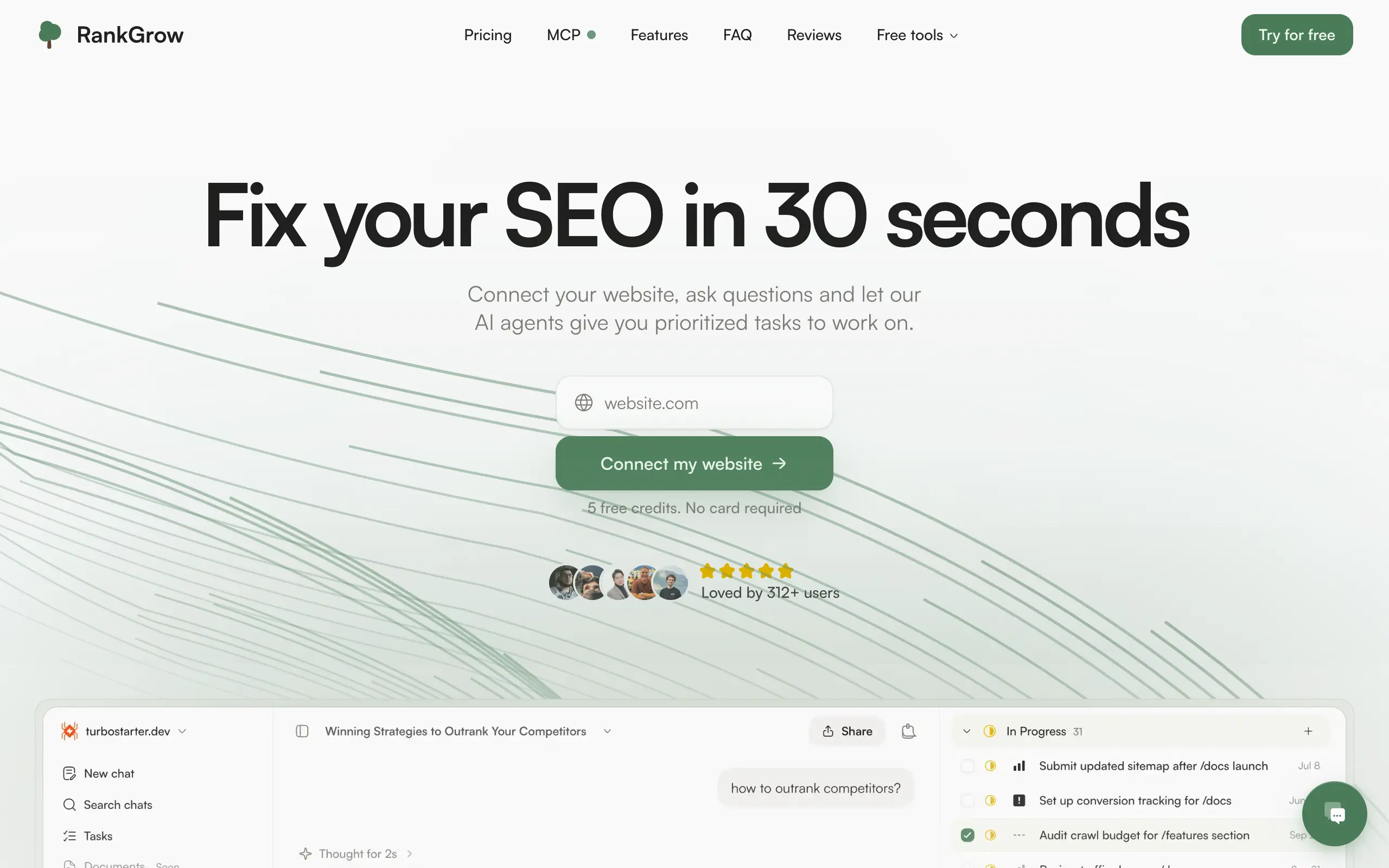
RankGrow
Fix your SEO with AI agents - connect Search Console, get prioritized tasks, and grow organic traffic 📈
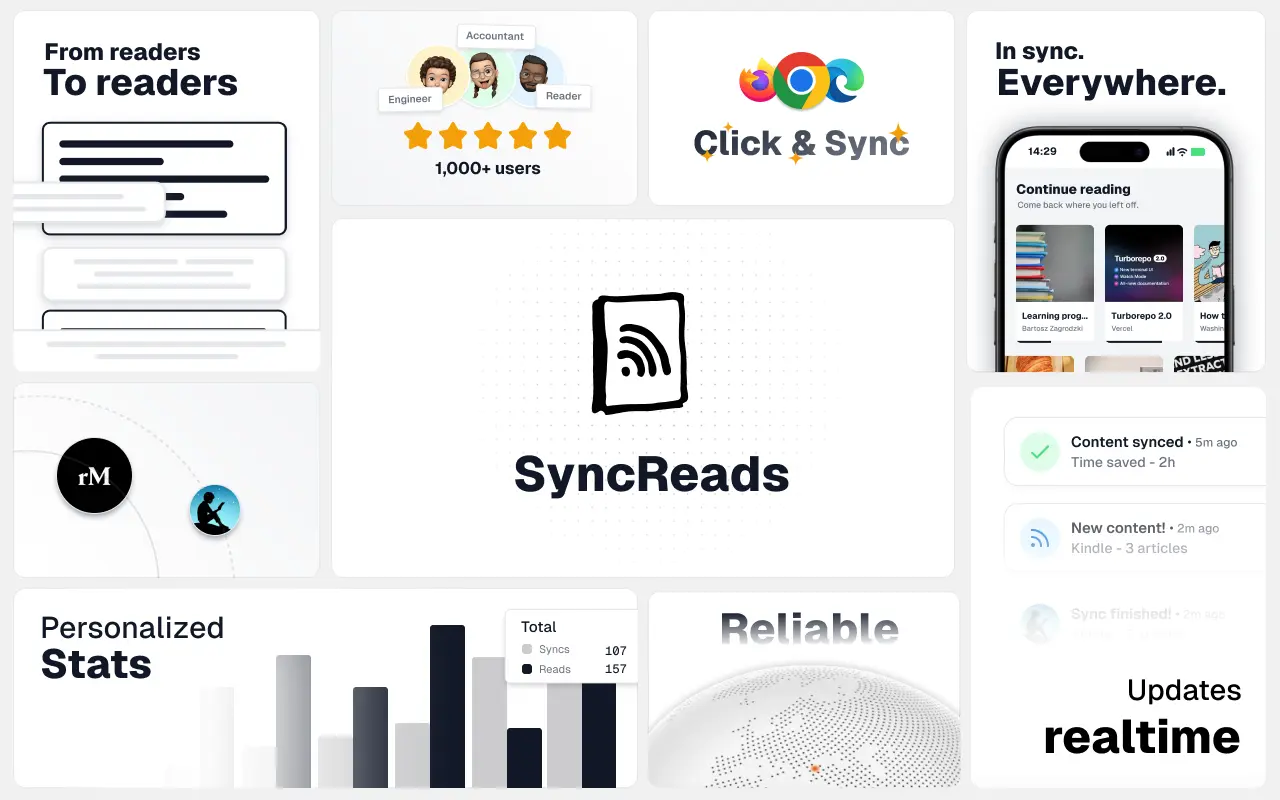
SyncReads
Sync your favorite content for distraction-free reading, save time and replace multiple apps. Anytime, anywhere 🔄
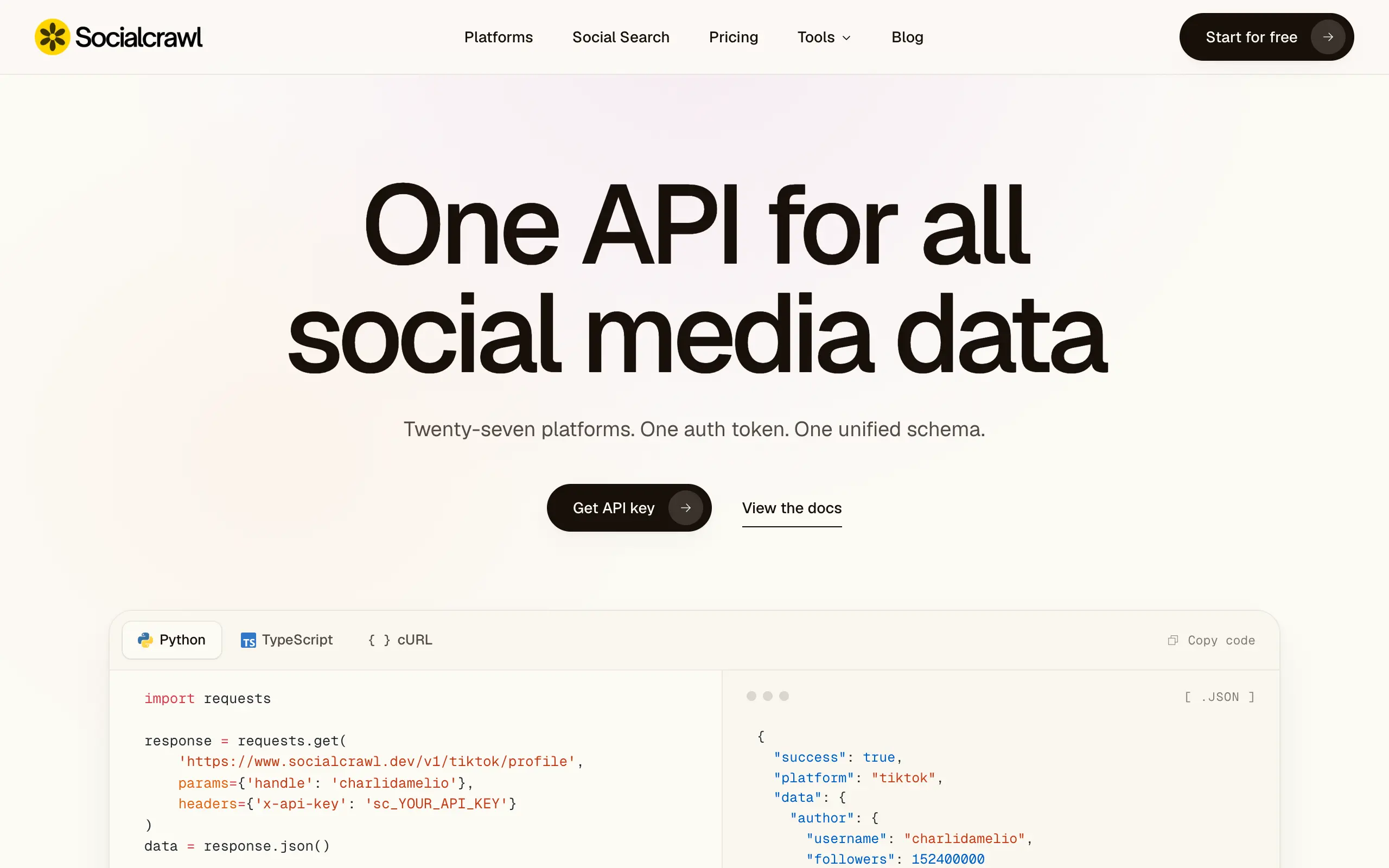
Socialcrawl
Get clean, structured data from 21 platforms like TikTok, Instagram, and YouTube with a single request 📊
Statiko
Monitor any Telegram channel in real time - track posts, edits, deletions, and growth with AI recaps 📡
Shibui
AI website builder - describe your business, pick a niche template, edit by chatting, and publish instantly ✨
Pro Service
Find verified home service professionals, compare quotes, and pay securely through escrow - built for Brazilians across the US 🏠
RankGrow
Fix your SEO with AI agents - connect Search Console, get prioritized tasks, and grow organic traffic 📈
SyncReads
Sync your favorite content for distraction-free reading, save time and replace multiple apps. Anytime, anywhere 🔄
Socialcrawl
Get clean, structured data from 21 platforms like TikTok, Instagram, and YouTube with a single request 📊
Statiko
Monitor any Telegram channel in real time - track posts, edits, deletions, and growth with AI recaps 📡
Shibui
AI website builder - describe your business, pick a niche template, edit by chatting, and publish instantly ✨
Pro Service
Find verified home service professionals, compare quotes, and pay securely through escrow - built for Brazilians across the US 🏠
RankGrow
Fix your SEO with AI agents - connect Search Console, get prioritized tasks, and grow organic traffic 📈
SyncReads
Sync your favorite content for distraction-free reading, save time and replace multiple apps. Anytime, anywhere 🔄
Socialcrawl
Get clean, structured data from 21 platforms like TikTok, Instagram, and YouTube with a single request 📊
Statiko
Monitor any Telegram channel in real time - track posts, edits, deletions, and growth with AI recaps 📡
Shibui
AI website builder - describe your business, pick a niche template, edit by chatting, and publish instantly ✨
Pro Service
Find verified home service professionals, compare quotes, and pay securely through escrow - built for Brazilians across the US 🏠
RankGrow
Fix your SEO with AI agents - connect Search Console, get prioritized tasks, and grow organic traffic 📈
SyncReads
Sync your favorite content for distraction-free reading, save time and replace multiple apps. Anytime, anywhere 🔄
Socialcrawl
Get clean, structured data from 21 platforms like TikTok, Instagram, and YouTube with a single request 📊
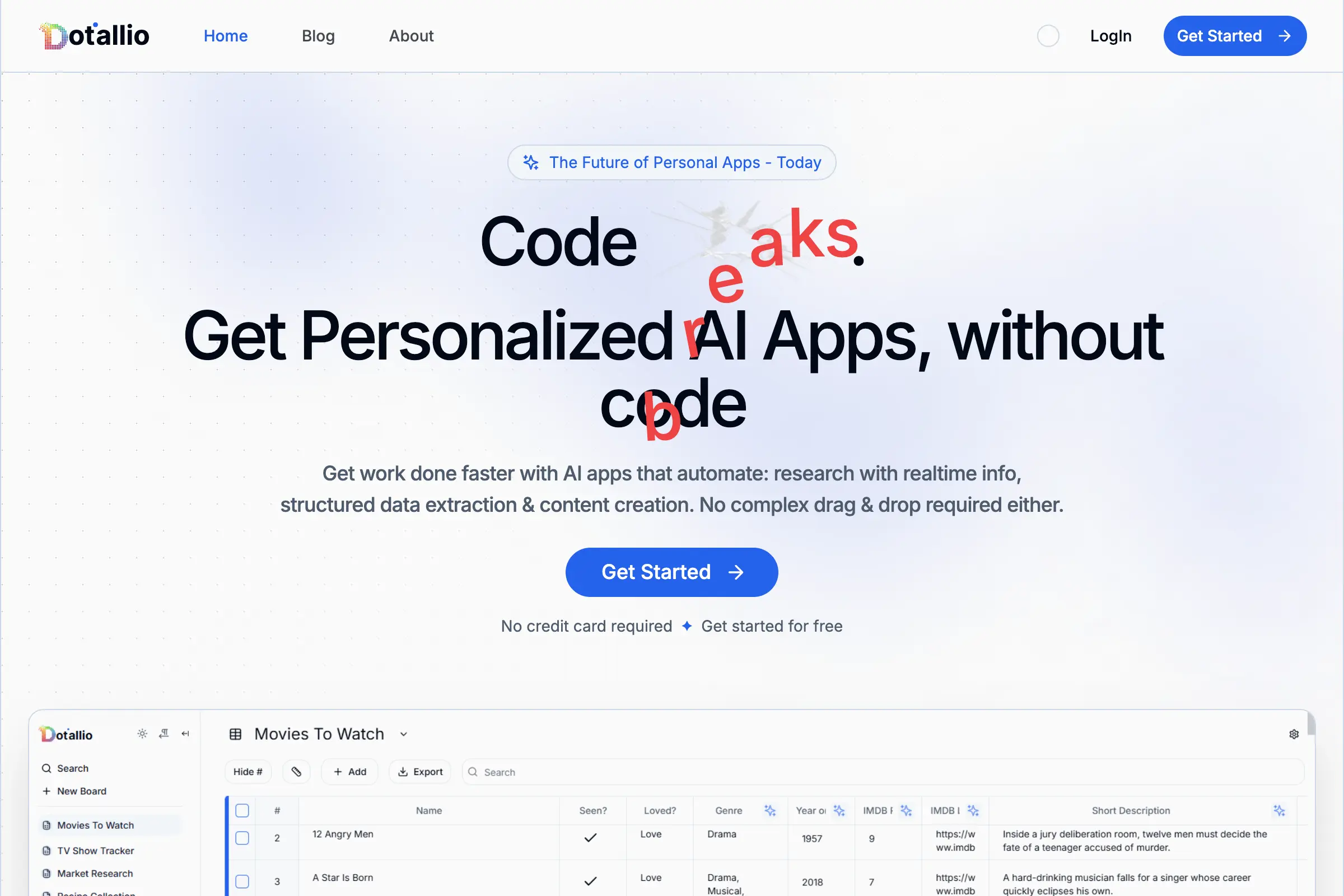
Dotallio
Personalized AI apps that automate research, data extraction, and content creation without code 🤖

Talk to Santa
Enjoy a magical live video chat or receive a unique AI-generated video greeting from Santa Claus 🎅

pozywka.pl
Scalable blog for food journalist, focused on performance and user experience 🌭
zagrodzki.me
Personal blog and portfolio of Bart Zagrodzki, where he shares his knowledge and work 💼
TurboStarter
Ship your startup everywhere. In minutes.
HTML to Markdown
Convert HTML to Markdown with ease, directly in your browser 📄
Dotallio
Personalized AI apps that automate research, data extraction, and content creation without code 🤖
Talk to Santa
Enjoy a magical live video chat or receive a unique AI-generated video greeting from Santa Claus 🎅
pozywka.pl
Scalable blog for food journalist, focused on performance and user experience 🌭
zagrodzki.me
Personal blog and portfolio of Bart Zagrodzki, where he shares his knowledge and work 💼
TurboStarter
Ship your startup everywhere. In minutes.
HTML to Markdown
Convert HTML to Markdown with ease, directly in your browser 📄
Dotallio
Personalized AI apps that automate research, data extraction, and content creation without code 🤖
Talk to Santa
Enjoy a magical live video chat or receive a unique AI-generated video greeting from Santa Claus 🎅
pozywka.pl
Scalable blog for food journalist, focused on performance and user experience 🌭
zagrodzki.me
Personal blog and portfolio of Bart Zagrodzki, where he shares his knowledge and work 💼
TurboStarter
Ship your startup everywhere. In minutes.
HTML to Markdown
Convert HTML to Markdown with ease, directly in your browser 📄
Dotallio
Personalized AI apps that automate research, data extraction, and content creation without code 🤖
Talk to Santa
Enjoy a magical live video chat or receive a unique AI-generated video greeting from Santa Claus 🎅
pozywka.pl
Scalable blog for food journalist, focused on performance and user experience 🌭
zagrodzki.me
Personal blog and portfolio of Bart Zagrodzki, where he shares his knowledge and work 💼
TurboStarter
Ship your startup everywhere. In minutes.
HTML to Markdown
Convert HTML to Markdown with ease, directly in your browser 📄
Omichat
Chat with 50+ AI models, including ChatGPT and Claude, in one place - switch models anytime without losing context 🤖
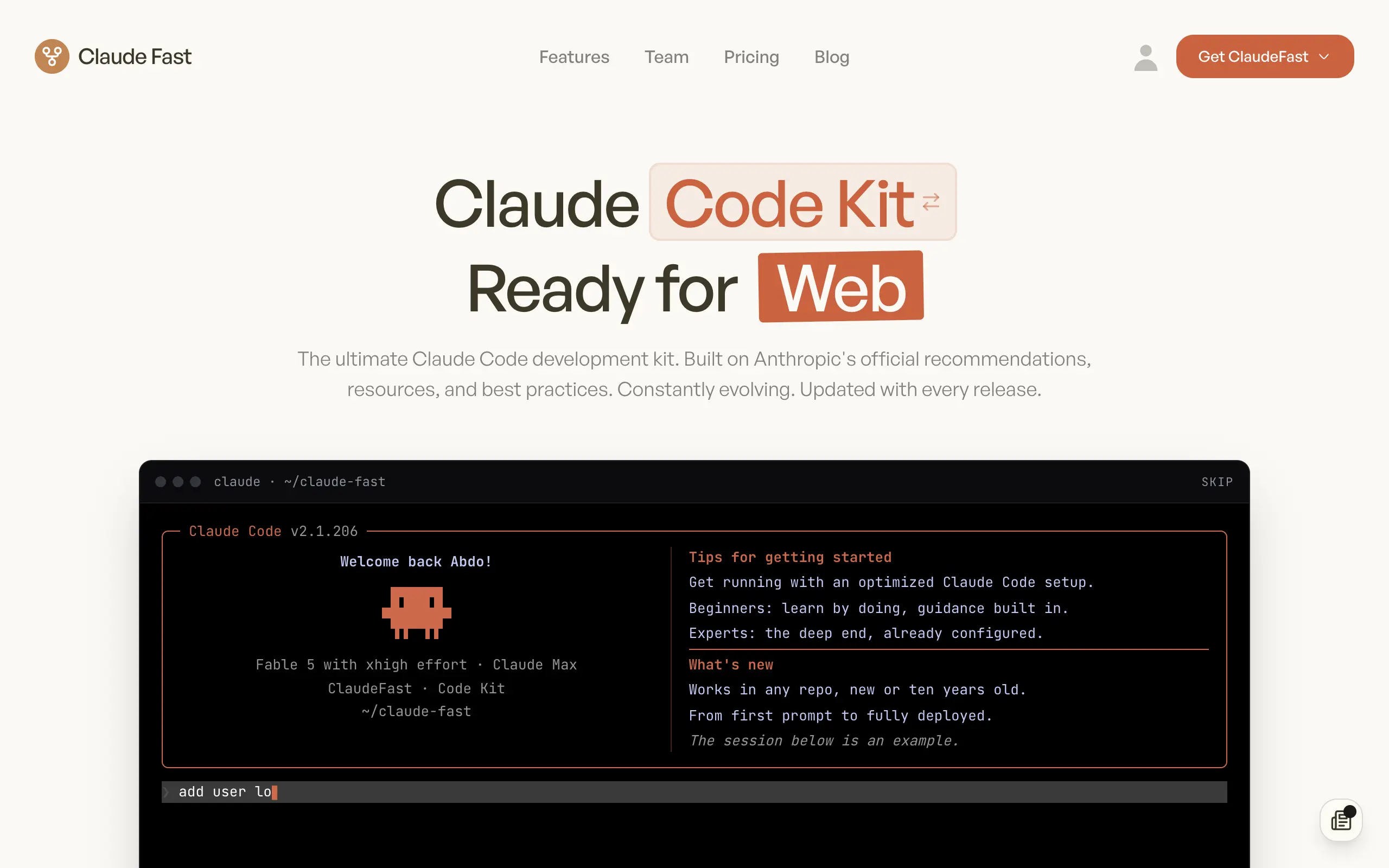
Claude Fast
Supercharge your Claude Code with 6x effective context window and specialized AI agents 🤖
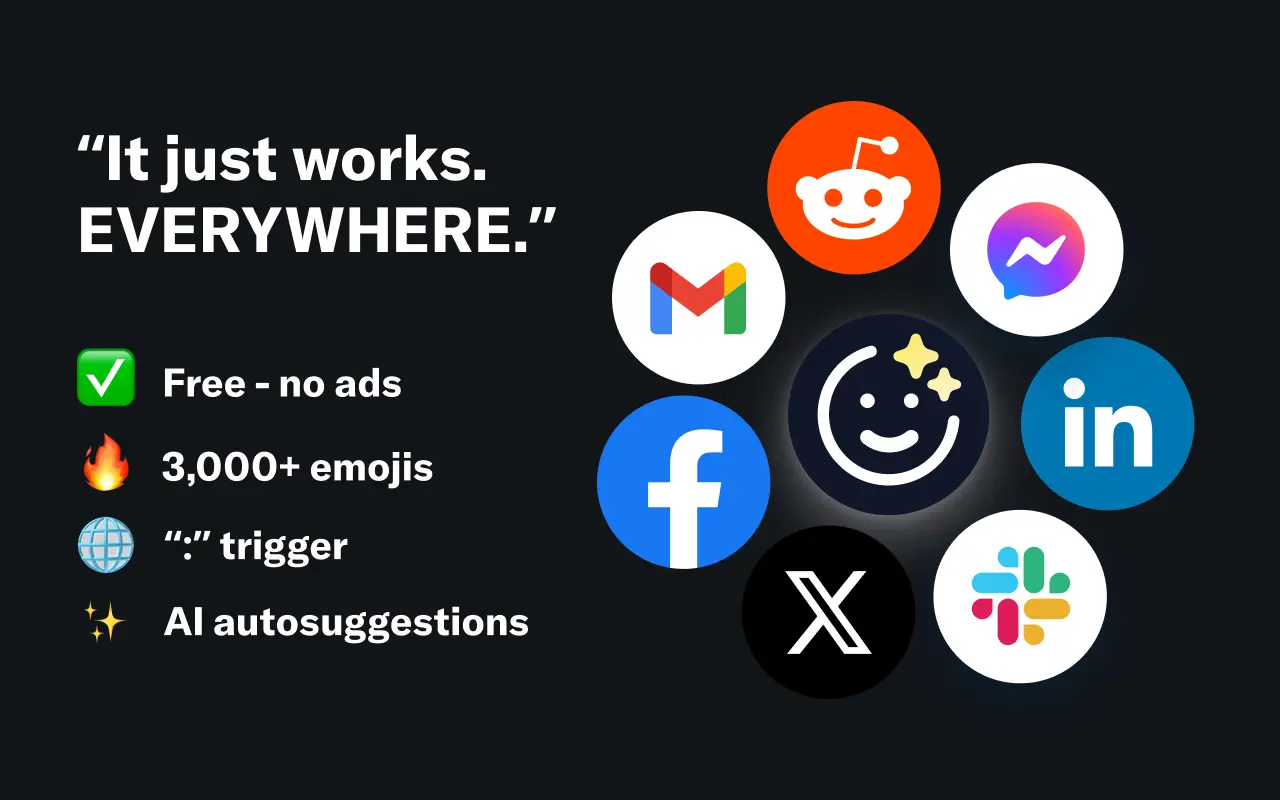
EmojAI
AI-powered emoji picker with smart, context-aware suggestions 🤖

Solohacker
Autonomous company launcher - AI agents work 24/7, escalate what matters, and you stay in control 🤖

BeRawi: Storytelling Coach
Practice storytelling daily with instant feedback to sound clearer, more engaging, and confident 🎤
Omichat
Chat with 50+ AI models, including ChatGPT and Claude, in one place - switch models anytime without losing context 🤖
Claude Fast
Supercharge your Claude Code with 6x effective context window and specialized AI agents 🤖
EmojAI
AI-powered emoji picker with smart, context-aware suggestions 🤖
Solohacker
Autonomous company launcher - AI agents work 24/7, escalate what matters, and you stay in control 🤖
BeRawi: Storytelling Coach
Practice storytelling daily with instant feedback to sound clearer, more engaging, and confident 🎤
Omichat
Chat with 50+ AI models, including ChatGPT and Claude, in one place - switch models anytime without losing context 🤖
Claude Fast
Supercharge your Claude Code with 6x effective context window and specialized AI agents 🤖
EmojAI
AI-powered emoji picker with smart, context-aware suggestions 🤖
Solohacker
Autonomous company launcher - AI agents work 24/7, escalate what matters, and you stay in control 🤖
BeRawi: Storytelling Coach
Practice storytelling daily with instant feedback to sound clearer, more engaging, and confident 🎤
Omichat
Chat with 50+ AI models, including ChatGPT and Claude, in one place - switch models anytime without losing context 🤖
Claude Fast
Supercharge your Claude Code with 6x effective context window and specialized AI agents 🤖
EmojAI
AI-powered emoji picker with smart, context-aware suggestions 🤖
Solohacker
Autonomous company launcher - AI agents work 24/7, escalate what matters, and you stay in control 🤖
BeRawi: Storytelling Coach
Practice storytelling daily with instant feedback to sound clearer, more engaging, and confident 🎤

Connect with like-minded people
Join our community to get feedback, support, and grow together with 1,000+ builders on board, let's ship it!
Join usShip your startup everywhere. In minutes.
Don't burn tokens on setup and start building features on day one.