CampusFlow CRM
A simple partnership and event CRM helping youth-focused brands manage campus ambassadors, student reps, and local activations in one place.
The growing need for a dedicated campus ambassador CRM
Youth-focused brands are investing heavily in campus marketing programs. From fintech apps and creator tools to fashion brands and edtech startups, companies are turning to student ambassadors, campus reps, and micro-influencers to build authentic brand presence inside universities.
Yet most teams still manage these programs with:
- Spreadsheets
- Slack groups
- Google Forms
- Email threads
- Event recap PDFs
- Scattered influencer DMs
This fragmented approach creates operational chaos. As ambassador programs scale from 20 students to 500+ across multiple campuses, the cracks become impossible to ignore.
This is where CampusFlow CRM comes in — a purpose-built campus ambassador CRM designed specifically for managing student reps, partnerships, and local activations in one centralized system.
In this in-depth guide, we’ll explore:
- The target audience and real pain points
- Market opportunity and competitive gaps
- Core features and product architecture
- Recommended tech stack and trade-offs
- Monetization strategy
- Risks and mitigation strategies
- Clear competitive advantage
- Actionable steps to build and launch
If you're evaluating this SaaS idea or planning to build it, this article gives you a strategic blueprint.
Understanding the target audience
A successful B2B SaaS must solve a specific, painful problem for a clearly defined user group. For CampusFlow CRM, the ideal customers are:
Primary users
-
Brand marketing teams
- Growth managers
- Community managers
- Field marketing leads
- Influencer marketing managers
-
Agencies running campus programs
- Experiential marketing agencies
- Student ambassador management firms
- Youth culture consultancies
-
EdTech and fintech startups
- Companies targeting Gen Z adoption
- Apps that require trust-based campus growth
Company profile
- 5–200 employees
- $500k–$50M ARR
- Actively running or planning:
- Campus ambassador programs
- Student rep programs
- Local pop-up activations
- University partnerships
User intent behind “campus ambassador CRM”
When someone searches for:
- “campus ambassador software”
- “student rep management tool”
- “field marketing CRM”
- “event marketing CRM for campuses”
They are typically looking to:
- Replace spreadsheets
- Improve tracking and reporting
- Centralize communication
- Prove ROI to leadership
- Scale beyond 50 ambassadors
CampusFlow CRM must directly address these operational pains.
The market opportunity: why now?
Several macro trends create a strong opportunity for a youth marketing CRM platform:
1. Rise of micro-influencer and ambassador marketing
Brands increasingly favor:
- Authentic, peer-driven marketing
- Localized activations
- Community-based growth
Campus ambassadors are trusted voices within tightly connected student networks. This aligns with current marketing best practices.
2. Decentralized field marketing
Post-2020, brands shifted from centralized events to:
- Hyper-local activations
- Campus pop-ups
- Student-led events
Managing distributed teams requires specialized tools.
3. Gen Z buying power growth
Gen Z’s purchasing influence continues rising, especially in:
- Fintech
- Consumer apps
- Fashion
- Creator economy tools
- Food & beverage
Brands that win on campus often create lifelong customers.
4. Clear software gap
Most teams currently use:
- Generic CRMs (like Salesforce or HubSpot)
- Project management tools (Notion, Asana, Trello)
- Influencer platforms not built for campuses
None are optimized for:
- Semester-based programs
- Campus hierarchies
- Event recaps
- Ambassador tiers
- Student incentives
This creates a clear niche SaaS opportunity.
The core problem CampusFlow CRM solves
Let’s define the real pain:
“We have 150 ambassadors across 40 campuses, and we can’t easily track performance, events, payments, or engagement in one place.”
Typical issues include:
- ❌ No centralized ambassador database
- ❌ Manual tracking of event attendance
- ❌ Inconsistent reporting formats
- ❌ Delayed stipend payments
- ❌ Poor visibility into ROI
- ❌ Communication fragmentation
CampusFlow CRM becomes the operating system for campus marketing teams.
Core features of CampusFlow CRM
The product must go beyond being “just another CRM.” It needs vertical-specific workflows.
1. Ambassador management system
A structured database for:
- Personal info
- University
- Graduation year
- Social handles
- Performance metrics
- Tier level (rep, lead, regional captain)
- Payment history
Think: Airtable + CRM + performance dashboard.
2. Campus segmentation
Ability to group ambassadors by:
- Region
- School type (public/private)
- Campus size
- Tier (Tier 1 vs Tier 3 schools)
- Program cohort (Fall 2026, Spring 2027)
This allows smarter budget allocation and campaign targeting.
3. Event and activation tracking
Each campus event should include:
- Event type (tabling, pop-up, workshop)
- Estimated foot traffic
- Leads captured
- Budget spent
- Photos / proof uploads
- Post-event recap form
This allows brands to compare ROI across campuses.
4. Task and campaign management
For each campaign:
- Assign tasks to ambassadors
- Set deadlines
- Track completion
- Automate reminders
Example tasks:
- Host a study session
- Post 3 Instagram stories
- Table at student union
5. Incentive & payment tracking
Campus programs often use:
- Stipends
- Commission bonuses
- Performance rewards
- Gift cards
CampusFlow CRM should:
- Track payout history
- Automate payout eligibility
- Export payment reports
This reduces accounting friction.
6. Reporting & ROI dashboards
Executives need to answer:
- Which campuses drive the most leads?
- Which ambassadors perform best?
- What’s our cost per acquisition by school?
- Are events worth the budget?
Key dashboards:
- Leads per campus
- Cost per lead
- Event ROI
- Ambassador engagement score
7. Communication hub (lightweight)
Instead of replacing Slack, provide:
- In-app announcements
- Campus-wide messages
- Program updates
- Event briefs
Avoid feature bloat — focus on structured communication.
Feature comparison vs generic CRMs
| Capability | Generic CRM | Project Tool | Influencer Platform | CampusFlow CRM |
|---|---|---|---|---|
| Ambassador tiers | ❌ | ❌ | ✅ | ✅ |
| Campus-based segmentation | ❌ | ❌ | ❌ | ✅ |
| Event recap workflows | ❌ | ✅ | ❌ | ✅ |
| Payment tracking | ⚠️ | ❌ | ✅ | ✅ |
CampusFlow CRM’s differentiation lies in vertical specialization.
Recommended tech stack (with trade-offs)
A modern SaaS architecture should prioritize:
- Scalability
- Developer velocity
- Performance
- Security
Frontend
Why:
- Server-side rendering for SEO
- Fast UI development
- Component-driven scalability
Backend
Option A: Node.js + PostgreSQL
Option B: Supabase (managed Postgres + auth)
Trade-offs:
| Option | Pros | Cons |
|---|---|---|
| Custom backend | Full flexibility | Slower build |
| Supabase | Faster MVP | Less backend control |
For early-stage SaaS, Supabase is ideal.
Authentication
- Email/password
- Magic links
- Google OAuth (for students)
Infrastructure
- Vercel (frontend hosting)
- Supabase or AWS RDS (database)
- S3-compatible storage for event images
Example schema snippet
// Simplified ambassador schema (TypeScript)
interface Ambassador {
  id: string;
  fullName: string;
  university: string;
  graduationYear: number;
  tier: "Rep" | "Lead" | "Captain";
  totalLeads: number;
  eventsHosted: number;
  stipendPaid: number;
  engagementScore: number;
}
Design your data model around campus hierarchy first.
Monetization strategy for CampusFlow CRM
Since this is B2B SaaS, pricing must reflect:
- Program size
- Number of ambassadors
- Reporting complexity
Recommended pricing model
Starter Plan
Up to 50 ambassadors, basic reporting, $99–$149/month.
Growth Plan
Up to 250 ambassadors, advanced analytics, $299–$499/month.
Enterprise Plan
Unlimited ambassadors, API access, custom onboarding, $1k+/month.
Additional revenue streams
- Onboarding setup fee
- White-label portals
- Premium analytics add-on
- Agency multi-brand plans
Annual billing with 15–20% discount improves cash flow.
Competitive landscape analysis
There are adjacent competitors:
- Influencer marketing platforms
- Generic CRMs
- Field sales CRMs
- Event management tools
But none specialize exclusively in campus ambassador management.
Unique positioning statement
CampusFlow CRM is the operating system for youth-focused brands running campus ambassador programs.
That positioning is:
- Narrow
- Specific
- Memorable
- SEO-optimized
Key risks and mitigation strategies
Vertical SaaS risk
Narrow niches can limit TAM if not expanded strategically.
Risk 1: Market size too small
Mitigation: Expand into:
- High school programs
- Local city ambassador programs
- Creator street teams
Risk 2: Teams stay on spreadsheets
Mitigation:
- Build migration tools
- Offer free onboarding
- Provide spreadsheet import templates
Risk 3: Seasonality (semester cycles)
Mitigation:
- Annual contracts
- Multi-cohort support
- Cross-semester analytics
Clear competitive advantage
CampusFlow CRM wins by:
- Being deeply vertical
- Speaking the language of campus marketers
- Offering built-in workflows for activations
- Structuring reporting around ROI
- Focusing on ease of use
Most CRMs feel overwhelming. CampusFlow should feel:
- Clean
- Youth-oriented
- Simple
- Fast
That’s a branding edge too.
Step-by-step implementation roadmap
Go-to-market strategy
1. Direct outreach
Target:
- LinkedIn job titles: “Campus Marketing Manager”
- Youth marketing agencies
- Growth managers at Gen Z startups
2. SEO content strategy
Create content around:
- “How to run a campus ambassador program”
- “Campus marketing strategy guide”
- “Student ambassador program ROI”
Each article should:
- Include templates
- Offer downloadable resources
- Capture email leads
3. Partnerships
- Student marketing agencies
- Campus ambassador communities
- Youth-focused VC portfolios
Long-term product expansion
Future roadmap ideas:
- AI-powered performance scoring
- Event ROI prediction
- Campus heat maps
- Ambassador recruitment portal
- Mobile app for reps
This increases defensibility and valuation.
Final thoughts: why CampusFlow CRM can win
The opportunity is not in building another CRM.
It’s in building the best campus ambassador CRM.
Vertical SaaS consistently outperforms generic tools because:
- It solves specific pain.
- It reduces workflow friction.
- It increases switching costs.
- It creates community around the niche.
If executed well, CampusFlow CRM can become:
- The default software for youth marketing teams
- A data powerhouse for Gen Z engagement trends
- A defensible, high-margin B2B SaaS
Ready to build it?
If you're serious about launching CampusFlow CRM, don’t waste months stitching together infrastructure.
Use a proven SaaS foundation like TurboStarter to accelerate development, reduce boilerplate, and focus on building differentiated campus-specific features.
The brands that win Gen Z attention early often win long term.
The question is simple:
Will CampusFlow CRM power that movement?
More 🏢 B2B Application SaaS ideas
Discover more innovative b2b application SaaS ideas that are trending in 2026. Each idea is AI-generated with market validation and growth potential to help you find your next profitable venture faster than competitors.
Your competitors are building with TurboStarter
Below are some of the SaaS ideas that have been generated and built with our starter kit.
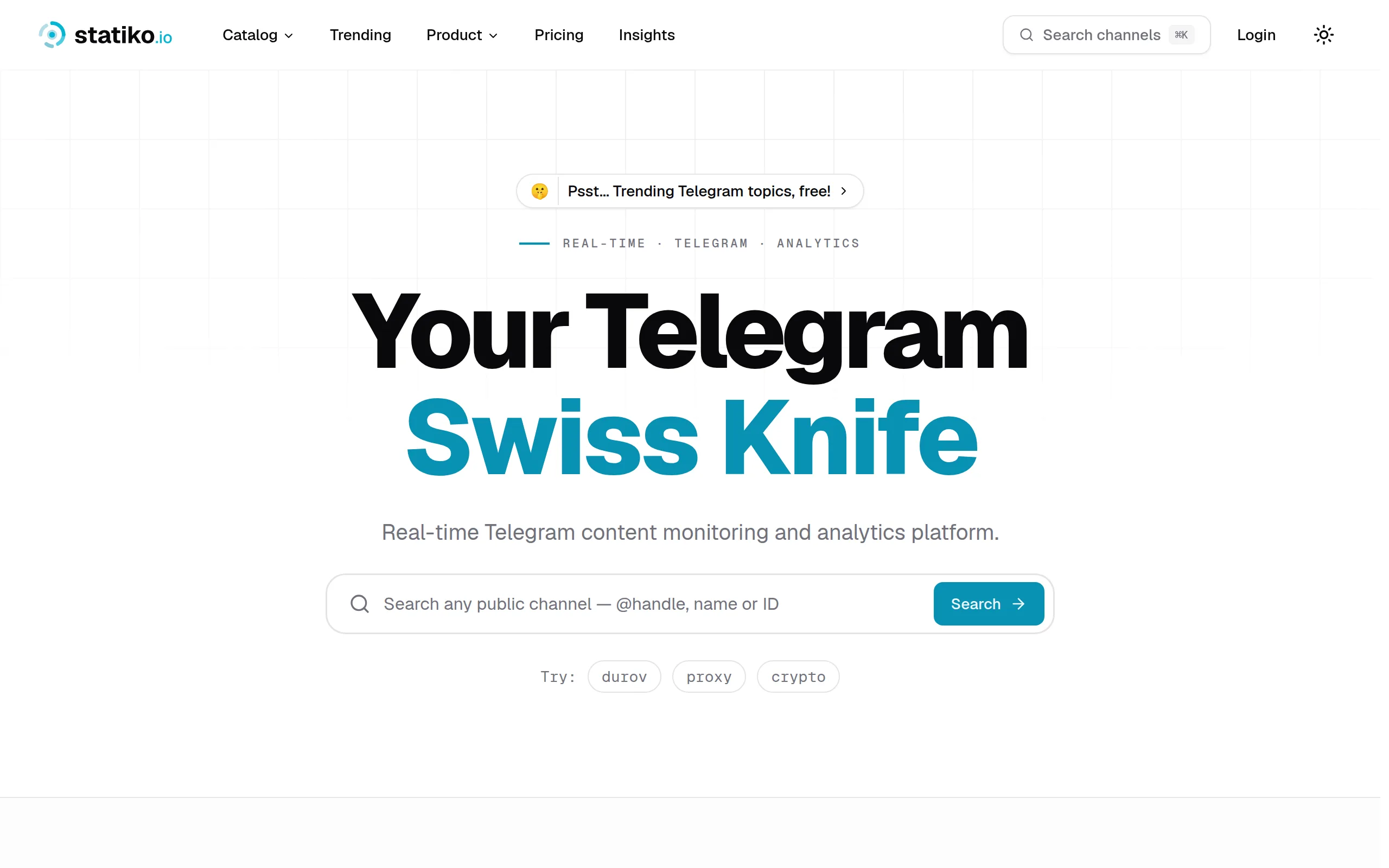
Statiko
Monitor any Telegram channel in real time - track posts, edits, deletions, and growth with AI recaps 📡

Shibui
AI website builder - describe your business, pick a niche template, edit by chatting, and publish instantly ✨

Pro Service
Find verified home service professionals, compare quotes, and pay securely through escrow - built for Brazilians across the US 🏠
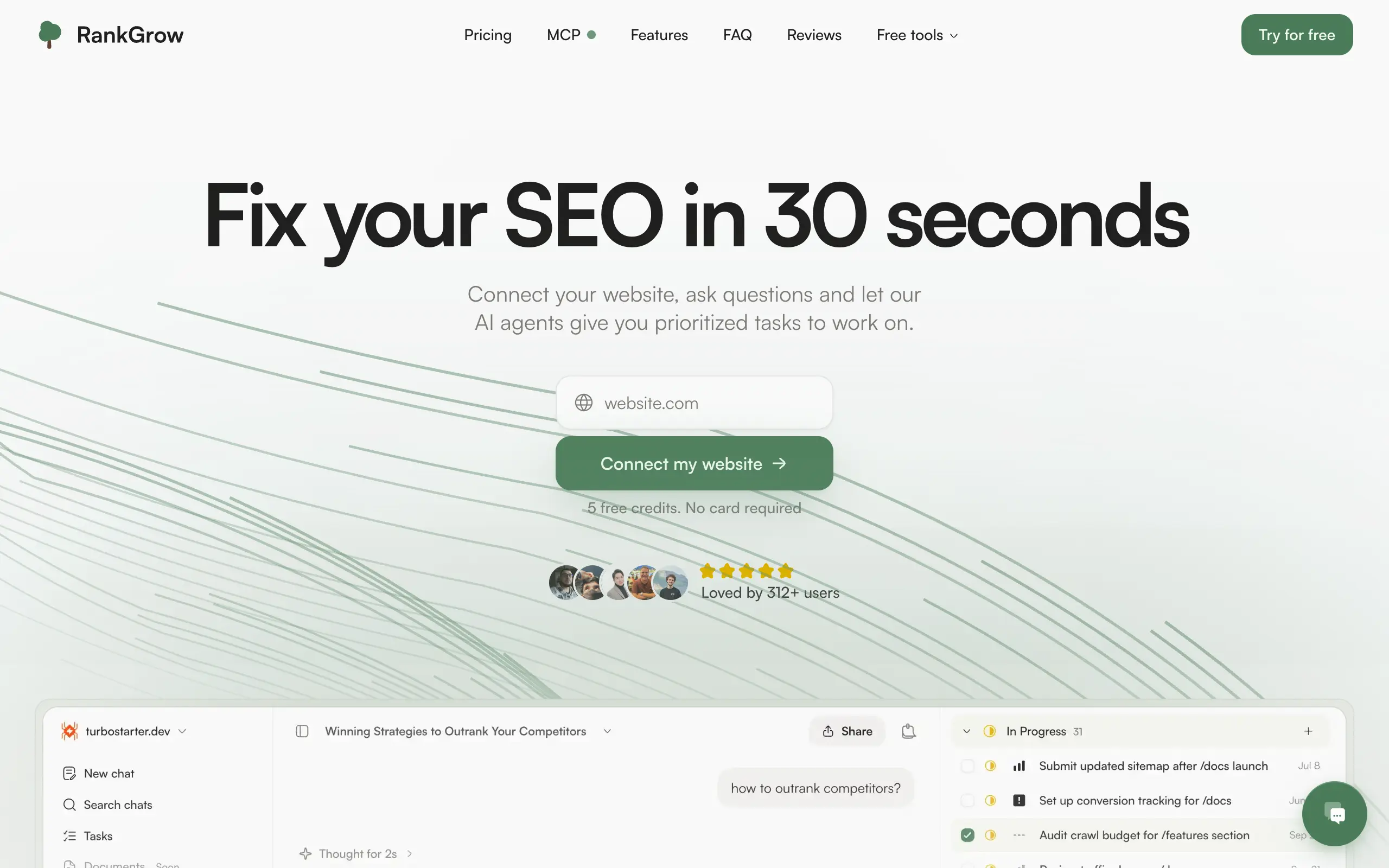
RankGrow
Fix your SEO with AI agents - connect Search Console, get prioritized tasks, and grow organic traffic 📈
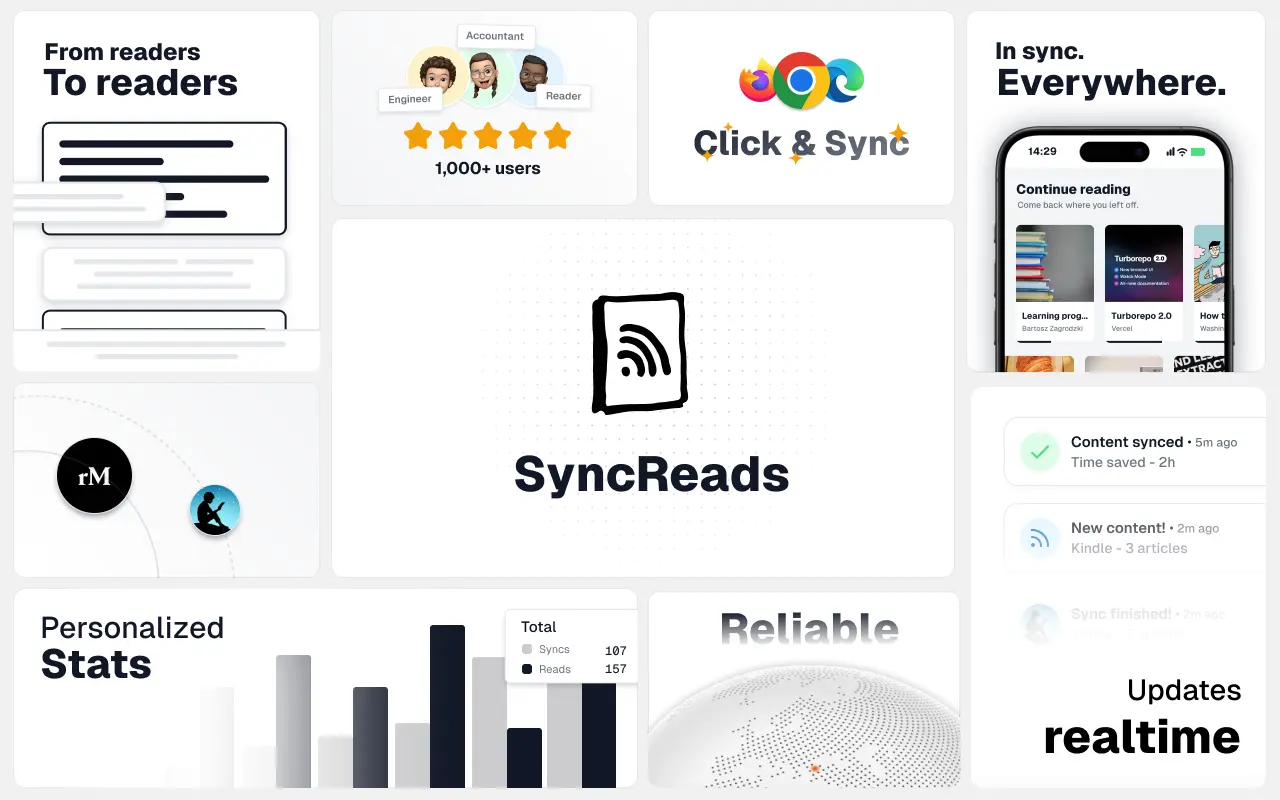
SyncReads
Sync your favorite content for distraction-free reading, save time and replace multiple apps. Anytime, anywhere 🔄
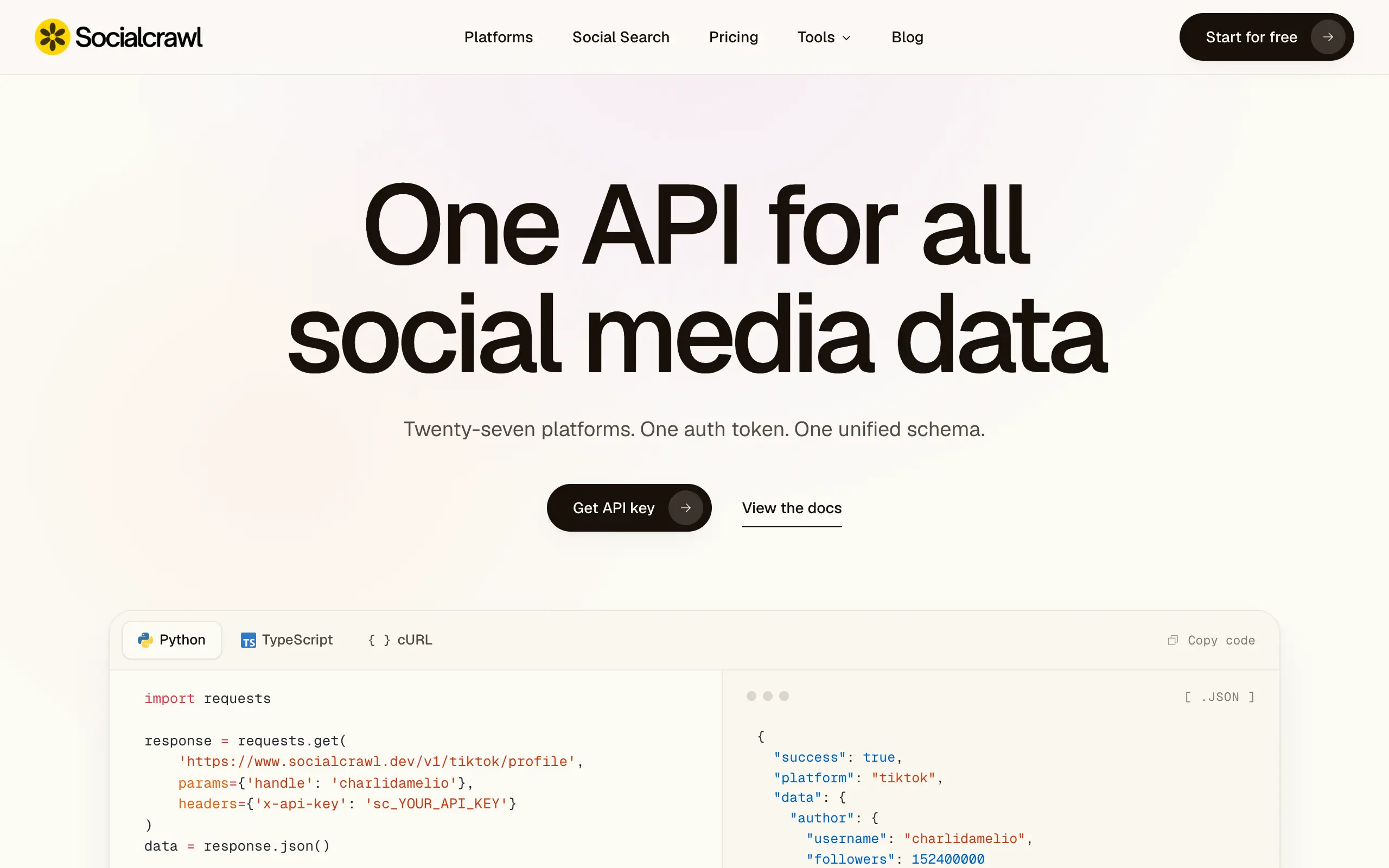
Socialcrawl
Get clean, structured data from 21 platforms like TikTok, Instagram, and YouTube with a single request 📊
Statiko
Monitor any Telegram channel in real time - track posts, edits, deletions, and growth with AI recaps 📡
Shibui
AI website builder - describe your business, pick a niche template, edit by chatting, and publish instantly ✨
Pro Service
Find verified home service professionals, compare quotes, and pay securely through escrow - built for Brazilians across the US 🏠
RankGrow
Fix your SEO with AI agents - connect Search Console, get prioritized tasks, and grow organic traffic 📈
SyncReads
Sync your favorite content for distraction-free reading, save time and replace multiple apps. Anytime, anywhere 🔄
Socialcrawl
Get clean, structured data from 21 platforms like TikTok, Instagram, and YouTube with a single request 📊
Statiko
Monitor any Telegram channel in real time - track posts, edits, deletions, and growth with AI recaps 📡
Shibui
AI website builder - describe your business, pick a niche template, edit by chatting, and publish instantly ✨
Pro Service
Find verified home service professionals, compare quotes, and pay securely through escrow - built for Brazilians across the US 🏠
RankGrow
Fix your SEO with AI agents - connect Search Console, get prioritized tasks, and grow organic traffic 📈
SyncReads
Sync your favorite content for distraction-free reading, save time and replace multiple apps. Anytime, anywhere 🔄
Socialcrawl
Get clean, structured data from 21 platforms like TikTok, Instagram, and YouTube with a single request 📊
Statiko
Monitor any Telegram channel in real time - track posts, edits, deletions, and growth with AI recaps 📡
Shibui
AI website builder - describe your business, pick a niche template, edit by chatting, and publish instantly ✨
Pro Service
Find verified home service professionals, compare quotes, and pay securely through escrow - built for Brazilians across the US 🏠
RankGrow
Fix your SEO with AI agents - connect Search Console, get prioritized tasks, and grow organic traffic 📈
SyncReads
Sync your favorite content for distraction-free reading, save time and replace multiple apps. Anytime, anywhere 🔄
Socialcrawl
Get clean, structured data from 21 platforms like TikTok, Instagram, and YouTube with a single request 📊
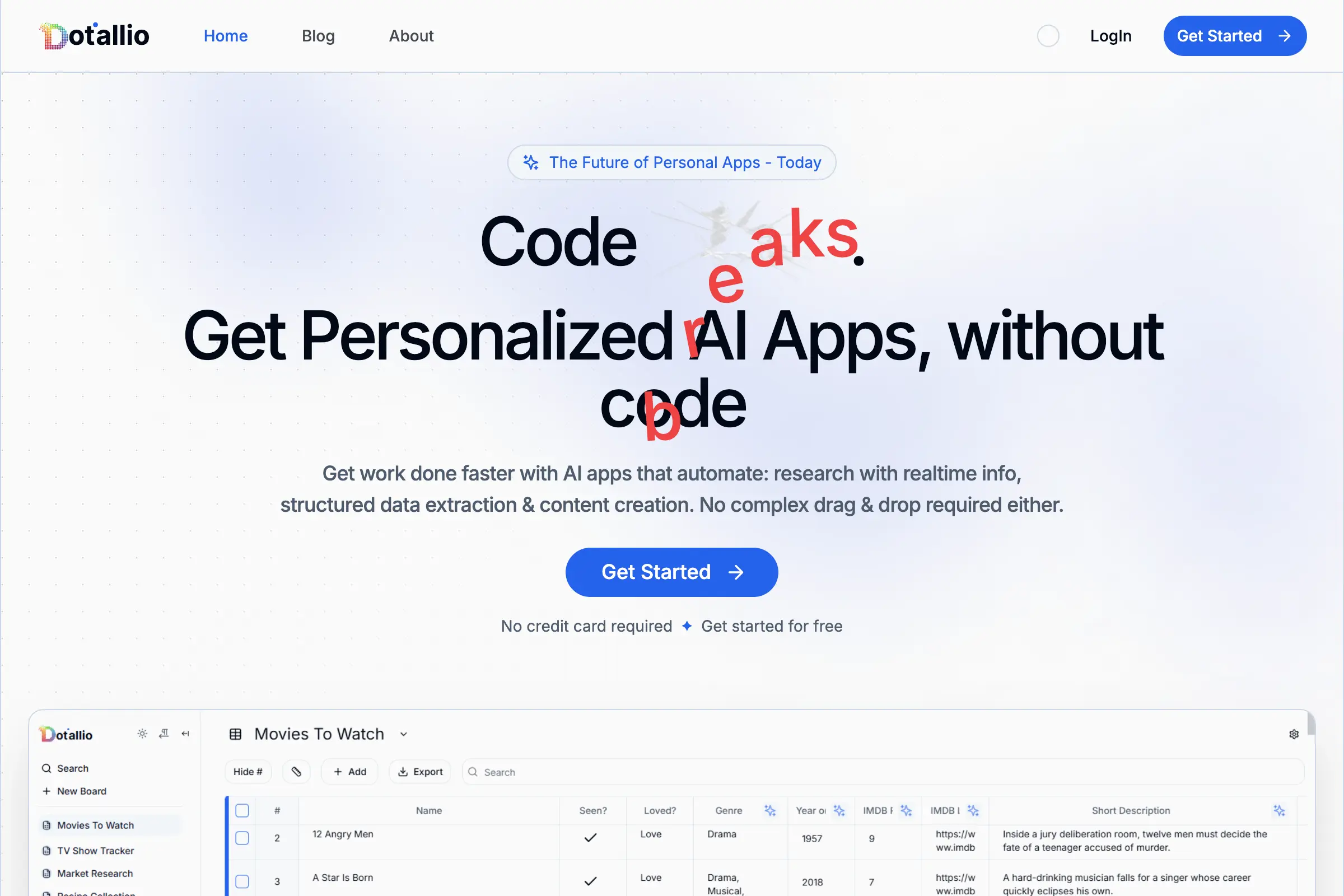
Dotallio
Personalized AI apps that automate research, data extraction, and content creation without code 🤖

Talk to Santa
Enjoy a magical live video chat or receive a unique AI-generated video greeting from Santa Claus 🎅
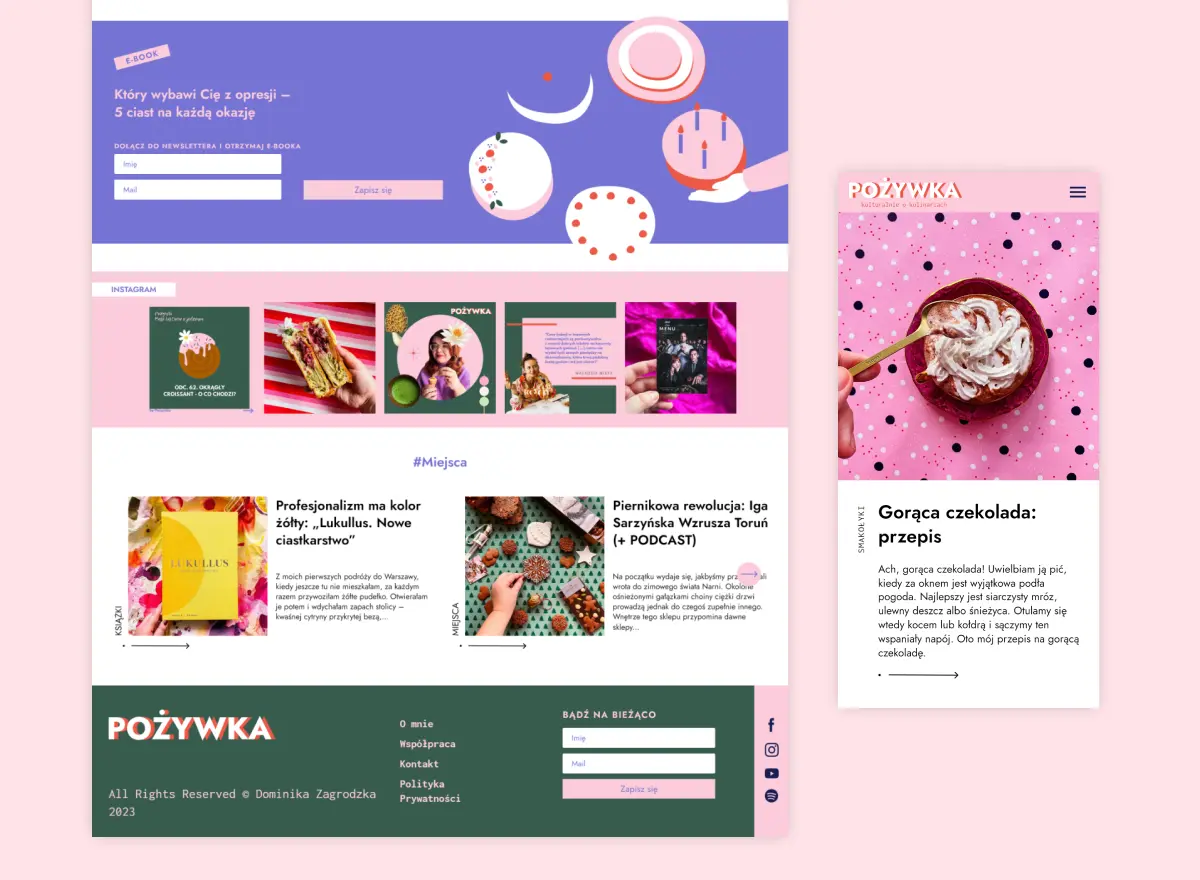
pozywka.pl
Scalable blog for food journalist, focused on performance and user experience 🌭
zagrodzki.me
Personal blog and portfolio of Bart Zagrodzki, where he shares his knowledge and work 💼
TurboStarter
Ship your startup everywhere. In minutes.
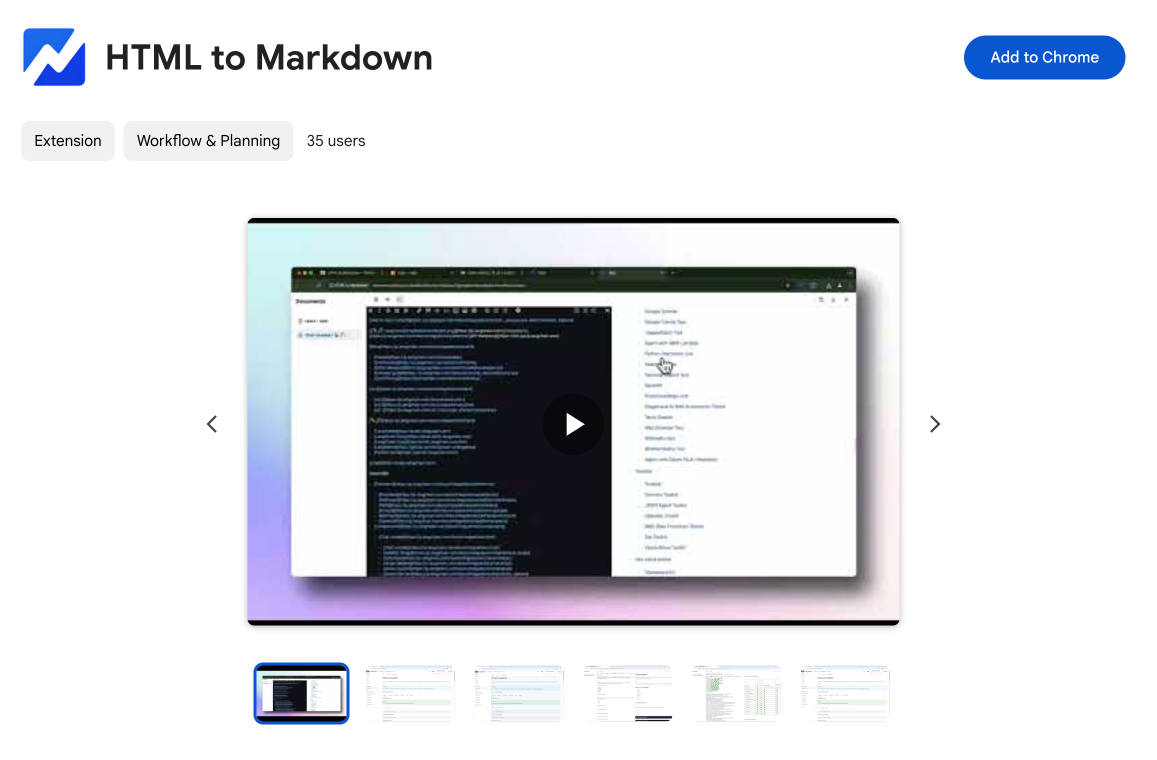
HTML to Markdown
Convert HTML to Markdown with ease, directly in your browser 📄
Dotallio
Personalized AI apps that automate research, data extraction, and content creation without code 🤖
Talk to Santa
Enjoy a magical live video chat or receive a unique AI-generated video greeting from Santa Claus 🎅
pozywka.pl
Scalable blog for food journalist, focused on performance and user experience 🌭
zagrodzki.me
Personal blog and portfolio of Bart Zagrodzki, where he shares his knowledge and work 💼
TurboStarter
Ship your startup everywhere. In minutes.
HTML to Markdown
Convert HTML to Markdown with ease, directly in your browser 📄
Dotallio
Personalized AI apps that automate research, data extraction, and content creation without code 🤖
Talk to Santa
Enjoy a magical live video chat or receive a unique AI-generated video greeting from Santa Claus 🎅
pozywka.pl
Scalable blog for food journalist, focused on performance and user experience 🌭
zagrodzki.me
Personal blog and portfolio of Bart Zagrodzki, where he shares his knowledge and work 💼
TurboStarter
Ship your startup everywhere. In minutes.
HTML to Markdown
Convert HTML to Markdown with ease, directly in your browser 📄
Dotallio
Personalized AI apps that automate research, data extraction, and content creation without code 🤖
Talk to Santa
Enjoy a magical live video chat or receive a unique AI-generated video greeting from Santa Claus 🎅
pozywka.pl
Scalable blog for food journalist, focused on performance and user experience 🌭
zagrodzki.me
Personal blog and portfolio of Bart Zagrodzki, where he shares his knowledge and work 💼
TurboStarter
Ship your startup everywhere. In minutes.
HTML to Markdown
Convert HTML to Markdown with ease, directly in your browser 📄
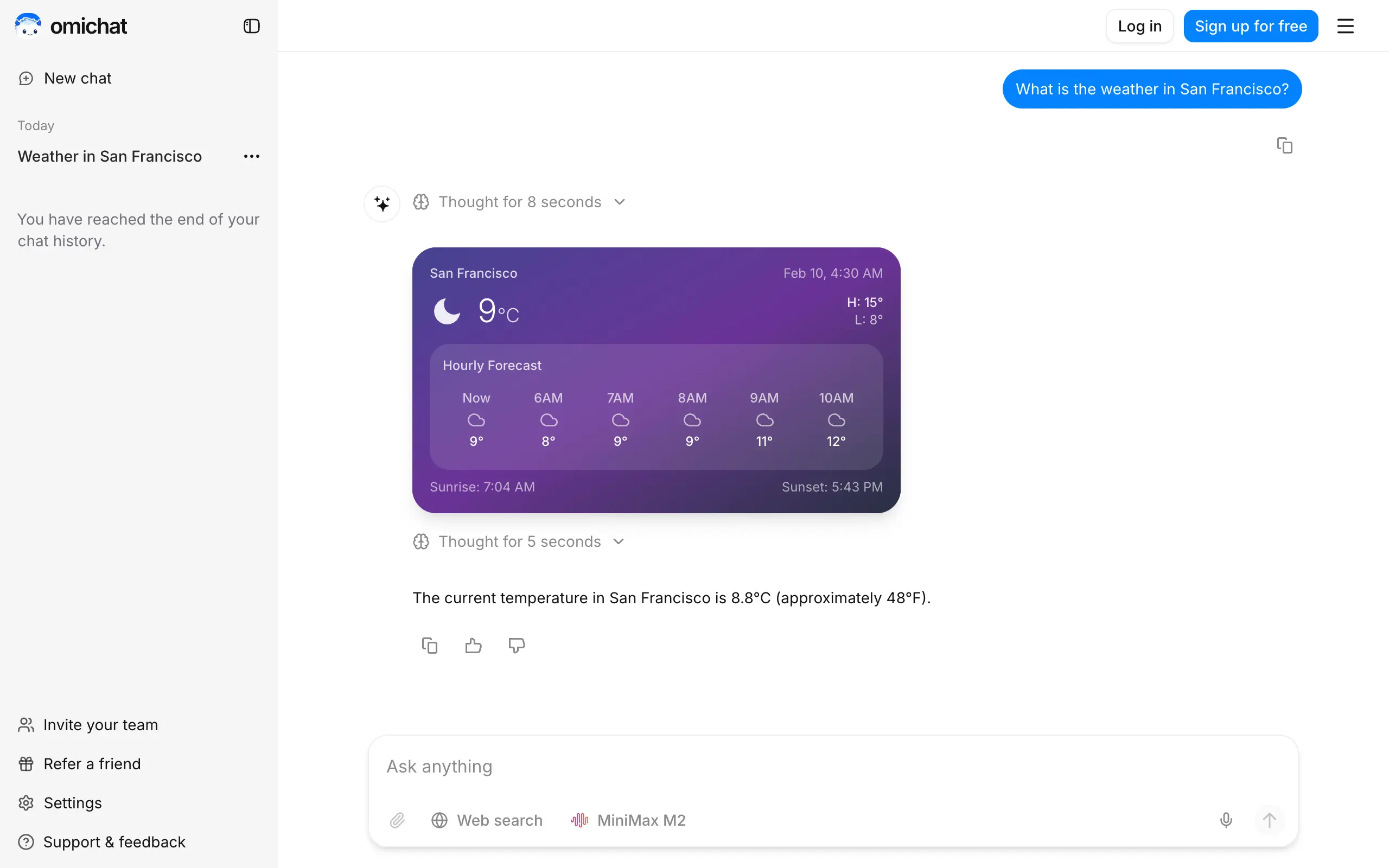
Omichat
Chat with 50+ AI models, including ChatGPT and Claude, in one place - switch models anytime without losing context 🤖
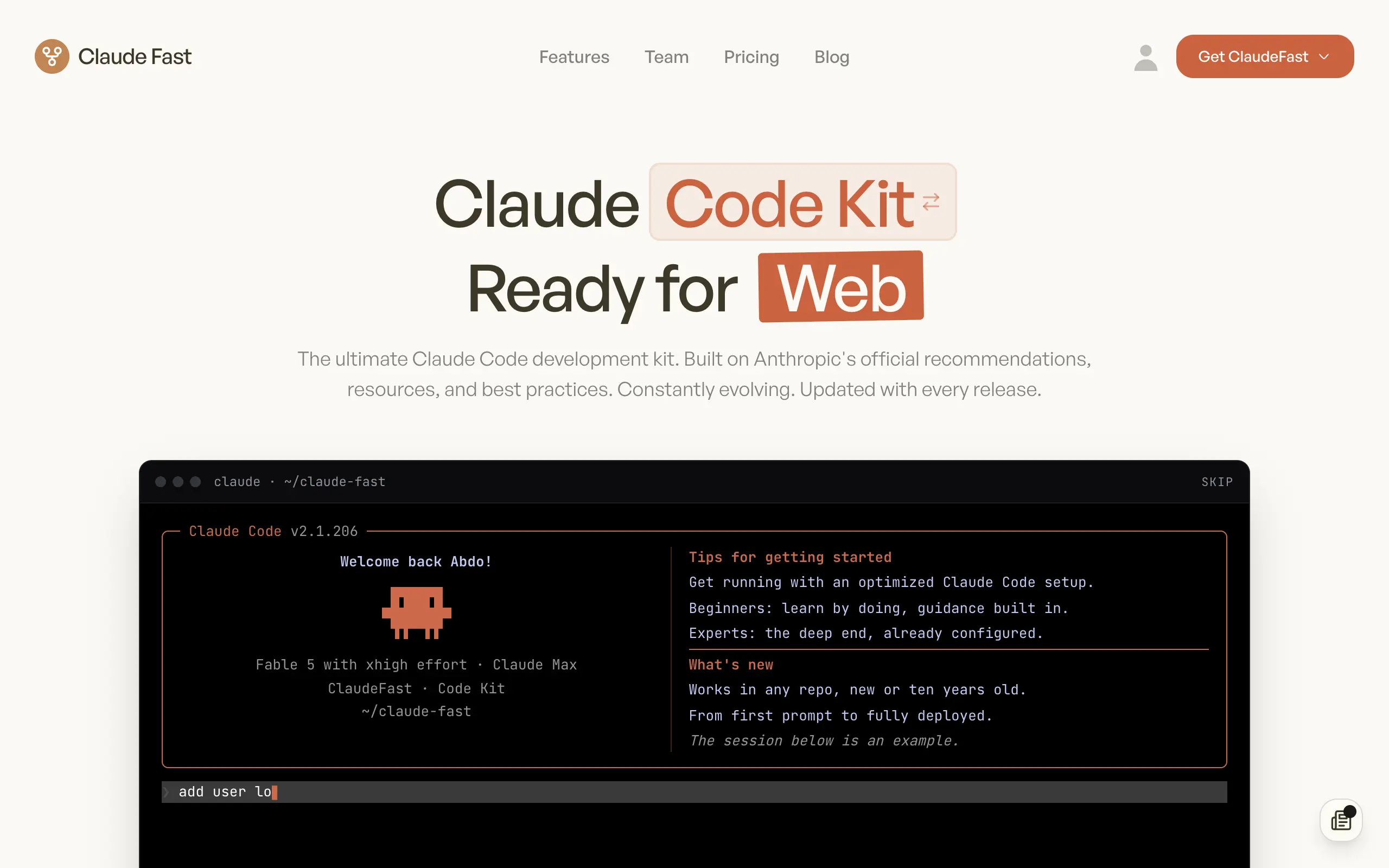
Claude Fast
Supercharge your Claude Code with 6x effective context window and specialized AI agents 🤖
EmojAI
AI-powered emoji picker with smart, context-aware suggestions 🤖
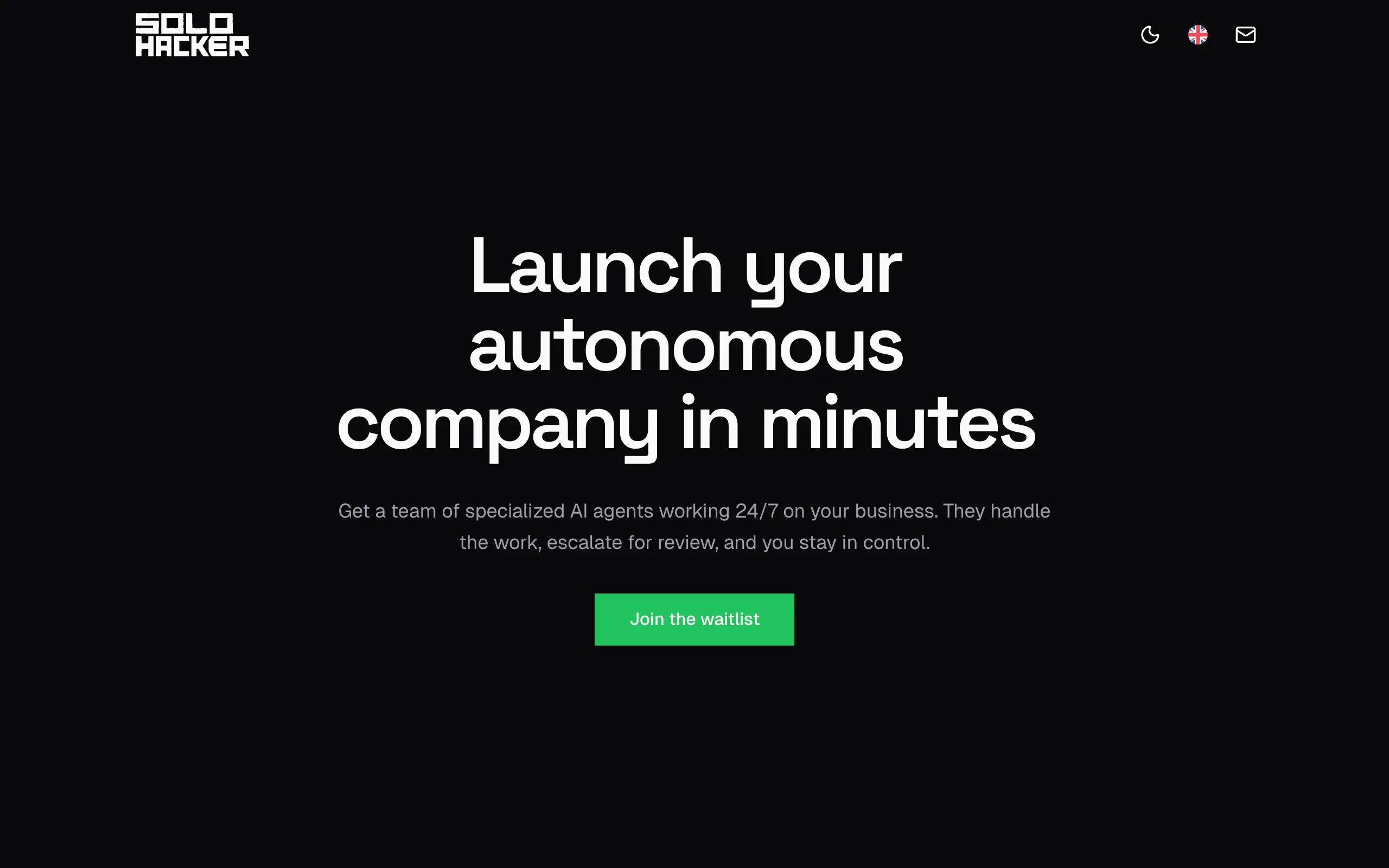
Solohacker
Autonomous company launcher - AI agents work 24/7, escalate what matters, and you stay in control 🤖
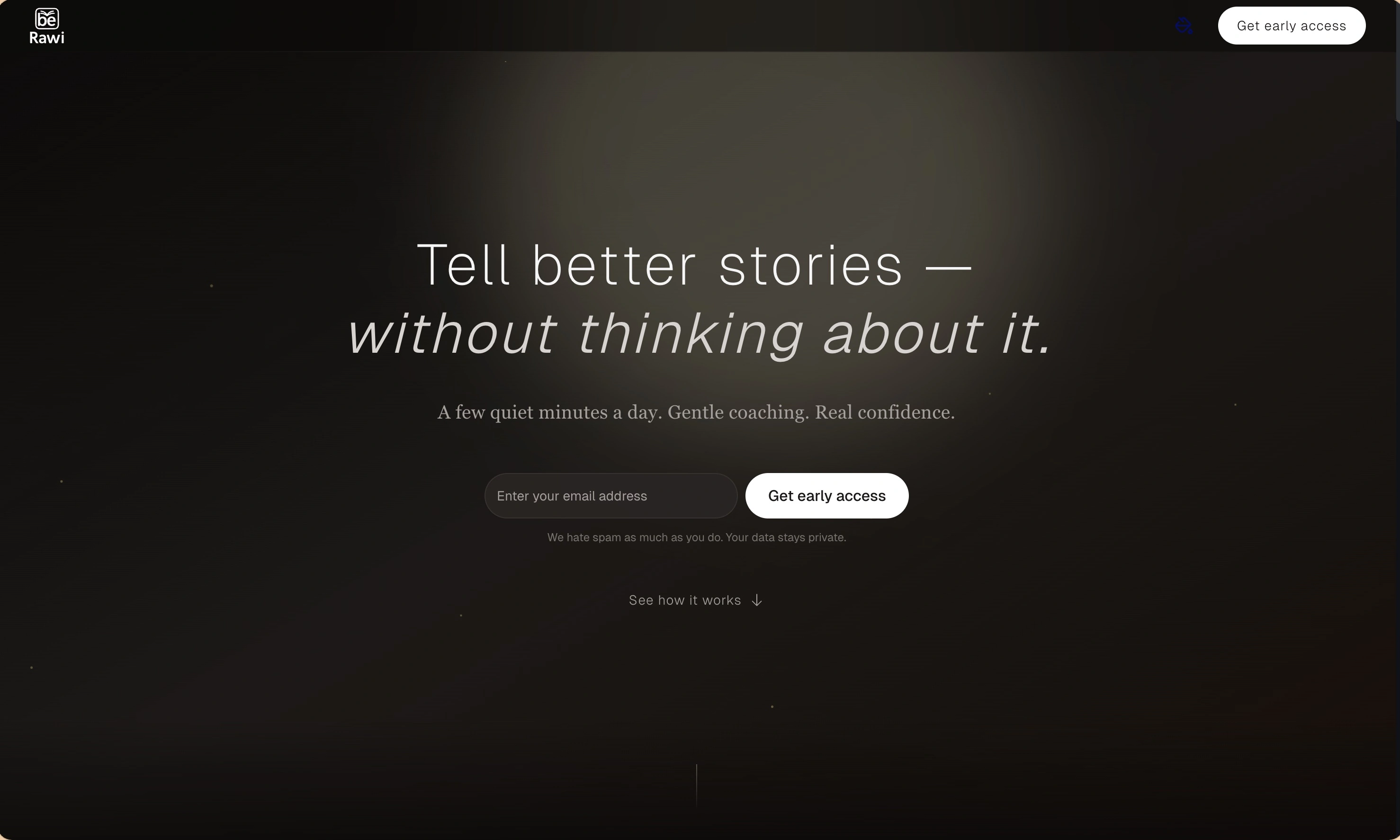
BeRawi: Storytelling Coach
Practice storytelling daily with instant feedback to sound clearer, more engaging, and confident 🎤
Omichat
Chat with 50+ AI models, including ChatGPT and Claude, in one place - switch models anytime without losing context 🤖
Claude Fast
Supercharge your Claude Code with 6x effective context window and specialized AI agents 🤖
EmojAI
AI-powered emoji picker with smart, context-aware suggestions 🤖
Solohacker
Autonomous company launcher - AI agents work 24/7, escalate what matters, and you stay in control 🤖
BeRawi: Storytelling Coach
Practice storytelling daily with instant feedback to sound clearer, more engaging, and confident 🎤
Omichat
Chat with 50+ AI models, including ChatGPT and Claude, in one place - switch models anytime without losing context 🤖
Claude Fast
Supercharge your Claude Code with 6x effective context window and specialized AI agents 🤖
EmojAI
AI-powered emoji picker with smart, context-aware suggestions 🤖
Solohacker
Autonomous company launcher - AI agents work 24/7, escalate what matters, and you stay in control 🤖
BeRawi: Storytelling Coach
Practice storytelling daily with instant feedback to sound clearer, more engaging, and confident 🎤
Omichat
Chat with 50+ AI models, including ChatGPT and Claude, in one place - switch models anytime without losing context 🤖
Claude Fast
Supercharge your Claude Code with 6x effective context window and specialized AI agents 🤖
EmojAI
AI-powered emoji picker with smart, context-aware suggestions 🤖
Solohacker
Autonomous company launcher - AI agents work 24/7, escalate what matters, and you stay in control 🤖
BeRawi: Storytelling Coach
Practice storytelling daily with instant feedback to sound clearer, more engaging, and confident 🎤

Connect with like-minded people
Join our community to get feedback, support, and grow together with 1,000+ builders on board, let's ship it!
Join usShip your startup everywhere. In minutes.
Don't burn tokens on setup and start building features on day one.