CanopyLedger
Help plantation auditors document disease risks, canopy anomalies, and corrective actions with evidence-ready reports for buyers and lenders.
Plantation audits are becoming more consequential and more difficult to defend. Buyers want proof that crop risks were identified early. Lenders want confidence that financed assets are monitored. Certification teams need traceable corrective actions. Field managers need a practical system that works when the connection is weak, time is limited, and the evidence is scattered across photos, spreadsheets, paper forms, and chat messages.
CanopyLedger is a B2B opportunity built around that gap. It is a plantation audit software platform for documenting disease risks, canopy anomalies, field observations, and corrective actions in evidence-ready reports. Rather than acting as another generic farm management dashboard, it can become the auditable system of record for plantation health risk.
The strongest positioning is simple: CanopyLedger helps plantation operators turn field observations into credible, buyer- and lender-ready evidence.
Why plantation audit software is a timely SaaS opportunity
Plantation businesses operate at the intersection of biological uncertainty, financial exposure, operational complexity, and supply-chain scrutiny. A disease outbreak, irrigation issue, storm event, nutrient deficiency, pest pressure, or canopy decline can affect yield forecasts and asset value well before it appears in a standard financial report.
Many operators already collect some relevant information. The problem is that their documentation workflow is often fragmented.
- Field scouts take photos on personal phones.
- Supervisors note issues in spreadsheets or messaging apps.
- Agronomists create separate recommendations.
- Managers compile monthly reports manually.
- Auditors must reconcile evidence after the fact.
- Buyers and lenders receive summaries without a transparent evidence trail.
This creates a material trust problem. If a buyer asks when a disease risk was discovered, who verified it, what action was approved, and whether the action was completed, an organization should be able to answer quickly. A folder of photos and a retrospective PDF are rarely sufficient.
Plantation audit software addresses this need by creating a linked record between the observed condition, its location, its supporting evidence, its severity assessment, the assigned corrective action, and its final verification.
The strategic opportunity
CanopyLedger should not compete primarily on farm operations breadth. Its category-defining value is an evidence chain that makes plantation risks easier to detect, investigate, remediate, and defend.
This positioning is particularly relevant for high-value and long-cycle plantation crops, where buyers, insurers, asset managers, sustainability teams, and lenders may need visibility into operational risk. Depending on the target geography, the product could serve coffee, cocoa, oil palm, rubber, tea, citrus, timber, banana, avocado, or other perennial crop operations.
The target audience for CanopyLedger
A strong go-to-market strategy begins with recognizing that “plantation operator” is not one user type. The people entering field evidence, approving corrective actions, and consuming reports have different incentives and workflows.
Primary users inside plantation operations
The first user group is the people closest to field conditions. They need fast, structured ways to record what they see.
- Field scouts need mobile-first inspection forms, offline data capture, photo uploads, GPS-aware locations, and minimal typing.
- Estate supervisors need to review new findings, assign follow-up work, escalate severe risks, and check whether evidence is complete.
- Agronomists and plant health specialists need disease classifications, symptom tracking, severity scoring, treatment recommendations, and repeat-inspection workflows.
- Compliance and sustainability managers need audit trails, standardized records, corrective action logs, document exports, and policy-aligned reports.
- Operations leaders need portfolio-level visibility into unresolved risks, recurring anomalies, high-risk blocks, overdue actions, and trends over time.
The product should feel different for each role while keeping every user connected to the same underlying evidence record.
External stakeholders who need credible reports
External stakeholders are often not daily users, but they can be the economic reason a customer buys.
- Buyers may need documented evidence of quality, traceability, sustainability controls, or supply continuity.
- Lenders may need risk reporting that supports monitoring of collateral or financed operations.
- Insurers may value clearer loss-prevention evidence and more organized incident documentation.
- Third-party auditors need records that are dated, attributable, and difficult to alter without trace.
- Investment managers need portfolio-level indicators that translate biological risks into operational exposure.
The most compelling commercial wedge is often the compliance manager or operations director who is tired of assembling audit packages manually. The most frequent user is often the scout or supervisor. CanopyLedger must serve both.
Ideal customer profile
The best initial customer profile is likely not the smallest farm and not the largest multinational enterprise. It is a mid-market or multi-estate plantation organization with meaningful audit pressure and enough operational complexity to feel the pain of fragmented evidence.
A practical early ideal customer profile includes organizations with the following characteristics.
- Multiple blocks, estates, or geographically dispersed production areas
- Recurring buyer, lender, certification, or board reporting requirements
- At least several people performing inspections or managing remediation
- High-value perennial crops where disease or canopy health affects commercial outcomes
- Existing spreadsheet and photo-based workflows that are visibly inefficient
- A management team willing to standardize inspection practices
Initial vertical focus matters. A product designed for every crop and every geography from day one can become too generic to win. CanopyLedger could start with one or two crop categories, build relevant templates and terminology, then expand through a configurable data model.
Field teams
Capture observations, photographs, locations, severity, and immediate recommendations while working in the plantation.
Compliance leaders
Create a defensible record of findings, owners, due dates, evidence, and verified remediation.
Buyers and lenders
Receive concise, trusted reports without requiring access to internal operational systems.
The market gap in plantation risk documentation
The core market gap is not a lack of agricultural software. There are many tools for farm management, crop planning, remote sensing, task management, equipment, traceability, and sustainability reporting. The gap is the connection between field-level risk evidence and a defensible corrective-action record.
Generic farm management platforms may track activities, inputs, and harvests. Remote-sensing products may identify vegetation anomalies. Audit management systems may support checklists. None of those categories automatically solve the full evidence workflow for plantation health risk.
CanopyLedger can connect five steps that are too often separate.
- Detection of a disease signal, canopy anomaly, or operational risk
- Documentation with time-stamped, geolocated, attributable evidence
- Assessment of severity, confidence, likely cause, and business impact
- Corrective action with ownership, deadlines, treatment details, and proof of completion
- Reporting in a format that buyers, lenders, auditors, and management can review
This is the product’s market gap and its moat. The value is not merely that it stores photos. The value is that every photo can be part of a controlled, searchable, reviewable record.
Why spreadsheets fail for evidence-ready reporting
Spreadsheets remain common because they are flexible and familiar. They are also structurally weak for this use case.
A spreadsheet may list an issue, but it typically struggles to preserve linked evidence, version history, location context, role-based approvals, and follow-up proof. A photograph stored in a shared folder might have metadata, but that metadata is rarely connected reliably to an assigned action and a closure decision.
The operational cost appears in several ways.
- Teams duplicate data across field forms, spreadsheets, reports, and messaging channels.
- Evidence becomes difficult to find during an audit or lender request.
- Managers cannot easily distinguish open findings from verified closures.
- Inconsistent naming makes trend analysis unreliable.
- The organization is exposed when an employee leaves with files on a personal device.
CanopyLedger replaces the “assemble the evidence later” model with “capture it correctly when the observation occurs.”
Remote sensing is an input, not the complete solution
Satellite imagery, drone surveys, and computer vision can make canopy anomaly detection more scalable. However, an anomaly layer alone does not establish what happened on the ground or whether it was remediated.
A remote-sensing alert should become a field inspection task. The field inspection should produce evidence. The evidence should generate an action plan. The action plan should be verified. CanopyLedger can become the workflow layer around those signals.
This is an important competitive distinction. Rather than attempting to replace sophisticated imagery providers early, the product can integrate their alerts into an auditable operational process.
The CanopyLedger solution and core product features
The product should be designed around an evidence-first case record. Every notable issue becomes a risk case with a standardized structure, a clear lifecycle, and a visible chain of accountability.
Risk cases for disease and canopy anomalies
A risk case is the central object in CanopyLedger. It can represent a suspected disease outbreak, canopy thinning, pest damage, nutrient deficiency pattern, drainage issue, storm damage, or other material plantation condition.
Each case should include the following fields.
- Observation type such as disease, pest, canopy anomaly, soil issue, irrigation issue, or weather damage
- Location at estate, block, plot, row, or GPS coordinate level
- Date and reporter to establish who observed the condition and when
- Severity score based on configurable crop- and customer-specific criteria
- Evidence files including photographs, video, sensor readings, PDFs, and laboratory results
- Context such as weather, crop stage, affected area, and prior interventions
- Assessment status that distinguishes suspected, confirmed, under treatment, resolved, and closed
- Corrective action links that connect the issue to accountable work items
- Verification evidence that supports final closure
A practical design principle is to make required fields configurable by issue type. A suspected fungal disease may need lesion photos and sample details. A canopy anomaly may need an affected-area estimate, imagery reference, and field verification notes.
Mobile-first and offline-capable field inspections
Plantations often have unreliable connectivity. The mobile experience cannot be an afterthought.
A field inspector should be able to open a preassigned inspection, select a block, capture images, choose a severity level, add notes, and submit later if the device is offline. Sync conflicts should be rare and understandable. The user should always know whether an entry has been uploaded successfully.
Important field workflow capabilities include the following.
- Offline form completion and queued uploads
- Photo annotation to highlight symptoms or damaged zones
- GPS capture with user-visible accuracy indicators
- QR or NFC identification for blocks, equipment, or sampling locations
- Configurable templates by crop, inspection type, and customer policy
- Voice-to-text notes for faster documentation
- Escalation prompts for severe findings
- Repeatable inspection routes and checklists
Offline reliability is a product requirement, not a premium feature. If field teams lose confidence that the tool works during an inspection, they will revert to personal notes and photo galleries.
Corrective action management that proves follow-through
The corrective action module should do more than assign tasks. It should show that remediation was planned, executed, checked, and accepted.
Each action can include an owner, due date, instructions, recommended treatment, required completion evidence, cost category, and approval status. A manager should be able to see which actions are overdue, blocked, or awaiting verification.
For example, a disease case might lead to a targeted block inspection, sanitation measures, a treatment application, an agronomist review, and a follow-up assessment. Each action has its own record, but all remain connected to the original risk case.
This traceability is essential for lender and buyer reporting. It turns the conversation from “we addressed it” into “here is what was observed, what was approved, what was completed, and how closure was verified.”
Evidence-ready reports for buyers and lenders
Reports are where CanopyLedger becomes commercially valuable to non-field stakeholders. The platform should produce concise outputs without forcing external audiences to navigate the full operational system.
Recommended report types include the following.
- Monthly plantation health and risk summary
- Open critical findings report
- Corrective action aging report
- Block-level disease or canopy anomaly report
- Buyer due-diligence evidence package
- Lender monitoring package
- Audit-ready corrective action register
- Incident report with chronology and attached evidence
Each report should be exportable to PDF and spreadsheet formats, with filters for date range, estate, crop, issue type, severity, and status. Ideally, a report can include a secure evidence index so that a reviewer can inspect linked photos and source documents without exposing unrelated operational data.
Risk dashboards and trend analysis
The dashboard should answer operational questions quickly.
- Which estates have the most unresolved high-severity findings?
- Which blocks show repeated canopy anomalies?
- How long does it take to verify corrective actions?
- Which issue types recur after treatment?
- Are certain conditions concentrated by weather period, crop stage, or location?
- Which users or teams have overdue inspection responsibilities?
Avoid treating a dashboard as decoration. Every visual should support a decision or a follow-up workflow.
Mobile inspections, photographs, GPS context, offline capture, configurable forms, and repeat-visit workflows help teams record observations at the moment they matter.
Severity rules, assignments, deadlines, approvals, escalation paths, and closure verification create accountability across the remediation lifecycle.
Buyer, lender, auditor, and board-ready reports transform operational records into a clear evidence package with traceable supporting documentation.
Building trust with evidence integrity and audit trails
For CanopyLedger, trust is a feature. Buyers and lenders will care less about an attractive dashboard if the underlying records can be changed without trace or if it is unclear who supplied the evidence.
The platform should preserve a transparent history for material changes.
- Record who created, edited, approved, reopened, and closed a case.
- Preserve original upload timestamps and source metadata where feasible.
- Log status changes and reason codes.
- Maintain evidence versioning instead of silently replacing files.
- Restrict deletion of sensitive records through permissions and retention rules.
- Capture verification identity and date for closure decisions.
- Generate reports from controlled data snapshots.
This does not mean every field must be immutable. Field mistakes happen. It means edits must be explainable and visible where they affect the audit record.
Data governance principles
CanopyLedger should include role-based access control from the earliest version. A field scout may submit observations but not approve closure. An agronomist may assess disease classification. A compliance manager may generate buyer reports. A lender could receive read-only access to a carefully scoped reporting portal.
Data residency, retention, and consent requirements will vary by region and customer. The product should make it easy for enterprise customers to understand where data is stored, how long it is retained, and who can access it.
For evidence photos, it is also wise to consider privacy and safety. Images may include people, vehicle identifiers, neighboring land, or sensitive infrastructure. Clear permissions, redaction workflows, and secure sharing links can reduce avoidable exposure.
Recommended tech stack for plantation audit software
The best CanopyLedger stack should prioritize offline resilience, secure multi-tenant data access, rapid iteration, and reliable document generation. This is a workflow-heavy B2B SaaS product, not an experimental consumer app.
A pragmatic application architecture
A modern TypeScript stack is a strong fit for a lean team.
- Frontend built with React and Next.js for a responsive web application, reporting interface, and operational admin tools
- Styling with Tailwind CSS for fast, consistent component development
- Database using PostgreSQL for transactional integrity, relational reporting, and geospatial extensions when needed
- Backend using Next.js server capabilities or a dedicated TypeScript API service as complexity grows
- Authentication with enterprise-ready authentication, multi-factor authentication, and role-based access controls
- Storage using encrypted object storage for high-resolution images, reports, lab files, and supporting evidence
- Mobile workflow through a progressive web app initially, followed by native mobile apps if offline media capture and background sync require deeper operating system support
- Mapping through a geospatial provider such as Mapbox for field locations, blocks, and anomaly overlays
A managed backend platform such as Supabase can accelerate the first version by combining Postgres, authentication, file storage, and row-level security. The trade-off is that complex enterprise integrations and high-scale processing may eventually require more custom infrastructure. That is acceptable if the initial architecture keeps the data model portable.
The case data model
The data model should reflect the workflow, not merely the UI. The central entities may include organizations, estates, blocks, inspections, observations, cases, evidence assets, corrective actions, approvals, report templates, and audit events.
type RiskCase = {
  id: string;
  organizationId: string;
  estateId: string;
  blockId?: string;
  category: "disease" | "canopy_anomaly" | "pest" | "weather_damage";
  severity: "low" | "medium" | "high" | "critical";
  status: "suspected" | "confirmed" | "in_treatment" | "verified" | "closed";
  observedAt: string;
  reportedByUserId: string;
  evidenceIds: string[];
  correctiveActionIds: string[];
  verifiedAt?: string;
  verifiedByUserId?: string;
};
The example is intentionally simple. In production, use normalized tables for evidence, status transitions, and actions. This design improves reporting accuracy and preserves a clean audit trail.
Offline synchronization trade-offs
Offline support is one of the hardest technical areas in the product. A web-first progressive web app is cheaper to launch and easier to update than a native app. However, device storage limits, camera behavior, background upload reliability, and conflict resolution can become more demanding as field usage increases.
A useful rollout path is the following.
- Launch a responsive web application for managers and compliance users.
- Add a progressive web app for structured offline inspection forms and queued submissions.
- Validate usage in low-connectivity regions with real field teams.
- Build native iOS and Android experiences if offline media workflows, barcode scanning, or background synchronization warrant the additional investment.
The key is not choosing native technology too early. It is validating the exact field constraints with real inspectors.
Monetization strategy for CanopyLedger
CanopyLedger should use value-based B2B pricing rather than a low-cost, generic per-user model. The product helps customers reduce audit preparation time, improve risk visibility, and make external reporting more defensible. Those outcomes can justify pricing tied to operational scale and reporting complexity.
Recommended pricing structure
A tiered annual subscription can combine a platform fee with estate, block, or active-user allowances.
| Plan | Best fit | Core value | Pricing basis | Expansion path |
|---|---|---|---|---|
| Starter | Single estate teams | Digital inspections and action tracking | Annual platform fee | More users and blocks |
| Professional | Multi-estate operators | Advanced reports, templates, and dashboards | Estates plus active users | Buyer reporting and integrations |
| Enterprise | Large groups and financiers | SSO, APIs, governance, and tailored controls | Contracted annual value | Portfolio analytics and white-label reporting |
Potential revenue expansion options include the following.
- Premium report templates aligned with specific buyer or certification workflows
- Implementation and historical-data migration services
- Paid integration connectors for imagery, ERP, laboratory, or procurement systems
- Portfolio reporting for lenders or investment managers
- Additional data retention and enterprise governance packages
- Professional services for custom inspection templates and controls
Avoid charging per photo or per report in the early product. Those metrics discourage the evidence capture behavior that makes the platform valuable. Charge for organizational value, not for responsible documentation.
Competitive advantage and product differentiation
CanopyLedger can stand out by owning a narrow but critical workflow: from field risk observation to verified, externally credible corrective action.
Its differentiation should rest on five pillars.
1. Evidence continuity instead of disconnected records
The platform connects a finding, its evidence, the assessment, the assigned action, and the closure verification. Competitors may cover one stage well, but the combined chain creates stronger audit readiness.
2. Plantation-specific risk workflows
Generic audit tools require heavy configuration and can feel detached from field reality. CanopyLedger can provide crop-aware templates, block-level mapping, disease and canopy categories, repeat-inspection logic, and operational severity scoring.
3. Buyer and lender-ready output
Most farm tools are optimized for operators. CanopyLedger should also make external reporting easy without exposing the entire internal workspace. This creates budget justification beyond the agronomy team.
4. Offline-first field adoption
A reporting product only works if evidence is captured consistently. A fast, simple, reliable mobile experience can become a durable adoption advantage.
5. Longitudinal risk intelligence
Once a customer has a history of categorized findings, actions, and outcomes, CanopyLedger can identify recurrence patterns, action delays, hotspot blocks, and intervention effectiveness. This creates switching costs based on accumulated operational intelligence, not merely stored documents.
Risks and mitigation strategies
Every vertical SaaS opportunity has execution risks. The goal is to identify them early and build mitigation into product and go-to-market decisions.
Keep mobile forms short, use crop-specific templates, enable offline entry, support voice notes, and demonstrate that submitted evidence reduces repetitive reporting later. Early onboarding should occur in the field, not only through remote training.
Clearly distinguish observation, suspected condition, and confirmed diagnosis. Use configurable confidence levels, require agronomist review for high-impact classifications, and avoid presenting automated suggestions as definitive diagnosis.
Start with a narrowly scoped pilot at one estate or for one audit workflow. Define measurable success criteria, such as report preparation time, closure rates, or evidence completeness, before expanding across the portfolio.
Treat remote sensing as an integration channel rather than the initial core product. Build excellent case management and evidence workflows first, then connect external anomaly signals when customers request them.
Addressing data quality risk
A platform cannot create trustworthy reports from incomplete or inconsistent inputs. CanopyLedger should use progressive validation without making field capture frustrating.
For example, high-severity cases can require at least one photo, a location, a severity rationale, and a follow-up owner. Low-severity observations can remain lighter weight. Templates should adapt to the importance of the finding.
Data quality dashboards can also identify missing locations, actions without verification, overdue cases, and photos without category tags. These are not merely administrative alerts. They protect the integrity of the evidence package.
Responsible use of AI
AI can eventually help classify photos, summarize field notes, detect missing evidence, suggest action templates, and surface recurring risk patterns. However, disease identification is high stakes. False confidence can create operational and legal problems.
The safest product strategy is human-in-the-loop assistance.
- Use AI to suggest tags, not finalize diagnoses.
- Show confidence levels and require user confirmation.
- Preserve the raw evidence and reviewer decision.
- Make model limitations clear in the product.
- Track model performance by crop, geography, image quality, and condition type.
When publishing claims about AI accuracy or agricultural disease prevalence, cite peer-reviewed research, government agricultural agencies, or established industry bodies. Do not make unsupported predictive claims in sales materials.
How to validate demand before building everything
Before investing in a broad feature set, validate whether the evidence-reporting pain is urgent enough to drive budget.
Interview at least 20 potential buyers across operators, auditors, agronomists, lenders, and procurement teams. Focus on recent real events rather than hypothetical preferences.
Ask questions such as the following.
- Tell me about the last disease incident or canopy issue that required management reporting.
- How was evidence captured, reviewed, and stored?
- How long did it take to prepare the final report?
- What information was difficult to find?
- Who requested the report and what did they challenge?
- What happens when corrective actions are overdue?
- Which existing system should this integrate with?
- What would make the report credible enough for a buyer or lender?
Look for repeated evidence of painful manual reconciliation, report delays, missing documentation, unclear ownership, and external stakeholder pressure. These signals are stronger than general enthusiasm for “digitization.”
A paid pilot is the best validation. Offer a fixed-scope deployment around one estate, one crop, or one reporting workflow. Measure baseline and post-pilot outcomes.
Useful pilot metrics include the following.
- Percentage of findings with complete evidence
- Time required to prepare a monthly risk report
- Corrective action closure rate
- Average time from observation to assignment
- Percentage of high-severity findings verified on time
- Number of audit evidence retrieval requests resolved without manual searching
Actionable implementation roadmap
A disciplined rollout reduces the risk of building a feature-heavy platform before proving the core workflow.
Define one initial vertical, such as coffee estates, oil palm plantations, or forestry operations. Interview users across field, management, and external reporting roles.
Build the minimum evidence chain. Include organizations, estates, blocks, inspection forms, photo evidence, risk cases, corrective actions, status history, and PDF reporting.
Pilot with one design partner that has an immediate buyer, lender, or audit reporting requirement. Configure templates around its current process rather than forcing a generic workflow.
Improve field adoption through offline support, streamlined forms, role-based permissions, and reliable media uploads. Measure evidence completeness at every stage.
Add management dashboards and report templates once the underlying records are consistent. Prioritize reports customers already prepare manually.
Expand through integrations, portfolio-level reporting, anomaly data imports, and enterprise controls after the core evidence workflow is proven.
For teams that want a production-ready SaaS foundation rather than spending weeks rebuilding authentication, billing, application structure, and dashboards, TurboStarter can reduce setup time and let the team focus on CanopyLedger’s field evidence and audit workflow.
Final perspective on CanopyLedger
CanopyLedger has a credible path to becoming more than plantation management software. Its opportunity is to become the trusted evidence layer between what happens in the field and what decision-makers need to know.
The winning product will not try to be the most comprehensive agricultural platform on day one. It will make one high-value workflow dramatically better: documenting plantation risks and proving that corrective actions occurred.
That focus supports a compelling value proposition for operators, compliance leaders, buyers, and lenders alike. Field teams get simpler reporting. Managers get clear accountability. External stakeholders get defensible evidence. The customer gets a living record of operational risk instead of a scramble to reconstruct events when scrutiny arrives.
For a B2B SaaS founder, that combination of operational urgency, reporting pain, and growing demand for transparency creates a strong foundation for a focused, defensible vertical software business.
More 🏢 B2B Application SaaS ideas
Discover more innovative b2b application SaaS ideas that are trending in 2026. Each idea is AI-generated with market validation and growth potential to help you find your next profitable venture faster than competitors.
Your competitors are building with TurboStarter
Below are some of the SaaS ideas that have been generated and built with our starter kit.
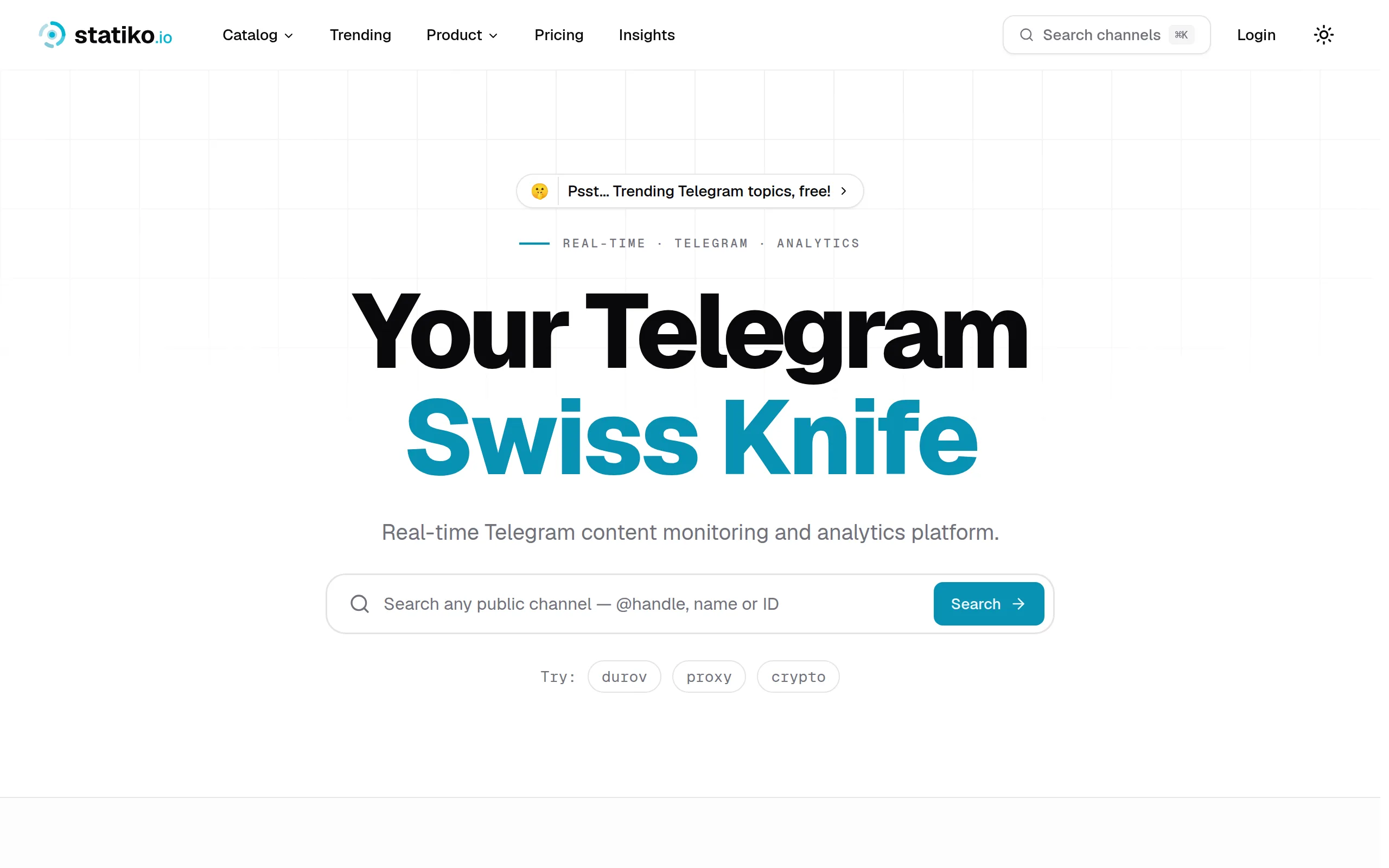
Statiko
Monitor any Telegram channel in real time - track posts, edits, deletions, and growth with AI recaps 📡

Shibui
AI website builder - describe your business, pick a niche template, edit by chatting, and publish instantly ✨

Pro Service
Find verified home service professionals, compare quotes, and pay securely through escrow - built for Brazilians across the US 🏠
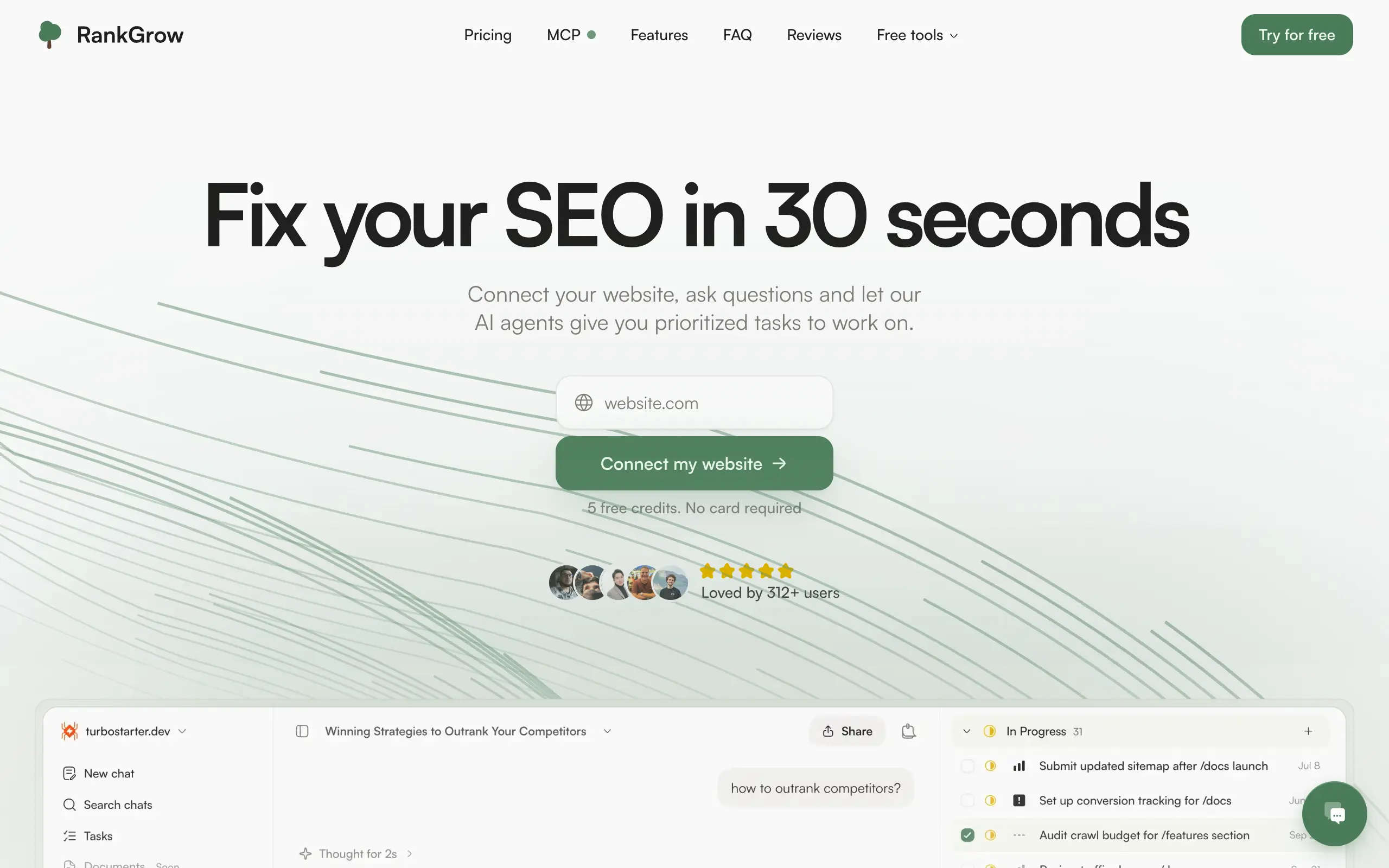
RankGrow
Fix your SEO with AI agents - connect Search Console, get prioritized tasks, and grow organic traffic 📈
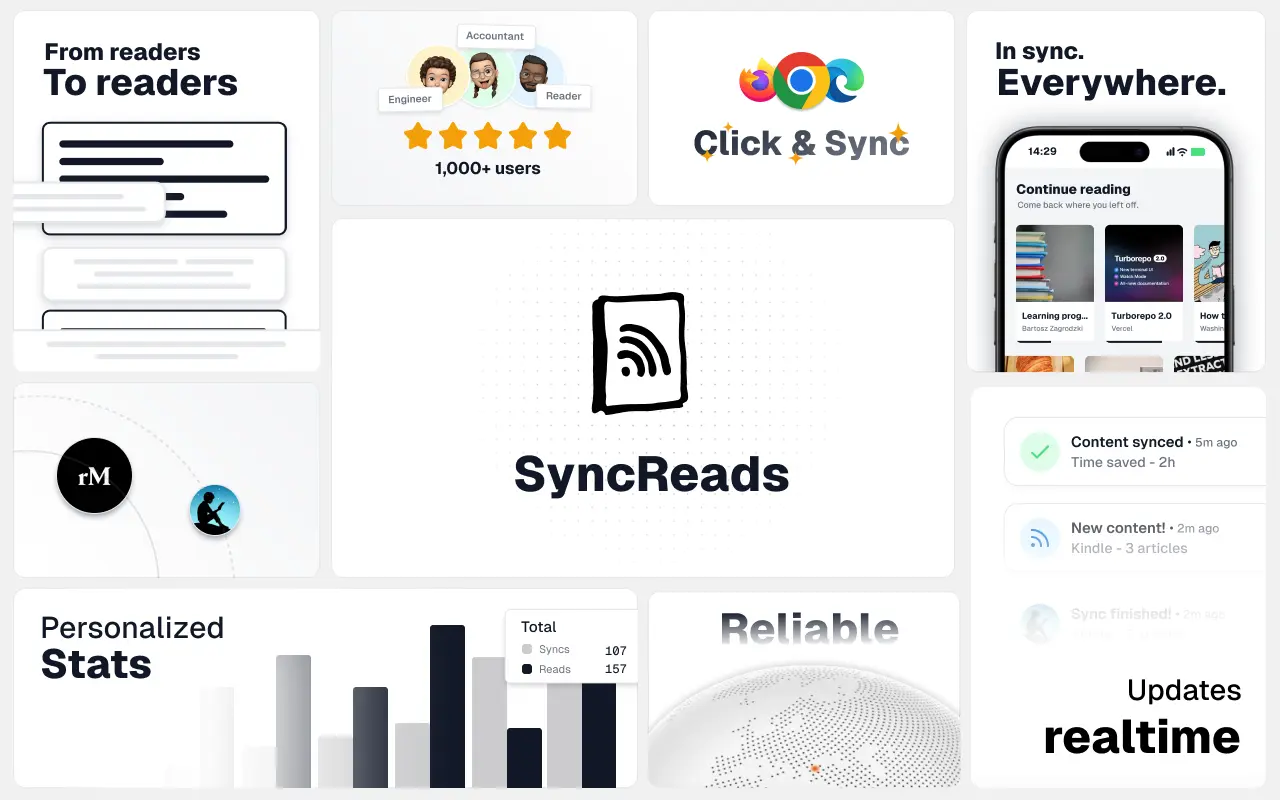
SyncReads
Sync your favorite content for distraction-free reading, save time and replace multiple apps. Anytime, anywhere 🔄
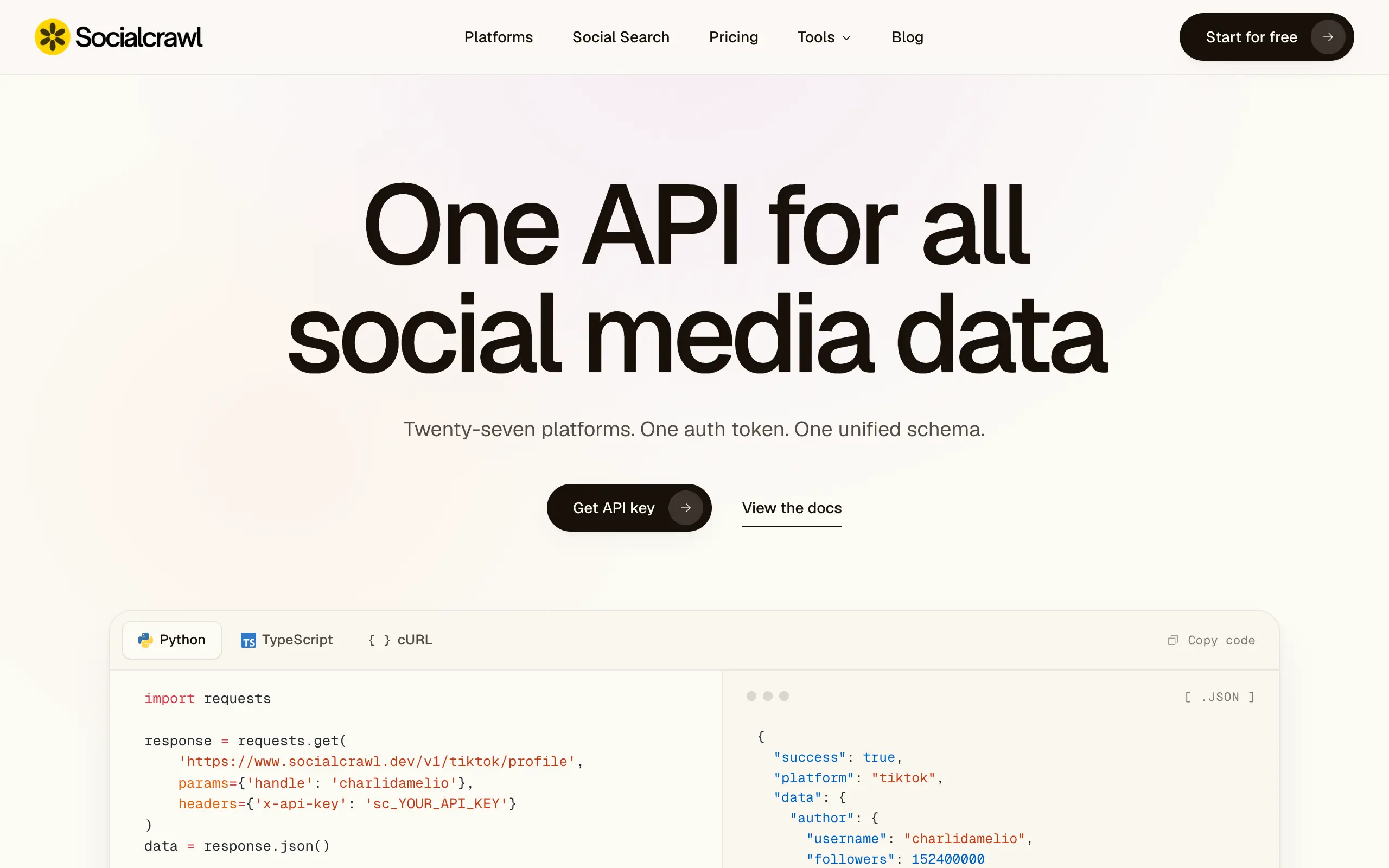
Socialcrawl
Get clean, structured data from 21 platforms like TikTok, Instagram, and YouTube with a single request 📊
Statiko
Monitor any Telegram channel in real time - track posts, edits, deletions, and growth with AI recaps 📡
Shibui
AI website builder - describe your business, pick a niche template, edit by chatting, and publish instantly ✨
Pro Service
Find verified home service professionals, compare quotes, and pay securely through escrow - built for Brazilians across the US 🏠
RankGrow
Fix your SEO with AI agents - connect Search Console, get prioritized tasks, and grow organic traffic 📈
SyncReads
Sync your favorite content for distraction-free reading, save time and replace multiple apps. Anytime, anywhere 🔄
Socialcrawl
Get clean, structured data from 21 platforms like TikTok, Instagram, and YouTube with a single request 📊
Statiko
Monitor any Telegram channel in real time - track posts, edits, deletions, and growth with AI recaps 📡
Shibui
AI website builder - describe your business, pick a niche template, edit by chatting, and publish instantly ✨
Pro Service
Find verified home service professionals, compare quotes, and pay securely through escrow - built for Brazilians across the US 🏠
RankGrow
Fix your SEO with AI agents - connect Search Console, get prioritized tasks, and grow organic traffic 📈
SyncReads
Sync your favorite content for distraction-free reading, save time and replace multiple apps. Anytime, anywhere 🔄
Socialcrawl
Get clean, structured data from 21 platforms like TikTok, Instagram, and YouTube with a single request 📊
Statiko
Monitor any Telegram channel in real time - track posts, edits, deletions, and growth with AI recaps 📡
Shibui
AI website builder - describe your business, pick a niche template, edit by chatting, and publish instantly ✨
Pro Service
Find verified home service professionals, compare quotes, and pay securely through escrow - built for Brazilians across the US 🏠
RankGrow
Fix your SEO with AI agents - connect Search Console, get prioritized tasks, and grow organic traffic 📈
SyncReads
Sync your favorite content for distraction-free reading, save time and replace multiple apps. Anytime, anywhere 🔄
Socialcrawl
Get clean, structured data from 21 platforms like TikTok, Instagram, and YouTube with a single request 📊
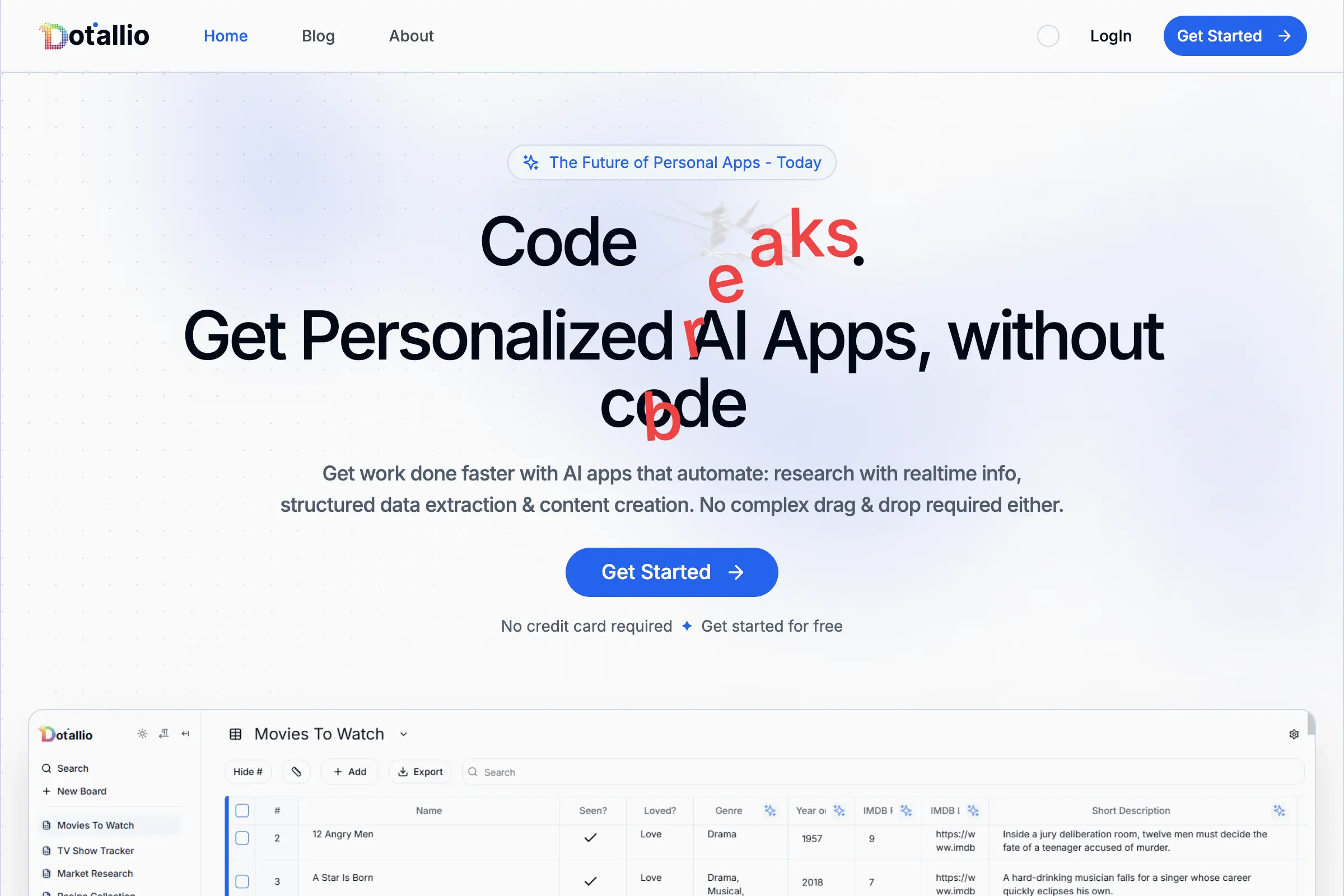
Dotallio
Personalized AI apps that automate research, data extraction, and content creation without code 🤖

Talk to Santa
Enjoy a magical live video chat or receive a unique AI-generated video greeting from Santa Claus 🎅

pozywka.pl
Scalable blog for food journalist, focused on performance and user experience 🌭
zagrodzki.me
Personal blog and portfolio of Bart Zagrodzki, where he shares his knowledge and work 💼
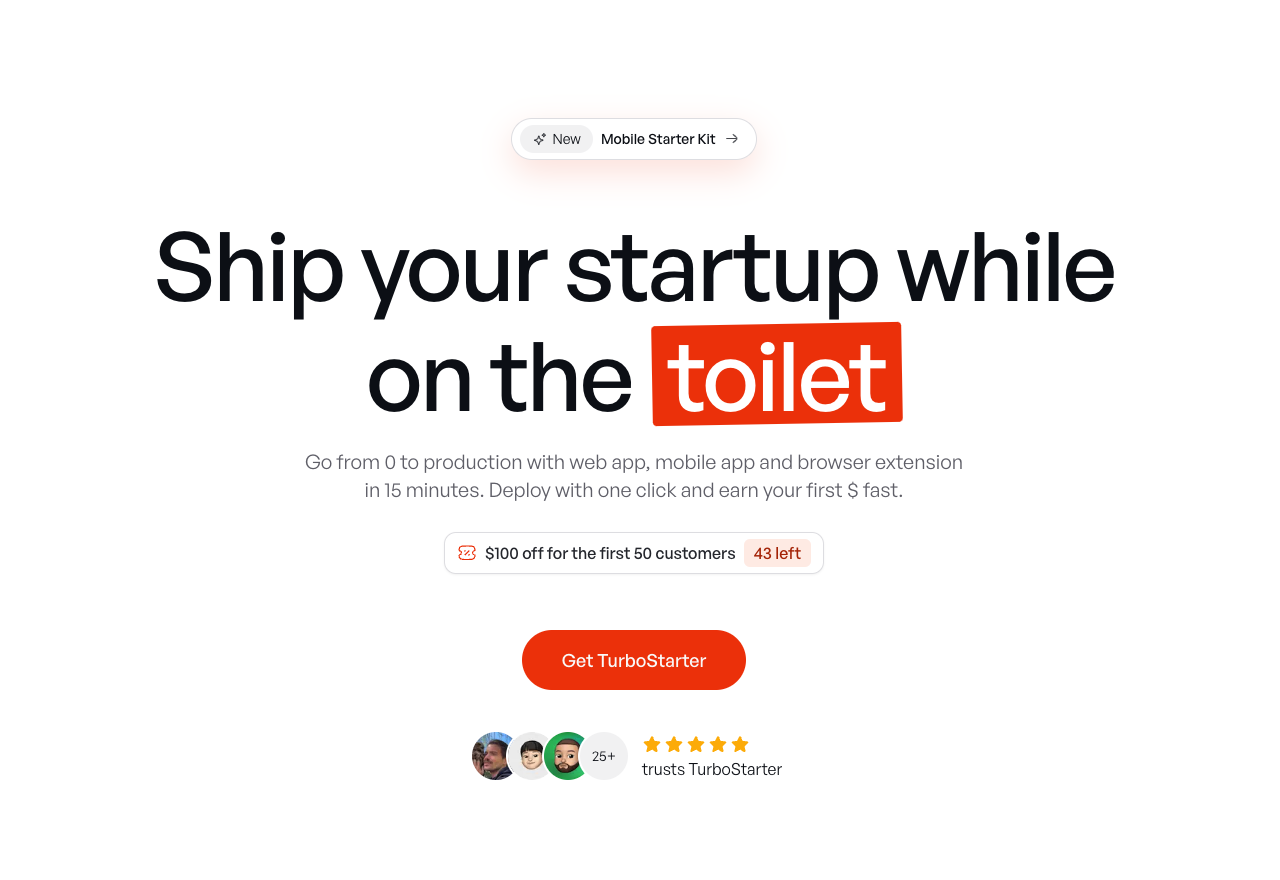
TurboStarter
Ship your startup everywhere. In minutes.
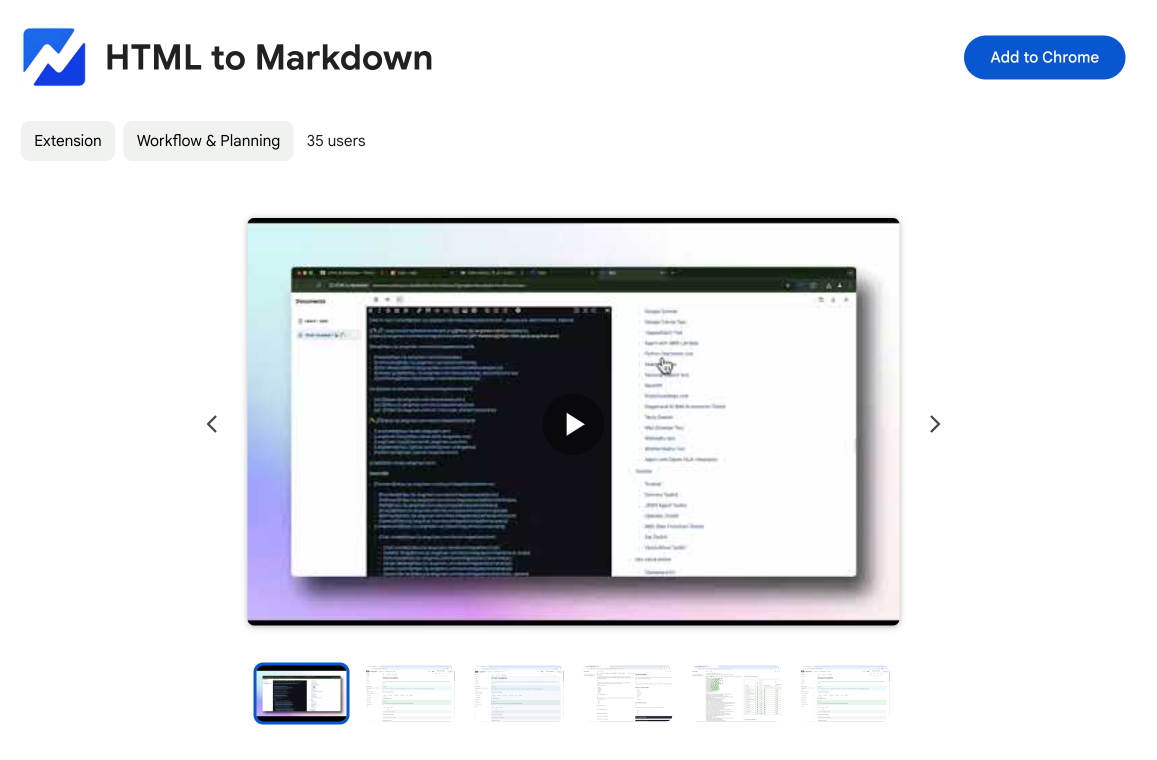
HTML to Markdown
Convert HTML to Markdown with ease, directly in your browser 📄
Dotallio
Personalized AI apps that automate research, data extraction, and content creation without code 🤖
Talk to Santa
Enjoy a magical live video chat or receive a unique AI-generated video greeting from Santa Claus 🎅
pozywka.pl
Scalable blog for food journalist, focused on performance and user experience 🌭
zagrodzki.me
Personal blog and portfolio of Bart Zagrodzki, where he shares his knowledge and work 💼
TurboStarter
Ship your startup everywhere. In minutes.
HTML to Markdown
Convert HTML to Markdown with ease, directly in your browser 📄
Dotallio
Personalized AI apps that automate research, data extraction, and content creation without code 🤖
Talk to Santa
Enjoy a magical live video chat or receive a unique AI-generated video greeting from Santa Claus 🎅
pozywka.pl
Scalable blog for food journalist, focused on performance and user experience 🌭
zagrodzki.me
Personal blog and portfolio of Bart Zagrodzki, where he shares his knowledge and work 💼
TurboStarter
Ship your startup everywhere. In minutes.
HTML to Markdown
Convert HTML to Markdown with ease, directly in your browser 📄
Dotallio
Personalized AI apps that automate research, data extraction, and content creation without code 🤖
Talk to Santa
Enjoy a magical live video chat or receive a unique AI-generated video greeting from Santa Claus 🎅
pozywka.pl
Scalable blog for food journalist, focused on performance and user experience 🌭
zagrodzki.me
Personal blog and portfolio of Bart Zagrodzki, where he shares his knowledge and work 💼
TurboStarter
Ship your startup everywhere. In minutes.
HTML to Markdown
Convert HTML to Markdown with ease, directly in your browser 📄
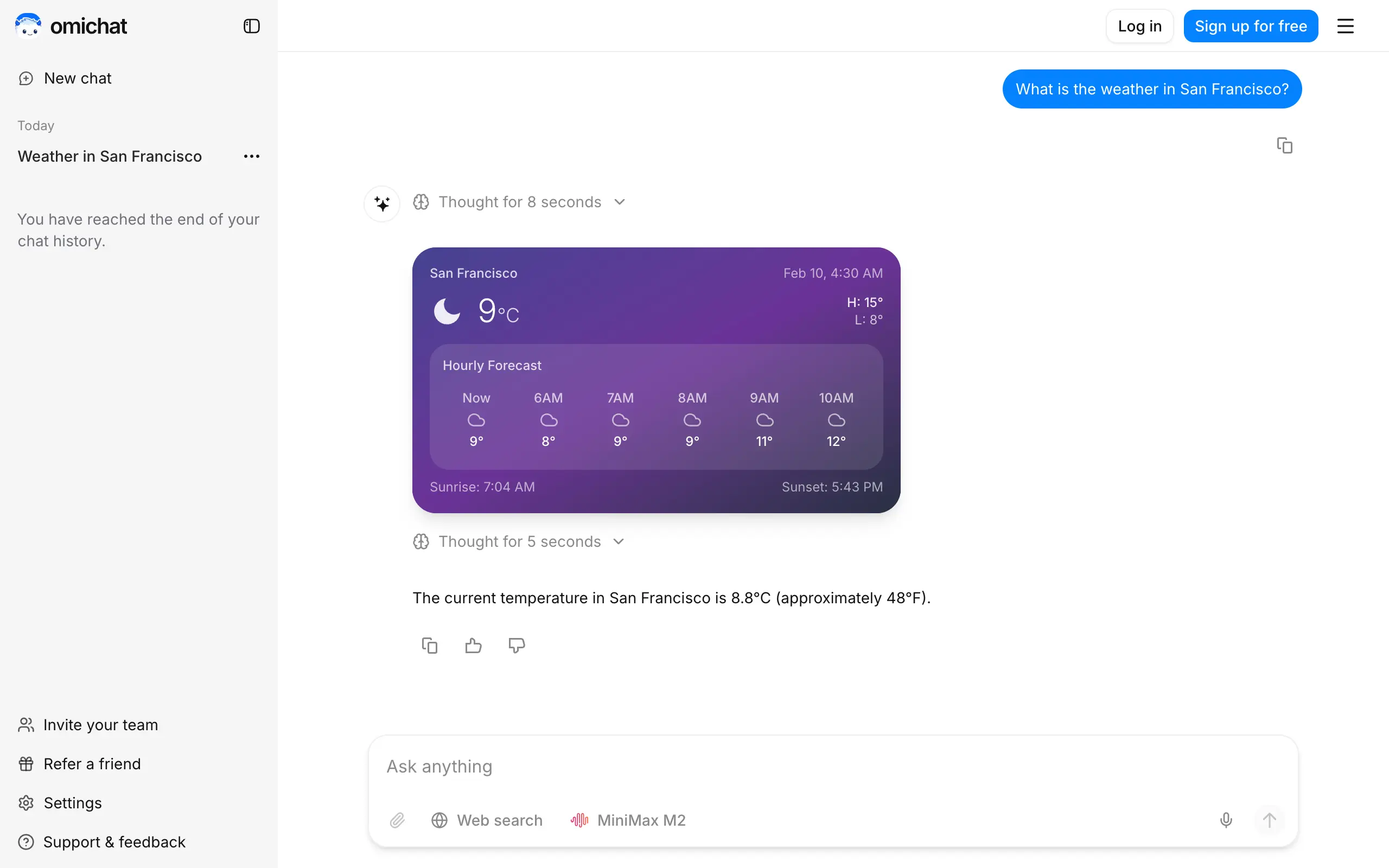
Omichat
Chat with 50+ AI models, including ChatGPT and Claude, in one place - switch models anytime without losing context 🤖
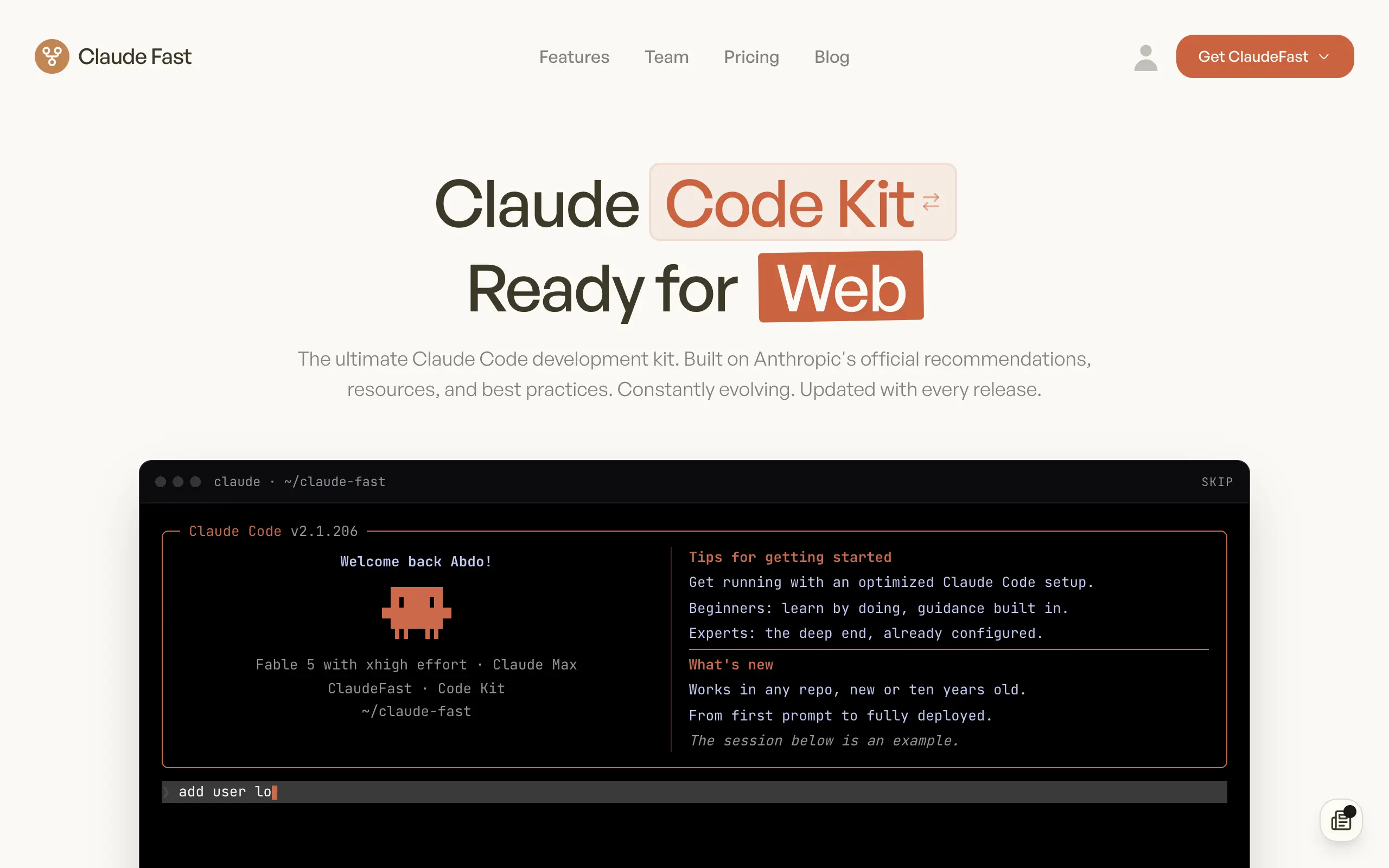
Claude Fast
Supercharge your Claude Code with 6x effective context window and specialized AI agents 🤖

EmojAI
AI-powered emoji picker with smart, context-aware suggestions 🤖
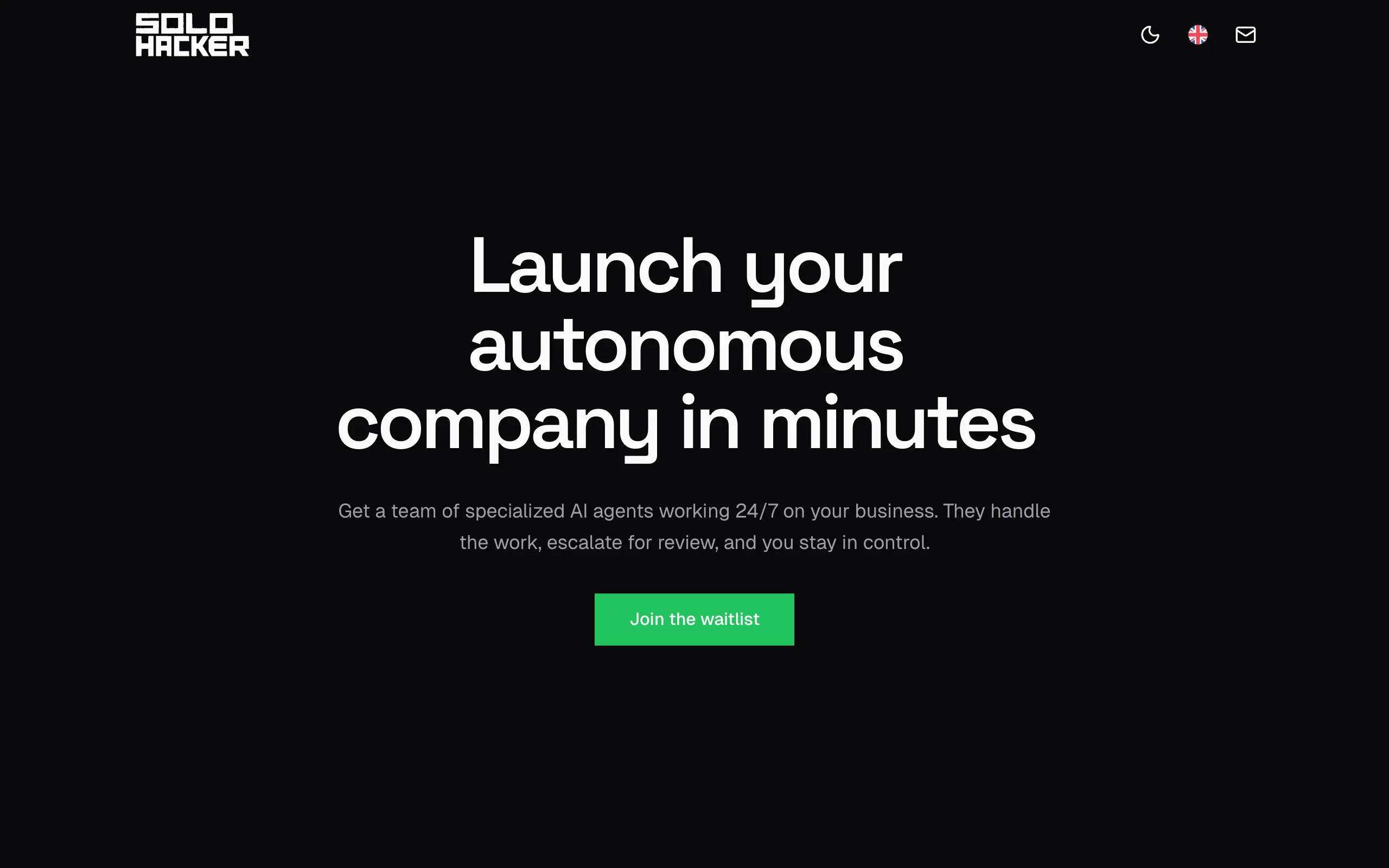
Solohacker
Autonomous company launcher - AI agents work 24/7, escalate what matters, and you stay in control 🤖

BeRawi: Storytelling Coach
Practice storytelling daily with instant feedback to sound clearer, more engaging, and confident 🎤
Omichat
Chat with 50+ AI models, including ChatGPT and Claude, in one place - switch models anytime without losing context 🤖
Claude Fast
Supercharge your Claude Code with 6x effective context window and specialized AI agents 🤖
EmojAI
AI-powered emoji picker with smart, context-aware suggestions 🤖
Solohacker
Autonomous company launcher - AI agents work 24/7, escalate what matters, and you stay in control 🤖
BeRawi: Storytelling Coach
Practice storytelling daily with instant feedback to sound clearer, more engaging, and confident 🎤
Omichat
Chat with 50+ AI models, including ChatGPT and Claude, in one place - switch models anytime without losing context 🤖
Claude Fast
Supercharge your Claude Code with 6x effective context window and specialized AI agents 🤖
EmojAI
AI-powered emoji picker with smart, context-aware suggestions 🤖
Solohacker
Autonomous company launcher - AI agents work 24/7, escalate what matters, and you stay in control 🤖
BeRawi: Storytelling Coach
Practice storytelling daily with instant feedback to sound clearer, more engaging, and confident 🎤
Omichat
Chat with 50+ AI models, including ChatGPT and Claude, in one place - switch models anytime without losing context 🤖
Claude Fast
Supercharge your Claude Code with 6x effective context window and specialized AI agents 🤖
EmojAI
AI-powered emoji picker with smart, context-aware suggestions 🤖
Solohacker
Autonomous company launcher - AI agents work 24/7, escalate what matters, and you stay in control 🤖
BeRawi: Storytelling Coach
Practice storytelling daily with instant feedback to sound clearer, more engaging, and confident 🎤

Connect with like-minded people
Join our community to get feedback, support, and grow together with 1,000+ builders on board, let's ship it!
Join usShip your startup everywhere. In minutes.
Don't burn tokens on setup and start building features on day one.