CarbonLedger
Streamline emission tracking and verification for companies while enabling seamless transaction and purchase of emission offsets and sustainability credits.
Understanding the modern need for CarbonLedger
As global pressure mounts on companies across every sector to take meaningful climate action, accurate carbon emissions tracking and transparent offsetting have become business imperatives—not mere compliance checkboxes. CarbonLedger emerges precisely at this intersection, promising a robust SaaS platform for end-to-end carbon emission tracking, verified reporting, and a seamless marketplace for certified sustainability credits.
In this SEO-optimized resource, you’ll gain expert insight into CarbonLedger’s market positioning, the real business needs it addresses, and how it can give your organization a distinct edge in the evolving sustainability landscape. We’ll explore detailed feature sets, technical foundations, monetization plans, and actionable launch strategies—purpose-built for B2B audiences navigating complex regulatory, stakeholder, and operational requirements.
Who needs CarbonLedger? A deep dive into the target audience
The primary users of a solution like CarbonLedger are businesses facing regulatory, investor, or consumer pressure to publicly account for, report, and offset their organizational emissions.
Core segments include:
- Corporates and enterprises: Multinational firms or regionally-operating entities, especially those with heavy supply chains, seeking granular, auditable carbon accounting and sustainability compliance.
- SMEs with ESG mandates: Fast-growth companies needing simple-yet-compliant carbon tracking without the cost or complexity of bespoke consulting.
- Sustainability consultants and partners: Firms that advise clients on Environmental, Social, and Governance (ESG) strategy and need a scalable platform for tracking and verifying client offsets.
- Finance and investment groups: Investors and asset managers who must audit emissions reporting for their portfolios and wish to verify corporate claims before investing.
- Voluntary & regulatory reporting entities: Any organization needing to satisfy reporting frameworks like GHG Protocol, CDP, or regional climate disclosure standards.
Enterprise sustainability leads
Oversee carbon footprint tracking, emissions mitigation, and offset purchases company-wide.
ESG advisory firms
Help clients navigate sustainability disclosure and need robust, multi-client oversight of emissions data.
Compliance officers
Ensure regulatory emission reporting, risk mitigation, and third‑party verification for company disclosures.
User intent insight
Stakeholders searching for "B2B carbon accounting SaaS" or "emission offset management platform" are seeking actionable, turnkey solutions that:
— Automate complex reporting
— Simplify accredited credit purchasing
— Reduce compliance risk
— Demonstrate proactive ESG leadership
Pinpointing the market gap: Why CarbonLedger is essential
Today, many organizations still rely on manual spreadsheets, isolated consulting engagements, or generic sustainability trackers—lacking:
- Centralized, auditable emissions data across supply chains and business units
- Real-time verification and third-party assurances on reported data, often critical for audits and stakeholder trust
- Integrated offset purchasing that is directly linked to tracked emissions, ensuring credibility and reducing double-counting
- Seamless regulatory reporting for frameworks like GHG Protocol, CDP, SEC, and CSRD
Recent trends demonstrate growing demand for robust, automated solutions:
- In 2023, more than 80% of S&P 500 companies published sustainability or ESG reports, a dramatic increase from less than 20% a decade ago (reference: ESG industry reports).
- The global carbon credit market size is projected to reach $147 billion by 2030, driven by corporate net-zero pledges (reference: market data).
- Regulatory frameworks (e.g., EU’s CSRD) are mandating emissions disclosures with granular, verifiable data—punishing non-compliance with significant fines.
Gap summary: There’s a pressing need for an accountable emissions platform that brings together tracking, verification, and a secure offset marketplace under one roof to streamline compliance—and foster authentic climate impact.
Core features and solution pillars of CarbonLedger
Granular, entity-wide tools for gathering carbon data (Scope 1, 2, and 3), with built-in integrations to ERP, IoT sensors, and supply chain management solutions.
Immutable records of all emissions activity linked to responsible business units, facilitating fast audits and enterprise‑grade data integrity.
Automated matching of reported data against recognized methodologies, enabling both internal reviews and seamless third-party assurance for compliance.
Direct access to certified carbon offsets (REDD+, renewable energy, afforestation, etc.), with one-click purchasing, clear provenance, and real-time ledger updates.
Pre-built templates for standards like GHG Protocol, CDP, TCFD, SEC, and CSRD, dramatically reducing the administrative overhead of regulatory submissions.
Modern RESTful and GraphQL APIs for connecting to existing business automation, HR, procurement, and analytics stacks.
Additional key differentiators
- Automated emissions calculations: Leverage up-to-date emissions factors for accurate, granular reporting by region, business unit, and product line.
- Multi-tenant architecture: Service large consulting firms needing to white-label solutions for different client portfolios.
- Permissioned data sharing: Allow secure, auditable sharing of emissions data with stakeholders, investors, and regulators.
Solving pain points: How CarbonLedger addresses user challenges
| Challenge | Manual Spreadsheets | Generic ESG Tools | CarbonLedger | Consulting Engagements |
|---|---|---|---|---|
| Data accuracy & auditability | ❌ | ❌ | ✅ | ❌ |
| Offset traceability | ❌ | ❌ | ✅ | ✅ |
Suggested tech stack for CarbonLedger—and trade-offs
Selecting the optimal technology stack is crucial for security, scalability, auditability, and platform integration.
Recommended stack:
- Frontend: React + TypeScript for interactive dashboards, simplified regulatory reporting editors, and robust component libraries.
- UI framework: TailwindCSS for rapid, responsive, and accessible styling.
- Backend: Node.js (with NestJS) or Python (with Django), both known for high security and scalability.
- Database: PostgreSQL for structured data (emissions, credits, audit logs), combined with Redis for caching performance.
- Immutable audit trails: Blockchain ledger integration (e.g., Hyperledger Fabric, Ethereum) only for verified, finalized records. Trade-off: adds complexity, but enables transparent, tamper-proof records for stakeholders.
- Cloud infrastructure: AWS or Google Cloud for global scale, managed security, and built-in compliance tooling.
- API ecosystem: REST and GraphQL APIs for plug-and-play integration with ERP, HR, SCM, and analytics systems.
- Security: Enterprise-grade encryption, SSO/OAuth2 for authentication, and automated compliance checks.
Trade-off tip
Blockchain components greatly boost ledger immutability, but increase complexity and infrastructure costs. For most compliance-minded B2B users, a hybrid approach is best: use traditional databases for operational records, blockchain for final/verifiable reporting only.
Code example: Secure emission entry with audit trail
// Pseudo-code for an auditable carbon emission entry (Node.js + TypeScript)
import { insertEmission, updateAuditLog } from './db';

async function recordEmission(data: EmissionInput, userId: string) {
  const emissionRecord = await insertEmission({ ...data, enteredBy: userId, timestamp: new Date() });
  await updateAuditLog({
    action: 'CREATE_EMISSION',
    emissionId: emissionRecord.id,
    userId,
    timestamp: new Date(),
    status: 'PENDING_VERIFICATION'
  });
  return emissionRecord;
}
Monetization strategy: Turning CarbonLedger into a SaaS business
A best-in-class carbon accounting and offset platform offers several monetization angles tailored to B2B SaaS norms.
Main revenue streams
- Subscription tiers: Monthly/annual user-based or entity-based pricing plans—a proven model, aligning with number of locations, business units, or emissions scale.
- Usage-based billing: Pay-as-you-grow charges for API calls, data volume, or integrations—highly attractive to SMEs and consultancies with fluctuating demands.
- Transaction fees: Commission on offset credit purchases through the embedded marketplace, aligning economics with client climate action.
- Professional services: Implementation, integrations, white-labeling, and custom compliance configuration, targeting the needs of large enterprises or ESG consultants.
- Affiliate partnerships: Earn referral-based revenue by integrating with trusted offset project providers and audit firms.
Sample monetization structure:
- Free trial or “explore mode” with limited reporting.
- Core subscription plans: Basic (SME), Professional (Enterprise), Consultant (multi-tenant, white-labeled).
- 2-5% fee on offset transactions processed through the CarbonLedger marketplace.
Potential risks and mitigation strategies
A venture in emissions data and offset procurement is exposed to unique risks. Addressing them early preserves both compliance and market trust.
Major risks:
- Regulatory volatility: Carbon disclosure standards evolve rapidly and vary by country/region.
- Data privacy and security: Emissions and business activity data is sensitive and may be targeted by malicious actors.
- Offset market credibility: The risk of non-verified, “double counted”, or fraudulent offsets undermines the value proposition.
- Integration complexity: Corporate users demand seamless plug-and-play workflows with their existing digital systems.
- Greenwashing skepticism: Delivering only “checkbox compliance” invites scrutiny and reputational risk.
Mitigation playbook:
- Employ active regulatory monitoring and push updates to ensure all reporting outputs are up-to-date with the latest standards.
- Bake in robust security protocols (encryption at rest/in transit, least privilege access, monthly audits).
- Source offsets only from accredited, third-party verified providers, maintaining a transparent registry and transaction history.
- Build a modular API and integration suite, investing in developer documentation and sandboxed testing environments.
- Prioritize transparency by exposing audit logs, purchase histories, and independent verification—countering any “greenwashing” accusations with genuine traceability.
Analyzing the competitive landscape and CarbonLedger’s competitive edge
The emissions accounting SaaS market is expanding, with both established providers and nimble upstarts. But most platforms fall short in several key ways:
- Fragmented workflows: Few offer both emissions tracking and offset purchasing in an integrated, auditable system.
- Opaque verifications: Many tools still require lengthy, manual verification, with little third-party assurance embedded in the workflow.
- Limited integration: Businesses struggle to plug carbon tracking tools into complex stacks (ERP, finance, analytics, and procurement).
- Basic reporting: Legacy solutions may only export data for GHG Protocol or CDP—struggling to keep pace with fields like CSRD or the US SEC’s forthcoming climate disclosure rules.
Unique selling proposition (USP)
CarbonLedger uniquely combines:
- End-to-end emissions tracking tightly linked to certified offset procurement and ledger-based records.
- Immutable, auditable trails that simplify both internal and third-party verification.
- A truly developer-friendly, API-first architecture for seamless integration—futureproof against both regulatory and technological change.
- Marketplace transparency guaranteeing the provenance and effectiveness of all sustainability credits purchased.
Actionable implementation steps for launching CarbonLedger
Here’s a suggested step-by-step implementation plan—distilled from years of SaaS product launch experience.
Conduct discovery sessions with core audience segments to refine the MVP requirements, focusing on real-world pain points in carbon tracking and offset procurement.
Design key user flows: emissions data entry, audit trails, third-party verification triggers, and offset credit purchases.
Develop the core platform using React (frontend), Node.js or Django (backend), with immutable audit trail and robust API integration.
Build the offset marketplace integration, sourcing only certified projects with transparent records—integrate via smart contracts or direct API links to partners.
Deploy advanced security protocols, regular compliance reviews, and proof-of-concept blockchain ledger for verified reporting.
Launch with a limited pilot group (enterprise, SME, consulting), gather continuous feedback, and iterate rapidly to ensure a perfect balance of usability, accuracy, and audit-readiness.
Conclusion: Why CarbonLedger is the right choice for future-ready businesses
As carbon regulations grow tougher and the cost of non-compliance soars, old, manual, or siloed sustainability solutions simply won’t suffice. CarbonLedger bridges a glaring market gap by centralizing all core emissions, verification, and offsetting processes within a single, auditable SaaS solution. Its multi-layered approach—combining technology, transparency, and real-time compliance—doesn’t just cover compliance risks, it powers true business and environmental impact.
Whether you run climate initiatives for a global enterprise, facilitate ESG reporting as a consultant, or need auditable offset records for resilient stakeholder trust, CarbonLedger is built for your future.
For even faster go-to-market, solution architects and B2B SaaS founders should consider code generation, automation, and full-stack SaaS launch assist tools like TurboStarter to accelerate the journey from idea to MVP.
Keywords & semantic alignment: carbon emissions tracking SaaS, carbon accounting B2B, carbon offset management platform, ESG compliance software, sustainability credits management, enterprise emission verification, GHG Protocol reporting integration, auditable climate action ledger, offset marketplace SaaS.
CarbonLedger offers an unparalleled combination of verified emissions management and offset procurement to transform compliance from a cost center to a competitive advantage—enabling actionable, transparent sustainability at scale.
More 🏢 B2B Application SaaS ideas
Discover more innovative b2b application SaaS ideas that are trending in 2026. Each idea is AI-generated with market validation and growth potential to help you find your next profitable venture faster than competitors.
Your competitors are building with TurboStarter
Below are some of the SaaS ideas that have been generated and built with our starter kit.
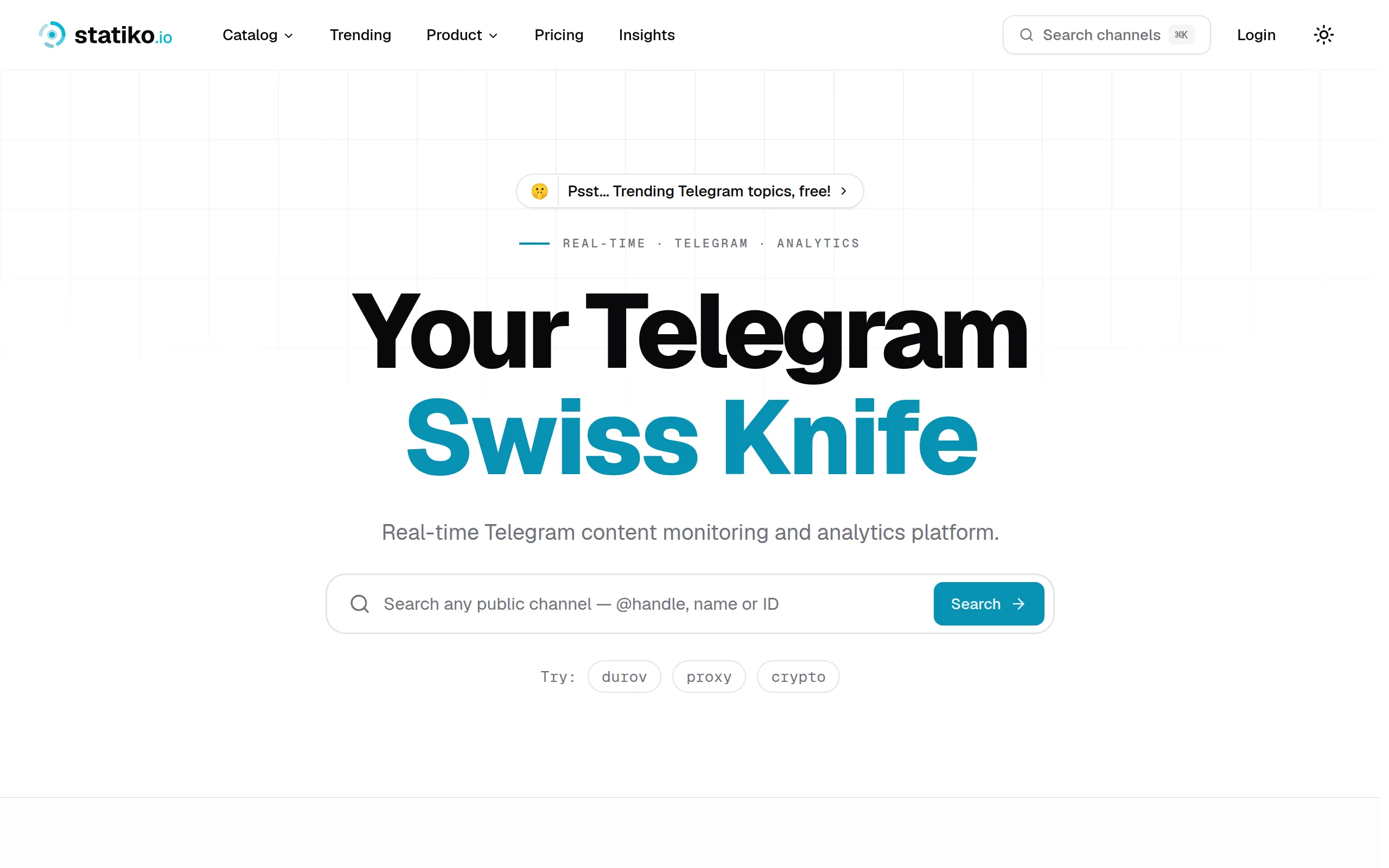
Statiko
Monitor any Telegram channel in real time - track posts, edits, deletions, and growth with AI recaps 📡

Shibui
AI website builder - describe your business, pick a niche template, edit by chatting, and publish instantly ✨

Pro Service
Find verified home service professionals, compare quotes, and pay securely through escrow - built for Brazilians across the US 🏠
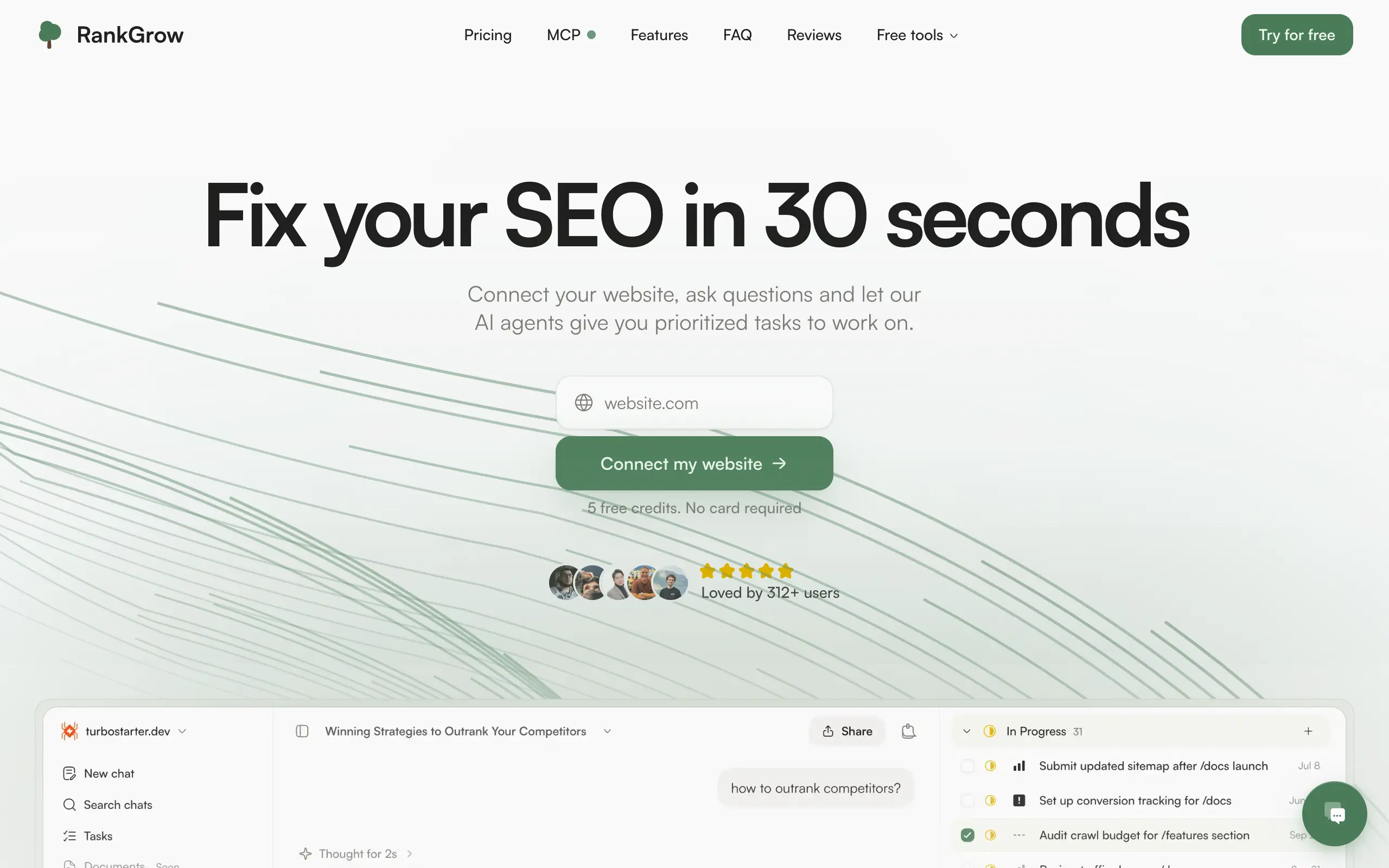
RankGrow
Fix your SEO with AI agents - connect Search Console, get prioritized tasks, and grow organic traffic 📈
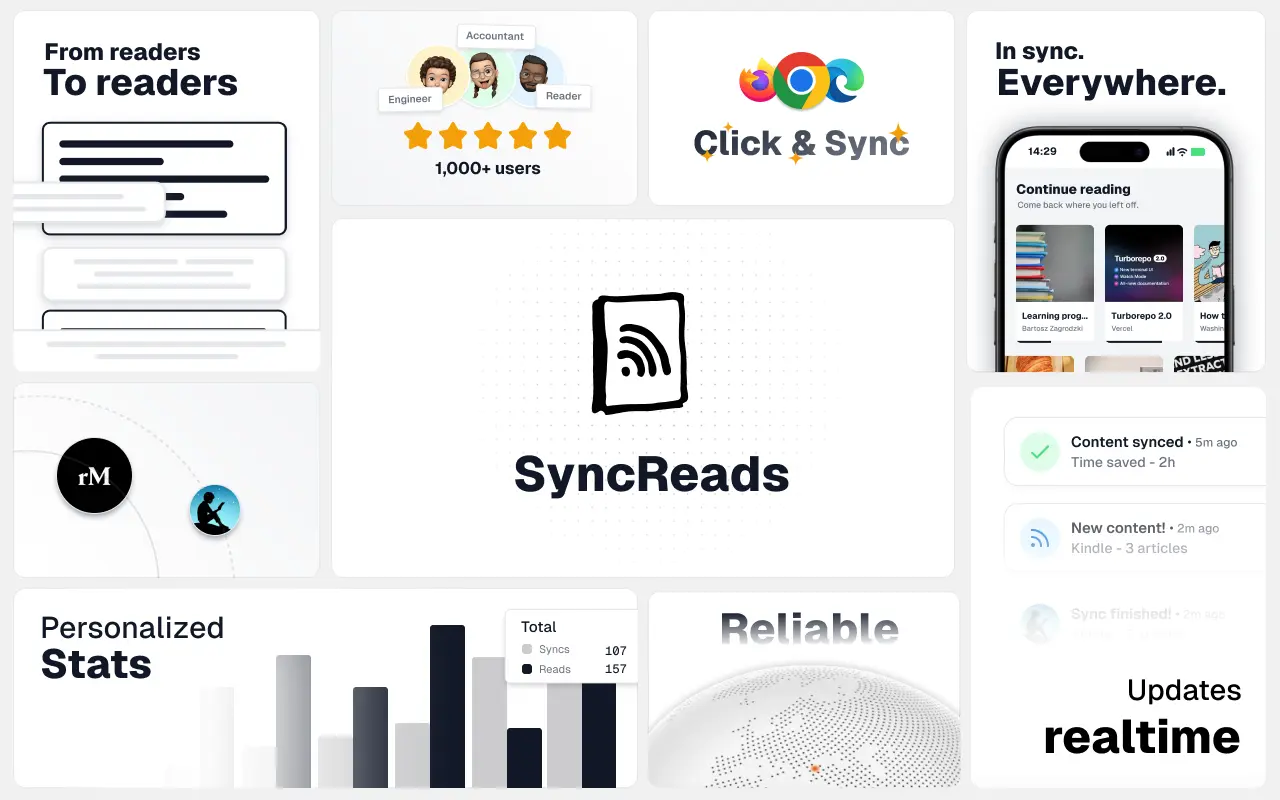
SyncReads
Sync your favorite content for distraction-free reading, save time and replace multiple apps. Anytime, anywhere 🔄
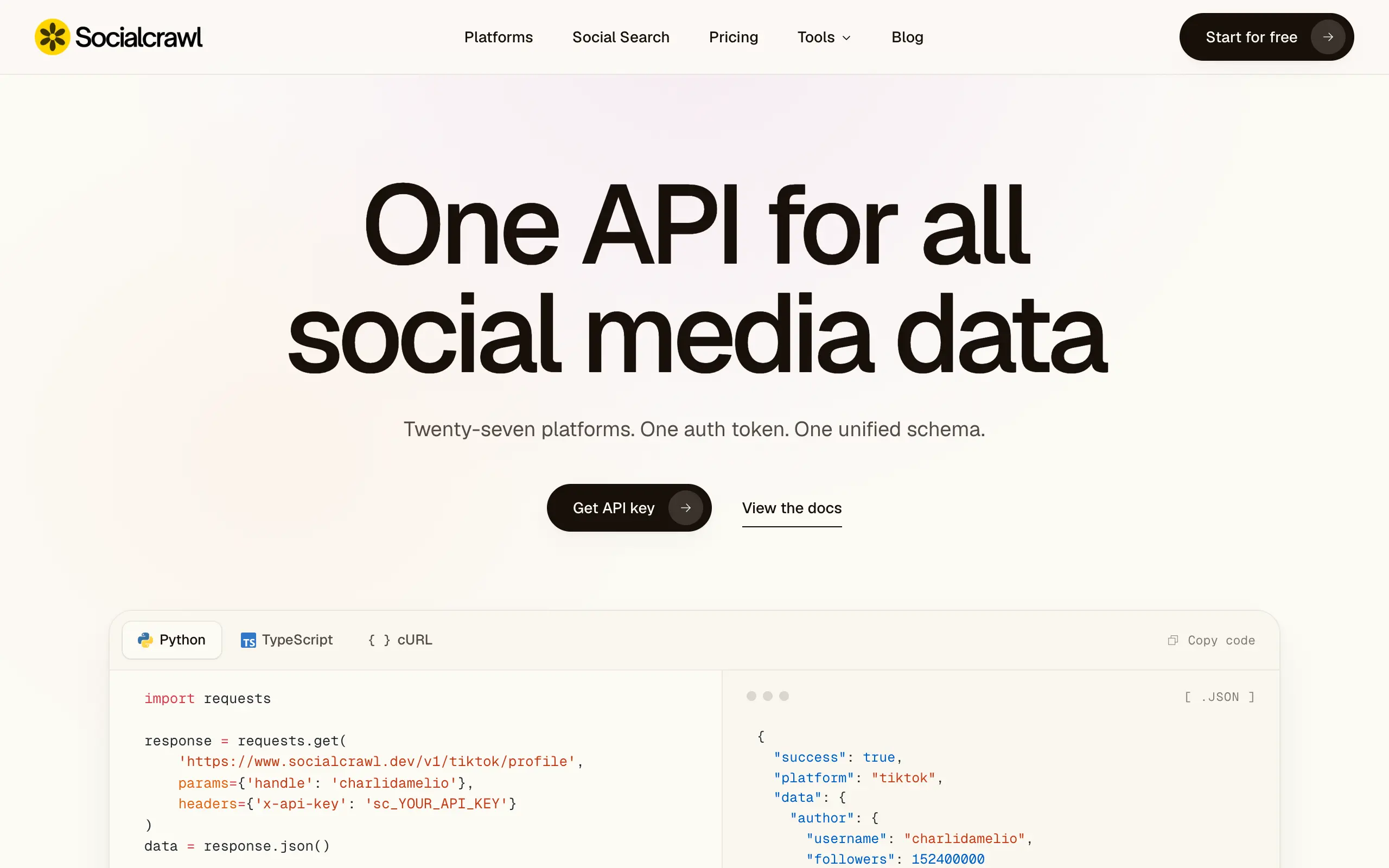
Socialcrawl
Get clean, structured data from 21 platforms like TikTok, Instagram, and YouTube with a single request 📊
Statiko
Monitor any Telegram channel in real time - track posts, edits, deletions, and growth with AI recaps 📡
Shibui
AI website builder - describe your business, pick a niche template, edit by chatting, and publish instantly ✨
Pro Service
Find verified home service professionals, compare quotes, and pay securely through escrow - built for Brazilians across the US 🏠
RankGrow
Fix your SEO with AI agents - connect Search Console, get prioritized tasks, and grow organic traffic 📈
SyncReads
Sync your favorite content for distraction-free reading, save time and replace multiple apps. Anytime, anywhere 🔄
Socialcrawl
Get clean, structured data from 21 platforms like TikTok, Instagram, and YouTube with a single request 📊
Statiko
Monitor any Telegram channel in real time - track posts, edits, deletions, and growth with AI recaps 📡
Shibui
AI website builder - describe your business, pick a niche template, edit by chatting, and publish instantly ✨
Pro Service
Find verified home service professionals, compare quotes, and pay securely through escrow - built for Brazilians across the US 🏠
RankGrow
Fix your SEO with AI agents - connect Search Console, get prioritized tasks, and grow organic traffic 📈
SyncReads
Sync your favorite content for distraction-free reading, save time and replace multiple apps. Anytime, anywhere 🔄
Socialcrawl
Get clean, structured data from 21 platforms like TikTok, Instagram, and YouTube with a single request 📊
Statiko
Monitor any Telegram channel in real time - track posts, edits, deletions, and growth with AI recaps 📡
Shibui
AI website builder - describe your business, pick a niche template, edit by chatting, and publish instantly ✨
Pro Service
Find verified home service professionals, compare quotes, and pay securely through escrow - built for Brazilians across the US 🏠
RankGrow
Fix your SEO with AI agents - connect Search Console, get prioritized tasks, and grow organic traffic 📈
SyncReads
Sync your favorite content for distraction-free reading, save time and replace multiple apps. Anytime, anywhere 🔄
Socialcrawl
Get clean, structured data from 21 platforms like TikTok, Instagram, and YouTube with a single request 📊
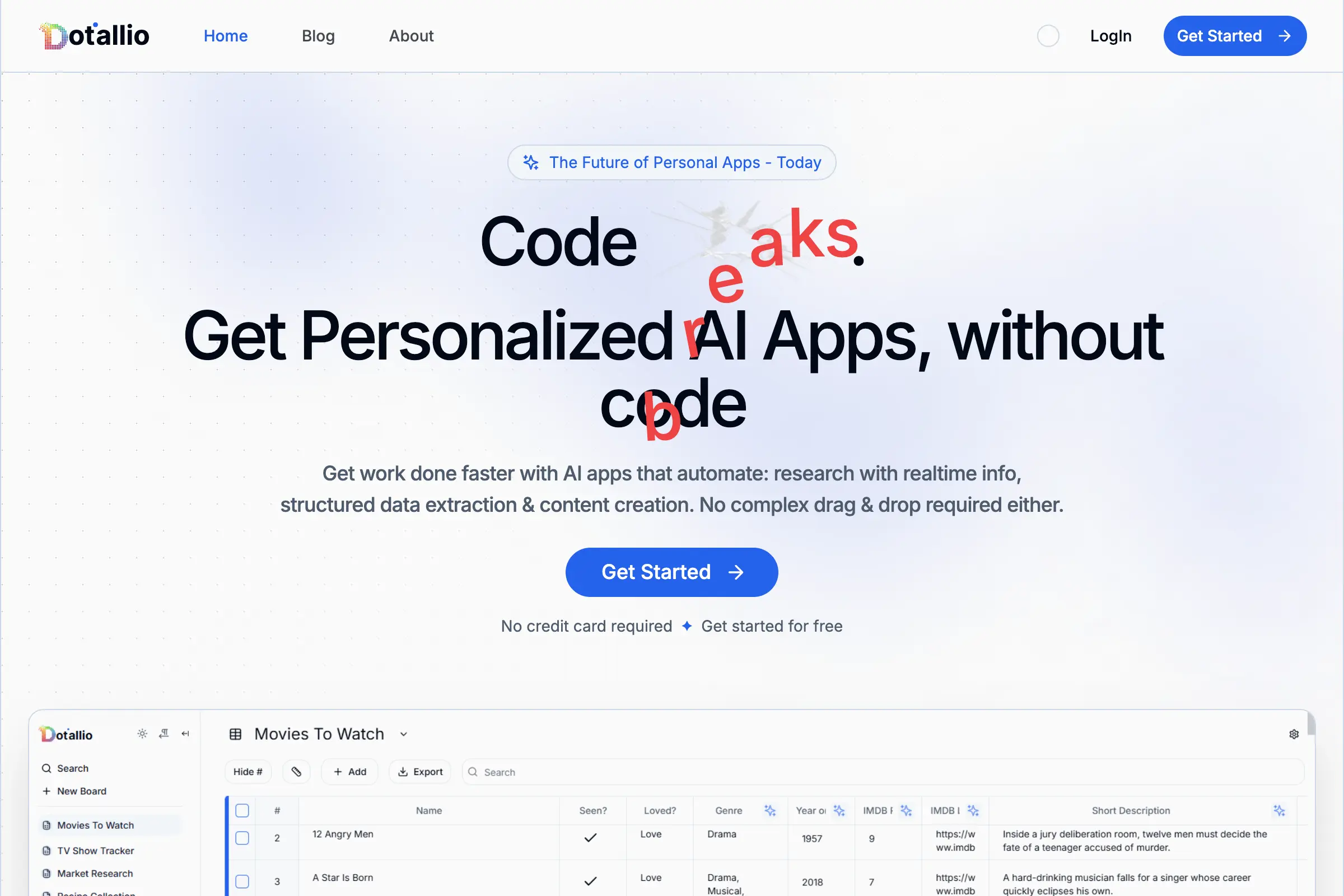
Dotallio
Personalized AI apps that automate research, data extraction, and content creation without code 🤖
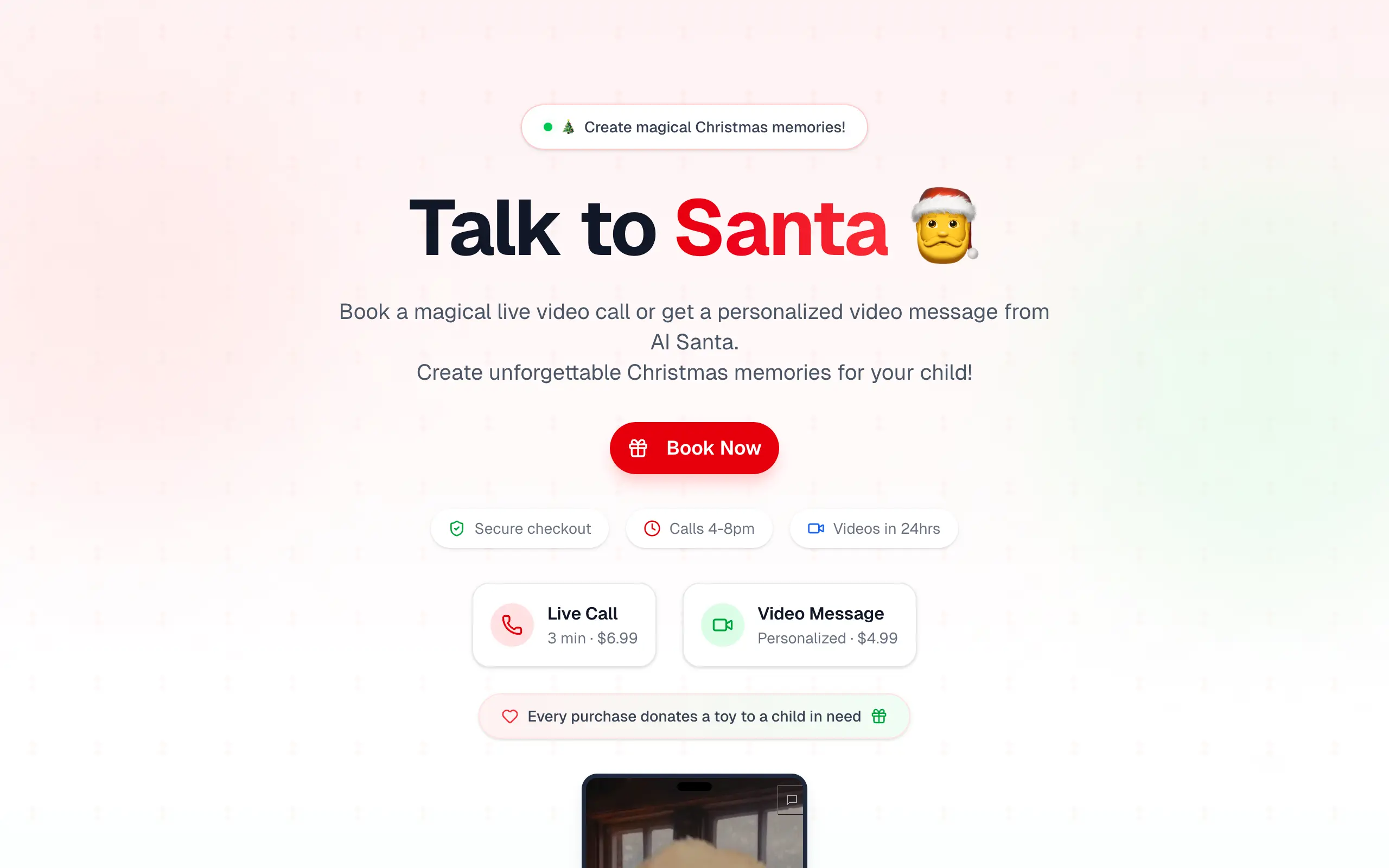
Talk to Santa
Enjoy a magical live video chat or receive a unique AI-generated video greeting from Santa Claus 🎅

pozywka.pl
Scalable blog for food journalist, focused on performance and user experience 🌭
zagrodzki.me
Personal blog and portfolio of Bart Zagrodzki, where he shares his knowledge and work 💼
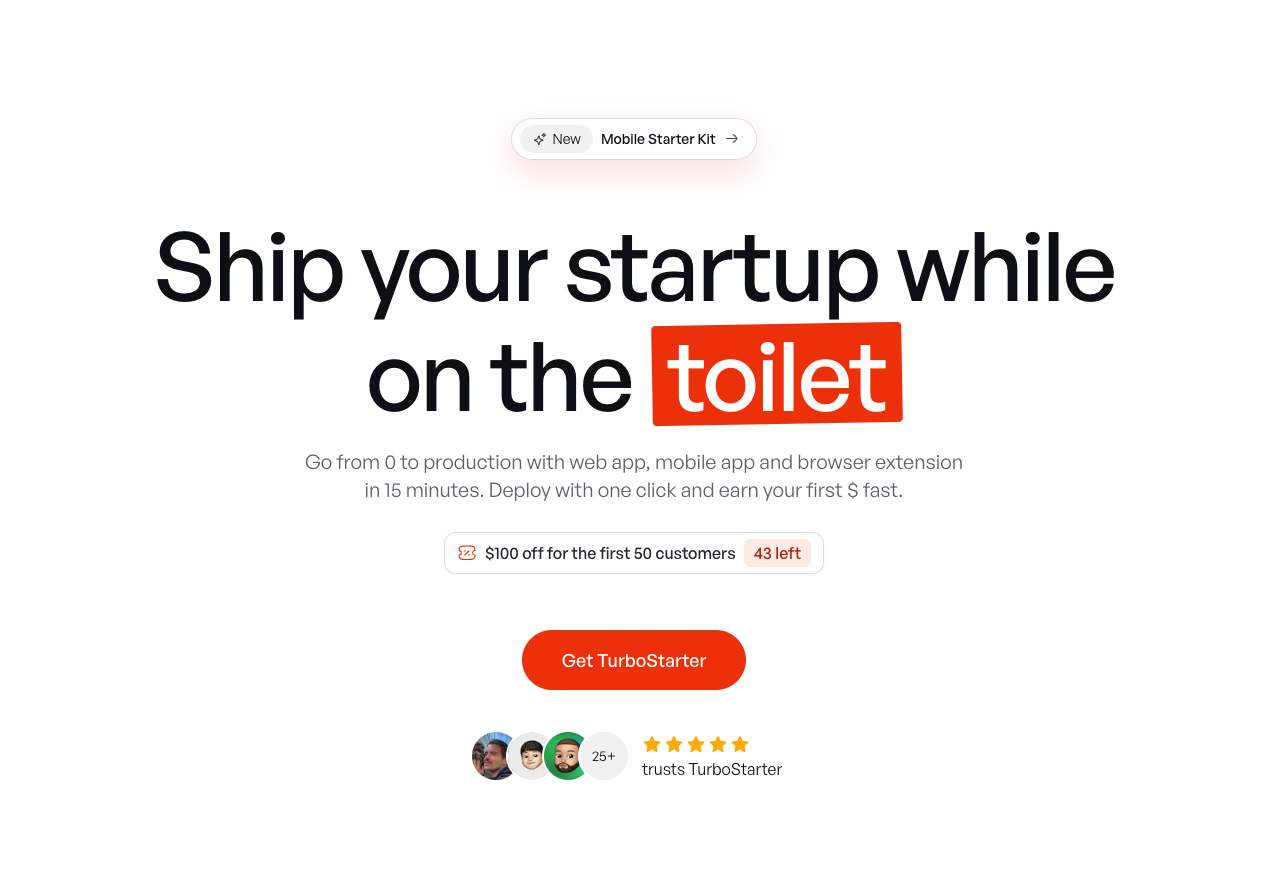
TurboStarter
Ship your startup everywhere. In minutes.
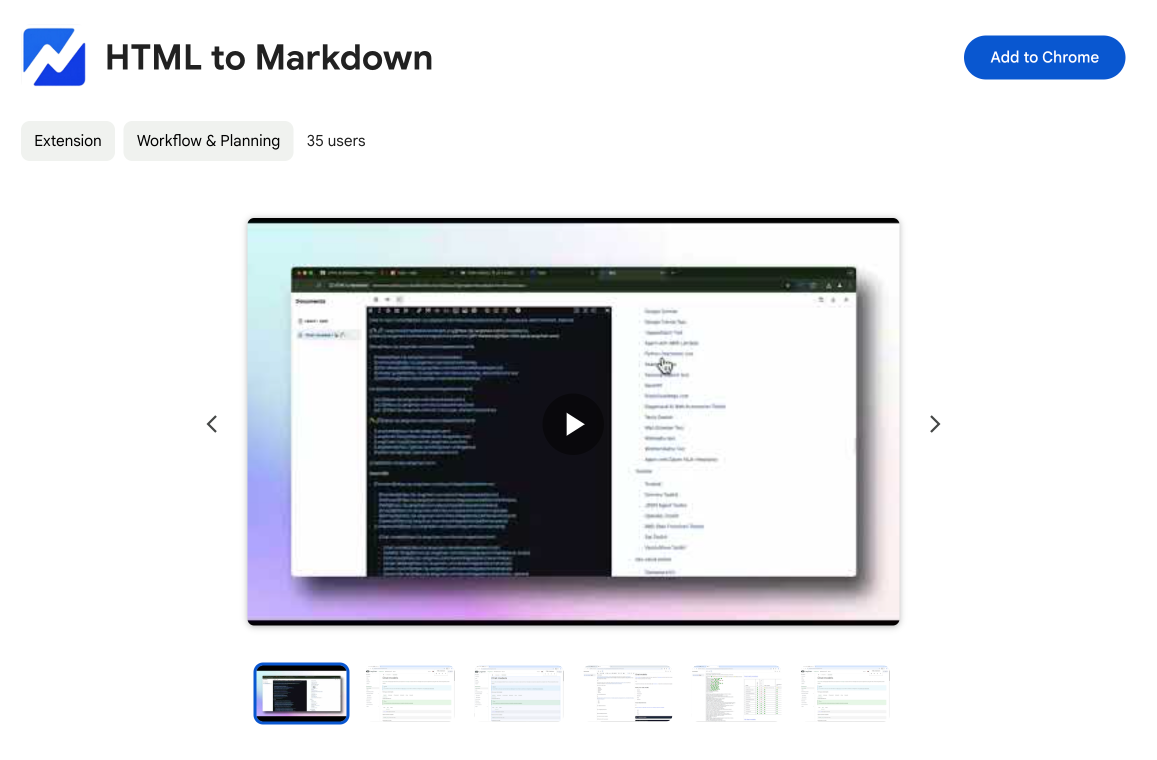
HTML to Markdown
Convert HTML to Markdown with ease, directly in your browser 📄
Dotallio
Personalized AI apps that automate research, data extraction, and content creation without code 🤖
Talk to Santa
Enjoy a magical live video chat or receive a unique AI-generated video greeting from Santa Claus 🎅
pozywka.pl
Scalable blog for food journalist, focused on performance and user experience 🌭
zagrodzki.me
Personal blog and portfolio of Bart Zagrodzki, where he shares his knowledge and work 💼
TurboStarter
Ship your startup everywhere. In minutes.
HTML to Markdown
Convert HTML to Markdown with ease, directly in your browser 📄
Dotallio
Personalized AI apps that automate research, data extraction, and content creation without code 🤖
Talk to Santa
Enjoy a magical live video chat or receive a unique AI-generated video greeting from Santa Claus 🎅
pozywka.pl
Scalable blog for food journalist, focused on performance and user experience 🌭
zagrodzki.me
Personal blog and portfolio of Bart Zagrodzki, where he shares his knowledge and work 💼
TurboStarter
Ship your startup everywhere. In minutes.
HTML to Markdown
Convert HTML to Markdown with ease, directly in your browser 📄
Dotallio
Personalized AI apps that automate research, data extraction, and content creation without code 🤖
Talk to Santa
Enjoy a magical live video chat or receive a unique AI-generated video greeting from Santa Claus 🎅
pozywka.pl
Scalable blog for food journalist, focused on performance and user experience 🌭
zagrodzki.me
Personal blog and portfolio of Bart Zagrodzki, where he shares his knowledge and work 💼
TurboStarter
Ship your startup everywhere. In minutes.
HTML to Markdown
Convert HTML to Markdown with ease, directly in your browser 📄
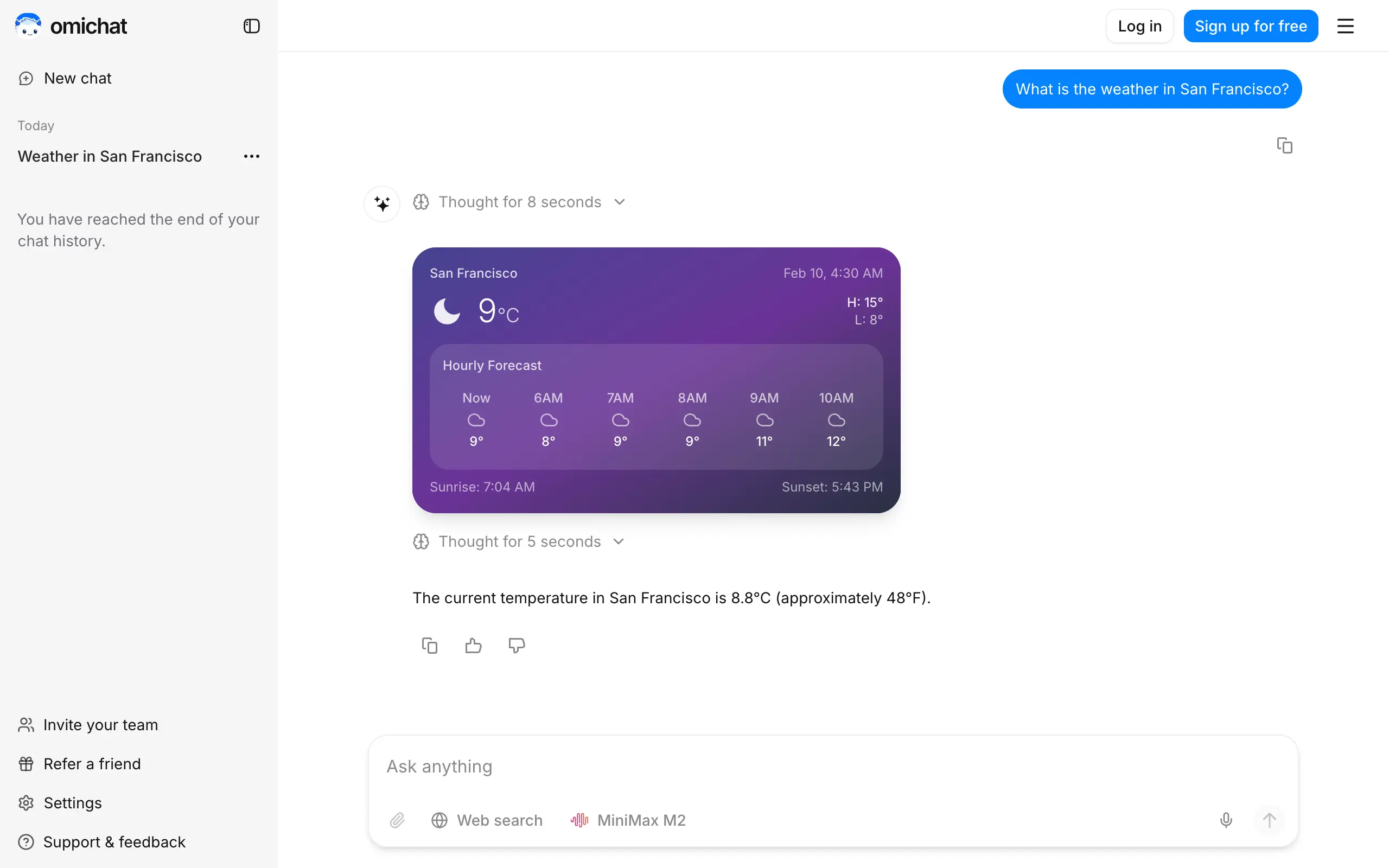
Omichat
Chat with 50+ AI models, including ChatGPT and Claude, in one place - switch models anytime without losing context 🤖
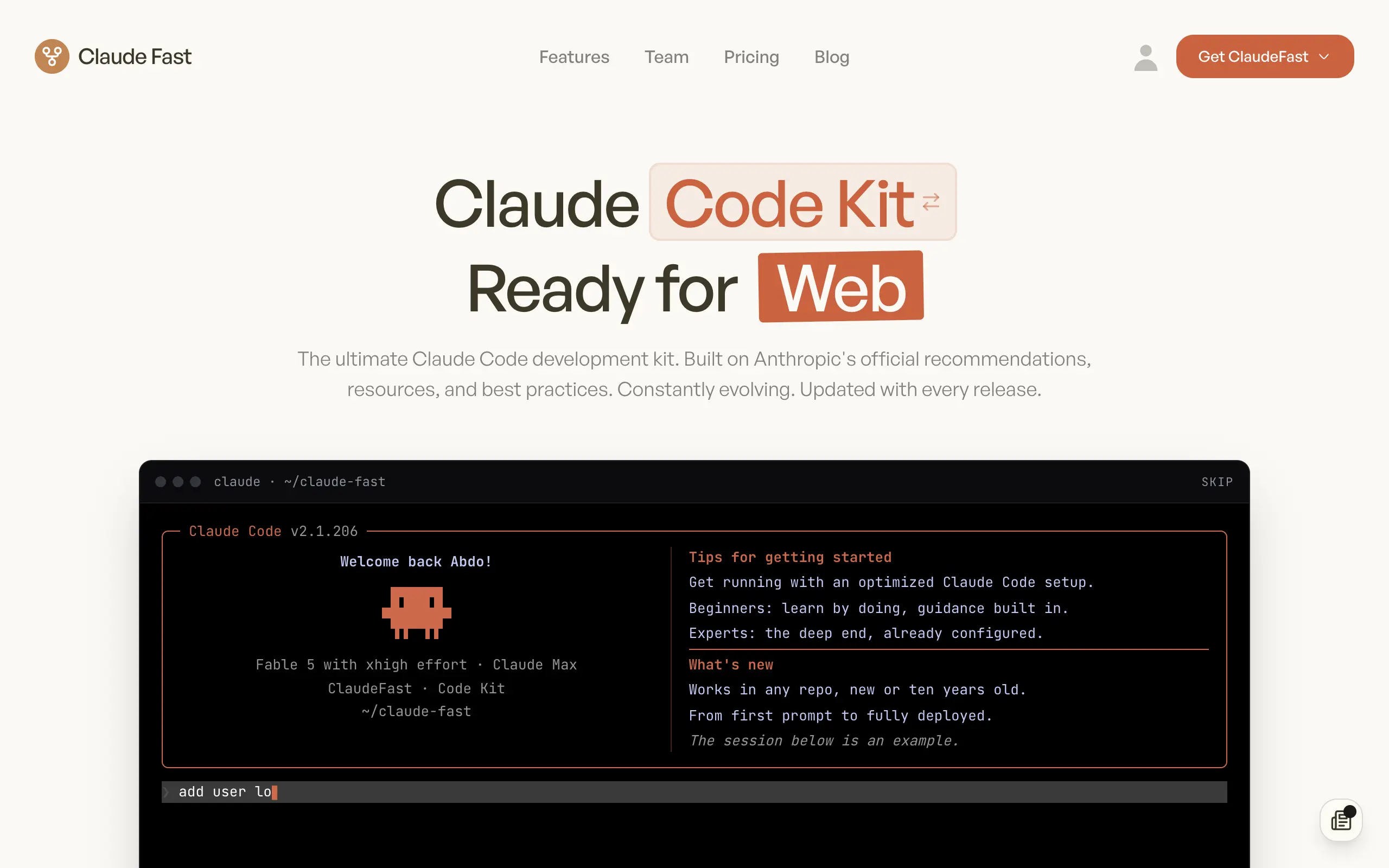
Claude Fast
Supercharge your Claude Code with 6x effective context window and specialized AI agents 🤖
EmojAI
AI-powered emoji picker with smart, context-aware suggestions 🤖
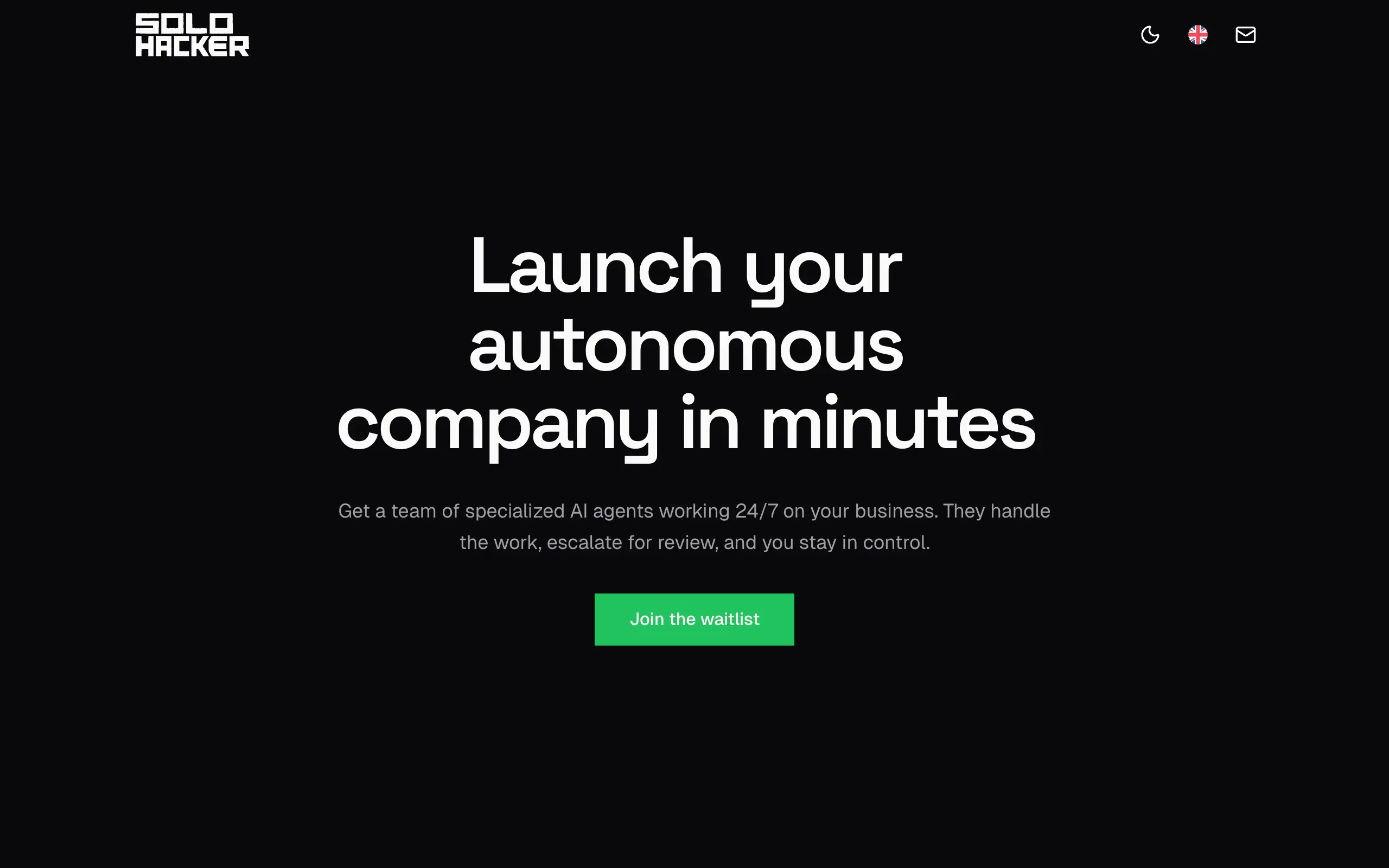
Solohacker
Autonomous company launcher - AI agents work 24/7, escalate what matters, and you stay in control 🤖
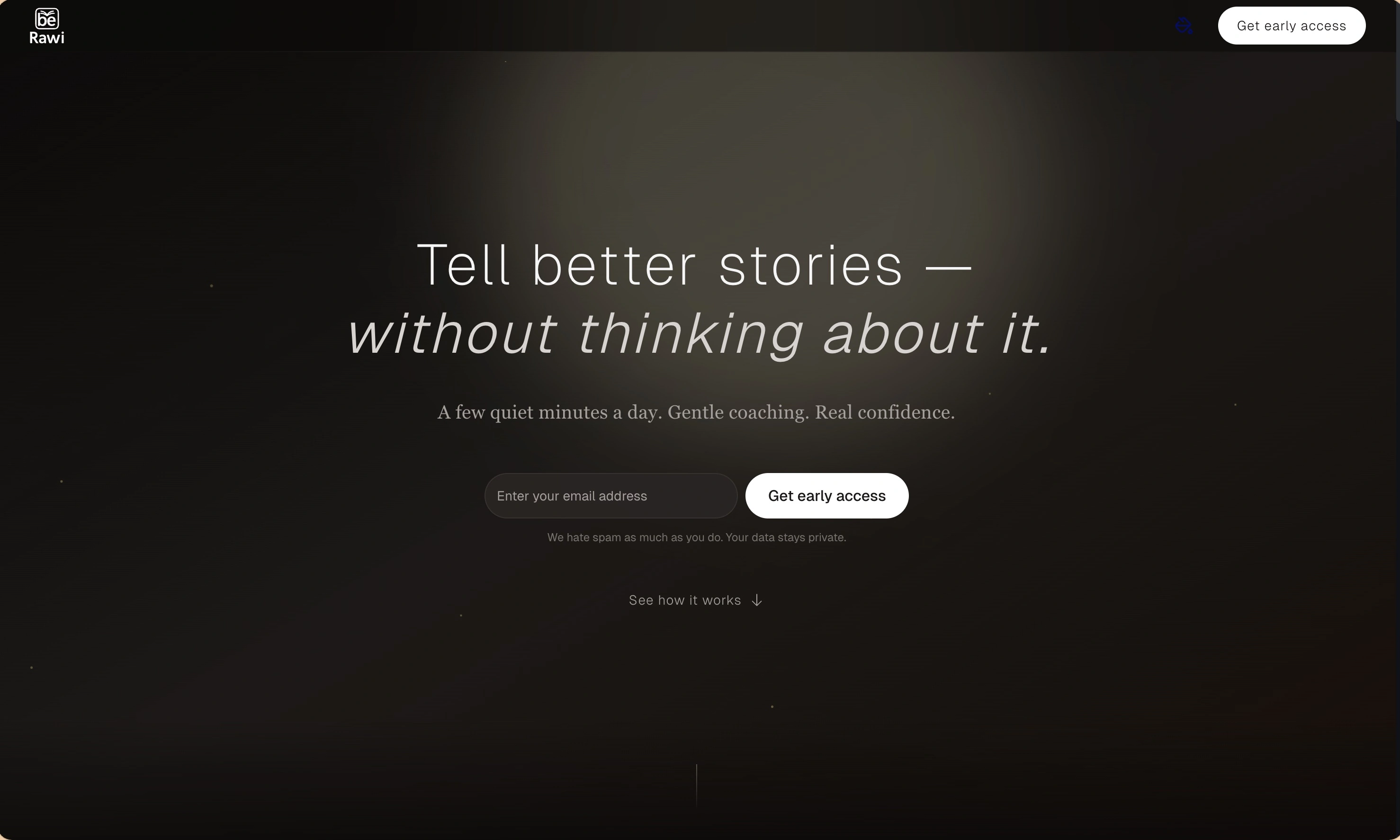
BeRawi: Storytelling Coach
Practice storytelling daily with instant feedback to sound clearer, more engaging, and confident 🎤
Omichat
Chat with 50+ AI models, including ChatGPT and Claude, in one place - switch models anytime without losing context 🤖
Claude Fast
Supercharge your Claude Code with 6x effective context window and specialized AI agents 🤖
EmojAI
AI-powered emoji picker with smart, context-aware suggestions 🤖
Solohacker
Autonomous company launcher - AI agents work 24/7, escalate what matters, and you stay in control 🤖
BeRawi: Storytelling Coach
Practice storytelling daily with instant feedback to sound clearer, more engaging, and confident 🎤
Omichat
Chat with 50+ AI models, including ChatGPT and Claude, in one place - switch models anytime without losing context 🤖
Claude Fast
Supercharge your Claude Code with 6x effective context window and specialized AI agents 🤖
EmojAI
AI-powered emoji picker with smart, context-aware suggestions 🤖
Solohacker
Autonomous company launcher - AI agents work 24/7, escalate what matters, and you stay in control 🤖
BeRawi: Storytelling Coach
Practice storytelling daily with instant feedback to sound clearer, more engaging, and confident 🎤
Omichat
Chat with 50+ AI models, including ChatGPT and Claude, in one place - switch models anytime without losing context 🤖
Claude Fast
Supercharge your Claude Code with 6x effective context window and specialized AI agents 🤖
EmojAI
AI-powered emoji picker with smart, context-aware suggestions 🤖
Solohacker
Autonomous company launcher - AI agents work 24/7, escalate what matters, and you stay in control 🤖
BeRawi: Storytelling Coach
Practice storytelling daily with instant feedback to sound clearer, more engaging, and confident 🎤

Connect with like-minded people
Join our community to get feedback, support, and grow together with 1,000+ builders on board, let's ship it!
Join usShip your startup everywhere. In minutes.
Don't burn tokens on setup and start building features on day one.