CardFlow Studio
A self-serve web-to-print platform that lets businesses design, proof, and order plastic cards with real-time pricing, brand controls, and approval workflows.
Understanding the rise of web-to-print platforms for plastic cards
Over the past decade, web-to-print platforms have transformed how businesses create and order printed materials. What started with basic business card templates has evolved into sophisticated, self-serve systems supporting complex workflows, brand governance, and real-time pricing. One of the fastest-growing niches within this space is plastic card printing—covering ID cards, membership cards, access badges, gift cards, and loyalty cards.
This is where CardFlow Studio, a B2B web-to-print platform for plastic cards, positions itself. The platform is designed to let organizations design, proof, approve, and order plastic cards from a single interface—without relying on back-and-forth emails, manual quotes, or external design tools.
In this article, we’ll explore the market opportunity behind CardFlow Studio, its target users, core features, technical architecture, monetization strategies, risks, and a clear path to implementation. The goal is to provide expert-level validation and guidance for founders, operators, or product teams evaluating or building a similar SaaS product.
What problem CardFlow Studio solves
Plastic card ordering is still surprisingly manual.
Despite advances in digital printing, many organizations rely on:
- PDF proofs emailed back and forth
- Static price lists or custom quotes
- Inconsistent branding across departments
- Manual approvals via email or spreadsheets
- Disconnected print vendors and fulfillment workflows
These inefficiencies lead to:
- Slow turnaround times
- Pricing errors
- Brand inconsistency
- Higher operational costs
- Poor customer experience
CardFlow Studio solves this by offering a self-serve, web-to-print platform specifically optimized for plastic cards, combining design, pricing, approvals, and ordering into one streamlined workflow.
Key insight
Unlike generic print-on-demand tools, plastic cards introduce complexity—materials, encoding, variable data, security features—that require purpose-built workflows.
Primary keyword focus: web-to-print platform for plastic cards
Throughout this article, the primary keyword “web-to-print platform for plastic cards” is used naturally alongside related semantic keywords such as:
- plastic card printing software
- card design and ordering platform
- B2B card printing solution
- branded card workflow software
- self-serve card ordering system
These reflect real search intent from buyers, procurement teams, and operators researching solutions in this category.
Target audience analysis: who CardFlow Studio is built for
Understanding the target audience is critical for positioning, feature prioritization, and go-to-market strategy.
1. Mid-sized to enterprise organizations
These organizations typically:
- Issue hundreds or thousands of cards annually
- Operate across multiple locations or departments
- Require strict brand control
- Need approval workflows and audit trails
Examples:
- Healthcare systems issuing staff ID cards
- Universities managing student and faculty IDs
- Hotel chains producing access and loyalty cards
- Corporate offices issuing employee badges
2. Franchises and multi-location brands
Franchises face a unique challenge:
- Corporate owns the brand
- Local locations need autonomy to order cards
CardFlow Studio’s brand controls + approval workflows directly address this tension.
3. Print service providers and card manufacturers
Card manufacturers can use CardFlow Studio as:
- A white-labeled customer portal
- A quote-to-order automation layer
- A way to reduce sales and prepress workload
This audience is particularly attractive for platform-led growth, as each printer brings multiple downstream customers.
4. Procurement and operations teams
These users care less about design and more about:
- Predictable pricing
- Compliance
- Vendor consolidation
- Reporting and cost controls
CardFlow Studio speaks directly to this buyer by replacing manual procurement with a controlled, auditable system.
Market opportunity and gap analysis
Why plastic card printing is still underserved
While there are dozens of general web-to-print tools, very few specialize in plastic cards. The reasons include:
- Higher production complexity
- Hardware and encoding dependencies
- Variable data requirements
- Security and compliance considerations
As a result, many organizations rely on legacy vendors with outdated ordering portals or entirely manual processes.
Market trends supporting CardFlow Studio
Several macro trends make this the right time for a platform like CardFlow Studio:
-
Self-serve B2B software expectations
Buyers now expect the same UX from B2B tools as modern SaaS products. -
Distributed workforces
Remote and hybrid work increase the need for decentralized but controlled card ordering. -
Brand governance at scale
Companies are investing more in brand consistency across physical touchpoints. -
On-demand and short-run printing
Advances in digital printing reduce minimum order quantities, increasing order frequency.
For market sizing or growth rates, consider referencing industry reports from sources like IBISWorld, Smithers, or Gartner rather than relying on anecdotal data.
Core features of CardFlow Studio
At its core, CardFlow Studio is not just a design tool—it’s a workflow engine for plastic card production.
1. Browser-based card design editor
Key capabilities:
- Drag-and-drop card layout
- Front and back design support
- Variable data placeholders (name, ID, barcode, QR)
- Material-aware previews (PVC, PET, composite)
- Magnetic stripe or chip placement guides
This eliminates the need for external tools like Adobe Illustrator for most users.
2. Real-time pricing engine
Real-time pricing is one of the platform’s strongest differentiators.
Pricing factors may include:
- Quantity breaks
- Card material
- Encoding type
- Security features (holograms, UV print)
- Finishing options
Benefits:
- No manual quotes
- Faster purchasing decisions
- Reduced sales overhead
3. Brand controls and templates
To maintain consistency:
- Lock specific design elements
- Restrict color palettes and fonts
- Offer pre-approved templates
- Control editable zones per user role
This is essential for enterprises and franchises.
4. Approval workflows
Built-in approval logic ensures compliance:
- Role-based approvals
- Multi-step workflows (local → regional → corporate)
- Audit logs for every change
- Proof approval before production
5. Order management and proofing
Once approved:
- Generate print-ready files
- Store proofs for reorders
- Track order status
- Integrate with fulfillment partners
6. User roles and permissions
Common roles:
- Designer
- Requester
- Approver
- Admin
- Vendor / printer
This ensures the right balance between autonomy and control.
How CardFlow Studio compares to existing solutions
| Feature | Generic print portals | Design tools | Legacy card vendors | CardFlow Studio | Spreadsheets & email |
|---|---|---|---|---|---|
| Plastic card expertise | ❌ | ❌ | ✅ | ✅ | ❌ |
| Real-time pricing | ✅ | ❌ | ❌ | ✅ | ❌ |
| Approval workflows | ❌ | ❌ | ✅ | ✅ | ❌ |
Recommended tech stack for building CardFlow Studio
The technology choices should prioritize scalability, performance, and maintainability.
Frontend
-
React – component-driven UI and ecosystem
https://reactjs.org -
Tailwind CSS – rapid UI development with design consistency
https://tailwindcss.com -
Canvas or SVG-based rendering for card previews
Trade-off: Canvas offers better performance for complex rendering, while SVG is easier to manipulate and export.
Backend
- Node.js with a structured framework (e.g., NestJS)
- REST or GraphQL APIs
- Job queues for proof generation and pricing calculations
Database
- PostgreSQL for transactional data
- Object storage (e.g., S3-compatible) for assets and proofs
Pricing and rules engine
A modular pricing service that:
- Supports rules and overrides
- Can be customized per customer
- Logs pricing decisions for auditability
Integrations
- Print production systems
- Payment providers
- Shipping and fulfillment APIs
Architecture consideration
Avoid hardcoding printer-specific logic early. A plugin or adapter approach keeps the platform flexible as new vendors are added.
Example: approval workflow logic (simplified)
function requiresApproval(order, userRole) {
  if (order.quantity > 500) return true;
  if (order.template.locked && userRole !== "admin") return true;
  return false;
}
This type of logic becomes more complex at scale, reinforcing the need for a flexible rules engine.
Monetization strategies for CardFlow Studio
A strong monetization strategy balances predictable revenue with customer value.
1. SaaS subscription tiers
Common pricing levers:
- Number of users
- Monthly order volume
- Advanced workflows
- White-labeling
2. Per-order or per-card fees
- Small transaction fee per order
- Percentage-based fee for high-volume customers
This aligns revenue with usage.
3. White-label licensing for printers
Printers pay:
- Annual license
- Setup and onboarding fees
- Custom integrations
This model can generate high ACV with fewer customers.
4. Enterprise contracts
Custom pricing for:
- Large organizations
- Complex compliance needs
- Dedicated support and SLAs
Competitive advantage and unique selling proposition
CardFlow Studio’s USP lies in focus and depth.
Why it stands out
- Purpose-built for plastic cards—not generic print
- Combines pricing, design, and approvals
- Designed for B2B governance, not consumers
- Scales across locations and brands
Competitors often excel in one area (design or printing) but fail to unify the full workflow.
Focused niche
Plastic cards have unique constraints that generic tools fail to handle well.
Workflow-first design
Approvals, permissions, and compliance are core—not add-ons.
Scalable economics
Supports both enterprise buyers and printer-led distribution.
Potential risks and mitigation strategies
Risk 1: Complex integrations slow adoption
Mitigation:
Start with a limited set of well-documented printer integrations and expand incrementally.
Risk 2: Long enterprise sales cycles
Mitigation:
Target printers and mid-market customers first to generate revenue and validation.
Risk 3: Overbuilding early features
Mitigation:
Launch with a focused MVP: design + pricing + basic approvals.
Risk 4: Security and compliance concerns
Mitigation:
Implement strong access controls, audit logs, and data encryption from day one.
Implementation roadmap: from idea to launch
Using a proven SaaS starter kit like TurboStarter can significantly reduce time-to-market by handling authentication, billing, and core infrastructure.
Frequently asked questions about web-to-print platforms for plastic cards
It’s both. The platform combines browser-based design with pricing, approvals, and ordering in a single workflow.
In many cases, it complements vendors by improving the ordering experience rather than replacing production.
While possible, the strongest fit is mid-sized to enterprise organizations with recurring card needs.
Final thoughts: why CardFlow Studio is a compelling SaaS opportunity
The plastic card industry is ripe for modernization. Manual processes, fragmented tools, and outdated portals create friction for both buyers and vendors. CardFlow Studio addresses this gap with a focused, workflow-driven web-to-print platform for plastic cards.
For founders and teams, the opportunity lies in:
- A clearly defined niche
- Strong B2B willingness to pay
- Multiple monetization paths
- Defensible product depth
With disciplined scope, thoughtful architecture, and customer-led iteration, CardFlow Studio can become the system of record for plastic card ordering in modern organizations.
More 🏢 B2B Application SaaS ideas
Discover more innovative b2b application SaaS ideas that are trending in 2026. Each idea is AI-generated with market validation and growth potential to help you find your next profitable venture faster than competitors.
Your competitors are building with TurboStarter
Below are some of the SaaS ideas that have been generated and built with our starter kit.
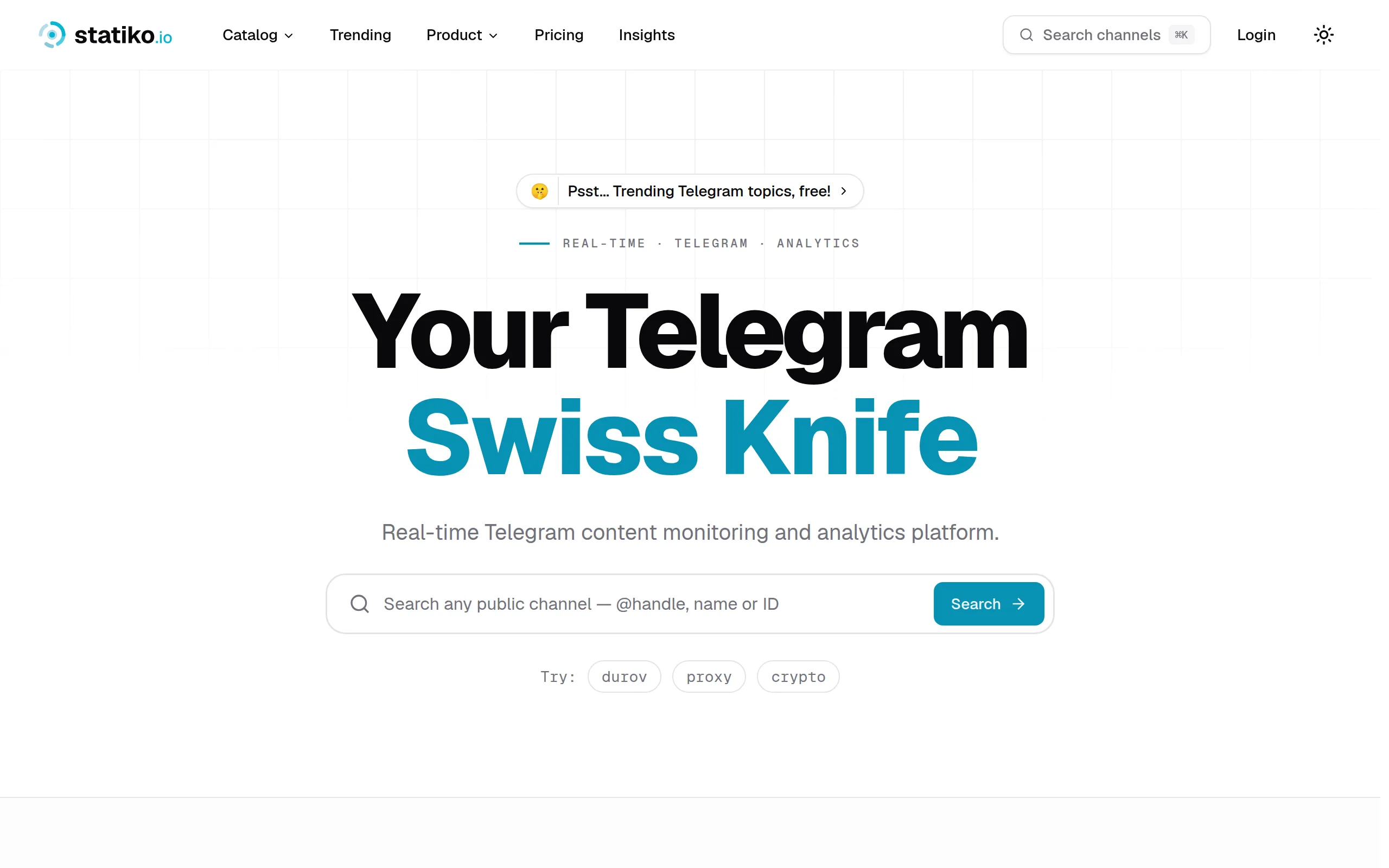
Statiko
Monitor any Telegram channel in real time - track posts, edits, deletions, and growth with AI recaps 📡
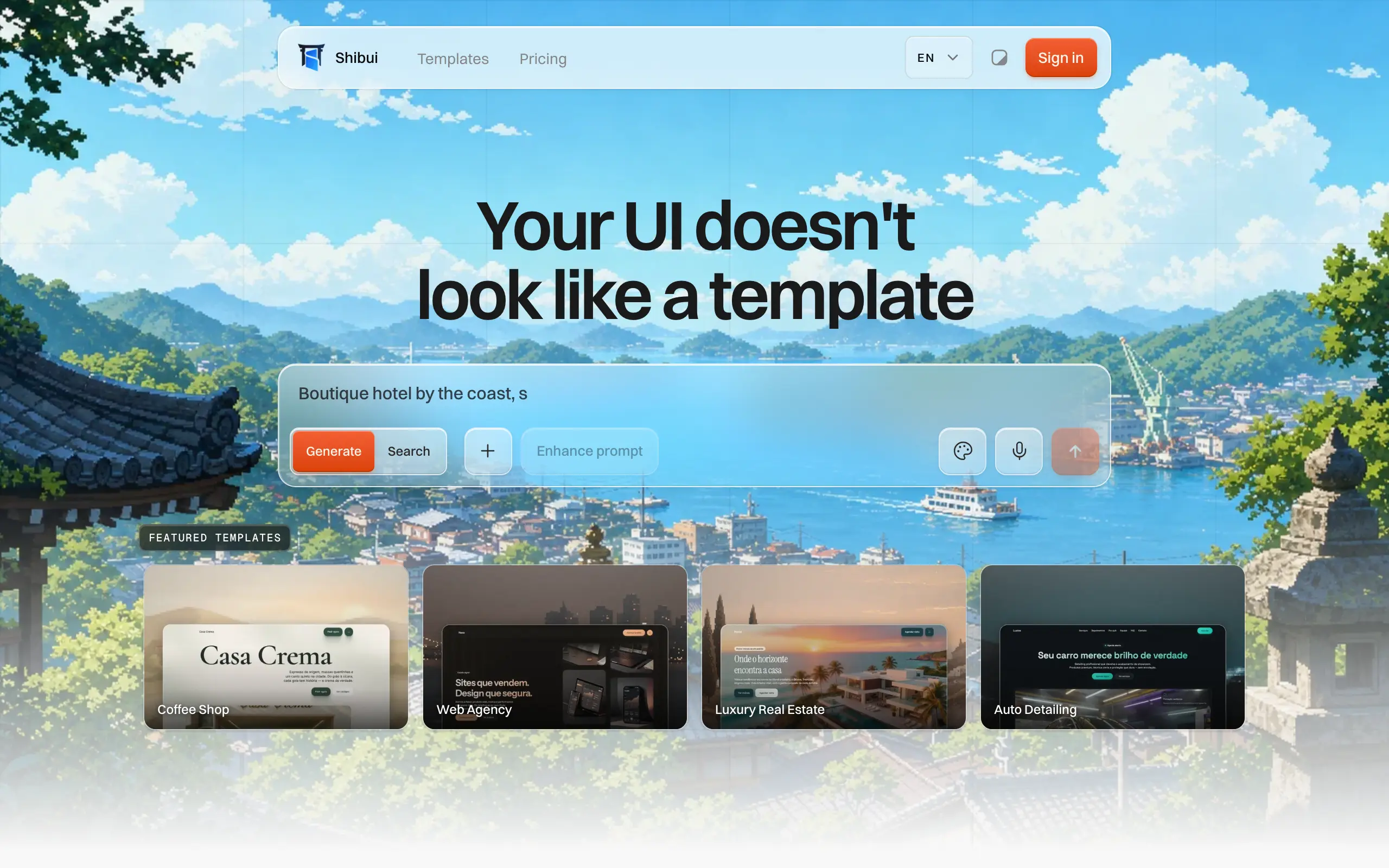
Shibui
AI website builder - describe your business, pick a niche template, edit by chatting, and publish instantly ✨
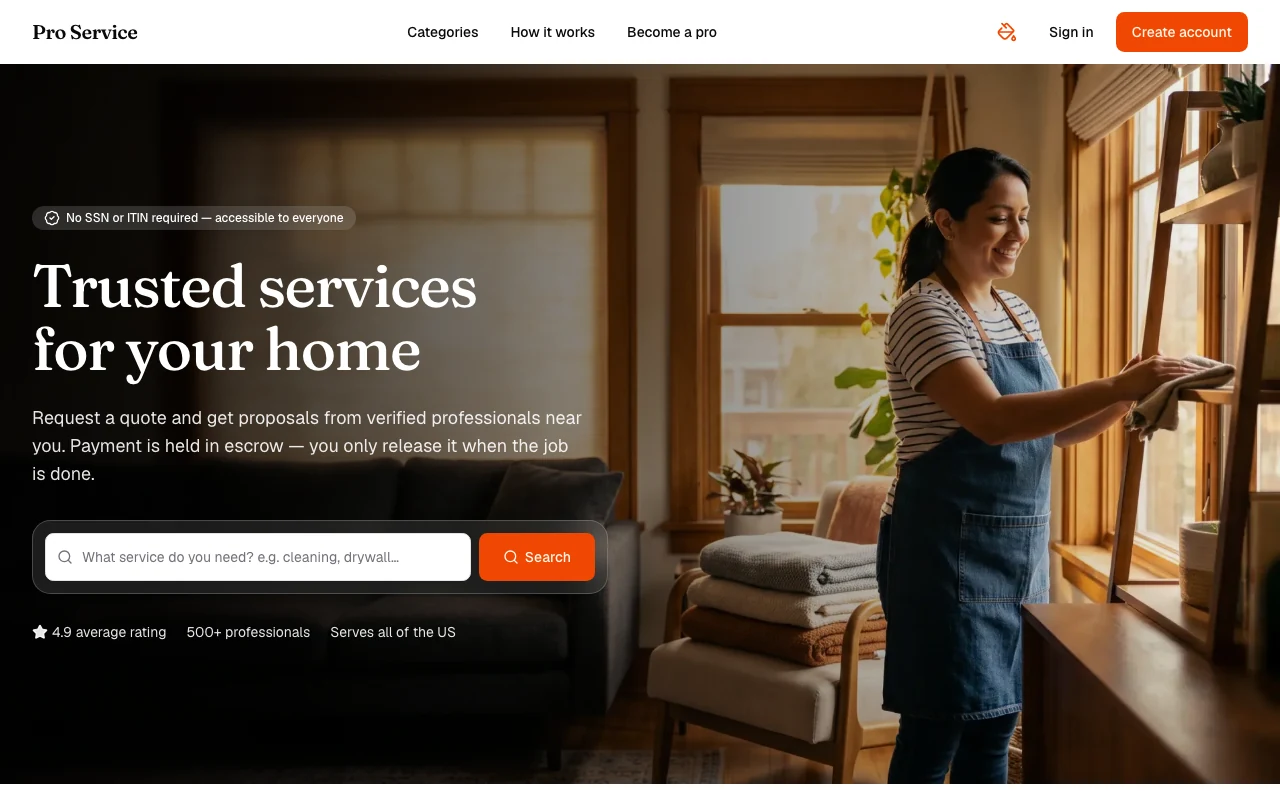
Pro Service
Find verified home service professionals, compare quotes, and pay securely through escrow - built for Brazilians across the US 🏠
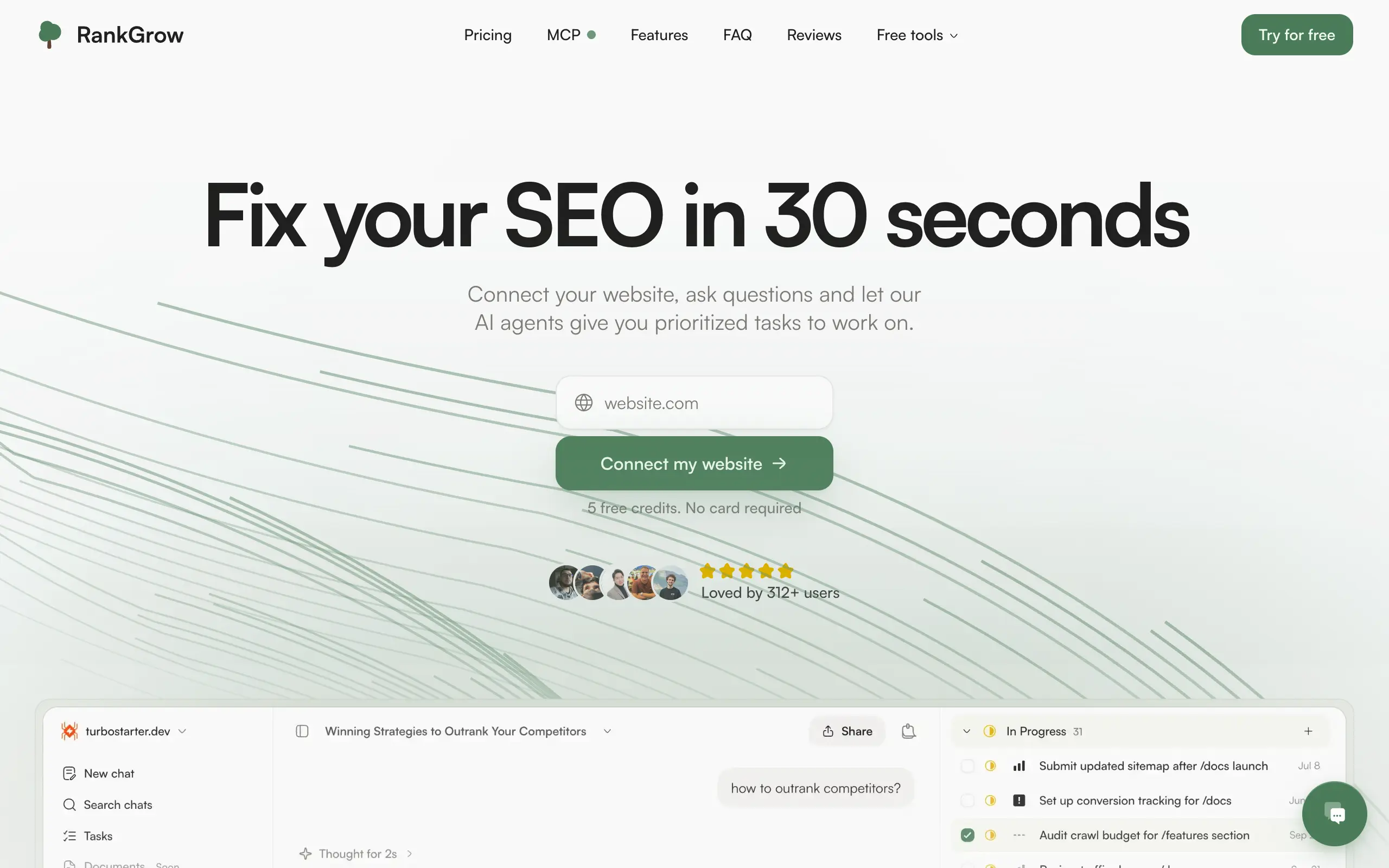
RankGrow
Fix your SEO with AI agents - connect Search Console, get prioritized tasks, and grow organic traffic 📈
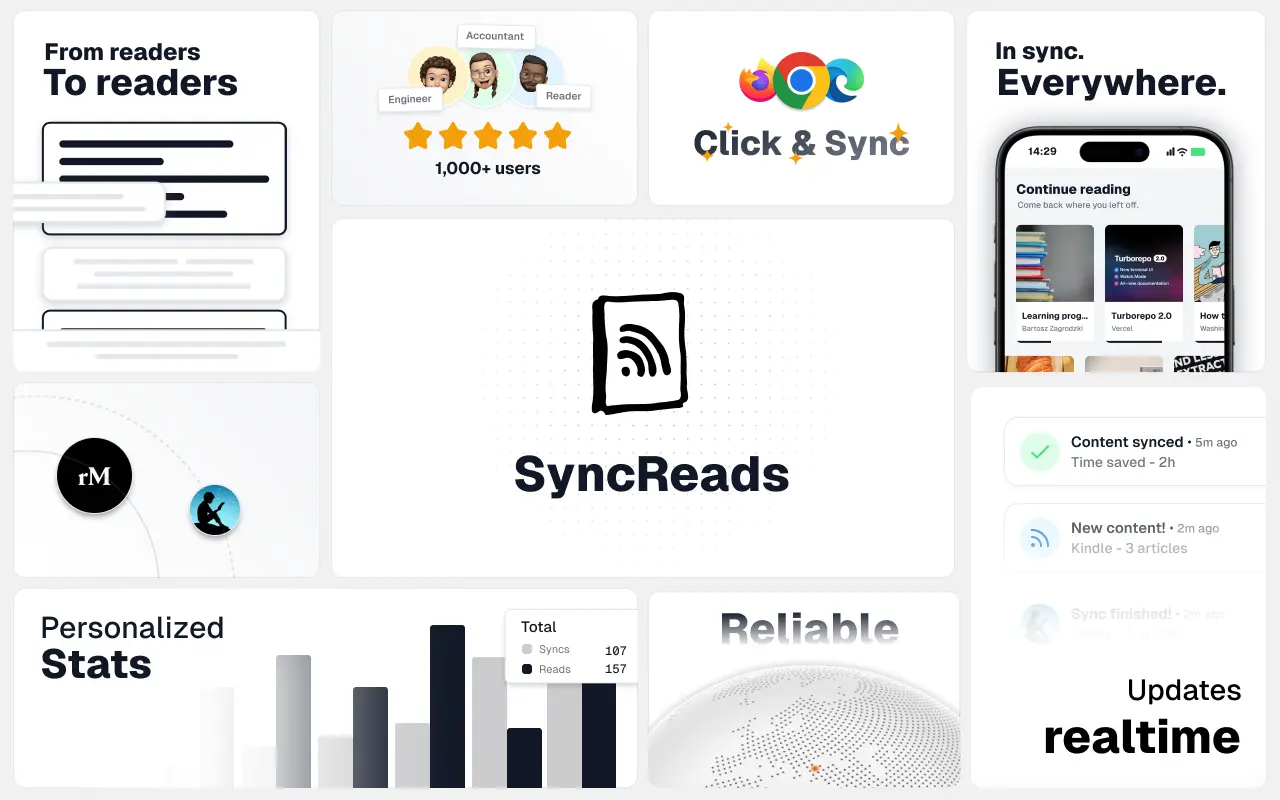
SyncReads
Sync your favorite content for distraction-free reading, save time and replace multiple apps. Anytime, anywhere 🔄
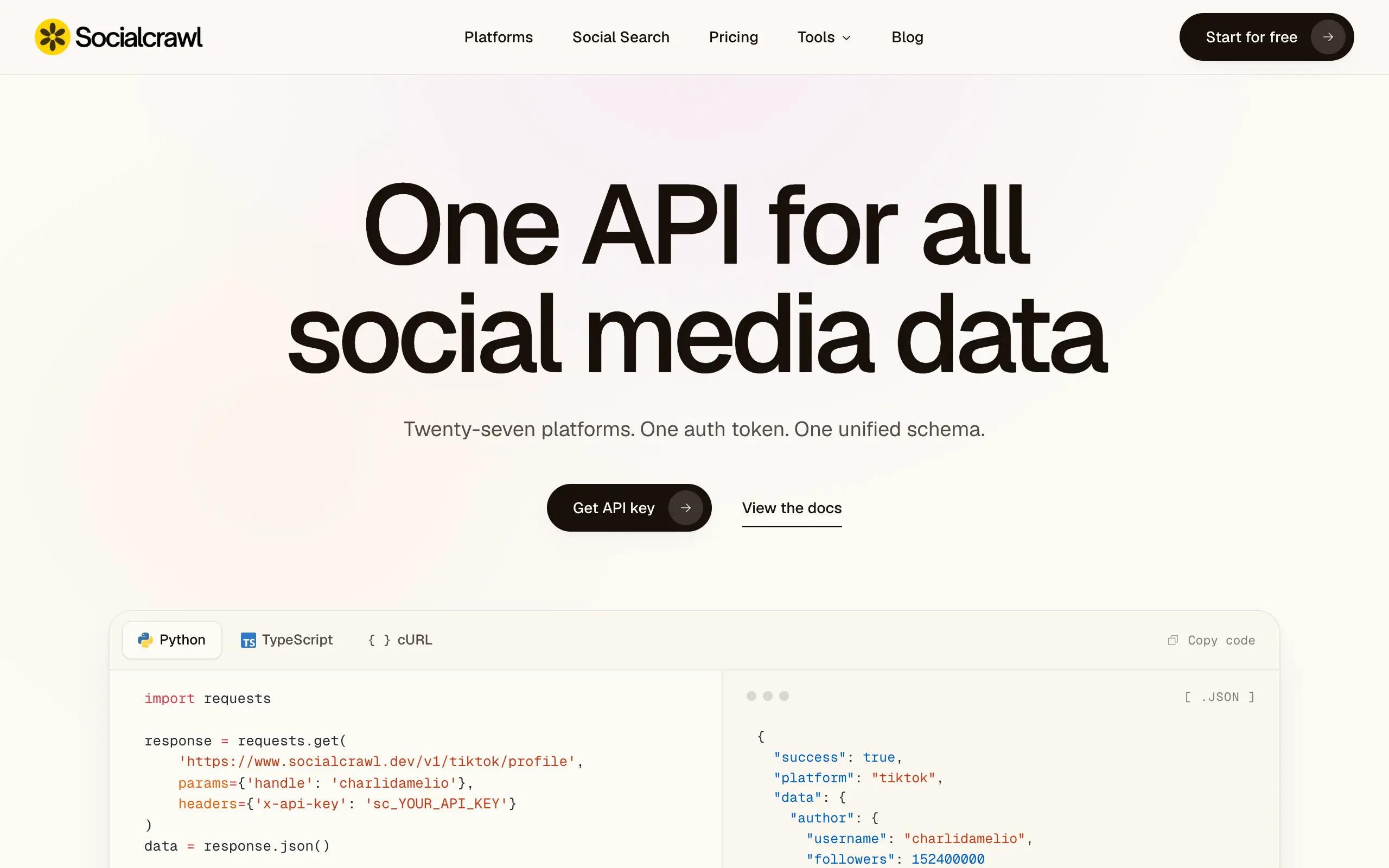
Socialcrawl
Get clean, structured data from 21 platforms like TikTok, Instagram, and YouTube with a single request 📊
Statiko
Monitor any Telegram channel in real time - track posts, edits, deletions, and growth with AI recaps 📡
Shibui
AI website builder - describe your business, pick a niche template, edit by chatting, and publish instantly ✨
Pro Service
Find verified home service professionals, compare quotes, and pay securely through escrow - built for Brazilians across the US 🏠
RankGrow
Fix your SEO with AI agents - connect Search Console, get prioritized tasks, and grow organic traffic 📈
SyncReads
Sync your favorite content for distraction-free reading, save time and replace multiple apps. Anytime, anywhere 🔄
Socialcrawl
Get clean, structured data from 21 platforms like TikTok, Instagram, and YouTube with a single request 📊
Statiko
Monitor any Telegram channel in real time - track posts, edits, deletions, and growth with AI recaps 📡
Shibui
AI website builder - describe your business, pick a niche template, edit by chatting, and publish instantly ✨
Pro Service
Find verified home service professionals, compare quotes, and pay securely through escrow - built for Brazilians across the US 🏠
RankGrow
Fix your SEO with AI agents - connect Search Console, get prioritized tasks, and grow organic traffic 📈
SyncReads
Sync your favorite content for distraction-free reading, save time and replace multiple apps. Anytime, anywhere 🔄
Socialcrawl
Get clean, structured data from 21 platforms like TikTok, Instagram, and YouTube with a single request 📊
Statiko
Monitor any Telegram channel in real time - track posts, edits, deletions, and growth with AI recaps 📡
Shibui
AI website builder - describe your business, pick a niche template, edit by chatting, and publish instantly ✨
Pro Service
Find verified home service professionals, compare quotes, and pay securely through escrow - built for Brazilians across the US 🏠
RankGrow
Fix your SEO with AI agents - connect Search Console, get prioritized tasks, and grow organic traffic 📈
SyncReads
Sync your favorite content for distraction-free reading, save time and replace multiple apps. Anytime, anywhere 🔄
Socialcrawl
Get clean, structured data from 21 platforms like TikTok, Instagram, and YouTube with a single request 📊
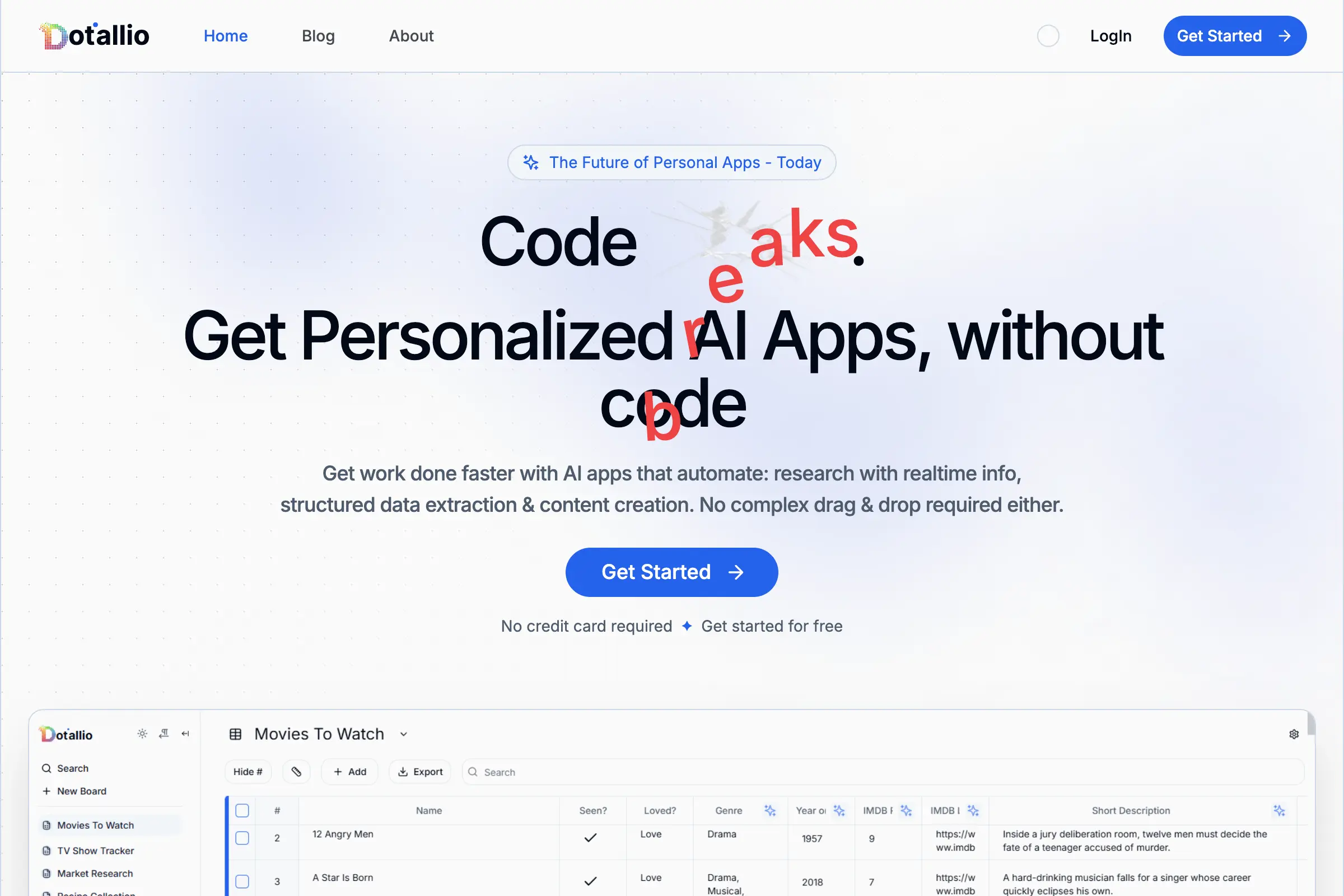
Dotallio
Personalized AI apps that automate research, data extraction, and content creation without code 🤖
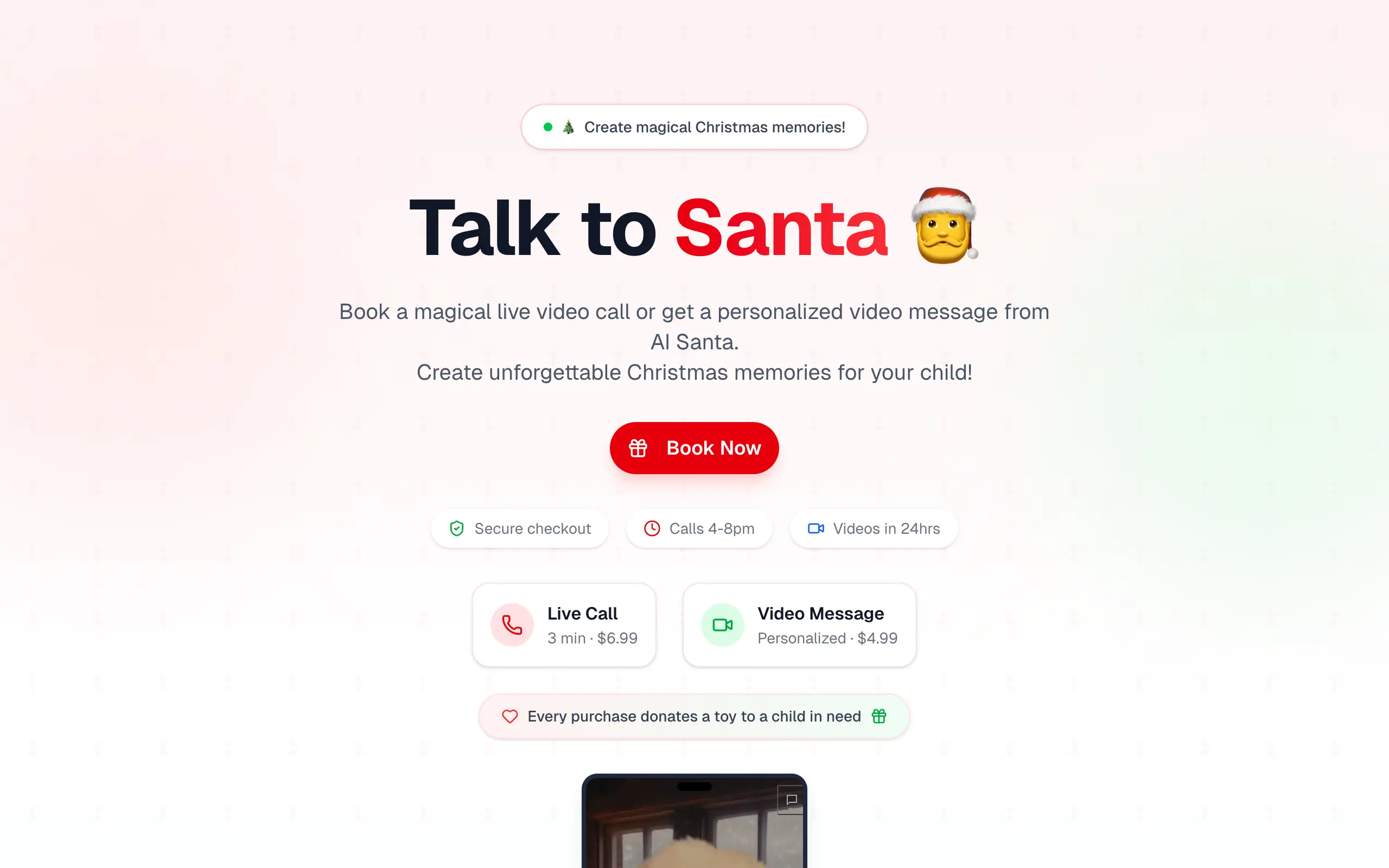
Talk to Santa
Enjoy a magical live video chat or receive a unique AI-generated video greeting from Santa Claus 🎅
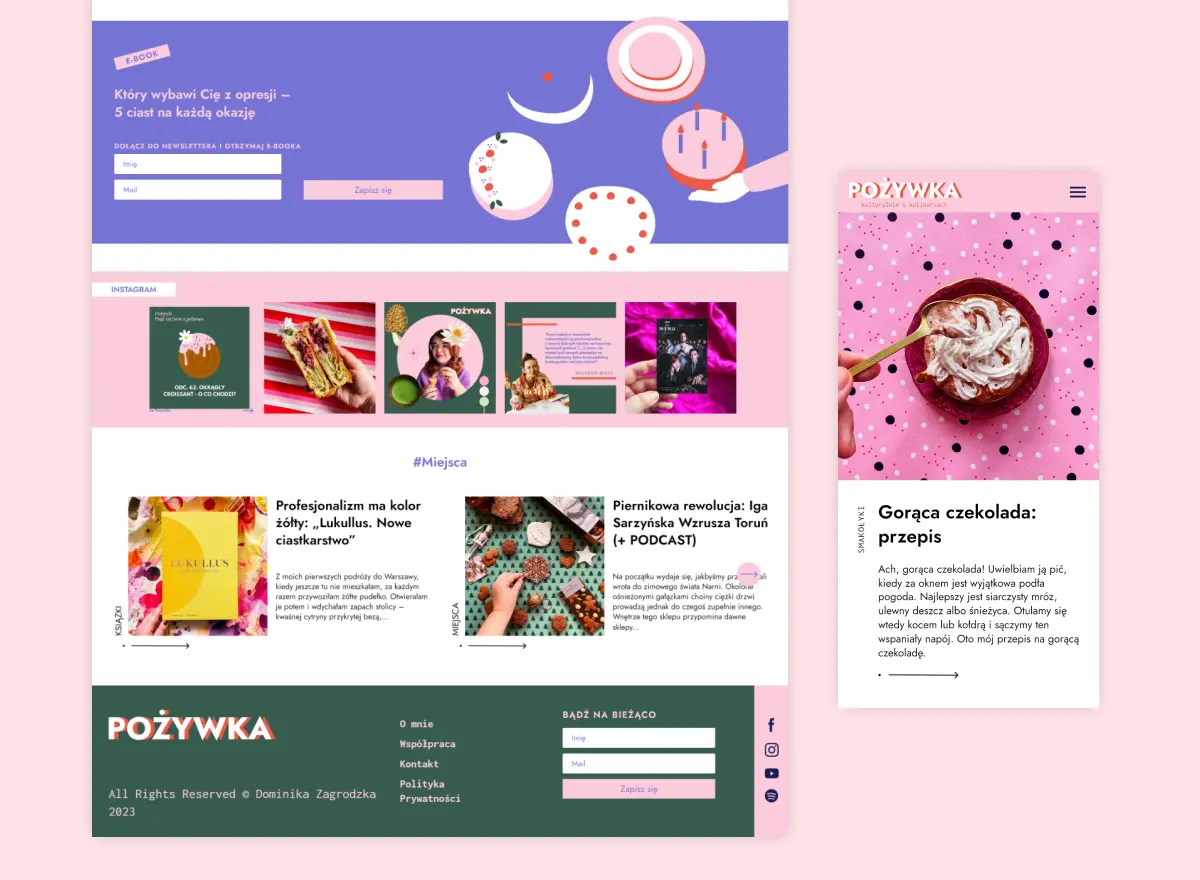
pozywka.pl
Scalable blog for food journalist, focused on performance and user experience 🌭
zagrodzki.me
Personal blog and portfolio of Bart Zagrodzki, where he shares his knowledge and work 💼
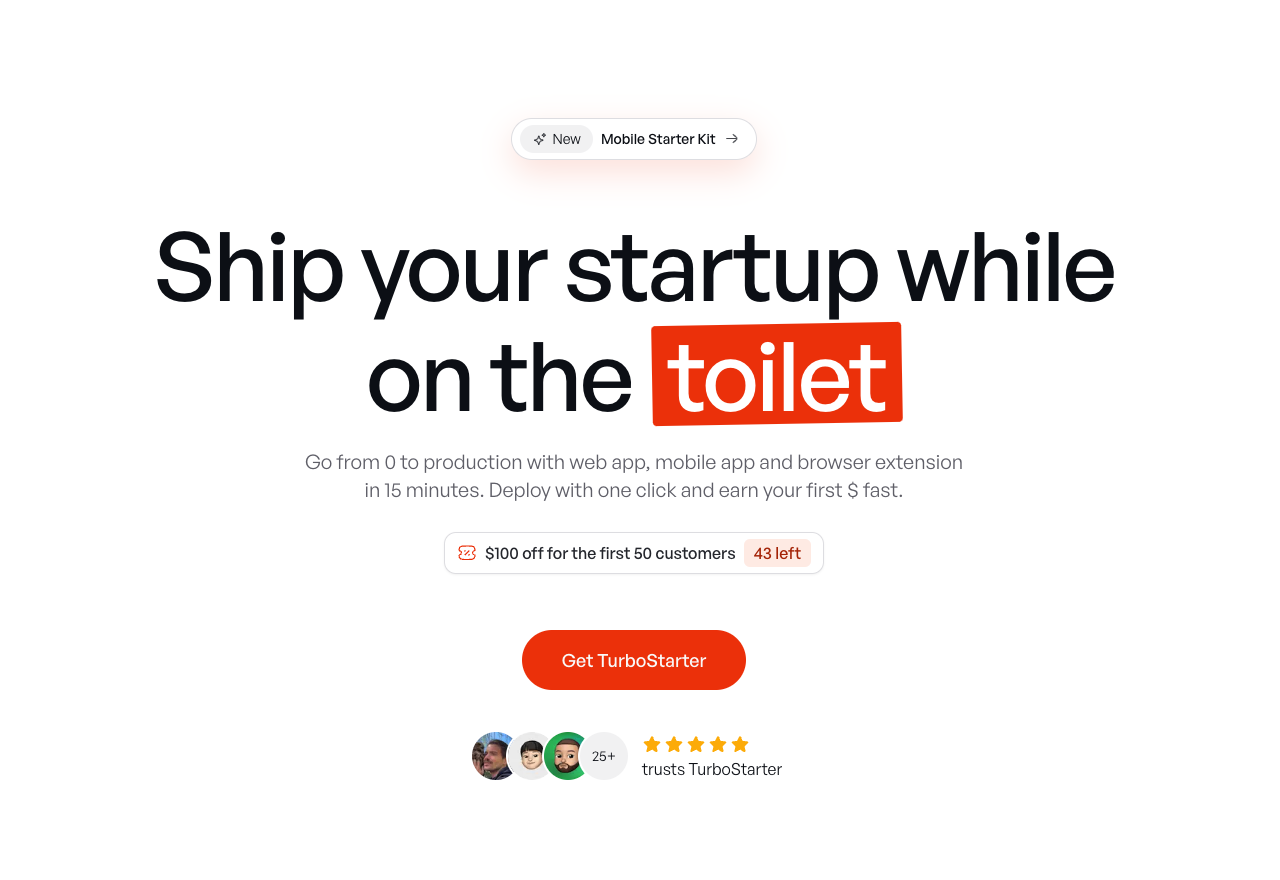
TurboStarter
Ship your startup everywhere. In minutes.
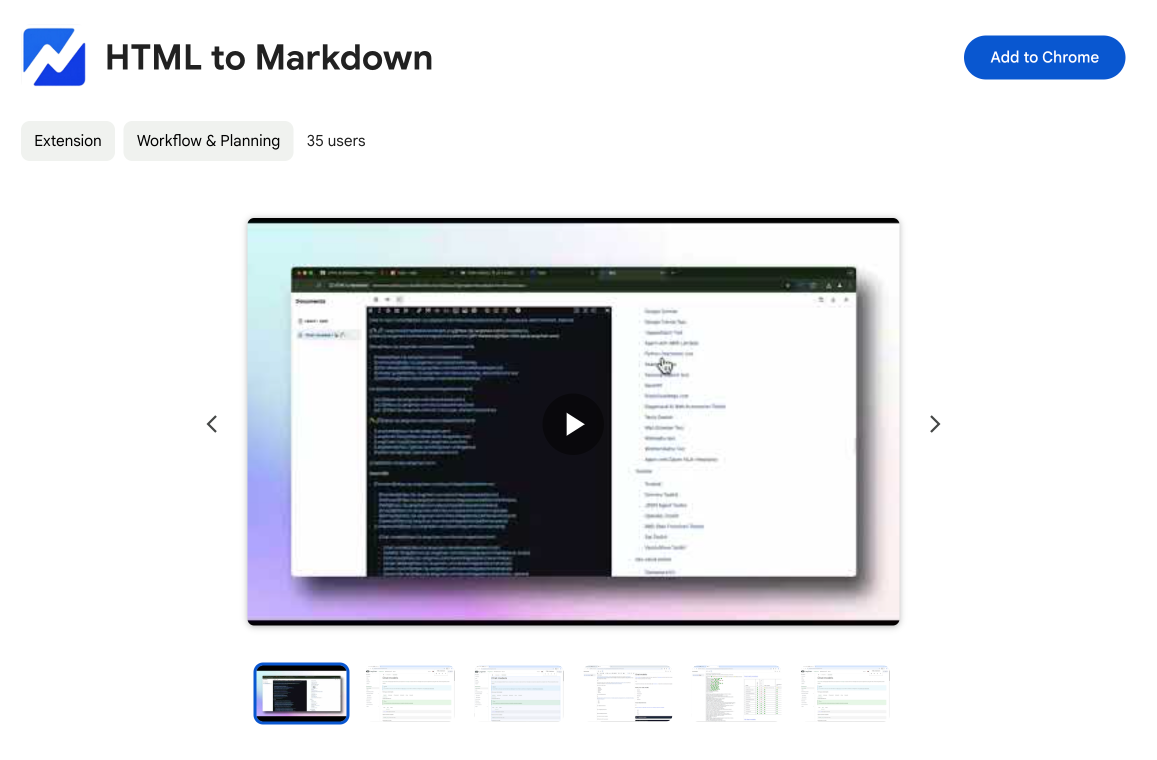
HTML to Markdown
Convert HTML to Markdown with ease, directly in your browser 📄
Dotallio
Personalized AI apps that automate research, data extraction, and content creation without code 🤖
Talk to Santa
Enjoy a magical live video chat or receive a unique AI-generated video greeting from Santa Claus 🎅
pozywka.pl
Scalable blog for food journalist, focused on performance and user experience 🌭
zagrodzki.me
Personal blog and portfolio of Bart Zagrodzki, where he shares his knowledge and work 💼
TurboStarter
Ship your startup everywhere. In minutes.
HTML to Markdown
Convert HTML to Markdown with ease, directly in your browser 📄
Dotallio
Personalized AI apps that automate research, data extraction, and content creation without code 🤖
Talk to Santa
Enjoy a magical live video chat or receive a unique AI-generated video greeting from Santa Claus 🎅
pozywka.pl
Scalable blog for food journalist, focused on performance and user experience 🌭
zagrodzki.me
Personal blog and portfolio of Bart Zagrodzki, where he shares his knowledge and work 💼
TurboStarter
Ship your startup everywhere. In minutes.
HTML to Markdown
Convert HTML to Markdown with ease, directly in your browser 📄
Dotallio
Personalized AI apps that automate research, data extraction, and content creation without code 🤖
Talk to Santa
Enjoy a magical live video chat or receive a unique AI-generated video greeting from Santa Claus 🎅
pozywka.pl
Scalable blog for food journalist, focused on performance and user experience 🌭
zagrodzki.me
Personal blog and portfolio of Bart Zagrodzki, where he shares his knowledge and work 💼
TurboStarter
Ship your startup everywhere. In minutes.
HTML to Markdown
Convert HTML to Markdown with ease, directly in your browser 📄
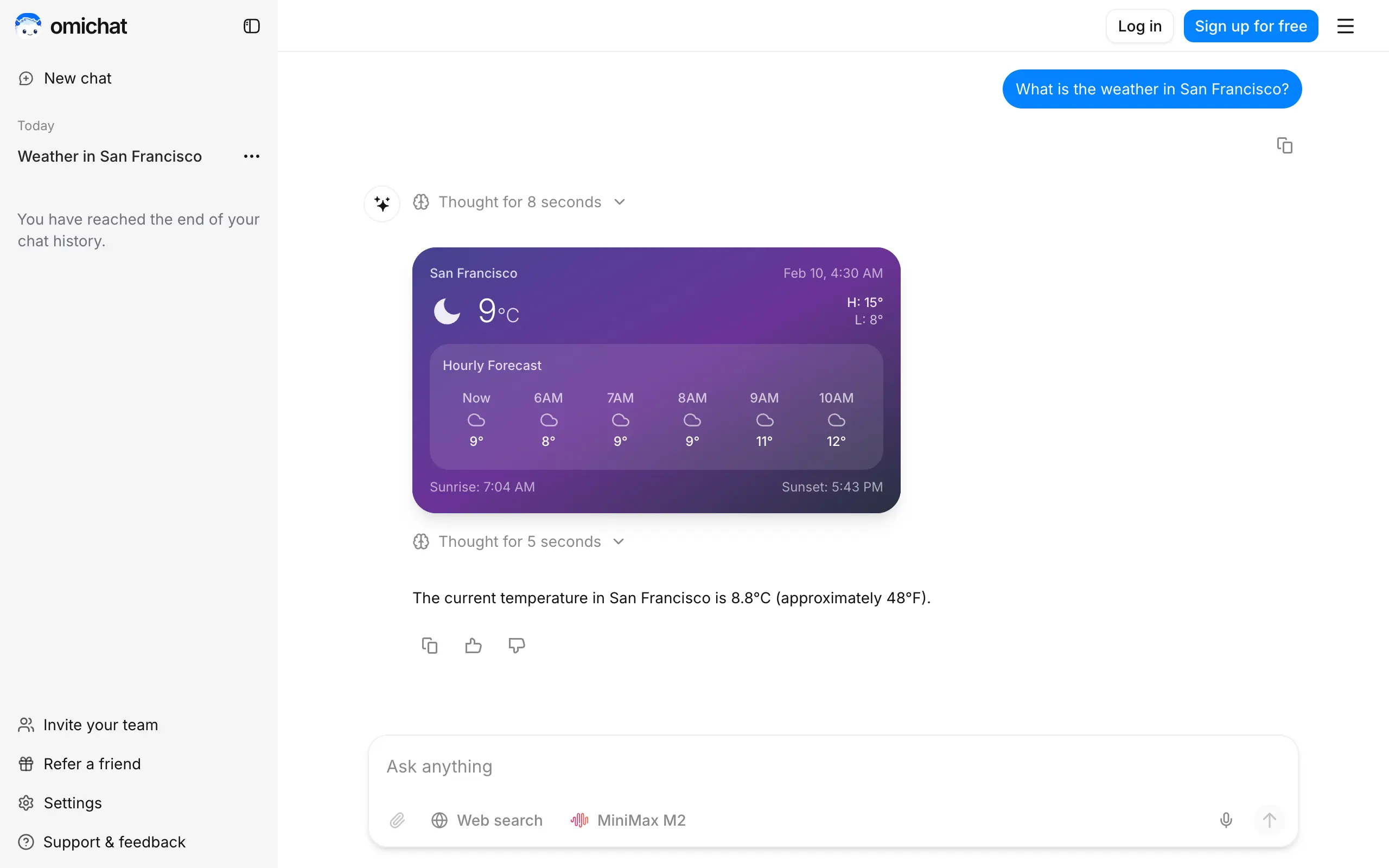
Omichat
Chat with 50+ AI models, including ChatGPT and Claude, in one place - switch models anytime without losing context 🤖
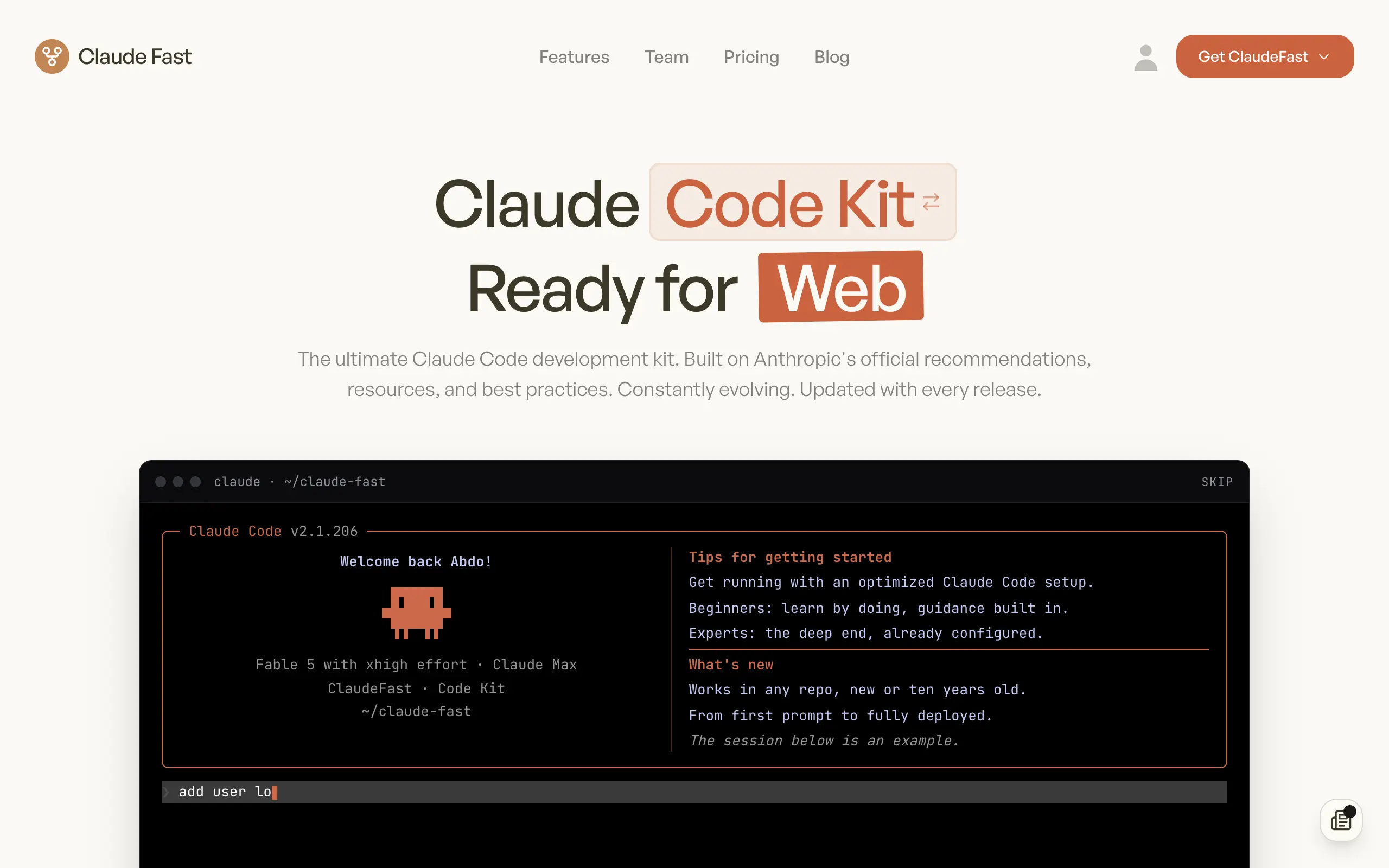
Claude Fast
Supercharge your Claude Code with 6x effective context window and specialized AI agents 🤖
EmojAI
AI-powered emoji picker with smart, context-aware suggestions 🤖
Solohacker
Autonomous company launcher - AI agents work 24/7, escalate what matters, and you stay in control 🤖
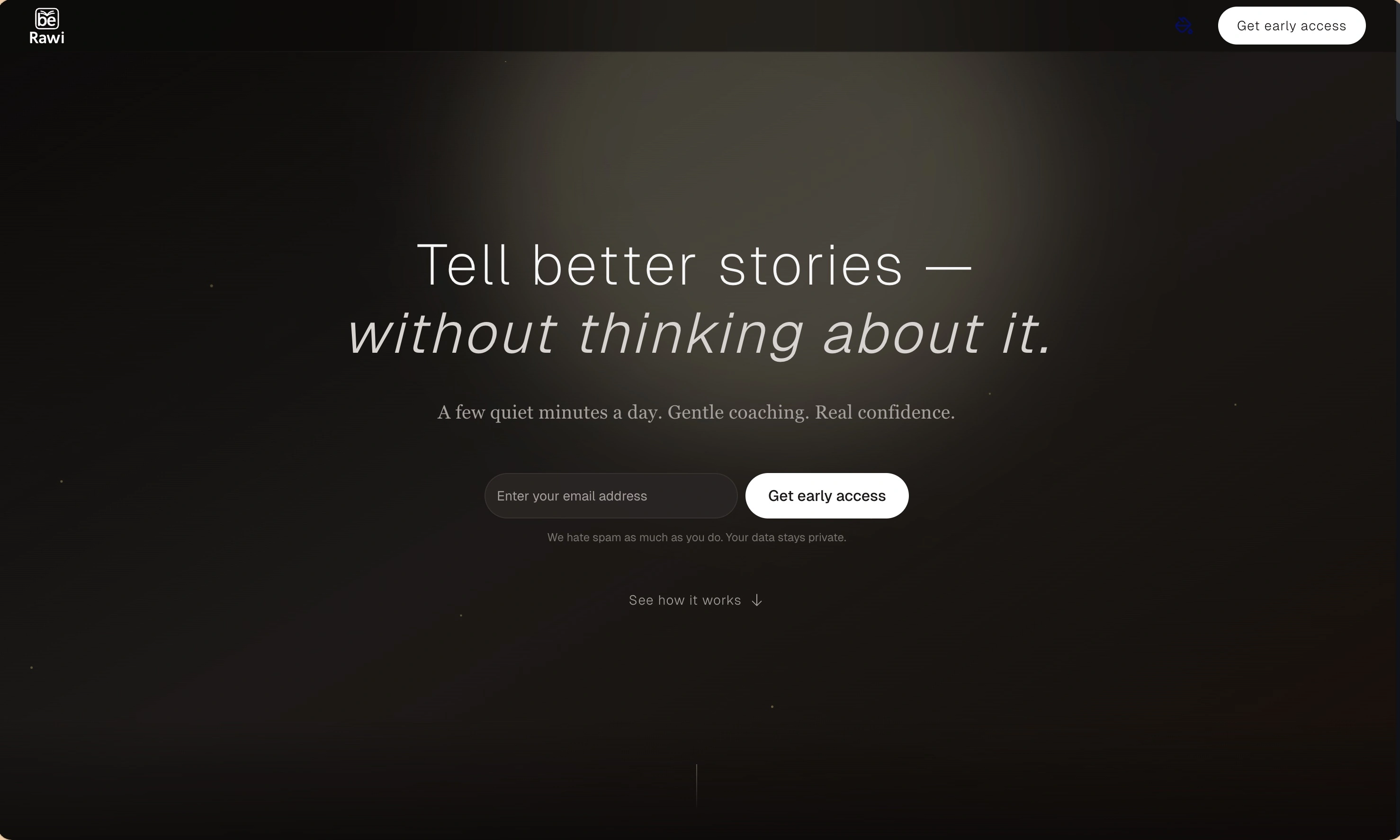
BeRawi: Storytelling Coach
Practice storytelling daily with instant feedback to sound clearer, more engaging, and confident 🎤
Omichat
Chat with 50+ AI models, including ChatGPT and Claude, in one place - switch models anytime without losing context 🤖
Claude Fast
Supercharge your Claude Code with 6x effective context window and specialized AI agents 🤖
EmojAI
AI-powered emoji picker with smart, context-aware suggestions 🤖
Solohacker
Autonomous company launcher - AI agents work 24/7, escalate what matters, and you stay in control 🤖
BeRawi: Storytelling Coach
Practice storytelling daily with instant feedback to sound clearer, more engaging, and confident 🎤
Omichat
Chat with 50+ AI models, including ChatGPT and Claude, in one place - switch models anytime without losing context 🤖
Claude Fast
Supercharge your Claude Code with 6x effective context window and specialized AI agents 🤖
EmojAI
AI-powered emoji picker with smart, context-aware suggestions 🤖
Solohacker
Autonomous company launcher - AI agents work 24/7, escalate what matters, and you stay in control 🤖
BeRawi: Storytelling Coach
Practice storytelling daily with instant feedback to sound clearer, more engaging, and confident 🎤
Omichat
Chat with 50+ AI models, including ChatGPT and Claude, in one place - switch models anytime without losing context 🤖
Claude Fast
Supercharge your Claude Code with 6x effective context window and specialized AI agents 🤖
EmojAI
AI-powered emoji picker with smart, context-aware suggestions 🤖
Solohacker
Autonomous company launcher - AI agents work 24/7, escalate what matters, and you stay in control 🤖
BeRawi: Storytelling Coach
Practice storytelling daily with instant feedback to sound clearer, more engaging, and confident 🎤

Connect with like-minded people
Join our community to get feedback, support, and grow together with 1,000+ builders on board, let's ship it!
Join usShip your startup everywhere. In minutes.
Don't burn tokens on setup and start building features on day one.