CertLoop
Track subcontractor insurance certificates, licenses, and safety documents with automated reminders. General contractors can prevent compliance gaps before crews arrive onsite.
What is CertLoop?
CertLoop is a B2B SaaS platform for tracking subcontractor insurance certificates, licenses, and safety documents. It helps general contractors see which subcontractors are compliant, which documents are expiring, and which issues need attention before crews arrive onsite.
The core promise is straightforward: replace scattered spreadsheets, inbox searches, and last-minute phone calls with a dependable subcontractor compliance workflow. A general contractor can request documents, review their status, send automated reminders, and create a clear record of compliance decisions.
CertLoop is more than a place to store files. Its value comes from connecting a document to the subcontractor, project, requirement, expiration date, review status, and next action. That context helps teams prevent avoidable compliance gaps while giving subcontractors a more organized way to respond.
For companies validating the idea, the strongest initial positioning is subcontractor compliance tracking software for general contractors. This gives CertLoop a clear buyer, a recurring operational problem, and a focused starting point for product development.
Why subcontractor compliance tracking matters
A project can depend on many subcontractors, each with different insurance policies, licenses, and safety documentation. Requirements may also vary by project, jurisdiction, trade, or contract. If a document expires or is missing, someone needs to discover the issue, confirm what is required, contact the subcontractor, and record the resolution.
Without a defined workflow, those tasks often spread across email, shared drives, accounting systems, spreadsheets, and project management tools. The result is not just administrative inconvenience. It can create uncertainty about whether a subcontractor has met the requirements for a particular job.
A certificate of insurance is evidence of insurance information at a point in time; it does not, by itself, settle every question about coverage or satisfy every contractual requirement. Teams still need to assess whether a submitted document meets the requirements they have set. CertLoop should make that review easier and more consistent without implying that software can replace professional insurance, legal, or safety judgment.
The business problem is especially clear when teams need to answer questions such as:
- Which subcontractors are missing documents for an upcoming project?
- Which insurance certificates or licenses are nearing expiration?
- Has a reviewer approved the latest submission?
- Does this subcontractor satisfy the requirements for this specific project?
- Who last contacted the subcontractor, and what happened next?
A useful compliance platform should make those answers available without requiring a team member to reconstruct the history from messages and filenames.
Target audience for CertLoop
CertLoop should begin with organizations that manage recurring subcontractor relationships and have enough compliance volume for manual tracking to become unreliable.
Primary buyers
General contractors are the natural initial customer. Their teams coordinate subcontractors across active projects and need a practical way to track insurance certificates, licenses, and safety documents. The buyer may be an operations director, risk manager, project administrator, compliance coordinator, or company owner.
The most promising early customers are likely to have:
- Several active projects at once
- A recurring pool of subcontractors
- Multiple document types to monitor
- Requirements that differ by project or trade
- A small team responsible for collecting and reviewing documents
- A recent experience with an expired, missing, or difficult-to-find document
These conditions create a tangible reason to adopt software. A company with only a few subcontractors and an informal process may not feel enough pain to switch. A contractor coordinating a larger, changing network is more likely to value a centralized system.
Daily users
The daily user is often not the executive who approves the purchase. It may be an office administrator, project coordinator, compliance specialist, or risk team member responsible for following up with subcontractors and updating records.
The product must work well for this person’s routine tasks:
- Requesting a document
- Seeing what is outstanding
- Reviewing a submission
- Correcting a record
- Following up on an expiration
- Producing a project-level status report
If routine updates take too many clicks, users may return to spreadsheets. CertLoop should make the current status and next action visible immediately.
Subcontractors as a second user group
Subcontractors are not just entries in a general contractor’s database. They are essential participants in the workflow. If uploading a certificate or license is confusing, they may delay submission or send the same document through several channels.
A strong subcontractor experience should allow invited companies to:
- Upload requested files through a secure link or portal
- See which documents are needed
- Understand whether a submission is pending review or accepted
- Replace an expired document
- Maintain information that can be reused for future projects, where appropriate
Reducing friction for subcontractors can improve completion rates for the contractor. It also gives CertLoop a product advantage over systems that are designed only around the buyer’s internal team.
Future customer segments
After confirming product-market fit with general contractors, CertLoop could explore adjacent segments such as specialty contractors, construction managers, property operators, and organizations that hire vendors for regulated or safety-sensitive work.
Expansion should follow evidence, not assumption. Different industries may use different terminology, review processes, and document requirements. The product should first solve one well-defined construction workflow before adding broad vendor management features.
Market opportunity and product gap
The opportunity is not simply to digitize document storage. It is to help teams manage the lifecycle of subcontractor compliance information.
Many organizations already have tools for adjacent tasks. Email handles communication, cloud drives store files, spreadsheets list expirations, and project management platforms coordinate work. The gap appears when those tools do not share a dependable status model. A file may exist, but a team member may not know whether it is current, approved, linked to the right subcontractor, or sufficient for a particular project.
CertLoop can occupy the space between document collection and project readiness by connecting:
- The subcontractor that submitted the document
- The document type and its relevant details
- The project with its specific requirements
- The review decision and the person responsible
- The next action when information is missing or expiring
This is a focused operational gap. It does not require CertLoop to replace every construction system. Instead, it can become the dependable compliance layer that works alongside the systems contractors already use.
Where current workflows break down
Common manual processes have predictable weaknesses:
- Spreadsheets lack workflow context. They can record an expiration date but may not show the file, reviewer, project requirement, and communication history together.
- Email is difficult to audit. Important approvals and follow-ups can be buried in individual inboxes.
- Shared drives are organized around files. A folder may contain a document without indicating whether it is current or approved.
- Generic project tools may require customization. Teams may need to build and maintain their own compliance process.
- Broad vendor platforms may feel oversized. A small or mid-sized contractor may not need a full enterprise procurement suite just to request and track documents.
CertLoop’s product opportunity is to make the common workflow simple while preserving enough flexibility for real project requirements.
How to validate the opportunity
Before building advanced features, interview people who own the process. Ask them to describe the last time they discovered a missing or expired document, how they found it, who followed up, and what happened next. Questions about actual recent behavior are usually more useful than asking whether someone would use a hypothetical app.
Validation should test:
- How many subcontractors and projects a team manages
- Which document types are tracked most often
- How requirements differ between projects
- Who reviews submissions and what “approved” means
- How reminders are currently sent
- Which existing systems must be preserved
- What a compliance failure or delay costs in time and coordination
- Who controls budget and purchasing approval
Use this research to define a narrow first customer profile. For example, CertLoop might initially serve regional general contractors with a dedicated office administrator and a recurring subcontractor base. The precise profile should come from interviews and pilot behavior rather than a broad market-size estimate.
Core features for a subcontractor compliance platform
The first version should make it easy to establish a record, collect information, identify gaps, and act on them. Avoid building a large compliance suite before confirming that these core workflows are valuable.
1. Subcontractor directory
Create a structured record for each subcontractor, including business name, primary contact, trade, contact details, and relevant internal notes. Support duplicate detection so the same company is not accidentally entered under multiple names.
Each record should provide a concise view of:
- Documents on file
- Documents awaiting review
- Expiring or expired items
- Projects where the subcontractor is involved
- Recent communications and review activity
A shared subcontractor record reduces repeated data entry and gives the team a common source of truth.
2. Document requests and uploads
Let a contractor request one or more documents and send the subcontractor a clear upload link. The request should identify what is needed, any deadline, and the project or organization the request concerns.
The upload experience should work on mobile as well as desktop. Subcontractors may be responding between jobs, so they should not have to navigate a complicated account setup just to submit a file. A secure, time-limited link can reduce onboarding friction, while an account-based portal can offer more control for repeat users.
3. Expiration and completeness tracking
Store expiration dates when applicable and calculate upcoming status changes. An item might be marked as current, expiring soon, expired, missing, or awaiting review. Make the status definition visible so users understand what each label means.
Do not treat every document as if it has the same lifecycle. Some records may not have an expiration date, while others need renewal, periodic review, or project-specific approval. The data model should allow these differences instead of forcing every document into a single template.
4. Automated reminders
Send configurable reminders before a document expires or when a request remains incomplete. Reminders should go to the right contact and include a direct route to resolve the issue.
Useful controls include:
- Reminder timing, such as before expiration and after a missed deadline
- A maximum reminder frequency
- Separate messages for the subcontractor and internal owner
- Pause or snooze options
- Delivery and response history
- Escalation to another team member when a task remains unresolved
Automation should reduce repetitive work without flooding people with email. Give administrators sensible defaults and enough control to match their operating process.
5. Human review and approval
Automated checks can identify missing fields, unreadable uploads, or dates that appear inconsistent. They should not be presented as a substitute for human review of contractual or insurance requirements.
A reviewer should be able to:
- Approve a submission
- Reject it with a clear explanation
- Request a replacement or correction
- Assign a review to another user
- Record a note or decision reason
This creates an explicit distinction between “uploaded” and “accepted.” That distinction is important for trust and for accurate project readiness reporting.
6. Project-specific requirements
A subcontractor may need different documents for different projects. CertLoop should let administrators define requirements at the organization or project level, then show whether each assigned subcontractor has met them.
For an MVP, requirements can be configured manually. Later, the platform might offer reusable templates by project type, trade, or internal policy. Templates should be configurable rather than presented as universally correct, since contractual and regulatory obligations can vary.
7. Dashboard and reporting
A practical dashboard should prioritize action, not vanity metrics. The most useful views are likely to include:
- Missing documents for active projects
- Items expiring soon
- Submissions awaiting review
- Subcontractors with unresolved issues
- A project readiness summary
- A history of reminders and decisions
Reports should support filtering and export so customers can answer internal questions without recreating the data elsewhere. Be precise about what a report means. “Documents on file” is not the same as “all requirements verified.”
8. Audit trail and permissions
Record important events such as uploads, status changes, reviews, reminder delivery, and edits to requirements. An activity history can help teams understand what happened and when.
Role-based permissions should prevent users from accessing information they do not need. A subcontractor should see its own requests and submissions, while contractor administrators may manage project requirements and reviewers. Build permissions into the underlying data access rules rather than relying only on interface-level hiding.
Recommended MVP scope
A useful first release should support one complete workflow from invitation to resolution. A reasonable MVP includes:
- Contractor account and basic team setup
- Subcontractor directory
- Document request and secure upload
- Manual review and approval status
- Expiration date tracking
- Email reminders
- A dashboard for missing, expiring, and pending documents
- Basic project association
- Activity history and CSV export
Defer complex integrations, advanced document extraction, configurable enterprise workflows, and extensive analytics until pilot customers demonstrate a need. A focused release is easier to test, explain, and improve.
A good MVP test is whether a customer can complete a real compliance cycle without falling back to a spreadsheet for the essential status information. If users still maintain a second source of truth, find out why before adding more features.
Recommended technology stack
CertLoop is a multi-tenant B2B application that handles sensitive business documents. The technology choices should support secure file access, reliable reminders, auditability, and maintainable product development.
Application and user interface
A TypeScript application built with React can support a responsive web interface for contractor teams and subcontractors. A framework such as Next.js can provide routing, server-side capabilities, and a practical structure for a full-stack product.
A component system and utility-first styling approach such as Tailwind CSS can help a small team build consistent forms, tables, dashboards, and responsive upload flows. The trade-off is that design consistency still requires shared patterns; utility classes alone do not create a coherent product experience.
Database and backend
A relational database such as PostgreSQL is a strong fit because the core entities have clear relationships: organizations, users, subcontractors, projects, requirements, documents, reviews, and reminders. Relational constraints and transactions help protect the consistency of status changes.
A managed platform such as Supabase can accelerate early development with hosted PostgreSQL, authentication, and storage capabilities. The trade-off is that product teams must understand its permission model, operational boundaries, and migration path. A custom backend may provide more control, but it also requires more engineering and operational effort.
Whichever backend is selected, tenant isolation must be designed from the start. A user in one contractor organization must not be able to access another organization’s records through a guessed identifier or an incorrectly scoped query.
File storage
Store documents in private object storage, not as publicly accessible files. Use short-lived signed URLs or an equivalent access-controlled download flow. Keep document metadata in the database while storing the file itself in object storage.
Important controls include:
- Encryption in transit and at rest
- File type and size validation
- Malware scanning where appropriate
- Private-by-default access
- Retention and deletion policies
- Access logging for sensitive actions
- Backups and tested recovery procedures
A document’s filename is not a security boundary. Access should be authorized against the user, organization, and record each time.
Background jobs and notifications
Expiration checks and reminders should run through a dependable background job system rather than relying on a user opening the application. Jobs should be idempotent so retries do not send duplicate messages or create inconsistent records.
Email is a sensible starting channel because it is familiar and easy to deploy. In-app notifications can help internal teams, while SMS should be added only if customer research shows a clear benefit and users explicitly consent to that communication method.
Integrations
Start with CSV import and export, since many teams already keep subcontractor lists in spreadsheets. Add integrations only when a repeated customer workflow justifies them. Potential areas to investigate include construction management platforms, accounting systems, identity providers, and electronic signature services.
Integrations create ongoing maintenance obligations. Before committing, confirm that the external system has stable APIs, that customers will use the connection, and that the integration meaningfully reduces duplicate work.
Example data model
A simplified relational model might include the following entities:
Organization
  id
  name

User
  id
  organization_id
  role

Subcontractor
  id
  organization_id
  business_name
  primary_contact

Project
  id
  organization_id
  name

Requirement
  id
  organization_id
  project_id
  document_type
  required

Document
  id
  subcontractor_id
  requirement_id
  storage_key
  expiration_date
  review_status

Activity
  id
  organization_id
  actor_id
  entity_type
  entity_id
  event_type
  created_at
The production schema will need more detail, including version history, reviewer notes, document classification, and carefully defined deletion behavior. The example illustrates a key design principle: a document should be connected to the relevant organization, subcontractor, and requirement rather than existing as an isolated upload.
Security, privacy, and trust
CertLoop’s customers will upload documents that may contain sensitive business or personal information. Security should be part of the product’s architecture and messaging from the beginning.
At minimum, plan for:
- Organization-scoped access controls
- Multi-factor authentication for privileged users
- Strong password and session protections
- Private file storage and expiring download links
- Encryption in transit and at rest
- Audit logs for access and status changes
- Backups with recovery testing
- Secure development and dependency updates
- A documented incident response process
- Clear retention, export, and deletion policies
Avoid broad claims such as “fully compliant” unless they are accurate, defined, and supported by the appropriate evidence. Customers may ask about security controls, data residency, vendor agreements, and incident handling. Provide truthful, specific answers and obtain appropriate legal and security advice as the company grows.
The product should also communicate the limits of its decisions. A green status can mean that required information is present and has been reviewed according to a customer’s configured process. It should not imply a guarantee of insurance coverage, legal compliance, or jobsite safety.
Monetization strategy
CertLoop can use recurring SaaS pricing tied to the value customers receive and the scale of the workflow. The right pricing metric should be easy to understand and should not discourage customers from inviting subcontractors or keeping project records current.
Potential pricing models
Tiered plans can differentiate by features and operational needs. A starter plan might support a small team and a limited number of active projects, while higher tiers add advanced permissions, reporting, integrations, and administration controls.
Active subcontractor pricing can align price with the number of companies a customer actively manages. This is intuitive for some contractors but can create uncertainty if counts fluctuate. Define “active” clearly and let customers preview billing impact.
Project-based pricing may work for businesses with project-oriented budgets. It can be less predictable for customers with seasonal or overlapping work, so consider whether usage limits create friction.
Enterprise plans can include single sign-on, custom retention settings, advanced audit exports, onboarding, support commitments, and negotiated security reviews. These benefits should be offered only when the product and team can reliably deliver them.
Recommended starting approach
For early pilots, use a simple paid plan or a time-limited pilot with explicit success criteria. A free trial can help customers explore the product, but compliance workflows may require onboarding and data migration before the value becomes clear.
A practical pricing strategy should consider:
- The number of internal users
- The number of active subcontractors
- The number of projects
- Required integrations
- Support and implementation effort
- The administrative time saved
- The value of improved visibility and follow-up consistency
Avoid charging per uploaded document if that encourages customers to limit the very activity that makes the platform useful. Test willingness to pay through real proposals, not only survey responses.
Competitive advantage and positioning
CertLoop should not compete by claiming to do everything. Its advantage should come from making subcontractor compliance tracking easier to understand and act on.
A focused workflow
A general document repository stores files. CertLoop can connect each file to its status, requirement, project, and next action. That workflow focus makes the product easier to adopt than a broad system that requires extensive configuration.
A better experience for both sides
Many workflow tools prioritize the organization that purchased the software and treat outside vendors as an afterthought. CertLoop can differentiate with a simple subcontractor upload and renewal experience while giving contractor teams the review controls they need.
Proactive visibility
A compliance dashboard is most useful when it highlights what needs attention before a project team discovers it during mobilization. Reminders, escalation rules, and project-level readiness views can make the system proactive rather than merely archival.
Clear status definitions
Trust depends on accurate language. CertLoop should distinguish between “requested,” “uploaded,” “under review,” “approved,” and “expired.” This level of clarity prevents users from mistaking file presence for compliance approval.
Practical implementation
A product that is easy to start using can outperform a more feature-rich competitor that requires a lengthy configuration project. Guided imports, reusable requirements, sensible defaults, and responsive support can become meaningful differentiators for mid-market customers.
| Capability | Spreadsheet workflow | General file storage | Broad vendor platform | CertLoop opportunity |
|---|---|---|---|---|
| Central document storage | Limited | Strong | Strong | Strong |
| Expiration reminders | Manual | Often limited | Varies | Core workflow |
| Project-specific requirements | Manual setup | Limited | Varies | Focused support |
| Review status and history | Inconsistent | Limited | Available in some tools | Clear and auditable |
| Subcontractor upload experience | Email-dependent | Link-dependent | Varies | Designed for low friction |
| Action-oriented dashboard | Manual | Limited | Varies | Built around exceptions |
The comparison is a positioning framework, not a claim that every product in a category has the same capabilities. CertLoop should validate competitor features through current product research and customer interviews before publishing direct comparisons.
Risks and mitigation
Incorrect or incomplete document interpretation
Automated extraction can misread dates, names, or policy details. If CertLoop adds OCR or AI-assisted review, present extracted fields as suggestions and let a person confirm them. Track confidence and make corrections easy.
False confidence from status labels
Users may interpret an “approved” label as a guarantee of coverage or legal sufficiency. Define status labels carefully, show who made the decision, and explain that the customer’s reviewer remains responsible for applying its requirements.
Reminder fatigue
Too many automated messages can cause users to ignore them. Let administrators control timing, consolidate related notifications, suppress resolved reminders, and monitor delivery failures.
Low subcontractor adoption
Subcontractors may resist creating another account. Start with a secure, straightforward upload flow and test it with real subcontractors. Explain why the document is requested, where it will be used, and who can access it.
Complex customer requirements
Requirements may differ by contract, project, jurisdiction, or insurer. Do not hard-code universal rules that the product cannot reliably support. Allow customer-defined requirements and build reusable templates only after validating common patterns.
Long B2B sales cycles
Construction organizations may have multiple stakeholders involved in procurement. Reduce adoption friction with a clear pilot, a security overview, guided onboarding, and a concise explanation of how the product fits existing workflows.
Incumbent products and feature overlap
Project management, procurement, and risk platforms may offer adjacent functions. CertLoop should focus on usability and workflow depth rather than trying to match every feature. Integrate where customers already work when the demand is consistent.
Security incident or unauthorized access
A breach can damage trust and expose sensitive documents. Apply least-privilege access, secure storage, monitoring, incident response planning, and regular security reviews. Treat security as an ongoing operational responsibility, not a launch checklist.
Go-to-market strategy
CertLoop’s early marketing should focus on a specific operational problem and a clearly defined buyer. Broad messaging about “digital transformation” is less persuasive than showing how teams can identify missing or expiring documents before project work is affected.
Build a focused message
A concise positioning statement could be:
CertLoop helps general contractors collect, review, and track subcontractor insurance certificates, licenses, and safety documents before compliance gaps disrupt project readiness.
Use customer interviews to refine that statement. Learn which document types matter most, what language buyers use, and which outcomes they consider valuable.
Use founder-led sales and onboarding
Early customer conversations can reveal product requirements that analytics alone will miss. Watch users import subcontractors, send requests, review uploads, and follow up on expirations. Note where they pause, ask questions, or return to a spreadsheet.
During pilots, agree on success measures such as:
- Time to import and organize a subcontractor list
- Percentage of requested documents submitted
- Time from upload to review
- Number of overdue items resolved
- Frequency of users returning to an external tracker
- Whether a project lead can identify outstanding items without staff assistance
These measures help distinguish product engagement from actual workflow improvement.
Create useful educational content
SEO content can attract buyers who are actively researching certificate of insurance tracking, subcontractor compliance software, and construction document management. Helpful content should explain processes and limitations, not simply repeat product claims.
Potential topics include:
- How to organize subcontractor insurance certificates
- What an expiration-tracking workflow should include
- How contractors can prepare a document request checklist
- How to build a project-level compliance dashboard
- Common problems with spreadsheet-based vendor tracking
For legal, safety, insurance, or regulatory topics, have qualified professionals review the content. Reference authoritative sources when discussing requirements, and avoid presenting general information as individualized advice. For workplace safety topics, for example, consult relevant material from the Occupational Safety and Health Administration.
Actionable implementation steps
A disciplined launch plan can help CertLoop test the underlying business problem before investing in a broad platform.
Interview the people who own the workflow
Speak with general contractors, compliance coordinators, project administrators, and subcontractors. Ask for examples of recent document requests, missed expirations, and project delays. Map the current process from request through approval.
Choose a narrow initial customer profile
Define the first segment by observable characteristics, such as project volume, subcontractor count, and who manages compliance. Avoid targeting every company that works with vendors.
Prototype the complete compliance cycle
Design the subcontractor directory, document request, upload, review, reminder, and dashboard flows. Test the prototype with both contractor staff and subcontractors before polishing secondary features.
Build secure foundations
Implement tenant isolation, private storage, role-based permissions, audit events, and clear retention behavior early. Have qualified security and legal professionals review the design as appropriate.
Run a paid or success-based pilot
Onboard a small group of customers using real subcontractor records. Agree on measurable pilot outcomes and provide hands-on support. Record where customers need workarounds.
Improve the highest-friction workflow
Prioritize product changes based on observed friction and repeated customer needs. Add integrations or automation only when they solve a validated problem and can be maintained reliably.
Establish repeatable acquisition and onboarding
Document the sales conversation, data import process, customer training, and pilot-to-paid transition. Use the findings to create focused landing pages and educational resources around subcontractor compliance tracking.
For founders who want to accelerate the initial SaaS build, TurboStarter can provide a starting point for common product foundations. The team should still assess how any starter architecture supports CertLoop’s tenant isolation, document security, audit history, and operational requirements.
How to measure whether CertLoop is working
Measure outcomes across adoption, workflow completion, reliability, and retention. A large number of uploaded files does not prove that customers trust the product or have stopped relying on manual trackers.
Useful product indicators include:
- Activation: A customer imports subcontractors, creates requirements, and sends the first document request.
- Workflow completion: A requested document is submitted, reviewed, and assigned a clear status.
- Time to resolution: The time between identifying a gap and resolving it.
- Reminder effectiveness: Whether reminders result in a completed request without excessive follow-up.
- Operational consistency: Whether users continue maintaining a separate spreadsheet for the same status information.
- Retention: Whether customers keep using CertLoop across projects and renewal cycles.
- Expansion: Whether customers add projects, users, or subcontractors over time.
Pair quantitative indicators with interviews. If reminders are opened but issues remain unresolved, the problem may be unclear requirements, poor contact data, or a difficult upload flow rather than notification timing.
Final perspective
CertLoop addresses a specific and recurring operational challenge: helping general contractors keep subcontractor insurance certificates, licenses, and safety documents organized, current, reviewed, and connected to project requirements.
Its strongest opportunity is to be more than a file cabinet and less complicated than a broad enterprise platform. A focused product can give contractor teams a clear view of missing and expiring information while making it easier for subcontractors to respond.
The most important early decisions are to choose a narrow customer segment, understand the actual review process, build secure document handling into the foundation, and test the full workflow with real users. If CertLoop consistently helps teams identify and resolve compliance gaps before crews arrive onsite, it can earn a durable place in construction operations.
More 🏢 B2B Application SaaS ideas
Discover more innovative b2b application SaaS ideas that are trending in 2026. Each idea is AI-generated with market validation and growth potential to help you find your next profitable venture faster than competitors.
Your competitors are building with TurboStarter
Below are some of the SaaS ideas that have been generated and built with our starter kit.
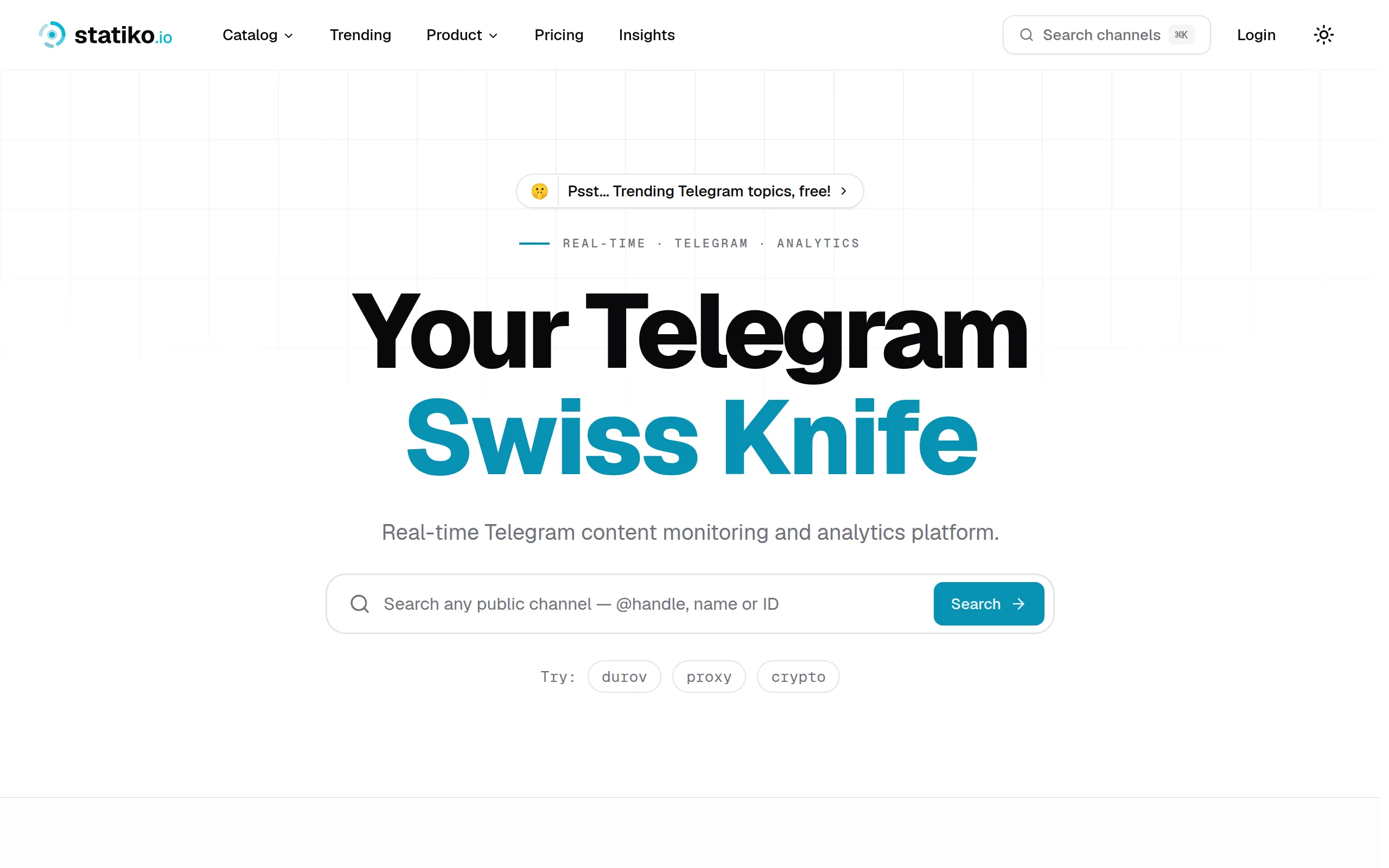
Statiko
Monitor any Telegram channel in real time - track posts, edits, deletions, and growth with AI recaps 📡

Shibui
AI website builder - describe your business, pick a niche template, edit by chatting, and publish instantly ✨

Pro Service
Find verified home service professionals, compare quotes, and pay securely through escrow - built for Brazilians across the US 🏠
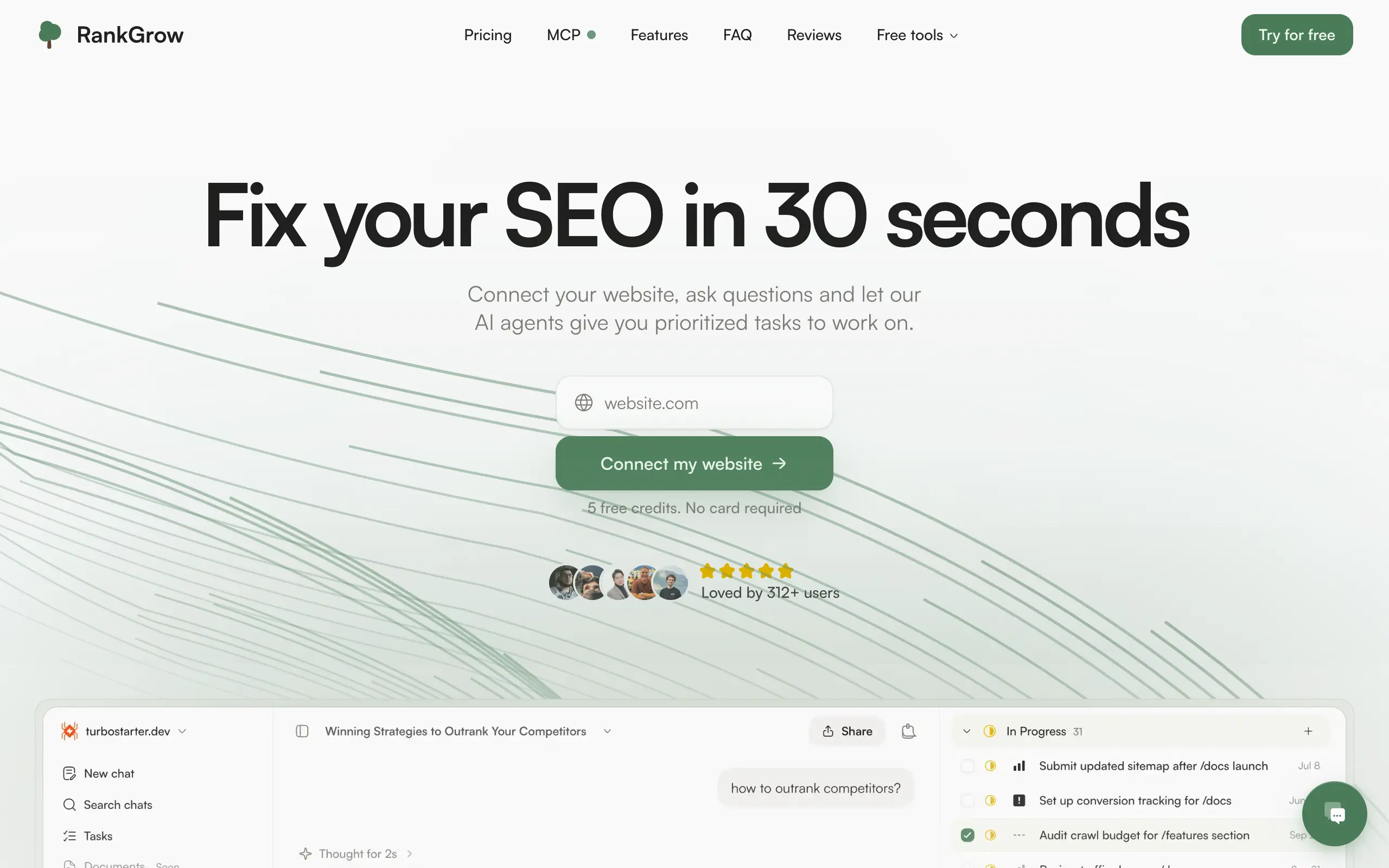
RankGrow
Fix your SEO with AI agents - connect Search Console, get prioritized tasks, and grow organic traffic 📈
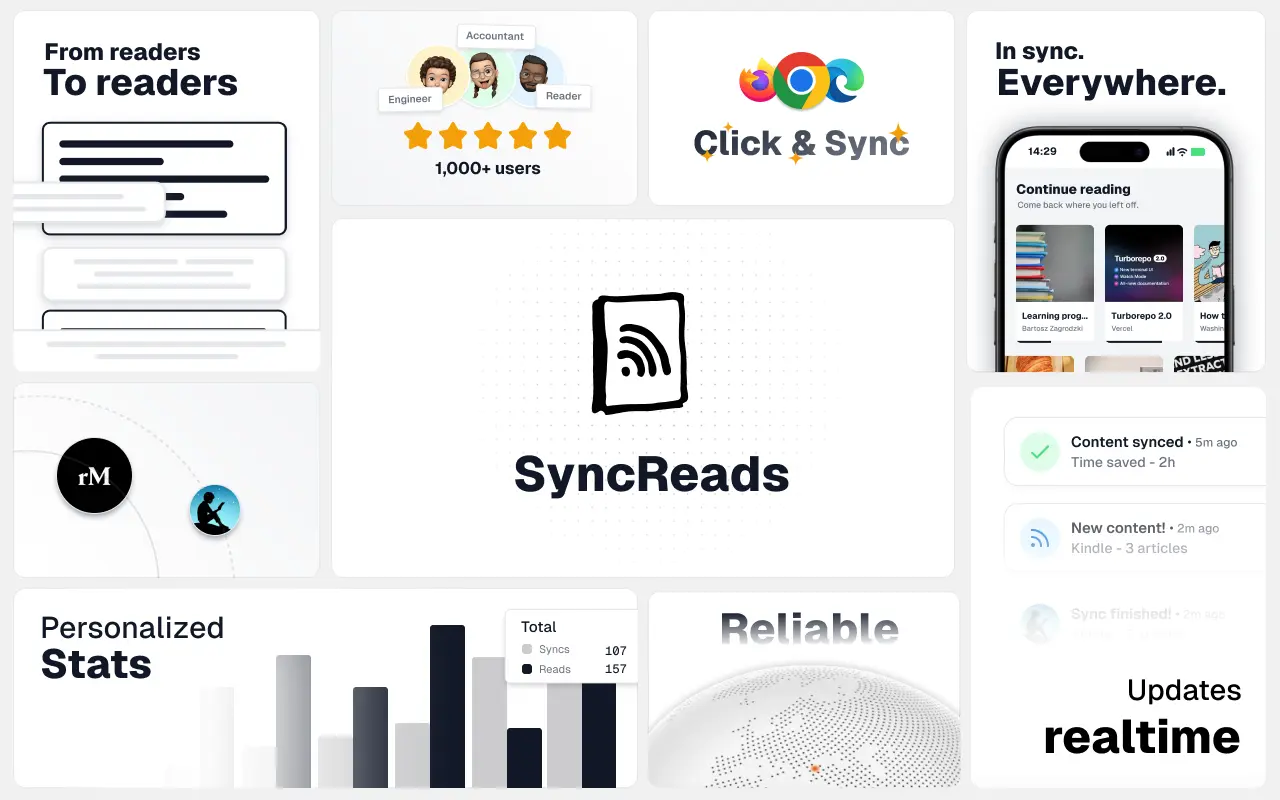
SyncReads
Sync your favorite content for distraction-free reading, save time and replace multiple apps. Anytime, anywhere 🔄
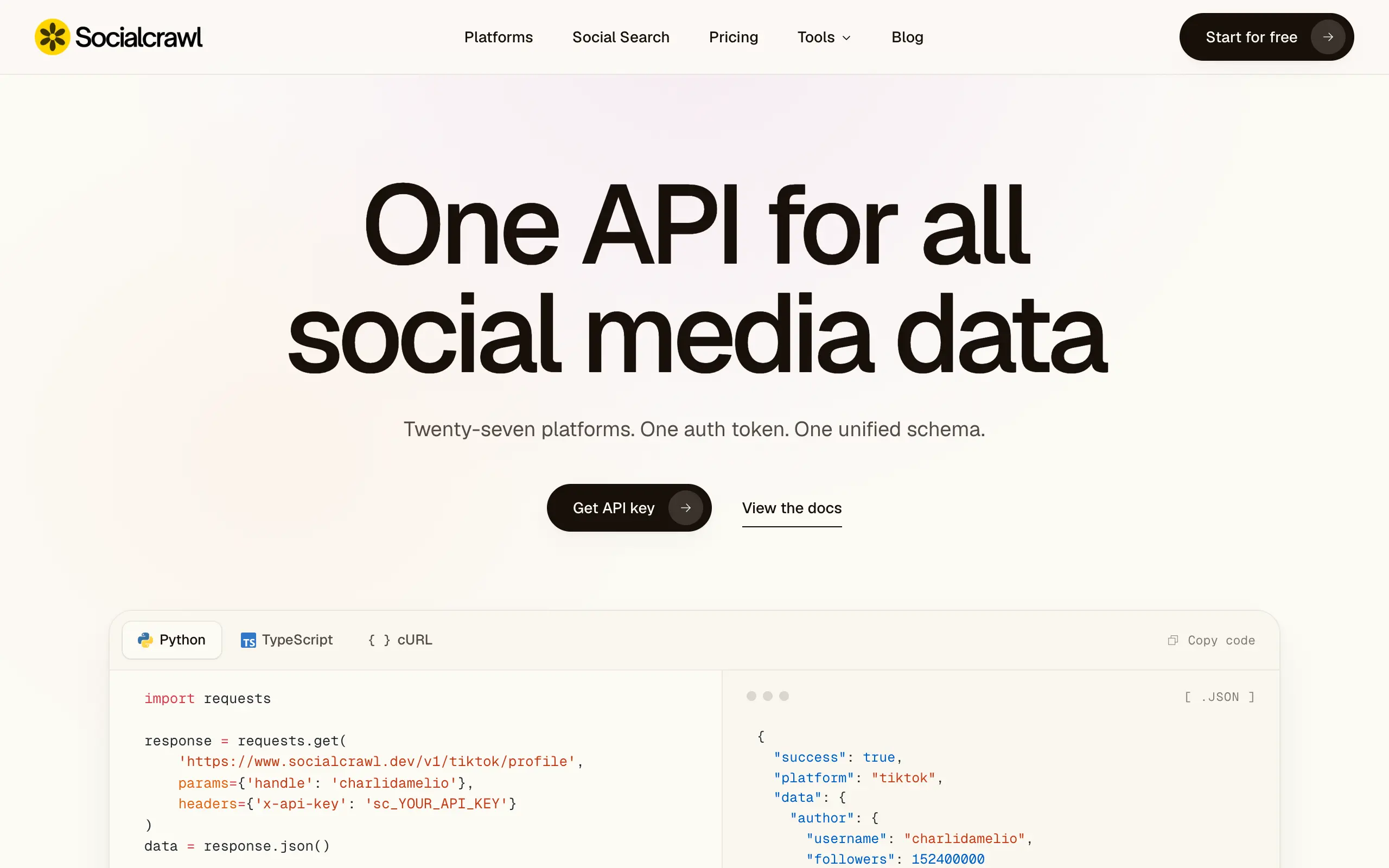
Socialcrawl
Get clean, structured data from 21 platforms like TikTok, Instagram, and YouTube with a single request 📊
Statiko
Monitor any Telegram channel in real time - track posts, edits, deletions, and growth with AI recaps 📡
Shibui
AI website builder - describe your business, pick a niche template, edit by chatting, and publish instantly ✨
Pro Service
Find verified home service professionals, compare quotes, and pay securely through escrow - built for Brazilians across the US 🏠
RankGrow
Fix your SEO with AI agents - connect Search Console, get prioritized tasks, and grow organic traffic 📈
SyncReads
Sync your favorite content for distraction-free reading, save time and replace multiple apps. Anytime, anywhere 🔄
Socialcrawl
Get clean, structured data from 21 platforms like TikTok, Instagram, and YouTube with a single request 📊
Statiko
Monitor any Telegram channel in real time - track posts, edits, deletions, and growth with AI recaps 📡
Shibui
AI website builder - describe your business, pick a niche template, edit by chatting, and publish instantly ✨
Pro Service
Find verified home service professionals, compare quotes, and pay securely through escrow - built for Brazilians across the US 🏠
RankGrow
Fix your SEO with AI agents - connect Search Console, get prioritized tasks, and grow organic traffic 📈
SyncReads
Sync your favorite content for distraction-free reading, save time and replace multiple apps. Anytime, anywhere 🔄
Socialcrawl
Get clean, structured data from 21 platforms like TikTok, Instagram, and YouTube with a single request 📊
Statiko
Monitor any Telegram channel in real time - track posts, edits, deletions, and growth with AI recaps 📡
Shibui
AI website builder - describe your business, pick a niche template, edit by chatting, and publish instantly ✨
Pro Service
Find verified home service professionals, compare quotes, and pay securely through escrow - built for Brazilians across the US 🏠
RankGrow
Fix your SEO with AI agents - connect Search Console, get prioritized tasks, and grow organic traffic 📈
SyncReads
Sync your favorite content for distraction-free reading, save time and replace multiple apps. Anytime, anywhere 🔄
Socialcrawl
Get clean, structured data from 21 platforms like TikTok, Instagram, and YouTube with a single request 📊
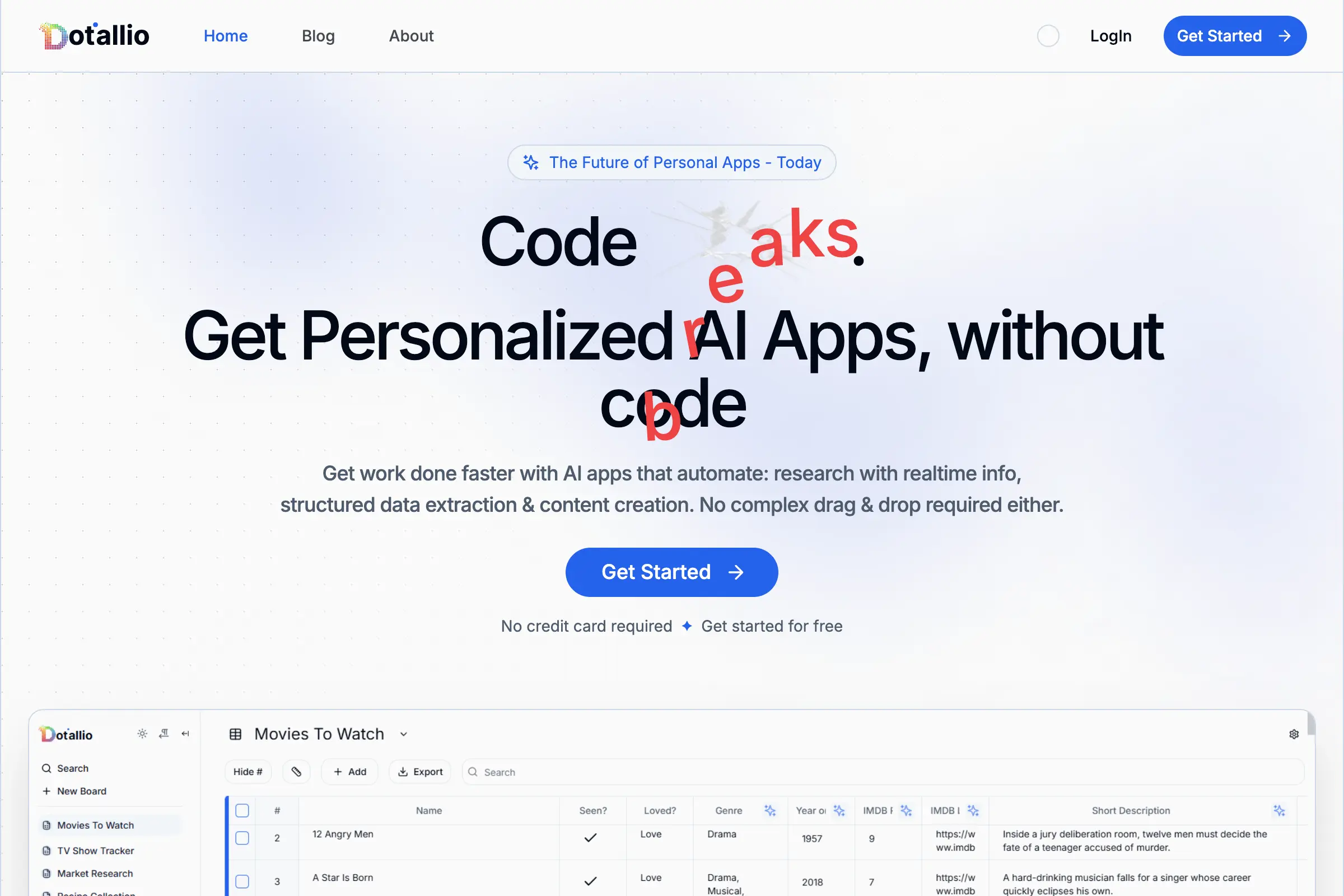
Dotallio
Personalized AI apps that automate research, data extraction, and content creation without code 🤖
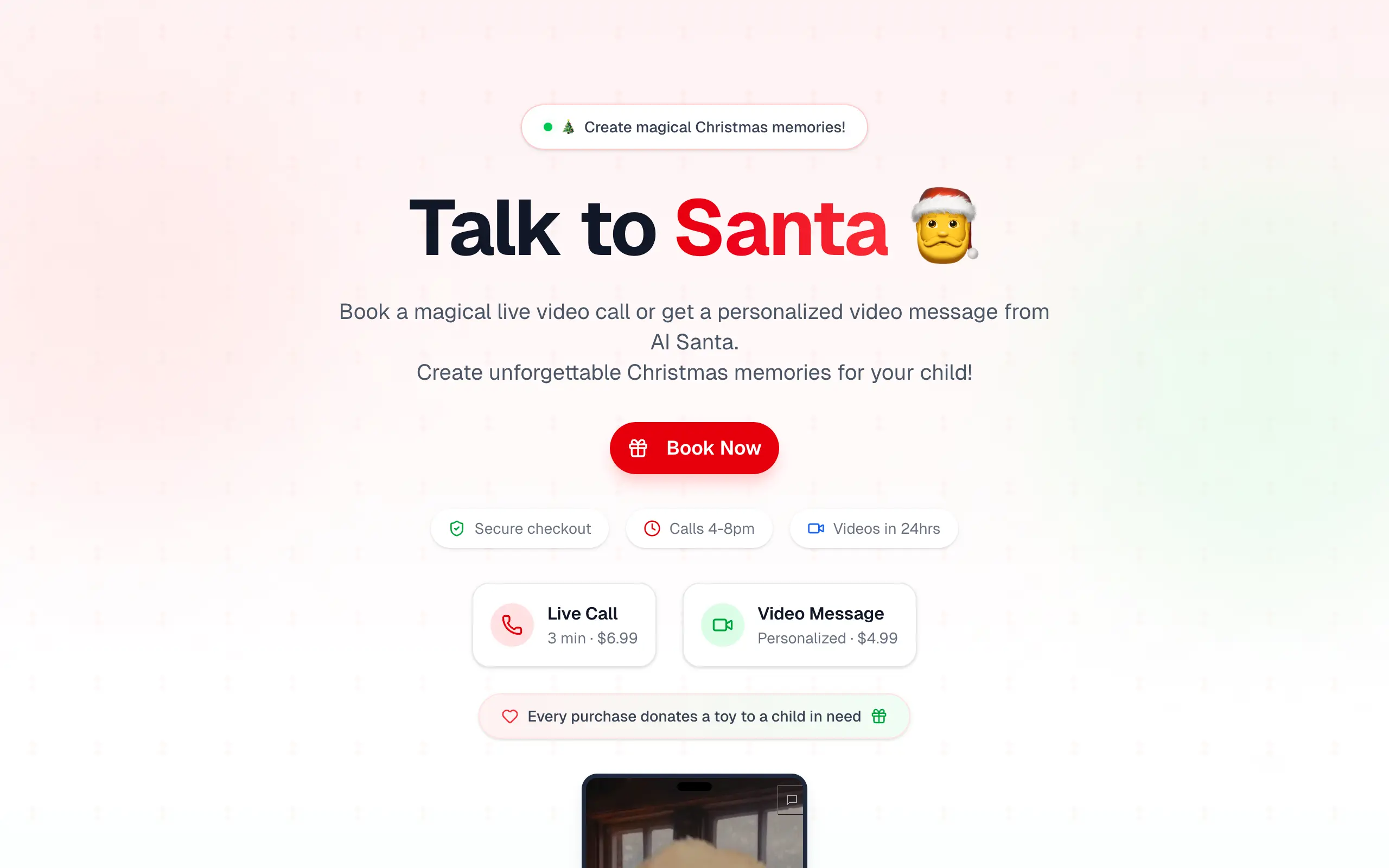
Talk to Santa
Enjoy a magical live video chat or receive a unique AI-generated video greeting from Santa Claus 🎅
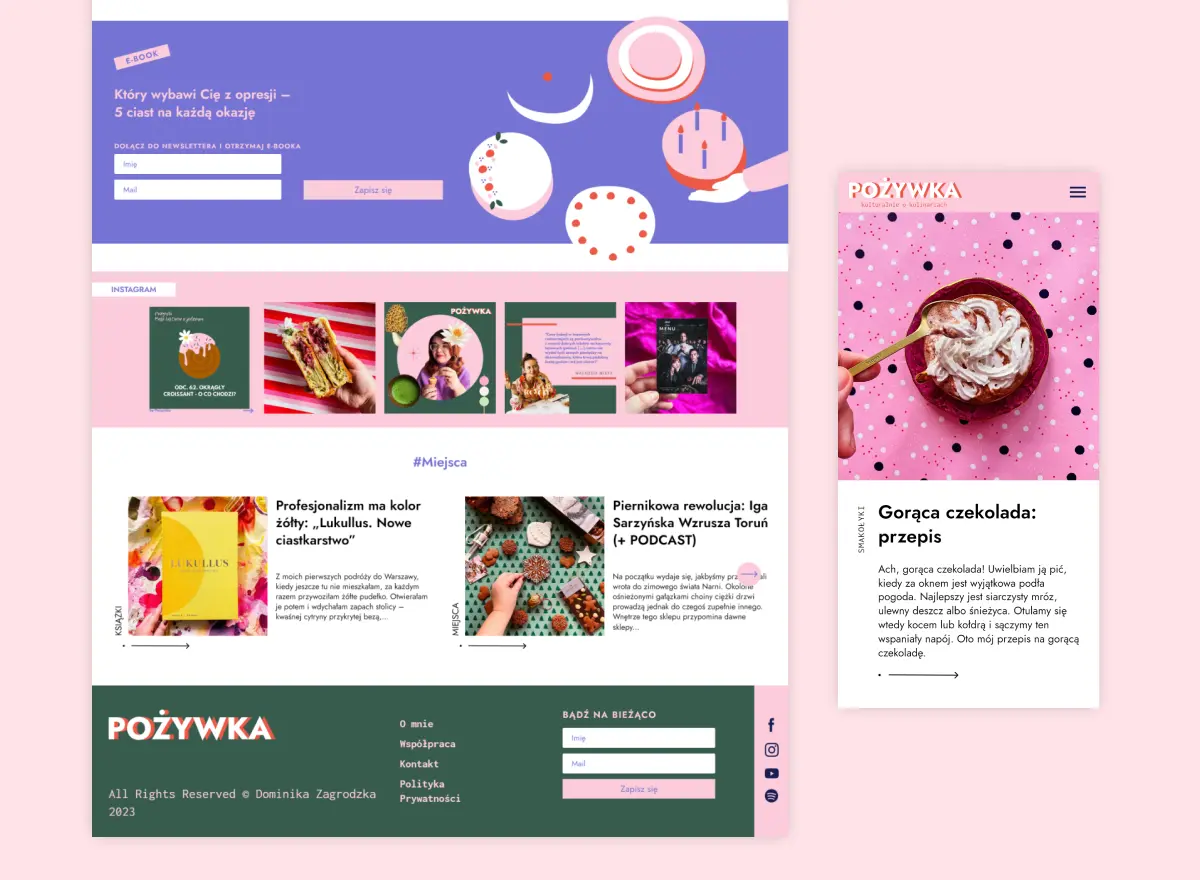
pozywka.pl
Scalable blog for food journalist, focused on performance and user experience 🌭
zagrodzki.me
Personal blog and portfolio of Bart Zagrodzki, where he shares his knowledge and work 💼
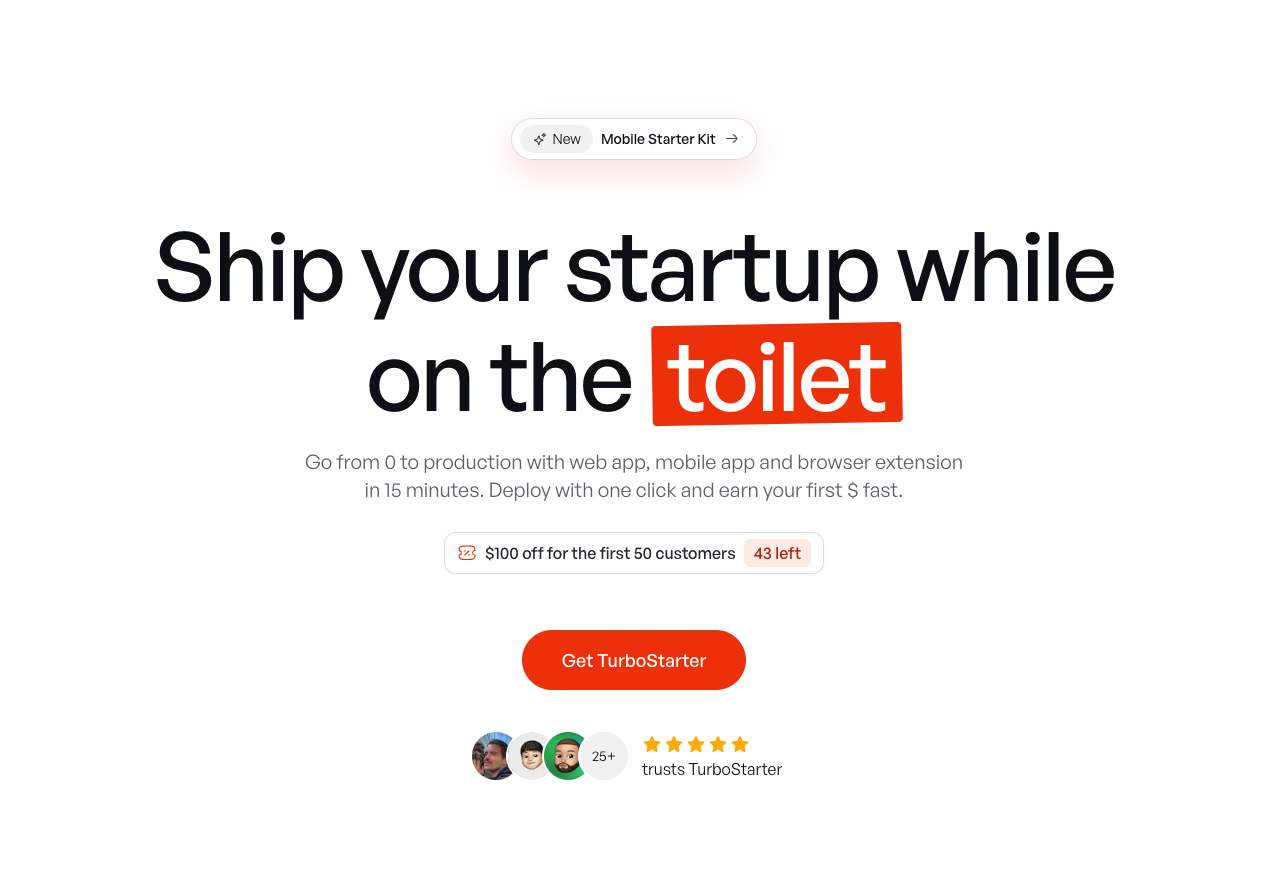
TurboStarter
Ship your startup everywhere. In minutes.
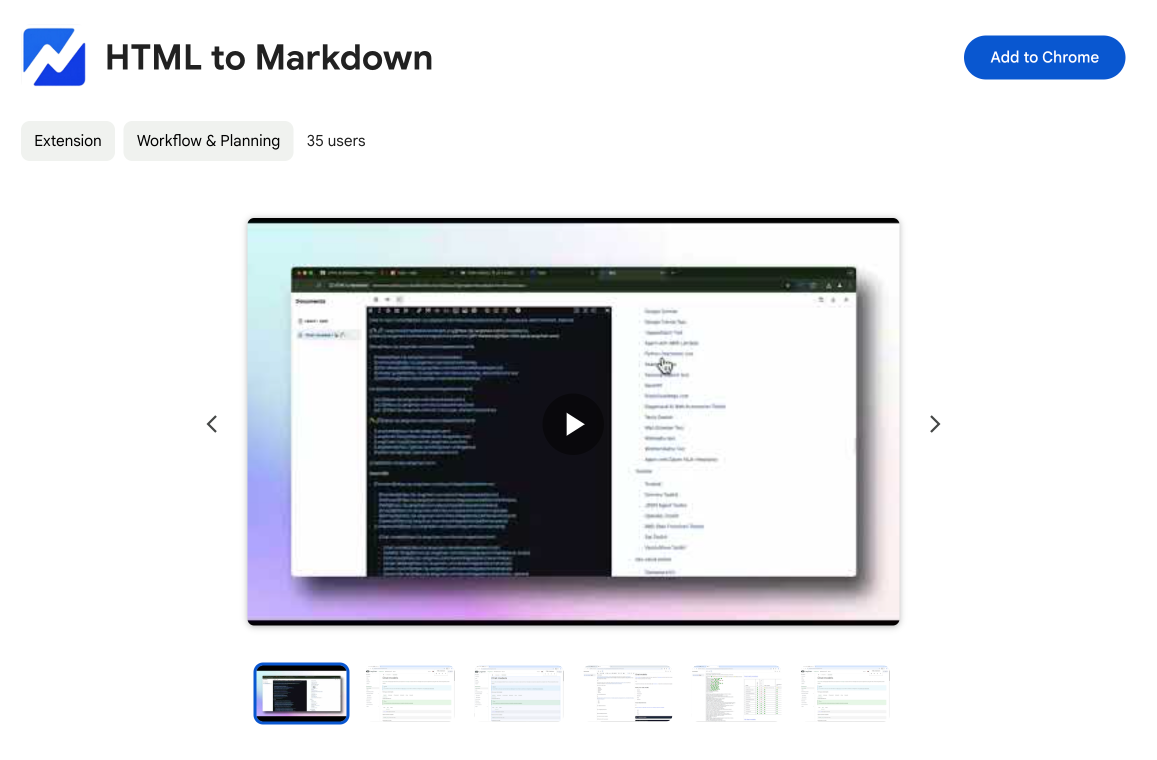
HTML to Markdown
Convert HTML to Markdown with ease, directly in your browser 📄
Dotallio
Personalized AI apps that automate research, data extraction, and content creation without code 🤖
Talk to Santa
Enjoy a magical live video chat or receive a unique AI-generated video greeting from Santa Claus 🎅
pozywka.pl
Scalable blog for food journalist, focused on performance and user experience 🌭
zagrodzki.me
Personal blog and portfolio of Bart Zagrodzki, where he shares his knowledge and work 💼
TurboStarter
Ship your startup everywhere. In minutes.
HTML to Markdown
Convert HTML to Markdown with ease, directly in your browser 📄
Dotallio
Personalized AI apps that automate research, data extraction, and content creation without code 🤖
Talk to Santa
Enjoy a magical live video chat or receive a unique AI-generated video greeting from Santa Claus 🎅
pozywka.pl
Scalable blog for food journalist, focused on performance and user experience 🌭
zagrodzki.me
Personal blog and portfolio of Bart Zagrodzki, where he shares his knowledge and work 💼
TurboStarter
Ship your startup everywhere. In minutes.
HTML to Markdown
Convert HTML to Markdown with ease, directly in your browser 📄
Dotallio
Personalized AI apps that automate research, data extraction, and content creation without code 🤖
Talk to Santa
Enjoy a magical live video chat or receive a unique AI-generated video greeting from Santa Claus 🎅
pozywka.pl
Scalable blog for food journalist, focused on performance and user experience 🌭
zagrodzki.me
Personal blog and portfolio of Bart Zagrodzki, where he shares his knowledge and work 💼
TurboStarter
Ship your startup everywhere. In minutes.
HTML to Markdown
Convert HTML to Markdown with ease, directly in your browser 📄
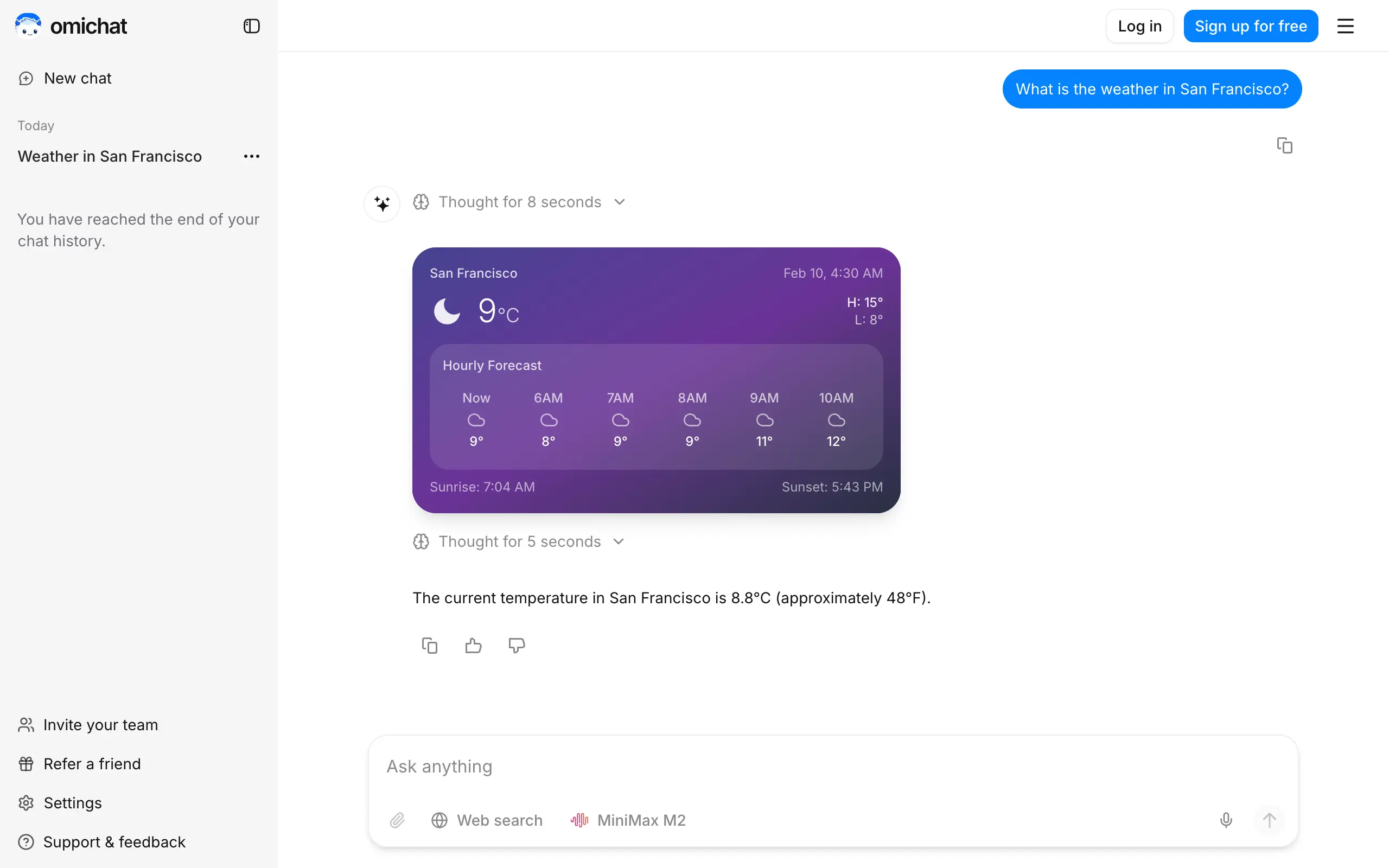
Omichat
Chat with 50+ AI models, including ChatGPT and Claude, in one place - switch models anytime without losing context 🤖
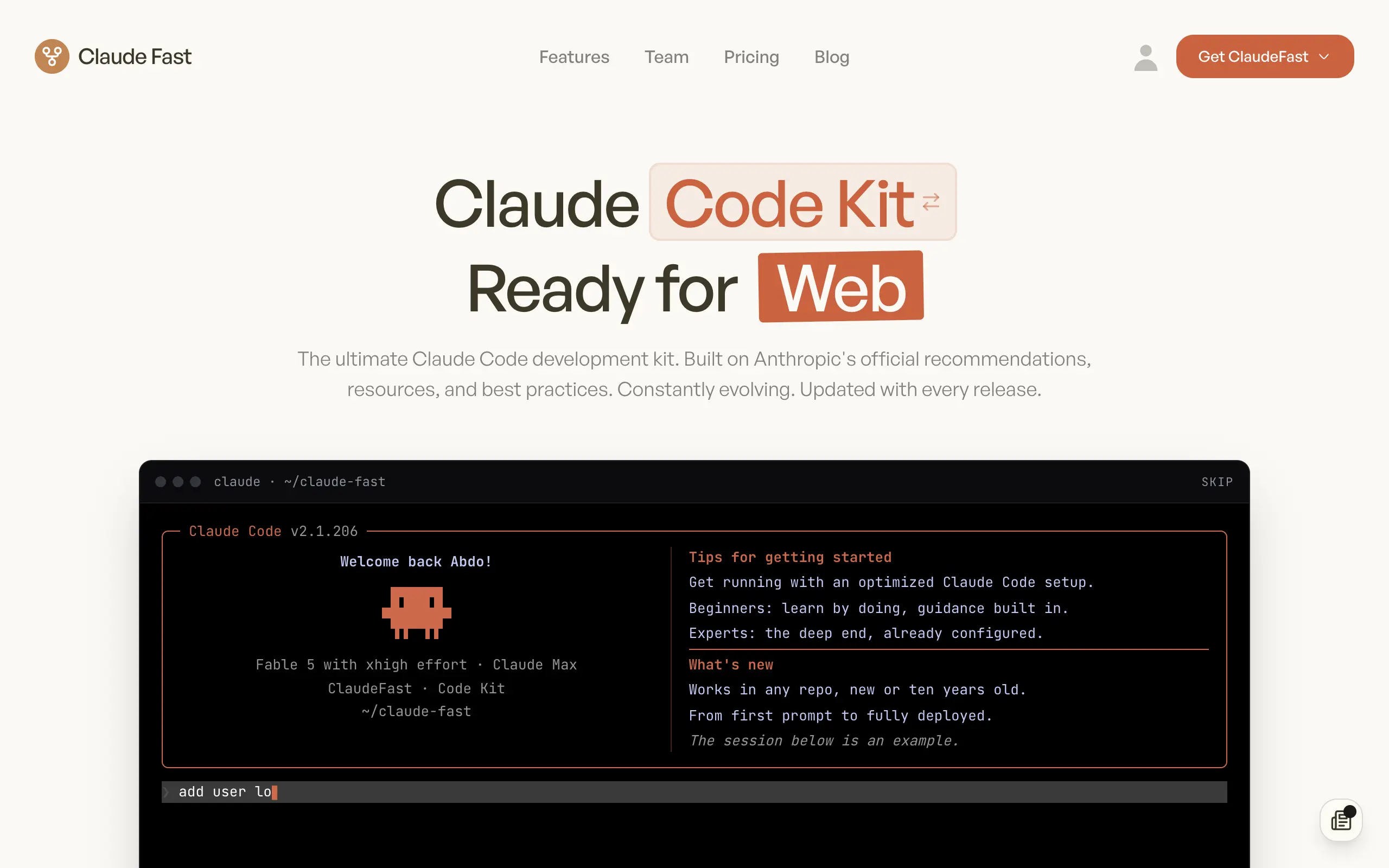
Claude Fast
Supercharge your Claude Code with 6x effective context window and specialized AI agents 🤖
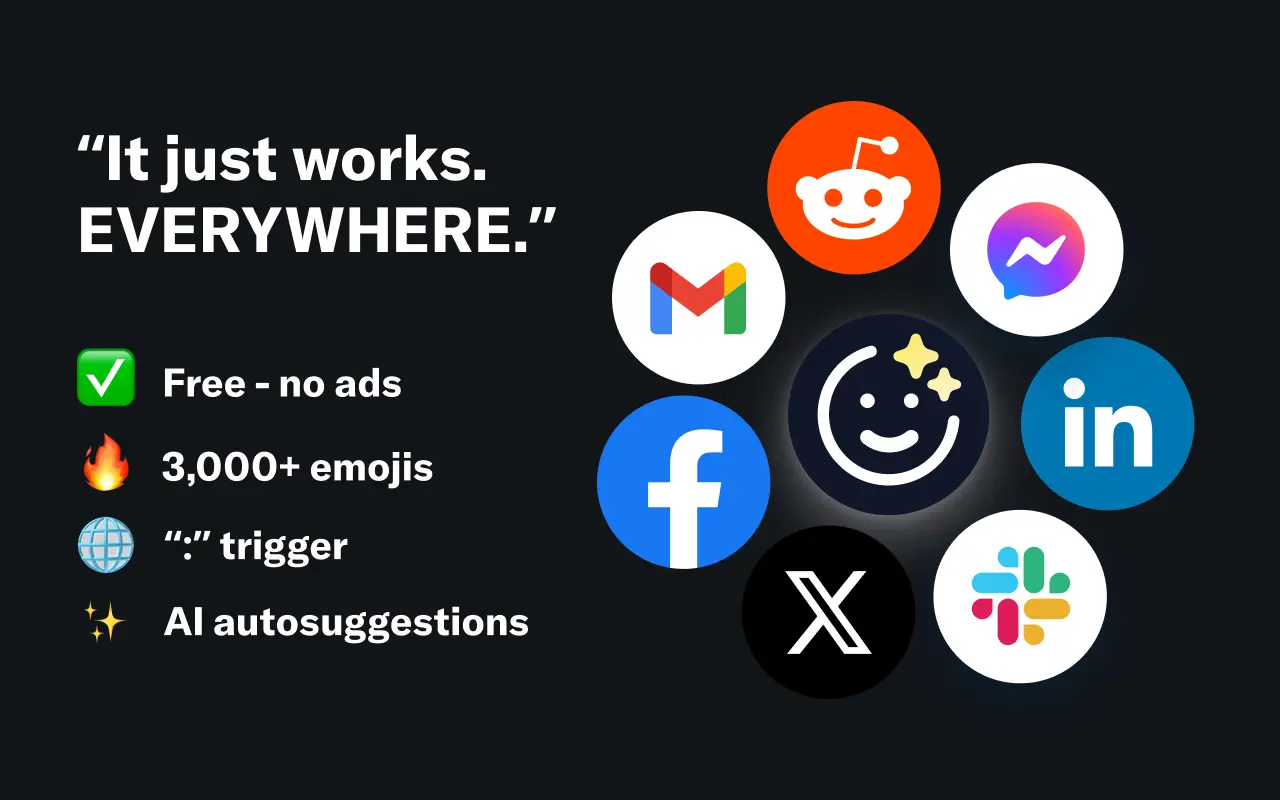
EmojAI
AI-powered emoji picker with smart, context-aware suggestions 🤖
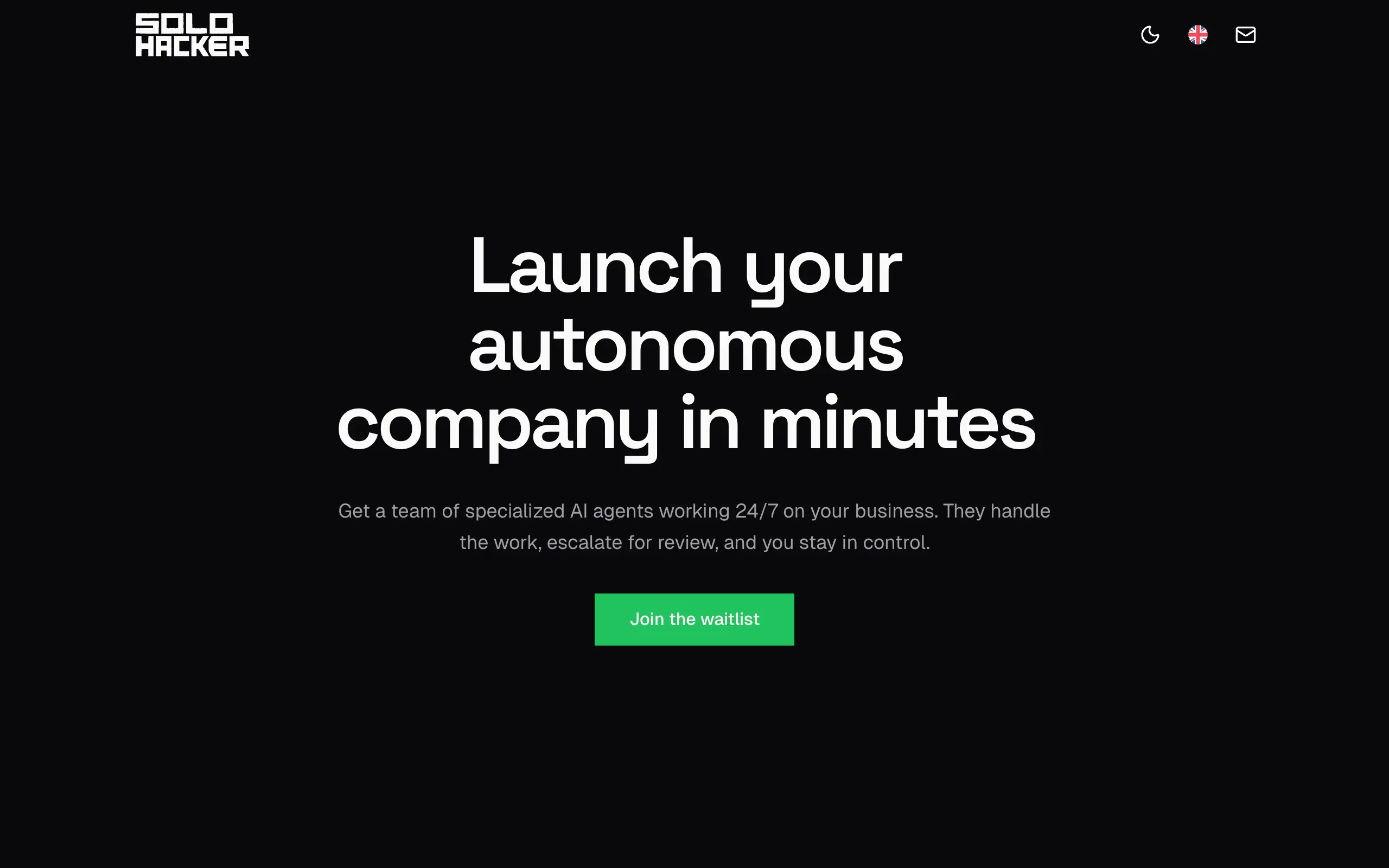
Solohacker
Autonomous company launcher - AI agents work 24/7, escalate what matters, and you stay in control 🤖
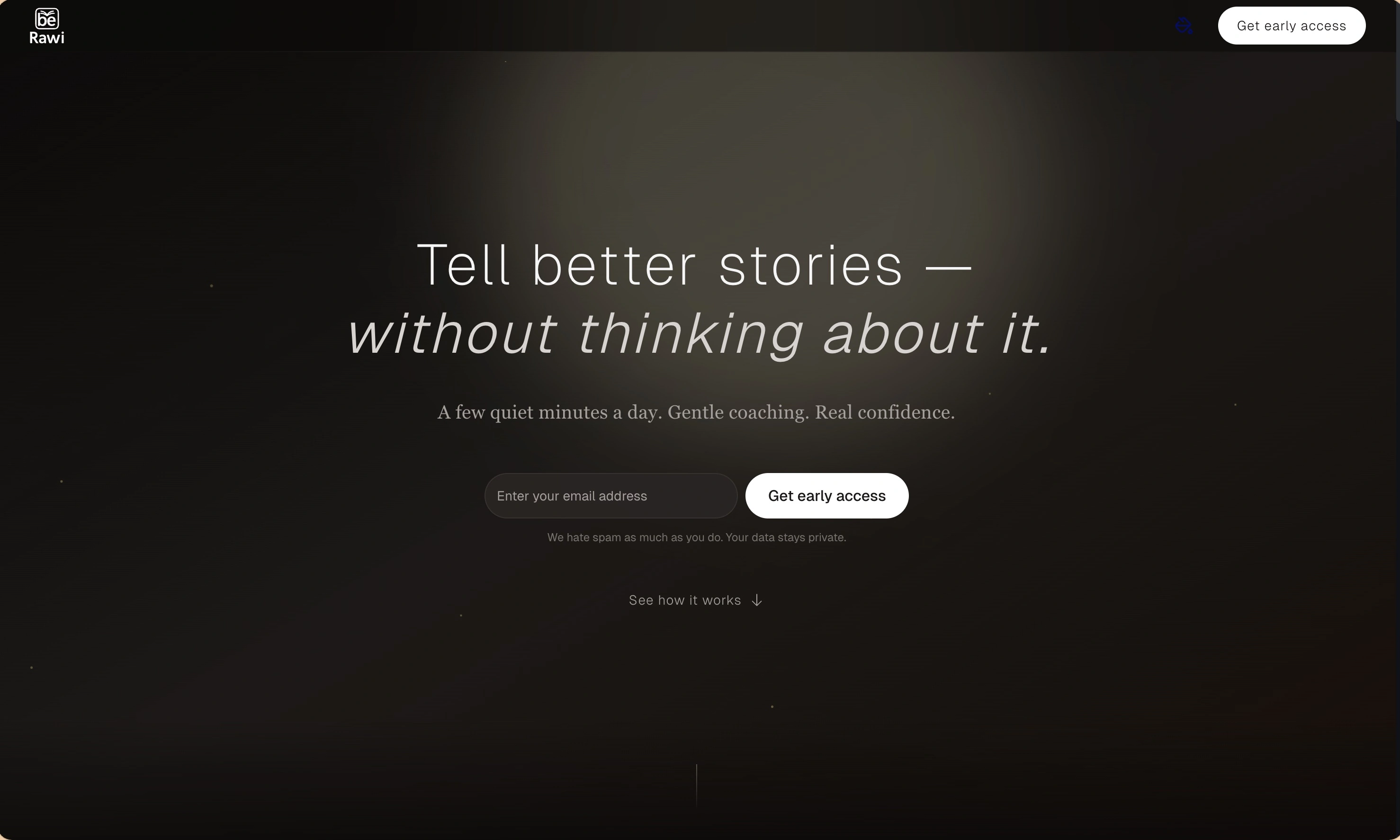
BeRawi: Storytelling Coach
Practice storytelling daily with instant feedback to sound clearer, more engaging, and confident 🎤
Omichat
Chat with 50+ AI models, including ChatGPT and Claude, in one place - switch models anytime without losing context 🤖
Claude Fast
Supercharge your Claude Code with 6x effective context window and specialized AI agents 🤖
EmojAI
AI-powered emoji picker with smart, context-aware suggestions 🤖
Solohacker
Autonomous company launcher - AI agents work 24/7, escalate what matters, and you stay in control 🤖
BeRawi: Storytelling Coach
Practice storytelling daily with instant feedback to sound clearer, more engaging, and confident 🎤
Omichat
Chat with 50+ AI models, including ChatGPT and Claude, in one place - switch models anytime without losing context 🤖
Claude Fast
Supercharge your Claude Code with 6x effective context window and specialized AI agents 🤖
EmojAI
AI-powered emoji picker with smart, context-aware suggestions 🤖
Solohacker
Autonomous company launcher - AI agents work 24/7, escalate what matters, and you stay in control 🤖
BeRawi: Storytelling Coach
Practice storytelling daily with instant feedback to sound clearer, more engaging, and confident 🎤
Omichat
Chat with 50+ AI models, including ChatGPT and Claude, in one place - switch models anytime without losing context 🤖
Claude Fast
Supercharge your Claude Code with 6x effective context window and specialized AI agents 🤖
EmojAI
AI-powered emoji picker with smart, context-aware suggestions 🤖
Solohacker
Autonomous company launcher - AI agents work 24/7, escalate what matters, and you stay in control 🤖
BeRawi: Storytelling Coach
Practice storytelling daily with instant feedback to sound clearer, more engaging, and confident 🎤

Connect with like-minded people
Join our community to get feedback, support, and grow together with 1,000+ builders on board, let's ship it!
Join usShip your startup everywhere. In minutes.
Don't burn tokens on setup and start building features on day one.