ChaseKit
Automate quote follow-ups for service businesses. ChaseKit sends personalized reminders, captures approvals, and updates job pipelines.
Service businesses lose revenue in the quiet period after sending a quote. The customer may be interested, busy, comparing options, waiting for internal approval, or simply expecting a reminder. Without a disciplined follow-up process, even highly qualified opportunities become stale.
ChaseKit is a quote follow-up automation platform for service businesses. It helps teams send personalized reminders, capture approvals, surface customer objections, and keep the job pipeline accurate without requiring staff to manually chase every open estimate.
The strongest opportunity is not merely sending more messages. It is helping service operators build a reliable, respectful, measurable quote-conversion system that turns pending proposals into booked work.
The core opportunity
A quote follow-up automation tool should feel like an extension of a service team's existing process. It must protect customer relationships, respect communication preferences, and make the next best action obvious for every open quote.
Why quote follow-up automation matters for service businesses
For a local service business, quoting is often expensive. A team may pay for leads, spend time qualifying prospects, conduct a site visit, calculate materials and labor, prepare an estimate, and then send a proposal. If no one follows up consistently, that investment produces little return.
The operational problem is especially common in industries where sales and delivery are managed by the same people. An owner-operator may be estimating new work in the morning, completing jobs during the day, handling calls between appointments, and responding to customers after hours. Quote follow-up becomes important but rarely urgent, so it is frequently delayed.
A dedicated quote follow-up automation software solution addresses this gap by creating a repeatable post-quote workflow:
- Send a confirmation immediately after an estimate is delivered.
- Schedule reminders based on quote value, urgency, service type, and buyer behavior.
- Personalize follow-ups with the customer name, project details, and a clear next step.
- Let prospects approve, decline, ask questions, or request revisions without friction.
- Pause automation when a real team member takes over the conversation.
- Move opportunities through a sales pipeline automatically as customer status changes.
- Report on quote acceptance rates, response rates, follow-up activity, and lost-job reasons.
The value is straightforward. Better follow-up can improve the return on existing lead generation and sales activity before a company invests more money in advertising, additional sales staff, or a complex customer relationship management system.
Who ChaseKit should serve first
ChaseKit should not attempt to serve every business that sends estimates on day one. The most effective go-to-market strategy is to focus on service categories with frequent quotes, meaningful job values, a short-to-medium sales cycle, and limited administrative capacity.
Primary audience: owner-led and small team service companies
The best early customers are likely businesses with roughly two to fifty employees that send a steady stream of proposals but lack a dedicated sales operations function.
Examples include:
- Home renovation and remodeling contractors
- HVAC, plumbing, electrical, and roofing companies
- Landscaping and outdoor construction firms
- Cleaning, restoration, pest control, and maintenance businesses
- Commercial trades and facilities service providers
- Photography, events, catering, and creative service studios
- Managed IT providers and local technology consultancies
- Recruitment, marketing, and professional service agencies
These teams commonly use a mixture of email inboxes, text messages, spreadsheets, invoicing platforms, and industry-specific field service software. They do not necessarily want to replace every existing system. They want a practical layer that ensures quotes are followed up reliably.
Secondary audience: sales managers and operations coordinators
As ChaseKit matures, a second audience includes businesses with a sales coordinator, office manager, dispatcher, or operations lead responsible for revenue visibility.
Their needs go beyond sending reminders. They need answers to questions such as:
- Which quotes need attention today?
- Which estimators have the highest approval rate?
- How long does it take a customer to approve a proposal?
- Which service types generate the most lost quotes?
- Are follow-up sequences helping or harming customer experience?
- Which high-value opportunities require a personal phone call?
For this audience, the reporting dashboard and pipeline automation can become as valuable as the communication automation itself.
Buyer motivations and objections
The buyer is usually motivated by lost revenue, missed reminders, slow booking cycles, and a lack of visibility into pending work. However, they may resist adopting another tool.
Common objections include:
- “Our team already uses email.”
- “We do not want automated messages to sound robotic.”
- “Our quote system already sends estimates.”
- “We are too busy to configure another platform.”
- “Customers may find repeated reminders annoying.”
- “We need the data to stay in our existing CRM.”
ChaseKit should answer these concerns with a focused promise. It does not need to replace quoting, invoicing, or customer relationship management tools. It should make the critical period after a quote is sent more consistent, personal, and measurable.
The market gap: estimates are sent, but follow-up is fragmented
Many business management tools can create estimates. Many CRMs can send generic campaigns. Many email tools can run automated sequences. Yet the workflow between “quote sent” and “job won” remains fragmented for many service businesses.
A field service platform may generate an estimate but offer limited control over nuanced follow-up paths. A general CRM may be powerful but too expensive or difficult for a small contractor to configure. An email marketing platform can automate messages but does not inherently understand quote status, approval links, job values, or operational pipeline stages.
This creates a meaningful gap for quote conversion software designed around service workflows.
| Business need | Manual process | Generic CRM | Quoting tool | ChaseKit opportunity |
|---|---|---|---|---|
| Scheduled reminders | Inconsistent | Possible but complex | Often limited | Purpose-built sequences |
| Quote-specific personalization | Manual | Requires setup | Basic | Native quote context |
| Approval capture | Email or phone | Custom workflow | Varies by vendor | Fast approval flow |
| Pipeline updates | Often missed | Available | Sometimes available | Triggered by customer actions |
| Time to launch | Immediate but unreliable | Weeks or months | Limited configuration | Guided onboarding |
The key market insight is that service businesses do not need “more automation” in the abstract. They need a system that knows an estimate was issued, waits an appropriate amount of time, speaks in the company’s voice, identifies a response, and guides the team toward the right next action.
ChaseKit’s unique selling proposition
ChaseKit’s unique selling proposition should be framed around quote-to-booking momentum.
Rather than positioning it as a broad CRM or a basic reminder tool, ChaseKit can own a clearer category:
ChaseKit is the quote follow-up automation layer that helps service businesses turn sent estimates into approved, scheduled jobs.
That position is differentiated because it connects the commercial and operational outcomes:
- A quote is sent.
- The customer receives a timely, useful follow-up.
- The customer can approve or request help in one click.
- The team sees the opportunity move forward.
- The job enters the next operational stage.
The product should emphasize respectful persistence rather than aggressive chasing. The brand name “ChaseKit” can be framed as a toolkit for consistent customer follow-up, not a tool for spamming prospects.
What makes the product defensible
A basic reminder sequence is easy to copy. A defensible product is built from workflow depth, customer-specific data, integrations, and accumulated conversion insights.
Potential differentiators include:
- Quote-aware automation using job value, service category, expiry date, and estimate status.
- Adaptive reminders that pause after a reply, approval, decline, or manual outreach.
- Branded approval pages that reduce customer effort and create a professional experience.
- Lost-quote reason capture that creates actionable sales intelligence.
- Industry templates tailored to trades, agencies, and appointment-based services.
- A simple daily action queue for high-value or at-risk quotes.
- Integrations that synchronize records rather than forcing customers to abandon their existing systems.
- Benchmarks showing customers how their approval rate and follow-up speed compare over time.
The strongest long-term moat is not the message scheduler. It is becoming the trusted operating layer for quote conversion data across the service business.
Core features for a high-converting quote follow-up platform
The first version of ChaseKit should solve the entire essential workflow while keeping configuration simple. Each feature should earn its place by reducing manual work, increasing customer clarity, or improving revenue visibility.
Automated follow-up sequences
Create personalized email and SMS reminders that trigger after a quote is sent and stop as soon as a customer responds or approves.
Approval and response portal
Give customers a simple branded destination to approve, decline, ask a question, or request a revision.
Pipeline intelligence
Keep quote stages current and help teams prioritize the opportunities most likely to close or expire.
Quote intake and data normalization
ChaseKit needs a reliable way to receive quote data. The initial implementation can support several sources:
- CSV import for businesses moving from spreadsheets.
- Manual quote creation for low-volume teams.
- A secure API for custom systems.
- Webhooks from supported quoting or field service platforms.
- Email forwarding or mailbox parsing for estimate emails as a later option.
The system should normalize a minimum set of fields:
- Customer name and contact details
- Quote or estimate identifier
- Quote amount and currency
- Service or job description
- Date issued and expiry date
- Quote owner or estimator
- Current status
- Preferred communication channel
- Source system reference
A good onboarding flow should map external fields to ChaseKit fields once, then preserve that mapping for future imports.
Personalized follow-up sequences
This is the product’s central engine. A business should be able to choose a prebuilt template, customize the tone, define timing, and activate it without building complicated automation logic.
A typical quote follow-up sequence could include:
- A confirmation message shortly after the quote is sent.
- A gentle reminder after two or three business days.
- A value-focused follow-up that answers common objections.
- A final “should we keep this open?” message before expiry.
- A task for a team member when a high-value quote remains silent.
Each message should support merge fields, conditional content, and clear calls to action. Personalization should include useful context rather than superficial name insertion. Mentioning the quoted service, proposal date, and a direct approval action is generally more helpful than overly familiar copy.
Multi-channel communication with consent controls
Email should be the default channel for most B2B and professional services workflows. SMS can be highly effective for time-sensitive residential services, but it must be handled carefully.
ChaseKit should support:
- Email sequences with tracked delivery and engagement events.
- SMS reminders for customers who have provided appropriate consent.
- Manual call tasks for higher-value opportunities.
- Channel preferences at the customer level.
- Quiet hours and local time-zone awareness.
- Unsubscribe and opt-out handling.
Do not optimize only for message volume
More reminders do not automatically create more bookings. A well-designed follow-up system uses frequency caps, opt-out controls, response detection, and sensible escalation rules to protect trust and deliverability.
For legal and operational safety, ChaseKit should encourage customers to obtain valid permission before using SMS. It should also provide clear communication preference controls and retain auditable opt-out records. Businesses should seek qualified legal guidance for their jurisdictions and use current regulatory guidance for email, SMS, and privacy compliance.
One-click approvals and customer decision flows
Customers should not need to search their inbox, download a PDF, print a document, or make a phone call just to say yes. A secure approval page can materially reduce friction.
The approval experience should show:
- Company branding and contact details
- A clear quote summary
- Total amount and relevant inclusions
- Terms or linked documents where appropriate
- Approve, decline, ask a question, and request changes actions
- Optional digital signature support for plans that require it
- Confirmation of what happens after approval
The “decline” path should be just as thoughtfully designed. Offer concise structured reasons such as price, timing, chose another provider, scope mismatch, or no longer needed. Then include an optional free-text field. This data can help companies improve pricing, sales messaging, quote quality, and service offerings.
Pipeline automation and action queues
An effective sales pipeline should represent what is actually happening, not what someone remembered to update last Friday.
ChaseKit can automatically move records through stages such as:
- Draft quote
- Quote sent
- Follow-up active
- Customer replied
- Approval pending
- Approved
- Declined
- Expired
- Nurture or revisit later
The dashboard should prioritize action instead of vanity metrics. A business owner should immediately see:
- Quotes that have not received a follow-up.
- High-value quotes nearing expiry.
- Customers who opened messages but did not respond.
- Quotes requiring a manual call.
- Recently approved jobs ready for scheduling.
- Quotes lost with common reasons.
Reporting that links activity to revenue
ChaseKit’s reporting must answer business questions, not merely show opens and clicks.
Useful metrics include:
- Quote approval rate
- Approval rate by service type
- Average time from quote sent to approval
- Follow-up response rate
- Estimated revenue won from follow-up
- Expired quote value
- Decline reason distribution
- Quote conversion by estimator or sales source
- Follow-up sequence performance
- Manual task completion rate
Email opens are increasingly imperfect because privacy features can distort tracking. The product should treat opens as a soft engagement signal, not proof that a customer read a message. More reliable events include replies, approval actions, link clicks, quote views, and pipeline outcomes.
A practical product experience from quote to booked job
The user experience should be designed around speed. A busy office manager should be able to connect data, choose a sequence, and see value within the first week.
The team imports or syncs quotes, reviews exceptions, completes call tasks, and receives alerts when a customer replies or approves. The system should minimize data entry and make ownership visible.
The customer receives a clear, timely message with a direct route to review the quote, approve the work, ask a question, or request changes. Every interaction should work well on mobile.
The manager sees pipeline health, revenue at risk, sequence performance, and recurring reasons quotes are lost. This turns follow-up from an informal habit into a measurable process.
An important UX principle is to make automation explainable. Users should always know why a message is scheduled, when it will send, which template it will use, and how to pause or override it.
Recommended tech stack for ChaseKit
ChaseKit is a workflow-heavy B2B SaaS product. The stack should prioritize reliable background processing, secure multi-tenant data access, integration flexibility, and a polished dashboard.
A practical modern stack could include:
- React for interactive user interfaces.
- Next.js for full-stack web application development, routing, and server rendering.
- TypeScript for safer application logic and integration contracts.
- Tailwind CSS for fast, consistent UI development.
- PostgreSQL for relational quote, customer, event, and tenant data.
- Supabase for a managed PostgreSQL foundation, authentication, storage, and row-level security options.
- Stripe for subscription billing, invoices, and payment management.
- Twilio for SMS delivery and messaging infrastructure.
- Resend or a transactional email provider for application and follow-up emails.
- Sentry for production error monitoring and performance observability.
Why a relational database is a strong fit
Quote follow-up data is highly relational. A tenant has users, customers, quotes, quote events, sequences, messages, tasks, approvals, integrations, and audit records. PostgreSQL is a strong choice because it supports consistent transactions, flexible querying, robust indexing, and mature data tooling.
A document database can work for early prototypes, but reporting and cross-entity workflow logic often become harder as the product grows. A relational model gives ChaseKit a reliable foundation for analytics and compliance records.
Background jobs are non-negotiable
Scheduled reminders, webhook retries, sync jobs, message delivery updates, and escalation tasks should never depend on a browser session or a basic request-response cycle.
Use a durable job queue or workflow engine to support:
- Scheduled sends based on customer time zone.
- Retry policies for transient provider failures.
- Idempotent processing to prevent duplicate messages.
- Rate limiting and provider-specific throughput controls.
- Dead-letter queues for failed jobs requiring review.
- Event-driven pipeline updates.
- Complete logging for message and approval events.
The trade-off is additional infrastructure and engineering complexity. However, for quote reminder automation, reliability is the product. A message that sends twice or fails to send at all directly harms customer trust and product credibility.
Multi-tenant security design
Every core record should be scoped to an organization or workspace. Access controls must ensure one company never sees another company’s customer, quote, or message data.
Key safeguards include:
- Tenant identifiers on every relevant table.
- Server-side authorization checks for every sensitive action.
- Row-level security when supported and carefully tested.
- Encryption in transit and at rest through trusted infrastructure providers.
- Audit logs for admin actions, sequence changes, exports, approvals, and integration access.
- Secure token handling for third-party integrations.
- Short-lived, signed links for public customer approval pages.
Public approval links deserve special attention. They should use high-entropy tokens, avoid exposing sensitive data in URLs, expire where appropriate, and allow businesses to revoke access when needed.
A lightweight implementation pattern
The core decision engine can remain simple at first. It should evaluate quote status, customer behavior, timing rules, and eligibility before creating a message job.
type QuoteStatus = "sent" | "approved" | "declined" | "expired";

function canScheduleFollowUp(quote: {
  status: QuoteStatus;
  followUpPaused: boolean;
  customerOptedOut: boolean;
  lastReplyAt?: Date;
  expiresAt?: Date;
}) {
  if (quote.status !== "sent") return false;
  if (quote.followUpPaused || quote.customerOptedOut) return false;
  if (quote.lastReplyAt) return false;

  return !quote.expiresAt || quote.expiresAt > new Date();
}
This approach is intentionally conservative. It prioritizes preventing inappropriate messages before optimizing sequence sophistication.
Integrations that create real customer value
Integrations can accelerate adoption, but building too many too early can dilute product quality. ChaseKit should begin with the systems most likely to be used by its initial niche.
A useful integration roadmap might include:
- CSV import and direct API access for broad compatibility.
- Email provider connection for sending from the business domain.
- Webhooks and automation platforms for flexible data exchange.
- Select field service management, CRM, and accounting integrations based on customer demand.
- Calendar or scheduling integrations that help move approved jobs into delivery.
The right prioritization method is evidence-based. Track which systems prospects already use, how frequently each request appears, how much revenue is tied to it, and whether an integration can be implemented and maintained reliably.
Avoid making unsupported “native integration” claims. Integration quality matters more than the number of logos on a landing page.
Monetization strategies for quote follow-up automation
ChaseKit should use pricing that aligns with customer value while remaining understandable to small service businesses.
The most natural pricing models are based on quote volume, active contacts, users, or communication usage. Quote volume is especially compelling because it maps directly to the workflow being automated.
Recommended hybrid pricing model
A hybrid model can combine a predictable base subscription with usage tiers.
- "Starter plan": designed for small teams sending a limited number of quotes each month.
- "Growth plan": includes higher quote limits, SMS automation, reporting, and additional users.
- "Pro plan": adds advanced workflows, multiple pipelines, integrations, API access, and priority support.
- "Enterprise plan": supports custom security requirements, onboarding, service-level agreements, and tailored integrations.
SMS should generally be metered or include a clear allowance because delivery costs vary by destination and usage. Email can be included more generously, subject to fair-use and deliverability policies.
Value-based pricing logic
The product’s price should be small compared with the revenue from recovering even one additional average job each month. This makes the buying decision intuitive.
For example, if a trade business typically earns several hundred or several thousand dollars in gross profit from a completed job, preventing one quote from slipping through the cracks may justify months of subscription cost. ChaseKit should help customers see that relationship through a simple ROI calculator during onboarding and sales conversations.
Do not promise universal conversion lifts. Results depend on lead quality, quote quality, pricing, response speed, local competition, and the business’s sales process. Instead, position the platform as a system for measuring and improving a process that was previously inconsistent.
Competitive advantage against CRMs, quoting apps, and DIY workflows
ChaseKit will compete indirectly with spreadsheets, calendar reminders, inbox flags, CRM automation, field service software, and custom workflows built with automation platforms.
The competitive advantage is focus.
A general CRM can be powerful, but it often requires an implementation project, a dedicated administrator, and extensive process design. A quoting application may create polished estimates but not provide specialized follow-up experimentation, approval intelligence, or cross-system action queues. A spreadsheet is inexpensive but cannot reliably trigger context-aware messages or preserve a complete customer interaction history.
ChaseKit can win by being:
- Faster to launch than a broad CRM implementation.
- More quote-aware than generic email automation.
- More flexible than a basic estimate reminder feature.
- Less operationally demanding than manual chasing.
- More actionable than a passive reporting dashboard.
- More respectful and controllable than indiscriminate messaging.
The product should avoid claiming that it replaces every system. Instead, it should become the specialized conversion engine that makes existing quoting and service operations software more valuable.
Risks and how to mitigate them
A credible SaaS strategy needs to account for risks early, especially when the product automates customer communication.
Use editable templates, frequency caps, customer time-zone controls, opt-out handling, reply detection, and escalation to a human owner. Provide preview tools so businesses can see exactly what customers receive.
Start with a narrow integration roadmap, use stable APIs and webhooks, build a robust import path, and track integration demand before committing to long-term support.
Encourage authenticated sending domains, monitor bounce and complaint rates, suppress invalid addresses, and avoid misleading tracking or aggressive sequence defaults.
Apply tenant isolation, least-privilege access, audit logs, secure approval tokens, documented retention practices, and clear data processing terms. Obtain specialist legal advice for applicable privacy requirements.
Market process improvement and measurable follow-up discipline rather than guaranteed conversion outcomes. Show transparent reporting and encourage customers to test sequences responsibly.
Another strategic risk is building too much too soon. ChaseKit does not need an AI sales assistant, a full proposal builder, a scheduling platform, and a CRM in its first release. The MVP should own one high-value workflow exceptionally well.
Where AI can add value without becoming a gimmick
Artificial intelligence can improve ChaseKit, but it should support human judgment rather than obscure it.
High-value AI use cases include:
- Drafting personalized follow-up copy from quote details and brand voice.
- Summarizing customer replies for busy teams.
- Classifying replies into approval, question, objection, timing issue, or decline.
- Suggesting a next best action based on quote value and engagement.
- Detecting recurring lost-quote themes from free-text feedback.
- Helping teams create industry-specific follow-up sequences.
AI should not autonomously send high-stakes messages without visible controls. The user needs to review generated copy, understand why a recommendation was made, and choose when automation is appropriate.
For sensitive customer data, ChaseKit should clearly disclose how AI features process information and provide controls that match customer expectations and contractual obligations.
Actionable implementation plan for ChaseKit
A focused roadmap can turn the idea into a testable, revenue-generating SaaS product without overbuilding.
For the fastest path to a production-ready SaaS foundation, TurboStarter can reduce time spent on common application infrastructure such as authentication, billing, dashboard patterns, and deployment setup. That lets the team focus engineering effort on ChaseKit’s real differentiators: quote ingestion, scheduling logic, approval workflows, integrations, and revenue intelligence.
Final perspective on the ChaseKit opportunity
ChaseKit addresses a painful and measurable gap in service business operations. Quotes are too valuable to be forgotten in an inbox, tracked in an unreliable spreadsheet, or followed up only when someone happens to remember.
The best version of this product will not be defined by how many messages it sends. It will be defined by how effectively it helps businesses create timely, helpful customer conversations, capture decisions with less friction, and keep the pipeline aligned with reality.
By positioning ChaseKit as purpose-built quote follow-up automation software for service businesses, focusing on a narrow early customer segment, and delivering dependable workflow automation before expanding into broader CRM territory, the product can establish a clear competitive advantage. The result is a SaaS platform that helps service teams protect revenue already sitting in their pipeline and turn more estimates into approved work.
More 🏢 B2B Application SaaS ideas
Discover more innovative b2b application SaaS ideas that are trending in 2026. Each idea is AI-generated with market validation and growth potential to help you find your next profitable venture faster than competitors.
Your competitors are building with TurboStarter
Below are some of the SaaS ideas that have been generated and built with our starter kit.
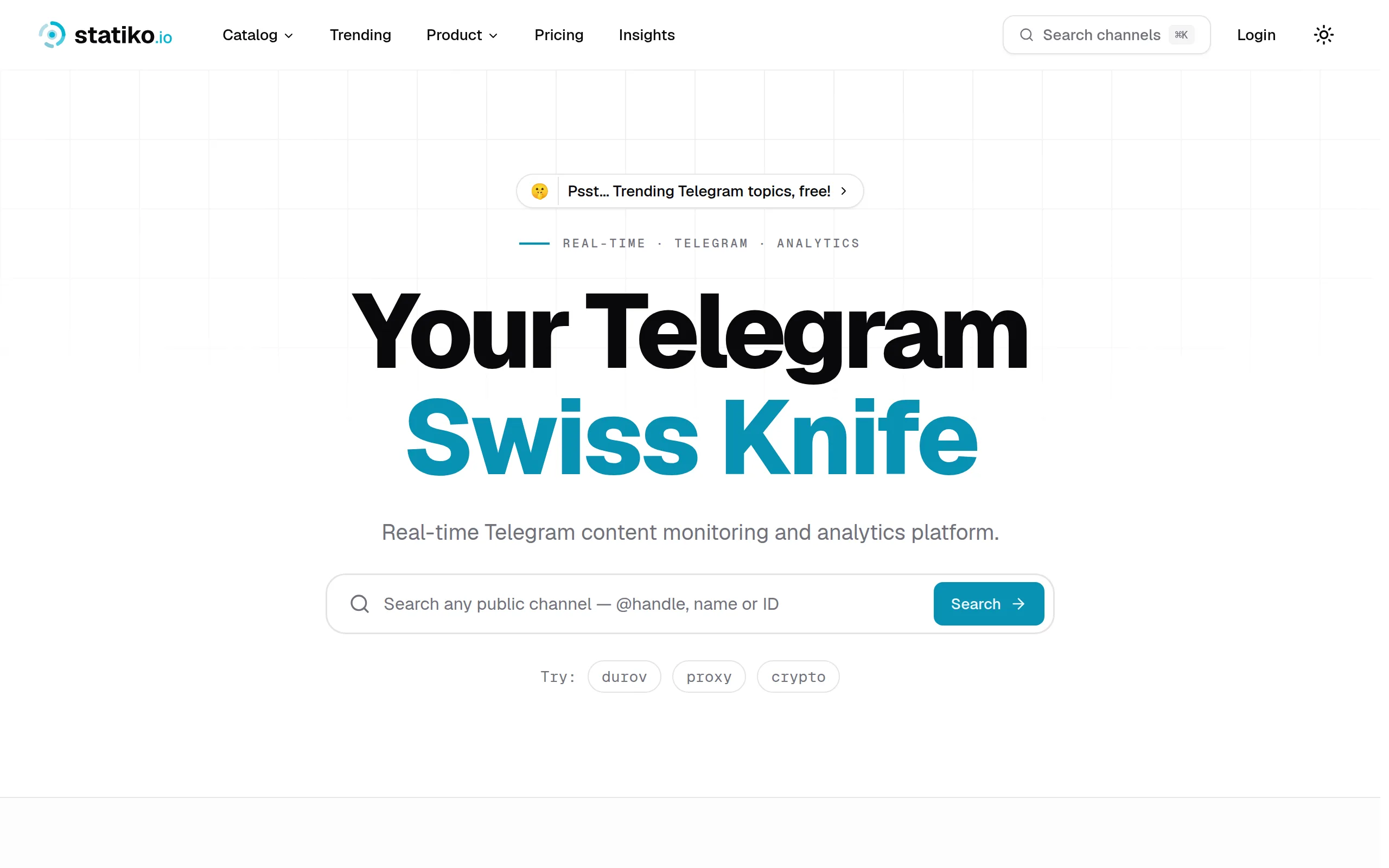
Statiko
Monitor any Telegram channel in real time - track posts, edits, deletions, and growth with AI recaps 📡

Shibui
AI website builder - describe your business, pick a niche template, edit by chatting, and publish instantly ✨

Pro Service
Find verified home service professionals, compare quotes, and pay securely through escrow - built for Brazilians across the US 🏠
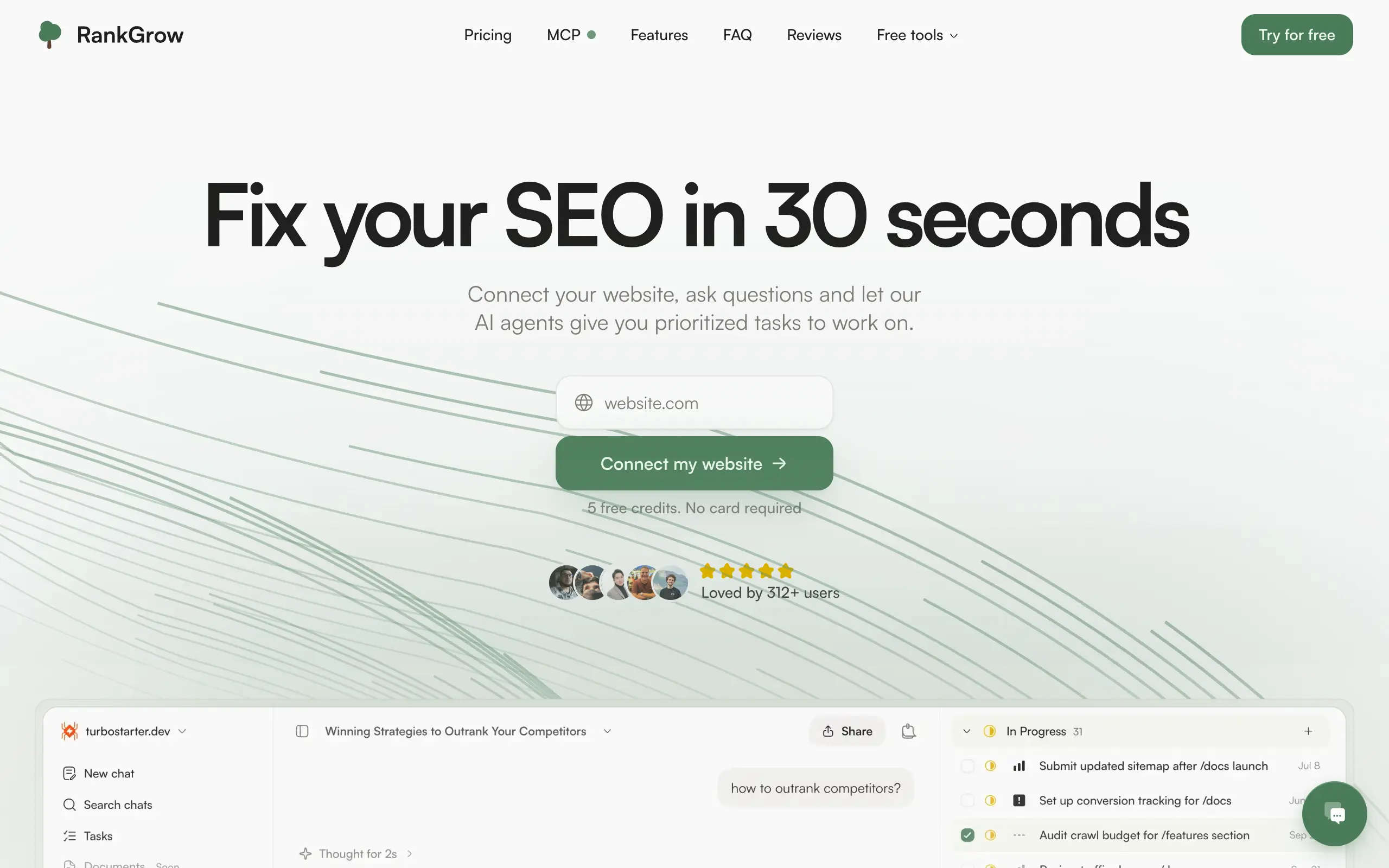
RankGrow
Fix your SEO with AI agents - connect Search Console, get prioritized tasks, and grow organic traffic 📈
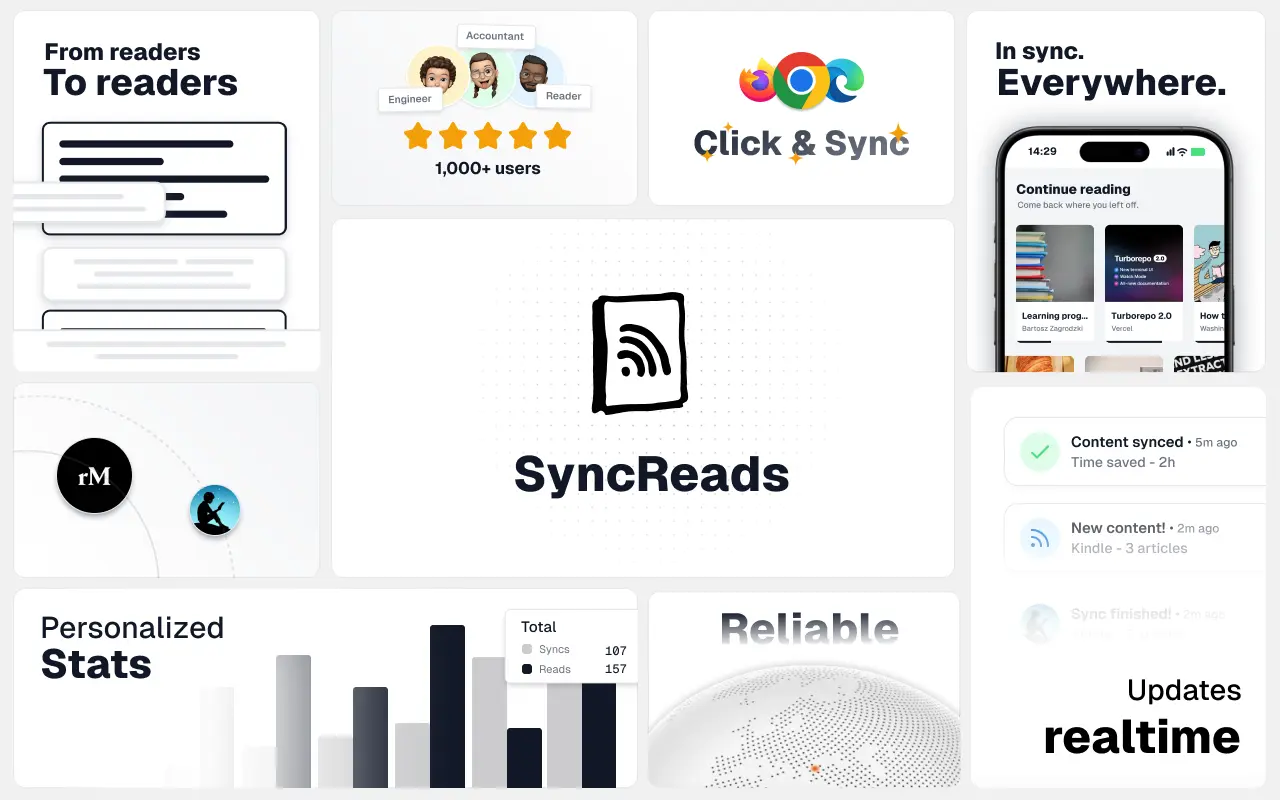
SyncReads
Sync your favorite content for distraction-free reading, save time and replace multiple apps. Anytime, anywhere 🔄
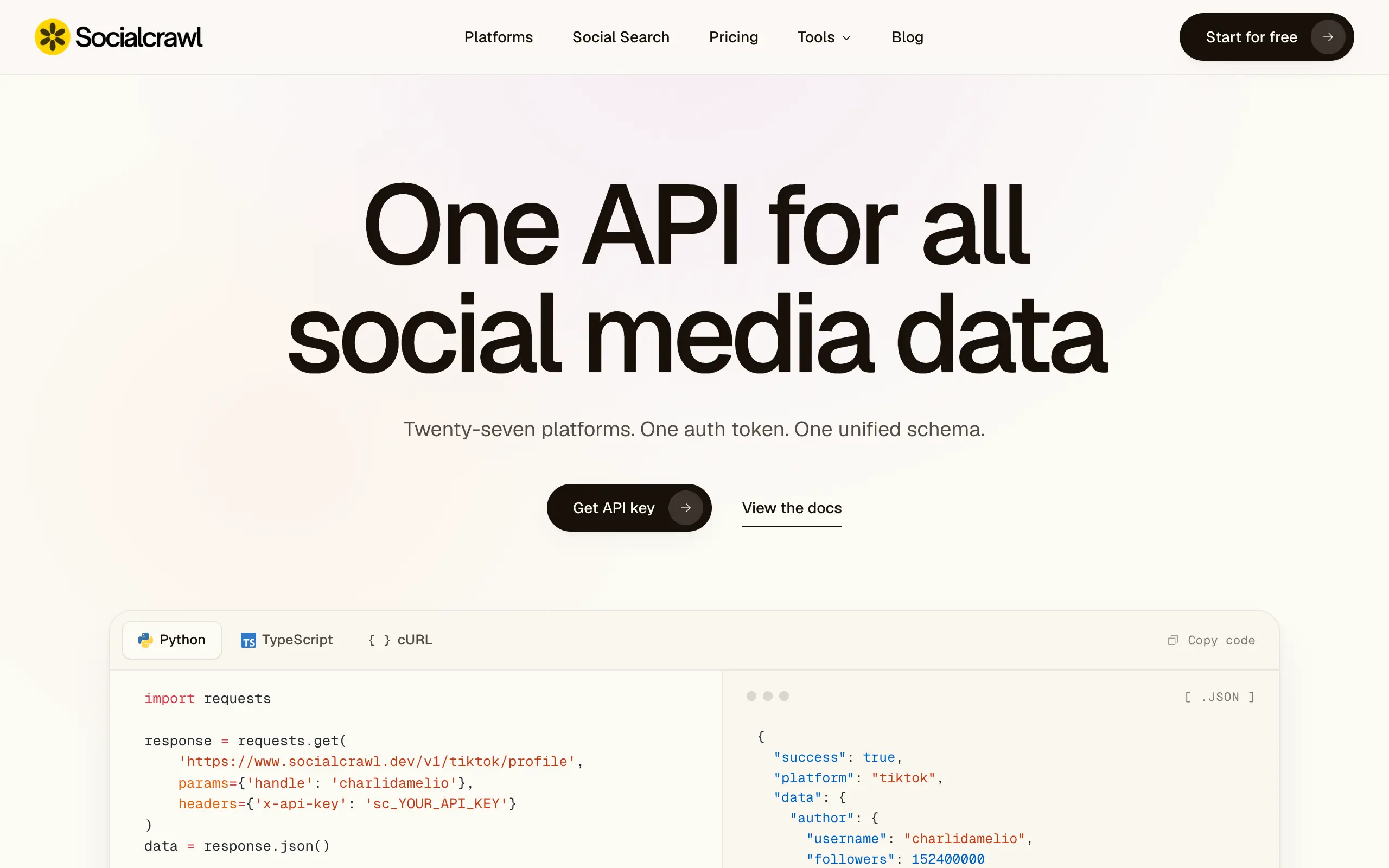
Socialcrawl
Get clean, structured data from 21 platforms like TikTok, Instagram, and YouTube with a single request 📊
Statiko
Monitor any Telegram channel in real time - track posts, edits, deletions, and growth with AI recaps 📡
Shibui
AI website builder - describe your business, pick a niche template, edit by chatting, and publish instantly ✨
Pro Service
Find verified home service professionals, compare quotes, and pay securely through escrow - built for Brazilians across the US 🏠
RankGrow
Fix your SEO with AI agents - connect Search Console, get prioritized tasks, and grow organic traffic 📈
SyncReads
Sync your favorite content for distraction-free reading, save time and replace multiple apps. Anytime, anywhere 🔄
Socialcrawl
Get clean, structured data from 21 platforms like TikTok, Instagram, and YouTube with a single request 📊
Statiko
Monitor any Telegram channel in real time - track posts, edits, deletions, and growth with AI recaps 📡
Shibui
AI website builder - describe your business, pick a niche template, edit by chatting, and publish instantly ✨
Pro Service
Find verified home service professionals, compare quotes, and pay securely through escrow - built for Brazilians across the US 🏠
RankGrow
Fix your SEO with AI agents - connect Search Console, get prioritized tasks, and grow organic traffic 📈
SyncReads
Sync your favorite content for distraction-free reading, save time and replace multiple apps. Anytime, anywhere 🔄
Socialcrawl
Get clean, structured data from 21 platforms like TikTok, Instagram, and YouTube with a single request 📊
Statiko
Monitor any Telegram channel in real time - track posts, edits, deletions, and growth with AI recaps 📡
Shibui
AI website builder - describe your business, pick a niche template, edit by chatting, and publish instantly ✨
Pro Service
Find verified home service professionals, compare quotes, and pay securely through escrow - built for Brazilians across the US 🏠
RankGrow
Fix your SEO with AI agents - connect Search Console, get prioritized tasks, and grow organic traffic 📈
SyncReads
Sync your favorite content for distraction-free reading, save time and replace multiple apps. Anytime, anywhere 🔄
Socialcrawl
Get clean, structured data from 21 platforms like TikTok, Instagram, and YouTube with a single request 📊
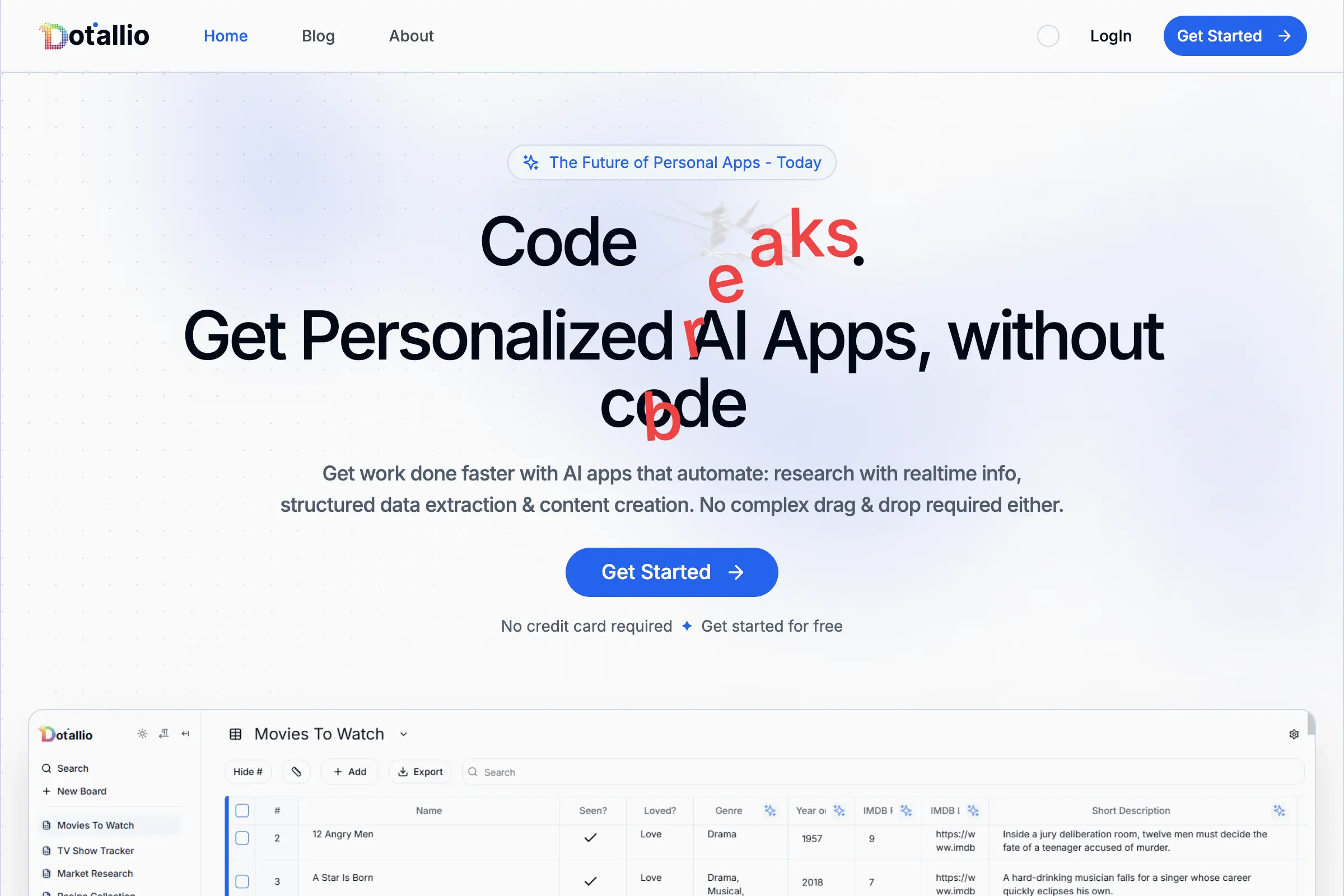
Dotallio
Personalized AI apps that automate research, data extraction, and content creation without code 🤖
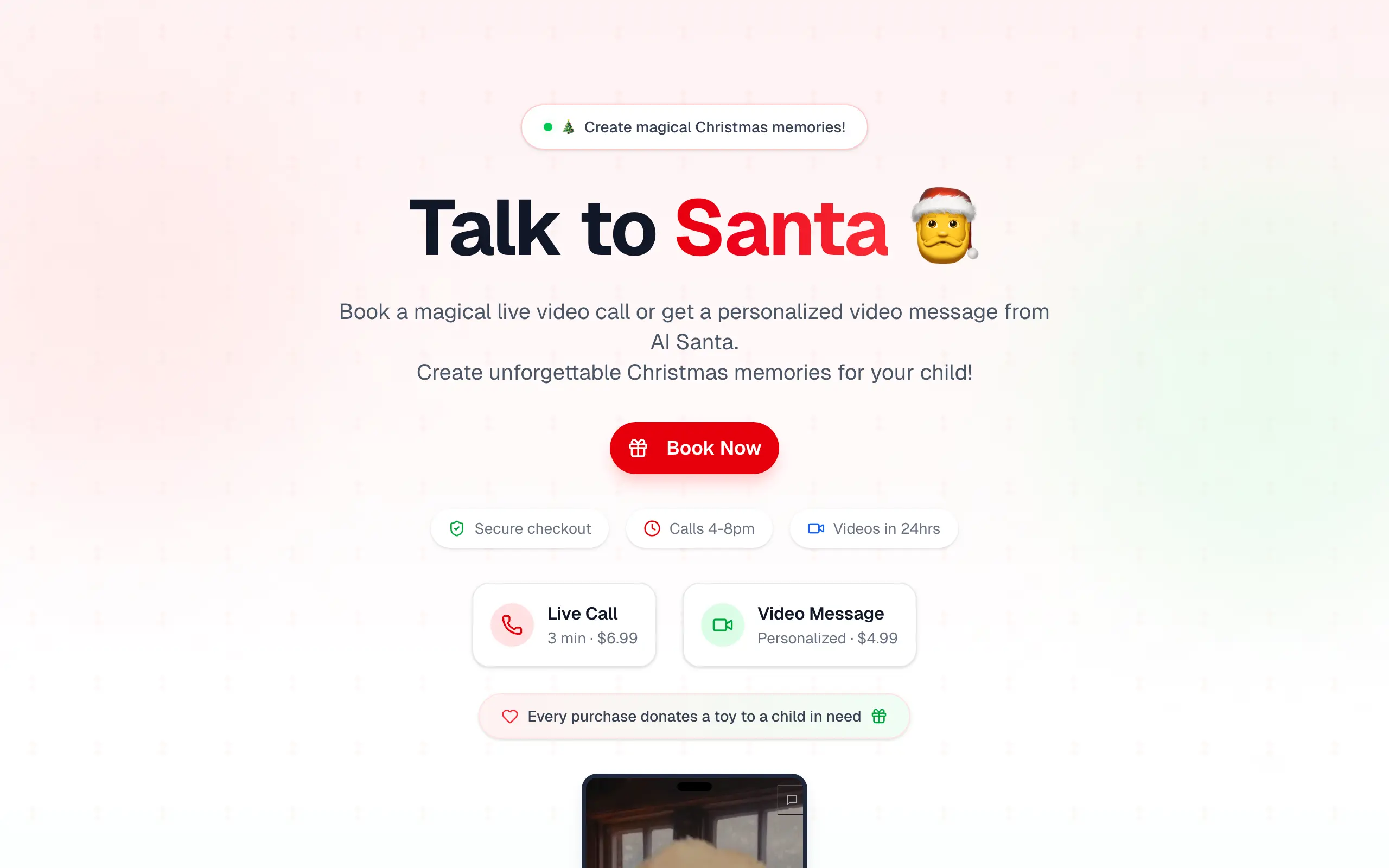
Talk to Santa
Enjoy a magical live video chat or receive a unique AI-generated video greeting from Santa Claus 🎅
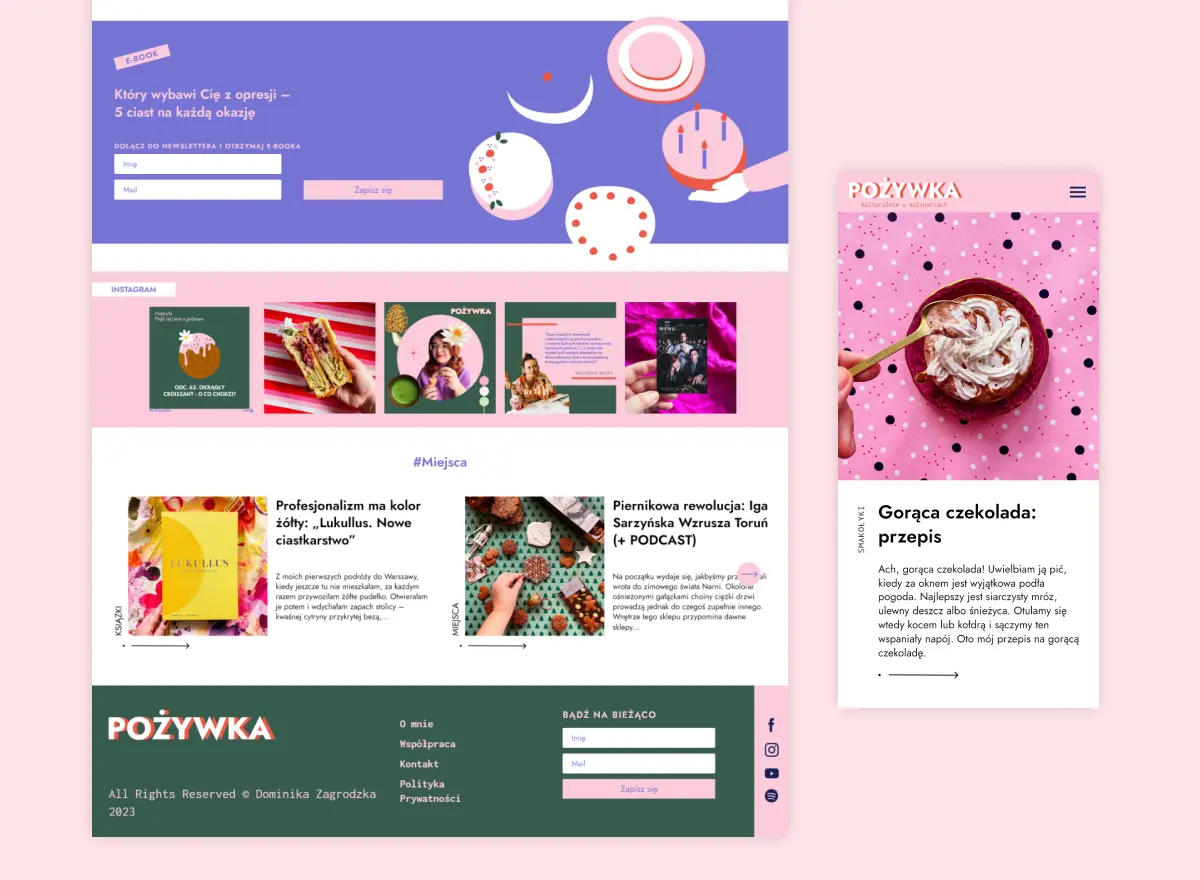
pozywka.pl
Scalable blog for food journalist, focused on performance and user experience 🌭
zagrodzki.me
Personal blog and portfolio of Bart Zagrodzki, where he shares his knowledge and work 💼
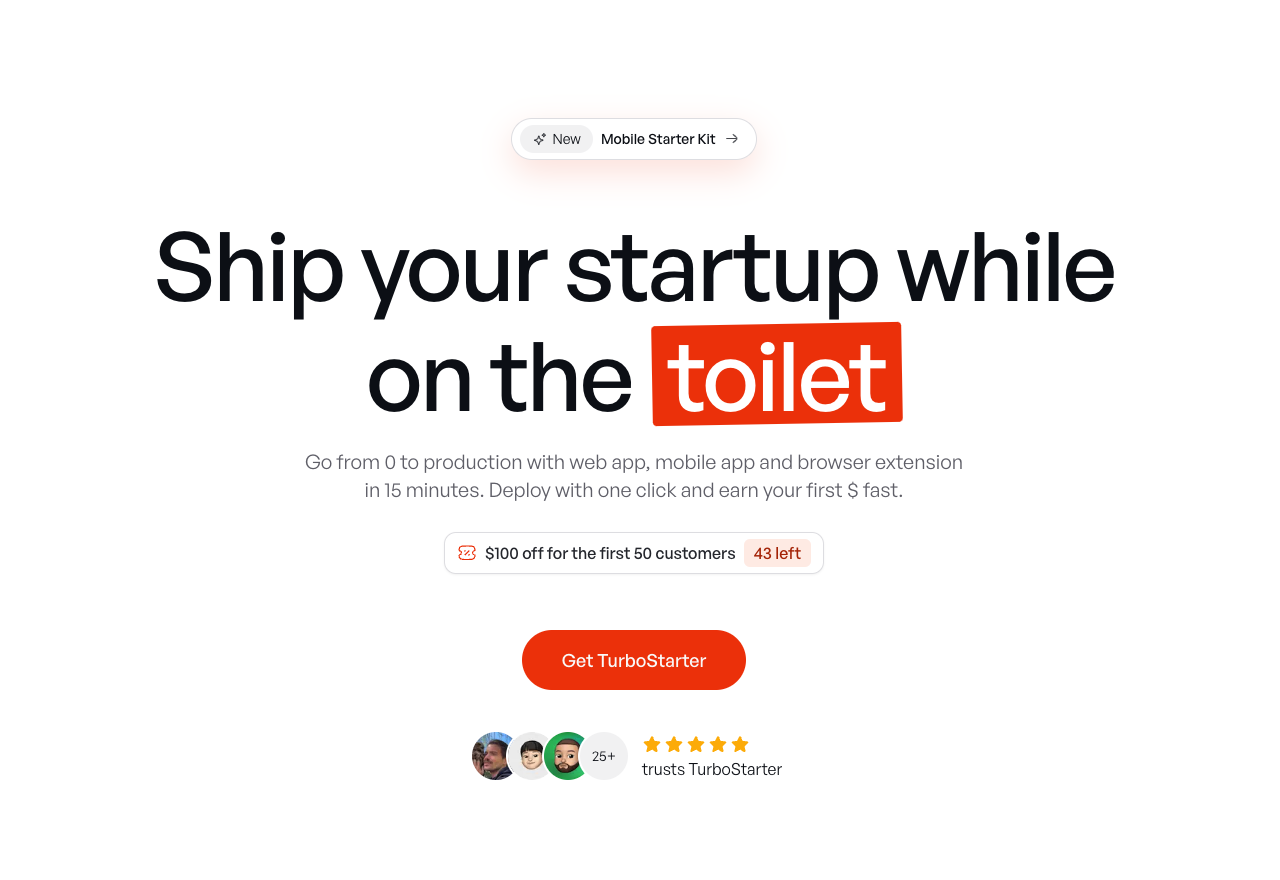
TurboStarter
Ship your startup everywhere. In minutes.
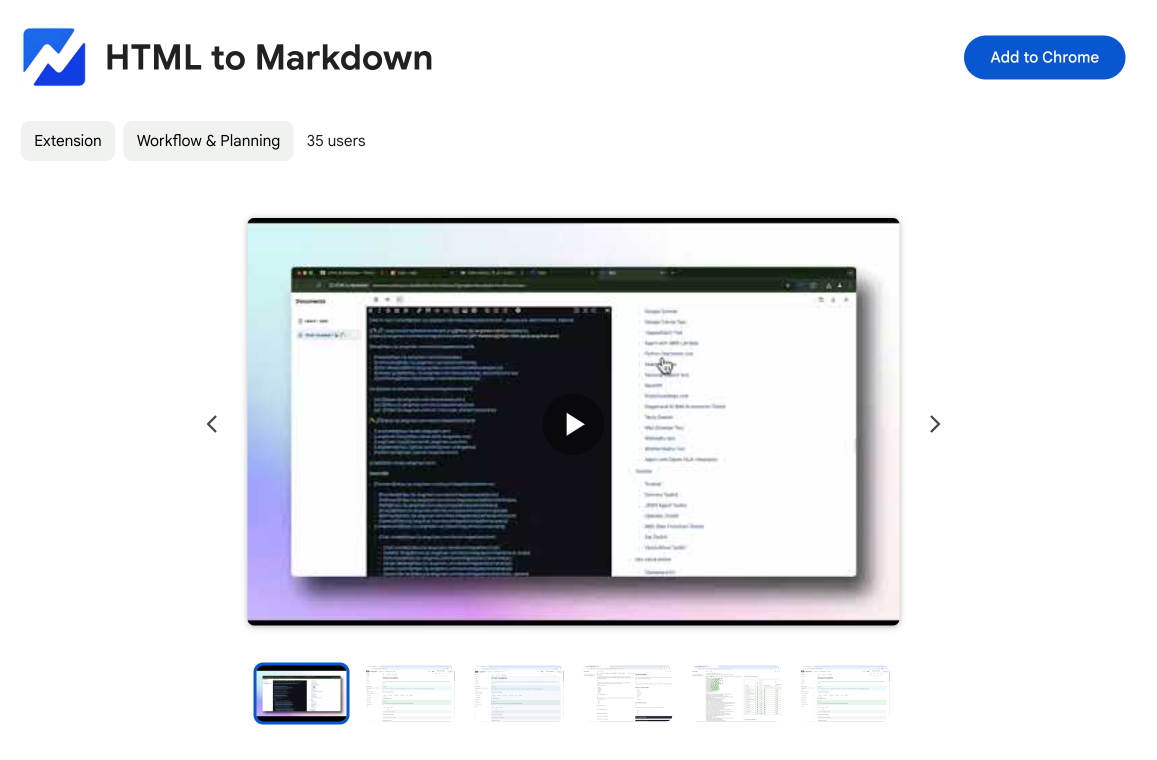
HTML to Markdown
Convert HTML to Markdown with ease, directly in your browser 📄
Dotallio
Personalized AI apps that automate research, data extraction, and content creation without code 🤖
Talk to Santa
Enjoy a magical live video chat or receive a unique AI-generated video greeting from Santa Claus 🎅
pozywka.pl
Scalable blog for food journalist, focused on performance and user experience 🌭
zagrodzki.me
Personal blog and portfolio of Bart Zagrodzki, where he shares his knowledge and work 💼
TurboStarter
Ship your startup everywhere. In minutes.
HTML to Markdown
Convert HTML to Markdown with ease, directly in your browser 📄
Dotallio
Personalized AI apps that automate research, data extraction, and content creation without code 🤖
Talk to Santa
Enjoy a magical live video chat or receive a unique AI-generated video greeting from Santa Claus 🎅
pozywka.pl
Scalable blog for food journalist, focused on performance and user experience 🌭
zagrodzki.me
Personal blog and portfolio of Bart Zagrodzki, where he shares his knowledge and work 💼
TurboStarter
Ship your startup everywhere. In minutes.
HTML to Markdown
Convert HTML to Markdown with ease, directly in your browser 📄
Dotallio
Personalized AI apps that automate research, data extraction, and content creation without code 🤖
Talk to Santa
Enjoy a magical live video chat or receive a unique AI-generated video greeting from Santa Claus 🎅
pozywka.pl
Scalable blog for food journalist, focused on performance and user experience 🌭
zagrodzki.me
Personal blog and portfolio of Bart Zagrodzki, where he shares his knowledge and work 💼
TurboStarter
Ship your startup everywhere. In minutes.
HTML to Markdown
Convert HTML to Markdown with ease, directly in your browser 📄
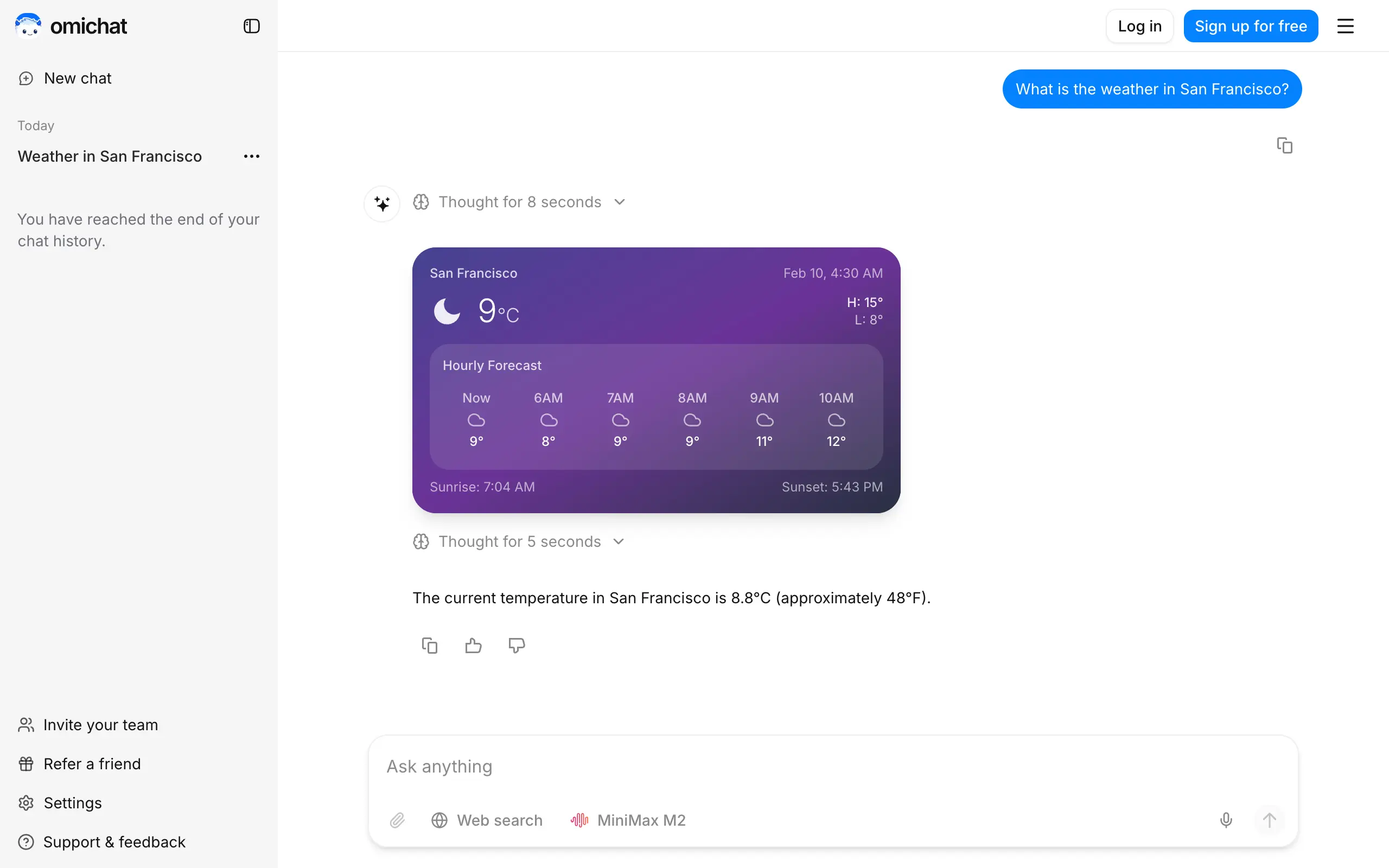
Omichat
Chat with 50+ AI models, including ChatGPT and Claude, in one place - switch models anytime without losing context 🤖
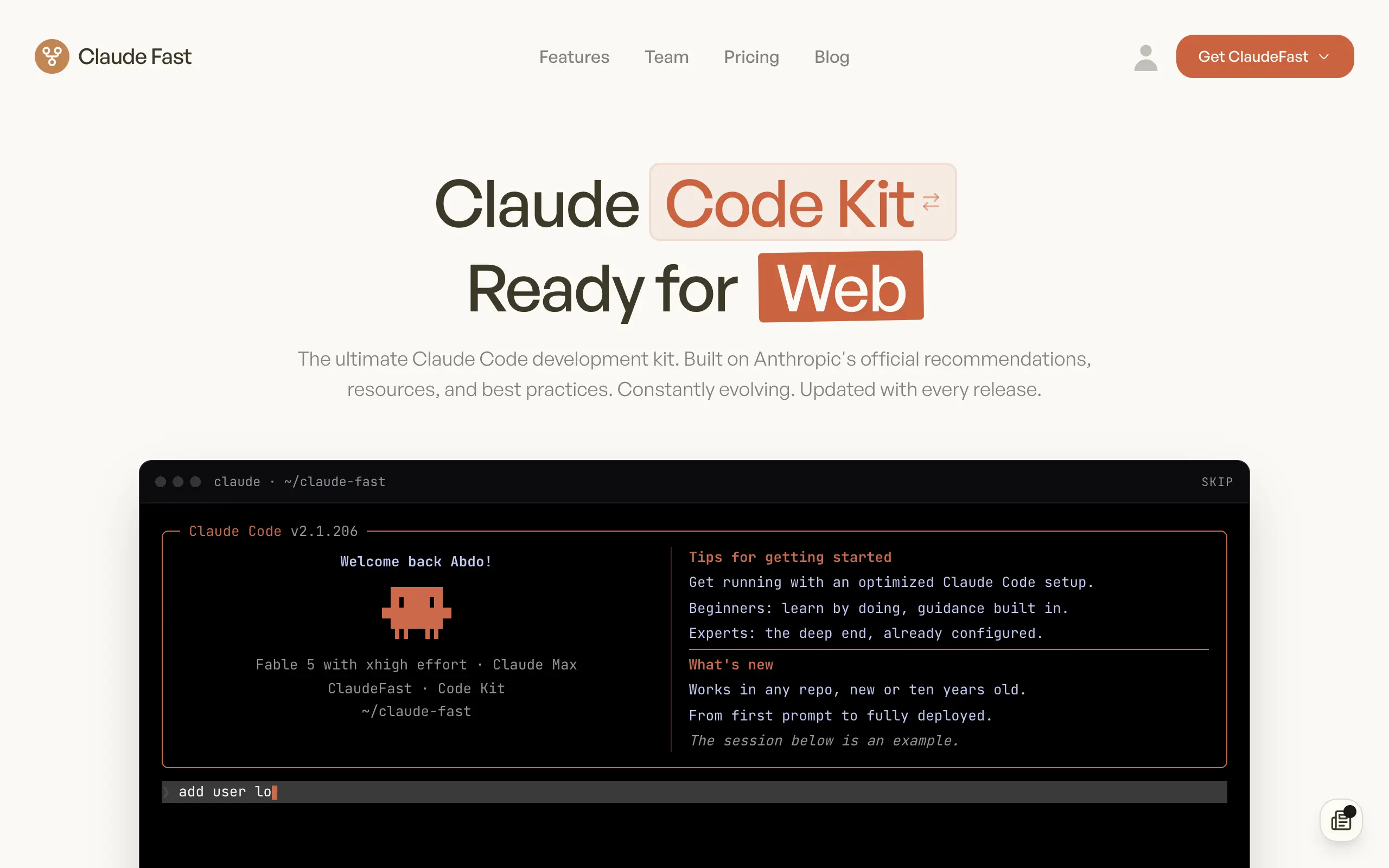
Claude Fast
Supercharge your Claude Code with 6x effective context window and specialized AI agents 🤖
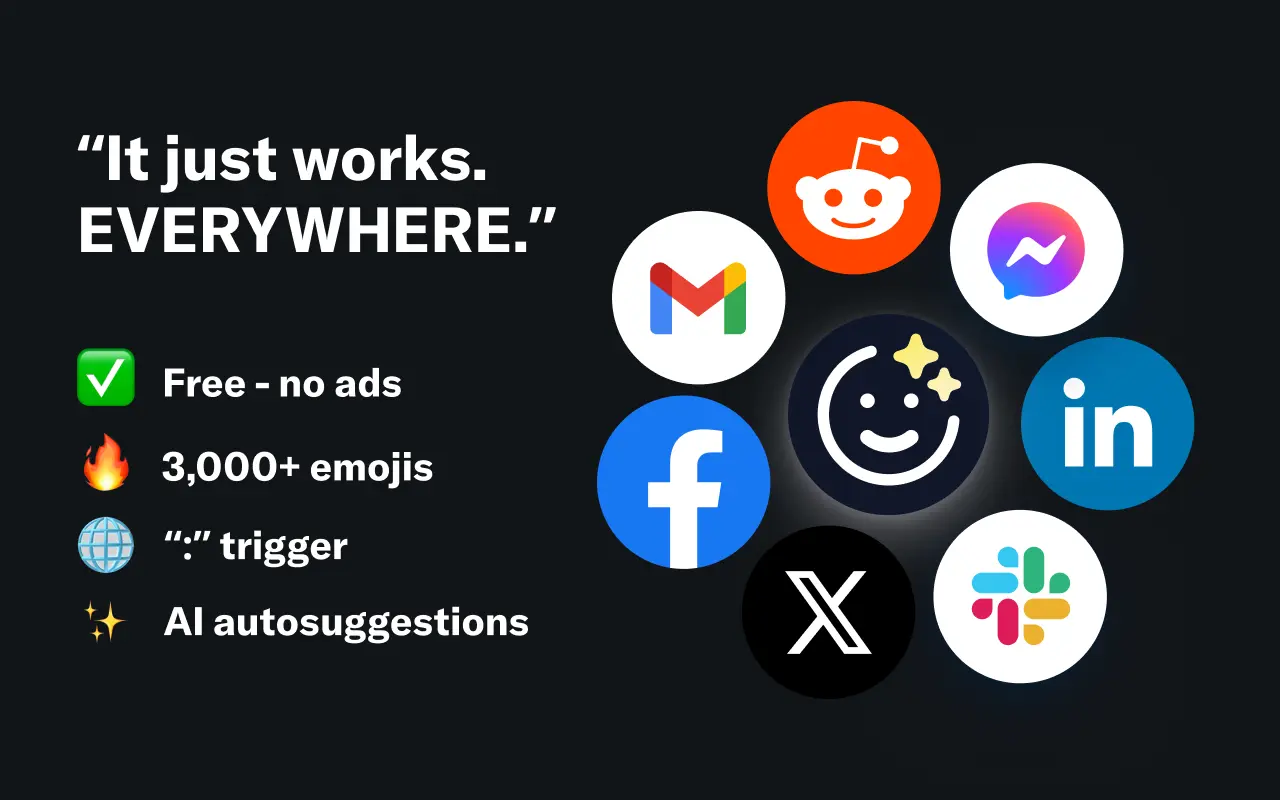
EmojAI
AI-powered emoji picker with smart, context-aware suggestions 🤖
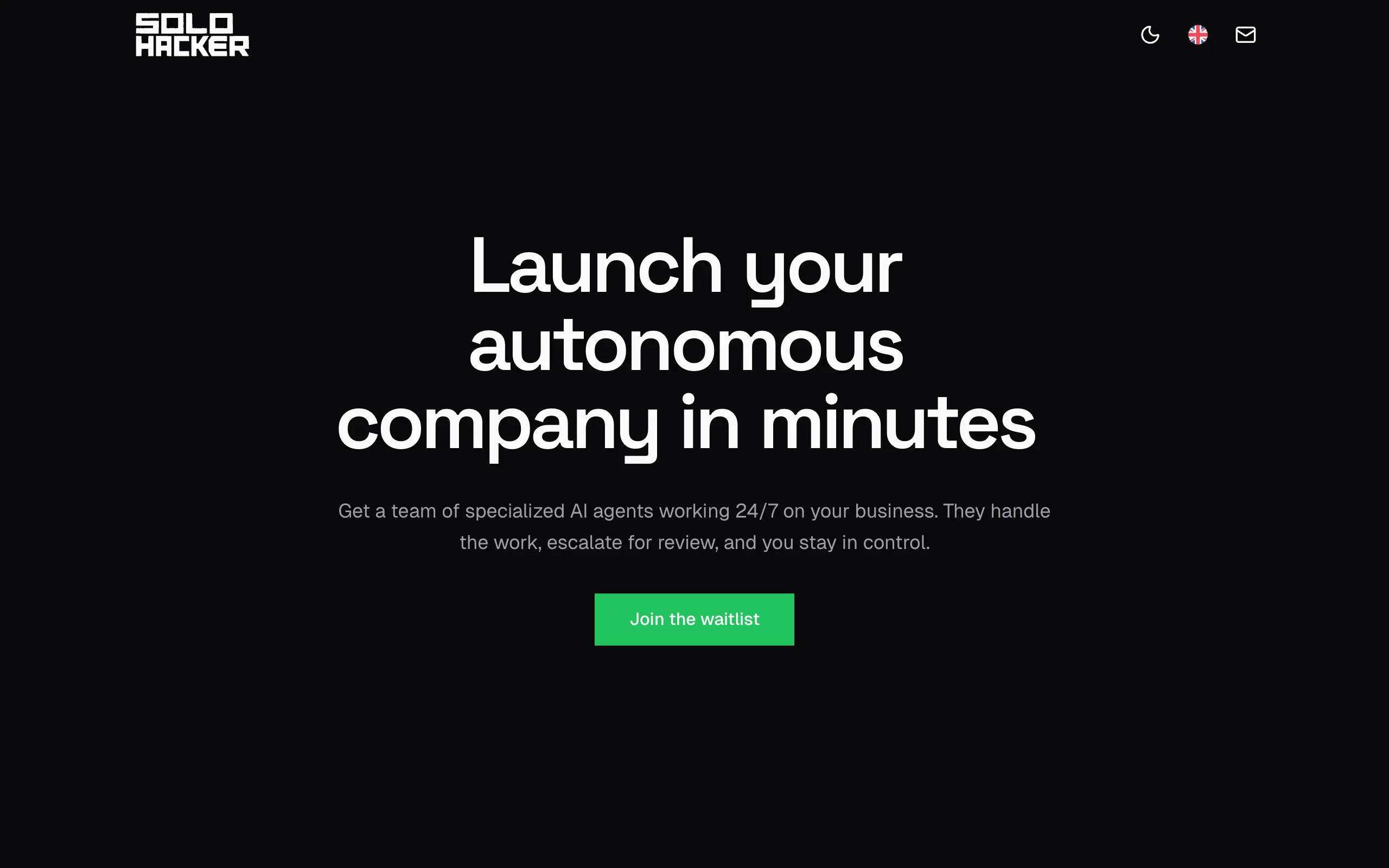
Solohacker
Autonomous company launcher - AI agents work 24/7, escalate what matters, and you stay in control 🤖
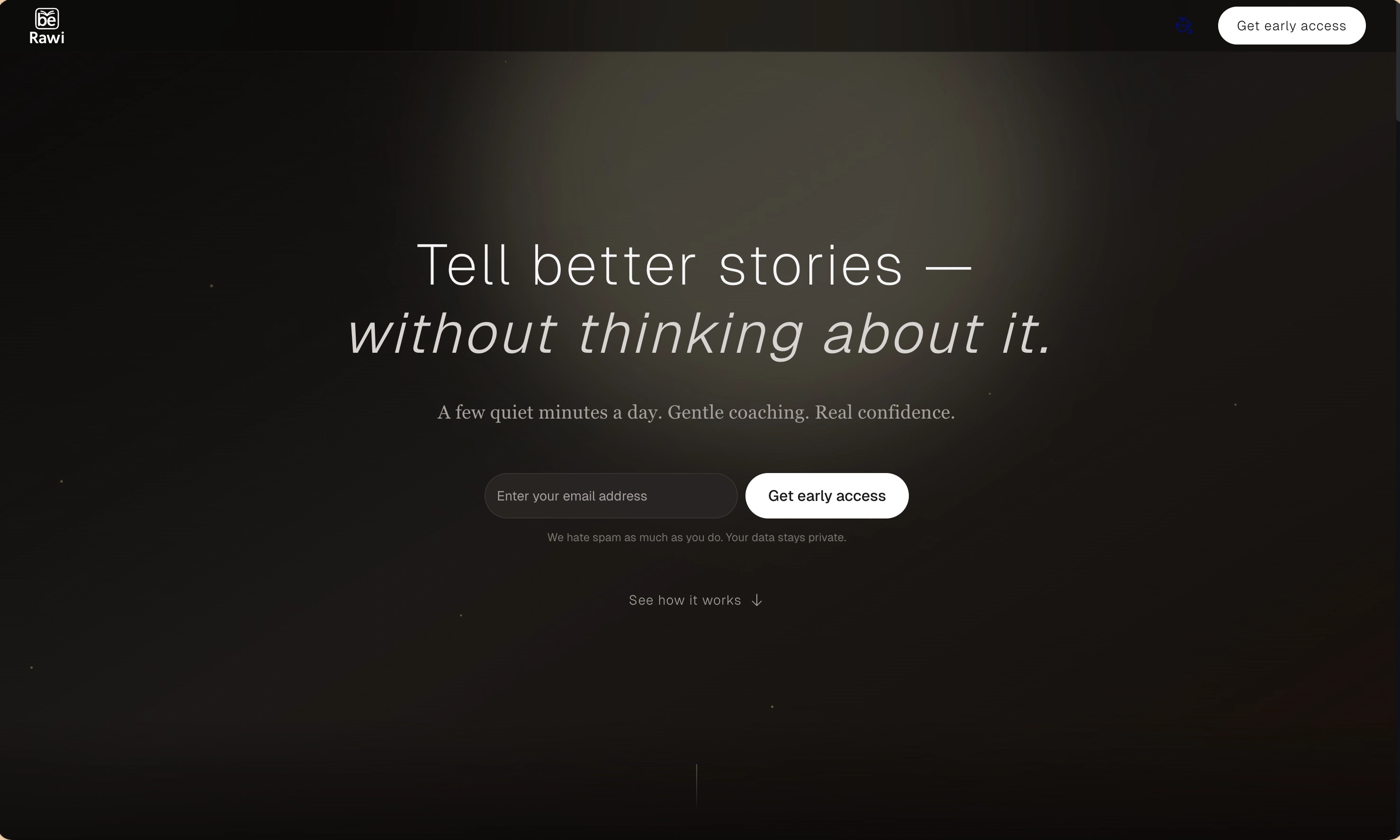
BeRawi: Storytelling Coach
Practice storytelling daily with instant feedback to sound clearer, more engaging, and confident 🎤
Omichat
Chat with 50+ AI models, including ChatGPT and Claude, in one place - switch models anytime without losing context 🤖
Claude Fast
Supercharge your Claude Code with 6x effective context window and specialized AI agents 🤖
EmojAI
AI-powered emoji picker with smart, context-aware suggestions 🤖
Solohacker
Autonomous company launcher - AI agents work 24/7, escalate what matters, and you stay in control 🤖
BeRawi: Storytelling Coach
Practice storytelling daily with instant feedback to sound clearer, more engaging, and confident 🎤
Omichat
Chat with 50+ AI models, including ChatGPT and Claude, in one place - switch models anytime without losing context 🤖
Claude Fast
Supercharge your Claude Code with 6x effective context window and specialized AI agents 🤖
EmojAI
AI-powered emoji picker with smart, context-aware suggestions 🤖
Solohacker
Autonomous company launcher - AI agents work 24/7, escalate what matters, and you stay in control 🤖
BeRawi: Storytelling Coach
Practice storytelling daily with instant feedback to sound clearer, more engaging, and confident 🎤
Omichat
Chat with 50+ AI models, including ChatGPT and Claude, in one place - switch models anytime without losing context 🤖
Claude Fast
Supercharge your Claude Code with 6x effective context window and specialized AI agents 🤖
EmojAI
AI-powered emoji picker with smart, context-aware suggestions 🤖
Solohacker
Autonomous company launcher - AI agents work 24/7, escalate what matters, and you stay in control 🤖
BeRawi: Storytelling Coach
Practice storytelling daily with instant feedback to sound clearer, more engaging, and confident 🎤

Connect with like-minded people
Join our community to get feedback, support, and grow together with 1,000+ builders on board, let's ship it!
Join usShip your startup everywhere. In minutes.
Don't burn tokens on setup and start building features on day one.