CheeseCount
Simple ingredient usage tracker for pizza shops: log daily cheese and topping use, see instant reports to optimize inventory and cost control.
Understanding CheeseCount: Expert Analysis on a Pizza Shop Ingredient Tracking SaaS
CheeseCount, a SaaS solution targeting pizza shops, addresses one of the food sector's quiet but costly challenges: controlling ingredient usage, especially cheese and toppings. With its focus on simple daily logging and immediate reporting, CheeseCount is built to help pizzerias drive profitability through real-time intelligence. In this expert deep-dive, we’ll explore how CheeseCount stands out, where the opportunity lies, and best practices for building, launching, and scaling such a platform.
Target audience analysis: Who needs CheeseCount the most?
CheeseCount is designed primarily for pizza shop owners and operators, but a deeper analysis reveals a broader, nuanced spectrum of users:
Primary audience
-
Independent pizza shop owners
- Typically, these are small business owners with 1–5 locations.
- Often lack a dedicated inventory manager or sophisticated POS-integrated tracking tools.
-
Pizza chain managers/franchisees
- Multi-unit operations with more structured processes but still challenged by ingredient waste, theft, and inconsistent reporting across stores.
Secondary audience
-
Restaurant managers and kitchen staff
- Responsible for daily ingredient handling and accountable for wastage.
-
Accounting and finance teams
- Analyze food cost percentages and variance to improve margins.
User pain points
- Ingredient waste and shrinkage: Cheese—often the highest-cost pizza ingredient—can be easily wasted or stolen.
- Manual, error-prone tracking: Reliance on spreadsheets or paper leads to unreliable data and poor insights.
- Lack of actionable reporting: Difficulty linking daily usage to menu sales and real-time inventory decisions.
- No time for complex solutions: Need for a frictionless, quick tool that integrates into their daily closing or prep routines.
Related LSI keywords
- pizza inventory tracking
- restaurant food cost optimization
- cheese usage log
- topping consumption reports
- simplify pizza shop operations
Market opportunity: Identifying the gap
Despite a saturated restaurant-tech landscape, there’s a pronounced gap for niche, purpose-built SaaS tools that cater to small and mid-sized pizza outlets. Let's examine the core market facts and why CheeseCount is timely:
Market size and growth
- The US pizza restaurant market alone is projected at over $46 billion USD annually (Statista reference suggested).
- Independent pizzerias represent 52% of US pizza restaurant locations, typically underserved by enterprise restaurant management systems.
Competitive landscape: Where CheeseCount fits
Most available solutions fall into two buckets:
-
General inventory POS add-ons
These are comprehensive but often overbuilt for single-concept restaurants, leading to high costs, poor adoption, and complexity. -
Manual/spreadsheet approaches
Widespread but error-prone, hard to maintain, lacking instant analytics or mobile-friendly input.
| Solution | Ease of Use | Cost | Real-Time Reporting | Pizza-Specific |
|---|---|---|---|---|
| General Inventory POS | ❌ | ❌ | ✅ | ❌ |
| Spreadsheets | ✅ | ✅ | ❌ | ❌ |
| CheeseCount | ✅ | ✅ | ✅ | ✅ |
CheeseCount’s market opportunity lies in providing a pizza-focused, cost-effective, and ultra-simple solution that can deliver actionable cost control insights—even for busy teams with zero tech expertise.
Core features and solution details
What exactly differentiates CheeseCount in the crowded food-tech space? Its features map directly to pizza shop realities:
Daily ingredient logging
- Fast, mobile-friendly interface: No need for lengthy forms. Staff can log cheese/topping usage in seconds, ideally at end-of-day closing.
- Customizable ingredient lists: Including mozzarella, premium cheeses, sauces, meats, and veggies.
Instant reporting and dashboards
- Usage trends: See daily, weekly, and monthly ingredient consumption, with variance analysis.
- Cost impact analytics: Track food cost percentages and flag anomalies.
- Wastage alerts: Detect and notify when usage patterns deviate from historical norms.
Multi-location management
- Centralized reporting: Franchisees or multi-shop owners can view rollups by store, day-part, or staff member.
- Permissioned access: Allow managers and staff specific levels of input and report visibility.
Seamless data export/integration
- CSV/Excel exports: For sharing with accountants or importing into other restaurant systems.
- Simple API: For optional connection to POS systems or existing stock management apps.
Accessibility and support
- Cloud-based web app: No installs; accessible from any device with a browser.
- Guided onboarding: Simple walkthroughs and in-app tips for fast adoption.
Cheese, especially mozzarella, is a pizza shop's biggest food cost driver—typically exceeding even dough. Toppings, especially meats, are also high variance. By targeting these items, CheeseCount offers maximum impact with minimal input friction.
Yes, but its value is maximized as a laser-focused pizza ingredient tracking tool. A future roadmap could include sandwich shops or bakeries with similar needs.
Related LSI keywords
- cheese tracking app
- topping inventory management
- pizza restaurant analytics
- food cost control software
Recommended tech stack and trade-offs
Building a robust, scalable, and cost-effective SaaS such as CheeseCount requires contemporary technology choices that align with startup and restaurant operator needs.
Suggested tech stack
- Frontend: React with TailwindCSS for rapid, responsive UI development.
- Backend/API: Node.js with Express for RESTful API, or Next.js for server-side rendering and edge deployments.
- Database: PostgreSQL or MongoDB for flexible, reliable data storage.
- Authentication: Auth0 or Clerk for secure multi-user access.
- Hosting & DevOps: Vercel (especially with Next.js), Render, or AWS.
- Reporting & Analytics: Metabase integration, or custom charting via Chart.js or Recharts.
Trade-offs to consider:
- Speed vs. flexibility: No-code/low-code solutions may get a prototype up quickly, but for long-term extensibility (multi-tenant, API integrations), React/Next.js provides greater control.
- Cost scalability: Managed databases and serverless hosting lower operational overhead but may incur costs at scale.
- Integration complexity: Building custom APIs for POS integration adds value but requires more engineering and ongoing maintenance.
Pro tip
Leverage SaaS starter templates like TurboStarter to accelerate your MVP development, reduce boilerplate, and focus on customer-facing features.
// Example: Simple ingredient logging component in React
import React, { useState } from 'react';

function IngredientLog() {
  const [ingredient, setIngredient] = useState('');
  const [quantity, setQuantity] = useState('');

  function handleSubmit(e) {
    e.preventDefault();
    // API call to store data
  }

  return (
    <form onSubmit={handleSubmit}>
      <input type="text" placeholder="Ingredient" value={ingredient} onChange={e => setIngredient(e.target.value)} />
      <input type="number" placeholder="Quantity Used" value={quantity} onChange={e => setQuantity(e.target.value)} />
      <button type="submit">Log Usage</button>
    </form>
  );
}
Monetization strategies for CheeseCount
Pricing and monetization must fit the pizza shop market—value-conscious, but motivated by clear ROI.
Subscription-based SaaS
- Tiered pricing:
- Starter: Single location, limited features, low monthly rate (e.g., $19/mo).
- Pro: Unlimited locations, advanced reports, priority support.
- Annual plans: Discounted rates for upfront payment (cost savings for both customer and vendor).
Freemium or free trial
- Allow shops to try basic logging/reporting for a set period or limit (e.g., 14 days, 5 ingredient types).
- Premium unlock for exports, multi-location support, or advanced analytics.
Value-added add-ons
- Integration modules (POS, accounting software)
- White-labeling for micro-chains or franchises
Risks and mitigation strategies
Every SaaS faces market and technical headwinds. Here’s how to plan for CheeseCount’s:
Adoption risk
- Pizza staff’s aversion to digital logging may slow uptake.
- Mitigation: Prioritize frictionless UX; provide onboarding, short help videos, and demo mode.
Data accuracy
- Mis-entered data or skipped logs could reduce value.
- Mitigation: Use inline validation, required fields, and reminders; flag missed entries for manager review.
Price pressure and copycats
- Competitors may undercut or clone.
- Mitigation: Build pizza-specific intelligence (benchmarks, guided alerts) and prioritize customer support/community.
Data security
- Ingredient usage may seem low risk, but GDPR and privacy commitments build trust.
- Mitigation: Use secure authentication, encrypted storage, and clear privacy policies.
Competitive advantage analysis
What makes CheeseCount defensible and valuable in the wider SaaS landscape?
Pizza-focused simplicity
Unlike generic inventory tools, CheeseCount reduces complexity by focusing only on what matters for pizza shops—cheese and toppings, tracked in seconds per day.
Immediate ROI through actionable insight
Instant reporting and anomaly alerts empower owners to respond quickly to waste or theft, driving profit with minimal effort.
Mobile, cloud-first, and easy adoption
Operates from any device; no IT staff or hardware needed. Designed for busy kitchens and time-strapped franchisees.
Scalable for chains and independents
From mom-and-pop pizzerias to regional chains, supports multiple locations with centralized oversight.
In short: CheeseCount isn’t just another inventory app. It’s an operations profit maximizer, custom-built for pizza professionals.
Actionable implementation steps
Ready to build or launch a product like CheeseCount? Here’s an expert-recommended sequence:
Conclusion: Why CheeseCount is primed for success
CheeseCount serves a massive, yet underserved slice of the food industry—pizza shops hungry for easy, affordable, and pizza-focused ingredient usage tracking. With competitors either too broad or too simplistic, its instant reports and cost control features provide a real, calculable ROI for restaurant operators.
By deeply understanding user intent, prioritizing dead-simple design, and building on proven, scalable tech (with solutions like TurboStarter), CheeseCount is well-positioned to become the industry standard for pizza ingredient management.
In summary:
- Addresses genuine pain points: Directly attacks food cost waste with minimal workflow friction.
- Proven market fit: Thousands of small pizzerias lack effective solutions—CheeseCount is purpose-built for their unique needs.
- Clear monetization potential: Value-driven pricing, with scope to grow into adjacent verticals.
For food entrepreneurs, SaaS founders, or pizza shop operators, CheeseCount (as a SaaS or a business concept) is a rare opportunity to blend operational impact with commercial scalability—right where cheese meets the bottom line.
Frequently asked questions
Yes, CheeseCount was designed with multi-location reporting and permissions in mind, making it a great fit for both independents and regional chains.
Industry-standard authentication (OAuth), encrypted data storage, and strict privacy policies are incorporated from the ground up.
Most shops can onboard and start logging ingredients within 30 minutes, thanks to guided setup and minimal data entry requirements.
While optimized for cheese, any common topping (sauces, meats, vegetables) can be tracked, customized to each shop’s menu.
More 🏢 B2B Application SaaS ideas
Discover more innovative b2b application SaaS ideas that are trending in 2026. Each idea is AI-generated with market validation and growth potential to help you find your next profitable venture faster than competitors.
Your competitors are building with TurboStarter
Below are some of the SaaS ideas that have been generated and built with our starter kit.

Statiko
Monitor any Telegram channel in real time - track posts, edits, deletions, and growth with AI recaps 📡

Shibui
AI website builder - describe your business, pick a niche template, edit by chatting, and publish instantly ✨

Pro Service
Find verified home service professionals, compare quotes, and pay securely through escrow - built for Brazilians across the US 🏠
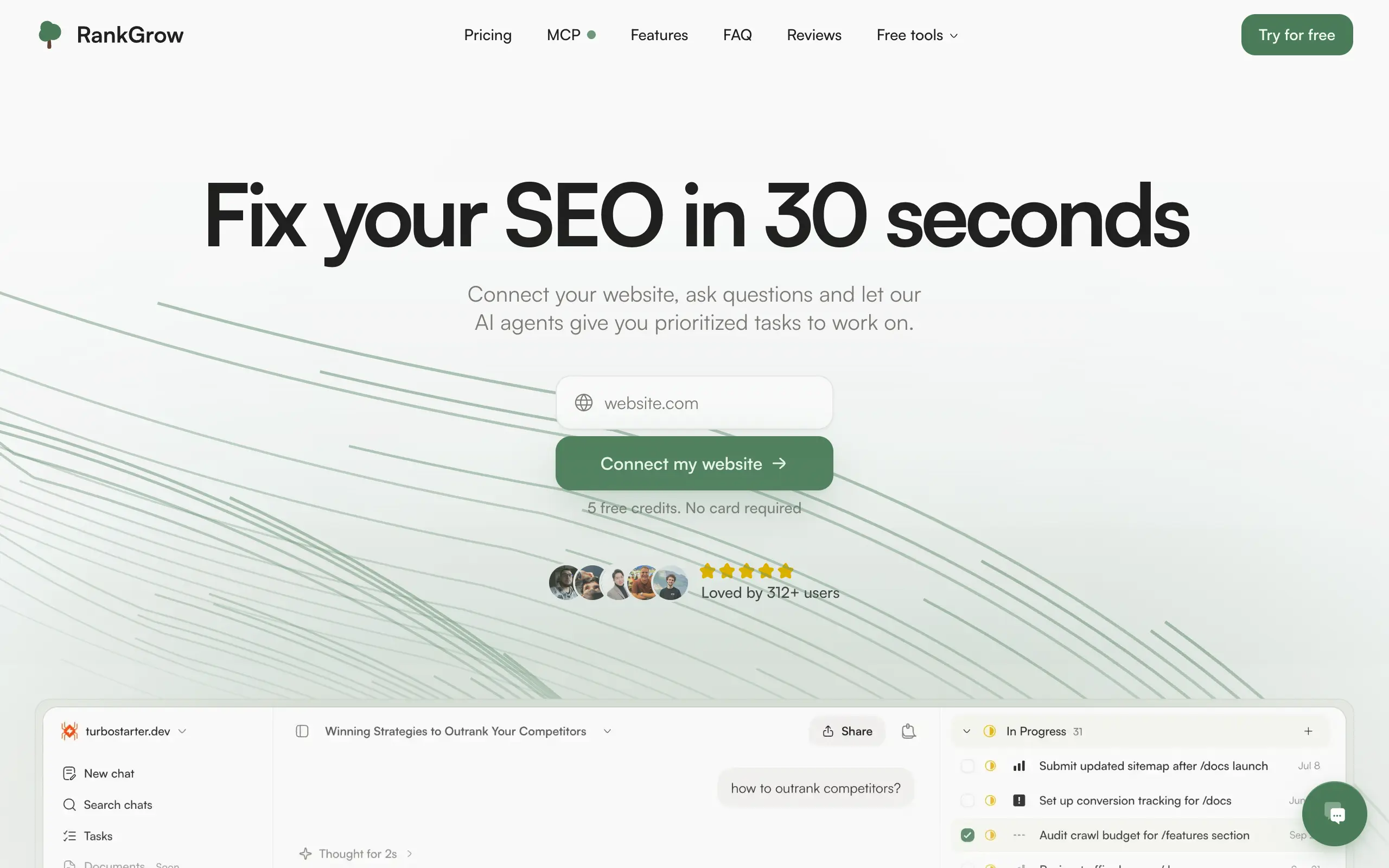
RankGrow
Fix your SEO with AI agents - connect Search Console, get prioritized tasks, and grow organic traffic 📈
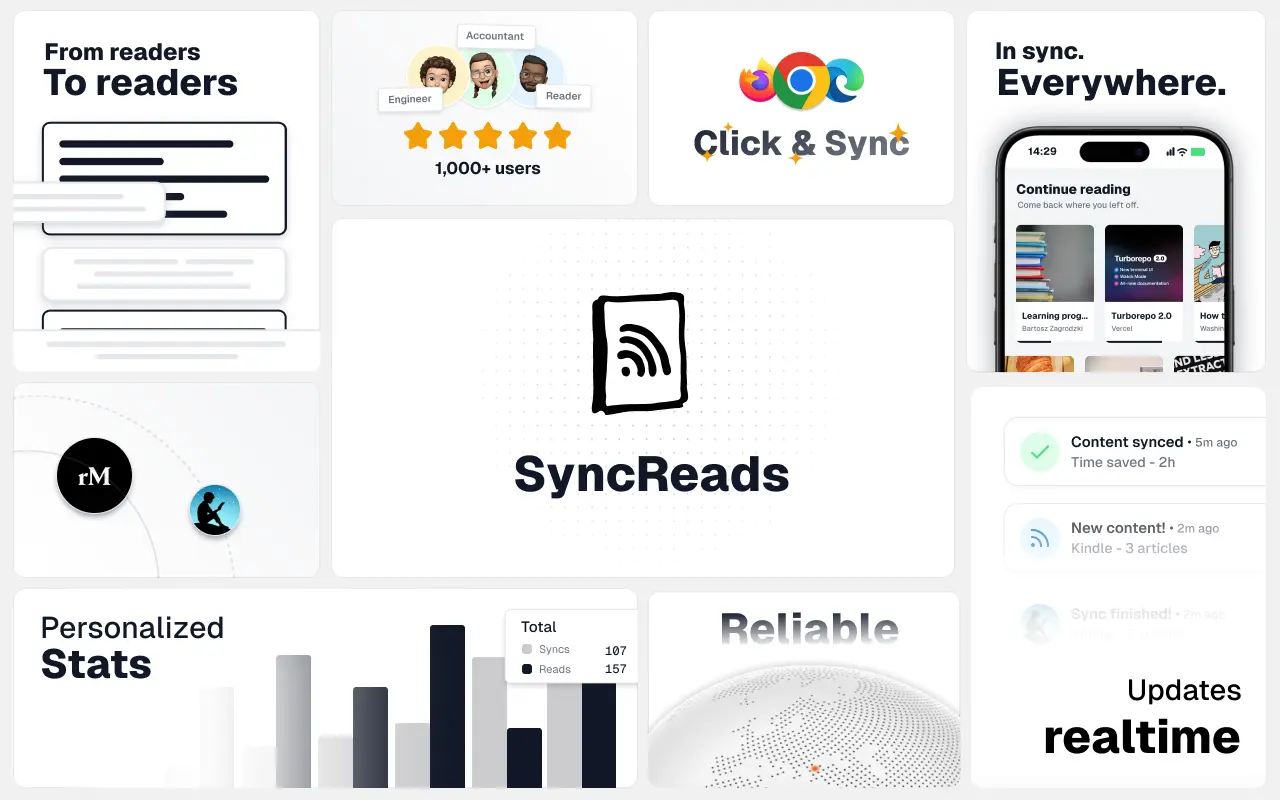
SyncReads
Sync your favorite content for distraction-free reading, save time and replace multiple apps. Anytime, anywhere 🔄
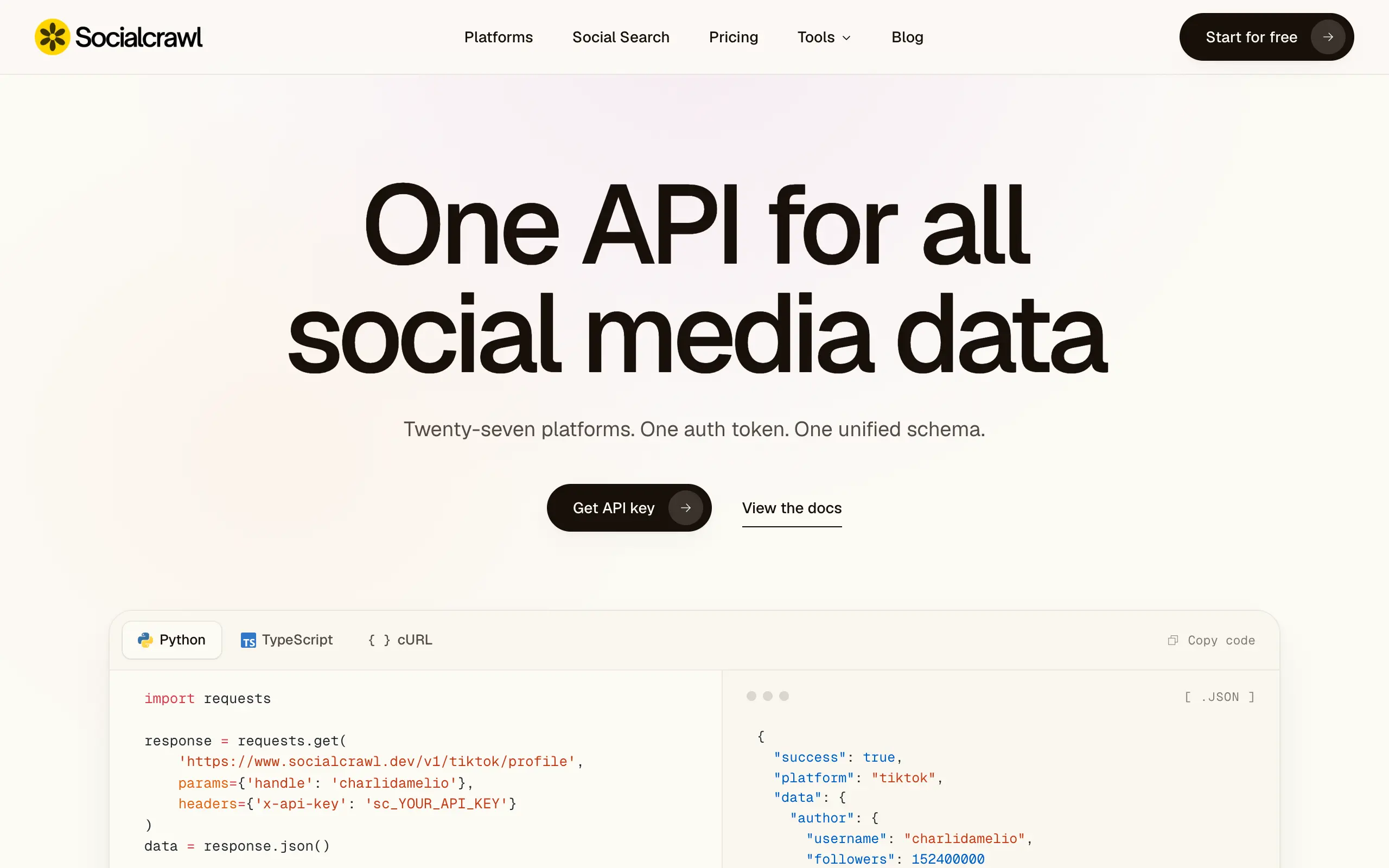
Socialcrawl
Get clean, structured data from 21 platforms like TikTok, Instagram, and YouTube with a single request 📊
Statiko
Monitor any Telegram channel in real time - track posts, edits, deletions, and growth with AI recaps 📡
Shibui
AI website builder - describe your business, pick a niche template, edit by chatting, and publish instantly ✨
Pro Service
Find verified home service professionals, compare quotes, and pay securely through escrow - built for Brazilians across the US 🏠
RankGrow
Fix your SEO with AI agents - connect Search Console, get prioritized tasks, and grow organic traffic 📈
SyncReads
Sync your favorite content for distraction-free reading, save time and replace multiple apps. Anytime, anywhere 🔄
Socialcrawl
Get clean, structured data from 21 platforms like TikTok, Instagram, and YouTube with a single request 📊
Statiko
Monitor any Telegram channel in real time - track posts, edits, deletions, and growth with AI recaps 📡
Shibui
AI website builder - describe your business, pick a niche template, edit by chatting, and publish instantly ✨
Pro Service
Find verified home service professionals, compare quotes, and pay securely through escrow - built for Brazilians across the US 🏠
RankGrow
Fix your SEO with AI agents - connect Search Console, get prioritized tasks, and grow organic traffic 📈
SyncReads
Sync your favorite content for distraction-free reading, save time and replace multiple apps. Anytime, anywhere 🔄
Socialcrawl
Get clean, structured data from 21 platforms like TikTok, Instagram, and YouTube with a single request 📊
Statiko
Monitor any Telegram channel in real time - track posts, edits, deletions, and growth with AI recaps 📡
Shibui
AI website builder - describe your business, pick a niche template, edit by chatting, and publish instantly ✨
Pro Service
Find verified home service professionals, compare quotes, and pay securely through escrow - built for Brazilians across the US 🏠
RankGrow
Fix your SEO with AI agents - connect Search Console, get prioritized tasks, and grow organic traffic 📈
SyncReads
Sync your favorite content for distraction-free reading, save time and replace multiple apps. Anytime, anywhere 🔄
Socialcrawl
Get clean, structured data from 21 platforms like TikTok, Instagram, and YouTube with a single request 📊
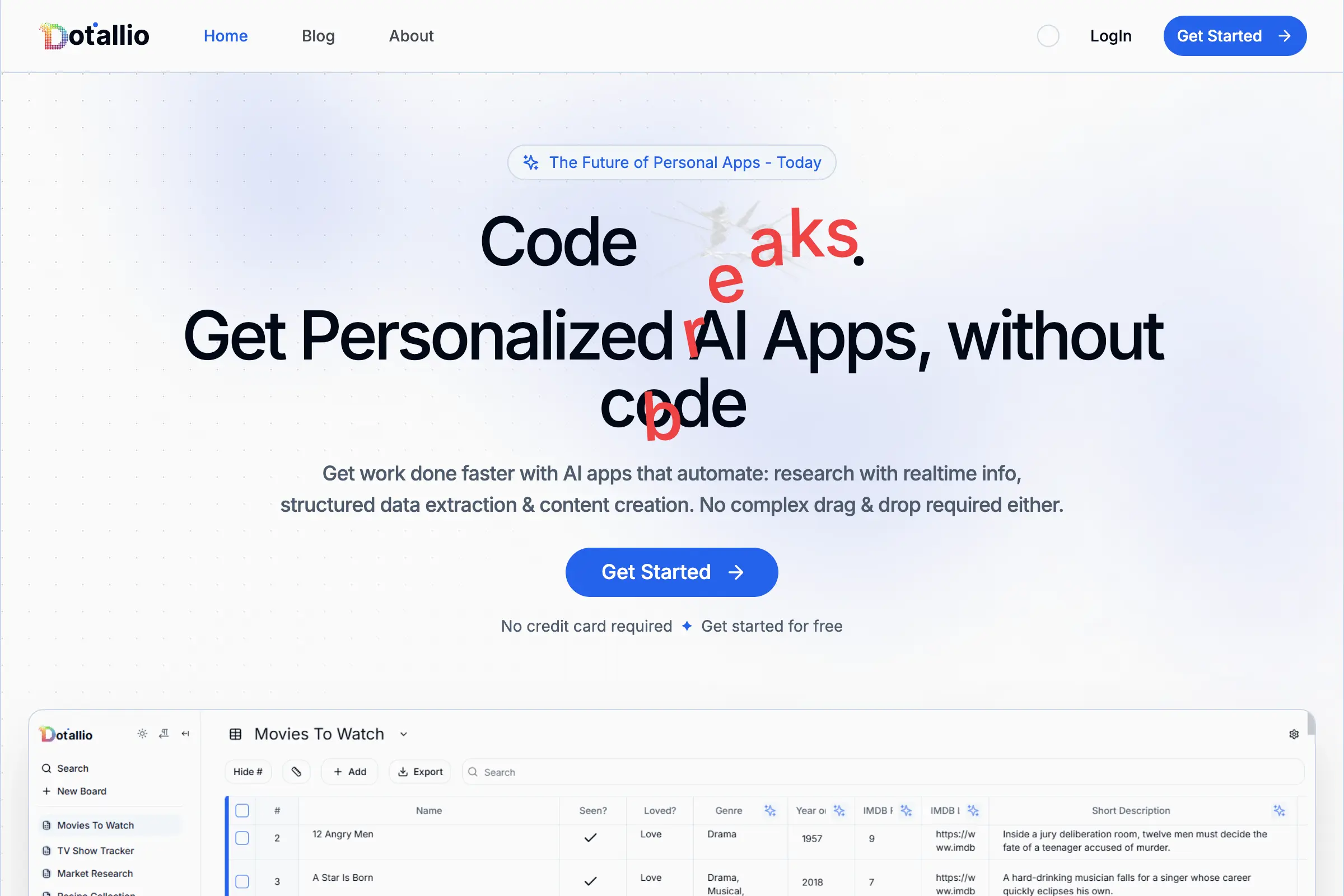
Dotallio
Personalized AI apps that automate research, data extraction, and content creation without code 🤖

Talk to Santa
Enjoy a magical live video chat or receive a unique AI-generated video greeting from Santa Claus 🎅

pozywka.pl
Scalable blog for food journalist, focused on performance and user experience 🌭
zagrodzki.me
Personal blog and portfolio of Bart Zagrodzki, where he shares his knowledge and work 💼
TurboStarter
Ship your startup everywhere. In minutes.
HTML to Markdown
Convert HTML to Markdown with ease, directly in your browser 📄
Dotallio
Personalized AI apps that automate research, data extraction, and content creation without code 🤖
Talk to Santa
Enjoy a magical live video chat or receive a unique AI-generated video greeting from Santa Claus 🎅
pozywka.pl
Scalable blog for food journalist, focused on performance and user experience 🌭
zagrodzki.me
Personal blog and portfolio of Bart Zagrodzki, where he shares his knowledge and work 💼
TurboStarter
Ship your startup everywhere. In minutes.
HTML to Markdown
Convert HTML to Markdown with ease, directly in your browser 📄
Dotallio
Personalized AI apps that automate research, data extraction, and content creation without code 🤖
Talk to Santa
Enjoy a magical live video chat or receive a unique AI-generated video greeting from Santa Claus 🎅
pozywka.pl
Scalable blog for food journalist, focused on performance and user experience 🌭
zagrodzki.me
Personal blog and portfolio of Bart Zagrodzki, where he shares his knowledge and work 💼
TurboStarter
Ship your startup everywhere. In minutes.
HTML to Markdown
Convert HTML to Markdown with ease, directly in your browser 📄
Dotallio
Personalized AI apps that automate research, data extraction, and content creation without code 🤖
Talk to Santa
Enjoy a magical live video chat or receive a unique AI-generated video greeting from Santa Claus 🎅
pozywka.pl
Scalable blog for food journalist, focused on performance and user experience 🌭
zagrodzki.me
Personal blog and portfolio of Bart Zagrodzki, where he shares his knowledge and work 💼
TurboStarter
Ship your startup everywhere. In minutes.
HTML to Markdown
Convert HTML to Markdown with ease, directly in your browser 📄
Omichat
Chat with 50+ AI models, including ChatGPT and Claude, in one place - switch models anytime without losing context 🤖
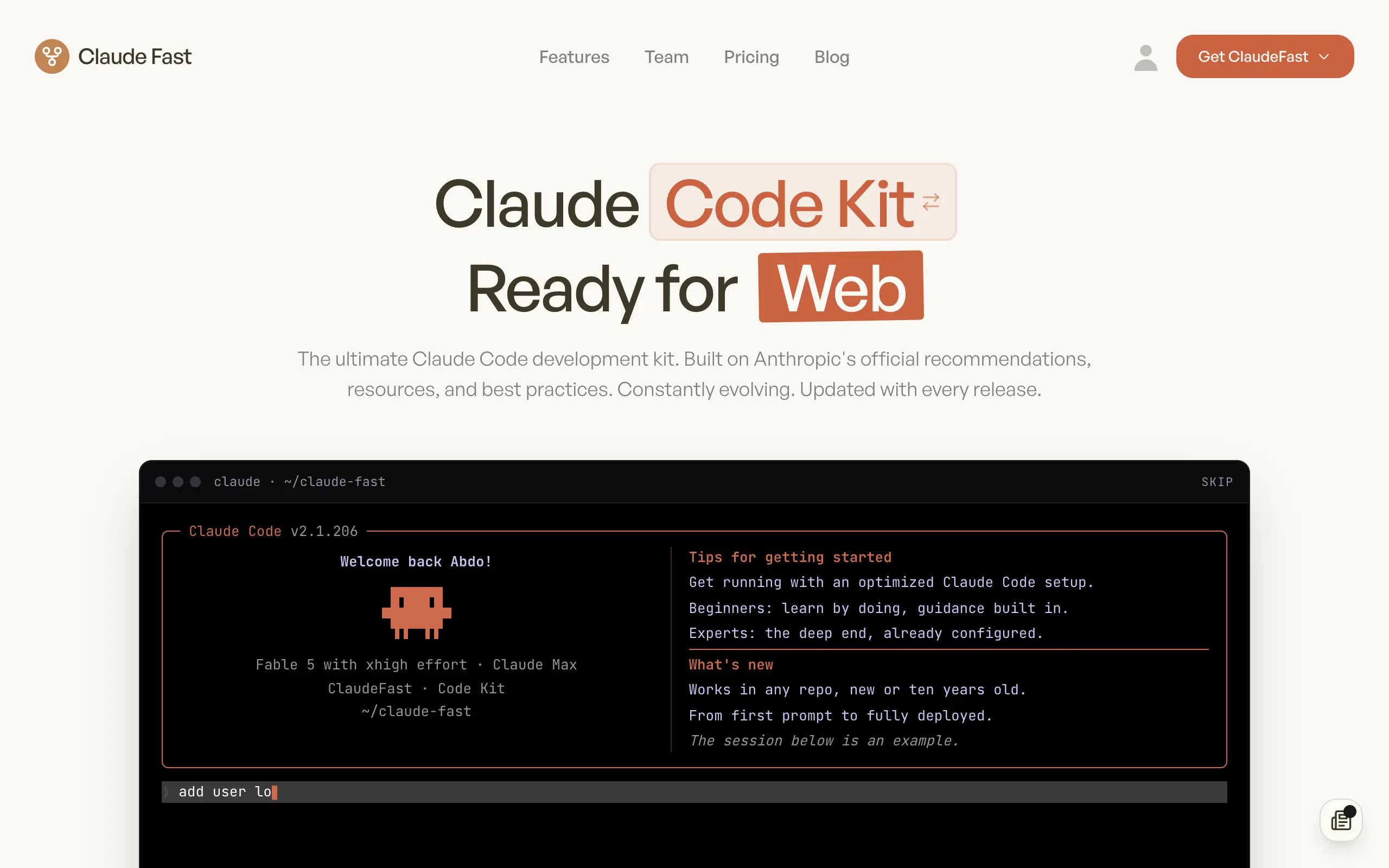
Claude Fast
Supercharge your Claude Code with 6x effective context window and specialized AI agents 🤖
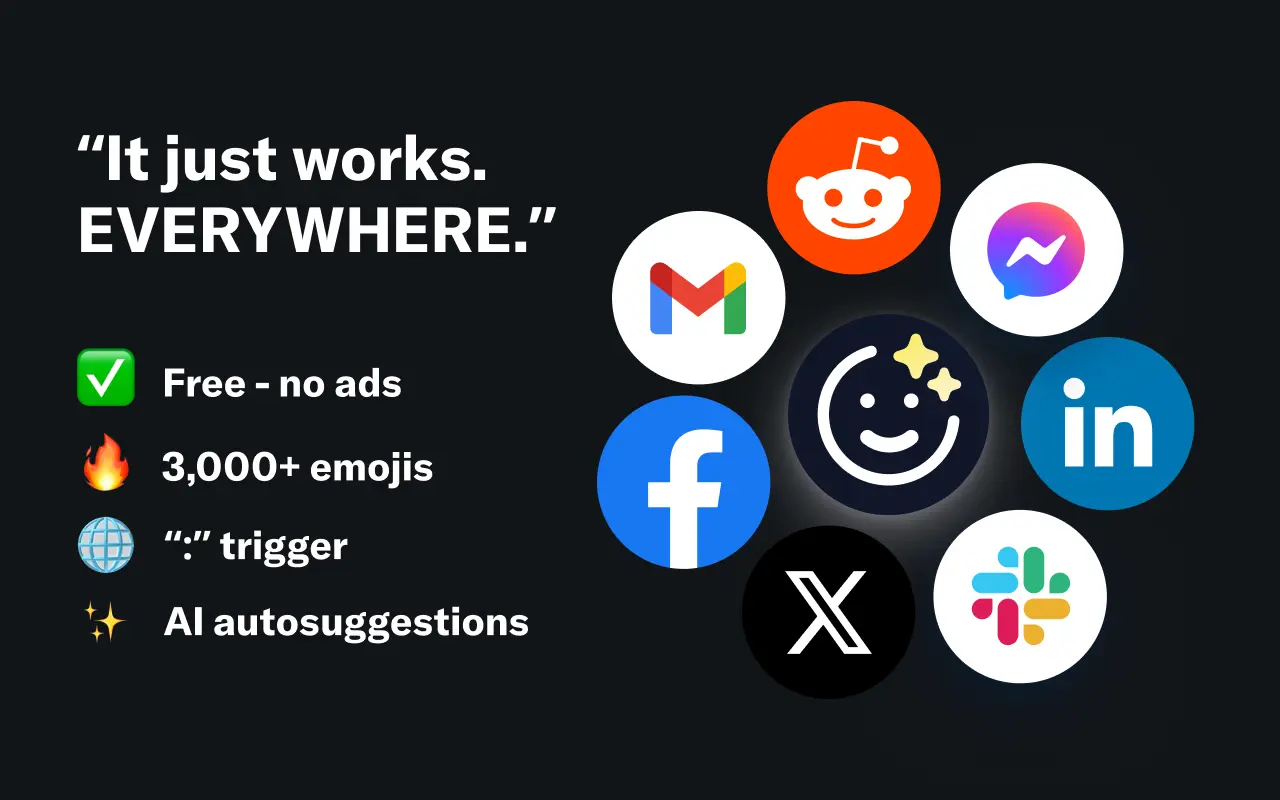
EmojAI
AI-powered emoji picker with smart, context-aware suggestions 🤖
Solohacker
Autonomous company launcher - AI agents work 24/7, escalate what matters, and you stay in control 🤖

BeRawi: Storytelling Coach
Practice storytelling daily with instant feedback to sound clearer, more engaging, and confident 🎤
Omichat
Chat with 50+ AI models, including ChatGPT and Claude, in one place - switch models anytime without losing context 🤖
Claude Fast
Supercharge your Claude Code with 6x effective context window and specialized AI agents 🤖
EmojAI
AI-powered emoji picker with smart, context-aware suggestions 🤖
Solohacker
Autonomous company launcher - AI agents work 24/7, escalate what matters, and you stay in control 🤖
BeRawi: Storytelling Coach
Practice storytelling daily with instant feedback to sound clearer, more engaging, and confident 🎤
Omichat
Chat with 50+ AI models, including ChatGPT and Claude, in one place - switch models anytime without losing context 🤖
Claude Fast
Supercharge your Claude Code with 6x effective context window and specialized AI agents 🤖
EmojAI
AI-powered emoji picker with smart, context-aware suggestions 🤖
Solohacker
Autonomous company launcher - AI agents work 24/7, escalate what matters, and you stay in control 🤖
BeRawi: Storytelling Coach
Practice storytelling daily with instant feedback to sound clearer, more engaging, and confident 🎤
Omichat
Chat with 50+ AI models, including ChatGPT and Claude, in one place - switch models anytime without losing context 🤖
Claude Fast
Supercharge your Claude Code with 6x effective context window and specialized AI agents 🤖
EmojAI
AI-powered emoji picker with smart, context-aware suggestions 🤖
Solohacker
Autonomous company launcher - AI agents work 24/7, escalate what matters, and you stay in control 🤖
BeRawi: Storytelling Coach
Practice storytelling daily with instant feedback to sound clearer, more engaging, and confident 🎤

Connect with like-minded people
Join our community to get feedback, support, and grow together with 1,000+ builders on board, let's ship it!
Join usShip your startup everywhere. In minutes.
Don't burn tokens on setup and start building features on day one.