CityPermit AI
Smart platform that helps Israelis navigate municipal permits by analyzing requirements, auto-filling forms, and predicting approval timelines.
understanding the opportunity behind citypermit ai
Municipal permitting is one of the most frustrating, opaque, and time-consuming processes for businesses, contractors, architects, and property owners—especially in highly regulated environments like Israel. From building permits and zoning approvals to signage, renovation, and business licenses, navigating local authorities often requires deep familiarity with bureaucratic workflows, documentation requirements, and ever-changing regulations.
This is exactly where CityPermit AI creates value: a smart, AI-powered platform that simplifies, predicts, and automates municipal permit processes in Israel.
The primary keyword here is “AI municipal permit platform”, supported by related terms like permit automation software, construction permit AI, smart city compliance tools, Israeli municipal permits, permit approval prediction software, and AI form autofill systems.
This article explores the full strategic potential of CityPermit AI—from market demand and product architecture to monetization and implementation.
the problem: why municipal permits are broken
Anyone who has dealt with municipal permits in Israel knows the pain points:
- Requirements vary between cities (Tel Aviv vs. Haifa vs. Jerusalem)
- Documentation is often unclear or inconsistently enforced
- Approval timelines are unpredictable
- Manual form filling is repetitive and error-prone
- Rejections often occur due to small technicalities
- There’s little transparency into application status
These inefficiencies create real economic consequences:
- Delayed construction projects
- Increased legal and consulting costs
- Lost revenue for businesses waiting on approvals
- Frustration for both citizens and municipalities
Market signal
Governments worldwide are investing heavily in digitization and smart city infrastructure. Israel, known for its GovTech innovation, is a prime market for AI-driven compliance tools.
target audience: who needs citypermit ai most
CityPermit AI operates primarily as a B2B SaaS platform, but its reach spans multiple user segments.
core customer segments
1. construction and real estate firms
- Developers managing multiple permit applications
- Architects submitting plans across municipalities
- Contractors needing fast approvals to maintain timelines
2. small and medium businesses (SMBs)
- Retail shops applying for signage permits
- Restaurants navigating health and zoning approvals
- Offices handling renovations or expansions
3. legal and consulting firms
- Professionals who specialize in municipal compliance
- Permit expeditors and regulatory consultants
4. municipalities (secondary market)
- Cities looking to modernize workflows
- Departments aiming to reduce backlog and improve efficiency
the solution: how citypermit ai works
CityPermit AI is not just a document tool—it’s a predictive, intelligent permit assistant.
key capabilities
1. requirement analysis engine
- Users input project details (location, type, scope)
- AI parses municipal regulations and identifies:
- Required permits
- Necessary documents
- Applicable constraints
2. automated form filling
- Extracts user data and pre-fills official forms
- Reduces manual entry errors
- Supports document uploads and validation
3. approval timeline prediction
- Uses historical data and ML models
- Estimates:
- Likelihood of approval
- Expected processing time
- Potential bottlenecks
4. compliance recommendations
- Flags missing documents
- Suggests corrections before submission
- Offers “approval optimization” tips
5. centralized dashboard
- Track all applications across municipalities
- Monitor status updates
- Receive alerts for required actions
product architecture: building a scalable ai permit platform
Designing CityPermit AI requires careful architectural planning.
frontend stack
- React for dynamic UI
- TailwindCSS for rapid styling
- Dashboard-centric UX optimized for professionals
backend stack
- Node.js or Python (FastAPI) for API services
- PostgreSQL for structured data
- ElasticSearch for regulation search
AI and ML components
- NLP models for parsing municipal regulations
- Predictive models for approval timelines
- Document processing using OCR tools
Example of a simplified AI pipeline:
async function analyzePermit(applicationData) {
  const requirements = await parseRegulations(applicationData.location);
  const completenessScore = validateDocuments(applicationData.docs, requirements);
  const prediction = await predictApproval(applicationData);

  return {
    requirements,
    completenessScore,
    prediction
  };
}
integrations
- Government APIs (if available)
- GIS mapping systems
- Document storage (AWS S3 or similar)
competitive landscape: where citypermit ai stands
The market includes several adjacent solutions but few direct competitors.
| Feature | Manual Process | Generic SaaS | Gov Portals | CityPermit AI | Consultants |
|---|---|---|---|---|---|
| Automation | ❌ | ✅ | ❌ | ✅ | ❌ |
| AI predictions | ❌ | ❌ | ❌ | ✅ | ❌ |
key differentiation
CityPermit AI stands out through:
- Localization for Israeli municipalities
- Predictive intelligence (not just automation)
- End-to-end workflow management
- Data-driven insights into approvals
monetization strategy: how citypermit ai makes money
A strong SaaS monetization model is critical for sustainability.
pricing tiers
1. subscription plans
- Basic: limited applications/month
- Pro: unlimited usage + analytics
- Enterprise: team collaboration + API access
2. pay-per-permit model
- Charge per submission or analysis
- Ideal for occasional users
3. enterprise licensing
- For large construction firms or municipalities
- Includes customization and integrations
4. add-on services
- Premium support
- Regulatory updates feed
- Advanced analytics dashboards
market opportunity and timing
Israel is uniquely positioned for CityPermit AI due to:
- Dense urban development
- High regulatory complexity
- Strong startup ecosystem
- Government push toward digitization
Globally, the GovTech market is projected to grow significantly (reference: Deloitte or McKinsey reports on digital government transformation).
This positions CityPermit AI for:
- Expansion into Europe (similar regulatory complexity)
- Smart city integrations
- Cross-border compliance tools
risks and mitigation strategies
regulatory complexity
- Regulations change frequently
- Solution: continuous data updates + partnerships with legal experts
data accuracy
- Incorrect predictions can harm trust
- Solution: transparent confidence scores and disclaimers
government resistance
- Some municipalities may resist integration
- Solution: start with private-sector users, expand gradually
user trust
- Professionals rely on accuracy
- Solution: build credibility through case studies and audits
Critical risk
If the platform provides incorrect compliance advice, it could create legal liability. Strong validation layers and human-in-the-loop systems are essential early on.
user experience: what makes it sticky
CityPermit AI should feel like a smart assistant, not a bureaucratic tool.
ux principles
- Minimal input, maximum output
- Visual progress tracking
- Clear next steps at all times
- Context-aware suggestions
Fast onboarding
Users can start a permit application in minutes with guided inputs.
Clarity first
Complex requirements are translated into simple, actionable steps.
Predictive insights
Users see approval likelihood before submitting.
seo strategy for growth
To dominate search rankings, CityPermit AI should target:
primary keywords
- AI municipal permit platform
- permit automation software Israel
- construction permit AI tool
long-tail keywords
- how to get building permits in Israel faster
- AI tool for municipal approvals
- automate permit applications Israel
content strategy
- Educational blog posts
- Municipality-specific guides
- Case studies with real users
- SEO landing pages per permit type
implementation roadmap
Building CityPermit AI should follow a phased approach.
go-to-market strategy
initial traction
- Partner with architecture firms
- Offer free trials to early adopters
- Target construction communities
growth channels
- SEO content marketing
- LinkedIn outreach
- Industry events (real estate, GovTech)
partnerships
- Legal firms
- Municipal consultants
- Smart city initiatives
future expansion opportunities
CityPermit AI can evolve beyond permits:
- Full compliance management platform
- Integration with construction project tools
- AI-powered urban planning insights
- Cross-country regulatory engine
why this idea has strong startup potential
CityPermit AI sits at the intersection of:
- AI automation
- GovTech innovation
- Real estate and construction demand
Its strengths include:
- High pain point intensity
- Recurring usage
- Strong willingness to pay
- Limited direct competition
actionable next steps to build citypermit ai
If you're serious about launching this SaaS:
- Interview 20+ professionals in the Israeli permit ecosystem
- Identify top 3 permit types to focus on
- Build a lightweight MVP with AI-assisted forms
- Launch a landing page and collect early adopters
- Iterate based on real usage data
To accelerate development, consider using a proven SaaS starter kit like TurboStarter, which can significantly reduce setup time and help you focus on core product logic instead of infrastructure.
final thoughts
CityPermit AI is more than a productivity tool—it’s a transformation layer for bureaucratic systems. By combining AI, automation, and localized expertise, it can turn one of the most frustrating processes into a streamlined, predictable experience.
The opportunity is real, the timing is right, and the problem is painfully obvious. Execution will determine whether it becomes a niche tool or a category-defining platform.
More 🏢 B2B Application SaaS ideas
Discover more innovative b2b application SaaS ideas that are trending in 2026. Each idea is AI-generated with market validation and growth potential to help you find your next profitable venture faster than competitors.
Your competitors are building with TurboStarter
Below are some of the SaaS ideas that have been generated and built with our starter kit.

Statiko
Monitor any Telegram channel in real time - track posts, edits, deletions, and growth with AI recaps 📡

Shibui
AI website builder - describe your business, pick a niche template, edit by chatting, and publish instantly ✨

Pro Service
Find verified home service professionals, compare quotes, and pay securely through escrow - built for Brazilians across the US 🏠
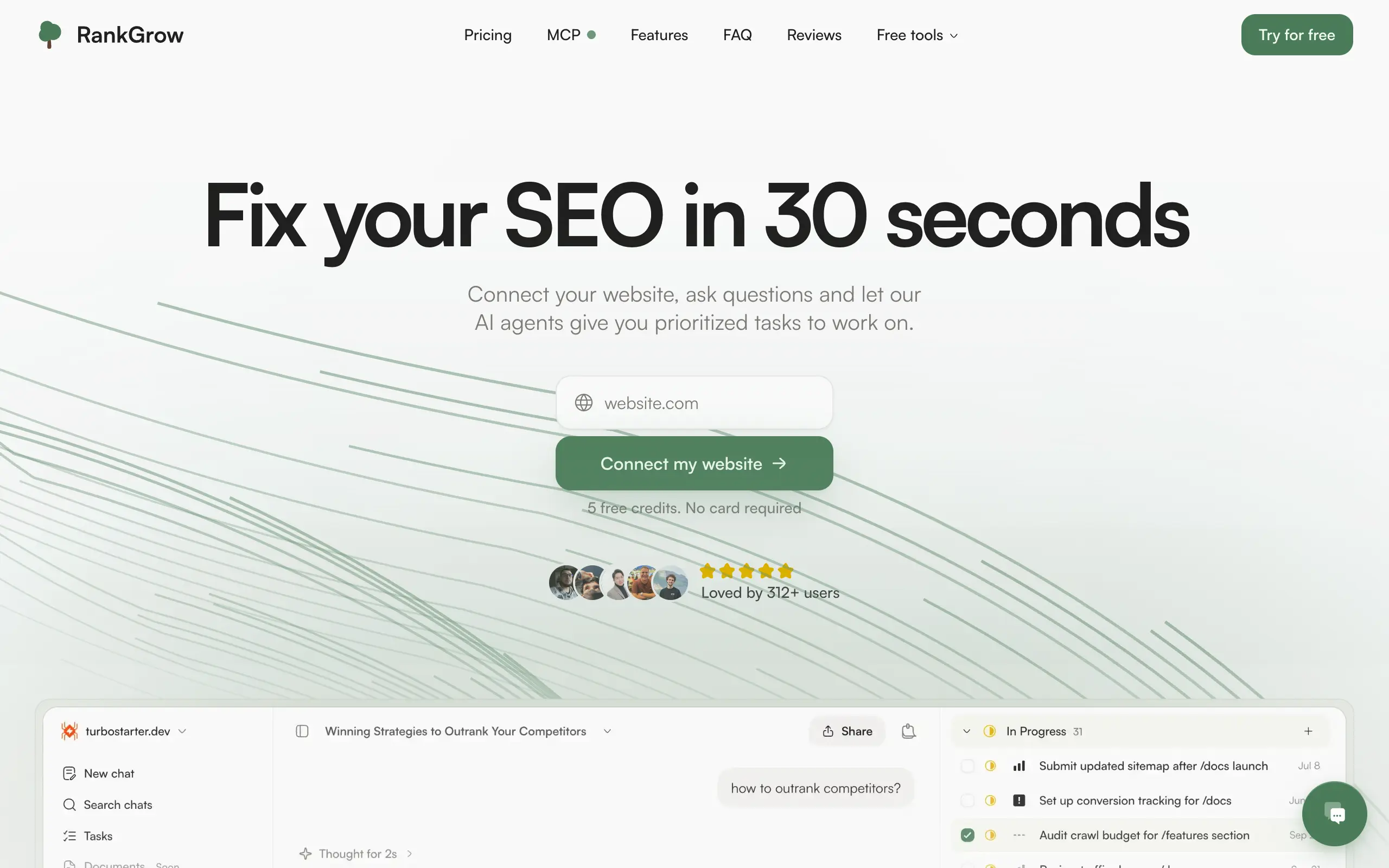
RankGrow
Fix your SEO with AI agents - connect Search Console, get prioritized tasks, and grow organic traffic 📈
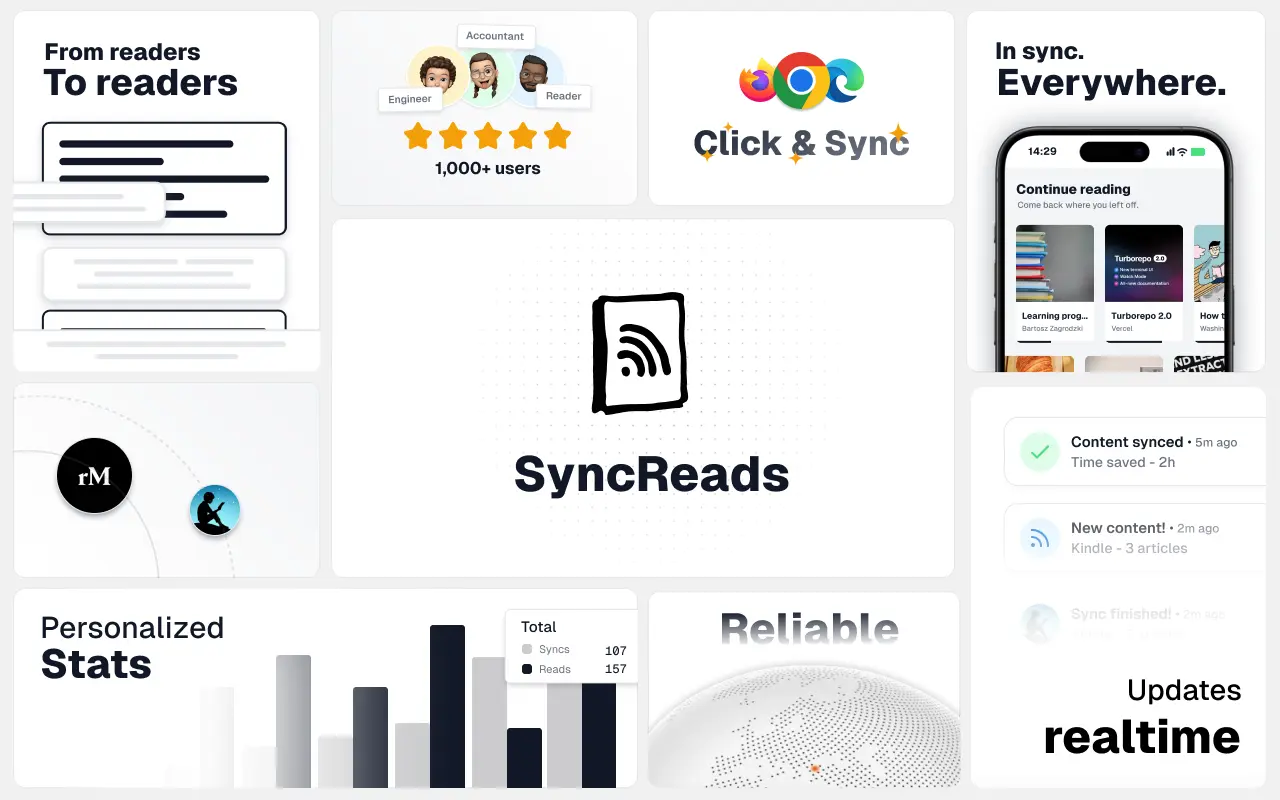
SyncReads
Sync your favorite content for distraction-free reading, save time and replace multiple apps. Anytime, anywhere 🔄
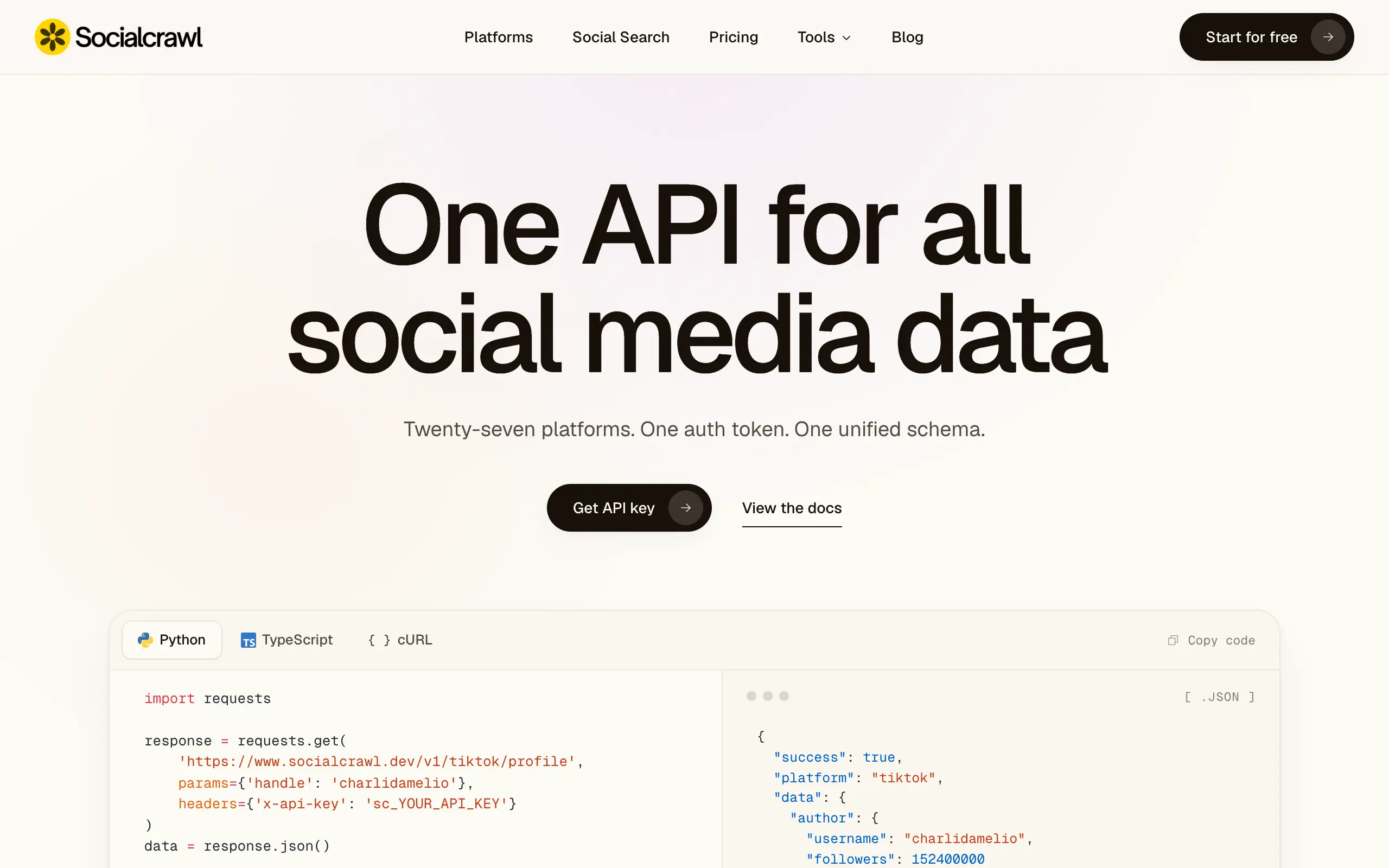
Socialcrawl
Get clean, structured data from 21 platforms like TikTok, Instagram, and YouTube with a single request 📊
Statiko
Monitor any Telegram channel in real time - track posts, edits, deletions, and growth with AI recaps 📡
Shibui
AI website builder - describe your business, pick a niche template, edit by chatting, and publish instantly ✨
Pro Service
Find verified home service professionals, compare quotes, and pay securely through escrow - built for Brazilians across the US 🏠
RankGrow
Fix your SEO with AI agents - connect Search Console, get prioritized tasks, and grow organic traffic 📈
SyncReads
Sync your favorite content for distraction-free reading, save time and replace multiple apps. Anytime, anywhere 🔄
Socialcrawl
Get clean, structured data from 21 platforms like TikTok, Instagram, and YouTube with a single request 📊
Statiko
Monitor any Telegram channel in real time - track posts, edits, deletions, and growth with AI recaps 📡
Shibui
AI website builder - describe your business, pick a niche template, edit by chatting, and publish instantly ✨
Pro Service
Find verified home service professionals, compare quotes, and pay securely through escrow - built for Brazilians across the US 🏠
RankGrow
Fix your SEO with AI agents - connect Search Console, get prioritized tasks, and grow organic traffic 📈
SyncReads
Sync your favorite content for distraction-free reading, save time and replace multiple apps. Anytime, anywhere 🔄
Socialcrawl
Get clean, structured data from 21 platforms like TikTok, Instagram, and YouTube with a single request 📊
Statiko
Monitor any Telegram channel in real time - track posts, edits, deletions, and growth with AI recaps 📡
Shibui
AI website builder - describe your business, pick a niche template, edit by chatting, and publish instantly ✨
Pro Service
Find verified home service professionals, compare quotes, and pay securely through escrow - built for Brazilians across the US 🏠
RankGrow
Fix your SEO with AI agents - connect Search Console, get prioritized tasks, and grow organic traffic 📈
SyncReads
Sync your favorite content for distraction-free reading, save time and replace multiple apps. Anytime, anywhere 🔄
Socialcrawl
Get clean, structured data from 21 platforms like TikTok, Instagram, and YouTube with a single request 📊
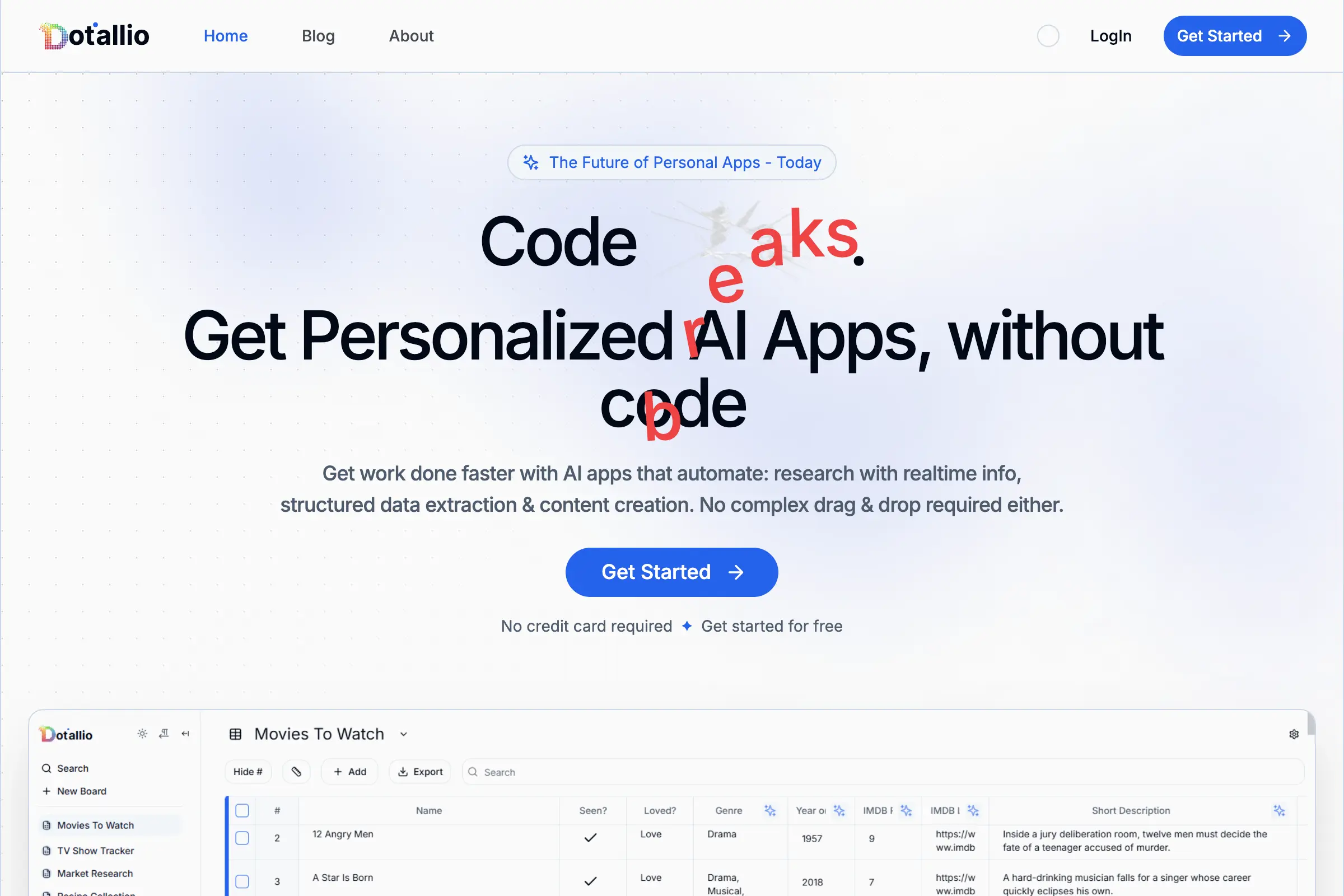
Dotallio
Personalized AI apps that automate research, data extraction, and content creation without code 🤖

Talk to Santa
Enjoy a magical live video chat or receive a unique AI-generated video greeting from Santa Claus 🎅

pozywka.pl
Scalable blog for food journalist, focused on performance and user experience 🌭
zagrodzki.me
Personal blog and portfolio of Bart Zagrodzki, where he shares his knowledge and work 💼
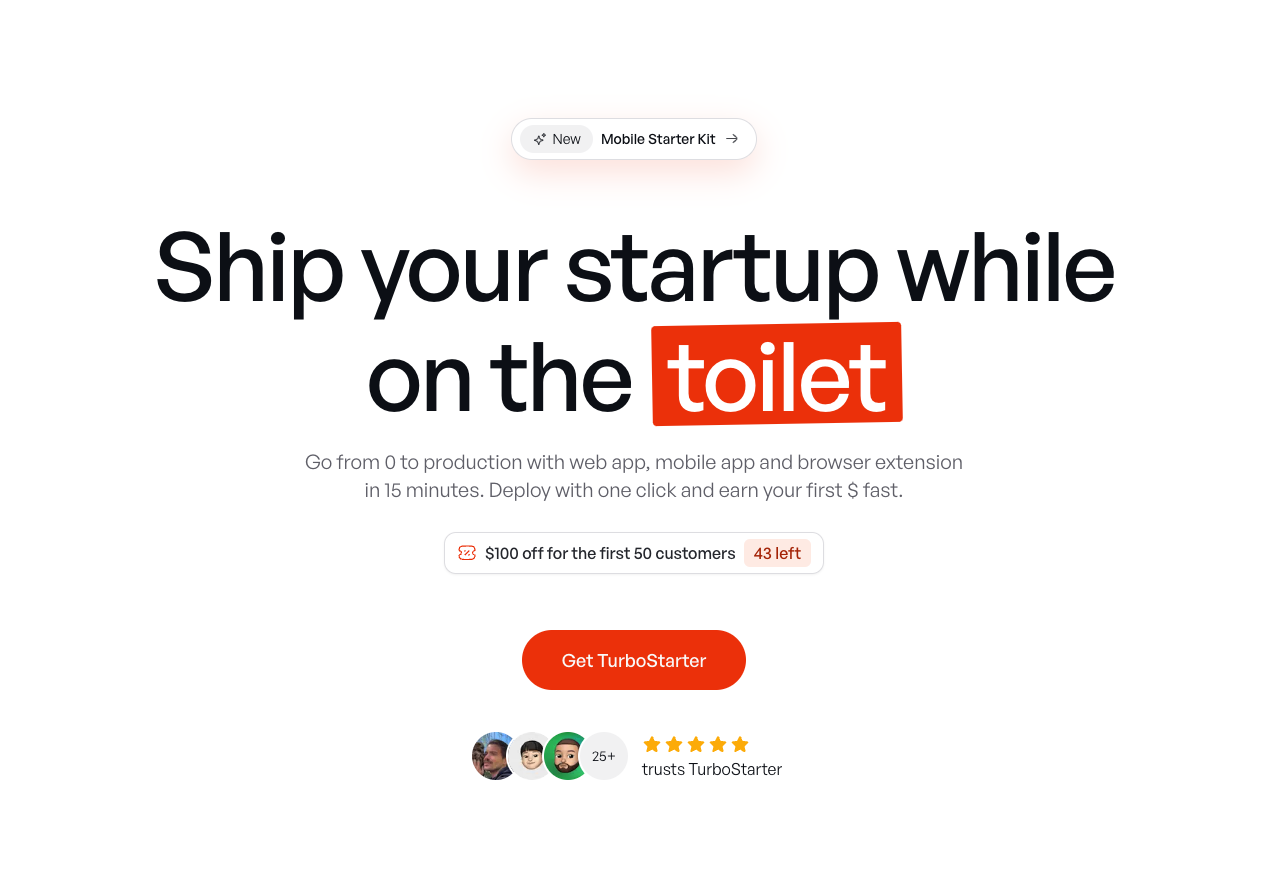
TurboStarter
Ship your startup everywhere. In minutes.
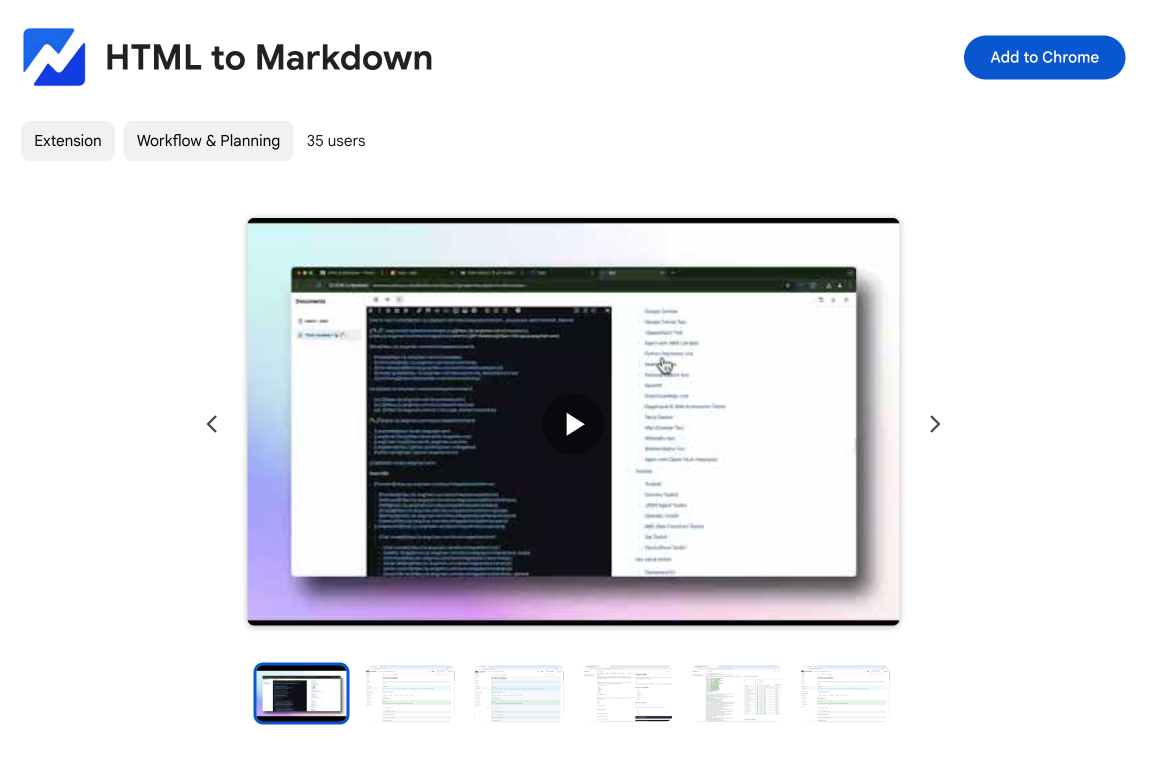
HTML to Markdown
Convert HTML to Markdown with ease, directly in your browser 📄
Dotallio
Personalized AI apps that automate research, data extraction, and content creation without code 🤖
Talk to Santa
Enjoy a magical live video chat or receive a unique AI-generated video greeting from Santa Claus 🎅
pozywka.pl
Scalable blog for food journalist, focused on performance and user experience 🌭
zagrodzki.me
Personal blog and portfolio of Bart Zagrodzki, where he shares his knowledge and work 💼
TurboStarter
Ship your startup everywhere. In minutes.
HTML to Markdown
Convert HTML to Markdown with ease, directly in your browser 📄
Dotallio
Personalized AI apps that automate research, data extraction, and content creation without code 🤖
Talk to Santa
Enjoy a magical live video chat or receive a unique AI-generated video greeting from Santa Claus 🎅
pozywka.pl
Scalable blog for food journalist, focused on performance and user experience 🌭
zagrodzki.me
Personal blog and portfolio of Bart Zagrodzki, where he shares his knowledge and work 💼
TurboStarter
Ship your startup everywhere. In minutes.
HTML to Markdown
Convert HTML to Markdown with ease, directly in your browser 📄
Dotallio
Personalized AI apps that automate research, data extraction, and content creation without code 🤖
Talk to Santa
Enjoy a magical live video chat or receive a unique AI-generated video greeting from Santa Claus 🎅
pozywka.pl
Scalable blog for food journalist, focused on performance and user experience 🌭
zagrodzki.me
Personal blog and portfolio of Bart Zagrodzki, where he shares his knowledge and work 💼
TurboStarter
Ship your startup everywhere. In minutes.
HTML to Markdown
Convert HTML to Markdown with ease, directly in your browser 📄
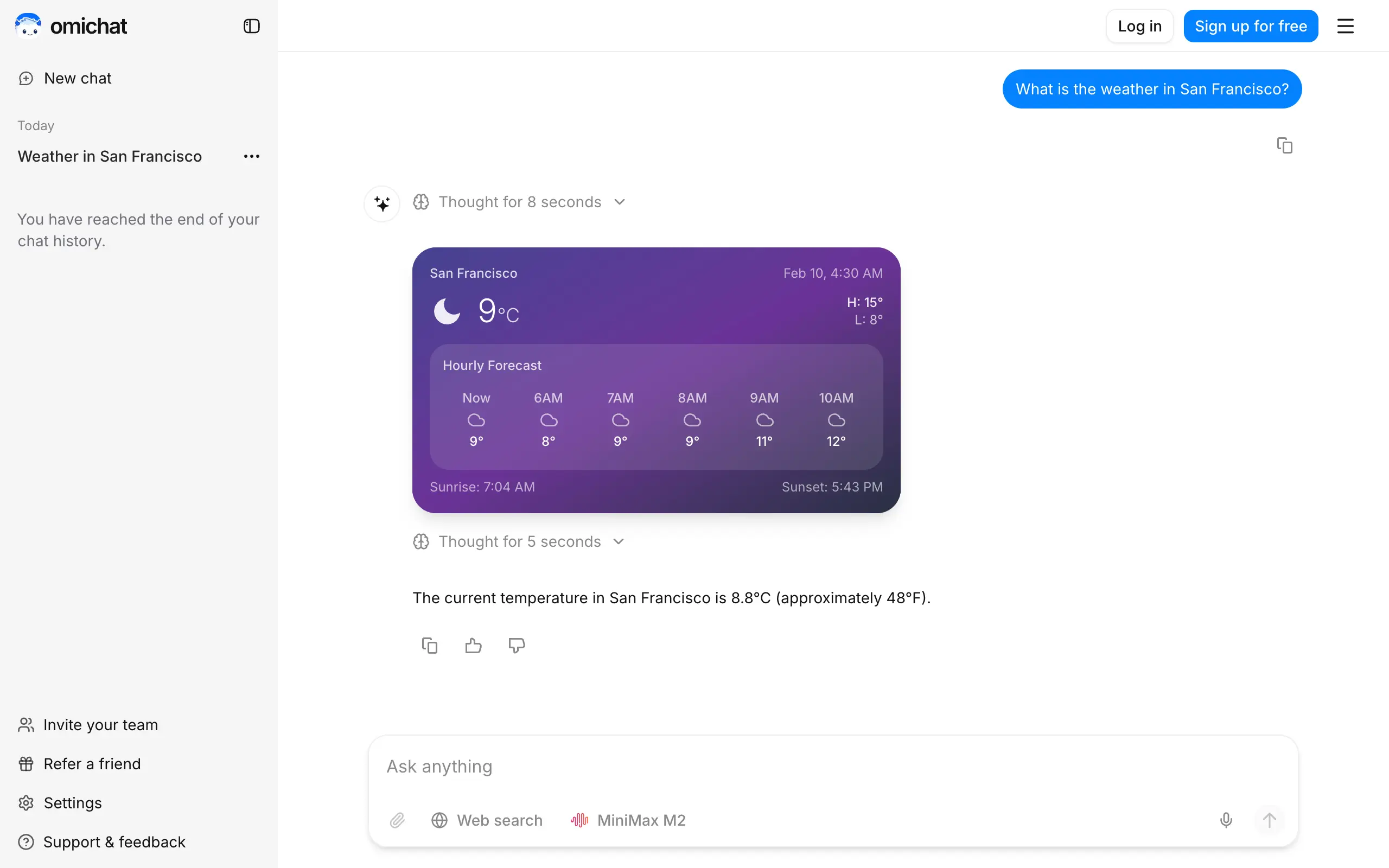
Omichat
Chat with 50+ AI models, including ChatGPT and Claude, in one place - switch models anytime without losing context 🤖
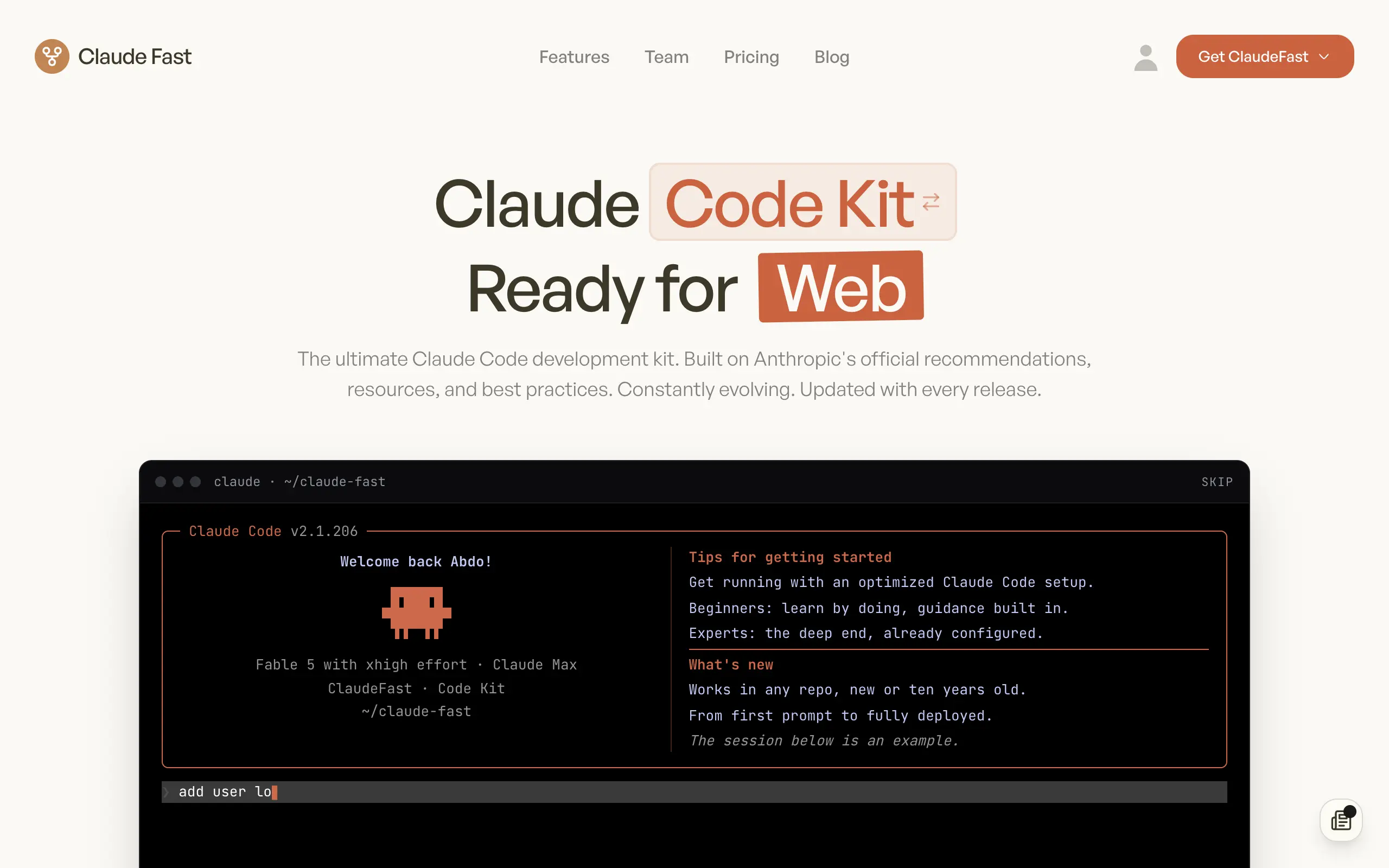
Claude Fast
Supercharge your Claude Code with 6x effective context window and specialized AI agents 🤖
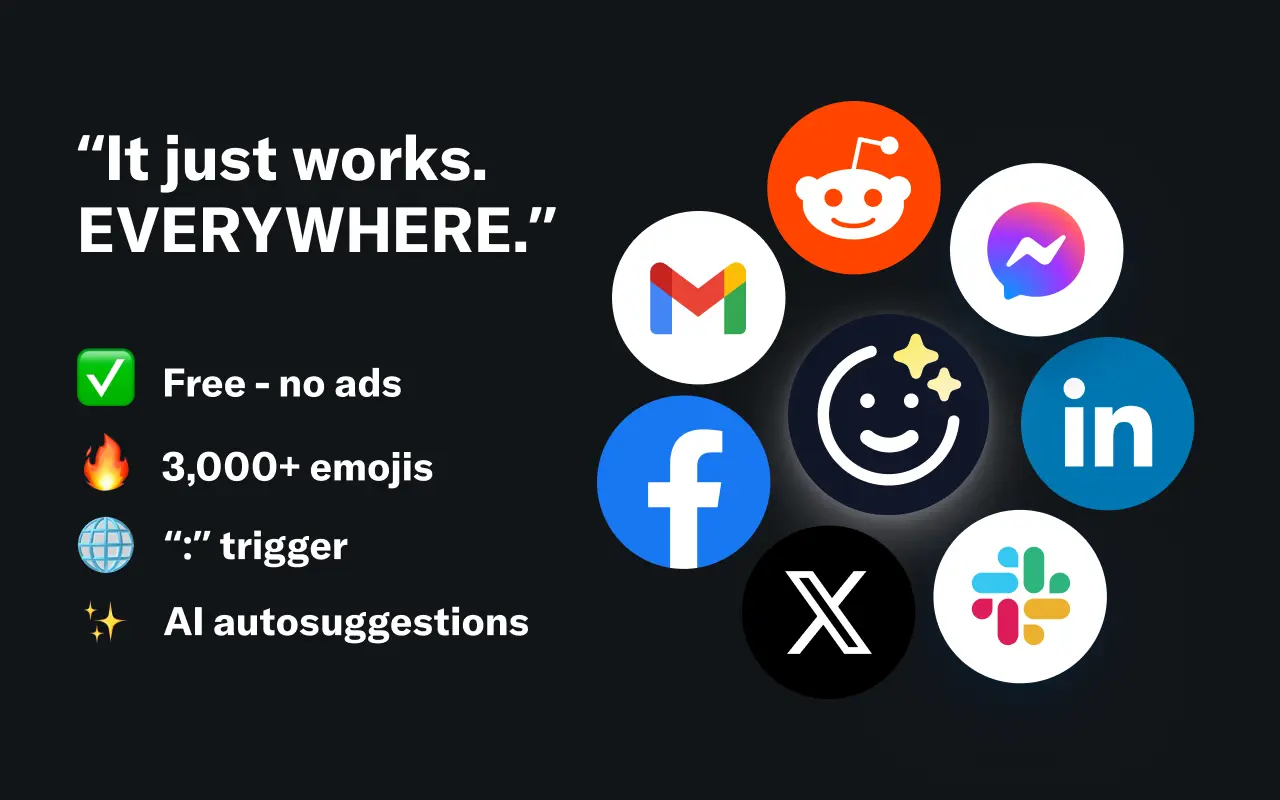
EmojAI
AI-powered emoji picker with smart, context-aware suggestions 🤖
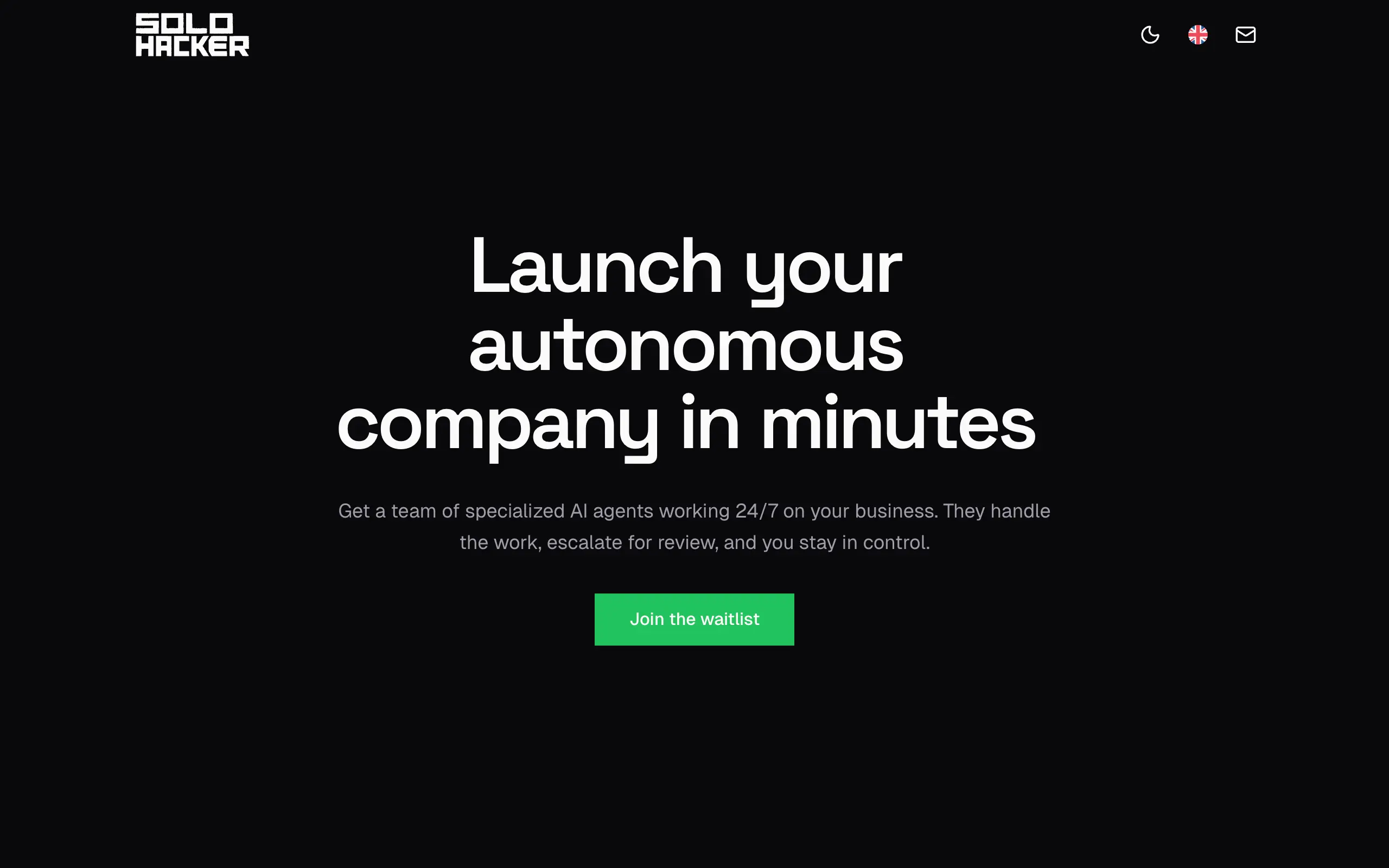
Solohacker
Autonomous company launcher - AI agents work 24/7, escalate what matters, and you stay in control 🤖

BeRawi: Storytelling Coach
Practice storytelling daily with instant feedback to sound clearer, more engaging, and confident 🎤
Omichat
Chat with 50+ AI models, including ChatGPT and Claude, in one place - switch models anytime without losing context 🤖
Claude Fast
Supercharge your Claude Code with 6x effective context window and specialized AI agents 🤖
EmojAI
AI-powered emoji picker with smart, context-aware suggestions 🤖
Solohacker
Autonomous company launcher - AI agents work 24/7, escalate what matters, and you stay in control 🤖
BeRawi: Storytelling Coach
Practice storytelling daily with instant feedback to sound clearer, more engaging, and confident 🎤
Omichat
Chat with 50+ AI models, including ChatGPT and Claude, in one place - switch models anytime without losing context 🤖
Claude Fast
Supercharge your Claude Code with 6x effective context window and specialized AI agents 🤖
EmojAI
AI-powered emoji picker with smart, context-aware suggestions 🤖
Solohacker
Autonomous company launcher - AI agents work 24/7, escalate what matters, and you stay in control 🤖
BeRawi: Storytelling Coach
Practice storytelling daily with instant feedback to sound clearer, more engaging, and confident 🎤
Omichat
Chat with 50+ AI models, including ChatGPT and Claude, in one place - switch models anytime without losing context 🤖
Claude Fast
Supercharge your Claude Code with 6x effective context window and specialized AI agents 🤖
EmojAI
AI-powered emoji picker with smart, context-aware suggestions 🤖
Solohacker
Autonomous company launcher - AI agents work 24/7, escalate what matters, and you stay in control 🤖
BeRawi: Storytelling Coach
Practice storytelling daily with instant feedback to sound clearer, more engaging, and confident 🎤

Connect with like-minded people
Join our community to get feedback, support, and grow together with 1,000+ builders on board, let's ship it!
Join usShip your startup everywhere. In minutes.
Don't burn tokens on setup and start building features on day one.