ClauseSignal
AI contract change tracker that flags risky clause edits across vendor renewals, helping procurement teams protect margins and reduce legal review time.
Procurement teams rarely lose margin because a contract was completely ignored. More often, value leaks through a small change that looks routine during a renewal: a revised auto-renewal date, a broader limitation of liability, a new price-escalation mechanism, a deleted service-level credit, or a supplier-friendly change to termination rights.
That is the problem an AI contract change tracker such as ClauseSignal is built to solve.
ClauseSignal helps procurement, finance, legal, and vendor-management teams compare contract versions, identify commercially risky clause edits, prioritize review, and create a reliable audit trail for every vendor renewal. Rather than treating contract redlines as a generic document-comparison task, it focuses on the clauses that affect spend, operational exposure, negotiating leverage, and margin protection.
For organizations managing dozens or hundreds of vendor renewals each year, contract change tracking software can turn a slow, manual legal-review workflow into a structured risk-management process.
The core opportunity
A procurement-first contract intelligence platform should not merely show that text changed. It should explain what changed, why the change matters commercially, who should review it, and what action the team should take next.
Why an AI contract change tracker matters for vendor renewals
Vendor renewals create a deceptively difficult operational problem. A renewal document may be only a few pages long, but it can amend an original agreement, replace a statement of work, reference a data-processing addendum, or modify pricing terms in an attachment. Teams must determine whether a supplier has changed language in ways that alter the original commercial deal.
Traditional review processes make this harder than it needs to be:
- Procurement receives a redline or PDF from the vendor.
- A category manager scans the document for obvious pricing changes.
- Legal is asked to review the entire agreement, often with limited context.
- Finance may not see revised escalation terms until late in the process.
- Stakeholders debate whether a modification is material.
- The renewal deadline approaches, reducing negotiating leverage.
A generic redline tool can identify deleted and inserted words. That is useful, but it does not answer the key business question: Does this edit create financial, legal, operational, privacy, or strategic risk?
ClauseSignal can address this gap by combining document comparison with clause classification, risk scoring, organization-specific policies, and workflow automation.
The difference between document comparison and contract risk intelligence
A basic document diff answers, “What text was modified?”
An effective AI contract change tracker answers questions such as:
- Did the supplier introduce a price increase that exceeds our policy threshold?
- Was a unilateral renewal or price-adjustment right added?
- Did the limitation of liability become less favorable?
- Has the vendor reduced service-level commitments or remedies?
- Was data-processing language changed in a way that needs privacy review?
- Did the contract change from annual to multi-year commitment terms?
- Which edits need legal attention, and which can procurement approve?
- Are similar vendor deviations appearing across a category?
That distinction becomes the foundation of ClauseSignal’s product positioning. The platform is not another contract repository or another generic AI chatbot. It is a renewal risk detection system for procurement teams.
Target audience for ClauseSignal
The best early customers are not every company that signs contracts. They are organizations with recurring vendor spend, distributed contract ownership, and enough renewal volume that manual review has become expensive or unreliable.
Primary users: procurement and sourcing teams
Strategic sourcing managers, procurement operations leads, category managers, and vendor managers are likely to be daily users. They need to prepare for renewals, recognize supplier-driven changes, and escalate the right issues without becoming contract-law specialists.
Their priorities typically include:
- Protecting negotiated pricing and discounts
- Enforcing preferred commercial terms
- Avoiding surprise renewals and auto-renewal deadlines
- Reducing cycle time for low-risk renewals
- Maintaining a complete vendor negotiation history
- Reporting supplier deviations to leadership
For these users, ClauseSignal should provide clear commercial language. Instead of only saying “Section 8.2 was modified,” the software should say that a vendor’s proposed edit removes a service-credit remedy and may weaken leverage when uptime commitments are missed.
Secondary users: in-house legal teams
Legal teams are essential stakeholders, especially in mid-market and enterprise accounts. In-house counsel often face growing contract volume without corresponding headcount. They need a triage mechanism that separates routine changes from material deviations.
ClauseSignal should help legal teams:
- Review only high-risk changes first
- See the original and revised clause in context
- Apply approved fallback positions
- Record legal decisions and exceptions
- Create an audit-ready rationale for approvals
- Identify repeat deviations from the same supplier or category
The product must avoid implying that AI replaces legal judgment. Its value is in surfacing, organizing, and explaining issues so qualified reviewers can make better decisions faster.
Supporting users: finance, security, privacy, and business owners
Renewal risk crosses functions. Finance cares about committed spend and escalators. Security teams care about security obligations, breach notices, audit rights, and subcontractor language. Privacy teams care about data use, cross-border transfers, and data-processing commitments. Business owners care about continuity, scope, and service quality.
A strong role-based workflow lets each stakeholder review the issues relevant to them without forcing everyone to read the full contract.
Procurement leader
Needs visibility into renewal exposure, supplier concessions, price changes, and policy compliance.
In-house counsel
Needs efficient legal triage, clause context, fallback language, and a defensible approval record.
Finance partner
Needs early detection of spend increases, index-linked pricing, and multi-year commitments.
Risk or security reviewer
Needs focused alerts for data, security, insurance, and operational liability changes.
Ideal customer profile
The most attractive initial market segment is likely a mid-market or enterprise organization with the following characteristics:
- Annual third-party vendor spend above a meaningful internal threshold
- At least 50 to 100 active vendor contracts
- Frequent software, services, logistics, facilities, or professional-services renewals
- A procurement function that owns renewal coordination
- Lean in-house legal resources
- Inconsistent use of a contract lifecycle management platform, or a CLM that lacks procurement-focused risk analysis
- A need to prove savings and reduce unmanaged spend
Early verticals could include technology companies, healthcare-adjacent organizations, financial services firms, multi-location retailers, professional services companies, and manufacturers. Each has vendor-contract complexity, although regulated sectors will demand stronger security and governance features from the start.
The market gap in contract change tracking software
The contract technology market includes contract lifecycle management platforms, e-signature providers, document repositories, legal AI tools, and generic comparison software. Many of these systems solve important problems, but there remains a practical gap between contract storage and actionable procurement decision-making.
Where existing tools fall short
A CLM may store contracts, route approvals, track obligations, and send renewal reminders. That is valuable, but renewal alerts do not automatically reveal whether a supplier changed a liability cap or inserted a new minimum-spend clause.
A legal AI assistant may summarize a contract or answer questions about a document. However, broad summaries are not necessarily tailored to procurement policy, commercial thresholds, or the baseline agreement being renewed.
A document-diff product may accurately display insertions and deletions. Yet a busy category manager still has to interpret the business effect of every change.
ClauseSignal’s market gap is the layer between these products:
AI-powered clause-level change intelligence designed around vendor renewal risk, procurement policy, and cross-functional escalation.
The timing is favorable
Several trends make this category more compelling:
- Procurement teams are under continued pressure to control costs and demonstrate savings.
- SaaS vendor portfolios have expanded, increasing renewal volume and decentralized purchasing risk.
- Legal teams are expected to support the business faster while managing outside-counsel costs.
- AI capabilities for document extraction, semantic comparison, and classification have become more practical.
- Security, privacy, and resilience expectations are making vendor terms more consequential.
- CFOs increasingly expect procurement to manage total contract value rather than only negotiate initial price.
When presenting market data to investors or enterprise buyers, support claims with credible research from sources such as Gartner, World Commerce & Contracting, Deloitte, or the relevant company’s annual procurement research. Avoid using broad market-size estimates unless the methodology and publication date are clearly cited.
ClauseSignal’s unique value proposition
ClauseSignal should position itself as the system that detects and explains commercially material contract changes before they become costly commitments.
Its unique selling proposition can be expressed simply:
ClauseSignal compares vendor contract versions, flags risky clause edits against your procurement policies, and routes only the right issues to the right reviewers.
This positioning has four important elements.
-
It is renewal-specific. The product understands that the relevant comparison is usually between a supplier’s proposed renewal and the currently executed agreement, not just between two arbitrary documents.
-
It is clause-aware. The platform recognizes clauses such as pricing, renewal, termination, liability, indemnity, data protection, service levels, audit rights, and assignment.
-
It is policy-aware. Risk is evaluated against the customer’s own approved positions, thresholds, playbooks, and exceptions.
-
It is workflow-oriented. Insights lead to action through assignments, approvals, comments, negotiation guidance, and reporting.
Core features for an AI contract change tracker
An initial product should solve one painful workflow exceptionally well before expanding into a broad contract lifecycle suite.
Contract ingestion and version matching
Users should be able to upload a baseline agreement and a proposed renewal in common formats, including DOCX and text-searchable PDF. The system should then identify the documents, extract text, and align corresponding sections.
Key capabilities include:
- Drag-and-drop document upload
- Email forwarding or shared inbox ingestion
- OCR for scanned PDFs
- Document version labeling
- Amendment and addendum association
- Contract metadata capture
- Baseline-versus-proposal comparison
- Confidence indicators where matching is uncertain
A robust version model is important. Real contracts are messy: clauses move, section numbers change, exhibits are replaced, and an amendment may affect only a narrow part of an original agreement. ClauseSignal needs to preserve the relationship between the original agreement, amendments, renewal order forms, and supporting attachments.
Clause detection and semantic comparison
This is the intelligence layer. Rather than comparing only individual words, the platform should segment the agreement into meaningful clauses and compare their legal and commercial meaning.
For example, changing “fees may increase by up to 3% annually” to “fees may increase by up to 10% annually or the Consumer Price Index, whichever is greater” is not merely a wording update. It materially changes the buyer’s cost exposure.
The system should detect:
- Added clauses
- Deleted clauses
- Modified clauses
- Moved clauses
- Changed numerical values
- Changes to dates, notice periods, and renewal terms
- Changes to defined terms that affect multiple sections
- Altered obligations, remedies, or rights
Risk taxonomy and prioritization
ClauseSignal should use a transparent risk taxonomy that procurement and legal teams can understand. A risk score should never be a mysterious number generated without explanation.
A useful model may consider:
- The clause category
- The magnitude of the semantic change
- Financial exposure
- Deviation from company policy
- Whether the clause was previously negotiated
- Supplier tier or criticality
- Contract value
- Contract term length
- Data sensitivity
- Jurisdiction or regulatory context
- Historical approval patterns
| Risk area | Example contract edit | Why it matters | Suggested owner | Priority |
|---|---|---|---|---|
| Pricing | Annual cap rises from 3% to 8% | Creates unplanned spend exposure | Procurement and finance | High |
| Auto-renewal | Notice window expands to 120 days | Reduces flexibility and may trigger unwanted renewal | Procurement | High |
| Liability | Cap excludes more vendor obligations | Shifts material loss risk to buyer | Legal | High |
| Service levels | Service credits removed | Weakens remedy for poor performance | Business owner and procurement | Medium |
| Assignment | Vendor can assign without consent | May affect continuity and counterparty risk | Legal | Medium |
Policy playbooks and fallback positions
The product becomes significantly stickier when customers can encode internal guidance. A procurement leader should be able to define a policy such as:
- Price increases above 5% require finance approval.
- Auto-renewal notice periods longer than 90 days require procurement escalation.
- Liability caps below a defined threshold require legal review.
- Vendors handling personal data must retain a data-processing addendum.
- Any change to audit rights must be reviewed by security or compliance.
Each policy needs flexibility. Mature companies often have different rules by spend tier, vendor category, business unit, geography, and criticality. ClauseSignal should begin with templates, then allow controlled customization.
Explainable AI findings
Trust depends on explanations. Every flag should show:
- The original clause excerpt
- The proposed clause excerpt
- A plain-language explanation of the change
- The relevant company policy or playbook rule
- The reason for the risk rating
- Recommended next steps
- A confidence level
- A link to the source document location
The product should explicitly distinguish between deterministic policy checks and AI-generated interpretation. This is especially important for legal and enterprise users who need to understand when a conclusion is rule-based versus probabilistic.
Do not overpromise legal automation
ClauseSignal should describe its analysis as decision support and risk triage, not legal advice. Human review remains essential for high-impact contractual decisions, ambiguous language, and jurisdiction-specific issues.
Collaborative review workflow
The platform should turn findings into accountable work. A practical review workflow includes:
- Assigning a finding to procurement, legal, finance, security, or a business owner
- Setting due dates based on renewal deadlines
- Adding comments and negotiation context
- Approving, rejecting, accepting, or requesting a vendor revision
- Recording exceptions with an approver and rationale
- Exporting a summary for internal approval meetings
- Maintaining a complete decision history
Notifications must be useful rather than noisy. Users should receive alerts for high-risk changes, overdue assigned items, approaching notice dates, and completed reviews. Low-risk formatting changes should be grouped or suppressed.
Analytics and renewal intelligence
Once a customer has reviewed enough renewals, ClauseSignal can surface patterns that are difficult to find in individual contracts:
- Suppliers that repeatedly propose unfavorable deviations
- Categories with the highest price-escalation pressure
- Clauses most often escalated to legal
- Time saved by auto-clearing low-risk edits
- Frequently approved exceptions that may signal an outdated policy
- Contract terms that correlate with slower renewal cycles
- Value at risk from unreviewed price and commitment changes
These analytics make ClauseSignal valuable to procurement leadership, not only individual contract reviewers.
How the AI contract review workflow should work
The ideal workflow should feel straightforward to a procurement manager facing a renewal deadline.
Example of a useful AI finding
A strong finding should be specific and action-oriented:
High-risk pricing change detected: The supplier replaced a fixed annual 3% fee cap with an increase tied to the greater of 8% or CPI. For a $500,000 annual contract, this could increase year-two cost by up to $40,000 before additional usage growth. This exceeds the company’s 5% escalation policy. Suggested action: request restoration of the prior cap or require finance approval.
That is more valuable than a generic “Pricing clause changed” alert because it connects the change to financial impact, internal policy, and a concrete next action.
Recommended technology stack for ClauseSignal
ClauseSignal needs a stack that supports secure document processing, reliable workflows, AI evaluation, and enterprise-grade auditability. The best initial architecture prioritizes explainability and controlled data handling over novelty.
Product application and user experience
For a modern web application, use React with Next.js. This combination supports server-rendered pages, secure backend routes, authentication integrations, and a responsive application experience.
Tailwind CSS is a practical choice for a consistent, maintainable design system. Contract review interfaces need dense but readable layouts: side-by-side clause comparisons, risk badges, filters, comments, and approval states.
For document viewing, consider a dedicated PDF-rendering layer and a DOCX-to-HTML conversion process. Preserve page references and source locations because users need to verify AI findings against the original agreement.
Backend and data architecture
A TypeScript-based backend can reduce context switching for a small product team. Node.js is well suited to web APIs, background job coordination, and integration workloads.
For the core data layer:
- PostgreSQL provides relational integrity for organizations, users, contracts, clauses, findings, policies, approvals, and audit events.
- Object storage such as Amazon S3 can hold encrypted source documents.
- A background job system should handle OCR, extraction, comparison, AI analysis, and notification delivery.
- A search index can improve retrieval across contracts, clauses, and prior decisions.
- Vector retrieval can support policy and precedent matching, but it should not replace structured records.
The central architectural principle is to store the extracted contract structure, source offsets, and deterministic analysis outputs as first-class data. Do not rely only on an LLM conversation history to explain a finding later.
AI and extraction layer
ClauseSignal’s intelligence layer should combine several techniques:
- Document parsing and OCR for text and layout extraction.
- Rule-based pattern detection for amounts, dates, notice periods, caps, and defined terms.
- Clause classification to label sections reliably.
- Semantic similarity models to identify meaningfully changed clauses even when wording or clause order differs.
- Large language models for plain-language summaries, impact explanations, and suggested review questions.
- Retrieval-augmented generation to ground explanations in company policy, clause playbooks, and approved fallback positions.
The trade-off is clear. A pure LLM approach is fast to prototype but can be inconsistent, difficult to audit, and vulnerable to unsupported conclusions. A fully rules-based engine is explainable but brittle when contracts vary widely. The strongest product uses deterministic checks where possible and constrained AI interpretation where necessary.
Security and enterprise controls
Contract data is sensitive. Even an early version should be designed with enterprise security expectations in mind.
Core controls should include:
- Encryption in transit and at rest
- Tenant isolation
- Role-based access control
- Single sign-on support for enterprise plans
- Audit logs for document access and approval actions
- Configurable retention and deletion policies
- Secure file scanning
- Data processing transparency
- Controls over AI provider data retention and training use
- Redaction options for especially sensitive content
For buyers in regulated industries, publish clear security documentation and pursue appropriate assurance programs as the company matures. Do not claim certifications until they are actually achieved.
A lean MVP can use managed authentication, PostgreSQL, encrypted object storage, background jobs, a document extraction provider, and a carefully selected AI API. The priority is proving accurate detection of high-value renewal changes with human review in the loop.
An enterprise-ready product adds SSO, SCIM, data residency options, detailed audit exports, custom retention, dedicated environments where needed, advanced role controls, API integrations, and formal security assurance processes.
A simple policy evaluation model
The following example illustrates how a deterministic rule can coexist with AI-generated explanation. It is intentionally simplified; production systems need robust validation, provenance, and human-review workflows.
type ClauseChange = {
  category: "pricing" | "renewal" | "liability" | "security";
  previousValue?: number;
  proposedValue?: number;
  summary: string;
};

type Finding = {
  severity: "low" | "medium" | "high";
  reason: string;
  requiresFinanceReview: boolean;
};

export function assessPricingChange(change: ClauseChange): Finding {
  const increase =
    change.previousValue && change.proposedValue
      ? (change.proposedValue - change.previousValue) / change.previousValue
      : 0;

  if (change.category === "pricing" && increase > 0.05) {
    return {
      severity: "high",
      reason: "The proposed increase exceeds the 5% pricing policy threshold.",
      requiresFinanceReview: true,
    };
  }

  return {
    severity: "low",
    reason: "No pricing policy breach detected from structured values.",
    requiresFinanceReview: false,
  };
}
Monetization strategy for ClauseSignal
ClauseSignal should use a pricing model that aligns with the customer value: reduced legal-review time, avoided unfavorable supplier terms, faster renewal cycles, and better procurement governance.
Recommended pricing structure
A hybrid subscription model is likely the most practical approach:
- Platform fee for core workspace, policy management, integrations, and reporting
- Usage allowance based on contracts, document pages, or renewal packages processed
- Seat tiers based on active reviewers and administrators
- Enterprise add-ons for SSO, advanced integrations, custom policy packs, API access, and premium support
A pure per-seat model can discourage broad collaboration, while a pure per-document model can make costs unpredictable. A hybrid model gives customers a predictable base price with room to scale.
Potential packaging
- "Starter": For smaller procurement teams with limited renewal volume and standard risk templates.
- "Growth": For mid-market companies that need custom policies, workflow routing, analytics, and integrations.
- "Enterprise": For high-volume organizations requiring SSO, advanced controls, APIs, dedicated support, and configurable governance.
Avoid pricing that implies every uploaded document is fully “legally reviewed” by the product. The commercial promise should be about automated triage, visibility, and operational efficiency.
Value-based sales narrative
The financial case can be framed around several measurable outcomes:
- Fewer hours of legal review for low-risk renewals
- Earlier identification of price increases and unfavorable commitments
- Reduced missed notice deadlines
- Faster internal approval cycles
- Greater adherence to standard procurement positions
- Better audit readiness
- More negotiation leverage before renewal deadlines
During discovery, ask prospects about their annual renewal count, average legal-review time, average contract value, missed-renewal incidents, and frequency of supplier price increases. These inputs can form a credible ROI estimate without relying on generic industry claims.
Competitive advantage and defensibility
The contract software market is crowded, so ClauseSignal should avoid competing only on “we use AI.” AI capabilities can be replicated. Durable differentiation comes from workflow depth, proprietary data structures, and customer-specific decision intelligence.
Competitive advantage 1: procurement-native risk models
Most contract tools are designed for legal operations or general document management. ClauseSignal can differentiate through procurement-specific concepts:
- Price protection
- Budget exposure
- Renewal timing
- Supplier leverage
- Commercial fallback positions
- Category-specific policies
- Vendor criticality
- Savings preservation
This language makes the product intuitive for procurement while still giving legal teams the evidence they need.
Competitive advantage 2: policy learning with governance
Over time, the platform can learn from approved and rejected deviations. However, it should do this transparently. Customers need the ability to see whether a recommendation is based on a formal policy, a past approved exception, or a model-generated interpretation.
A governed policy engine creates switching costs because it becomes embedded in how a company negotiates and approves vendor terms.
Competitive advantage 3: renewal-specific historical context
The platform can become more valuable with every contract cycle by preserving:
- The original negotiated clause
- Every proposed supplier modification
- Internal decisions
- Negotiation outcomes
- Approved exceptions
- Supplier-specific patterns
This creates a rich renewal intelligence dataset that generic document comparison tools do not naturally own.
Competitive advantage 4: explainability and trust
Enterprise buyers will not adopt a black-box system for contractual risk. ClauseSignal can win by making every alert reviewable, traceable, and actionable. A user should always be able to answer, “What did the vendor change, what policy does it affect, and where is the supporting text?”
Key risks and how to mitigate them
Building AI contract change tracking software involves real product, commercial, and technical risks. Addressing them early improves trust and prevents avoidable enterprise sales friction.
Mitigate this risk by grounding every finding in source text, using deterministic extraction for critical fields, showing confidence levels, and requiring human approval for high-impact decisions. Create an evaluation set with real anonymized contracts and measure precision, recall, false-positive rate, and reviewer agreement by clause type.
Start by clearly defining supported formats, including DOCX and text-searchable PDF. Use OCR fallbacks for scanned documents, surface extraction uncertainty, and offer a manual correction workflow. Avoid promising perfect interpretation of every image-heavy or poorly scanned agreement in the MVP.
Implement encryption, audit logging, tenant isolation, access controls, and documented data-handling policies from the outset. Make AI data retention and training practices clear. Build a security questionnaire response library early because procurement and legal buyers will request it.
Begin with a focused paid pilot that targets a specific renewal category or business unit. Define success metrics before launch, such as high-risk findings detected, review-time reduction, or price changes escalated before signature.
Position ClauseSignal as an intelligence layer that complements existing CLM systems. Prioritize integrations and exportable findings rather than attempting to replace a mature CLM in the first release.
Implementation roadmap for launching ClauseSignal
A disciplined launch plan should validate the problem before investing heavily in broad platform functionality.
Phase 1: Validate the renewal review problem
Interview procurement leaders, category managers, in-house counsel, and finance partners. Focus on recent renewal incidents rather than hypothetical opinions.
Ask questions such as:
- Which contract changes have caused the most expensive surprises?
- How do teams compare old and new vendor terms today?
- What changes always require legal review?
- Which terms can procurement approve independently?
- Where do renewal deadlines break down?
- What evidence is needed to approve an exception?
- Which systems already hold contract data?
Aim to collect anonymized examples of original agreements, proposed renewals, and redlines. These examples become the basis for the initial taxonomy and evaluation dataset.
Phase 2: Build a narrow but valuable MVP
The MVP should focus on a small number of high-value clause categories:
- Pricing and escalation
- Renewal and termination
- Payment terms
- Service levels and remedies
- Liability and indemnity
- Data protection and security
The initial experience should support document upload, version comparison, prioritized findings, source-text display, assignment, and approval tracking. Resist the temptation to build a full repository, e-signature suite, or general-purpose contract authoring tool before validating the core workflow.
Phase 3: Establish evaluation and quality controls
AI quality needs a formal operating model. Build a labeled evaluation dataset and test performance by clause category, document type, and contract complexity.
Track:
- Clause classification accuracy
- Change-detection recall
- High-risk finding precision
- False-positive rate
- Reviewer override rate
- Time-to-review
- Percentage of findings with complete source grounding
Human feedback should improve the product, but training and policy updates must remain controlled. An enterprise customer should never feel that its sensitive contract data is casually reused.
Phase 4: Pilot with design partners
Recruit a small number of design partners with a clear renewal backlog. A successful pilot should have a defined scope, such as reviewing all SaaS renewals above a certain annual contract value over a 60- or 90-day period.
Success criteria might include:
- Detecting material changes that would otherwise have been missed
- Reducing initial procurement review time
- Routing fewer low-risk items to legal
- Identifying price escalations before approval
- Capturing a complete audit trail for stakeholder decisions
Use pilots to learn which explanations users trust, which findings are noisy, and which integrations are most valuable.
Phase 5: Expand integrations and enterprise readiness
Once core value is proven, prioritize integrations with systems that are already part of the renewal workflow:
- Contract lifecycle management platforms
- Procurement suites
- Supplier management systems
- Email and calendar tools
- Collaboration platforms
- Identity providers
- Data warehouses and BI tools
Build integrations based on actual customer demand. An integration that automatically pulls renewal documents and pushes approved risk findings back into an existing workflow may be more valuable than a large set of shallow connectors.
Practical go-to-market approach
A focused go-to-market strategy should lead with a tangible pain, not a broad AI transformation message.
The strongest initial message is likely:
“Find risky vendor renewal edits before they increase spend, weaken protections, or consume unnecessary legal-review time.”
Content marketing can target high-intent searches around:
- AI contract change tracker
- Contract comparison software for procurement
- Vendor renewal risk management
- Contract redline analysis software
- Procurement contract review automation
- AI contract review for renewals
- Price escalation clause tracker
- Contract renewal workflow software
Useful lead magnets include a vendor renewal checklist, a pricing-escalation clause guide, a contract risk taxonomy template, and a procurement/legal renewal RACI framework. These assets should be practical and evidence-based rather than generic AI thought leadership.
For an early SaaS launch, a production-ready foundation can reduce setup time. TurboStarter can be a useful starting point for teams that want to move faster on common SaaS infrastructure while concentrating product effort on the contract intelligence workflow.
Final recommendations
ClauseSignal has a credible opportunity because vendor renewal management is a high-frequency, high-value workflow where small contract edits can create outsized financial and operational consequences.
The winning product will not be the one that produces the most elaborate contract summary. It will be the one that reliably helps a procurement team answer four urgent questions:
- What changed in this vendor renewal?
- Which changes are materially risky?
- Who needs to review them?
- What should we do before signing?
Start with high-confidence detection of pricing, renewal, liability, service-level, and data-related changes. Ground every finding in source text. Make policy logic visible. Keep humans in control of consequential decisions. Then use historical outcomes to build a procurement-specific intelligence layer that becomes more valuable every renewal cycle.
By combining clause comparison, policy enforcement, explainable AI, and cross-functional workflow, ClauseSignal can help procurement teams protect margins, reduce avoidable legal review, and negotiate vendor renewals from a position of informed control.
More 🏢 B2B Application SaaS ideas
Discover more innovative b2b application SaaS ideas that are trending in 2026. Each idea is AI-generated with market validation and growth potential to help you find your next profitable venture faster than competitors.
Your competitors are building with TurboStarter
Below are some of the SaaS ideas that have been generated and built with our starter kit.
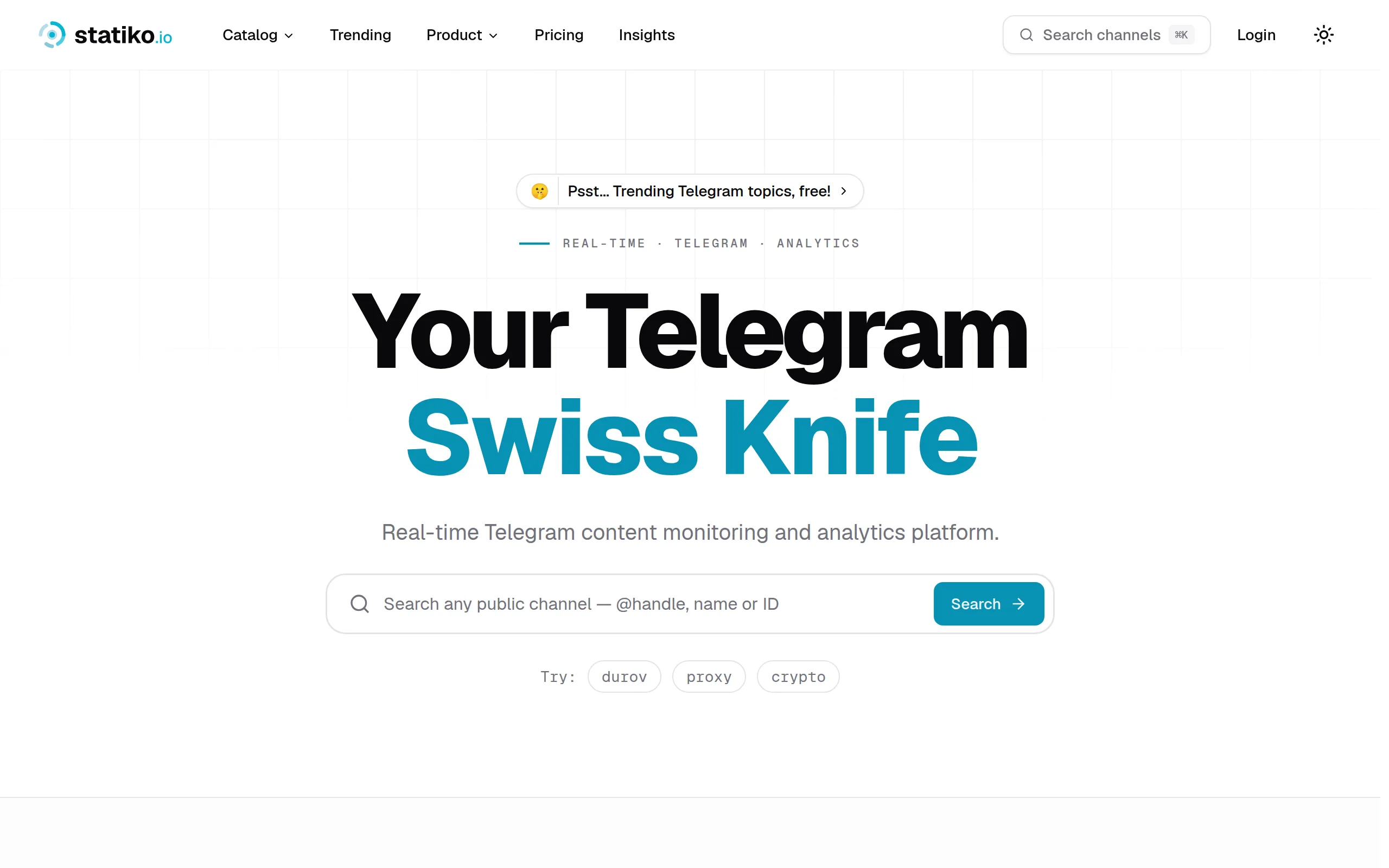
Statiko
Monitor any Telegram channel in real time - track posts, edits, deletions, and growth with AI recaps 📡

Shibui
AI website builder - describe your business, pick a niche template, edit by chatting, and publish instantly ✨

Pro Service
Find verified home service professionals, compare quotes, and pay securely through escrow - built for Brazilians across the US 🏠
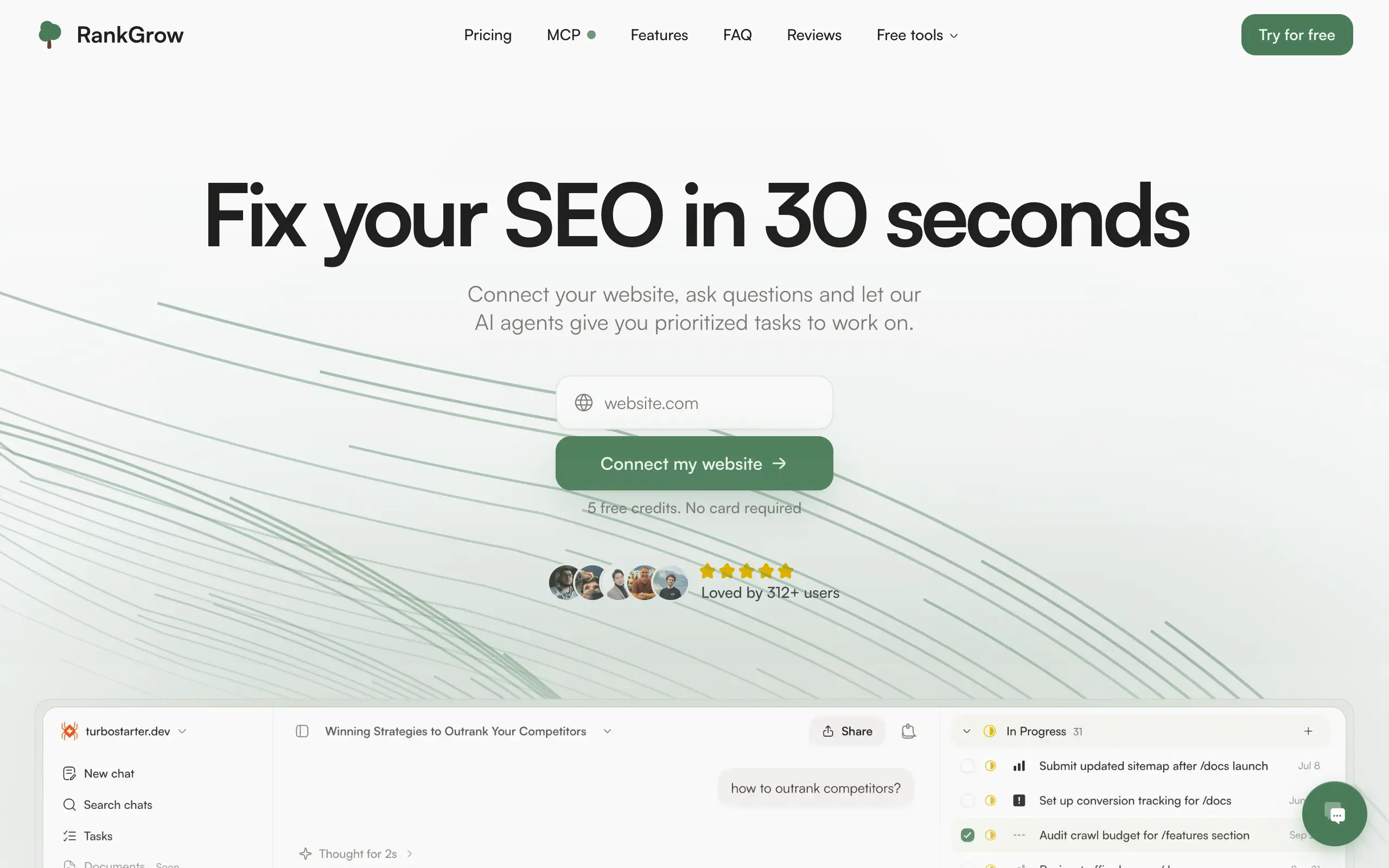
RankGrow
Fix your SEO with AI agents - connect Search Console, get prioritized tasks, and grow organic traffic 📈
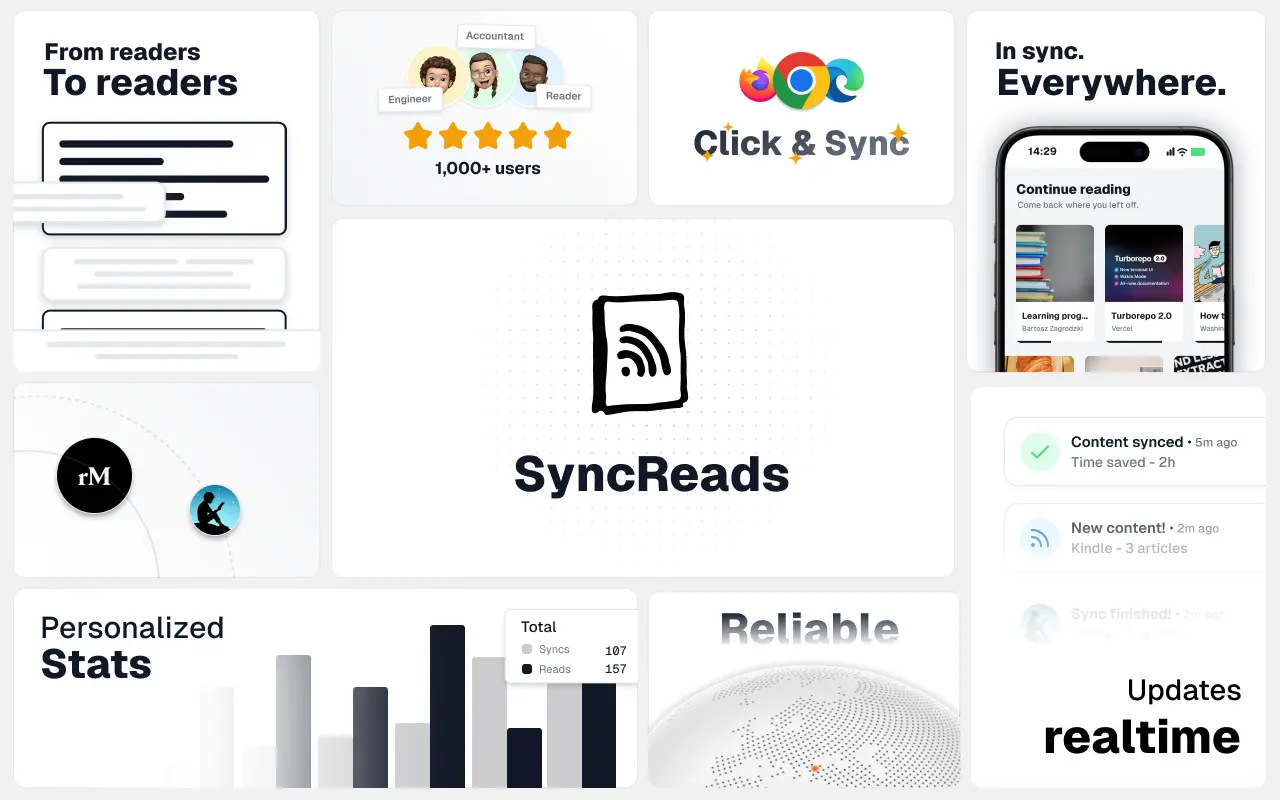
SyncReads
Sync your favorite content for distraction-free reading, save time and replace multiple apps. Anytime, anywhere 🔄
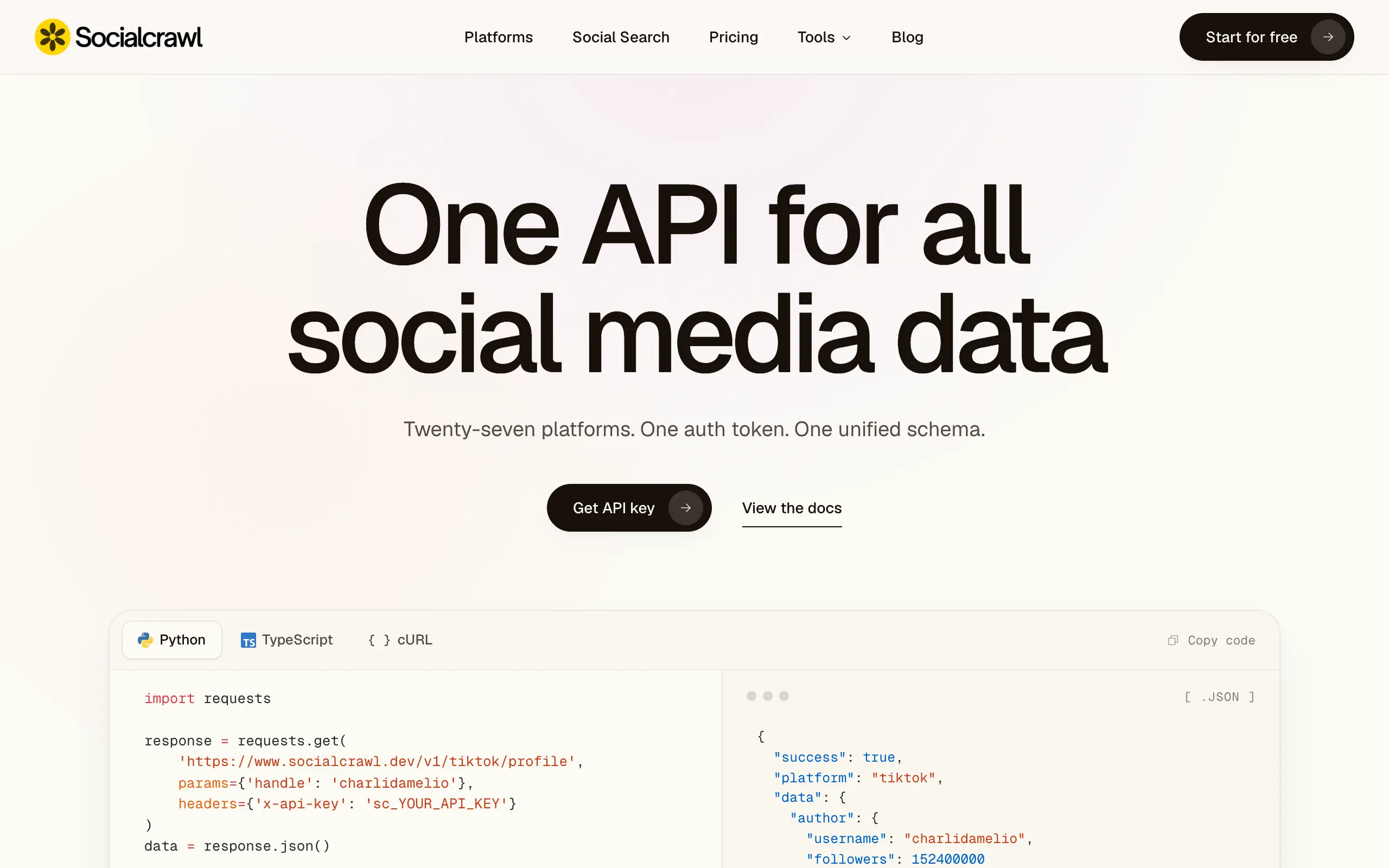
Socialcrawl
Get clean, structured data from 21 platforms like TikTok, Instagram, and YouTube with a single request 📊
Statiko
Monitor any Telegram channel in real time - track posts, edits, deletions, and growth with AI recaps 📡
Shibui
AI website builder - describe your business, pick a niche template, edit by chatting, and publish instantly ✨
Pro Service
Find verified home service professionals, compare quotes, and pay securely through escrow - built for Brazilians across the US 🏠
RankGrow
Fix your SEO with AI agents - connect Search Console, get prioritized tasks, and grow organic traffic 📈
SyncReads
Sync your favorite content for distraction-free reading, save time and replace multiple apps. Anytime, anywhere 🔄
Socialcrawl
Get clean, structured data from 21 platforms like TikTok, Instagram, and YouTube with a single request 📊
Statiko
Monitor any Telegram channel in real time - track posts, edits, deletions, and growth with AI recaps 📡
Shibui
AI website builder - describe your business, pick a niche template, edit by chatting, and publish instantly ✨
Pro Service
Find verified home service professionals, compare quotes, and pay securely through escrow - built for Brazilians across the US 🏠
RankGrow
Fix your SEO with AI agents - connect Search Console, get prioritized tasks, and grow organic traffic 📈
SyncReads
Sync your favorite content for distraction-free reading, save time and replace multiple apps. Anytime, anywhere 🔄
Socialcrawl
Get clean, structured data from 21 platforms like TikTok, Instagram, and YouTube with a single request 📊
Statiko
Monitor any Telegram channel in real time - track posts, edits, deletions, and growth with AI recaps 📡
Shibui
AI website builder - describe your business, pick a niche template, edit by chatting, and publish instantly ✨
Pro Service
Find verified home service professionals, compare quotes, and pay securely through escrow - built for Brazilians across the US 🏠
RankGrow
Fix your SEO with AI agents - connect Search Console, get prioritized tasks, and grow organic traffic 📈
SyncReads
Sync your favorite content for distraction-free reading, save time and replace multiple apps. Anytime, anywhere 🔄
Socialcrawl
Get clean, structured data from 21 platforms like TikTok, Instagram, and YouTube with a single request 📊
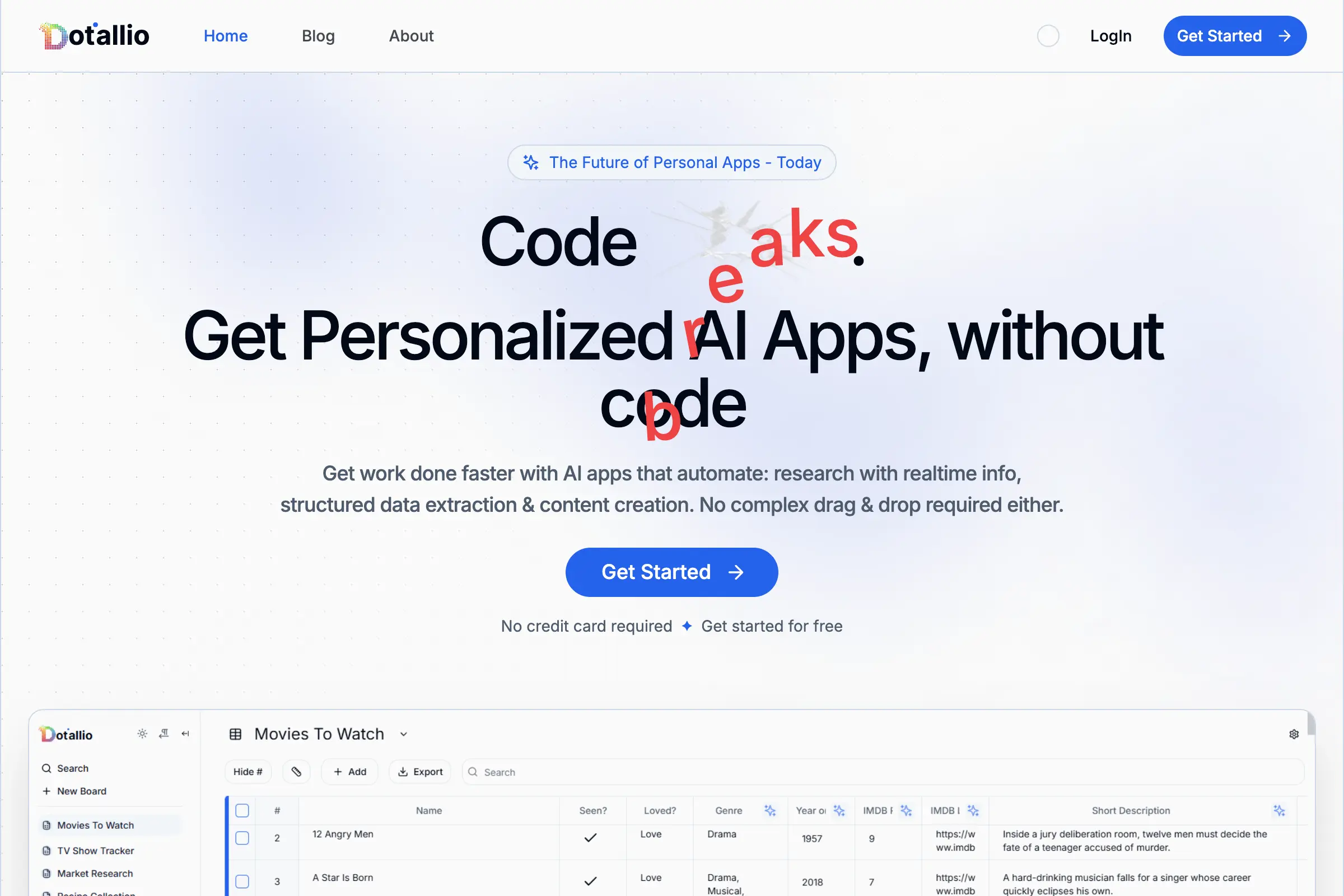
Dotallio
Personalized AI apps that automate research, data extraction, and content creation without code 🤖
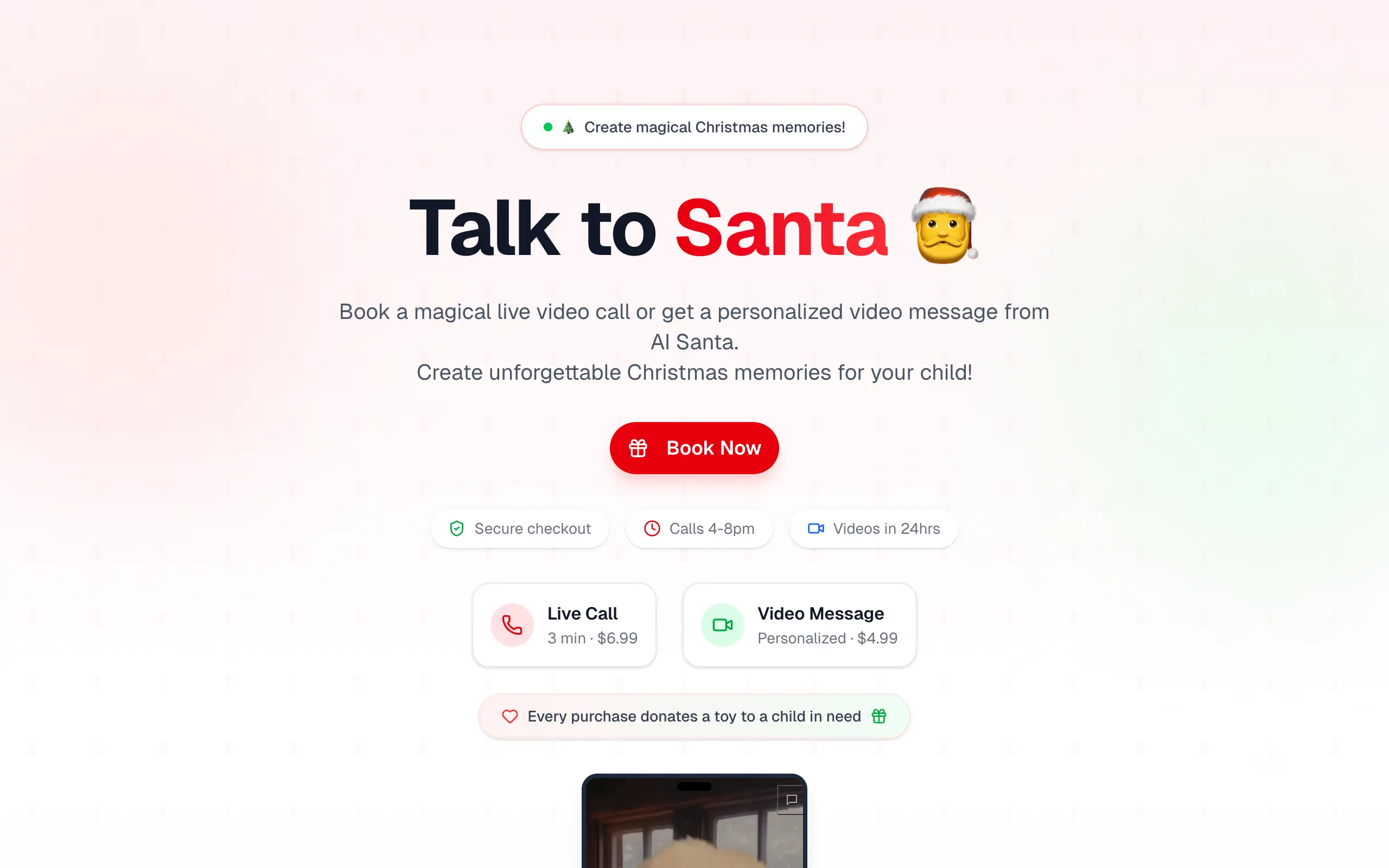
Talk to Santa
Enjoy a magical live video chat or receive a unique AI-generated video greeting from Santa Claus 🎅
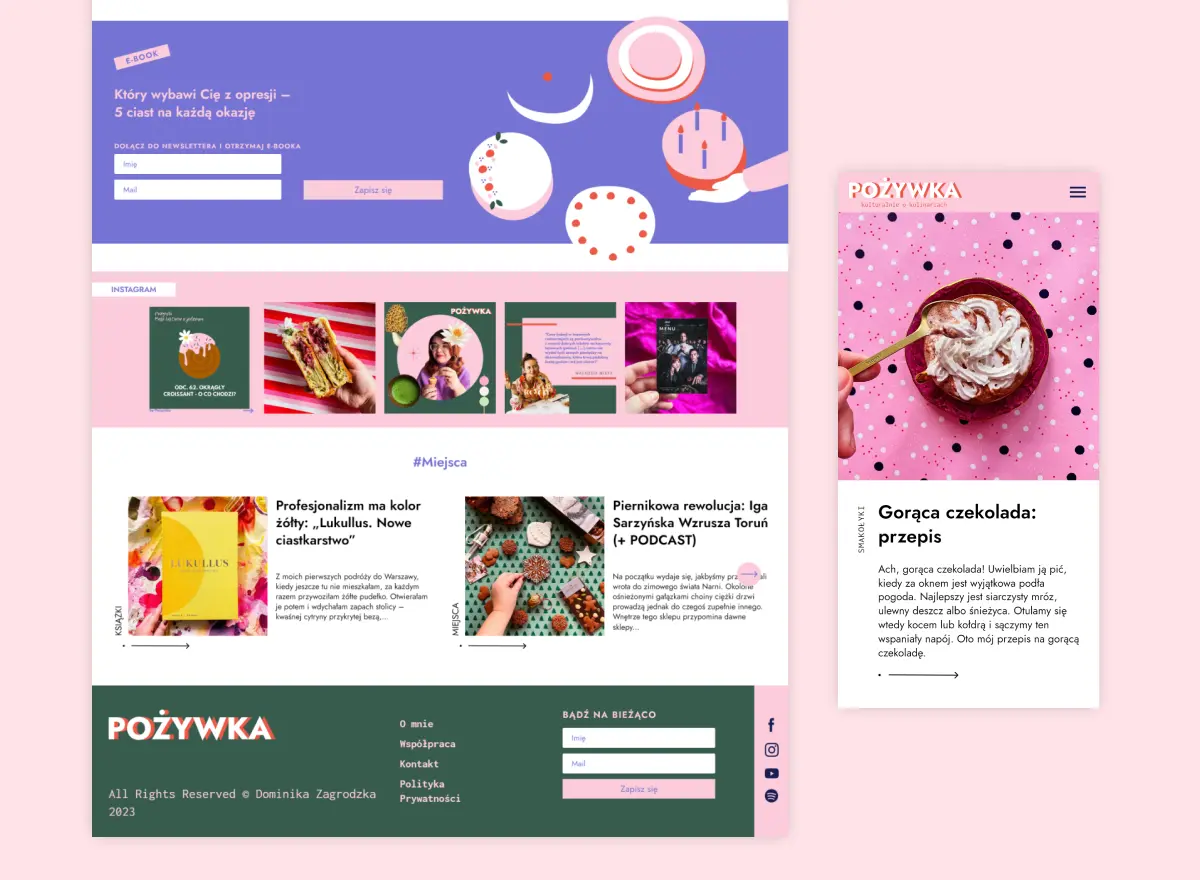
pozywka.pl
Scalable blog for food journalist, focused on performance and user experience 🌭
zagrodzki.me
Personal blog and portfolio of Bart Zagrodzki, where he shares his knowledge and work 💼
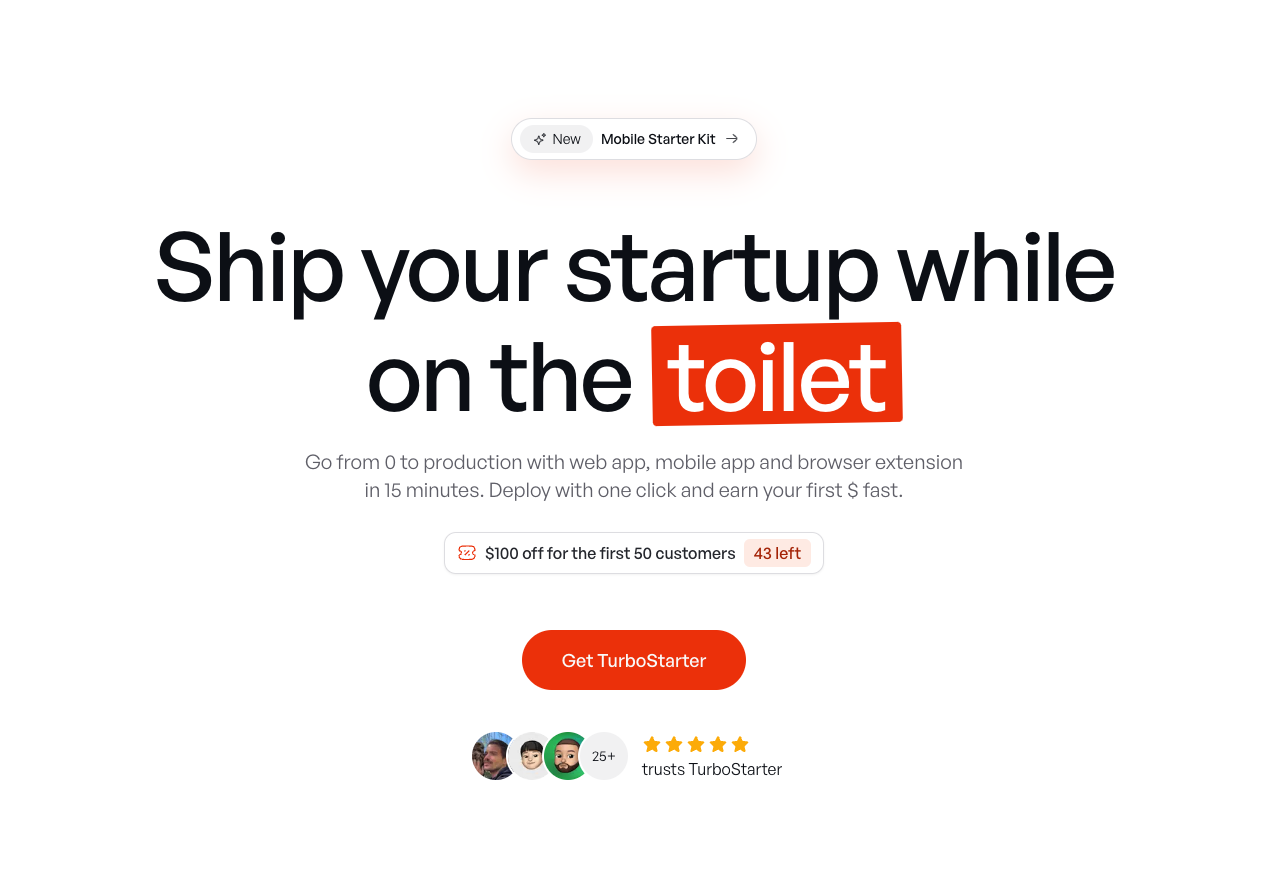
TurboStarter
Ship your startup everywhere. In minutes.
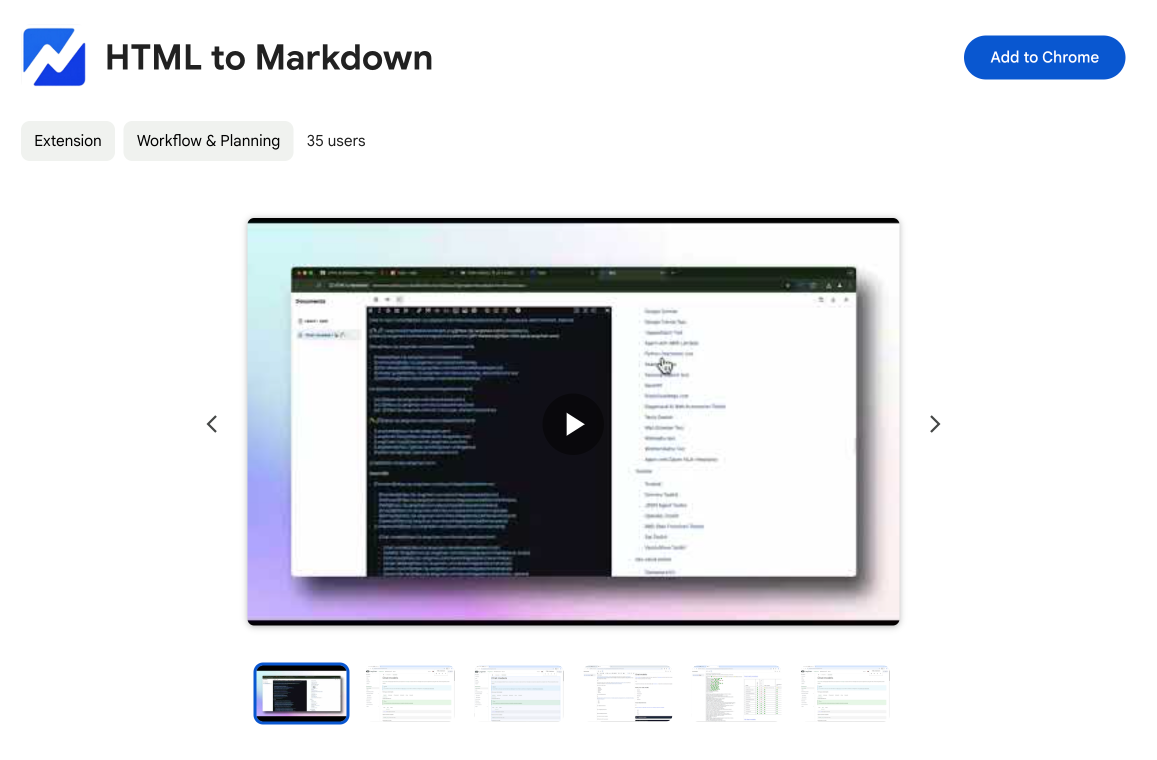
HTML to Markdown
Convert HTML to Markdown with ease, directly in your browser 📄
Dotallio
Personalized AI apps that automate research, data extraction, and content creation without code 🤖
Talk to Santa
Enjoy a magical live video chat or receive a unique AI-generated video greeting from Santa Claus 🎅
pozywka.pl
Scalable blog for food journalist, focused on performance and user experience 🌭
zagrodzki.me
Personal blog and portfolio of Bart Zagrodzki, where he shares his knowledge and work 💼
TurboStarter
Ship your startup everywhere. In minutes.
HTML to Markdown
Convert HTML to Markdown with ease, directly in your browser 📄
Dotallio
Personalized AI apps that automate research, data extraction, and content creation without code 🤖
Talk to Santa
Enjoy a magical live video chat or receive a unique AI-generated video greeting from Santa Claus 🎅
pozywka.pl
Scalable blog for food journalist, focused on performance and user experience 🌭
zagrodzki.me
Personal blog and portfolio of Bart Zagrodzki, where he shares his knowledge and work 💼
TurboStarter
Ship your startup everywhere. In minutes.
HTML to Markdown
Convert HTML to Markdown with ease, directly in your browser 📄
Dotallio
Personalized AI apps that automate research, data extraction, and content creation without code 🤖
Talk to Santa
Enjoy a magical live video chat or receive a unique AI-generated video greeting from Santa Claus 🎅
pozywka.pl
Scalable blog for food journalist, focused on performance and user experience 🌭
zagrodzki.me
Personal blog and portfolio of Bart Zagrodzki, where he shares his knowledge and work 💼
TurboStarter
Ship your startup everywhere. In minutes.
HTML to Markdown
Convert HTML to Markdown with ease, directly in your browser 📄
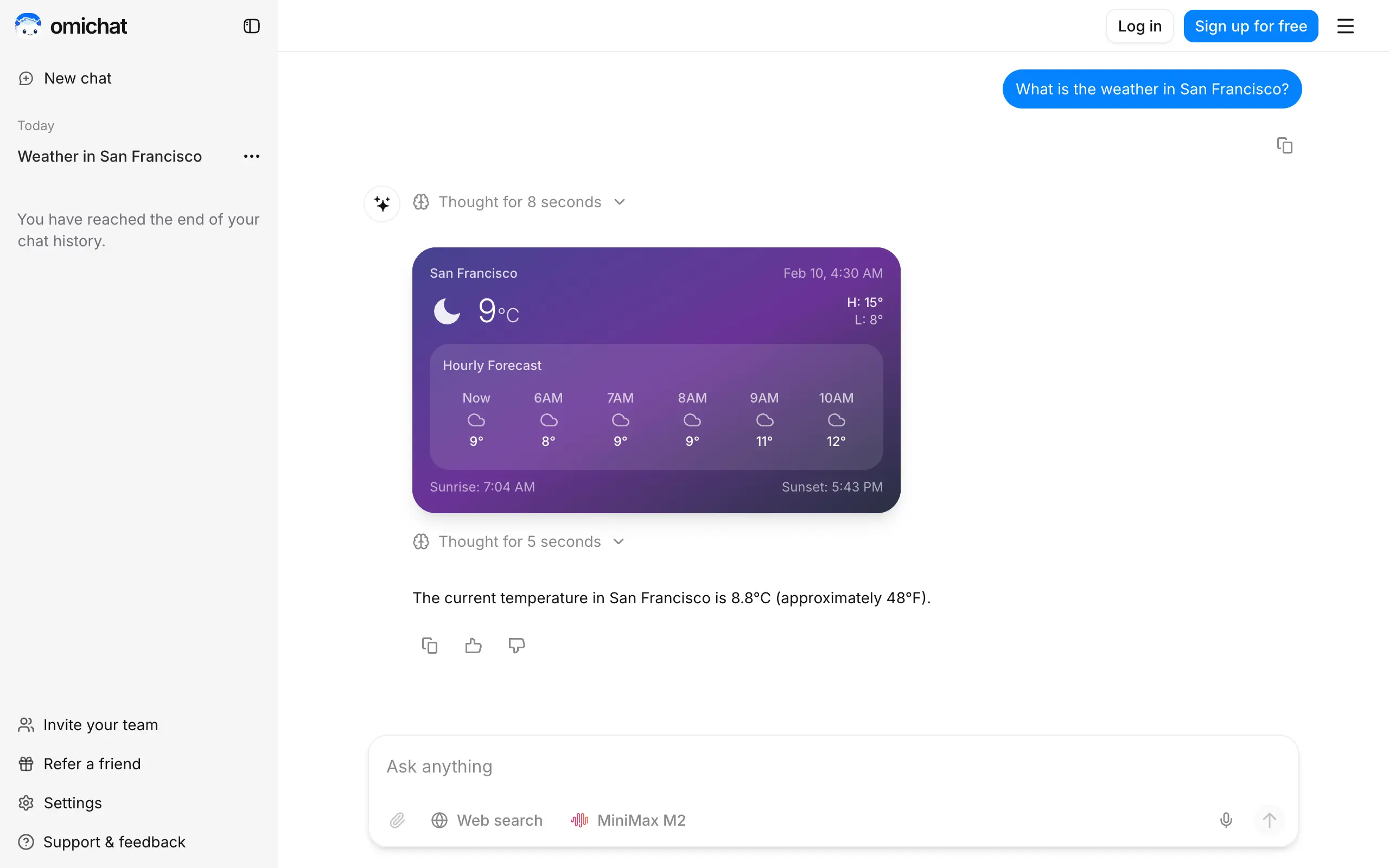
Omichat
Chat with 50+ AI models, including ChatGPT and Claude, in one place - switch models anytime without losing context 🤖
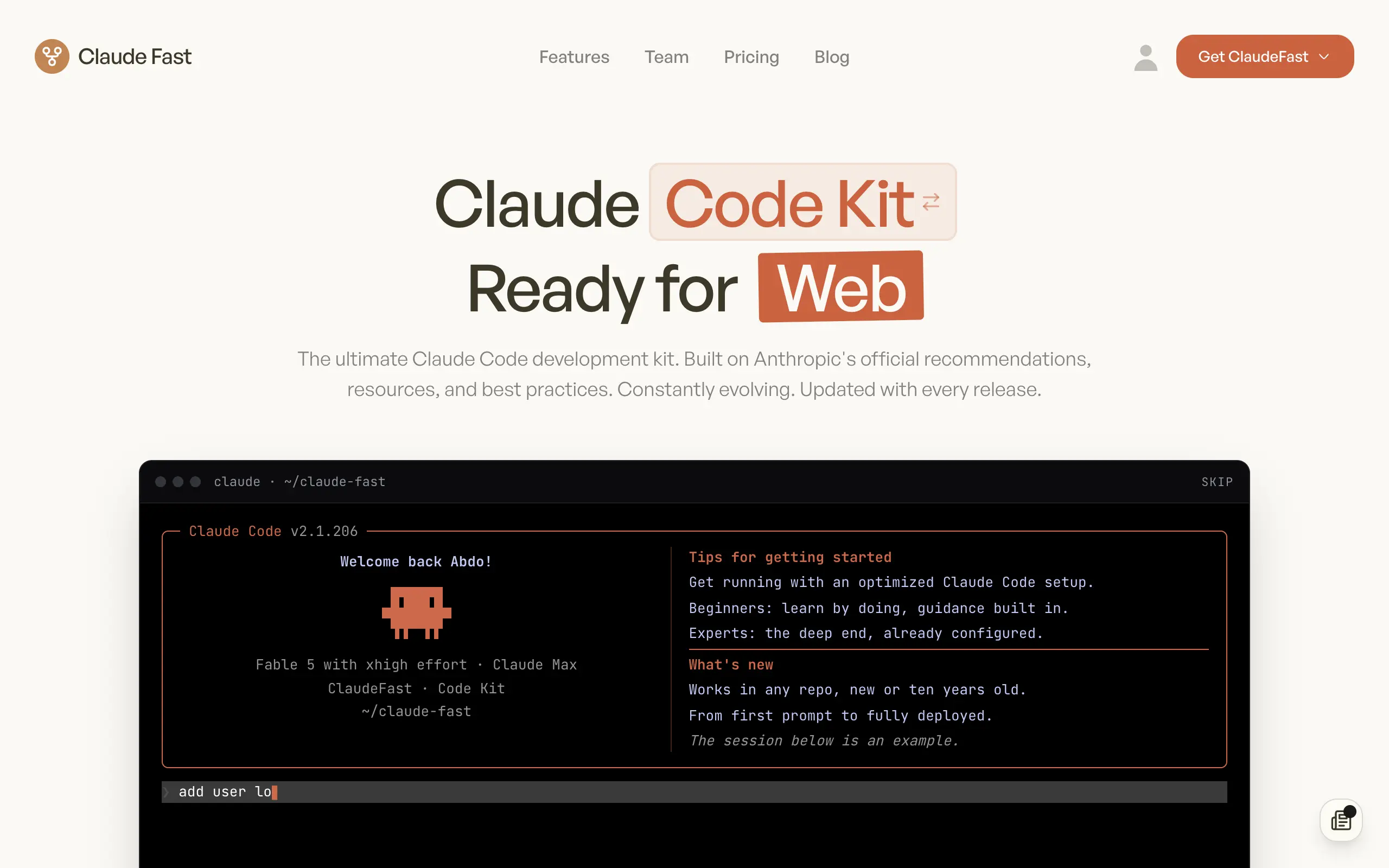
Claude Fast
Supercharge your Claude Code with 6x effective context window and specialized AI agents 🤖
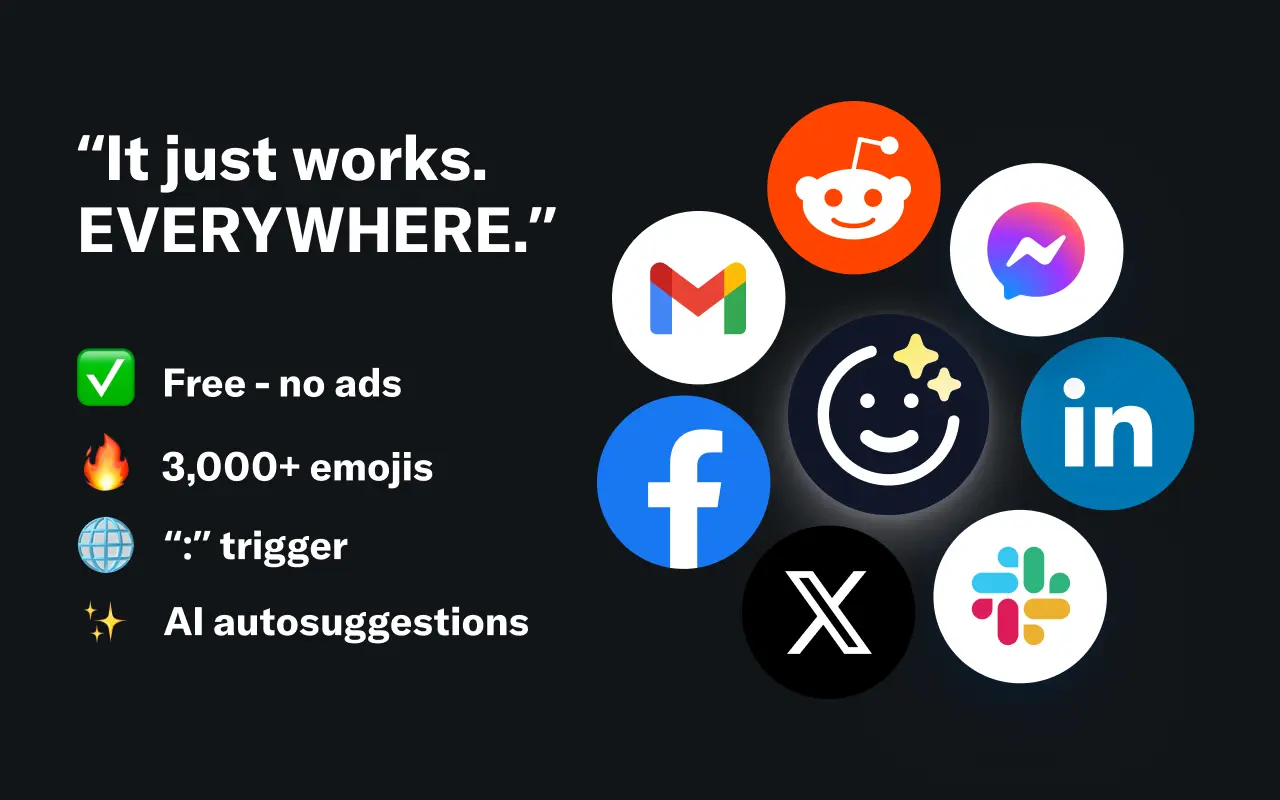
EmojAI
AI-powered emoji picker with smart, context-aware suggestions 🤖
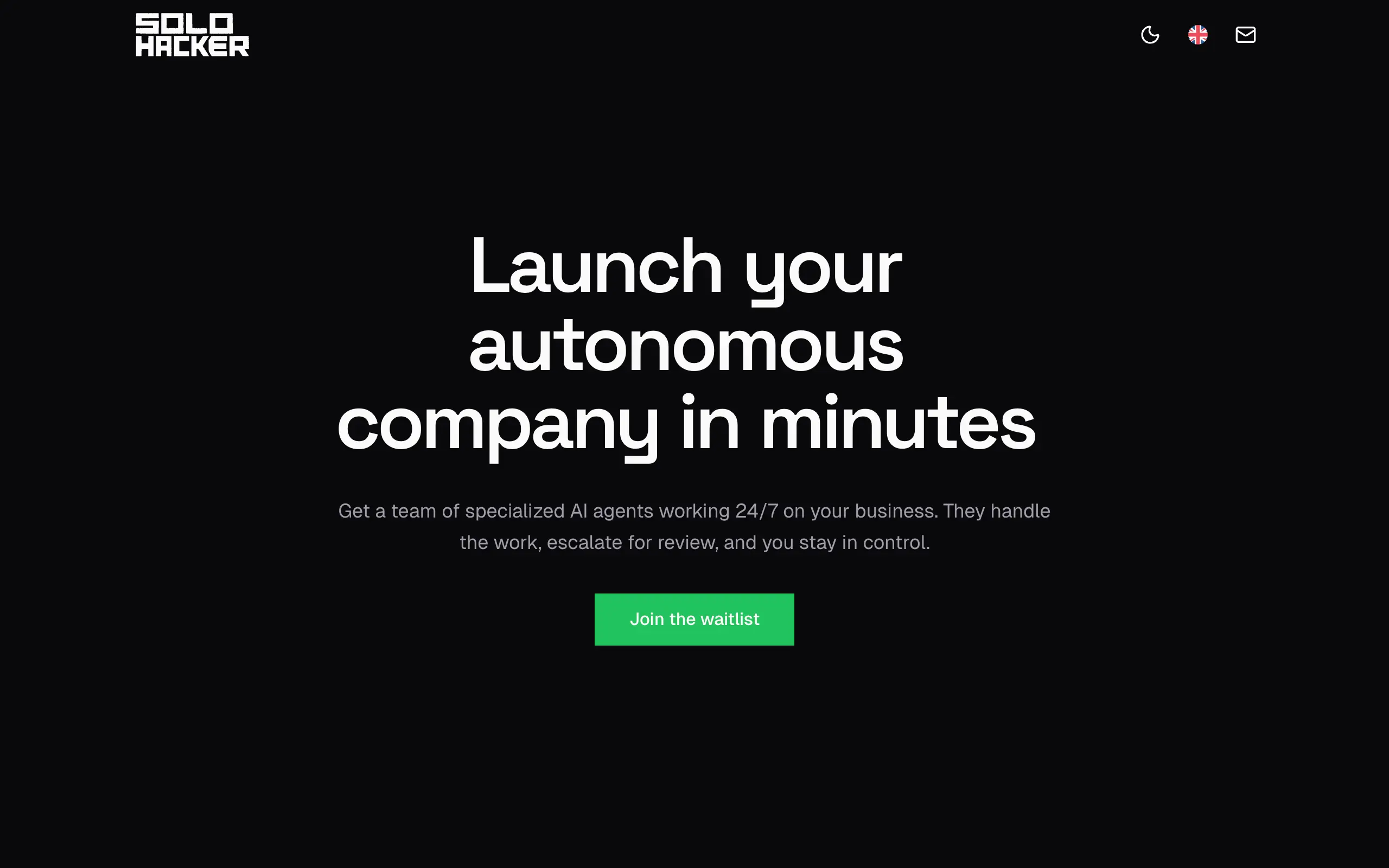
Solohacker
Autonomous company launcher - AI agents work 24/7, escalate what matters, and you stay in control 🤖
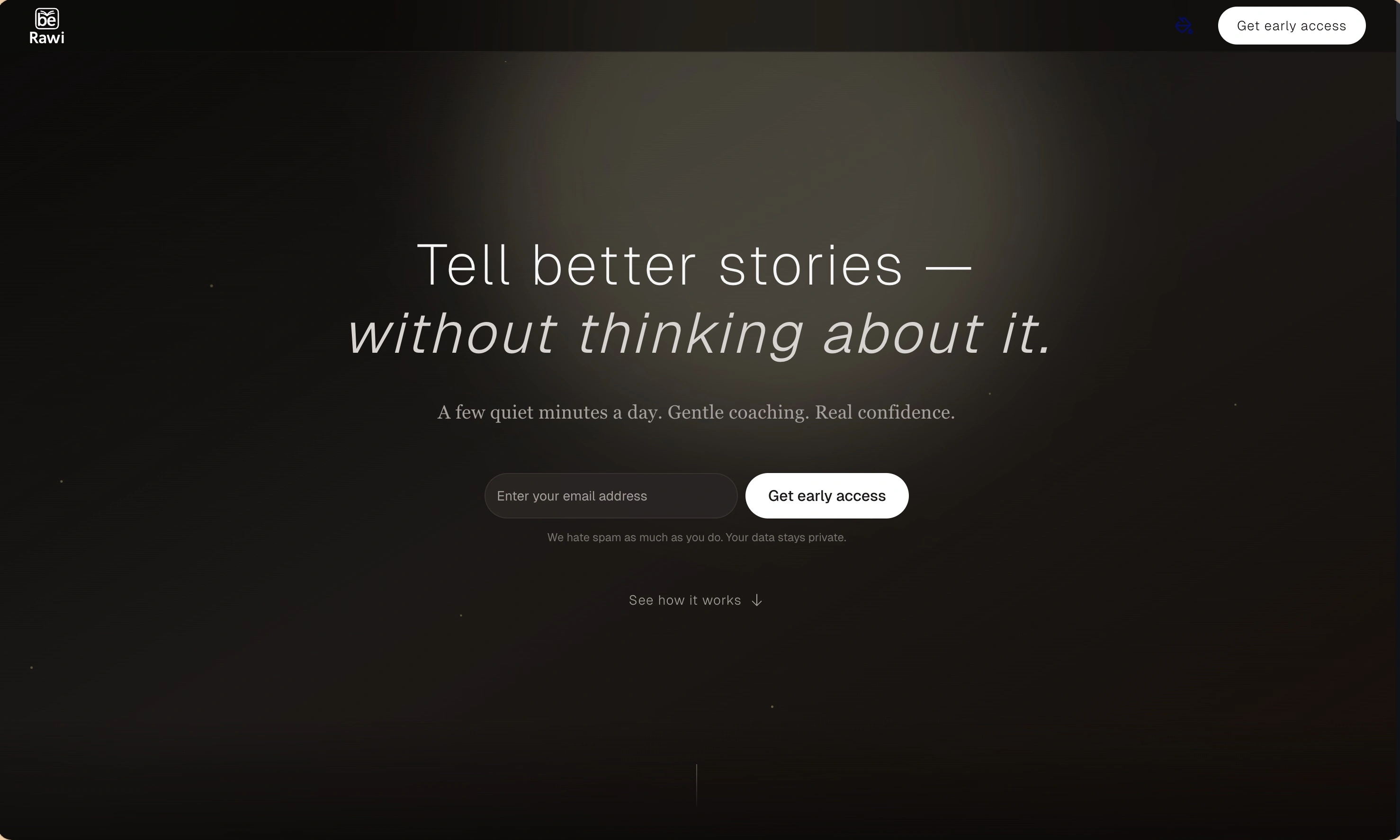
BeRawi: Storytelling Coach
Practice storytelling daily with instant feedback to sound clearer, more engaging, and confident 🎤
Omichat
Chat with 50+ AI models, including ChatGPT and Claude, in one place - switch models anytime without losing context 🤖
Claude Fast
Supercharge your Claude Code with 6x effective context window and specialized AI agents 🤖
EmojAI
AI-powered emoji picker with smart, context-aware suggestions 🤖
Solohacker
Autonomous company launcher - AI agents work 24/7, escalate what matters, and you stay in control 🤖
BeRawi: Storytelling Coach
Practice storytelling daily with instant feedback to sound clearer, more engaging, and confident 🎤
Omichat
Chat with 50+ AI models, including ChatGPT and Claude, in one place - switch models anytime without losing context 🤖
Claude Fast
Supercharge your Claude Code with 6x effective context window and specialized AI agents 🤖
EmojAI
AI-powered emoji picker with smart, context-aware suggestions 🤖
Solohacker
Autonomous company launcher - AI agents work 24/7, escalate what matters, and you stay in control 🤖
BeRawi: Storytelling Coach
Practice storytelling daily with instant feedback to sound clearer, more engaging, and confident 🎤
Omichat
Chat with 50+ AI models, including ChatGPT and Claude, in one place - switch models anytime without losing context 🤖
Claude Fast
Supercharge your Claude Code with 6x effective context window and specialized AI agents 🤖
EmojAI
AI-powered emoji picker with smart, context-aware suggestions 🤖
Solohacker
Autonomous company launcher - AI agents work 24/7, escalate what matters, and you stay in control 🤖
BeRawi: Storytelling Coach
Practice storytelling daily with instant feedback to sound clearer, more engaging, and confident 🎤

Connect with like-minded people
Join our community to get feedback, support, and grow together with 1,000+ builders on board, let's ship it!
Join usShip your startup everywhere. In minutes.
Don't burn tokens on setup and start building features on day one.