ClawControl Center
A unified observability and cost-optimization dashboard for apps built on OpenClaw, tracking prompts, latency, and spend across multiple LLM providers in real time.
The rise of OpenClaw apps and why unified LLM observability matters
The rapid adoption of large language models (LLMs) has fundamentally changed how SaaS products are built. Frameworks like OpenClaw (an emerging orchestration layer for building multi-provider LLM apps) allow developers to switch between providers, chain prompts, and deploy AI features faster than ever.
But with this flexibility comes complexity.
Teams building on OpenClaw often integrate:
- Multiple LLM providers (e.g., OpenAI, Anthropic, Google, open-source models)
- Retrieval-augmented generation (RAG) pipelines
- Agent workflows with multi-step tool calls
- Streaming responses and dynamic prompt templates
The result? Fragmented visibility into performance, costs, and reliability.
That’s where ClawControl Center comes in — a unified observability and cost-optimization dashboard purpose-built for OpenClaw-based applications.
This article provides a comprehensive breakdown of:
- The market opportunity for LLM observability platforms
- The target audience and unmet needs
- Core features of ClawControl Center
- Recommended tech stack and architectural decisions
- Monetization strategies
- Risks and mitigation strategies
- Competitive positioning and differentiation
- Actionable steps to build and launch
If you’re exploring the creation or validation of an AI infrastructure SaaS in the LLM tooling space, this guide is built for you.
Understanding the search intent: who needs an LLM observability dashboard?
Users searching for terms like:
- “LLM cost monitoring”
- “OpenClaw analytics dashboard”
- “LLM observability platform”
- “Track prompt usage across multiple LLM providers”
- “Optimize AI API spend”
Are typically:
- AI SaaS founders worried about unpredictable token costs
- Engineering leads scaling multi-provider LLM infrastructure
- DevOps teams responsible for latency and reliability
- Product managers optimizing AI feature performance
- FinOps teams managing cloud + AI spend
Their core intent is operational clarity and cost control.
They’re not just looking for inspiration — they need:
- Real-time visibility
- Aggregated metrics across providers
- Cost breakdowns by feature/user/team
- Latency diagnostics
- Prompt-level analytics
- Guardrails and alerts
ClawControl Center addresses these needs directly.
The problem: LLM complexity without centralized control
Building with OpenClaw enables flexibility — but it also abstracts away provider-specific metrics, making it harder to answer questions like:
- Which provider is most cost-effective per feature?
- Why did latency spike yesterday?
- Which prompt versions are causing token explosions?
- Which users generate 80% of our AI costs?
- What’s our per-feature gross margin?
Without a centralized observability layer, teams resort to:
- Manual spreadsheet tracking
- Provider-specific dashboards
- Custom logging systems
- Incomplete metrics pipelines
This creates blind spots, especially as usage scales.
Hidden risk of AI scaling
LLM costs scale non-linearly with usage, token size, and prompt complexity. Without real-time visibility, startups can burn thousands of dollars before noticing a problem.
Market opportunity: the LLM infrastructure boom
The AI infrastructure layer (monitoring, orchestration, optimization) is one of the fastest-growing segments in the SaaS ecosystem.
Key trends:
- Enterprises adopting multi-LLM strategies for redundancy
- Increased regulatory pressure requiring auditability
- FinOps becoming critical for AI-heavy companies
- Growing need for real-time AI analytics
As LLM usage expands beyond experimentation into production systems, observability becomes non-optional.
Why OpenClaw-specific tooling creates a wedge
General LLM monitoring platforms exist. However:
- They lack OpenClaw-native integrations
- They don’t understand OpenClaw’s chaining architecture
- They don’t map cost attribution to OpenClaw workflows
- They don’t visualize multi-step agent traces
ClawControl Center can dominate a niche by being:
The purpose-built observability and cost-optimization layer for OpenClaw apps.
Niche-first SaaS strategies often outperform broad infrastructure plays.
Target audience breakdown
1. AI-first SaaS startups
Pain points:
- Runaway LLM bills
- Lack of per-feature profitability insights
- Difficulty debugging prompts
Buying trigger:
- First unexpected $5k+ AI bill
2. Mid-market product teams
Pain points:
- Multi-provider complexity
- Need SLA monitoring
- Internal accountability per department
Buying trigger:
- AI features moving from beta to production
3. Enterprises building AI copilots
Pain points:
- Compliance requirements
- Audit logs
- Cost governance
Buying trigger:
- Procurement + governance requirements
Core features of ClawControl Center
The platform must provide deep observability while remaining intuitive.
1. Real-time LLM usage dashboard
Track:
- Token usage (input/output)
- Cost per request
- Provider distribution
- Latency percentiles
- Error rates
- Throughput metrics
2. Prompt-level analytics
Each prompt should display:
- Token breakdown
- Version history
- Performance metrics
- Cost per execution
- Regression detection
This transforms prompts into measurable assets.
3. Multi-provider comparison engine
Provide side-by-side metrics:
- Cost per 1K tokens
- Average latency
- Failure rates
- Output length trends
| Feature | Provider A | Provider B | Provider C | Optimized |
|---|---|---|---|---|
| Cost visibility | ✅ | ❌ | ❌ | ✅ |
| Latency tracking | ✅ | ✅ | ❌ | ✅ |
4. Cost attribution and tagging
Allow tagging by:
- User ID
- Feature name
- Team
- API endpoint
- Environment (prod/staging)
This enables true FinOps for AI.
5. Smart optimization suggestions
Using historical data, suggest:
- Switching providers
- Shortening prompts
- Caching high-frequency requests
- Token limits per feature
6. Alerts and guardrails
Custom alerts for:
- Daily cost thresholds
- Latency spikes
- Error rate increases
- Token anomalies
7. Agent trace visualization
Visual representation of:
- Multi-step workflows
- Tool calls
- Prompt chaining
- Execution timing per node
This is particularly valuable for OpenClaw’s architecture.
Recommended tech stack for ClawControl Center
Choosing the right tech stack ensures scalability, reliability, and developer adoption.
Frontend
- React
- TailwindCSS
- Real-time charts (e.g., Recharts or ECharts)
Why:
- React ecosystem maturity
- Tailwind accelerates UI iteration
- Strong dashboard UX support
Backend
- Node.js or Go
- REST + WebSocket streaming
- gRPC for internal services (optional)
Data pipeline
- Event ingestion API
- Message queue (e.g., Kafka alternative)
- Time-series database (e.g., ClickHouse or Timescale)
- OLAP for cost aggregation
Observability model
Each request event schema:
interface LLMEvent {
  requestId: string
  provider: string
  model: string
  inputTokens: number
  outputTokens: number
  latencyMs: number
  costUsd: number
  userId?: string
  feature?: string
  timestamp: string
}
Infrastructure
- Cloud: AWS, GCP, or multi-cloud
- Containerization: Docker + Kubernetes
- CI/CD with automated cost simulation tests
Architecture overview
ClawControl Center requires:
- Lightweight SDK for OpenClaw apps
- Secure ingestion endpoint
- Real-time processing engine
- Analytics layer
- Visualization layer
SDK approach
Offer:
- Automatic OpenClaw middleware
- Drop-in integration
- Optional advanced tracing
This reduces integration friction — critical for adoption.
Monetization strategy
ClawControl Center fits a B2B SaaS pricing model.
Option 1: Usage-based pricing
Charge based on:
- Number of tracked LLM calls
- Data retention period
- Advanced analytics features
Best for startups.
Option 2: Tiered subscription
| Tier | Target | Features |
|---|---|---|
| Starter | Early-stage | Basic dashboards |
| Growth | Scaling teams | Cost attribution + alerts |
| Enterprise | Large orgs | SLA, SSO, audit logs |
Option 3: Hybrid model
Base subscription + overage for event volume.
This aligns revenue with customer value.
Competitive landscape
Current players include general LLM observability tools. However:
- They are provider-centric
- Not OpenClaw-native
- Limited workflow visualization
- Often expensive
ClawControl’s competitive advantages
OpenClaw-native integration
Built specifically for OpenClaw architecture and workflows.
True multi-provider cost comparison
Side-by-side performance and spend analysis.
AI-specific FinOps layer
Tagging and cost allocation per feature or team.
Positioning statement:
ClawControl Center is the unified observability and cost-optimization dashboard built specifically for OpenClaw applications running across multiple LLM providers.
Risks and mitigation strategies
Risk 1: Rapid platform changes
LLM providers evolve APIs quickly.
Mitigation:
- Modular provider adapters
- Dedicated integration team
- Continuous API monitoring
Risk 2: Security concerns
Customers send request metadata.
Mitigation:
- Do not store raw prompt content by default
- SOC2 roadmap
- Data encryption at rest and transit
Risk 3: Competitive entry
Large cloud providers may expand into this niche.
Mitigation:
- Double down on OpenClaw specialization
- Build strong community integrations
- Offer best-in-class UX
Implementation roadmap
MVP scope
Must-have:
- Token tracking
- Cost aggregation
- Provider comparison
- Basic charts
- Alert system
Nice-to-have:
- Optimization suggestions
- Agent trace visualization
- Advanced forecasting
Go-to-market strategy
1. Niche community focus
Target:
- OpenClaw GitHub community
- AI engineering Slack groups
- LLM-focused newsletters
2. Content marketing
Rank for:
- “LLM cost optimization”
- “How to reduce OpenClaw token usage”
- “Multi-LLM observability dashboard”
3. Integration-led growth
Offer:
- One-line SDK install
- Free tier for small projects
- Open-source starter examples
Why now is the right time
Three forces converge:
- Multi-provider AI is becoming standard
- AI cost volatility is increasing
- Governance requirements are tightening
The companies that provide control layers for AI will become foundational infrastructure players.
ClawControl Center fits squarely in this shift.
Building ClawControl Center efficiently
To accelerate development:
- Use a production-ready SaaS boilerplate
- Pre-integrate authentication, billing, dashboard templates
- Focus engineering resources on analytics logic
This is where platforms like TurboStarter can significantly reduce time-to-market by providing a scalable SaaS foundation.
Final thoughts: from observability to optimization
The next phase of AI SaaS isn’t about building more AI features.
It’s about controlling them.
ClawControl Center enables:
- Visibility
- Accountability
- Optimization
- Predictability
For OpenClaw developers, it becomes the mission control layer for LLM infrastructure.
And in an ecosystem where AI costs and complexity grow daily, control is the ultimate competitive advantage.
More 🏢 B2B Application SaaS ideas
Discover more innovative b2b application SaaS ideas that are trending in 2026. Each idea is AI-generated with market validation and growth potential to help you find your next profitable venture faster than competitors.
Your competitors are building with TurboStarter
Below are some of the SaaS ideas that have been generated and built with our starter kit.
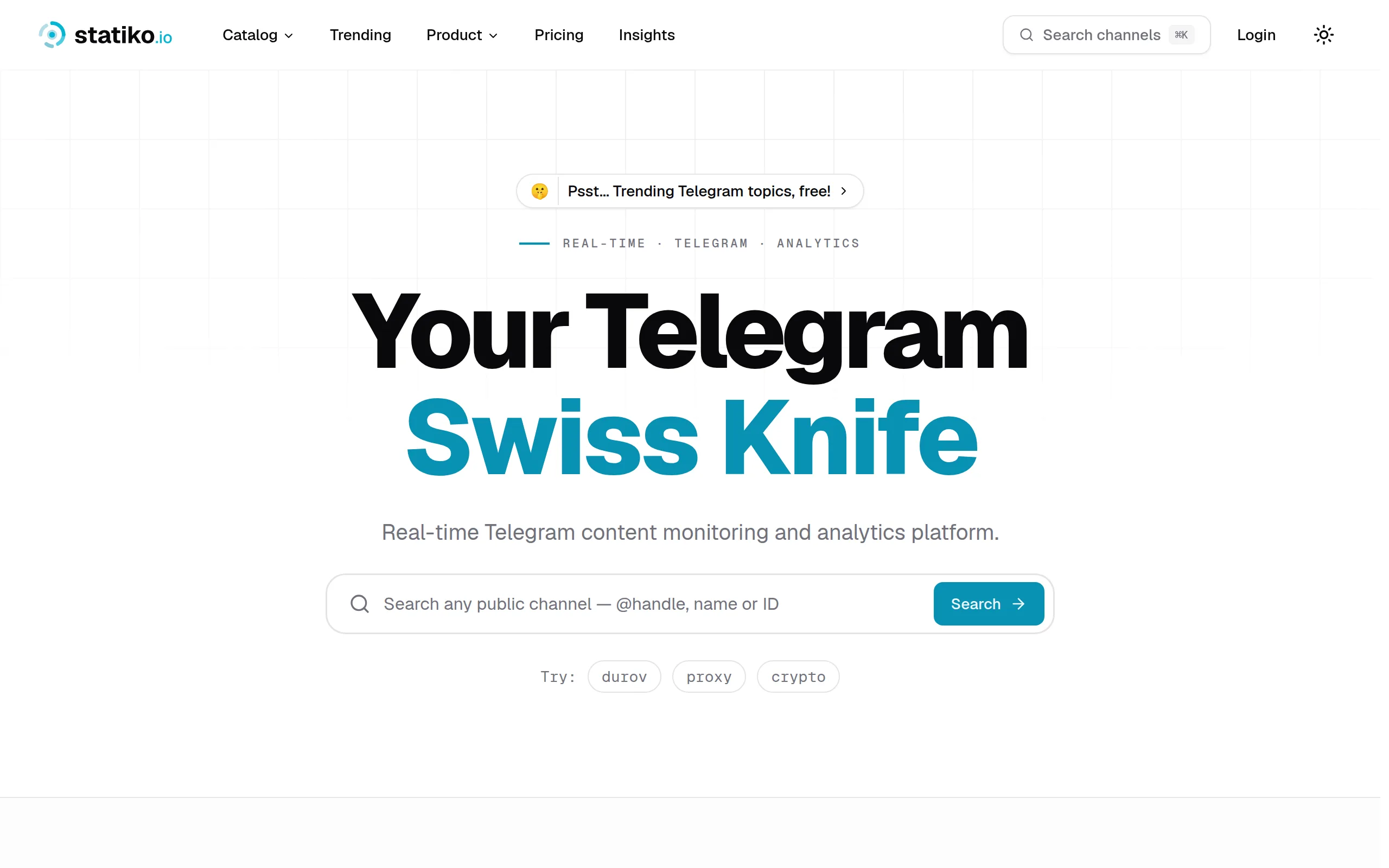
Statiko
Monitor any Telegram channel in real time - track posts, edits, deletions, and growth with AI recaps 📡
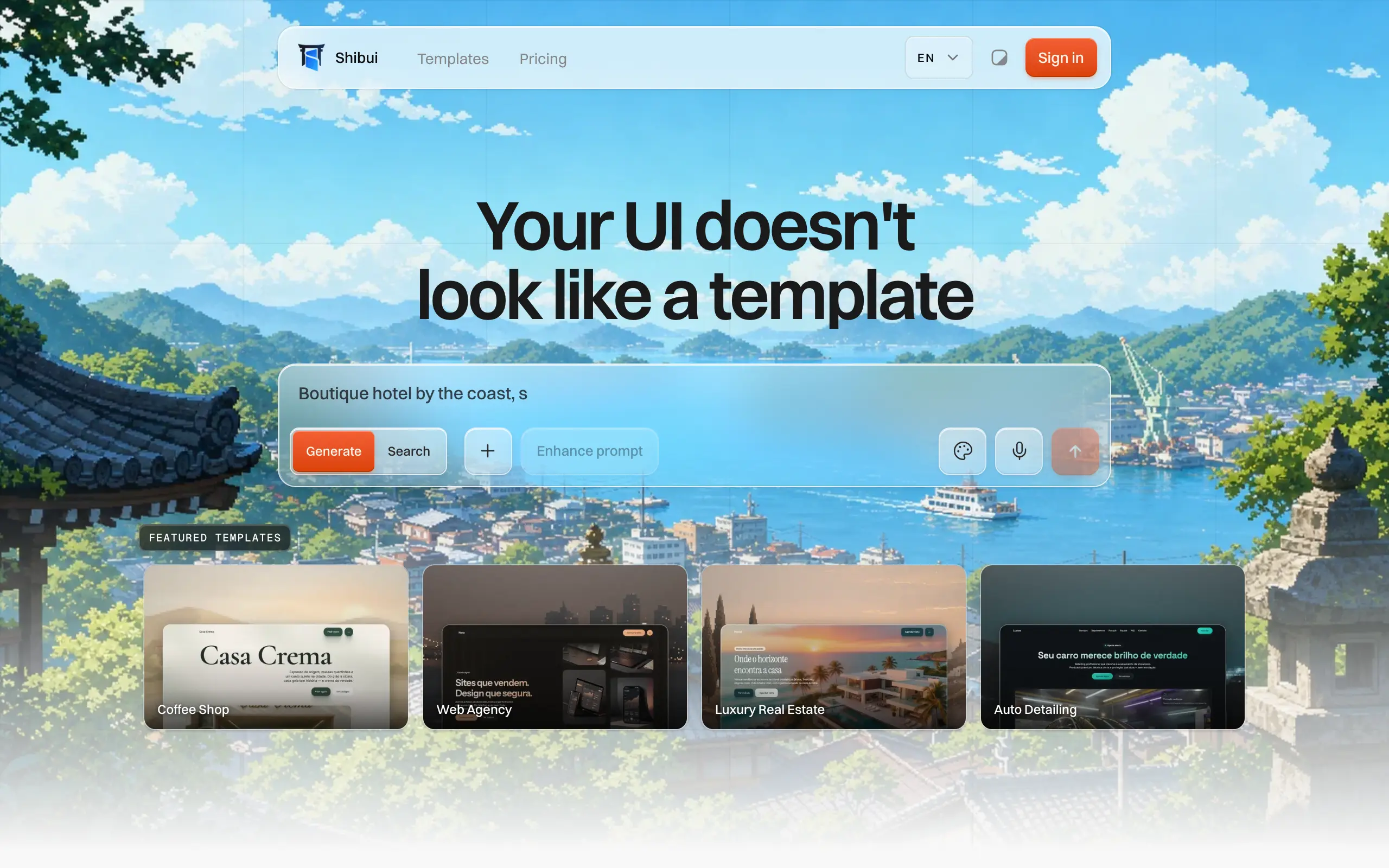
Shibui
AI website builder - describe your business, pick a niche template, edit by chatting, and publish instantly ✨

Pro Service
Find verified home service professionals, compare quotes, and pay securely through escrow - built for Brazilians across the US 🏠
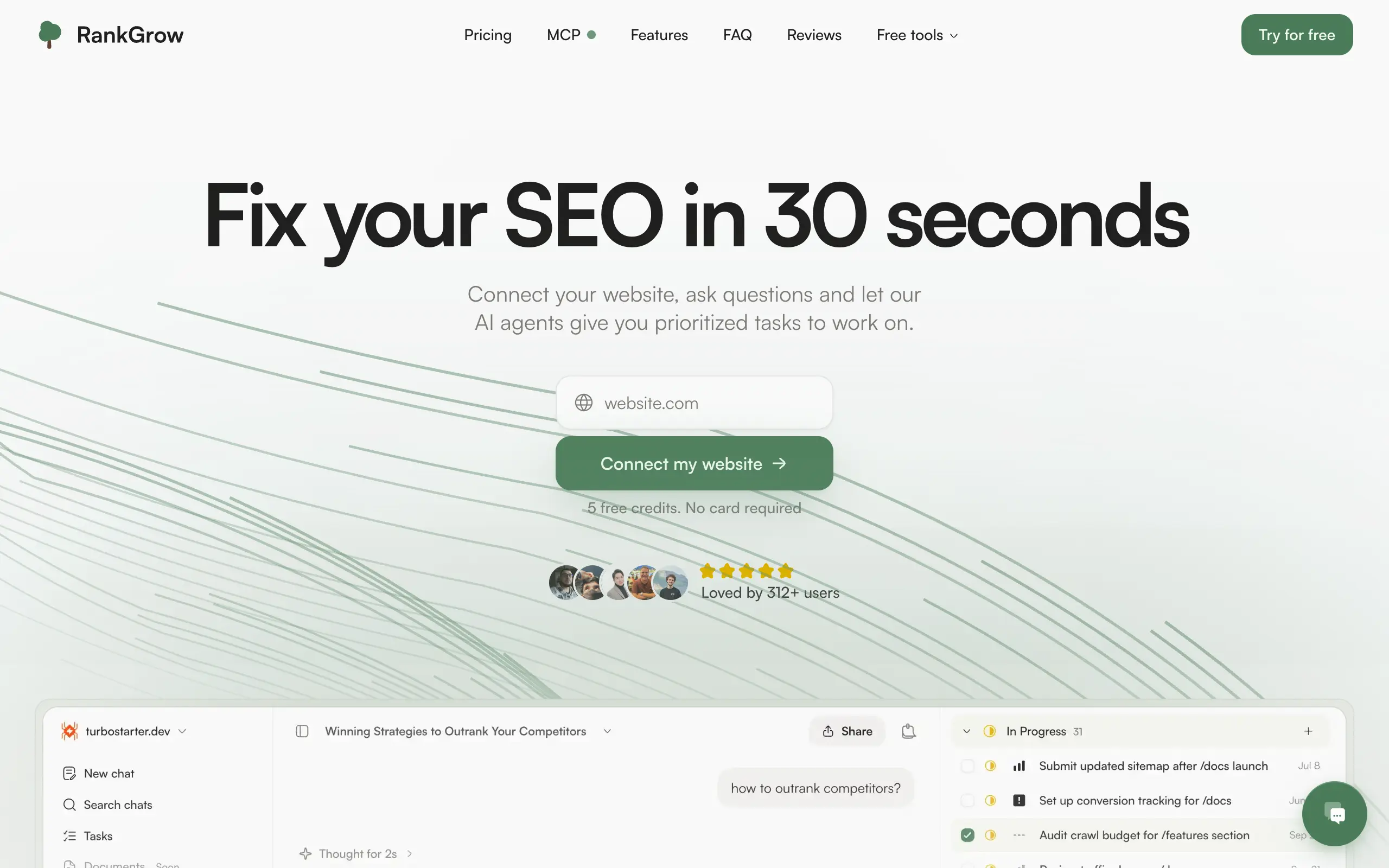
RankGrow
Fix your SEO with AI agents - connect Search Console, get prioritized tasks, and grow organic traffic 📈
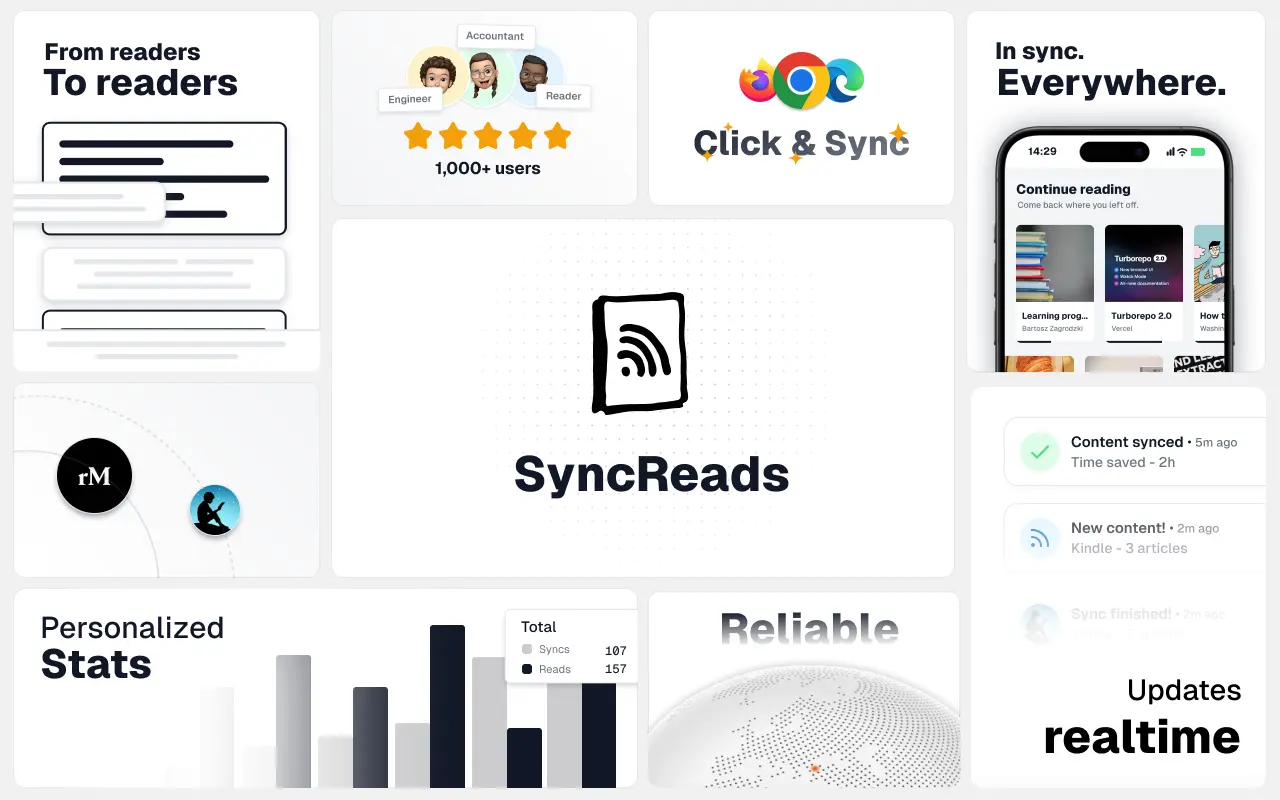
SyncReads
Sync your favorite content for distraction-free reading, save time and replace multiple apps. Anytime, anywhere 🔄
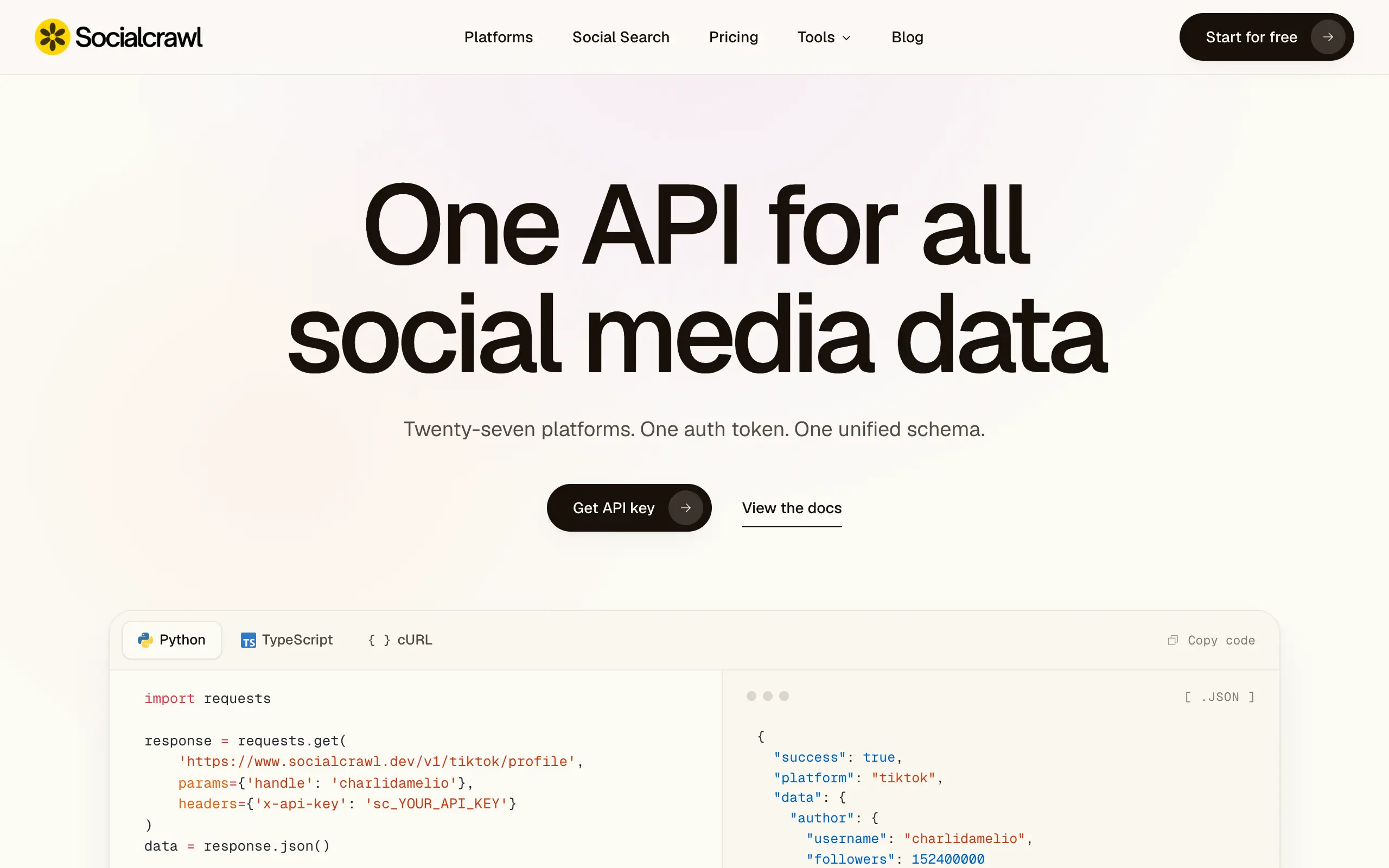
Socialcrawl
Get clean, structured data from 21 platforms like TikTok, Instagram, and YouTube with a single request 📊
Statiko
Monitor any Telegram channel in real time - track posts, edits, deletions, and growth with AI recaps 📡
Shibui
AI website builder - describe your business, pick a niche template, edit by chatting, and publish instantly ✨
Pro Service
Find verified home service professionals, compare quotes, and pay securely through escrow - built for Brazilians across the US 🏠
RankGrow
Fix your SEO with AI agents - connect Search Console, get prioritized tasks, and grow organic traffic 📈
SyncReads
Sync your favorite content for distraction-free reading, save time and replace multiple apps. Anytime, anywhere 🔄
Socialcrawl
Get clean, structured data from 21 platforms like TikTok, Instagram, and YouTube with a single request 📊
Statiko
Monitor any Telegram channel in real time - track posts, edits, deletions, and growth with AI recaps 📡
Shibui
AI website builder - describe your business, pick a niche template, edit by chatting, and publish instantly ✨
Pro Service
Find verified home service professionals, compare quotes, and pay securely through escrow - built for Brazilians across the US 🏠
RankGrow
Fix your SEO with AI agents - connect Search Console, get prioritized tasks, and grow organic traffic 📈
SyncReads
Sync your favorite content for distraction-free reading, save time and replace multiple apps. Anytime, anywhere 🔄
Socialcrawl
Get clean, structured data from 21 platforms like TikTok, Instagram, and YouTube with a single request 📊
Statiko
Monitor any Telegram channel in real time - track posts, edits, deletions, and growth with AI recaps 📡
Shibui
AI website builder - describe your business, pick a niche template, edit by chatting, and publish instantly ✨
Pro Service
Find verified home service professionals, compare quotes, and pay securely through escrow - built for Brazilians across the US 🏠
RankGrow
Fix your SEO with AI agents - connect Search Console, get prioritized tasks, and grow organic traffic 📈
SyncReads
Sync your favorite content for distraction-free reading, save time and replace multiple apps. Anytime, anywhere 🔄
Socialcrawl
Get clean, structured data from 21 platforms like TikTok, Instagram, and YouTube with a single request 📊
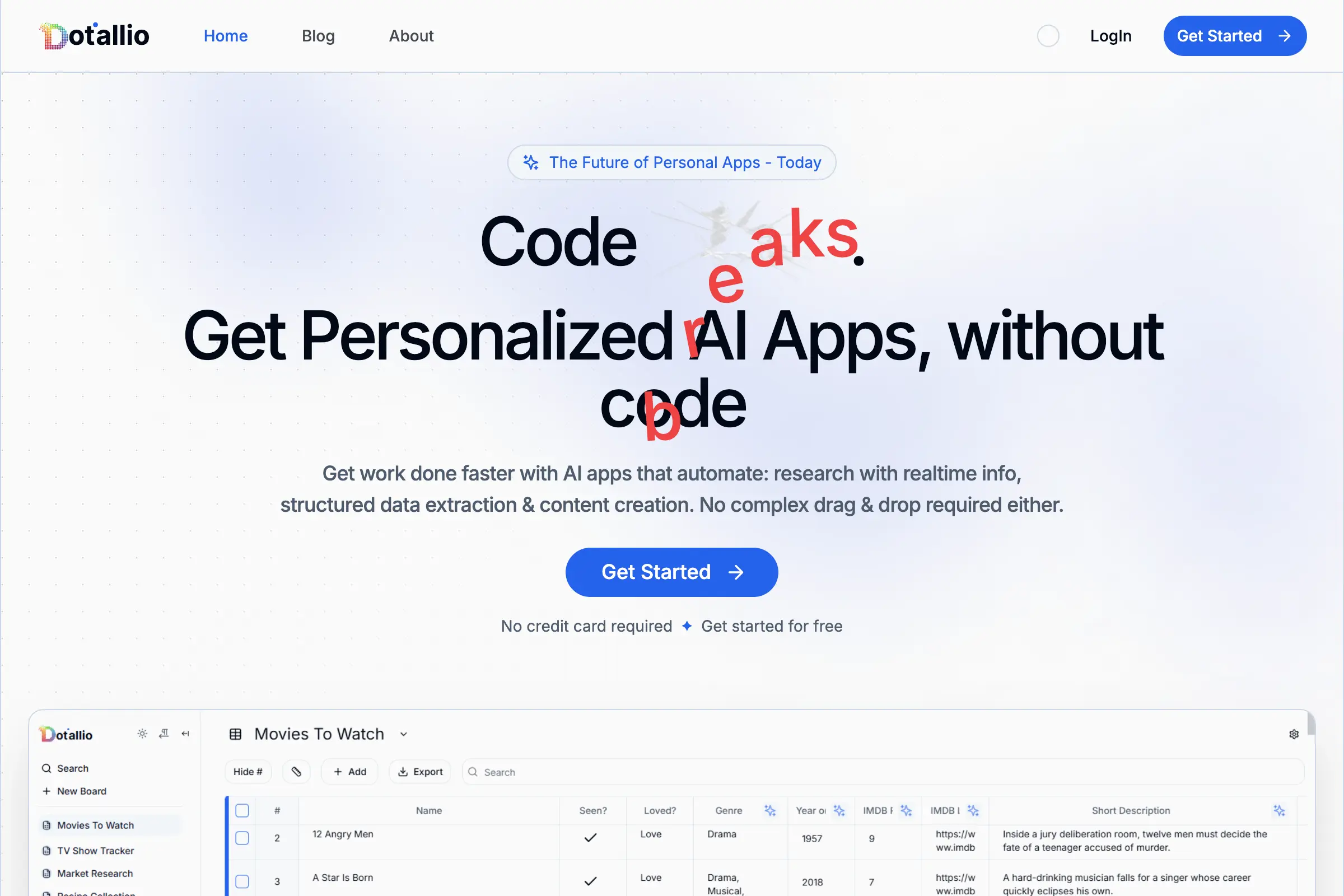
Dotallio
Personalized AI apps that automate research, data extraction, and content creation without code 🤖
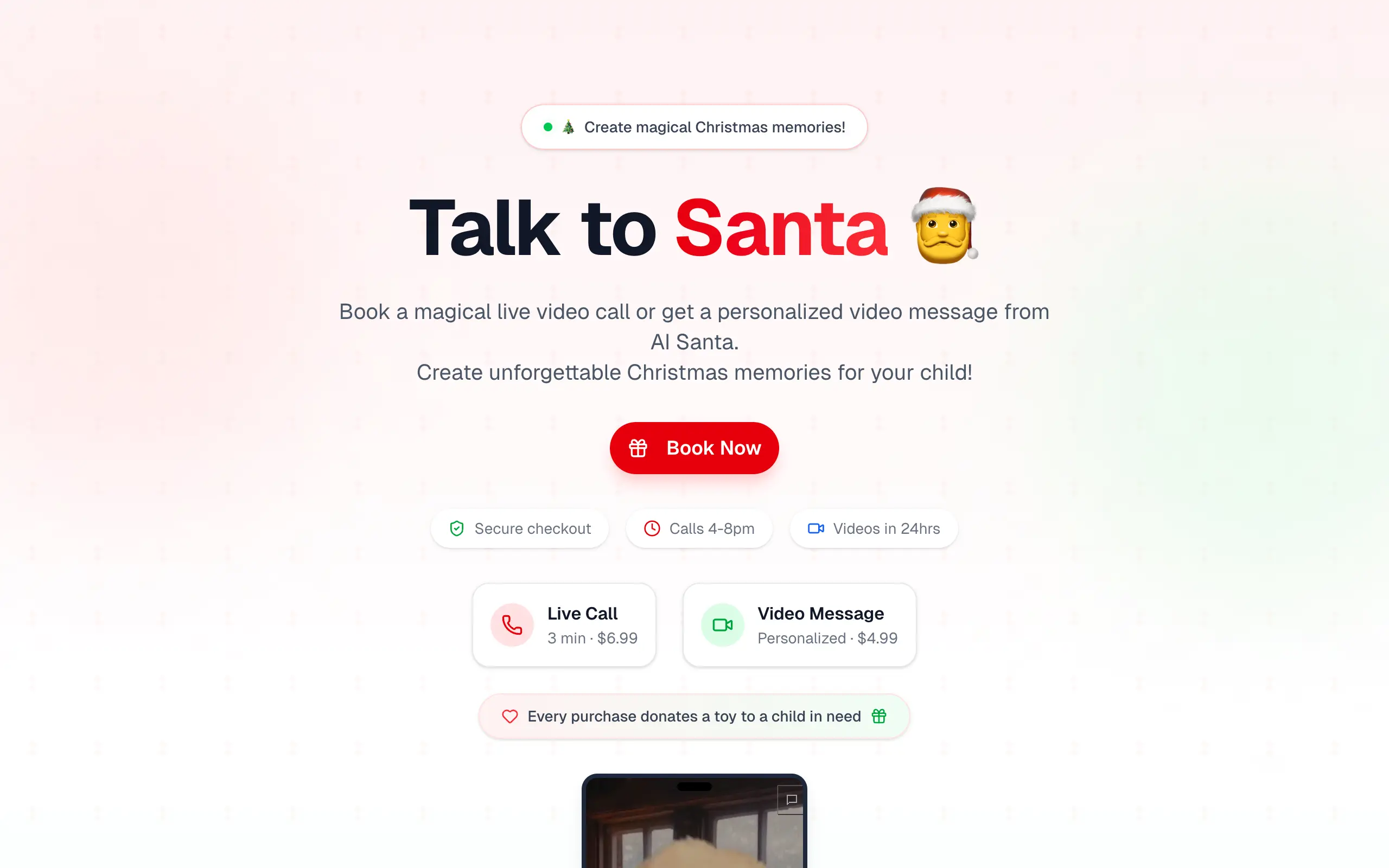
Talk to Santa
Enjoy a magical live video chat or receive a unique AI-generated video greeting from Santa Claus 🎅
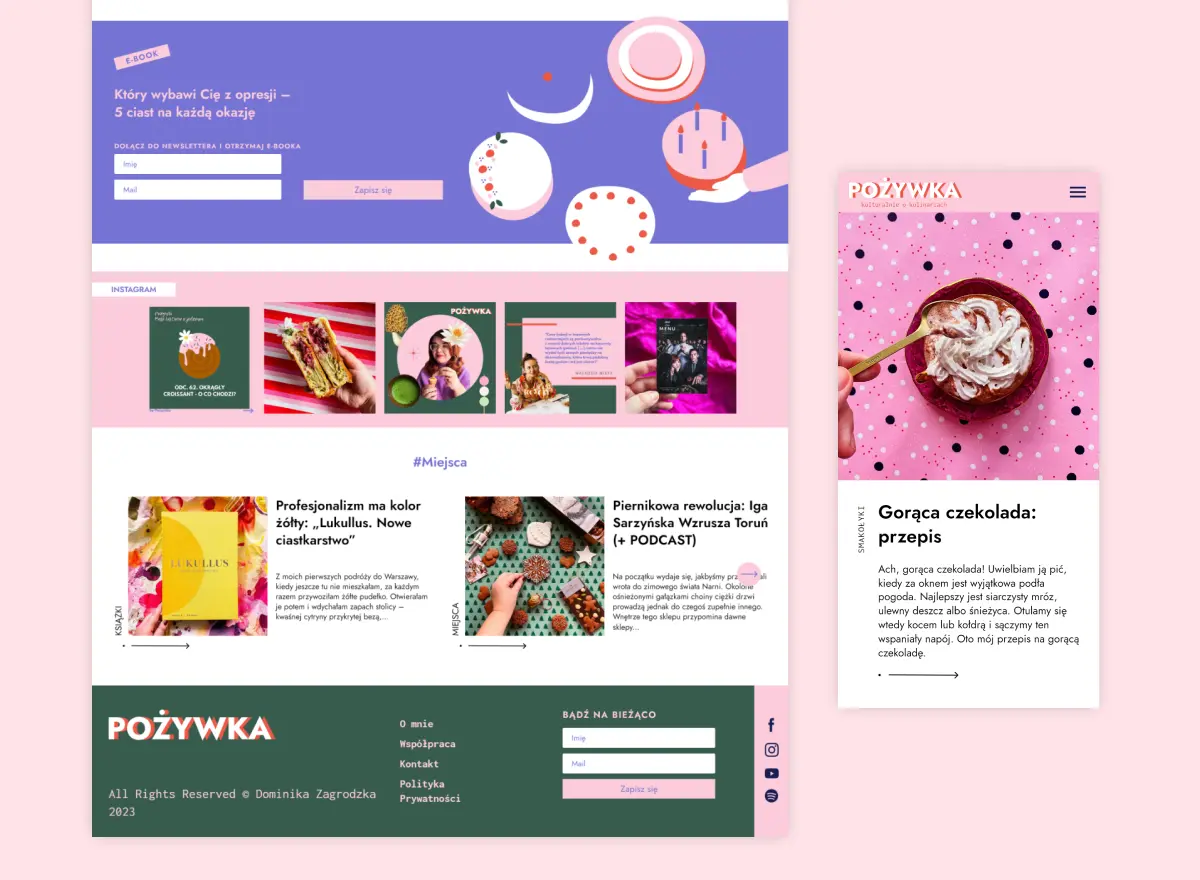
pozywka.pl
Scalable blog for food journalist, focused on performance and user experience 🌭
zagrodzki.me
Personal blog and portfolio of Bart Zagrodzki, where he shares his knowledge and work 💼
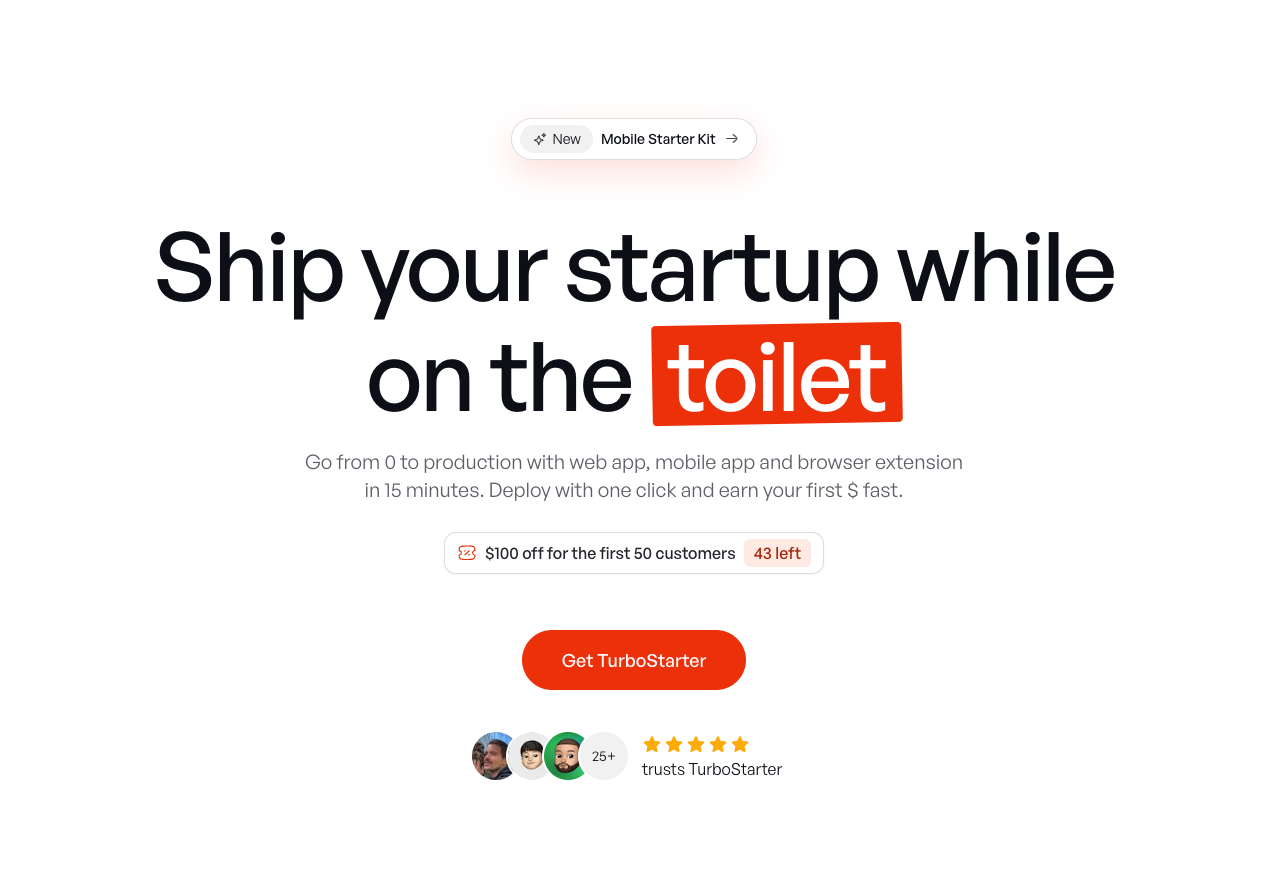
TurboStarter
Ship your startup everywhere. In minutes.
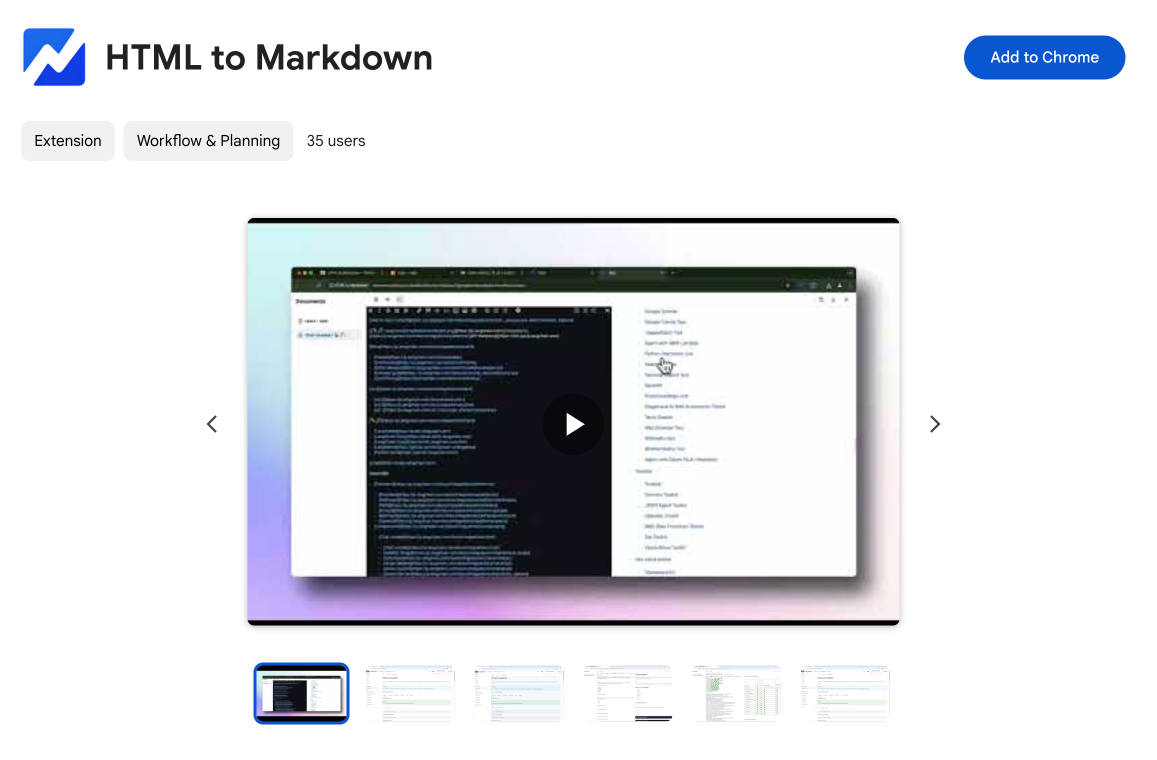
HTML to Markdown
Convert HTML to Markdown with ease, directly in your browser 📄
Dotallio
Personalized AI apps that automate research, data extraction, and content creation without code 🤖
Talk to Santa
Enjoy a magical live video chat or receive a unique AI-generated video greeting from Santa Claus 🎅
pozywka.pl
Scalable blog for food journalist, focused on performance and user experience 🌭
zagrodzki.me
Personal blog and portfolio of Bart Zagrodzki, where he shares his knowledge and work 💼
TurboStarter
Ship your startup everywhere. In minutes.
HTML to Markdown
Convert HTML to Markdown with ease, directly in your browser 📄
Dotallio
Personalized AI apps that automate research, data extraction, and content creation without code 🤖
Talk to Santa
Enjoy a magical live video chat or receive a unique AI-generated video greeting from Santa Claus 🎅
pozywka.pl
Scalable blog for food journalist, focused on performance and user experience 🌭
zagrodzki.me
Personal blog and portfolio of Bart Zagrodzki, where he shares his knowledge and work 💼
TurboStarter
Ship your startup everywhere. In minutes.
HTML to Markdown
Convert HTML to Markdown with ease, directly in your browser 📄
Dotallio
Personalized AI apps that automate research, data extraction, and content creation without code 🤖
Talk to Santa
Enjoy a magical live video chat or receive a unique AI-generated video greeting from Santa Claus 🎅
pozywka.pl
Scalable blog for food journalist, focused on performance and user experience 🌭
zagrodzki.me
Personal blog and portfolio of Bart Zagrodzki, where he shares his knowledge and work 💼
TurboStarter
Ship your startup everywhere. In minutes.
HTML to Markdown
Convert HTML to Markdown with ease, directly in your browser 📄
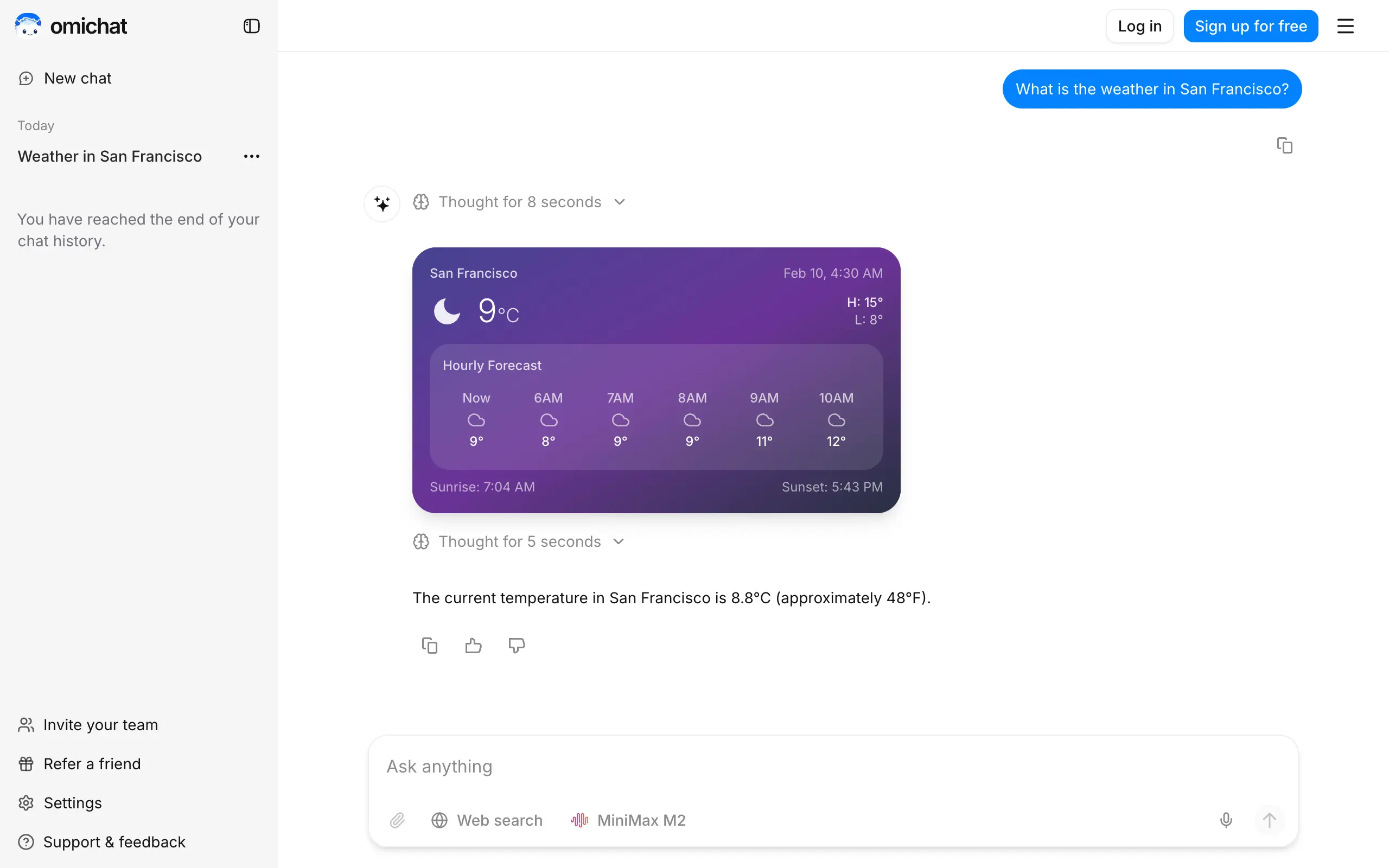
Omichat
Chat with 50+ AI models, including ChatGPT and Claude, in one place - switch models anytime without losing context 🤖
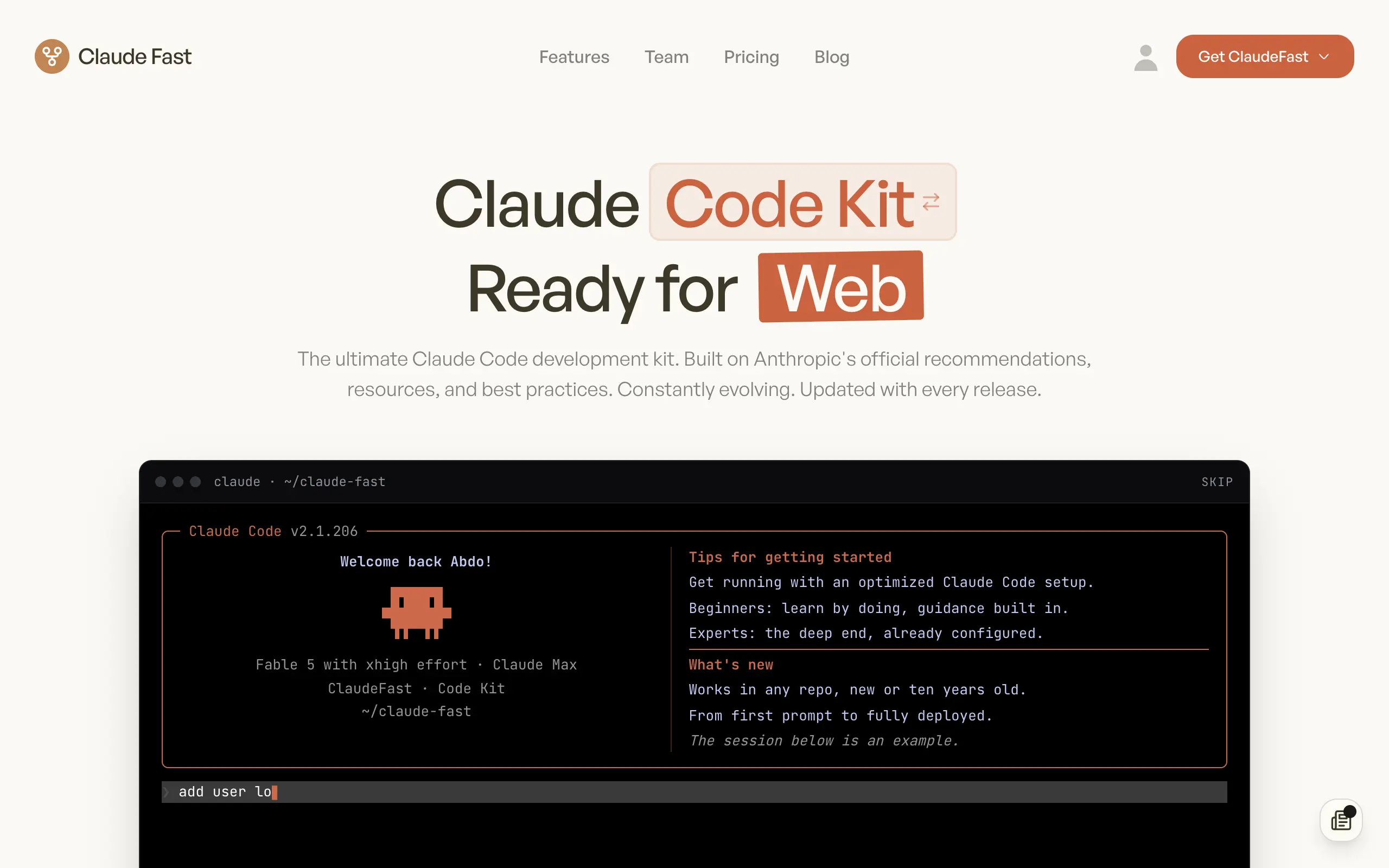
Claude Fast
Supercharge your Claude Code with 6x effective context window and specialized AI agents 🤖
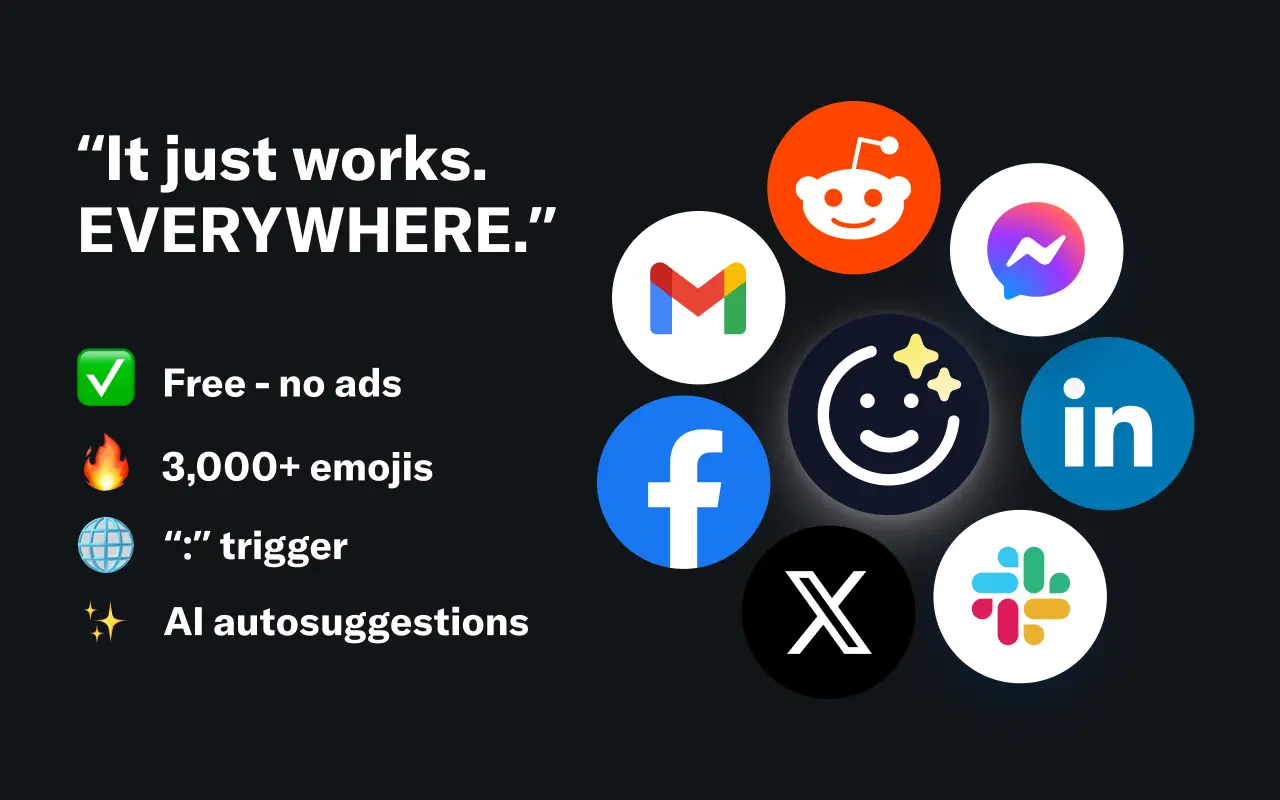
EmojAI
AI-powered emoji picker with smart, context-aware suggestions 🤖
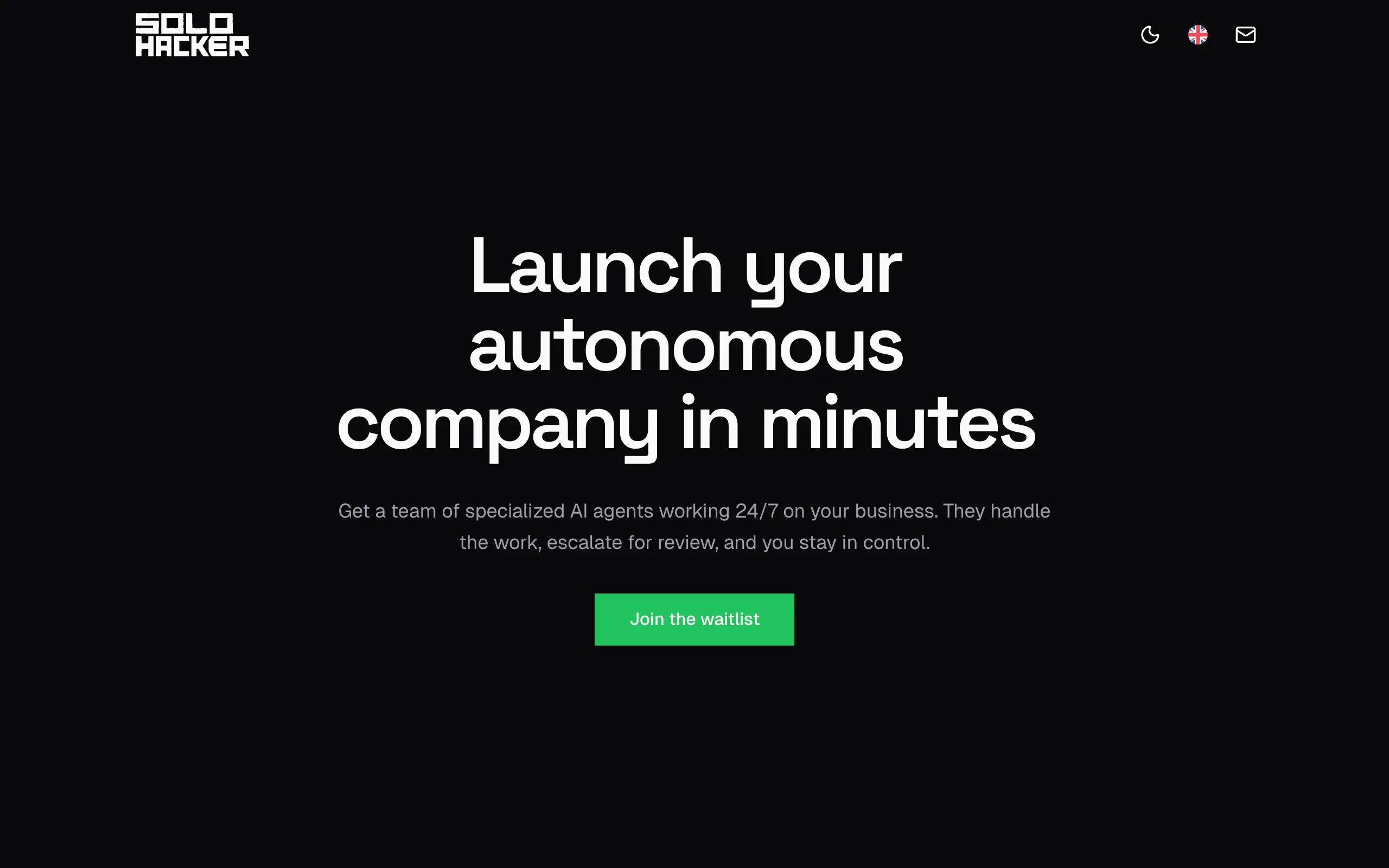
Solohacker
Autonomous company launcher - AI agents work 24/7, escalate what matters, and you stay in control 🤖
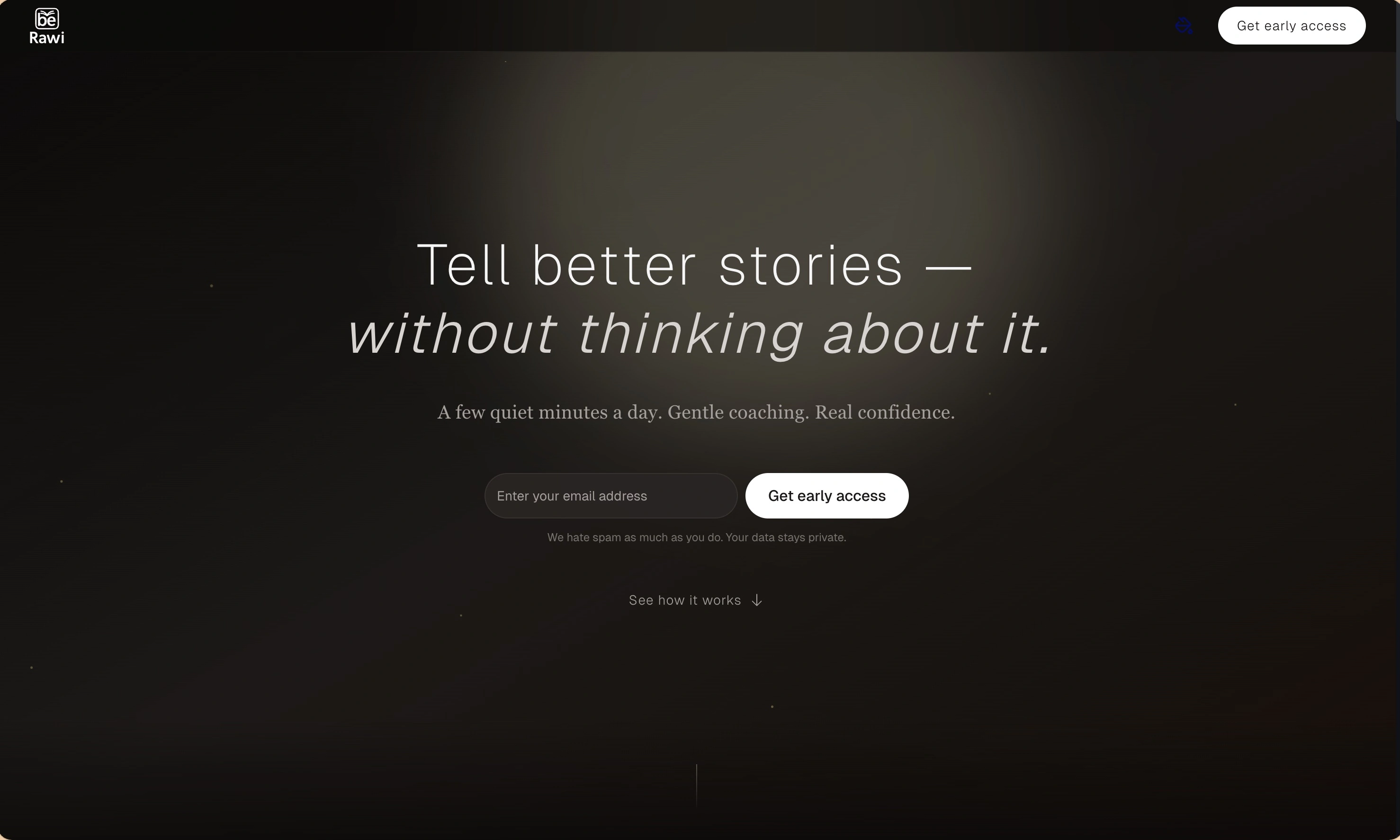
BeRawi: Storytelling Coach
Practice storytelling daily with instant feedback to sound clearer, more engaging, and confident 🎤
Omichat
Chat with 50+ AI models, including ChatGPT and Claude, in one place - switch models anytime without losing context 🤖
Claude Fast
Supercharge your Claude Code with 6x effective context window and specialized AI agents 🤖
EmojAI
AI-powered emoji picker with smart, context-aware suggestions 🤖
Solohacker
Autonomous company launcher - AI agents work 24/7, escalate what matters, and you stay in control 🤖
BeRawi: Storytelling Coach
Practice storytelling daily with instant feedback to sound clearer, more engaging, and confident 🎤
Omichat
Chat with 50+ AI models, including ChatGPT and Claude, in one place - switch models anytime without losing context 🤖
Claude Fast
Supercharge your Claude Code with 6x effective context window and specialized AI agents 🤖
EmojAI
AI-powered emoji picker with smart, context-aware suggestions 🤖
Solohacker
Autonomous company launcher - AI agents work 24/7, escalate what matters, and you stay in control 🤖
BeRawi: Storytelling Coach
Practice storytelling daily with instant feedback to sound clearer, more engaging, and confident 🎤
Omichat
Chat with 50+ AI models, including ChatGPT and Claude, in one place - switch models anytime without losing context 🤖
Claude Fast
Supercharge your Claude Code with 6x effective context window and specialized AI agents 🤖
EmojAI
AI-powered emoji picker with smart, context-aware suggestions 🤖
Solohacker
Autonomous company launcher - AI agents work 24/7, escalate what matters, and you stay in control 🤖
BeRawi: Storytelling Coach
Practice storytelling daily with instant feedback to sound clearer, more engaging, and confident 🎤

Connect with like-minded people
Join our community to get feedback, support, and grow together with 1,000+ builders on board, let's ship it!
Join usShip your startup everywhere. In minutes.
Don't burn tokens on setup and start building features on day one.