ClearClip
Automate UGC usage-rights collection, expiry tracking, and renewal requests so brands never lose ads to missing creator permissions.
Why UGC usage rights management is now a revenue-protection problem
Creator content has become a core paid-media asset for brands. A high-performing TikTok, Reel, testimonial, product demo, or unboxing video can be repurposed across Meta ads, YouTube Shorts, retailer pages, email, landing pages, and connected TV campaigns.
The operational problem is that the content itself is only one part of the asset. The other part is permission.
Brands need reliable answers to questions such as:
- "Who owns this creator asset?"
- "Which legal entity has the right to use it?"
- "Where can it run?"
- "Is paid advertising included?"
- "When does the usage license expire?"
- "Can the brand edit, crop, subtitle, or whitelist the content?"
- "Has the creator approved an extension?"
- "Can an agency, affiliate, or retail partner use the asset too?"
Without a clear system of record, these questions are often answered through scattered email threads, direct messages, spreadsheets, contract folders, and campaign notes. That creates a material business risk. A brand may pause a profitable campaign because nobody can verify its rights, unintentionally keep an expired creative live, or lose time negotiating renewals after an asset has already been removed from media rotation.
ClearClip is a B2B SaaS concept for automating UGC usage-rights collection, approval tracking, expiry monitoring, and creator renewal requests. Its central value proposition is simple:
Help brands turn creator permissions into structured, searchable, auditable campaign data before those permissions become a problem.
The primary keyword for this opportunity is UGC usage rights management software. Related search terms include:
- creator content rights management
- UGC licensing software
- influencer usage rights tracking
- creator contract management
- social media content licensing
- UGC rights expiration tracking
- creator permission management
- influencer campaign compliance
- paid social usage rights
- creator content renewal workflow
ClearClip should position itself not as another influencer discovery platform, but as the operational rights layer that protects the value of creator content after it has been made.
The commercial reality
A creator asset can keep generating revenue long after the original post goes live. The more a brand reuses UGC in paid media, the more important it becomes to track scope, term, channels, territories, edits, and renewal status in one reliable system.
The target audience for UGC usage rights management software
ClearClip should begin with teams that already work with a meaningful volume of creator content and feel the consequences of fragmented rights tracking. These buyers do not necessarily need more creators. They need a safer, faster way to use the content they already have.
Primary audience: DTC and ecommerce brands
Direct-to-consumer brands commonly rely on UGC to reduce creative fatigue in paid social advertising. Their growth teams may test dozens of new creator assets each month, then rapidly scale the winners across multiple channels.
For these companies, ClearClip solves several recurring problems:
- Missing proof that paid advertising rights were granted
- Unclear license expiration dates across active ads
- Difficulty finding content that is approved for a particular market or platform
- Lost performance when an effective asset is removed unexpectedly
- Time-consuming creator outreach for extensions and renewals
- Confusion between organic posting permission and paid media permission
The ideal initial customer is likely a consumer brand with an in-house growth team, a creator marketing manager, and enough monthly UGC volume that a spreadsheet is becoming unreliable. Beauty, wellness, apparel, food and beverage, consumer technology, home goods, and fitness brands are especially strong verticals because their paid social strategies often depend on a continuous pipeline of fresh creator-led creative.
Secondary audience: Performance marketing and influencer agencies
Agencies are a high-leverage customer segment because one agency account may manage creator rights across multiple brands. However, agency workflows introduce more complexity:
- Clients need visibility without gaining access to other client data.
- Agencies may negotiate rights but not own the final contract.
- Brands can change agencies while retaining creator content libraries.
- Account teams need standardized reporting across client portfolios.
- A renewal request may need approval from the agency, brand, and creator.
ClearClip can serve agencies through workspaces, client portals, role-based access controls, branded reporting, and portfolio-level compliance dashboards. An agency plan could become a powerful distribution channel if the product makes agencies look more organized and reduces their operational burden.
Tertiary audience: Enterprise brands and retail organizations
Larger brands often have formal legal, procurement, brand governance, and digital asset management processes. Their challenge is not merely tracking a date. It is connecting rights data across many markets, brands, creators, agencies, and asset repositories.
Enterprise buyers may need:
- Multi-brand and multi-region workspaces
- SSO and SCIM provisioning
- Approval workflows
- Legal audit trails
- Data retention controls
- API access
- Contract repository integrations
- Digital asset management integrations
- Custom roles and permissions
- Exportable rights reports for legal and procurement teams
This is an attractive longer-term segment, but ClearClip should avoid beginning with a feature set designed only for complex enterprise procurement. The product needs a fast path to value for growth teams first.
The buying committee and user roles
ClearClip should recognize that its buyer and daily user may be different people.
| Role | Primary concern | ClearClip value | Likely product usage | Buying influence |
|---|---|---|---|---|
| Creator marketing manager | Collecting approvals and creator details | Structured intake and automated follow-ups | Daily | High |
| Paid social manager | Keeping winning ads live safely | Expiry alerts and asset-level rights status | Daily | High |
| Legal or operations lead | Compliance and auditability | Centralized evidence and approval history | Weekly or monthly | High |
| Agency account manager | Scaling consistent client workflows | Multi-client reporting and renewal automation | Daily | High |
| Finance or procurement | Renewal cost and vendor control | Rights cost reporting and payment records | Monthly | Medium |
The market gap: content workflows rarely treat rights as structured data
Most creator marketing tools focus on discovery, outreach, campaign management, gifting, payment, affiliate links, and influencer analytics. Digital asset management tools focus on storing files, organizing metadata, and distributing approved files. Contract tools focus on creating and signing agreements.
Each category is useful, but the operational gap sits between them.
A signed agreement does not automatically tell a paid media manager whether a specific version of a video is cleared for a 30-day Meta ad campaign in the United States. A file stored in a DAM does not guarantee that its license is current. A creator campaign platform may record a collaboration, but it may not give teams a dependable, asset-level view of commercial usage terms.
That gap is where UGC rights tracking software can become indispensable.
The spreadsheet failure mode
Spreadsheets are usually the default answer because they are flexible, familiar, and free. They work at low volume. They begin to fail when teams need to coordinate multiple people, multiple campaigns, multiple versions of a creative asset, and changing commercial rights terms.
Common spreadsheet weaknesses include:
- No consistent required fields for rights scope
- Dates entered in inconsistent formats
- Limited audit history
- Broken links to source agreements
- No automatic relationship between content assets and licenses
- No proactive renewal sequence
- Weak permissions for agencies and external collaborators
- Difficulty identifying which assets are live in paid campaigns
- No reliable single source of truth
The opportunity is not to persuade every brand that spreadsheets are bad. It is to make the cost of manual management visible at the exact moment a team starts feeling operational friction.
Why expiry tracking is a strong wedge
Expiry management is a particularly compelling entry point because it has a direct and intuitive consequence. When an asset expires, a brand must either stop using it, secure a renewal, or accept avoidable legal and commercial risk.
A well-designed ClearClip dashboard could answer these questions instantly:
- Which high-performing assets expire in the next 7, 30, 60, and 90 days?
- Which creators have not responded to a renewal request?
- Which active ads use assets with missing, incomplete, or expired rights?
- How much paid media spend is associated with at-risk creative?
- Which rights renewals are awaiting internal approval?
- Which creators are eligible for a pre-approved renewal offer?
This creates a clear narrative for both marketing and legal stakeholders: ClearClip helps preserve campaign continuity while improving permission governance.
ClearClip’s unique selling proposition
ClearClip should own the category of creator content rights operations.
Rather than becoming a broad influencer marketing platform, its USP should be:
ClearClip turns every creator asset into a permission-aware media asset, with verifiable usage terms, automated expiration monitoring, and renewal workflows built for paid growth teams.
This positioning is specific enough to differentiate the product and broad enough to support a future ecosystem of integrations.
What makes the concept distinctive
Asset-level rights intelligence
Connect exact creative files, post URLs, edits, and variants to the terms that govern their commercial use.
Proactive renewal automation
Trigger creator renewal requests before high-value assets expire instead of relying on manual calendar reminders.
Paid media risk visibility
Show growth teams which live or planned ads have unclear, limited, or expiring rights.
Audit-ready permission evidence
Keep agreements, acceptance records, timestamps, and negotiated terms available in one searchable record.
The most important differentiation is granularity. A generic contract repository stores documents. ClearClip should model the real-world relationship between a creator, a deliverable, an asset variant, a license, a campaign, and a renewal.
For example, one creator may deliver three videos. The brand might have:
- Organic posting rights for all three assets
- Paid Meta advertising rights for one asset
- A 90-day license for the second asset
- Perpetual website usage rights for the third asset
- No rights to edit the original voiceover
- Rights to add captions and crop for vertical placements
- Rights limited to the United States and Canada
A useful product must represent that complexity without forcing the user to become a contract specialist.
Core ClearClip features and solution design
Creator-friendly rights collection
The rights collection experience should be designed for speed and clarity. A creator should not need to create a complex account simply to confirm usage terms.
An ideal flow could include:
- A brand or agency creates a rights request from a reusable template.
- ClearClip populates the creator name, campaign, deliverables, and proposed terms.
- The creator receives a mobile-friendly link by email or SMS.
- The creator reviews the license summary and full agreement.
- The creator accepts, rejects, requests changes, or asks a question.
- ClearClip records the acceptance, timestamp, agreement version, and associated assets.
- Internal stakeholders see the updated rights status immediately.
The product should make a distinction between a plain-language summary and the complete legal agreement. A creator needs understandable terms, while a brand needs durable evidence of the exact agreement accepted.
Legal design principle
ClearClip should support a brand's approved contract templates and workflows, not present itself as a substitute for legal advice. Rights language, disclosure obligations, jurisdiction, exclusivity, and ownership rules can vary substantially by campaign and region.
Structured licensing terms
The core product model should capture terms as structured fields wherever possible. This is the foundation for search, alerts, reporting, and automation.
Important rights fields include:
- "Rights holder": creator, agency, production partner, or another entity
- "Brand licensee": the legal entity receiving permission
- "Asset": source file, final file, social URL, or creative variant
- "Usage channels": organic social, paid social, website, email, retail, broadcast, out-of-home, or other channel
- "Platforms": Meta, TikTok, YouTube, Pinterest, Amazon, retailer sites, and others
- "Usage type": organic, paid advertising, whitelisting, Spark Ads, creator allowlisting, or partnership ads
- "Territory": country, market group, or worldwide
- "License start date": when use becomes permitted
- "License end date": when use must stop unless renewed
- "Edit permissions": cropping, subtitles, voiceover changes, remixing, resizing, or other adaptations
- "Exclusivity": category, competitor, channel, territory, and duration constraints
- "Attribution": whether creator credit is required
- "Compensation": original fee, renewal fee, and payment status
- "Approval evidence": signed agreement, click acceptance, email approval, or uploaded document
The product must also distinguish between the rights granted and the operational status. An asset may be contractually approved but still awaiting internal brand approval for launch. Conversely, an asset may be creatively approved but not legally cleared for paid distribution.
Asset and variant management
UGC often changes after delivery. A brand may crop a creator video, add new captions, change the CTA, create a shorter cutdown, translate text, or combine clips into a montage. ClearClip should make these relationships visible.
A practical asset model would include:
- Original creator deliverable
- Approved final version
- Paid media variants
- Channel-specific crops
- Localized versions
- Thumbnail or still-image derivatives
- Ad account creative IDs where integrations permit
- Status labels such as approved, pending, expired, archived, or restricted
The system should allow a user to see whether a derivative remains within the original license scope. If editing rights were not granted, that status should be clear before an asset is exported or activated.
Expiry tracking and alert rules
Expiry tracking is the feature that converts ClearClip from a static repository into an operational tool.
Users should be able to configure alert windows such as 90, 60, 30, 14, and 7 days before expiration. Not every asset deserves the same treatment, so alert policies should be tied to value and business importance.
For example:
- High-spend paid assets may initiate a renewal workflow 60 days before expiration.
- Lower-priority organic content may receive a simple 14-day internal reminder.
- Assets with no paid media rights may be flagged if someone attempts to add them to an advertising campaign.
- Assets with unresolved scope or missing evidence may be labeled as restricted.
A future integration with media platforms could add significant value by matching rights records against active creative. However, ClearClip should not wait for deep ad-platform integrations before shipping. A manual campaign mapping workflow can validate demand first.
Renewal request automation
The renewal workflow is where ClearClip can create clear ROI. Instead of manually searching for creator contact details and reconstructing historical terms, a brand should be able to launch a renewal from the relevant license record.
A renewal flow should support:
- Pre-filled creator and campaign details
- A proposed new term and compensation offer
- Existing rights context
- Internal approval requirements
- Automated reminders
- Creator negotiation or counteroffer handling
- Digital acceptance
- Updated expiry dates after approval
- An immutable history of previous licenses and amendments
Brands should also be able to create renewal playbooks. For instance, a creator whose asset is driving consistent conversions might receive a renewal offer 45 days before expiration. A creator who has not responded after two reminders could be escalated to a human owner.
Search, reporting, and audit trails
Search is a deceptively important feature. Teams need to locate safe-to-use content under pressure, often when launching a campaign or responding to a legal question.
Useful search filters include creator name, campaign, product, territory, channel, platform, expiration window, asset type, rights status, and edit permissions.
Reports should be useful to different stakeholders:
- Marketing teams need an upcoming-expiry calendar and reusable asset inventory.
- Paid media teams need a list of cleared creative by platform and territory.
- Legal teams need evidence exports and a record of approvals.
- Finance teams need renewal commitments and rights-related spend.
- Executives need an at-risk asset summary tied to campaign importance.
A practical MVP for ClearClip
The MVP should focus on proving that brands will centralize rights data and automate renewal workflows. The first release does not need to become a full DAM, contract lifecycle management suite, or influencer CRM.
A focused MVP could include:
The MVP should be opinionated. A generic database builder will not create strong retention on its own. ClearClip needs purpose-built defaults for creator assets, rights scope, expiration, renewal, and evidence.
Features to defer until product-market validation
Avoid delaying launch for complex capabilities that customers may not need initially:
- Full creator discovery and outreach
- Influencer payment processing
- Advanced attribution modeling
- Built-in video editing
- Large-scale DAM replacement
- Global contract authoring for every jurisdiction
- Deep integrations with every advertising platform
- AI-generated legal advice
These can become future expansion opportunities. The early product should win because it makes rights tracking dramatically easier than email and spreadsheets.
Recommended tech stack for building ClearClip
ClearClip handles sensitive creator information, contracts, and business-critical data. The stack should prioritize security, auditability, multi-tenant permissions, reliable background jobs, and a polished external approval experience.
Suggested application architecture
A modern TypeScript stack is an excellent fit for the initial product:
- "Web application": Next.js with React
- "Language": TypeScript
- "Database": PostgreSQL
- "ORM": Prisma
- "Authentication": Auth.js or an enterprise-ready identity provider when needed
- "Styling": Tailwind CSS
- "File storage": Amazon S3 or another S3-compatible object store
- "Background jobs": a durable queue and worker system for reminders, retries, and scheduled expiry checks
- "Transactional email": a provider with delivery logs, templates, and event webhooks
- "Observability": error tracking, structured logs, and audit events from the first release
- "Billing": Stripe for subscriptions, invoices, and usage-based add-ons
TurboStarter can accelerate the initial SaaS foundation by providing production-oriented building blocks for authentication, billing, teams, and application structure. That lets the product team spend more time on the ClearClip-specific rights model and less time rebuilding standard SaaS infrastructure.
Data model considerations
The data model is ClearClip’s strategic moat. A simplistic creator -> contract -> expiration date relationship will become limiting quickly.
At minimum, model these entities separately:
type UsageLicense = {
  id: string;
  creatorId: string;
  brandEntityId: string;
  campaignId?: string;
  startsAt: Date;
  expiresAt?: Date;
  territory: string[];
  channels: string[];
  platforms: string[];
  paidUsageAllowed: boolean;
  editingAllowed: boolean;
  status: "draft" | "pending" | "active" | "expired" | "revoked";
};

type Asset = {
  id: string;
  creatorId: string;
  parentAssetId?: string;
  licenseId?: string;
  assetType: "original" | "edit" | "cutdown" | "localized";
  rightsStatus: "cleared" | "restricted" | "expiring" | "expired";
};
In production, the model should be more detailed. The important lesson is that a license may apply to multiple assets, an asset may have several historical licenses, and a derivative asset may have different permissions than its original source.
Important trade-offs
A relational database such as PostgreSQL is the strongest default because rights data is highly relational and requires dependable querying across creator, asset, campaign, license, territory, and status. A document-first database may feel faster at the start, but complex reporting and audit queries can become more difficult as the application matures.
For file handling, do not store large media files directly in the database. Store metadata in PostgreSQL and place source files in object storage with encrypted access, signed URLs, retention policies, and clear ownership boundaries.
For reminders, do not rely exclusively on serverless request-time execution. Expiry workflows require durable scheduled jobs, retries, idempotency, and delivery tracking. A renewal reminder that silently fails can create exactly the risk ClearClip is designed to prevent.
Monetization options for ClearClip
ClearClip should price according to the operational value it protects, not merely the number of seats. Rights complexity scales with creators, assets, active licenses, brands, and campaign volume.
Recommended pricing structure
A hybrid subscription model is likely the most practical:
- "Starter": for small brands transitioning from spreadsheets, with a limited number of active creators or licenses
- "Growth": for performance teams needing automated renewal sequences, asset-level tracking, collaboration, and advanced reporting
- "Agency": for agencies managing multiple client workspaces, client access, branded reports, and portfolio dashboards
- "Enterprise": for SSO, custom retention controls, API access, advanced integrations, security review support, and dedicated onboarding
Usage-based expansion can be tied to active license records, monthly rights requests, managed assets, or external collaborator volume. Avoid pricing solely per internal seat because creator marketing often involves many occasional internal users, agency partners, and external creators.
Additional revenue opportunities
ClearClip can later introduce high-margin add-ons:
- Renewal automation credits for high-volume outreach
- Advanced legal audit exports
- Contract template libraries reviewed by customer counsel
- API access and integration packages
- White-label agency portals
- Data migration and rights cleanup services
- Managed implementation for enterprise teams
- Rights intelligence reporting across portfolios
The strongest monetization story is not “pay to store contracts.” It is “pay to avoid losing profitable creative, reduce manual operations, and demonstrate defensible rights governance.”
Competitive advantage and defensibility
The creator economy software market is competitive, so ClearClip needs a narrow, credible point of view. Its advantage should come from workflow depth, structured data, and integrations rather than broad feature count.
ClearClip compared with common alternatives
| Alternative | What it handles well | Where it falls short | ClearClip advantage | Best positioning |
|---|---|---|---|---|
| Spreadsheets | Simple lists and low-cost tracking | Automation, audit history, asset relationships | Purpose-built rights workflows | Upgrade from manual operations |
| Contract repositories | Document storage and signatures | Asset-level search and expiry actions | Rights data connected to content | Operational layer after agreement signing |
| Influencer platforms | Discovery, outreach, payments, campaigns | Long-term creator asset licensing governance | Dedicated rights intelligence | Complementary specialist tool |
| Digital asset management tools | File storage, metadata, distribution | Creator negotiations and renewal automation | Permission-aware creator content records | Rights layer for creator assets |
The data moat
Over time, ClearClip can build proprietary value through normalized rights data. With customer permission and privacy-conscious aggregation, the system may identify operational patterns such as:
- Average renewal cycle time by asset category
- License terms most commonly associated with paid social use
- Renewal response rates by reminder timing
- Rights clause combinations that lead to internal approval delays
- Asset types most likely to require amendments
- Forecasted renewal workload based on campaign plans
The product should be careful not to overstate AI capabilities or expose creator data. But a rights-specific data model can enable useful recommendations that generic workflow products cannot easily replicate.
Risks and mitigation strategies
ClearClip addresses a sensitive part of a brand’s operation, so trust must be designed into the business from day one.
Legal and jurisdictional complexity
Usage rights rules, contract enforceability, and creator regulations vary by jurisdiction. Brands may also use different legal entities and have their own approved agreements.
Mitigation approaches include:
- Let customers use counsel-approved templates.
- Clearly state that ClearClip is workflow software, not legal advice.
- Preserve agreement versions and acceptance records.
- Support configurable terms rather than forcing one universal license.
- Build a network of legal partners for optional expert referrals.
- Provide implementation guidance without claiming universal legal compliance.
Incomplete or inaccurate data
A rights dashboard is only as trustworthy as the information entered into it. If users upload incomplete contracts or skip fields, they may develop false confidence.
Mitigation approaches include:
- Require key fields before marking an asset as cleared.
- Use visible completeness scores and warnings.
- Label manually entered records differently from verified acceptance records.
- Support source-document attachments and links.
- Maintain immutable audit logs for critical changes.
- Provide import validation for spreadsheet migrations.
Creator adoption friction
Creators may ignore a complicated approval portal, especially if they work with many brands.
Mitigation approaches include:
- Use mobile-first approval links.
- Keep the approval summary concise.
- Allow creators to ask questions or request modifications.
- Avoid mandatory account creation for simple approvals.
- Support email and SMS delivery where legally appropriate.
- Make renewals faster than the original approval flow.
Security and privacy expectations
ClearClip may store contracts, contact information, payment terms, and unpublished content. A security incident would be damaging.
Mitigation approaches include:
- Encrypt data in transit and at rest.
- Use strict tenant isolation and role-based access control.
- Log document access and material rights changes.
- Limit file access with signed URLs.
- Establish backup, retention, and deletion policies.
- Prepare for security questionnaires as the company moves upmarket.
- Pursue relevant security controls and independent assessments as enterprise demand grows.
Integration dependency
Ad platform APIs, social platform rules, and third-party integrations can change. Building the core product around one platform’s API would create risk.
Mitigation approaches include:
- Make ClearClip valuable with manual asset mapping first.
- Build integrations through modular connectors.
- Store canonical rights data internally rather than relying on a partner as the only source of truth.
- Offer CSV imports and exports so customers retain portability.
- Prioritize integrations based on active customer workflows, not assumptions.
Go-to-market strategy for ClearClip
The strongest go-to-market motion is likely a combination of founder-led sales, content-led demand generation, and agency partnerships.
Start with the “expiring ads” pain point
The clearest message is not “manage creator contracts better.” It is:
Do not lose winning creator ads because rights expired or permissions are impossible to verify.
This language connects directly to revenue, campaign continuity, and operational stress. It gives performance marketing teams a reason to involve legal teams without making the product feel like compliance software only.
Build SEO around high-intent rights-management searches
ClearClip can create authoritative resources around topics such as:
- UGC usage rights for paid ads
- How to track influencer usage rights
- Creator content licensing checklist
- How to renew UGC usage rights
- Organic versus paid social usage rights
- UGC contract clauses for brands
- How long should creator usage rights last
- Creator content rights expiration tracker
- Influencer marketing compliance workflow
- How to organize a UGC rights library
Each article should be reviewed or contributed to by a qualified legal professional where it makes legal claims. ClearClip can also provide practical templates, checklists, and calculators, while clearly distinguishing educational material from legal advice.
Use a rights audit as a lead magnet
A highly effective sales motion may be a structured “creator rights audit.” Prospects can upload or map a small sample of their existing UGC library, and ClearClip helps identify:
- Missing expiration dates
- Assets without attached agreements
- Unclear paid usage permissions
- Upcoming renewals
- Inconsistent creator records
- High-value assets that need immediate review
This turns a vague pain point into a tangible before-and-after result.
Actionable implementation plan
ClearClip should be built around a disciplined validation process rather than assumptions about feature demand.
Phase one: validate the workflow
Interview at least 20 people across DTC brands, agencies, paid social teams, creator managers, and legal operations. Ask for real examples of the last time a creator asset expired, rights were disputed, or a campaign was paused.
Focus on behavior-based questions:
- How are rights tracked today?
- Who updates records after a creator agreement is signed?
- What happens when a paid asset is about to expire?
- How often are rights terms unclear?
- Which information is hardest to retrieve quickly?
- What does a missed renewal cost in time or campaign disruption?
- Would the team connect an existing spreadsheet to a specialized workflow tool?
Do not start with “Would you use ClearClip?” Start with evidence of current pain and budget ownership.
Phase two: build the operational MVP
Build the creator, asset, license, evidence, expiry, and renewal workflow first. Onboard design partners manually if necessary. White-glove onboarding is useful at this stage because it reveals where source data is messy and which terms customers actually need to track.
Phase three: prove renewal and retention value
Measure metrics that demonstrate operational value:
- Percentage of assets with complete rights records
- Number of licenses approaching expiration
- Renewal request response rate
- Time from renewal request to creator approval
- Number of assets saved from expiry-related interruption
- Reduction in manual tracking time
- Weekly active users among creator and paid media teams
Phase four: expand through integrations and enterprise controls
Once the workflow is proven, prioritize integrations that make ClearClip part of the existing marketing stack. Integrations with DAM systems, e-signature tools, campaign platforms, ad operations workflows, and collaboration tools can improve retention substantially.
Final perspective
ClearClip addresses a practical but under-served SaaS opportunity: creator content is becoming more valuable, more reusable, and more distributed across paid channels, while permission management remains fragmented.
The winning product will not simply store agreements. It will help brands confidently answer whether a specific creator asset can be used in a specific way, in a specific place, for a specific period of time.
By combining structured UGC licensing data, asset-level permissions, expiry alerts, creator-friendly approval flows, and automated renewals, ClearClip can become the system of record for creator content rights. For brands investing heavily in UGC and performance creative, that is not just administrative convenience. It is a way to protect creative velocity, reduce risk, and preserve the commercial value of their best-performing content.
More 🏢 B2B Application SaaS ideas
Discover more innovative b2b application SaaS ideas that are trending in 2026. Each idea is AI-generated with market validation and growth potential to help you find your next profitable venture faster than competitors.
Your competitors are building with TurboStarter
Below are some of the SaaS ideas that have been generated and built with our starter kit.
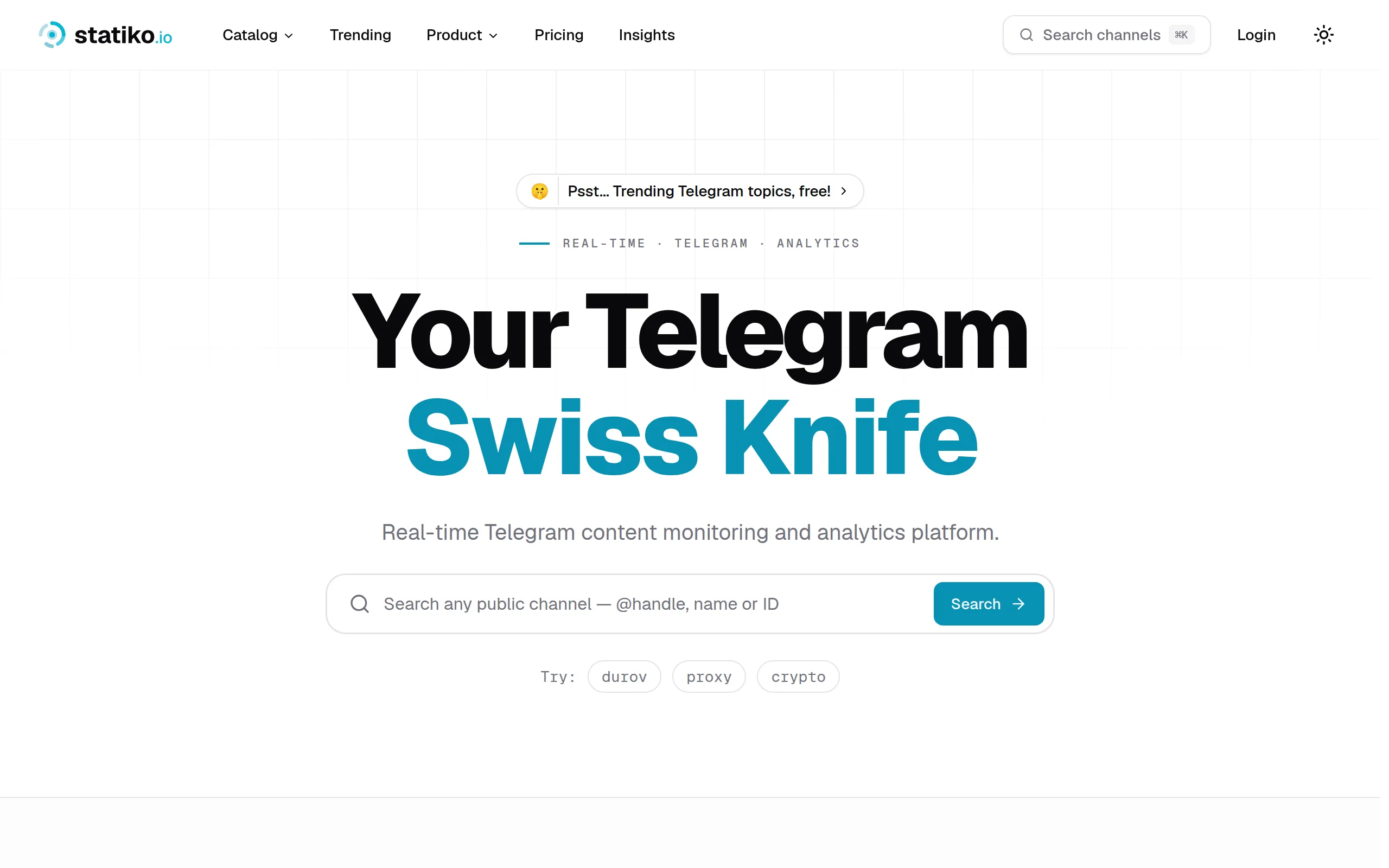
Statiko
Monitor any Telegram channel in real time - track posts, edits, deletions, and growth with AI recaps 📡

Shibui
AI website builder - describe your business, pick a niche template, edit by chatting, and publish instantly ✨

Pro Service
Find verified home service professionals, compare quotes, and pay securely through escrow - built for Brazilians across the US 🏠
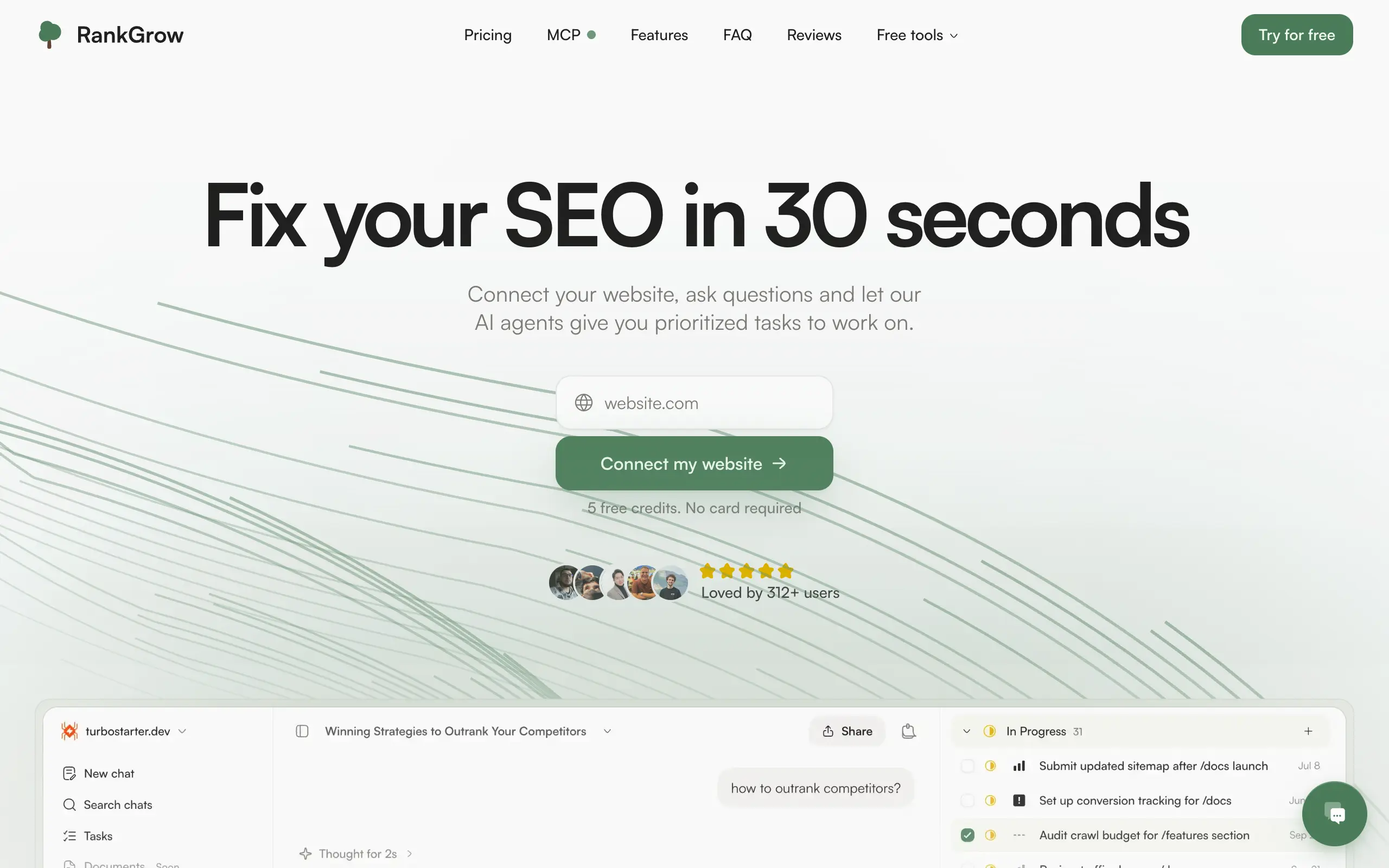
RankGrow
Fix your SEO with AI agents - connect Search Console, get prioritized tasks, and grow organic traffic 📈
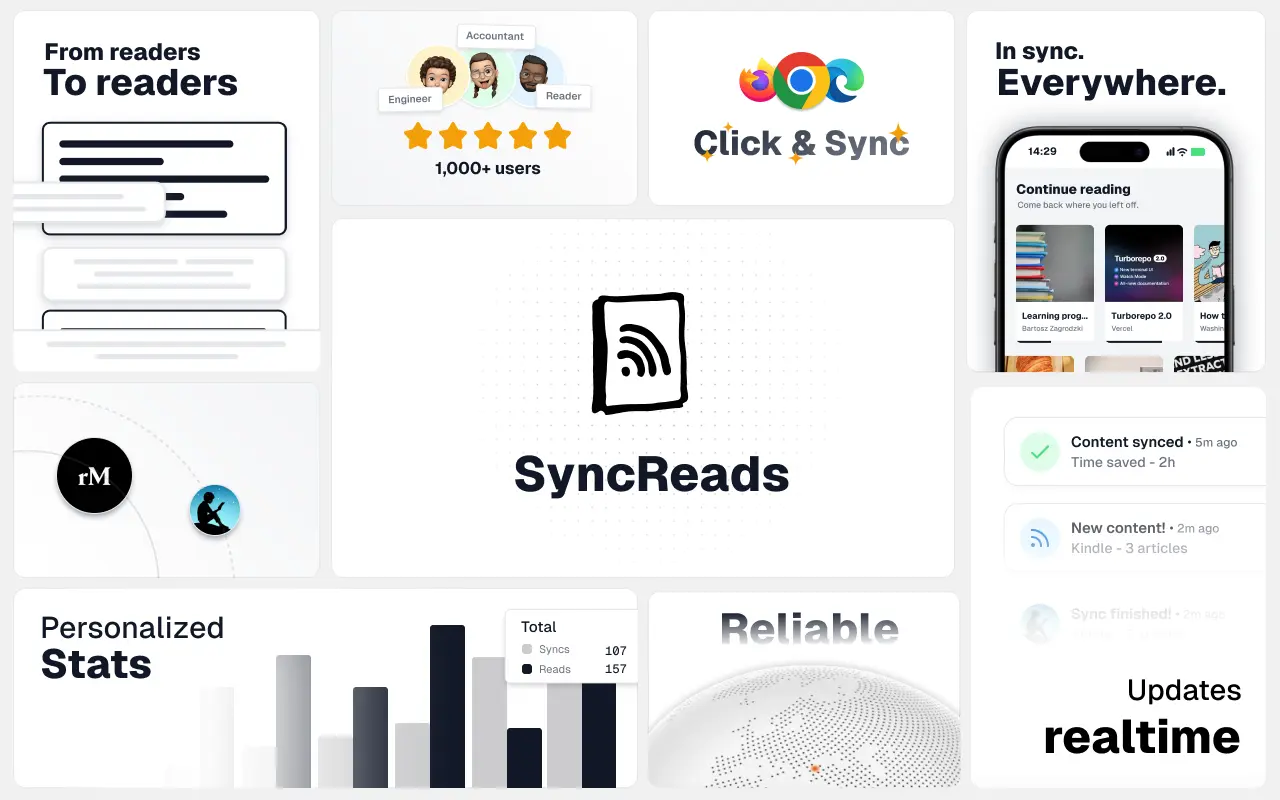
SyncReads
Sync your favorite content for distraction-free reading, save time and replace multiple apps. Anytime, anywhere 🔄
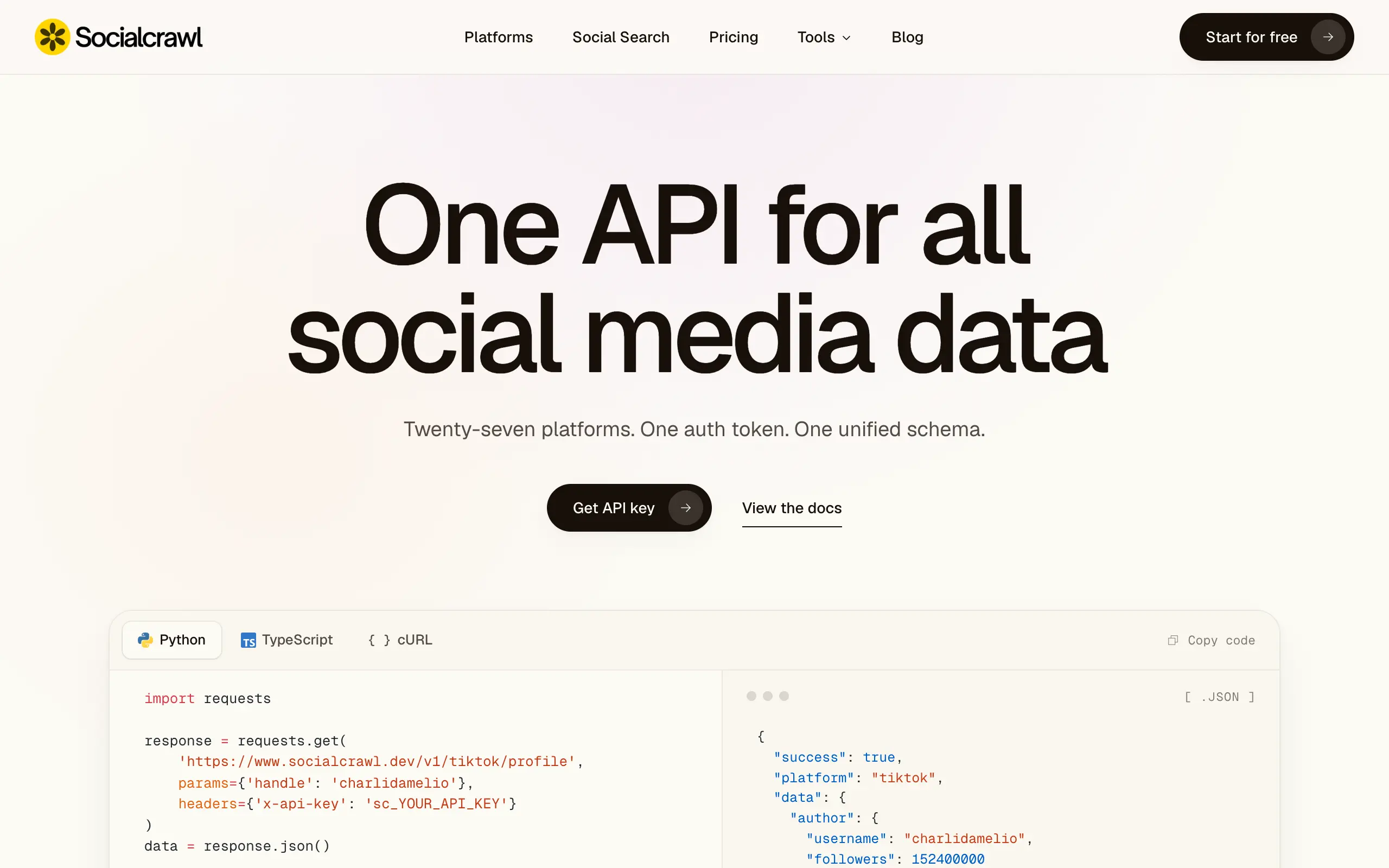
Socialcrawl
Get clean, structured data from 21 platforms like TikTok, Instagram, and YouTube with a single request 📊
Statiko
Monitor any Telegram channel in real time - track posts, edits, deletions, and growth with AI recaps 📡
Shibui
AI website builder - describe your business, pick a niche template, edit by chatting, and publish instantly ✨
Pro Service
Find verified home service professionals, compare quotes, and pay securely through escrow - built for Brazilians across the US 🏠
RankGrow
Fix your SEO with AI agents - connect Search Console, get prioritized tasks, and grow organic traffic 📈
SyncReads
Sync your favorite content for distraction-free reading, save time and replace multiple apps. Anytime, anywhere 🔄
Socialcrawl
Get clean, structured data from 21 platforms like TikTok, Instagram, and YouTube with a single request 📊
Statiko
Monitor any Telegram channel in real time - track posts, edits, deletions, and growth with AI recaps 📡
Shibui
AI website builder - describe your business, pick a niche template, edit by chatting, and publish instantly ✨
Pro Service
Find verified home service professionals, compare quotes, and pay securely through escrow - built for Brazilians across the US 🏠
RankGrow
Fix your SEO with AI agents - connect Search Console, get prioritized tasks, and grow organic traffic 📈
SyncReads
Sync your favorite content for distraction-free reading, save time and replace multiple apps. Anytime, anywhere 🔄
Socialcrawl
Get clean, structured data from 21 platforms like TikTok, Instagram, and YouTube with a single request 📊
Statiko
Monitor any Telegram channel in real time - track posts, edits, deletions, and growth with AI recaps 📡
Shibui
AI website builder - describe your business, pick a niche template, edit by chatting, and publish instantly ✨
Pro Service
Find verified home service professionals, compare quotes, and pay securely through escrow - built for Brazilians across the US 🏠
RankGrow
Fix your SEO with AI agents - connect Search Console, get prioritized tasks, and grow organic traffic 📈
SyncReads
Sync your favorite content for distraction-free reading, save time and replace multiple apps. Anytime, anywhere 🔄
Socialcrawl
Get clean, structured data from 21 platforms like TikTok, Instagram, and YouTube with a single request 📊
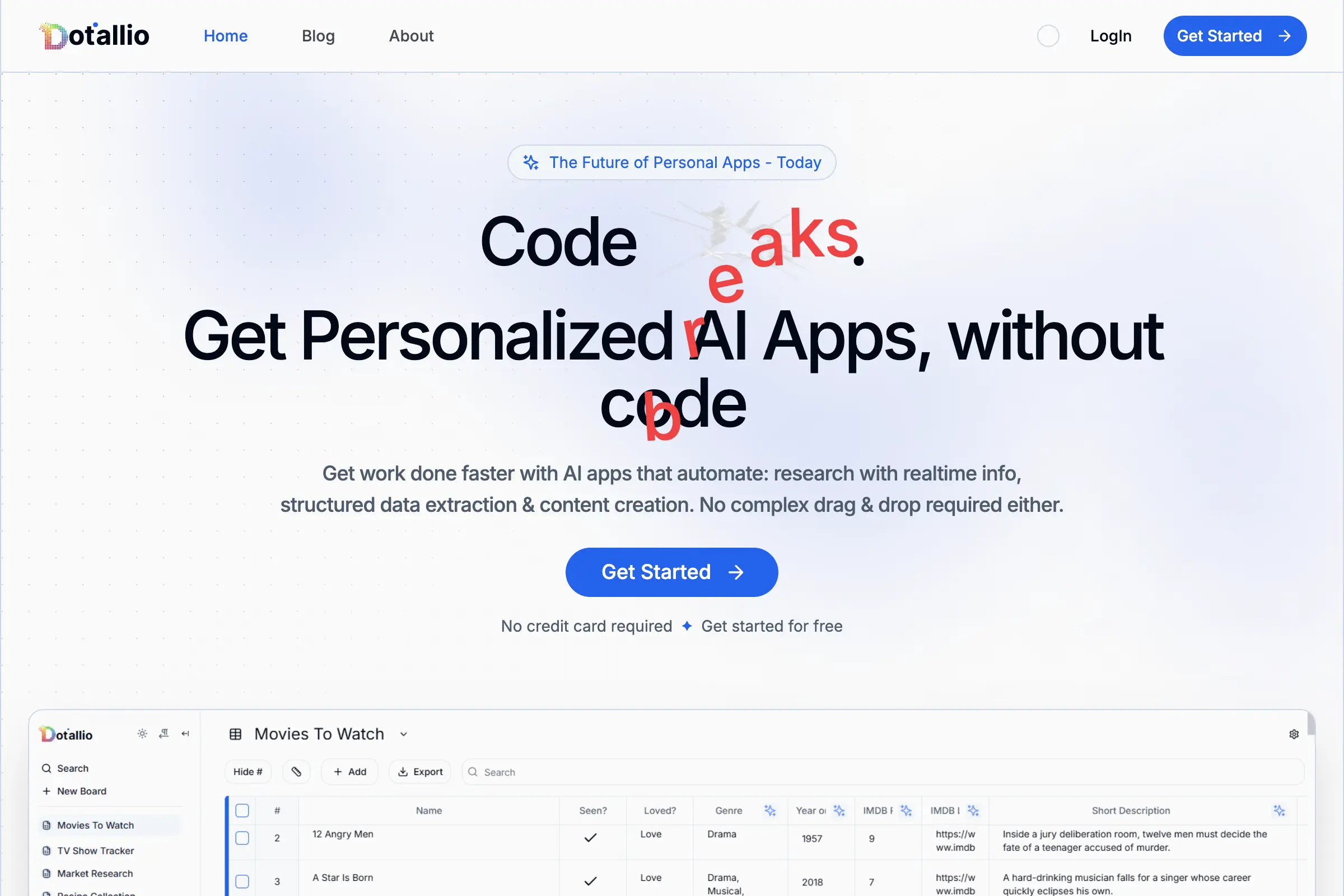
Dotallio
Personalized AI apps that automate research, data extraction, and content creation without code 🤖

Talk to Santa
Enjoy a magical live video chat or receive a unique AI-generated video greeting from Santa Claus 🎅

pozywka.pl
Scalable blog for food journalist, focused on performance and user experience 🌭
zagrodzki.me
Personal blog and portfolio of Bart Zagrodzki, where he shares his knowledge and work 💼
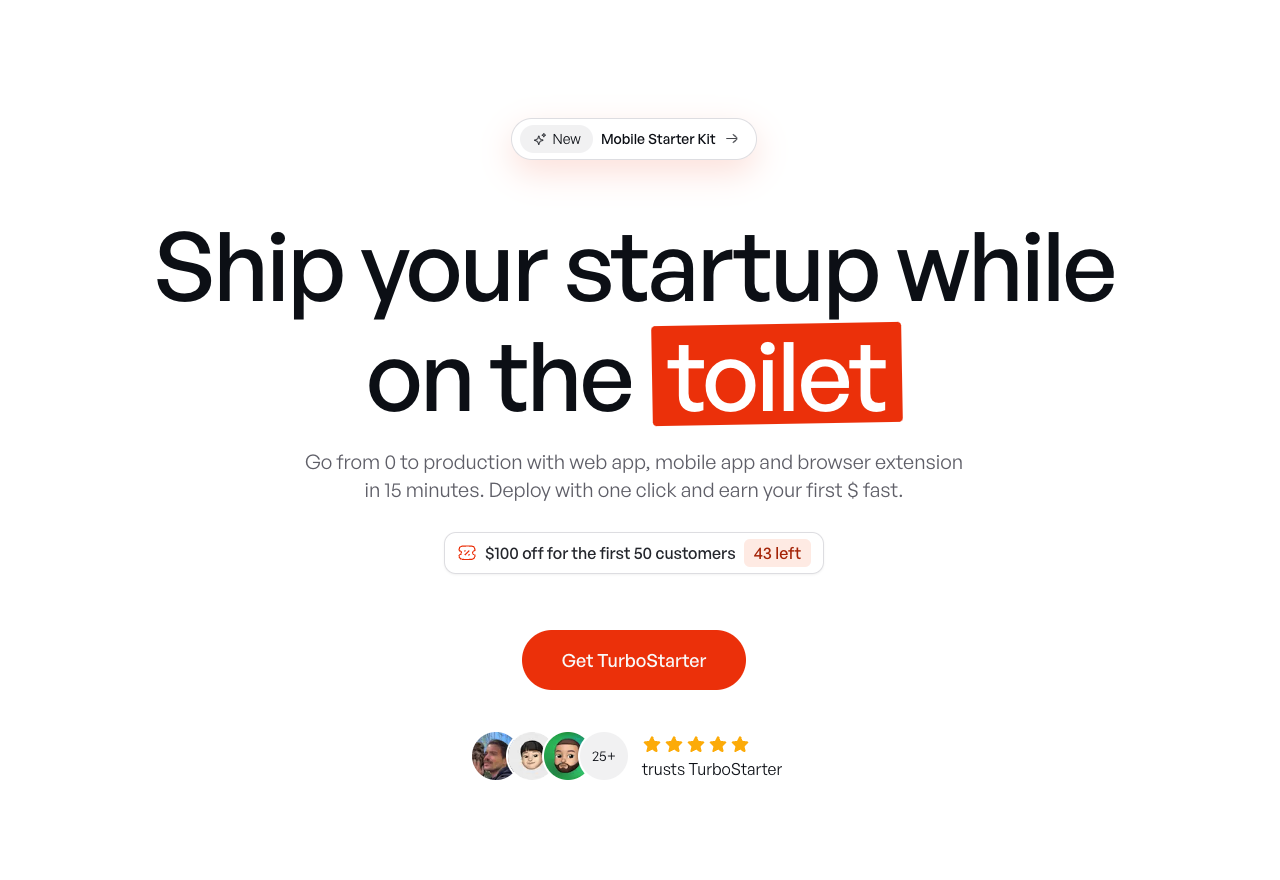
TurboStarter
Ship your startup everywhere. In minutes.
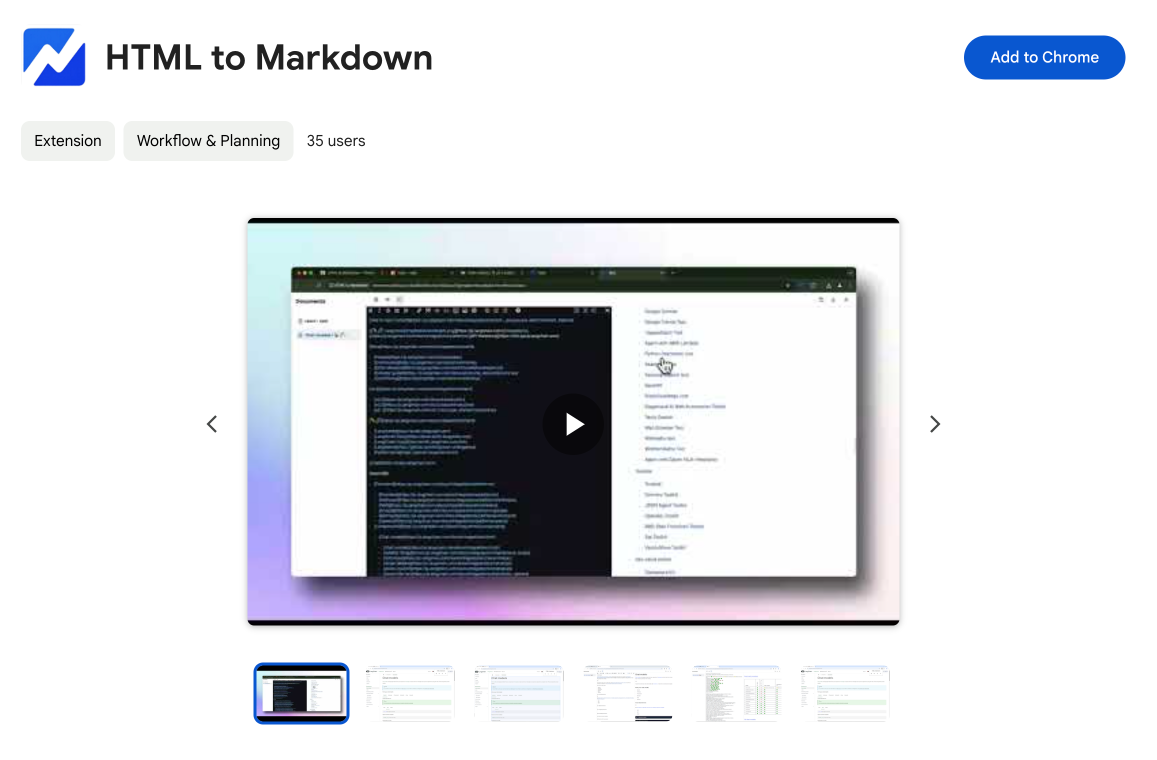
HTML to Markdown
Convert HTML to Markdown with ease, directly in your browser 📄
Dotallio
Personalized AI apps that automate research, data extraction, and content creation without code 🤖
Talk to Santa
Enjoy a magical live video chat or receive a unique AI-generated video greeting from Santa Claus 🎅
pozywka.pl
Scalable blog for food journalist, focused on performance and user experience 🌭
zagrodzki.me
Personal blog and portfolio of Bart Zagrodzki, where he shares his knowledge and work 💼
TurboStarter
Ship your startup everywhere. In minutes.
HTML to Markdown
Convert HTML to Markdown with ease, directly in your browser 📄
Dotallio
Personalized AI apps that automate research, data extraction, and content creation without code 🤖
Talk to Santa
Enjoy a magical live video chat or receive a unique AI-generated video greeting from Santa Claus 🎅
pozywka.pl
Scalable blog for food journalist, focused on performance and user experience 🌭
zagrodzki.me
Personal blog and portfolio of Bart Zagrodzki, where he shares his knowledge and work 💼
TurboStarter
Ship your startup everywhere. In minutes.
HTML to Markdown
Convert HTML to Markdown with ease, directly in your browser 📄
Dotallio
Personalized AI apps that automate research, data extraction, and content creation without code 🤖
Talk to Santa
Enjoy a magical live video chat or receive a unique AI-generated video greeting from Santa Claus 🎅
pozywka.pl
Scalable blog for food journalist, focused on performance and user experience 🌭
zagrodzki.me
Personal blog and portfolio of Bart Zagrodzki, where he shares his knowledge and work 💼
TurboStarter
Ship your startup everywhere. In minutes.
HTML to Markdown
Convert HTML to Markdown with ease, directly in your browser 📄
Omichat
Chat with 50+ AI models, including ChatGPT and Claude, in one place - switch models anytime without losing context 🤖
Claude Fast
Supercharge your Claude Code with 6x effective context window and specialized AI agents 🤖
EmojAI
AI-powered emoji picker with smart, context-aware suggestions 🤖
Solohacker
Autonomous company launcher - AI agents work 24/7, escalate what matters, and you stay in control 🤖
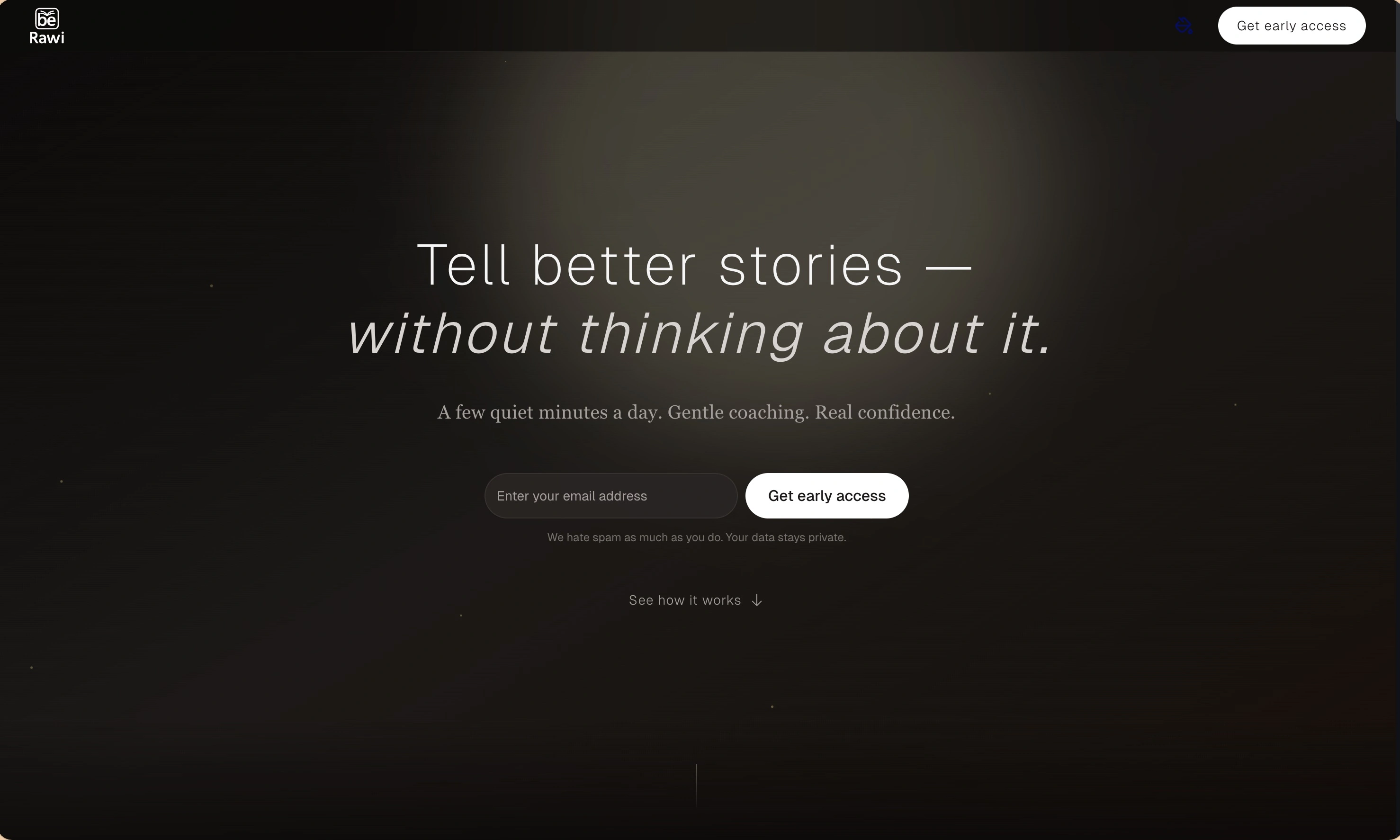
BeRawi: Storytelling Coach
Practice storytelling daily with instant feedback to sound clearer, more engaging, and confident 🎤
Omichat
Chat with 50+ AI models, including ChatGPT and Claude, in one place - switch models anytime without losing context 🤖
Claude Fast
Supercharge your Claude Code with 6x effective context window and specialized AI agents 🤖
EmojAI
AI-powered emoji picker with smart, context-aware suggestions 🤖
Solohacker
Autonomous company launcher - AI agents work 24/7, escalate what matters, and you stay in control 🤖
BeRawi: Storytelling Coach
Practice storytelling daily with instant feedback to sound clearer, more engaging, and confident 🎤
Omichat
Chat with 50+ AI models, including ChatGPT and Claude, in one place - switch models anytime without losing context 🤖
Claude Fast
Supercharge your Claude Code with 6x effective context window and specialized AI agents 🤖
EmojAI
AI-powered emoji picker with smart, context-aware suggestions 🤖
Solohacker
Autonomous company launcher - AI agents work 24/7, escalate what matters, and you stay in control 🤖
BeRawi: Storytelling Coach
Practice storytelling daily with instant feedback to sound clearer, more engaging, and confident 🎤
Omichat
Chat with 50+ AI models, including ChatGPT and Claude, in one place - switch models anytime without losing context 🤖
Claude Fast
Supercharge your Claude Code with 6x effective context window and specialized AI agents 🤖
EmojAI
AI-powered emoji picker with smart, context-aware suggestions 🤖
Solohacker
Autonomous company launcher - AI agents work 24/7, escalate what matters, and you stay in control 🤖
BeRawi: Storytelling Coach
Practice storytelling daily with instant feedback to sound clearer, more engaging, and confident 🎤

Connect with like-minded people
Join our community to get feedback, support, and grow together with 1,000+ builders on board, let's ship it!
Join usShip your startup everywhere. In minutes.
Don't burn tokens on setup and start building features on day one.