Clerkship Scheduler Pro
Automate and optimize clinical rotation scheduling for med schools, hospitals, and students, reducing admin time and improving placement satisfaction.
Understanding the need for automated clinical rotation scheduling
Clinical rotations are a cornerstone of medical education, providing students with hands-on experience in real healthcare settings. However, the process of scheduling these clerkships is notoriously complex. Medical schools and teaching hospitals must balance student preferences, faculty availability, departmental needs, accreditation requirements, and resource constraints—all while minimizing administrative overhead and maximizing placement satisfaction.
Clerkship Scheduler Pro is designed to address these challenges by automating and optimizing clinical rotation scheduling for medical schools, hospitals, and students. This B2B SaaS solution aims to reduce administrative time, improve placement satisfaction, and bring data-driven efficiency to a traditionally manual process.
Target audience analysis: Who benefits from Clerkship Scheduler Pro?
Understanding the primary users and stakeholders is crucial for building a solution that truly meets market needs. Clerkship Scheduler Pro targets three main groups:
- Medical school administrators: Responsible for managing student rotations, ensuring compliance, and handling logistics.
- Teaching hospitals and clinical sites: Need to coordinate with multiple schools, manage capacity, and optimize resource allocation.
- Medical students: Seek rotations that align with their interests, career goals, and graduation requirements.
Key pain points for each audience
Administrators:
- Manual scheduling is time-consuming and error-prone.
- Difficulty balancing student preferences with site availability.
- Compliance with accreditation and reporting requirements.
Hospitals/Clinical sites:
- Overlapping requests from multiple schools.
- Underutilization or overbooking of departments.
- Communication gaps with academic partners.
Students:
- Limited transparency in the placement process.
- Frustration with last-minute changes or suboptimal assignments.
- Difficulty tracking requirements and progress.
Identifying the market opportunity and gaps
The healthcare education sector is experiencing rapid digital transformation, but clinical rotation scheduling remains largely underserved. Most institutions rely on spreadsheets, email chains, or legacy systems that lack flexibility and intelligence.
Why now? Key market drivers
- Growing medical school enrollment: According to the AAMC, U.S. medical school enrollment has increased by over 30% in the past decade (reference: AAMC data).
- Accreditation pressures: Regulatory bodies demand detailed documentation and fair, transparent scheduling.
- Demand for student-centric experiences: Modern learners expect digital tools that offer personalization and self-service.
- Remote and distributed learning: The COVID-19 pandemic accelerated the need for flexible, cloud-based solutions.
Existing solutions and their limitations
Most current tools are either generic scheduling platforms or outdated, on-premise systems. They often lack:
- Intelligent matching algorithms.
- Real-time collaboration features.
- Integration with student information systems (SIS) and hospital EMRs.
- User-friendly interfaces for students and staff.
Core features and solution details
Clerkship Scheduler Pro stands out by offering a comprehensive, purpose-built feature set:
Intelligent, rules-based scheduling engine
- Automated matching: Uses algorithms to match students to rotations based on preferences, requirements, and site capacity.
- Customizable rules: Administrators can set constraints (e.g., required specialties, blackout dates, max students per site).
- Conflict resolution: Detects and resolves scheduling conflicts automatically.
Self-service student portal
- Preference ranking: Students can rank preferred sites, specialties, and dates.
- Real-time status updates: Transparent view of application status and upcoming rotations.
- Progress tracking: Visual dashboards for completed and pending requirements.
Admin and faculty dashboards
- Bulk scheduling tools: Assign, swap, or edit rotations in batches.
- Compliance tracking: Built-in reports for accreditation and audit purposes.
- Communication hub: Centralized messaging between students, faculty, and sites.
Integration and interoperability
- API access: Connect with SIS, EMR, and HR systems.
- Calendar sync: Export schedules to Google Calendar, Outlook, etc.
- Data import/export: Easy migration from legacy systems.
Analytics and reporting
- Utilization insights: Identify underused sites or specialties.
- Satisfaction metrics: Collect feedback from students and faculty.
- Custom reports: Generate data for accreditation, diversity, and performance reviews.
Automated matching
AI-driven algorithms optimize placements based on preferences and constraints.
Self-service portal
Empower students to manage their own rotation preferences and track progress.
Compliance reporting
Generate accreditation-ready reports with a single click.
Seamless integrations
Connect with existing SIS, EMR, and calendar tools.
Recommended tech stack for Clerkship Scheduler Pro
Choosing the right technology stack is critical for scalability, security, and user experience. Here’s a recommended stack, with trade-offs considered:
Frontend
- React: Modern, component-based UI for responsive dashboards and portals.
- TailwindCSS: Utility-first CSS for rapid, consistent styling.
- TypeScript: Ensures type safety and maintainability.
Backend
- Node.js with Express: High performance, scalable, and widely supported.
- PostgreSQL: Robust relational database for complex scheduling logic and reporting.
- Redis: For caching and real-time notifications.
Integrations
- RESTful APIs: For interoperability with SIS, EMR, and calendar systems.
- OAuth 2.0: Secure authentication and SSO support.
Hosting and DevOps
- AWS or Azure: Scalable, HIPAA-compliant cloud infrastructure.
- Docker: Containerization for consistent deployments.
- CI/CD pipelines: Automated testing and deployment.
Trade-offs
- Monolithic vs. microservices: A modular monolith may be preferable initially for faster iteration, with the option to refactor into microservices as the user base grows.
- Custom algorithms vs. off-the-shelf schedulers: Custom logic is essential for the unique constraints of medical education, but leveraging open-source libraries for optimization (e.g., OR-Tools) can accelerate development.
Monetization strategy options
A B2B SaaS like Clerkship Scheduler Pro can adopt several monetization models:
Subscription-based pricing
- Tiered plans: Differentiate by number of students, sites, or advanced features (e.g., analytics, integrations).
- Annual contracts: Preferred by institutions for budgeting and procurement.
Per-user or per-site pricing
- Charge based on the number of active students, faculty, or clinical sites.
Add-on services
- Custom integrations: One-time or recurring fees for connecting to specific SIS/EMR systems.
- Premium support: Priority onboarding, training, and dedicated account management.
White-labeling
- Offer branded versions for large hospital networks or university systems.
While a freemium tier can drive adoption, it may not be suitable for this highly specialized, compliance-driven market. Instead, consider offering a limited-time trial or demo environment.
Potential risks and mitigation strategies
Launching a SaaS platform in the healthcare education space comes with unique challenges. Here’s how to address them:
Data privacy and compliance
- Risk: Handling sensitive student and patient data requires strict adherence to HIPAA, FERPA, and other regulations.
- Mitigation: Implement robust encryption, access controls, and regular security audits. Host on compliant cloud infrastructure.
Change management and user adoption
- Risk: Institutions may resist switching from legacy systems or manual processes.
- Mitigation: Offer comprehensive onboarding, migration tools, and ongoing support. Highlight time savings and compliance benefits.
Integration complexity
- Risk: Diverse SIS and EMR systems can complicate integration.
- Mitigation: Build flexible, well-documented APIs and offer custom integration services.
Scheduling algorithm fairness
- Risk: Perceived or actual bias in placement algorithms can erode trust.
- Mitigation: Make matching logic transparent, allow for manual overrides, and collect feedback for continuous improvement.
Competitive advantage analysis
Clerkship Scheduler Pro’s unique selling proposition (USP) lies in its laser focus on the needs of medical education scheduling, combining automation, transparency, and compliance in a single platform.
How does it compare to alternatives?
| Clerkship Scheduler Pro | Generic schedulers | Legacy systems | Manual methods | Custom in-house tools |
|---|---|---|---|---|
| ✅ | ❌ | ❌ | ✅ | ❌ |
| ✅ | ❌ | ✅ | ✅ | ❌ |
Key differentiators:
- Built specifically for medical education workflows.
- Advanced, transparent matching algorithms.
- Seamless integrations with academic and clinical systems.
- Compliance and reporting out-of-the-box.
- Modern, intuitive user experience for all stakeholders.
Actionable implementation steps
Ready to bring Clerkship Scheduler Pro to life? Here’s a step-by-step roadmap:
Industry trends and future outlook
The future of medical education is digital, data-driven, and student-centric. Key trends shaping the market include:
- AI-powered scheduling: Machine learning can further optimize placements and predict bottlenecks.
- Mobile-first experiences: Students and faculty expect access on any device.
- Interoperability standards: Adoption of FHIR and other healthcare data standards will ease integration.
- Outcome-based education: Analytics will play a bigger role in tracking student progress and program effectiveness.
Pro tip
Stay ahead by building a flexible architecture that can quickly adapt to new standards and user needs.
Why Clerkship Scheduler Pro stands out
Clerkship Scheduler Pro isn’t just another scheduling tool—it’s a purpose-built platform that understands the unique challenges of clinical rotation management. By automating complex workflows, ensuring compliance, and putting user experience first, it empowers medical schools and hospitals to focus on what matters most: training the next generation of healthcare professionals.
For teams looking to accelerate their SaaS development, platforms like TurboStarter can provide a robust foundation, reducing time-to-market and technical risk.
Conclusion: Transforming clinical rotation scheduling
Automating and optimizing clinical rotation scheduling is no longer a luxury—it’s a necessity for modern medical education. Clerkship Scheduler Pro offers a comprehensive, scalable, and user-friendly solution that addresses the needs of administrators, hospitals, and students alike. By leveraging intelligent automation, seamless integrations, and a relentless focus on compliance and transparency, it sets a new standard for clerkship management.
Next steps: Validate your idea with real users, build a strong MVP, and iterate based on feedback. The future of medical education scheduling is here—don’t get left behind.
More 🏢 B2B Application SaaS ideas
Discover more innovative b2b application SaaS ideas that are trending in 2026. Each idea is AI-generated with market validation and growth potential to help you find your next profitable venture faster than competitors.
Your competitors are building with TurboStarter
Below are some of the SaaS ideas that have been generated and built with our starter kit.
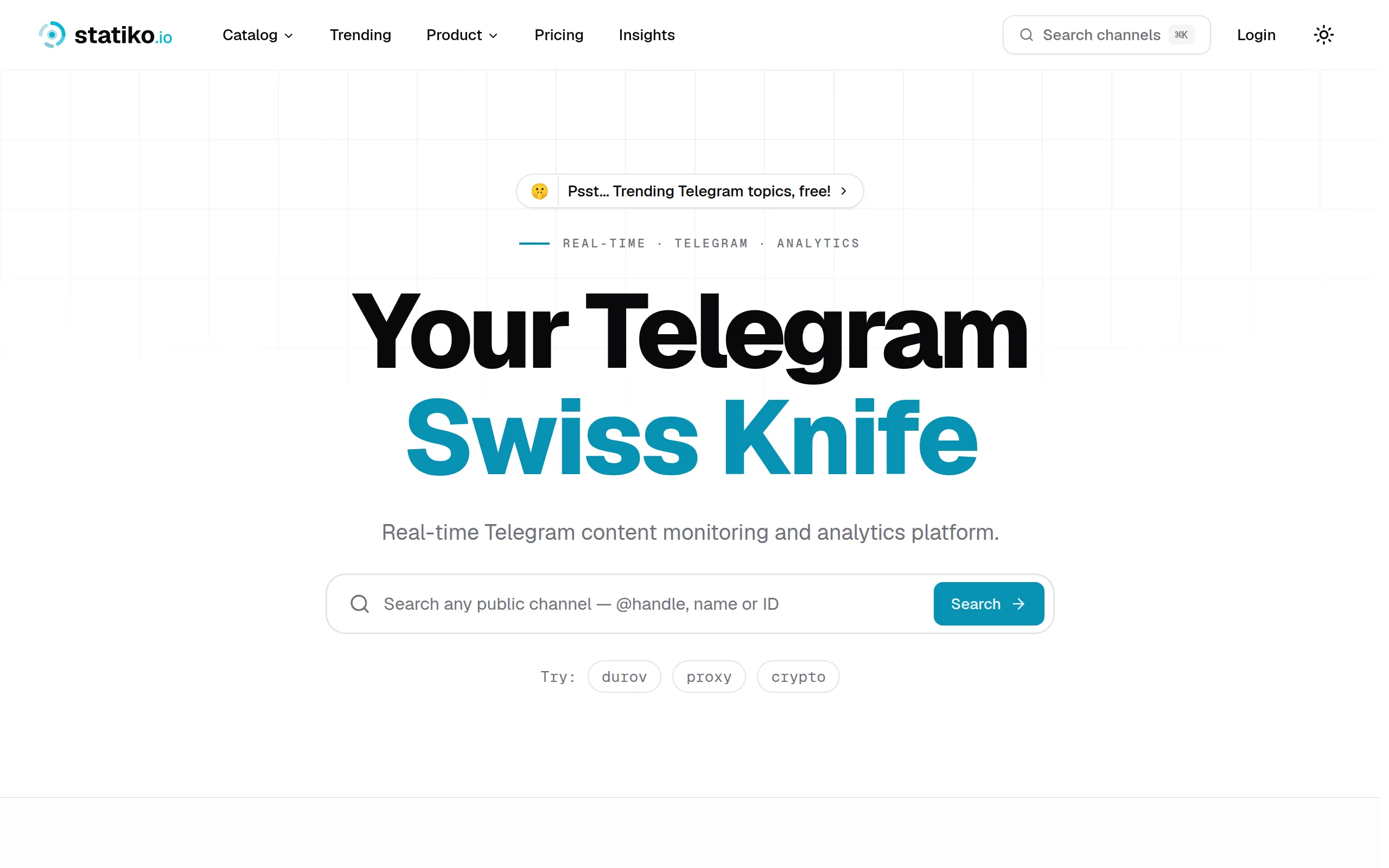
Statiko
Monitor any Telegram channel in real time - track posts, edits, deletions, and growth with AI recaps 📡

Shibui
AI website builder - describe your business, pick a niche template, edit by chatting, and publish instantly ✨
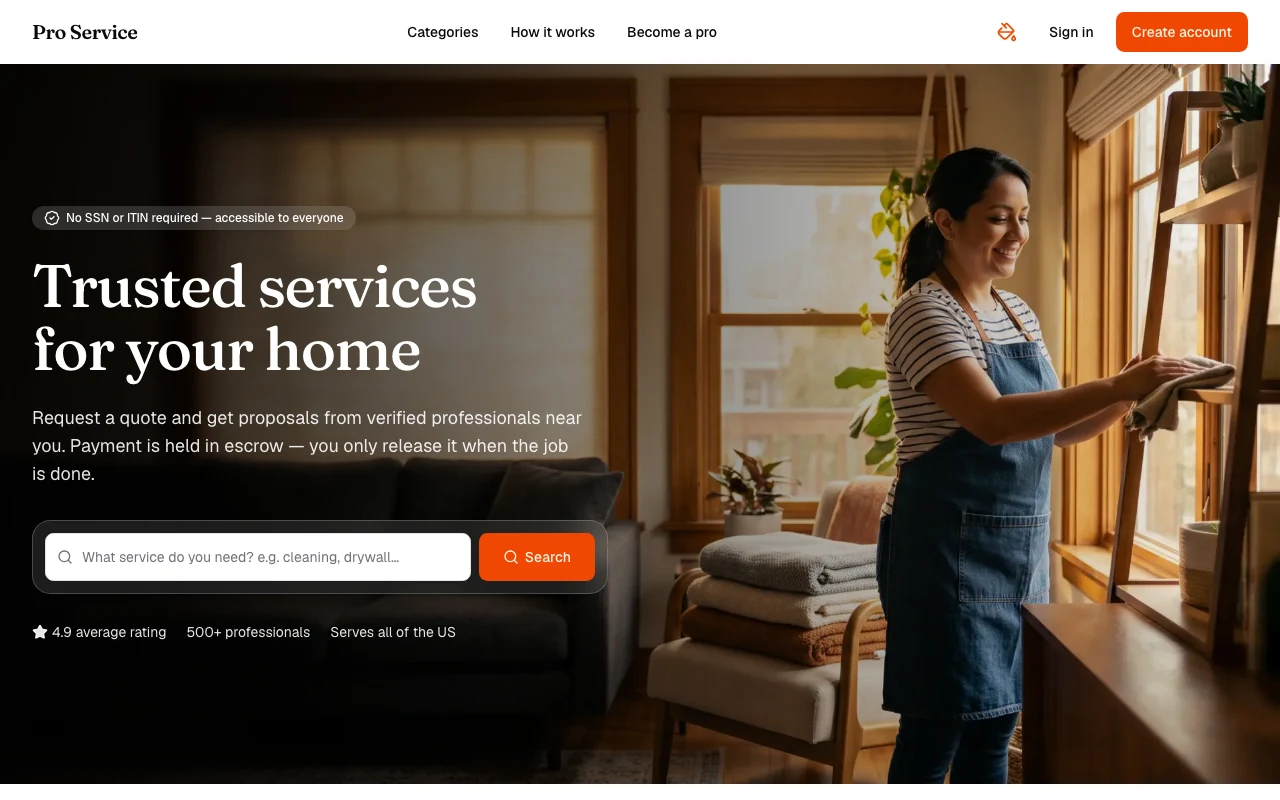
Pro Service
Find verified home service professionals, compare quotes, and pay securely through escrow - built for Brazilians across the US 🏠
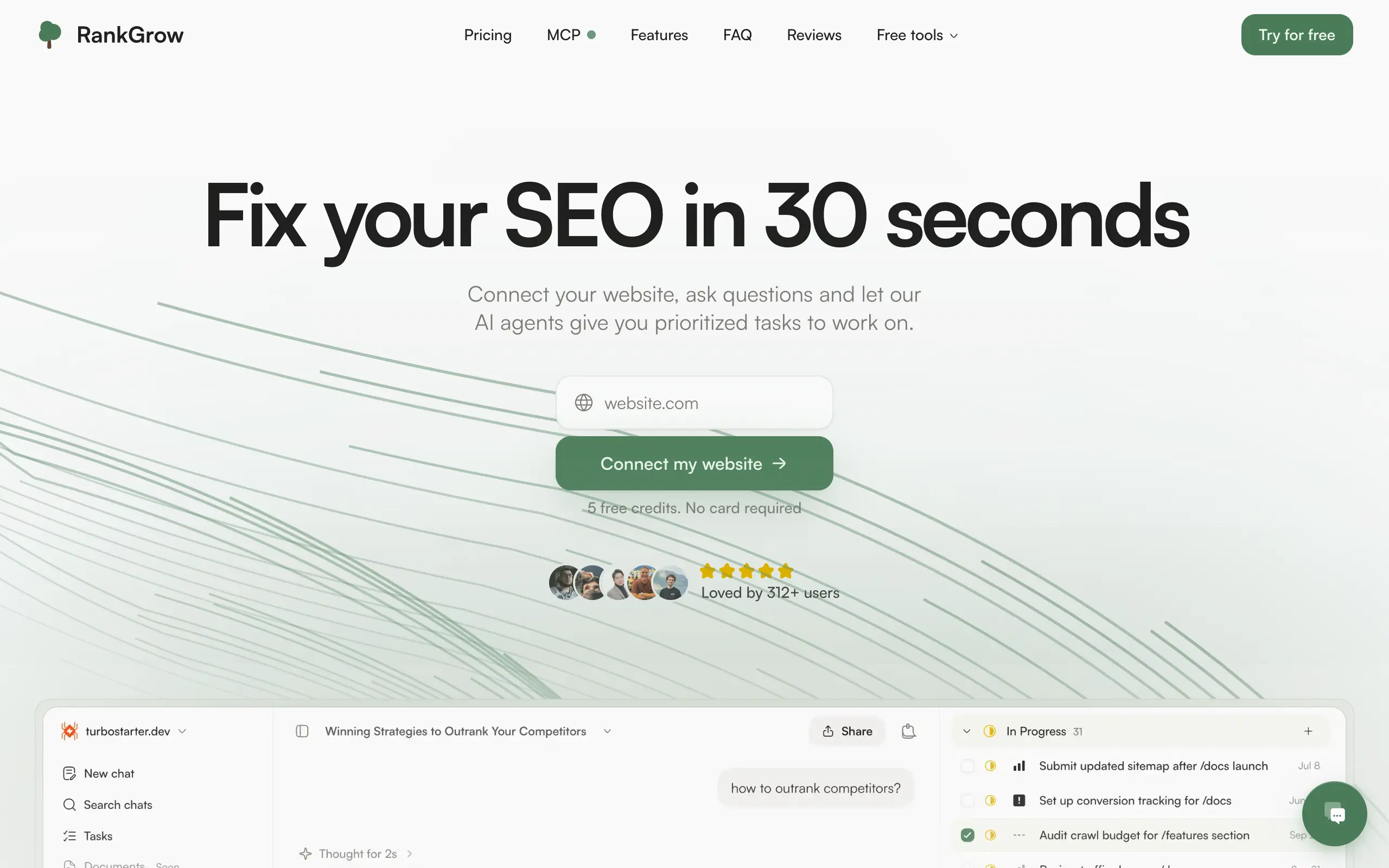
RankGrow
Fix your SEO with AI agents - connect Search Console, get prioritized tasks, and grow organic traffic 📈
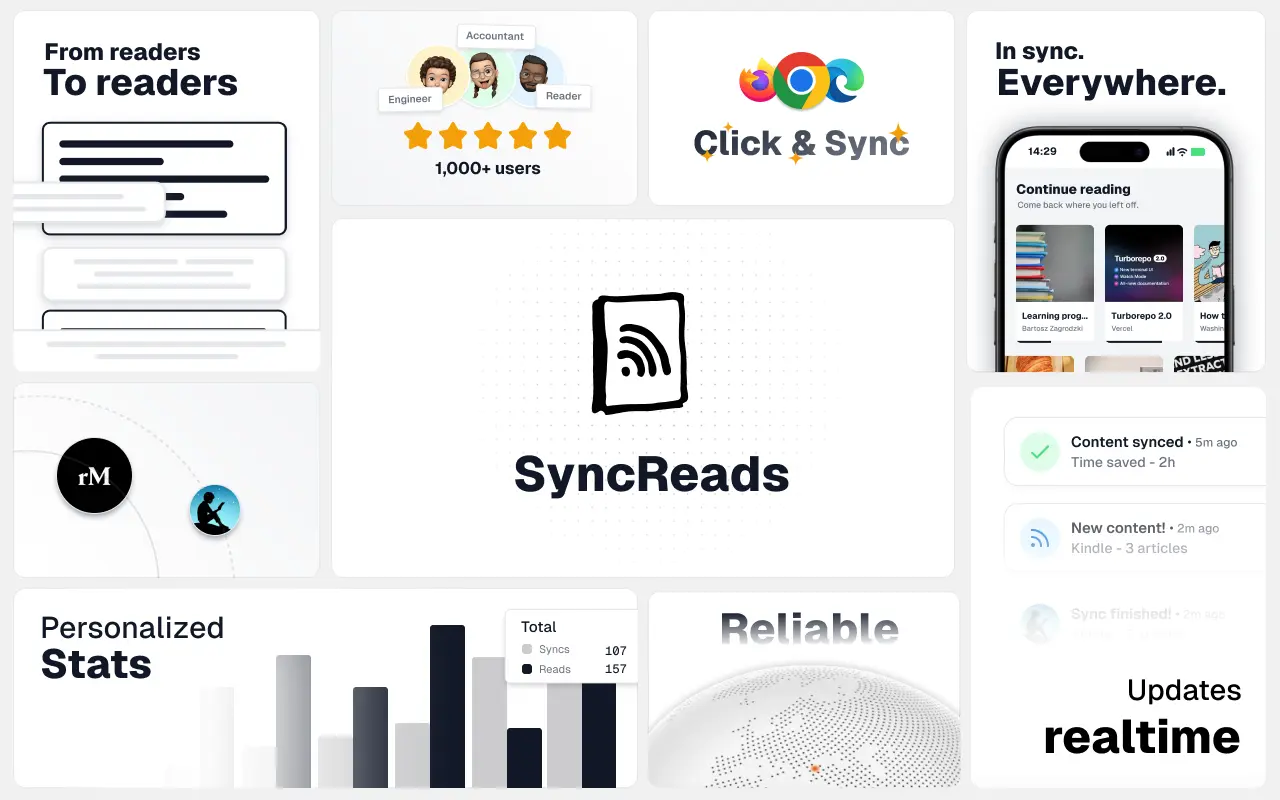
SyncReads
Sync your favorite content for distraction-free reading, save time and replace multiple apps. Anytime, anywhere 🔄
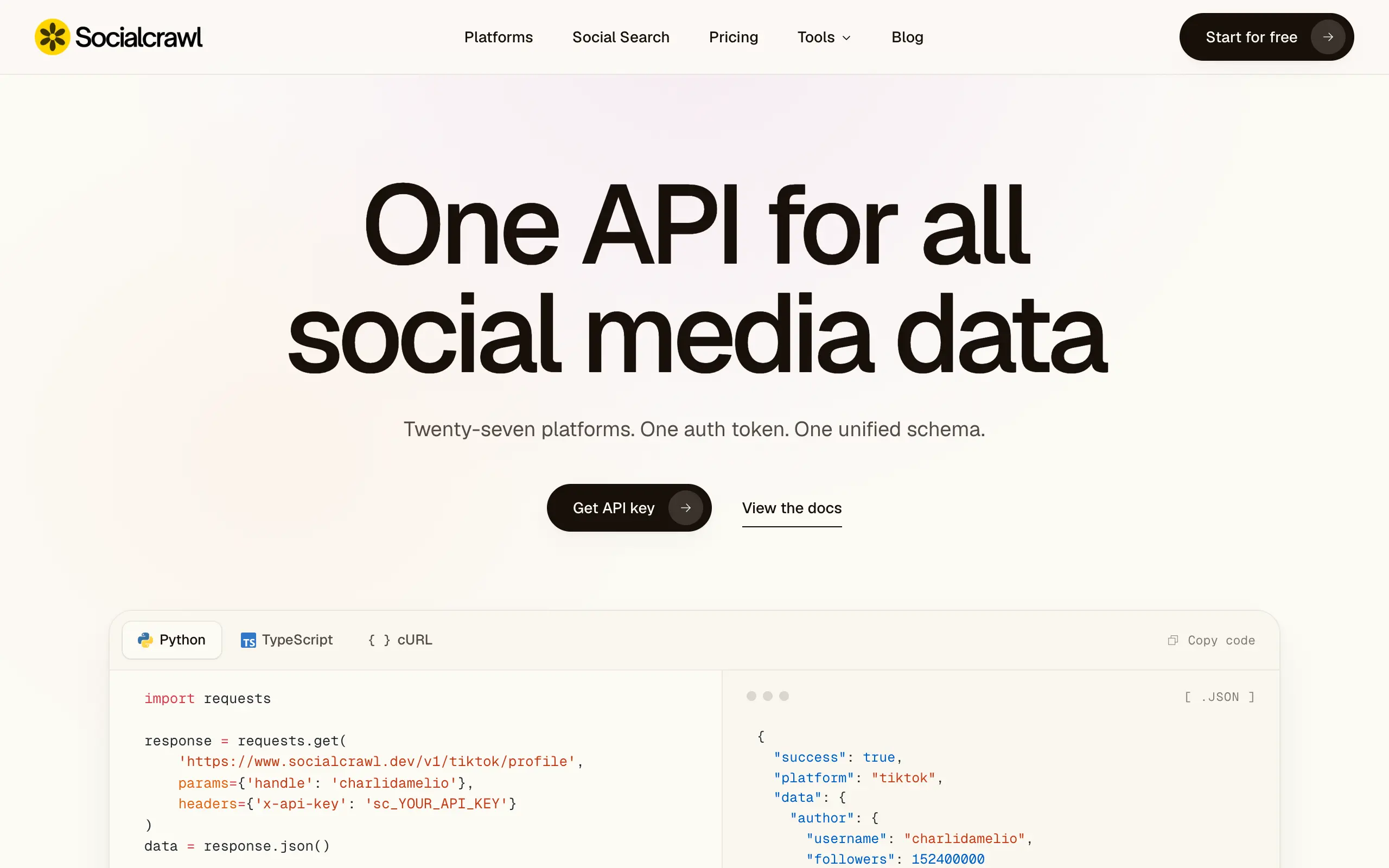
Socialcrawl
Get clean, structured data from 21 platforms like TikTok, Instagram, and YouTube with a single request 📊
Statiko
Monitor any Telegram channel in real time - track posts, edits, deletions, and growth with AI recaps 📡
Shibui
AI website builder - describe your business, pick a niche template, edit by chatting, and publish instantly ✨
Pro Service
Find verified home service professionals, compare quotes, and pay securely through escrow - built for Brazilians across the US 🏠
RankGrow
Fix your SEO with AI agents - connect Search Console, get prioritized tasks, and grow organic traffic 📈
SyncReads
Sync your favorite content for distraction-free reading, save time and replace multiple apps. Anytime, anywhere 🔄
Socialcrawl
Get clean, structured data from 21 platforms like TikTok, Instagram, and YouTube with a single request 📊
Statiko
Monitor any Telegram channel in real time - track posts, edits, deletions, and growth with AI recaps 📡
Shibui
AI website builder - describe your business, pick a niche template, edit by chatting, and publish instantly ✨
Pro Service
Find verified home service professionals, compare quotes, and pay securely through escrow - built for Brazilians across the US 🏠
RankGrow
Fix your SEO with AI agents - connect Search Console, get prioritized tasks, and grow organic traffic 📈
SyncReads
Sync your favorite content for distraction-free reading, save time and replace multiple apps. Anytime, anywhere 🔄
Socialcrawl
Get clean, structured data from 21 platforms like TikTok, Instagram, and YouTube with a single request 📊
Statiko
Monitor any Telegram channel in real time - track posts, edits, deletions, and growth with AI recaps 📡
Shibui
AI website builder - describe your business, pick a niche template, edit by chatting, and publish instantly ✨
Pro Service
Find verified home service professionals, compare quotes, and pay securely through escrow - built for Brazilians across the US 🏠
RankGrow
Fix your SEO with AI agents - connect Search Console, get prioritized tasks, and grow organic traffic 📈
SyncReads
Sync your favorite content for distraction-free reading, save time and replace multiple apps. Anytime, anywhere 🔄
Socialcrawl
Get clean, structured data from 21 platforms like TikTok, Instagram, and YouTube with a single request 📊
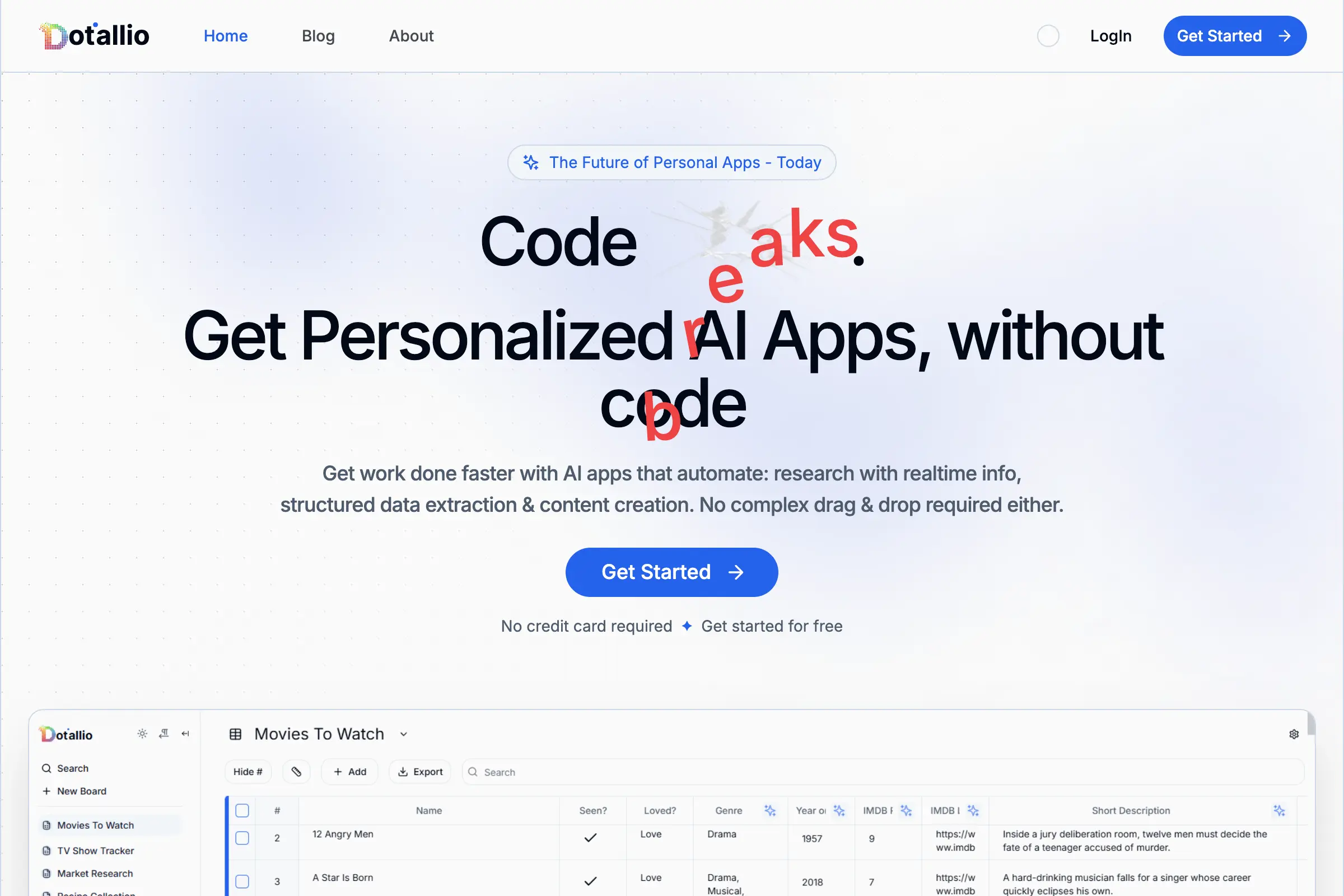
Dotallio
Personalized AI apps that automate research, data extraction, and content creation without code 🤖
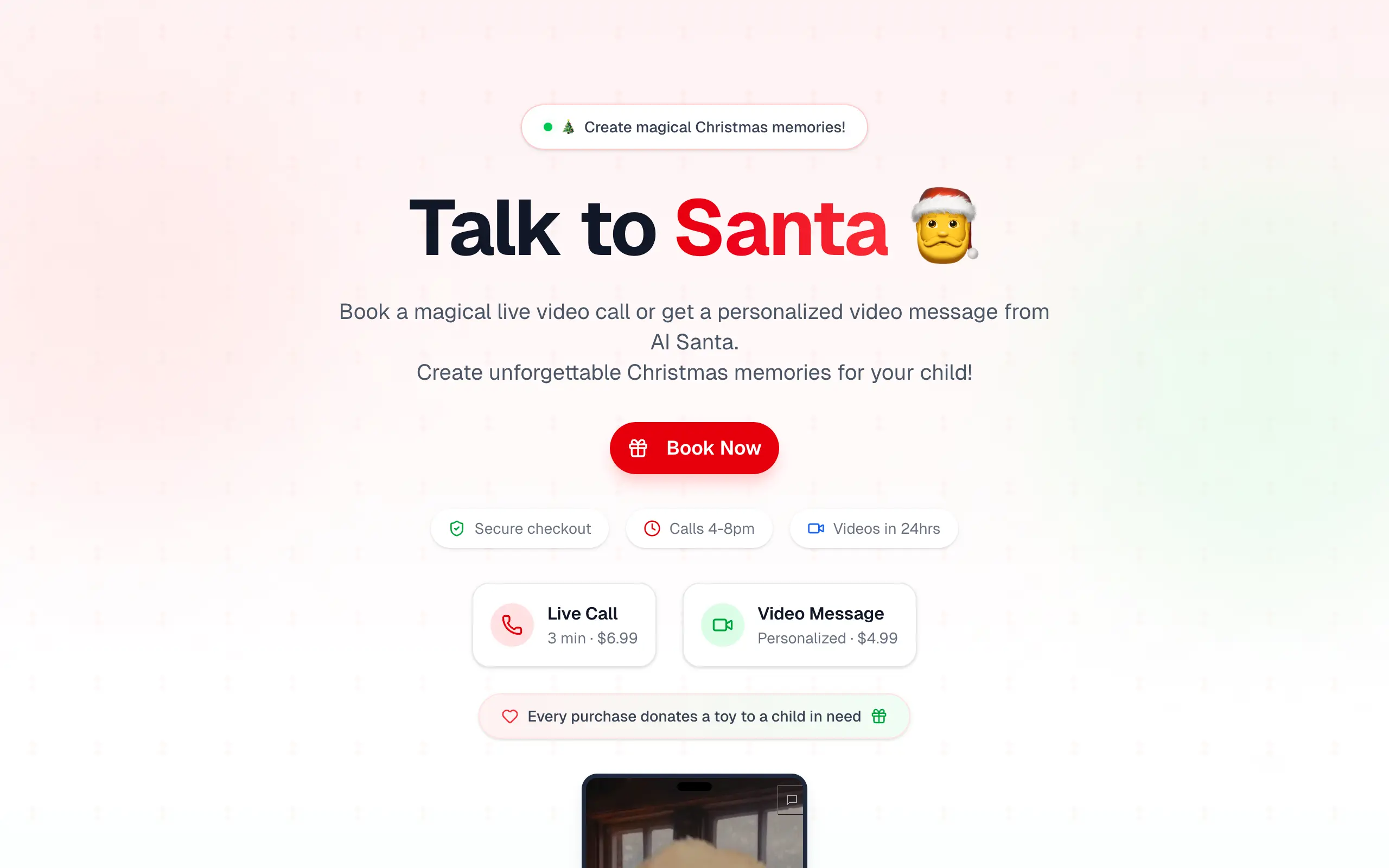
Talk to Santa
Enjoy a magical live video chat or receive a unique AI-generated video greeting from Santa Claus 🎅
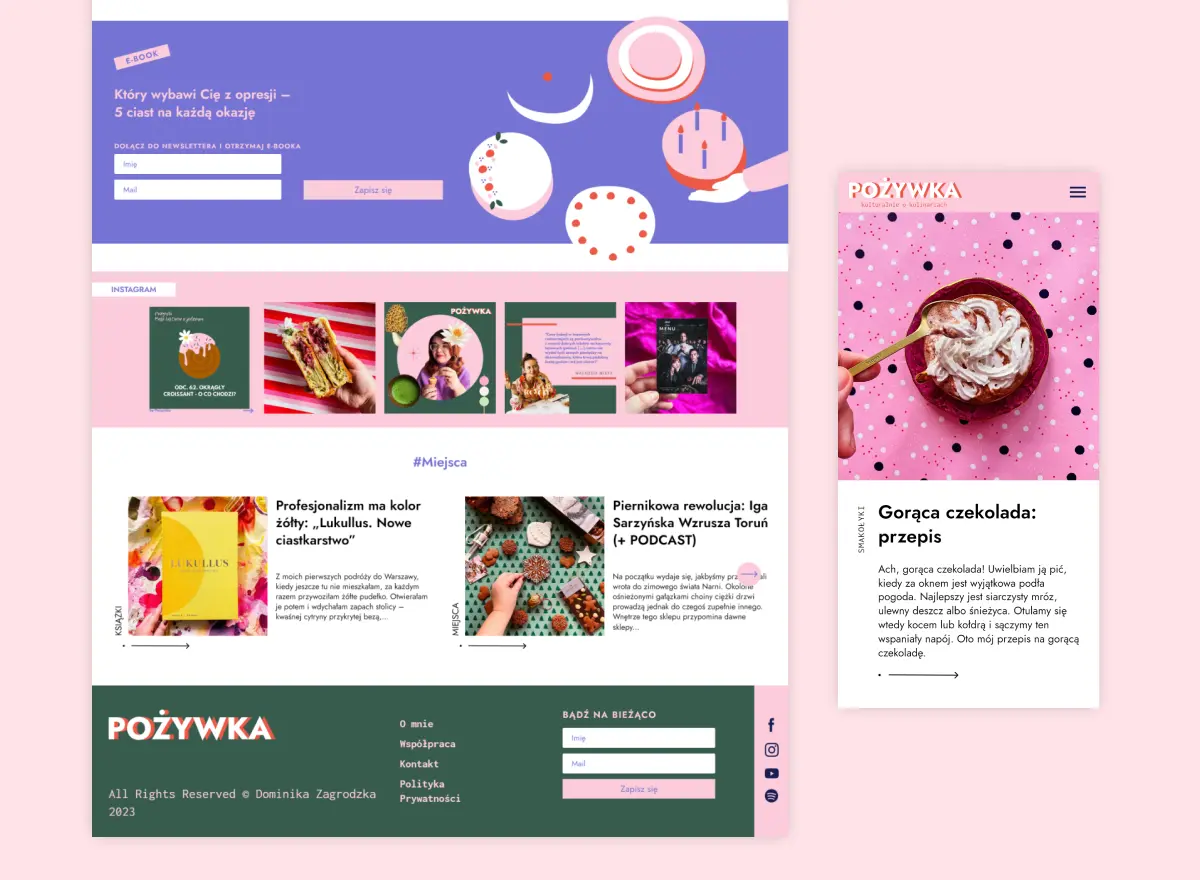
pozywka.pl
Scalable blog for food journalist, focused on performance and user experience 🌭
zagrodzki.me
Personal blog and portfolio of Bart Zagrodzki, where he shares his knowledge and work 💼
TurboStarter
Ship your startup everywhere. In minutes.
HTML to Markdown
Convert HTML to Markdown with ease, directly in your browser 📄
Dotallio
Personalized AI apps that automate research, data extraction, and content creation without code 🤖
Talk to Santa
Enjoy a magical live video chat or receive a unique AI-generated video greeting from Santa Claus 🎅
pozywka.pl
Scalable blog for food journalist, focused on performance and user experience 🌭
zagrodzki.me
Personal blog and portfolio of Bart Zagrodzki, where he shares his knowledge and work 💼
TurboStarter
Ship your startup everywhere. In minutes.
HTML to Markdown
Convert HTML to Markdown with ease, directly in your browser 📄
Dotallio
Personalized AI apps that automate research, data extraction, and content creation without code 🤖
Talk to Santa
Enjoy a magical live video chat or receive a unique AI-generated video greeting from Santa Claus 🎅
pozywka.pl
Scalable blog for food journalist, focused on performance and user experience 🌭
zagrodzki.me
Personal blog and portfolio of Bart Zagrodzki, where he shares his knowledge and work 💼
TurboStarter
Ship your startup everywhere. In minutes.
HTML to Markdown
Convert HTML to Markdown with ease, directly in your browser 📄
Dotallio
Personalized AI apps that automate research, data extraction, and content creation without code 🤖
Talk to Santa
Enjoy a magical live video chat or receive a unique AI-generated video greeting from Santa Claus 🎅
pozywka.pl
Scalable blog for food journalist, focused on performance and user experience 🌭
zagrodzki.me
Personal blog and portfolio of Bart Zagrodzki, where he shares his knowledge and work 💼
TurboStarter
Ship your startup everywhere. In minutes.
HTML to Markdown
Convert HTML to Markdown with ease, directly in your browser 📄
Omichat
Chat with 50+ AI models, including ChatGPT and Claude, in one place - switch models anytime without losing context 🤖
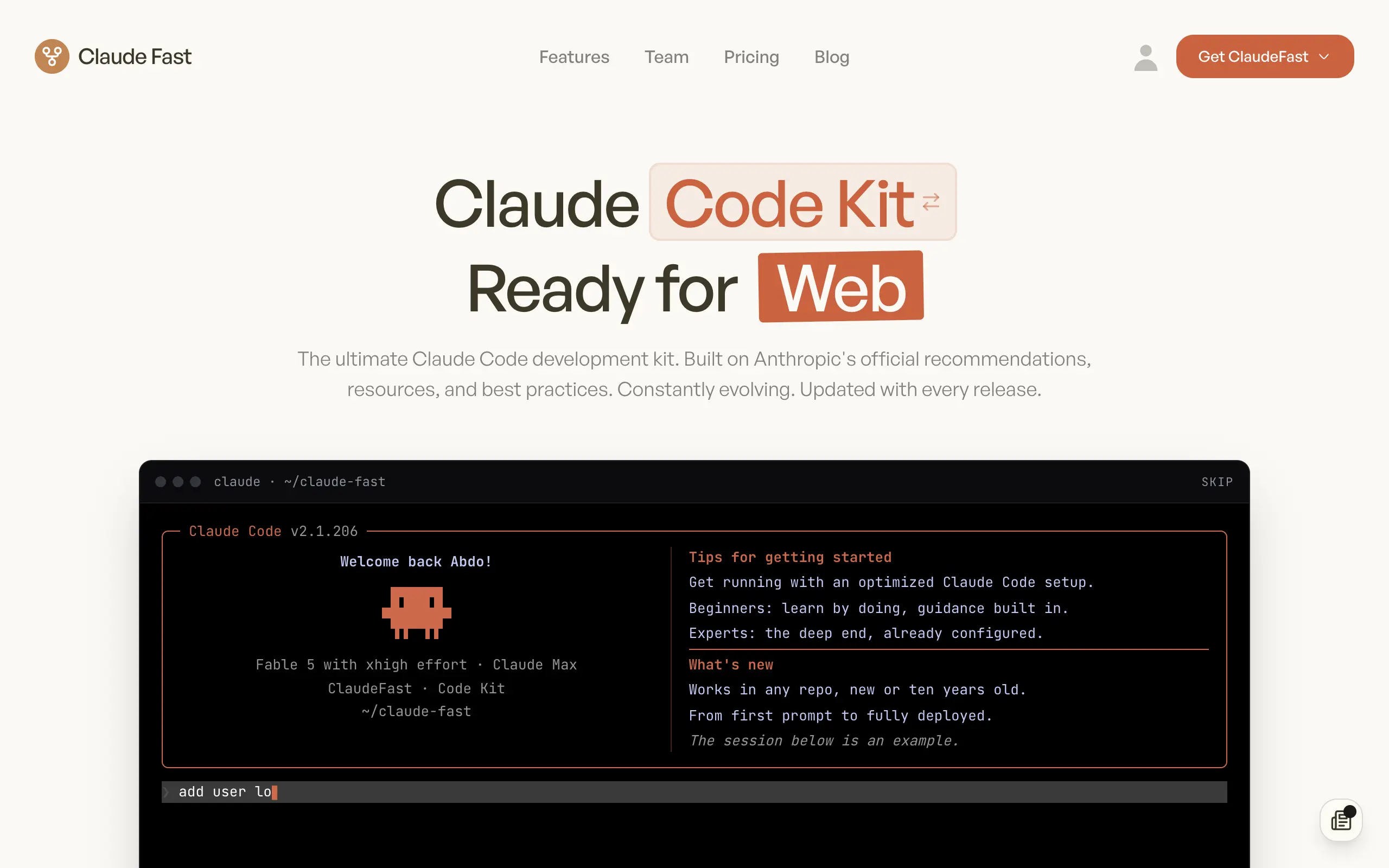
Claude Fast
Supercharge your Claude Code with 6x effective context window and specialized AI agents 🤖
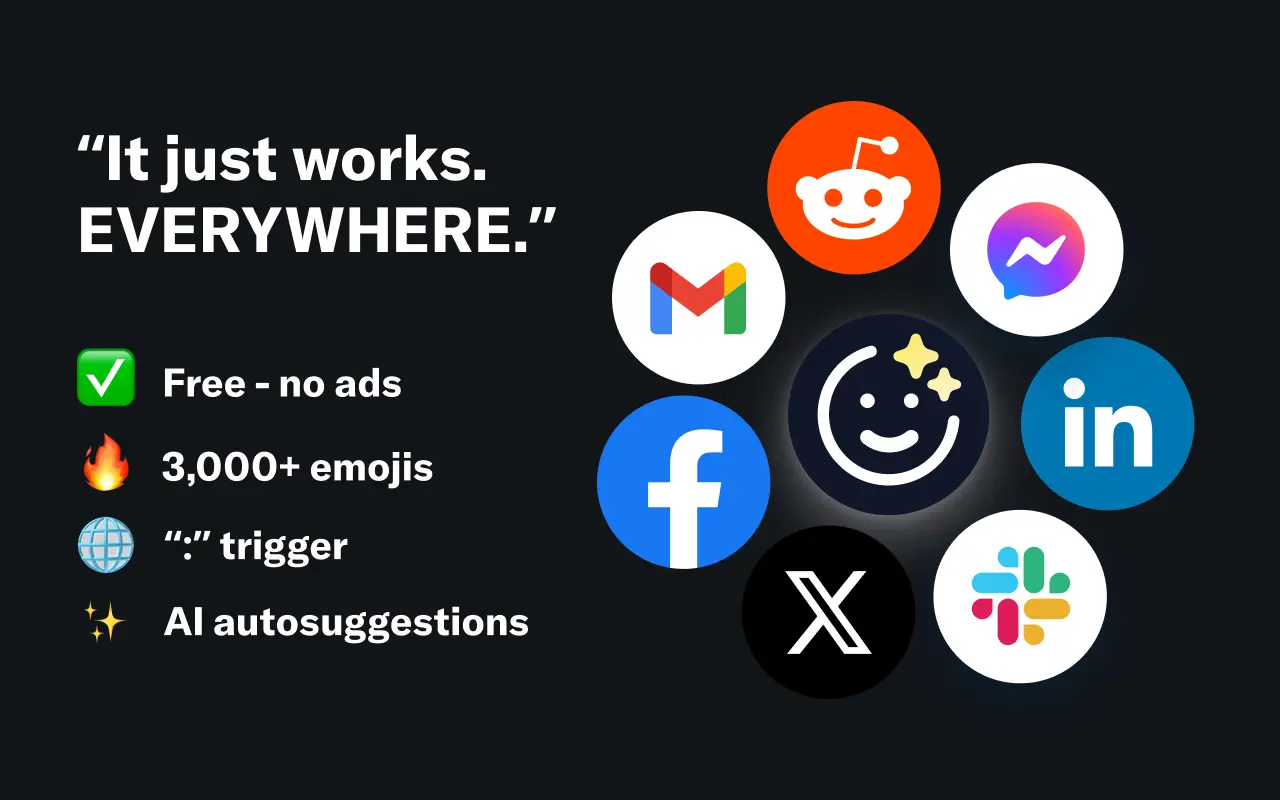
EmojAI
AI-powered emoji picker with smart, context-aware suggestions 🤖
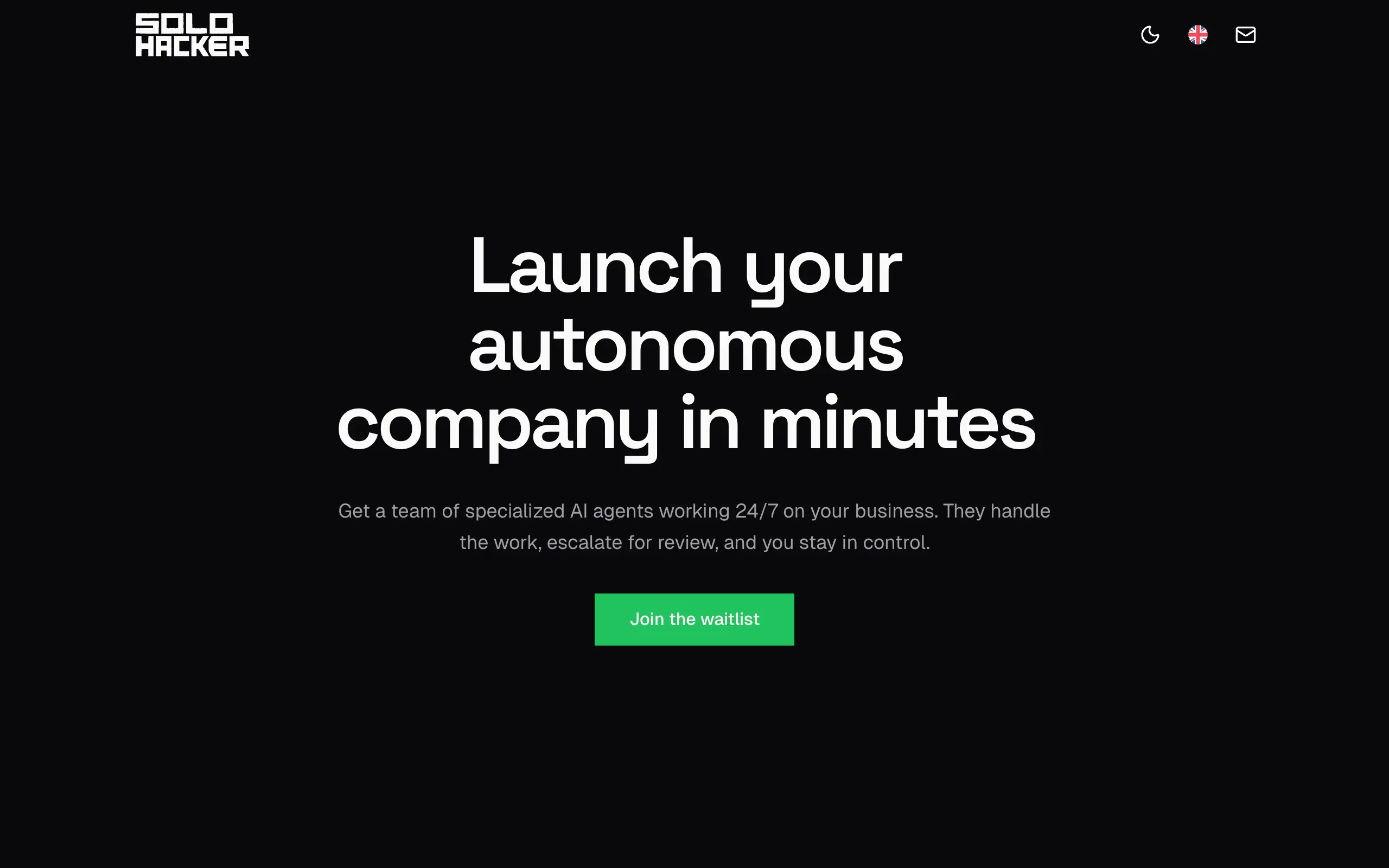
Solohacker
Autonomous company launcher - AI agents work 24/7, escalate what matters, and you stay in control 🤖
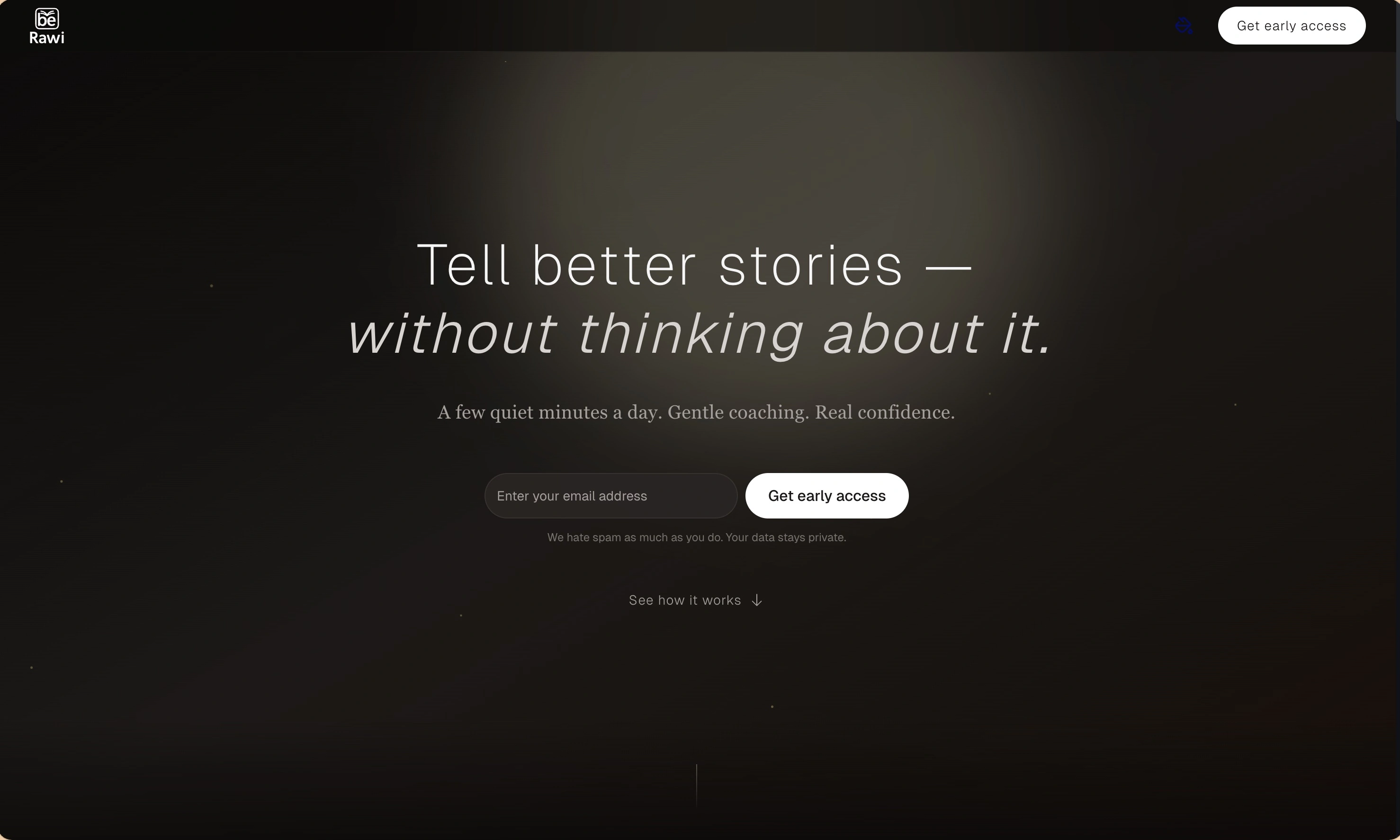
BeRawi: Storytelling Coach
Practice storytelling daily with instant feedback to sound clearer, more engaging, and confident 🎤
Omichat
Chat with 50+ AI models, including ChatGPT and Claude, in one place - switch models anytime without losing context 🤖
Claude Fast
Supercharge your Claude Code with 6x effective context window and specialized AI agents 🤖
EmojAI
AI-powered emoji picker with smart, context-aware suggestions 🤖
Solohacker
Autonomous company launcher - AI agents work 24/7, escalate what matters, and you stay in control 🤖
BeRawi: Storytelling Coach
Practice storytelling daily with instant feedback to sound clearer, more engaging, and confident 🎤
Omichat
Chat with 50+ AI models, including ChatGPT and Claude, in one place - switch models anytime without losing context 🤖
Claude Fast
Supercharge your Claude Code with 6x effective context window and specialized AI agents 🤖
EmojAI
AI-powered emoji picker with smart, context-aware suggestions 🤖
Solohacker
Autonomous company launcher - AI agents work 24/7, escalate what matters, and you stay in control 🤖
BeRawi: Storytelling Coach
Practice storytelling daily with instant feedback to sound clearer, more engaging, and confident 🎤
Omichat
Chat with 50+ AI models, including ChatGPT and Claude, in one place - switch models anytime without losing context 🤖
Claude Fast
Supercharge your Claude Code with 6x effective context window and specialized AI agents 🤖
EmojAI
AI-powered emoji picker with smart, context-aware suggestions 🤖
Solohacker
Autonomous company launcher - AI agents work 24/7, escalate what matters, and you stay in control 🤖
BeRawi: Storytelling Coach
Practice storytelling daily with instant feedback to sound clearer, more engaging, and confident 🎤

Connect with like-minded people
Join our community to get feedback, support, and grow together with 1,000+ builders on board, let's ship it!
Join usShip your startup everywhere. In minutes.
Don't burn tokens on setup and start building features on day one.