ClinicConnectAI
Enable secure, AI-powered messaging and telehealth solutions for clinics to connect with patients and collaborate with external specialists seamlessly.
Clinics and healthcare providers are increasingly turning to digital tools that not only streamline communication but also ensure the highest level of data security. ClinicConnectAI is designed to address these needs by offering secure, AI-powered messaging and telehealth solutions for clinics, enabling seamless connections with patients as well as efficient collaboration with external specialists.
This expert guide will provide a comprehensive overview of ClinicConnectAI, focusing on its target audience, market opportunity, solution features, tech stack recommendations, monetization options, risk analysis, competitive advantages, and practical implementation steps for a successful B2B SaaS product in the healthcare sector.
Understanding the target audience for ClinicConnectAI
A foundational step in building any successful SaaS platform is to deeply understand your ideal customers. For ClinicConnectAI, the primary audience consists of:
1. Private clinics and group practices
- General practitioners, specialists, and multi-disciplinary clinics who require secure, user-friendly communication tools.
- Practices interested in enhancing telemedicine offerings to improve patient care and engagement.
2. Healthcare networks and outpatient centers
- Networks managing multiple clinics need a central, standardized platform for both internal and external communications.
3. External specialists and consultants
- Third-party medical specialists who collaborate with clinics but operate outside direct organizational firewalls.
4. IT and operations managers in healthcare organizations
- Responsible for the deployment, compliance, and management of communication solutions.
Key user pain points:
- Difficulty maintaining HIPAA or GDPR compliance in digital communication.
- Fragmented workflows with separate tools for messaging, telehealth, and referrals.
- Lack of real-time patient engagement.
- Security risks with legacy or consumer-grade messaging apps.
Experience-driven insights
Having worked with digital health software deployments, it's clear that clinics value reliable support, ease of onboarding, and seamless integration with existing EMR/EHR systems.
Identifying the market opportunity and gaps
Telehealth and AI-powered messaging: a growing necessity
Industry trends reveal telehealth is no longer a niche offering. As of 2023, telemedicine usage has stabilized at 38 times pre-pandemic levels (suggested reference: McKinsey & Company). Yet, clinics struggle with:
- Integrating secure messaging with video consultations and file-sharing
- Automating patient triage and reminders with AI
- Collaborating with external specialists without security loopholes
ClinicConnectAI's unique opportunity:
- The B2B healthcare SaaS space is crowded with general-purpose platforms but under-serves niche, clinic-scale use cases—especially those requiring both high security and AI-driven automation in a single platform.
Key market gaps:
- Few solutions offer a unified platform for messaging, video, external collaboration, and smart workflow automation.
- Many tools lack localized compliance support or are too complex for smaller clinics.
- Integration hurdles with EHR systems persist.
Core features & AI-powered solution details
Must-have features for ClinicConnectAI
-
Secure, encrypted messaging
- End-to-end encrypted chat between clinic staff, patients, and external specialists.
- Group channels for care teams.
-
Integrated telehealth video calls
- High-quality, browser-based video with screen/file sharing.
- Automated patient reminders and waiting rooms.
-
AI-driven smart workflows
- Natural language understanding for message triage and scheduling.
- Auto-generated consultation summaries (with clinician review).
- Smart patient intake forms and symptom checking bots.
-
Specialist collaboration suite
- Secure file and imaging sharing.
- Cross-clinic referrals and consult requests.
-
Compliance dashboard
- Real-time HIPAA/GDPR compliance monitoring and audit logs.
- User/admin controls for privacy policies and consent.
-
Integrations
- EHR/EMR integrations via secure APIs.
- Calendar sync and identity management (SSO, IAM).
-
Role-based access control (RBAC)
- Granular user permissions for staff vs. patients vs. external collaborators.
-
Analytics and reporting
- Communication metrics, patient engagement dashboards, and operational insights.
Secure AI messaging
End-to-end encryption, NLP-driven triage, and smart chat summarization ease clinic workflows.
Seamless telehealth
Browser-based HD video consults with AI-enabled scheduling, compliance, and patient reminders.
Specialist collaboration
Unified, secure referrals and external consults—no more disconnected workflows.
Recommended tech stack for ClinicConnectAI
Selecting a robust and scalable tech stack is crucial for security, regulatory compliance, and delivering a seamless user experience in healthcare SaaS. Below is a recommended stack with trade-offs clearly outlined.
| Frontend | Backend | AI/NLP | Video | Compliance |
|---|---|---|---|---|
| React | Node.js | OpenAI, AWS Comprehend | WebRTC, Twilio Video | DataDog, Vanta |
| Next.js | Python/FastAPI | spaCy, Hugging Face models | Agora.io | Secure cloud (AWS/Azure) |
Core stack rationale and trade-offs:
- Frontend: React enables fast, responsive UIs and robust state management for messaging/video apps. Next.js is ideal for server-side rendering, SEO, and scalability.
- Backend: Node.js is common for real-time applications; for heavy AI/ML workloads, Python/FastAPI may be preferred due to library ecosystem.
- AI/NLP: Leverage APIs from OpenAI and spaCy for NLP tasks (summarization, intent detection). Hugging Face models enable custom, on-premise AI for privacy.
- Video: WebRTC enables native browser video; Twilio Video or Agora.io offers easy scaling, but may have cost and compliance considerations.
- Compliance: Cloud providers like AWS and tools like DataDog provide audit trails; SOC2 and HIPAA compliance partners such as Vanta are recommended.
Note: Each component should be chosen based on compliance, scalability, and integration ease with other healthcare IT systems.
Monetization strategies for ClinicConnectAI
Monetizing a B2B telehealth messaging platform for clinics means offering flexible options that align with varying clinic sizes and needs.
1. Subscription-based SaaS
- Tiered monthly pricing: Scale pricing based on patient volume, user seats, and features (e.g., basic messaging vs. full AI workflows).
- Annual contracts: Discounted yearly plans build retention.
2. Transactional fees
- Per telehealth session fee: For clinics with lower, variable telehealth usage.
- Referral/consultation processing fee: For external specialist collaborations.
3. Add-on modules
- Premium AI features: Advanced analytics, document summarization, or custom workflow automations.
- Integration fees: For bespoke EHR or calendar sync.
4. White-labeling and enterprise licensing
- Large healthcare networks can pay for white-labeled or self-hosted solutions.
Sample monetization model:
Potential risks and mitigation strategies
Launching a healthcare SaaS solution comes with unique challenges. Understanding potential risks—and planning mitigations—is crucial.
1. Compliance and data privacy risk
Risks: Breach of regulations such as HIPAA (USA), GDPR (EU), or regional equivalents; unauthorized data access.
Mitigations:
- End-to-end encryption, both in transit and at rest.
- Routine compliance audits and certifications.
- Role-based access control (RBAC).
- Detailed, immutable audit logs.
2. Integration complexity
Risks: Challenges integrating with diverse EHR/EHR systems; breaking workflows.
Mitigations:
- Build modular, standards-driven APIs (e.g., HL7, FHIR).
- Offer robust support and onboarding.
3. AI bias or error risk
Risks: Incorrect triage/summarization by AI impacting care quality.
Mitigations:
- Always enable clinician review of AI outputs.
- Use reputable, healthcare-trained models.
- Continuous monitoring and adjustment.
4. User adoption and experience
Risks: Poor UX leading to low adoption, or resistance from less tech-savvy staff.
Mitigations:
- Prioritize UX with user testing.
- Offer training and responsive support.
- Provide multi-language/localization support.
5. Vendor lock-in
Risks: Clinics fear future price hikes or platform instability.
Mitigations:
- Ensure data exportability.
- Transparent SLAs and exit terms.
Host data locally or allow customers to choose data centers in their jurisdiction. Leverage compliant cloud providers (e.g., AWS, Azure) with healthcare data expertise.
Implement multi-region backups, routine incident simulations, and public disaster recovery plans to build trust.
Competitive advantage of ClinicConnectAI
Building a defensible SaaS product involves knowing where you outshine competitors. Here’s how ClinicConnectAI stands out:
1. Unified platform experience
- Messaging, telehealth, specialist collaboration, and AI automation—all in one—reducing friction and tool spread.
2. AI-driven, actionable insights
- Not just “chat with AI” but deep workflow automation: auto-summarization, triage, and compliance auditing save hours weekly.
3. Regulatory depth and customization
- Out-of-the-box support for HIPAA, GDPR, and other frameworks, with admin tools to customize for clinic-specific policies.
4. Integration-first mentality
- ClinicConnectAI embraces existing EHR/EHR infrastructures via scalable, secure APIs rather than forcing all-in migration.
5. Exceptional support and onboarding
- Dedicated onboarding, migration help, and customer support stand out in a market where clinics fear “DIY” rollouts alone.
Actionable implementation roadmap
Ready to build and launch? Use this stepwise plan to bring ClinicConnectAI from MVP to robust healthcare SaaS platform:
Freshness, trends, and future growth for ClinicConnectAI
To maintain relevancy and competitive edge, ClinicConnectAI should continuously monitor:
- Evolving AI regulations: Stay ahead of emerging AI transparency and bias regulations in healthcare (see: OECD AI Principles).
- Voice and multimodal input: Integrating voice notes or video AI analysis as clinicians grow comfortable with new input methods.
- Consumerization of healthcare: Patients expect seamless, secure mobile-first experiences—mobile app development is essential.
- New partnership channels: Collaborate with wearables and RPM (remote patient monitoring) vendors for holistic care experiences.
Staying future-proof
Leverage SaaS accelerators like TurboStarter for rapid prototyping and iterative launches, allowing time to focus on clinical user needs, compliance, and differentiation.
Final thoughts and next steps
ClinicConnectAI unlocks a powerful new communication paradigm for clinics by blending secure, compliant messaging with AI-driven telehealth in one unified B2B SaaS platform. By deeply understanding your audience, attacking clear market gaps, and deploying a thoughtful tech stack and monetization strategy, your solution will address today's clinic needs and tomorrow's digital care demands.
Take action with these priorities:
- Listen first: Interview and co-create with your earliest clinic partners.
- Build securely: Make privacy and compliance your DNA from the outset.
- Automate where it counts: Let AI reduce admin work but always keep clinicians in control.
- Integrate, don’t isolate: Work with, not against, existing healthcare IT.
- Deliver extraordinary support: Clinics value vendors who guide them through change.
By following these expert strategies and continuously evolving with healthcare’s digital landscape, ClinicConnectAI can establish a lasting leadership position in secure, AI-powered clinical communications.
More 🏢 B2B Application SaaS ideas
Discover more innovative b2b application SaaS ideas that are trending in 2026. Each idea is AI-generated with market validation and growth potential to help you find your next profitable venture faster than competitors.
Your competitors are building with TurboStarter
Below are some of the SaaS ideas that have been generated and built with our starter kit.
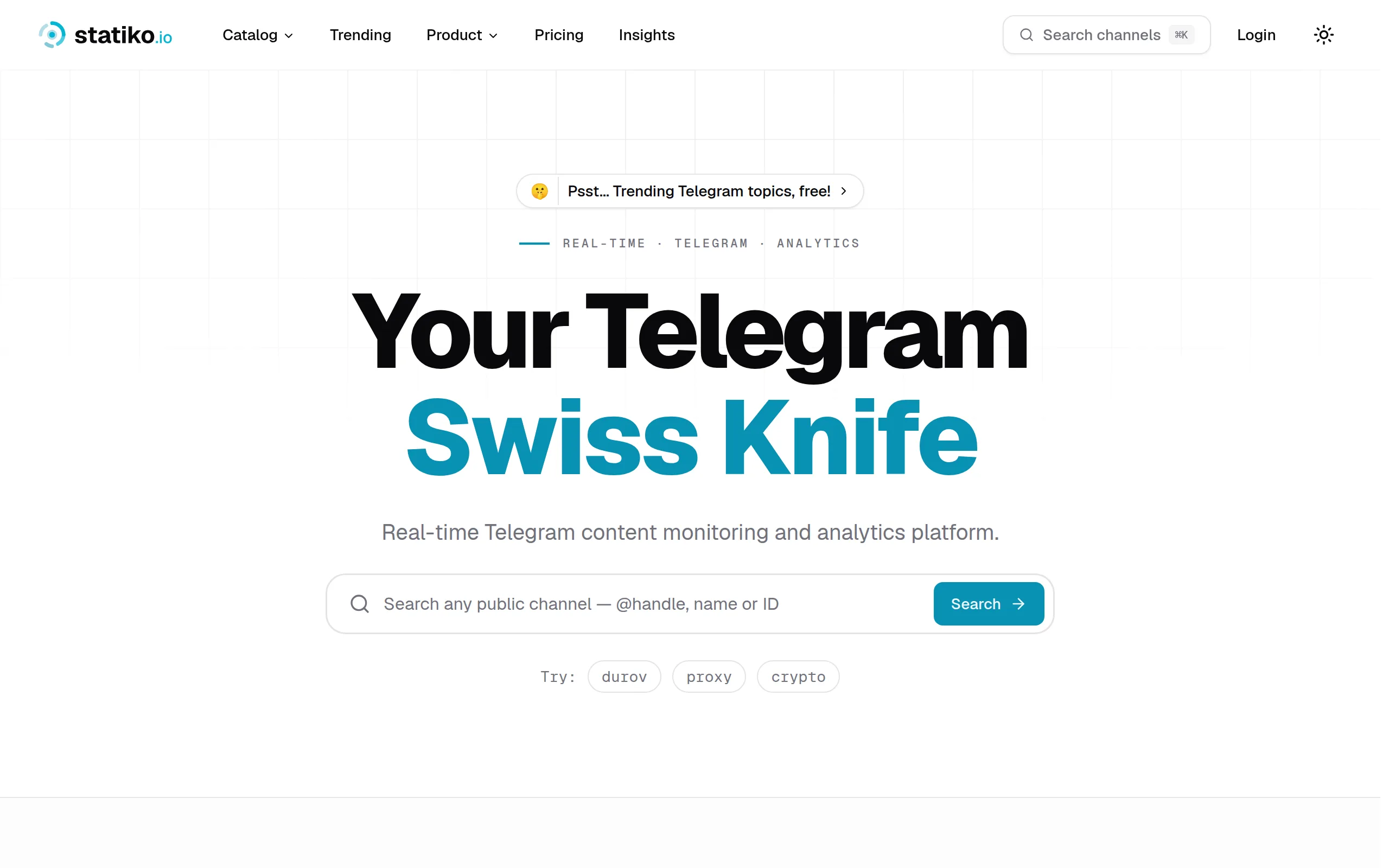
Statiko
Monitor any Telegram channel in real time - track posts, edits, deletions, and growth with AI recaps 📡

Shibui
AI website builder - describe your business, pick a niche template, edit by chatting, and publish instantly ✨
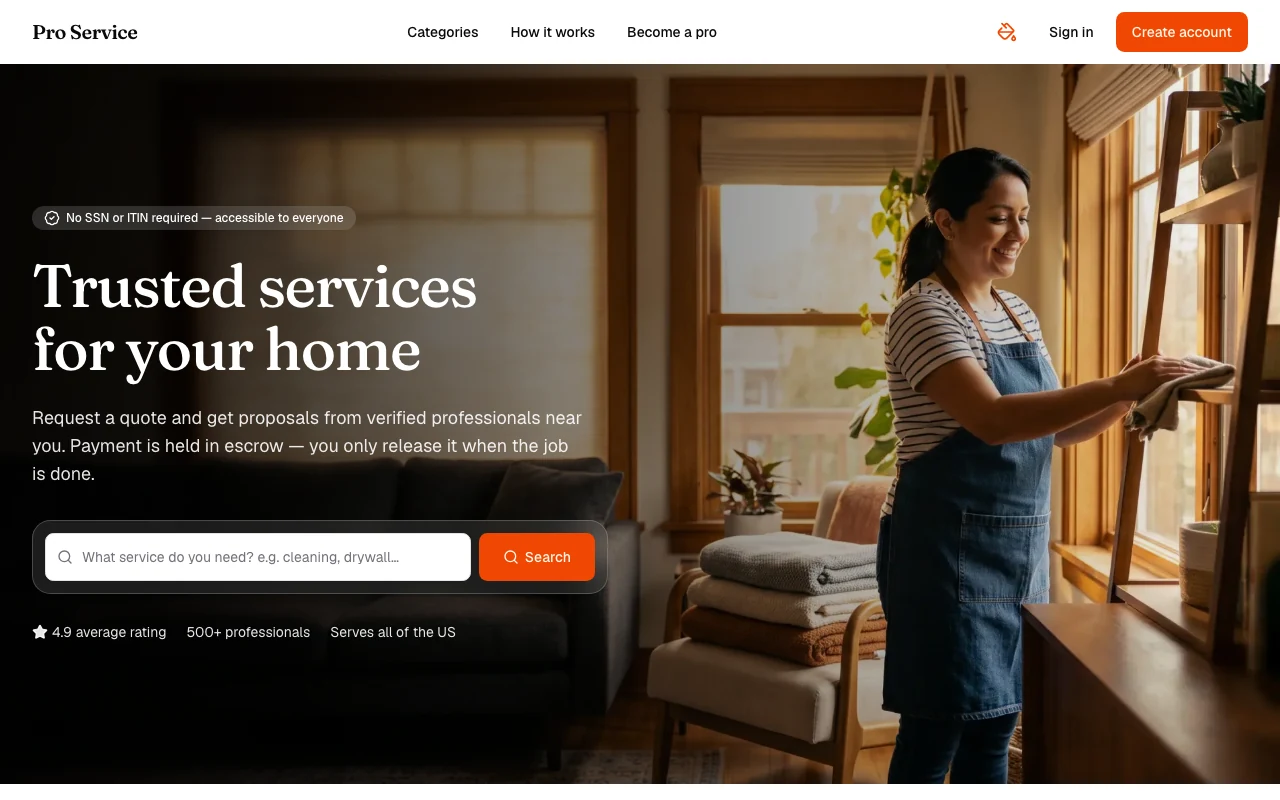
Pro Service
Find verified home service professionals, compare quotes, and pay securely through escrow - built for Brazilians across the US 🏠
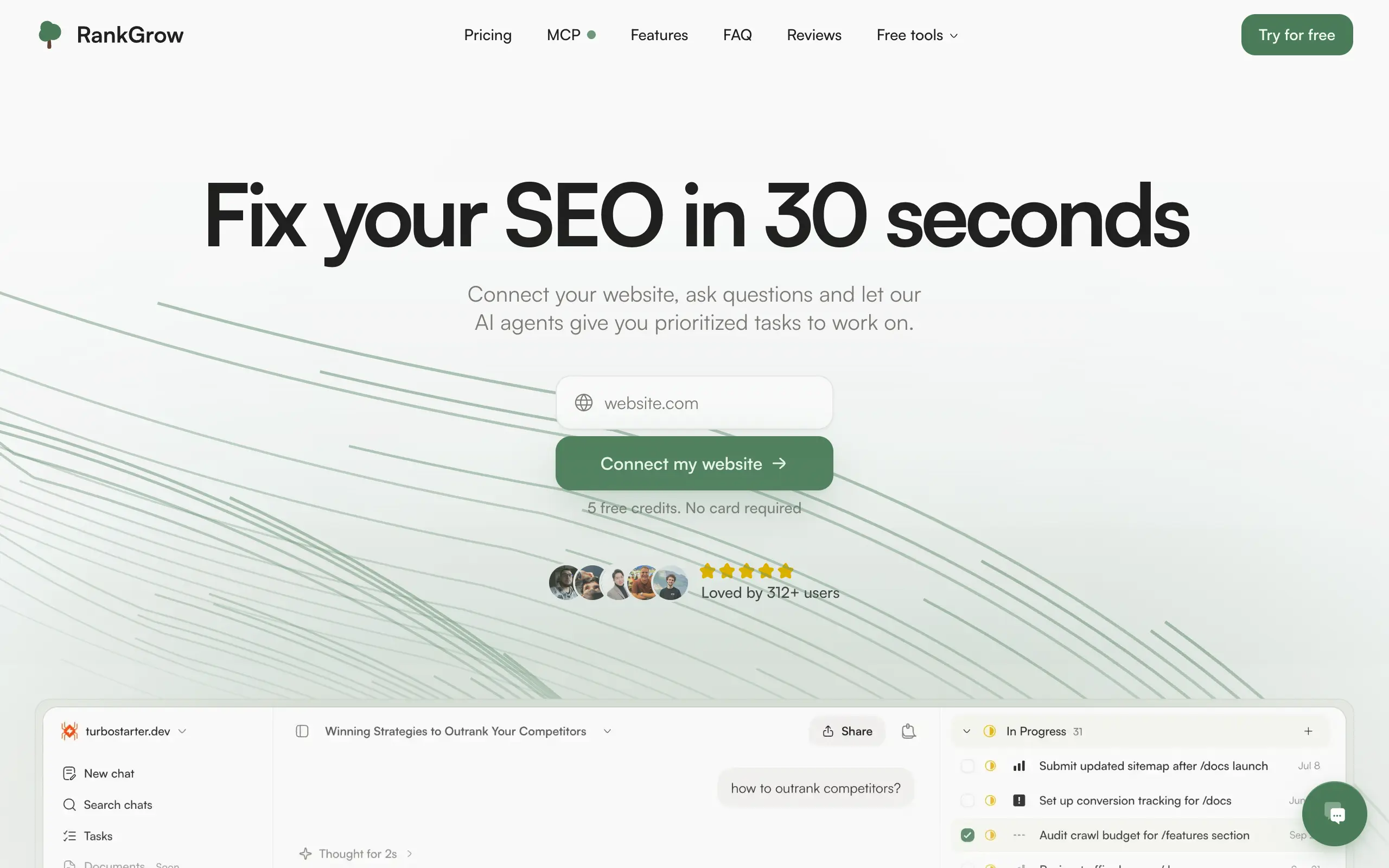
RankGrow
Fix your SEO with AI agents - connect Search Console, get prioritized tasks, and grow organic traffic 📈
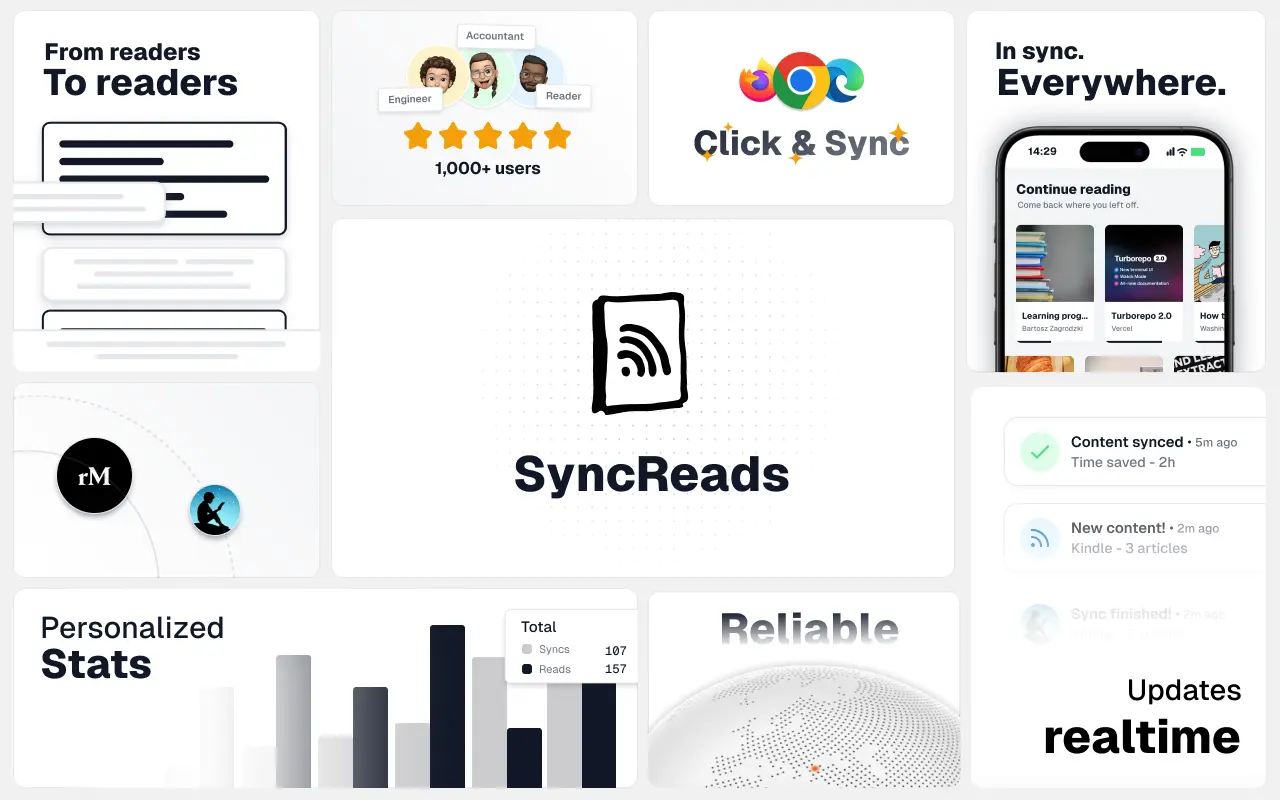
SyncReads
Sync your favorite content for distraction-free reading, save time and replace multiple apps. Anytime, anywhere 🔄
Socialcrawl
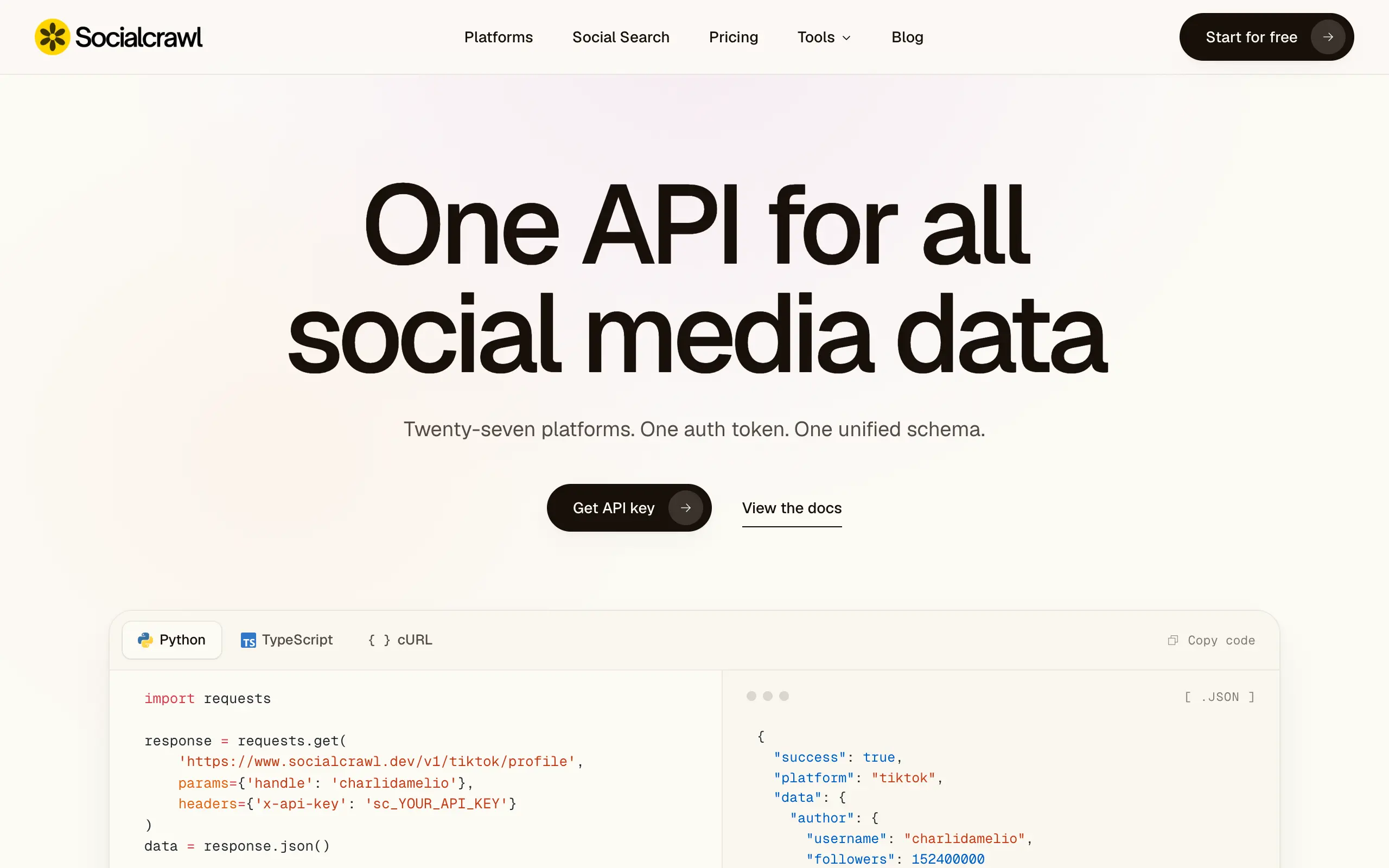
Get clean, structured data from 21 platforms like TikTok, Instagram, and YouTube with a single request 📊
Statiko
Monitor any Telegram channel in real time - track posts, edits, deletions, and growth with AI recaps 📡
Shibui
AI website builder - describe your business, pick a niche template, edit by chatting, and publish instantly ✨
Pro Service
Find verified home service professionals, compare quotes, and pay securely through escrow - built for Brazilians across the US 🏠
RankGrow
Fix your SEO with AI agents - connect Search Console, get prioritized tasks, and grow organic traffic 📈
SyncReads
Sync your favorite content for distraction-free reading, save time and replace multiple apps. Anytime, anywhere 🔄
Socialcrawl
Get clean, structured data from 21 platforms like TikTok, Instagram, and YouTube with a single request 📊
Statiko
Monitor any Telegram channel in real time - track posts, edits, deletions, and growth with AI recaps 📡
Shibui
AI website builder - describe your business, pick a niche template, edit by chatting, and publish instantly ✨
Pro Service
Find verified home service professionals, compare quotes, and pay securely through escrow - built for Brazilians across the US 🏠
RankGrow
Fix your SEO with AI agents - connect Search Console, get prioritized tasks, and grow organic traffic 📈
SyncReads
Sync your favorite content for distraction-free reading, save time and replace multiple apps. Anytime, anywhere 🔄
Socialcrawl
Get clean, structured data from 21 platforms like TikTok, Instagram, and YouTube with a single request 📊
Statiko
Monitor any Telegram channel in real time - track posts, edits, deletions, and growth with AI recaps 📡
Shibui
AI website builder - describe your business, pick a niche template, edit by chatting, and publish instantly ✨
Pro Service
Find verified home service professionals, compare quotes, and pay securely through escrow - built for Brazilians across the US 🏠
RankGrow
Fix your SEO with AI agents - connect Search Console, get prioritized tasks, and grow organic traffic 📈
SyncReads
Sync your favorite content for distraction-free reading, save time and replace multiple apps. Anytime, anywhere 🔄
Socialcrawl
Get clean, structured data from 21 platforms like TikTok, Instagram, and YouTube with a single request 📊
Dotallio
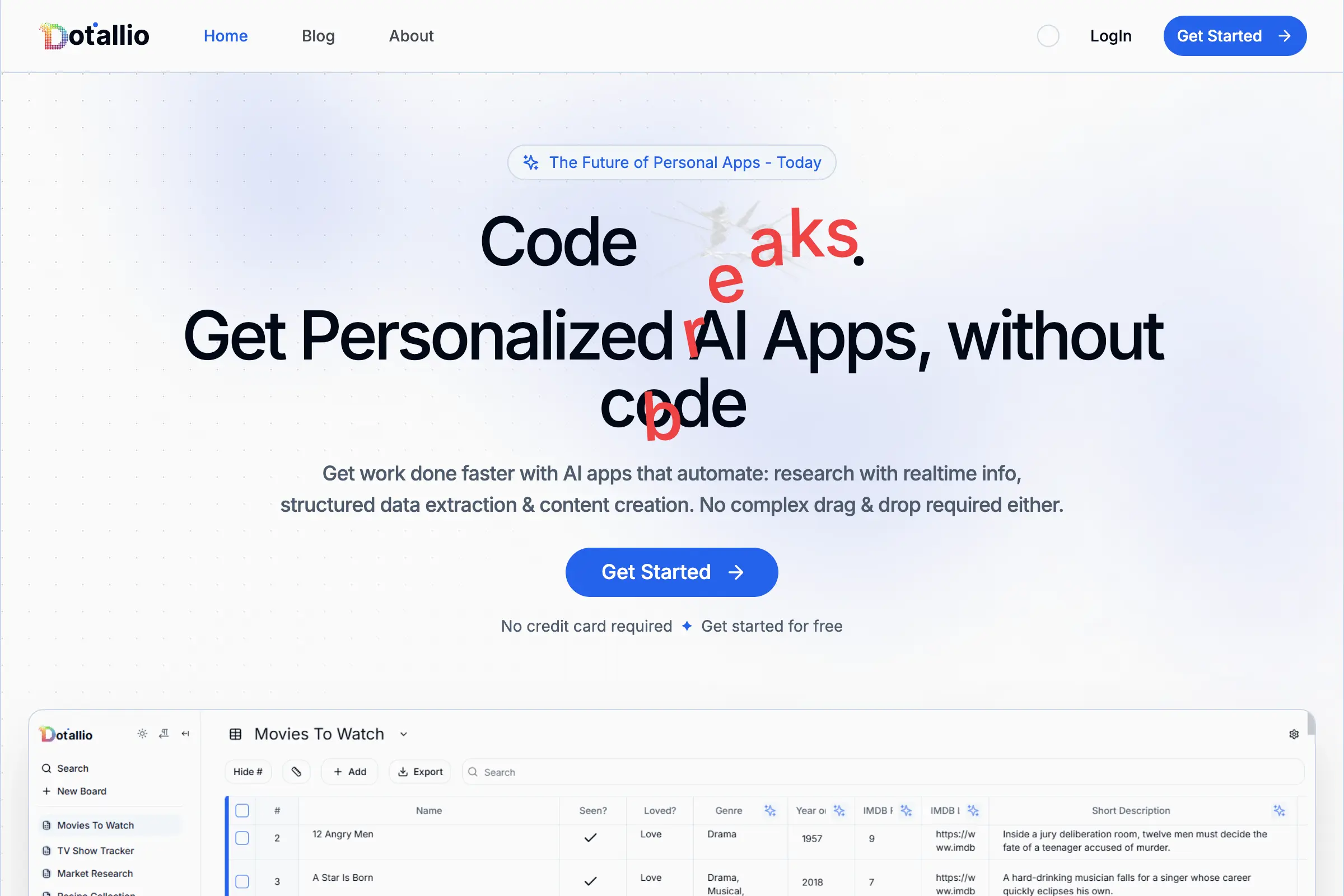
Personalized AI apps that automate research, data extraction, and content creation without code 🤖
Talk to Santa
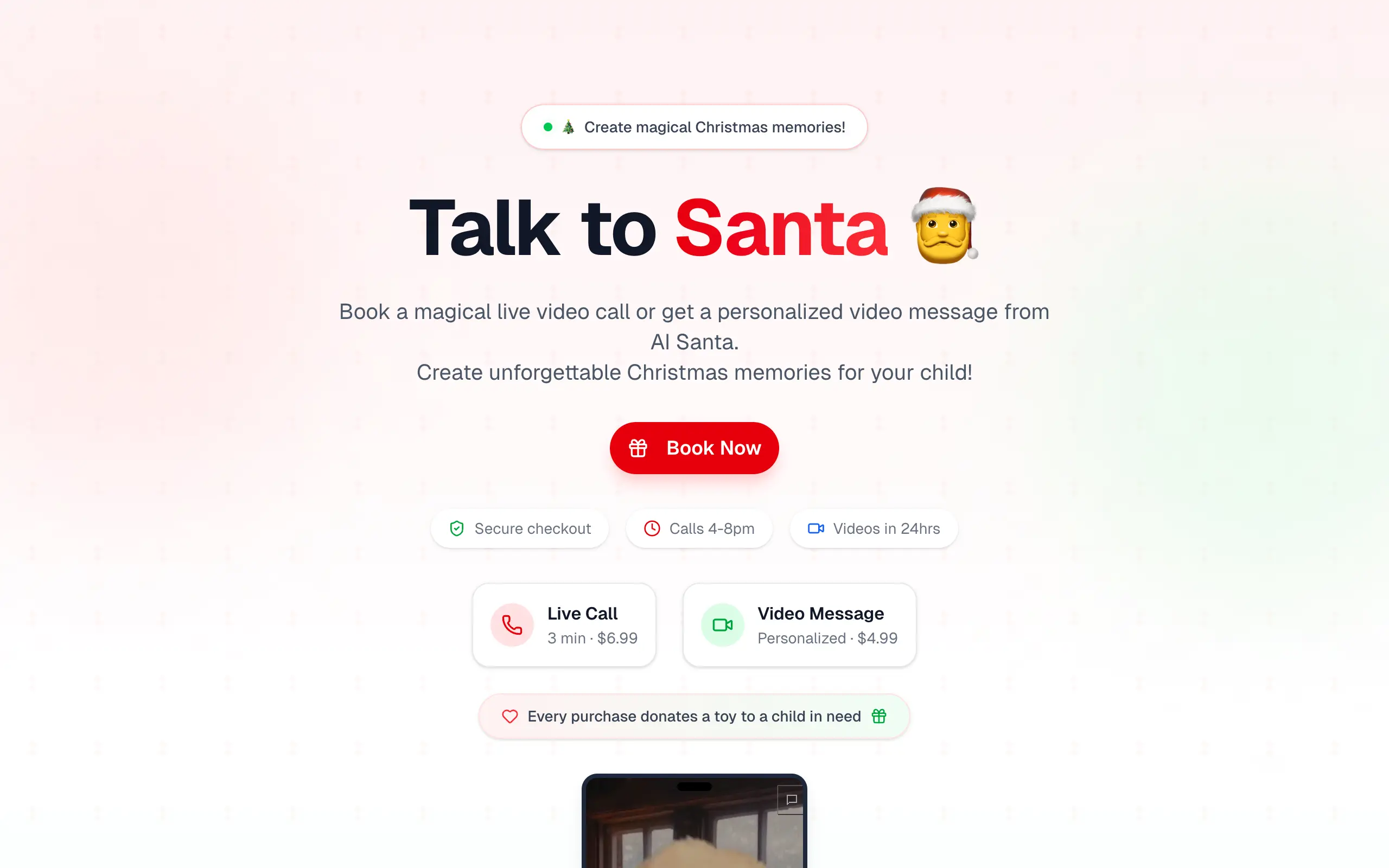
Enjoy a magical live video chat or receive a unique AI-generated video greeting from Santa Claus 🎅
pozywka.pl
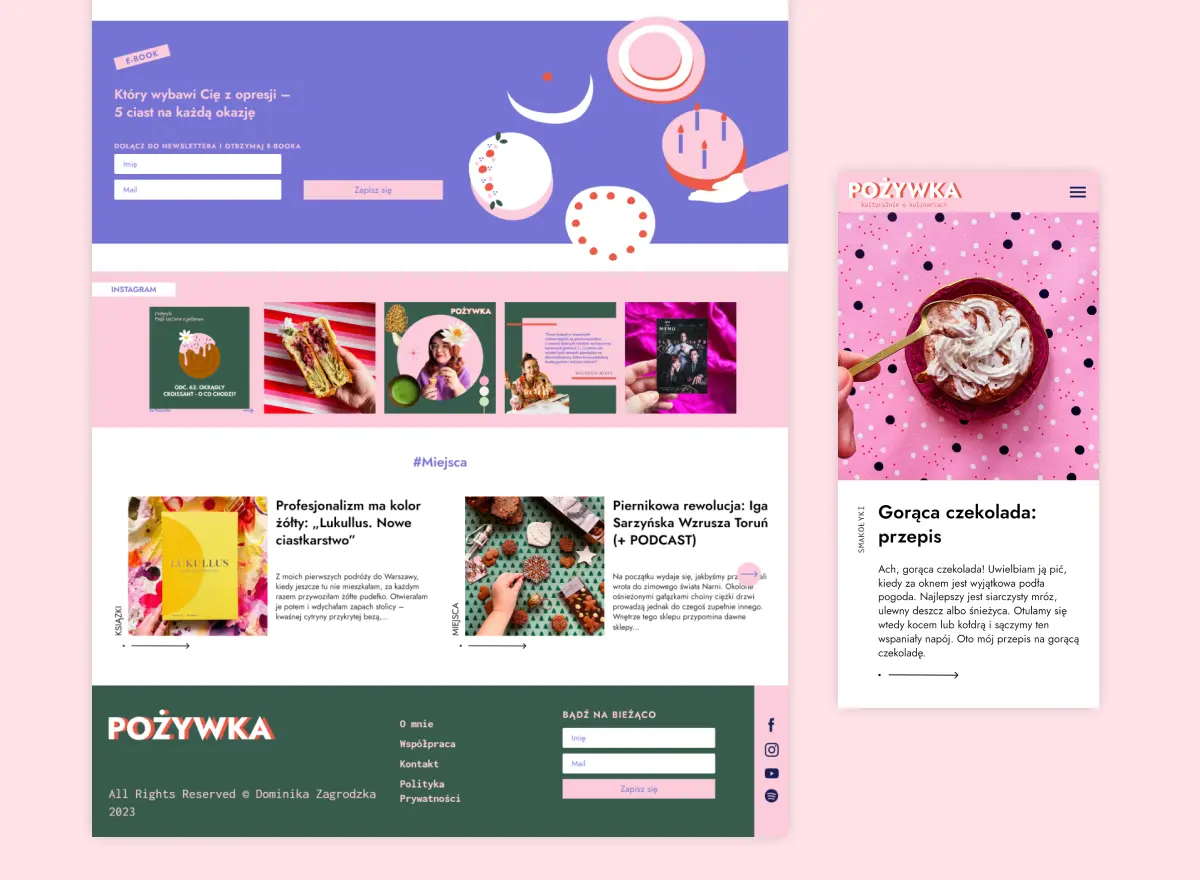
Scalable blog for food journalist, focused on performance and user experience 🌭
zagrodzki.me
Personal blog and portfolio of Bart Zagrodzki, where he shares his knowledge and work 💼
TurboStarter
Ship your startup everywhere. In minutes.
HTML to Markdown
Convert HTML to Markdown with ease, directly in your browser 📄
Dotallio
Personalized AI apps that automate research, data extraction, and content creation without code 🤖
Talk to Santa
Enjoy a magical live video chat or receive a unique AI-generated video greeting from Santa Claus 🎅
pozywka.pl
Scalable blog for food journalist, focused on performance and user experience 🌭
zagrodzki.me
Personal blog and portfolio of Bart Zagrodzki, where he shares his knowledge and work 💼
TurboStarter
Ship your startup everywhere. In minutes.
HTML to Markdown
Convert HTML to Markdown with ease, directly in your browser 📄
Dotallio
Personalized AI apps that automate research, data extraction, and content creation without code 🤖
Talk to Santa
Enjoy a magical live video chat or receive a unique AI-generated video greeting from Santa Claus 🎅
pozywka.pl
Scalable blog for food journalist, focused on performance and user experience 🌭
zagrodzki.me
Personal blog and portfolio of Bart Zagrodzki, where he shares his knowledge and work 💼
TurboStarter
Ship your startup everywhere. In minutes.
HTML to Markdown
Convert HTML to Markdown with ease, directly in your browser 📄
Dotallio
Personalized AI apps that automate research, data extraction, and content creation without code 🤖
Talk to Santa
Enjoy a magical live video chat or receive a unique AI-generated video greeting from Santa Claus 🎅
pozywka.pl
Scalable blog for food journalist, focused on performance and user experience 🌭
zagrodzki.me
Personal blog and portfolio of Bart Zagrodzki, where he shares his knowledge and work 💼
TurboStarter
Ship your startup everywhere. In minutes.
HTML to Markdown
Convert HTML to Markdown with ease, directly in your browser 📄
Omichat
Chat with 50+ AI models, including ChatGPT and Claude, in one place - switch models anytime without losing context 🤖
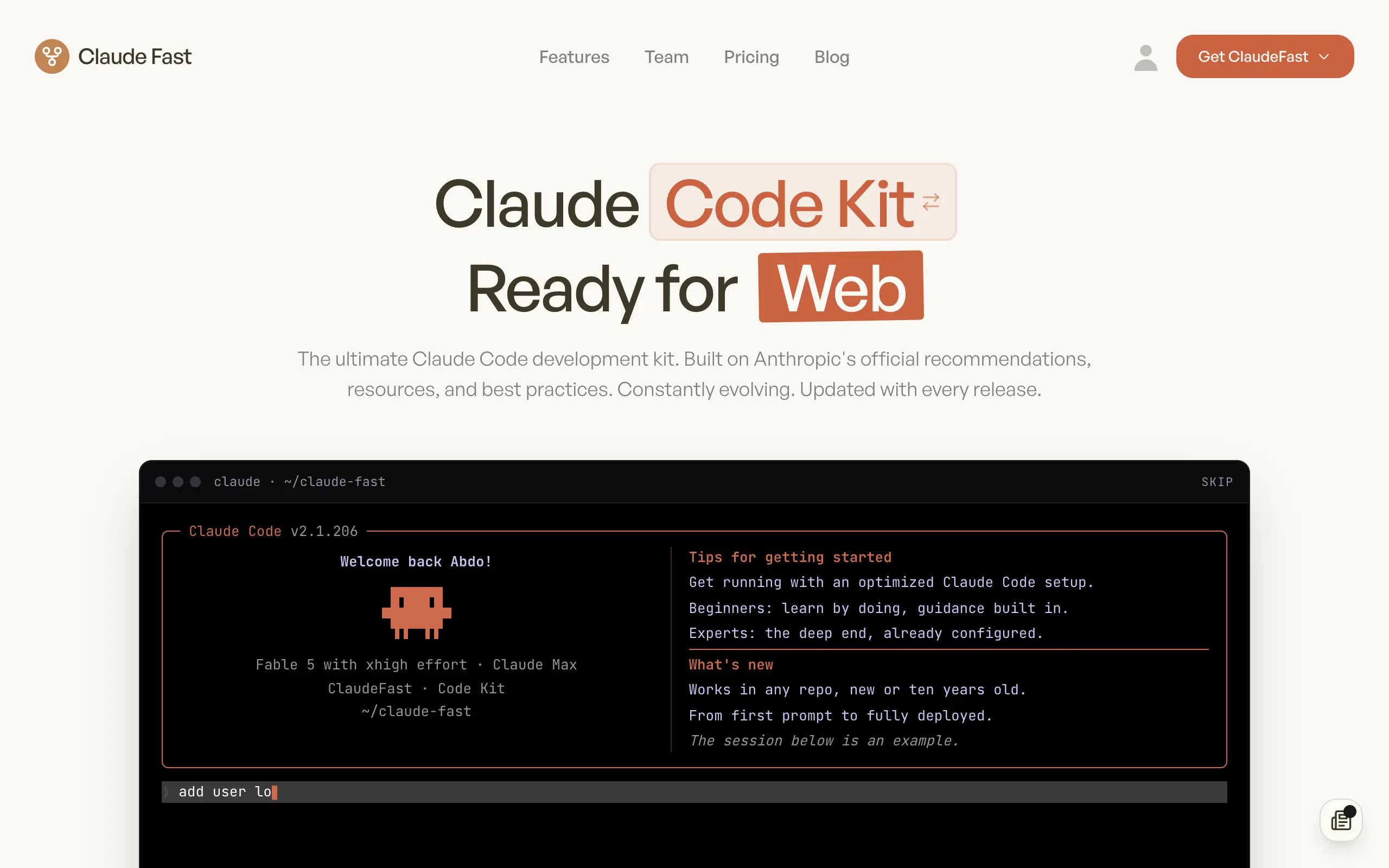
Claude Fast
Supercharge your Claude Code with 6x effective context window and specialized AI agents 🤖
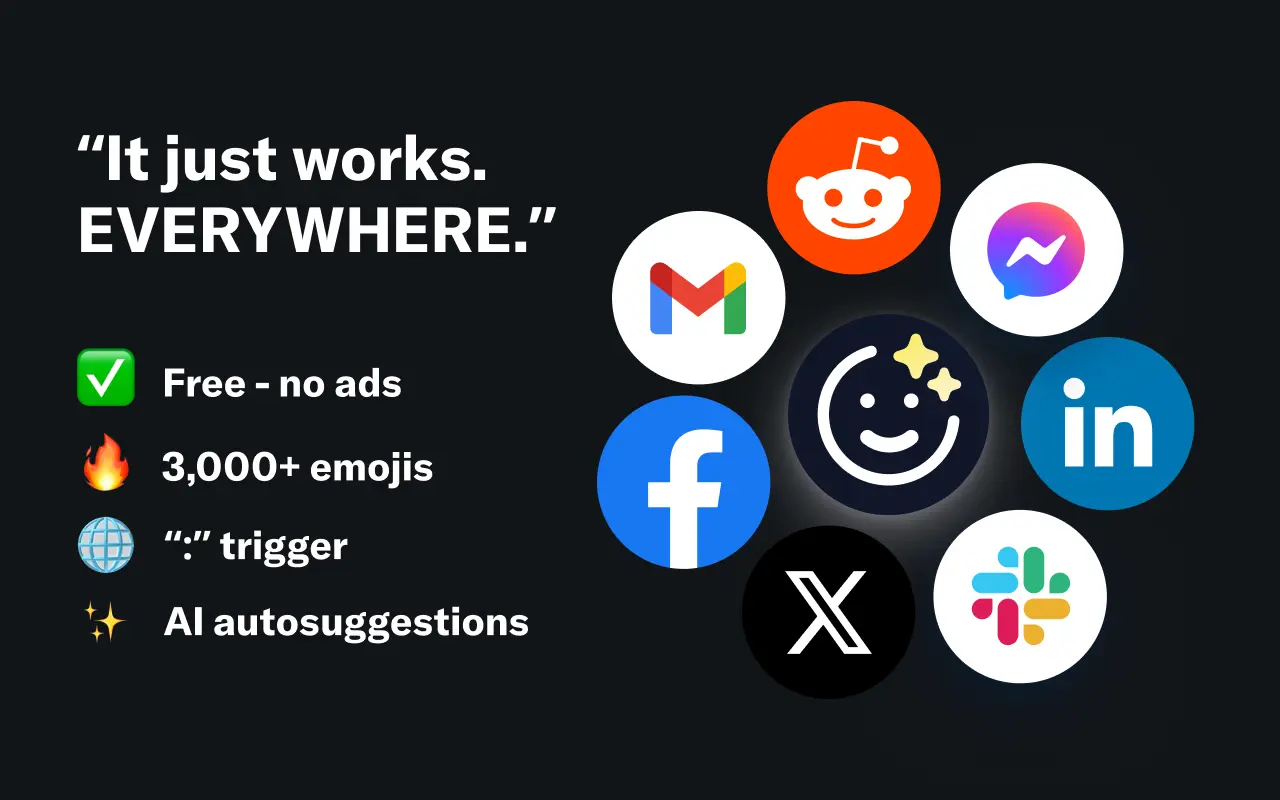
EmojAI
AI-powered emoji picker with smart, context-aware suggestions 🤖
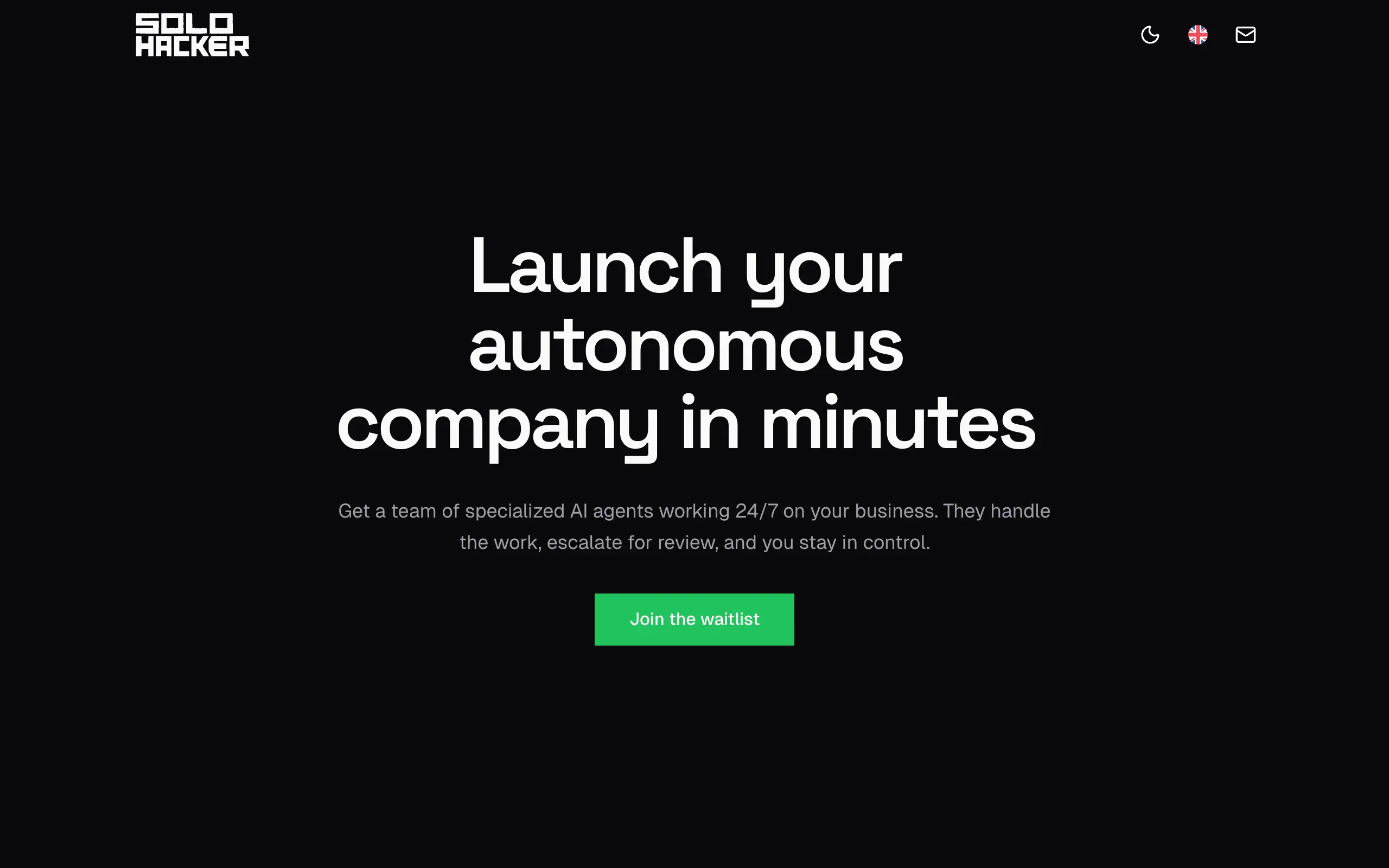
Solohacker
Autonomous company launcher - AI agents work 24/7, escalate what matters, and you stay in control 🤖
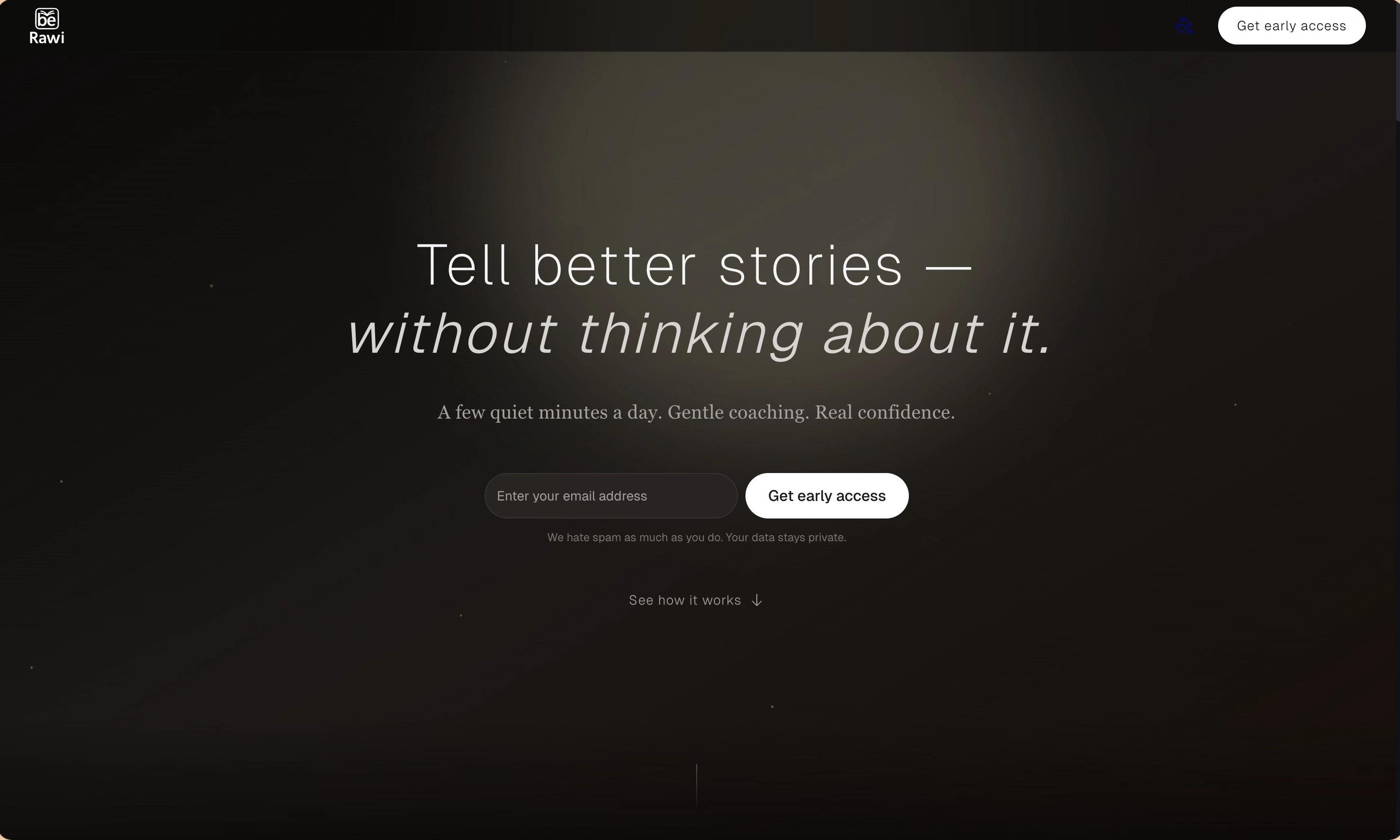
BeRawi: Storytelling Coach
Practice storytelling daily with instant feedback to sound clearer, more engaging, and confident 🎤
Omichat
Chat with 50+ AI models, including ChatGPT and Claude, in one place - switch models anytime without losing context 🤖
Claude Fast
Supercharge your Claude Code with 6x effective context window and specialized AI agents 🤖
EmojAI
AI-powered emoji picker with smart, context-aware suggestions 🤖
Solohacker
Autonomous company launcher - AI agents work 24/7, escalate what matters, and you stay in control 🤖
BeRawi: Storytelling Coach
Practice storytelling daily with instant feedback to sound clearer, more engaging, and confident 🎤
Omichat
Chat with 50+ AI models, including ChatGPT and Claude, in one place - switch models anytime without losing context 🤖
Claude Fast
Supercharge your Claude Code with 6x effective context window and specialized AI agents 🤖
EmojAI
AI-powered emoji picker with smart, context-aware suggestions 🤖
Solohacker
Autonomous company launcher - AI agents work 24/7, escalate what matters, and you stay in control 🤖
BeRawi: Storytelling Coach
Practice storytelling daily with instant feedback to sound clearer, more engaging, and confident 🎤
Omichat
Chat with 50+ AI models, including ChatGPT and Claude, in one place - switch models anytime without losing context 🤖
Claude Fast
Supercharge your Claude Code with 6x effective context window and specialized AI agents 🤖
EmojAI
AI-powered emoji picker with smart, context-aware suggestions 🤖
Solohacker
Autonomous company launcher - AI agents work 24/7, escalate what matters, and you stay in control 🤖
BeRawi: Storytelling Coach
Practice storytelling daily with instant feedback to sound clearer, more engaging, and confident 🎤

Connect with like-minded people
Join our community to get feedback, support, and grow together with 1,000+ builders on board, let's ship it!
Join usShip your startup everywhere. In minutes.
Don't burn tokens on setup and start building features on day one.