CommandSight
Centralized platform to audit, log, and analyze shell command usage across teams, improving security, compliance, and operational visibility.
What is a shell command auditing platform and why it matters
Modern engineering teams live in the terminal. From deploying infrastructure to debugging production issues, shell commands are the invisible backbone of daily operations. Yet, despite their critical role, most organizations lack visibility into who ran what command, where, and why.
This is where a platform like CommandSight becomes essential.
A shell command auditing platform centralizes the logging, analysis, and governance of terminal activity across teams. It transforms raw command-line usage into structured, searchable, and actionable insights—bridging the gap between productivity and compliance.
The primary keyword here is shell command auditing platform, and it sits at the intersection of:
- DevOps observability
- Security auditing and compliance
- Insider threat detection
- Engineering productivity analytics
With increasing regulatory pressure (SOC 2, ISO 27001, HIPAA) and growing DevOps complexity, organizations can no longer afford blind spots in command-line activity.
The growing need for command-line visibility in modern teams
The hidden risk in terminal usage
Unlike application logs or API monitoring, shell commands often:
- Leave minimal trace
- Are executed locally or via SSH
- Can bypass traditional monitoring tools
- Carry high-impact consequences (e.g.,
rm -rf,kubectl delete,terraform destroy)
This creates a dangerous combination: high power with low visibility.
Real-world implications
Without a command auditing system:
- Security teams cannot investigate incidents effectively
- Compliance audits become manual and error-prone
- Knowledge sharing is limited to tribal memory
- Mistakes are hard to trace and learn from
Critical insight
Most security breaches involving internal actors are not detected via application logs but through infrastructure-level activity—where shell commands dominate.
Target audience for CommandSight
CommandSight is a B2B SaaS product designed for organizations that rely heavily on infrastructure and command-line workflows.
Primary user segments
DevOps teams
Need visibility into infrastructure changes, deployments, and operational workflows.
Security teams
Require audit trails for compliance, incident response, and threat detection.
Platform engineers
Want to standardize and analyze how teams interact with systems.
CTOs and engineering leaders
Need governance, accountability, and performance insights across teams.
Ideal customer profile (ICP)
- Mid-size to enterprise companies (50–1000+ engineers)
- Cloud-native infrastructure (AWS, GCP, Azure)
- Remote or distributed teams
- Regulated industries (fintech, healthcare, SaaS)
Market gap and opportunity
Existing solutions fall short
Current tools only partially address this problem:
| Feature | SSH logging tools | SIEM platforms | DevOps tools | CommandSight |
|---|---|---|---|---|
| Command-level visibility | ✅ | ❌ | ❌ | ✅ |
| Context & analytics | ❌ | ✅ | ❌ | ✅ |
| Developer-friendly UX | ❌ | ❌ | ✅ | ✅ |
| Compliance-ready reporting | ❌ | ✅ | ❌ | ✅ |
The opportunity
The gap lies in combining deep command-level telemetry with modern analytics and usability.
CommandSight’s positioning:
- Not just logging → intelligent command analysis
- Not just security → cross-functional value (DevOps + compliance + productivity)
- Not just storage → insight generation
Core features of CommandSight
1. Real-time command logging
Capture every shell command executed across environments:
- Local terminals
- SSH sessions
- CI/CD pipelines
- Kubernetes exec sessions
Key capabilities:
- Timestamped logs
- User attribution
- Host/environment tagging
- Session tracking
2. Context-aware analysis
Raw logs are not enough. CommandSight enriches data with:
- Command intent classification (e.g., deployment, debugging)
- Risk scoring (e.g., destructive commands)
- Frequency analysis
- Behavioral baselines
3. Search and replay
Engineers and auditors can:
- Search commands by user, host, or keyword
- Replay sessions step-by-step
- Filter by time ranges or environments
4. Security and anomaly detection
Using rule-based and ML-driven detection:
- Flag unusual command patterns
- Detect privilege escalation attempts
- Identify suspicious sequences
5. Compliance reporting
Generate reports for:
- SOC 2 audits
- ISO 27001 controls
- Internal governance reviews
6. Team insights and productivity analytics
Understand how teams operate:
- Most-used commands
- Workflow inefficiencies
- Knowledge gaps
Unique angle
CommandSight doesn’t just monitor commands—it turns them into organizational intelligence.
Recommended tech stack and architecture
Building a scalable shell command auditing platform requires careful architectural decisions.
Frontend
- React for UI
- TailwindCSS for styling
- Real-time dashboards using WebSockets
Backend
- Node.js or Go (Go preferred for performance in log processing)
- gRPC or REST APIs
- Event-driven architecture (Kafka or NATS)
Data pipeline
- Command ingestion agents (lightweight CLI tools)
- Stream processing (Apache Kafka or AWS Kinesis)
- Data enrichment services
Storage
- Time-series database (e.g., ClickHouse)
- Search engine (Elasticsearch or OpenSearch)
- Object storage for session replay
Example ingestion agent snippet
// simplified pseudo-agent capturing commands
process.stdin.on("data", (input) => {
  const command = input.toString().trim();

  sendToCommandsight({
    user: process.env.USER,
    host: require("os").hostname(),
    command,
    timestamp: new Date().toISOString(),
  });
});
Trade-offs
- Performance vs depth: Deep logging can impact system performance if not optimized
- Privacy vs visibility: Must allow redaction or filtering of sensitive commands
- Storage costs: Command logs scale rapidly—efficient compression is critical
Monetization strategy
CommandSight fits well into a SaaS pricing model.
Pricing tiers
-
Starter
- Small teams
- Limited retention (7–14 days)
- Basic analytics
-
Growth
- Extended retention
- Advanced search
- Compliance reports
-
Enterprise
- Custom integrations
- Role-based access control
- Dedicated support
- On-prem or VPC deployment
Pricing models
- Per user (developer seat)
- Per host/node monitored
- Usage-based (log volume)
Additional revenue streams
- Compliance add-ons
- Advanced anomaly detection modules
- API access for integrations
Competitive advantage and differentiation
CommandSight stands out by focusing on command-level intelligence, not just logging.
Key differentiators
- Developer-first UX (unlike traditional SIEM tools)
- Real-time insights instead of static logs
- Cross-functional value (security + DevOps + leadership)
- Lightweight deployment with minimal friction
Strategic moat
- Data network effects: more usage → better anomaly detection
- Workflow integration: becomes part of daily engineering operations
- High switching cost due to historical data
Potential risks and mitigation strategies
1. Privacy concerns
Risk: Logging commands may expose sensitive data
Mitigation:
- Command redaction rules
- Opt-out policies
- Encryption at rest and in transit
2. Performance overhead
Risk: Agents slow down systems
Mitigation:
- Lightweight, async logging
- Local buffering
- Sampling strategies
3. Developer resistance
Risk: Engineers may feel monitored
Mitigation:
- Transparent communication
- Focus on productivity benefits
- Role-based visibility controls
4. Data storage costs
Risk: High log volume increases costs
Mitigation:
- Tiered storage
- Compression
- Retention policies
Industry trends shaping this space
Rise of DevSecOps
Security is shifting left, and tools like CommandSight align perfectly with this movement.
Zero trust architecture
Organizations need deeper visibility into every action, not just network access.
Remote work and distributed teams
Terminal activity is more decentralized than ever, increasing the need for centralized visibility.
AI-powered observability
Future versions of CommandSight could:
- Auto-suggest safer commands
- Detect risky behavior patterns
- Provide real-time command recommendations
Step-by-step implementation roadmap
Go-to-market strategy
Early traction
- Target DevOps communities (Reddit, Hacker News, GitHub)
- Publish technical blogs on command-line observability
- Offer free tier for small teams
Partnerships
- Integrate with CI/CD tools
- Partner with cloud providers
- Collaborate with security platforms
Content strategy
Focus on SEO topics like:
- “how to audit shell commands”
- “terminal activity monitoring tools”
- “DevOps compliance best practices”
Why CommandSight can win
CommandSight is not just another logging tool—it addresses a fundamental blind spot in modern infrastructure.
Its strength lies in:
- Clear problem-solution fit
- Strong alignment with industry trends
- High-value use cases across multiple teams
As organizations scale, the need for visibility, accountability, and intelligence in command-line activity will only grow.
Build faster with the right foundation
Launching a SaaS like CommandSight requires speed, scalability, and a solid technical base. Instead of building everything from scratch, you can accelerate development using proven starter frameworks.
TurboStarter provides a production-ready foundation for SaaS applications, helping you focus on core features like command ingestion and analytics rather than boilerplate setup.
Final thoughts
The terminal is one of the most powerful—and least monitored—interfaces in modern software development.
CommandSight transforms that gap into an opportunity:
- For security teams, it provides accountability
- For engineers, it offers insight and learning
- For organizations, it delivers control and compliance
If executed well, it has the potential to become a category-defining tool in DevOps observability and security.
The real question isn’t whether teams need command visibility—it’s how long they can operate without it.
More 🏢 B2B Application SaaS ideas
Discover more innovative b2b application SaaS ideas that are trending in 2026. Each idea is AI-generated with market validation and growth potential to help you find your next profitable venture faster than competitors.
Your competitors are building with TurboStarter
Below are some of the SaaS ideas that have been generated and built with our starter kit.
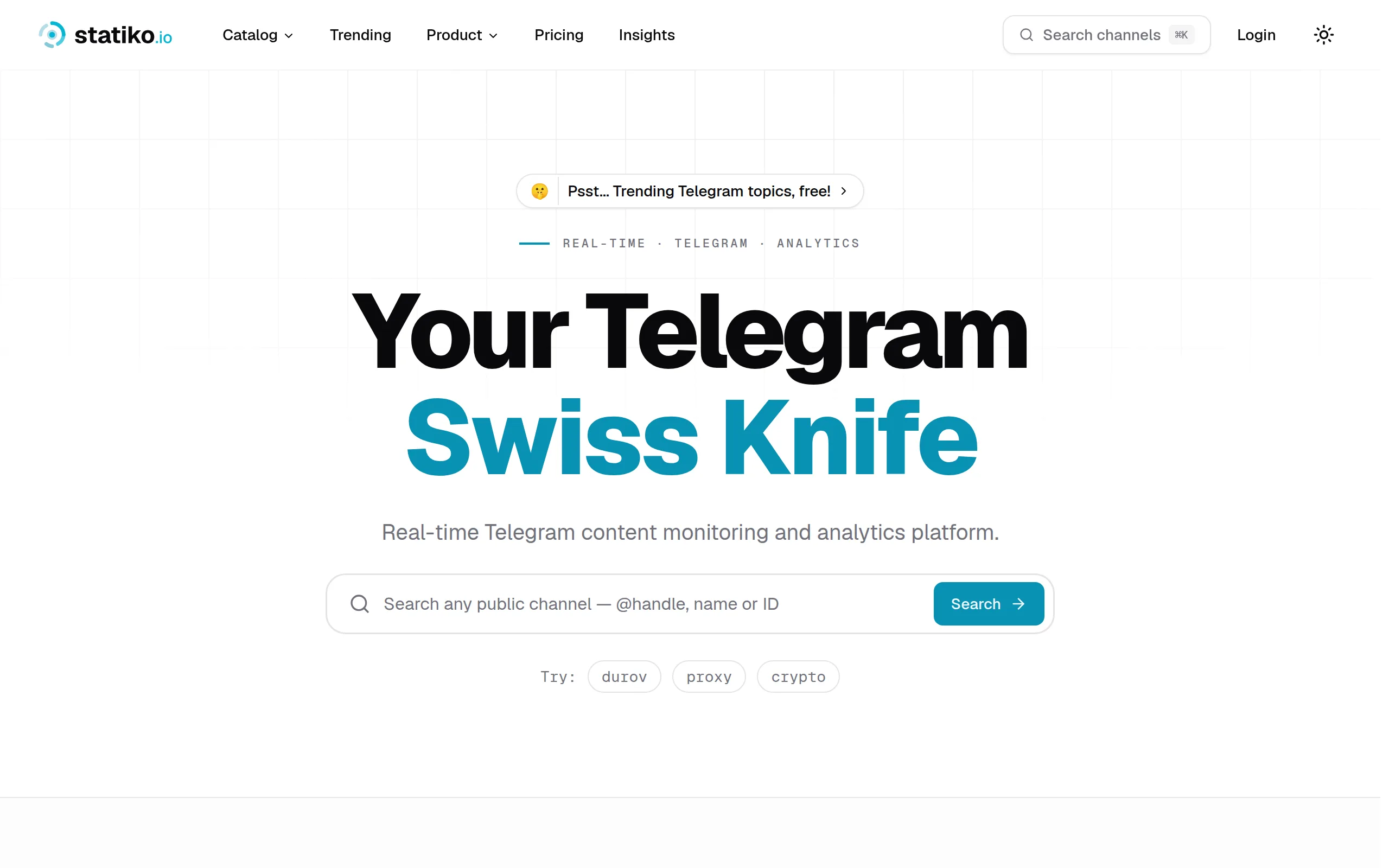
Statiko
Monitor any Telegram channel in real time - track posts, edits, deletions, and growth with AI recaps 📡

Shibui
AI website builder - describe your business, pick a niche template, edit by chatting, and publish instantly ✨

Pro Service
Find verified home service professionals, compare quotes, and pay securely through escrow - built for Brazilians across the US 🏠
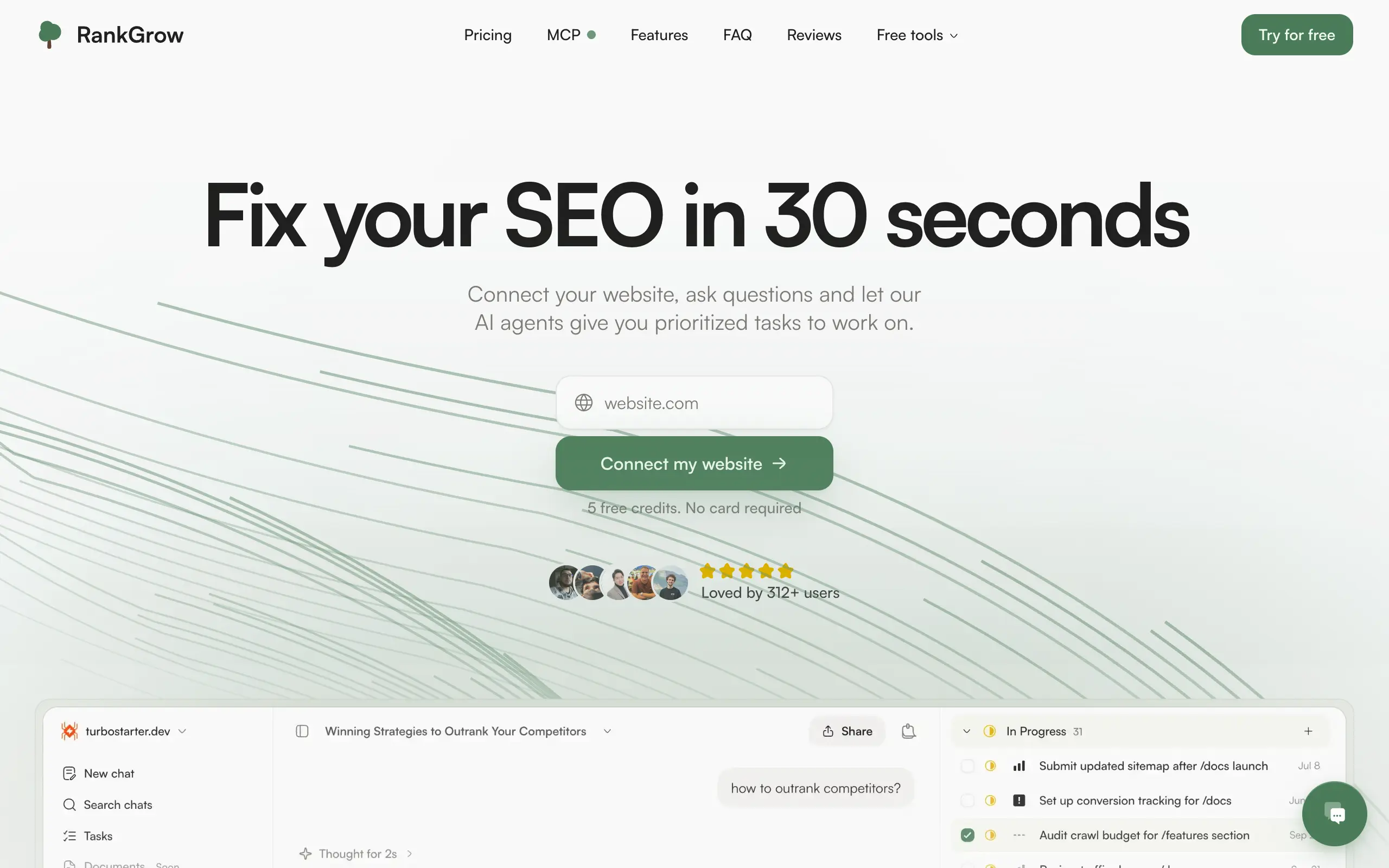
RankGrow
Fix your SEO with AI agents - connect Search Console, get prioritized tasks, and grow organic traffic 📈
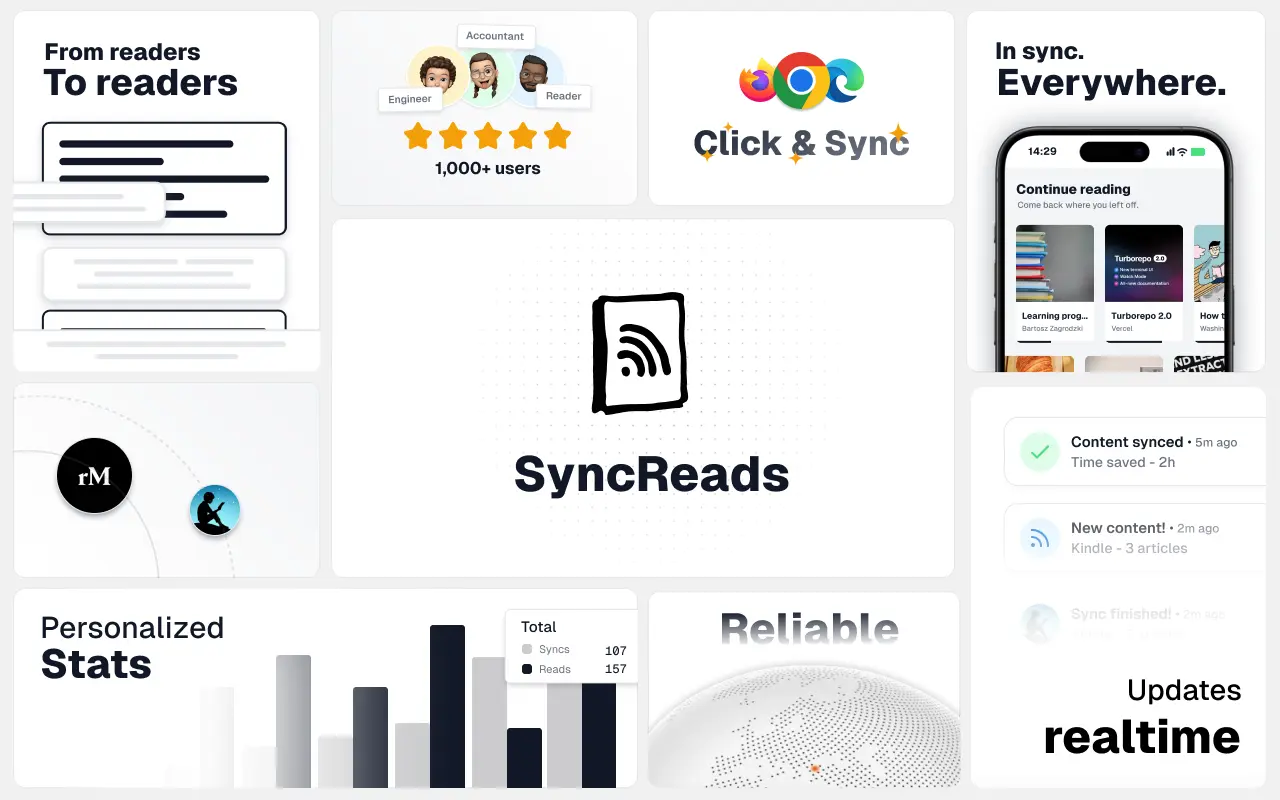
SyncReads
Sync your favorite content for distraction-free reading, save time and replace multiple apps. Anytime, anywhere 🔄
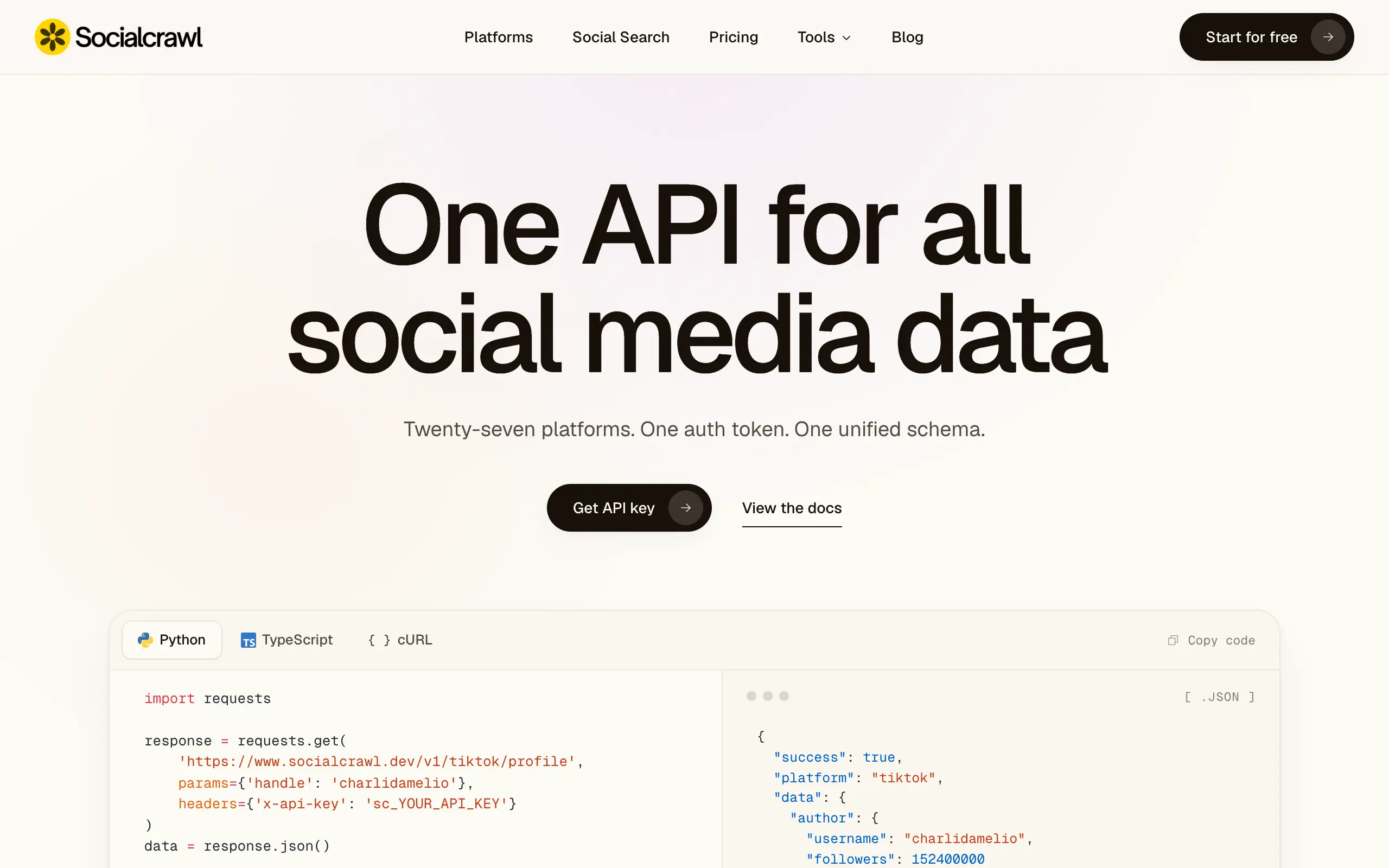
Socialcrawl
Get clean, structured data from 21 platforms like TikTok, Instagram, and YouTube with a single request 📊
Statiko
Monitor any Telegram channel in real time - track posts, edits, deletions, and growth with AI recaps 📡
Shibui
AI website builder - describe your business, pick a niche template, edit by chatting, and publish instantly ✨
Pro Service
Find verified home service professionals, compare quotes, and pay securely through escrow - built for Brazilians across the US 🏠
RankGrow
Fix your SEO with AI agents - connect Search Console, get prioritized tasks, and grow organic traffic 📈
SyncReads
Sync your favorite content for distraction-free reading, save time and replace multiple apps. Anytime, anywhere 🔄
Socialcrawl
Get clean, structured data from 21 platforms like TikTok, Instagram, and YouTube with a single request 📊
Statiko
Monitor any Telegram channel in real time - track posts, edits, deletions, and growth with AI recaps 📡
Shibui
AI website builder - describe your business, pick a niche template, edit by chatting, and publish instantly ✨
Pro Service
Find verified home service professionals, compare quotes, and pay securely through escrow - built for Brazilians across the US 🏠
RankGrow
Fix your SEO with AI agents - connect Search Console, get prioritized tasks, and grow organic traffic 📈
SyncReads
Sync your favorite content for distraction-free reading, save time and replace multiple apps. Anytime, anywhere 🔄
Socialcrawl
Get clean, structured data from 21 platforms like TikTok, Instagram, and YouTube with a single request 📊
Statiko
Monitor any Telegram channel in real time - track posts, edits, deletions, and growth with AI recaps 📡
Shibui
AI website builder - describe your business, pick a niche template, edit by chatting, and publish instantly ✨
Pro Service
Find verified home service professionals, compare quotes, and pay securely through escrow - built for Brazilians across the US 🏠
RankGrow
Fix your SEO with AI agents - connect Search Console, get prioritized tasks, and grow organic traffic 📈
SyncReads
Sync your favorite content for distraction-free reading, save time and replace multiple apps. Anytime, anywhere 🔄
Socialcrawl
Get clean, structured data from 21 platforms like TikTok, Instagram, and YouTube with a single request 📊
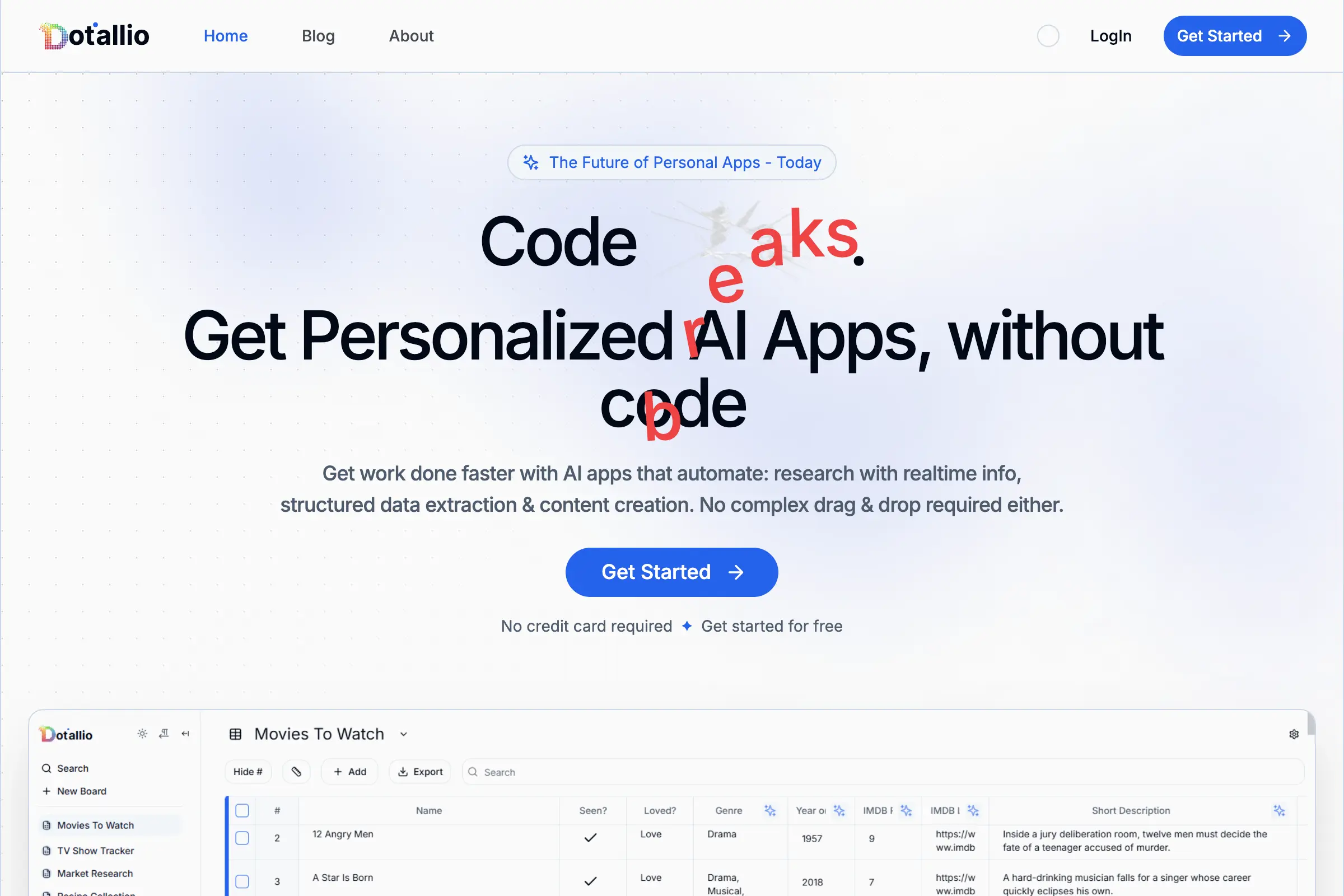
Dotallio
Personalized AI apps that automate research, data extraction, and content creation without code 🤖

Talk to Santa
Enjoy a magical live video chat or receive a unique AI-generated video greeting from Santa Claus 🎅

pozywka.pl
Scalable blog for food journalist, focused on performance and user experience 🌭
zagrodzki.me
Personal blog and portfolio of Bart Zagrodzki, where he shares his knowledge and work 💼
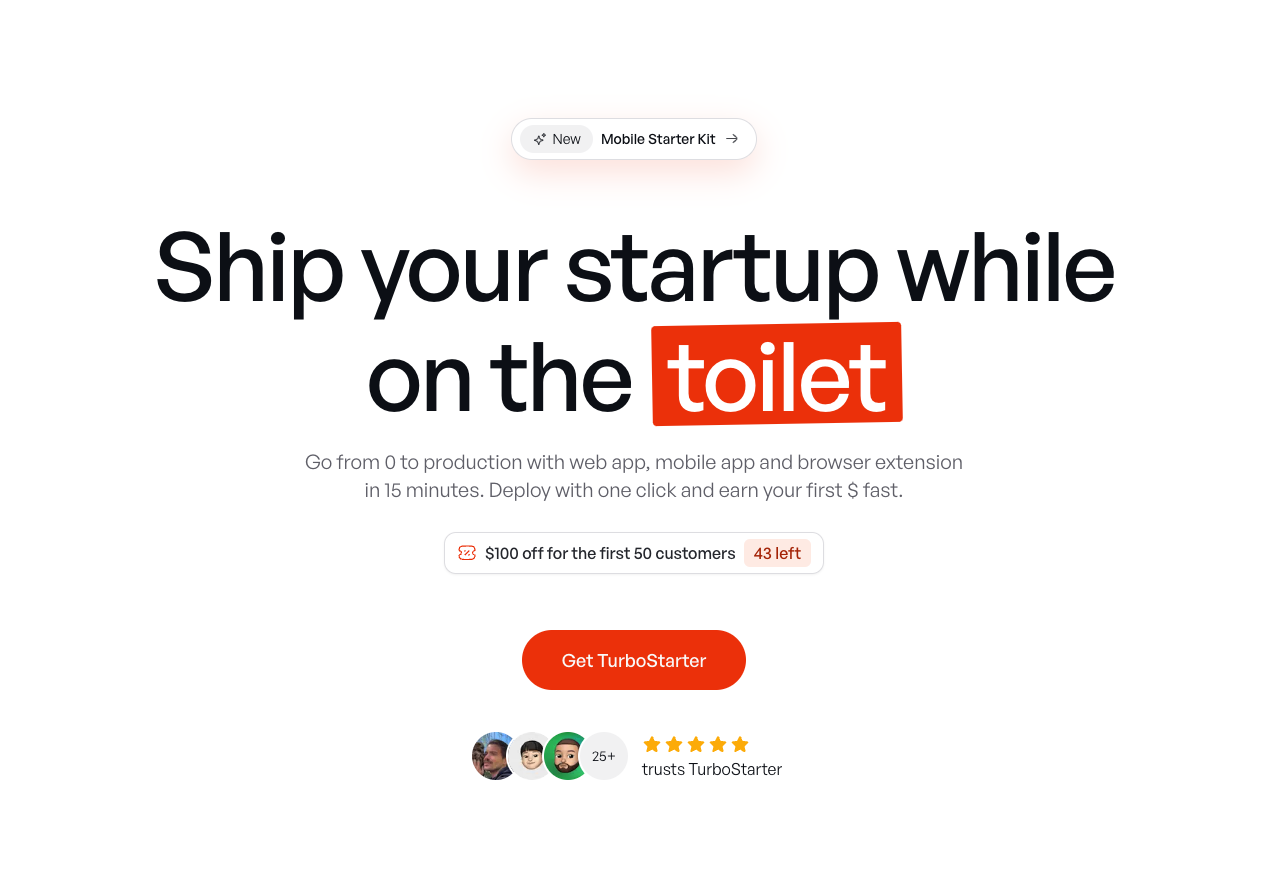
TurboStarter
Ship your startup everywhere. In minutes.
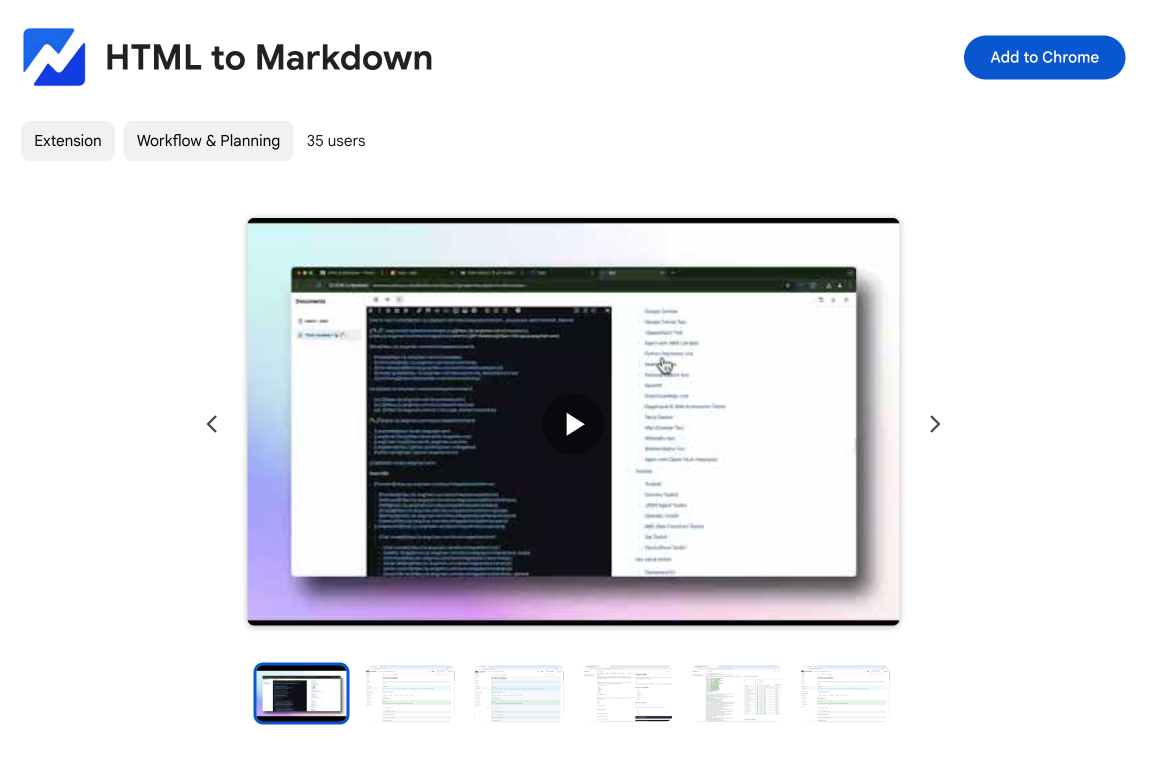
HTML to Markdown
Convert HTML to Markdown with ease, directly in your browser 📄
Dotallio
Personalized AI apps that automate research, data extraction, and content creation without code 🤖
Talk to Santa
Enjoy a magical live video chat or receive a unique AI-generated video greeting from Santa Claus 🎅
pozywka.pl
Scalable blog for food journalist, focused on performance and user experience 🌭
zagrodzki.me
Personal blog and portfolio of Bart Zagrodzki, where he shares his knowledge and work 💼
TurboStarter
Ship your startup everywhere. In minutes.
HTML to Markdown
Convert HTML to Markdown with ease, directly in your browser 📄
Dotallio
Personalized AI apps that automate research, data extraction, and content creation without code 🤖
Talk to Santa
Enjoy a magical live video chat or receive a unique AI-generated video greeting from Santa Claus 🎅
pozywka.pl
Scalable blog for food journalist, focused on performance and user experience 🌭
zagrodzki.me
Personal blog and portfolio of Bart Zagrodzki, where he shares his knowledge and work 💼
TurboStarter
Ship your startup everywhere. In minutes.
HTML to Markdown
Convert HTML to Markdown with ease, directly in your browser 📄
Dotallio
Personalized AI apps that automate research, data extraction, and content creation without code 🤖
Talk to Santa
Enjoy a magical live video chat or receive a unique AI-generated video greeting from Santa Claus 🎅
pozywka.pl
Scalable blog for food journalist, focused on performance and user experience 🌭
zagrodzki.me
Personal blog and portfolio of Bart Zagrodzki, where he shares his knowledge and work 💼
TurboStarter
Ship your startup everywhere. In minutes.
HTML to Markdown
Convert HTML to Markdown with ease, directly in your browser 📄
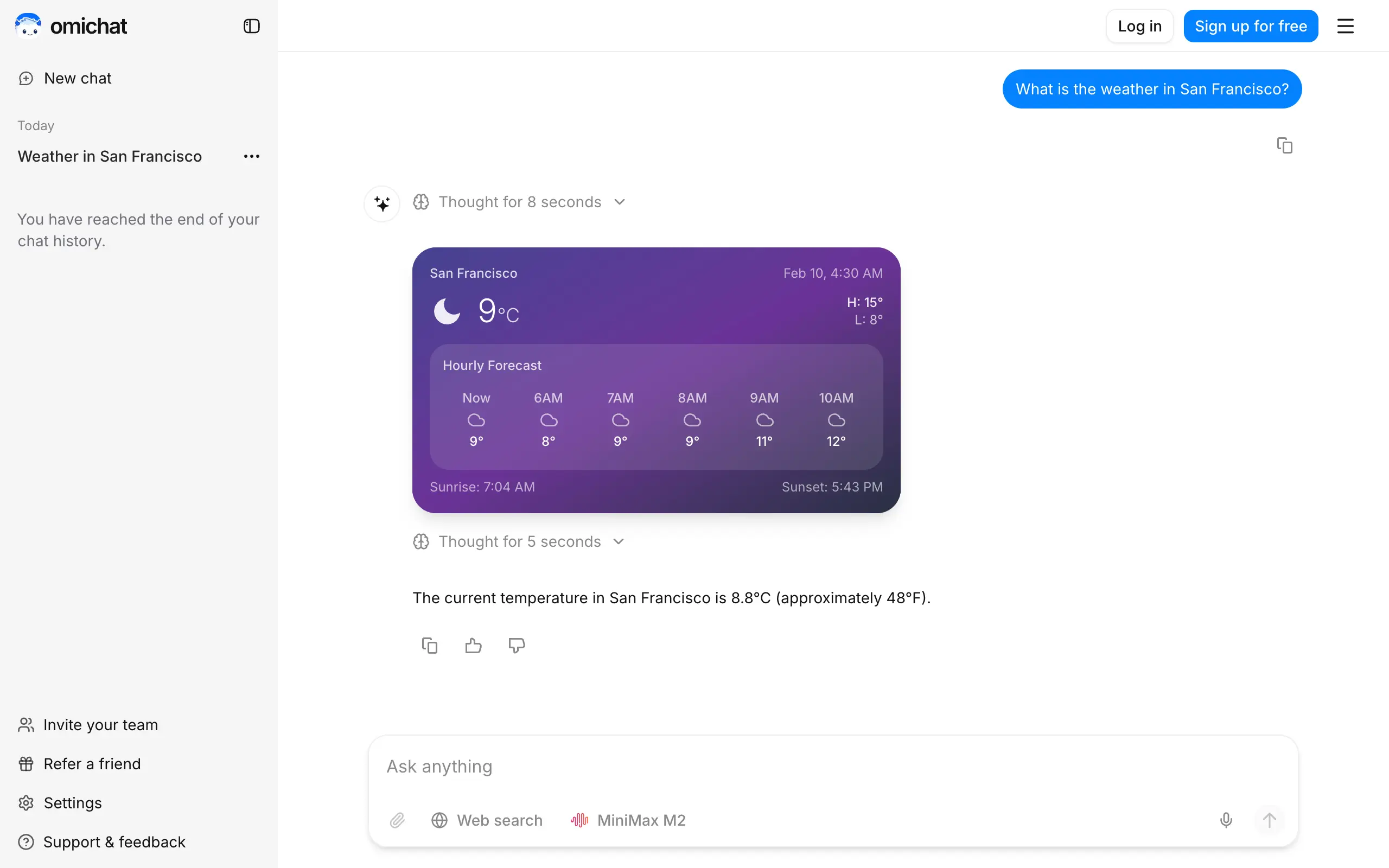
Omichat
Chat with 50+ AI models, including ChatGPT and Claude, in one place - switch models anytime without losing context 🤖
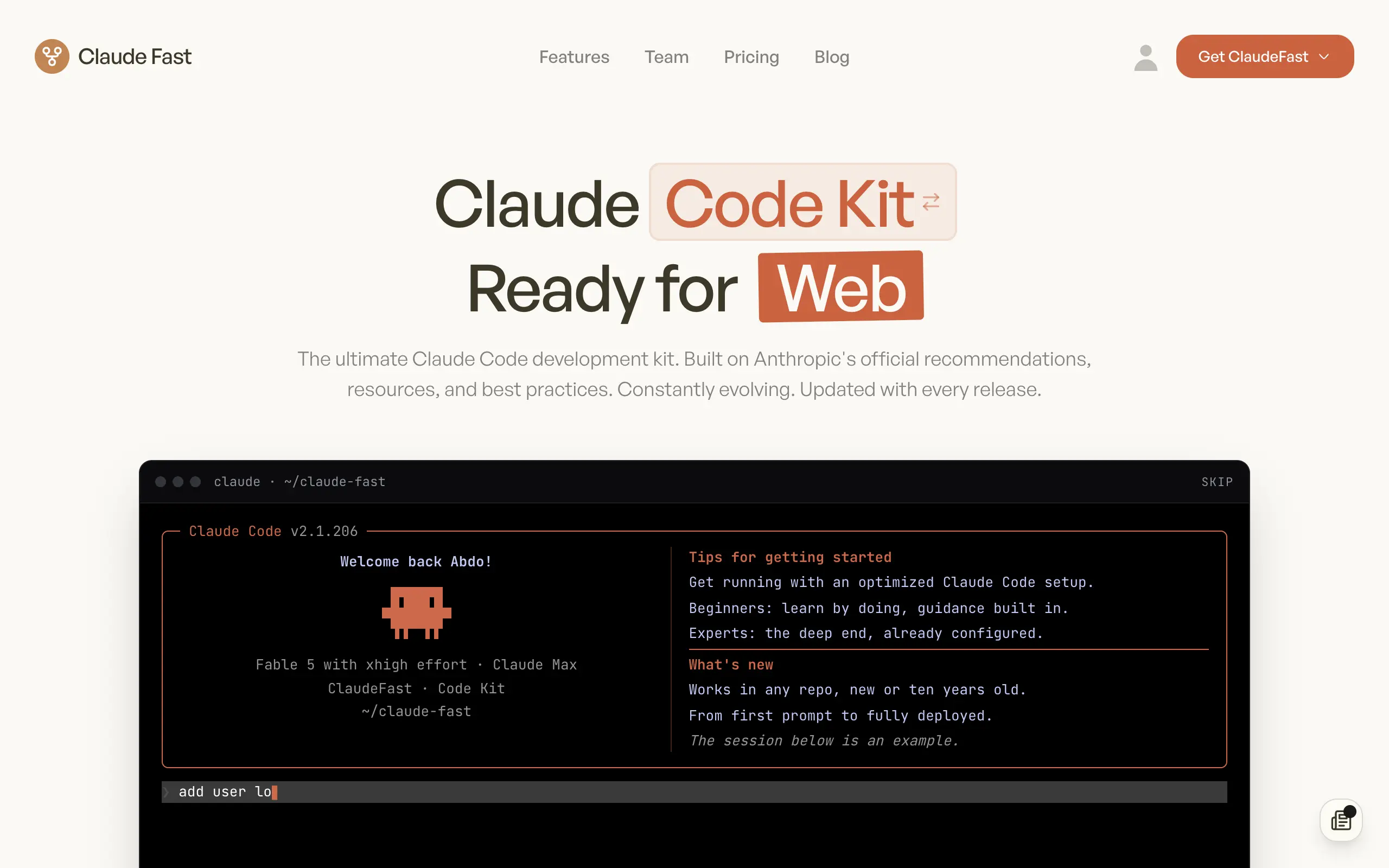
Claude Fast
Supercharge your Claude Code with 6x effective context window and specialized AI agents 🤖
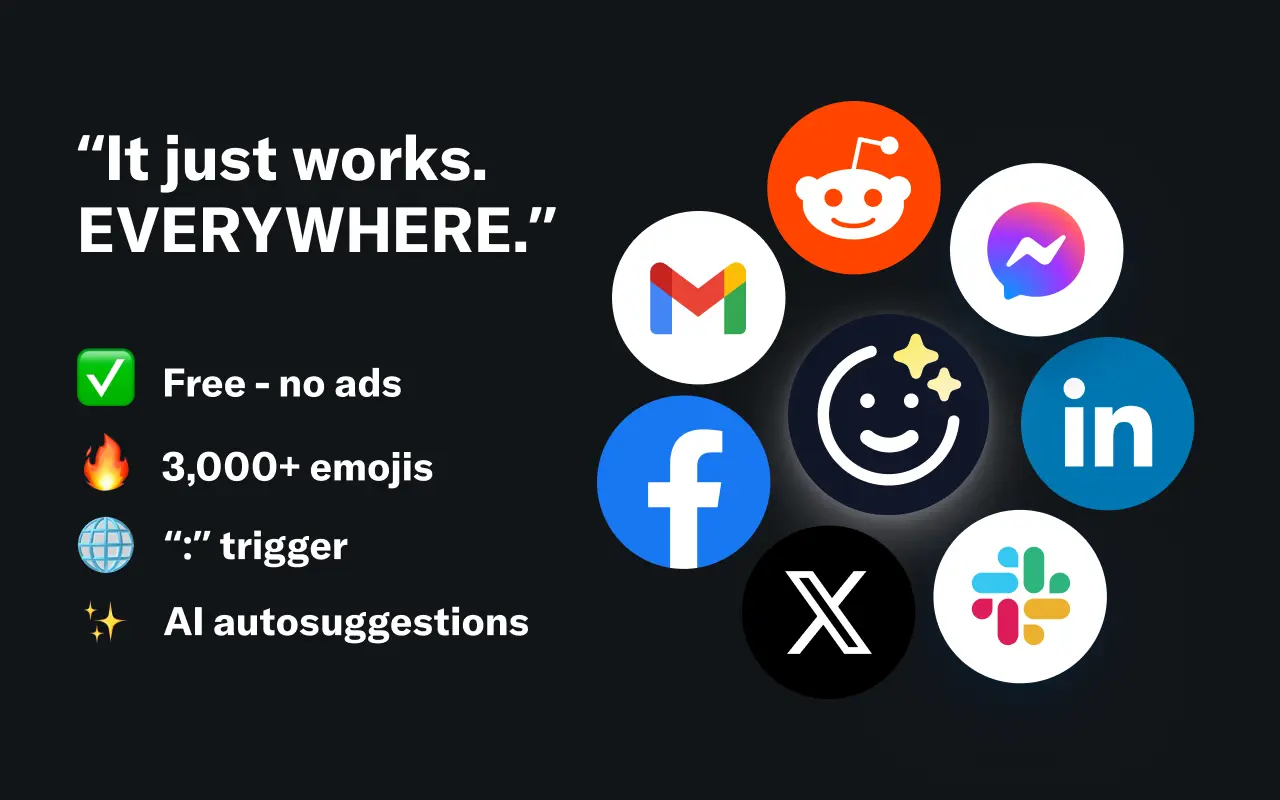
EmojAI
AI-powered emoji picker with smart, context-aware suggestions 🤖
Solohacker
Autonomous company launcher - AI agents work 24/7, escalate what matters, and you stay in control 🤖

BeRawi: Storytelling Coach
Practice storytelling daily with instant feedback to sound clearer, more engaging, and confident 🎤
Omichat
Chat with 50+ AI models, including ChatGPT and Claude, in one place - switch models anytime without losing context 🤖
Claude Fast
Supercharge your Claude Code with 6x effective context window and specialized AI agents 🤖
EmojAI
AI-powered emoji picker with smart, context-aware suggestions 🤖
Solohacker
Autonomous company launcher - AI agents work 24/7, escalate what matters, and you stay in control 🤖
BeRawi: Storytelling Coach
Practice storytelling daily with instant feedback to sound clearer, more engaging, and confident 🎤
Omichat
Chat with 50+ AI models, including ChatGPT and Claude, in one place - switch models anytime without losing context 🤖
Claude Fast
Supercharge your Claude Code with 6x effective context window and specialized AI agents 🤖
EmojAI
AI-powered emoji picker with smart, context-aware suggestions 🤖
Solohacker
Autonomous company launcher - AI agents work 24/7, escalate what matters, and you stay in control 🤖
BeRawi: Storytelling Coach
Practice storytelling daily with instant feedback to sound clearer, more engaging, and confident 🎤
Omichat
Chat with 50+ AI models, including ChatGPT and Claude, in one place - switch models anytime without losing context 🤖
Claude Fast
Supercharge your Claude Code with 6x effective context window and specialized AI agents 🤖
EmojAI
AI-powered emoji picker with smart, context-aware suggestions 🤖
Solohacker
Autonomous company launcher - AI agents work 24/7, escalate what matters, and you stay in control 🤖
BeRawi: Storytelling Coach
Practice storytelling daily with instant feedback to sound clearer, more engaging, and confident 🎤

Connect with like-minded people
Join our community to get feedback, support, and grow together with 1,000+ builders on board, let's ship it!
Join usShip your startup everywhere. In minutes.
Don't burn tokens on setup and start building features on day one.