ComposerOps
A collaboration and workflow SaaS that helps game studios manage composers, music assets, versioning, contracts, and milestone-based audio delivery.
Understanding the problem ComposerOps solves in modern game development
Game development has become a deeply collaborative, distributed, and iteration-heavy process. While studios have invested heavily in tools for source control, task management, and asset pipelines for code and art, audio production workflows are still fragmented.
Most studios still manage composers, music assets, contracts, and milestones using a patchwork of:
- Email threads and shared folders
- Spreadsheets for contracts and payments
- Generic project management tools not designed for audio
- Cloud drives with inconsistent versioning
- Manual milestone tracking tied loosely to builds
This creates risk and inefficiency at scale, especially for mid-sized and AAA studios juggling multiple composers, outsourced audio teams, and large sound libraries.
ComposerOps addresses this gap with a dedicated B2B collaboration and workflow SaaS for game audio production, purpose-built to manage composers, music assets, contracts, versioning, and milestone-based delivery in one unified platform.
The primary keyword throughout this article is game audio workflow software, supported by related terms such as composer management platform, music asset versioning for games, game audio collaboration tools, and composer project management SaaS.
Who ComposerOps is for: target audience analysis
Understanding the real buyers and daily users of game audio workflow software is critical to positioning ComposerOps effectively.
Primary buyers and decision-makers
ComposerOps targets studios and organizations where audio is a strategic production pillar:
-
Indie and AA game studios (10–150 employees)
Studios scaling beyond ad-hoc workflows and starting to outsource music. -
AAA studios and publishers
Teams managing multiple composers, internal audio departments, and strict milestone delivery. -
Game publishers with shared services
Centralized audio oversight across multiple studios. -
Outsourcing managers and production directors
Roles responsible for cost control, delivery timelines, and contractual compliance.
These buyers care most about risk reduction, predictability, and visibility.
Daily users inside the platform
ComposerOps must serve multiple personas simultaneously:
- Audio directors – reviewing, approving, and requesting revisions
- Producers – tracking milestones, budgets, and delivery status
- Composers – uploading versions, receiving feedback, managing deliverables
- Legal/finance teams – contracts, licensing terms, usage rights, and payments
A key strength of ComposerOps is aligning these stakeholders in a single shared system, rather than siloed tools.
Why this matters
Most SaaS failures in creative industries come from focusing on only one persona. ComposerOps succeeds by balancing composer usability with production-level oversight.
Market opportunity: why game audio needs its own workflow SaaS
The growth of game audio complexity
Modern games require far more audio than ever before:
- Adaptive and procedural music systems
- Frequent live updates and DLC drops
- Platform-specific audio variations
- Licensing requirements for trailers and streaming
At the same time, studios increasingly rely on remote and freelance composers, often working across time zones.
Generic tools like Jira, Notion, or Google Drive were never designed to handle:
- Audio version lineage
- Usage rights tied to specific builds
- Milestone-based creative delivery
- Contractual audio obligations
This creates a clear market gap.
Why existing tools fall short
| Capability | Google Drive | Jira | Dropbox | ComposerOps | DAWs |
|---|---|---|---|---|---|
| Audio versioning | ❌ | ❌ | ❌ | ✅ | ✅ |
| Composer collaboration | ❌ | ✅ | ❌ | ✅ | ❌ |
| Contract & rights tracking | ❌ | ❌ | ❌ | ✅ | ❌ |
| Milestone-based delivery | ❌ | ✅ | ❌ | ✅ | ❌ |
ComposerOps exists in a category of one: a purpose-built game audio workflow platform.
Core features that define ComposerOps
Composer and collaborator management
ComposerOps acts as a system of record for all music contributors:
- Centralized composer profiles
- Rate cards and contract metadata
- Active and past project associations
- Communication history
This eliminates the common problem of losing context when team members leave or projects pause.
Music asset management with version control
Unlike generic file storage, ComposerOps treats music assets as living deliverables:
- Version lineage for each track
- Timestamped uploads and revisions
- Notes and feedback attached to versions
- Clear “approved” vs “in progress” states
This is critical when audio evolves alongside gameplay changes.
Milestone-based delivery workflows
ComposerOps aligns creative output with production reality:
- Define milestones (vertical slice, alpha, beta, launch)
- Attach specific deliverables to each milestone
- Track progress and late risks
- Lock assets when milestones are approved
Producers gain confidence, while composers gain clarity.
Contract and usage rights tracking
One of the most under-served areas in game audio tooling:
- License scope (in-game, trailers, marketing)
- Platform-specific rights
- Duration and renewal terms
- Territory restrictions
ComposerOps reduces legal risk by making rights visible at the asset level.
Feedback, review, and approvals
Audio review is contextual and subjective. ComposerOps supports this by:
- Inline comments tied to timestamps
- Approval workflows
- Revision requests with clear change history
No more “Which version are we talking about?” conversations.
Technical architecture and recommended tech stack
Frontend considerations
ComposerOps requires a highly responsive, media-heavy interface.
Recommended stack:
- React – component-driven UI for complex workflows
- TypeScript – safety across large codebases
- TailwindCSS – rapid iteration and consistent design
- Waveform visualization libraries for audio previews
Trade-off: Tailwind accelerates development but requires disciplined design tokens to avoid inconsistency.
Backend and infrastructure
Key backend needs include secure file handling, permissions, and performance at scale:
- Node.js or Bun for API services
- PostgreSQL for relational data (contracts, milestones)
- Object storage (e.g., S3-compatible) for audio files
- Background jobs for audio processing and indexing
Audio files are large; careful attention to streaming and caching is essential.
Security and compliance
ComposerOps must meet enterprise expectations:
- Role-based access control
- Audit logs for asset changes
- Secure file delivery links
- GDPR and contract data protection
Common mistake
Underestimating audio storage and bandwidth costs can break early-stage SaaS economics. Usage-based pricing must be modeled early.
Monetization strategies for ComposerOps
SaaS pricing models that fit game studios
ComposerOps lends itself well to tiered B2B SaaS pricing:
- Per studio per month base fee
- Tiered by number of active composers
- Storage and bandwidth thresholds
- Enterprise contracts for publishers
This aligns pricing with value delivered rather than raw usage.
Upsell and expansion revenue opportunities
- Advanced rights management
- Long-term archival storage
- Publisher-wide dashboards
- Custom integrations with build systems
Game studios tend to expand usage once the platform becomes embedded in their pipeline.
Competitive landscape and ComposerOps’ advantage
Indirect competitors
ComposerOps does not compete directly with DAWs or generic PM tools, but it replaces combinations of:
- Google Drive
- Jira/ClickUp
- Notion
Why ComposerOps wins
Audio-native workflows
Designed around music assets, not tasks or files.
Risk reduction
Contracts, rights, and milestones tracked in one system.
Cross-role alignment
Composers, producers, and legal teams share context.
This positioning creates strong defensibility through workflow lock-in rather than feature count.
Risks and mitigation strategies
Adoption resistance from composers
Many composers prefer familiar tools.
Mitigation strategies:
- Simple upload and review flows
- DAW-agnostic asset handling
- Clear personal benefit (fewer revisions, clearer feedback)
Studio inertia
Studios are cautious about new tools mid-production.
Mitigation:
- Pilot projects
- Read-only onboarding for stakeholders
- Migration tools from existing folders
Storage and cost scaling
Audio-heavy platforms face margin pressure.
Mitigation:
- Tiered storage pricing
- Archival cold storage
- Intelligent caching
Implementation roadmap: from MVP to scale
A focused MVP avoids bloated scope while proving real value.
Go-to-market strategy for ComposerOps
Early traction channels
- Direct outreach to audio directors
- Partnerships with game audio communities
- Presence at game development conferences
Content-driven SEO growth
High-intent keywords include:
- Game audio workflow software
- Composer management platform
- Music asset versioning for games
- Audio production pipeline for studios
Educational content builds trust long before purchase.
Why ComposerOps is a defensible SaaS business
ComposerOps benefits from:
- High switching costs once integrated
- Long studio lifecycles
- Expansion revenue across projects
- Clear ROI through risk reduction
This is not a “nice-to-have” tool; it becomes infrastructure.
Building ComposerOps faster with the right foundation
Founders building complex B2B SaaS platforms often underestimate setup time for authentication, billing, permissions, and infrastructure.
Using a production-ready starter like TurboStarter can significantly accelerate development by handling the non-differentiating layers, allowing teams to focus on the unique audio workflows that define ComposerOps.
Final thoughts: the future of game audio operations
As games become more dynamic, live, and global, audio operations will only grow in complexity. Studios that continue to manage composers and music assets with generic tools will face increasing risk and inefficiency.
ComposerOps positions itself as the operating system for game audio production—a category-defining platform that brings clarity, control, and collaboration to one of the most creative yet under-supported parts of game development.
For founders, studios, and investors alike, ComposerOps represents a rare opportunity: a clearly defined problem, a growing market, and a solution deeply aligned with real production workflows.
More 🏢 B2B Application SaaS ideas
Discover more innovative b2b application SaaS ideas that are trending in 2026. Each idea is AI-generated with market validation and growth potential to help you find your next profitable venture faster than competitors.
Your competitors are building with TurboStarter
Below are some of the SaaS ideas that have been generated and built with our starter kit.
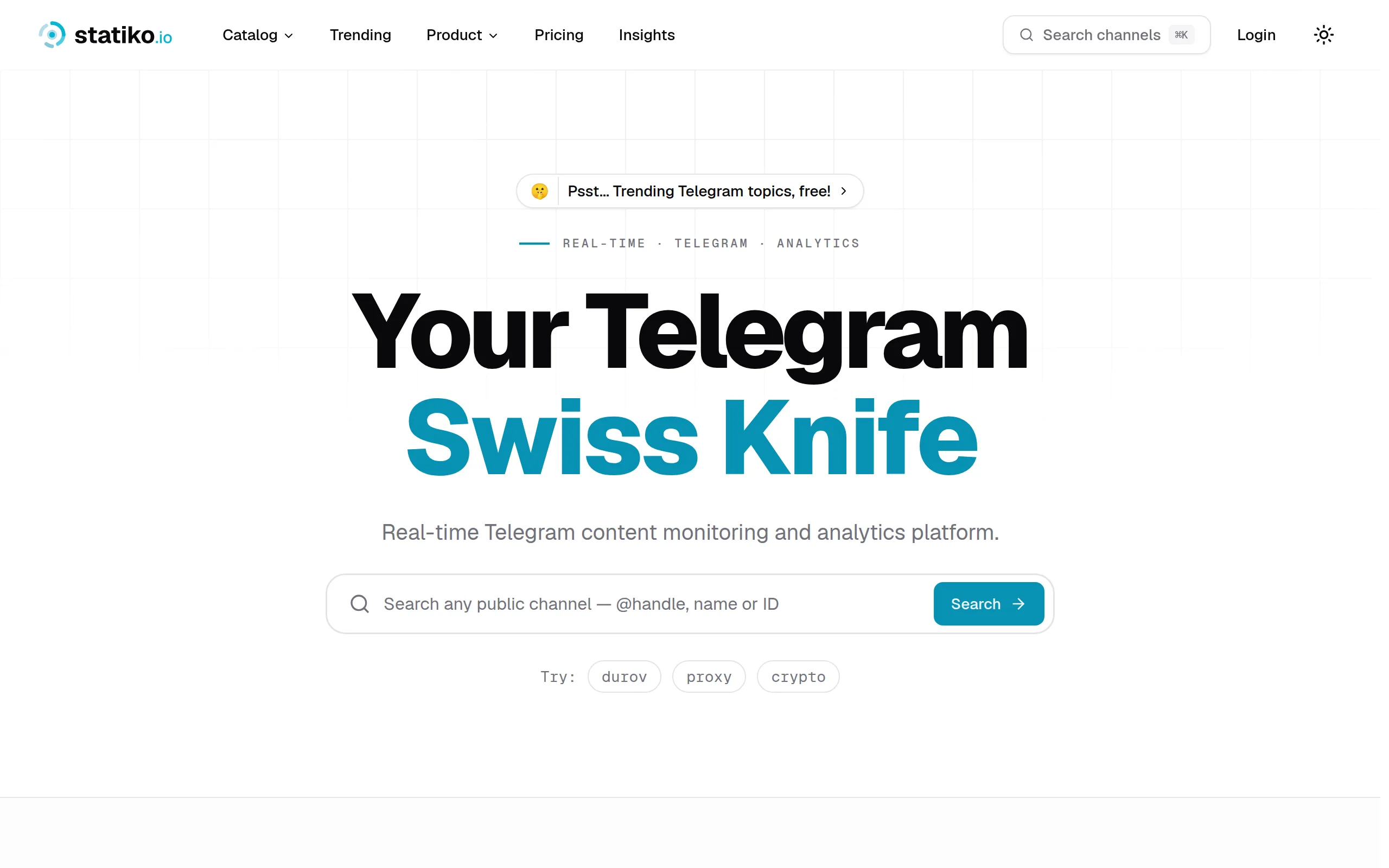
Statiko
Monitor any Telegram channel in real time - track posts, edits, deletions, and growth with AI recaps 📡

Shibui
AI website builder - describe your business, pick a niche template, edit by chatting, and publish instantly ✨

Pro Service
Find verified home service professionals, compare quotes, and pay securely through escrow - built for Brazilians across the US 🏠
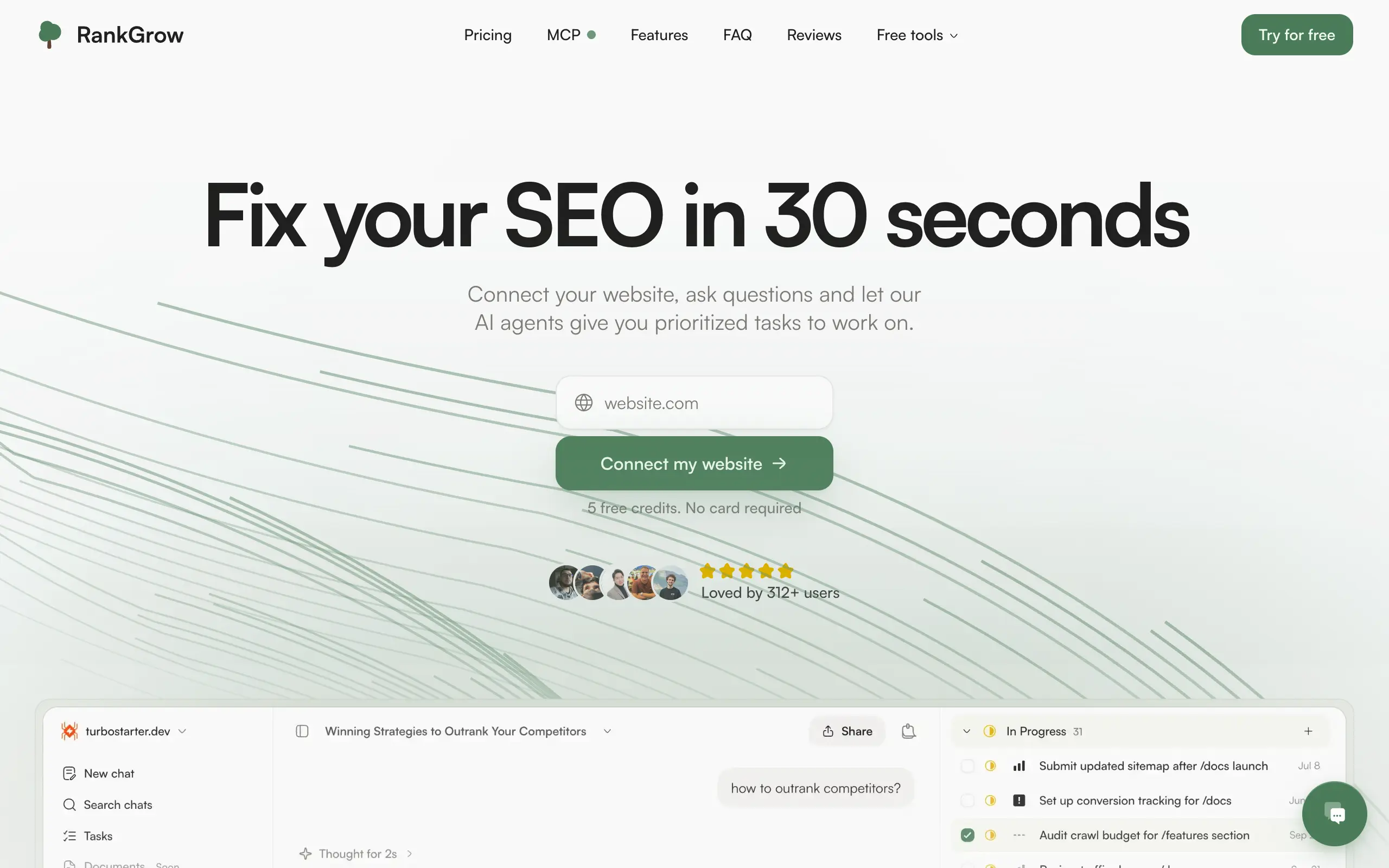
RankGrow
Fix your SEO with AI agents - connect Search Console, get prioritized tasks, and grow organic traffic 📈
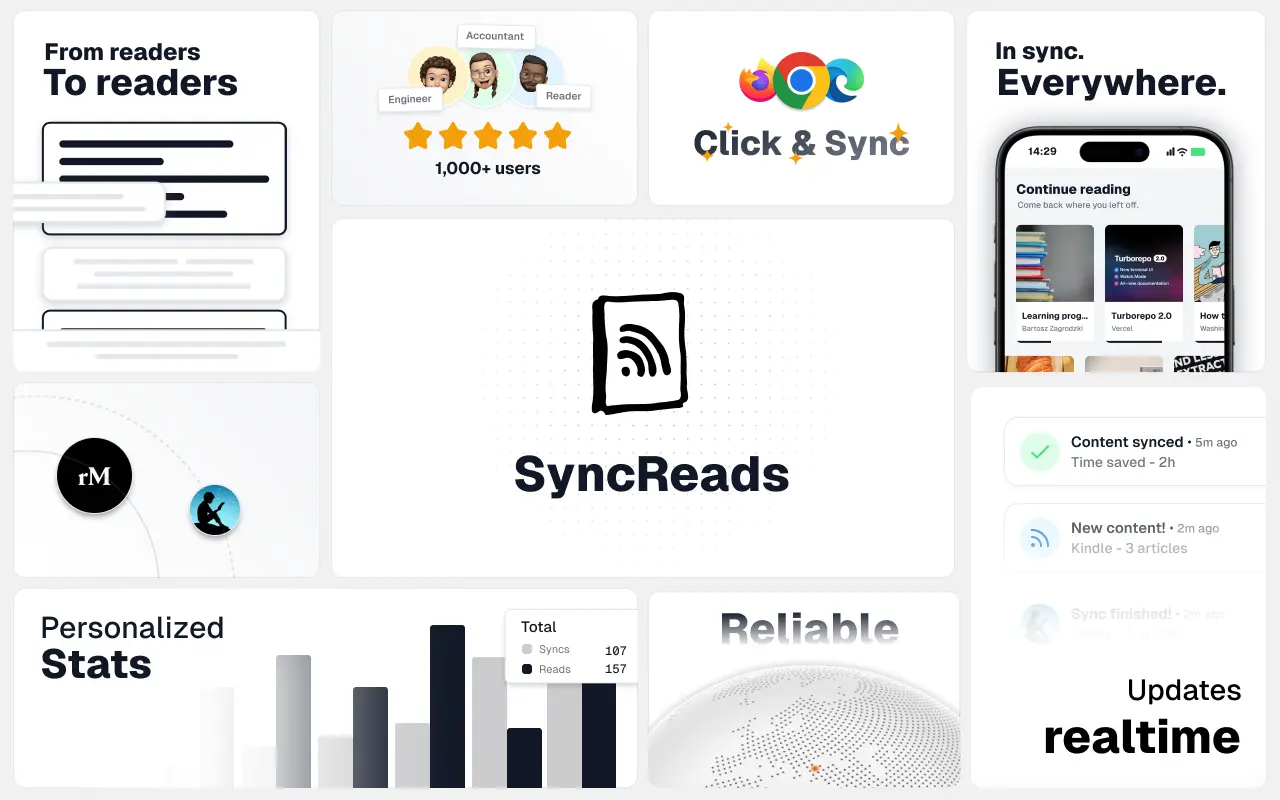
SyncReads
Sync your favorite content for distraction-free reading, save time and replace multiple apps. Anytime, anywhere 🔄
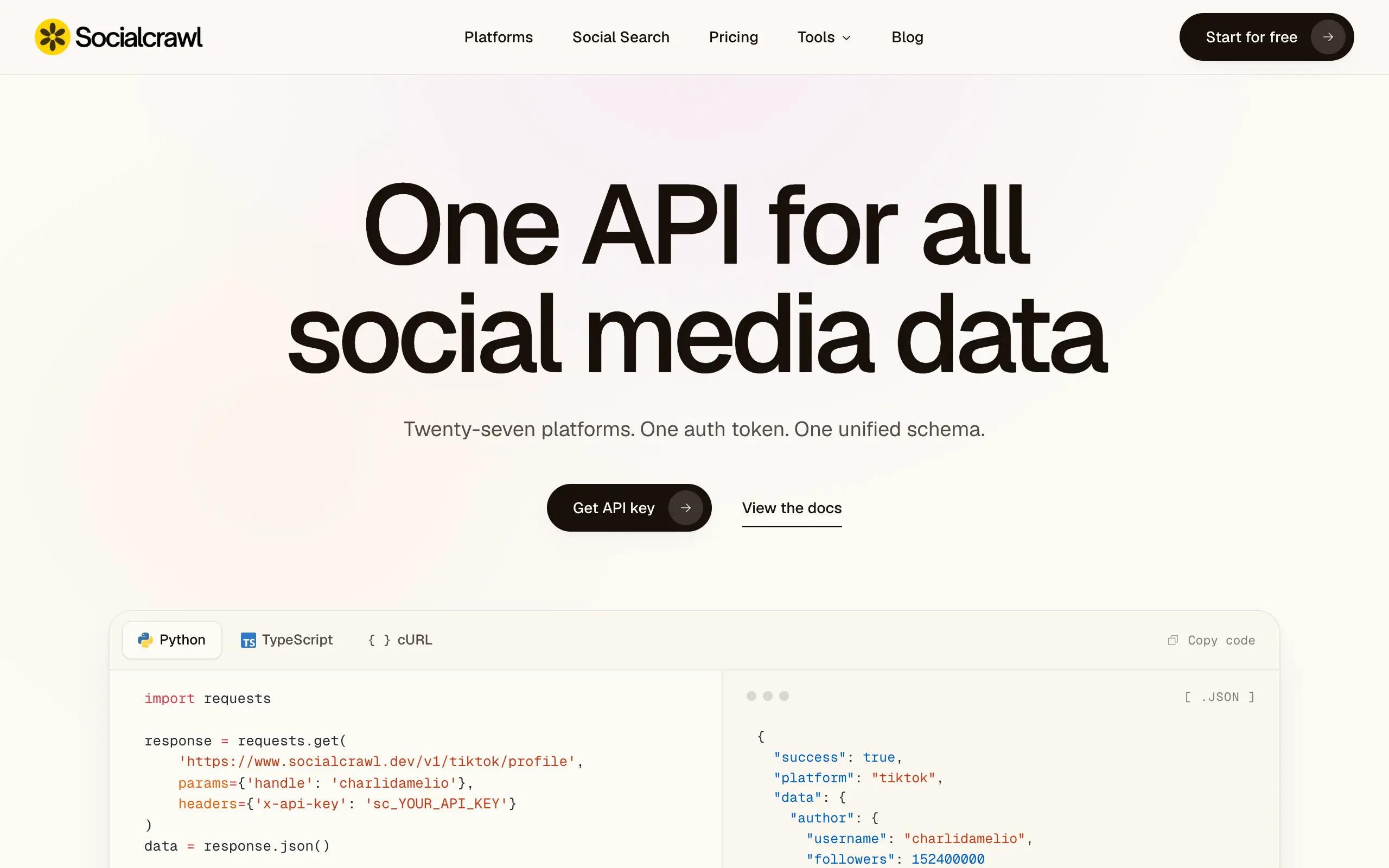
Socialcrawl
Get clean, structured data from 21 platforms like TikTok, Instagram, and YouTube with a single request 📊
Statiko
Monitor any Telegram channel in real time - track posts, edits, deletions, and growth with AI recaps 📡
Shibui
AI website builder - describe your business, pick a niche template, edit by chatting, and publish instantly ✨
Pro Service
Find verified home service professionals, compare quotes, and pay securely through escrow - built for Brazilians across the US 🏠
RankGrow
Fix your SEO with AI agents - connect Search Console, get prioritized tasks, and grow organic traffic 📈
SyncReads
Sync your favorite content for distraction-free reading, save time and replace multiple apps. Anytime, anywhere 🔄
Socialcrawl
Get clean, structured data from 21 platforms like TikTok, Instagram, and YouTube with a single request 📊
Statiko
Monitor any Telegram channel in real time - track posts, edits, deletions, and growth with AI recaps 📡
Shibui
AI website builder - describe your business, pick a niche template, edit by chatting, and publish instantly ✨
Pro Service
Find verified home service professionals, compare quotes, and pay securely through escrow - built for Brazilians across the US 🏠
RankGrow
Fix your SEO with AI agents - connect Search Console, get prioritized tasks, and grow organic traffic 📈
SyncReads
Sync your favorite content for distraction-free reading, save time and replace multiple apps. Anytime, anywhere 🔄
Socialcrawl
Get clean, structured data from 21 platforms like TikTok, Instagram, and YouTube with a single request 📊
Statiko
Monitor any Telegram channel in real time - track posts, edits, deletions, and growth with AI recaps 📡
Shibui
AI website builder - describe your business, pick a niche template, edit by chatting, and publish instantly ✨
Pro Service
Find verified home service professionals, compare quotes, and pay securely through escrow - built for Brazilians across the US 🏠
RankGrow
Fix your SEO with AI agents - connect Search Console, get prioritized tasks, and grow organic traffic 📈
SyncReads
Sync your favorite content for distraction-free reading, save time and replace multiple apps. Anytime, anywhere 🔄
Socialcrawl
Get clean, structured data from 21 platforms like TikTok, Instagram, and YouTube with a single request 📊
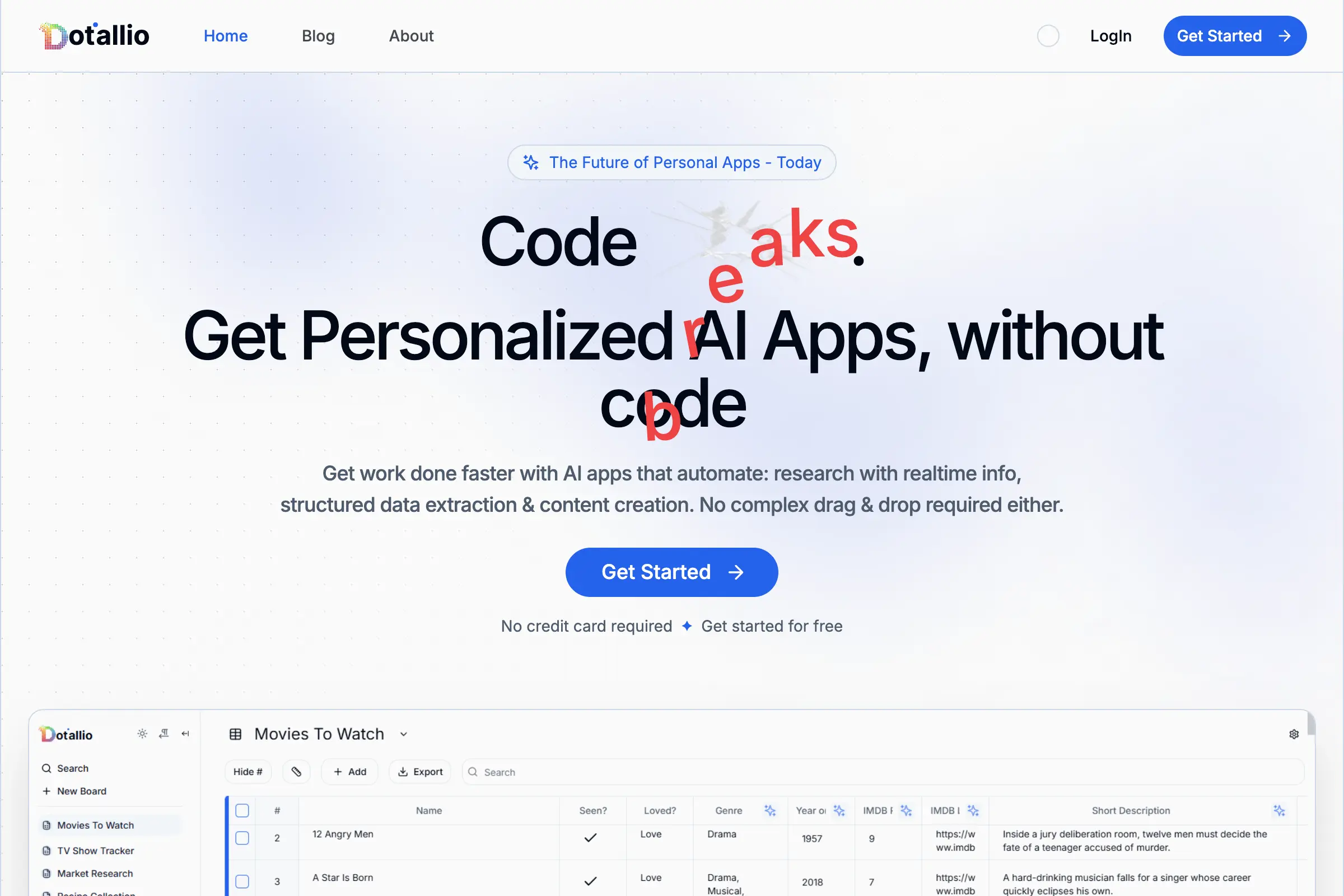
Dotallio
Personalized AI apps that automate research, data extraction, and content creation without code 🤖

Talk to Santa
Enjoy a magical live video chat or receive a unique AI-generated video greeting from Santa Claus 🎅

pozywka.pl
Scalable blog for food journalist, focused on performance and user experience 🌭
zagrodzki.me
Personal blog and portfolio of Bart Zagrodzki, where he shares his knowledge and work 💼
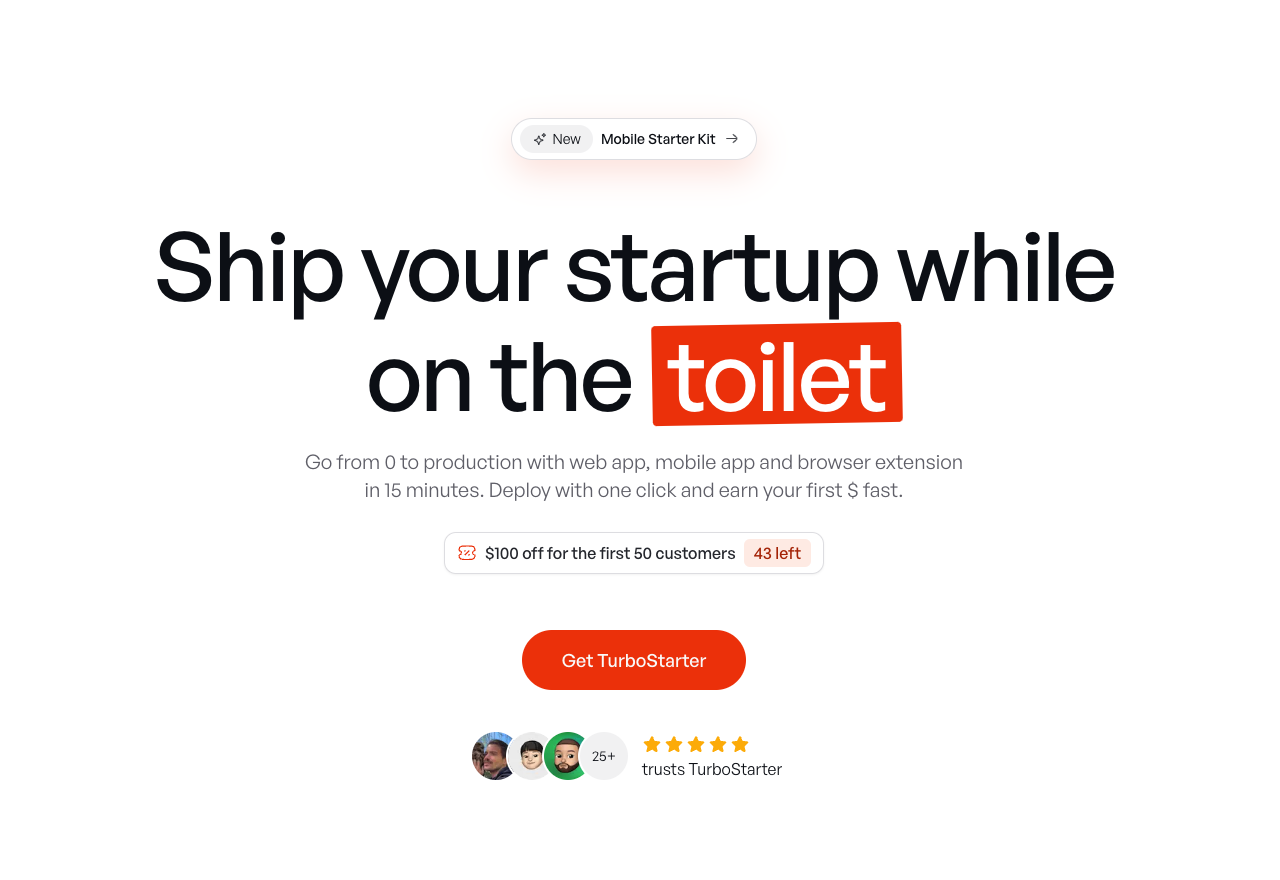
TurboStarter
Ship your startup everywhere. In minutes.
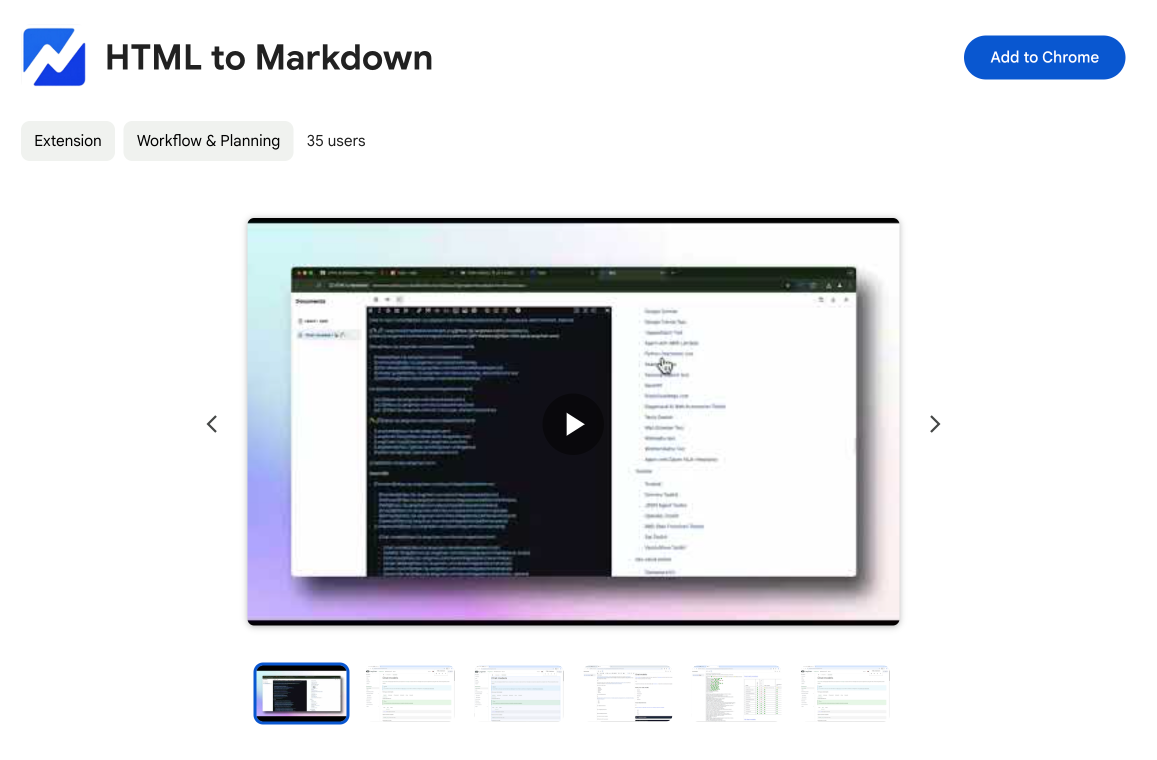
HTML to Markdown
Convert HTML to Markdown with ease, directly in your browser 📄
Dotallio
Personalized AI apps that automate research, data extraction, and content creation without code 🤖
Talk to Santa
Enjoy a magical live video chat or receive a unique AI-generated video greeting from Santa Claus 🎅
pozywka.pl
Scalable blog for food journalist, focused on performance and user experience 🌭
zagrodzki.me
Personal blog and portfolio of Bart Zagrodzki, where he shares his knowledge and work 💼
TurboStarter
Ship your startup everywhere. In minutes.
HTML to Markdown
Convert HTML to Markdown with ease, directly in your browser 📄
Dotallio
Personalized AI apps that automate research, data extraction, and content creation without code 🤖
Talk to Santa
Enjoy a magical live video chat or receive a unique AI-generated video greeting from Santa Claus 🎅
pozywka.pl
Scalable blog for food journalist, focused on performance and user experience 🌭
zagrodzki.me
Personal blog and portfolio of Bart Zagrodzki, where he shares his knowledge and work 💼
TurboStarter
Ship your startup everywhere. In minutes.
HTML to Markdown
Convert HTML to Markdown with ease, directly in your browser 📄
Dotallio
Personalized AI apps that automate research, data extraction, and content creation without code 🤖
Talk to Santa
Enjoy a magical live video chat or receive a unique AI-generated video greeting from Santa Claus 🎅
pozywka.pl
Scalable blog for food journalist, focused on performance and user experience 🌭
zagrodzki.me
Personal blog and portfolio of Bart Zagrodzki, where he shares his knowledge and work 💼
TurboStarter
Ship your startup everywhere. In minutes.
HTML to Markdown
Convert HTML to Markdown with ease, directly in your browser 📄
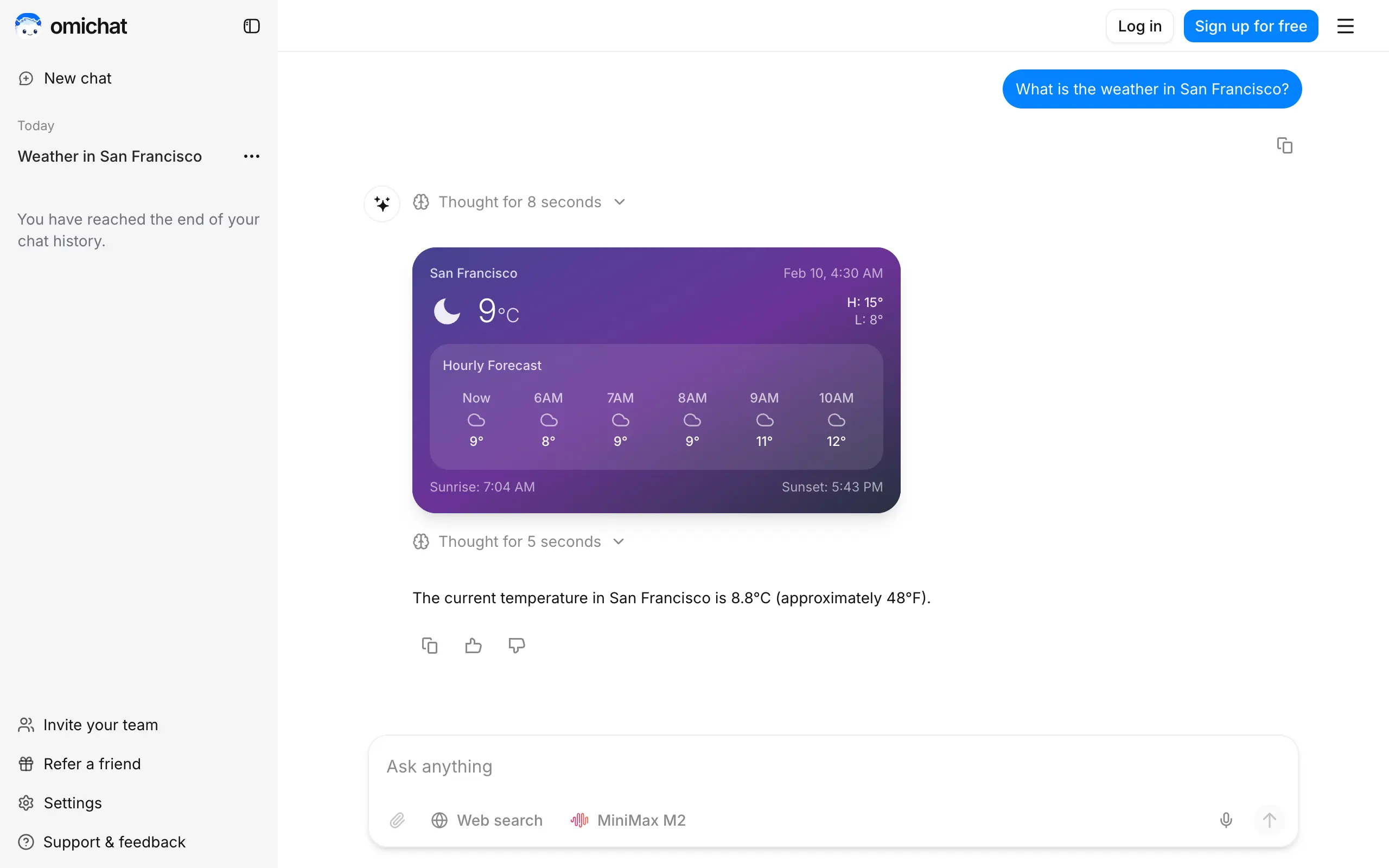
Omichat
Chat with 50+ AI models, including ChatGPT and Claude, in one place - switch models anytime without losing context 🤖
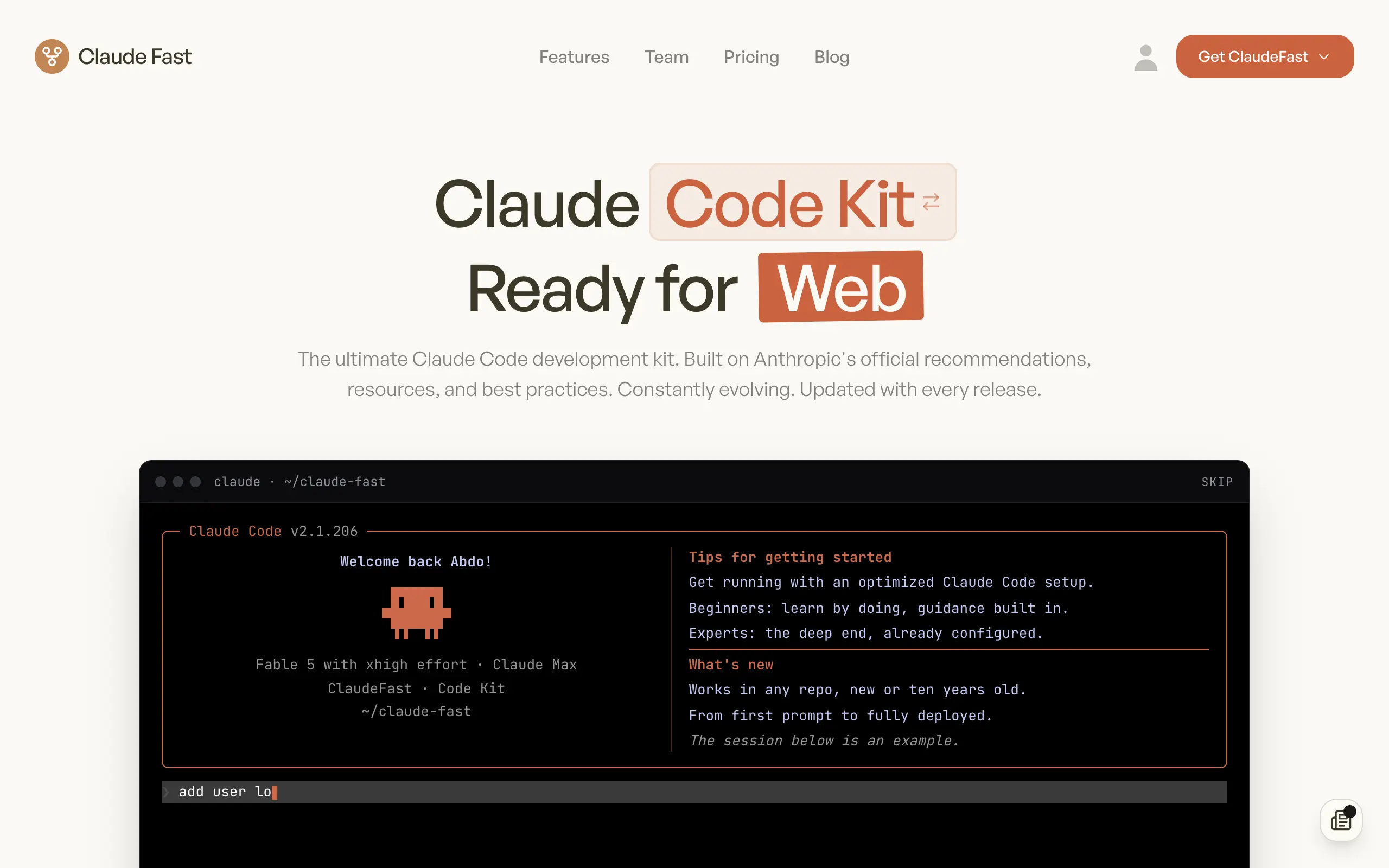
Claude Fast
Supercharge your Claude Code with 6x effective context window and specialized AI agents 🤖
EmojAI
AI-powered emoji picker with smart, context-aware suggestions 🤖
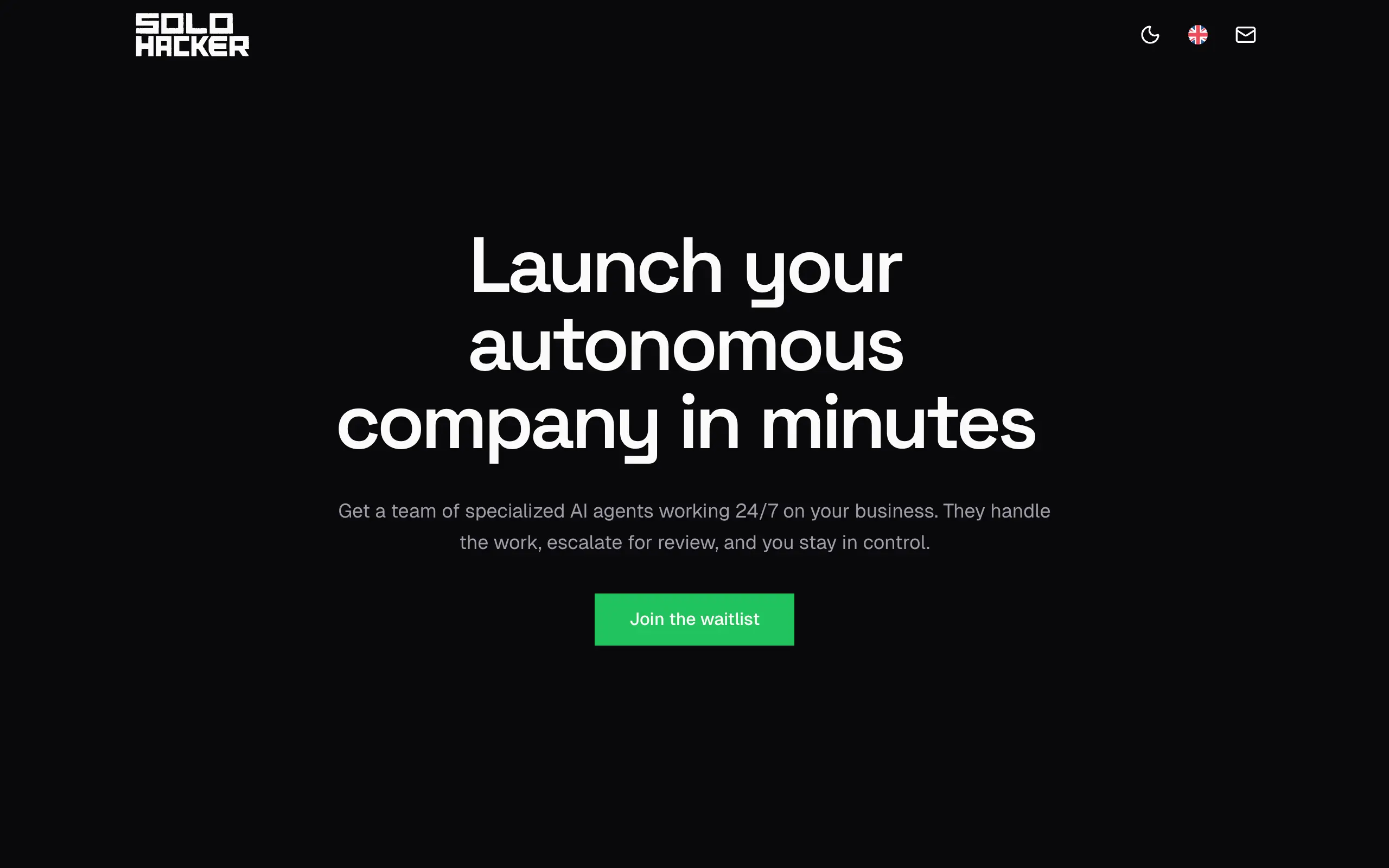
Solohacker
Autonomous company launcher - AI agents work 24/7, escalate what matters, and you stay in control 🤖
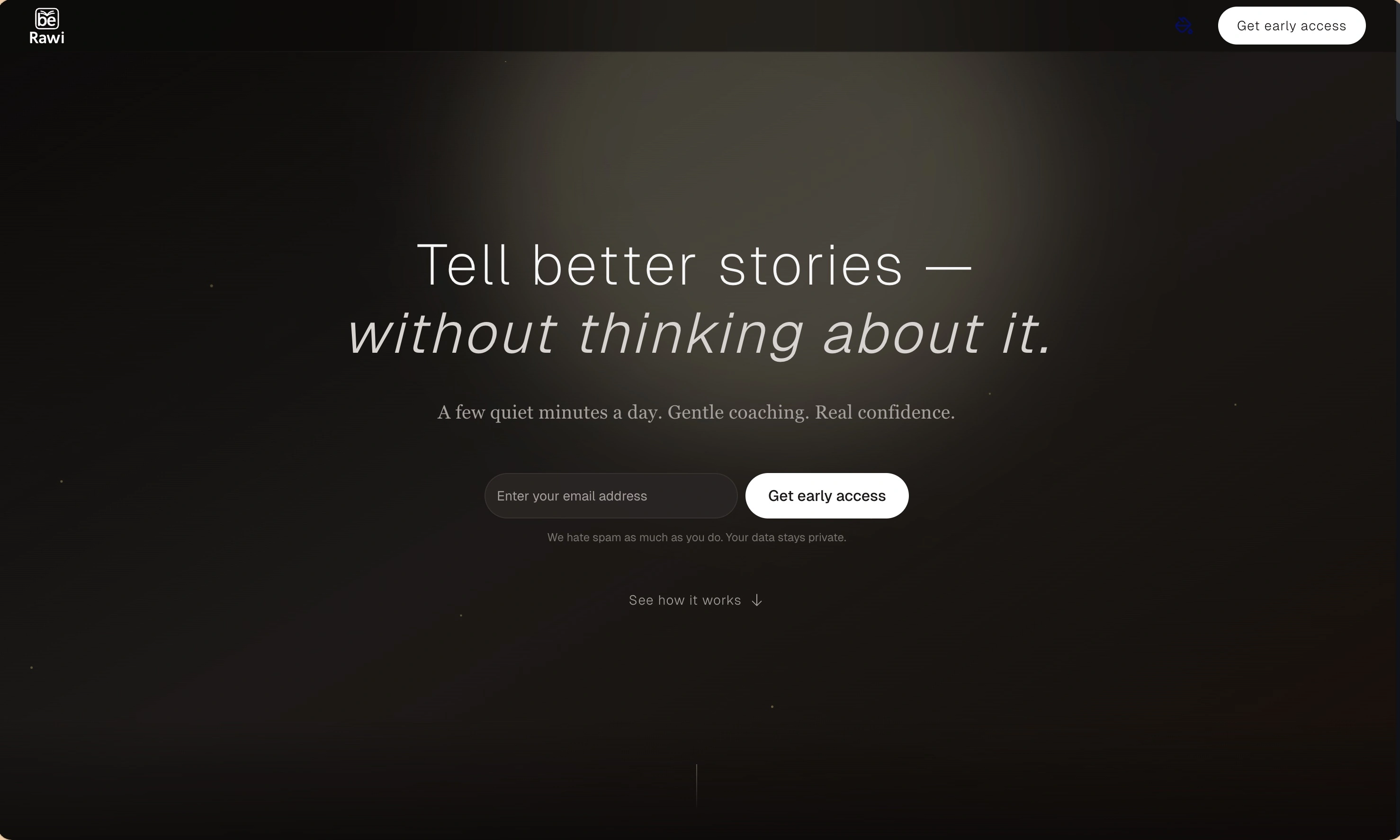
BeRawi: Storytelling Coach
Practice storytelling daily with instant feedback to sound clearer, more engaging, and confident 🎤
Omichat
Chat with 50+ AI models, including ChatGPT and Claude, in one place - switch models anytime without losing context 🤖
Claude Fast
Supercharge your Claude Code with 6x effective context window and specialized AI agents 🤖
EmojAI
AI-powered emoji picker with smart, context-aware suggestions 🤖
Solohacker
Autonomous company launcher - AI agents work 24/7, escalate what matters, and you stay in control 🤖
BeRawi: Storytelling Coach
Practice storytelling daily with instant feedback to sound clearer, more engaging, and confident 🎤
Omichat
Chat with 50+ AI models, including ChatGPT and Claude, in one place - switch models anytime without losing context 🤖
Claude Fast
Supercharge your Claude Code with 6x effective context window and specialized AI agents 🤖
EmojAI
AI-powered emoji picker with smart, context-aware suggestions 🤖
Solohacker
Autonomous company launcher - AI agents work 24/7, escalate what matters, and you stay in control 🤖
BeRawi: Storytelling Coach
Practice storytelling daily with instant feedback to sound clearer, more engaging, and confident 🎤
Omichat
Chat with 50+ AI models, including ChatGPT and Claude, in one place - switch models anytime without losing context 🤖
Claude Fast
Supercharge your Claude Code with 6x effective context window and specialized AI agents 🤖
EmojAI
AI-powered emoji picker with smart, context-aware suggestions 🤖
Solohacker
Autonomous company launcher - AI agents work 24/7, escalate what matters, and you stay in control 🤖
BeRawi: Storytelling Coach
Practice storytelling daily with instant feedback to sound clearer, more engaging, and confident 🎤

Connect with like-minded people
Join our community to get feedback, support, and grow together with 1,000+ builders on board, let's ship it!
Join usShip your startup everywhere. In minutes.
Don't burn tokens on setup and start building features on day one.