ComptaFlow Intelligence
Plateforme IA pour cabinets comptables combinant agents autonomes et RAG pour analyse financière, conformité fiscale et production automatisée.
Why AI for accounting firms is reaching a tipping point
Accounting firms are under intense pressure. Regulatory complexity is increasing. Clients expect real-time financial insights. Margins are tightening. Meanwhile, talent shortages continue to impact the profession across Europe and North America.
The convergence of AI agents, retrieval-augmented generation (RAG), and secure cloud infrastructure creates a rare opportunity: transforming accounting practices from reactive, compliance-driven service providers into proactive, insight-driven financial partners.
That is precisely where an AI-powered platform like ComptaFlow Intelligence positions itself: a B2B SaaS solution for accounting firms combining autonomous agents and RAG to automate financial analysis, tax compliance, and document production.
This article provides a deep strategic breakdown of the opportunity, market positioning, product architecture, monetization strategy, risks, and actionable implementation steps.
Understanding the target audience for AI accounting automation
To design and position ComptaFlow Intelligence effectively, we must understand who it serves and what problems they truly face.
Primary target segments
-
Small and mid-sized accounting firms (5–50 employees)
- Limited internal IT resources
- High administrative workload
- Pressure to deliver faster reporting
- Cost sensitivity but strong automation interest
-
Large accounting firms and networks
- Complex compliance environments
- Multi-client, multi-entity management
- Higher regulatory exposure
- Existing digital tools but fragmented workflows
-
Specialized tax advisory firms
- High-margin advisory services
- Need for deep regulatory knowledge
- Heavy documentation and analysis requirements
-
Corporate finance departments (secondary market)
- In-house accountants seeking automation
- Internal reporting acceleration
- Audit preparation support
Core pain points in accounting firms today
To rank for keywords like AI for accounting firms, automated tax compliance software, and financial analysis AI platform, we must align with real search intent: firms looking to reduce workload, increase accuracy, and gain competitive advantage.
1. Manual financial analysis bottlenecks
Even with ERP systems, accountants still:
- Export data to Excel
- Build manual pivot tables
- Recalculate KPIs
- Draft analysis reports manually
- Rewrite similar commentary every quarter
This consumes high-value expert time.
2. Regulatory complexity and tax compliance risk
Tax laws evolve constantly. Accountants must:
- Track regulatory updates
- Interpret changes
- Cross-check compliance
- Update internal documentation
Mistakes can be financially and reputationally catastrophic.
3. Knowledge fragmentation
Information lives in:
- PDFs
- Emails
- Internal folders
- ERP exports
- Government portals
There is no unified intelligence layer connecting this information in context.
4. Talent shortage
Many markets report significant accounting workforce shortages (see references from professional bodies like ACCA or IFAC). Junior staff turnover is high. Senior accountants are overloaded.
AI is no longer a luxury — it’s operational leverage.
The market opportunity for AI in accounting
The global accounting services market is valued in the hundreds of billions (refer to industry reports from sources like Grand View Research or IBISWorld for updated statistics). Meanwhile:
- Generative AI adoption in professional services is accelerating.
- Regulatory compliance is becoming more complex, not less.
- Clients demand faster, real-time reporting.
There is a clear gap:
Most existing accounting tools digitize workflows. Very few provide true autonomous financial intelligence.
This is the opportunity for ComptaFlow Intelligence.
What makes ComptaFlow Intelligence different?
The differentiation lies in combining:
- Autonomous AI agents
- Retrieval-augmented generation (RAG)
- Accounting-specific domain knowledge
- Structured financial data pipelines
This is not just a chatbot for accountants. It is a layered intelligence system.
Core product architecture: agents + RAG + structured finance
Let’s break down the conceptual architecture.
1. Autonomous accounting agents
Each agent performs a specialized role:
- Financial analysis agent
- Tax compliance agent
- Audit preparation agent
- Document drafting agent
- Regulatory monitoring agent
Instead of prompting manually each time, firms configure workflows such as:
- “Generate monthly financial commentary”
- “Check VAT compliance for Q4”
- “Prepare year-end reporting pack”
Agents operate semi-autonomously, with human validation checkpoints.
2. Retrieval-augmented generation (RAG)
RAG enables the system to:
- Retrieve relevant regulatory texts
- Access internal firm knowledge
- Reference client-specific documents
- Cite relevant laws and updates
This reduces hallucination risk and increases trustworthiness.
In accounting, accuracy is non-negotiable. RAG is essential for compliance-grade AI.
3. Secure financial data integration
The system connects to:
- ERP platforms
- Accounting software
- Document management systems
- Banking APIs (where applicable)
Data flows into a structured processing layer before AI analysis.
Example simplified flow:
// Pseudocode for structured financial analysis pipeline

async function generateFinancialReport(clientId: string) {
  const rawData = await fetchERPData(clientId);
  const normalized = normalizeAccountingData(rawData);
  const kpis = calculateKPIs(normalized);

  const context = await retrieveRegulatoryContext("financial_reporting");

  const report = await aiAgent.generate({
    financialData: kpis,
    regulatoryContext: context
  });

  return report;
}
This hybrid approach (rules + AI + retrieval) ensures reliability.
Key features of ComptaFlow Intelligence
To satisfy user intent, here’s what a complete MVP-to-Scale feature set should include.
Automated financial analysis engine
- KPI calculation
- Cash flow analysis
- Variance explanations
- Benchmark comparison
- Risk flagging
The system should generate:
- Executive summaries
- Board-ready reports
- Client-facing commentary
AI-powered tax compliance assistant
- VAT validation
- Corporate tax checks
- Cross-referencing updated regulations
- Automatic compliance checklist generation
- Risk scoring for tax exposure
Regulatory knowledge RAG engine
- Indexed legal texts
- Version tracking
- Internal documentation retrieval
- Source citations inside generated outputs
This supports audit defensibility.
Automated document production
- Annual reports
- Financial notes
- Management commentary
- Audit preparation packs
- Standardized engagement letters
Audit support & anomaly detection
- Transaction pattern detection
- Unusual variance alerts
- Risk-based sampling suggestions
- Missing documentation alerts
Competitive landscape analysis
Most current solutions fall into one of these categories:
- Accounting software (ERP)
- Tax compliance software
- Document management systems
- Generic AI assistants
Few combine all elements into a unified AI-first intelligence layer.
| Feature | Traditional ERP | Tax Software | Generic AI Tools | ComptaFlow Intelligence |
|---|---|---|---|---|
| Financial KPI automation | ✅ | ❌ | ❌ | ✅ |
| Tax compliance intelligence | ❌ | ✅ | ❌ | ✅ |
| RAG on regulations | ❌ | Limited | ❌ | ✅ |
| Autonomous agents | ❌ | ❌ | Limited | ✅ |
Competitive advantage: verticalized, compliance-aware AI agents specifically designed for accounting firms.
Recommended tech stack for building ComptaFlow Intelligence
A robust AI SaaS platform for financial compliance requires careful architectural choices.
Frontend
- React or Next.js
- TailwindCSS
- Role-based dashboard
- Secure document viewer
Backend
- Node.js or Python (FastAPI)
- Microservices architecture for:
- Data ingestion
- Agent orchestration
- RAG pipeline
- Compliance rule engine
AI layer
- LLM API (enterprise-grade)
- Vector database (e.g., Pinecone, Weaviate)
- Embeddings for regulatory texts
- Agent orchestration framework
Database
- PostgreSQL (structured financial data)
- Encrypted document storage
- Audit log system
Security & compliance
- End-to-end encryption
- Role-based access control
- SOC2 readiness
- GDPR compliance
Critical consideration
Financial and tax data are highly sensitive. Security architecture must be built before scaling. Data isolation per client is mandatory.
Monetization strategy for AI accounting SaaS
Multiple pricing models are viable.
1. Per-firm subscription (recommended)
- Tiered by number of clients
- Tiered by feature access
- Predictable revenue
Example:
- Starter (5 clients)
- Pro (25 clients)
- Enterprise (unlimited + advanced agents)
2. Usage-based pricing
- Per report generated
- Per tax compliance check
- Per document produced
Best for large firms with variable workloads.
3. Hybrid model
Base subscription + AI credit system.
This ensures stable MRR while monetizing high usage.
Potential risks and mitigation strategies
Regulatory liability risk
If AI generates incorrect advice:
Mitigation:
- Clear disclaimers
- Human validation workflow
- Citation of sources via RAG
- Version control and audit logs
AI hallucination risk
Mitigation:
- Strict RAG integration
- Deterministic calculation layer for financial math
- Prompt engineering guardrails
- Confidence scoring
Resistance from accountants
Many professionals fear AI replacement.
Positioning strategy:
- AI as assistant, not replacement
- Time-saving metrics
- Case studies showing productivity gains
Go-to-market strategy
Phase 1: niche focus
Start with:
- Mid-sized accounting firms
- Specific geography (e.g., France, Belgium, Canada)
- Focus on VAT + monthly reporting automation
Phase 2: vertical depth
Add:
- Audit automation
- Corporate tax analysis
- Regulatory monitoring
Phase 3: platform expansion
- API for ERP integrations
- White-label for accounting networks
- Cross-border compliance modules
Clear implementation roadmap
Why timing is ideal now
Several macro trends converge:
- Generative AI maturity
- API-first accounting software ecosystems
- Regulatory digitization
- Cloud adoption in accounting firms
Early movers will capture trust and data advantages.
In AI-driven SaaS, data flywheels create long-term defensibility.
Building faster with the right SaaS foundation
Launching a complex B2B AI platform from scratch is slow and expensive.
Using a structured SaaS boilerplate like TurboStarter can accelerate:
- Authentication
- Subscription management
- Role-based access
- Admin dashboards
- API architecture
This allows the team to focus on:
- Agent intelligence
- Compliance reliability
- Domain expertise
Final thoughts: transforming accounting into intelligence-driven advisory
ComptaFlow Intelligence represents more than automation.
It enables accounting firms to:
- Reduce manual workload
- Increase compliance confidence
- Deliver faster insights
- Improve client satisfaction
- Shift toward high-margin advisory services
The real competitive advantage is not just AI.
It is:
Domain-specific AI + regulatory retrieval + structured financial logic + secure SaaS delivery.
Firms that adopt this model early will gain operational leverage, higher margins, and stronger client retention.
The accounting industry is entering its AI-native era. Platforms like ComptaFlow Intelligence are positioned to define that transformation.
More 🏢 B2B Application SaaS ideas
Discover more innovative b2b application SaaS ideas that are trending in 2026. Each idea is AI-generated with market validation and growth potential to help you find your next profitable venture faster than competitors.
Your competitors are building with TurboStarter
Below are some of the SaaS ideas that have been generated and built with our starter kit.

Statiko
Monitor any Telegram channel in real time - track posts, edits, deletions, and growth with AI recaps 📡

Shibui
AI website builder - describe your business, pick a niche template, edit by chatting, and publish instantly ✨

Pro Service
Find verified home service professionals, compare quotes, and pay securely through escrow - built for Brazilians across the US 🏠
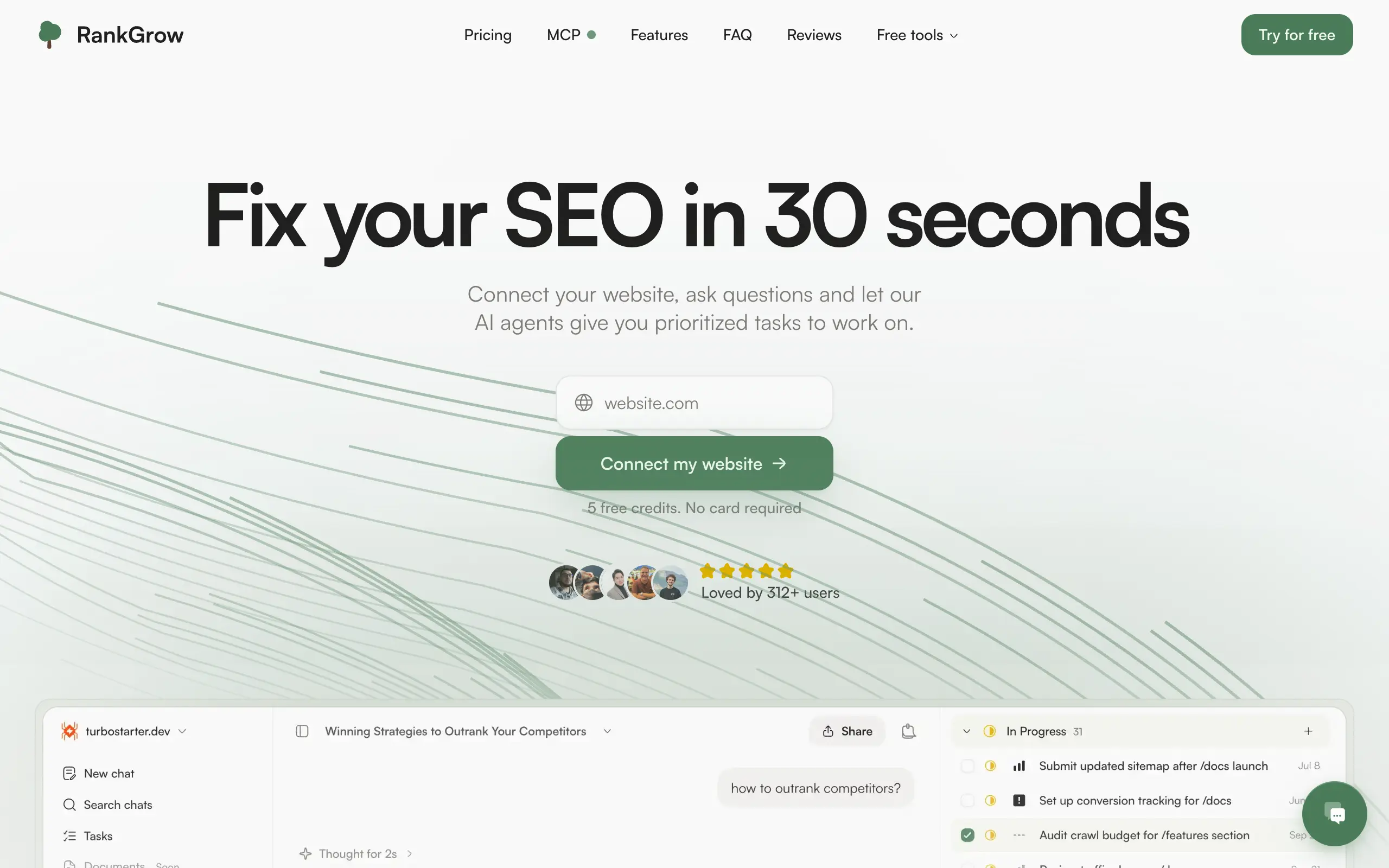
RankGrow
Fix your SEO with AI agents - connect Search Console, get prioritized tasks, and grow organic traffic 📈
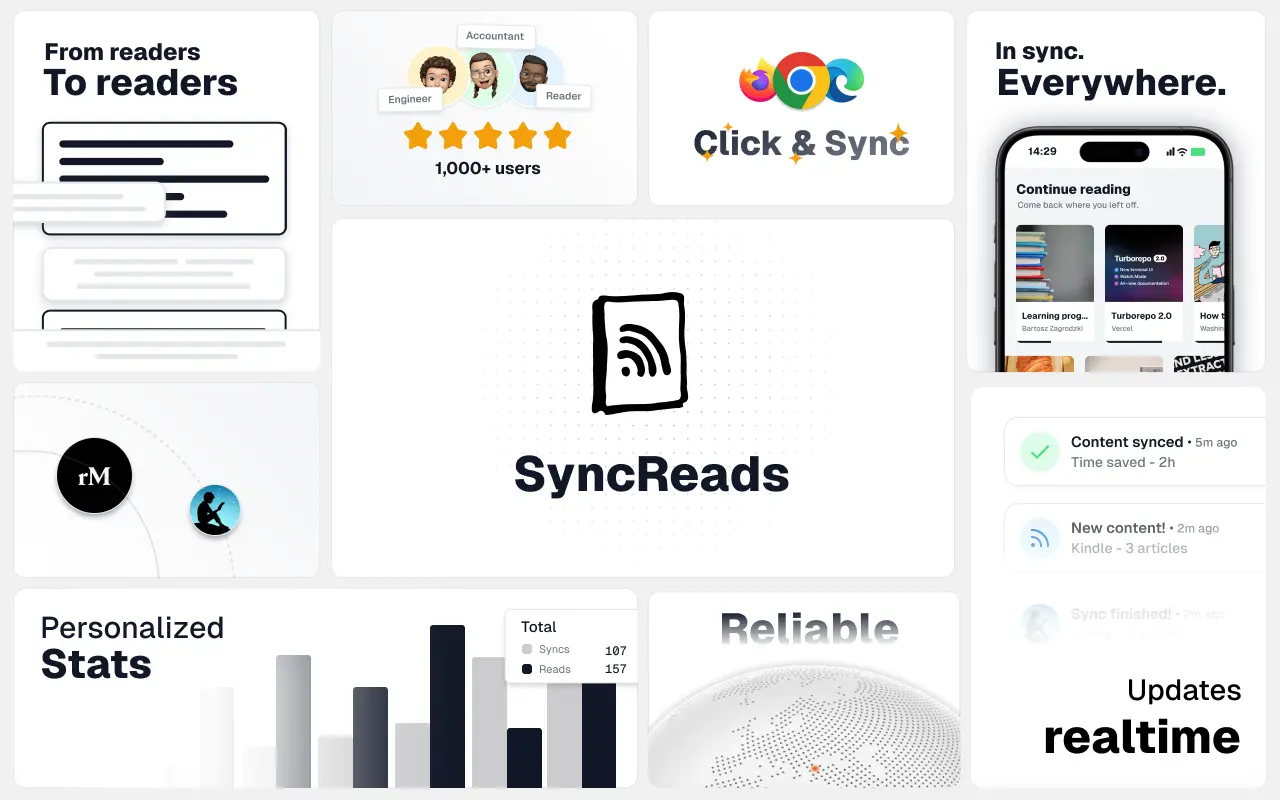
SyncReads
Sync your favorite content for distraction-free reading, save time and replace multiple apps. Anytime, anywhere 🔄
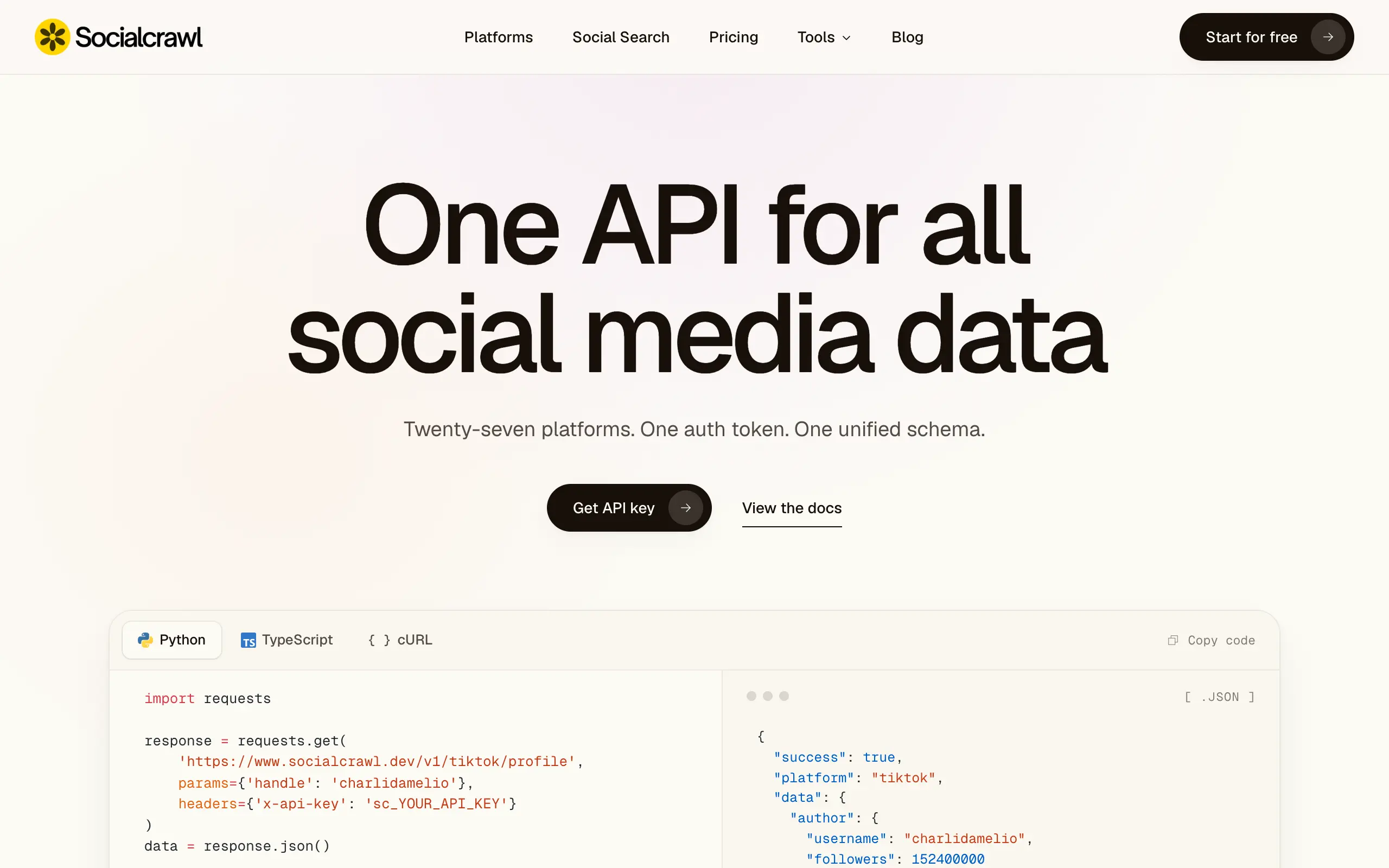
Socialcrawl
Get clean, structured data from 21 platforms like TikTok, Instagram, and YouTube with a single request 📊
Statiko
Monitor any Telegram channel in real time - track posts, edits, deletions, and growth with AI recaps 📡
Shibui
AI website builder - describe your business, pick a niche template, edit by chatting, and publish instantly ✨
Pro Service
Find verified home service professionals, compare quotes, and pay securely through escrow - built for Brazilians across the US 🏠
RankGrow
Fix your SEO with AI agents - connect Search Console, get prioritized tasks, and grow organic traffic 📈
SyncReads
Sync your favorite content for distraction-free reading, save time and replace multiple apps. Anytime, anywhere 🔄
Socialcrawl
Get clean, structured data from 21 platforms like TikTok, Instagram, and YouTube with a single request 📊
Statiko
Monitor any Telegram channel in real time - track posts, edits, deletions, and growth with AI recaps 📡
Shibui
AI website builder - describe your business, pick a niche template, edit by chatting, and publish instantly ✨
Pro Service
Find verified home service professionals, compare quotes, and pay securely through escrow - built for Brazilians across the US 🏠
RankGrow
Fix your SEO with AI agents - connect Search Console, get prioritized tasks, and grow organic traffic 📈
SyncReads
Sync your favorite content for distraction-free reading, save time and replace multiple apps. Anytime, anywhere 🔄
Socialcrawl
Get clean, structured data from 21 platforms like TikTok, Instagram, and YouTube with a single request 📊
Statiko
Monitor any Telegram channel in real time - track posts, edits, deletions, and growth with AI recaps 📡
Shibui
AI website builder - describe your business, pick a niche template, edit by chatting, and publish instantly ✨
Pro Service
Find verified home service professionals, compare quotes, and pay securely through escrow - built for Brazilians across the US 🏠
RankGrow
Fix your SEO with AI agents - connect Search Console, get prioritized tasks, and grow organic traffic 📈
SyncReads
Sync your favorite content for distraction-free reading, save time and replace multiple apps. Anytime, anywhere 🔄
Socialcrawl
Get clean, structured data from 21 platforms like TikTok, Instagram, and YouTube with a single request 📊
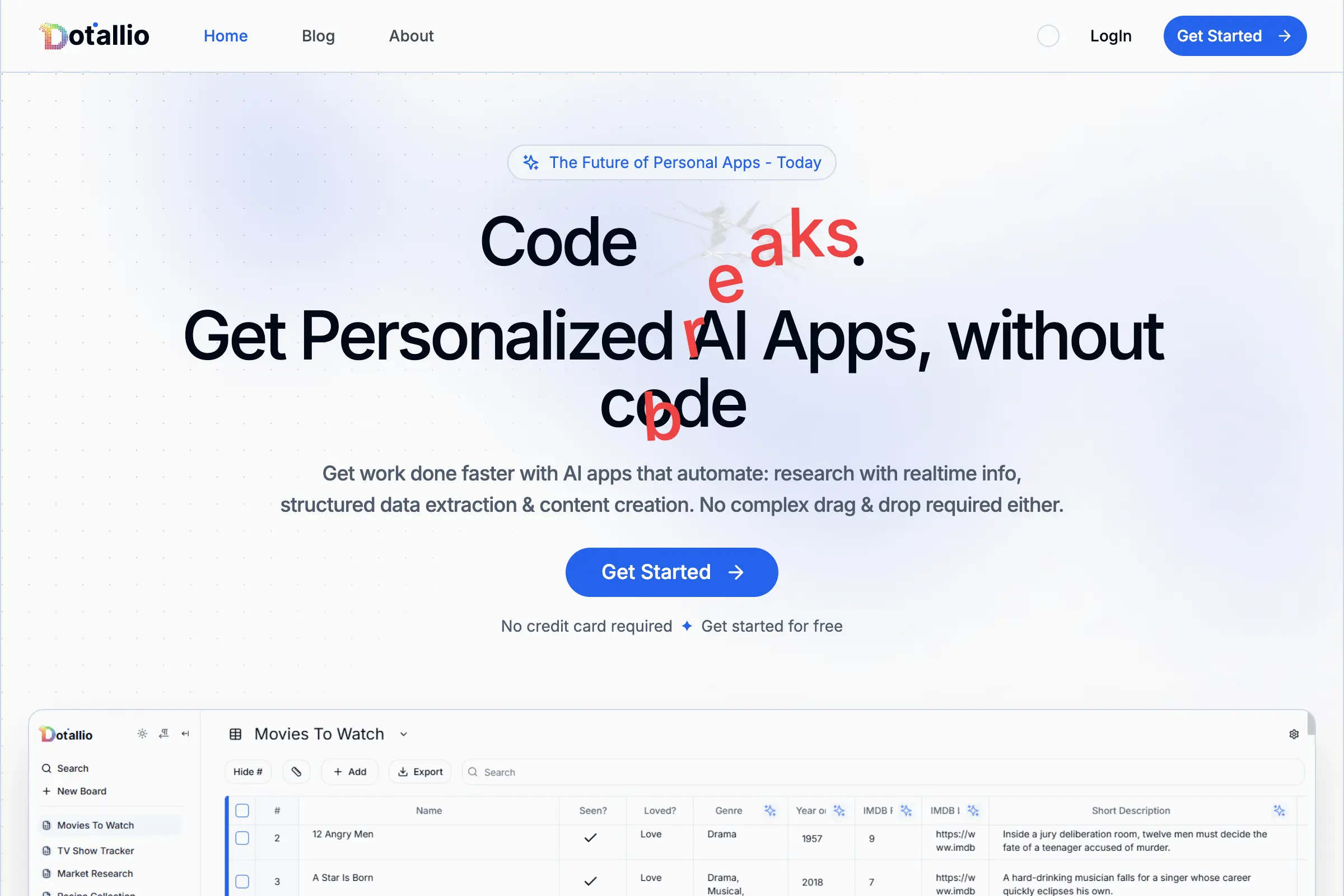
Dotallio
Personalized AI apps that automate research, data extraction, and content creation without code 🤖

Talk to Santa
Enjoy a magical live video chat or receive a unique AI-generated video greeting from Santa Claus 🎅

pozywka.pl
Scalable blog for food journalist, focused on performance and user experience 🌭
zagrodzki.me
Personal blog and portfolio of Bart Zagrodzki, where he shares his knowledge and work 💼
TurboStarter
Ship your startup everywhere. In minutes.
HTML to Markdown
Convert HTML to Markdown with ease, directly in your browser 📄
Dotallio
Personalized AI apps that automate research, data extraction, and content creation without code 🤖
Talk to Santa
Enjoy a magical live video chat or receive a unique AI-generated video greeting from Santa Claus 🎅
pozywka.pl
Scalable blog for food journalist, focused on performance and user experience 🌭
zagrodzki.me
Personal blog and portfolio of Bart Zagrodzki, where he shares his knowledge and work 💼
TurboStarter
Ship your startup everywhere. In minutes.
HTML to Markdown
Convert HTML to Markdown with ease, directly in your browser 📄
Dotallio
Personalized AI apps that automate research, data extraction, and content creation without code 🤖
Talk to Santa
Enjoy a magical live video chat or receive a unique AI-generated video greeting from Santa Claus 🎅
pozywka.pl
Scalable blog for food journalist, focused on performance and user experience 🌭
zagrodzki.me
Personal blog and portfolio of Bart Zagrodzki, where he shares his knowledge and work 💼
TurboStarter
Ship your startup everywhere. In minutes.
HTML to Markdown
Convert HTML to Markdown with ease, directly in your browser 📄
Dotallio
Personalized AI apps that automate research, data extraction, and content creation without code 🤖
Talk to Santa
Enjoy a magical live video chat or receive a unique AI-generated video greeting from Santa Claus 🎅
pozywka.pl
Scalable blog for food journalist, focused on performance and user experience 🌭
zagrodzki.me
Personal blog and portfolio of Bart Zagrodzki, where he shares his knowledge and work 💼
TurboStarter
Ship your startup everywhere. In minutes.
HTML to Markdown
Convert HTML to Markdown with ease, directly in your browser 📄
Omichat
Chat with 50+ AI models, including ChatGPT and Claude, in one place - switch models anytime without losing context 🤖
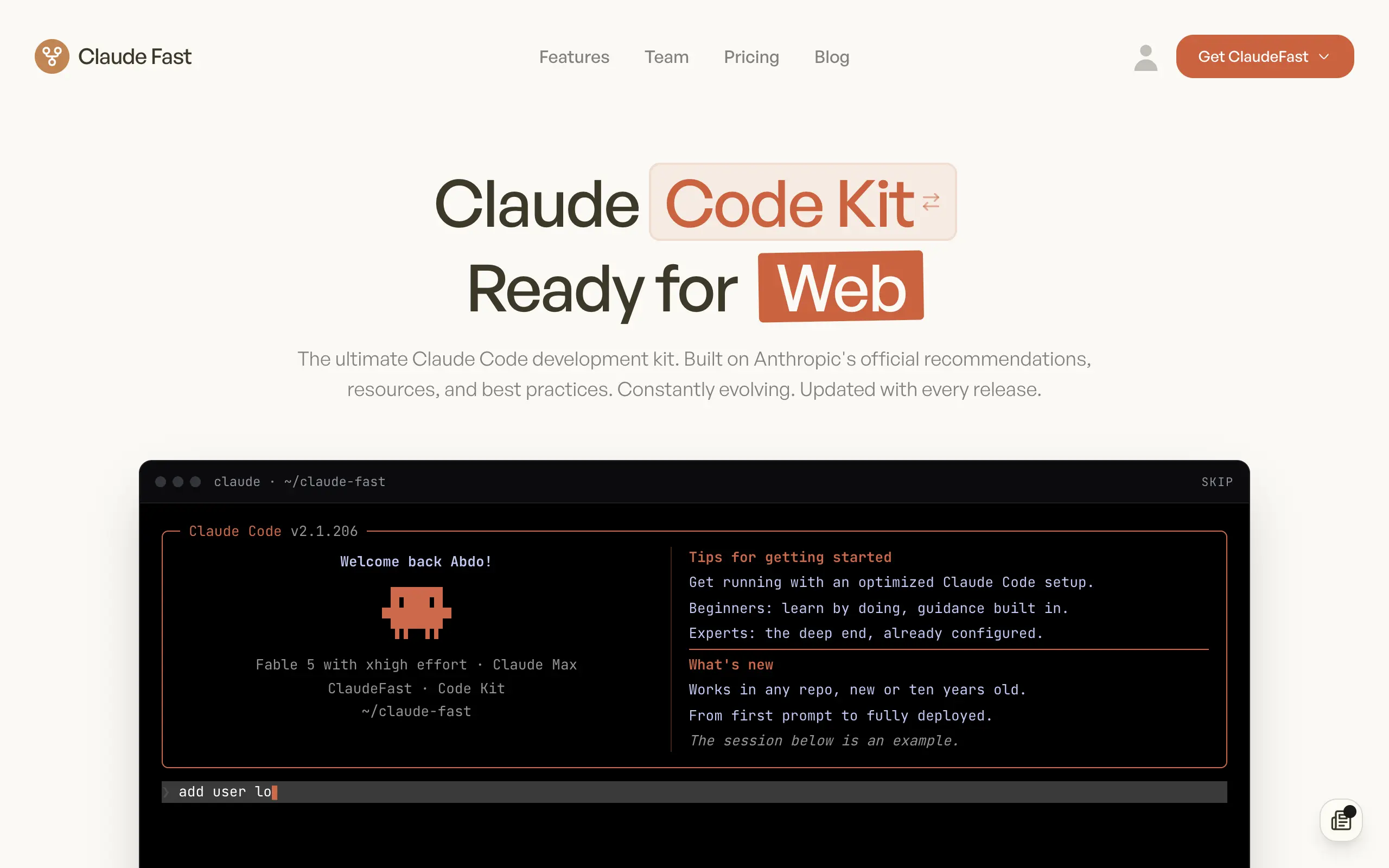
Claude Fast
Supercharge your Claude Code with 6x effective context window and specialized AI agents 🤖
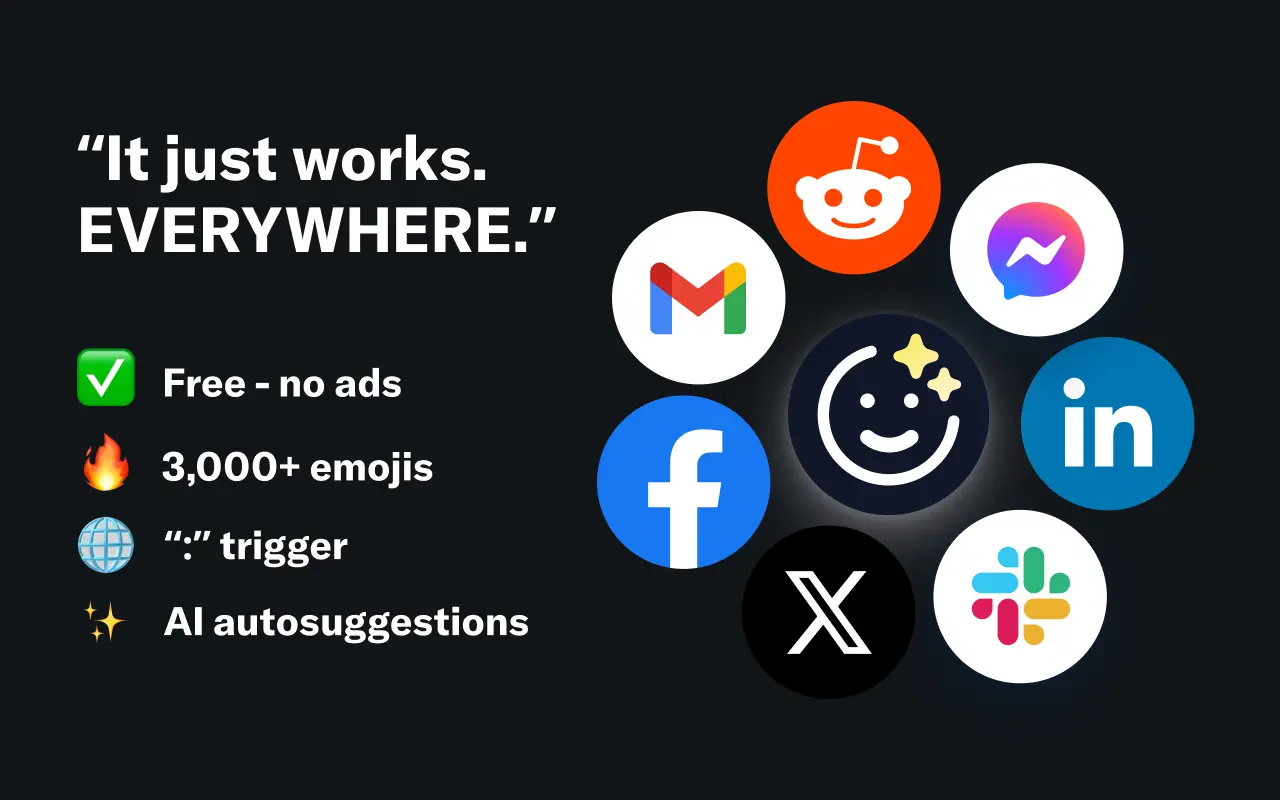
EmojAI
AI-powered emoji picker with smart, context-aware suggestions 🤖
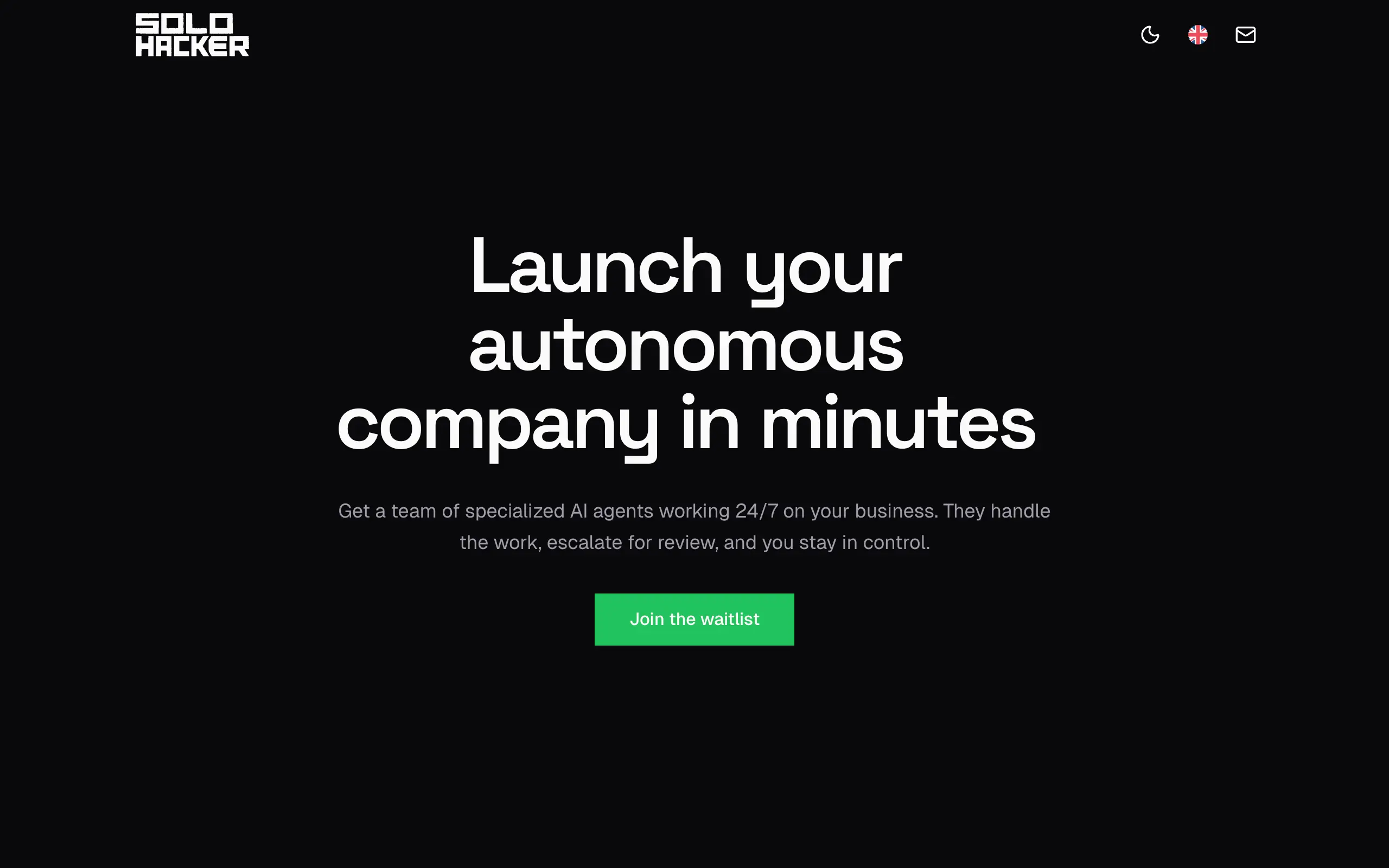
Solohacker
Autonomous company launcher - AI agents work 24/7, escalate what matters, and you stay in control 🤖

BeRawi: Storytelling Coach
Practice storytelling daily with instant feedback to sound clearer, more engaging, and confident 🎤
Omichat
Chat with 50+ AI models, including ChatGPT and Claude, in one place - switch models anytime without losing context 🤖
Claude Fast
Supercharge your Claude Code with 6x effective context window and specialized AI agents 🤖
EmojAI
AI-powered emoji picker with smart, context-aware suggestions 🤖
Solohacker
Autonomous company launcher - AI agents work 24/7, escalate what matters, and you stay in control 🤖
BeRawi: Storytelling Coach
Practice storytelling daily with instant feedback to sound clearer, more engaging, and confident 🎤
Omichat
Chat with 50+ AI models, including ChatGPT and Claude, in one place - switch models anytime without losing context 🤖
Claude Fast
Supercharge your Claude Code with 6x effective context window and specialized AI agents 🤖
EmojAI
AI-powered emoji picker with smart, context-aware suggestions 🤖
Solohacker
Autonomous company launcher - AI agents work 24/7, escalate what matters, and you stay in control 🤖
BeRawi: Storytelling Coach
Practice storytelling daily with instant feedback to sound clearer, more engaging, and confident 🎤
Omichat
Chat with 50+ AI models, including ChatGPT and Claude, in one place - switch models anytime without losing context 🤖
Claude Fast
Supercharge your Claude Code with 6x effective context window and specialized AI agents 🤖
EmojAI
AI-powered emoji picker with smart, context-aware suggestions 🤖
Solohacker
Autonomous company launcher - AI agents work 24/7, escalate what matters, and you stay in control 🤖
BeRawi: Storytelling Coach
Practice storytelling daily with instant feedback to sound clearer, more engaging, and confident 🎤

Connect with like-minded people
Join our community to get feedback, support, and grow together with 1,000+ builders on board, let's ship it!
Join usShip your startup everywhere. In minutes.
Don't burn tokens on setup and start building features on day one.