Continuum Estate Ops
A centralized command center for managing complex global estates, staff, jets, yachts, and properties—eliminating operational blind spots and costly mismanagement for family offices.
The growing complexity of managing global estates and private assets
Ultra-high-net-worth (UHNW) families and family offices are no longer managing a single mansion and a small household staff. Today, many oversee:
- Multiple international properties
- Private jets and charter operations
- Yachts and maritime crews
- Full-time domestic and security staff
- Complex vendor networks across jurisdictions
- Layered compliance, tax, and regulatory obligations
The operational footprint resembles a mid-sized multinational enterprise, yet estate management is often still handled through spreadsheets, WhatsApp groups, siloed vendors, and disconnected legacy tools.
This fragmentation creates:
- Operational blind spots
- Duplicate payments and vendor inefficiencies
- Compliance risk across aviation and maritime regulations
- Staff misalignment and accountability issues
- High financial leakage due to poor visibility
A centralized estate operations platform—like Continuum Estate Ops—addresses this gap by serving as a command center for global estate operations, purpose-built for family offices and private asset portfolios.
This article provides a deep dive into the opportunity, architecture, business model, competitive positioning, and implementation roadmap for a B2B SaaS platform in this niche.
Understanding the target audience: family offices and global estate managers
Primary audience
The primary users of a global estate management SaaS platform include:
- Single-family offices (SFOs)
- Multi-family offices (MFOs)
- Estate directors and chief of staff
- Aviation managers
- Yacht captains and fleet managers
- Property portfolio managers
- UHNW principals and their executive assistants
Their core pain points
Through direct industry interviews and sector analysis, recurring challenges include:
-
Fragmented oversight
- Jets managed in one system
- Yachts tracked manually
- Staff payroll in a third-party provider
- Property maintenance tracked via spreadsheets
-
Lack of real-time visibility
- No centralized dashboard for asset utilization
- Delayed reporting on incidents or compliance lapses
-
Operational risk
- Lapsed certifications (crew, pilots, maritime)
- Insurance renewal oversight
- Vendor fraud or duplicate billing
-
Security and discretion concerns
- Sensitive information spread across unsecured channels
-
High coordination costs
- Manual coordination across time zones
- No standardized operating procedures across assets
Why this matters
Family offices increasingly adopt institutional-grade governance standards. Operational technology must match that expectation—or risk reputational and financial consequences.
Market opportunity and gap analysis
The broader trend
Three macro trends support the opportunity:
- Growth of global wealth concentration
- According to major wealth reports (e.g., Capgemini World Wealth Report), UHNW wealth continues to expand globally.
- Professionalization of family offices
- Family offices are hiring former CFOs, COOs, and compliance officers.
- Demand for digital transformation in private wealth operations
- Rising regulatory scrutiny in aviation, maritime, and cross-border property ownership.
Yet, most estate management tools fall into one of these categories:
- Aviation fleet management software
- Yacht management tools
- Property management platforms
- Staff payroll systems
There is no unified command center tailored specifically for integrated global estate operations.
Positioning: what is a global estate operations platform?
Continuum Estate Ops can be positioned as:
A centralized SaaS command center that unifies estate assets, staff, vendors, compliance, and financial oversight into a single operational control system for family offices.
This goes beyond “property management software.” It becomes:
- A mission control layer
- A governance and compliance safeguard
- A cost-optimization engine
- A reporting system for principals and boards
Core features and solution architecture
1. Unified asset dashboard
A real-time dashboard aggregating:
- Properties (status, occupancy, maintenance)
- Jets (flight logs, maintenance cycles)
- Yachts (crew compliance, docking schedules)
- Vehicles and security assets
Key capabilities
- Asset utilization tracking
- Maintenance cycle alerts
- Insurance expiration monitoring
- Incident reporting workflow
2. Staff and crew management
A secure module for managing:
- Contracts and documentation
- Certifications and training
- Visa status tracking
- Payroll coordination
- Performance reviews
Aviation and maritime industries have strict regulatory requirements. Missing certifications or expired training can result in grounding, fines, or insurance invalidation.
3. Vendor and procurement oversight
Family offices often work with:
- Maintenance contractors
- Security firms
- Docking providers
- Fuel suppliers
- Luxury service vendors
The platform can include:
- Vendor database with risk scoring
- Contract management
- Invoice tracking and approval flows
- Spend analytics
4. Compliance and governance tracking
This is where real differentiation lies.
Modules may include:
- Regulatory calendar (aviation, maritime, property tax)
- Audit logs for board-level transparency
- Risk dashboards
- Secure document vault
Regulatory exposure risk
Failure to maintain proper documentation or certification can lead to severe financial penalties and reputational damage. A centralized compliance system reduces this exposure dramatically.
5. Financial oversight and reporting
Not a full accounting system—but a control layer that integrates with accounting software.
Capabilities:
- Budget tracking per asset
- CapEx forecasting
- Spend anomaly detection
- Consolidated operational cost reporting
Suggested technical architecture
Frontend
- React or Next.js for performance and scalability
- TailwindCSS for rapid UI iteration
- Role-based dashboards for different stakeholders
Backend
- Node.js or Go for API layer
- PostgreSQL for structured data
- Secure document storage (e.g., S3-compatible object storage)
Infrastructure
- Multi-region deployment (AWS, GCP, or Azure)
- End-to-end encryption
- Zero-trust access model
- SOC 2 compliance roadmap
Example secure access middleware
// Example of role-based middleware in a Next.js API route
export function authorize(requiredRole: string) {
  return (req, res, next) => {
    const user = req.user;
    if (!user || user.role !== requiredRole) {
      return res.status(403).json({ error: "Unauthorized access" });
    }
    next();
  };
}
Rapid development acceleration
Using a production-ready SaaS foundation like TurboStarter can significantly reduce time-to-market by providing:
- Authentication
- Billing integration
- Multi-tenancy support
- Admin dashboards
This allows the founding team to focus on estate-specific logic rather than reinventing core SaaS infrastructure.
Competitive landscape analysis
While there is no exact competitor replicating a full estate command center, adjacent categories exist.
| Feature | Property Mgmt Tools | Aviation Software | Yacht Systems | Continuum Estate Ops |
|---|---|---|---|---|
| Multi-asset visibility | ❌ | ❌ | ❌ | ✅ |
| Unified compliance tracking | ❌ | ✅ | ✅ | ✅ |
| Estate-level budgeting | ✅ | ❌ | ❌ | ✅ |
Competitive advantage (USP)
- Designed specifically for family offices
- Cross-asset governance
- High-security architecture
- Executive-level reporting
Monetization strategy for a B2B estate management SaaS
Tiered subscription model
-
Professional
- Up to 5 assets
- Core dashboard
- Basic compliance tracking
-
Enterprise
- Unlimited assets
- Advanced compliance
- Custom integrations
- Dedicated account manager
-
White-glove institutional
- On-prem or private cloud
- Custom security configuration
- Integration with internal systems
Pricing logic
Given the UHNW target segment, pricing should be value-based rather than usage-based.
Example positioning:
- $3,000–$10,000+ per month depending on complexity
- Implementation fees for onboarding
The ROI case is strong if the platform prevents:
- One compliance fine
- One duplicate vendor payment
- One major maintenance oversight
Risk analysis and mitigation
1. Security risk
Mitigation:
- SOC 2 roadmap
- End-to-end encryption
- Regular penetration testing
2. Long sales cycles
Mitigation:
- Pilot program for a subset of assets
- Strategic partnerships with estate advisory firms
3. Adoption resistance from staff
Mitigation:
- Mobile-first UX
- Onboarding concierge service
- Role-based simplified dashboards
Go-to-market strategy
Phase 1: Niche positioning
Target:
- Single-family offices with 5–20 global assets
Outreach:
- Private wealth conferences
- Aviation and maritime expos
- Direct relationship sales
Phase 2: Strategic partnerships
- Private wealth consultants
- Aviation management firms
- Yacht brokerage networks
Phase 3: Thought leadership
Publish:
- Estate operations benchmarks
- Risk management whitepapers
- Compliance checklists
Implementation roadmap
Why now is the right time
The convergence of:
- Increased regulatory scrutiny
- Rising global asset complexity
- Professionalization of family offices
- Demand for centralized digital governance
creates a rare window of opportunity.
Family offices are moving from informal operations to institutional-grade operational governance. A global estate management platform is not just a convenience—it is becoming a necessity.
Final thoughts: building the future of estate operations
Continuum Estate Ops represents a powerful opportunity in the B2B SaaS landscape:
- High-value niche
- Low direct competition
- Strong recurring revenue potential
- Clear ROI justification
The key to success lies in:
- Extreme focus on security and discretion
- Deep understanding of estate operations workflows
- White-glove onboarding
- Institutional-grade reporting
By positioning the platform as a command center for global estate operations, rather than just another management tool, it can become mission-critical infrastructure for modern family offices.
If executed correctly, this SaaS product can redefine how complex global estates are managed—transforming fragmented oversight into unified, secure, and intelligent control.
More 🏢 B2B Application SaaS ideas
Discover more innovative b2b application SaaS ideas that are trending in 2026. Each idea is AI-generated with market validation and growth potential to help you find your next profitable venture faster than competitors.
Your competitors are building with TurboStarter
Below are some of the SaaS ideas that have been generated and built with our starter kit.
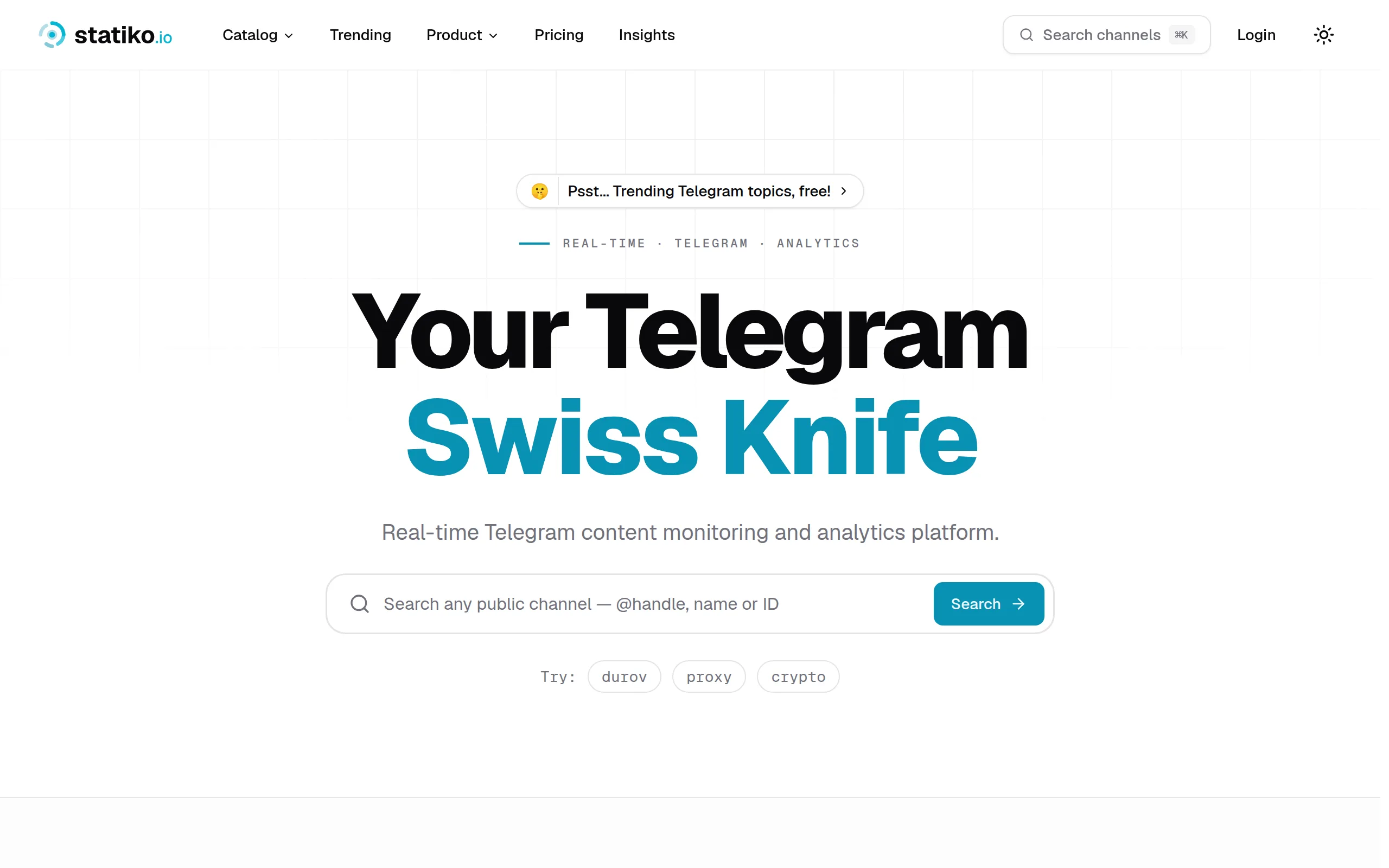
Statiko
Monitor any Telegram channel in real time - track posts, edits, deletions, and growth with AI recaps 📡
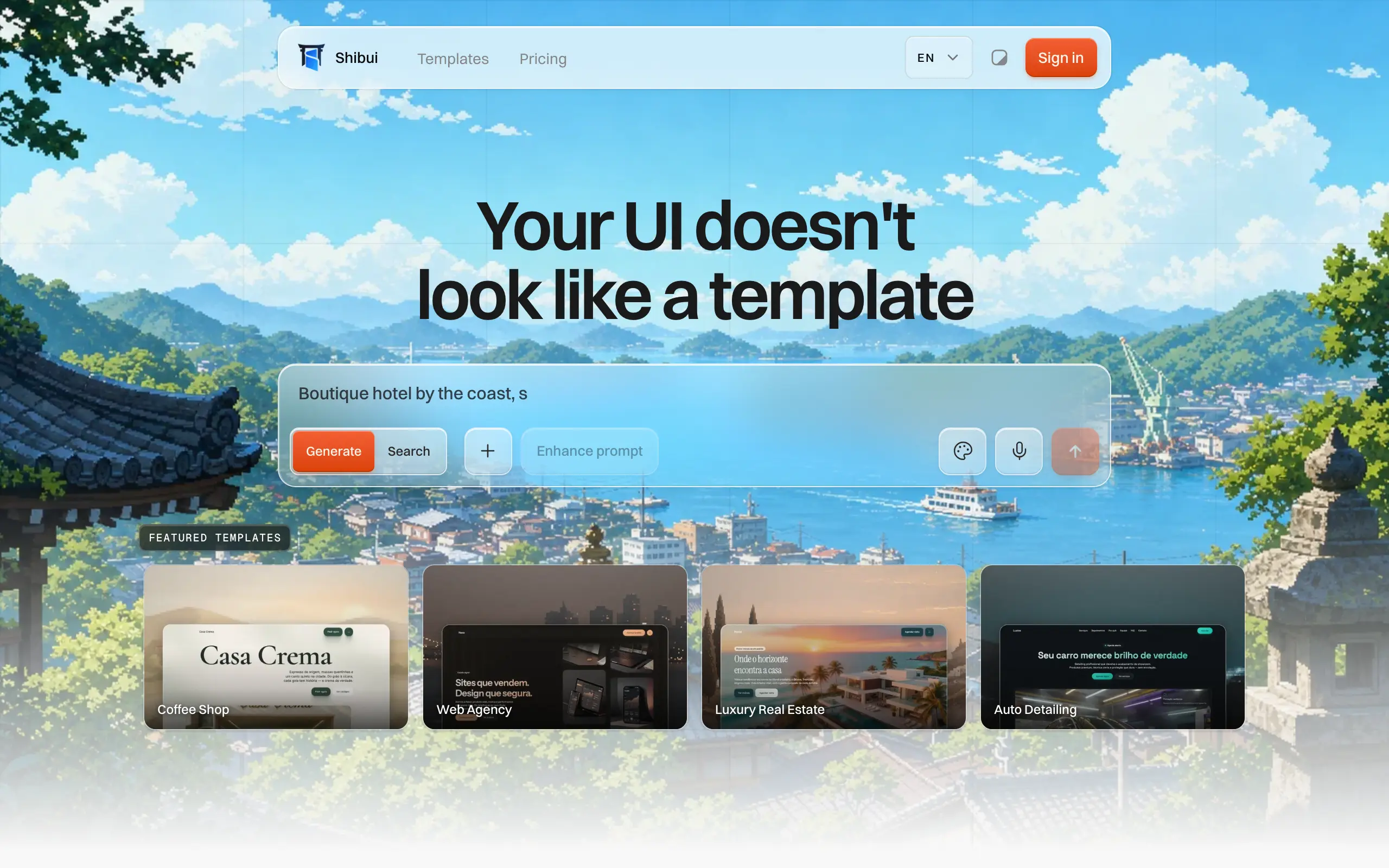
Shibui
AI website builder - describe your business, pick a niche template, edit by chatting, and publish instantly ✨

Pro Service
Find verified home service professionals, compare quotes, and pay securely through escrow - built for Brazilians across the US 🏠
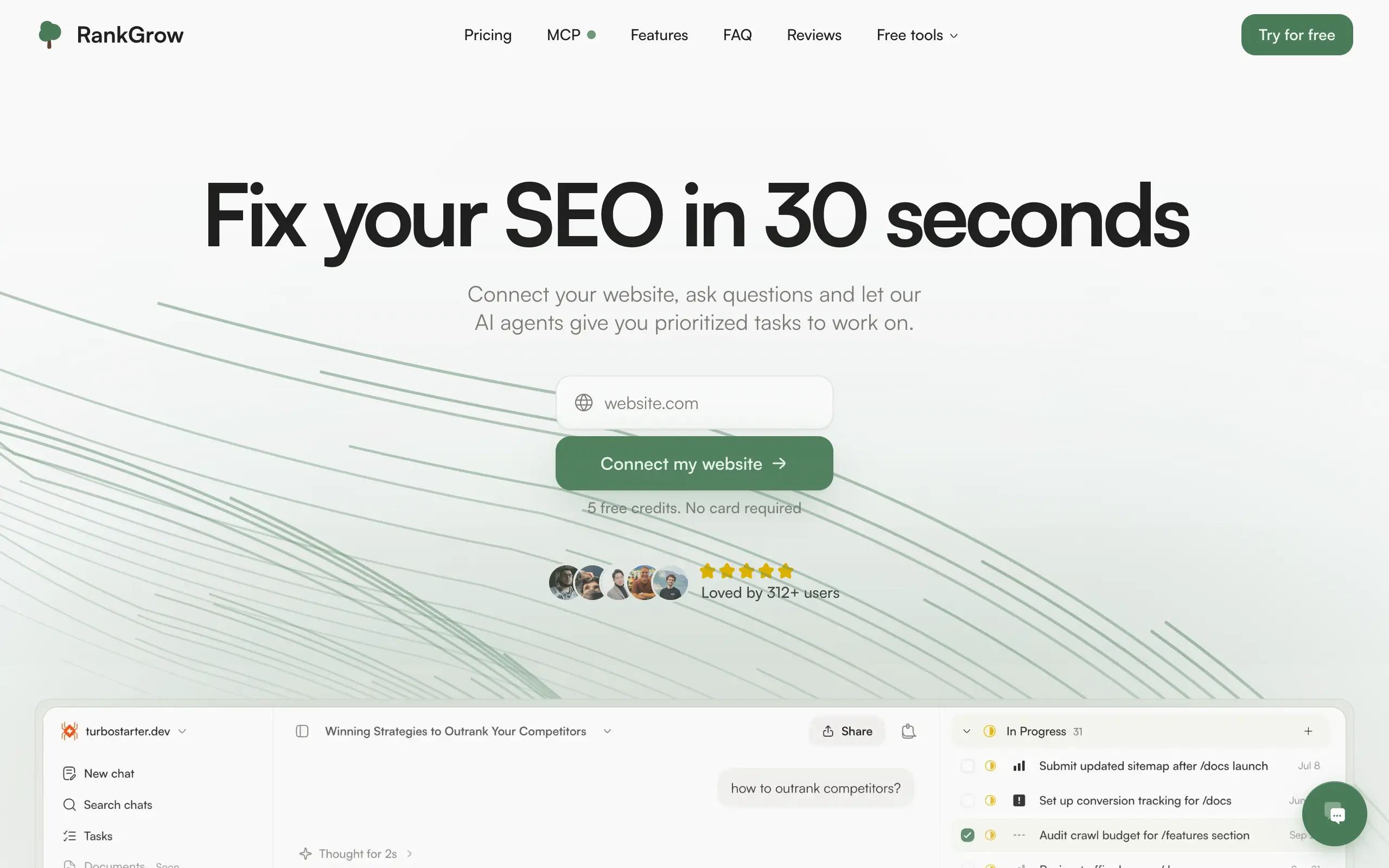
RankGrow
Fix your SEO with AI agents - connect Search Console, get prioritized tasks, and grow organic traffic 📈
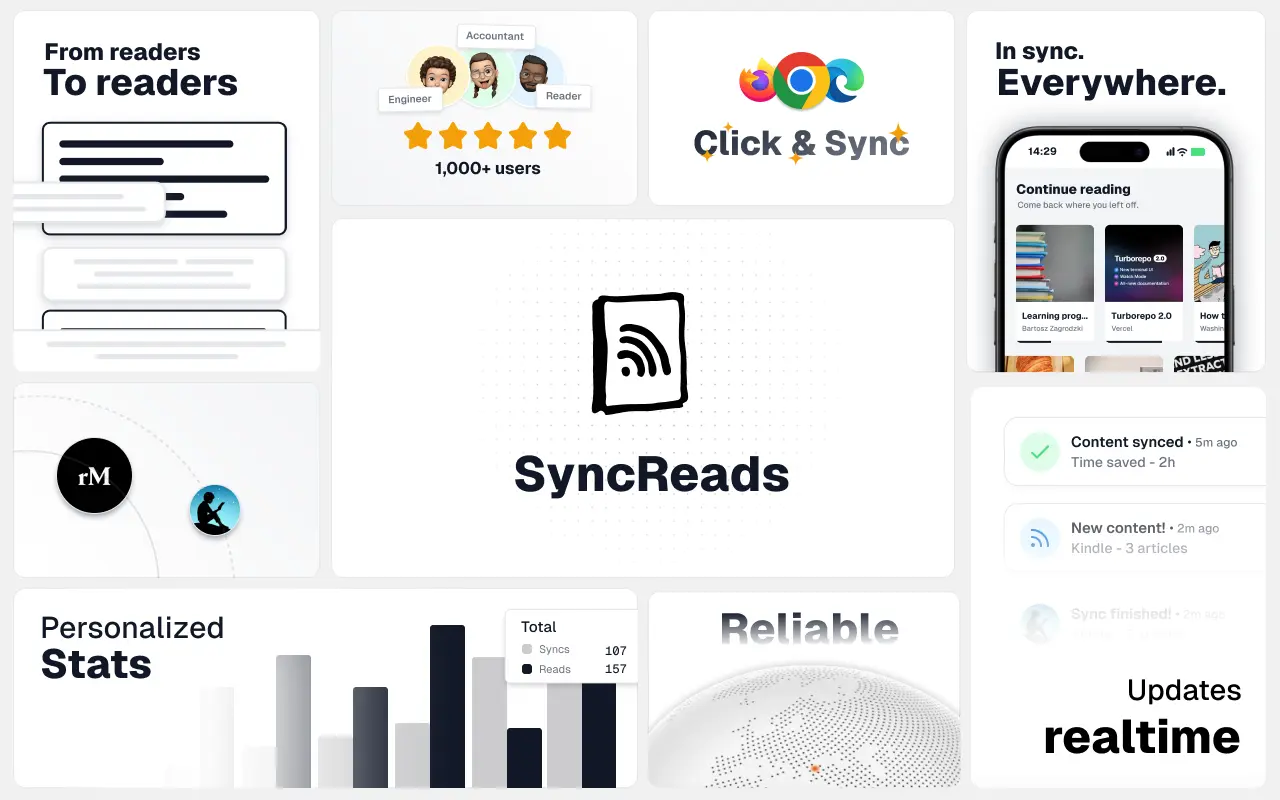
SyncReads
Sync your favorite content for distraction-free reading, save time and replace multiple apps. Anytime, anywhere 🔄
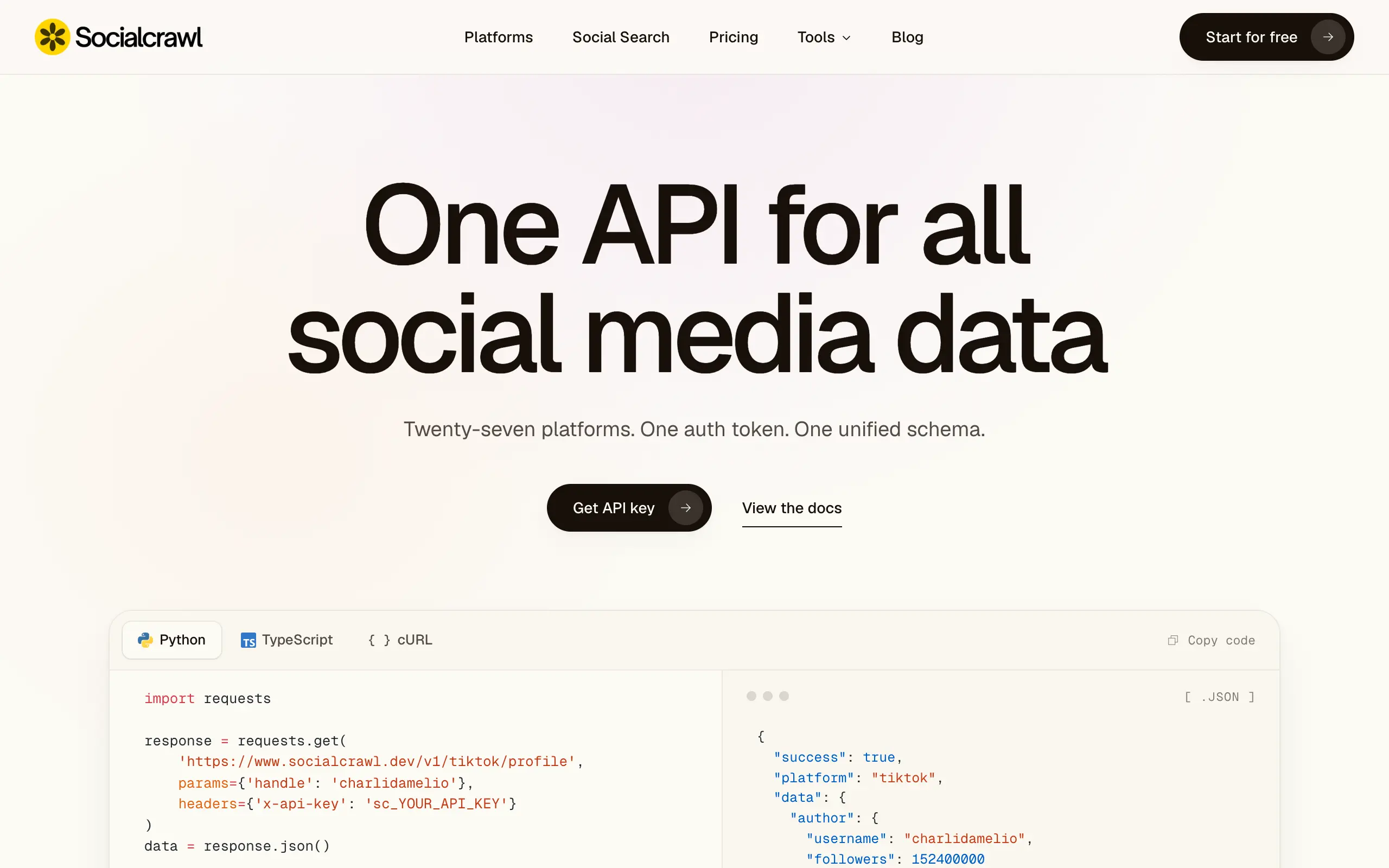
Socialcrawl
Get clean, structured data from 21 platforms like TikTok, Instagram, and YouTube with a single request 📊
Statiko
Monitor any Telegram channel in real time - track posts, edits, deletions, and growth with AI recaps 📡
Shibui
AI website builder - describe your business, pick a niche template, edit by chatting, and publish instantly ✨
Pro Service
Find verified home service professionals, compare quotes, and pay securely through escrow - built for Brazilians across the US 🏠
RankGrow
Fix your SEO with AI agents - connect Search Console, get prioritized tasks, and grow organic traffic 📈
SyncReads
Sync your favorite content for distraction-free reading, save time and replace multiple apps. Anytime, anywhere 🔄
Socialcrawl
Get clean, structured data from 21 platforms like TikTok, Instagram, and YouTube with a single request 📊
Statiko
Monitor any Telegram channel in real time - track posts, edits, deletions, and growth with AI recaps 📡
Shibui
AI website builder - describe your business, pick a niche template, edit by chatting, and publish instantly ✨
Pro Service
Find verified home service professionals, compare quotes, and pay securely through escrow - built for Brazilians across the US 🏠
RankGrow
Fix your SEO with AI agents - connect Search Console, get prioritized tasks, and grow organic traffic 📈
SyncReads
Sync your favorite content for distraction-free reading, save time and replace multiple apps. Anytime, anywhere 🔄
Socialcrawl
Get clean, structured data from 21 platforms like TikTok, Instagram, and YouTube with a single request 📊
Statiko
Monitor any Telegram channel in real time - track posts, edits, deletions, and growth with AI recaps 📡
Shibui
AI website builder - describe your business, pick a niche template, edit by chatting, and publish instantly ✨
Pro Service
Find verified home service professionals, compare quotes, and pay securely through escrow - built for Brazilians across the US 🏠
RankGrow
Fix your SEO with AI agents - connect Search Console, get prioritized tasks, and grow organic traffic 📈
SyncReads
Sync your favorite content for distraction-free reading, save time and replace multiple apps. Anytime, anywhere 🔄
Socialcrawl
Get clean, structured data from 21 platforms like TikTok, Instagram, and YouTube with a single request 📊
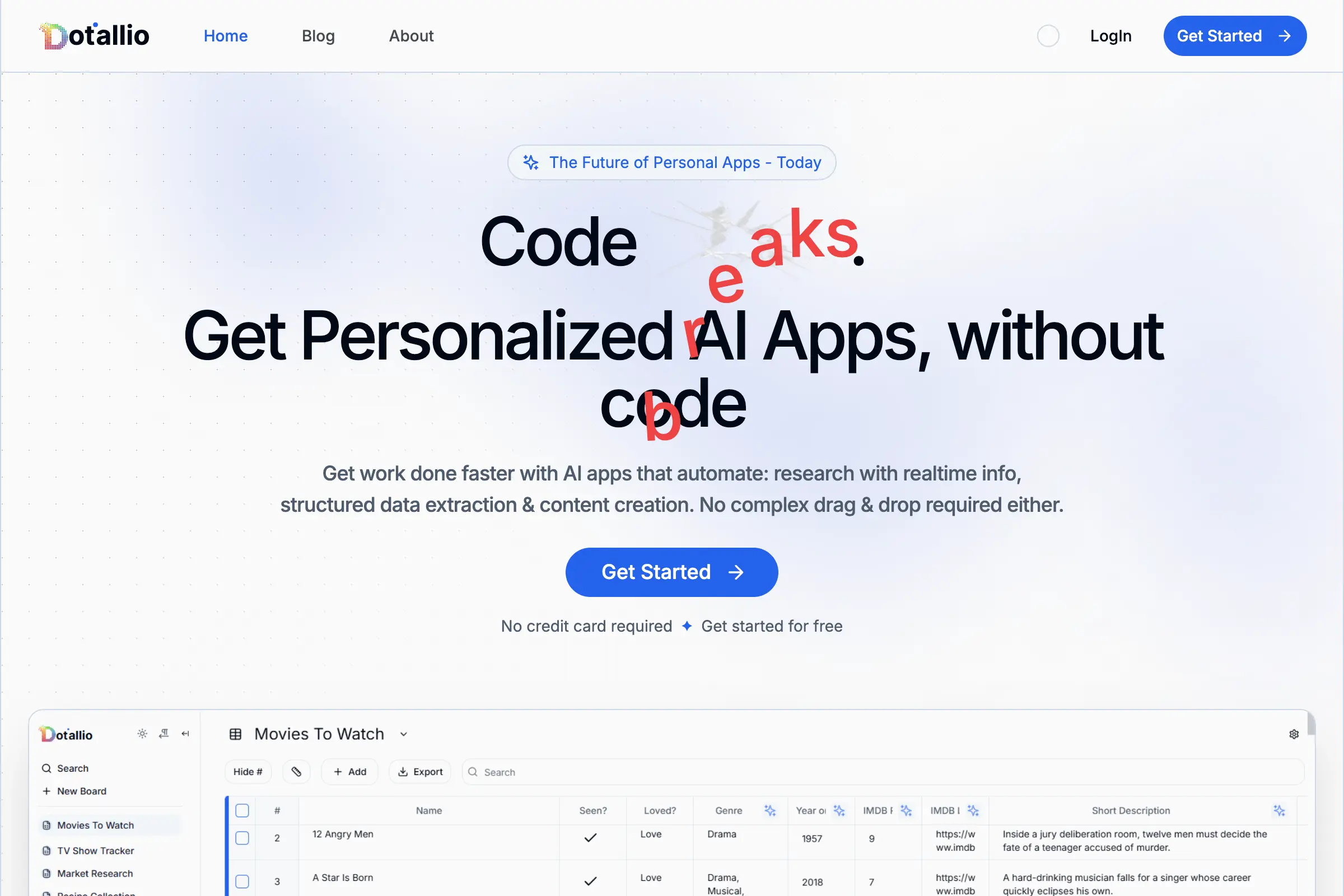
Dotallio
Personalized AI apps that automate research, data extraction, and content creation without code 🤖

Talk to Santa
Enjoy a magical live video chat or receive a unique AI-generated video greeting from Santa Claus 🎅
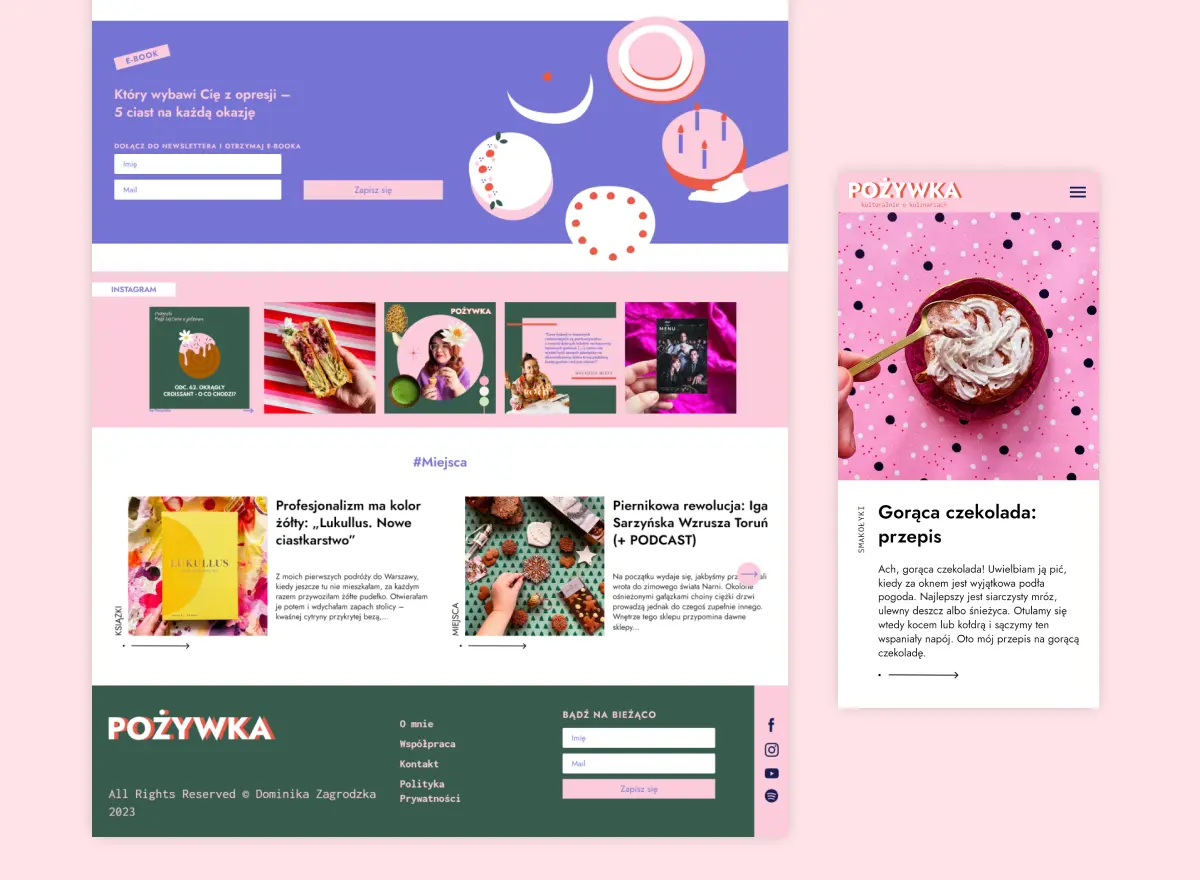
pozywka.pl
Scalable blog for food journalist, focused on performance and user experience 🌭
zagrodzki.me
Personal blog and portfolio of Bart Zagrodzki, where he shares his knowledge and work 💼
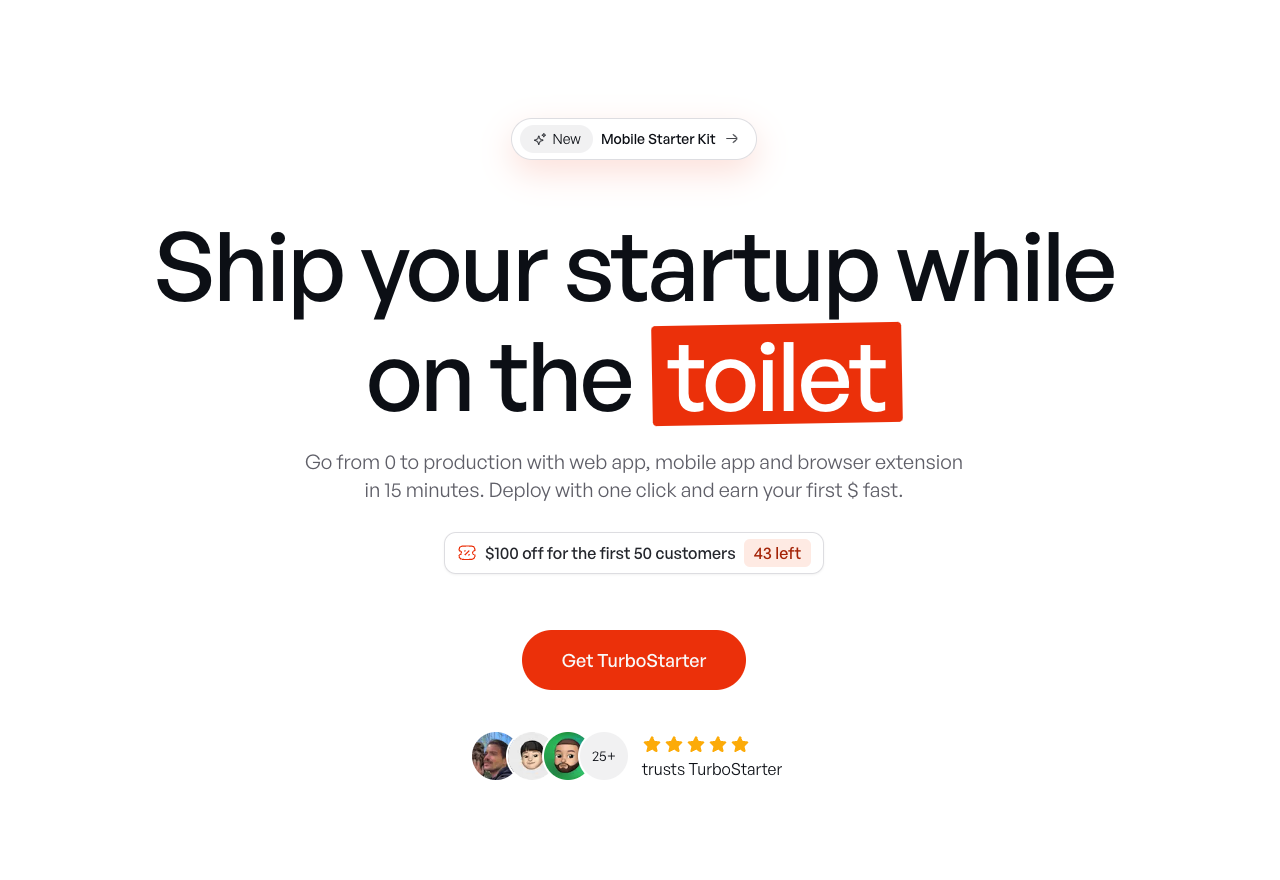
TurboStarter
Ship your startup everywhere. In minutes.
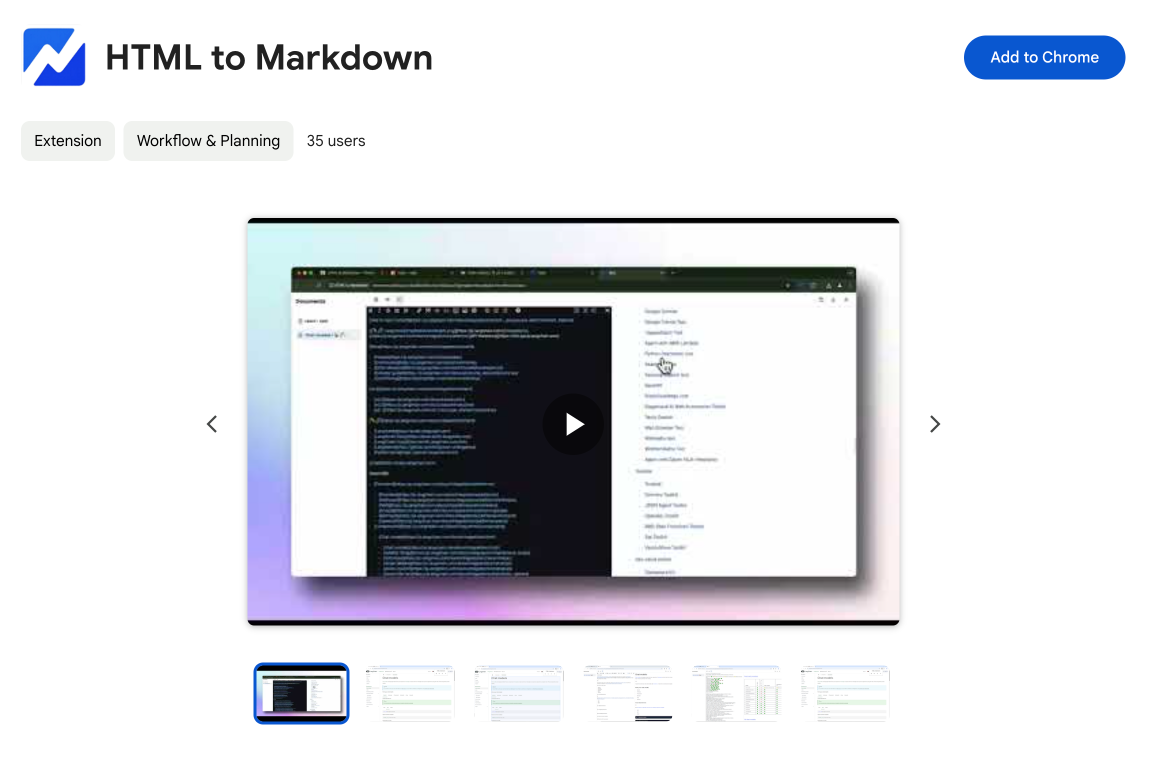
HTML to Markdown
Convert HTML to Markdown with ease, directly in your browser 📄
Dotallio
Personalized AI apps that automate research, data extraction, and content creation without code 🤖
Talk to Santa
Enjoy a magical live video chat or receive a unique AI-generated video greeting from Santa Claus 🎅
pozywka.pl
Scalable blog for food journalist, focused on performance and user experience 🌭
zagrodzki.me
Personal blog and portfolio of Bart Zagrodzki, where he shares his knowledge and work 💼
TurboStarter
Ship your startup everywhere. In minutes.
HTML to Markdown
Convert HTML to Markdown with ease, directly in your browser 📄
Dotallio
Personalized AI apps that automate research, data extraction, and content creation without code 🤖
Talk to Santa
Enjoy a magical live video chat or receive a unique AI-generated video greeting from Santa Claus 🎅
pozywka.pl
Scalable blog for food journalist, focused on performance and user experience 🌭
zagrodzki.me
Personal blog and portfolio of Bart Zagrodzki, where he shares his knowledge and work 💼
TurboStarter
Ship your startup everywhere. In minutes.
HTML to Markdown
Convert HTML to Markdown with ease, directly in your browser 📄
Dotallio
Personalized AI apps that automate research, data extraction, and content creation without code 🤖
Talk to Santa
Enjoy a magical live video chat or receive a unique AI-generated video greeting from Santa Claus 🎅
pozywka.pl
Scalable blog for food journalist, focused on performance and user experience 🌭
zagrodzki.me
Personal blog and portfolio of Bart Zagrodzki, where he shares his knowledge and work 💼
TurboStarter
Ship your startup everywhere. In minutes.
HTML to Markdown
Convert HTML to Markdown with ease, directly in your browser 📄
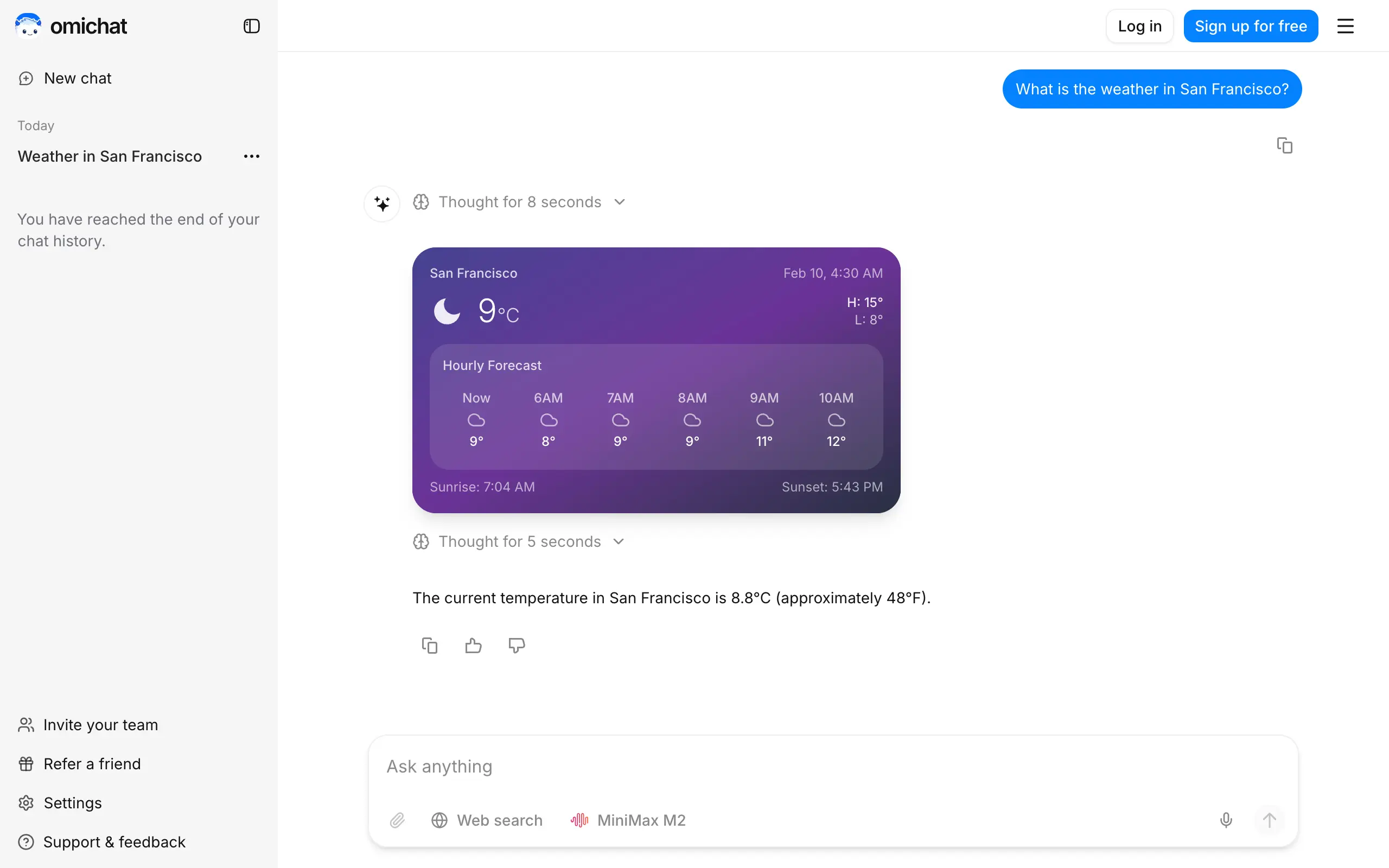
Omichat
Chat with 50+ AI models, including ChatGPT and Claude, in one place - switch models anytime without losing context 🤖
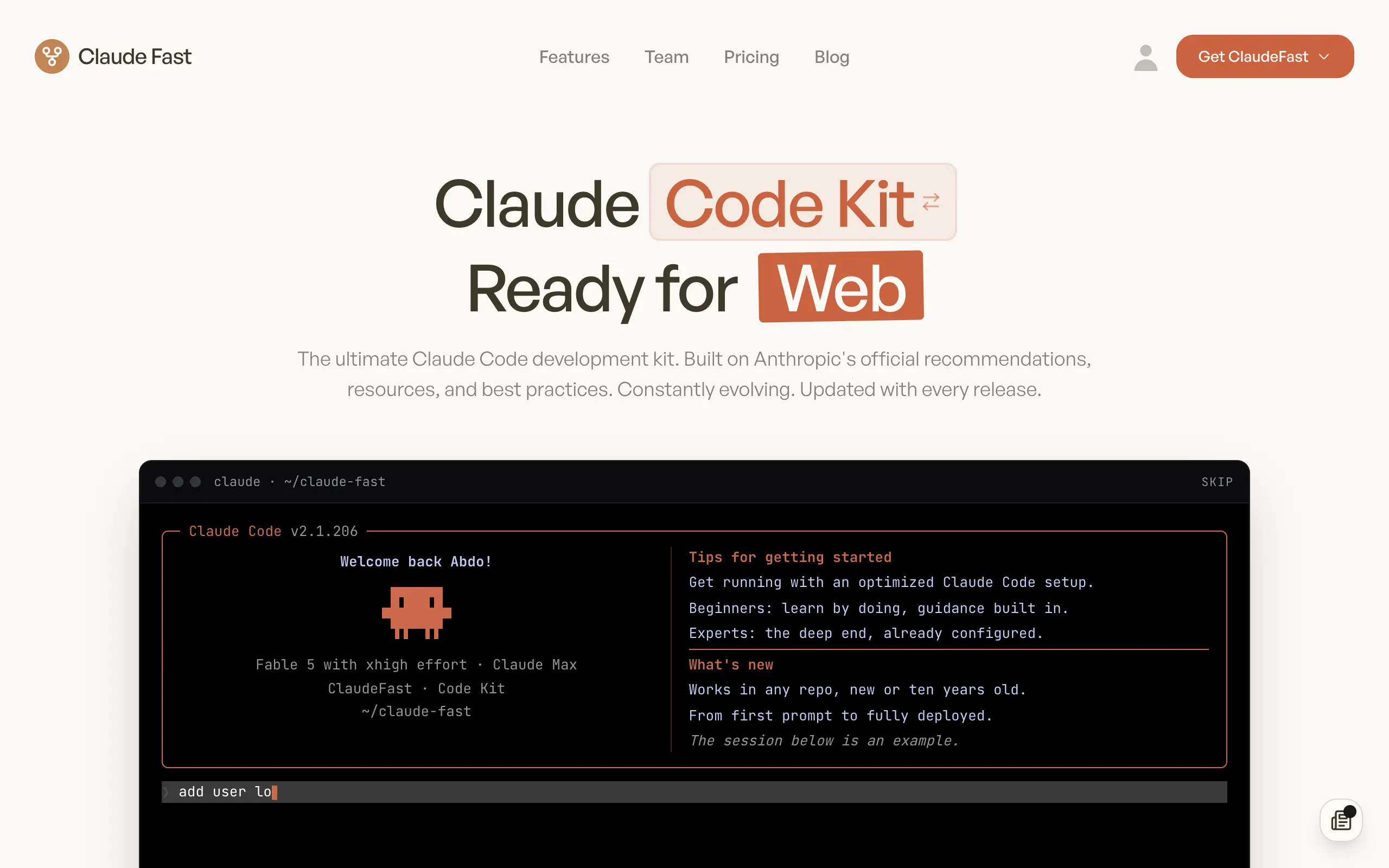
Claude Fast
Supercharge your Claude Code with 6x effective context window and specialized AI agents 🤖
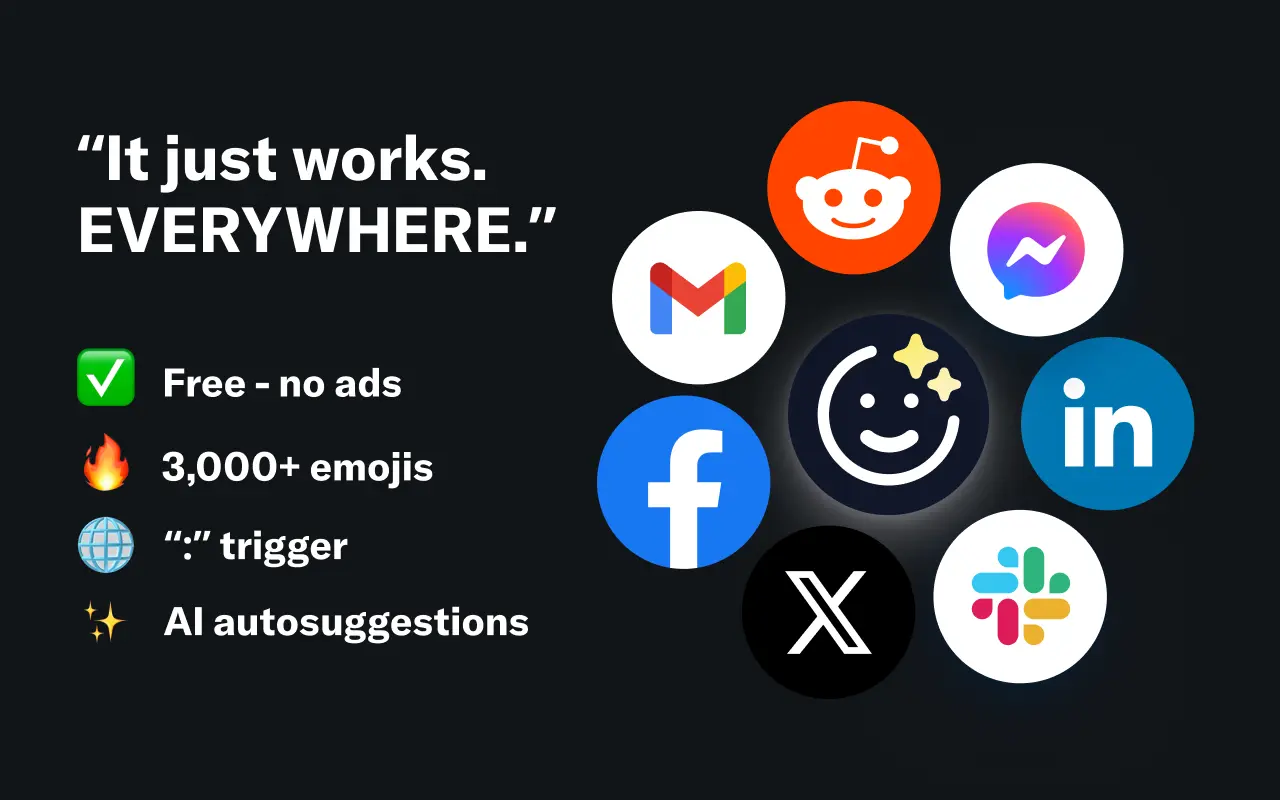
EmojAI
AI-powered emoji picker with smart, context-aware suggestions 🤖
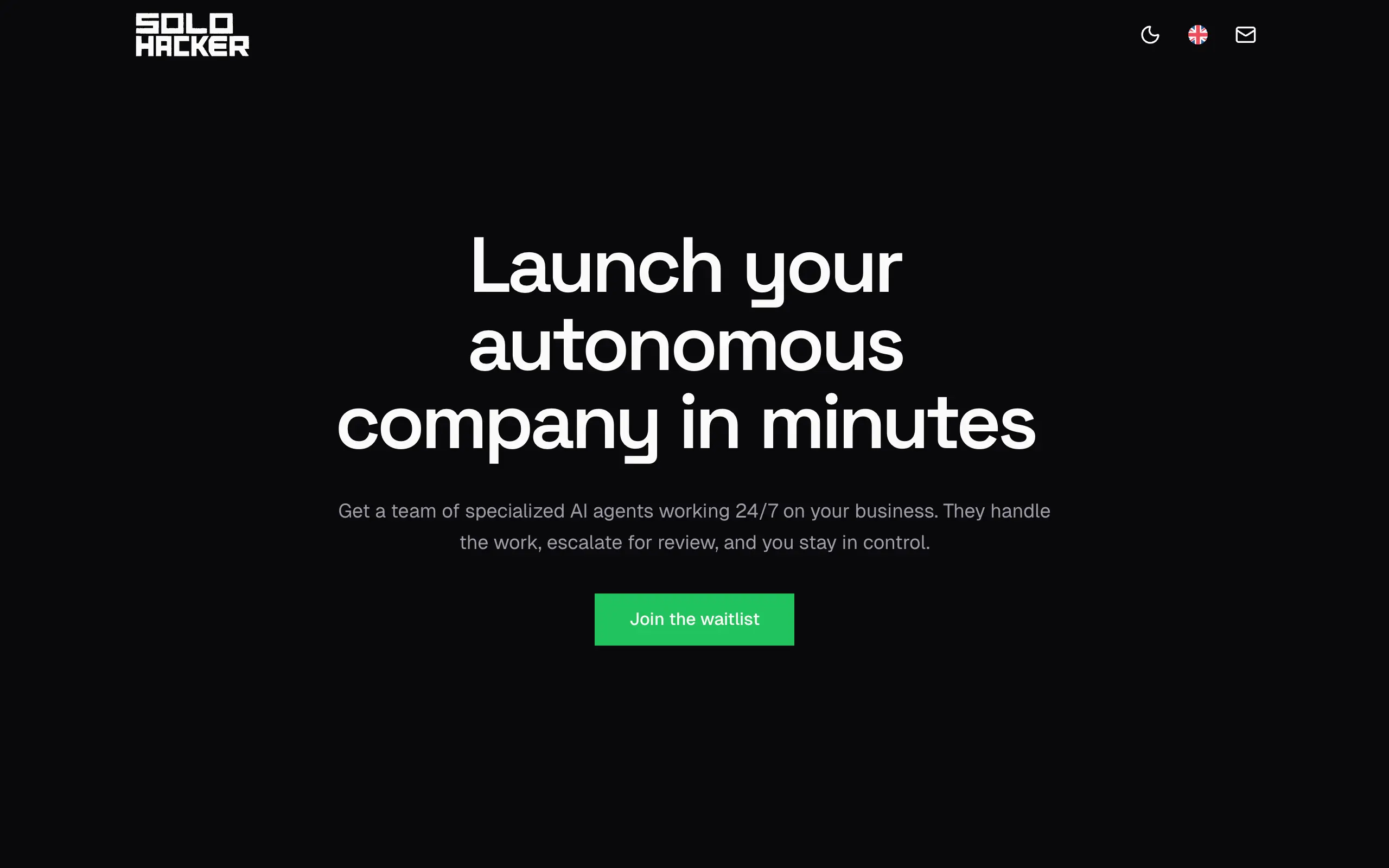
Solohacker
Autonomous company launcher - AI agents work 24/7, escalate what matters, and you stay in control 🤖
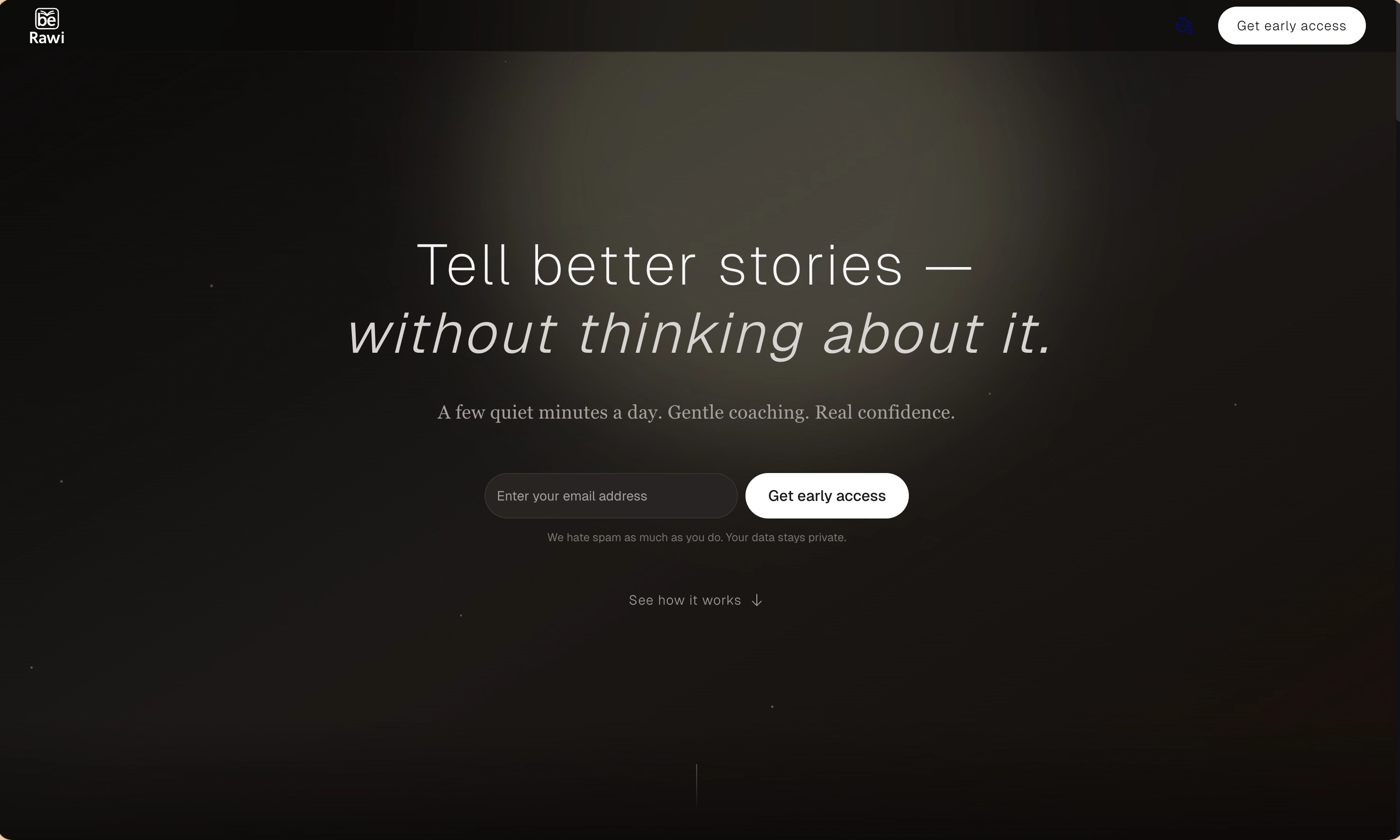
BeRawi: Storytelling Coach
Practice storytelling daily with instant feedback to sound clearer, more engaging, and confident 🎤
Omichat
Chat with 50+ AI models, including ChatGPT and Claude, in one place - switch models anytime without losing context 🤖
Claude Fast
Supercharge your Claude Code with 6x effective context window and specialized AI agents 🤖
EmojAI
AI-powered emoji picker with smart, context-aware suggestions 🤖
Solohacker
Autonomous company launcher - AI agents work 24/7, escalate what matters, and you stay in control 🤖
BeRawi: Storytelling Coach
Practice storytelling daily with instant feedback to sound clearer, more engaging, and confident 🎤
Omichat
Chat with 50+ AI models, including ChatGPT and Claude, in one place - switch models anytime without losing context 🤖
Claude Fast
Supercharge your Claude Code with 6x effective context window and specialized AI agents 🤖
EmojAI
AI-powered emoji picker with smart, context-aware suggestions 🤖
Solohacker
Autonomous company launcher - AI agents work 24/7, escalate what matters, and you stay in control 🤖
BeRawi: Storytelling Coach
Practice storytelling daily with instant feedback to sound clearer, more engaging, and confident 🎤
Omichat
Chat with 50+ AI models, including ChatGPT and Claude, in one place - switch models anytime without losing context 🤖
Claude Fast
Supercharge your Claude Code with 6x effective context window and specialized AI agents 🤖
EmojAI
AI-powered emoji picker with smart, context-aware suggestions 🤖
Solohacker
Autonomous company launcher - AI agents work 24/7, escalate what matters, and you stay in control 🤖
BeRawi: Storytelling Coach
Practice storytelling daily with instant feedback to sound clearer, more engaging, and confident 🎤

Connect with like-minded people
Join our community to get feedback, support, and grow together with 1,000+ builders on board, let's ship it!
Join usShip your startup everywhere. In minutes.
Don't burn tokens on setup and start building features on day one.