CoverChase
Help small property managers collect and track contractors’ insurance certificates and renewal dates. Catch coverage gaps before work starts.
Why contractor insurance certificate tracking matters for property managers
Small property managers coordinate a steady stream of maintenance, repairs, renovations, and inspections. Each job may involve a different contractor, and each contractor may need to provide proof of insurance before work begins. When certificates of insurance (COIs) arrive through email, text messages, shared drives, or paper files, it becomes difficult to know whether the right documents are on file and still current.
CoverChase is a concept for contractor certificate of insurance tracking software built for small property managers. It helps teams request, organize, review, and monitor contractors’ insurance certificates and renewal dates so they can spot potential coverage gaps before work starts.
The product is not just a document repository. Its value comes from connecting insurance paperwork to the everyday property-management workflow: who is scheduled to work, what documents are required, whether those documents appear current, and what needs attention next.
That focus addresses a practical question for property managers: “Can this contractor start work, or do we need to resolve an insurance issue first?”
CoverChase should help teams answer that question with a clear, auditable process. It should not represent itself as an insurance broker or make legal determinations about whether a policy satisfies a contract. Instead, it can help users collect information, identify missing or expiring documents, and route exceptions to the appropriate person.
The target audience for CoverChase
The best initial customers are organizations that manage enough contractor relationships to feel the administrative burden, but may not have a dedicated risk-management team or enterprise insurance platform.
Primary customers
CoverChase’s core audience could include:
- Independent property managers overseeing residential rentals, small commercial buildings, or mixed-use properties.
- Small property-management firms coordinating maintenance across multiple buildings and vendors.
- HOA and condominium managers hiring contractors for common-area repairs, landscaping, cleaning, and capital projects.
- Facilities teams at small organizations that manage vendors but do not have a specialized compliance department.
- Owners with a small operating team who need consistent contractor records across a portfolio.
These users often manage vendor information alongside leases, work orders, invoices, and tenant requests. Their processes may be informal: a manager asks for a certificate by email, saves the attachment somewhere, and later tries to remember when it expires. The pain is not necessarily a lack of sophisticated insurance knowledge. It is the lack of a dependable workflow.
Secondary users and stakeholders
Contractors are also part of the product’s audience. A contractor may be asked to provide the same business details and insurance documents to multiple property managers. A simple, secure upload link could make compliance easier for the contractor and reduce follow-up work for the property manager.
Other stakeholders may include:
- Property owners who want visibility into vendor compliance.
- Administrative assistants who collect documents and manage reminders.
- Maintenance coordinators who schedule work.
- Brokers or insurance agents who help contractors issue or update certificates.
- Legal or risk advisers who define the organization’s insurance requirements.
The product should give each stakeholder only the access they need. A maintenance coordinator may need to see whether a vendor is cleared for a job, while an administrator may need to update requirements and review document details.
Strong early-adopter signals
CoverChase should prioritize teams that show several of these characteristics:
- They work with a recurring list of contractors.
- They manage more than one property or have frequent vendor turnover.
- They currently track certificates in spreadsheets, folders, or email.
- They have experienced last-minute delays caused by missing or expired documents.
- They lack a dedicated compliance employee.
- They need to show owners or colleagues when a document was received and reviewed.
These signals are useful for customer discovery because they describe operational behavior, not just company size. A small firm with frequent contractor work may have a stronger need than a larger organization with a highly automated procurement process.
The market opportunity and the workflow gap
Insurance documentation sits between vendor onboarding and job execution. Property-management software may track vendors and work orders, while document storage tools may hold files. Yet a property manager still needs to connect the right contractor, property, job, requirement, document, and expiration date.
That creates a focused opportunity for contractor insurance certificate tracking software. CoverChase can serve as a lightweight compliance layer for teams that need more than file storage but are not ready to adopt a complex enterprise risk platform.
Where existing processes fall short
A spreadsheet can record a policy expiration date, but it does not automatically create a reliable document-review process. A shared drive can hold a PDF, but it may not tell a manager whether the document is outdated, incomplete, or associated with the correct vendor. Email can preserve a conversation, but renewal follow-ups may be buried in an inbox.
The common gaps are:
- Scattered records: Certificates may be stored in inboxes, folders, and different systems.
- Unclear status: Staff may not know whether a document has been received, reviewed, or accepted.
- Manual renewal tracking: Someone must remember to monitor expiration dates and send reminders.
- Weak job-level context: A certificate may exist, but staff may not know whether it is linked to the contractor and work being scheduled.
- Limited audit history: It can be difficult to reconstruct who requested or reviewed a document and when.
- Inconsistent requirements: Different properties, contracts, or job types may call for different documentation.
CoverChase’s opportunity is not to replace every property-management platform. It is to make one recurring, consequential process easier to run and easier to verify.
A focused wedge into a broader market
The initial product should concentrate on certificate collection and renewal tracking for small property managers. That narrow entry point keeps the product understandable and makes it easier to validate the core problem.
Over time, adjacent workflows could include:
- Vendor onboarding checklists.
- W-9 collection and storage.
- Licenses and permits.
- Safety documents.
- Contract and agreement expiration reminders.
- Vendor access or work-authorization status.
- Property-specific compliance requirements.
These extensions should follow demonstrated customer demand. Adding more document categories too early could make the product harder to use and dilute its central promise.
CoverChase’s core product workflow
A strong CoverChase workflow should take a property manager from an incomplete vendor record to a documented decision, without requiring them to chase information across multiple tools.
1. Add a contractor
The manager creates a contractor profile with basic information such as business name, contact details, trade, and properties served. The product should support duplicate detection because the same contractor may appear under slightly different names.
A contractor record should provide a single place to view:
- Contact information.
- Associated properties and work categories.
- Submitted certificates.
- Current document status.
- Expiration dates.
- Past requests and reminders.
- Internal notes and review history.
2. Define insurance requirements
Property managers need a way to record what they expect from a contractor. Requirements may vary by organization, property, vendor category, or contract. The product should allow administrators to define those expectations in plain language and assign them to the relevant vendors.
For example, a landscaping vendor may have a different internal checklist from a contractor performing a large renovation. CoverChase should make the requirement visible to the user and preserve its history, rather than silently changing a rule after a document has been reviewed.
Because insurance requirements can depend on contracts, jurisdiction, and organizational policy, CoverChase should not present generic settings as legal advice. The customer should determine requirements with appropriate professional guidance.
3. Request a certificate
The system can generate a secure upload request that the manager sends to the contractor. A well-designed request should clearly explain:
- Which business or property is requesting the certificate.
- What document is needed.
- How the contractor can submit it.
- Who to contact with questions.
- Whether any additional information is required.
A contractor should not need to create a full account just to upload a document. A low-friction, mobile-friendly upload flow may improve completion rates and reduce administrative back-and-forth.
4. Review and record the document
Once a certificate is submitted, the manager needs a clear review queue. A reviewer can confirm the contractor identity, inspect relevant dates and policy details, and record whether the submission appears complete against the customer’s configured checklist.
The system should distinguish between document received and document reviewed. It should also support outcomes such as:
- Received and awaiting review.
- Reviewed with no visible issue.
- Needs clarification or replacement.
- Expired or otherwise out of date.
- Not applicable, with a reason recorded.
This language matters. A software status should describe the workflow, not claim that a contractor is legally compliant or adequately insured.
5. Monitor expiration dates
Renewal tracking is central to the CoverChase value proposition. The product should maintain the dates entered or confirmed during review and create reminders before a document expires.
Reminder timing should be configurable. Some teams may want to follow up several weeks in advance, while others may have their own notice schedule. Managers should be able to see upcoming expirations in a dashboard and act on them in batches.
6. Check status before work begins
The product should connect contractor documentation to operational decisions. Before a job is assigned or marked ready, a user should be able to see whether required documentation is missing, awaiting review, or approaching expiration.
That does not mean CoverChase must control the property manager’s scheduling system from day one. A clear vendor status page and shareable report may provide value before deep integrations are available.
Recommended features for an MVP and beyond
A disciplined MVP should validate whether teams will use and pay for a repeatable certificate workflow. It should not attempt to automate every insurance judgment.
MVP features
The first release should include:
- Contractor profiles and searchable records.
- Secure document uploads.
- Manual review and status updates.
- Expiration-date tracking.
- Configurable renewal reminders.
- A request link that contractors can use without a complicated onboarding process.
- A dashboard showing missing, pending, and expiring documents.
- Basic property and contractor associations.
- Activity history for requests, uploads, reviews, and status changes.
- Role-based access for team members.
- Exportable records for customer reporting.
The MVP should also include clear in-product language that explains what a status means and what the system does not determine.
High-value improvements after validation
Once the basic process is working, CoverChase could add:
- Email integrations for faster document intake.
- Bulk contractor invitations and renewal reminders.
- Integrations with property-management or work-order platforms.
- Organization-level templates and property-specific requirement sets.
- Automated extraction of names, dates, and policy fields from PDFs.
- Exception queues for documents that need human attention.
- Portfolio-level reporting for owners and regional managers.
- Contractor self-service pages for updating business details.
- Notifications through channels customers already use.
Automation should make review faster, not obscure how the system reached a status. When a document-extraction model reads a date or named entity, the interface should allow a person to verify the result and correct it.
Useful operational dashboard
A focused dashboard might group records into practical queues:
| Queue | What the manager can do |
|---|---|
| Missing documents | Send a request or mark the requirement as not applicable |
| Awaiting review | Open a submitted certificate and record a decision |
| Renewal coming up | Send a reminder or confirm a replacement has been requested |
| Needs follow-up | Contact the contractor and record the reason |
| Ready for review | Check that submitted documents are linked to the correct vendor |
This kind of organization turns the product from passive storage into a daily operations tool.
Competitive advantage and the CoverChase USP
CoverChase’s most credible competitive advantage is focused simplicity for small property-management teams. Many organizations do not need a broad enterprise compliance suite to solve a recurring certificate-tracking problem. They need a clear, reliable way to request documents, find them later, and follow up before their expiration dates.
How CoverChase can stand out
| Capability | Spreadsheet and email | Shared drive | Broad compliance platform | CoverChase opportunity |
|---|---|---|---|---|
| Store certificates | Possible | Yes | Yes | Yes |
| Track renewal dates | Manual | Usually manual | Often supported | Core workflow |
| Link documents to contractors | Manual | Folder-dependent | Supported | Simple, searchable records |
| Request documents | Email-based | Separate process | May be available | Built-in request flow |
| Show review status | Inconsistent | Limited | Often available | Clear, human-reviewed states |
| Fit small teams | Familiar but fragile | Familiar but limited | Can be complex | Lightweight and focused |
The table describes product positioning rather than a claim about every competitor. Actual capabilities vary by vendor, plan, and configuration. CoverChase should validate its differentiation through customer interviews and hands-on comparisons before making market-wide claims.
The defensible advantage is workflow quality
Features such as reminders and file uploads are relatively easy to reproduce. A more durable advantage can come from making the workflow fit the way small property managers actually operate.
That advantage could develop through:
- A fast setup experience with sensible defaults.
- Property and contractor relationships that are easy to understand.
- A well-designed contractor upload experience.
- Reliable, transparent document history.
- Useful exception handling instead of excessive automation.
- Integrations chosen from observed customer demand.
- Trust built through clear permissions, security practices, and honest product language.
Over time, anonymized product usage patterns may also help the team understand which steps create delays. Any use of aggregated data should be transparent, privacy-conscious, and consistent with customer agreements.
Recommended technology stack
The best technology stack depends on the team’s experience and deployment needs. For an early-stage B2B SaaS product, prioritize secure document handling, clear authorization boundaries, maintainability, and the ability to ship customer feedback quickly.
Application and user interface
A TypeScript application using React can support a responsive dashboard and contractor upload experience. A framework such as Next.js can provide routing, server-rendered pages where useful, and server-side functionality. A component library or utility-first styling approach can help a small team build consistent interfaces, though the team should avoid spending early weeks polishing a design system before validating the workflow.
The key trade-off is flexibility versus complexity. A full-stack framework can speed up product development, but server-side code and client-side code need clear boundaries, especially around permissions and sensitive documents.
Database and file storage
A relational database such as PostgreSQL is a good fit for the relationships among organizations, users, properties, contractors, requirements, documents, and review events. Its structured data model supports reporting and transactional workflows.
Store uploaded certificates in private object storage rather than directly in public web folders. Use short-lived signed upload and download URLs, strict authorization checks, encryption in transit and at rest, and an explicit retention policy. The database should hold file metadata and access-control references, not public file links.
Authentication, payments, and email
Use a mature authentication provider or a well-maintained authentication library. Support organization-level membership and role-based permissions from the beginning, even if the initial product has only a few roles.
If subscriptions are part of the launch plan, Stripe’s documentation is a starting point for billing integration. Billing should be separate from operational status: a failed payment should not silently alter a contractor’s document record.
An email service should handle document requests, expiry reminders, and account notifications. Track delivery outcomes and provide a way to retry or correct bounced addresses. Avoid making email the only place where important status information exists; the application should remain the system of record.
Document processing and AI
Optical character recognition and document-extraction models can help identify names, policy dates, and other fields. However, certificates can vary in format, and extracted information can be wrong. A safe design should:
- Store the original document securely.
- Extract candidate fields with confidence indicators.
- Show extracted fields to a reviewer.
- Record corrections and review decisions.
- Avoid automatically declaring coverage acceptable based only on extraction.
This human-in-the-loop approach can reduce repetitive data entry while keeping responsibility and uncertainty visible.
Monetization strategy options
CoverChase could test several pricing models. The right choice should reflect the value customers receive and the way they budget for property operations.
Per-organization subscription
A flat monthly or annual subscription is easy to understand and may fit smaller firms that want predictable pricing. Packages could differ by feature access or service level rather than charging for every routine action.
Portfolio or property-based pricing
Pricing by the number of managed properties can align the subscription with the customer’s operating footprint. It may also be easier for property managers to forecast than per-document fees. The trade-off is that property counts may not accurately reflect contractor volume or workflow intensity.
Contractor-volume tiers
Pricing based on the number of active contractors can align more closely with document-tracking workload. Make the definition of an active contractor clear, and avoid unexpected charges for archived vendors or one-time service providers.
Premium onboarding and support
Customers with complex records may value paid onboarding, data import assistance, or priority support. These services can create revenue while helping customers migrate from spreadsheets, but they should not become necessary just to use the core product.
Pricing principles
Regardless of the model, CoverChase should:
- Make plan limits visible before customers hit them.
- Avoid charging contractors to upload required documents.
- Offer a clear way to archive inactive vendors.
- Consider annual billing only after product value is established.
- Test willingness to pay through real buying conversations, not hypothetical survey answers alone.
Security, privacy, and trust requirements
Contractor certificates contain business and insurance information that customers expect to be handled carefully. Security should be part of the product design rather than a post-launch checklist.
Important safeguards include:
- Organization-level data isolation.
- Role-based access and least-privilege permissions.
- Private storage with short-lived access links.
- Encryption in transit and at rest.
- Secure password and account-recovery practices.
- Audit events for document access and status changes.
- Backups and a tested recovery process.
- Document-retention and deletion controls.
- A process for reporting and responding to security incidents.
CoverChase should also set clear expectations about what data it collects, who can access it, how long it is retained, and whether it is shared with service providers. If customers operate in regulated environments or impose contractual security requirements, the product team should seek qualified legal and security advice before making compliance promises.
Risks and how to mitigate them
Incorrectly interpreting insurance documents
A certificate may be difficult to interpret, and a certificate alone may not answer every contractual or legal question. If the product implies that a vendor is definitively covered or legally compliant, customers may rely on a conclusion the software is not qualified to make.
Mitigation: Use precise workflow labels such as “received,” “awaiting review,” and “needs follow-up.” Let customers configure their own requirements, preserve reviewer decisions, and clearly state that the platform organizes documents rather than providing insurance or legal advice.
Inaccurate extraction and missed expirations
Document extraction can misread dates or associate a document with the wrong contractor. A reminder system can also fail if contact details are outdated or a message is undelivered.
Mitigation: Keep human verification in the workflow, flag low-confidence fields, record reminder delivery outcomes, and provide a visible upcoming-expiration queue. Let managers correct records easily.
Low contractor participation
Contractors may ignore requests if the upload process is confusing, asks for unnecessary information, or requires an account they do not want.
Mitigation: Make upload links mobile-friendly, explain what is needed, limit mandatory fields, and support a simple resubmission process. Ask property managers to test the request experience with real contractors before broad rollout.
Integration complexity
Property-management software and operational systems vary widely. Building several integrations before confirming demand can consume valuable engineering time.
Mitigation: Begin with exports, imports, and links that work across systems. Identify the most frequently requested integration through customer conversations, then build one reliable integration at a time.
Long or unclear sales cycles
Small firms may feel the problem but delay purchasing if ownership is unclear, the product seems nonessential, or budgets are tight.
Mitigation: Demonstrate the administrative time saved and the visibility gained without making unsupported promises about preventing losses. Offer a short, guided pilot with a clear success measure, such as reducing overdue follow-ups or improving the percentage of vendor records with reviewed documents.
Overbuilding the product
It is tempting to add every vendor-compliance document type, AI feature, and integration. Too many options can make a focused product harder to understand.
Mitigation: Keep a product roadmap tied to evidence. Prioritize features that improve the main loop of requesting, reviewing, and renewing certificates.
Actionable implementation steps
A strong launch plan moves from problem validation to a narrow, measurable product release.
Interview property managers and contractors
Speak with a mix of independent managers, small firms, and contractors. Ask how certificate requests happen today, where documents are stored, what triggers follow-up, and what happens when a record is missing. Request permission to observe the actual workflow, using redacted examples where needed.
Map the current process
Document each step from contractor selection through certificate request, review, renewal, and work scheduling. Note who is responsible, what tools they use, where handoffs fail, and which decisions require professional judgment.
Define a narrow MVP
Build contractor records, secure uploads, manual review statuses, expiration tracking, reminders, and an activity log. Delay advanced extraction and broad integrations until customers demonstrate that the core workflow is useful.
Test the workflow with real vendors
Run a small pilot with property managers and contractors. Measure whether users can submit and review documents without extensive training. Record confusing language, upload failures, reminder issues, and duplicated records.
Set trust and security foundations
Before storing live documents, define access controls, retention rules, backup procedures, incident handling, and privacy disclosures. Review the implementation with qualified technical and legal advisers where appropriate.
Choose a pricing hypothesis and validate it
Offer a small number of understandable plans or a time-limited pilot. Discuss pricing with the person who controls the budget, and pay attention to objections about value, setup effort, contractor adoption, and existing systems.
Launch, measure, and iterate
Track activation, contractor response rates, review completion, overdue follow-ups, renewal handling, and customer retention. Use those signals to decide whether to improve the core experience, add a requested integration, or expand into adjacent vendor documents.
For a founder building the first version, TurboStarter can help accelerate the SaaS foundation so more effort can go toward customer discovery, secure document workflows, and product differentiation.
Frequently asked questions about contractor insurance tracking software
It is software that helps organizations request, store, organize, and monitor contractors’ insurance certificates. A purpose-built tool can associate documents with vendors, track dates, send renewal reminders, and show staff which records need review or follow-up.
Small property managers often coordinate many vendors without a dedicated compliance team. Centralized records and reminders can reduce manual searching and make it easier to notice missing or aging documents before scheduling work. The software supports administration; it does not replace professional insurance or legal advice.
CoverChase can help users collect documents and record review outcomes against requirements they define. It should not claim to independently verify that coverage is adequate or that a contractor is legally compliant. Those determinations may depend on policies, contracts, and professional judgment.
Not necessarily. A secure, expiring upload link can make submission easier, particularly for one-time vendors. Property managers may still benefit from optional contractor accounts for recurring vendors who need to update documents over time.
Look for secure document storage, clear review statuses, reliable renewal reminders, searchable vendor records, useful audit history, straightforward contractor uploads, and a workflow that fits the team’s existing operations. Ask vendors how they handle permissions, document retention, extraction errors, and support.
The opportunity for CoverChase
CoverChase has a clear product opportunity: make contractor insurance certificate tracking practical for the small property managers who currently rely on inboxes, spreadsheets, and shared folders. The strongest version of the idea is focused, transparent, and easy for both managers and contractors to use.
Its success will depend less on the number of features than on whether it reliably answers three operational questions: What is missing? What is approaching expiration? What needs a person to review it?
Start with that workflow, build trust into document handling, and validate the product with real property managers and contractors. If the core experience saves administrative effort and makes vendor records easier to act on, CoverChase can expand into adjacent compliance workflows from a strong and credible foundation.
More 🏢 B2B Application SaaS ideas
Discover more innovative b2b application SaaS ideas that are trending in 2026. Each idea is AI-generated with market validation and growth potential to help you find your next profitable venture faster than competitors.
Your competitors are building with TurboStarter
Below are some of the SaaS ideas that have been generated and built with our starter kit.

Statiko
Monitor any Telegram channel in real time - track posts, edits, deletions, and growth with AI recaps 📡

Shibui
AI website builder - describe your business, pick a niche template, edit by chatting, and publish instantly ✨

Pro Service
Find verified home service professionals, compare quotes, and pay securely through escrow - built for Brazilians across the US 🏠
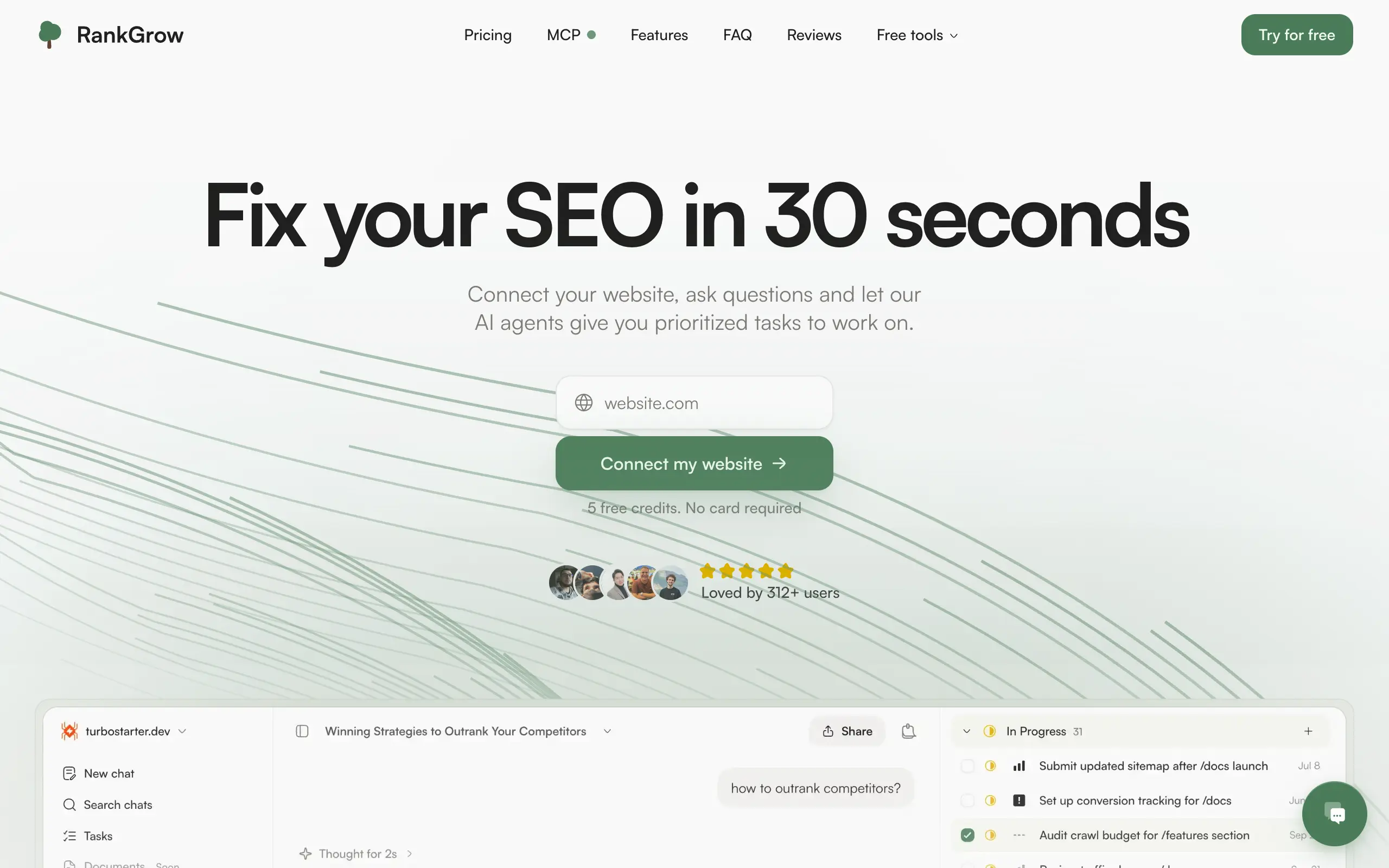
RankGrow
Fix your SEO with AI agents - connect Search Console, get prioritized tasks, and grow organic traffic 📈
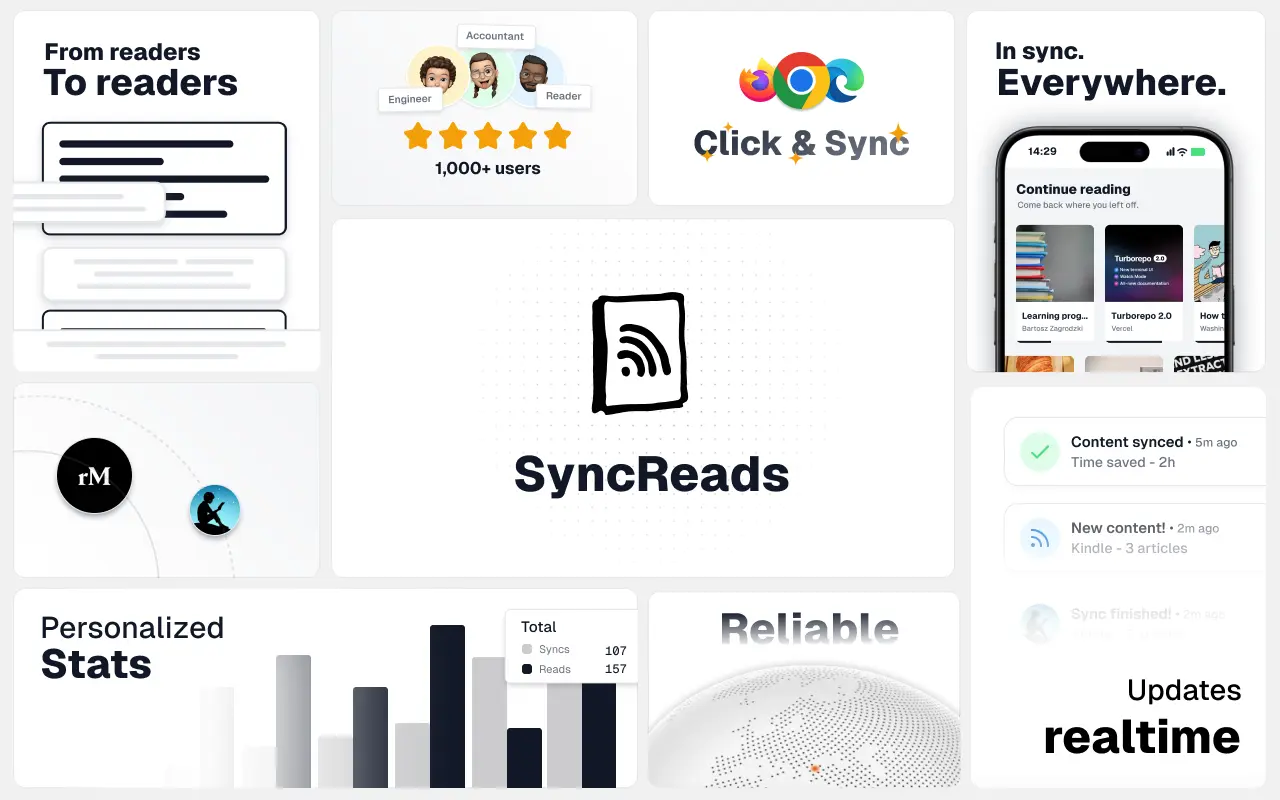
SyncReads
Sync your favorite content for distraction-free reading, save time and replace multiple apps. Anytime, anywhere 🔄

Socialcrawl
Get clean, structured data from 21 platforms like TikTok, Instagram, and YouTube with a single request 📊
Statiko
Monitor any Telegram channel in real time - track posts, edits, deletions, and growth with AI recaps 📡
Shibui
AI website builder - describe your business, pick a niche template, edit by chatting, and publish instantly ✨
Pro Service
Find verified home service professionals, compare quotes, and pay securely through escrow - built for Brazilians across the US 🏠
RankGrow
Fix your SEO with AI agents - connect Search Console, get prioritized tasks, and grow organic traffic 📈
SyncReads
Sync your favorite content for distraction-free reading, save time and replace multiple apps. Anytime, anywhere 🔄
Socialcrawl
Get clean, structured data from 21 platforms like TikTok, Instagram, and YouTube with a single request 📊
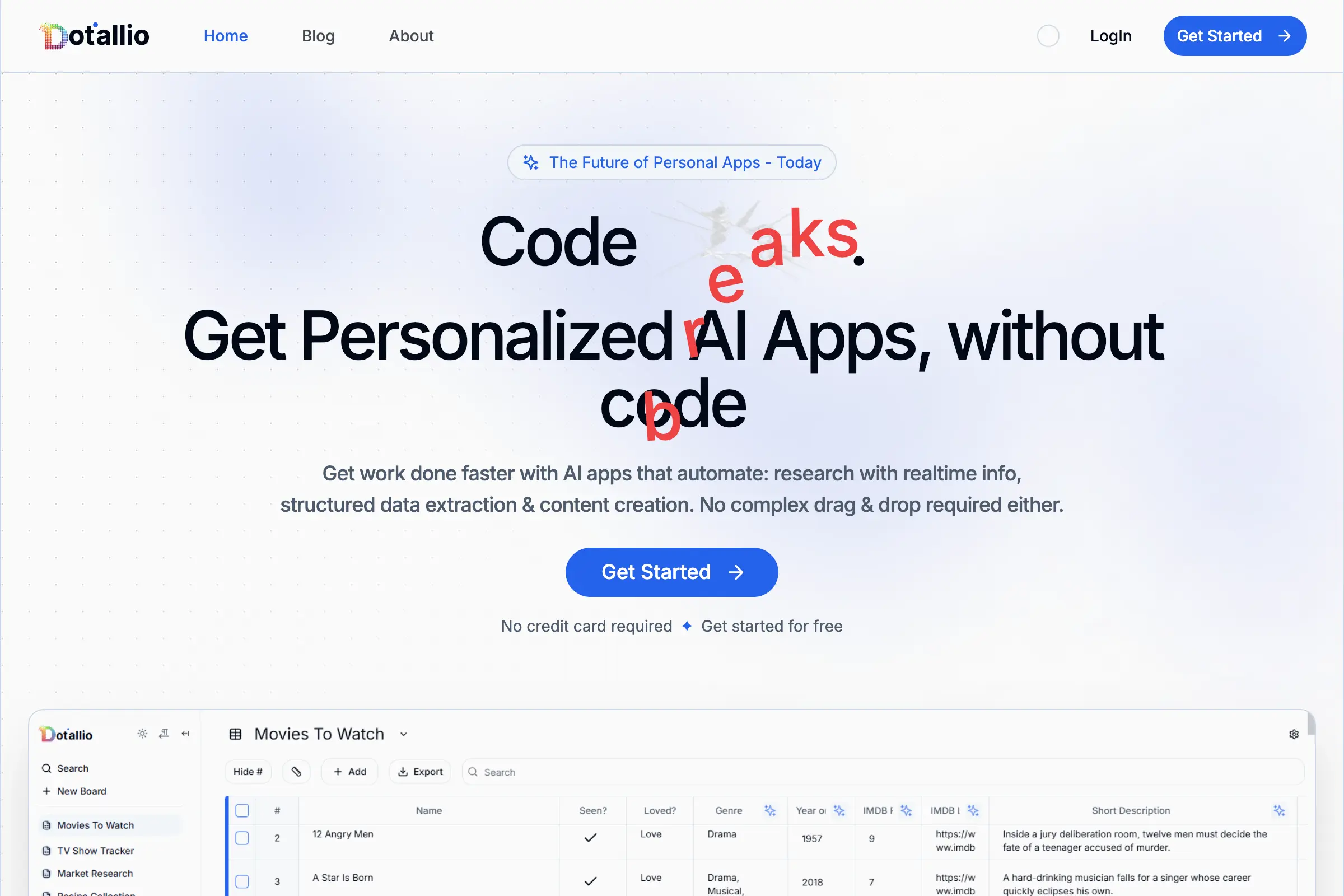
Dotallio
Personalized AI apps that automate research, data extraction, and content creation without code 🤖

Talk to Santa
Enjoy a magical live video chat or receive a unique AI-generated video greeting from Santa Claus 🎅

pozywka.pl
Scalable blog for food journalist, focused on performance and user experience 🌭
zagrodzki.me
Personal blog and portfolio of Bart Zagrodzki, where he shares his knowledge and work 💼
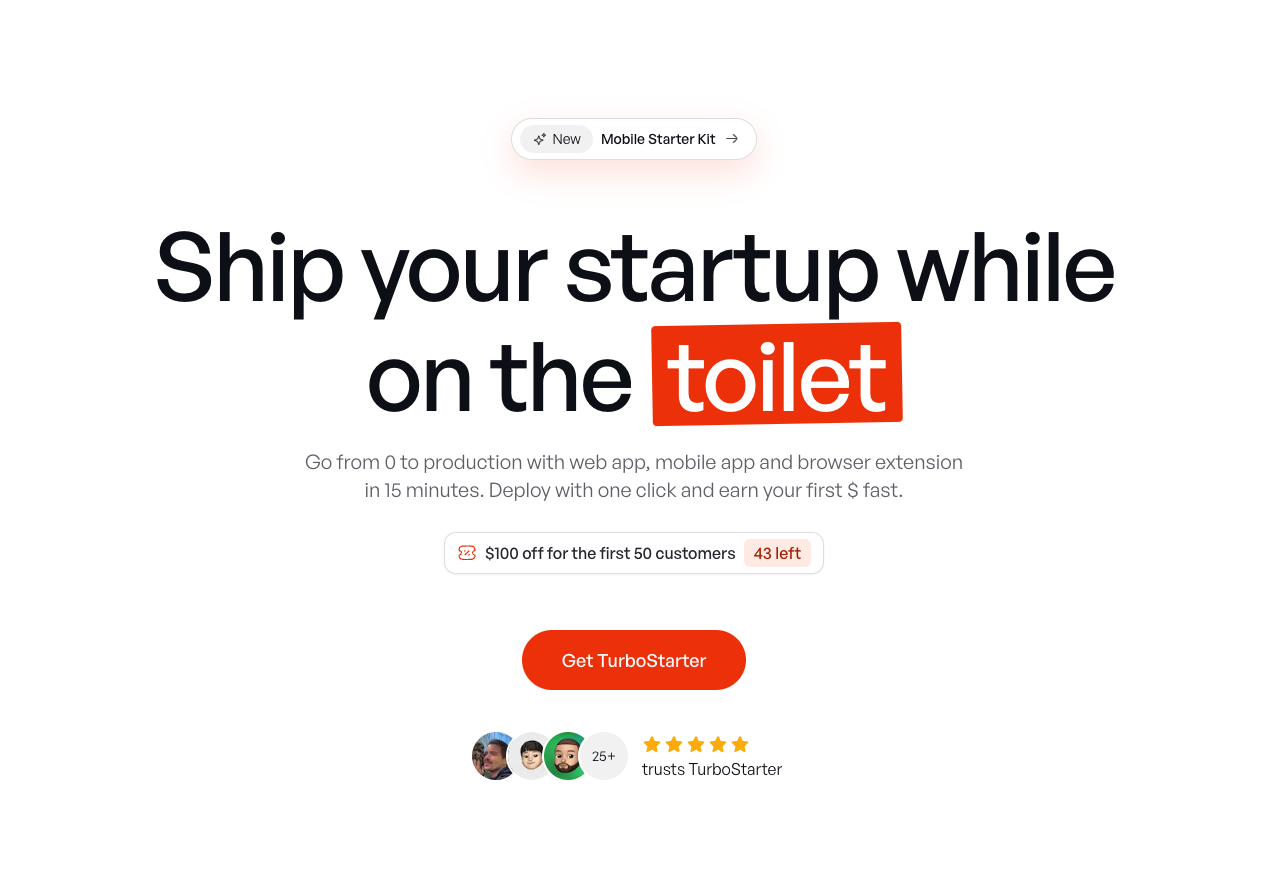
TurboStarter
Ship your startup everywhere. In minutes.
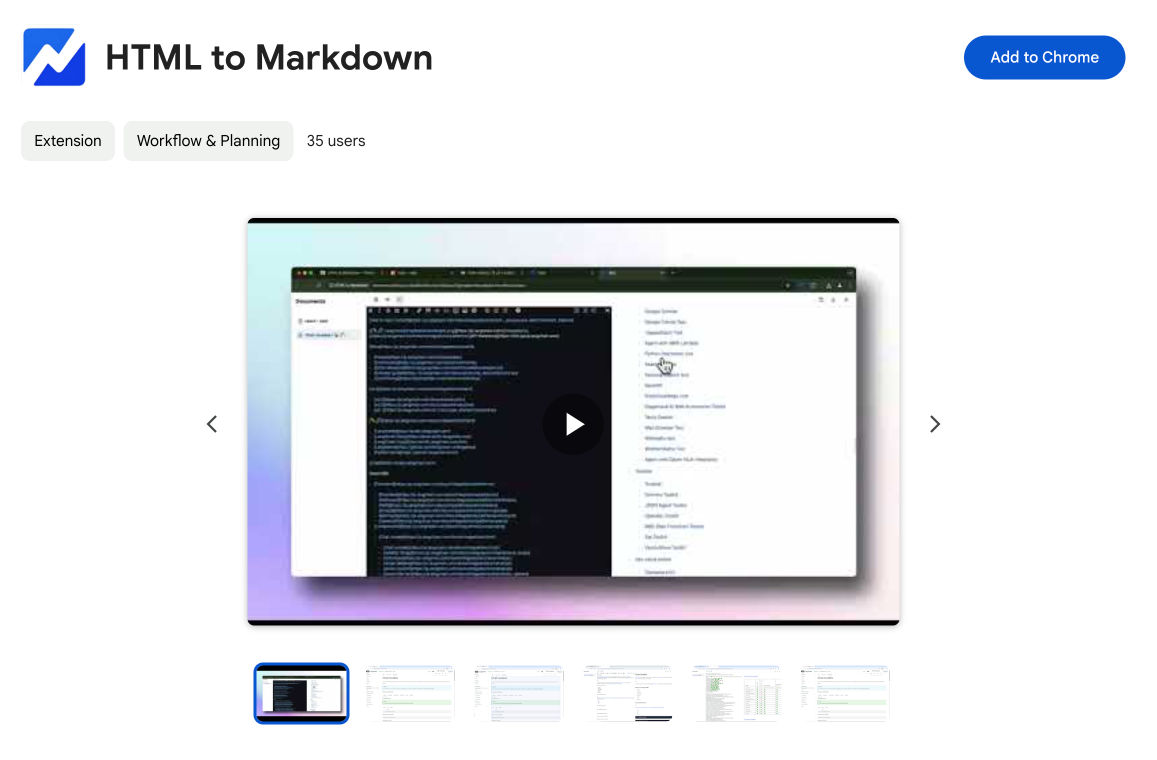
HTML to Markdown
Convert HTML to Markdown with ease, directly in your browser 📄
Dotallio
Personalized AI apps that automate research, data extraction, and content creation without code 🤖
Talk to Santa
Enjoy a magical live video chat or receive a unique AI-generated video greeting from Santa Claus 🎅
pozywka.pl
Scalable blog for food journalist, focused on performance and user experience 🌭
zagrodzki.me
Personal blog and portfolio of Bart Zagrodzki, where he shares his knowledge and work 💼
TurboStarter
Ship your startup everywhere. In minutes.
HTML to Markdown
Convert HTML to Markdown with ease, directly in your browser 📄
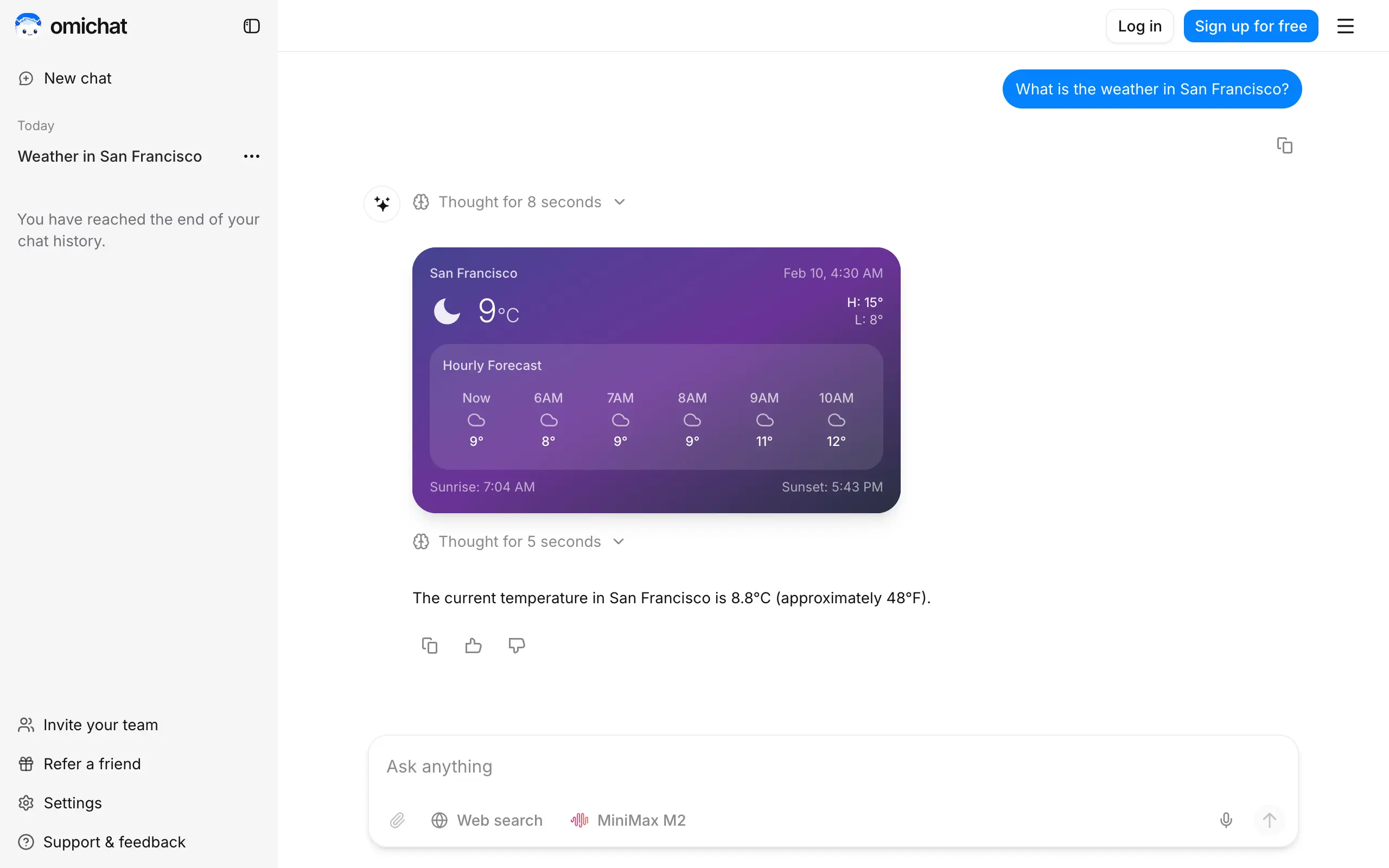
Omichat
Chat with 50+ AI models, including ChatGPT and Claude, in one place - switch models anytime without losing context 🤖
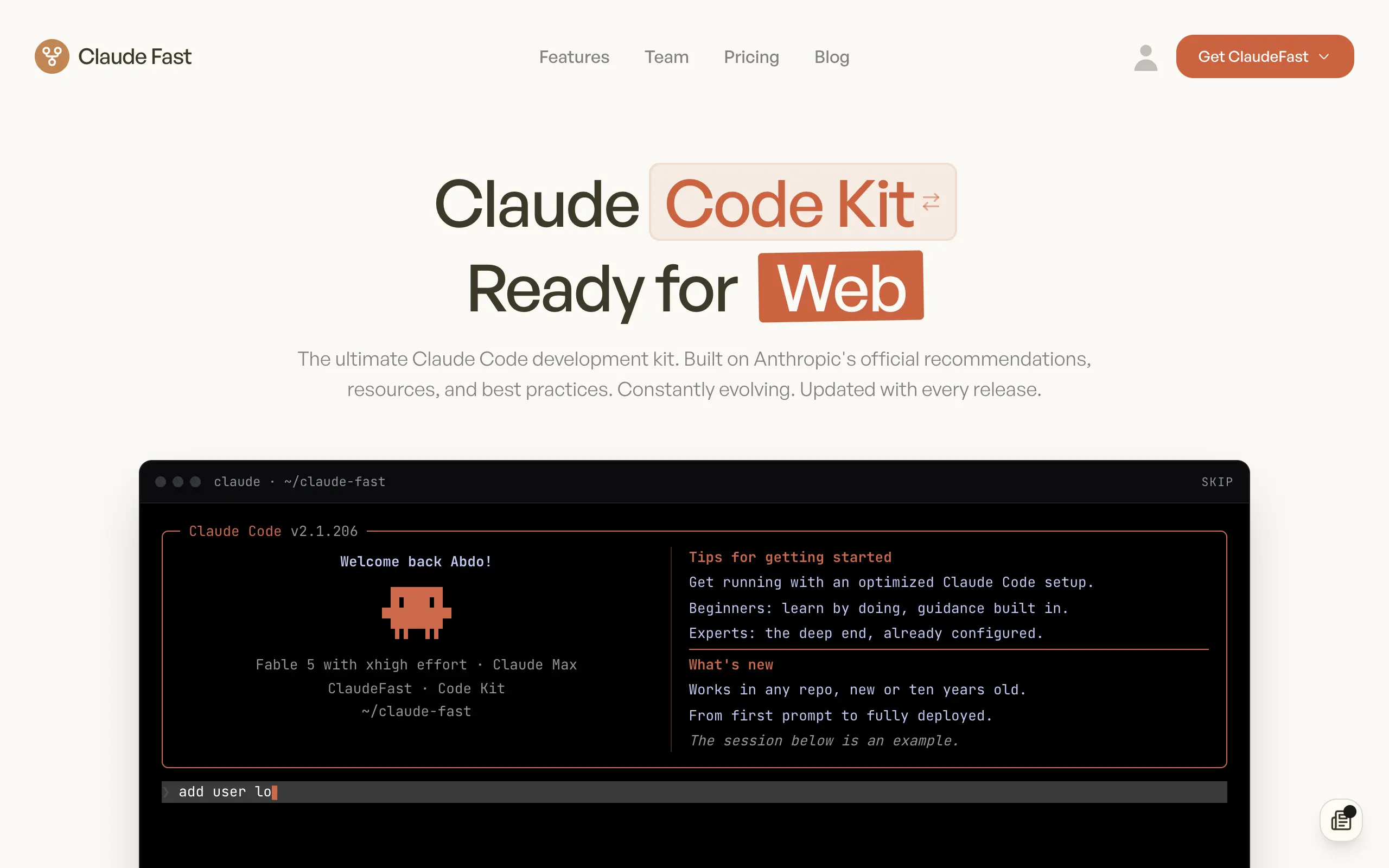
Claude Fast
Supercharge your Claude Code with 6x effective context window and specialized AI agents 🤖

EmojAI
AI-powered emoji picker with smart, context-aware suggestions 🤖

Solohacker
Autonomous company launcher - AI agents work 24/7, escalate what matters, and you stay in control 🤖

BeRawi: Storytelling Coach
Practice storytelling daily with instant feedback to sound clearer, more engaging, and confident 🎤
Omichat
Chat with 50+ AI models, including ChatGPT and Claude, in one place - switch models anytime without losing context 🤖
Claude Fast
Supercharge your Claude Code with 6x effective context window and specialized AI agents 🤖
EmojAI
AI-powered emoji picker with smart, context-aware suggestions 🤖
Solohacker
Autonomous company launcher - AI agents work 24/7, escalate what matters, and you stay in control 🤖
BeRawi: Storytelling Coach
Practice storytelling daily with instant feedback to sound clearer, more engaging, and confident 🎤

Connect with like-minded people
Join our community to get feedback, support, and grow together with 1,000+ builders on board, let's ship it!
Join usShip your startup everywhere. In minutes.
Don't burn tokens on setup and start building features on day one.