DealCanvas
A visual pipeline and proposal builder for service-based businesses that turns inquiries into signed contracts with interactive pricing and real-time negotiation tools.
Why service businesses need a visual pipeline and proposal builder
Service-based businesses live and die by their deal flow.
Unlike product companies with standardized checkout experiences, agencies, consultancies, studios, and freelancers rely on a high-touch sales process. Leads come in through email, referrals, forms, or LinkedIn. Proposals are built in Google Docs or PDFs. Pricing changes mid-conversation. Negotiation happens over scattered threads. Contracts are sent via separate e-sign tools.
This fragmentation creates friction at every step.
DealCanvas is a visual pipeline and proposal builder for service-based businesses that turns inquiries into signed contracts with interactive pricing and real-time negotiation tools. It combines CRM, proposal builder, pricing configurator, and contract workflow into one cohesive experience.
This article explores the market opportunity, core features, target audience, technical architecture, monetization strategy, competitive landscape, and step-by-step implementation plan for building and scaling DealCanvas.
Understanding user intent behind “visual pipeline and proposal builder”
Users searching for a visual pipeline and proposal builder typically want one or more of the following:
- A better way to track leads and deals visually
- A tool to create professional, interactive proposals
- A streamlined process from inquiry to signed contract
- A way to avoid manual PDF back-and-forth pricing
- A competitive alternative to traditional CRM + proposal + e-sign stacks
They are often:
- Agency founders
- Consultants
- Sales leads at service firms
- Freelancers scaling beyond spreadsheets
- RevOps professionals at small B2B firms
Their pain is operational inefficiency, lost deals due to slow turnaround, and difficulty forecasting revenue.
DealCanvas directly addresses this intent by merging:
- Visual deal management
- Dynamic pricing configuration
- Interactive proposals
- Built-in negotiation workflows
- Contract and signature automation
Target audience analysis
Primary segments
1. Digital agencies (5–50 employees)
These include:
- Marketing agencies
- Web development studios
- Branding and design firms
- Performance marketing agencies
Pain points:
- Custom scopes for every client
- Version chaos in proposals
- Pricing revisions through email threads
- Low visibility into pipeline value
- Time wasted formatting proposals
They often use a mix of:
- Notion or Google Docs for proposals
- HubSpot or Pipedrive for CRM
- PandaDoc or DocuSign for contracts
DealCanvas can replace or consolidate these tools.
2. Independent consultants and fractional executives
Solo or small teams offering:
- Strategy consulting
- Fractional CTO/CFO/CMO services
- Operations consulting
- Product advisory
Pain points:
- Slow proposal creation
- Clients asking for pricing breakdowns
- Scope changes mid-negotiation
- Hard-to-track follow-ups
They need:
- Fast proposal turnaround
- Transparent pricing modules
- Clear scope selection
- Built-in e-signing
3. B2B service startups (early-stage SaaS with service components)
Some SaaS companies offer onboarding, implementation, or managed services.
They require:
- Tiered pricing logic
- Add-on configuration
- Deal stage tracking
- Team collaboration
DealCanvas can serve as a pre-CRM layer or lightweight alternative for teams not ready for enterprise CRMs.
Buyer persona
Title: Founder, Head of Sales, or Operations Lead
Company size: 1–50 employees
Revenue: $100K–$5M annually
Decision factors:
- Ease of use
- Time savings
- Professional client experience
- Cost vs. multiple tools
- Integration capabilities
The market opportunity and gap
The current stack is fragmented
Most service businesses use:
- CRM (HubSpot, Pipedrive, Zoho)
- Proposal tool (Better Proposals, PandaDoc)
- E-signature tool (DocuSign)
- Spreadsheet for pricing
- Slack/email for negotiation
This leads to:
- Context switching
- Manual data entry
- Pricing errors
- Version confusion
- Poor forecasting accuracy
There is a clear gap for a unified visual deal operating system for service businesses.
Why existing CRMs fall short
Traditional CRMs are built for:
- Product-based sales
- Standardized pricing
- Linear pipelines
They struggle with:
- Modular pricing logic
- Scope configuration
- Visual deal previews
- Real-time interactive negotiation
DealCanvas differentiates by being:
- Proposal-first
- Pricing-aware
- Visual and interactive
- Built specifically for services
Core features of DealCanvas
To rank and compete in the “visual pipeline and proposal builder” space, the product must offer tightly integrated capabilities.
1. Visual pipeline canvas
Instead of a basic kanban board, DealCanvas offers:
- Drag-and-drop deal cards
- Revenue-weighted pipeline view
- Custom stages (Inquiry → Discovery → Proposal → Negotiation → Contract → Won)
- Visual deal health indicators
Each deal card displays:
- Client name
- Estimated value
- Selected pricing modules
- Probability score
- Last interaction timestamp
2. Interactive proposal builder
The proposal builder is not just a document editor.
It includes:
- Modular sections (scope, timeline, team, pricing)
- Drag-and-drop layout
- Reusable templates
- Branding customization
- Embedded pricing configurator
Instead of static PDFs, clients see:
- Interactive pricing tables
- Optional add-ons
- Real-time recalculated totals
This creates a more engaging buyer experience.
3. Dynamic pricing engine
This is the core differentiator.
Features:
- Predefined service modules
- Optional add-ons
- Conditional pricing rules
- Volume-based logic
- Recurring + one-time pricing support
Example logic:
if (selectedAddOns.includes("Advanced Analytics")) {
  total += 1200;
}

if (teamSize > 10) {
  total *= 1.1; // scaling fee
}
Clients can toggle features and instantly see updated pricing.
This reduces negotiation friction and increases transparency.
4. Real-time negotiation workspace
Instead of endless email threads, DealCanvas includes:
- Comment threads inside proposals
- Inline pricing feedback
- Revision history
- Live version comparison
This keeps all negotiation context within the deal.
5. Built-in contract and e-signature
Once pricing is finalized:
- Proposal converts to contract
- Terms auto-inserted
- E-signature enabled
- Status updated in pipeline
No need to export to third-party tools.
6. Revenue forecasting dashboard
DealCanvas aggregates:
- Weighted pipeline value
- Win-rate analytics
- Average deal cycle
- Revenue projections
This turns it into a lightweight RevOps tool for service businesses.
How DealCanvas stands out (competitive advantage)
Let’s compare:
| Feature | Traditional CRM | Proposal Tool | E-sign Tool | DealCanvas |
|---|---|---|---|---|
| Visual pipeline | ✅ | ❌ | ❌ | ✅ |
| Interactive pricing | ❌ | ⚠️ Limited | ❌ | ✅ |
| Negotiation workspace | ❌ | ❌ | ❌ | ✅ |
| End-to-end flow | ❌ | ❌ | ❌ | ✅ |
Unique selling proposition (USP)
DealCanvas is the first visual deal operating system built specifically for service-based businesses, combining pipeline, proposal, pricing, negotiation, and contract into one unified experience.
Recommended tech stack for building DealCanvas
A scalable and modern SaaS stack ensures fast iteration and growth.
Frontend
- React – dynamic UI
- Next.js – server-side rendering and routing
- Tailwind CSS – rapid UI styling
- Drag-and-drop library for visual pipeline
Trade-offs:
- Next.js adds complexity but improves SEO and performance.
- Tailwind speeds development but requires design discipline.
Backend
Options:
- Node.js with a framework like NestJS
- PostgreSQL for relational pricing logic
- Prisma ORM for type-safe database queries
Key needs:
- Complex pricing rules engine
- Versioned proposals
- Secure document storage
- Audit logs for negotiation changes
Real-time features
For live negotiation and updates:
- WebSockets (via Socket.IO)
- Or a real-time backend like Supabase
Trade-off:
- WebSockets require infrastructure scaling considerations.
- Managed real-time services reduce DevOps load.
Document and e-signature layer
Two options:
- Build native signature capture
- Integrate an existing API provider
For MVP, integration reduces compliance risk.
Infrastructure
- Vercel or similar for frontend hosting
- Managed database provider
- Cloud storage for assets
Security considerations:
- Role-based access control
- Data encryption
- GDPR compliance
Monetization strategy
DealCanvas can adopt a tiered SaaS pricing model.
Option 1: Subscription tiers
Starter
For freelancers and solo consultants. Limited deals, basic templates.
Growth
For agencies. Unlimited deals, pricing engine, negotiation tools.
Scale
For teams. Advanced analytics, team roles, integrations.
Option 2: Usage-based component
Charge based on:
- Number of active deals
- Signed contracts volume
- Proposal views
Hybrid pricing aligns with revenue generation.
Option 3: Add-on marketplace
Future opportunity:
- Industry-specific templates
- Legal clause libraries
- Integration add-ons
Potential risks and mitigation
Risk 1: Feature creep
Because DealCanvas spans CRM + proposals + contracts, scope can explode.
Mitigation:
Start with proposal + pricing core. Add pipeline after.
Risk 2: Competing with established CRMs
CRMs have large ecosystems.
Mitigation:
Position as:
- A specialized layer
- Or a CRM alternative for small teams
Focus on niche: service-based SMBs.
Risk 3: Legal compliance in contracts
Signature compliance varies by region.
Mitigation:
Use established e-sign APIs initially.
SEO strategy for DealCanvas
To rank for keywords like:
- visual pipeline software
- proposal builder for agencies
- interactive pricing tool
- service business CRM alternative
Content strategy should include:
- Comparison pages (e.g., “DealCanvas vs HubSpot for agencies”)
- Use-case pages (for consultants, agencies, freelancers)
- Educational blog content on improving close rates
- Case studies
Focus on:
- Long-tail keywords
- Problem-aware queries
- High-intent decision queries
Step-by-step implementation roadmap
MVP feature prioritization
- Proposal builder
- Modular pricing engine
- Basic pipeline view
- E-sign integration
- Client sharing link
- Advanced forecasting
- Integration marketplace
- AI scope suggestions
- Automated follow-ups
Go-to-market strategy
1. Niche down first
Start with:
- Web agencies
- Marketing agencies
They:
- Have repeatable pricing structures
- High deal volume
- Clear pain points
2. Community-led growth
Engage in:
- Indie hacker communities
- Agency Slack groups
- LinkedIn thought leadership
Share:
- Proposal templates
- Pricing frameworks
- Case studies
3. Content marketing
Target articles like:
- “How to build a winning agency proposal”
- “Interactive pricing vs static PDF proposals”
- “Best CRM for service-based businesses”
DealCanvas becomes both product and education platform.
Future expansion opportunities
Once core adoption is achieved:
- AI-generated proposals based on call transcripts
- Deal risk prediction scoring
- Integration with accounting software
- Embedded payment collection
This turns DealCanvas into:
The operating system for service revenue.
Why now is the right time
Trends supporting DealCanvas:
- Growth of remote service businesses
- Rise of solopreneurs and fractional roles
- Increased demand for transparent pricing
- Shift from static documents to interactive web experiences
Modern buyers expect:
- Transparency
- Speed
- Interactivity
DealCanvas aligns perfectly with this shift.
Final thoughts: building a category-defining SaaS
DealCanvas is not just another CRM.
It’s not just a proposal builder.
It’s not just an e-sign tool.
It’s a unified visual pipeline and proposal builder designed specifically for service-based businesses.
By focusing deeply on:
- Pricing logic
- Visual deal flow
- Negotiation experience
- End-to-end conversion
It can carve out a strong niche and grow into a category leader.
Actionable next steps to build DealCanvas
- Conduct founder interviews immediately.
- Design interactive pricing prototypes in Figma.
- Build MVP using a scalable SaaS starter like TurboStarter to accelerate development.
- Launch private beta with 5–10 agencies.
- Collect testimonials and case studies.
- Iterate aggressively on UX and pricing logic.
If executed with clarity and focus, DealCanvas has the potential to redefine how service businesses close deals — turning messy inquiries into structured, interactive, and signed contracts with confidence.
More 🏢 B2B Application SaaS ideas
Discover more innovative b2b application SaaS ideas that are trending in 2026. Each idea is AI-generated with market validation and growth potential to help you find your next profitable venture faster than competitors.
Your competitors are building with TurboStarter
Below are some of the SaaS ideas that have been generated and built with our starter kit.
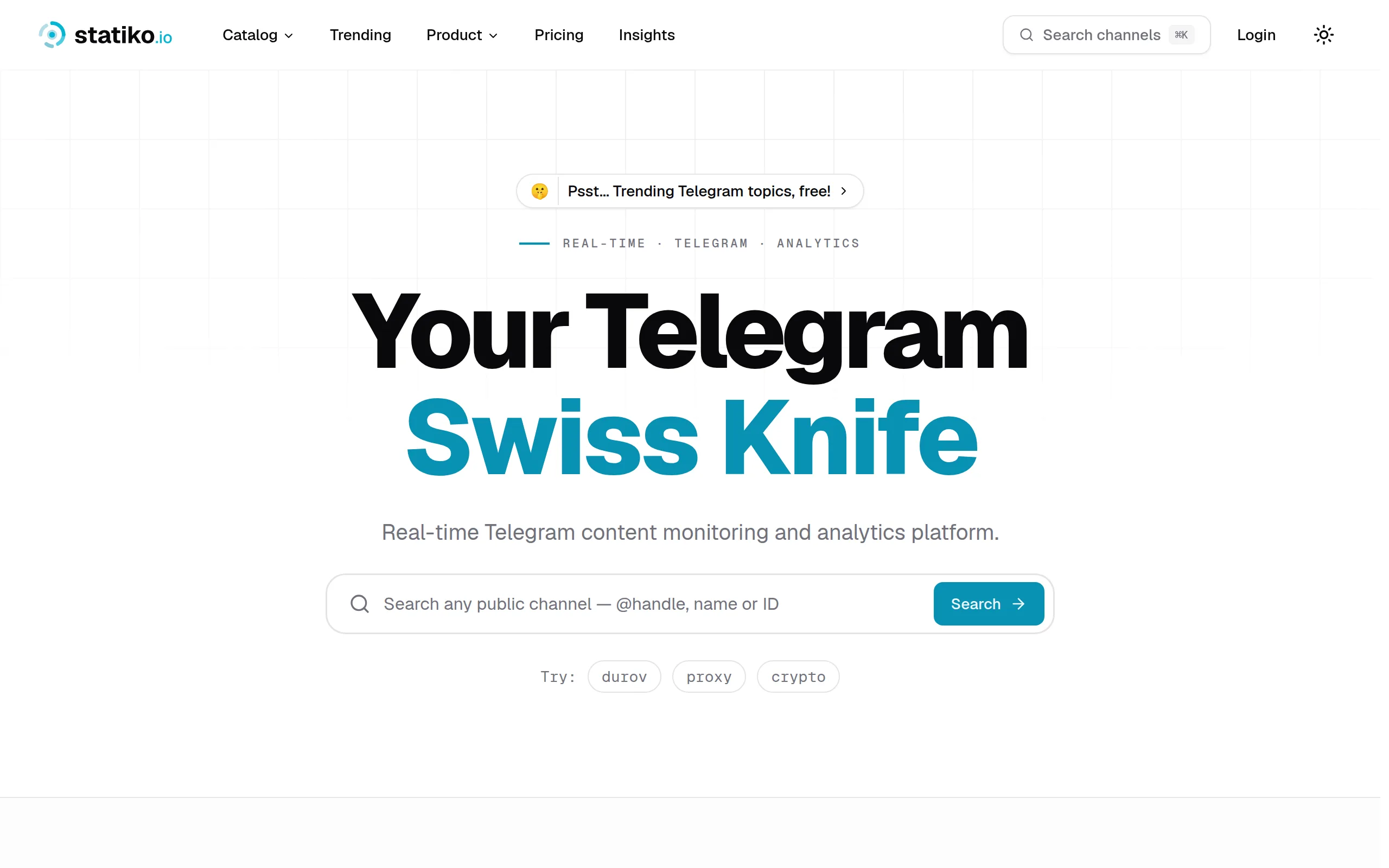
Statiko
Monitor any Telegram channel in real time - track posts, edits, deletions, and growth with AI recaps 📡
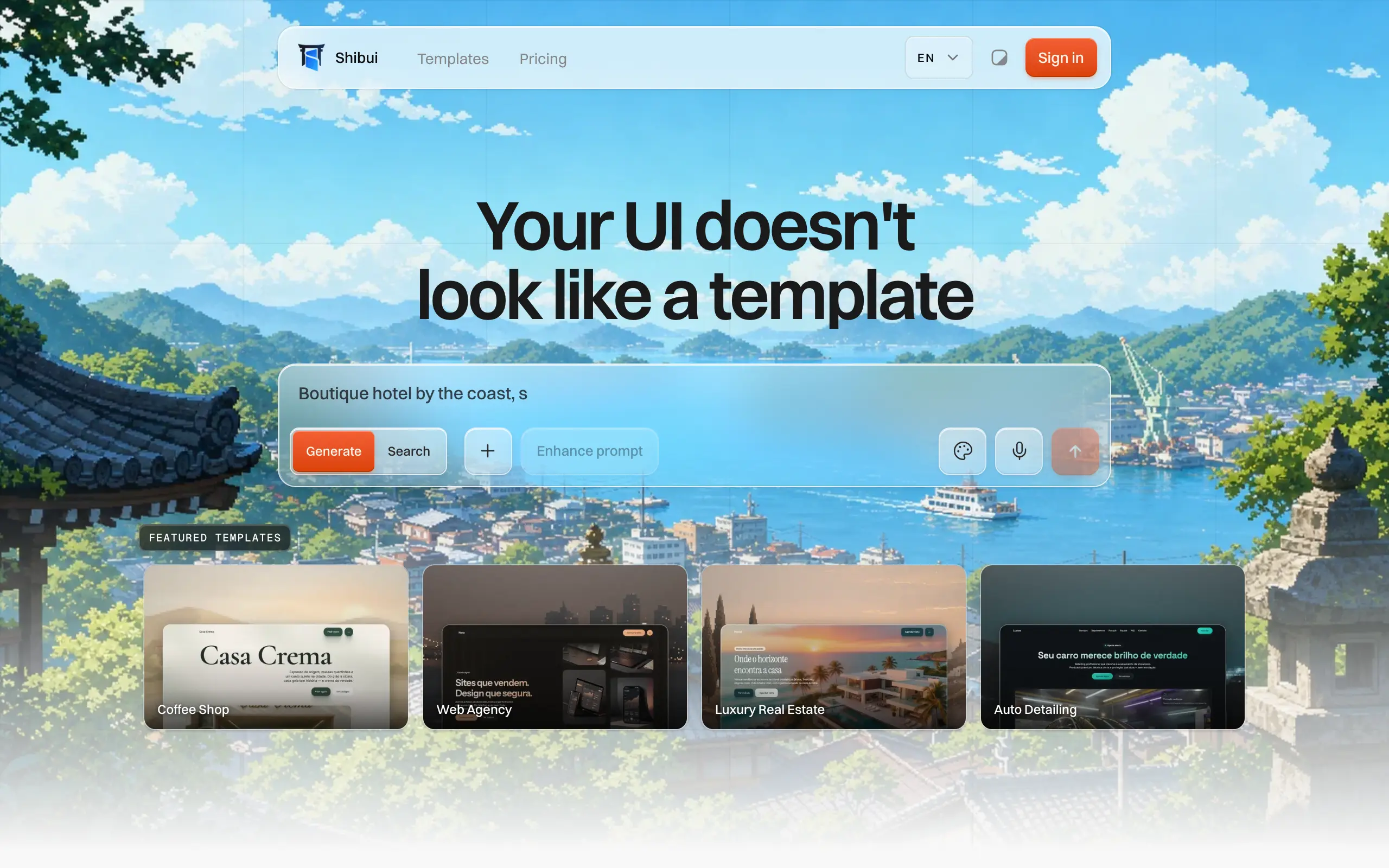
Shibui
AI website builder - describe your business, pick a niche template, edit by chatting, and publish instantly ✨

Pro Service
Find verified home service professionals, compare quotes, and pay securely through escrow - built for Brazilians across the US 🏠
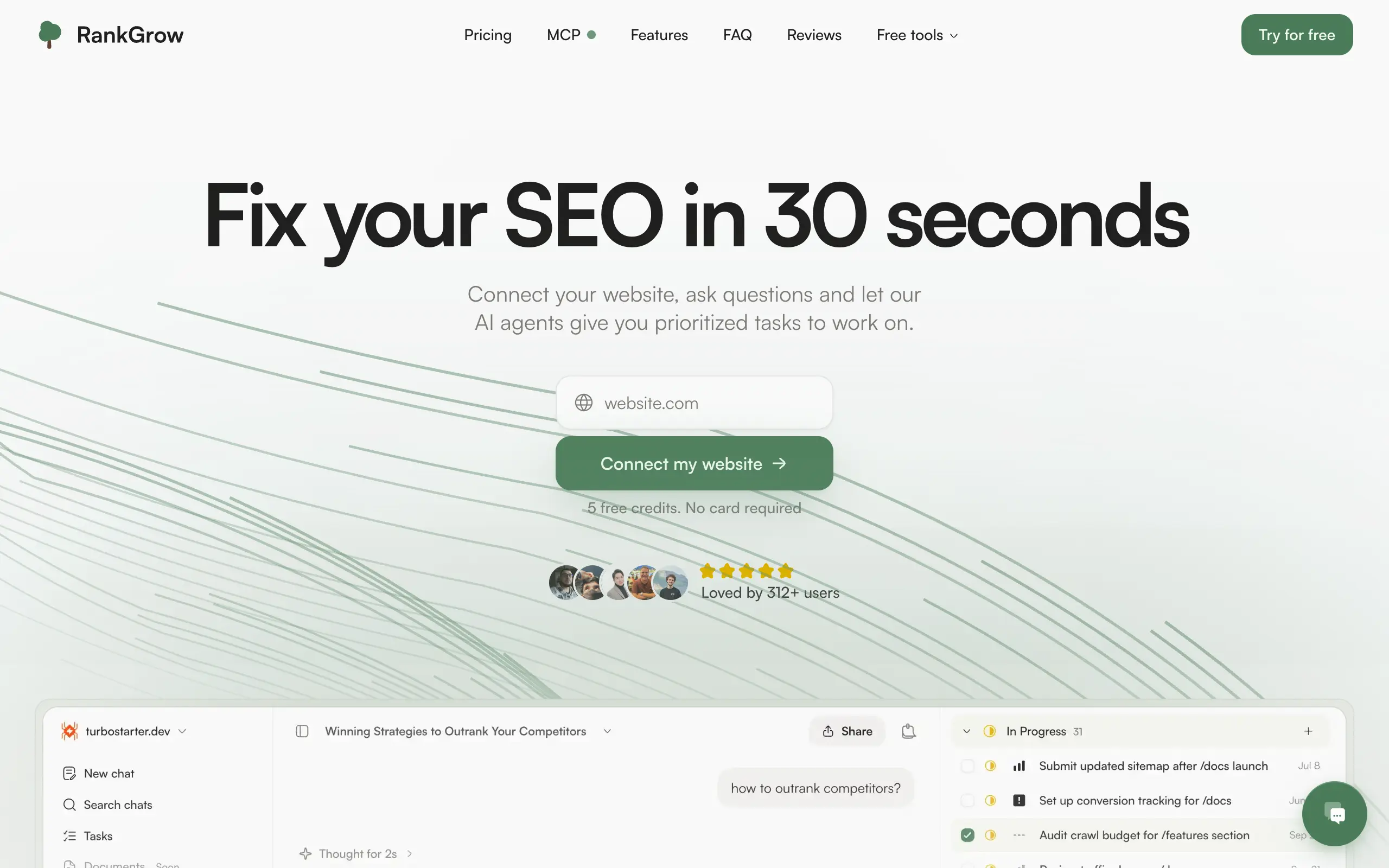
RankGrow
Fix your SEO with AI agents - connect Search Console, get prioritized tasks, and grow organic traffic 📈
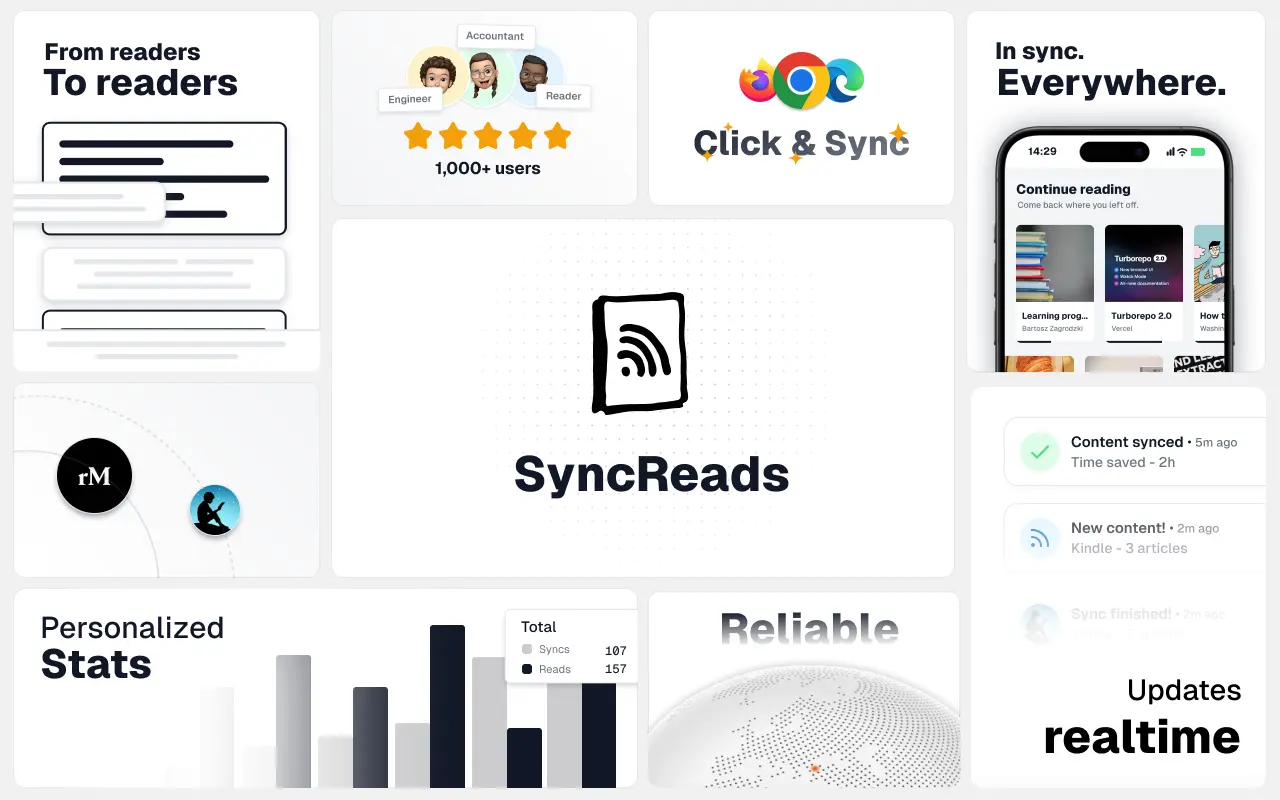
SyncReads
Sync your favorite content for distraction-free reading, save time and replace multiple apps. Anytime, anywhere 🔄
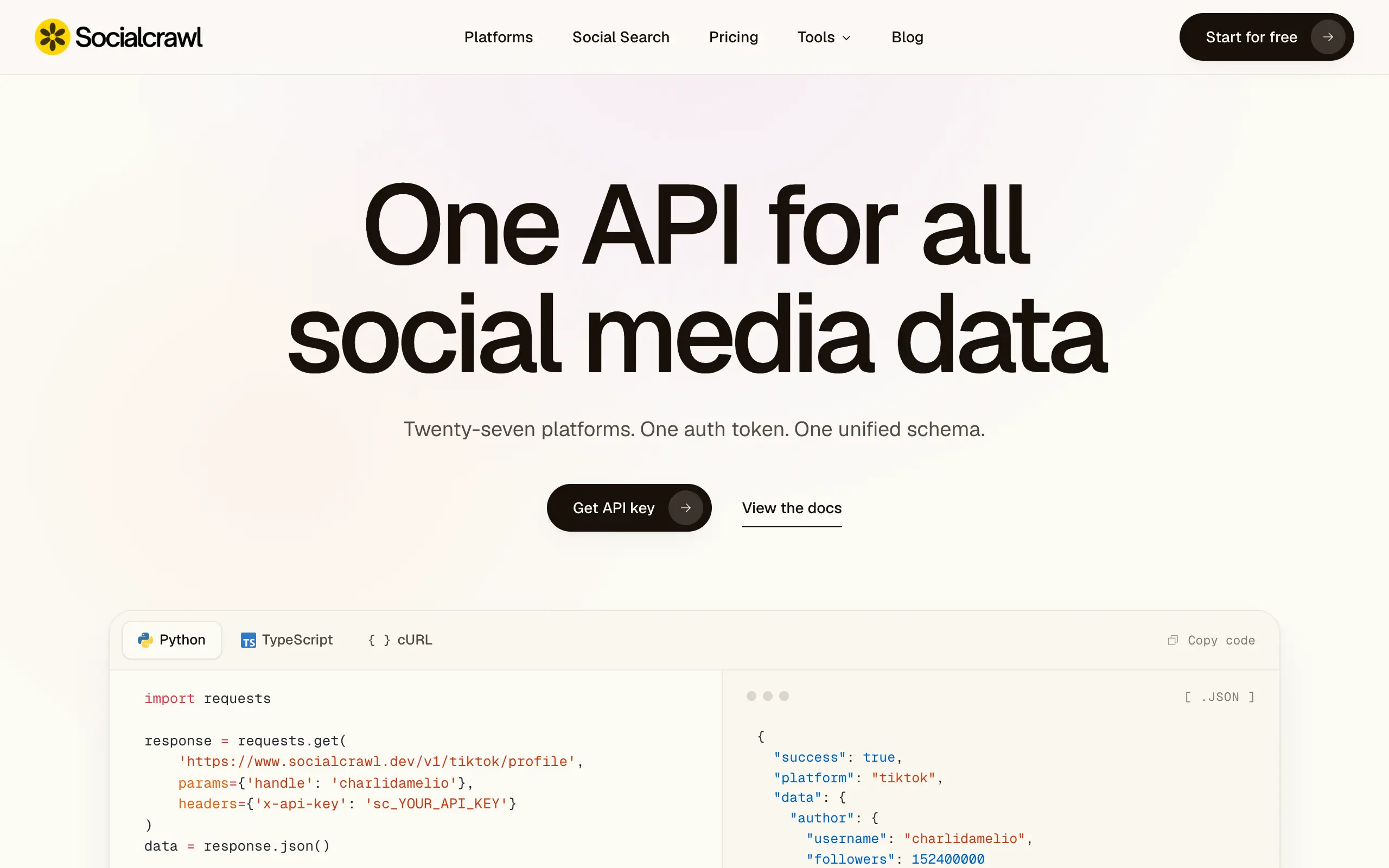
Socialcrawl
Get clean, structured data from 21 platforms like TikTok, Instagram, and YouTube with a single request 📊
Statiko
Monitor any Telegram channel in real time - track posts, edits, deletions, and growth with AI recaps 📡
Shibui
AI website builder - describe your business, pick a niche template, edit by chatting, and publish instantly ✨
Pro Service
Find verified home service professionals, compare quotes, and pay securely through escrow - built for Brazilians across the US 🏠
RankGrow
Fix your SEO with AI agents - connect Search Console, get prioritized tasks, and grow organic traffic 📈
SyncReads
Sync your favorite content for distraction-free reading, save time and replace multiple apps. Anytime, anywhere 🔄
Socialcrawl
Get clean, structured data from 21 platforms like TikTok, Instagram, and YouTube with a single request 📊
Statiko
Monitor any Telegram channel in real time - track posts, edits, deletions, and growth with AI recaps 📡
Shibui
AI website builder - describe your business, pick a niche template, edit by chatting, and publish instantly ✨
Pro Service
Find verified home service professionals, compare quotes, and pay securely through escrow - built for Brazilians across the US 🏠
RankGrow
Fix your SEO with AI agents - connect Search Console, get prioritized tasks, and grow organic traffic 📈
SyncReads
Sync your favorite content for distraction-free reading, save time and replace multiple apps. Anytime, anywhere 🔄
Socialcrawl
Get clean, structured data from 21 platforms like TikTok, Instagram, and YouTube with a single request 📊
Statiko
Monitor any Telegram channel in real time - track posts, edits, deletions, and growth with AI recaps 📡
Shibui
AI website builder - describe your business, pick a niche template, edit by chatting, and publish instantly ✨
Pro Service
Find verified home service professionals, compare quotes, and pay securely through escrow - built for Brazilians across the US 🏠
RankGrow
Fix your SEO with AI agents - connect Search Console, get prioritized tasks, and grow organic traffic 📈
SyncReads
Sync your favorite content for distraction-free reading, save time and replace multiple apps. Anytime, anywhere 🔄
Socialcrawl
Get clean, structured data from 21 platforms like TikTok, Instagram, and YouTube with a single request 📊
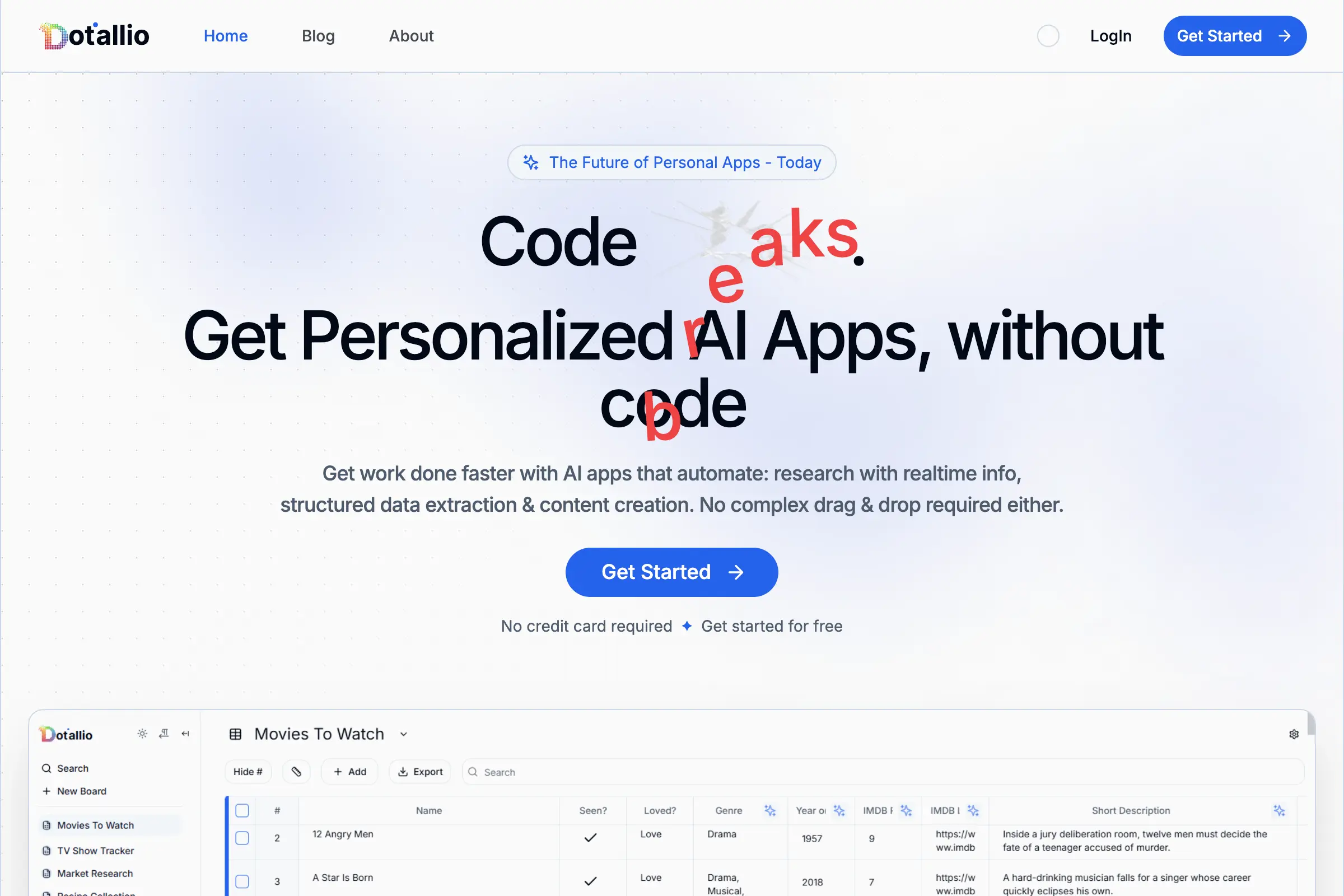
Dotallio
Personalized AI apps that automate research, data extraction, and content creation without code 🤖

Talk to Santa
Enjoy a magical live video chat or receive a unique AI-generated video greeting from Santa Claus 🎅
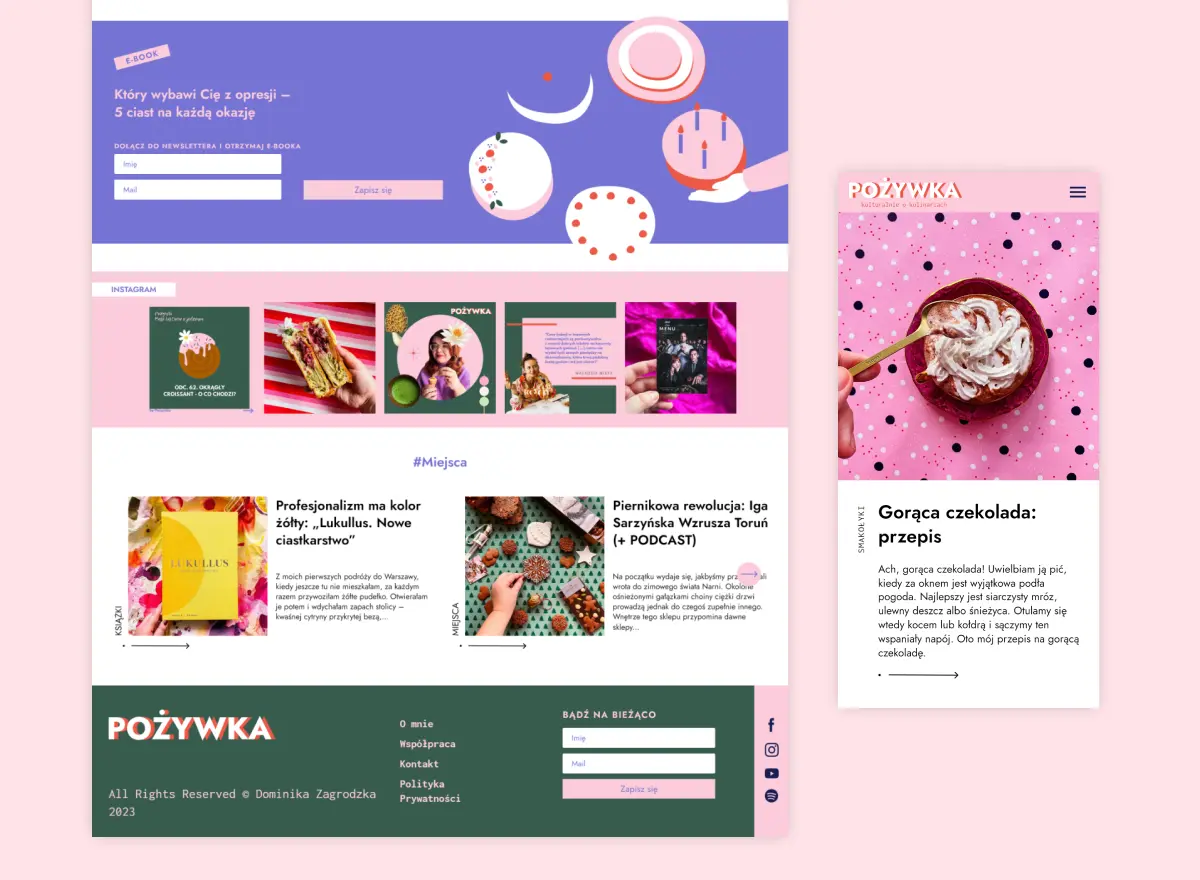
pozywka.pl
Scalable blog for food journalist, focused on performance and user experience 🌭
zagrodzki.me
Personal blog and portfolio of Bart Zagrodzki, where he shares his knowledge and work 💼
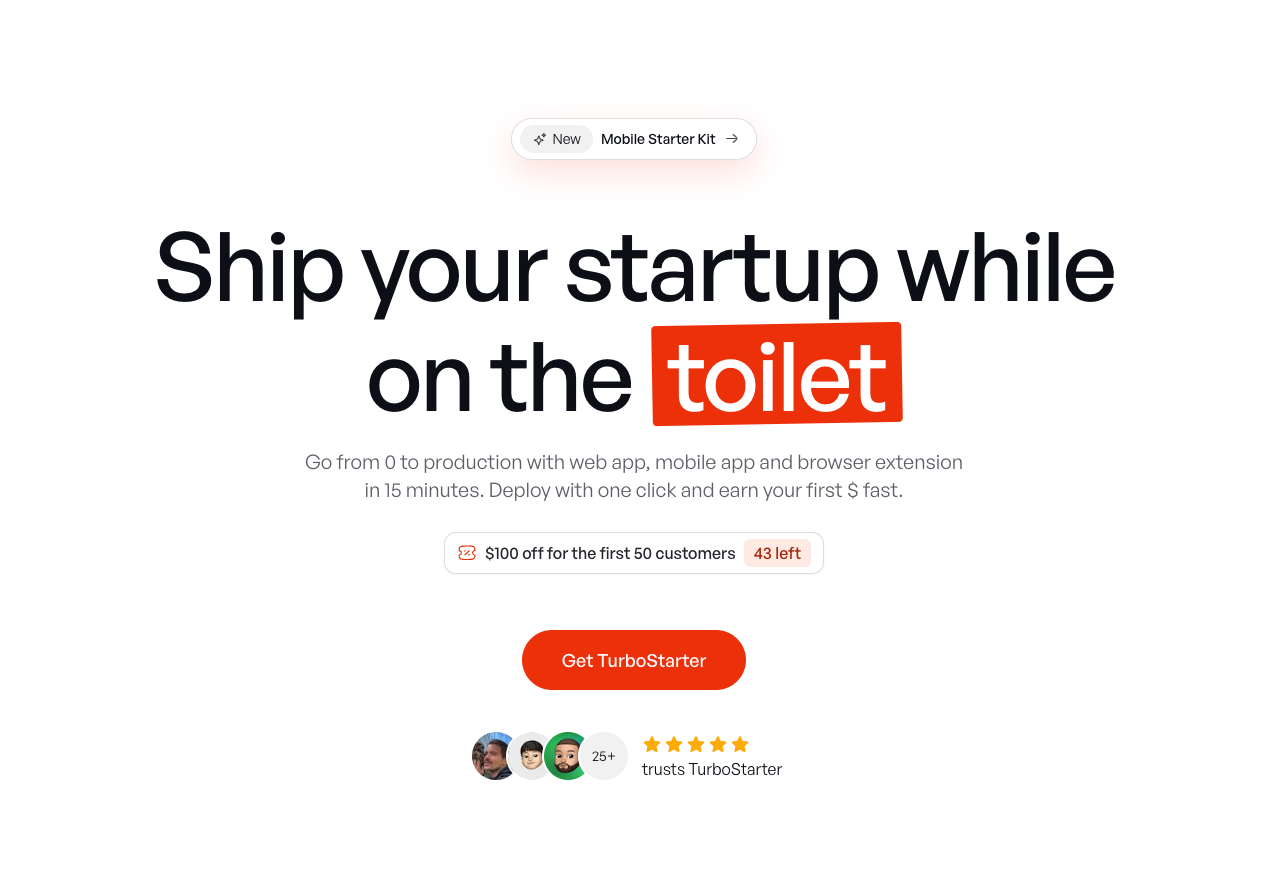
TurboStarter
Ship your startup everywhere. In minutes.
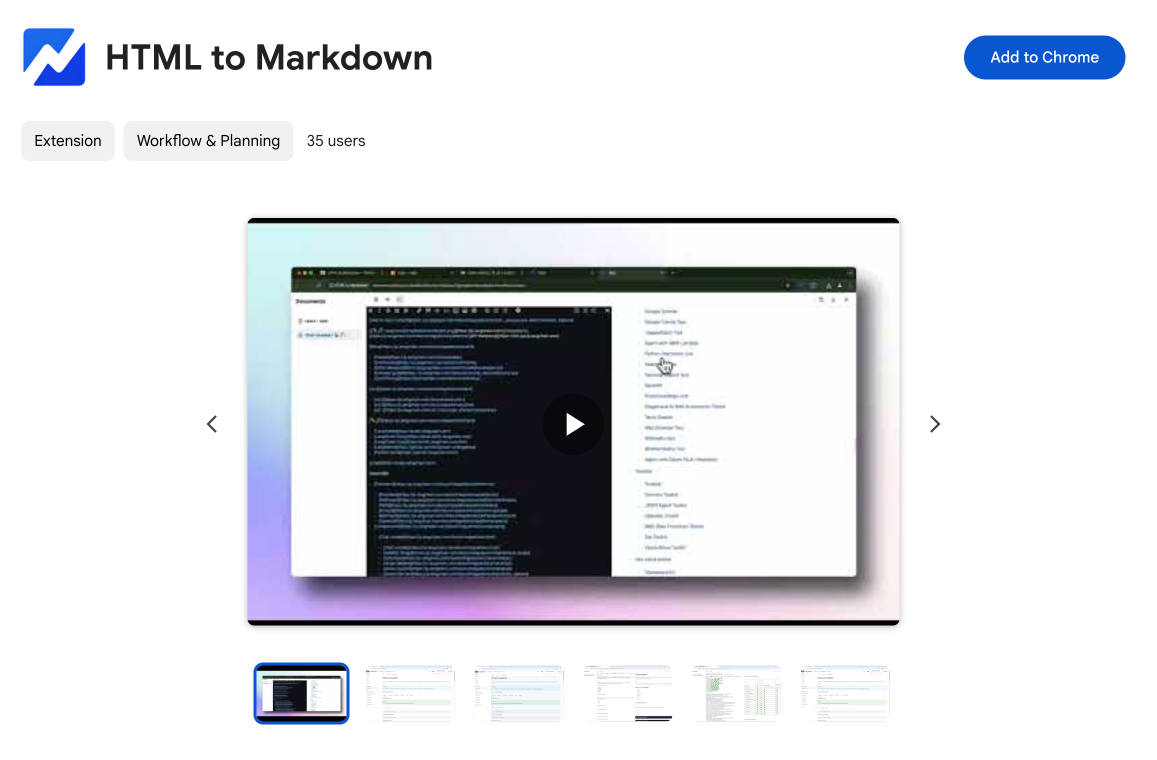
HTML to Markdown
Convert HTML to Markdown with ease, directly in your browser 📄
Dotallio
Personalized AI apps that automate research, data extraction, and content creation without code 🤖
Talk to Santa
Enjoy a magical live video chat or receive a unique AI-generated video greeting from Santa Claus 🎅
pozywka.pl
Scalable blog for food journalist, focused on performance and user experience 🌭
zagrodzki.me
Personal blog and portfolio of Bart Zagrodzki, where he shares his knowledge and work 💼
TurboStarter
Ship your startup everywhere. In minutes.
HTML to Markdown
Convert HTML to Markdown with ease, directly in your browser 📄
Dotallio
Personalized AI apps that automate research, data extraction, and content creation without code 🤖
Talk to Santa
Enjoy a magical live video chat or receive a unique AI-generated video greeting from Santa Claus 🎅
pozywka.pl
Scalable blog for food journalist, focused on performance and user experience 🌭
zagrodzki.me
Personal blog and portfolio of Bart Zagrodzki, where he shares his knowledge and work 💼
TurboStarter
Ship your startup everywhere. In minutes.
HTML to Markdown
Convert HTML to Markdown with ease, directly in your browser 📄
Dotallio
Personalized AI apps that automate research, data extraction, and content creation without code 🤖
Talk to Santa
Enjoy a magical live video chat or receive a unique AI-generated video greeting from Santa Claus 🎅
pozywka.pl
Scalable blog for food journalist, focused on performance and user experience 🌭
zagrodzki.me
Personal blog and portfolio of Bart Zagrodzki, where he shares his knowledge and work 💼
TurboStarter
Ship your startup everywhere. In minutes.
HTML to Markdown
Convert HTML to Markdown with ease, directly in your browser 📄
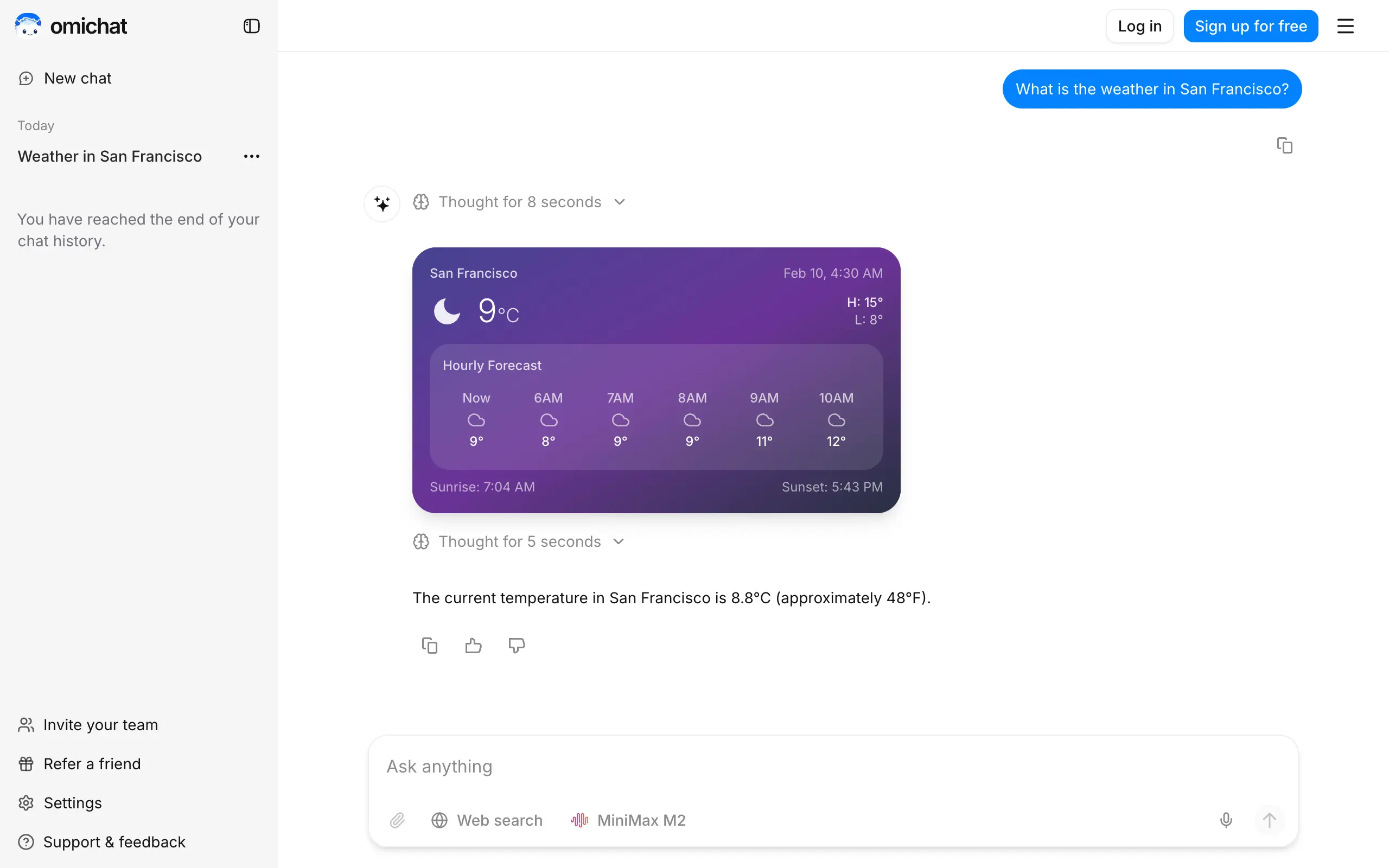
Omichat
Chat with 50+ AI models, including ChatGPT and Claude, in one place - switch models anytime without losing context 🤖
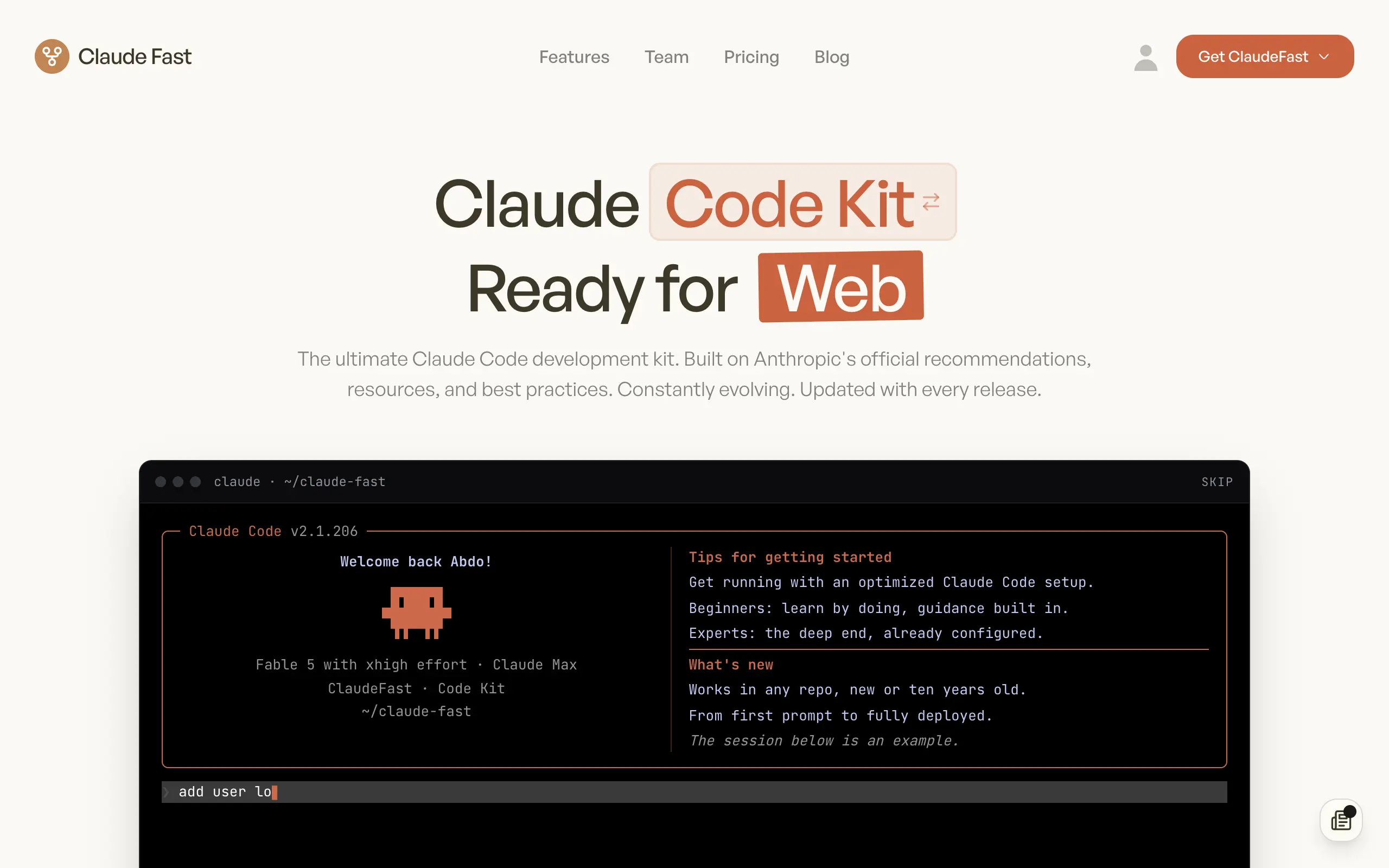
Claude Fast
Supercharge your Claude Code with 6x effective context window and specialized AI agents 🤖
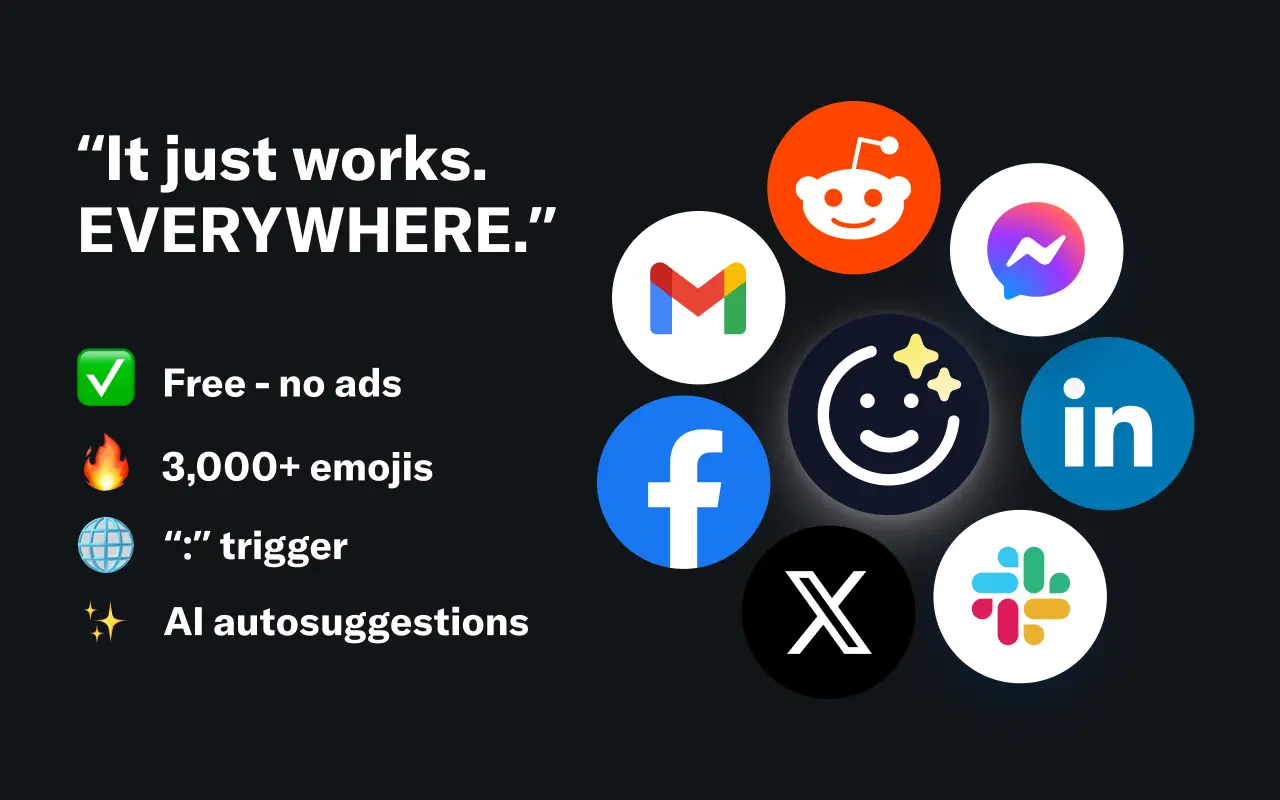
EmojAI
AI-powered emoji picker with smart, context-aware suggestions 🤖
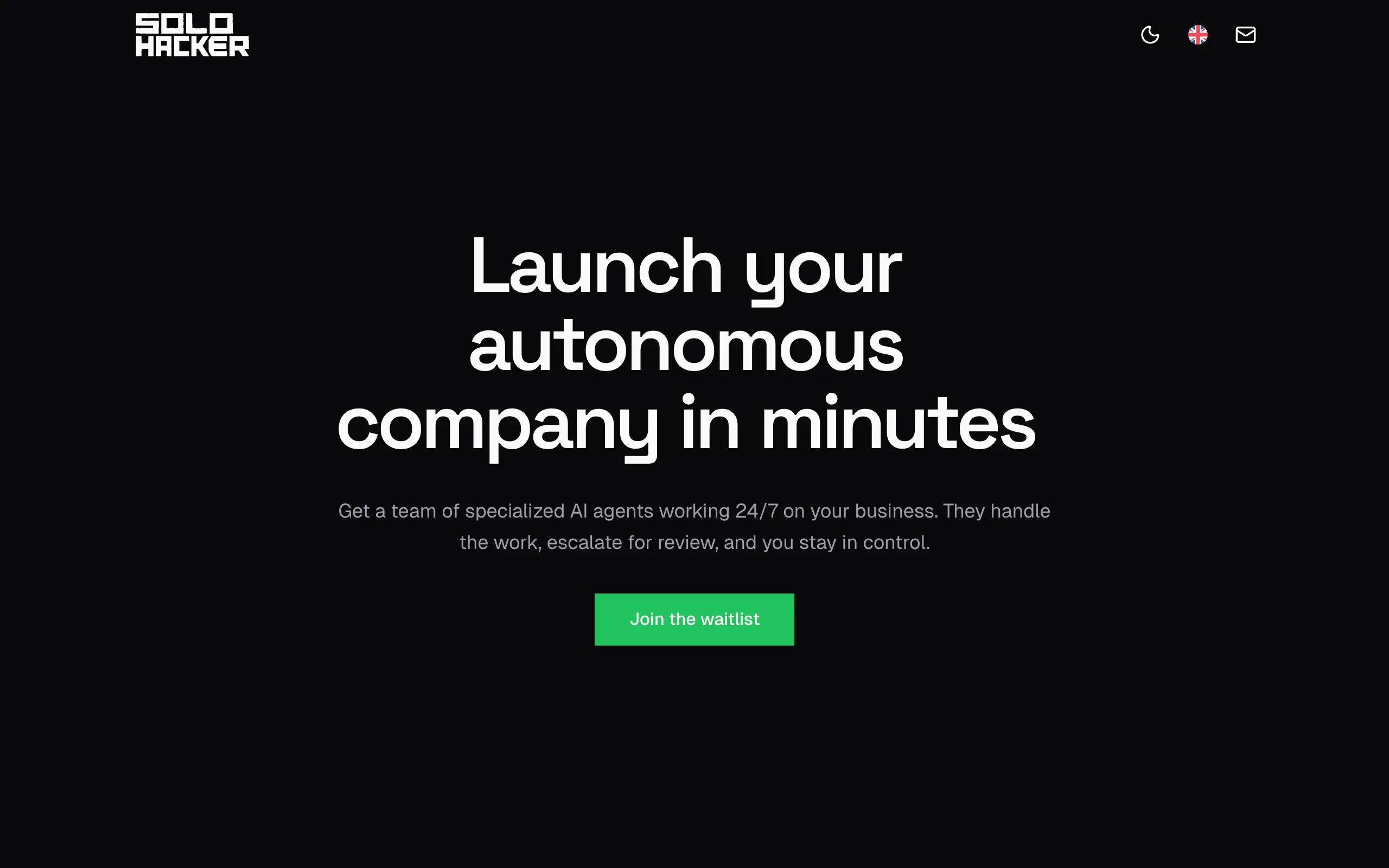
Solohacker
Autonomous company launcher - AI agents work 24/7, escalate what matters, and you stay in control 🤖
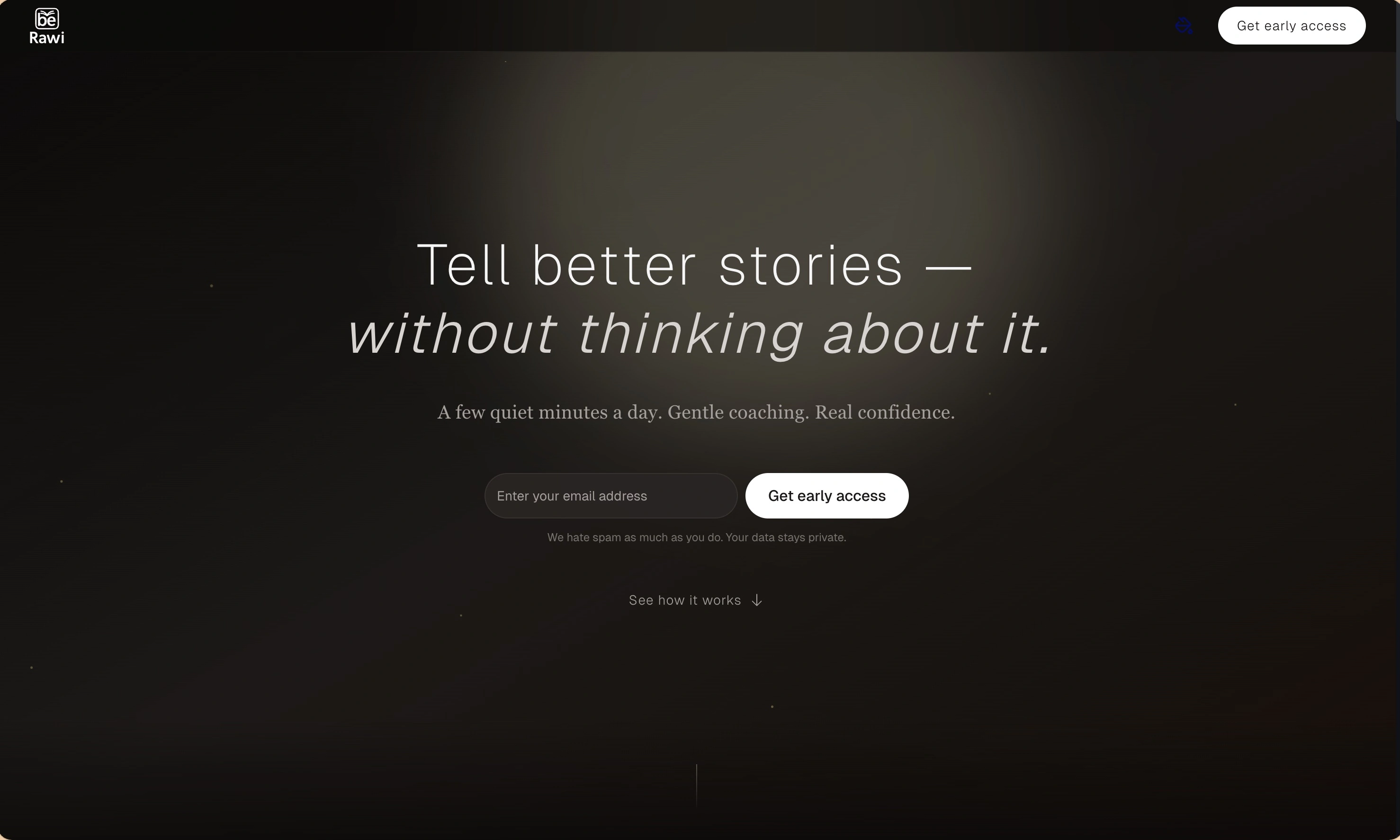
BeRawi: Storytelling Coach
Practice storytelling daily with instant feedback to sound clearer, more engaging, and confident 🎤
Omichat
Chat with 50+ AI models, including ChatGPT and Claude, in one place - switch models anytime without losing context 🤖
Claude Fast
Supercharge your Claude Code with 6x effective context window and specialized AI agents 🤖
EmojAI
AI-powered emoji picker with smart, context-aware suggestions 🤖
Solohacker
Autonomous company launcher - AI agents work 24/7, escalate what matters, and you stay in control 🤖
BeRawi: Storytelling Coach
Practice storytelling daily with instant feedback to sound clearer, more engaging, and confident 🎤
Omichat
Chat with 50+ AI models, including ChatGPT and Claude, in one place - switch models anytime without losing context 🤖
Claude Fast
Supercharge your Claude Code with 6x effective context window and specialized AI agents 🤖
EmojAI
AI-powered emoji picker with smart, context-aware suggestions 🤖
Solohacker
Autonomous company launcher - AI agents work 24/7, escalate what matters, and you stay in control 🤖
BeRawi: Storytelling Coach
Practice storytelling daily with instant feedback to sound clearer, more engaging, and confident 🎤
Omichat
Chat with 50+ AI models, including ChatGPT and Claude, in one place - switch models anytime without losing context 🤖
Claude Fast
Supercharge your Claude Code with 6x effective context window and specialized AI agents 🤖
EmojAI
AI-powered emoji picker with smart, context-aware suggestions 🤖
Solohacker
Autonomous company launcher - AI agents work 24/7, escalate what matters, and you stay in control 🤖
BeRawi: Storytelling Coach
Practice storytelling daily with instant feedback to sound clearer, more engaging, and confident 🎤

Connect with like-minded people
Join our community to get feedback, support, and grow together with 1,000+ builders on board, let's ship it!
Join usShip your startup everywhere. In minutes.
Don't burn tokens on setup and start building features on day one.