DealLinker
Connects startups and enterprises for partnerships, pilots, and acquisitions with data-backed matchmaking and streamlined deal workflows.
what is a startup–enterprise matchmaking platform and why it matters now
In today’s hyper-competitive innovation landscape, startups move fast but often lack distribution, capital, and enterprise access. Enterprises, on the other hand, have resources and scale but struggle with agility and innovation pipelines. This disconnect creates a massive opportunity for platforms like DealLinker—a data-driven SaaS solution designed to connect startups and enterprises for partnerships, pilots, and acquisitions.
The rise of corporate innovation programs, venture client models, and open innovation ecosystems has made startup–enterprise matchmaking a critical function. Yet, most processes remain fragmented, manual, and relationship-driven. DealLinker introduces structured workflows, intelligent matchmaking, and scalable deal management—turning what was once networking chaos into a repeatable system.
This article explores the full strategic, technical, and market breakdown of building and scaling a platform like DealLinker.
understanding the target audience
startups: searching for growth, distribution, and validation
Startups using DealLinker are typically:
- Early-stage (Seed to Series B)
- Operating in SaaS, AI, fintech, climate tech, or deep tech
- Looking for:
- Enterprise pilots
- Strategic partnerships
- Acquisition opportunities
- Revenue validation
Their pain points include:
- Difficulty accessing decision-makers in enterprises
- Long enterprise sales cycles
- Lack of credibility or case studies
- Fragmented deal tracking processes
enterprises: seeking innovation without risk
Enterprise users typically include:
- Innovation teams
- Corporate venture arms
- Procurement departments
- Strategy and M&A teams
Their challenges:
- Sourcing relevant startups efficiently
- Evaluating startups at scale
- Managing pilot programs
- Tracking deal pipelines across departments
intermediaries and ecosystem players
There’s also a third user group:
- Accelerators and incubators
- Venture capital firms
- Innovation consultants
They benefit from DealLinker by:
- Showcasing portfolio startups
- Facilitating enterprise connections
- Monitoring deal outcomes
market opportunity and gap analysis
the size of the opportunity
The global corporate innovation market is growing rapidly, driven by digital transformation and AI adoption. Enterprises are actively seeking external innovation sources, with many allocating budgets for:
- Startup scouting
- Pilot programs
- Strategic investments
- Acquisitions
According to industry reports (suggest referencing sources like McKinsey or CB Insights), over 70% of large enterprises now engage in startup collaborations.
existing solutions and their limitations
Current alternatives include:
- LinkedIn networking
- Startup databases (Crunchbase, PitchBook)
- Innovation platforms (Plug and Play, InnoCentive)
- Manual deal tracking via spreadsheets
However, these tools lack:
- End-to-end deal workflows
- Intelligent matchmaking
- Real-time collaboration tools
- Outcome tracking and analytics
the gap DealLinker fills
DealLinker differentiates itself by combining:
- AI-driven matchmaking
- Structured deal workflows
- Cross-organization collaboration
- Outcome-based analytics
This positions it not just as a marketplace—but as a deal infrastructure layer for startup–enterprise interactions.
core features of DealLinker
1. intelligent matchmaking engine
At the heart of DealLinker is a recommendation system that matches startups with enterprises based on:
- Industry alignment
- Technology stack
- Business needs
- Past deal outcomes
- Growth stage
This can be powered by machine learning models that continuously improve with user behavior.
2. unified deal pipeline management
DealLinker provides a centralized dashboard to manage:
- Leads
- Active discussions
- Pilot programs
- Contracts
- Acquisition stages
This replaces fragmented tools like email, spreadsheets, and CRMs.
3. pilot program orchestration
Enterprises can:
- Define pilot requirements
- Invite startups
- Track KPIs
- Evaluate outcomes
Startups can:
- Submit proposals
- Monitor pilot progress
- Access feedback
4. secure collaboration workspace
Each deal includes a shared workspace for:
- Document exchange
- Messaging
- Timeline tracking
- Stakeholder alignment
5. data-driven insights and reporting
DealLinker aggregates data to provide insights like:
- Conversion rates
- Time-to-deal metrics
- Industry trends
- Startup performance benchmarks
6. acquisition readiness and M&A workflows
For later-stage deals, DealLinker supports:
- Due diligence tracking
- Valuation benchmarks
- Legal documentation workflows
feature comparison with traditional approaches
| Capability | Manual Networking | Startup Databases | Innovation Platforms | DealLinker |
|---|---|---|---|---|
| Matchmaking accuracy | ❌ | ❌ | ✅ | ✅ |
| Deal workflow management | ❌ | ❌ | ❌ | ✅ |
| Real-time collaboration | ❌ | ❌ | ✅ | ✅ |
| Data-driven insights | ❌ | ✅ | ✅ | ✅ |
recommended tech stack and architecture
Building a scalable SaaS platform like DealLinker requires careful selection of technologies.
frontend
- React for dynamic UI
- Next.js for SSR and SEO optimization
- TailwindCSS for rapid UI development
backend
- Node.js with NestJS or Express
- GraphQL or REST APIs
- Microservices for scalability
database
- PostgreSQL for relational data
- Elasticsearch for search and matchmaking queries
- Redis for caching and real-time updates
AI and data layer
- Python-based ML services
- Recommendation systems using embeddings
- Data pipelines for analytics
infrastructure
- AWS or GCP for cloud hosting
- Kubernetes for orchestration
- CI/CD pipelines for deployment automation
authentication and security
- OAuth and SSO for enterprise users
- Role-based access control
- End-to-end encryption for sensitive deal data
Pro tip
Use a modular architecture early. As DealLinker grows, enterprise clients will demand custom workflows and integrations—modularity prevents costly rewrites.
monetization strategies
subscription tiers
- Startup plan: freemium or low-cost access
- Enterprise plan: premium features, integrations, analytics
- Partner plan: for VCs and accelerators
transaction-based pricing
Charge fees for:
- Successful deals
- Pilot program completions
- Acquisition facilitation
premium matchmaking
Offer enhanced visibility or priority matching for:
- Featured startups
- Enterprise innovation programs
data and insights
Sell anonymized market insights:
- Industry trends
- Benchmark reports
- Deal analytics
competitive advantage and unique selling proposition
DealLinker stands out due to:
1. end-to-end deal lifecycle management
Most competitors focus only on discovery. DealLinker manages the entire journey—from matchmaking to execution.
2. data network effects
As more deals occur:
- Matchmaking improves
- Insights become richer
- Switching costs increase
3. dual-sided value creation
Unlike single-sided platforms, DealLinker creates value for both startups and enterprises simultaneously.
4. workflow standardization
By standardizing deal processes, DealLinker reduces friction and accelerates outcomes.
For startups
Access enterprise deals faster with less friction and higher success rates.
For enterprises
Source, evaluate, and execute startup collaborations at scale.
potential risks and mitigation strategies
cold start problem
Marketplace platforms struggle initially.
Mitigation:
- Focus on a niche industry first (e.g., AI startups)
- Partner with accelerators
- Offer incentives for early adopters
trust and data sensitivity
Deals involve confidential information.
Mitigation:
- Strong security infrastructure
- Transparent policies
- Enterprise-grade compliance (SOC 2, GDPR)
long sales cycles
Enterprise deals can take months.
Mitigation:
- Provide quick-win pilot templates
- Offer ROI tracking tools
- Build strong onboarding support
competition from incumbents
Existing platforms may expand features.
Mitigation:
- Move faster
- Focus on UX and workflow depth
- Build strong data advantages
implementation roadmap
MVP feature breakdown
- Profile creation
- Deal discovery feed
- Application system
- Basic messaging
- Deal status tracking
- Startup search and filtering
- Pilot creation tools
- Evaluation dashboards
- Internal collaboration tools
- Reporting metrics
go-to-market strategy
phase 1: niche domination
Start with one vertical:
- AI startups
- Climate tech
- Fintech
This allows:
- Strong positioning
- Better matchmaking accuracy
- Faster network effects
phase 2: ecosystem partnerships
Collaborate with:
- Accelerators
- VC firms
- Corporate innovation labs
phase 3: content and SEO
Publish:
- Industry reports
- Case studies
- Deal success stories
Target keywords like:
- "startup enterprise partnerships platform"
- "corporate innovation software"
- "startup pilot programs"
phase 4: outbound sales
- Target enterprise innovation leaders
- Offer demos and pilot programs
- Highlight ROI and efficiency gains
future trends shaping DealLinker
AI-driven dealmaking
Advanced AI will:
- Predict successful partnerships
- Automate due diligence
- Recommend deal structures
decentralized innovation ecosystems
Platforms like DealLinker will become central hubs for:
- Global collaboration
- Cross-border deals
- Open innovation networks
integration with enterprise systems
Expect integrations with:
- CRM systems
- Procurement tools
- ERP platforms
actionable next steps for building DealLinker
If you're serious about launching this SaaS:
- Validate with 15–20 user interviews
- Build a lean MVP focusing on matchmaking + workflows
- Use a scalable starter kit like TurboStarter to accelerate development
- Launch quickly and iterate based on real deals
- Focus on generating early success stories
final thoughts
DealLinker taps into a powerful and growing need: structured, scalable collaboration between startups and enterprises. By focusing on data-driven matchmaking and end-to-end deal workflows, it transforms fragmented processes into a unified platform.
The opportunity is not just in building another marketplace—but in becoming the operating system for innovation deals.
With the right execution, strong network effects, and continuous product evolution, DealLinker has the potential to define a new category in B2B SaaS.
More 🏢 B2B Application SaaS ideas
Discover more innovative b2b application SaaS ideas that are trending in 2026. Each idea is AI-generated with market validation and growth potential to help you find your next profitable venture faster than competitors.
Your competitors are building with TurboStarter
Below are some of the SaaS ideas that have been generated and built with our starter kit.
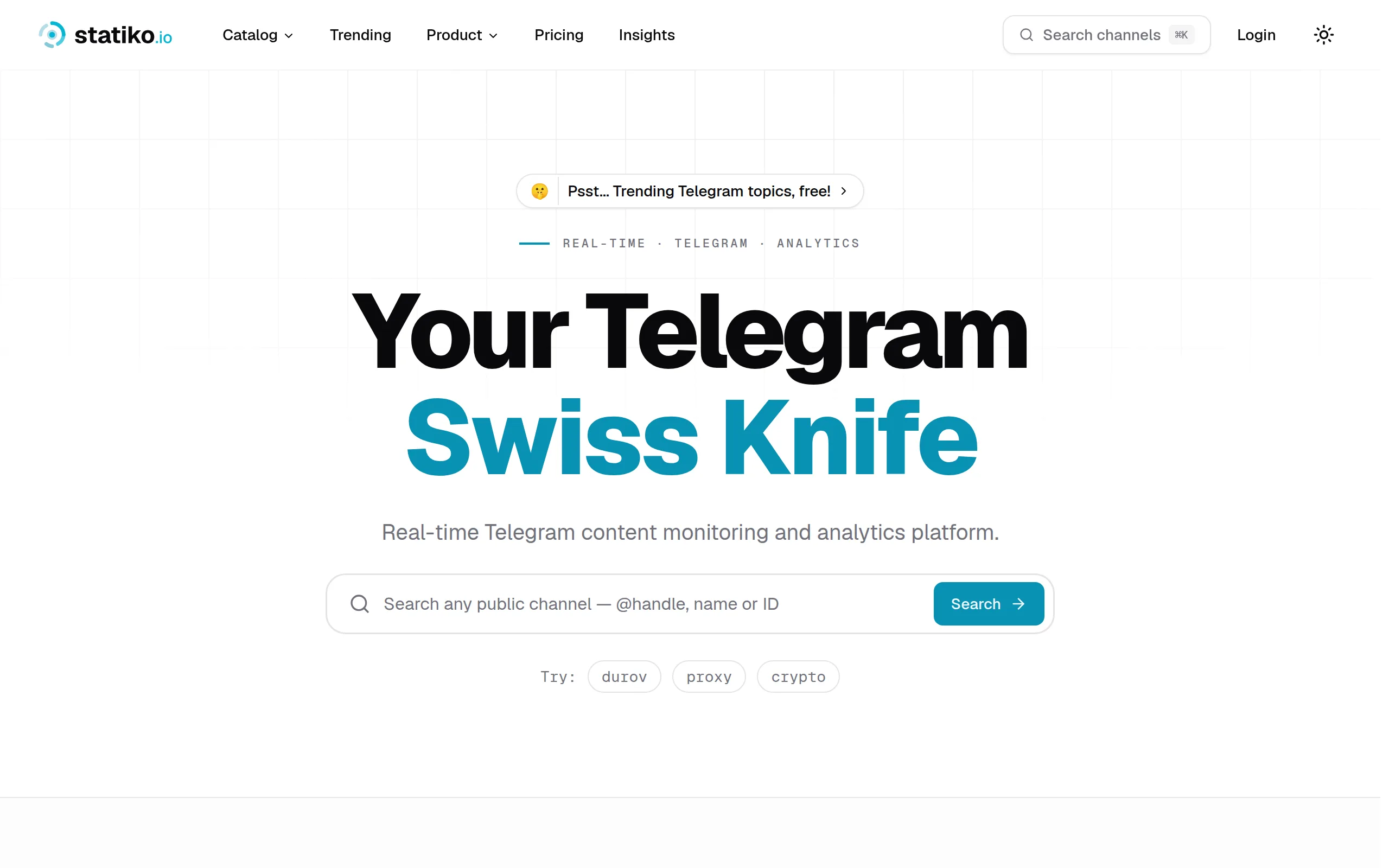
Statiko
Monitor any Telegram channel in real time - track posts, edits, deletions, and growth with AI recaps 📡

Shibui
AI website builder - describe your business, pick a niche template, edit by chatting, and publish instantly ✨

Pro Service
Find verified home service professionals, compare quotes, and pay securely through escrow - built for Brazilians across the US 🏠
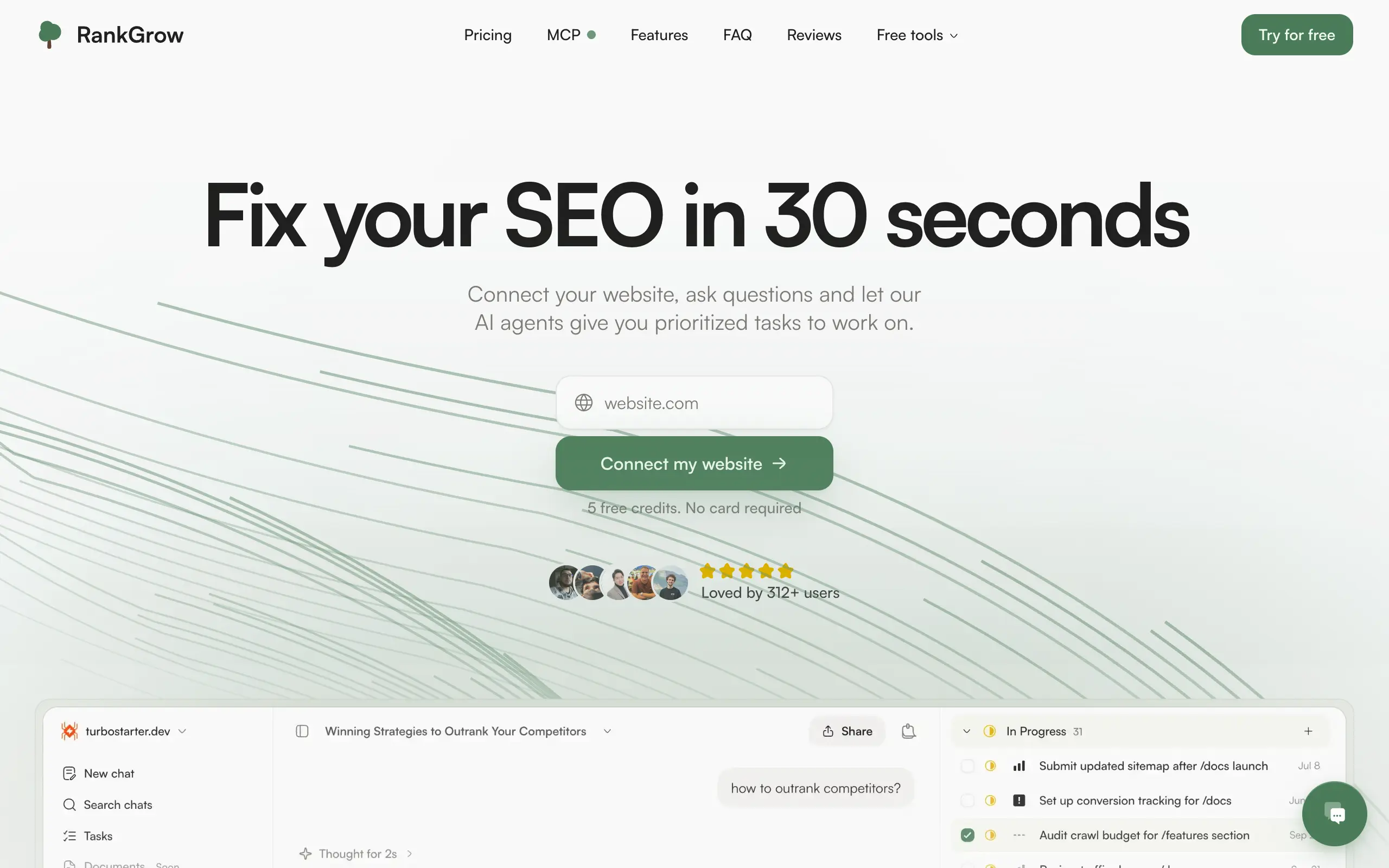
RankGrow
Fix your SEO with AI agents - connect Search Console, get prioritized tasks, and grow organic traffic 📈
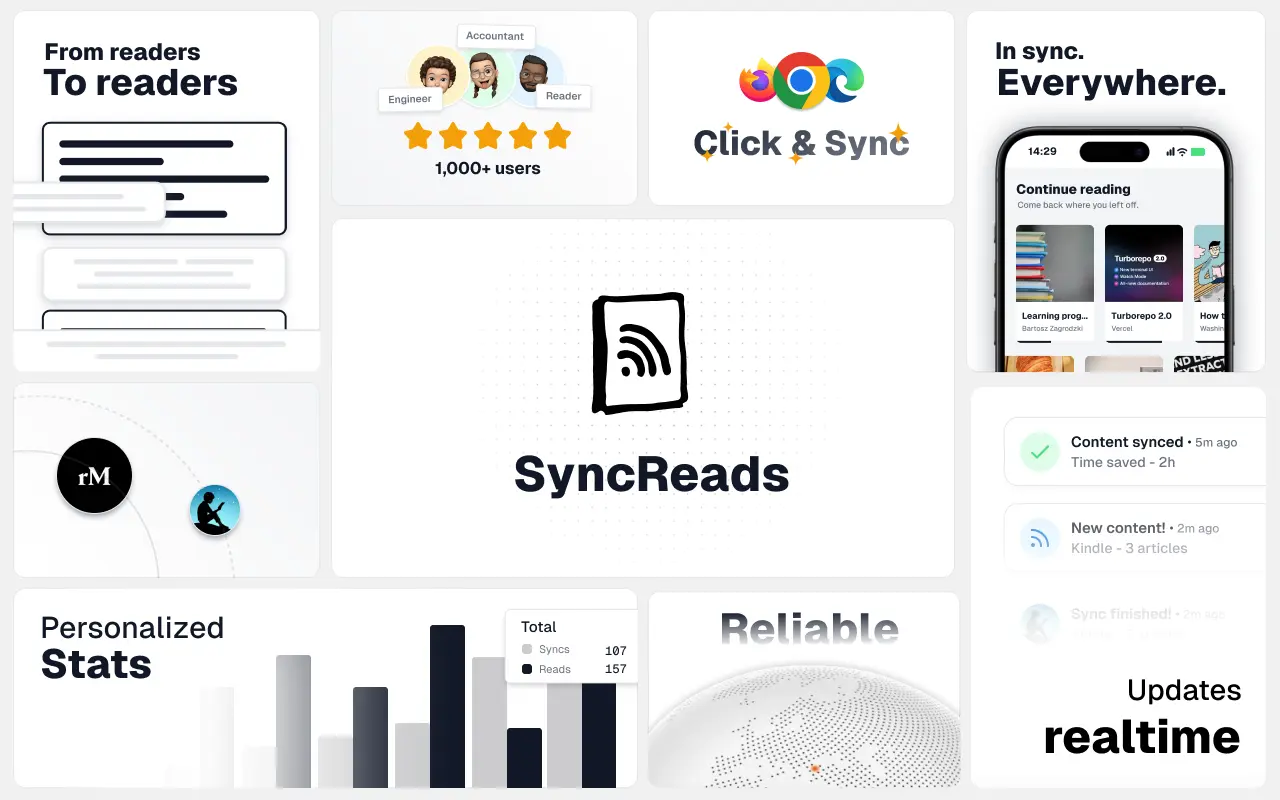
SyncReads
Sync your favorite content for distraction-free reading, save time and replace multiple apps. Anytime, anywhere 🔄
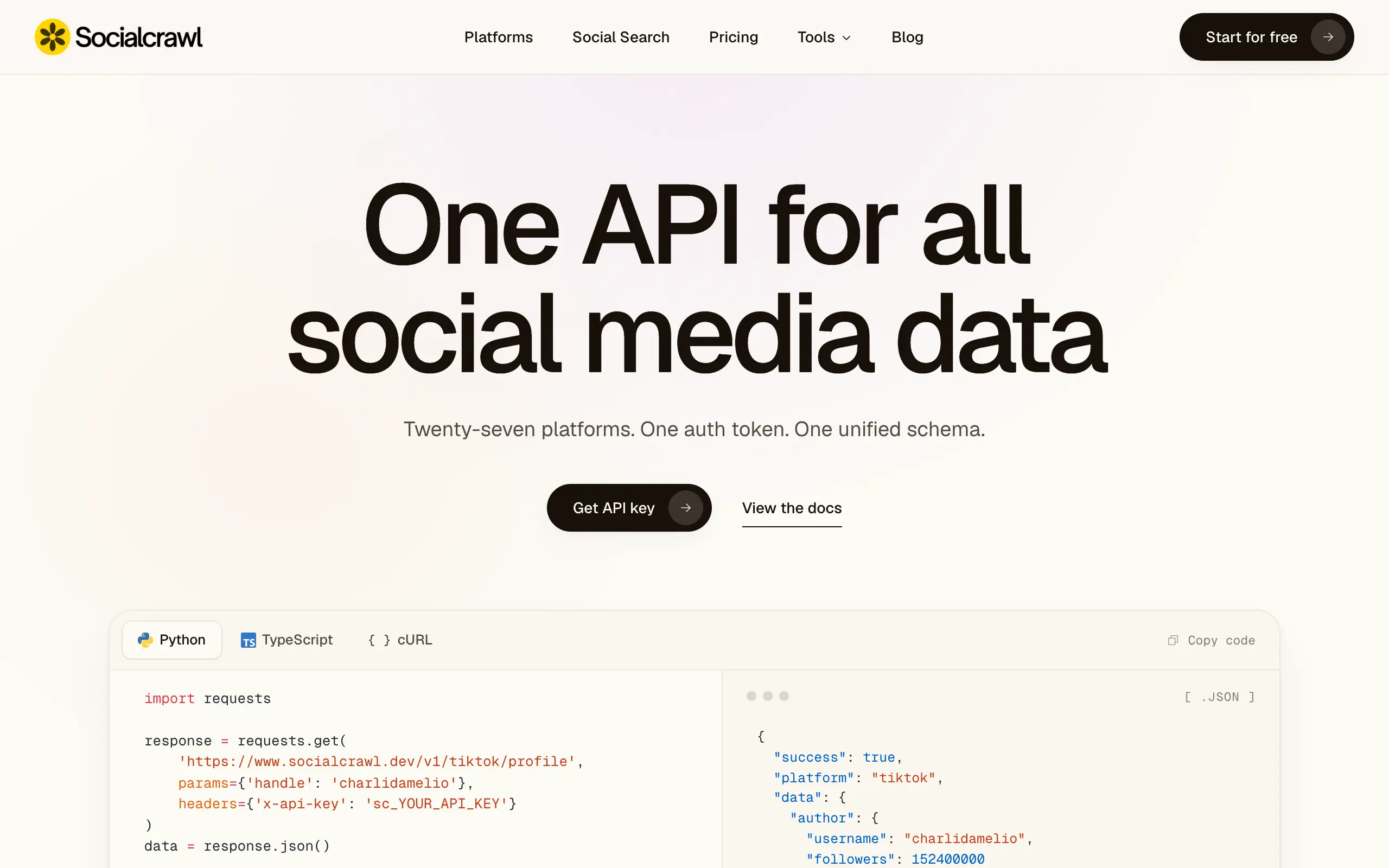
Socialcrawl
Get clean, structured data from 21 platforms like TikTok, Instagram, and YouTube with a single request 📊
Statiko
Monitor any Telegram channel in real time - track posts, edits, deletions, and growth with AI recaps 📡
Shibui
AI website builder - describe your business, pick a niche template, edit by chatting, and publish instantly ✨
Pro Service
Find verified home service professionals, compare quotes, and pay securely through escrow - built for Brazilians across the US 🏠
RankGrow
Fix your SEO with AI agents - connect Search Console, get prioritized tasks, and grow organic traffic 📈
SyncReads
Sync your favorite content for distraction-free reading, save time and replace multiple apps. Anytime, anywhere 🔄
Socialcrawl
Get clean, structured data from 21 platforms like TikTok, Instagram, and YouTube with a single request 📊
Statiko
Monitor any Telegram channel in real time - track posts, edits, deletions, and growth with AI recaps 📡
Shibui
AI website builder - describe your business, pick a niche template, edit by chatting, and publish instantly ✨
Pro Service
Find verified home service professionals, compare quotes, and pay securely through escrow - built for Brazilians across the US 🏠
RankGrow
Fix your SEO with AI agents - connect Search Console, get prioritized tasks, and grow organic traffic 📈
SyncReads
Sync your favorite content for distraction-free reading, save time and replace multiple apps. Anytime, anywhere 🔄
Socialcrawl
Get clean, structured data from 21 platforms like TikTok, Instagram, and YouTube with a single request 📊
Statiko
Monitor any Telegram channel in real time - track posts, edits, deletions, and growth with AI recaps 📡
Shibui
AI website builder - describe your business, pick a niche template, edit by chatting, and publish instantly ✨
Pro Service
Find verified home service professionals, compare quotes, and pay securely through escrow - built for Brazilians across the US 🏠
RankGrow
Fix your SEO with AI agents - connect Search Console, get prioritized tasks, and grow organic traffic 📈
SyncReads
Sync your favorite content for distraction-free reading, save time and replace multiple apps. Anytime, anywhere 🔄
Socialcrawl
Get clean, structured data from 21 platforms like TikTok, Instagram, and YouTube with a single request 📊
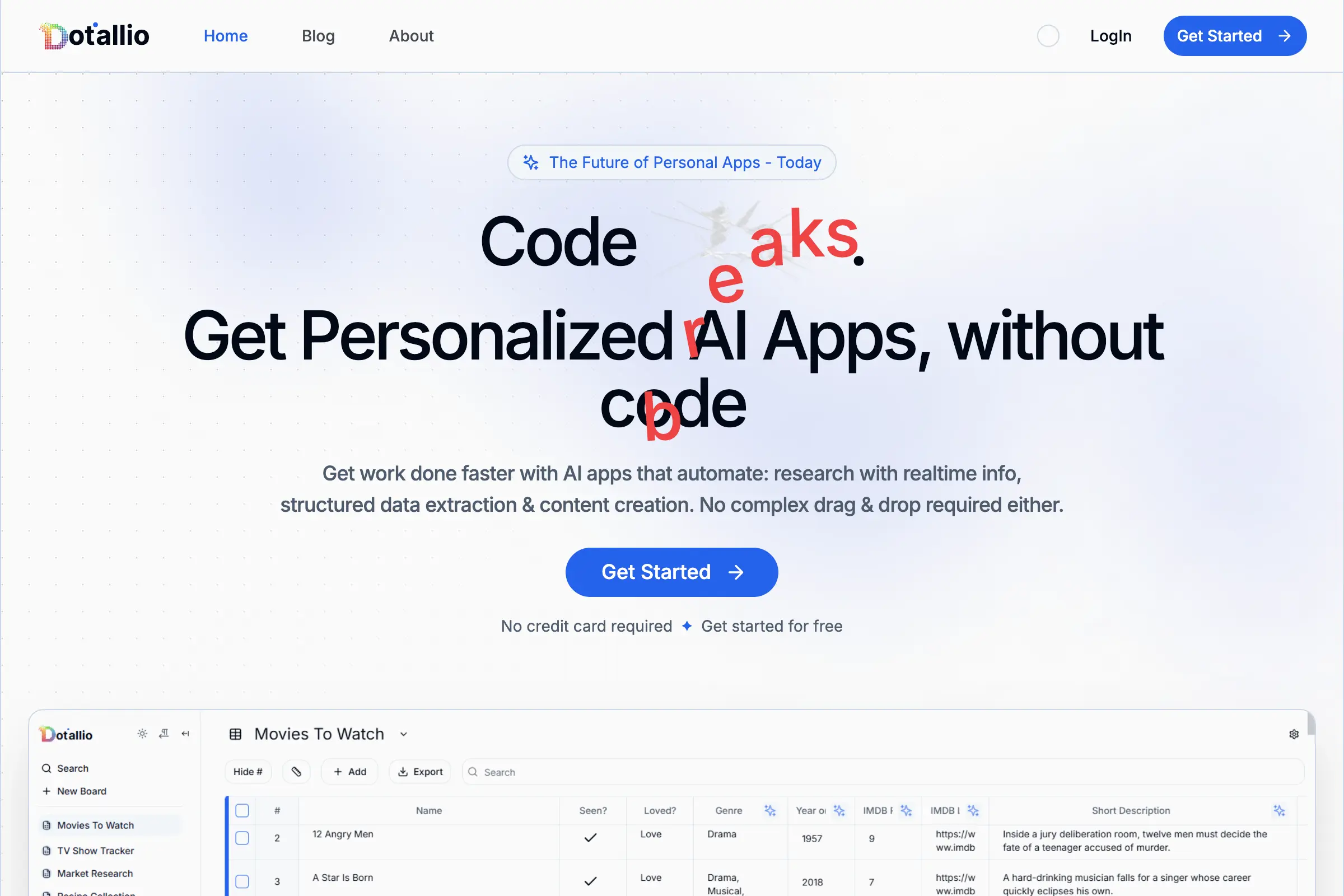
Dotallio
Personalized AI apps that automate research, data extraction, and content creation without code 🤖

Talk to Santa
Enjoy a magical live video chat or receive a unique AI-generated video greeting from Santa Claus 🎅
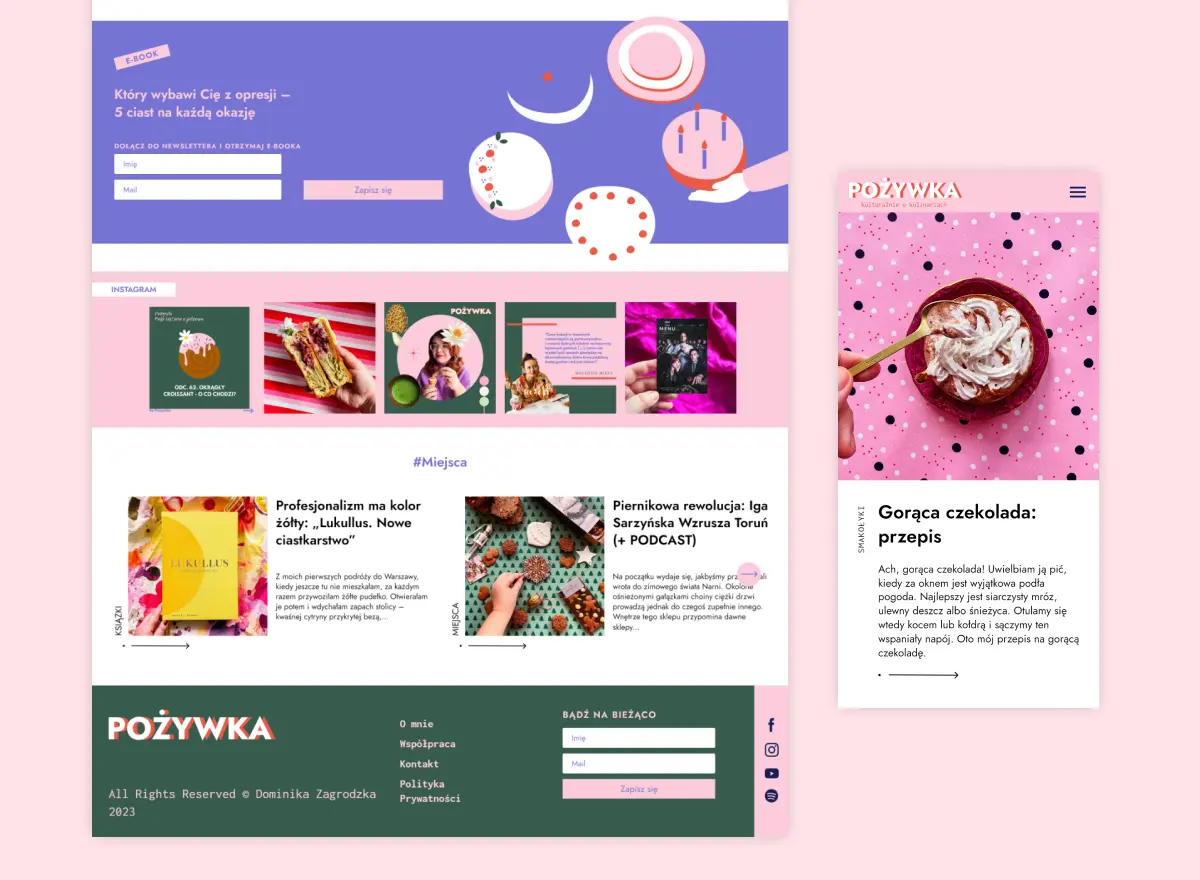
pozywka.pl
Scalable blog for food journalist, focused on performance and user experience 🌭
zagrodzki.me
Personal blog and portfolio of Bart Zagrodzki, where he shares his knowledge and work 💼
TurboStarter
Ship your startup everywhere. In minutes.
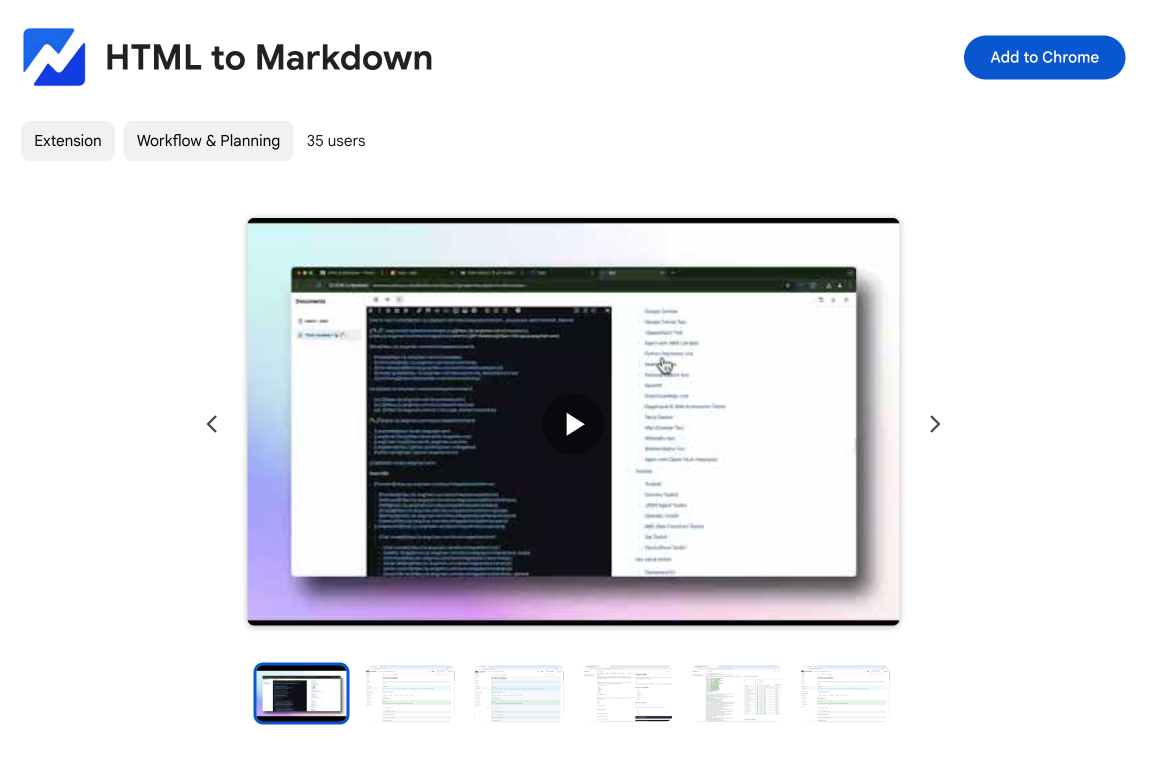
HTML to Markdown
Convert HTML to Markdown with ease, directly in your browser 📄
Dotallio
Personalized AI apps that automate research, data extraction, and content creation without code 🤖
Talk to Santa
Enjoy a magical live video chat or receive a unique AI-generated video greeting from Santa Claus 🎅
pozywka.pl
Scalable blog for food journalist, focused on performance and user experience 🌭
zagrodzki.me
Personal blog and portfolio of Bart Zagrodzki, where he shares his knowledge and work 💼
TurboStarter
Ship your startup everywhere. In minutes.
HTML to Markdown
Convert HTML to Markdown with ease, directly in your browser 📄
Dotallio
Personalized AI apps that automate research, data extraction, and content creation without code 🤖
Talk to Santa
Enjoy a magical live video chat or receive a unique AI-generated video greeting from Santa Claus 🎅
pozywka.pl
Scalable blog for food journalist, focused on performance and user experience 🌭
zagrodzki.me
Personal blog and portfolio of Bart Zagrodzki, where he shares his knowledge and work 💼
TurboStarter
Ship your startup everywhere. In minutes.
HTML to Markdown
Convert HTML to Markdown with ease, directly in your browser 📄
Dotallio
Personalized AI apps that automate research, data extraction, and content creation without code 🤖
Talk to Santa
Enjoy a magical live video chat or receive a unique AI-generated video greeting from Santa Claus 🎅
pozywka.pl
Scalable blog for food journalist, focused on performance and user experience 🌭
zagrodzki.me
Personal blog and portfolio of Bart Zagrodzki, where he shares his knowledge and work 💼
TurboStarter
Ship your startup everywhere. In minutes.
HTML to Markdown
Convert HTML to Markdown with ease, directly in your browser 📄
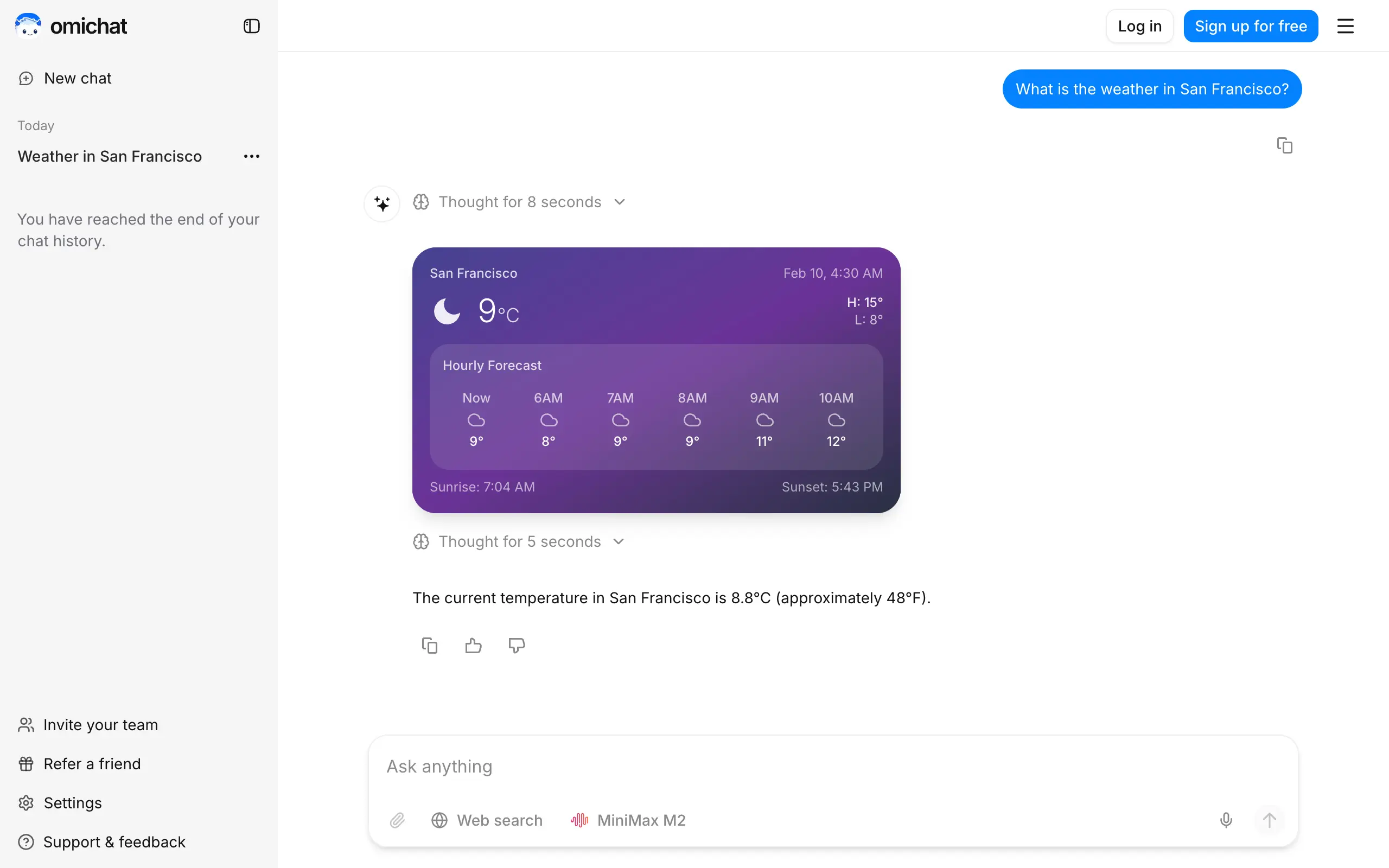
Omichat
Chat with 50+ AI models, including ChatGPT and Claude, in one place - switch models anytime without losing context 🤖
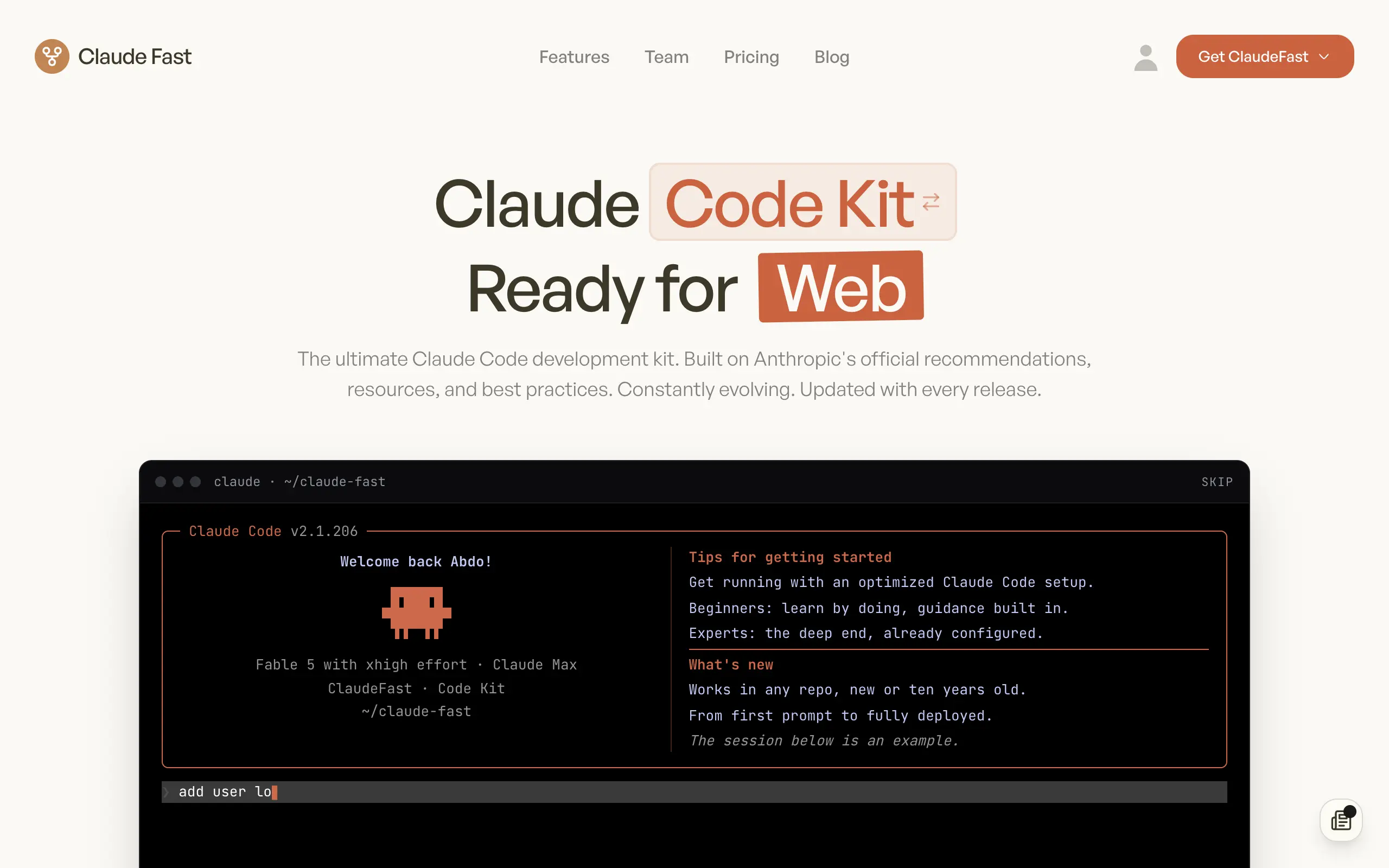
Claude Fast
Supercharge your Claude Code with 6x effective context window and specialized AI agents 🤖
EmojAI
AI-powered emoji picker with smart, context-aware suggestions 🤖
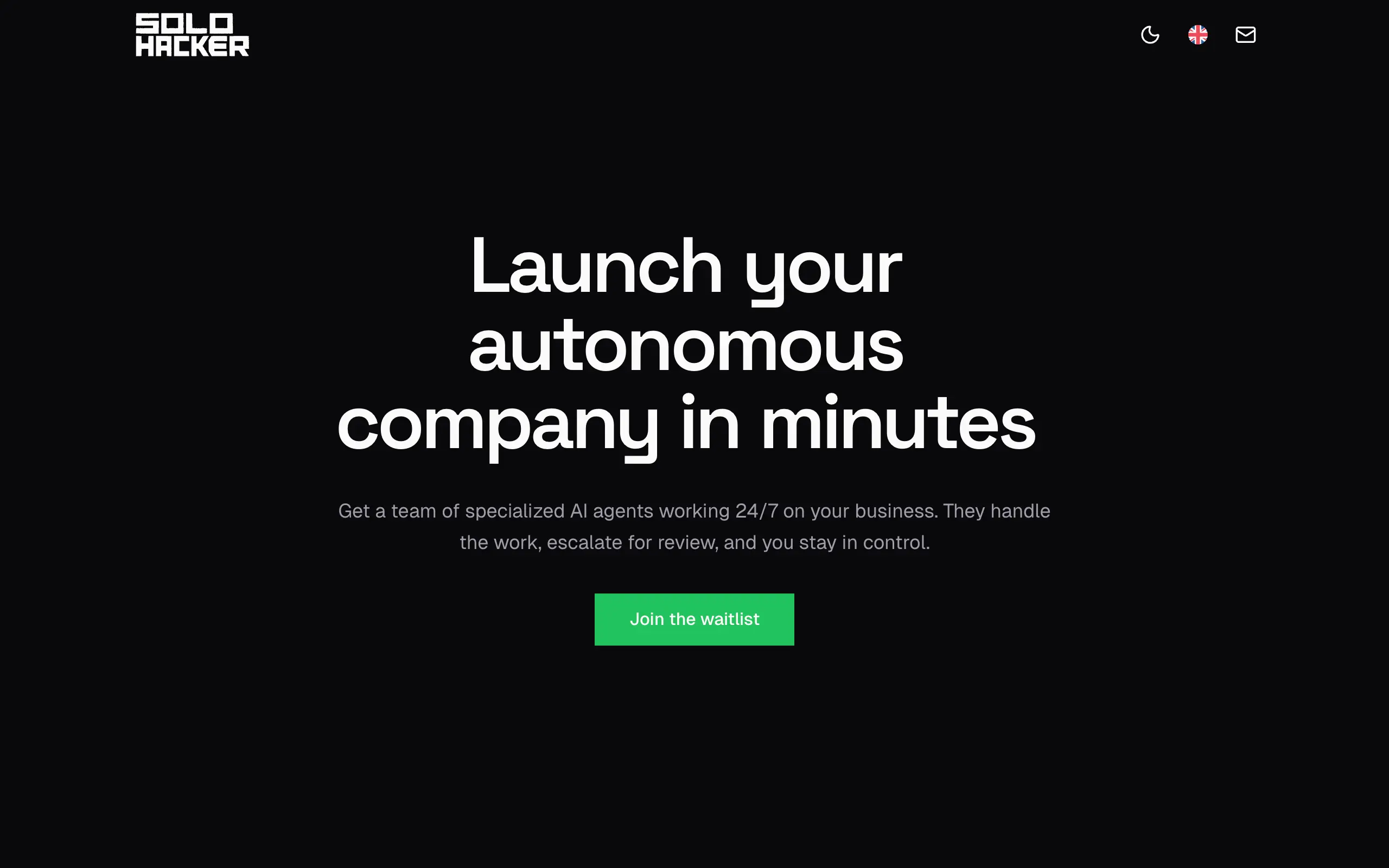
Solohacker
Autonomous company launcher - AI agents work 24/7, escalate what matters, and you stay in control 🤖
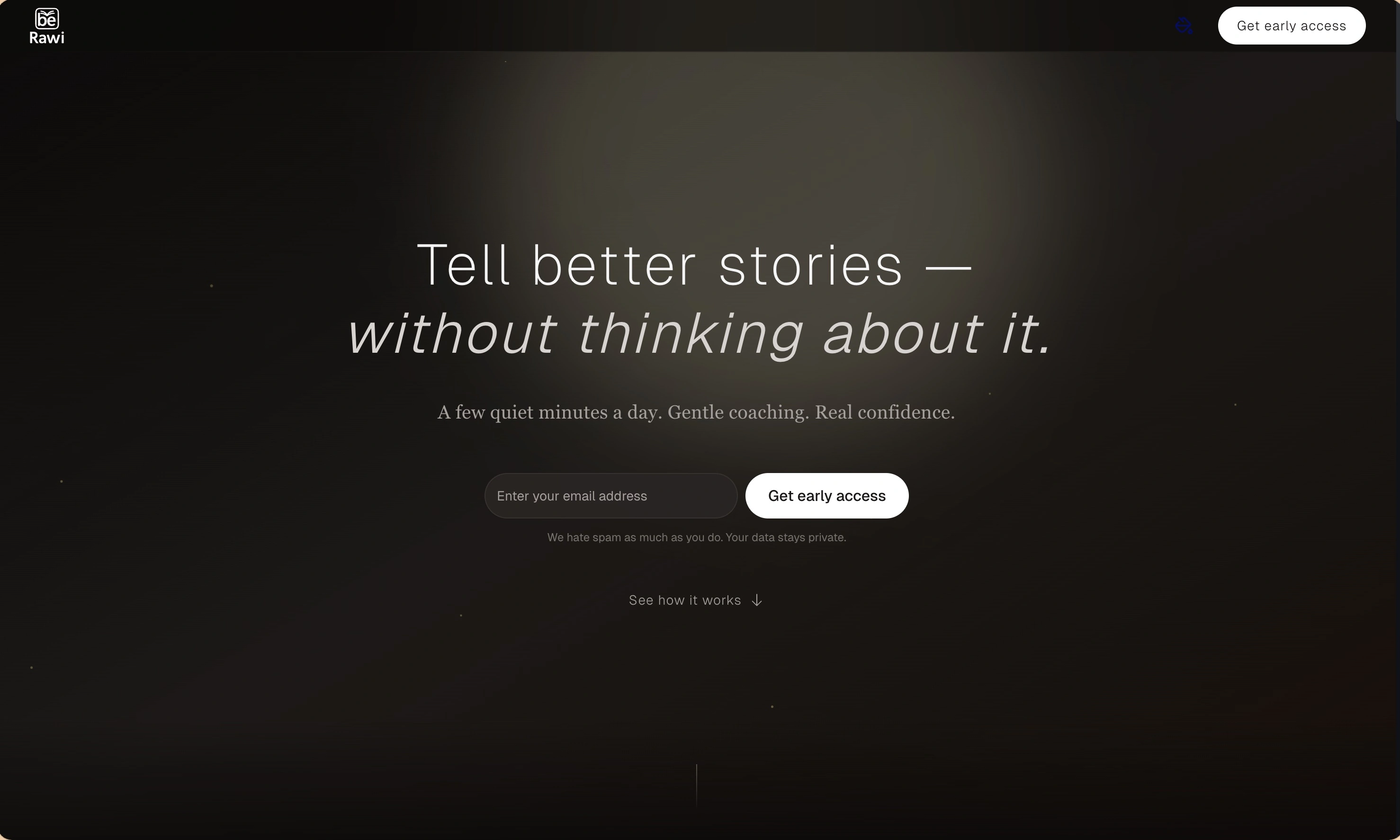
BeRawi: Storytelling Coach
Practice storytelling daily with instant feedback to sound clearer, more engaging, and confident 🎤
Omichat
Chat with 50+ AI models, including ChatGPT and Claude, in one place - switch models anytime without losing context 🤖
Claude Fast
Supercharge your Claude Code with 6x effective context window and specialized AI agents 🤖
EmojAI
AI-powered emoji picker with smart, context-aware suggestions 🤖
Solohacker
Autonomous company launcher - AI agents work 24/7, escalate what matters, and you stay in control 🤖
BeRawi: Storytelling Coach
Practice storytelling daily with instant feedback to sound clearer, more engaging, and confident 🎤
Omichat
Chat with 50+ AI models, including ChatGPT and Claude, in one place - switch models anytime without losing context 🤖
Claude Fast
Supercharge your Claude Code with 6x effective context window and specialized AI agents 🤖
EmojAI
AI-powered emoji picker with smart, context-aware suggestions 🤖
Solohacker
Autonomous company launcher - AI agents work 24/7, escalate what matters, and you stay in control 🤖
BeRawi: Storytelling Coach
Practice storytelling daily with instant feedback to sound clearer, more engaging, and confident 🎤
Omichat
Chat with 50+ AI models, including ChatGPT and Claude, in one place - switch models anytime without losing context 🤖
Claude Fast
Supercharge your Claude Code with 6x effective context window and specialized AI agents 🤖
EmojAI
AI-powered emoji picker with smart, context-aware suggestions 🤖
Solohacker
Autonomous company launcher - AI agents work 24/7, escalate what matters, and you stay in control 🤖
BeRawi: Storytelling Coach
Practice storytelling daily with instant feedback to sound clearer, more engaging, and confident 🎤

Connect with like-minded people
Join our community to get feedback, support, and grow together with 1,000+ builders on board, let's ship it!
Join usShip your startup everywhere. In minutes.
Don't burn tokens on setup and start building features on day one.