DegreeGate Integrity Shield
AI API that detects AI-generated or plagiarized student work while offering explainable feedback, built for universities and edtech platforms.
The growing need for AI-powered academic integrity tools
Academic integrity has entered a new era. With the rapid adoption of generative AI tools like ChatGPT, Claude, and open-source LLMs, universities and edtech platforms are facing a fundamental shift in how student work is created, evaluated, and authenticated.
Traditional plagiarism detection tools—once sufficient for catching copy-paste behavior—are no longer enough. Today’s challenge is more nuanced: identifying AI-assisted writing, distinguishing between legitimate collaboration and automation, and doing so in a way that is transparent, fair, and pedagogically useful.
This is where an AI-powered academic integrity API like DegreeGate Integrity Shield fits in.
Rather than simply flagging suspicious content, the platform introduces a more advanced layer: explainable AI detection combined with actionable feedback. This moves institutions away from punitive systems and toward educational, insight-driven workflows.
In this article, we’ll break down the full strategic opportunity behind building and scaling a product like DegreeGate Integrity Shield—from market demand and target users to technical architecture, monetization, risks, and go-to-market execution.
Understanding user intent and the core problem
Before diving into features or architecture, it’s critical to understand what buyers actually want.
Primary user intent segments
The core search and buying intent around this product typically falls into three categories:
- Academic institutions looking to preserve integrity without over-policing students
- Edtech platforms needing scalable, API-first detection systems
- Educators seeking clarity, not just detection
These users are not just asking:
“Is this AI-generated?”
They’re asking:
- How confident is the system?
- Why was this flagged?
- How should I respond pedagogically?
- Can this integrate into my LMS or grading workflow?
This is a crucial distinction—and a major opportunity.
Market opportunity and timing
The timing for a product like DegreeGate Integrity Shield is exceptionally strong.
Key industry trends
- Explosion of generative AI usage in education
- Shift toward AI-assisted learning policies
- Increased scrutiny on academic integrity practices
- Demand for explainable AI (XAI) systems
According to widely cited reports (e.g., suggested sources: EDUCAUSE, McKinsey, and UNESCO), institutions are rapidly updating policies but lack robust tooling to enforce them effectively.
Market gap
Most current solutions fall into two categories:
- Legacy plagiarism tools (e.g., Turnitin-style systems)
- Basic AI detection tools with low transparency
There is a clear gap for:
- API-first platforms
- High-accuracy detection across multiple modalities
- Explainable outputs
- Developer-friendly integration
Target audience deep dive
Primary segments
1. Universities and colleges
- Need institutional-level integrity enforcement
- Require audit trails and compliance reporting
- Value explainability for appeals and disputes
2. Edtech platforms (B2B SaaS)
- Require scalable API solutions
- Need white-label capabilities
- Prioritize speed and cost efficiency
3. Online course providers and bootcamps
- Want to maintain credibility of certifications
- Need automated grading integrity checks
4. Accreditation bodies and testing organizations
- Require forensic-level detection
- Need verifiable and defensible outputs
Core product concept: beyond detection
DegreeGate Integrity Shield should not position itself as just a “detector.”
Instead, it should be framed as:
An explainable academic integrity engine
Key differentiation pillars
Explainable AI feedback
Provides reasoning behind each flag, not just a binary result.
API-first architecture
Designed for seamless integration into LMS and edtech platforms.
Multi-layer detection
Combines AI detection, plagiarism checks, and behavioral analysis.
Educator-centric insights
Offers actionable recommendations, not just alerts.
Core features and capabilities
1. AI-generated content detection
- Probability scoring for AI involvement
- Model fingerprinting (where possible)
- Detection across multiple LLM styles
2. Advanced plagiarism detection
- Semantic similarity analysis (not just exact matches)
- Cross-language detection
- Citation pattern analysis
3. Explainability engine
This is the standout feature.
Instead of saying:
“This is likely AI-generated (85%)”
It explains:
- Sentence structure anomalies
- Perplexity patterns
- Repetition or uniformity signals
- Stylometric inconsistencies
4. Instructor dashboard
- Risk scoring per submission
- Class-level analytics
- Trends over time
5. API for developers
Example request:
POST /analyze-submission
{
  "text": "Student essay content...",
  "metadata": {
    "student_id": "123",
    "course_id": "ENG101"
  }
}
Example response:
{
  "ai_probability": 0.82,
  "plagiarism_score": 0.34,
  "flags": [
    {
      "type": "ai_pattern",
      "explanation": "Uniform sentence length and low entropy detected."
    }
  ],
  "recommendation": "Manual review suggested"
}
6. LMS integrations
- Canvas
- Moodle
- Blackboard
Feature comparison with existing solutions
| Feature | Legacy tools | Basic AI detectors | DegreeGate | Edtech APIs |
|---|---|---|---|---|
| Explainable results | ❌ | ❌ | ✅ | ❌ |
| API-first design | ❌ | ✅ | ✅ | ✅ |
| Multi-layer detection | ✅ | ❌ | ✅ | ❌ |
Technical architecture and stack
Building DegreeGate Integrity Shield requires careful architectural decisions to balance accuracy, speed, and scalability.
Recommended stack
Frontend
Backend
- Node.js or Python (FastAPI)
- GraphQL or REST API layer
AI/ML layer
- Transformer-based classifiers
- Stylometric analysis models
- Embedding similarity models
Infrastructure
- AWS or GCP
- GPU inference endpoints
- Redis for caching
Database
- PostgreSQL (structured data)
- Vector DB (e.g., embeddings)
Trade-offs to consider
Higher accuracy models (ensemble methods, deep transformers) increase latency and cost. You’ll need caching and tiered processing (fast vs deep scan).
Explainable AI requires additional computation and model design. However, it dramatically improves trust and adoption in academic settings.
Monetization strategy
Pricing models
1. Usage-based API pricing
- Per 1,000 words analyzed
- Tiered pricing for volume
2. SaaS subscriptions for institutions
- Per student/year pricing
- Includes dashboard + analytics
3. Enterprise licensing
- Custom deployments
- SLA guarantees
- On-prem options
Example pricing tiers
- Starter: $99/month (small institutions)
- Growth: $499/month (mid-sized platforms)
- Enterprise: custom pricing
Competitive advantage and moat
The biggest mistake would be competing purely on detection accuracy.
That’s a race to the bottom.
Real competitive moat
- Explainability layer
- Institutional trust
- Deep LMS integrations
- Data network effects
As more institutions use the platform, the system improves:
- Better pattern recognition
- More robust training data
- Improved accuracy across disciplines
Risks and mitigation strategies
1. False positives
Critical risk
Incorrectly flagging student work can damage trust and lead to institutional pushback.
Mitigation:
- Provide confidence ranges
- Always include human-review recommendations
- Offer explainability
2. Rapid evolution of AI models
AI writing tools evolve quickly.
Mitigation:
- Continuous model retraining
- Ensemble detection approaches
- Community feedback loops
3. Ethical concerns
- Bias in detection
- Over-surveillance concerns
Mitigation:
- Transparent policies
- Opt-in frameworks
- Clear documentation
4. Regulatory compliance
- FERPA (US)
- GDPR (EU)
Mitigation:
- Data anonymization
- Regional hosting options
Go-to-market strategy
Phase 1: developer adoption
- Launch API-first
- Target edtech startups
- Offer free tier
Phase 2: institutional partnerships
- Pilot programs with universities
- Publish case studies
Phase 3: thought leadership
- Publish research on AI detection
- Speak at education conferences
Implementation roadmap
Example use cases
Use case 1: university grading workflow
- Student submits essay
- LMS sends content to DegreeGate API
- Instructor receives:
- AI probability score
- Explanation
- Suggested action
Use case 2: edtech platform integration
- Platform checks all submissions automatically
- Flags high-risk content
- Maintains platform credibility
SEO and content strategy for growth
To rank effectively, focus on:
Primary keyword targets
- AI academic integrity API
- AI plagiarism detection API
- AI-generated content detection for universities
Supporting content
- “How to detect AI-generated essays”
- “Best tools for academic integrity in 2026”
- “AI vs plagiarism: what’s the difference?”
Why this idea stands out
Most tools answer:
“Was this AI-generated?”
DegreeGate answers:
“What signals indicate AI involvement, how confident are we, and what should you do next?”
That shift—from detection to insight—is what makes the product compelling.
Building faster with the right foundation
Launching a SaaS product like DegreeGate Integrity Shield involves:
- Authentication systems
- Billing infrastructure
- API management
- Frontend dashboards
Instead of building everything from scratch, you can accelerate development using a production-ready SaaS starter kit like TurboStarter.
This allows you to focus on your core differentiator: the AI integrity engine.
Final thoughts and execution strategy
DegreeGate Integrity Shield sits at the intersection of:
- AI
- education
- trust infrastructure
That’s a powerful place to be.
But success depends on positioning:
- Not as a policing tool
- But as a trust and insight platform
If executed correctly, this product could become:
- A standard API for edtech platforms
- A trusted partner for universities
- A foundational layer in AI-era education
What to do next
If you’re building this:
- Start with a narrow, high-accuracy MVP
- Prioritize explainability early
- Integrate deeply into existing workflows
- Build trust before scaling
Then expand.
Because in this space, credibility is the product.
More 🏢 B2B Application SaaS ideas
Discover more innovative b2b application SaaS ideas that are trending in 2026. Each idea is AI-generated with market validation and growth potential to help you find your next profitable venture faster than competitors.
Your competitors are building with TurboStarter
Below are some of the SaaS ideas that have been generated and built with our starter kit.
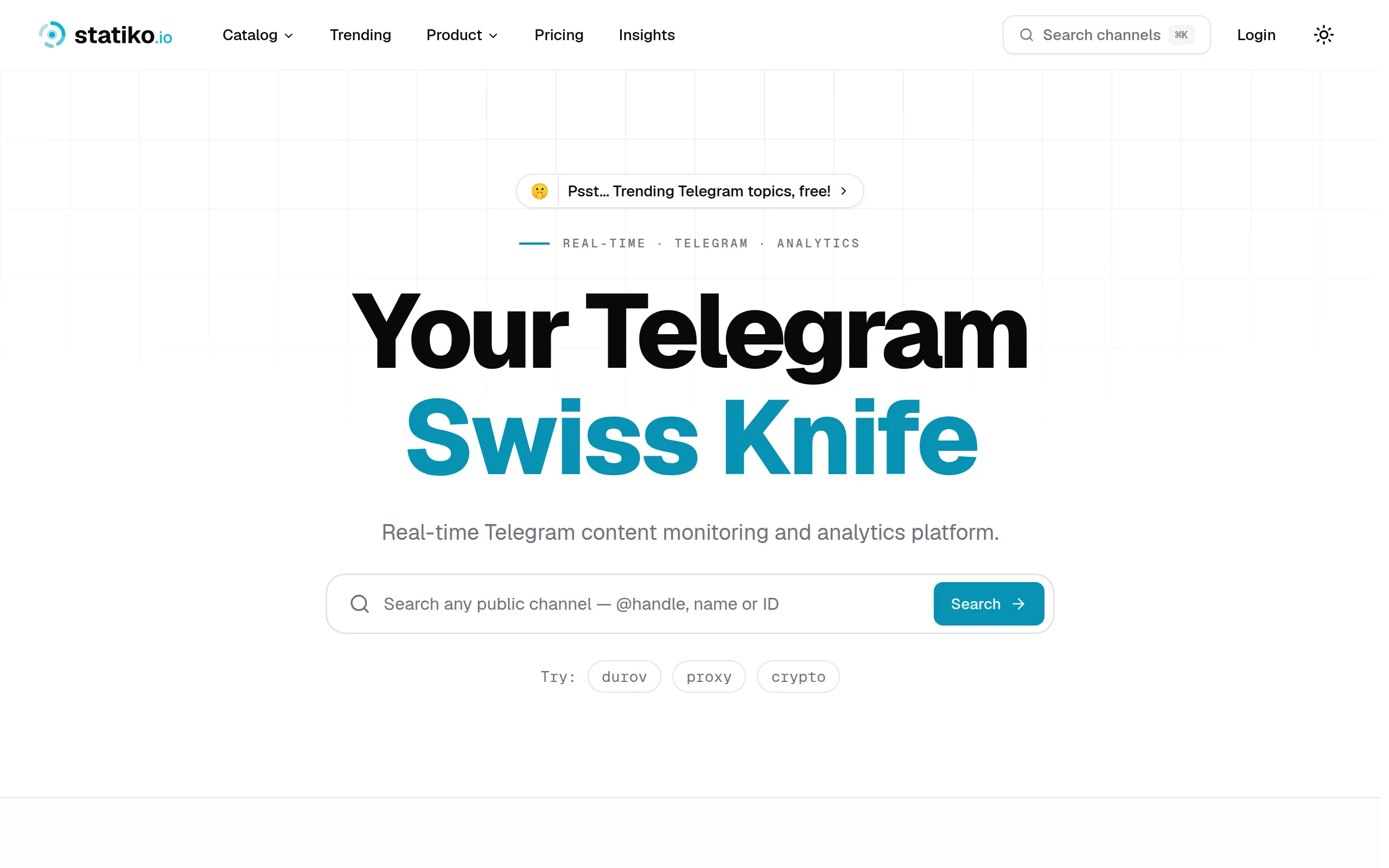
Statiko
Monitor any Telegram channel in real time - track posts, edits, deletions, and growth with AI recaps 📡

Shibui
AI website builder - describe your business, pick a niche template, edit by chatting, and publish instantly ✨

Pro Service
Find verified home service professionals, compare quotes, and pay securely through escrow - built for Brazilians across the US 🏠
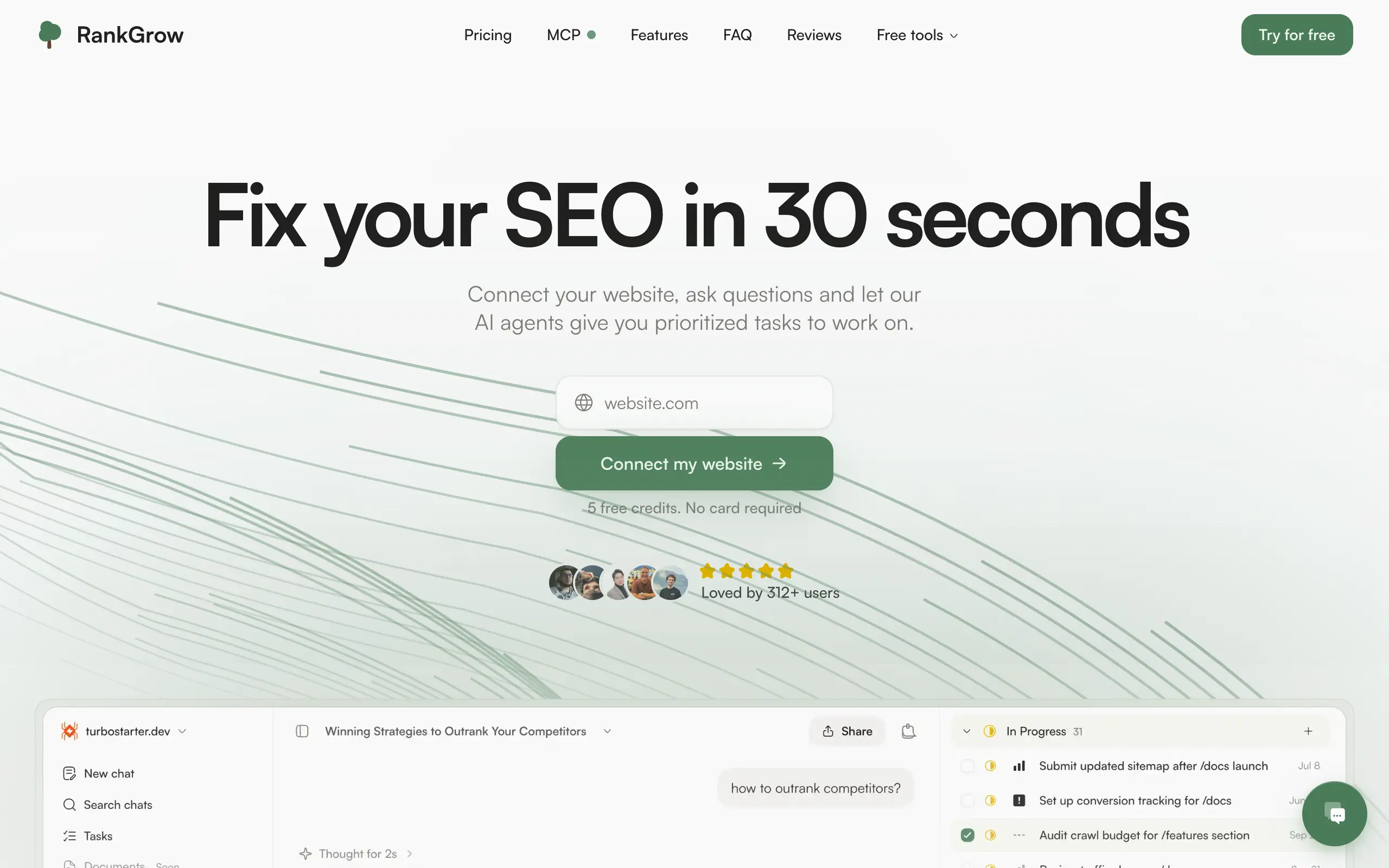
RankGrow
Fix your SEO with AI agents - connect Search Console, get prioritized tasks, and grow organic traffic 📈
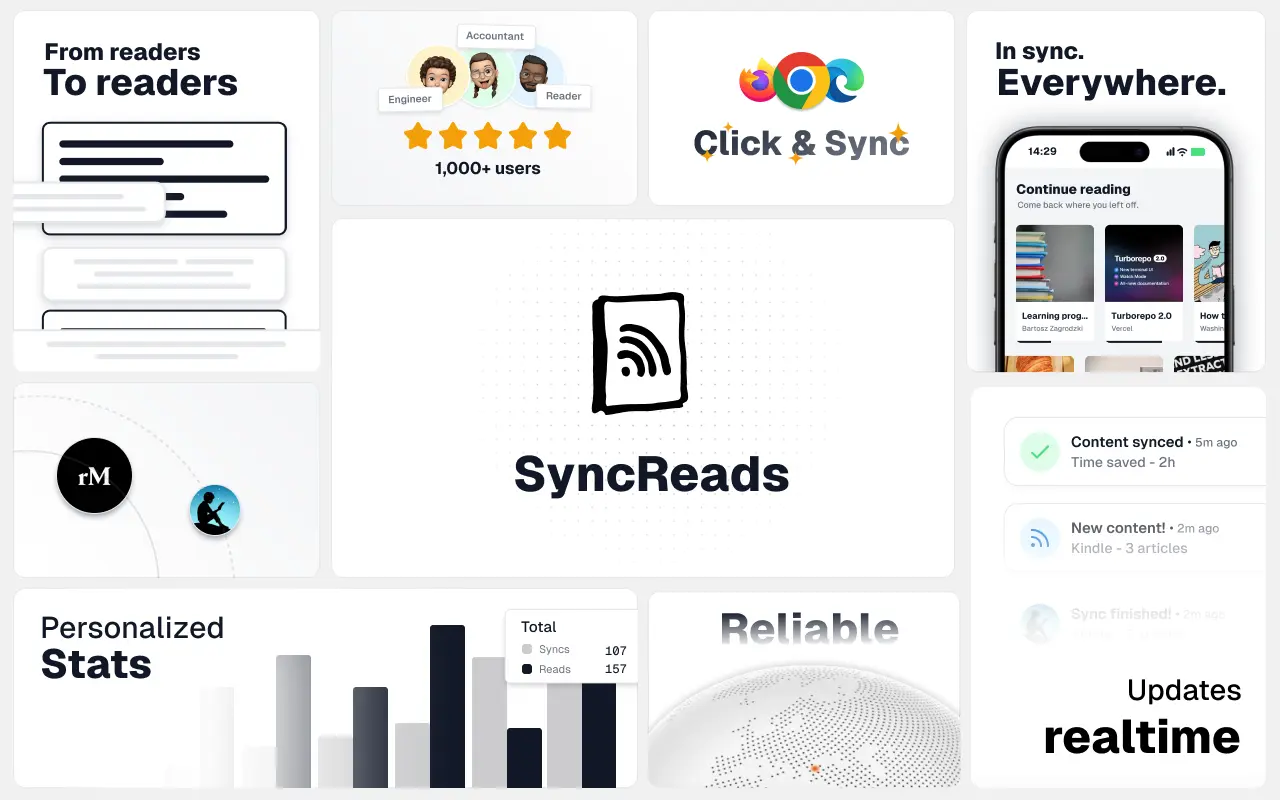
SyncReads
Sync your favorite content for distraction-free reading, save time and replace multiple apps. Anytime, anywhere 🔄
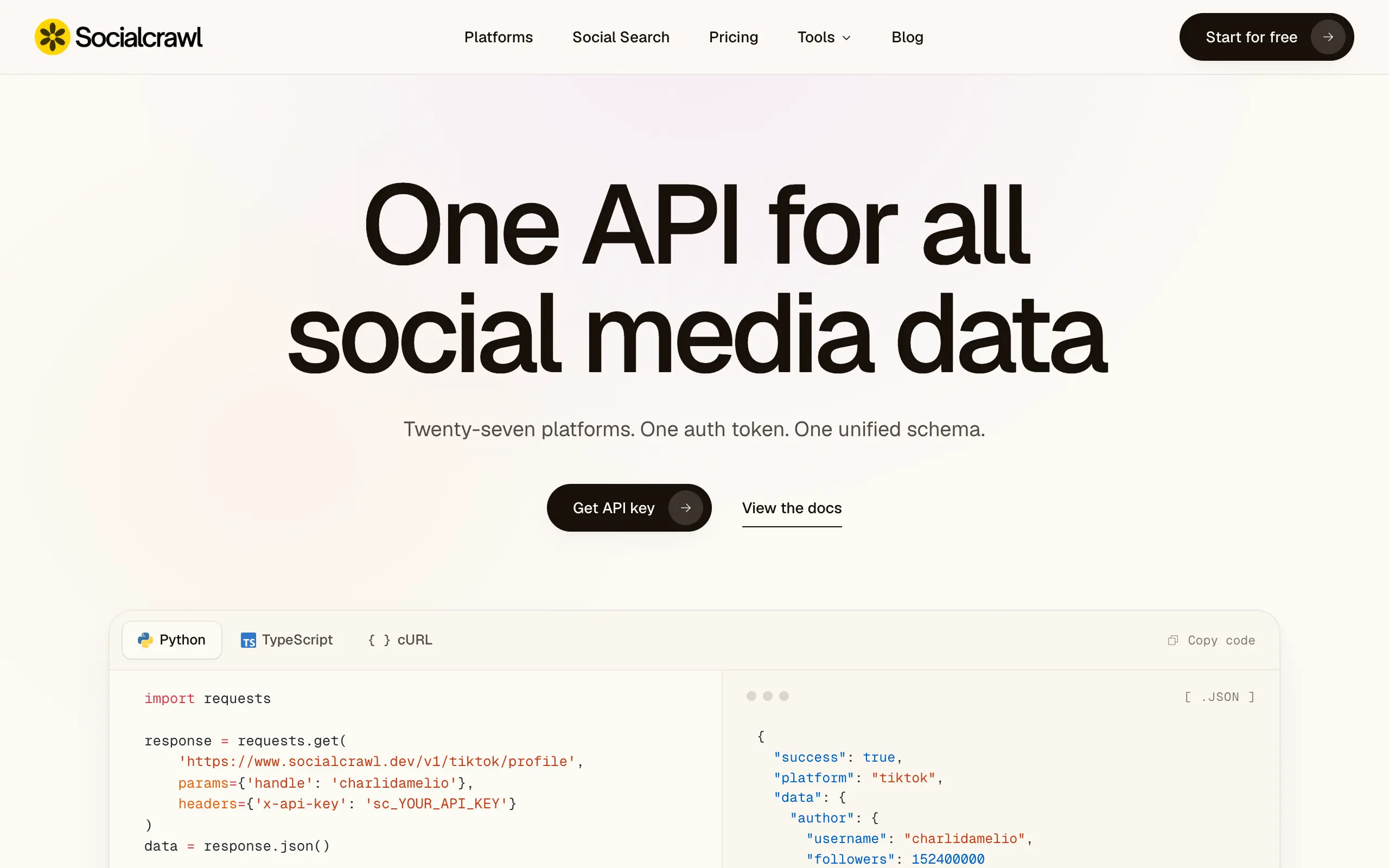
Socialcrawl
Get clean, structured data from 21 platforms like TikTok, Instagram, and YouTube with a single request 📊
Statiko
Monitor any Telegram channel in real time - track posts, edits, deletions, and growth with AI recaps 📡
Shibui
AI website builder - describe your business, pick a niche template, edit by chatting, and publish instantly ✨
Pro Service
Find verified home service professionals, compare quotes, and pay securely through escrow - built for Brazilians across the US 🏠
RankGrow
Fix your SEO with AI agents - connect Search Console, get prioritized tasks, and grow organic traffic 📈
SyncReads
Sync your favorite content for distraction-free reading, save time and replace multiple apps. Anytime, anywhere 🔄
Socialcrawl
Get clean, structured data from 21 platforms like TikTok, Instagram, and YouTube with a single request 📊
Statiko
Monitor any Telegram channel in real time - track posts, edits, deletions, and growth with AI recaps 📡
Shibui
AI website builder - describe your business, pick a niche template, edit by chatting, and publish instantly ✨
Pro Service
Find verified home service professionals, compare quotes, and pay securely through escrow - built for Brazilians across the US 🏠
RankGrow
Fix your SEO with AI agents - connect Search Console, get prioritized tasks, and grow organic traffic 📈
SyncReads
Sync your favorite content for distraction-free reading, save time and replace multiple apps. Anytime, anywhere 🔄
Socialcrawl
Get clean, structured data from 21 platforms like TikTok, Instagram, and YouTube with a single request 📊
Statiko
Monitor any Telegram channel in real time - track posts, edits, deletions, and growth with AI recaps 📡
Shibui
AI website builder - describe your business, pick a niche template, edit by chatting, and publish instantly ✨
Pro Service
Find verified home service professionals, compare quotes, and pay securely through escrow - built for Brazilians across the US 🏠
RankGrow
Fix your SEO with AI agents - connect Search Console, get prioritized tasks, and grow organic traffic 📈
SyncReads
Sync your favorite content for distraction-free reading, save time and replace multiple apps. Anytime, anywhere 🔄
Socialcrawl
Get clean, structured data from 21 platforms like TikTok, Instagram, and YouTube with a single request 📊
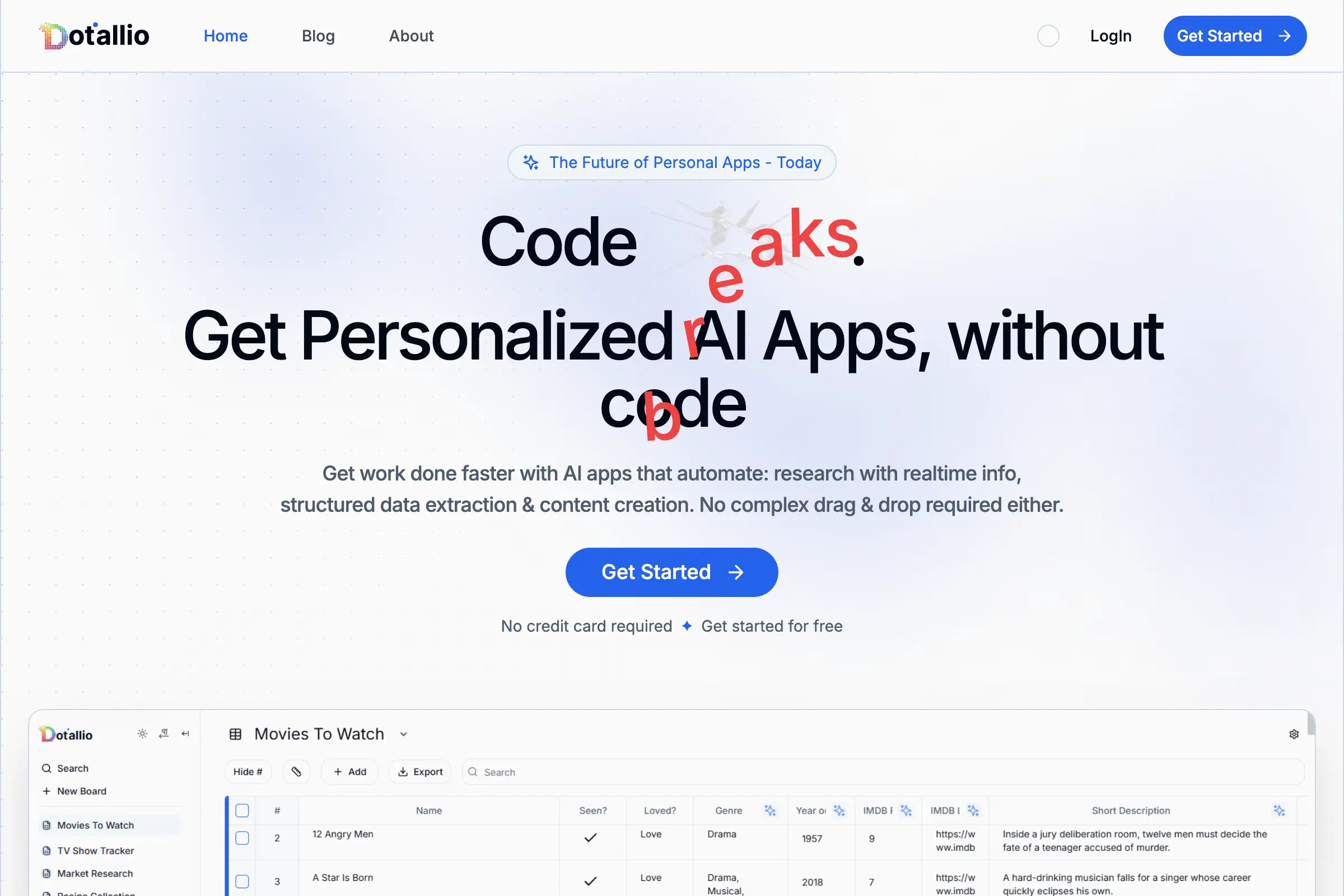
Dotallio
Personalized AI apps that automate research, data extraction, and content creation without code 🤖
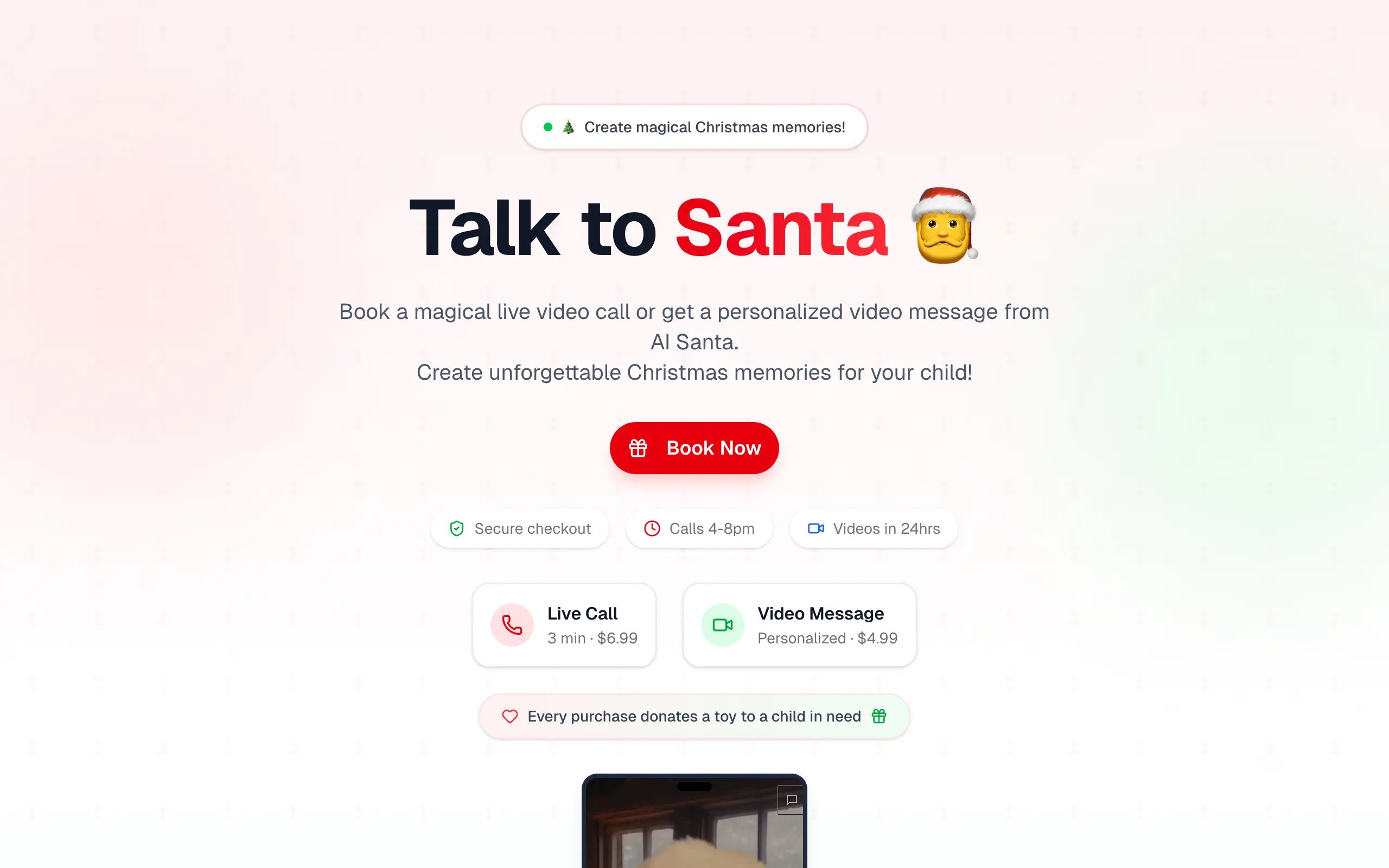
Talk to Santa
Enjoy a magical live video chat or receive a unique AI-generated video greeting from Santa Claus 🎅

pozywka.pl
Scalable blog for food journalist, focused on performance and user experience 🌭
zagrodzki.me
Personal blog and portfolio of Bart Zagrodzki, where he shares his knowledge and work 💼
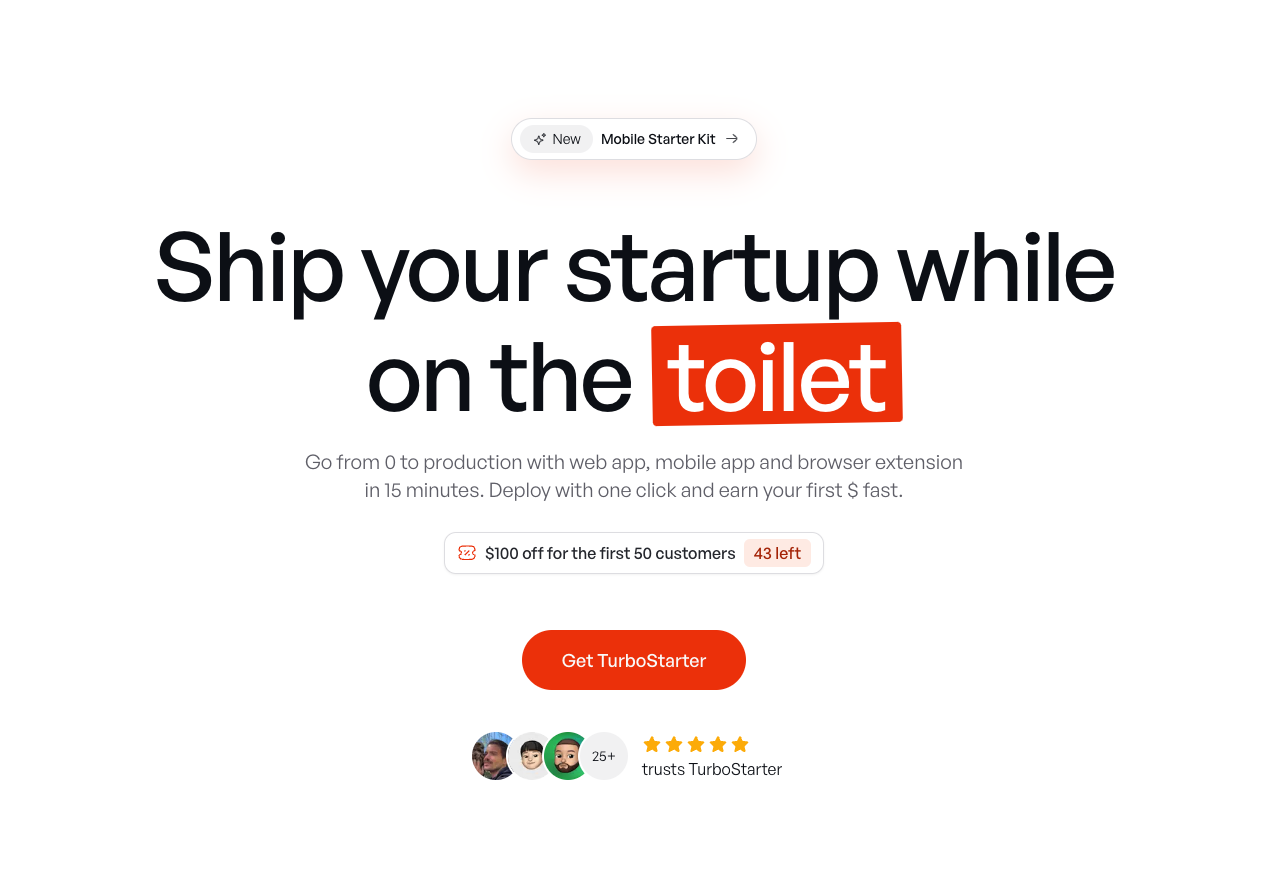
TurboStarter
Ship your startup everywhere. In minutes.
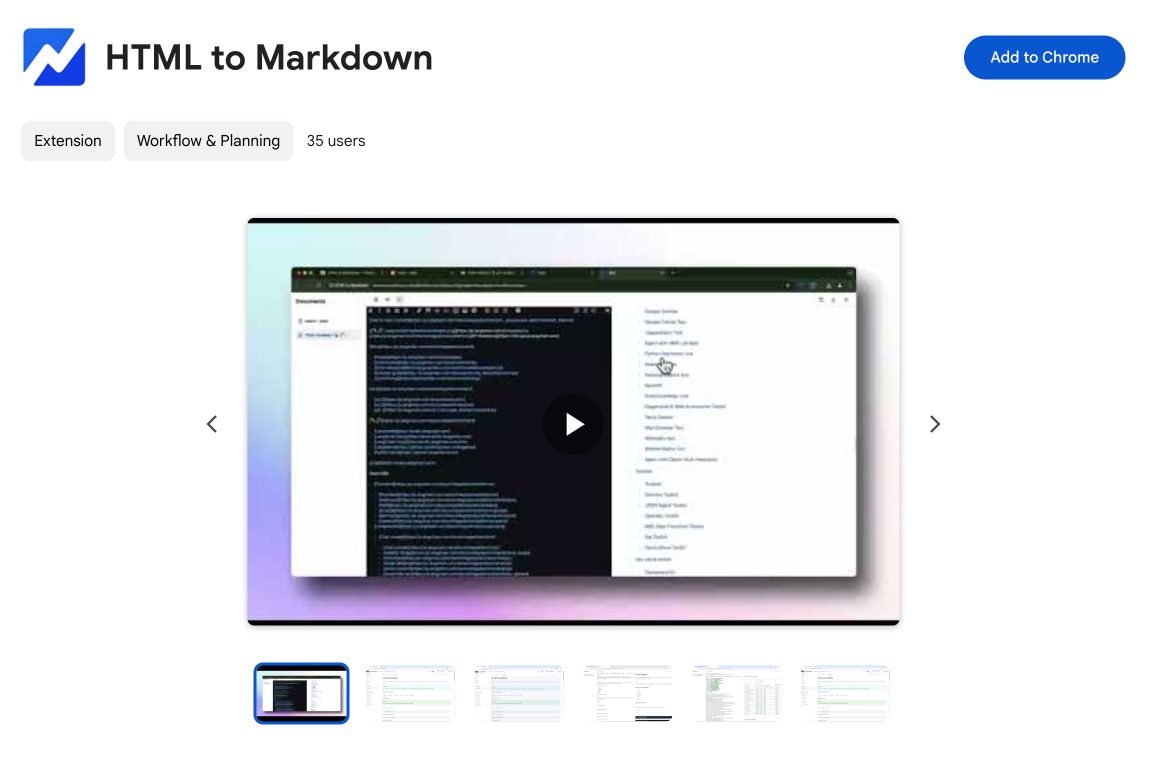
HTML to Markdown
Convert HTML to Markdown with ease, directly in your browser 📄
Dotallio
Personalized AI apps that automate research, data extraction, and content creation without code 🤖
Talk to Santa
Enjoy a magical live video chat or receive a unique AI-generated video greeting from Santa Claus 🎅
pozywka.pl
Scalable blog for food journalist, focused on performance and user experience 🌭
zagrodzki.me
Personal blog and portfolio of Bart Zagrodzki, where he shares his knowledge and work 💼
TurboStarter
Ship your startup everywhere. In minutes.
HTML to Markdown
Convert HTML to Markdown with ease, directly in your browser 📄
Dotallio
Personalized AI apps that automate research, data extraction, and content creation without code 🤖
Talk to Santa
Enjoy a magical live video chat or receive a unique AI-generated video greeting from Santa Claus 🎅
pozywka.pl
Scalable blog for food journalist, focused on performance and user experience 🌭
zagrodzki.me
Personal blog and portfolio of Bart Zagrodzki, where he shares his knowledge and work 💼
TurboStarter
Ship your startup everywhere. In minutes.
HTML to Markdown
Convert HTML to Markdown with ease, directly in your browser 📄
Dotallio
Personalized AI apps that automate research, data extraction, and content creation without code 🤖
Talk to Santa
Enjoy a magical live video chat or receive a unique AI-generated video greeting from Santa Claus 🎅
pozywka.pl
Scalable blog for food journalist, focused on performance and user experience 🌭
zagrodzki.me
Personal blog and portfolio of Bart Zagrodzki, where he shares his knowledge and work 💼
TurboStarter
Ship your startup everywhere. In minutes.
HTML to Markdown
Convert HTML to Markdown with ease, directly in your browser 📄
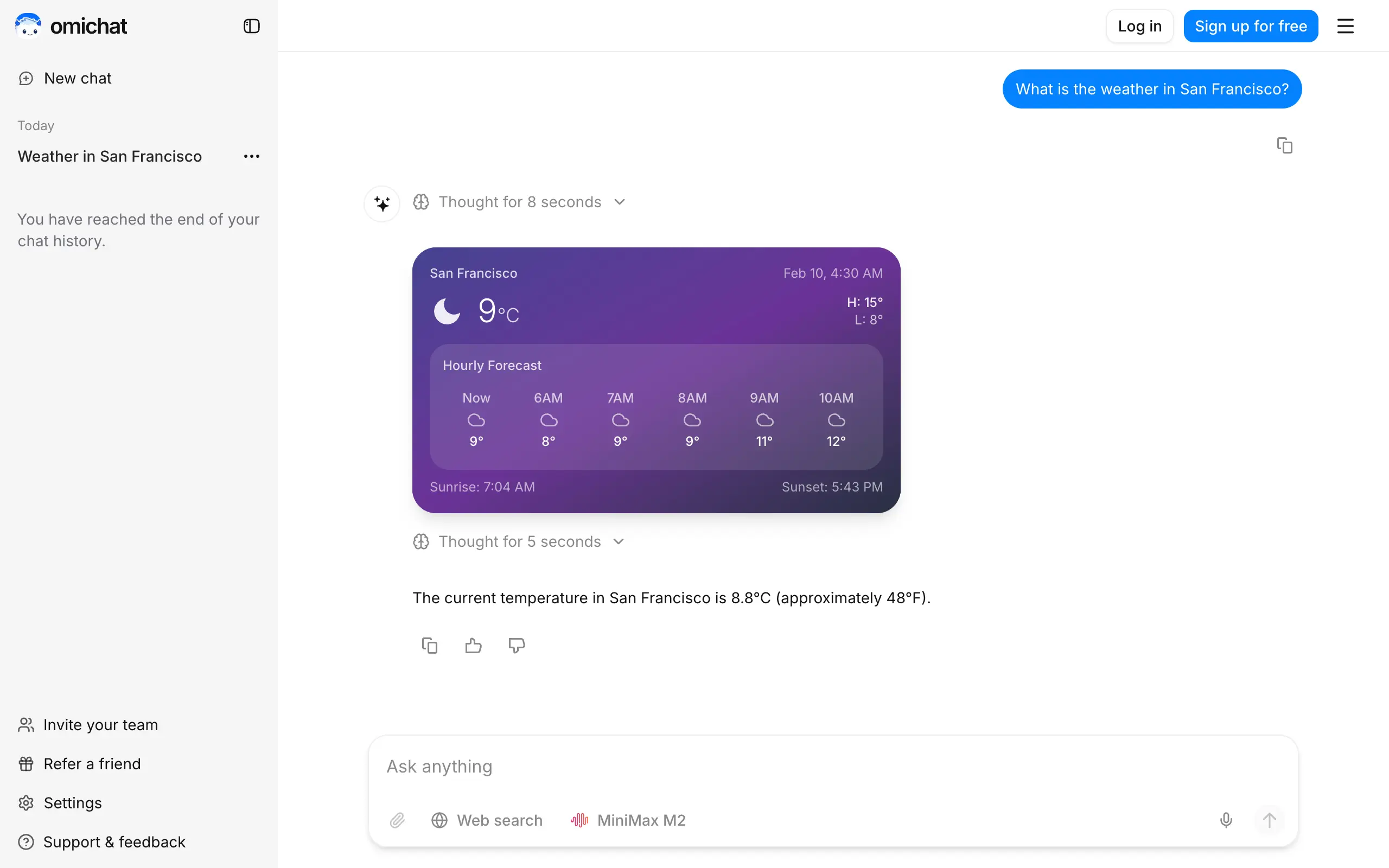
Omichat
Chat with 50+ AI models, including ChatGPT and Claude, in one place - switch models anytime without losing context 🤖
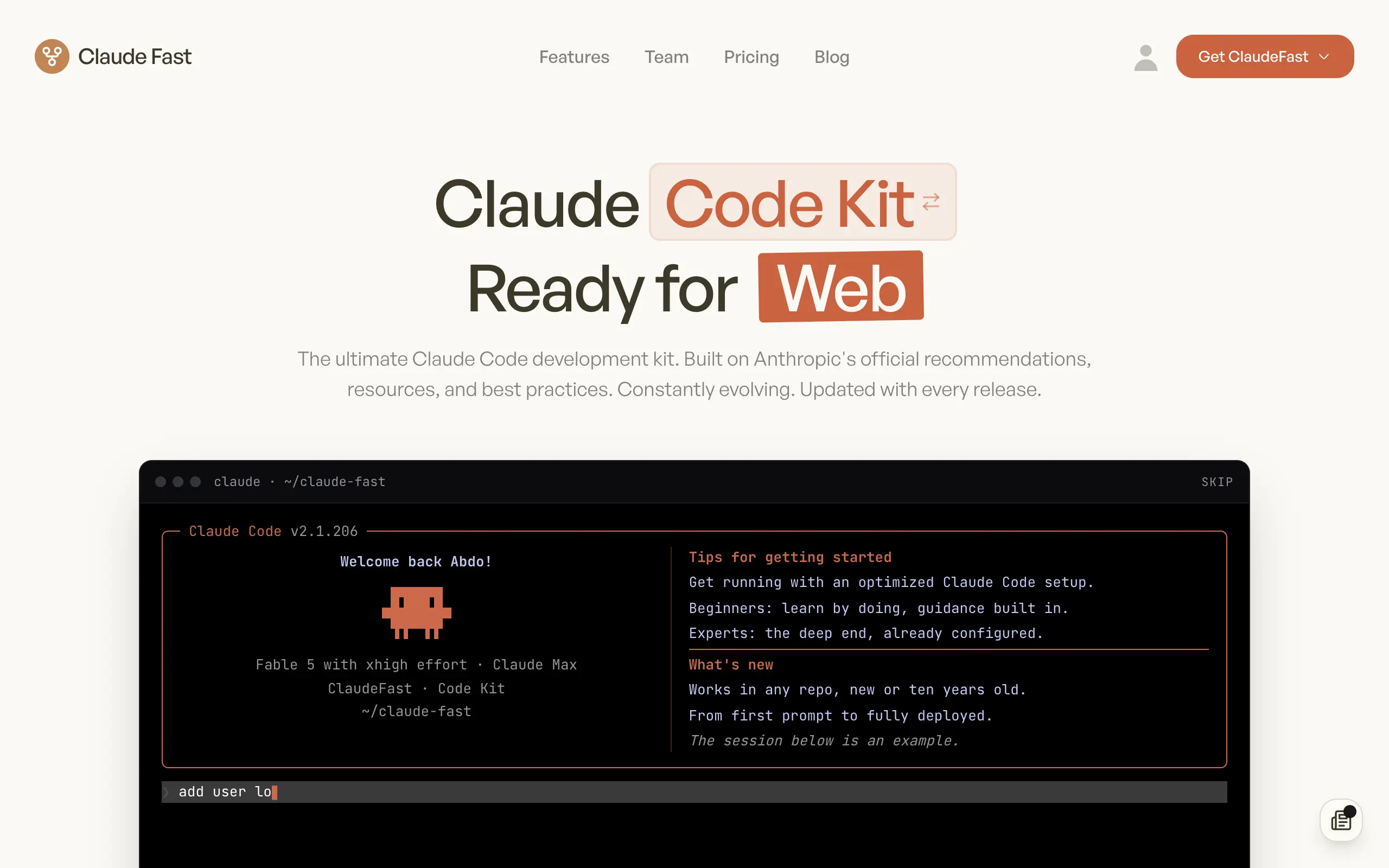
Claude Fast
Supercharge your Claude Code with 6x effective context window and specialized AI agents 🤖
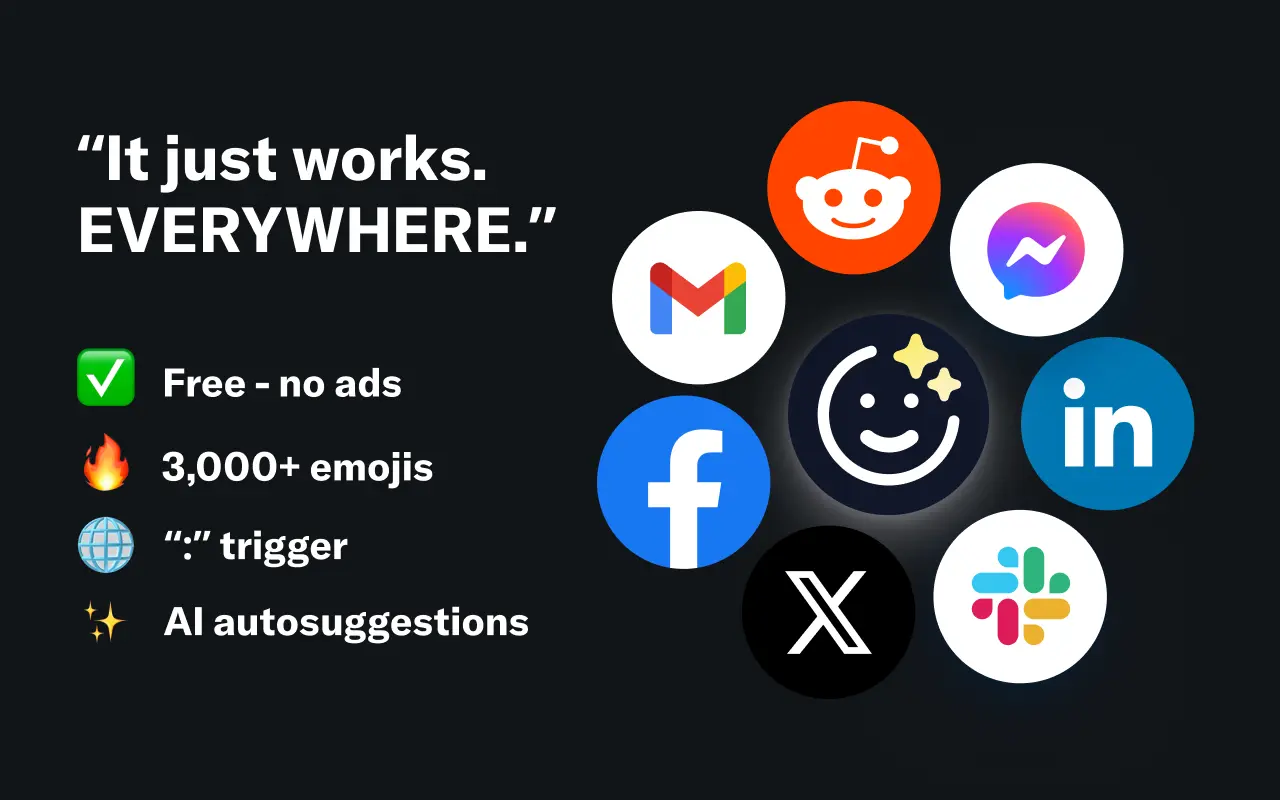
EmojAI
AI-powered emoji picker with smart, context-aware suggestions 🤖
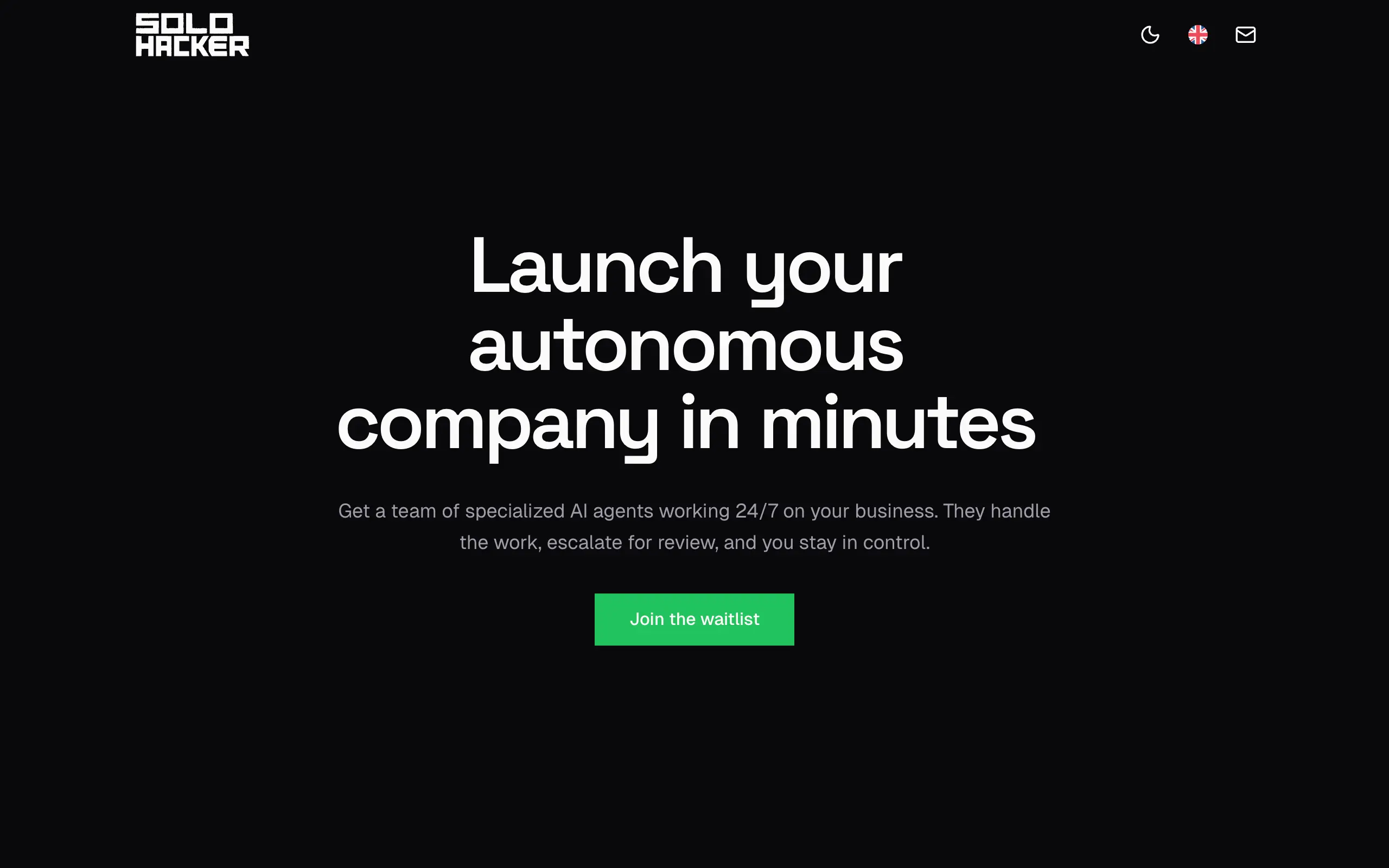
Solohacker
Autonomous company launcher - AI agents work 24/7, escalate what matters, and you stay in control 🤖
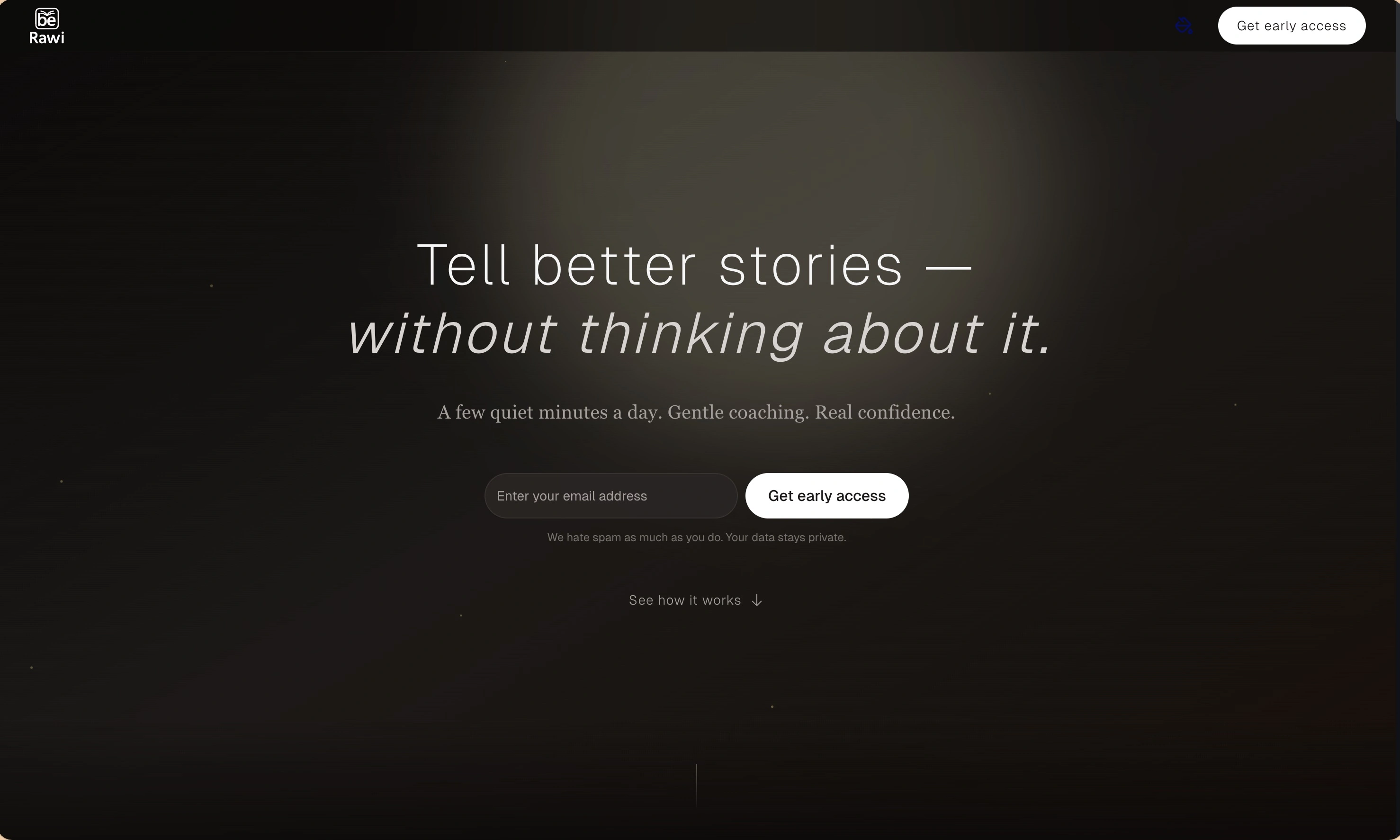
BeRawi: Storytelling Coach
Practice storytelling daily with instant feedback to sound clearer, more engaging, and confident 🎤
Omichat
Chat with 50+ AI models, including ChatGPT and Claude, in one place - switch models anytime without losing context 🤖
Claude Fast
Supercharge your Claude Code with 6x effective context window and specialized AI agents 🤖
EmojAI
AI-powered emoji picker with smart, context-aware suggestions 🤖
Solohacker
Autonomous company launcher - AI agents work 24/7, escalate what matters, and you stay in control 🤖
BeRawi: Storytelling Coach
Practice storytelling daily with instant feedback to sound clearer, more engaging, and confident 🎤
Omichat
Chat with 50+ AI models, including ChatGPT and Claude, in one place - switch models anytime without losing context 🤖
Claude Fast
Supercharge your Claude Code with 6x effective context window and specialized AI agents 🤖
EmojAI
AI-powered emoji picker with smart, context-aware suggestions 🤖
Solohacker
Autonomous company launcher - AI agents work 24/7, escalate what matters, and you stay in control 🤖
BeRawi: Storytelling Coach
Practice storytelling daily with instant feedback to sound clearer, more engaging, and confident 🎤
Omichat
Chat with 50+ AI models, including ChatGPT and Claude, in one place - switch models anytime without losing context 🤖
Claude Fast
Supercharge your Claude Code with 6x effective context window and specialized AI agents 🤖
EmojAI
AI-powered emoji picker with smart, context-aware suggestions 🤖
Solohacker
Autonomous company launcher - AI agents work 24/7, escalate what matters, and you stay in control 🤖
BeRawi: Storytelling Coach
Practice storytelling daily with instant feedback to sound clearer, more engaging, and confident 🎤

Connect with like-minded people
Join our community to get feedback, support, and grow together with 1,000+ builders on board, let's ship it!
Join usShip your startup everywhere. In minutes.
Don't burn tokens on setup and start building features on day one.