DeliGateway
Seamlessly unify delivery orders from all major marketplaces into your POS, streamlining restaurant operations with real-time order syncing and reporting.
A seamless delivery management platform like DeliGateway answers a real, urgent pain point facing restaurants today: the havoc caused by juggling delivery orders across multiple marketplaces and integrating them into a point-of-sale (POS) system. In this deep dive, we’ll systematically explore the B2B SaaS landscape of aggregated delivery order management, break down exactly how DeliGateway solves mission-critical problems, and provide expert-level guidance on every facet of building, positioning, and monetizing such a solution.
Understanding the user: Who needs unified delivery order management?
To address user search intent and deliver actionable value, we must recognize that DeliGateway’s primary target audience includes:
- Single and multi-location restaurants balancing direct and third-party online delivery (DoorDash, Uber Eats, Grubhub, etc.).
- Ghost kitchens and virtual brands built to maximize delivery revenue streams.
- Restaurant chains and franchises seeking operational consistency across distributed locations.
- POS vendors looking to enrich their ecosystem with advanced integrations.
- Restaurant managers and owners overwhelmed by order fragmentation and reconciliation headaches.
Common challenges faced include:
- Order chaos: Juggling multiple tablets or devices, inputting orders manually into POS systems, and risking lost or delayed deliveries.
- Manual reconciliation: Cross-referencing every marketplace report for sales, refunds, and commissions—a huge time sink and source of accounting errors.
- Inconsistent data: Incomplete or delayed reporting hinders both day-to-day operations and high-level decision-making.
Time-starved restaurant operators
Looking for automation to reduce manual entry and eliminate order errors.
Technical managers
Seeking secure, flexible APIs to integrate with existing POS solutions.
Multi-channel brands
Demanding performance analytics and harmonized order management across platforms.
Market opportunity: Why DeliGateway is poised for demand
Multi-marketplace delivery isn’t going away—it’s accelerating
The online food delivery market is experiencing double-digit annual growth. According to Statista, global online food delivery revenue is expected to top $450 billion by 2027. This is fueled by:
- Proliferation of delivery platforms and apps
- Consumers’ increasing demand for convenience
- Fierce competition driving restaurants to list everywhere possible
Key market gaps DeliGateway addresses:
- Siloed order systems: Most restaurants rely on several third-party food delivery services, each with its own app or interface.
- Integration friction: Integrating each platform into a POS is complicated, expensive, and often incomplete.
- Data inconsistency: Fragmented order, sales, and refund data make real-time business intelligence nearly impossible.
Industry trend
Third-party delivery integrations are moving from "nice-to-have" to "must-have" for competitive restaurants, especially post-pandemic, as expectations for frictionless, tech-driven operations have skyrocketed.
Core features that make DeliGateway a category leader
When considering aggregated delivery management, robust feature depth and reliability are vital to customer trust. DeliGateway should encompass:
Real-time order aggregation and auto-sync
- Unified dashboard showing all incoming orders, across every integrated marketplace (e.g., Uber Eats, DoorDash, Grubhub, and more).
- Instant, automatic push of orders into the POS, minimizing staff intervention.
Two-way synchronization
- Order status (accepted, in progress, completed) updates reflected instantly on all channels.
- Menu updates or item unavailability pushed across all marketplaces and to the POS.
Centralized reporting & analytics
- Automatic, consolidated end-of-day or custom-period sales summaries.
- Visual dashboards for key KPIs: revenue per channel, order volume, fulfillment times, refund/issue rates.
Refunds, adjustments, and reconciliation
- One-click refund or adjustment processing with changes propagated to both marketplace and POS.
- Automated reconciliation tools to simplify accounting and commission calculation.
Secure, robust integration suite
- Deep integrations with major POS vendors (Toast, Square, Lightspeed, etc.).
- Developer-friendly, well-documented public APIs for custom setups.
Alerts, notifications, and audit trails
- Real-time alerts for failed integrations, large refunds, or order anomalies.
- Comprehensive logging for transparency and troubleshooting.
Deep, direct connections with leading delivery platforms reduce reliance on error-prone screen scraping or manual "middleware" solutions.
Powerful permission management to accommodate multi-unit operators with different staff roles and management hierarchies.
Seamlessly handle a few locations or hundreds, scalable to enterprise needs.
How does DeliGateway work? A closer look at B2B workflow
The magic of DeliGateway is in removing friction and offering restaurants “one pane of glass” to monitor all delivery activity.
Technology stack recommendations (with trade-offs and reasoning)
Building a battle-tested SaaS like DeliGateway requires choices that balance scalability, reliability, speed to market, and extensibility.
Recommended core stack
- Frontend: React (excellent for dynamic dashboards and modular UI), TailwindCSS (rapid, maintainable styling).
- Backend/API: Node.js with TypeScript (for type safety in complex integrations).
- Database: PostgreSQL (ACID-compliant, excels at relational data), optionally paired with a document store like MongoDB for logging.
- Real-time messaging: Redis (for queueing and pub/sub notifications).
- Cloud infrastructure: AWS or Google Cloud—enabling auto-scaling and resilience.
- Authentication & security: Auth0 or self-hosted OAuth 2.0 for securely managing sensitive marketplace integrations.
- APM & logging: Datadog or Sentry (for monitoring and troubleshooting).
Stack trade-offs to consider
- Serverless vs traditional API: Serverless (e.g. AWS Lambda) can boost scalability and reduce costs at lower volumes, but persistent connections (for real-time data) are easier with a containerized/API-server approach.
- Custom connectors vs third-party iPaaS: Building your own integrations gives full control but increases complexity. Using proven middlewares (like Zapier or Workato) can speed up early-stage MVPs, at the potential expense of reliability or flexibility for complex order flows.
// Typical structure for a marketplace order webhook handler (Node.js + TypeScript)
import { Request, Response } from 'express';
import { pushOrderToPOS } from './posIntegration';

export const handleMarketplaceOrder = async (req: Request, res: Response) => {
  try {
    const orderDetails = req.body;
    // Validate and normalize incoming order
    const formattedOrder = normalizeForPOS(orderDetails);
    // Send order to the connected POS
    await pushOrderToPOS(formattedOrder);
    res.sendStatus(200);
  } catch (err) {
    console.error('Order processing error', err);
    res.sendStatus(500);
  }
};
Monetization strategies: How should DeliGateway price and capture value?
Monetization must balance simplicity for buyers with fairness and scalability as restaurant volume grows.
Revenue model options
- Per-location monthly SaaS pricing: Flat fee per restaurant, with volume-based tiers (e.g. up to 10, 50, 100 locations).
- Order volume-based pricing: Scales with the number of orders processed through the platform.
- Premium add-ons: Advanced analytics, priority support, API access, or historical data exports.
- Implementation/onboarding fees (optional): Especially for large, multi-location clients requiring custom connectors.
| Model | Predictability | Scalability | Client appeal | Complexity |
|---|---|---|---|---|
| Location-based SaaS | ✅ | ❌ (unless priced in large bands) | ✅ | ❌ |
| Order-based pricing | ✅ | ✅ | ✅ | ❌ |
Best-in-class SaaS companies often use a blend: simple per-location pricing for entry-level, and custom quotes for enterprise-scale rollouts.
Competitive landscape and unique advantages
Restaurants have options—so why choose DeliGateway? Let's break down the competition and DeliGateway's unique selling proposition (USP):
Existing competitors (as of 2024):
- Marketplace-provided "integrators": Many delivery services offer proprietary POS sync, but only for their platform and often with limits on POS vendors.
- Legacy middleware & iPaaS: Companies like Chowly, Olo, and Ordermark offer integrations, but some require costly, manual maintenance or long onboarding.
- Generic integration platforms: Zapier or Make.com support simple data routing but lack deep restaurant-specific logic and real-time reliability.
DeliGateway’s unique value proposition
- True multi-marketplace, multi-POS hub: Not limited to largest platforms alone—flexible blueprint for both mainstream and niche delivery APIs.
- Real-time, robust two-way syncing: Many tools push orders to POS but fail at updating menu status, error handling, or managing refunds cleanly.
- Enterprise scalability: Designed for hundreds of locations, with granular access controls and multi-unit dashboarding.
- Best-in-class reporting and reconciliation: Visual, instantly auditable reports that actually match sales data—no more end-of-month surprises.
- Low-touch onboarding: Plug-and-play connectors, guided flows, and a developer-friendly open API eliminate weeks of setup.
Potential risks and mitigation strategies
No SaaS platform in this mission-critical space is risk-free. Key challenges for DeliGateway include:
Point of failure risks
- API changes from delivery partners: Marketplaces often update APIs, which could break integrations.
- POS vendor deprecations: If a POS updates their protocol, order syncing can be disrupted.
Mitigation:
- Build automated test suites and CI pipelines to rapidly identify and adapt to upstream changes.
- Maintain open, strategic partner relationships and subscribe to integration changelogs.
Data security and compliance
- Handling sensitive order and payment data exposes restaurants to added compliance burdens.
Mitigation:
- Use end-to-end encryption for all data in transit and at rest.
- Achieve and maintain relevant certifications (PCI DSS, SOC 2).
Incremental cost and technical debt
- Supporting dozens of marketplace and POS integrations increases development and maintenance load.
Mitigation:
- Modular, microservice-based integration architecture streamlines connector updates.
- Invest in a robust QA and monitoring infrastructure (see tech stack recommendations).
DeliGateway’s competitive edge: Why this approach is winning for modern restaurants
- Operations focus: Designed for frontline usability, not just backend data transfer.
- Enterprise-grade reporting: Differentiates from low-cost, unreliable "app connectors."
- Future-proofed architecture: Modular integrations allow DeliGateway to keep pace as new delivery channels emerge and restaurants diversify.
- Trusted SaaS partnering: Built with the expectation of being a long-term operational partner on which restaurants and POS providers can depend.
Action-oriented implementation steps to launch DeliGateway
For SaaS founders or product teams looking to build a DeliGateway-like solution, here’s an actionable path forward:
TurboStarter Integration
If you're looking to accelerate SaaS development or need ready-to-go architecture for unified order management, be sure to check out TurboStarter.
Conclusion: The future is unified, intelligent, and restaurant-first
In a world where delivery marketplaces drive ever-larger percentages of restaurant revenue, the value of centralized, seamless order aggregation and reporting grows every day. DeliGateway solves a real, well-defined operational dilemma with technology that delights both tech-savvy and non-technical users.
By focusing on robust integrations, real-time data, fault-tolerant design, and actionable analytics, DeliGateway creates a foundation for growth—for both independent restaurant operators and multi-location enterprises. If you’re building or adopting a solution in this space, prioritize resilience, usability, and trusted long-term partnership for enduring success.
Ready to unify your delivery orders and streamline your restaurant operation?
Explore how an industry-first approach with DeliGateway can be your competitive edge.
More 🏢 B2B Application SaaS ideas
Discover more innovative b2b application SaaS ideas that are trending in 2026. Each idea is AI-generated with market validation and growth potential to help you find your next profitable venture faster than competitors.
Your competitors are building with TurboStarter
Below are some of the SaaS ideas that have been generated and built with our starter kit.
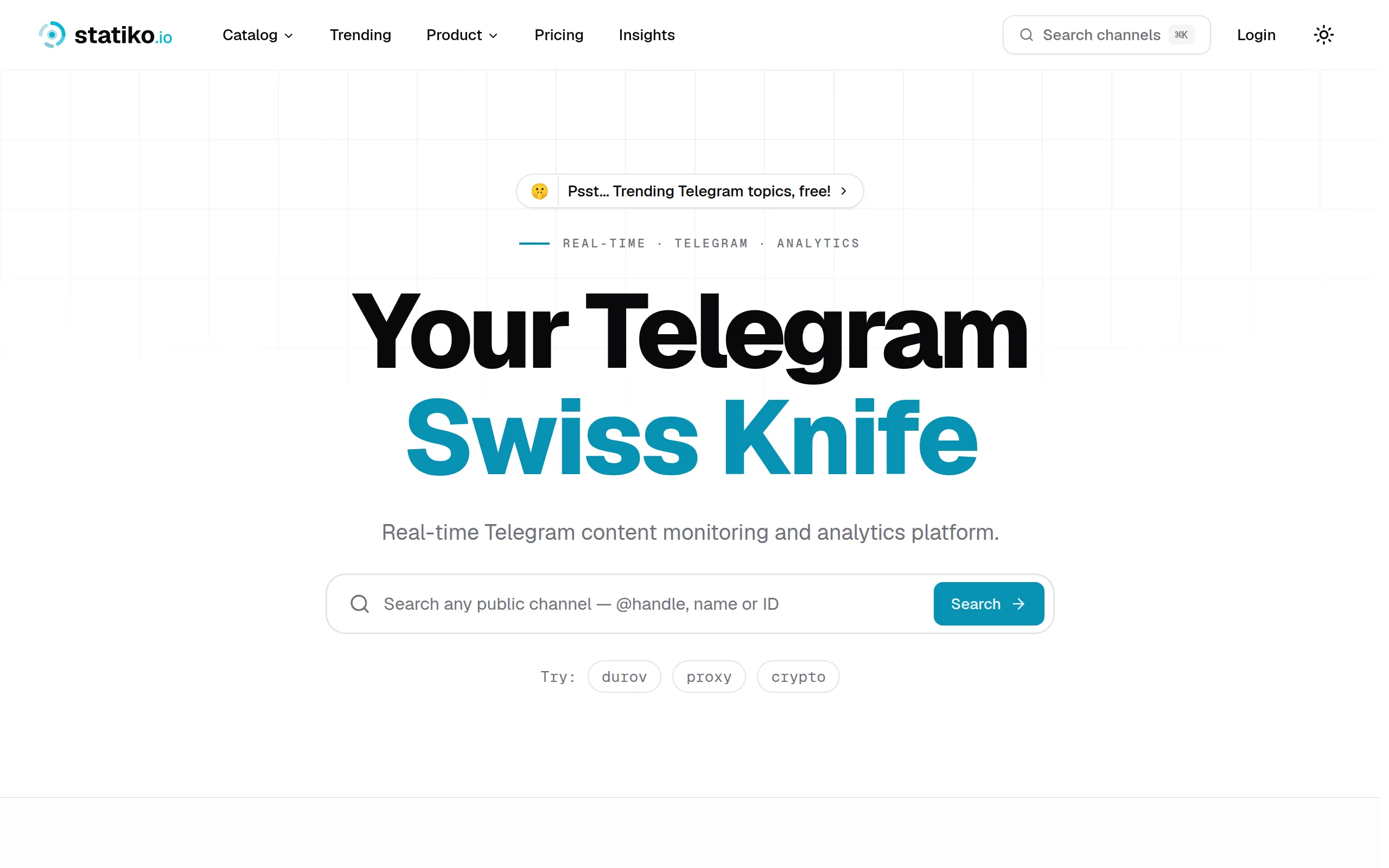
Statiko
Monitor any Telegram channel in real time - track posts, edits, deletions, and growth with AI recaps 📡

Shibui
AI website builder - describe your business, pick a niche template, edit by chatting, and publish instantly ✨

Pro Service
Find verified home service professionals, compare quotes, and pay securely through escrow - built for Brazilians across the US 🏠
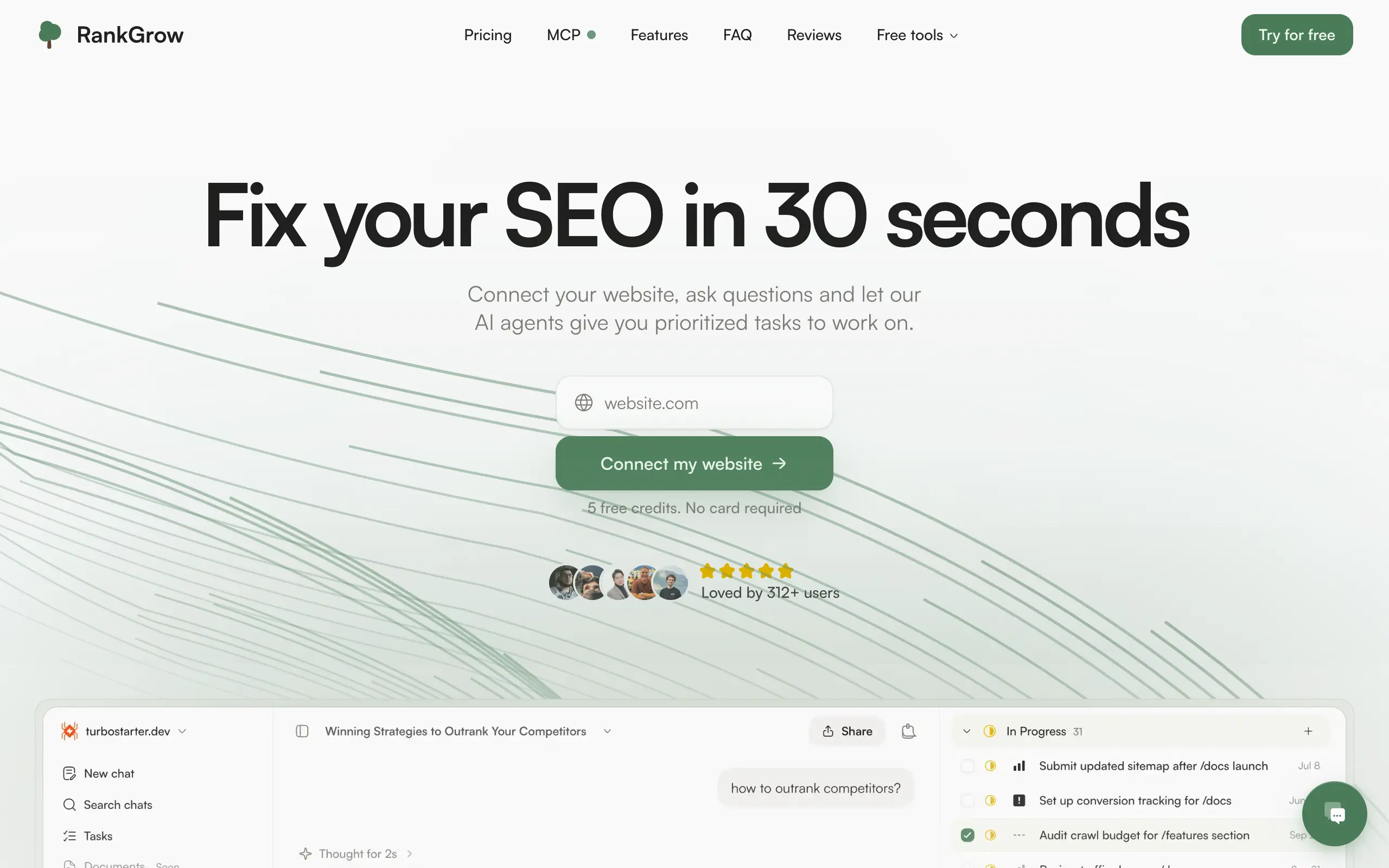
RankGrow
Fix your SEO with AI agents - connect Search Console, get prioritized tasks, and grow organic traffic 📈
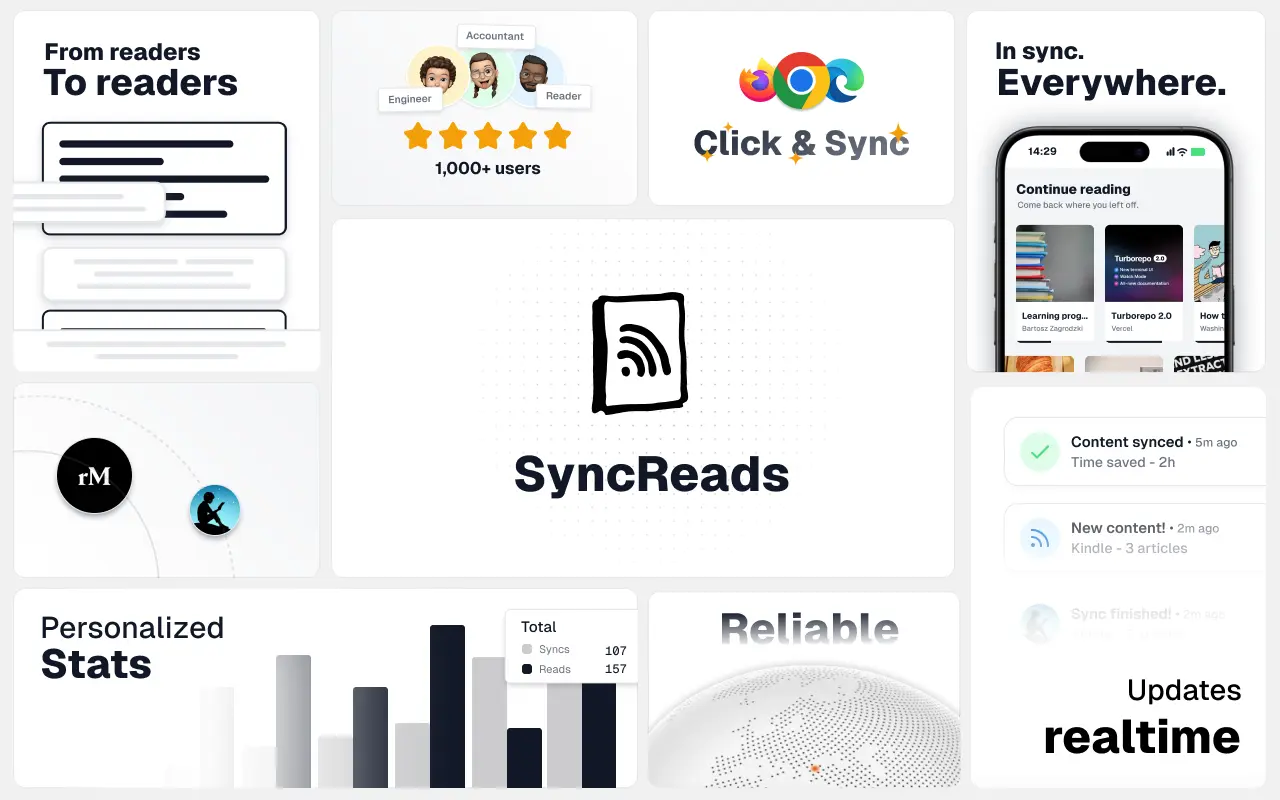
SyncReads
Sync your favorite content for distraction-free reading, save time and replace multiple apps. Anytime, anywhere 🔄
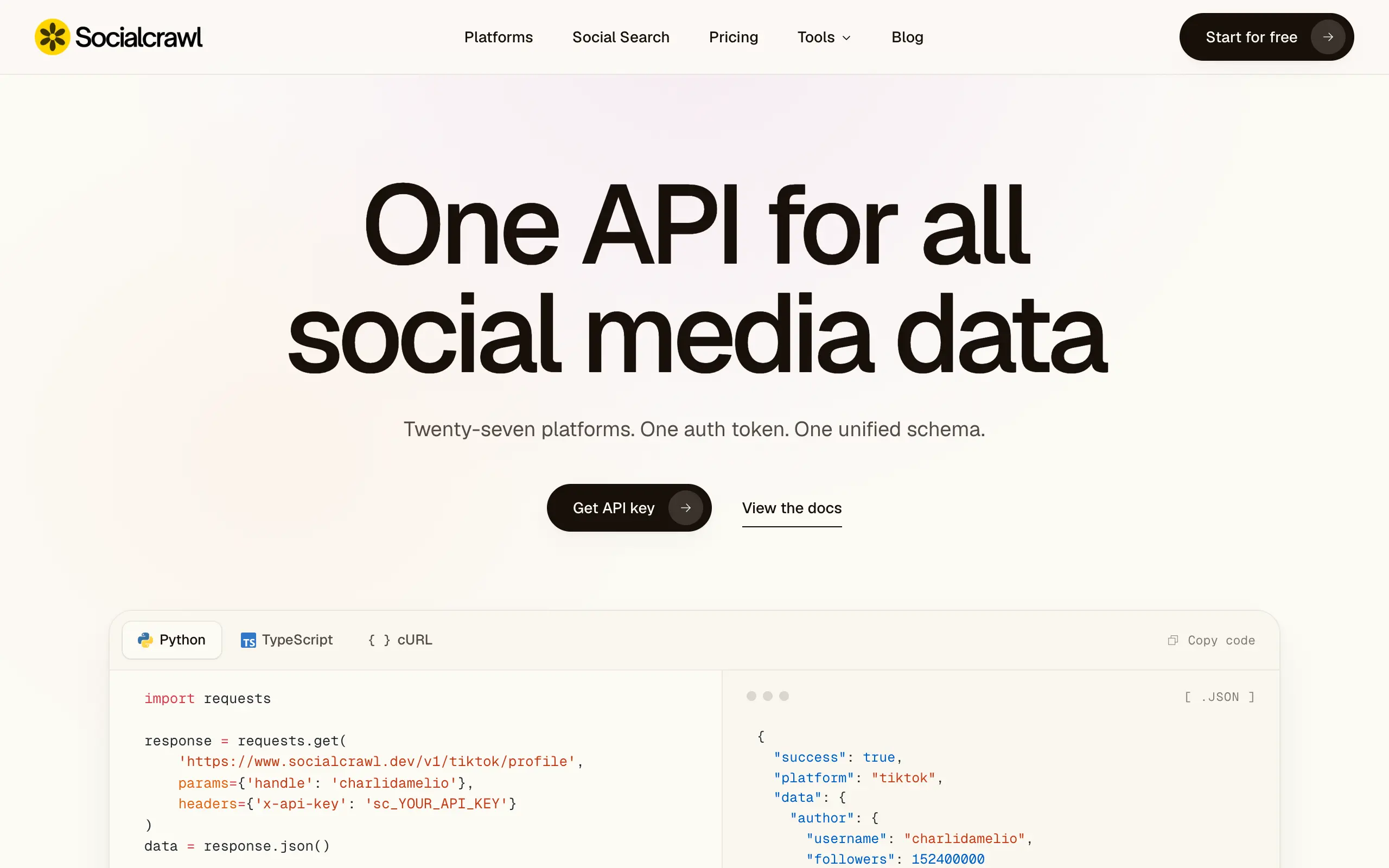
Socialcrawl
Get clean, structured data from 21 platforms like TikTok, Instagram, and YouTube with a single request 📊
Statiko
Monitor any Telegram channel in real time - track posts, edits, deletions, and growth with AI recaps 📡
Shibui
AI website builder - describe your business, pick a niche template, edit by chatting, and publish instantly ✨
Pro Service
Find verified home service professionals, compare quotes, and pay securely through escrow - built for Brazilians across the US 🏠
RankGrow
Fix your SEO with AI agents - connect Search Console, get prioritized tasks, and grow organic traffic 📈
SyncReads
Sync your favorite content for distraction-free reading, save time and replace multiple apps. Anytime, anywhere 🔄
Socialcrawl
Get clean, structured data from 21 platforms like TikTok, Instagram, and YouTube with a single request 📊
Statiko
Monitor any Telegram channel in real time - track posts, edits, deletions, and growth with AI recaps 📡
Shibui
AI website builder - describe your business, pick a niche template, edit by chatting, and publish instantly ✨
Pro Service
Find verified home service professionals, compare quotes, and pay securely through escrow - built for Brazilians across the US 🏠
RankGrow
Fix your SEO with AI agents - connect Search Console, get prioritized tasks, and grow organic traffic 📈
SyncReads
Sync your favorite content for distraction-free reading, save time and replace multiple apps. Anytime, anywhere 🔄
Socialcrawl
Get clean, structured data from 21 platforms like TikTok, Instagram, and YouTube with a single request 📊
Statiko
Monitor any Telegram channel in real time - track posts, edits, deletions, and growth with AI recaps 📡
Shibui
AI website builder - describe your business, pick a niche template, edit by chatting, and publish instantly ✨
Pro Service
Find verified home service professionals, compare quotes, and pay securely through escrow - built for Brazilians across the US 🏠
RankGrow
Fix your SEO with AI agents - connect Search Console, get prioritized tasks, and grow organic traffic 📈
SyncReads
Sync your favorite content for distraction-free reading, save time and replace multiple apps. Anytime, anywhere 🔄
Socialcrawl
Get clean, structured data from 21 platforms like TikTok, Instagram, and YouTube with a single request 📊
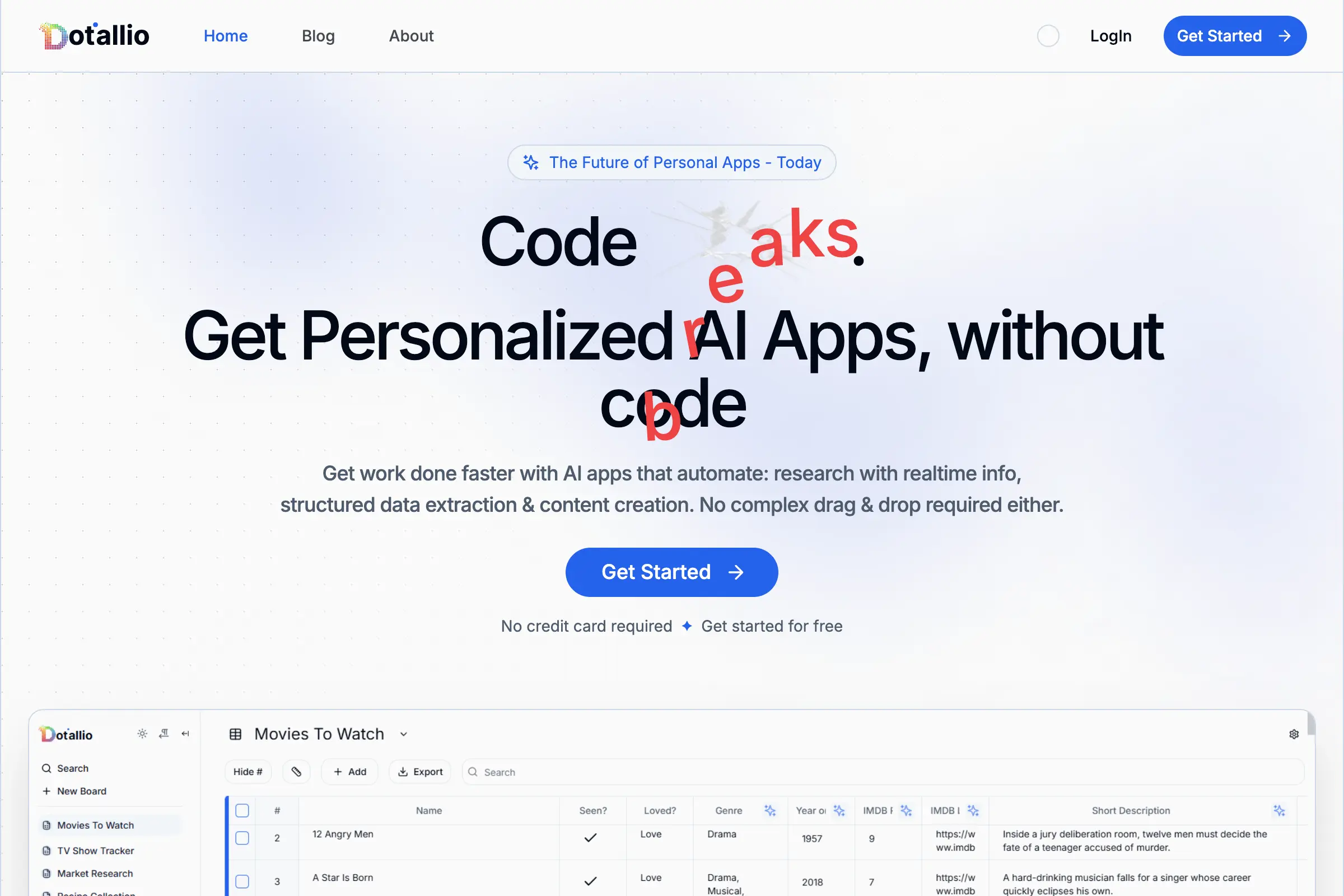
Dotallio
Personalized AI apps that automate research, data extraction, and content creation without code 🤖

Talk to Santa
Enjoy a magical live video chat or receive a unique AI-generated video greeting from Santa Claus 🎅

pozywka.pl
Scalable blog for food journalist, focused on performance and user experience 🌭
zagrodzki.me
Personal blog and portfolio of Bart Zagrodzki, where he shares his knowledge and work 💼
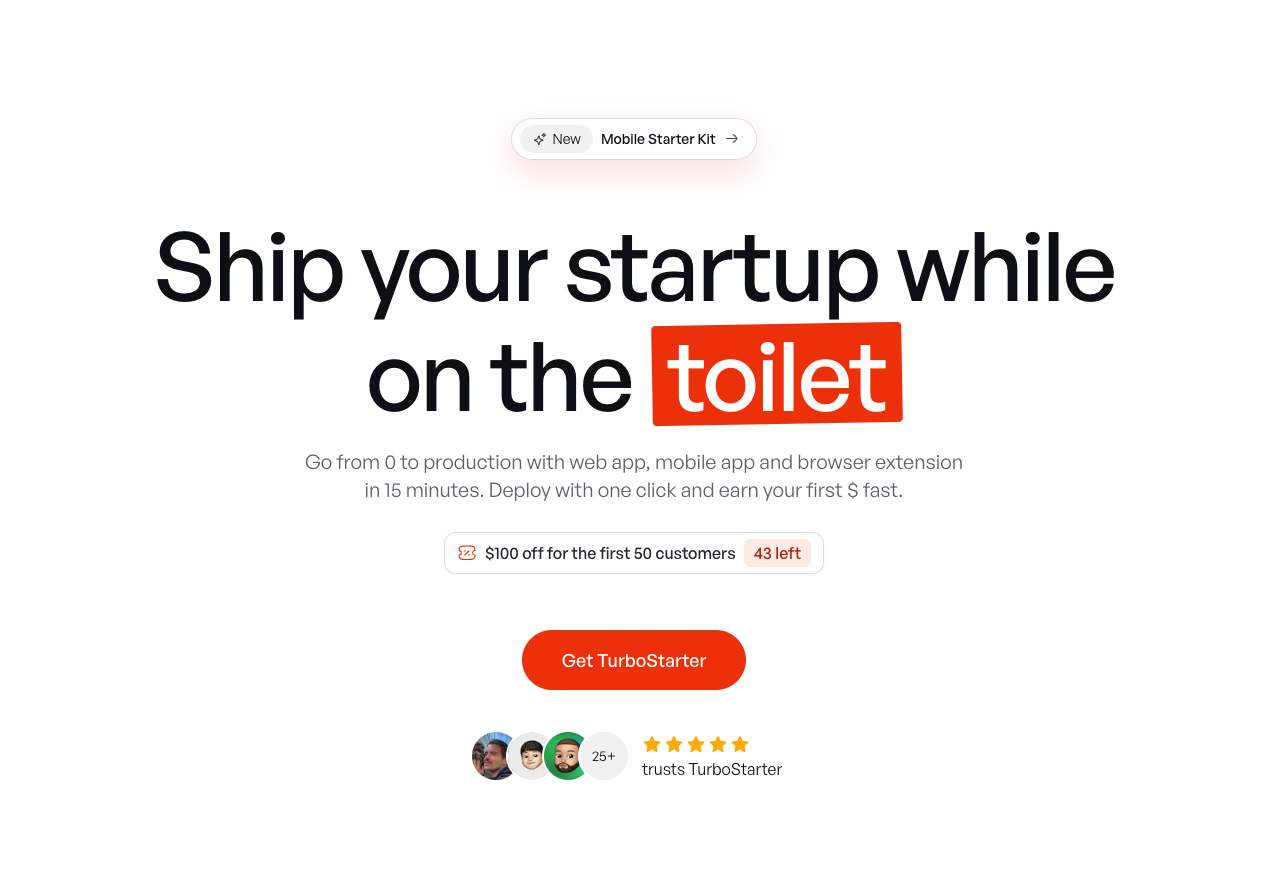
TurboStarter
Ship your startup everywhere. In minutes.
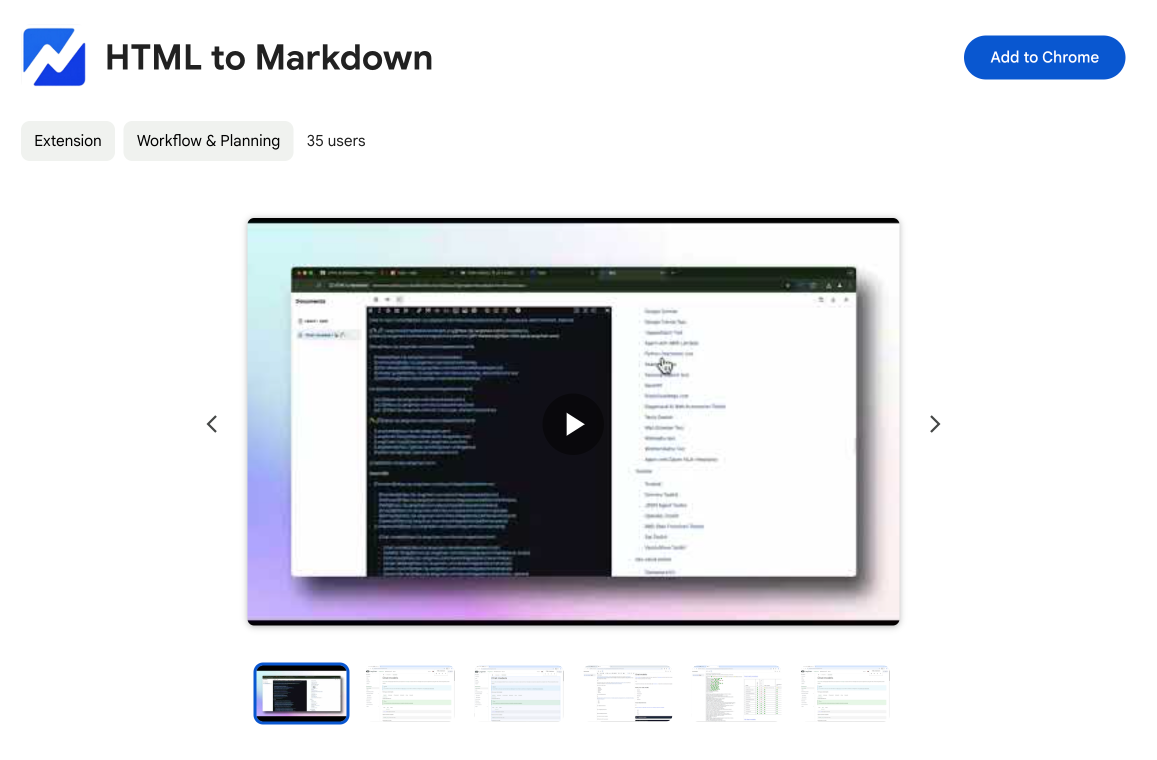
HTML to Markdown
Convert HTML to Markdown with ease, directly in your browser 📄
Dotallio
Personalized AI apps that automate research, data extraction, and content creation without code 🤖
Talk to Santa
Enjoy a magical live video chat or receive a unique AI-generated video greeting from Santa Claus 🎅
pozywka.pl
Scalable blog for food journalist, focused on performance and user experience 🌭
zagrodzki.me
Personal blog and portfolio of Bart Zagrodzki, where he shares his knowledge and work 💼
TurboStarter
Ship your startup everywhere. In minutes.
HTML to Markdown
Convert HTML to Markdown with ease, directly in your browser 📄
Dotallio
Personalized AI apps that automate research, data extraction, and content creation without code 🤖
Talk to Santa
Enjoy a magical live video chat or receive a unique AI-generated video greeting from Santa Claus 🎅
pozywka.pl
Scalable blog for food journalist, focused on performance and user experience 🌭
zagrodzki.me
Personal blog and portfolio of Bart Zagrodzki, where he shares his knowledge and work 💼
TurboStarter
Ship your startup everywhere. In minutes.
HTML to Markdown
Convert HTML to Markdown with ease, directly in your browser 📄
Dotallio
Personalized AI apps that automate research, data extraction, and content creation without code 🤖
Talk to Santa
Enjoy a magical live video chat or receive a unique AI-generated video greeting from Santa Claus 🎅
pozywka.pl
Scalable blog for food journalist, focused on performance and user experience 🌭
zagrodzki.me
Personal blog and portfolio of Bart Zagrodzki, where he shares his knowledge and work 💼
TurboStarter
Ship your startup everywhere. In minutes.
HTML to Markdown
Convert HTML to Markdown with ease, directly in your browser 📄
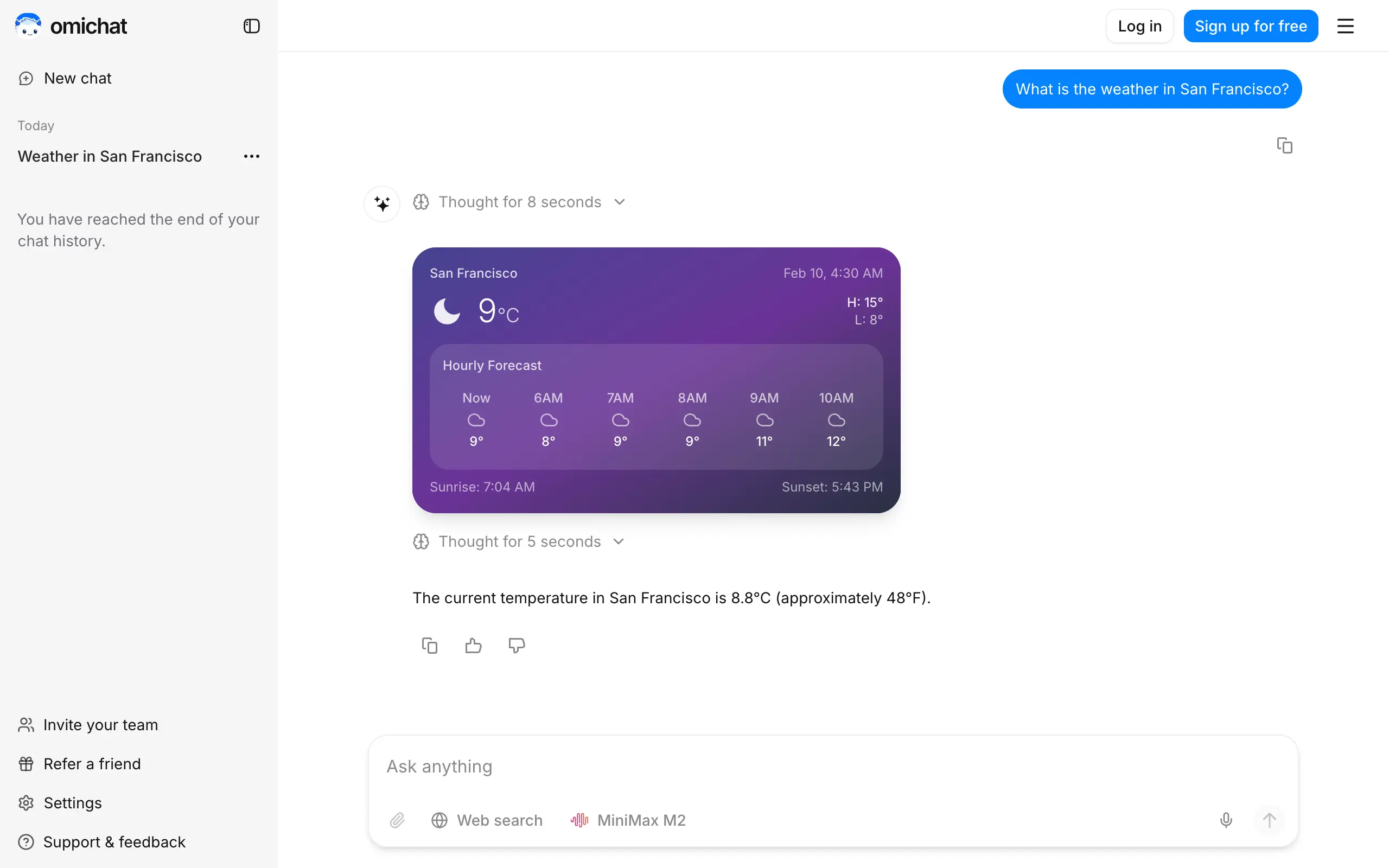
Omichat
Chat with 50+ AI models, including ChatGPT and Claude, in one place - switch models anytime without losing context 🤖
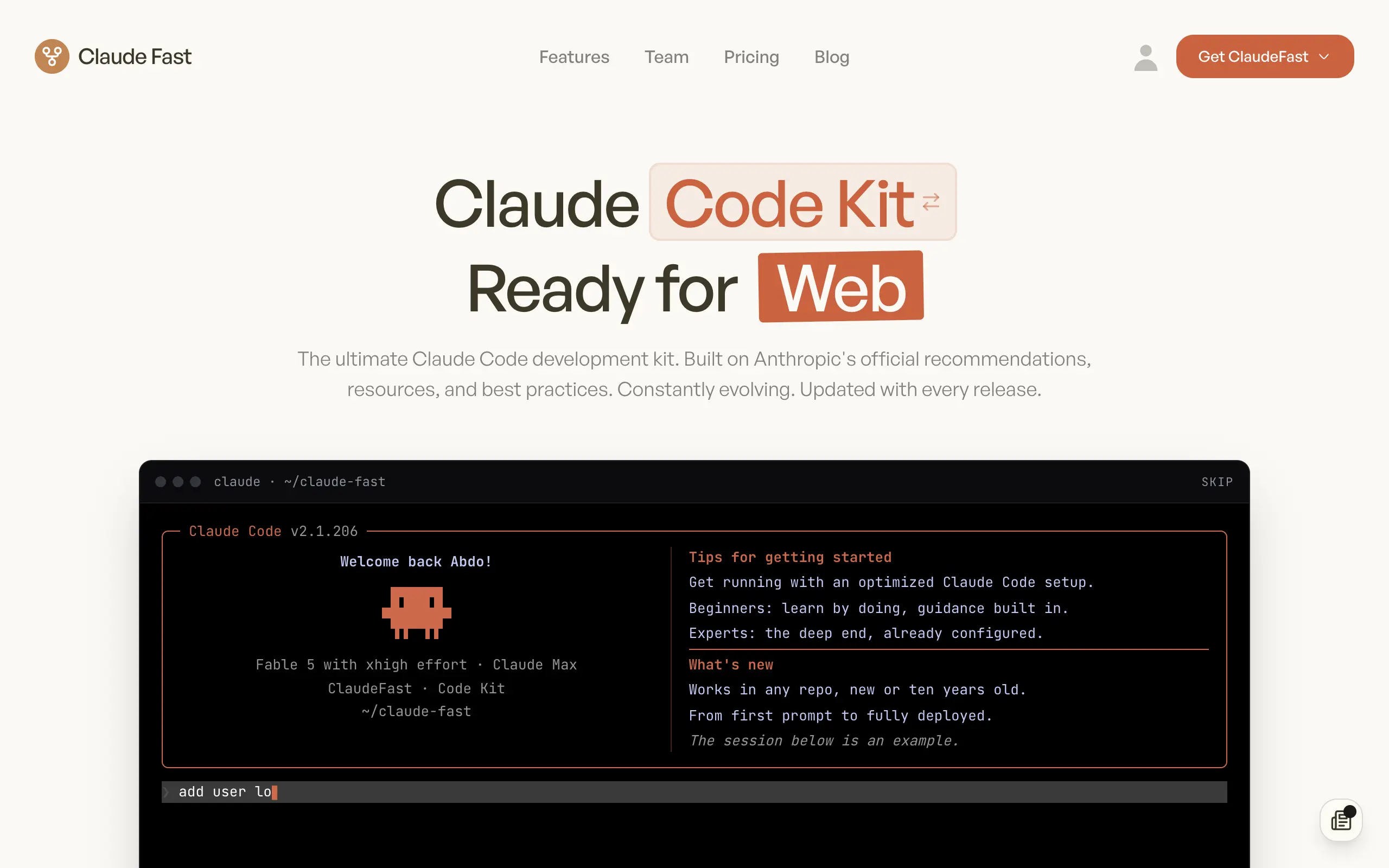
Claude Fast
Supercharge your Claude Code with 6x effective context window and specialized AI agents 🤖
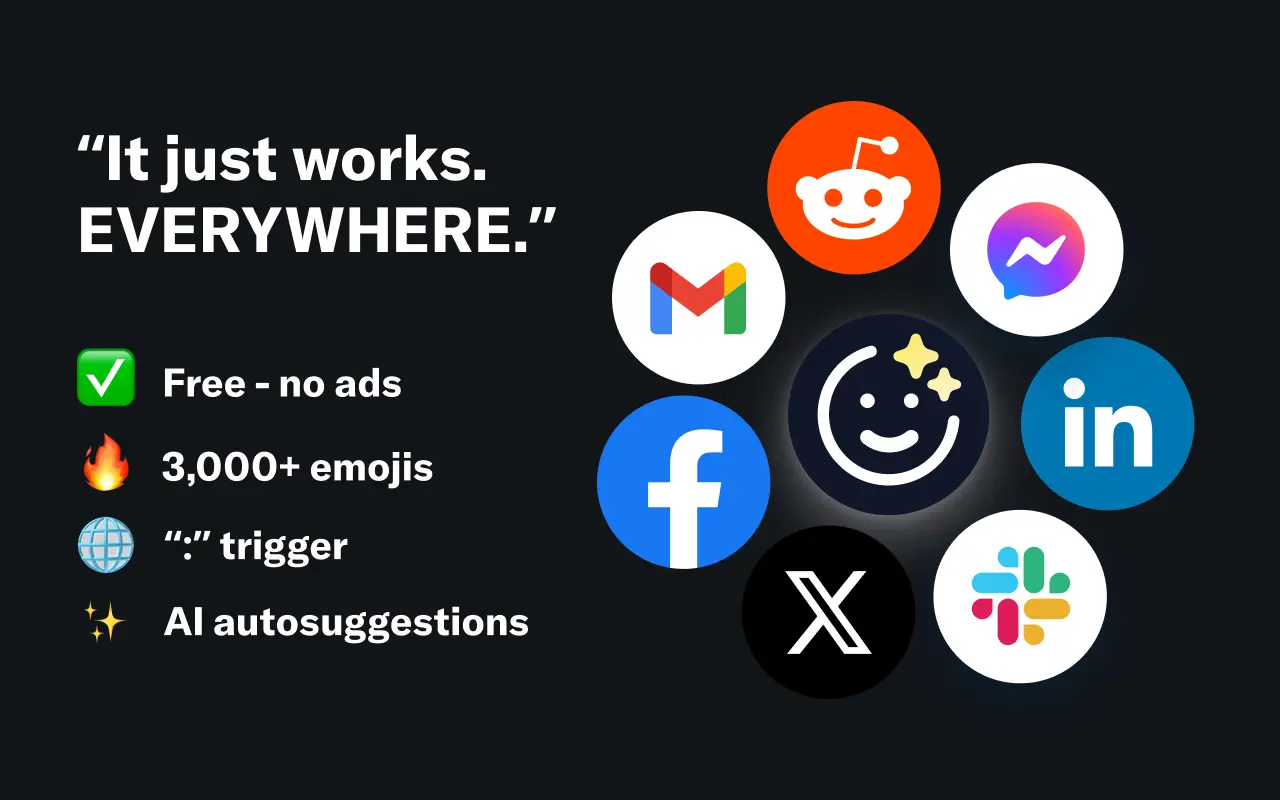
EmojAI
AI-powered emoji picker with smart, context-aware suggestions 🤖

Solohacker
Autonomous company launcher - AI agents work 24/7, escalate what matters, and you stay in control 🤖

BeRawi: Storytelling Coach
Practice storytelling daily with instant feedback to sound clearer, more engaging, and confident 🎤
Omichat
Chat with 50+ AI models, including ChatGPT and Claude, in one place - switch models anytime without losing context 🤖
Claude Fast
Supercharge your Claude Code with 6x effective context window and specialized AI agents 🤖
EmojAI
AI-powered emoji picker with smart, context-aware suggestions 🤖
Solohacker
Autonomous company launcher - AI agents work 24/7, escalate what matters, and you stay in control 🤖
BeRawi: Storytelling Coach
Practice storytelling daily with instant feedback to sound clearer, more engaging, and confident 🎤
Omichat
Chat with 50+ AI models, including ChatGPT and Claude, in one place - switch models anytime without losing context 🤖
Claude Fast
Supercharge your Claude Code with 6x effective context window and specialized AI agents 🤖
EmojAI
AI-powered emoji picker with smart, context-aware suggestions 🤖
Solohacker
Autonomous company launcher - AI agents work 24/7, escalate what matters, and you stay in control 🤖
BeRawi: Storytelling Coach
Practice storytelling daily with instant feedback to sound clearer, more engaging, and confident 🎤
Omichat
Chat with 50+ AI models, including ChatGPT and Claude, in one place - switch models anytime without losing context 🤖
Claude Fast
Supercharge your Claude Code with 6x effective context window and specialized AI agents 🤖
EmojAI
AI-powered emoji picker with smart, context-aware suggestions 🤖
Solohacker
Autonomous company launcher - AI agents work 24/7, escalate what matters, and you stay in control 🤖
BeRawi: Storytelling Coach
Practice storytelling daily with instant feedback to sound clearer, more engaging, and confident 🎤

Connect with like-minded people
Join our community to get feedback, support, and grow together with 1,000+ builders on board, let's ship it!
Join usShip your startup everywhere. In minutes.
Don't burn tokens on setup and start building features on day one.