DevQuest
Gamify developer communities with sponsor challenges, skill quests, and team leaderboards that convert members into active event attendees.
Why developer community gamification is becoming a growth channel
Developer communities are no longer passive forums where members only consume documentation, ask occasional support questions, or wait for a product announcement. The strongest communities create repeatable participation loops. Members build projects, share knowledge, attend events, mentor peers, and create content that benefits both the community and the sponsoring organization.
That is the market opportunity behind DevQuest, a B2B developer community gamification platform designed around sponsor challenges, skill quests, and team leaderboards. Its purpose is practical: convert inactive members into contributors and convert contributors into event attendees, product advocates, and long-term community champions.
The primary keyword for this SaaS concept is developer community gamification platform. Related terms include developer engagement software, developer relations platform, community challenge platform, developer event engagement, gamified learning for developers, hackathon software, technical community platform, and developer advocacy tools.
Unlike generic community software, DevQuest focuses on measurable developer actions. It gives developer relations teams, community managers, conference organizers, and technology sponsors a structured way to turn participation into progress.
A typical DevQuest flow could look like this:
- A sponsor launches a quest around a new API, SDK, cloud service, or open-source project.
- Developers complete technical milestones, such as building a demo, submitting feedback, joining an event, or publishing a tutorial.
- The platform verifies activity through integrations, evidence submission, or moderator review.
- Participants earn points, badges, ranks, and team leaderboard positions.
- Community managers identify high-intent members and invite them to workshops, ambassador programs, beta cohorts, or live events.
This creates a clear behavioral bridge between awareness and activation.
The strategic insight
Gamification is not the goal. Meaningful participation is the goal. A developer community gamification platform succeeds only when points, quests, and leaderboards reinforce valuable technical behavior rather than reward empty activity.
The problem DevQuest solves for developer communities
Most developer communities face an engagement imbalance. A small group of highly active people creates the majority of discussions, event energy, code samples, and helpful answers. Meanwhile, a much larger group remains silent.
This is not necessarily a sign that those quieter members are uninterested. More often, they lack a clear next action, sufficient confidence, social proof, or a compelling reason to participate now.
Traditional community engagement tactics have limits:
- Newsletter campaigns are easy to ignore.
- Webinar registrations do not guarantee attendance.
- Discord and Slack messages disappear quickly.
- Forum badges often reward quantity rather than real learning.
- One-off hackathons create a temporary spike but rarely establish an ongoing habit.
- Generic leaderboards can discourage beginners when experienced members dominate immediately.
DevQuest addresses this gap by introducing guided, time-bound, and outcome-oriented developer quests. Instead of asking members to “get involved,” community teams can offer a specific mission with visible progress and a relevant reward.
For example, a cloud infrastructure company could create a beginner quest that asks participants to deploy a starter application, configure monitoring, and attend an office-hours session. An advanced quest could require integrating a specific API, sharing a repository, and presenting lessons learned during a community demo day.
The platform makes each path explicit. Developers know what to do next. Sponsors can see which actions happen. Community teams can recognize meaningful effort.
Target audience for a developer community gamification platform
DevQuest should focus on organizations with both a developer audience and a reason to drive recurring technical engagement. The most attractive buyers are not merely looking for “more likes” or superficial community activity. They need to influence activation, education, event participation, and product adoption.
Primary buyers and internal champions
The core customer profile includes teams responsible for developer engagement.
- "Developer relations leaders": need scalable programs that move developers from awareness to product use.
- "Community managers": need repeatable engagement mechanics that do not depend on manually chasing members.
- "Developer marketing teams": need campaigns with more measurable outcomes than impressions or registrations.
- "Technical event organizers": need to improve attendance, networking, workshop participation, and post-event follow-through.
- "Open-source program offices": need ways to welcome, educate, and retain contributors.
- "Partner ecosystem teams": need to motivate developers across agencies, system integrators, and technology partners.
- "Developer education teams": need structured learning experiences that encourage completion and practical application.
In many B2B SaaS companies, the end user and the economic buyer are different. Developers participate in quests, while a Head of Developer Relations, VP of Marketing, community lead, or event director approves the budget. DevQuest must therefore deliver a rewarding participant experience while providing management-grade reporting and governance.
Developer participant segments
Not every developer should receive the same quest experience. Segmentation is central to effective community gamification.
Newcomers
Need a low-friction onboarding path, confidence-building wins, and a clear explanation of the community's value.
Product explorers
Need practical challenges that help them reach an initial product success moment with an API, SDK, or platform.
Active builders
Need deeper technical quests, peer visibility, and opportunities to demonstrate expertise.
Community champions
Need mentoring, speaking, content creation, and ambassador opportunities rather than simple points.
A new developer might be motivated by a guided starter quest and a completion badge. An experienced engineer is more likely to care about a difficult technical challenge, exclusive access, speaking opportunities, reputation, or the chance to influence a product roadmap.
The best DevQuest implementation lets organizers create differentiated tracks without fragmenting the community.
Market opportunity and the engagement gap
Developer relations has become more accountable. Teams increasingly need to demonstrate how community activity affects product adoption, pipeline influence, event attendance, content creation, contributor growth, and retention.
At the same time, developers have limited attention. They participate when an initiative is useful, technically credible, respectful of their time, and aligned with their career or project goals.
This creates a gap between existing tools:
- Community platforms are optimized for discussions, moderation, and content.
- Learning management systems are optimized for courses and completion.
- Event platforms are optimized for registration and logistics.
- hackathon tools are optimized for a single competition window.
- Customer relationship management systems are optimized for contact records rather than developer motivation.
- analytics tools can report activity but do not create the behavior that produces it.
DevQuest can occupy the orchestration layer between these categories. It should not attempt to replace every community, event, or analytics tool. Instead, it turns existing community touchpoints into a coherent journey.
A member might discover a quest in Discord, complete a tutorial hosted in a documentation portal, submit a GitHub repository, register for an event, and earn recognition in DevQuest. The platform connects those moments into one participation narrative.
Why sponsor-funded challenges are a strong wedge
Sponsor challenges are a particularly compelling initial product wedge because they align three different incentives:
- Sponsors want awareness and qualified developer engagement.
- Organizers want budget support and memorable programming.
- Developers want useful learning, recognition, rewards, and opportunities.
However, sponsor-funded developer challenges can fail when they resemble thinly disguised advertisements. The challenge must teach a transferable skill or help participants build something useful. A quest that simply asks developers to click through marketing pages will damage trust.
A strong sponsor challenge has these traits:
- It has a genuine technical objective.
- It can be completed in a realistic amount of time.
- It offers clear instructions and evaluation criteria.
- It does not require excessive personal data.
- It produces an artifact, learning outcome, or meaningful contribution.
- It gives participants a fair way to demonstrate their work.
- It clearly discloses the sponsor’s role and reward terms.
This is DevQuest’s opportunity to differentiate from generic contest software. It can become the trusted framework for high-quality developer challenges.
DevQuest’s unique selling proposition
DevQuest should position itself as the developer community gamification platform that turns sponsor investment into verified skill-building, sustained community participation, and higher event attendance.
That positioning is stronger than “a leaderboard tool” or “a gamified community platform.” It clearly connects the product to business outcomes and developer value.
The unique selling proposition has four parts:
- "Technical relevance": quests focus on actual developer work, not vanity engagement.
- "Sponsor-to-community alignment": sponsors fund useful challenges rather than interrupting members with promotional content.
- "Verified outcomes": organizers can validate meaningful completion signals and reduce leaderboard gaming.
- "Event conversion engine": quest pathways intentionally lead toward workshops, meetups, demo days, and conferences.
A generic gamification product may offer points, badges, and rankings. DevQuest should offer purpose-built workflows for the developer ecosystem, including technical challenge templates, code evidence, team formation, sponsor reporting, skills progression, and event-specific reward mechanics.
Core features for DevQuest
The first version should prioritize an end-to-end quest lifecycle. Avoid building a huge social network, full learning management system, or complex marketplace before proving that teams will repeatedly launch and measure challenges.
Quest builder and reusable templates
The quest builder is the product’s operational core. Community teams should be able to launch an engaging experience without engineering support.
A quest configuration should include:
- Quest title, overview, learning goals, duration, and difficulty level
- Eligibility rules and geographic restrictions when rewards require them
- Steps, evidence requirements, points, and completion criteria
- Sponsor branding and disclosure language
- Individual or team participation settings
- Reward inventory, fulfillment rules, and winner selection approach
- Links to documentation, starter repositories, event registrations, and support channels
- Moderation workflow and reviewer assignments
- Accessibility notes and alternative completion paths where appropriate
Templates reduce time to value. Early templates could include API adoption quests, workshop completion quests, open-source contributor quests, conference scavenger quests, documentation feedback quests, and partner certification challenges.
Skill quests and progression paths
A single challenge may drive a temporary burst of activity. A progression system creates retention.
DevQuest should let administrators group quests into tracks such as:
- Foundation
- Builder
- Integrator
- Community contributor
- Mentor
- Ambassador
A developer completing an introductory API quest can be guided into a more advanced integration challenge. Completing that challenge can unlock an invitation to an expert office hour, a private beta, or a community demo event.
The progression should be transparent. Participants should understand the skills they are developing and what unlocks next.
Team leaderboards that encourage collaboration
Team leaderboards are valuable for events and community cohorts because they create social momentum. Yet they need careful design.
A global leaderboard that rewards only total points will quickly be dominated by the earliest or most experienced participants. DevQuest should offer multiple leaderboard modes:
- Individual rankings
- Team rankings
- Regional rankings
- Event cohort rankings
- Newcomer-only rankings
- Weekly sprint rankings
- Most-improved rankings
- Contribution-quality rankings
Time-boxed and cohort-based leaderboards are especially important. They give newer members a realistic chance to be recognized.
| Leaderboard model | Best use case | Main benefit | Primary risk | Recommended safeguard |
|---|---|---|---|---|
| Global lifetime | Long-term recognition | Rewards loyalty | Newcomer discouragement | Separate newcomer ranks |
| Weekly sprint | Launch campaigns | Creates urgency | Low-quality point chasing | Quality review rules |
| Team event | Conferences and hack days | Encourages networking | Uneven teams | Balanced team assignment |
| Skill track | Developer learning programs | Shows real advancement | Overly complex scoring | Simple published rubric |
Verification and anti-gaming workflows
Trust is the hard part of developer community gamification. If participants can gain points simply by clicking buttons or submitting copied work, high-quality contributors will disengage.
DevQuest needs tiered verification rather than a single manual review model.
- "Automatic verification": confirms measurable actions such as event check-in, quiz completion, webhook events, or connected account activity.
- "Evidence-based verification": asks users to submit a repository, screenshot, deployment URL, pull request, or written reflection.
- "Peer verification": allows approved mentors or teammates to validate certain collaboration tasks.
- "Moderator review": supports high-value submissions, prize eligibility, and edge cases.
- "Random audits": discourages abuse for activities that are otherwise easy to fake.
The platform should show the verification status clearly. Participants should know whether an action is pending, approved, rejected, or requires more evidence.
Event attendance and engagement workflows
Event attendance should be a core outcome, not a secondary integration. DevQuest can use pre-event, in-event, and post-event quests to improve the complete attendee journey.
Before an event, quests can encourage registration, profile completion, agenda selection, and technical preparation. During an event, they can drive workshop participation, booth visits, networking introductions, and session feedback. After the event, they can encourage project submissions, recaps, recordings, and continued community involvement.
A well-designed event quest avoids turning a conference into a scavenger hunt with no substance. Instead, each action should increase the value participants get from attending.
Sponsor reporting and outcome dashboards
Sponsors need evidence that their investment produced more than impressions. The reporting dashboard should connect program activity with leading engagement indicators and meaningful technical outcomes.
Useful reporting metrics include:
- Activated participants
- Quest start and completion rate
- Verified technical submissions
- Time to first meaningful action
- Event registrations and verified attendance
- Workshop completion
- Documentation visits from quest participants
- Product integration milestones
- Community contributions
- Returning participant rate
- Participant satisfaction and qualitative feedback
- Cost per activated developer
- Cost per verified completion
For enterprise buyers, reports should be exportable and easy to interpret. A sponsor should be able to answer, “What did this challenge achieve, who did it engage, and what should we do next?”
Recommended tech stack for building DevQuest
DevQuest is a multi-tenant B2B SaaS product with user identity, configurable workflows, ranking logic, event integrations, and reporting requirements. The architecture should emphasize iteration speed, auditability, and reliable background processing.
A pragmatic web application stack could include Next.js with React and TypeScript. This combination supports a performant participant-facing experience and a sophisticated administration dashboard in one application.
For UI development, Tailwind CSS is a strong choice because it supports rapid design-system implementation and makes it easier to keep organizer and participant views visually consistent.
For data persistence, PostgreSQL is well suited to the relational structure of organizations, programs, quests, tasks, teams, submissions, rewards, and audit records. An ORM such as Prisma can speed up application development, although teams should still understand generated query behavior as reports and datasets grow.
For authentication, Clerk or Auth0 can reduce implementation time. Enterprise customers may require SAML single sign-on and SCIM provisioning later, so identity architecture should not be treated as an afterthought.
Build the first version with Next.js, TypeScript, PostgreSQL, Prisma, Tailwind CSS, managed authentication, object storage for submission files, and a transactional email provider. This is sufficient for organizations, quests, leaderboards, submissions, and basic reporting.
Add a queue system for verification jobs and notifications, an analytics warehouse for large sponsor reports, Redis for caching and rate limits, event webhooks, feature flags, and observability tooling as customer volume grows.
Do not over-engineer event-driven microservices before product-market fit. However, keep score changes and verification decisions auditable from day one. Leaderboard disputes are expensive when the system cannot explain how a score was calculated.
Core domain model
A clean domain model prevents scoring rules from becoming unmaintainable.
type QuestSubmission = {
  id: string;
  organizationId: string;
  questId: string;
  participantId: string;
  status: "draft" | "submitted" | "approved" | "rejected";
  evidenceUrl?: string;
  reviewerId?: string;
  pointsAwarded: number;
  submittedAt?: Date;
  reviewedAt?: Date;
};

type ScoreLedgerEntry = {
  id: string;
  participantId: string;
  questId: string;
  submissionId?: string;
  points: number;
  reason: "quest_completion" | "bonus" | "adjustment" | "reversal";
  createdAt: Date;
};
The score ledger is particularly important. Rather than only storing a mutable total score, store every score-changing event. This makes it possible to audit results, reverse fraudulent points, explain rankings, and build reliable reports.
Integrations that matter most
Integrations should be driven by customer workflow, not by a desire to list logos on a landing page. The highest-value early integrations are likely to be:
- Community platforms such as Discord and Slack for notifications and role updates
- Event platforms for registrations and check-ins
- GitHub for repository and contribution evidence
- Calendar tools for office hours and workshops
- Email platforms for lifecycle messages
- CRM systems for sponsor and developer-relations reporting
- Web analytics and product analytics platforms for campaign attribution
For GitHub-related workflows, use GitHub Docs as the source of truth when designing OAuth scopes, webhook handling, and rate-limit behavior. Request only the minimum permissions needed for a given verification flow.
Monetization strategy for DevQuest
DevQuest should use B2B pricing that reflects program scale and business value, not just raw monthly active users. Developer communities can have many passive members, but the most meaningful cost drivers are active participants, active quests, verification workload, and reporting needs.
A hybrid subscription model is likely the strongest starting point.
Recommended pricing structure
- "Starter plan": for small communities running a limited number of quests with standard templates, basic leaderboards, and self-service support.
- "Growth plan": for developer relations teams that need more active campaigns, team competitions, integrations, advanced reporting, and custom branding.
- "Enterprise plan": for large organizations requiring SSO, custom data retention, dedicated support, audit logs, security reviews, and sponsor reporting.
- "Event package": a high-margin fixed-price option for conferences, hackathons, partner summits, and community roadshows.
- "Verification add-on": usage-based pricing for high-touch manual review, advanced fraud detection, or managed moderation.
- "Sponsor marketplace fee": a later-stage option where DevQuest takes a platform fee from sponsor-funded challenge budgets.
The initial business model should avoid relying entirely on marketplace liquidity. Building both sponsor demand and community supply is difficult. Subscription revenue from community operators creates a more predictable foundation.
Competitive advantage and positioning
DevQuest will face indirect competition from community platforms, event tools, learning products, hackathon software, and internal engagement systems. Its advantage depends on being more specific and more outcome-oriented than each category.
| Alternative | What it does well | Where DevQuest can win |
|---|---|---|
| Community platforms | Conversations, moderation, member spaces | Structured technical journeys and measurable challenge outcomes |
| Event platforms | Registration, ticketing, logistics | Engagement before, during, and after the event |
| Learning platforms | Courses and certificates | Sponsor-backed practical application and social participation |
| Hackathon platforms | Competition management | Persistent quests and year-round community retention |
| Generic gamification tools | Points and rewards | Developer-specific evidence, skills, repositories, and integrations |
The sustainable moat is not the point system itself. Points and badges are easy to copy. More defensible advantages include:
- A library of proven developer quest templates.
- Benchmark data on completion, attendance, and activation rates.
- Sponsor reporting workflows that become embedded in campaign operations.
- Technical verification integrations and scoring rules.
- Community reputation data that improves participant matching and recognition.
- A trusted brand that protects developer time and avoids low-value sponsored activity.
Key risks and how to mitigate them
Risk of superficial engagement
The largest strategic risk is rewarding actions that look good in a dashboard but do not represent real learning, product adoption, or community value.
Mitigation requires quest design standards. Every task should map to a desired outcome. Completion should involve an observable signal when possible, and high-value rewards should require verified work.
Risk of leaderboard toxicity
Leaderboards can motivate some people while discouraging others. Public rankings may also reward unhealthy behavior, including excessive posting, low-quality submissions, or gaming the rules.
Use opt-in public profiles, cohort-based rankings, team achievements, quality-weighted points, and non-competitive recognition. Let organizations choose whether rankings are visible to everyone, visible only within teams, or private to participants.
Risk of fraud and reward abuse
Prize-driven campaigns attract abuse. Attackers may create duplicate accounts, submit copied repositories, automate actions, or exploit weak verification rules.
Use rate limits, identity checks for high-value prizes, device and behavior signals where legally appropriate, score ledgers, manual audits, transparent rules, and clear disqualification policies. Keep privacy obligations in mind and collect only data that is necessary.
Risk of sponsor misalignment
Sponsors may request quests that are overly promotional or technically shallow. If the community perceives DevQuest as an advertising mechanism, retention will suffer.
Create sponsor quality guidelines, offer editorial review, and require each sponsored quest to provide concrete developer value. The sponsor should fund an experience, not purchase access to a captive audience.
Risk of complex implementation
Custom scoring, integrations, roles, rewards, and reporting can make the product difficult to configure.
Start with opinionated defaults. A community manager should be able to launch a standard quest quickly. Advanced customization should be available gradually, not forced on every customer.
Avoid building a full native chat product, a generalized course authoring suite, a complex cryptocurrency reward system, and an open sponsor marketplace in the first release. Integrate with existing tools and focus on the quest-to-outcome workflow.
Measure a baseline before each program. Compare quest participants with similar non-participants on activation, attendance, product milestones, and return engagement. Combine quantitative results with participant feedback and examples of completed projects.
Not always. Developers often value recognition, access to experts, conference tickets, product credits, speaking opportunities, mentorship, and early access. Monetary rewards can work, but they usually require stronger fraud controls and legal review.
How to validate DevQuest before building everything
The best validation is not a survey asking whether people like gamification. It is a paid or tightly scoped pilot that measures whether a developer community can change a meaningful behavior through quests.
Choose one narrow use case, such as converting API documentation readers into first-time builders or increasing workshop attendance for a regional developer event.
A validation pilot should include:
- One community operator with an active audience.
- One sponsor or internal product team with a concrete adoption goal.
- A limited set of three to five quests.
- Clear eligibility, verification, and reward rules.
- A pre-defined success metric such as verified completions or attendance lift.
- Participant interviews before and after the program.
The pilot can initially be operated with a lightweight admin dashboard and manual verification. This “concierge MVP” approach reveals where automation actually matters.
Ask participants questions that uncover motivation:
- Which task felt most valuable and why?
- Where did you get stuck?
- Did the leaderboard motivate you, pressure you, or not matter?
- Would you join another quest without a prize?
- What did you learn or build that you would not have done otherwise?
- Did the quest make you more likely to attend a future event?
For market research, cite credible sources where relevant rather than using vague numbers. Useful reference types include industry reports from established developer surveys, event industry research, open-source foundations, and first-party product analytics. Clearly label methodology, sample size, time period, and whether results are self-reported.
Actionable implementation plan
DevQuest should be built in phases so the team can validate engagement mechanics before investing deeply in automation and enterprise functionality.
Define one target segment, such as SaaS developer relations teams running API adoption campaigns. Write a clear success metric for the first pilot.
Design three reusable quest templates: onboarding, technical build, and event attendance. Include a simple scoring rubric and evidence requirements for each.
Build multi-tenant organization management, participant profiles, quest creation, task completion, evidence submission, and an auditable score ledger.
Launch individual and team leaderboards with time-bound campaign settings. Add newcomer-friendly recognition so early experts do not dominate every experience.
Add moderator workflows, approval queues, rejection reasons, score reversals, and fraud-review notes before offering meaningful prizes.
Integrate one community channel, one event workflow, and GitHub evidence submission. Measure which integration creates the highest completion lift.
Run a pilot, interview participants, compare results with the pre-program baseline, and refine quest templates based on real behavior.
Package successful workflows into paid plans, then add enterprise controls and sponsor reporting once repeatable demand is established.
For founders who want to move from validation to a production-ready SaaS foundation faster, TurboStarter can reduce time spent assembling common application infrastructure so the team can focus on DevQuest’s differentiated quest logic, verification workflows, and community analytics.
Final perspective on building DevQuest
DevQuest has a strong B2B SaaS opportunity because developer communities need more than another place to chat. They need a reliable system for turning interest into useful action.
The winning product will not treat gamification as decoration. It will make developer progress visible, create fair opportunities for recognition, help sponsors contribute genuine value, and give community teams evidence that their programs are working.
The central product principle is simple: every quest should help a developer achieve something worthwhile while helping the organization build a healthier, more active, and more connected technical community.
More 🏢 B2B Application SaaS ideas
Discover more innovative b2b application SaaS ideas that are trending in 2026. Each idea is AI-generated with market validation and growth potential to help you find your next profitable venture faster than competitors.
Your competitors are building with TurboStarter
Below are some of the SaaS ideas that have been generated and built with our starter kit.
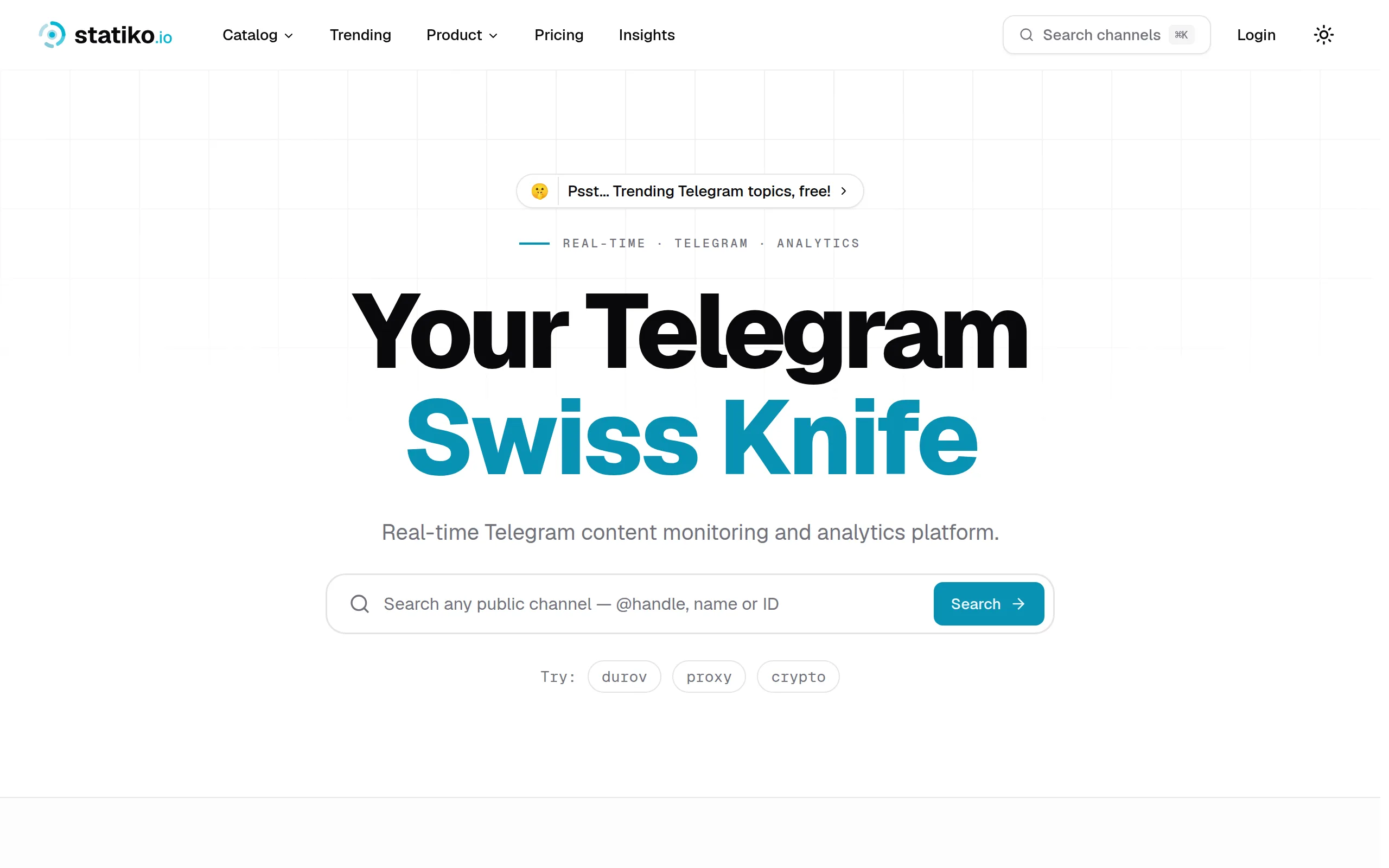
Statiko
Monitor any Telegram channel in real time - track posts, edits, deletions, and growth with AI recaps 📡
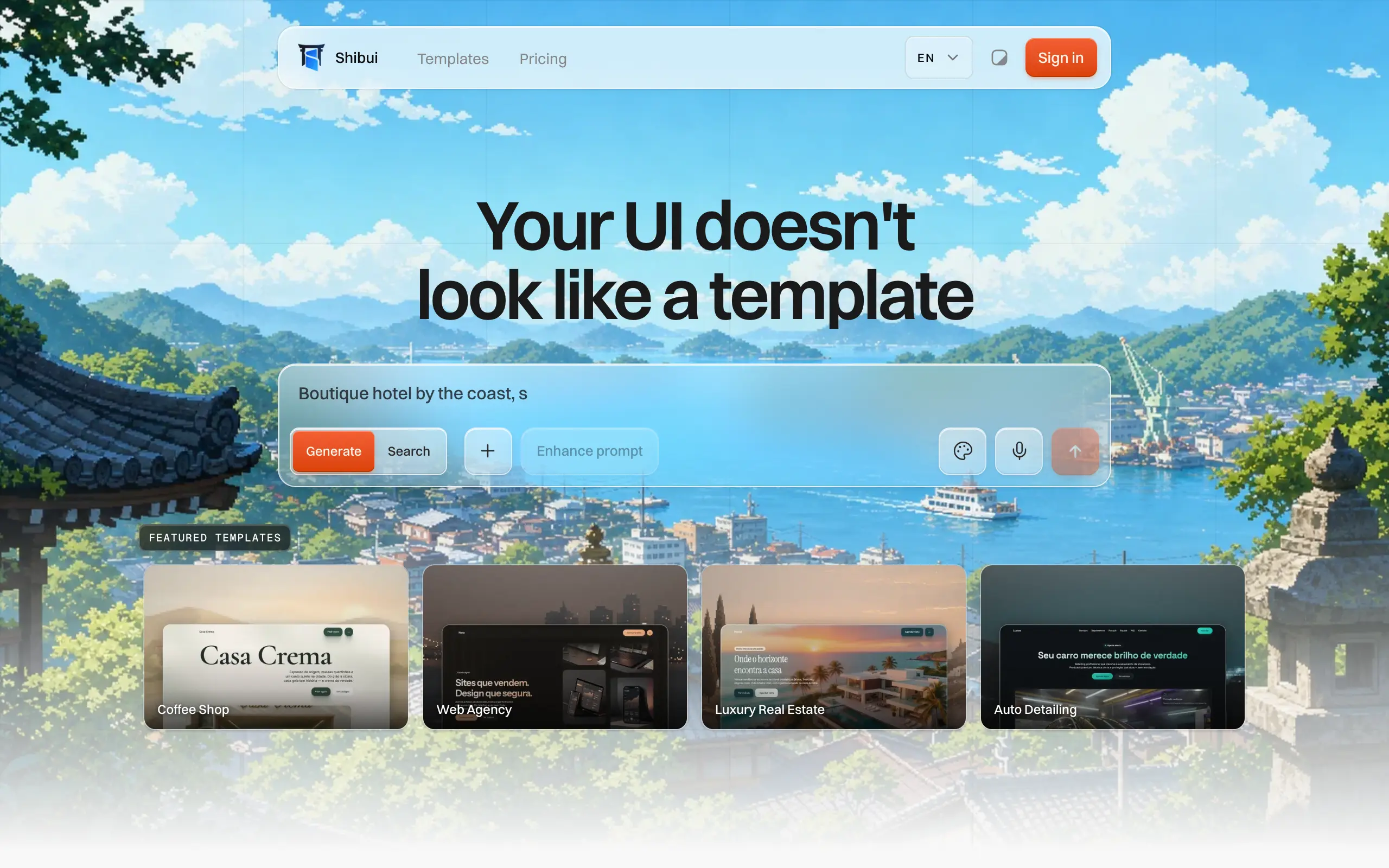
Shibui
AI website builder - describe your business, pick a niche template, edit by chatting, and publish instantly ✨

Pro Service
Find verified home service professionals, compare quotes, and pay securely through escrow - built for Brazilians across the US 🏠
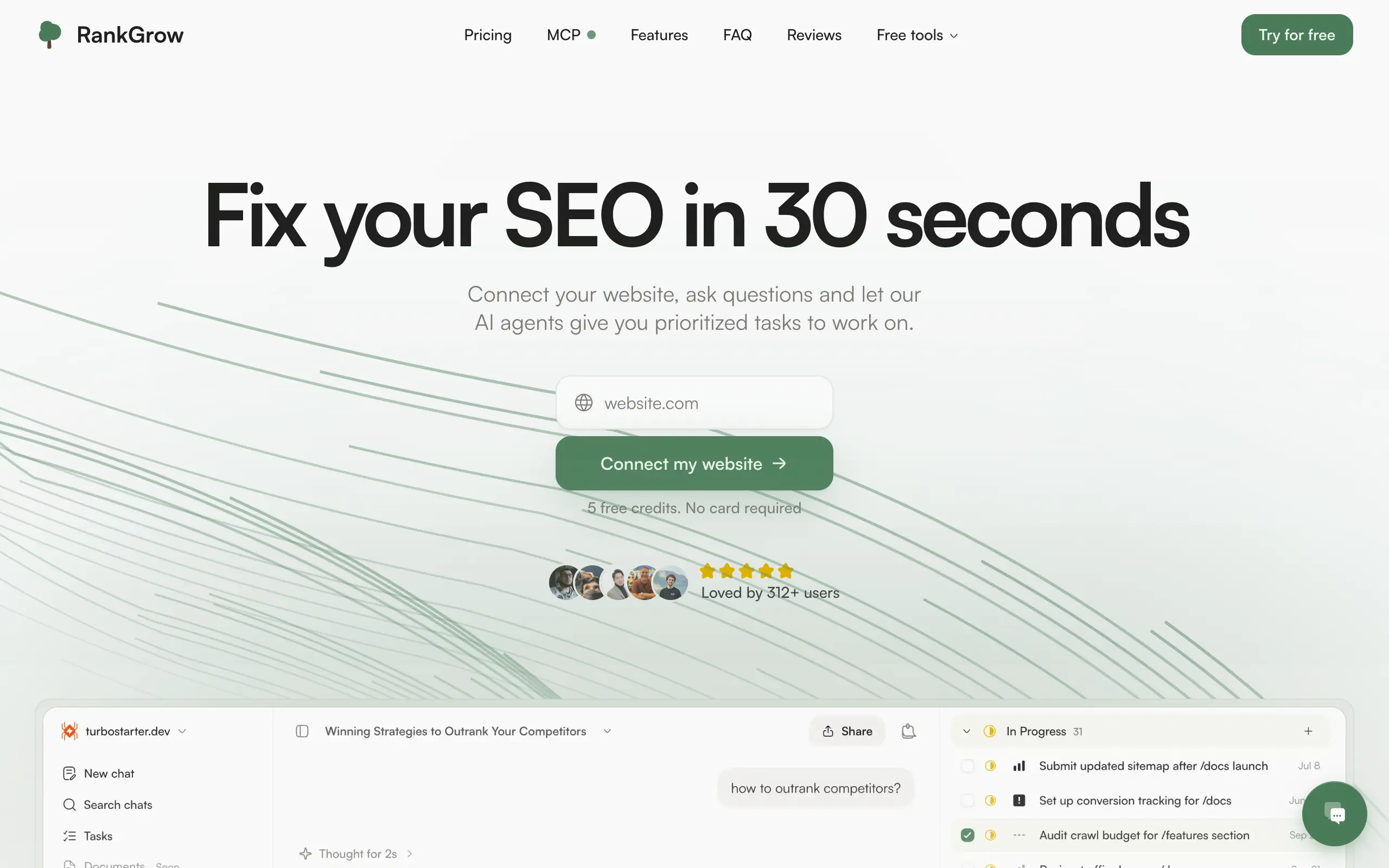
RankGrow
Fix your SEO with AI agents - connect Search Console, get prioritized tasks, and grow organic traffic 📈
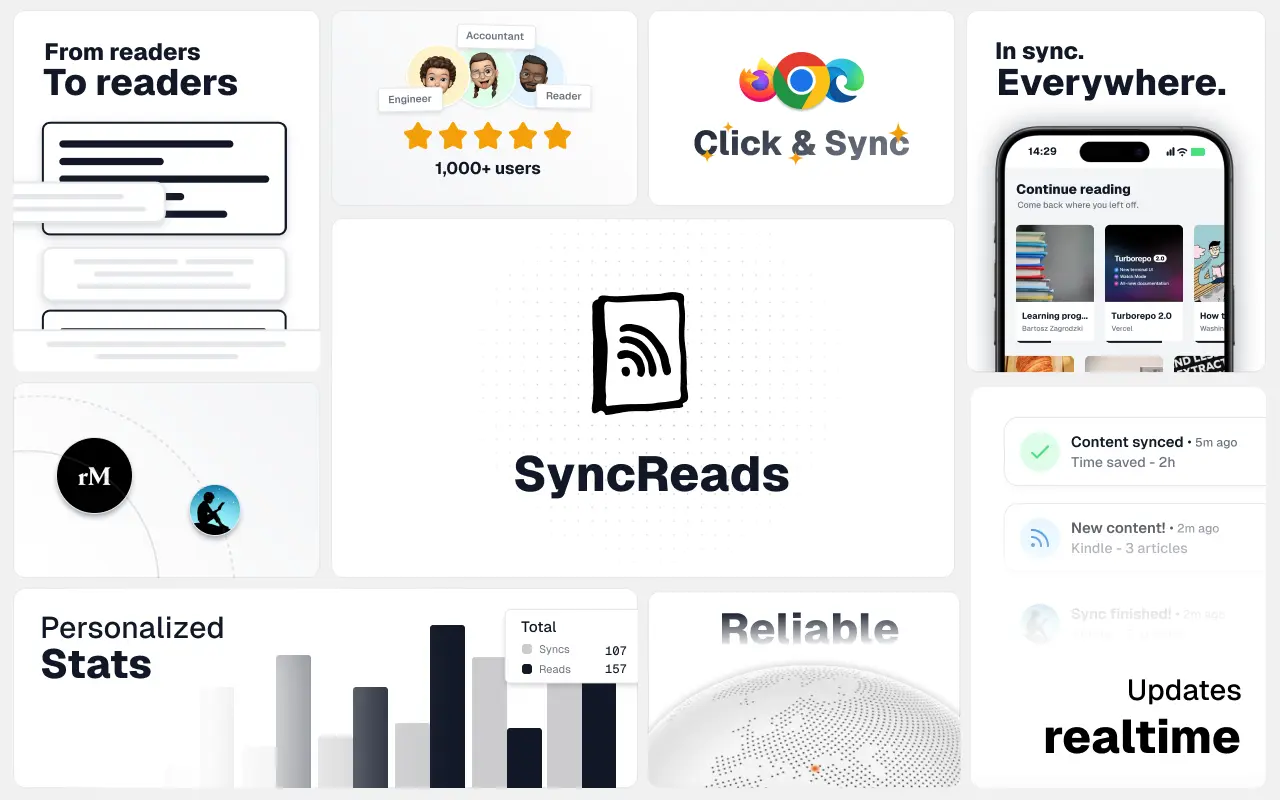
SyncReads
Sync your favorite content for distraction-free reading, save time and replace multiple apps. Anytime, anywhere 🔄
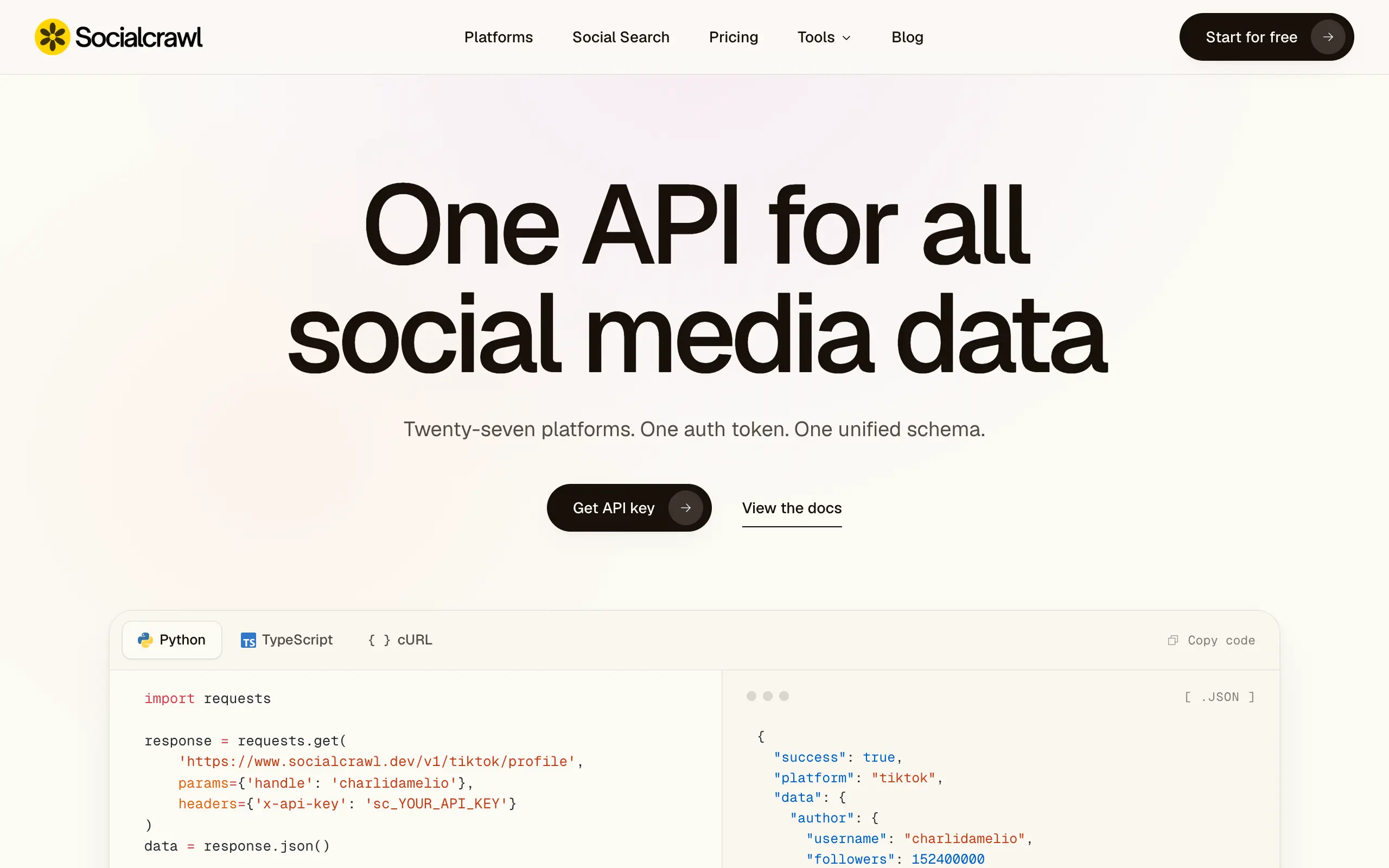
Socialcrawl
Get clean, structured data from 21 platforms like TikTok, Instagram, and YouTube with a single request 📊
Statiko
Monitor any Telegram channel in real time - track posts, edits, deletions, and growth with AI recaps 📡
Shibui
AI website builder - describe your business, pick a niche template, edit by chatting, and publish instantly ✨
Pro Service
Find verified home service professionals, compare quotes, and pay securely through escrow - built for Brazilians across the US 🏠
RankGrow
Fix your SEO with AI agents - connect Search Console, get prioritized tasks, and grow organic traffic 📈
SyncReads
Sync your favorite content for distraction-free reading, save time and replace multiple apps. Anytime, anywhere 🔄
Socialcrawl
Get clean, structured data from 21 platforms like TikTok, Instagram, and YouTube with a single request 📊
Statiko
Monitor any Telegram channel in real time - track posts, edits, deletions, and growth with AI recaps 📡
Shibui
AI website builder - describe your business, pick a niche template, edit by chatting, and publish instantly ✨
Pro Service
Find verified home service professionals, compare quotes, and pay securely through escrow - built for Brazilians across the US 🏠
RankGrow
Fix your SEO with AI agents - connect Search Console, get prioritized tasks, and grow organic traffic 📈
SyncReads
Sync your favorite content for distraction-free reading, save time and replace multiple apps. Anytime, anywhere 🔄
Socialcrawl
Get clean, structured data from 21 platforms like TikTok, Instagram, and YouTube with a single request 📊
Statiko
Monitor any Telegram channel in real time - track posts, edits, deletions, and growth with AI recaps 📡
Shibui
AI website builder - describe your business, pick a niche template, edit by chatting, and publish instantly ✨
Pro Service
Find verified home service professionals, compare quotes, and pay securely through escrow - built for Brazilians across the US 🏠
RankGrow
Fix your SEO with AI agents - connect Search Console, get prioritized tasks, and grow organic traffic 📈
SyncReads
Sync your favorite content for distraction-free reading, save time and replace multiple apps. Anytime, anywhere 🔄
Socialcrawl
Get clean, structured data from 21 platforms like TikTok, Instagram, and YouTube with a single request 📊
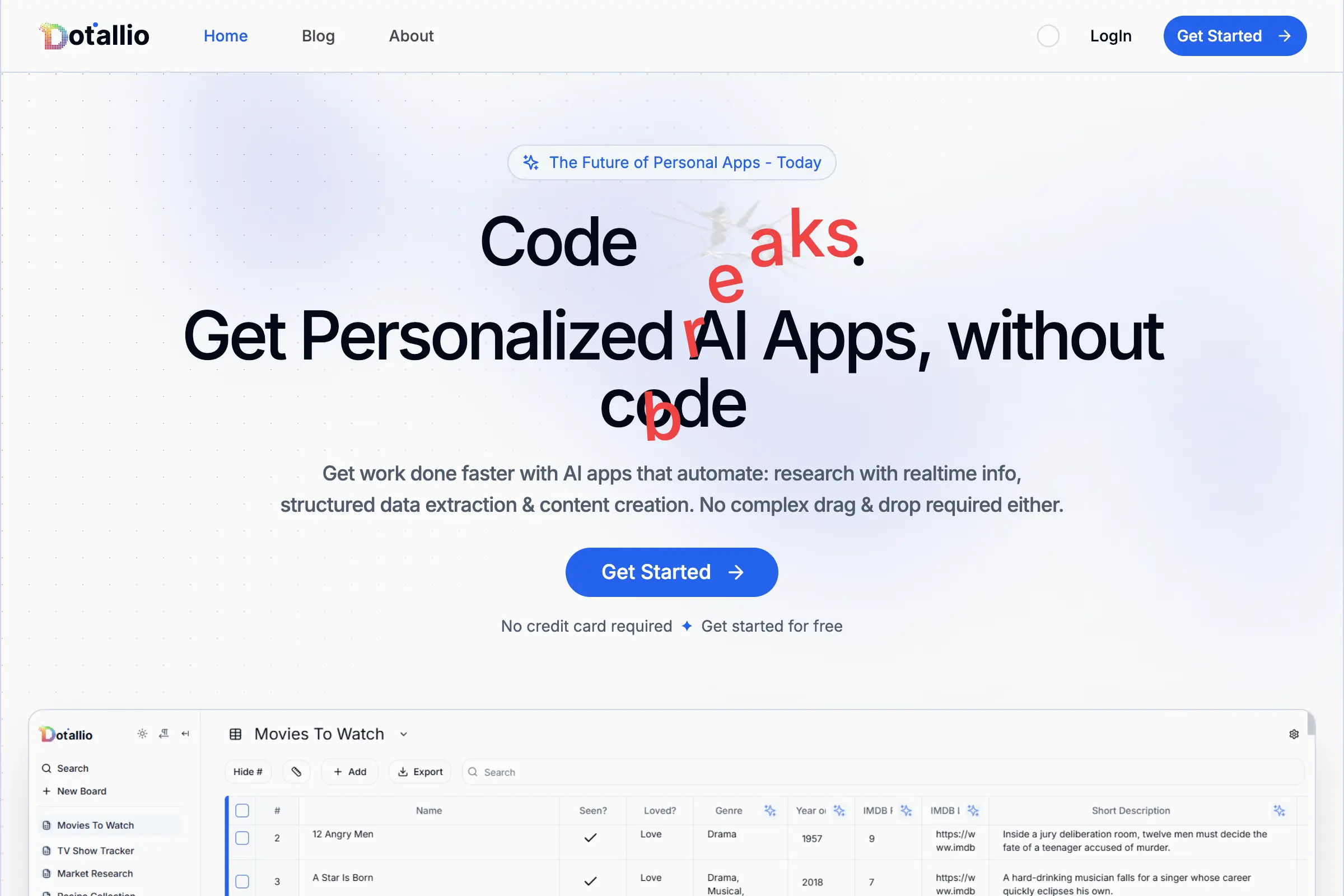
Dotallio
Personalized AI apps that automate research, data extraction, and content creation without code 🤖
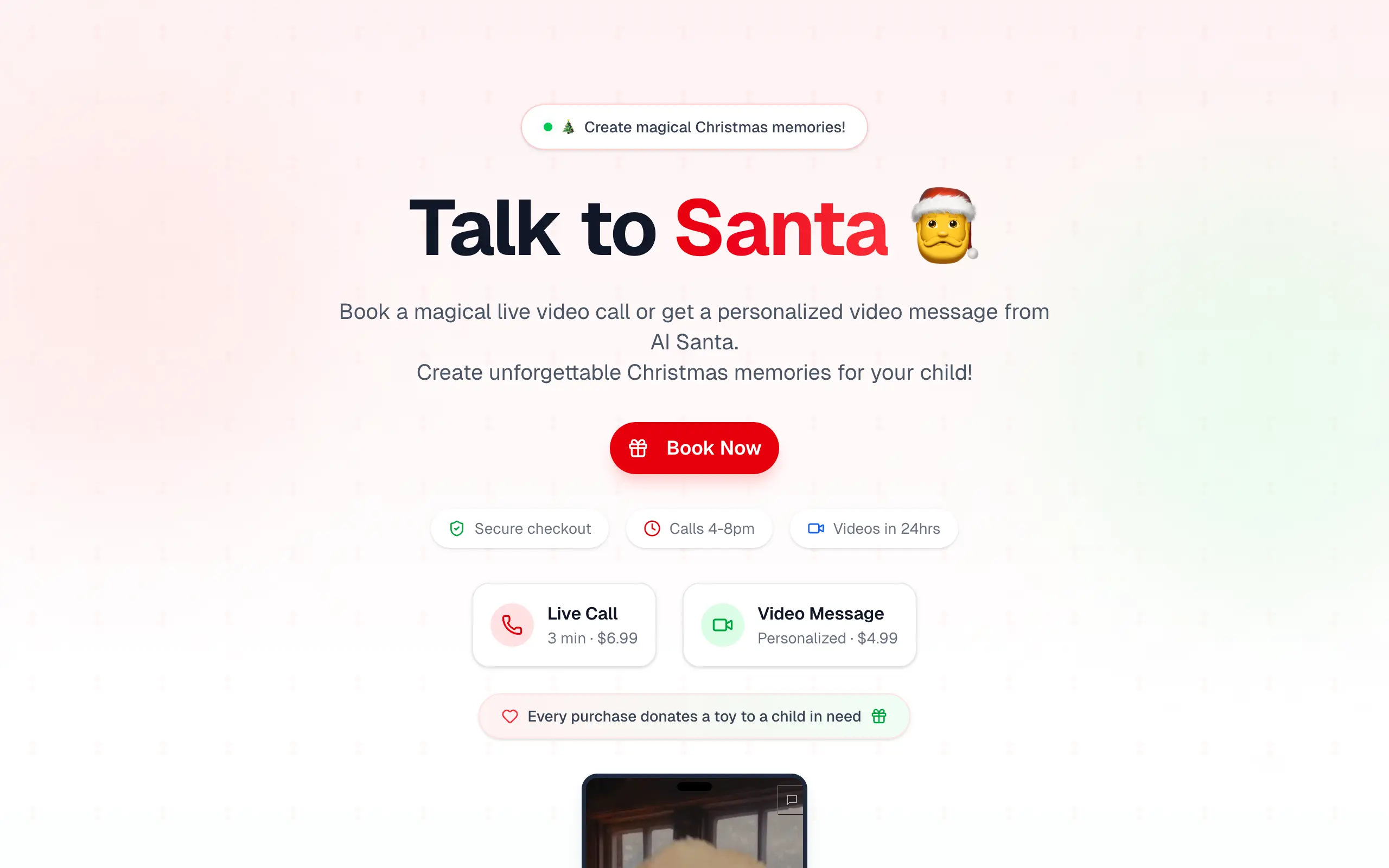
Talk to Santa
Enjoy a magical live video chat or receive a unique AI-generated video greeting from Santa Claus 🎅
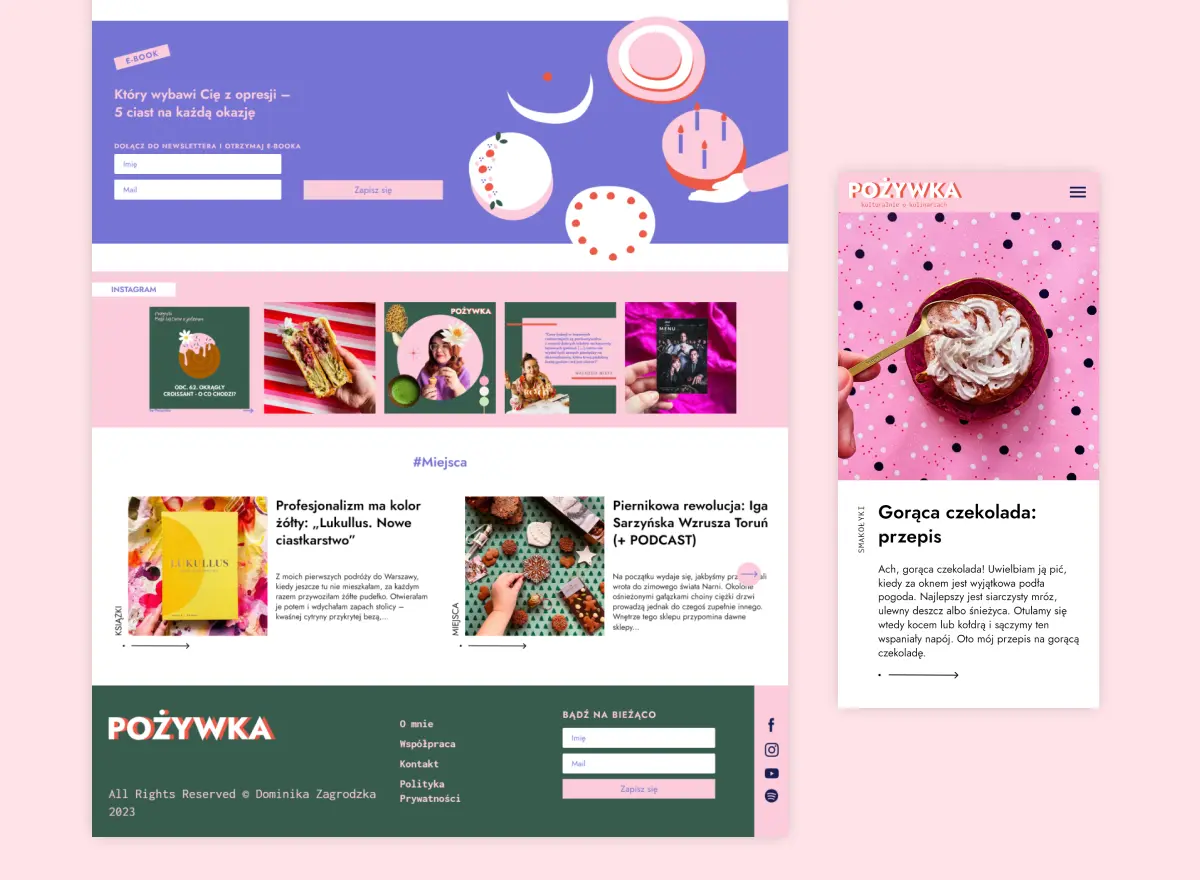
pozywka.pl
Scalable blog for food journalist, focused on performance and user experience 🌭
zagrodzki.me
Personal blog and portfolio of Bart Zagrodzki, where he shares his knowledge and work 💼
TurboStarter
Ship your startup everywhere. In minutes.
HTML to Markdown
Convert HTML to Markdown with ease, directly in your browser 📄
Dotallio
Personalized AI apps that automate research, data extraction, and content creation without code 🤖
Talk to Santa
Enjoy a magical live video chat or receive a unique AI-generated video greeting from Santa Claus 🎅
pozywka.pl
Scalable blog for food journalist, focused on performance and user experience 🌭
zagrodzki.me
Personal blog and portfolio of Bart Zagrodzki, where he shares his knowledge and work 💼
TurboStarter
Ship your startup everywhere. In minutes.
HTML to Markdown
Convert HTML to Markdown with ease, directly in your browser 📄
Dotallio
Personalized AI apps that automate research, data extraction, and content creation without code 🤖
Talk to Santa
Enjoy a magical live video chat or receive a unique AI-generated video greeting from Santa Claus 🎅
pozywka.pl
Scalable blog for food journalist, focused on performance and user experience 🌭
zagrodzki.me
Personal blog and portfolio of Bart Zagrodzki, where he shares his knowledge and work 💼
TurboStarter
Ship your startup everywhere. In minutes.
HTML to Markdown
Convert HTML to Markdown with ease, directly in your browser 📄
Dotallio
Personalized AI apps that automate research, data extraction, and content creation without code 🤖
Talk to Santa
Enjoy a magical live video chat or receive a unique AI-generated video greeting from Santa Claus 🎅
pozywka.pl
Scalable blog for food journalist, focused on performance and user experience 🌭
zagrodzki.me
Personal blog and portfolio of Bart Zagrodzki, where he shares his knowledge and work 💼
TurboStarter
Ship your startup everywhere. In minutes.
HTML to Markdown
Convert HTML to Markdown with ease, directly in your browser 📄
Omichat
Chat with 50+ AI models, including ChatGPT and Claude, in one place - switch models anytime without losing context 🤖
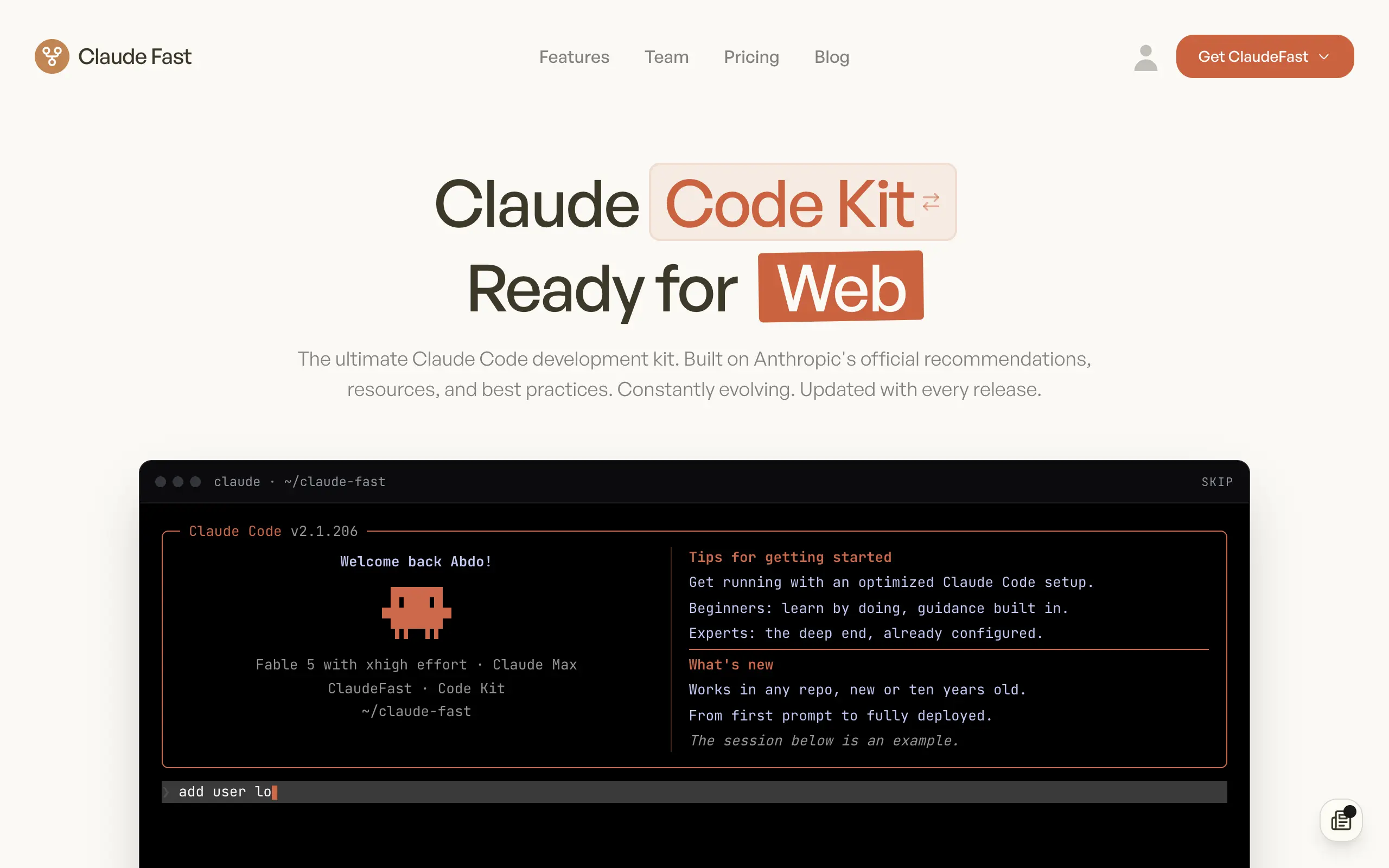
Claude Fast
Supercharge your Claude Code with 6x effective context window and specialized AI agents 🤖
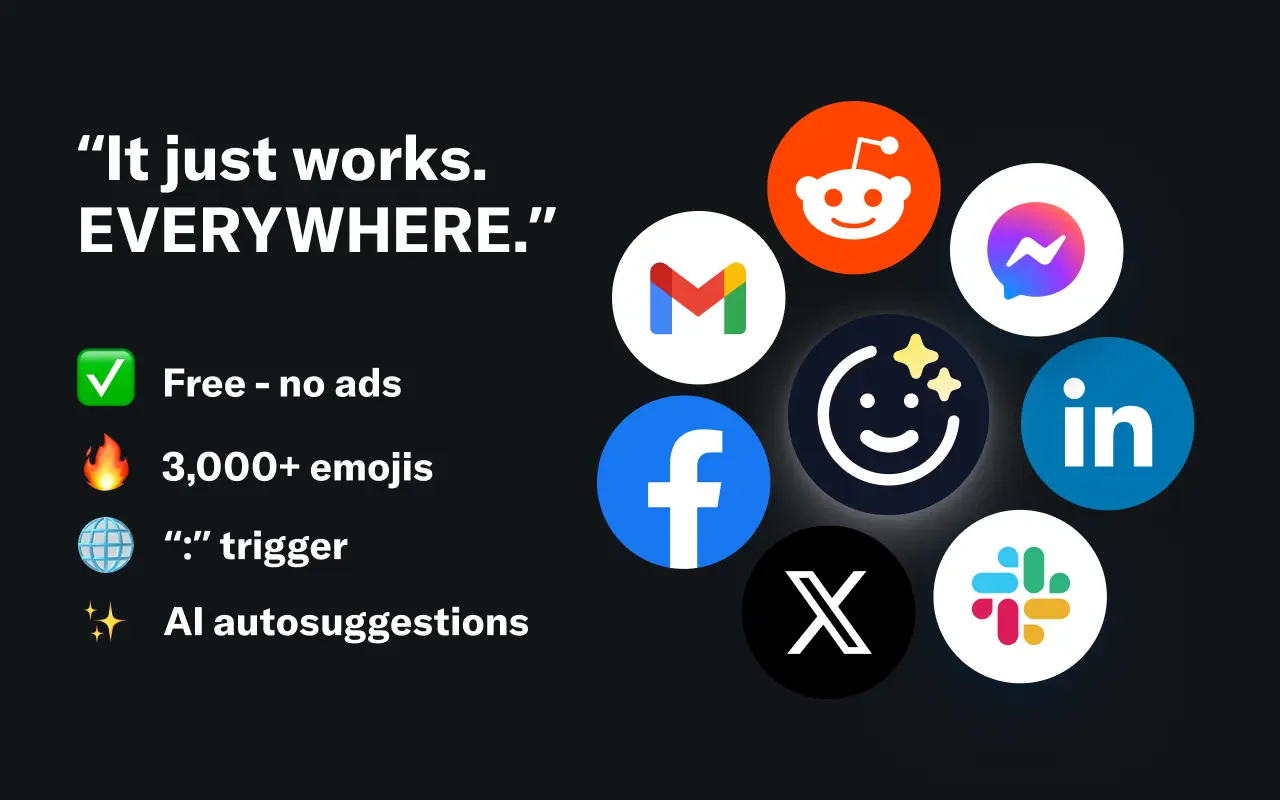
EmojAI
AI-powered emoji picker with smart, context-aware suggestions 🤖
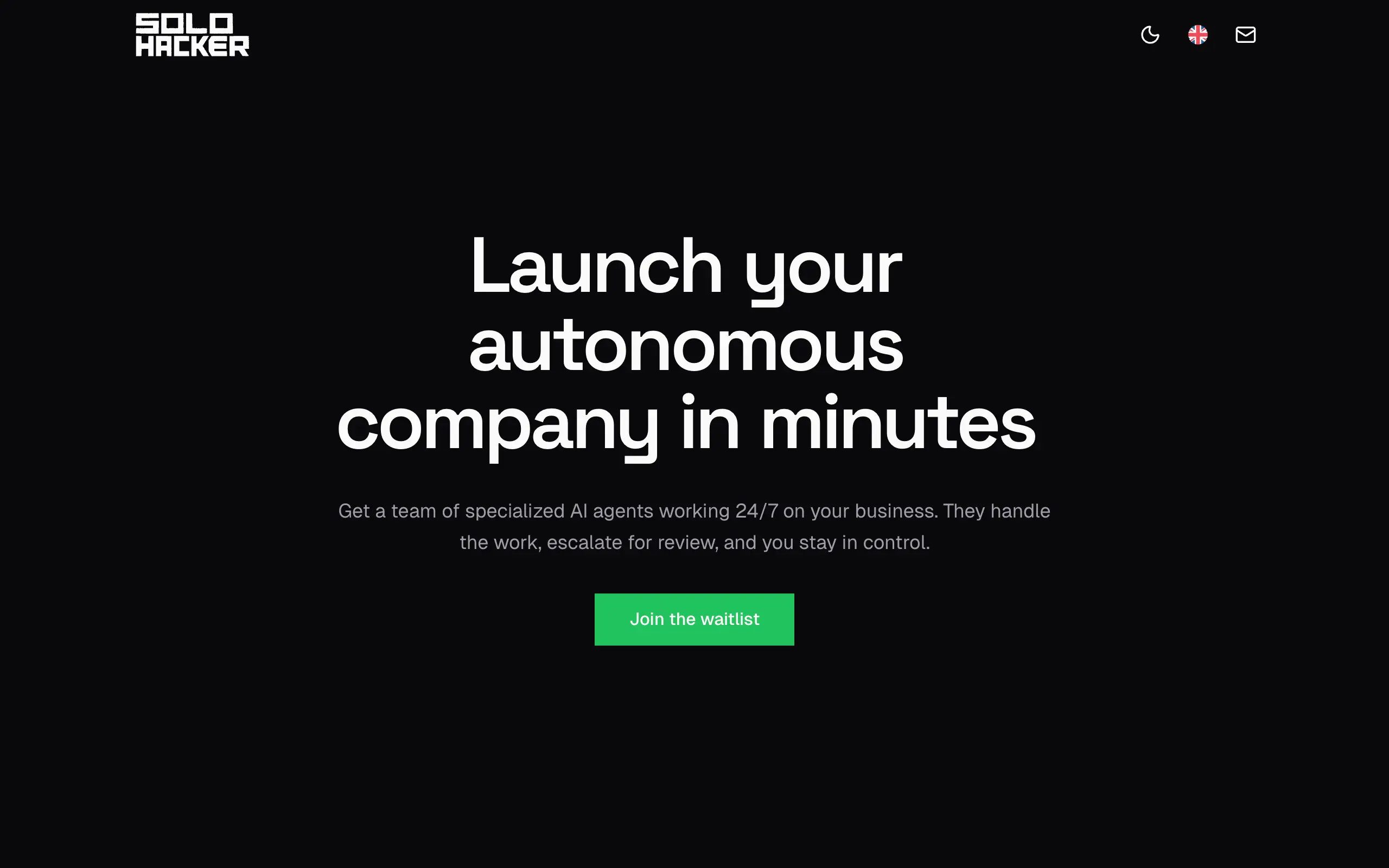
Solohacker
Autonomous company launcher - AI agents work 24/7, escalate what matters, and you stay in control 🤖
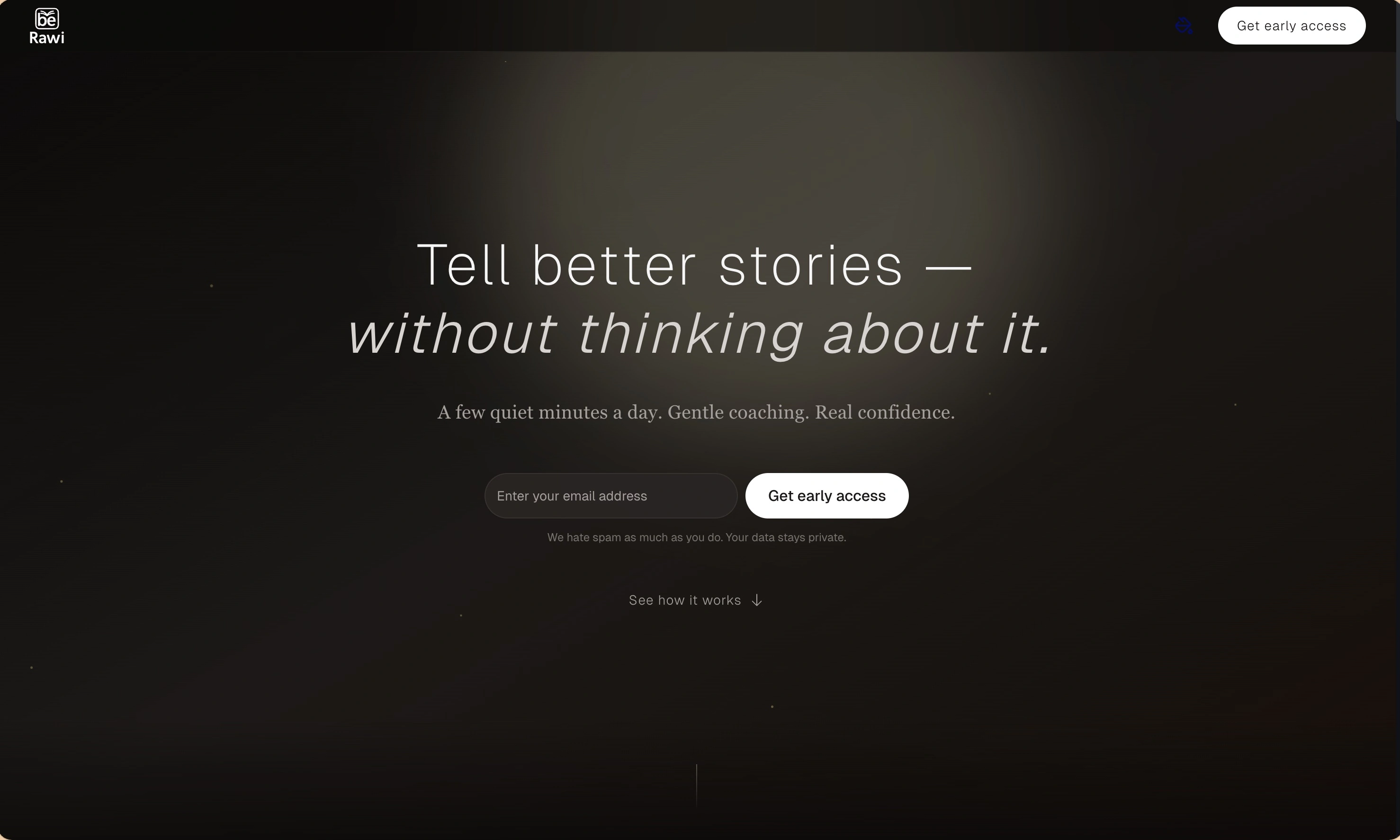
BeRawi: Storytelling Coach
Practice storytelling daily with instant feedback to sound clearer, more engaging, and confident 🎤
Omichat
Chat with 50+ AI models, including ChatGPT and Claude, in one place - switch models anytime without losing context 🤖
Claude Fast
Supercharge your Claude Code with 6x effective context window and specialized AI agents 🤖
EmojAI
AI-powered emoji picker with smart, context-aware suggestions 🤖
Solohacker
Autonomous company launcher - AI agents work 24/7, escalate what matters, and you stay in control 🤖
BeRawi: Storytelling Coach
Practice storytelling daily with instant feedback to sound clearer, more engaging, and confident 🎤
Omichat
Chat with 50+ AI models, including ChatGPT and Claude, in one place - switch models anytime without losing context 🤖
Claude Fast
Supercharge your Claude Code with 6x effective context window and specialized AI agents 🤖
EmojAI
AI-powered emoji picker with smart, context-aware suggestions 🤖
Solohacker
Autonomous company launcher - AI agents work 24/7, escalate what matters, and you stay in control 🤖
BeRawi: Storytelling Coach
Practice storytelling daily with instant feedback to sound clearer, more engaging, and confident 🎤
Omichat
Chat with 50+ AI models, including ChatGPT and Claude, in one place - switch models anytime without losing context 🤖
Claude Fast
Supercharge your Claude Code with 6x effective context window and specialized AI agents 🤖
EmojAI
AI-powered emoji picker with smart, context-aware suggestions 🤖
Solohacker
Autonomous company launcher - AI agents work 24/7, escalate what matters, and you stay in control 🤖
BeRawi: Storytelling Coach
Practice storytelling daily with instant feedback to sound clearer, more engaging, and confident 🎤

Connect with like-minded people
Join our community to get feedback, support, and grow together with 1,000+ builders on board, let's ship it!
Join usShip your startup everywhere. In minutes.
Don't burn tokens on setup and start building features on day one.