DevSyncer
Unified dashboard for syncing, tracking, and automating developer workflows across multiple SaaS tools, boosting productivity and reducing context switching.
Understanding the need for unified developer workflow automation
Modern software teams rely on a growing stack of SaaS tools—issue trackers, code repositories, CI/CD platforms, documentation, and communication apps. While each tool solves a specific problem, the fragmentation creates a new challenge: context switching. Developers lose precious time toggling between dashboards, updating statuses, and manually syncing information. This friction not only reduces productivity but also increases the risk of errors and missed updates.
DevSyncer addresses this pain point by providing a unified dashboard for syncing, tracking, and automating developer workflows across multiple SaaS tools. By centralizing visibility and automating routine tasks, DevSyncer aims to boost productivity, reduce cognitive load, and help teams focus on what matters—shipping quality software.
Who benefits from DevSyncer? Target audience analysis
Understanding the core users is essential for building a solution that truly resonates. DevSyncer is designed for:
- Software development teams (startups, scale-ups, and enterprises) juggling multiple SaaS tools.
- Engineering managers seeking better visibility into team progress and bottlenecks.
- DevOps professionals aiming to streamline CI/CD and deployment workflows.
- Product managers who need a holistic view of development status without micromanaging.
- Remote and distributed teams where asynchronous communication and tool fragmentation are common.
Key pain points faced by the target audience
- Time lost to context switching: Constantly moving between Jira, GitHub, Slack, and other tools disrupts focus.
- Manual status updates: Developers often duplicate effort by updating the same information in multiple places.
- Lack of workflow automation: Routine tasks (e.g., moving tickets, updating PR statuses) are repetitive and error-prone.
- Fragmented visibility: Managers struggle to get a real-time, unified view of progress and blockers.
Market opportunity and gap analysis
The SaaS ecosystem for developer productivity is booming, but most solutions focus on individual tool optimization rather than cross-tool orchestration. While platforms like Zapier and IFTTT offer generic automation, they lack the developer-centric features and deep integrations required for complex engineering workflows.
Why now? Recent trends driving demand
- Tool sprawl: The average engineering team uses 10+ SaaS tools daily (source: suggest referencing a recent Stack Overflow or GitHub survey).
- Remote work: Distributed teams need better coordination and automation to stay aligned.
- DevOps maturity: As teams adopt CI/CD and agile practices, the need for seamless workflow automation grows.
- AI-powered automation: Advances in AI/ML enable smarter, context-aware workflow triggers and recommendations.
Competitive landscape
| Solution | Deep Dev Integrations | Unified Dashboard | Automation Engine | Custom Workflows | Developer Focus |
|---|---|---|---|---|---|
| DevSyncer | ✅ | ✅ | ✅ | ✅ | ✅ |
| Zapier | ❌ | ❌ | ✅ | ❌ | ❌ |
| IFTTT | ❌ | ❌ | ✅ | ❌ | ❌ |
| Linear | ✅ | ❌ | ❌ | ❌ | ✅ |
| Jira Automation | ✅ | ❌ | ✅ | ❌ | ❌ |
| Deep Dev Integrations | Unified Dashboard | Automation Engine | Custom Workflows | Developer Focus |
|---|---|---|---|---|
| ✅ | ✅ | ✅ | ✅ | ✅ |
| ❌ | ❌ | ✅ | ❌ | ❌ |
DevSyncer stands out by offering deep, developer-focused integrations and a truly unified experience.
Core features of DevSyncer: What makes it unique?
DevSyncer’s value lies in its ability to synchronize, track, and automate across the entire developer toolchain. Here’s a breakdown of its core features:
1. Unified dashboard
- Single pane of glass: View issues, pull requests, deployments, and notifications from all connected tools.
- Customizable widgets: Tailor the dashboard to show what matters most (e.g., sprint progress, open PRs, build status).
- Real-time updates: Instant sync with underlying tools, reducing lag and manual refreshes.
2. Deep integrations with popular SaaS tools
- Code repositories: GitHub, GitLab, Bitbucket.
- Issue trackers: Jira, Linear, Trello, Asana.
- CI/CD platforms: CircleCI, Jenkins, GitHub Actions.
- Communication: Slack, Microsoft Teams.
- Documentation: Confluence, Notion.
GitHub & GitLab
Sync PRs, issues, and code reviews in real time.
Jira & Linear
Track tickets, sprints, and automate status updates.
Slack & Teams
Receive actionable notifications and trigger workflows.
3. Workflow automation engine
- No-code workflow builder: Drag-and-drop interface to create custom automations (e.g., “When PR is merged, move Jira ticket to Done”).
- Pre-built templates: Common automations for onboarding, release management, and incident response.
- Conditional logic: Set triggers, actions, and filters based on project needs.
4. Smart notifications and alerts
- Context-aware notifications: Only get notified about what’s relevant to you.
- Digest emails and Slack summaries: Stay updated without notification overload.
- Escalation rules: Automatically alert the right people when blockers or failures occur.
5. Analytics and reporting
- Workflow analytics: Identify bottlenecks, track cycle times, and measure productivity.
- Custom reports: Export data for management or compliance needs.
- Team health metrics: Monitor workload balance and burnout risk.
6. Security and compliance
- OAuth and SSO support: Secure authentication with enterprise providers.
- Granular permissions: Control who can view, edit, or automate workflows.
- Audit logs: Track all changes and automation runs for compliance.
Recommended tech stack for building DevSyncer
Choosing the right technology stack is crucial for scalability, maintainability, and developer experience. Here’s a recommended stack for DevSyncer, with trade-offs explained:
Frontend
- React: Component-based UI, strong ecosystem, and excellent for building interactive dashboards.
- TailwindCSS: Utility-first CSS for rapid, consistent styling.
- TypeScript: Type safety and better developer tooling.
- Redux or Zustand: For state management, especially with real-time data.
Backend
- Node.js with TypeScript: Non-blocking, scalable, and great for API integrations.
- NestJS: Structured, opinionated framework for building robust APIs.
- GraphQL: Flexible data fetching, ideal for customizable dashboards.
Integrations & Automation
- Webhooks: Real-time event handling from SaaS tools.
- OAuth 2.0: Secure authentication for third-party APIs.
- Workflow engine: Custom or open-source (e.g., Temporal) for automation logic.
Data storage
- PostgreSQL: Reliable relational database for core data.
- Redis: Caching and real-time pub/sub for notifications.
DevOps & Hosting
- Docker: Containerization for consistent deployments.
- Kubernetes: Orchestration for scaling microservices.
- CI/CD: GitHub Actions or CircleCI for automated testing and deployment.
Tech stack trade-offs
While React and Node.js offer rapid development and a large talent pool, teams prioritizing ultra-low latency or specific language ecosystems (e.g., Go, Rust) may consider alternatives. However, the above stack balances speed, flexibility, and community support.
Monetization strategies for DevSyncer
A sustainable SaaS business model is essential. Here are proven monetization options for DevSyncer:
1. Subscription-based pricing
- Tiered plans: Free (limited integrations/automations), Pro, and Enterprise.
- Per-user or per-team pricing: Scales with organization size.
- Annual discounts: Incentivize longer commitments.
2. Usage-based pricing
- Pay for automations: Charge based on the number of workflow runs or API calls.
- Premium integrations: Offer advanced connectors as add-ons.
3. Enterprise features
- SSO, advanced security, audit logs: Bundle for larger customers.
- Custom SLAs and support: White-glove onboarding and dedicated account management.
4. Marketplace and ecosystem
- Third-party automation templates: Allow partners to sell or share workflow templates.
- Integration marketplace: Charge for premium or niche integrations.
Start with a freemium tier to drive adoption, then iterate based on customer feedback and usage analytics. Enterprise features and premium integrations can drive higher ARPU (average revenue per user).
Potential risks and mitigation strategies
Launching a B2B SaaS like DevSyncer comes with challenges. Here’s how to anticipate and address them:
1. Integration maintenance
- Risk: APIs and workflows of third-party tools change frequently.
- Mitigation: Invest in automated integration tests and maintain strong relationships with partner platforms.
2. Security and data privacy
- Risk: Handling sensitive developer and company data.
- Mitigation: Implement robust encryption, regular security audits, and comply with standards like SOC 2 and GDPR.
3. User adoption and change management
- Risk: Teams may resist adopting a new tool or changing workflows.
- Mitigation: Offer seamless onboarding, in-app tutorials, and integrations with existing SSO/identity providers.
4. Competition from platform-native automations
- Risk: Tools like Jira and GitHub are expanding their own automation features.
- Mitigation: Focus on cross-tool orchestration and developer-centric UX that platform-native solutions can’t match.
DevSyncer’s competitive advantage: Why it stands out
DevSyncer’s unique selling proposition (USP) is its developer-first approach to cross-tool workflow automation. Unlike generic automation platforms, DevSyncer offers:
- Deep, native integrations with the most popular developer tools.
- Unified, customizable dashboard for real-time visibility.
- No-code and code-first automation: Empower both non-technical managers and power users.
- Context-aware notifications: Reduce noise, increase relevance.
- Actionable analytics: Help teams continuously improve their processes.
What makes DevSyncer different?
DevSyncer is built by developers, for developers. Its focus on reducing context switching, automating repetitive tasks, and providing actionable insights sets it apart from both generic automation tools and platform-specific solutions.
Actionable steps to implement DevSyncer
Ready to bring DevSyncer to life? Here’s a step-by-step roadmap:
Conclusion: The future of developer productivity is unified
As the SaaS landscape continues to expand, developer teams need solutions that reduce friction, automate the mundane, and provide holistic visibility. DevSyncer is uniquely positioned to become the central nervous system for modern engineering organizations—bridging the gap between tools, teams, and outcomes.
By focusing on deep integrations, a seamless user experience, and powerful automation, DevSyncer can help teams reclaim lost productivity and drive better software outcomes.
For founders and product teams looking to accelerate their SaaS journey, platforms like TurboStarter can provide the technical foundation and best practices to bring ideas like DevSyncer to market faster.
Frequently asked questions about DevSyncer
DevSyncer is designed to integrate with leading developer tools such as GitHub, GitLab, Jira, Linear, Slack, Microsoft Teams, and more. The integration roadmap is driven by user demand and feedback.
Yes. DevSyncer supports OAuth, SSO, granular permissions, and audit logs. Security and compliance (SOC 2, GDPR) are top priorities.
Absolutely. The no-code workflow builder allows anyone to create and manage automations. Advanced users can extend functionality with code-based triggers and actions.
DevSyncer offers deep, developer-focused integrations, a unified dashboard, and analytics tailored for engineering teams—features not available in generic automation platforms.
Next steps
- Validate your idea: Talk to real users and iterate quickly.
- Leverage modern tech: Use proven stacks like React, TailwindCSS, and TurboStarter.
- Focus on user experience: Prioritize seamless onboarding and actionable insights.
- Stay agile: Continuously gather feedback and improve.
By following these principles, DevSyncer can become an indispensable tool for modern software teams—empowering them to work smarter, not harder.
More 🏢 B2B Application SaaS ideas
Discover more innovative b2b application SaaS ideas that are trending in 2026. Each idea is AI-generated with market validation and growth potential to help you find your next profitable venture faster than competitors.
Your competitors are building with TurboStarter
Below are some of the SaaS ideas that have been generated and built with our starter kit.
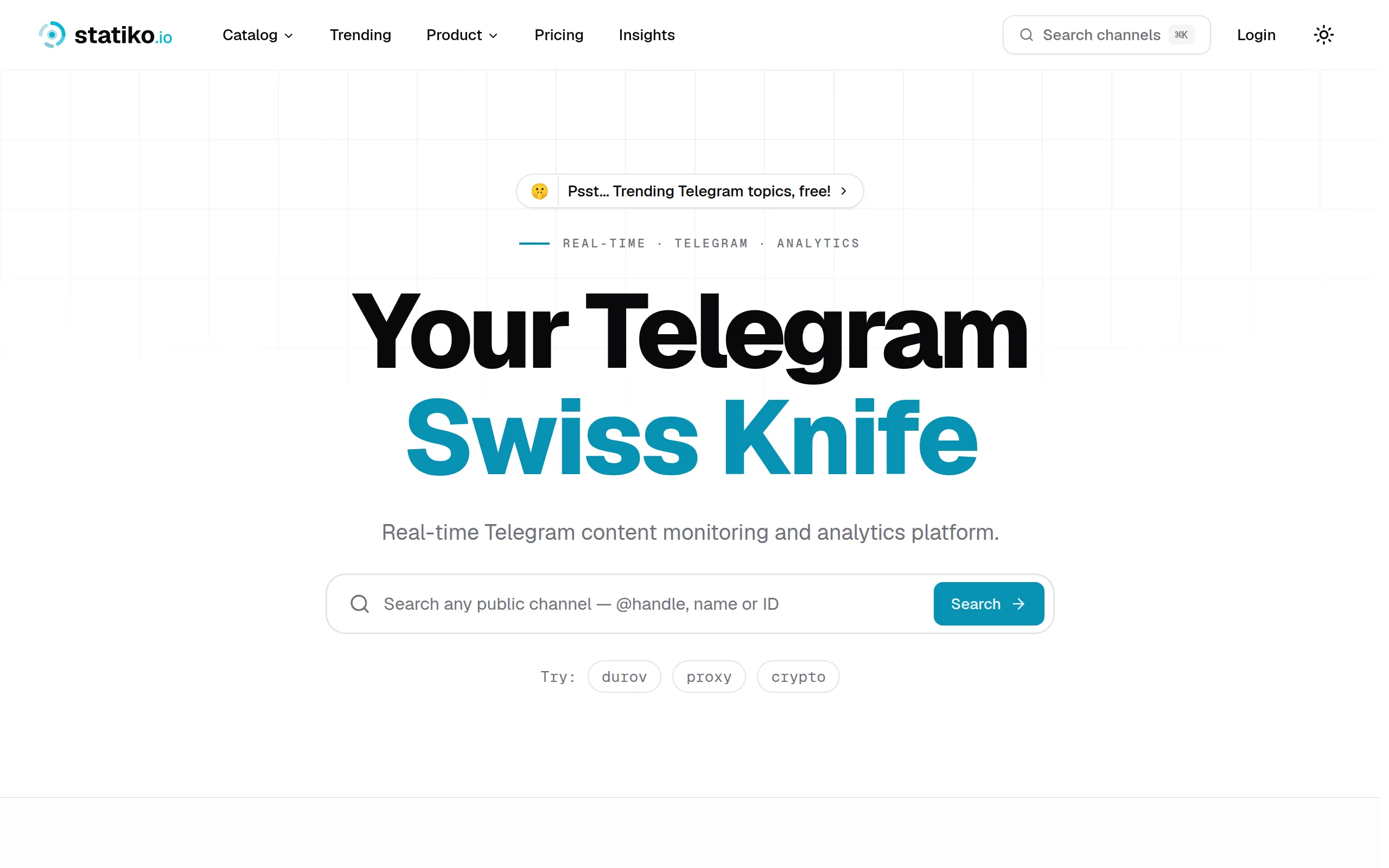
Statiko
Monitor any Telegram channel in real time - track posts, edits, deletions, and growth with AI recaps 📡

Shibui
AI website builder - describe your business, pick a niche template, edit by chatting, and publish instantly ✨

Pro Service
Find verified home service professionals, compare quotes, and pay securely through escrow - built for Brazilians across the US 🏠
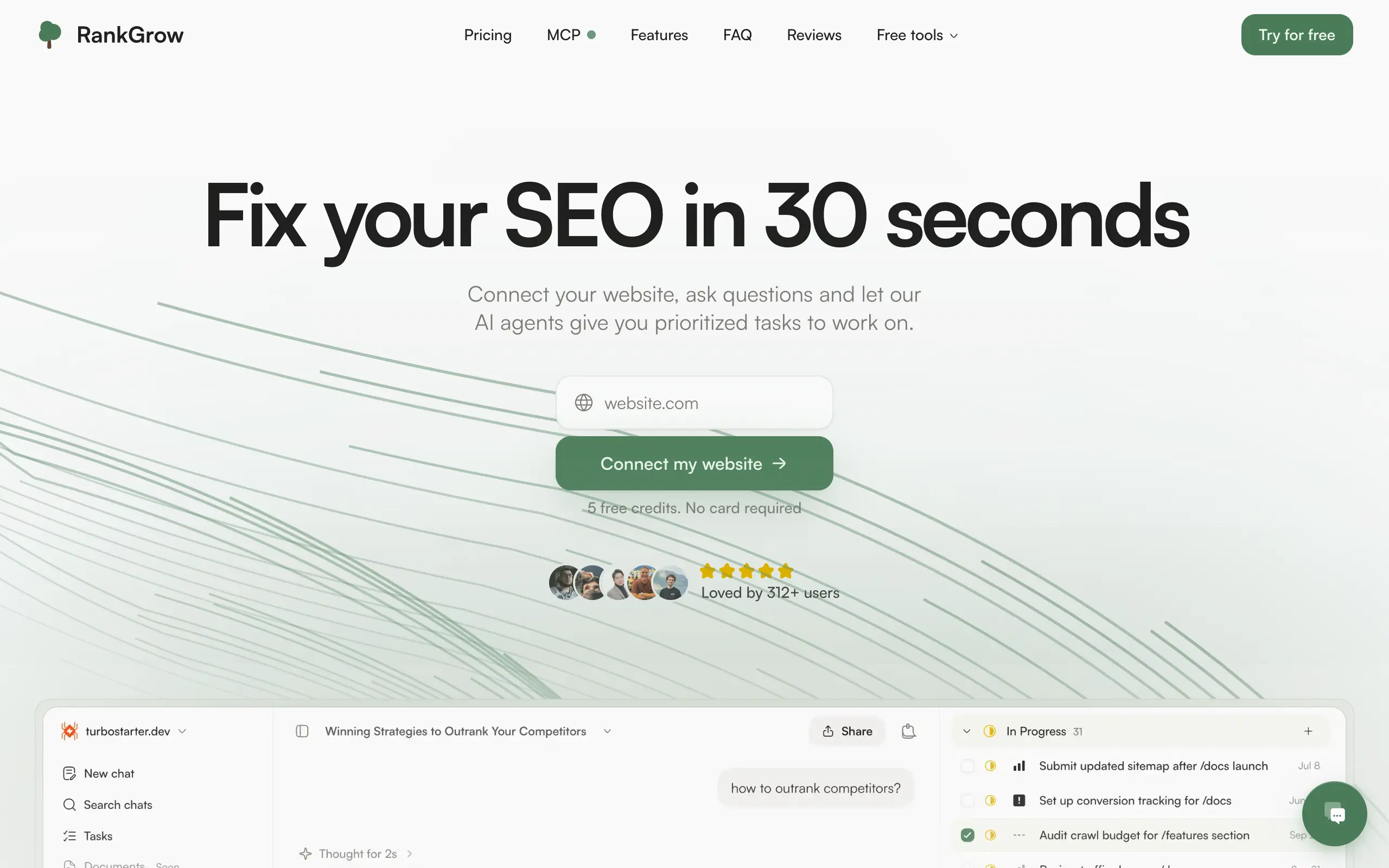
RankGrow
Fix your SEO with AI agents - connect Search Console, get prioritized tasks, and grow organic traffic 📈
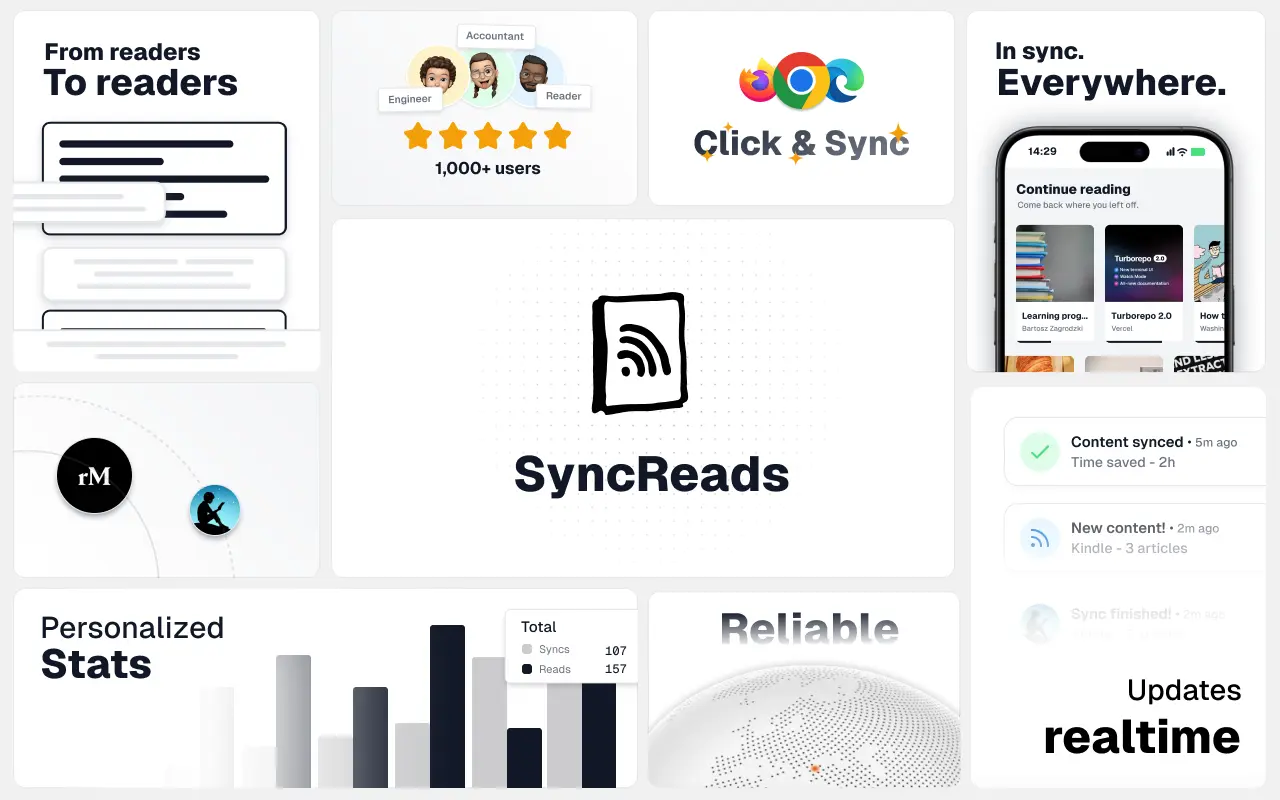
SyncReads
Sync your favorite content for distraction-free reading, save time and replace multiple apps. Anytime, anywhere 🔄
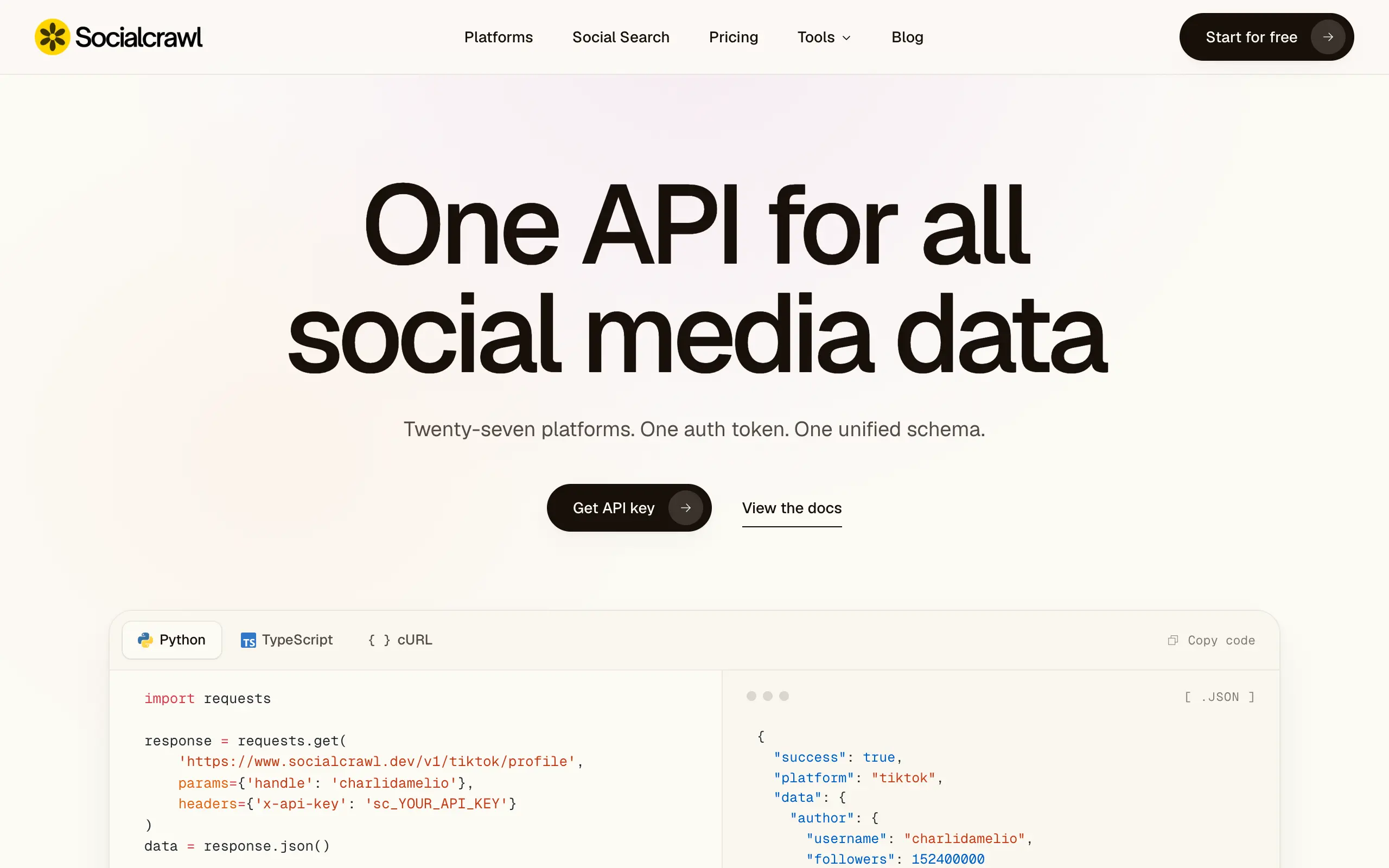
Socialcrawl
Get clean, structured data from 21 platforms like TikTok, Instagram, and YouTube with a single request 📊
Statiko
Monitor any Telegram channel in real time - track posts, edits, deletions, and growth with AI recaps 📡
Shibui
AI website builder - describe your business, pick a niche template, edit by chatting, and publish instantly ✨
Pro Service
Find verified home service professionals, compare quotes, and pay securely through escrow - built for Brazilians across the US 🏠
RankGrow
Fix your SEO with AI agents - connect Search Console, get prioritized tasks, and grow organic traffic 📈
SyncReads
Sync your favorite content for distraction-free reading, save time and replace multiple apps. Anytime, anywhere 🔄
Socialcrawl
Get clean, structured data from 21 platforms like TikTok, Instagram, and YouTube with a single request 📊
Statiko
Monitor any Telegram channel in real time - track posts, edits, deletions, and growth with AI recaps 📡
Shibui
AI website builder - describe your business, pick a niche template, edit by chatting, and publish instantly ✨
Pro Service
Find verified home service professionals, compare quotes, and pay securely through escrow - built for Brazilians across the US 🏠
RankGrow
Fix your SEO with AI agents - connect Search Console, get prioritized tasks, and grow organic traffic 📈
SyncReads
Sync your favorite content for distraction-free reading, save time and replace multiple apps. Anytime, anywhere 🔄
Socialcrawl
Get clean, structured data from 21 platforms like TikTok, Instagram, and YouTube with a single request 📊
Statiko
Monitor any Telegram channel in real time - track posts, edits, deletions, and growth with AI recaps 📡
Shibui
AI website builder - describe your business, pick a niche template, edit by chatting, and publish instantly ✨
Pro Service
Find verified home service professionals, compare quotes, and pay securely through escrow - built for Brazilians across the US 🏠
RankGrow
Fix your SEO with AI agents - connect Search Console, get prioritized tasks, and grow organic traffic 📈
SyncReads
Sync your favorite content for distraction-free reading, save time and replace multiple apps. Anytime, anywhere 🔄
Socialcrawl
Get clean, structured data from 21 platforms like TikTok, Instagram, and YouTube with a single request 📊
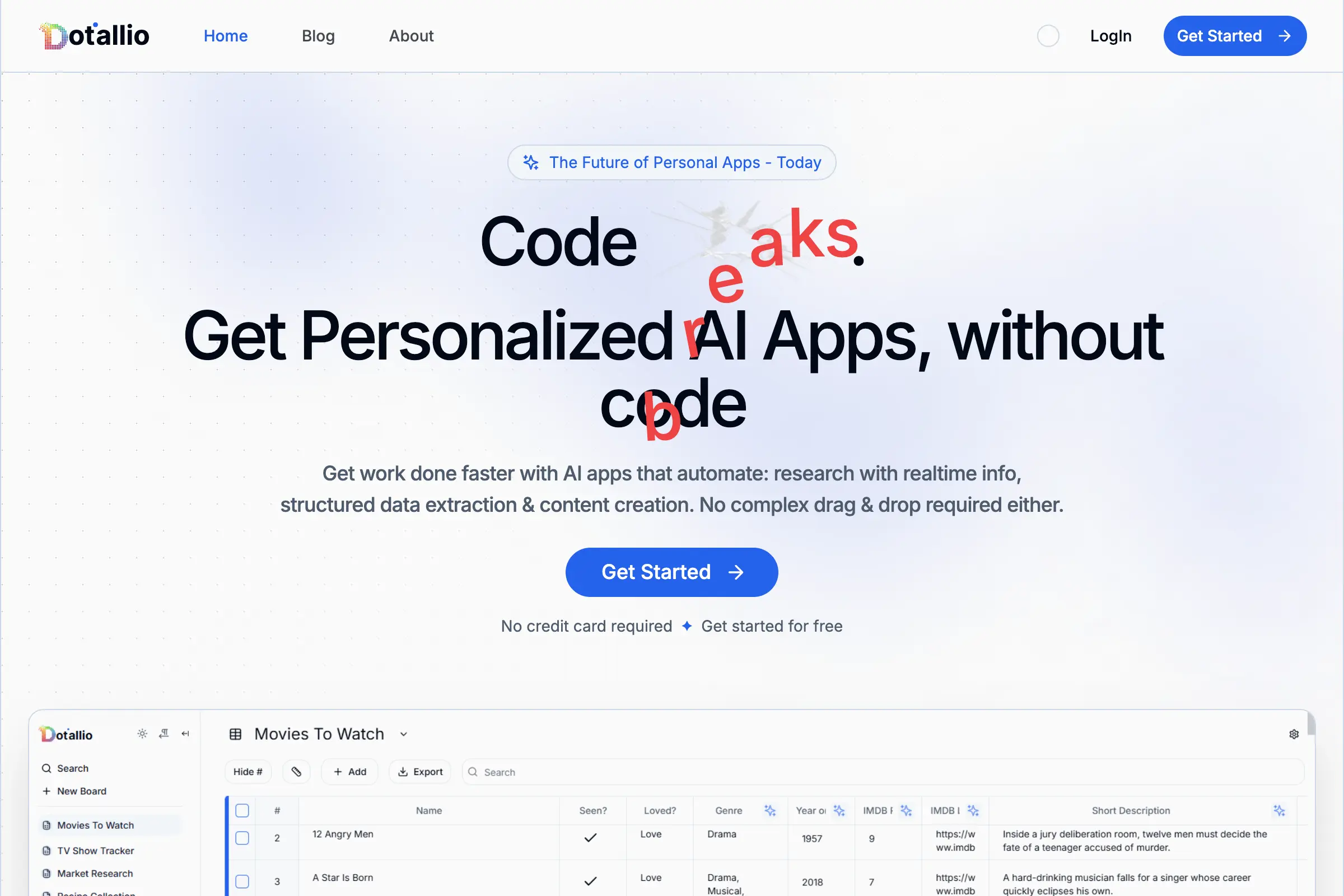
Dotallio
Personalized AI apps that automate research, data extraction, and content creation without code 🤖

Talk to Santa
Enjoy a magical live video chat or receive a unique AI-generated video greeting from Santa Claus 🎅

pozywka.pl
Scalable blog for food journalist, focused on performance and user experience 🌭
zagrodzki.me
Personal blog and portfolio of Bart Zagrodzki, where he shares his knowledge and work 💼
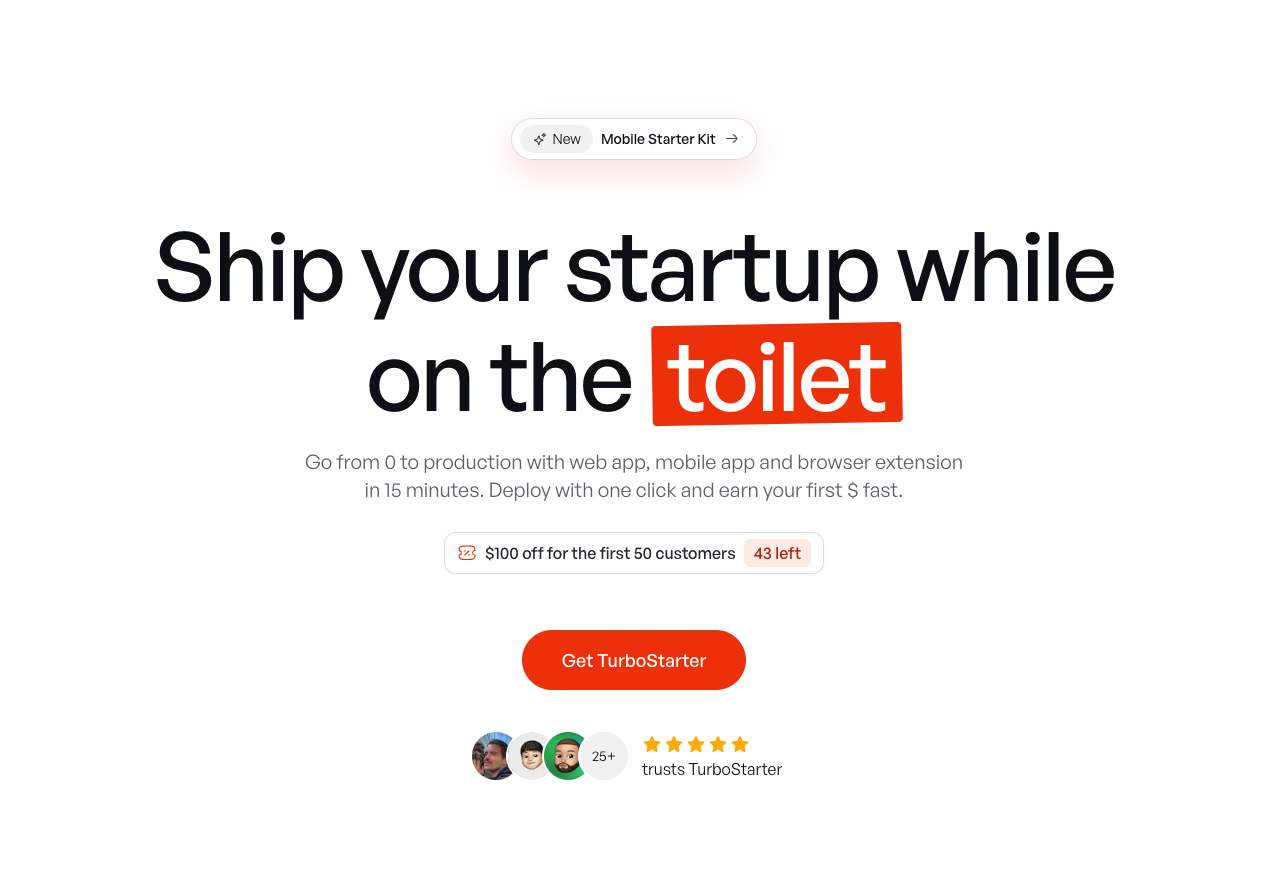
TurboStarter
Ship your startup everywhere. In minutes.
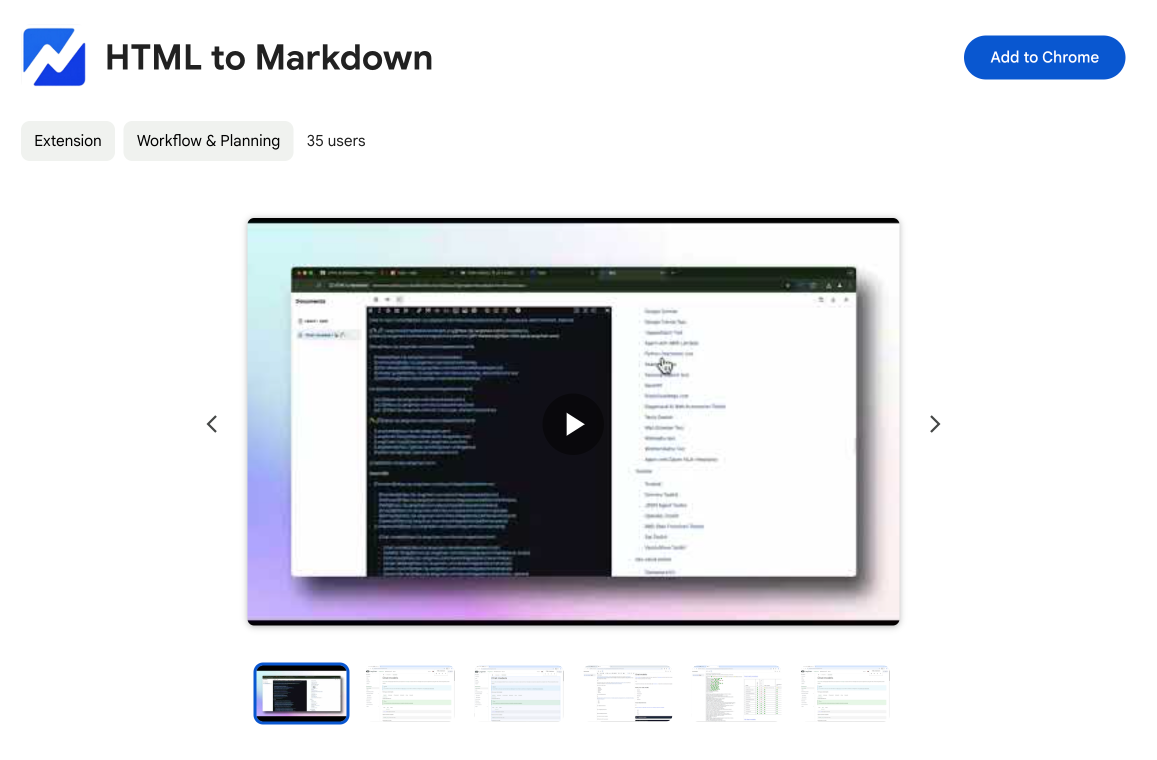
HTML to Markdown
Convert HTML to Markdown with ease, directly in your browser 📄
Dotallio
Personalized AI apps that automate research, data extraction, and content creation without code 🤖
Talk to Santa
Enjoy a magical live video chat or receive a unique AI-generated video greeting from Santa Claus 🎅
pozywka.pl
Scalable blog for food journalist, focused on performance and user experience 🌭
zagrodzki.me
Personal blog and portfolio of Bart Zagrodzki, where he shares his knowledge and work 💼
TurboStarter
Ship your startup everywhere. In minutes.
HTML to Markdown
Convert HTML to Markdown with ease, directly in your browser 📄
Dotallio
Personalized AI apps that automate research, data extraction, and content creation without code 🤖
Talk to Santa
Enjoy a magical live video chat or receive a unique AI-generated video greeting from Santa Claus 🎅
pozywka.pl
Scalable blog for food journalist, focused on performance and user experience 🌭
zagrodzki.me
Personal blog and portfolio of Bart Zagrodzki, where he shares his knowledge and work 💼
TurboStarter
Ship your startup everywhere. In minutes.
HTML to Markdown
Convert HTML to Markdown with ease, directly in your browser 📄
Dotallio
Personalized AI apps that automate research, data extraction, and content creation without code 🤖
Talk to Santa
Enjoy a magical live video chat or receive a unique AI-generated video greeting from Santa Claus 🎅
pozywka.pl
Scalable blog for food journalist, focused on performance and user experience 🌭
zagrodzki.me
Personal blog and portfolio of Bart Zagrodzki, where he shares his knowledge and work 💼
TurboStarter
Ship your startup everywhere. In minutes.
HTML to Markdown
Convert HTML to Markdown with ease, directly in your browser 📄
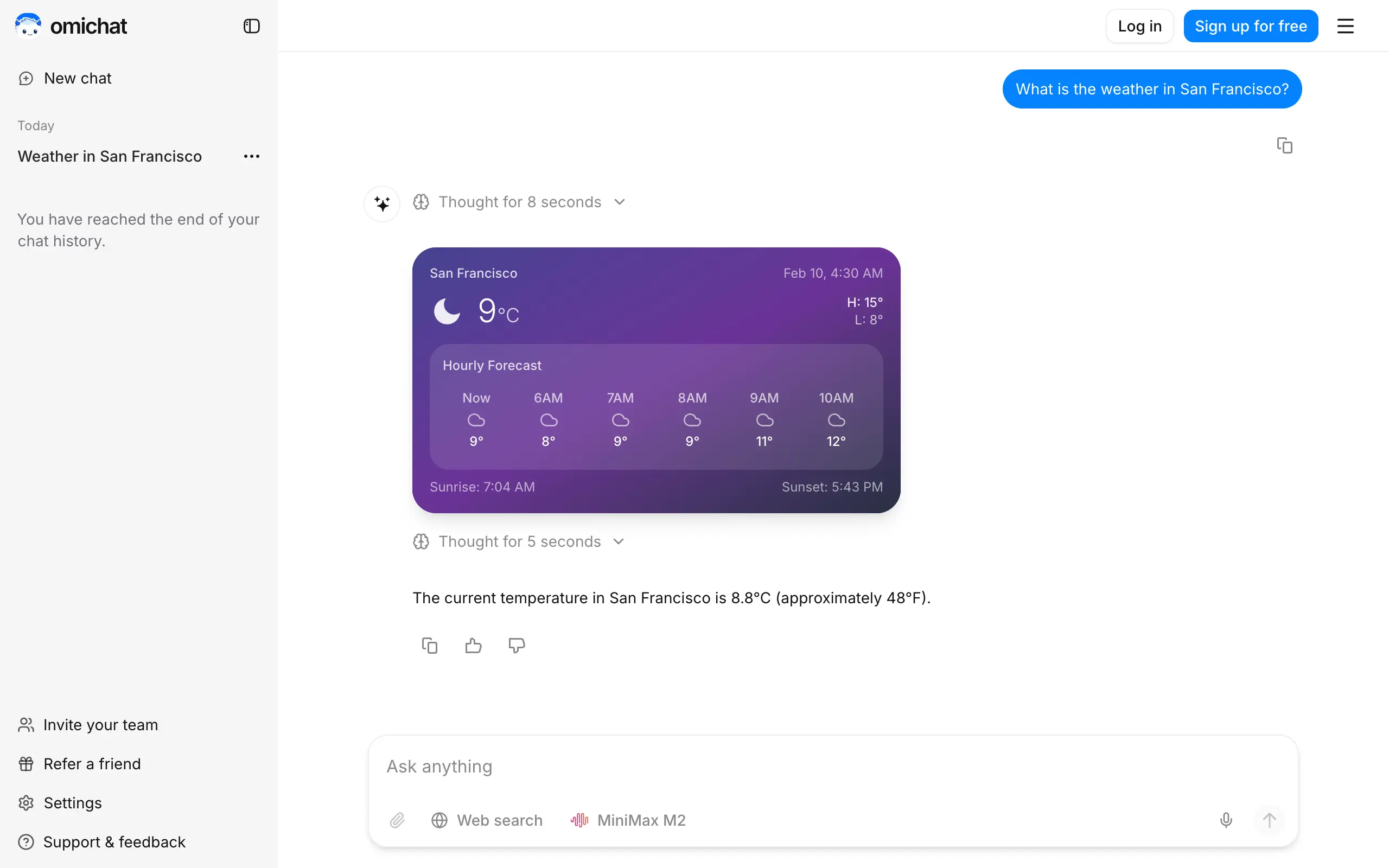
Omichat
Chat with 50+ AI models, including ChatGPT and Claude, in one place - switch models anytime without losing context 🤖
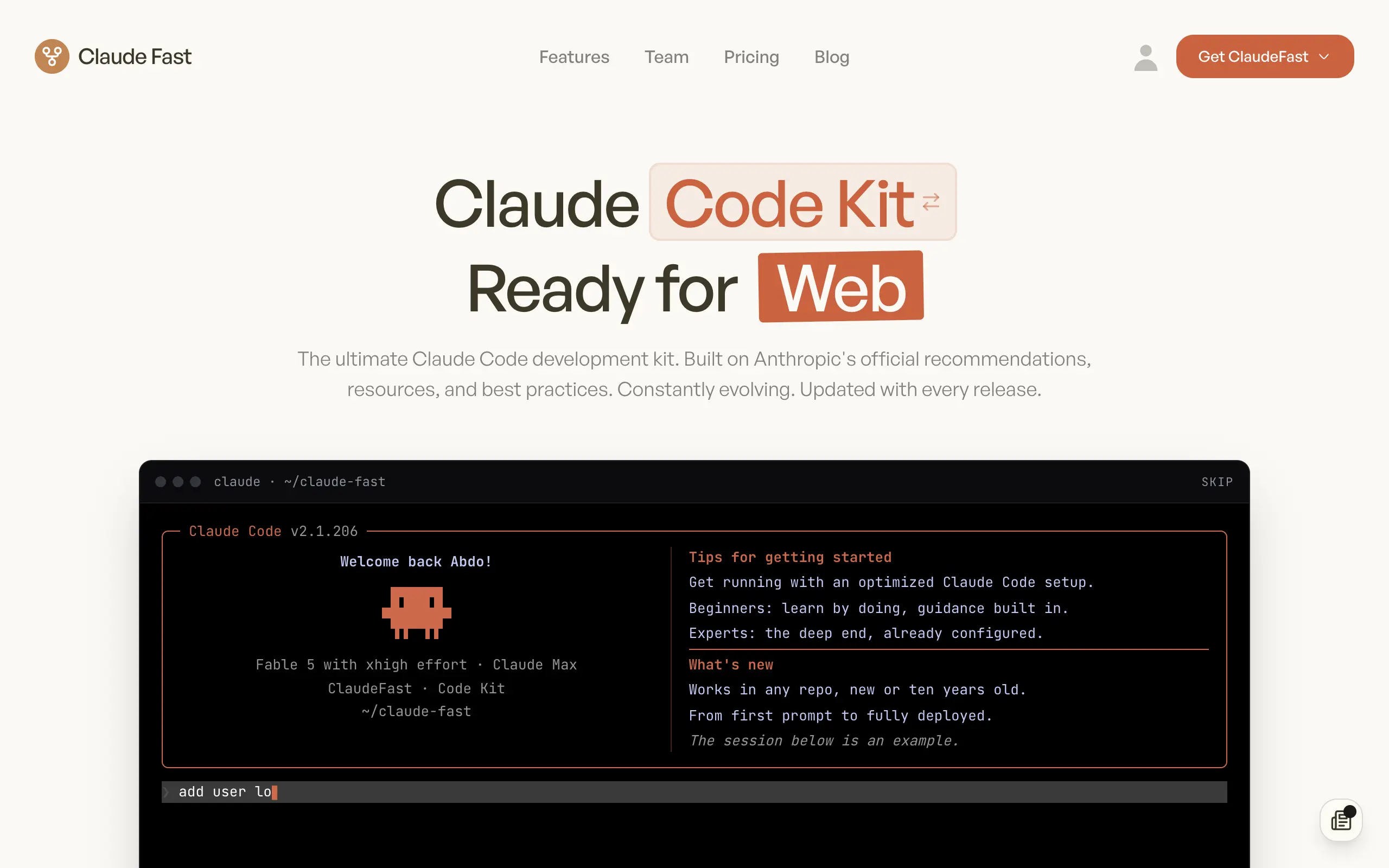
Claude Fast
Supercharge your Claude Code with 6x effective context window and specialized AI agents 🤖
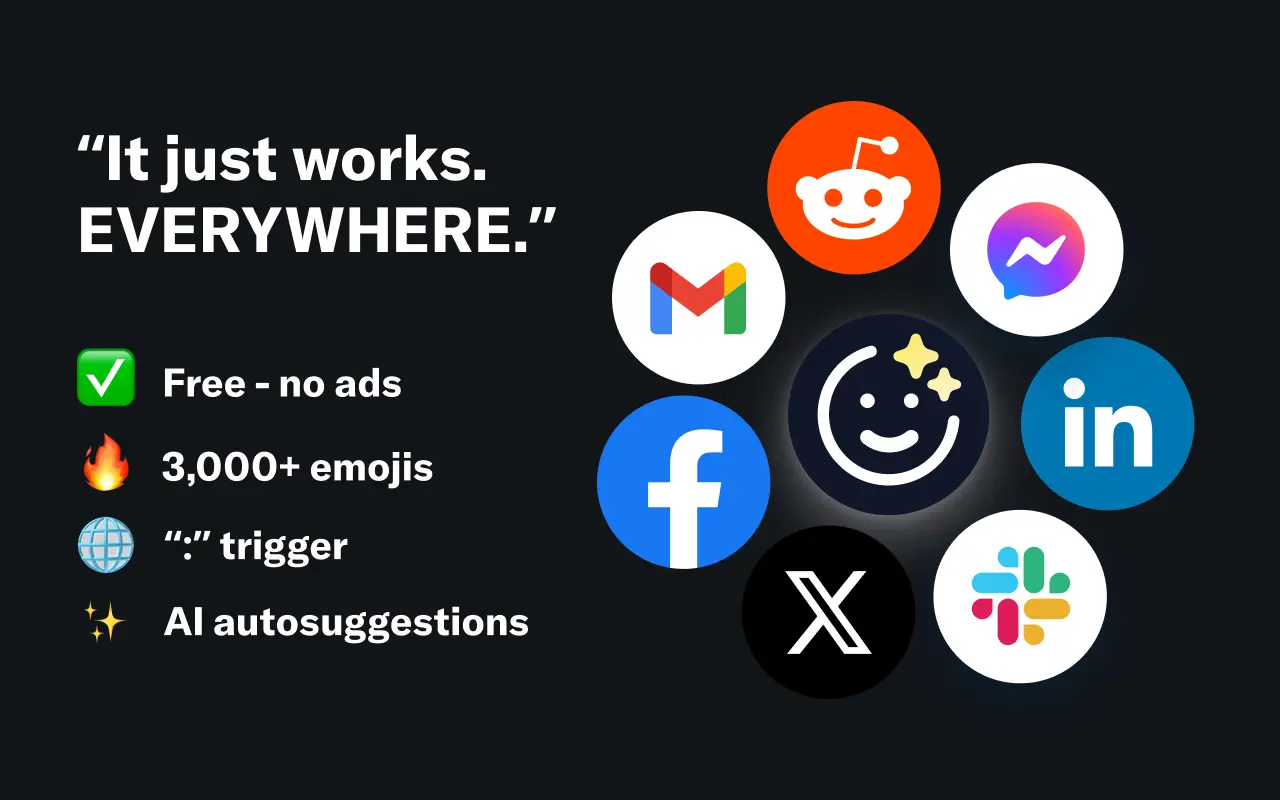
EmojAI
AI-powered emoji picker with smart, context-aware suggestions 🤖
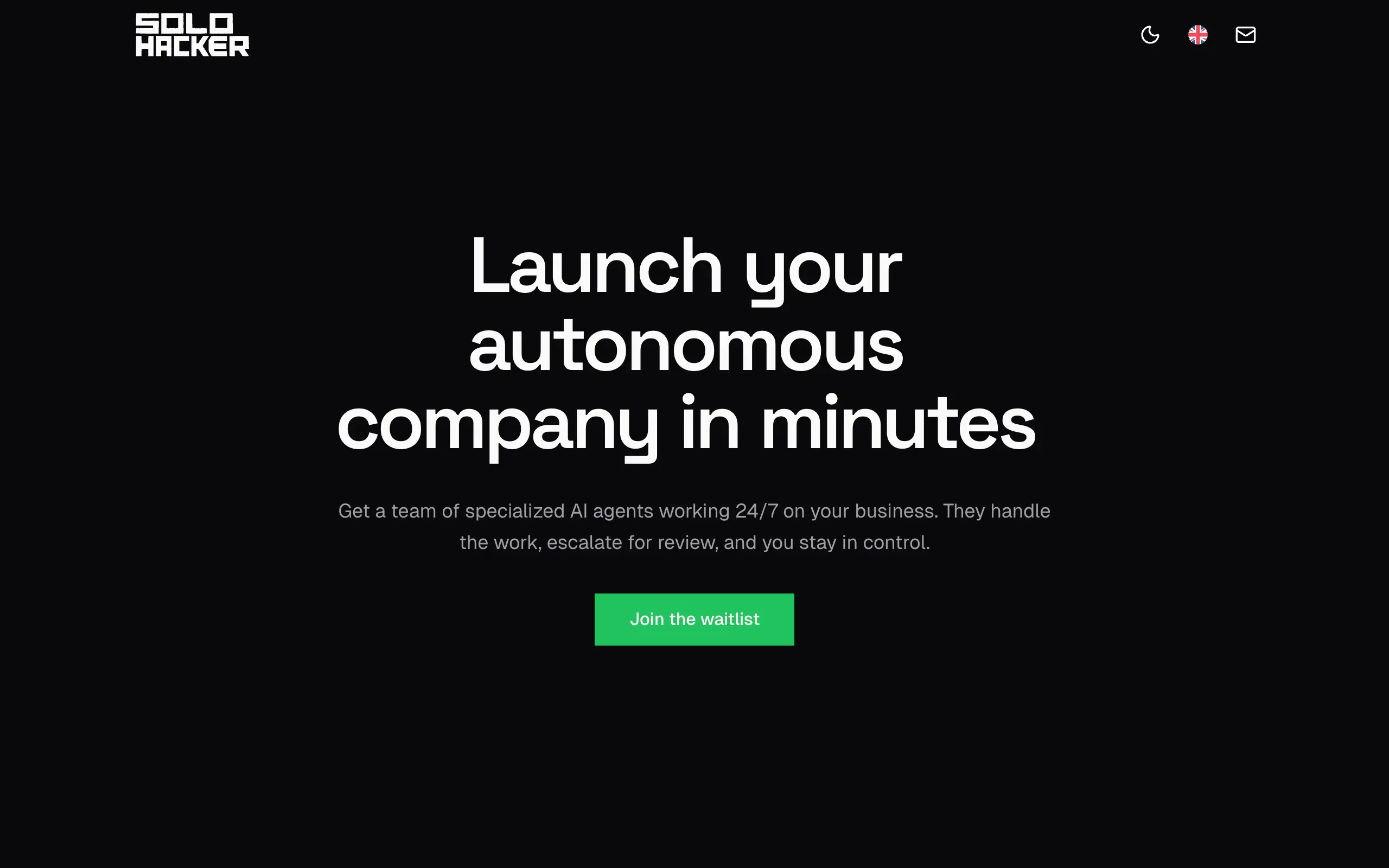
Solohacker
Autonomous company launcher - AI agents work 24/7, escalate what matters, and you stay in control 🤖
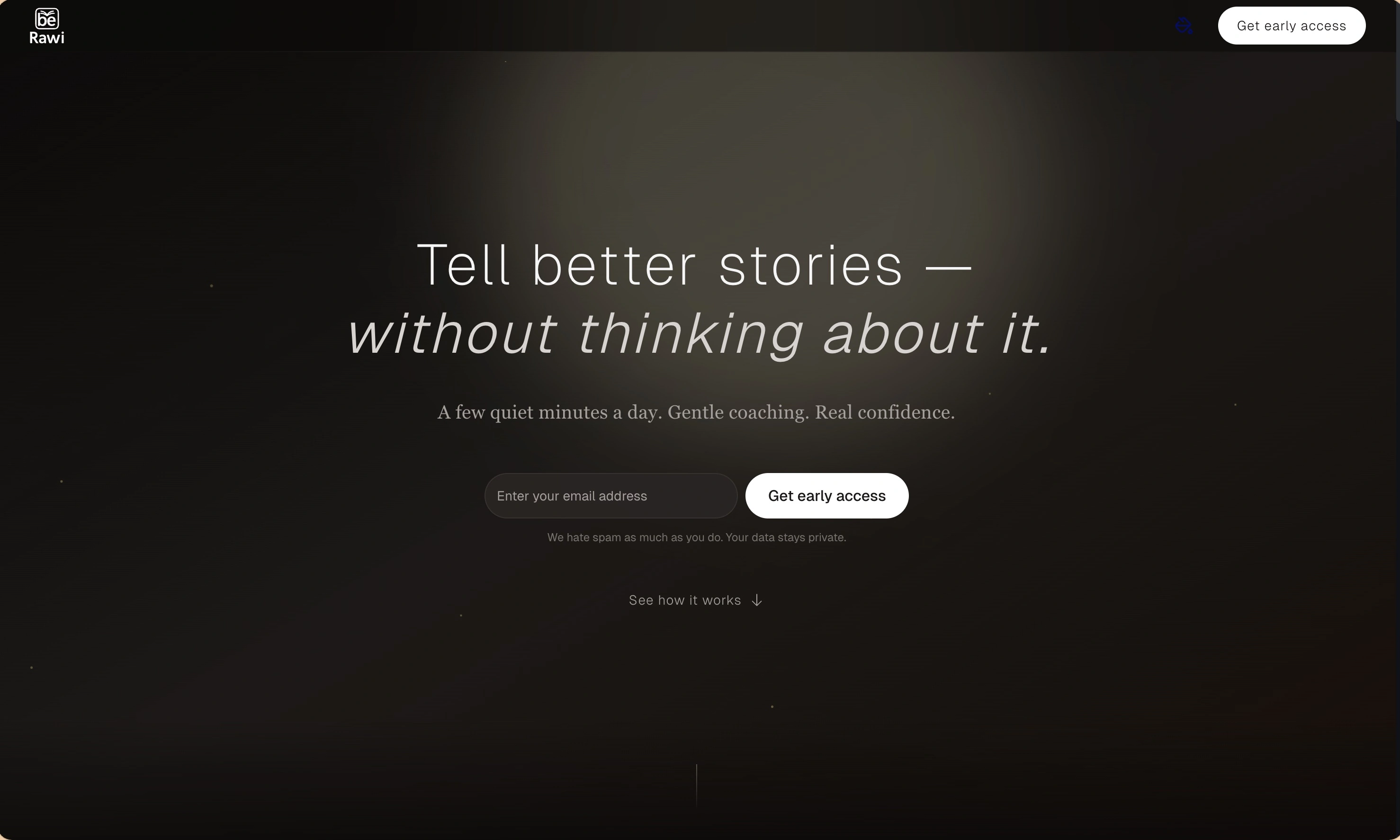
BeRawi: Storytelling Coach
Practice storytelling daily with instant feedback to sound clearer, more engaging, and confident 🎤
Omichat
Chat with 50+ AI models, including ChatGPT and Claude, in one place - switch models anytime without losing context 🤖
Claude Fast
Supercharge your Claude Code with 6x effective context window and specialized AI agents 🤖
EmojAI
AI-powered emoji picker with smart, context-aware suggestions 🤖
Solohacker
Autonomous company launcher - AI agents work 24/7, escalate what matters, and you stay in control 🤖
BeRawi: Storytelling Coach
Practice storytelling daily with instant feedback to sound clearer, more engaging, and confident 🎤
Omichat
Chat with 50+ AI models, including ChatGPT and Claude, in one place - switch models anytime without losing context 🤖
Claude Fast
Supercharge your Claude Code with 6x effective context window and specialized AI agents 🤖
EmojAI
AI-powered emoji picker with smart, context-aware suggestions 🤖
Solohacker
Autonomous company launcher - AI agents work 24/7, escalate what matters, and you stay in control 🤖
BeRawi: Storytelling Coach
Practice storytelling daily with instant feedback to sound clearer, more engaging, and confident 🎤
Omichat
Chat with 50+ AI models, including ChatGPT and Claude, in one place - switch models anytime without losing context 🤖
Claude Fast
Supercharge your Claude Code with 6x effective context window and specialized AI agents 🤖
EmojAI
AI-powered emoji picker with smart, context-aware suggestions 🤖
Solohacker
Autonomous company launcher - AI agents work 24/7, escalate what matters, and you stay in control 🤖
BeRawi: Storytelling Coach
Practice storytelling daily with instant feedback to sound clearer, more engaging, and confident 🎤

Connect with like-minded people
Join our community to get feedback, support, and grow together with 1,000+ builders on board, let's ship it!
Join usShip your startup everywhere. In minutes.
Don't burn tokens on setup and start building features on day one.