DevTeam Pulse
Real-time productivity and well-being analytics for software teams, helping managers balance workloads and prevent developer burnout.
Understanding DevTeam Pulse: Real-time productivity and well-being analytics for software teams
In today's fast-paced SaaS and software development environments, balancing productivity with team well-being has become a crucial challenge. Software team managers are tasked with delivering high performance, but pushing developers too hard can lead to burnout, decreased morale, and a sharp drop in quality. Enter DevTeam Pulse—a real-time analytics SaaS designed to empower leaders by providing actionable insights into both productivity and developer wellness.
This comprehensive guide unpacks DevTeam Pulse from every angle: assessing its market need, detailing its standout features, analyzing its competitive landscape, and guiding you through implementation strategies. Whether you're a founder, engineering manager, or SaaS enthusiast evaluating such a platform, this resource will equip you with in-depth, expert-backed answers to key questions about DevTeam Pulse's concept and execution.
Who needs DevTeam Pulse? Target audience analysis
Understanding the core customer base is critical for both SaaS success and strong SEO. For DevTeam Pulse, the primary audience consists of:
- Engineering managers and tech leads at startups, scaling organizations, and enterprise development teams
- HR managers and PeopleOps professionals within tech-driven businesses concerned about attrition and workplace health
- CTOs and VPs of Engineering seeking data-driven ways to balance delivery with developer satisfaction
Key audience pain points:
- Difficulty tracking team workload and identifying overburdened staff in real time
- Lack of actionable, holistic visibility into productivity beyond raw commit/PR numbers
- Poor or lagging insight into developer well-being, morale, and risk of burnout
- Need to validate or adjust resource allocation before deadlines become disruptive
LSI keywords: engineering manager analytics, team well-being insights, developer workload tracking, software team dashboard, burnout prevention tool
Startup Engineering Leaders
Gain granular, actionable visibility into your team's workload, morale, and delivery pace from day one.
Scale-up Tech Managers
Spot early warning signs of developer burnout as your team grows, and optimize resource allocation with data.
Enterprise PeopleOps/HR
Reduce attrition and boost engagement using real-time well-being signals and productivity heatmaps.
Market opportunity and gap analysis
The SaaS market for developer productivity analytics has expanded rapidly, especially following increasing industry investment in developer experience (DX) and remote/hybrid team management tools.
Current trends and statistics:
- 85% of software companies switched to remote/hybrid work (2020–2023), increasing need for remote-friendly analytics (Source: Suggest referencing Stack Overflow Developer Survey)
- 65% of developers have experienced burnout in the past year (Suggest referencing GitHub's State of the Octoverse)
- Enterprise tech teams are investing 30% more in people analytics tools post-pandemic (Source: Suggest referencing Gartner or McKinsey reports)
Identified gaps:
- Gap in real-time, actionable well-being analytics: Most SaaS developer analytics platforms, such as Linear or Jira Insights, focus strictly on ticket velocity and "hard" productivity. Few connect health, workload balance, and well-being signals in real time.
- Lack of holistic dashboards: Siloed tools force managers to cobble together data, missing cross-signal trends indicating looming burnout.
- Proactive intervention need: Companies want to prevent crisis (burnout, attrition spikes) but lack predictive signals.
Why DevTeam Pulse stands out:
- Live, integrated dashboard aggregating code, ticket, and well-being signals
- Real-time burnout and workload balance alerts—not just activity reports
- GDPR and privacy-first design, surfacing trends without "surveillance"
Core features: How DevTeam Pulse solves key problems
Essential analytics and well-being features
DevTeam Pulse's primary keyword and value proposition is clear: real-time productivity and well-being analytics for software teams.
Let’s break down the standout features:
1. Team workload heatmaps
- Tag individual and team workloads by code commits, ticket throughput, and meeting load
- Color-coded visualizations identify over/under-utilization at a glance
2. Burnout risk scoring
- Combines productivity metrics with well-being indicators (e.g., survey responses, late-night activity, message sentiment)
- Predictive burnout alerts automatically surface at-risk individuals and teams
3. Well-being pulse surveys
- Lightweight, regular check-ins (private, anonymous, opt-in) for developers about stress, morale, and focus
- Integrated with dashboards to correlate results with workload/activity
4. Manager intervention workflows
- Automated recommendations prompt managers to rebalance workloads, approve time off, or check-in
- Customizable thresholds for notifications based on each team's norms
5. Privacy-friendly analytics
- Opt-in, GDPR-compliant data collection
- Aggregate trends, no keystroke or intrusive logging—focused on supporting teams, not surveillance
6. 360-degree productivity dashboard
- Centralized view combining code (integrations: GitHub, GitLab), tickets (Jira, Linear), meetings (Google Calendar), and Slack/Microsoft Teams sentiment
7. Actionable insights and reporting
- Historical comparisons, trend detection, and weekly/monthly PDF exports for business stakeholders
- Real-time API for integration into existing HR or analytics stacks
| Feature | Solves Productivity | Burnout Prevention | Privacy-First | Real-Time | |
|---|---|---|---|---|---|
| Workload Heatmaps | ✅ | ❌ | ✅ | ✅ | ❌ |
| Burnout Risk Scoring | ✅ | ❌ | ✅ | ✅ | ❌ |
Recommended tech stack for DevTeam Pulse
Selecting a SaaS tech stack is critical. DevTeam Pulse's real-time analytics and integration-heavy workflows require robust, scalable, and privacy-aware architecture.
Frontend
- React: Fast, component-driven UI for dashboards and configuration panels.
- TailwindCSS: Streamlines custom, accessible styling.
Backend
- Node.js or Deno: For event-driven, scalable API server.
- NestJS: A TypeScript framework offering productive patterns for scalable APIs.
- PostgreSQL: Industry standard for reliable analytics and relational data.
Real-time/data pipeline
- Redis: For fast, in-memory caching and pub/sub event streaming.
- Apache Kafka: Handles high-velocity data streams from integrations (for larger teams).
Integrations & APIs
- OAuth2 for secure, permissioned connections to external services (GitHub, Jira, Slack, etc.)
Cloud/Hosting
- Modern container platforms: AWS ECS/EKS, GCP GKE, or Azure Kubernetes Service for flexible scaling.
- For front-end, static deploys via Vercel or Netlify.
Trade-offs for each stack choice
- React vs. traditional SPA frameworks: React has stronger community support and UI library ecosystem.
- NestJS strengthens TypeScript robustness (compared to bare Node.js) but may have extra complexity for smaller MVPs.
- Kafka's real-time streaming is powerful for scale, but can be overkill; for early-stage MVP, Redis and queue-based triggers may suffice.
// Example: Express + NestJS backend for webhook listening

import { Controller, Post, Body } from '@nestjs/common';

@Controller('webhooks')
export class WebhookController {
  @Post('github')
  handleGithubEvent(@Body() payload: any) {
    // Process commit/pull-request events
    // Update team analytics models here
    return { success: true };
  }
}
Monetization strategies for DevTeam Pulse
Positioning DevTeam Pulse profitably—with customer value top of mind—demands thoughtful SaaS monetization.
1. Tiered subscription SaaS model
- Core plan: Includes real-time dashboards, basic integrations, and up to X users (attracts smaller teams/startups).
- Pro/Enterprise plan: Adds advanced analytics, deeper integration (HRIS, premium support), custom retention dashboards.
2. Add-on modules
- Custom AI-based burnout prediction module
- Integration package with HR tools (e.g., Workday, BambooHR) and custom reporting
3. Usage-based billing
- For large scale-ups: price by the number of events processed/month, data retention, or active users
4. White-label/Enterprise offerings
- Whitelabel platform for large enterprises with tailored security, SSO/SAML, and on-prem deployment options
Key monetization best practices:
- Offer generous free trial (14–30 days), but require workspace signup (improves conversion and data security)
- Avoid per-seat only pricing—combine team-level and usage pricing for balanced value
- Upsell add-on insights or wellness modules after teams see initial value
Competitive landscape and unique selling proposition (USP)
Existing competitors
- GitHub Insights: Native for GitHub, limited to code events, lacks well-being analytics.
- Athenian: Strong on engineering cycle times, but primarily focused on delivery/process metrics.
- Pluralsight Flow: Offers productivity intelligence, but less nuanced in privacy or wellness signals.
- Officevibe: Excellent engagement/wellness, but little integration with code or ticket data.
Unique strengths: Why DevTeam Pulse?
- Holistic dashboard: Blends productivity, workload, and wellness in one place—no more context switching
- Burnout prediction with real-time actionable insights: Move beyond reporting; automate recommendations
- Privacy-first analytics: Aggregate trends rather than surveillance, aligning with changing developer expectations
- Integration-first philosophy: Deep and flexible connections to core dev tools (GitHub, Jira, Slack, Google Calendar)
- Action-oriented workflows for managers: Suggest next steps, not just numbers
Industry Perspective
Many SaaS buyers now place a premium on employee experience (EX) and wellness, not just traditional productivity KPIs. DevTeam Pulse gives managers a competitive advantage by tackling this shift head-on.
Potential risks and mitigation strategies
Launching a SaaS platform like DevTeam Pulse involves balancing innovation with privacy, legal, and cultural sensitivities.
1. Privacy and developer trust
- Risk: Teams may perceive analytics as intrusive surveillance, causing resistance.
- Mitigation: Transparently communicate privacy model; ensure all analytics are opt-in, anonymized, and GDPR-compliant. Provide clear admin controls to customize data usage.
2. Integration maintenance overhead
- Risk: SaaS platforms must keep pace with frequent API changes in tools like GitHub, Jira, and Slack.
- Mitigation: Modularize integration logic; dedicate engineering cycles to API updates. Utilize official SDKs and maintain compatibility documentation.
3. False positives in burnout detection
- Risk: Overly sensitive alerts can overwhelm managers or create unnecessary concern.
- Mitigation: Allow customer configuration of thresholds and alert logic. Use multiple signals and context before flagging.
4. Market education
- Risk: Some companies may not recognize the importance of developer well-being until a crisis forces attention.
- Mitigation: Provide robust onboarding materials and ROI calculators to demonstrate cost of burnout/attrition.
5. Competitive pressure from platform vendors
- Risk: Platforms like Atlassian or Microsoft may release similar bundled analytics.
- Mitigation: Focus on depth of cross-tool integration, wellness signals, and privacy—their core business is not well-being analytics.
Actionable steps to implement DevTeam Pulse
Ready to move from idea to MVP? Here are the key implementation steps for DevTeam Pulse's launch:
Real answers to common implementation questions
All analytics are opt-in, respecting GDPR and CCPA. Managers cannot see individual-specific data unless users explicitly consent. Pulse surveys are anonymized and results are reported as team-level trends.
Pair the rollout with transparent communications. Make it clear that DevTeam Pulse is designed to support, not micromanage, and highlight features like “manager action recommendations” to build trust.
Offer weekly/monthly reporting on reduced burnout risk incidents, improved team satisfaction survey results, and reduced attrition rates. Provide cost-of-turnover calculators during stakeholder demos.
Conclusion: Why DevTeam Pulse is the right SaaS for modern software teams
The rise of hybrid and remote development, growing burnout rates, and the importance of retaining skilled engineers have made real-time productivity and well-being analytics an urgent market need. DevTeam Pulse stands out with:
- Holistic, real-time dashboards combining productivity and well-being
- Proactive burnout risk insight, not just retroactive reports
- Strong privacy and opt-in analytics principles
Modern engineering leaders need more than raw stats—they need actionable insights and the trust of their teams. DevTeam Pulse is poised to deliver both, filling a glaring SaaS gap.
For more on rapid SaaS launch techniques or integration best practices, explore thought leadership from TurboStarter.
If you’re ready to help teams thrive rather than just ship faster, DevTeam Pulse is designed for you.
More 🏢 B2B Application SaaS ideas
Discover more innovative b2b application SaaS ideas that are trending in 2026. Each idea is AI-generated with market validation and growth potential to help you find your next profitable venture faster than competitors.
Your competitors are building with TurboStarter
Below are some of the SaaS ideas that have been generated and built with our starter kit.
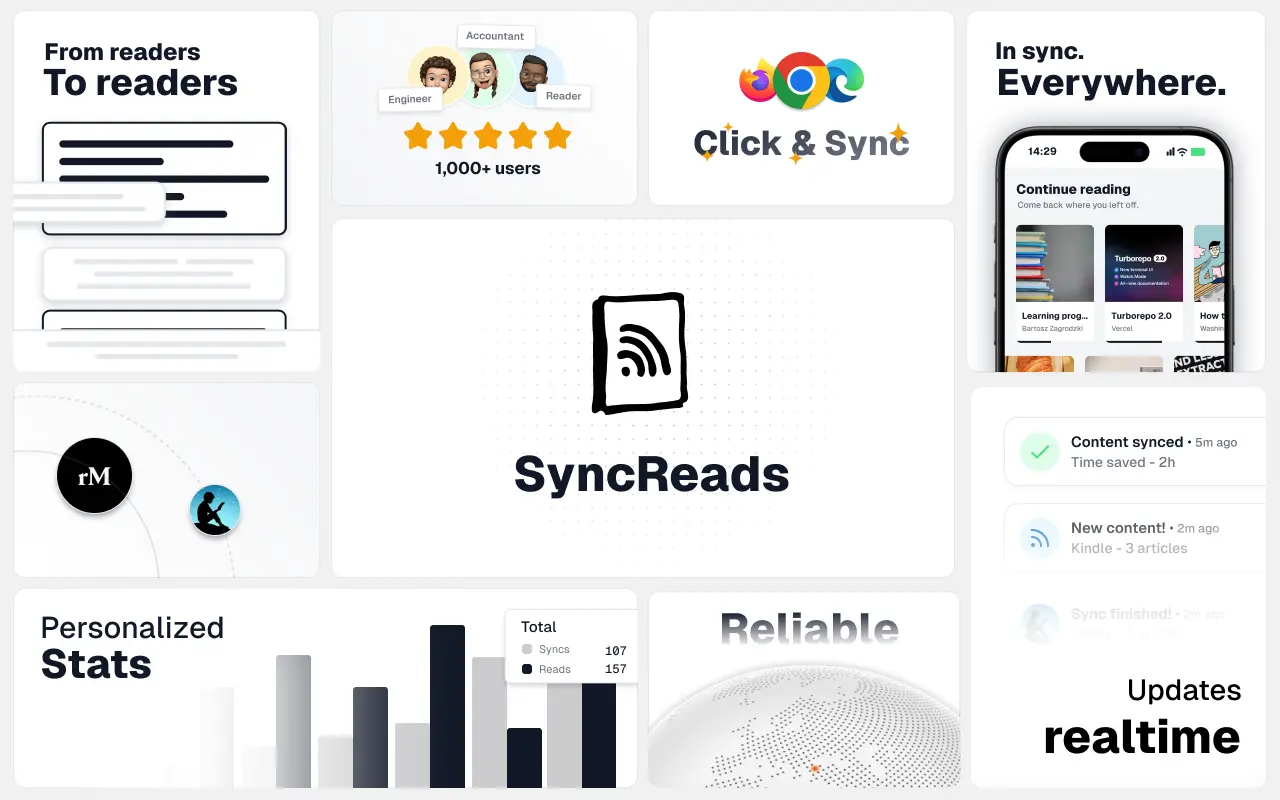
SyncReads
Sync your favorite content for distraction-free reading, save time and replace multiple apps. Anytime, anywhere 🔄
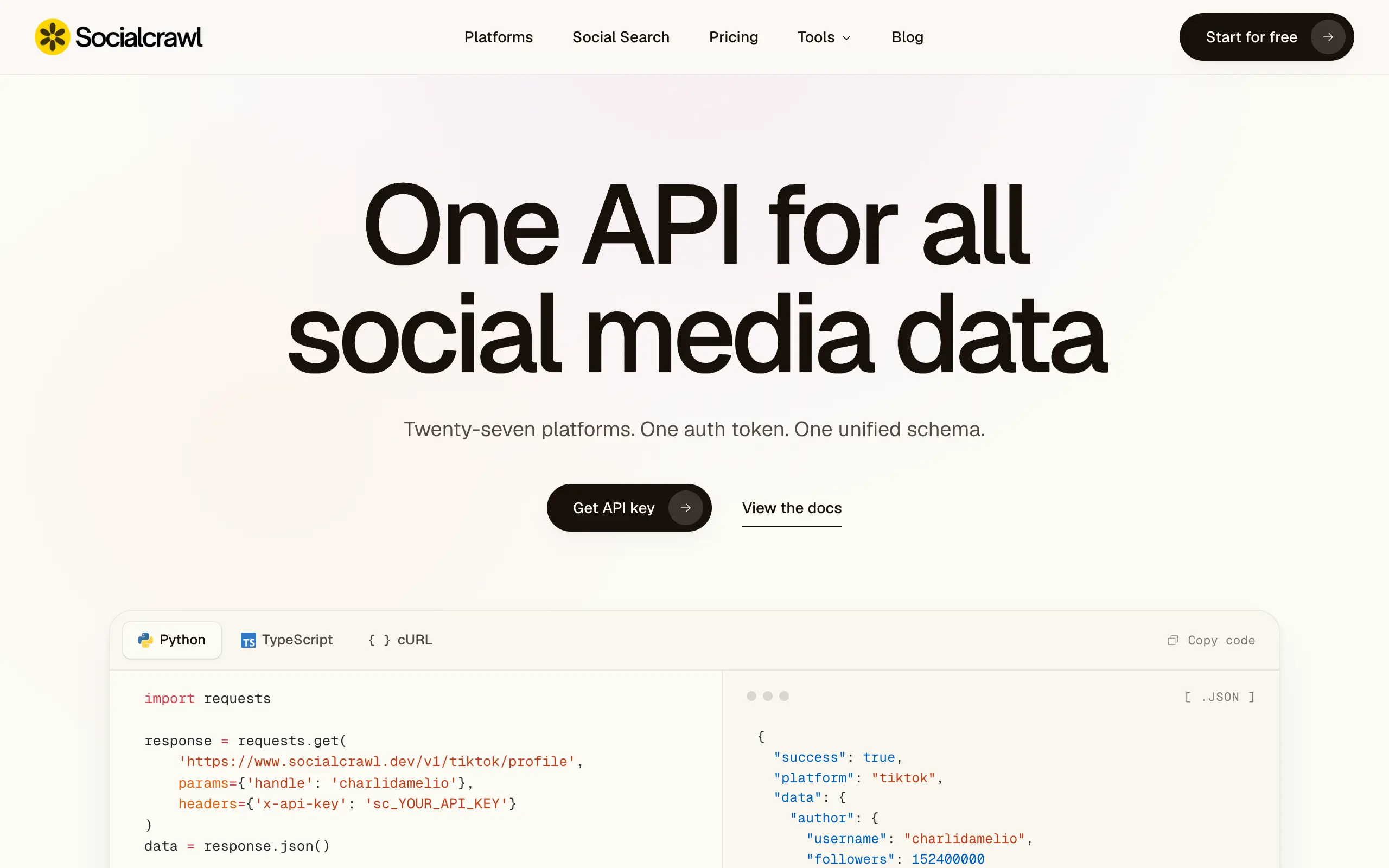
Socialcrawl
Get clean, structured data from 21 platforms like TikTok, Instagram, and YouTube with a single request 📊
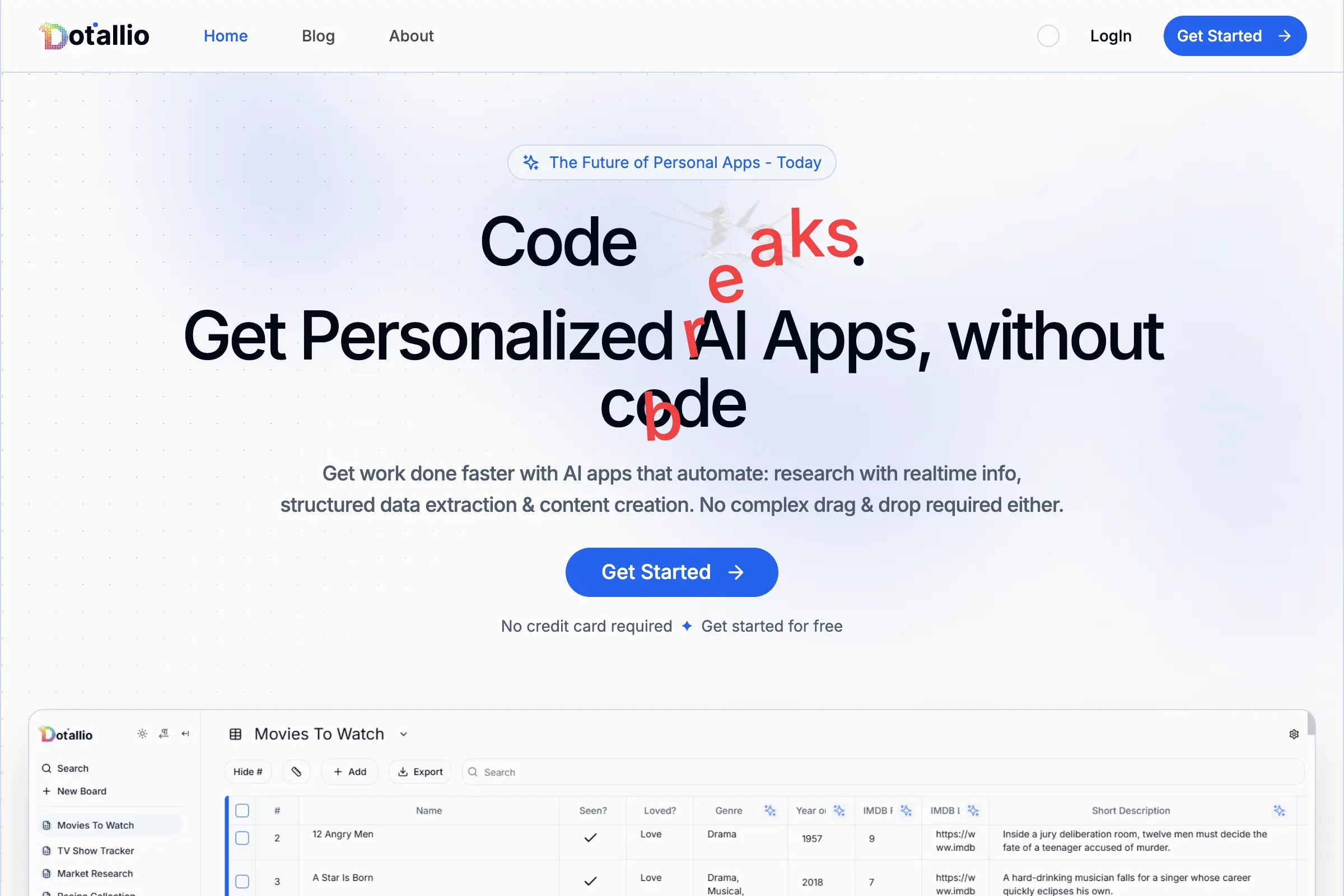
Dotallio
Personalized AI apps that automate research, data extraction, and content creation without code 🤖

Talk to Santa
Enjoy a magical live video chat or receive a unique AI-generated video greeting from Santa Claus 🎅
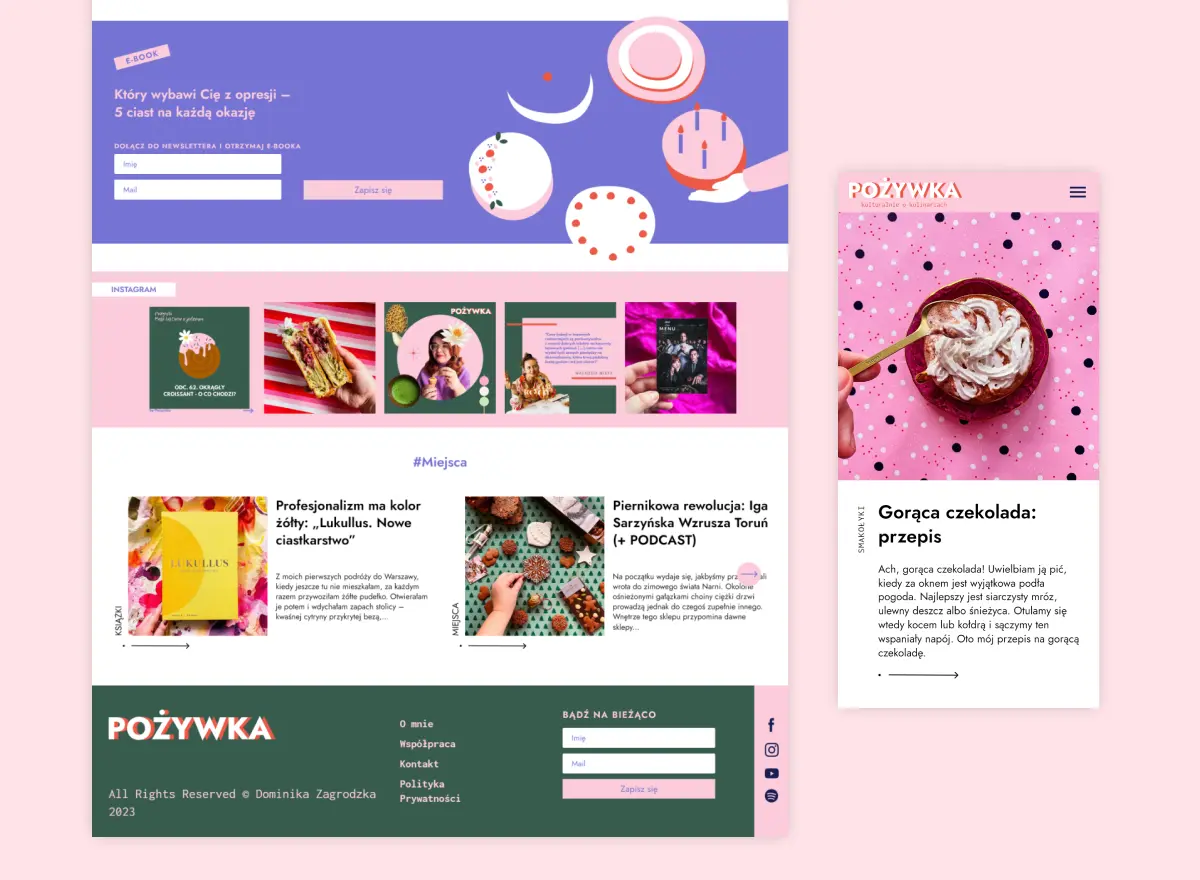
pozywka.pl
Scalable blog for food journalist, focused on performance and user experience 🌭
SyncReads
Sync your favorite content for distraction-free reading, save time and replace multiple apps. Anytime, anywhere 🔄
Socialcrawl
Get clean, structured data from 21 platforms like TikTok, Instagram, and YouTube with a single request 📊
Dotallio
Personalized AI apps that automate research, data extraction, and content creation without code 🤖
Talk to Santa
Enjoy a magical live video chat or receive a unique AI-generated video greeting from Santa Claus 🎅
pozywka.pl
Scalable blog for food journalist, focused on performance and user experience 🌭
SyncReads
Sync your favorite content for distraction-free reading, save time and replace multiple apps. Anytime, anywhere 🔄
Socialcrawl
Get clean, structured data from 21 platforms like TikTok, Instagram, and YouTube with a single request 📊
Dotallio
Personalized AI apps that automate research, data extraction, and content creation without code 🤖
Talk to Santa
Enjoy a magical live video chat or receive a unique AI-generated video greeting from Santa Claus 🎅
pozywka.pl
Scalable blog for food journalist, focused on performance and user experience 🌭
SyncReads
Sync your favorite content for distraction-free reading, save time and replace multiple apps. Anytime, anywhere 🔄
Socialcrawl
Get clean, structured data from 21 platforms like TikTok, Instagram, and YouTube with a single request 📊
Dotallio
Personalized AI apps that automate research, data extraction, and content creation without code 🤖
Talk to Santa
Enjoy a magical live video chat or receive a unique AI-generated video greeting from Santa Claus 🎅
pozywka.pl
Scalable blog for food journalist, focused on performance and user experience 🌭
zagrodzki.me
Personal blog and portfolio of Bart Zagrodzki, where he share his knowledge and work 💼
TurboStarter
Ship your startup everywhere. In minutes.
HTML to Markdown
Convert HTML to Markdown with ease, directly in your browser 📄
Omichat
Chat with 50+ AI models, including ChatGPT and Claude, in one place - switch models anytime without losing context 🤖
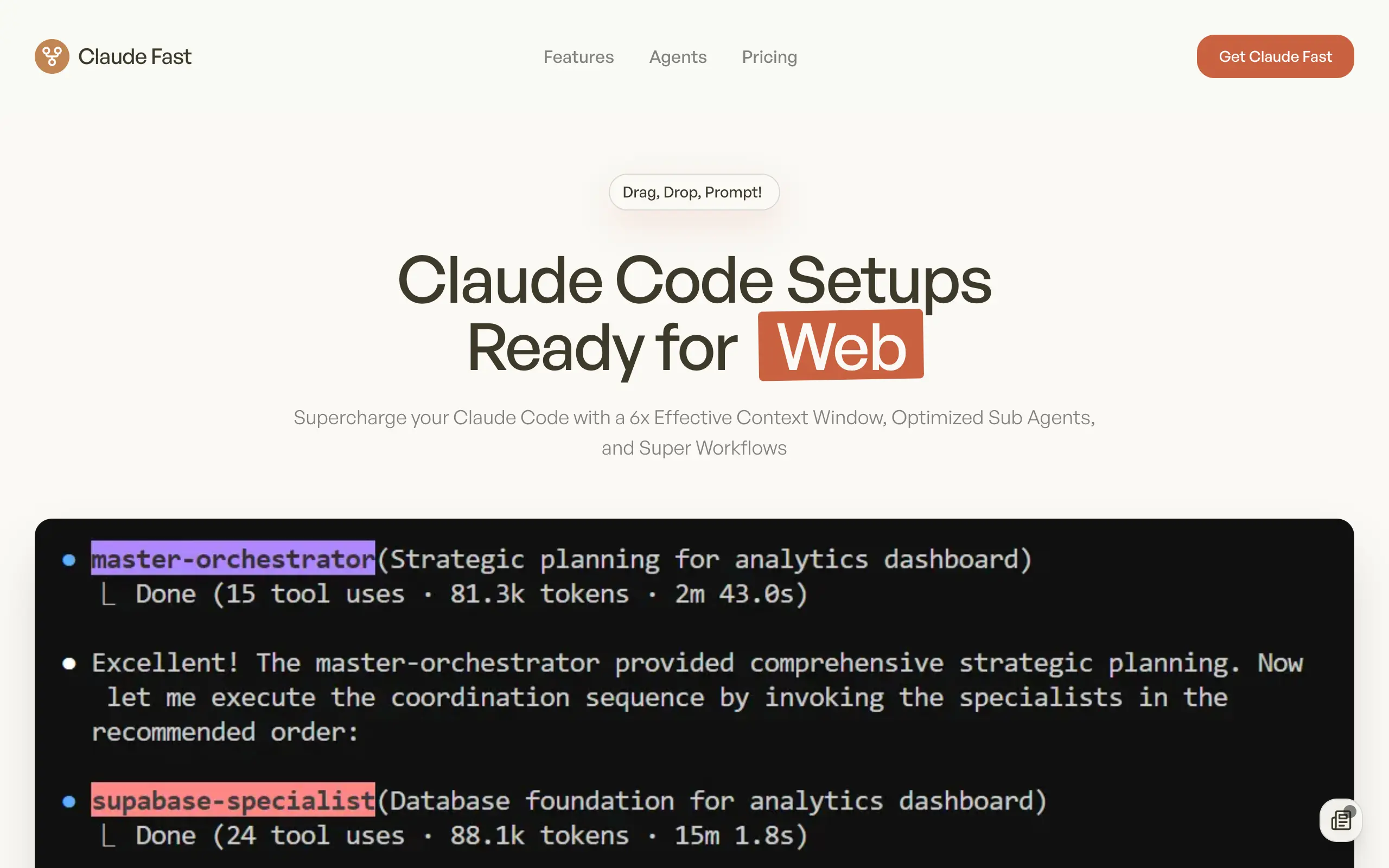
Claude Fast
Supercharge your Claude Code with 6x effective context window and specialized AI agents 🤖
zagrodzki.me
Personal blog and portfolio of Bart Zagrodzki, where he share his knowledge and work 💼
TurboStarter
Ship your startup everywhere. In minutes.
HTML to Markdown
Convert HTML to Markdown with ease, directly in your browser 📄
Omichat
Chat with 50+ AI models, including ChatGPT and Claude, in one place - switch models anytime without losing context 🤖
Claude Fast
Supercharge your Claude Code with 6x effective context window and specialized AI agents 🤖
zagrodzki.me
Personal blog and portfolio of Bart Zagrodzki, where he share his knowledge and work 💼
TurboStarter
Ship your startup everywhere. In minutes.
HTML to Markdown
Convert HTML to Markdown with ease, directly in your browser 📄
Omichat
Chat with 50+ AI models, including ChatGPT and Claude, in one place - switch models anytime without losing context 🤖
Claude Fast
Supercharge your Claude Code with 6x effective context window and specialized AI agents 🤖
zagrodzki.me
Personal blog and portfolio of Bart Zagrodzki, where he share his knowledge and work 💼
TurboStarter
Ship your startup everywhere. In minutes.
HTML to Markdown
Convert HTML to Markdown with ease, directly in your browser 📄
Omichat
Chat with 50+ AI models, including ChatGPT and Claude, in one place - switch models anytime without losing context 🤖
Claude Fast
Supercharge your Claude Code with 6x effective context window and specialized AI agents 🤖
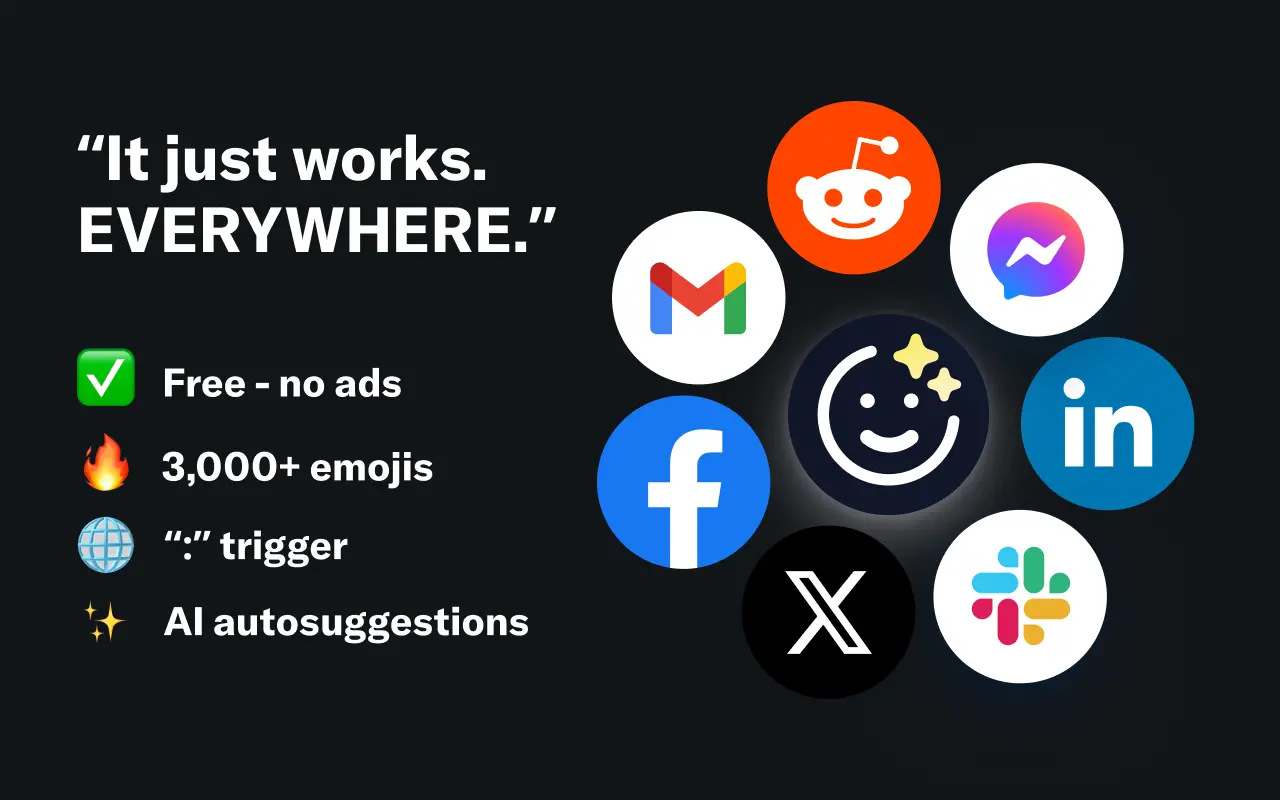
EmojAI
AI-powered emoji picker with smart, context-aware suggestions 🤖
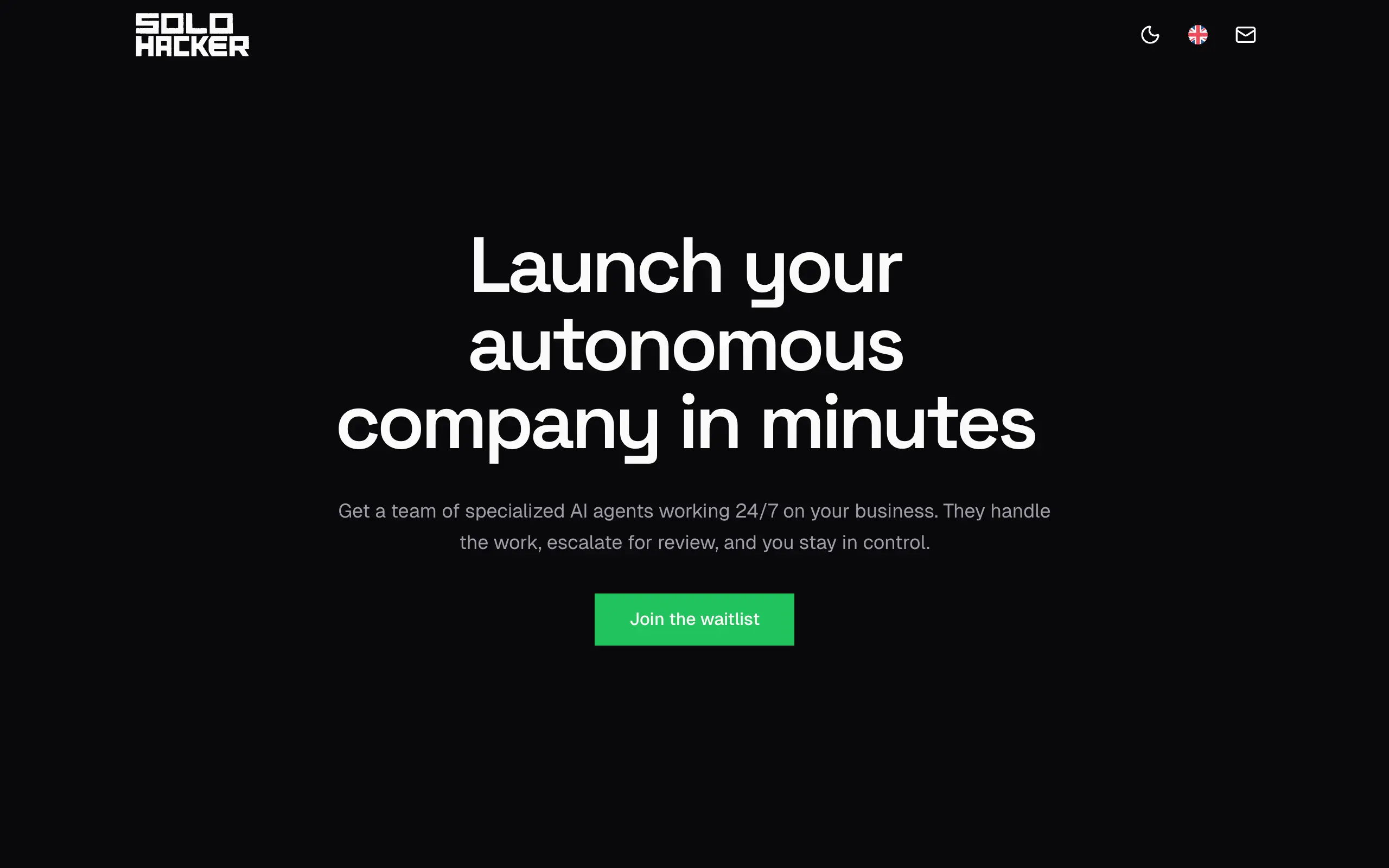
Solohacker
Autonomous company launcher—AI agents work 24/7, escalate what matters, and you stay in control 🤖
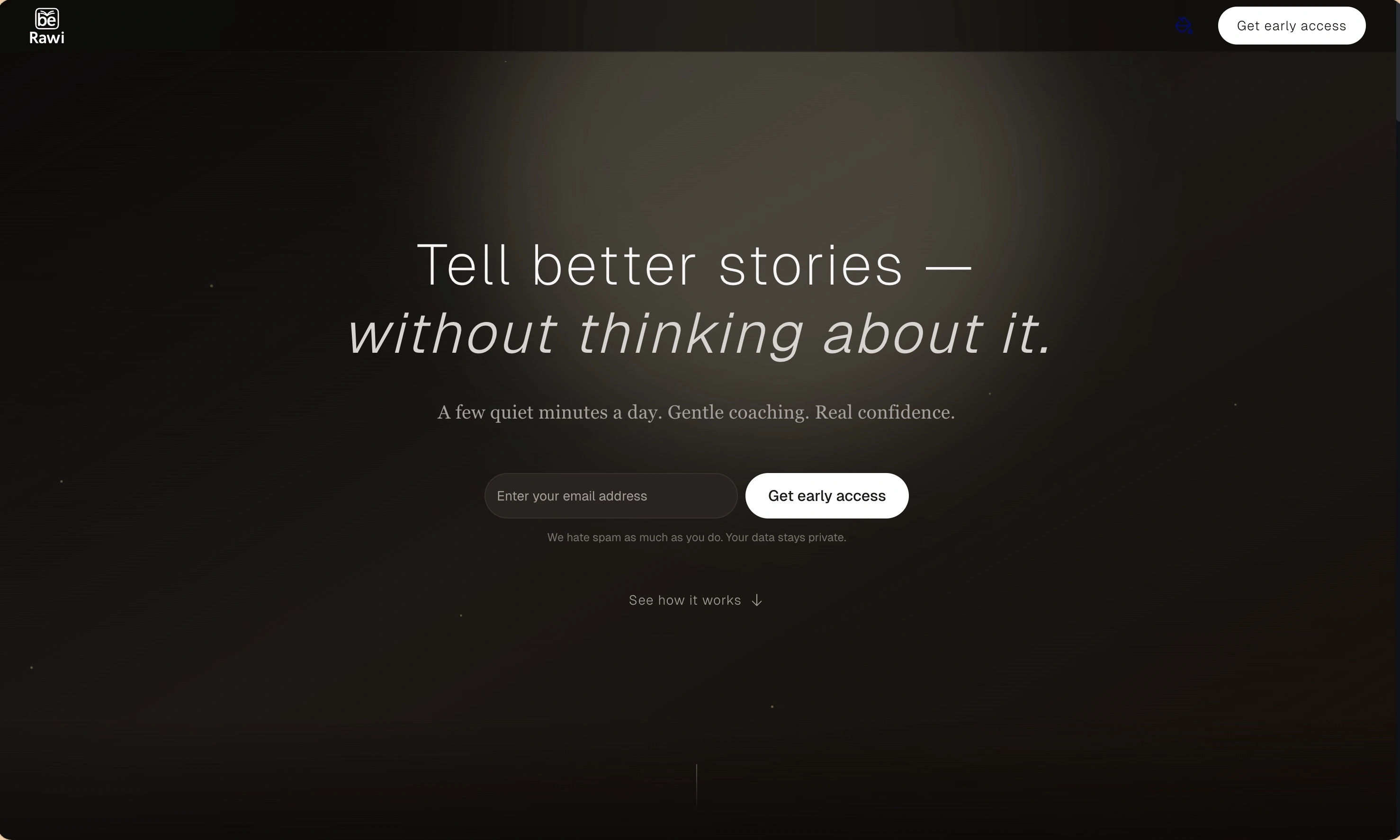
BeRawi: Storytelling Coach
Practice storytelling daily with instant feedback to sound clearer, more engaging, and confident 🎤
EmojAI
AI-powered emoji picker with smart, context-aware suggestions 🤖
Solohacker
Autonomous company launcher—AI agents work 24/7, escalate what matters, and you stay in control 🤖
BeRawi: Storytelling Coach
Practice storytelling daily with instant feedback to sound clearer, more engaging, and confident 🎤
EmojAI
AI-powered emoji picker with smart, context-aware suggestions 🤖
Solohacker
Autonomous company launcher—AI agents work 24/7, escalate what matters, and you stay in control 🤖
BeRawi: Storytelling Coach
Practice storytelling daily with instant feedback to sound clearer, more engaging, and confident 🎤
EmojAI
AI-powered emoji picker with smart, context-aware suggestions 🤖
Solohacker
Autonomous company launcher—AI agents work 24/7, escalate what matters, and you stay in control 🤖
BeRawi: Storytelling Coach
Practice storytelling daily with instant feedback to sound clearer, more engaging, and confident 🎤

Connect with like-minded people
Join our community to get feedback, support, and grow together with 600+ builders on board, let's ship it!
Join usShip your startup everywhere. In minutes.
Skip the complex setups and start building features on day one.