DexPilot Pro
White-label DEX infrastructure for trading communities and influencers to launch branded on-chain exchanges with built-in liquidity, analytics, and revenue sharing.
The rise of white-label DEX infrastructure and why now is the moment
Decentralized finance (DeFi) has matured far beyond experimental smart contracts. Today, decentralized exchanges (DEXs) process billions in monthly trading volume across ecosystems like Ethereum, Solana, and Layer 2 networks. Yet most trading communities, crypto influencers, and Web3 brands still rely on third-party exchanges to monetize their audiences.
This is where white-label DEX infrastructure becomes transformative.
DexPilot Pro is designed to empower trading communities and influencers to launch fully branded, on-chain decentralized exchanges with built-in liquidity, analytics, and revenue-sharing mechanisms—without building complex DeFi infrastructure from scratch.
In this comprehensive guide, we’ll explore:
- The market opportunity for branded decentralized exchanges
- The target audience and unmet needs
- Core features and technical architecture
- Monetization models and revenue sharing
- Competitive landscape and differentiation
- Risks, compliance considerations, and mitigation strategies
- A practical roadmap to implementation
If you're evaluating a white-label DEX platform, considering building one, or validating this SaaS concept, this article will give you a strategic and technical blueprint.
Market opportunity: the shift toward community-owned exchanges
DeFi growth and structural changes
Over the past few years, DeFi has evolved from speculative experimentation to institutional-grade infrastructure. Key trends shaping the opportunity:
- Layer 2 adoption reducing gas fees and improving UX
- Cross-chain bridges enabling multi-chain liquidity
- Community tokens and creator economies expanding
- Increasing regulatory scrutiny on centralized exchanges
As centralized exchanges face regulatory headwinds, communities are seeking non-custodial, transparent alternatives.
According to public reports from analytics platforms like CoinGecko and DeFiLlama, decentralized exchanges have consistently captured a significant share of spot trading volume, especially during market volatility. (When referencing specific data in production content, cite authoritative sources such as DeFiLlama or CoinGecko reports.)
The creator economy meets DeFi
The global creator economy is valued in the billions, with influencers and community leaders driving financial behavior. Yet monetization in crypto remains limited to:
- Affiliate links to exchanges
- Sponsored posts
- Token launches
- Subscription groups
There is a major gap: influencers cannot easily own and operate their own decentralized trading infrastructure.
DexPilot Pro bridges this gap.
Target audience analysis
DexPilot Pro is a B2B SaaS platform targeting crypto-native organizations and high-leverage distribution channels.
1. Trading communities
These include:
- Discord/Telegram trading groups
- Paid alpha groups
- DAO-run trading collectives
- NFT communities expanding into DeFi
Pain points:
- Reliance on external DEXs (no revenue share)
- Limited analytics visibility
- No branded experience
- No liquidity ownership
Desired outcomes:
- Monetize trade flow
- Increase member stickiness
- Offer exclusive token pairs
- Launch community incentives
2. Crypto influencers and educators
Influencers with:
- 50k+ Twitter/X followers
- YouTube crypto channels
- Newsletter audiences
- Trading course businesses
Pain points:
- Platform dependency
- Limited direct monetization of trading volume
- No ownership of exchange-level data
Opportunity: Launch a branded DEX under their own domain, e.g. trade.withinfluencer.xyz.
3. Web3 startups and token projects
Token projects often need:
- Liquidity bootstrapping
- Market-making solutions
- On-chain analytics
- Incentive programs
DexPilot Pro allows them to launch a white-label DEX instance to support ecosystem growth.
4. DAOs and crypto funds
- Community treasuries can earn from swap fees
- Governance can control fee structures
- Transparent revenue-sharing models
The core problem: building a DEX is complex
Launching a decentralized exchange from scratch requires:
- Smart contract development (AMMs, routing, fee logic)
- Security audits
- Frontend development
- Wallet integration
- Liquidity management
- Indexing infrastructure
- Analytics dashboards
- Cross-chain integrations
Even using open-source protocols like Uniswap requires deep engineering, ongoing maintenance, and liquidity bootstrapping.
Time to market: 6–12 months minimum
Cost: $200k+ including audits and dev resources
DexPilot Pro abstracts this complexity.
What is DexPilot Pro?
DexPilot Pro is a white-label decentralized exchange infrastructure platform that enables communities and influencers to:
- Launch a branded DEX
- Access built-in liquidity
- Configure swap fees
- Track advanced analytics
- Implement revenue sharing
- Deploy across multiple chains
All while maintaining non-custodial, on-chain transparency.
Core features and solution architecture
Let’s break down the core modules that make DexPilot Pro viable and competitive.
1. White-label DEX frontend
Each client receives:
- Custom domain support
- Branded UI (logo, color scheme)
- Configurable token lists
- Themed trading interface
Built with modern frontend stack:
- React
- Next.js
- TailwindCSS
- Wallet integrations (MetaMask, WalletConnect)
This ensures:
- High performance
- SEO-friendly pages
- Customizable UX
2. On-chain smart contract layer
Core components:
- Automated Market Maker (AMM) contracts
- Liquidity pool management
- Fee routing contracts
- Revenue-sharing logic
Possible implementation approaches:
Fork established AMMs (e.g., Uniswap-style)
Pros:
- Battle-tested codebase
- Lower security risk
- Faster launch
Cons:
- Limited differentiation
- Dependent on base protocol logic
Custom modular contracts
Pros:
- Flexible fee routing
- Custom LP incentives
- Built-in influencer revenue splits
Cons:
- Requires deeper audits
- Higher development cost
3. Built-in liquidity infrastructure
Liquidity is the biggest barrier for new exchanges.
DexPilot Pro can integrate:
- Aggregated liquidity routing
- Cross-DEX liquidity sourcing
- Incentive campaigns (liquidity mining)
- Partner market-makers
This reduces the “empty exchange” problem.
4. Revenue-sharing engine
One of the strongest differentiators.
The system allows:
- Custom swap fees (e.g., 0.2%–1%)
- Split between:
- Community owner
- Liquidity providers
- Platform (DexPilot Pro)
Example structure:
- 0.5% swap fee
- 0.3% to LPs
- 0.15% to community
- 0.05% platform fee
This turns influencers into micro-exchange operators.
5. Advanced analytics dashboard
Analytics modules include:
- Volume tracking
- Unique wallet count
- Liquidity depth
- Top trading pairs
- Revenue reports
For serious operators, advanced data is non-negotiable.
6. Multi-chain deployment
Supporting:
- Ethereum
- Arbitrum
- Base
- BNB Chain
- Solana (via adapted architecture)
Multi-chain ensures:
- Lower gas fees
- Broader user base
- Faster adoption
High-level technical architecture
Below is a simplified architecture overview:
// Example modular architecture concept

interface DexInstance {
  brandConfig: BrandSettings;
  feeConfig: FeeStructure;
  supportedChains: ChainConfig[];
  revenueSplit: RevenueLogic;
  analyticsModule: AnalyticsEngine;
}

interface RevenueLogic {
  lpShare: number;
  communityShare: number;
  platformShare: number;
}
Core layers:
- Smart contract layer (on-chain)
- Indexing layer (The Graph or custom indexer)
- Backend services (Node.js/NestJS)
- Frontend white-label UI
- Admin dashboard
Recommended tech stack (with trade-offs)
Frontend
Why?
- SEO optimization
- Server-side rendering
- Fast iteration for white-label instances
Backend
- Node.js (NestJS)
- PostgreSQL
- Redis for caching
- The Graph for indexing
Trade-offs:
- Using The Graph simplifies indexing but introduces dependency on subgraph reliability.
- Custom indexers offer flexibility but increase maintenance burden.
Smart contracts
- Solidity (EVM chains)
- Hardhat or Foundry
- Comprehensive audit required
Security considerations:
- Reentrancy guards
- Safe math
- Pausable contracts
- Upgradeability (proxy pattern vs immutable contracts)
DevOps
- Dockerized deployments
- CI/CD pipelines
- Cloud hosting (AWS, GCP, or similar enterprise-grade provider)
Monetization strategy
DexPilot Pro operates as a B2B SaaS with revenue share.
1. Subscription tiers
Starter
Basic branding, single chain, standard revenue split.
Growth
Multi-chain, advanced analytics, custom fee structures.
Enterprise
Custom contracts, dedicated support, DAO integration.
2. Platform fee
Take a small % of swap fees across all instances.
This aligns incentives:
- More trading volume = more revenue for everyone.
3. Setup fee
Optional one-time:
- Smart contract deployment
- Custom audits
- Domain configuration
4. Add-on services
- Liquidity bootstrapping campaigns
- Market-maker partnerships
- Token launch consulting
Competitive landscape
Key alternatives include:
- Forking Uniswap
- Using SushiSwap white-label tools
- Launching via aggregator platforms
Comparison:
| Feature | DexPilot Pro | DIY Fork | Aggregator Only | CEX Affiliate |
|---|---|---|---|---|
| White-label branding | ✅ | ✅ | ❌ | ❌ |
| Built-in revenue sharing | ✅ | ❌ | ❌ | ✅ (limited) |
| Liquidity support | ✅ | ❌ | ✅ | ❌ |
| Time to market | Fast | Slow | Medium | Instant |
Unique selling proposition (USP)
DexPilot Pro’s competitive advantage lies in:
- Plug-and-play DEX infrastructure
- Built-in liquidity aggregation
- Flexible revenue-sharing engine
- Community-centric monetization
- Multi-chain deployment support
Instead of building a DEX, clients launch one in weeks—not months.
Risks and mitigation strategies
1. Smart contract vulnerabilities
Mitigation:
- Multiple audits
- Bug bounty programs
- Time-locked governance
2. Regulatory uncertainty
DeFi regulation varies by jurisdiction.
Mitigation:
- Non-custodial architecture
- Clear disclaimers
- Optional KYC modules for enterprise clients
3. Liquidity fragmentation
Mitigation:
- Aggregation layers
- Incentivized LP campaigns
- Cross-chain routing
4. Brand risk from influencers
Mitigation:
- Contractual agreements
- Platform governance
- Risk scoring for clients
Go-to-market strategy
Phase 1: Target crypto influencers
- Twitter/X campaigns
- Partnerships with trading educators
- Offer early revenue share incentives
Phase 2: DAO partnerships
- Integrate governance modules
- Offer custom fee models
Phase 3: Enterprise DeFi expansion
- Market to token projects
- Provide institutional-grade analytics
Step-by-step implementation roadmap
How to build it faster with a production-ready SaaS foundation
Instead of building everything from scratch, teams can accelerate backend, authentication, billing, and dashboard infrastructure using frameworks like TurboStarter.
This reduces:
- Development time
- Boilerplate code
- Infrastructure complexity
Allowing focus on:
- Smart contracts
- Liquidity engine
- White-label DEX logic
Final thoughts: why white-label DEX infrastructure is inevitable
The evolution of crypto is moving toward:
- Community ownership
- Revenue decentralization
- Non-custodial systems
- Creator monetization
White-label DEX platforms like DexPilot Pro empower:
- Influencers to become exchange operators
- Communities to monetize trade flow
- DAOs to capture on-chain value
This model combines:
- The scalability of SaaS
- The transparency of DeFi
- The monetization power of creator economies
For founders, this represents a compelling B2B opportunity at the intersection of Web3 infrastructure and the creator economy.
For communities, it represents ownership.
For the market, it’s the next logical evolution of decentralized finance.
If you’re considering building a white-label DEX platform like DexPilot Pro, start by validating demand within your network, prototype quickly, and focus relentlessly on security and liquidity—because in DeFi, trust and depth are everything.
More 🏢 B2B Application SaaS ideas
Discover more innovative b2b application SaaS ideas that are trending in 2026. Each idea is AI-generated with market validation and growth potential to help you find your next profitable venture faster than competitors.
Your competitors are building with TurboStarter
Below are some of the SaaS ideas that have been generated and built with our starter kit.

Statiko
Monitor any Telegram channel in real time - track posts, edits, deletions, and growth with AI recaps 📡

Shibui
AI website builder - describe your business, pick a niche template, edit by chatting, and publish instantly ✨

Pro Service
Find verified home service professionals, compare quotes, and pay securely through escrow - built for Brazilians across the US 🏠

RankGrow
Fix your SEO with AI agents - connect Search Console, get prioritized tasks, and grow organic traffic 📈
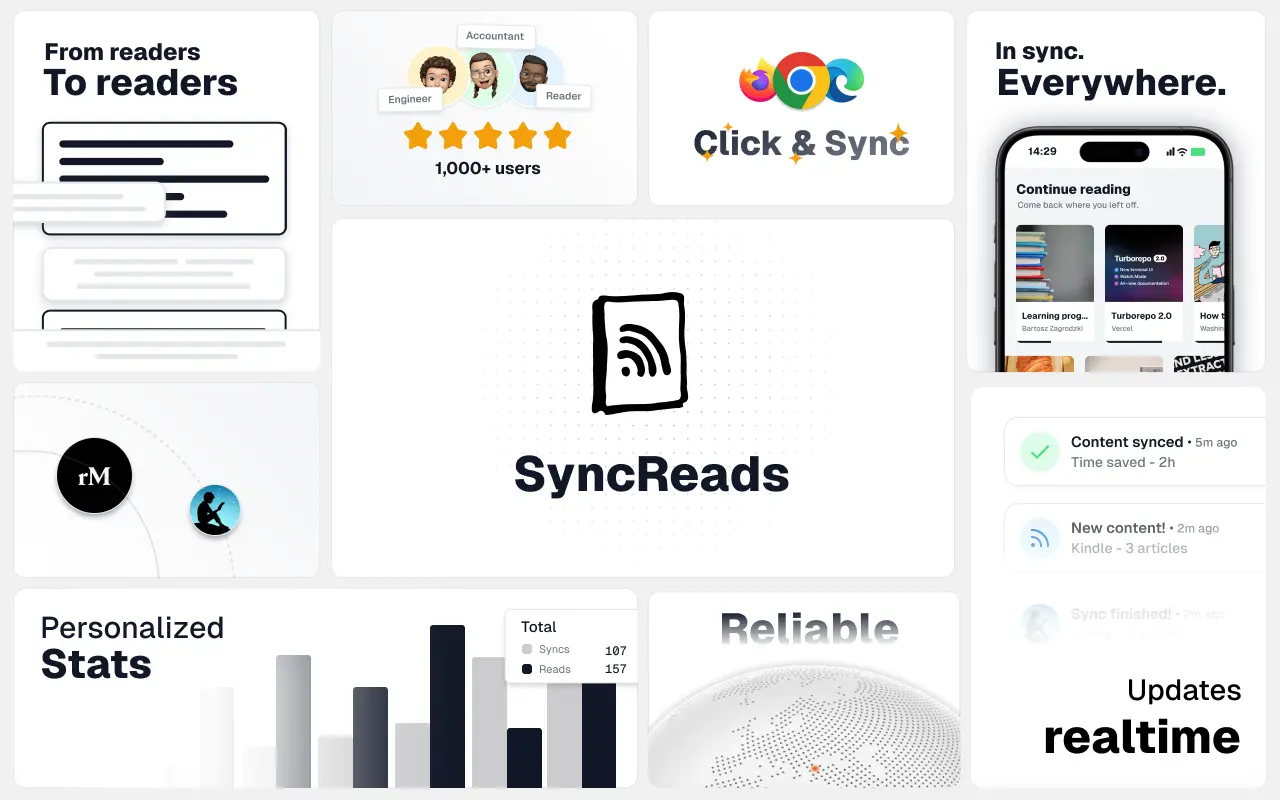
SyncReads
Sync your favorite content for distraction-free reading, save time and replace multiple apps. Anytime, anywhere 🔄
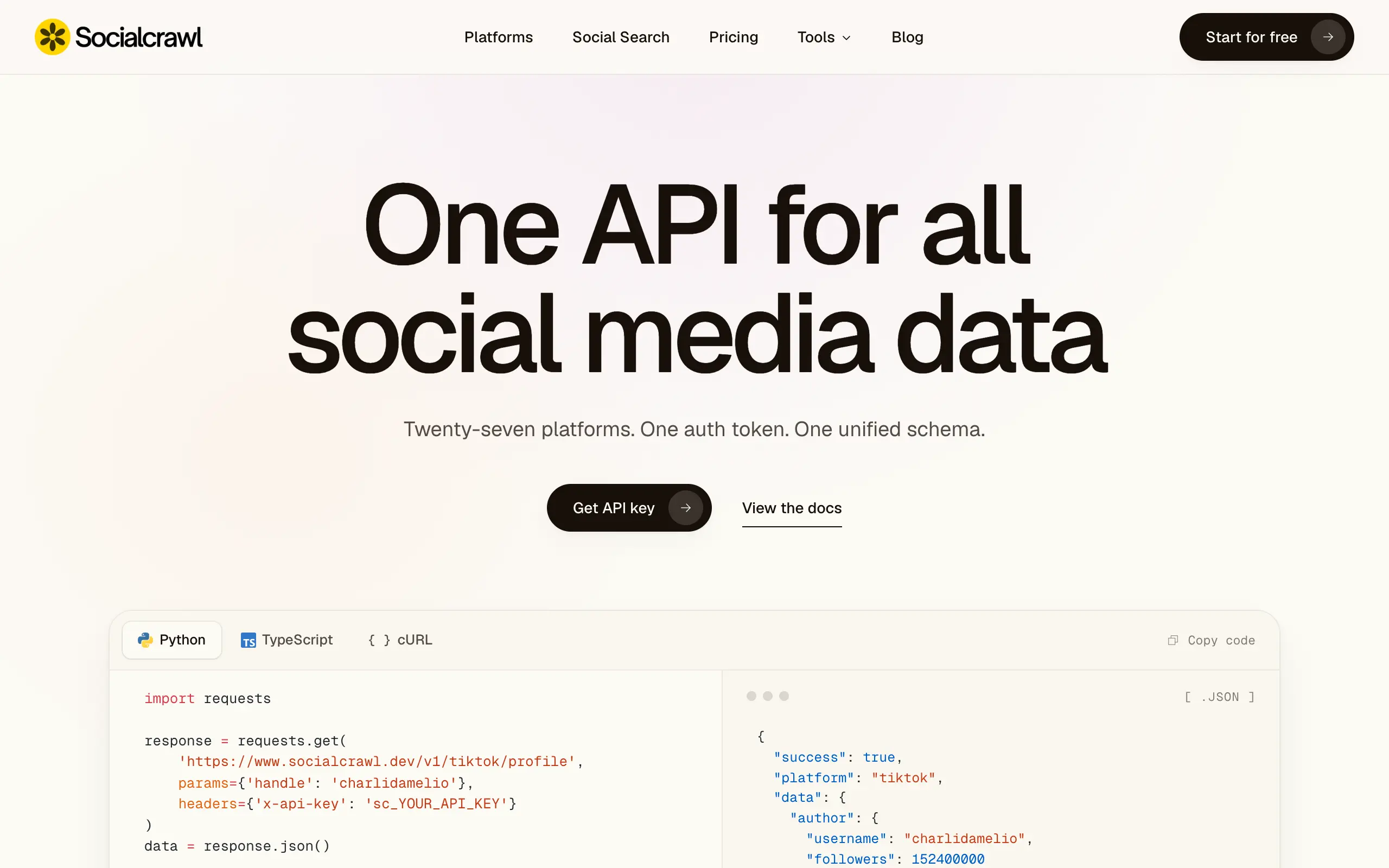
Socialcrawl
Get clean, structured data from 21 platforms like TikTok, Instagram, and YouTube with a single request 📊
Statiko
Monitor any Telegram channel in real time - track posts, edits, deletions, and growth with AI recaps 📡
Shibui
AI website builder - describe your business, pick a niche template, edit by chatting, and publish instantly ✨
Pro Service
Find verified home service professionals, compare quotes, and pay securely through escrow - built for Brazilians across the US 🏠
RankGrow
Fix your SEO with AI agents - connect Search Console, get prioritized tasks, and grow organic traffic 📈
SyncReads
Sync your favorite content for distraction-free reading, save time and replace multiple apps. Anytime, anywhere 🔄
Socialcrawl
Get clean, structured data from 21 platforms like TikTok, Instagram, and YouTube with a single request 📊
Statiko
Monitor any Telegram channel in real time - track posts, edits, deletions, and growth with AI recaps 📡
Shibui
AI website builder - describe your business, pick a niche template, edit by chatting, and publish instantly ✨
Pro Service
Find verified home service professionals, compare quotes, and pay securely through escrow - built for Brazilians across the US 🏠
RankGrow
Fix your SEO with AI agents - connect Search Console, get prioritized tasks, and grow organic traffic 📈
SyncReads
Sync your favorite content for distraction-free reading, save time and replace multiple apps. Anytime, anywhere 🔄
Socialcrawl
Get clean, structured data from 21 platforms like TikTok, Instagram, and YouTube with a single request 📊
Statiko
Monitor any Telegram channel in real time - track posts, edits, deletions, and growth with AI recaps 📡
Shibui
AI website builder - describe your business, pick a niche template, edit by chatting, and publish instantly ✨
Pro Service
Find verified home service professionals, compare quotes, and pay securely through escrow - built for Brazilians across the US 🏠
RankGrow
Fix your SEO with AI agents - connect Search Console, get prioritized tasks, and grow organic traffic 📈
SyncReads
Sync your favorite content for distraction-free reading, save time and replace multiple apps. Anytime, anywhere 🔄
Socialcrawl
Get clean, structured data from 21 platforms like TikTok, Instagram, and YouTube with a single request 📊
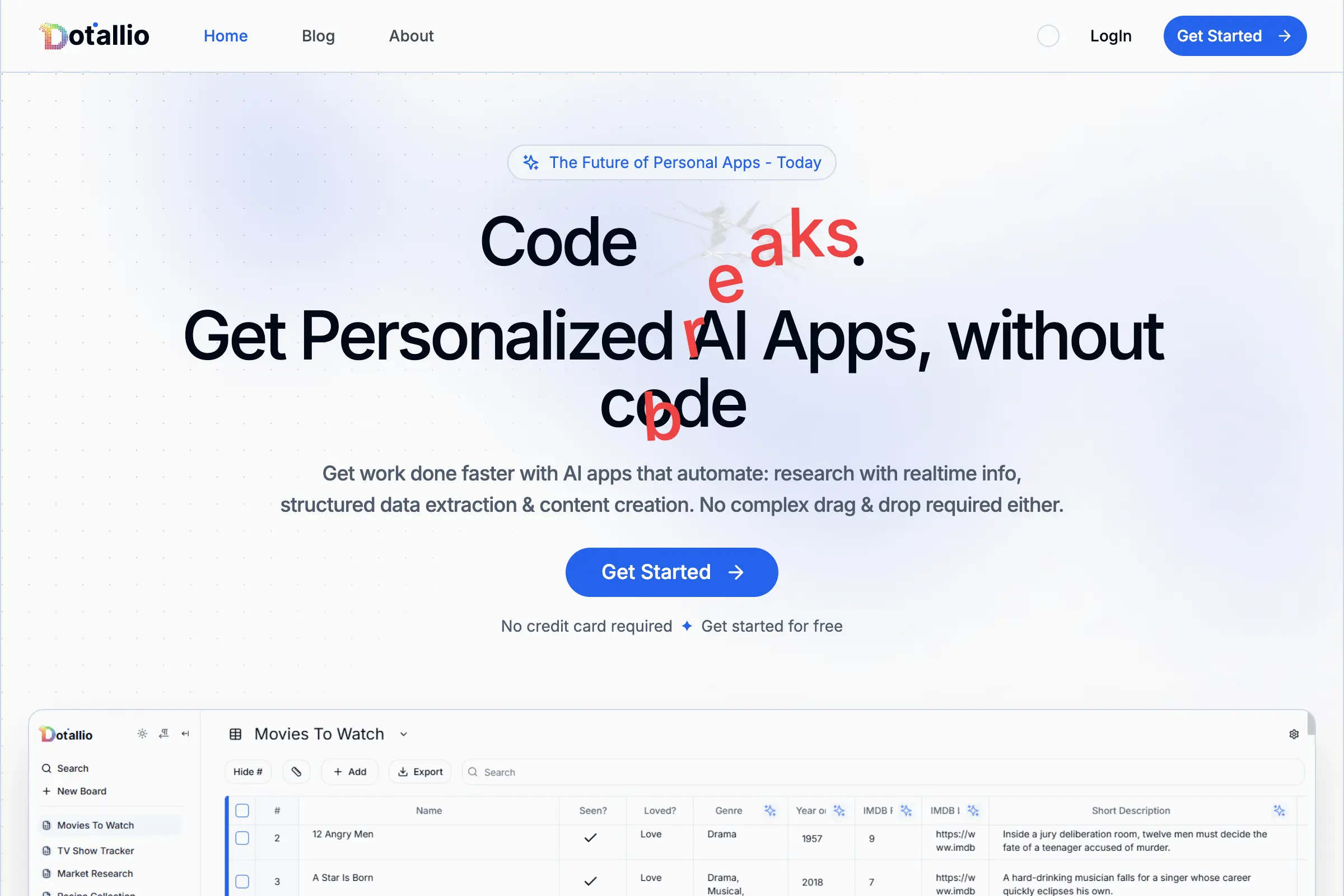
Dotallio
Personalized AI apps that automate research, data extraction, and content creation without code 🤖

Talk to Santa
Enjoy a magical live video chat or receive a unique AI-generated video greeting from Santa Claus 🎅

pozywka.pl
Scalable blog for food journalist, focused on performance and user experience 🌭
zagrodzki.me
Personal blog and portfolio of Bart Zagrodzki, where he shares his knowledge and work 💼

TurboStarter
Ship your startup everywhere. In minutes.
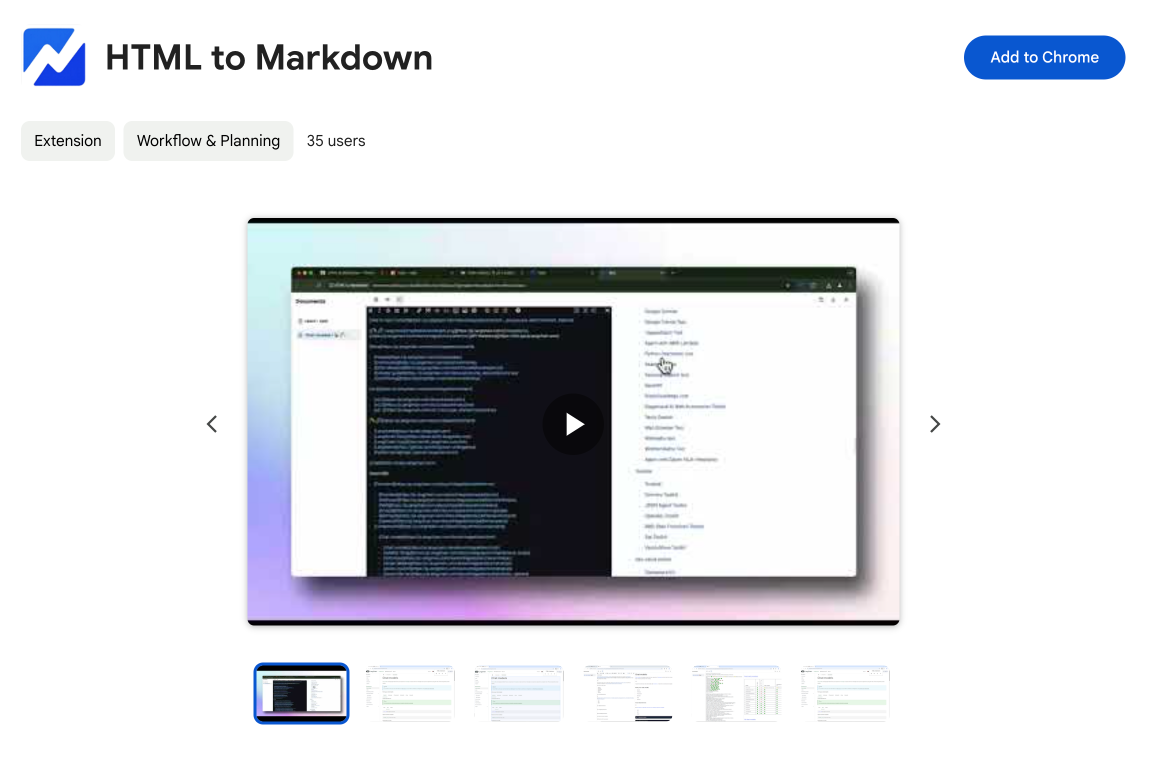
HTML to Markdown
Convert HTML to Markdown with ease, directly in your browser 📄
Dotallio
Personalized AI apps that automate research, data extraction, and content creation without code 🤖
Talk to Santa
Enjoy a magical live video chat or receive a unique AI-generated video greeting from Santa Claus 🎅
pozywka.pl
Scalable blog for food journalist, focused on performance and user experience 🌭
zagrodzki.me
Personal blog and portfolio of Bart Zagrodzki, where he shares his knowledge and work 💼
TurboStarter
Ship your startup everywhere. In minutes.
HTML to Markdown
Convert HTML to Markdown with ease, directly in your browser 📄
Dotallio
Personalized AI apps that automate research, data extraction, and content creation without code 🤖
Talk to Santa
Enjoy a magical live video chat or receive a unique AI-generated video greeting from Santa Claus 🎅
pozywka.pl
Scalable blog for food journalist, focused on performance and user experience 🌭
zagrodzki.me
Personal blog and portfolio of Bart Zagrodzki, where he shares his knowledge and work 💼
TurboStarter
Ship your startup everywhere. In minutes.
HTML to Markdown
Convert HTML to Markdown with ease, directly in your browser 📄
Dotallio
Personalized AI apps that automate research, data extraction, and content creation without code 🤖
Talk to Santa
Enjoy a magical live video chat or receive a unique AI-generated video greeting from Santa Claus 🎅
pozywka.pl
Scalable blog for food journalist, focused on performance and user experience 🌭
zagrodzki.me
Personal blog and portfolio of Bart Zagrodzki, where he shares his knowledge and work 💼
TurboStarter
Ship your startup everywhere. In minutes.
HTML to Markdown
Convert HTML to Markdown with ease, directly in your browser 📄
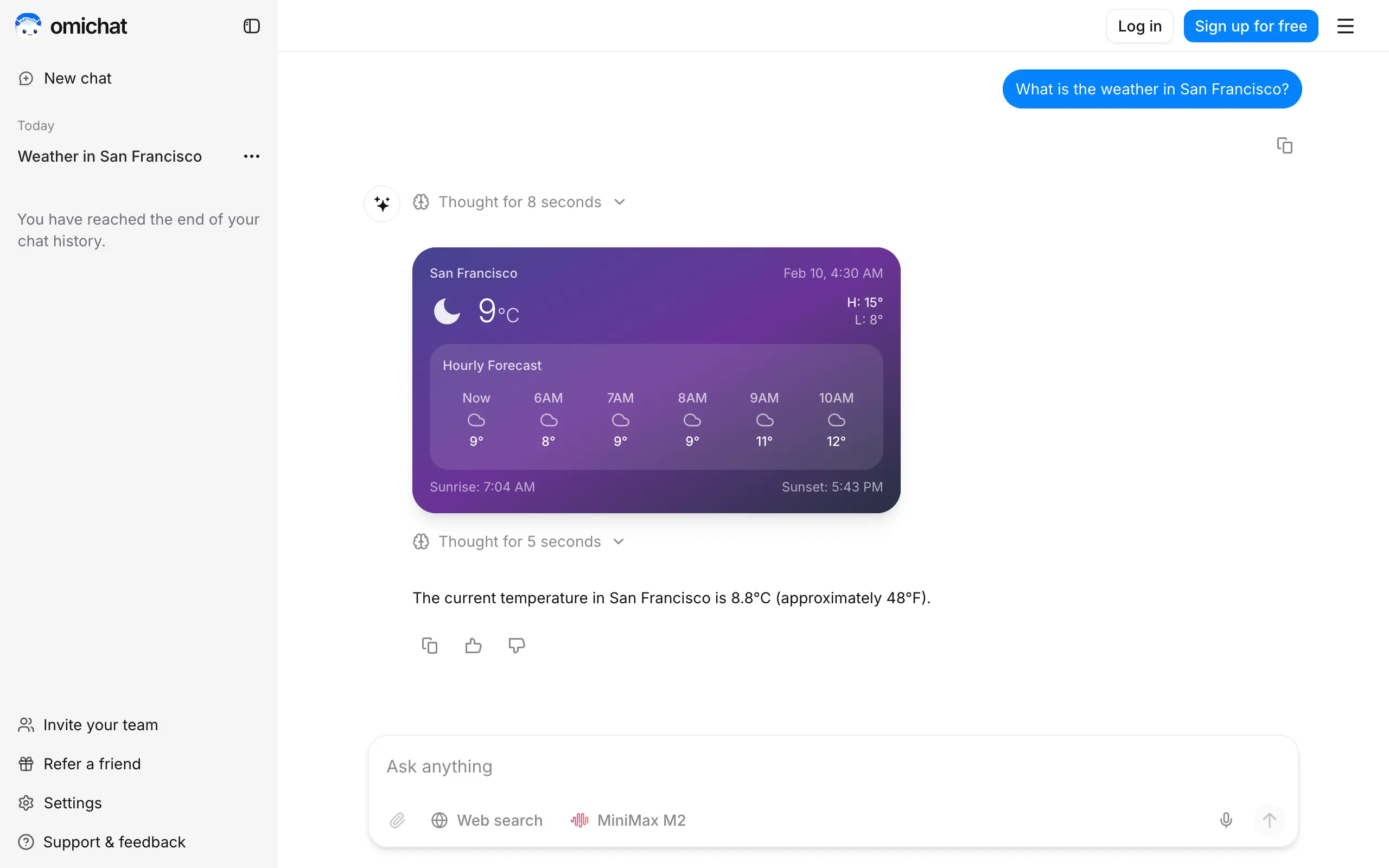
Omichat
Chat with 50+ AI models, including ChatGPT and Claude, in one place - switch models anytime without losing context 🤖
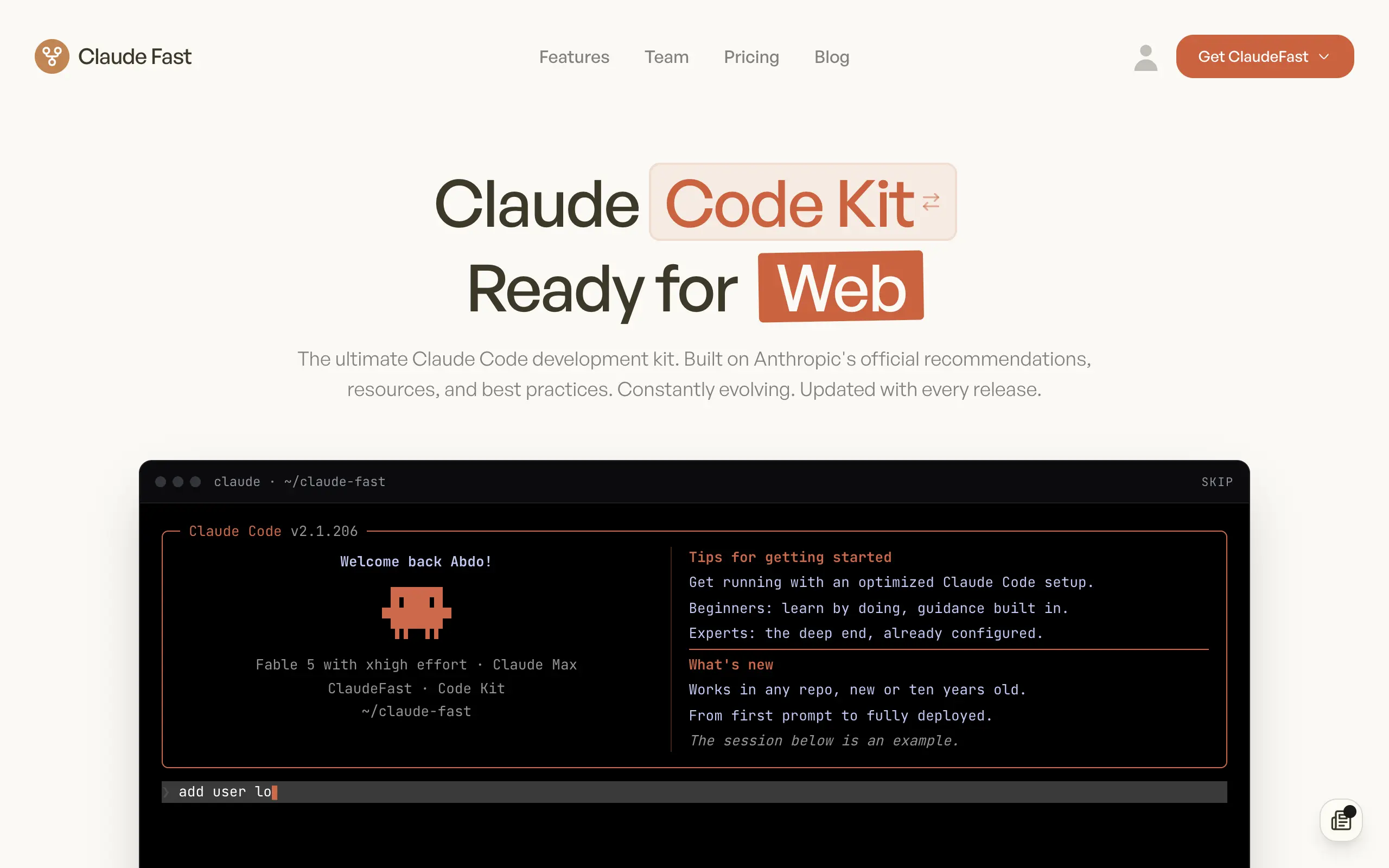
Claude Fast
Supercharge your Claude Code with 6x effective context window and specialized AI agents 🤖
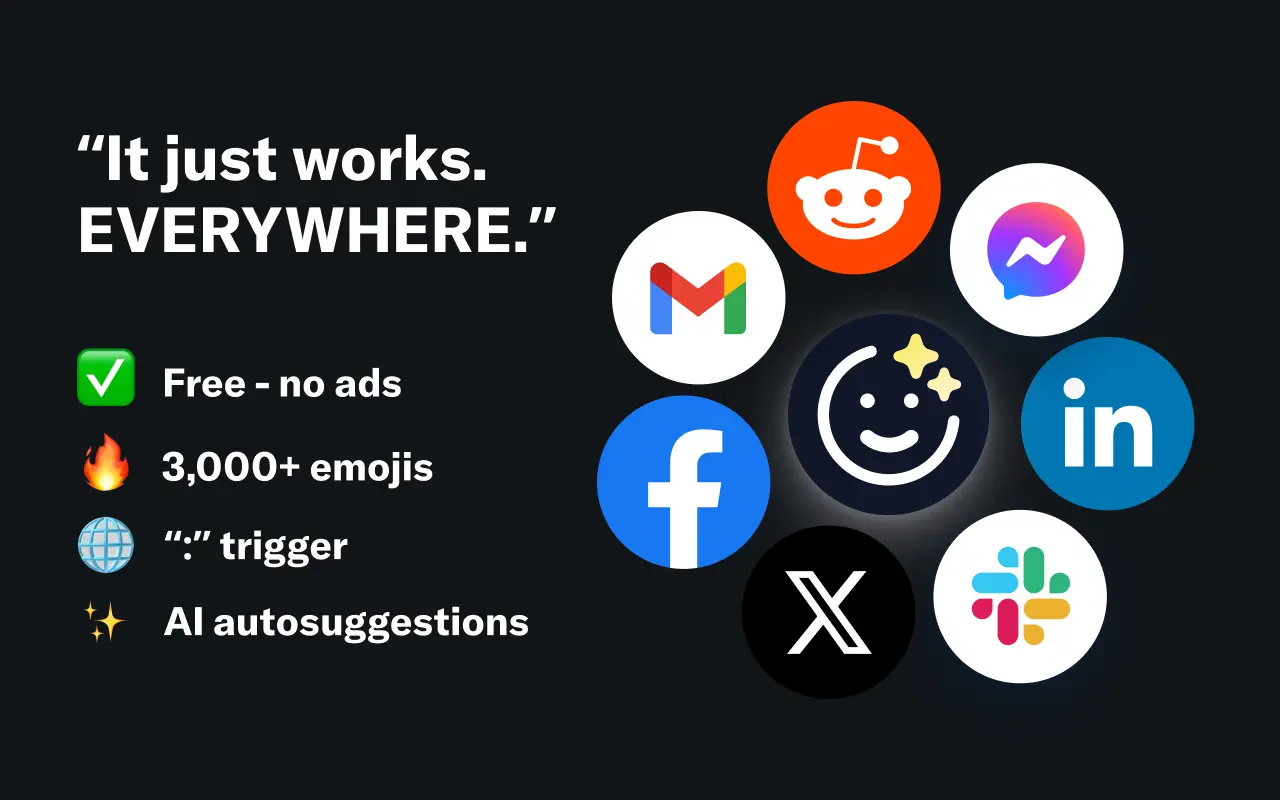
EmojAI
AI-powered emoji picker with smart, context-aware suggestions 🤖

Solohacker
Autonomous company launcher - AI agents work 24/7, escalate what matters, and you stay in control 🤖

BeRawi: Storytelling Coach
Practice storytelling daily with instant feedback to sound clearer, more engaging, and confident 🎤
Omichat
Chat with 50+ AI models, including ChatGPT and Claude, in one place - switch models anytime without losing context 🤖
Claude Fast
Supercharge your Claude Code with 6x effective context window and specialized AI agents 🤖
EmojAI
AI-powered emoji picker with smart, context-aware suggestions 🤖
Solohacker
Autonomous company launcher - AI agents work 24/7, escalate what matters, and you stay in control 🤖
BeRawi: Storytelling Coach
Practice storytelling daily with instant feedback to sound clearer, more engaging, and confident 🎤
Omichat
Chat with 50+ AI models, including ChatGPT and Claude, in one place - switch models anytime without losing context 🤖
Claude Fast
Supercharge your Claude Code with 6x effective context window and specialized AI agents 🤖
EmojAI
AI-powered emoji picker with smart, context-aware suggestions 🤖
Solohacker
Autonomous company launcher - AI agents work 24/7, escalate what matters, and you stay in control 🤖
BeRawi: Storytelling Coach
Practice storytelling daily with instant feedback to sound clearer, more engaging, and confident 🎤
Omichat
Chat with 50+ AI models, including ChatGPT and Claude, in one place - switch models anytime without losing context 🤖
Claude Fast
Supercharge your Claude Code with 6x effective context window and specialized AI agents 🤖
EmojAI
AI-powered emoji picker with smart, context-aware suggestions 🤖
Solohacker
Autonomous company launcher - AI agents work 24/7, escalate what matters, and you stay in control 🤖
BeRawi: Storytelling Coach
Practice storytelling daily with instant feedback to sound clearer, more engaging, and confident 🎤

Connect with like-minded people
Join our community to get feedback, support, and grow together with 1,000+ builders on board, let's ship it!
Join usShip your startup everywhere. In minutes.
Don't burn tokens on setup and start building features on day one.