DockFlow Sync
Real-time dock scheduling and yard orchestration platform that reduces wait times, prevents congestion, and syncs carriers, warehouses, and drivers.
what is dockflow sync and why it matters in modern logistics
In today’s hyper-optimized supply chains, inefficiencies at loading docks are no longer tolerable—they’re expensive, visible, and increasingly avoidable. DockFlow Sync, a real-time dock scheduling and yard orchestration platform, directly addresses one of the most overlooked bottlenecks in logistics: the chaotic, disconnected flow of trucks, drivers, warehouse teams, and dock doors.
The primary keyword here—dock scheduling software—sits at the intersection of logistics optimization, real-time coordination, and supply chain visibility. DockFlow Sync goes beyond traditional scheduling tools by introducing real-time synchronization across carriers, warehouses, and drivers, transforming static scheduling into dynamic orchestration.
This article explores the market opportunity, product architecture, competitive landscape, and implementation strategy for building and scaling a SaaS platform like DockFlow Sync.
the growing problem of dock congestion and inefficiency
systemic inefficiencies in warehouse operations
Despite advancements in transportation management systems (TMS) and warehouse management systems (WMS), the dock and yard layer remains fragmented. Many facilities still rely on:
- Manual spreadsheets
- Phone calls and emails for scheduling
- First-come-first-serve truck handling
- Limited visibility into yard status
This leads to:
- Long driver wait times (often 1–3 hours)
- Missed delivery windows
- Increased detention and demurrage costs
- Congestion in yards and surrounding roads
- Poor driver experience and retention issues
According to industry reports (e.g., American Transportation Research Institute), detention costs alone can cost the trucking industry billions annually.
why current solutions fall short
Existing dock scheduling tools often lack:
- Real-time updates across stakeholders
- Integration with telematics and GPS
- Predictive insights based on historical data
- Yard-level visibility and orchestration
DockFlow Sync fills this gap by combining real-time tracking, intelligent scheduling, and collaborative workflows into a unified platform.
target audience and ideal customer profile
DockFlow Sync is a B2B SaaS platform designed for logistics-heavy operations. The ideal customer profile includes:
primary users
- Warehouse operations managers
- Yard managers
- Logistics coordinators
- Supply chain directors
target industries
- 3PL (third-party logistics providers)
- Retail distribution centers
- Manufacturing plants
- Food & beverage logistics
- E-commerce fulfillment hubs
company characteristics
- High daily truck volume (50+ trucks/day)
- Multi-dock facilities
- Frequent inbound/outbound shipments
- Existing WMS/TMS systems but lacking dock coordination
core value proposition of dockflow sync
DockFlow Sync’s unique value lies in real-time orchestration rather than static scheduling.
Real-time synchronization
All stakeholders—drivers, carriers, and warehouses—see live updates, reducing miscommunication.
Reduced wait times
Dynamic scheduling ensures trucks arrive when docks are actually available.
Full yard visibility
Track truck locations, statuses, and queue positions in real time.
Operational intelligence
Data-driven insights help optimize dock utilization and throughput.
key features and product capabilities
1. real-time dock scheduling system
Unlike static appointment-based systems, DockFlow Sync uses:
- Live ETA updates from GPS/ELD integrations
- Dynamic rescheduling based on delays
- Automated slot optimization
2. yard management dashboard
A centralized interface showing:
- Truck queue status
- Dock assignments
- Yard congestion heatmaps
- Real-time alerts
3. driver mobile interface
Drivers receive:
- Appointment confirmations
- Dock assignments
- Check-in/check-out workflows
- Notifications for delays or changes
4. carrier collaboration portal
Carriers can:
- Book and modify slots
- Track driver status
- Receive automated updates
- Reduce back-and-forth communication
5. predictive analytics engine
Using historical data and machine learning:
- Predict peak congestion times
- Recommend optimal scheduling patterns
- Identify bottlenecks
6. integrations with existing systems
DockFlow Sync should integrate seamlessly with:
- WMS systems
- TMS platforms
- Telematics providers
- ERP systems
feature comparison vs traditional systems
| Capability | Manual scheduling | Basic dock tools | DockFlow Sync | Impact |
|---|---|---|---|---|
| Real-time updates | ❌ | ❌ | ✅ | Reduced delays |
| Driver communication | ❌ | ⚠️ | ✅ | Better coordination |
| Predictive analytics | ❌ | ❌ | ✅ | Improved planning |
| Yard visibility | ❌ | ⚠️ | ✅ | Reduced congestion |
market opportunity and industry trends
digitization of logistics operations
The logistics industry is undergoing rapid digitization, driven by:
- E-commerce growth
- Labor shortages
- Rising fuel and operational costs
- Increased customer expectations for speed
DockFlow Sync aligns with trends such as:
- Real-time supply chain visibility
- AI-driven logistics optimization
- Connected ecosystems (APIs, IoT, telematics)
underserved niche: dock and yard optimization
While TMS and WMS markets are saturated, dock scheduling and yard orchestration remain underdeveloped.
This presents a strong opportunity to:
- Enter a less competitive space
- Deliver high ROI quickly
- Integrate into existing systems rather than replace them
recommended tech stack for building dockflow sync
frontend
- React for dynamic UI
- TailwindCSS for rapid styling
- WebSockets for real-time updates
backend
- Node.js (NestJS or Express)
- GraphQL or REST APIs
- Real-time event processing with Kafka or Redis Streams
database
- PostgreSQL for relational data
- Redis for caching and real-time state
- TimescaleDB for time-series analytics
infrastructure
- AWS or GCP for scalability
- Kubernetes for orchestration
- CDN for global performance
integrations
- ELD/GPS providers (via APIs)
- WMS/TMS connectors
- SMS/notification services
// Example: Real-time dock status subscription (simplified)
const socket = new WebSocket("wss://dockflowsync.com/realtime");

socket.onmessage = (event) => {
  const data = JSON.parse(event.data);
  updateDockStatus(data);
};
monetization strategy for dockflow sync
subscription-based pricing (SaaS)
Tiered pricing based on:
- Number of docks
- Monthly truck volume
- Feature access (analytics, integrations)
usage-based pricing
Charge based on:
- Number of scheduled appointments
- API usage
- Active users
enterprise contracts
For large logistics operators:
- Custom integrations
- Dedicated support
- SLA guarantees
add-on revenue streams
- Predictive analytics module
- Premium integrations
- White-label solutions
competitive landscape and differentiation
existing players
Competitors may include:
- Yard management systems (YMS)
- Dock scheduling tools
- Supply chain visibility platforms
However, most fall into one of two categories:
- Too basic (static scheduling)
- Too complex (full YMS suites)
dockflow sync’s competitive advantage
Key differentiation
DockFlow Sync sits between lightweight tools and heavy enterprise systems, offering real-time intelligence without operational complexity.
Key differentiators:
- Real-time synchronization across all stakeholders
- Driver-first experience (often neglected)
- Predictive and adaptive scheduling
- Fast implementation and integration
risks and challenges (and how to mitigate them)
integration complexity
Risk: Difficult integration with legacy systems
Mitigation: Build flexible APIs and prebuilt connectors
resistance to change
Risk: Warehouse teams may resist new workflows
Mitigation: Provide intuitive UI and onboarding support
data accuracy
Risk: Poor GPS or manual data inputs
Mitigation: Combine multiple data sources and validation layers
scalability challenges
Risk: Real-time systems require robust infrastructure
Mitigation: Use event-driven architecture and scalable cloud services
implementation roadmap for dockflow sync
go-to-market strategy
initial wedge
Focus on:
- Mid-sized warehouses with high truck volume
- Facilities struggling with congestion and delays
sales approach
- Direct outreach to logistics managers
- Case studies showing ROI (reduced wait times, cost savings)
- Pilot programs with measurable KPIs
partnerships
- WMS/TMS providers
- Logistics consultants
- Telematics companies
measuring success: key metrics
Track the following KPIs:
- Average truck wait time
- Dock utilization rate
- On-time arrivals
- Yard congestion levels
- Customer retention and expansion
future expansion opportunities
DockFlow Sync can evolve into a broader platform:
- AI-powered logistics optimization
- Cross-facility coordination
- Autonomous yard management integration
- Carbon footprint tracking and sustainability insights
building faster with the right foundation
Developing a SaaS platform like DockFlow Sync requires strong infrastructure, scalable architecture, and rapid iteration. Using a pre-built SaaS starter can significantly accelerate time-to-market.
TurboStarter provides a production-ready foundation for building modern SaaS applications, helping teams focus on core product innovation rather than boilerplate setup.
final thoughts and actionable next steps
DockFlow Sync addresses a high-impact, underserved problem in logistics. By focusing on real-time coordination and user-centric design, it has the potential to become a critical layer in modern supply chains.
If you're considering building this product:
- Start with customer discovery—validate the pain points deeply
- Build a lean MVP focused on real-time scheduling
- Prioritize integrations early
- Focus on measurable ROI for customers
- Iterate quickly based on real-world usage
The opportunity is clear: as logistics becomes more data-driven and real-time, platforms like DockFlow Sync will move from “nice-to-have” to mission-critical infrastructure.
More 🏢 B2B Application SaaS ideas
Discover more innovative b2b application SaaS ideas that are trending in 2026. Each idea is AI-generated with market validation and growth potential to help you find your next profitable venture faster than competitors.
Your competitors are building with TurboStarter
Below are some of the SaaS ideas that have been generated and built with our starter kit.

Statiko
Monitor any Telegram channel in real time - track posts, edits, deletions, and growth with AI recaps 📡

Shibui
AI website builder - describe your business, pick a niche template, edit by chatting, and publish instantly ✨

Pro Service
Find verified home service professionals, compare quotes, and pay securely through escrow - built for Brazilians across the US 🏠
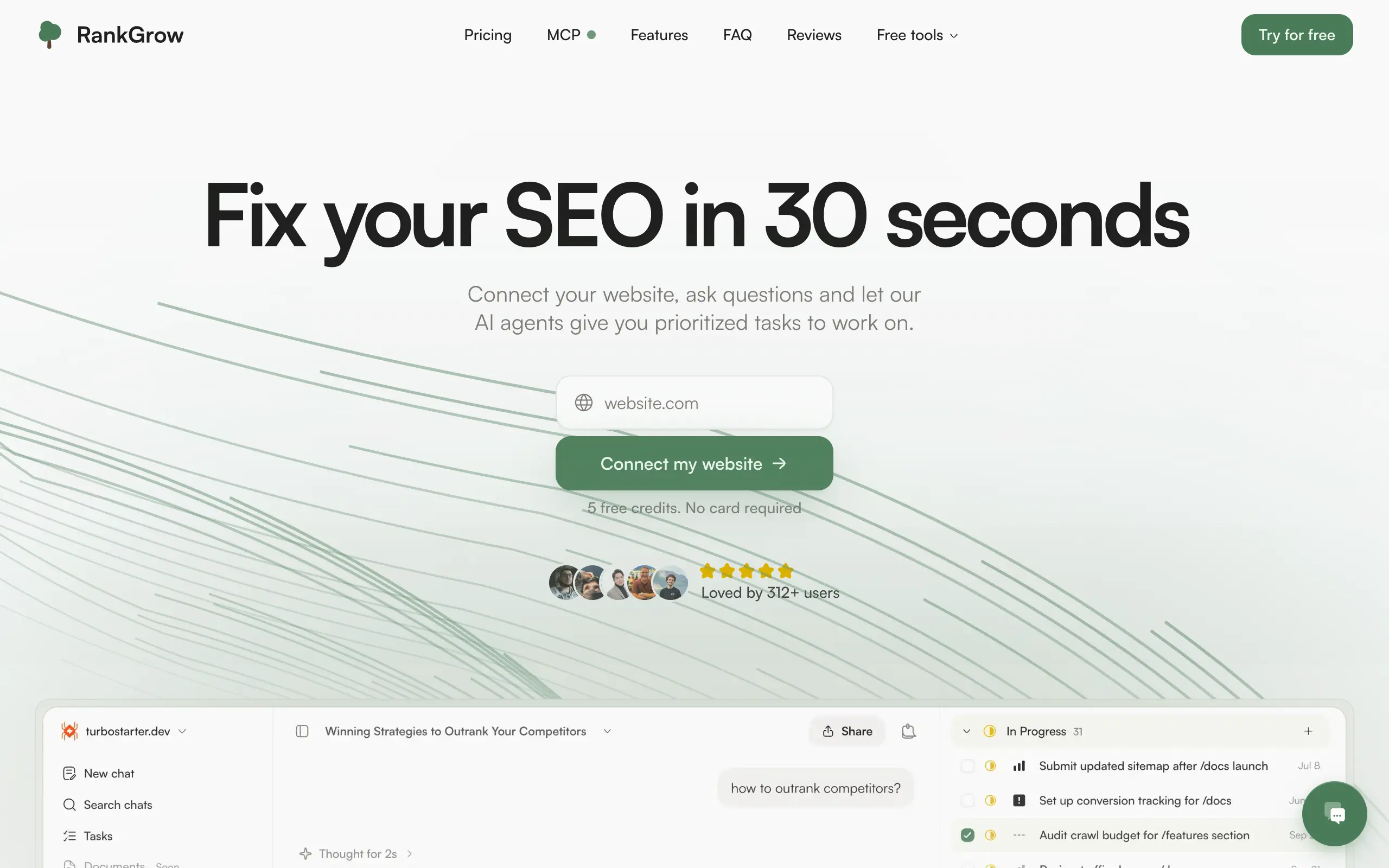
RankGrow
Fix your SEO with AI agents - connect Search Console, get prioritized tasks, and grow organic traffic 📈
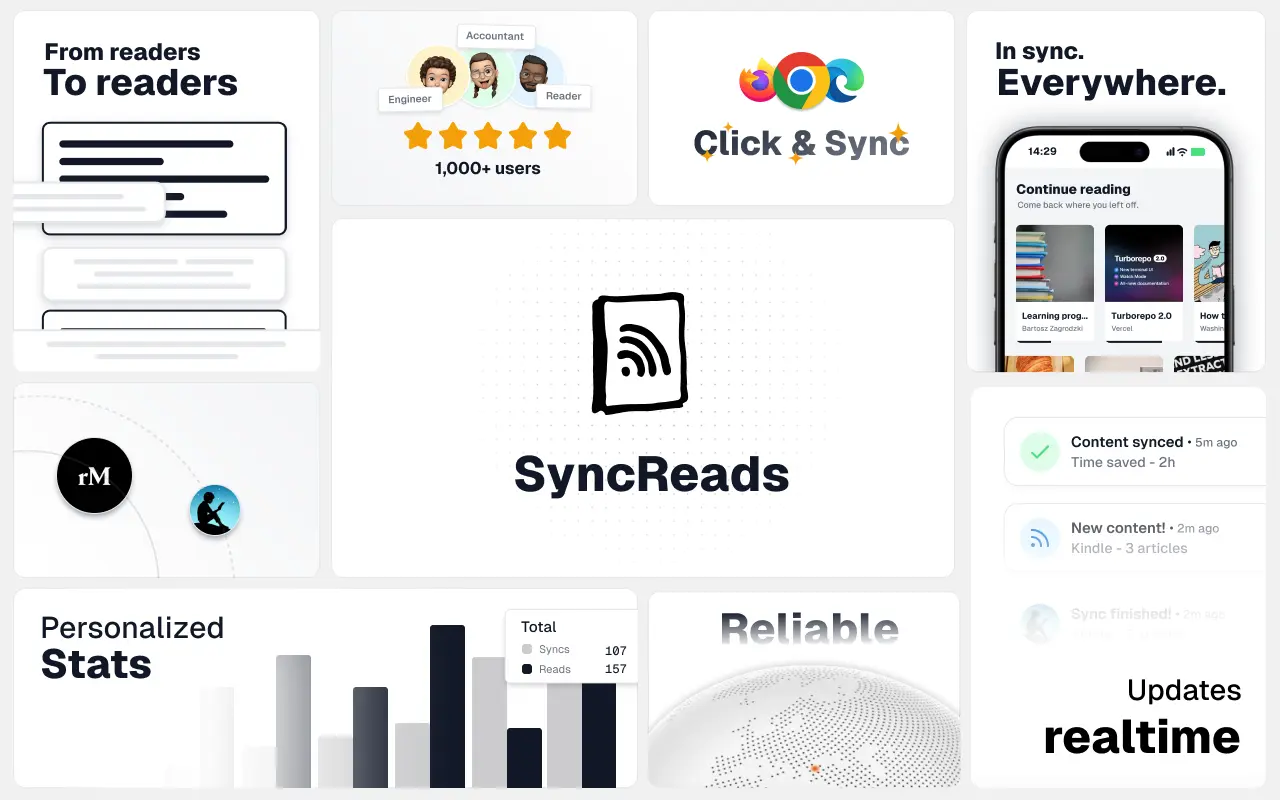
SyncReads
Sync your favorite content for distraction-free reading, save time and replace multiple apps. Anytime, anywhere 🔄
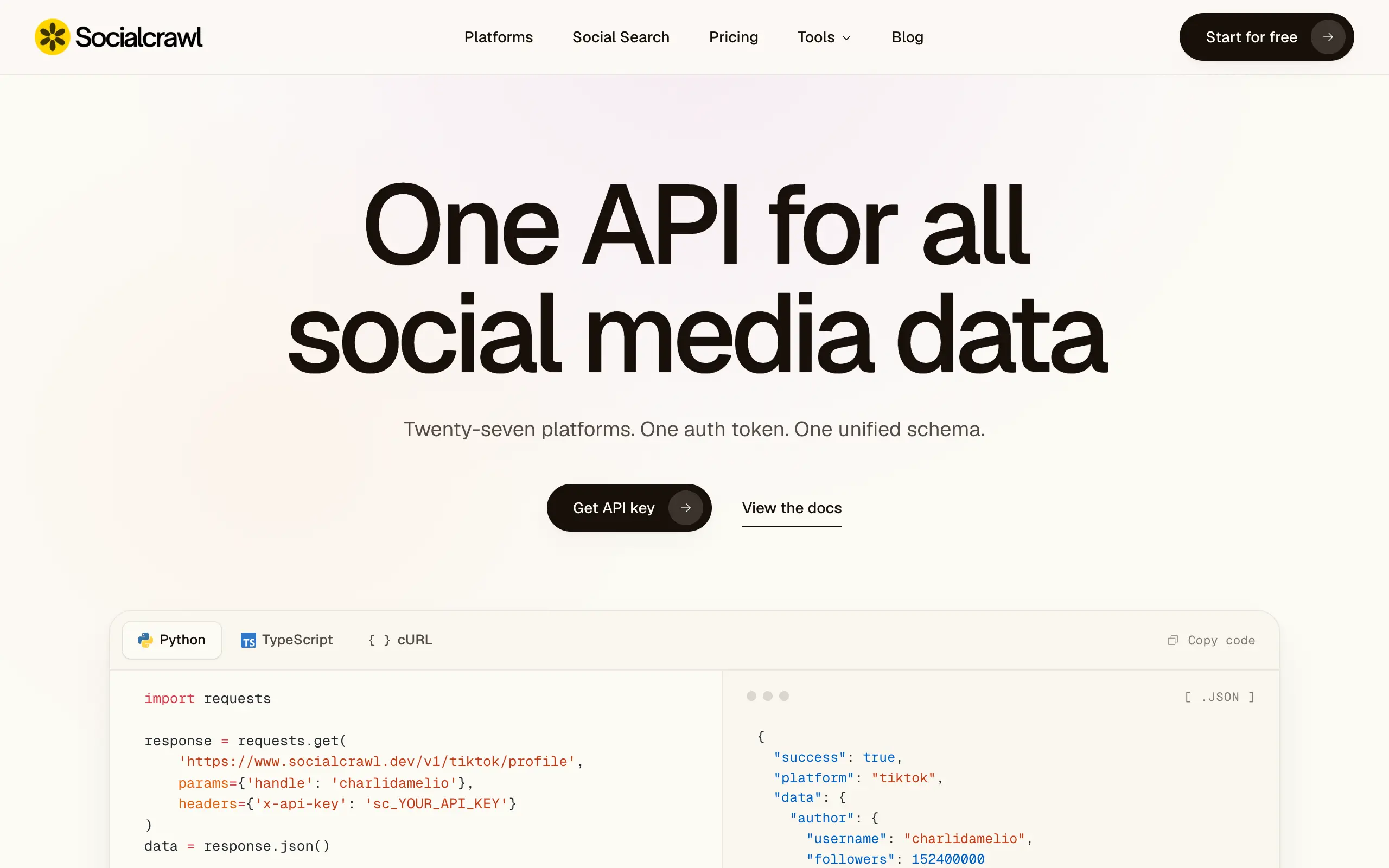
Socialcrawl
Get clean, structured data from 21 platforms like TikTok, Instagram, and YouTube with a single request 📊
Statiko
Monitor any Telegram channel in real time - track posts, edits, deletions, and growth with AI recaps 📡
Shibui
AI website builder - describe your business, pick a niche template, edit by chatting, and publish instantly ✨
Pro Service
Find verified home service professionals, compare quotes, and pay securely through escrow - built for Brazilians across the US 🏠
RankGrow
Fix your SEO with AI agents - connect Search Console, get prioritized tasks, and grow organic traffic 📈
SyncReads
Sync your favorite content for distraction-free reading, save time and replace multiple apps. Anytime, anywhere 🔄
Socialcrawl
Get clean, structured data from 21 platforms like TikTok, Instagram, and YouTube with a single request 📊
Statiko
Monitor any Telegram channel in real time - track posts, edits, deletions, and growth with AI recaps 📡
Shibui
AI website builder - describe your business, pick a niche template, edit by chatting, and publish instantly ✨
Pro Service
Find verified home service professionals, compare quotes, and pay securely through escrow - built for Brazilians across the US 🏠
RankGrow
Fix your SEO with AI agents - connect Search Console, get prioritized tasks, and grow organic traffic 📈
SyncReads
Sync your favorite content for distraction-free reading, save time and replace multiple apps. Anytime, anywhere 🔄
Socialcrawl
Get clean, structured data from 21 platforms like TikTok, Instagram, and YouTube with a single request 📊
Statiko
Monitor any Telegram channel in real time - track posts, edits, deletions, and growth with AI recaps 📡
Shibui
AI website builder - describe your business, pick a niche template, edit by chatting, and publish instantly ✨
Pro Service
Find verified home service professionals, compare quotes, and pay securely through escrow - built for Brazilians across the US 🏠
RankGrow
Fix your SEO with AI agents - connect Search Console, get prioritized tasks, and grow organic traffic 📈
SyncReads
Sync your favorite content for distraction-free reading, save time and replace multiple apps. Anytime, anywhere 🔄
Socialcrawl
Get clean, structured data from 21 platforms like TikTok, Instagram, and YouTube with a single request 📊
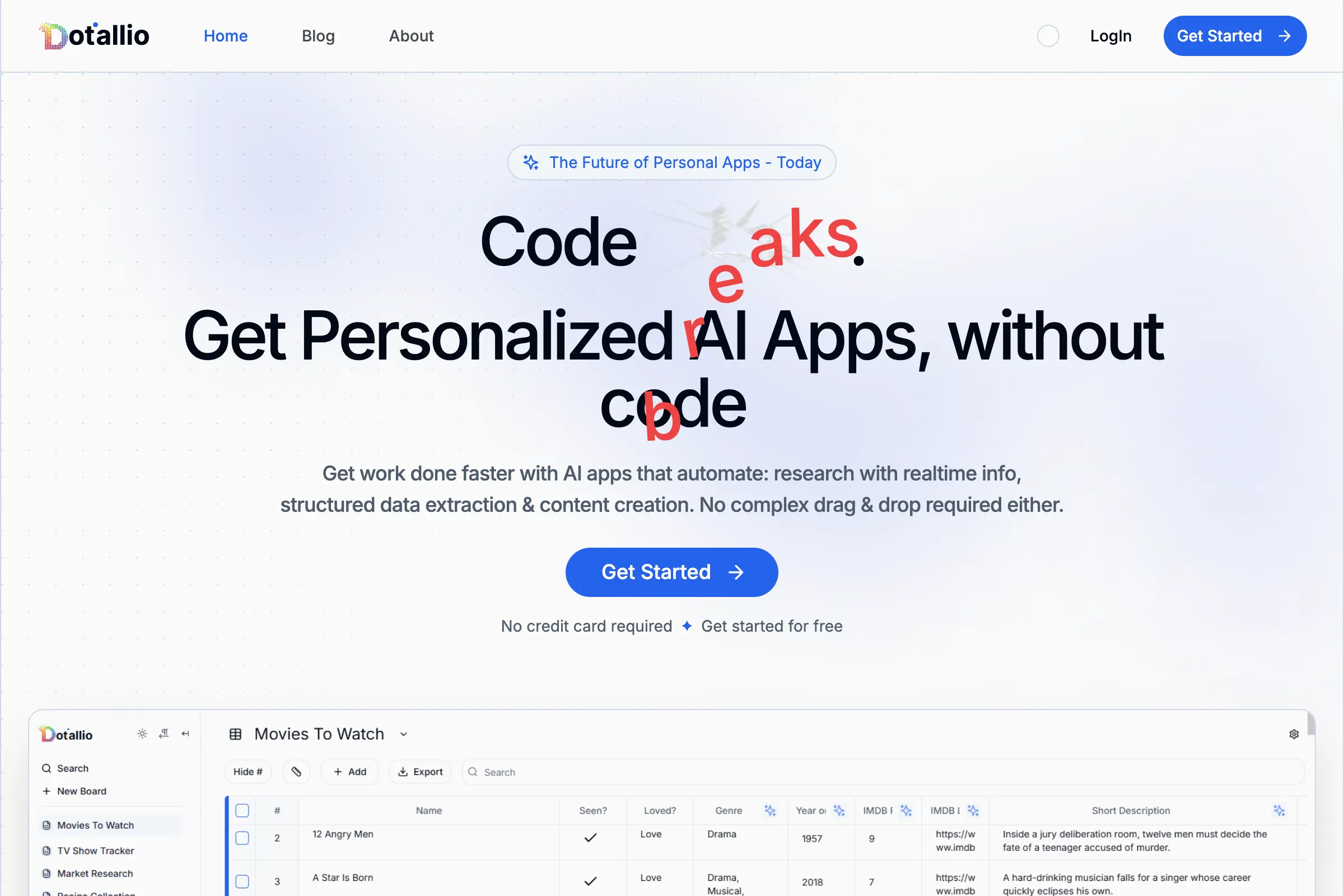
Dotallio
Personalized AI apps that automate research, data extraction, and content creation without code 🤖

Talk to Santa
Enjoy a magical live video chat or receive a unique AI-generated video greeting from Santa Claus 🎅

pozywka.pl
Scalable blog for food journalist, focused on performance and user experience 🌭
zagrodzki.me
Personal blog and portfolio of Bart Zagrodzki, where he shares his knowledge and work 💼
TurboStarter
Ship your startup everywhere. In minutes.
HTML to Markdown
Convert HTML to Markdown with ease, directly in your browser 📄
Dotallio
Personalized AI apps that automate research, data extraction, and content creation without code 🤖
Talk to Santa
Enjoy a magical live video chat or receive a unique AI-generated video greeting from Santa Claus 🎅
pozywka.pl
Scalable blog for food journalist, focused on performance and user experience 🌭
zagrodzki.me
Personal blog and portfolio of Bart Zagrodzki, where he shares his knowledge and work 💼
TurboStarter
Ship your startup everywhere. In minutes.
HTML to Markdown
Convert HTML to Markdown with ease, directly in your browser 📄
Dotallio
Personalized AI apps that automate research, data extraction, and content creation without code 🤖
Talk to Santa
Enjoy a magical live video chat or receive a unique AI-generated video greeting from Santa Claus 🎅
pozywka.pl
Scalable blog for food journalist, focused on performance and user experience 🌭
zagrodzki.me
Personal blog and portfolio of Bart Zagrodzki, where he shares his knowledge and work 💼
TurboStarter
Ship your startup everywhere. In minutes.
HTML to Markdown
Convert HTML to Markdown with ease, directly in your browser 📄
Dotallio
Personalized AI apps that automate research, data extraction, and content creation without code 🤖
Talk to Santa
Enjoy a magical live video chat or receive a unique AI-generated video greeting from Santa Claus 🎅
pozywka.pl
Scalable blog for food journalist, focused on performance and user experience 🌭
zagrodzki.me
Personal blog and portfolio of Bart Zagrodzki, where he shares his knowledge and work 💼
TurboStarter
Ship your startup everywhere. In minutes.
HTML to Markdown
Convert HTML to Markdown with ease, directly in your browser 📄
Omichat
Chat with 50+ AI models, including ChatGPT and Claude, in one place - switch models anytime without losing context 🤖
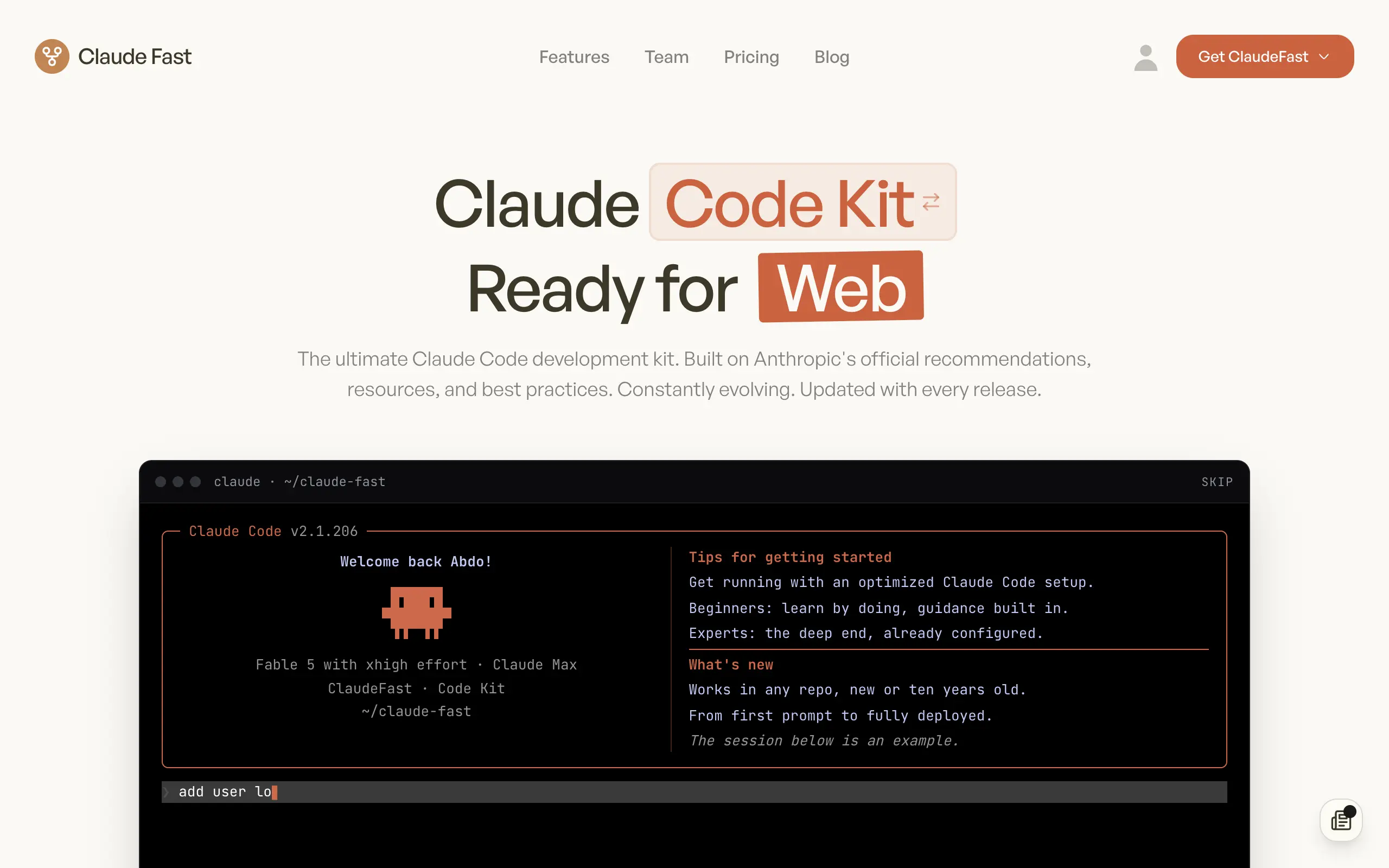
Claude Fast
Supercharge your Claude Code with 6x effective context window and specialized AI agents 🤖
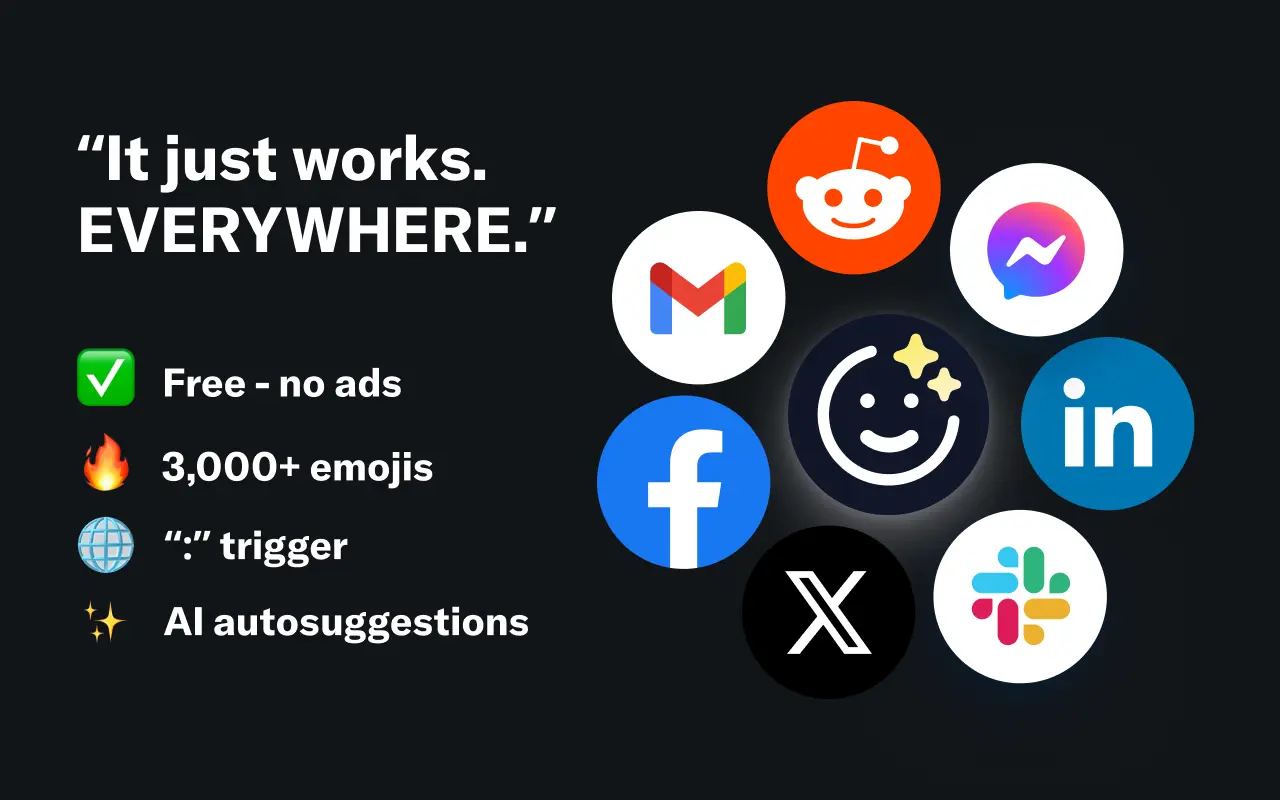
EmojAI
AI-powered emoji picker with smart, context-aware suggestions 🤖
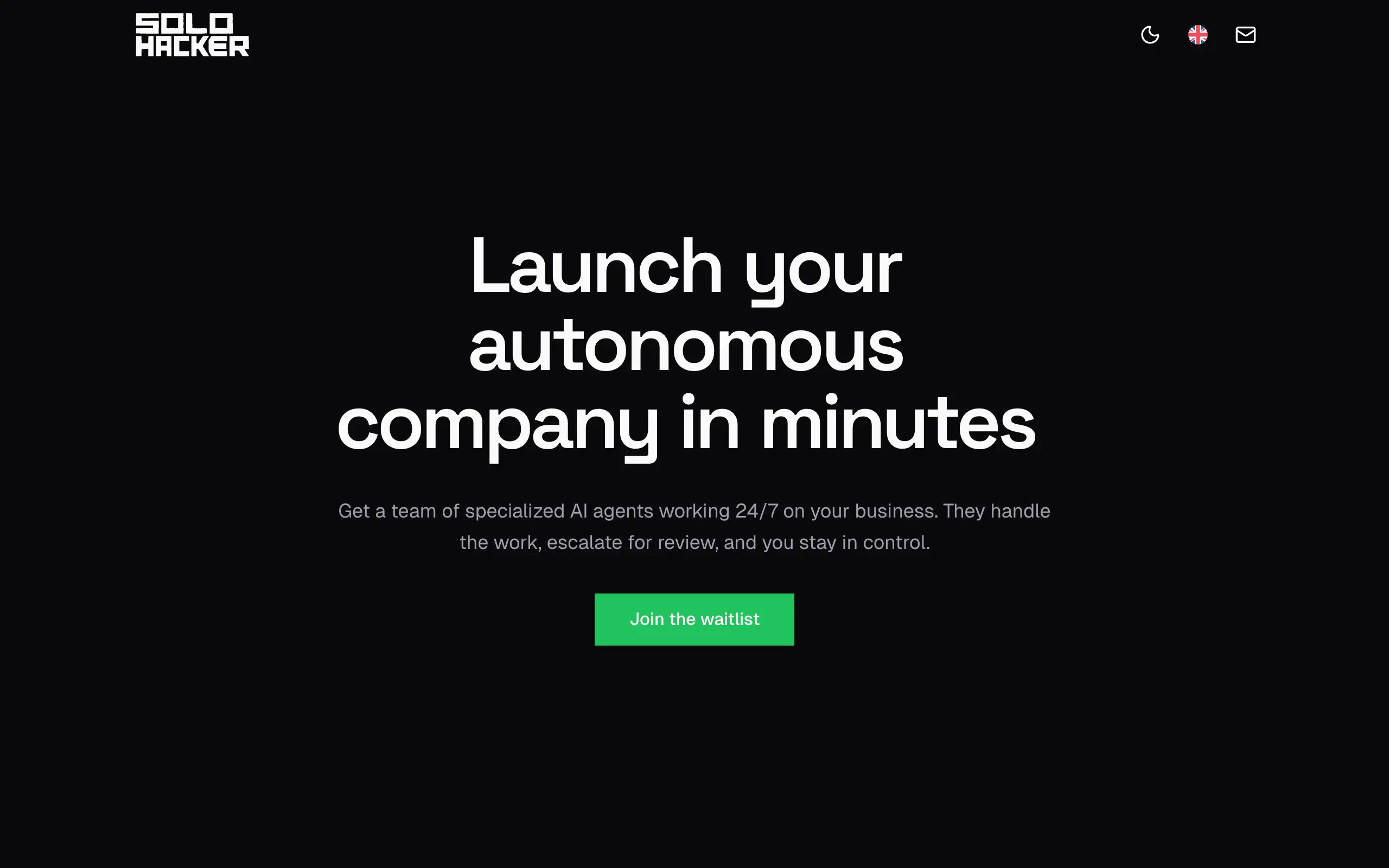
Solohacker
Autonomous company launcher - AI agents work 24/7, escalate what matters, and you stay in control 🤖

BeRawi: Storytelling Coach
Practice storytelling daily with instant feedback to sound clearer, more engaging, and confident 🎤
Omichat
Chat with 50+ AI models, including ChatGPT and Claude, in one place - switch models anytime without losing context 🤖
Claude Fast
Supercharge your Claude Code with 6x effective context window and specialized AI agents 🤖
EmojAI
AI-powered emoji picker with smart, context-aware suggestions 🤖
Solohacker
Autonomous company launcher - AI agents work 24/7, escalate what matters, and you stay in control 🤖
BeRawi: Storytelling Coach
Practice storytelling daily with instant feedback to sound clearer, more engaging, and confident 🎤
Omichat
Chat with 50+ AI models, including ChatGPT and Claude, in one place - switch models anytime without losing context 🤖
Claude Fast
Supercharge your Claude Code with 6x effective context window and specialized AI agents 🤖
EmojAI
AI-powered emoji picker with smart, context-aware suggestions 🤖
Solohacker
Autonomous company launcher - AI agents work 24/7, escalate what matters, and you stay in control 🤖
BeRawi: Storytelling Coach
Practice storytelling daily with instant feedback to sound clearer, more engaging, and confident 🎤
Omichat
Chat with 50+ AI models, including ChatGPT and Claude, in one place - switch models anytime without losing context 🤖
Claude Fast
Supercharge your Claude Code with 6x effective context window and specialized AI agents 🤖
EmojAI
AI-powered emoji picker with smart, context-aware suggestions 🤖
Solohacker
Autonomous company launcher - AI agents work 24/7, escalate what matters, and you stay in control 🤖
BeRawi: Storytelling Coach
Practice storytelling daily with instant feedback to sound clearer, more engaging, and confident 🎤

Connect with like-minded people
Join our community to get feedback, support, and grow together with 1,000+ builders on board, let's ship it!
Join usShip your startup everywhere. In minutes.
Don't burn tokens on setup and start building features on day one.