DockTally
Coordinate dock appointments, carrier paperwork, and shipment exceptions in one portal. Mid-size warehouses can reduce detention fees without replacing their TMS.
What DockTally is and why the problem matters
DockTally is a business-to-business SaaS platform for coordinating dock appointments, carrier paperwork, and shipment exceptions. It is designed for mid-size warehouses that want to reduce avoidable detention costs and improve dock operations without replacing their existing transportation management system (TMS).
That positioning addresses a practical challenge: warehouse teams often coordinate inbound and outbound activity across a mix of emails, phone calls, spreadsheets, carrier portals, and legacy systems. Each tool may handle one part of the process, but the handoffs between them can leave important details scattered. A missed appointment update, incomplete document, or late response to a shipment exception can create operational friction and make it harder to understand why a delay occurred.
DockTally’s opportunity is to connect these workflows in a focused operational layer. Rather than competing to become a complete TMS or warehouse management system (WMS), it can help facilities and their carrier partners coordinate the work that happens around the dock.
The most credible product promise is not simply “digitize dock scheduling.” It is:
Give warehouse and carrier teams a shared, reliable view of appointments, required paperwork, and shipment exceptions—without forcing them to replace the systems they already use.
That distinction matters. Mid-size warehouses may lack the budget, implementation capacity, or appetite for a large platform replacement. A focused product that complements existing systems can be easier to evaluate, pilot, and adopt.
The target audience for dock scheduling software
DockTally should be built around the people who manage dock operations every day, while also giving finance and operations leaders enough information to evaluate its impact.
Primary customer profile
A strong initial customer is a mid-size warehouse or distribution operation that:
- Manages a meaningful volume of inbound or outbound appointments.
- Coordinates with multiple carriers, brokers, suppliers, or customer locations.
- Uses a TMS, WMS, or ERP but still relies on manual communication for dock coordination.
- Experiences recurring delays, rescheduling, missing paperwork, or unclear exception ownership.
- Has an operations leader who can sponsor a process improvement project.
- Wants to improve visibility without undertaking a system replacement.
The ideal customer profile should be validated through discovery rather than defined only by employee count or shipment volume. A facility with fewer shipments but complicated carrier coordination may have a stronger need than a larger site with mature scheduling processes.
Users and their jobs to be done
“Warehouse” is not a single user persona. Several roles interact with the appointment process, and each needs a different view of the same operational record.
- Dock and receiving coordinators need to book, update, and review appointments quickly. They benefit from clear capacity rules, conflict warnings, and a concise daily schedule.
- Warehouse supervisors need to see what is expected, what has arrived, which loads are at risk, and where teams need to respond.
- Carriers and dispatchers need a low-friction way to request a slot, share shipment details, submit documents, and receive status updates.
- Shippers, suppliers, and brokers need to know what information is required and whether an appointment is confirmed, changed, or blocked.
- Transportation and logistics managers need visibility across sites, carriers, appointment outcomes, and recurring sources of delay.
- Finance and procurement teams need consistent operational records that can support detention review and dispute workflows.
- IT and systems administrators need secure access controls, reliable integrations, and a clear path for connecting DockTally to current systems.
A product that serves only the warehouse scheduler may reduce administrative work but leave carriers sending updates through the same old channels. A product that serves only carriers may fail to fit facility-specific capacity rules. DockTally should make both sides’ responsibilities clear without requiring every external partner to become a power user.
Buying committee and adoption realities
In a mid-size organization, a warehouse or transportation leader may champion the purchase, while IT, finance, procurement, and site managers influence approval. A successful sales process should therefore answer several questions:
- Can the product work with our existing TMS and WMS?
- How quickly can one facility start using it?
- Can external carriers use it without a complicated onboarding process?
- Can we control which users see each facility’s information?
- How will we know whether the product is reducing avoidable work or fees?
- What happens when a shipment changes, a document is missing, or a system integration fails?
Clear answers to these questions are part of the product experience, not just the sales deck. Implementation effort, integration reliability, and partner adoption will strongly influence retention.
Market opportunity and the gap DockTally can address
Dock scheduling is one part of a larger logistics technology landscape. TMS products manage transportation planning and execution. WMS products manage inventory and warehouse workflows. Yard management tools can track vehicles and trailers around a facility. Carrier portals and appointment systems may support specific parts of scheduling.
The opportunity for DockTally is not to claim that existing systems are universally inadequate. Many companies have capable tools. The more precise market gap is the operational handoff between appointment coordination, documentation, and exception communication—especially in organizations that still bridge disconnected workflows manually.
Why a focused coordination layer may be valuable
A warehouse can have a TMS and still coordinate appointment changes through email. A supplier may send paperwork in one format, while a carrier sends an updated arrival time through another channel. A dock coordinator may record the final decision in a spreadsheet that is not connected to either system.
That creates several kinds of friction:
- Fragmented communication: Appointment details and updates are spread across inboxes, calls, spreadsheets, and portals.
- Unclear ownership: Teams may not know who should respond when a load is late, a slot is unavailable, or a required document is missing.
- Limited auditability: It can be difficult to reconstruct what changed, when it changed, and who was notified.
- Manual data entry: Staff may re-enter shipment details across systems, increasing effort and the chance of mistakes.
- Delayed exception handling: Important changes may not reach the person who can make a decision in time.
- Weak performance visibility: Operational teams may struggle to identify patterns in missed appointments, reschedules, or detention events.
A focused dock appointment management platform can help by creating a shared operational record and standardizing the actions that follow each event.
Validate the problem before scaling the product
The existence of a plausible market gap does not prove that every warehouse needs DockTally. The team should validate the most painful workflows through interviews and process observation.
Useful discovery questions include:
- How does a carrier or supplier request a dock appointment today?
- Which details must be collected before the appointment can be confirmed?
- How are facility capacity, equipment, operating hours, and appointment rules managed?
- What usually causes an appointment to change?
- How are late arrivals, no-shows, and missing documents handled?
- How does the facility record arrival, check-in, loading or unloading, and departure times?
- How does the business investigate a detention charge?
- Which system is considered the source of truth for shipment and carrier data?
- Which tasks are most often repeated manually?
- What would make staff or carriers refuse to use a new portal?
Ask interviewees to walk through a recent real shipment rather than describe an ideal process. Concrete examples reveal exceptions and workarounds that general answers can miss.
For market claims, avoid publishing unsourced industry statistics. If DockTally uses data about detention, dwell time, appointment adherence, or logistics costs, cite a verifiable industry report, government source, or customer-approved analysis. Include the publication name, date, methodology, and the population represented so readers can assess whether the figure applies to their operation.
DockTally’s core product features
The first version should make the primary workflow reliable before trying to automate every warehouse process. A useful product starts with the appointment record and makes it easy to act on changes.
1. Dock appointment scheduling
The scheduling experience should let facilities configure operating hours, dock capacity, appointment types, and rules that determine which slots are available.
Important capabilities include:
- Calendar and list views for daily operations.
- Appointment requests from carriers, suppliers, or internal teams.
- Configurable time windows and appointment durations.
- Capacity limits by door, dock group, equipment type, or operational area.
- Conflict detection and clear reasons why a requested slot is unavailable.
- Rescheduling and cancellation workflows.
- Support for recurring appointments where the facility needs them.
- A record of who requested, approved, changed, or canceled an appointment.
Avoid overengineering capacity planning in the initial release. Start with the rules customers already use, then learn whether they need more advanced constraints such as labor availability, product type, temperature requirements, or unloading method.
2. Carrier and partner portal
The portal should be accessible to external partners without making onboarding a barrier. A carrier should be able to understand what information is required, submit it, and check the appointment status without contacting the warehouse for every update.
A good partner experience should include:
- A clear appointment request form.
- Required field validation with helpful explanations.
- A way to submit or update shipment details.
- Appointment confirmation, rejection, and change notifications.
- A view of upcoming appointments associated with that partner.
- Secure access that does not expose unrelated facility or customer data.
- A reasonable process for occasional users who may not need a full account.
Consider whether some workflows can be completed through secure, limited-access links. That can reduce friction, but link-based access requires careful expiration, authorization, and audit controls.
3. Carrier paperwork and document tracking
DockTally can reduce ambiguity by connecting documents to the appointment or shipment they support. The goal is not necessarily to replace every document management system. It is to make required paperwork easier to request, submit, review, and find in the context of a dock event.
Useful functionality may include:
- Configurable document requirements by appointment type or facility.
- File uploads associated with an appointment.
- Document status such as requested, received, reviewed, or rejected.
- Clear reasons when a document needs correction.
- Timestamps and user attribution for uploads and status changes.
- Retention settings that reflect customer policy and legal obligations.
- File type and size controls, malware scanning, and access restrictions.
Do not treat a file upload as a complete compliance strategy. Customers may have contractual, regulatory, or internal retention requirements that differ by document type and jurisdiction. DockTally should provide configurable policy controls and communicate the limits of its product clearly.
4. Shipment exceptions and operational alerts
Exceptions are where a coordination platform can prove its value. DockTally should let teams record issues such as late arrival, missing paperwork, appointment conflicts, rejected loads, or unexpected changes, then assign a clear next action.
An effective exception workflow should capture:
- The exception category and affected appointment.
- The time the exception was reported.
- The person or organization responsible for the next action.
- The current status and expected resolution time.
- Relevant notes, files, and communication history.
- The resolution outcome and, where appropriate, a reason code.
Alerts should be actionable rather than noisy. Users should be able to control notification preferences, while administrators can define which events require immediate attention. For example, a missing document may need a reminder before arrival, while a confirmed schedule change should be communicated promptly to the affected parties.
5. Check-in, arrival, and departure milestones
A shared record of key milestones can make it easier to understand where time is spent. DockTally could support time capture for events such as:
- Appointment requested.
- Appointment confirmed.
- Vehicle arrived.
- Check-in completed.
- Dock assignment made.
- Loading or unloading started.
- Loading or unloading completed.
- Vehicle departed.
These events should be timestamped, attributable, and available in an audit history. The product should distinguish between manually entered timestamps and timestamps received from an integration or automated event source. That distinction helps teams interpret the data accurately.
6. Detention visibility and review support
DockTally can help facilities investigate detention exposure by connecting appointment plans with actual event times, schedule changes, and exception records. It should not promise to eliminate every detention charge. Carrier contracts, facility policies, traffic conditions, and operational circumstances all affect outcomes.
A useful first release could support:
- Configurable reference thresholds for dwell or turnaround time.
- Reports showing planned and actual milestones.
- Filters by site, carrier, appointment type, and date range.
- Exception context associated with a potentially disputed event.
- Exportable records for finance or carrier communication.
- Internal review status and notes.
The platform should be careful about presenting calculated amounts as definitive fees unless the relevant contracts and rules are configured and validated. A transparent operational timeline may be more trustworthy than an overconfident automated charge estimate.
7. Integrations and data portability
DockTally’s stated advantage depends on working alongside existing systems. Integrations should be designed around the customer’s actual source-of-truth model.
Potential integration patterns include:
- API connections to a customer’s TMS or WMS.
- Webhooks for appointment changes and exception events.
- CSV import and export for customers with limited integration capacity.
- Email notifications for partners who are not yet using the portal.
- Single sign-on for larger customers.
- An integration queue with visible success, failure, and retry status.
Start with a small number of high-value integrations based on discovery. A broad connector catalog is expensive to maintain and can create a false impression of interoperability if the underlying data mappings are shallow.
Competitive advantage and positioning
DockTally should position itself as a dock coordination and visibility layer, not as a replacement for every logistics system.
| Capability | DockTally opportunity | Strategic implication |
|---|---|---|
| Appointment scheduling | Coordinate requests, capacity, changes, and confirmations | Reduce friction in a frequent operational workflow |
| Carrier paperwork | Connect required documents to appointments | Make readiness easier to check before arrival |
| Shipment exceptions | Assign ownership and track resolution | Improve response consistency across teams |
| Existing TMS and WMS support | Integrate rather than replace | Lower the barrier to adoption |
| Detention visibility | Link planned and actual milestones | Support investigation with a clearer operational record |
The product’s potential competitive advantages are:
- Focused scope: It can solve a concrete dock coordination problem instead of asking customers to adopt a large all-in-one platform.
- Two-sided workflow design: It can serve facility teams and external partners in the same process.
- Operational context: Documents, events, appointment details, and exceptions can live together rather than in disconnected channels.
- Incremental adoption: A facility can start with one site or workflow and expand after demonstrating value.
- System coexistence: Integration and data portability can make the product viable for businesses that cannot replace their TMS or WMS.
These are product hypotheses, not automatic advantages. Competitors may already offer similar functionality, and a customer’s current system may be “good enough.” DockTally should test its differentiation in sales conversations and pilots by comparing the actual workflow, setup effort, partner adoption, reporting quality, and total cost of ownership.
Recommended technology stack and architecture
The best stack is the one the team can operate securely and evolve without slowing customer learning. For an early B2B SaaS product, prioritize data integrity, tenant isolation, reliable background jobs, and integration observability over architectural novelty.
Application layer
A practical web application can use React for interactive scheduling and operations interfaces. The team could use a React framework that supports server rendering and routing, selecting one based on engineering experience and hosting needs.
For the interface:
- Use a component system to keep forms, status indicators, tables, and dialogs consistent.
- Ensure the appointment calendar works with keyboard navigation and assistive technology.
- Design for dense operational screens while keeping key actions easy to scan.
- Provide responsive layouts for users who need to check status from a mobile device.
- Make loading, empty, error, and offline states explicit.
A calendar can become complex when it supports multiple docks, appointment durations, capacity rules, and time zones. Build the interaction around the facility’s real scheduling decisions rather than assuming a generic calendar widget will be sufficient.
Backend and database
A relational database such as PostgreSQL is a strong fit for appointments, facilities, users, carriers, documents, event histories, and exception workflows. These entities have clear relationships, and transactional consistency matters when two users attempt to reserve overlapping capacity.
The backend should support:
- Tenant-aware authorization at the data-access layer.
- Transactions for appointment creation and schedule changes.
- Explicit time-zone handling for each facility.
- Audit events for consequential actions.
- Indexes for common views, such as appointments by facility and date.
- Migrations that are tested against production-like data volumes.
A multi-tenant application should never rely solely on the user interface to enforce data boundaries. Validate authorization on every server-side request, and test that users cannot access another organization’s records by changing an identifier.
Files and background processing
Store uploaded documents in object storage rather than directly in the relational database. Use signed, short-lived access where appropriate, apply malware scanning, and track file metadata and permissions in the application database.
Background jobs are useful for:
- Sending appointment reminders.
- Processing document scans.
- Importing or exporting data.
- Delivering webhooks.
- Retrying transient integration failures.
- Generating operational reports.
Jobs need idempotency, retry limits, dead-letter handling, and monitoring. A notification should not be sent twice because a worker retried after a network timeout. Likewise, an integration failure should be visible to support and administrators rather than silently discarded.
Integrations and event design
Integrations should be treated as production features, not one-off scripts. Define stable internal events such as appointment requested, appointment confirmed, appointment changed, document received, and exception resolved. Then map external system messages to those events.
Useful design practices include:
- Validate incoming payloads and record rejected messages.
- Preserve external identifiers alongside DockTally identifiers.
- Track synchronization status and last successful sync.
- Use idempotency keys where supported.
- Provide retry tools for administrators and support staff.
- Log enough context to diagnose issues without exposing sensitive information.
- Version APIs and document changes before breaking existing integrations.
Security and trust
DockTally handles operational and potentially commercially sensitive information. Security should be part of the initial architecture.
At minimum, plan for:
- Role-based access control and least-privilege permissions.
- Strong authentication and optional single sign-on for larger customers.
- Encryption in transit and at rest through the chosen infrastructure.
- Secure password reset and session management.
- Audit trails for sensitive actions.
- Rate limiting and abuse protection for public-facing endpoints.
- Backups, restore testing, and an incident response process.
- A documented approach to data retention and deletion.
Do not make security certifications or compliance claims before they are earned. Be specific about current safeguards, identify gaps honestly, and align the roadmap with the requirements of target customers.
Monetization strategies for DockTally
DockTally’s pricing should align with the value customers receive and remain understandable as they expand. Because the product serves facilities and external partners, avoid pricing that unintentionally discourages carriers from participating.
Per-facility subscription
A monthly or annual fee per facility can be easy for buyers to understand. Plans can vary by capabilities such as reporting, integrations, automation, or administrator controls.
This model works well when the number of facilities is a meaningful proxy for deployment scope. It may be less suitable if customer locations vary greatly in appointment volume or complexity.
Usage-based pricing
Pricing based on appointment volume can better reflect product usage, but it needs careful design. Customers may resist unpredictable bills, especially if volume fluctuates seasonally. Consider clear usage bands, predictable minimums, and advance notifications before an account crosses a threshold.
Avoid charging external carriers for basic participation unless customer research provides a compelling reason. A per-carrier fee could slow network adoption, which would weaken the product’s value to facilities.
Tiered plans
A tiered model can support a straightforward initial offer:
- A basic plan for appointment scheduling and partner communication.
- A growth plan with paperwork tracking, exception workflows, and reporting.
- An enterprise plan with advanced controls, integrations, single sign-on, and multi-site administration.
The exact packaging should be informed by willingness-to-pay interviews and pilot usage, not by feature lists alone. Customers often value a dependable integration or implementation support more than a long list of advanced features.
Implementation and integration fees
For customers with complex systems or facility rules, a one-time onboarding or integration fee may be appropriate. The fee should correspond to real work, such as data mapping, configuration, training, or custom integration development.
Be transparent about what is included. Hidden implementation costs can undermine trust and make a focused SaaS product feel as difficult to adopt as the systems it is meant to complement.
Risks and how to mitigate them
Slow carrier adoption
A facility may adopt DockTally, but carriers might continue using email or phone calls. If the portal adds steps without giving partners a clear benefit, adoption may remain low.
Mitigation: Keep partner workflows simple, support occasional users, use clear invitations, and test onboarding with carriers who are not involved in product design. Provide a transitional path for teams that still receive requests through email.
Poor or inconsistent source data
Shipment details may differ between the TMS, WMS, carrier submission, and appointment record. This can create confusion about which data is authoritative.
Mitigation: Define source-of-truth rules per field. Show where critical data came from and when it was last updated. Provide conflict resolution rather than silently overwriting one system’s values.
Overpromising detention reduction
Detention charges have multiple causes, and DockTally cannot control all of them. Marketing a guaranteed reduction would be difficult to substantiate and could damage credibility.
Mitigation: Describe the product as supporting visibility, coordination, and investigation. Measure agreed operational indicators in pilots, and distinguish product impact from external factors.
Integration complexity
TMS and WMS integrations can vary by customer, vendor, configuration, and data quality. Custom projects may consume engineering resources and delay the core product roadmap.
Mitigation: Standardize a small set of integration patterns, define supported scopes, and price custom work appropriately. Track integration reliability as a product metric.
Exception and notification overload
Too many alerts can lead users to ignore important messages. Broad automation may create more noise than value.
Mitigation: Make notifications role-aware, configurable, and tied to clear next actions. Monitor alert delivery and user response, then refine thresholds with customers.
Security, privacy, and retention obligations
Documents and shipment records may be sensitive and may be subject to customer-specific retention rules.
Mitigation: Build access controls, retention configuration, secure file handling, and audit history early. Ask customers to identify their contractual and legal requirements during onboarding, and obtain professional guidance where needed.
Change management at the facility
Dock teams work under time pressure. If the system slows down check-in or requires duplicate entry, staff may work around it.
Mitigation: Observe real shifts, test high-frequency workflows with frontline users, and remove unnecessary fields. Measure time to complete common tasks as well as overall adoption.
Measuring whether DockTally is working
A useful measurement plan should distinguish product engagement from customer outcomes. Logins alone do not prove that a warehouse is coordinating more effectively.
Potential product metrics include:
- Share of appointments created or updated in DockTally.
- Time from appointment request to confirmation.
- Rate of appointments with complete required information before arrival.
- Share of exceptions with an assigned owner.
- Time from exception creation to resolution.
- Percentage of external partners using the intended workflow.
- Integration success and failure rates.
- Frequency of schedule changes and the reasons recorded.
Customer outcome measures could include:
- Time spent coordinating appointments.
- Number of avoidable calls or email exchanges.
- Frequency of missing paperwork at arrival.
- Appointment adherence and rescheduling patterns.
- Dwell and turnaround time, measured with consistent definitions.
- Detention events reviewed with a complete operational timeline.
The product should agree on metric definitions with pilot customers. For example, “arrival time” could mean entry onto facility property, check-in at the guard shack, or arrival at the dock. Without shared definitions, before-and-after comparisons may be misleading.
Actionable implementation steps
A disciplined launch should validate the workflow, prove one narrow value proposition, and expand only after the product is being used in real operations.
Interview warehouse and carrier users
Speak with coordinators, supervisors, carriers, and logistics leaders. Ask participants to demonstrate recent appointment and exception workflows. Document the systems involved, repeated data entry, common delays, and current workarounds.
Select one initial customer segment
Choose a segment with a clear operational need and a reachable buyer. Define the facility type, existing systems, appointment complexity, and willingness to participate in a pilot.
Map the appointment lifecycle
Write down the process from request through confirmation, arrival, document review, exception resolution, and departure. Identify the people responsible at each stage and the data needed to make decisions.
Build the smallest useful product
Prioritize appointment requests, capacity rules, status updates, a shared event history, and a simple exception workflow. Add document tracking where pilot customers identify it as essential to appointment readiness.
Pilot at one facility
Set up a limited pilot with agreed success measures and a clear support channel. Observe users during real shifts, review adoption weekly, and record failures as carefully as successful workflows.
Validate integrations and partner onboarding
Test the product with real shipment data and external partners. Confirm what needs to sync, which system owns each field, and how errors will be noticed and corrected.
Evaluate outcomes before expanding
Compare pilot results with the baseline using agreed definitions. Ask users what improved, what became harder, and which workflows they still handle outside DockTally. Expand only when the core process is dependable.
Package pricing and launch materials
Use customer research to set understandable plan boundaries. Prepare onboarding guidance, security documentation, integration scope, and an ROI measurement template that avoids unsupported guarantees.
For a faster path to launching a SaaS foundation, TurboStarter can help teams begin with established product scaffolding and focus more attention on validating the DockTally workflow.
Final assessment
DockTally has a focused and practical product premise: help mid-size warehouses coordinate dock appointments, carrier paperwork, and shipment exceptions without requiring a TMS replacement. Its strongest opportunity is to make the operational handoffs between existing systems more visible and consistent.
The product will stand out if it does more than digitize a calendar. It needs to create a trusted shared record, make partner participation straightforward, surface exceptions with clear ownership, and provide integrations that work reliably in real customer environments.
The most important early decisions are to select a narrow customer segment, observe actual dock workflows, establish the source of truth for operational data, and measure outcomes carefully. Build for the people who schedule and receive loads every day. Then use pilot evidence—not assumptions about the market—to decide which features, integrations, and pricing model deserve investment.
DockTally is a proposed B2B SaaS platform for coordinating warehouse dock appointments, carrier paperwork, and shipment exceptions. It is intended to complement existing TMS and WMS tools rather than replace them.
Its initial audience is mid-size warehouses and distribution operations that coordinate appointments across multiple partners and still depend on manual communication, spreadsheets, or disconnected systems.
DockTally can improve appointment coordination, exception response, and visibility into planned and actual shipment milestones. Those capabilities may help teams investigate avoidable delays, but the product should not guarantee reductions because detention outcomes depend on factors outside the software.
A focused MVP should support appointment requests and scheduling, clear status updates, basic capacity rules, an operational event history, and a simple exception workflow. Document tracking and integrations should be prioritized based on evidence from pilot customers.
More 🏢 B2B Application SaaS ideas
Discover more innovative b2b application SaaS ideas that are trending in 2026. Each idea is AI-generated with market validation and growth potential to help you find your next profitable venture faster than competitors.
Your competitors are building with TurboStarter
Below are some of the SaaS ideas that have been generated and built with our starter kit.
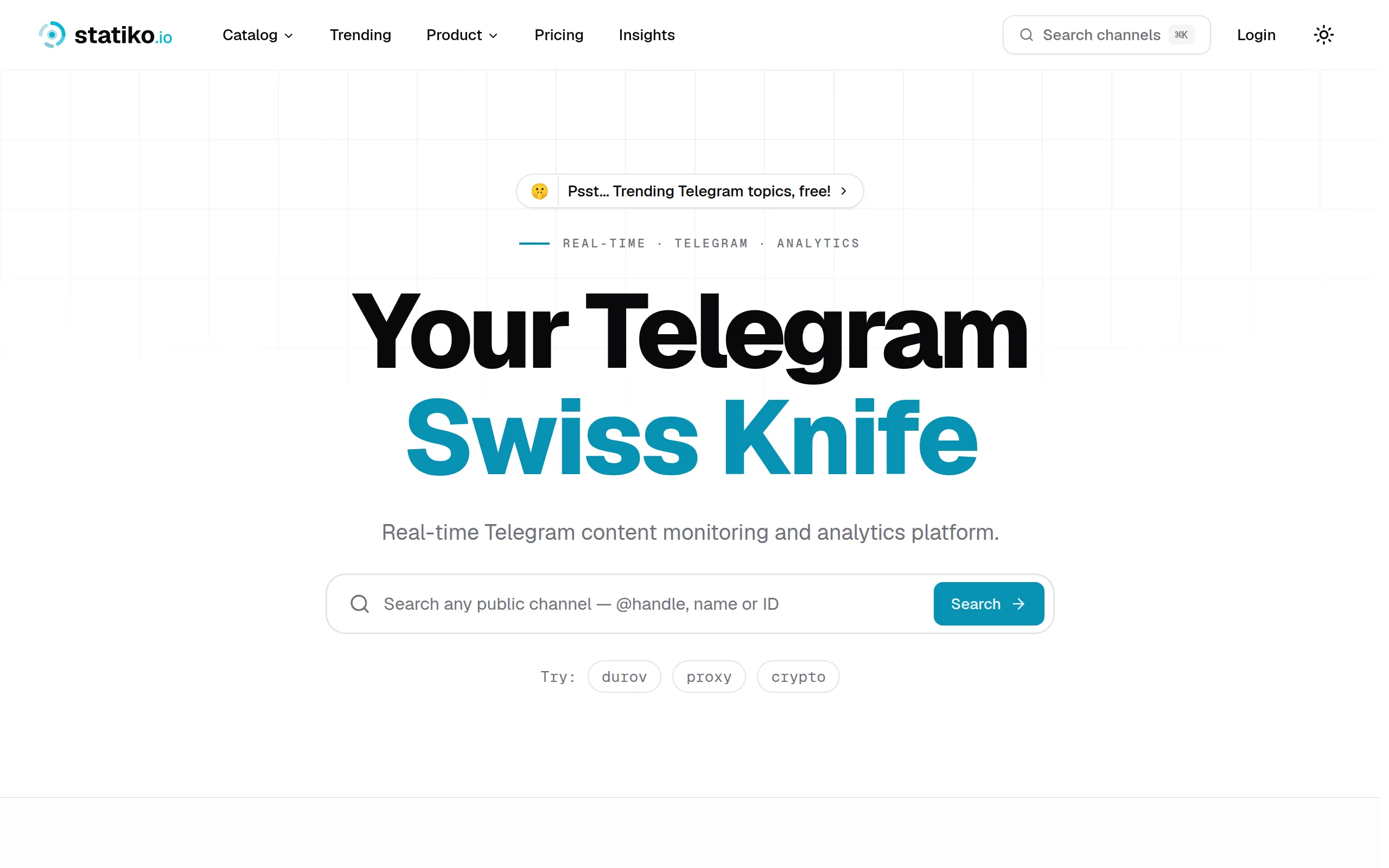
Statiko
Monitor any Telegram channel in real time - track posts, edits, deletions, and growth with AI recaps 📡

Shibui
AI website builder - describe your business, pick a niche template, edit by chatting, and publish instantly ✨

Pro Service
Find verified home service professionals, compare quotes, and pay securely through escrow - built for Brazilians across the US 🏠
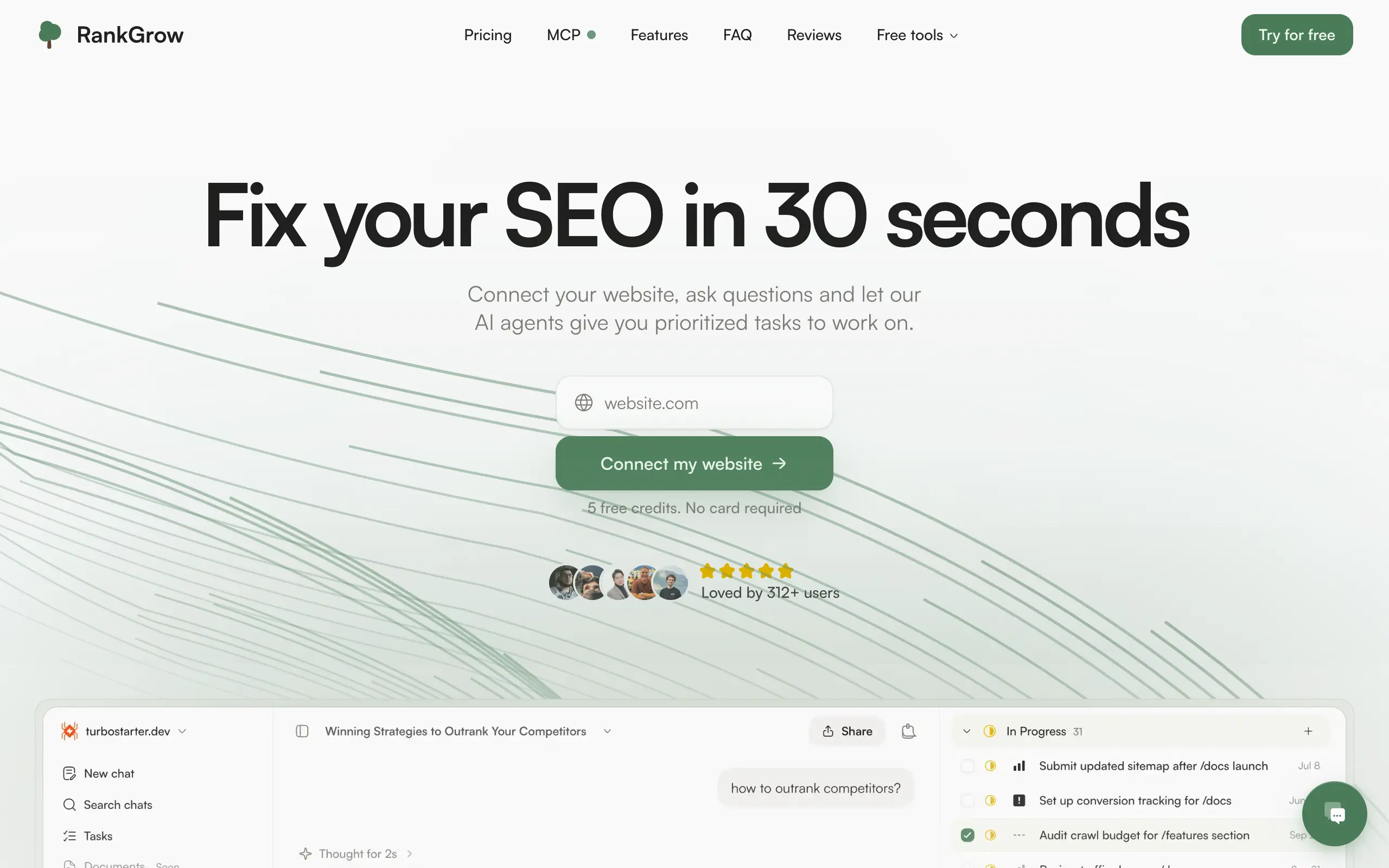
RankGrow
Fix your SEO with AI agents - connect Search Console, get prioritized tasks, and grow organic traffic 📈
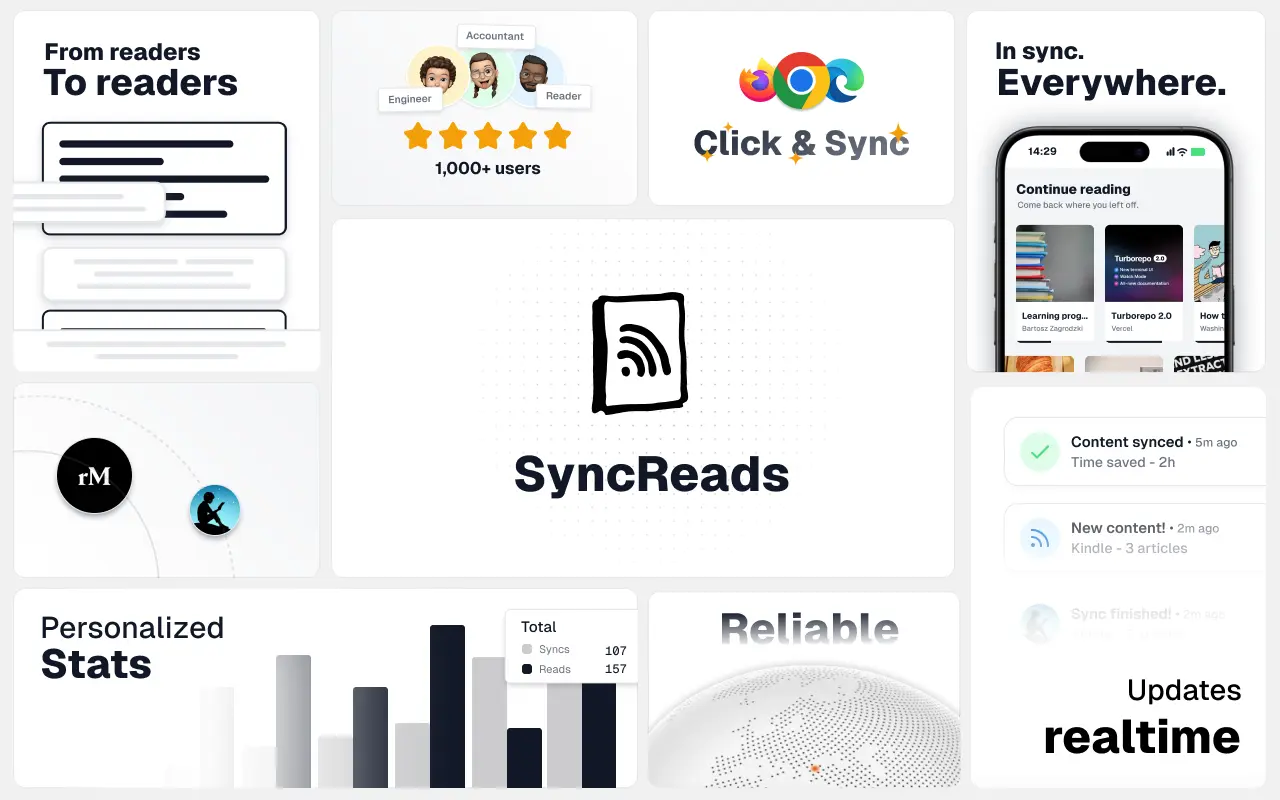
SyncReads
Sync your favorite content for distraction-free reading, save time and replace multiple apps. Anytime, anywhere 🔄
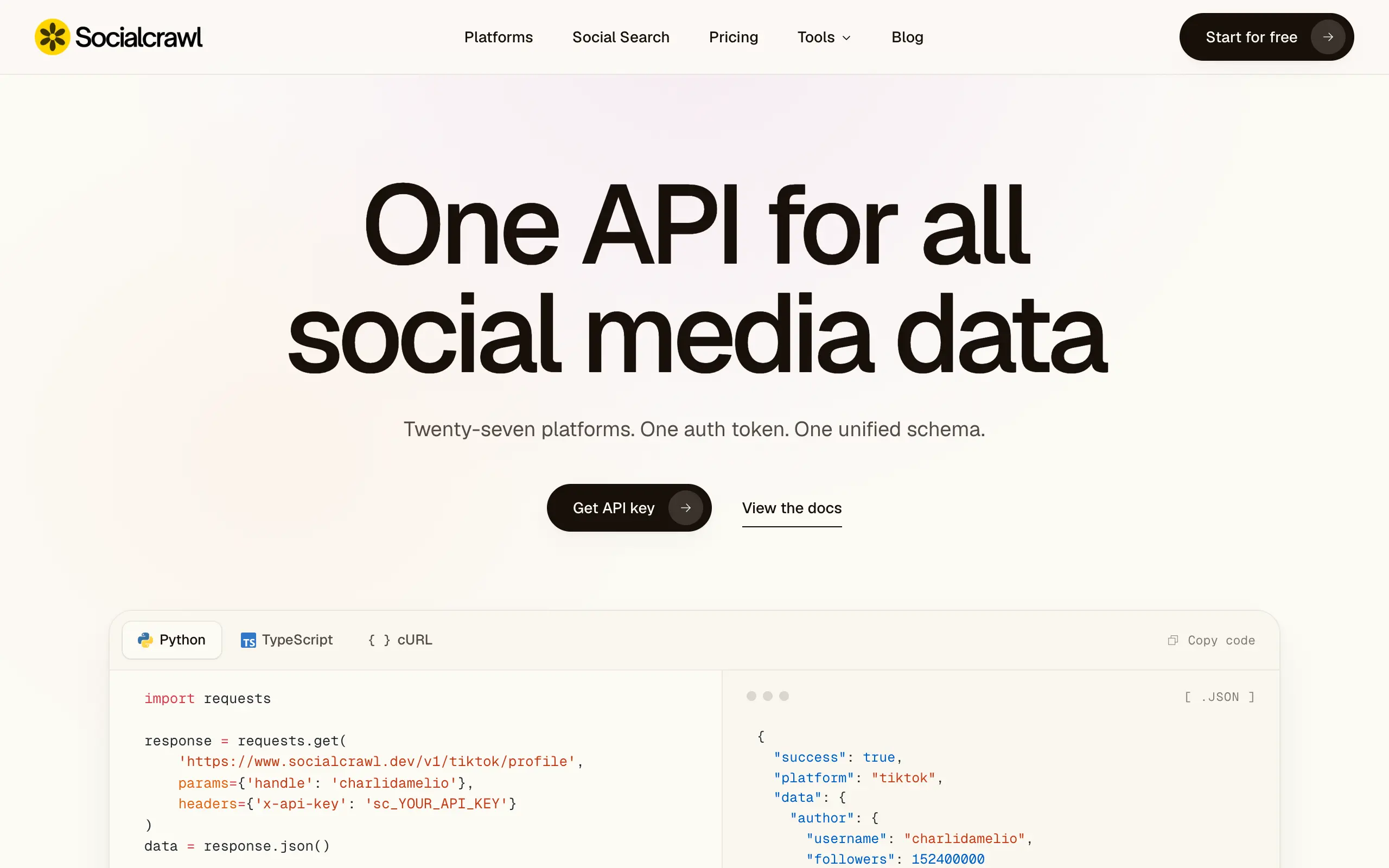
Socialcrawl
Get clean, structured data from 21 platforms like TikTok, Instagram, and YouTube with a single request 📊
Statiko
Monitor any Telegram channel in real time - track posts, edits, deletions, and growth with AI recaps 📡
Shibui
AI website builder - describe your business, pick a niche template, edit by chatting, and publish instantly ✨
Pro Service
Find verified home service professionals, compare quotes, and pay securely through escrow - built for Brazilians across the US 🏠
RankGrow
Fix your SEO with AI agents - connect Search Console, get prioritized tasks, and grow organic traffic 📈
SyncReads
Sync your favorite content for distraction-free reading, save time and replace multiple apps. Anytime, anywhere 🔄
Socialcrawl
Get clean, structured data from 21 platforms like TikTok, Instagram, and YouTube with a single request 📊
Statiko
Monitor any Telegram channel in real time - track posts, edits, deletions, and growth with AI recaps 📡
Shibui
AI website builder - describe your business, pick a niche template, edit by chatting, and publish instantly ✨
Pro Service
Find verified home service professionals, compare quotes, and pay securely through escrow - built for Brazilians across the US 🏠
RankGrow
Fix your SEO with AI agents - connect Search Console, get prioritized tasks, and grow organic traffic 📈
SyncReads
Sync your favorite content for distraction-free reading, save time and replace multiple apps. Anytime, anywhere 🔄
Socialcrawl
Get clean, structured data from 21 platforms like TikTok, Instagram, and YouTube with a single request 📊
Statiko
Monitor any Telegram channel in real time - track posts, edits, deletions, and growth with AI recaps 📡
Shibui
AI website builder - describe your business, pick a niche template, edit by chatting, and publish instantly ✨
Pro Service
Find verified home service professionals, compare quotes, and pay securely through escrow - built for Brazilians across the US 🏠
RankGrow
Fix your SEO with AI agents - connect Search Console, get prioritized tasks, and grow organic traffic 📈
SyncReads
Sync your favorite content for distraction-free reading, save time and replace multiple apps. Anytime, anywhere 🔄
Socialcrawl
Get clean, structured data from 21 platforms like TikTok, Instagram, and YouTube with a single request 📊
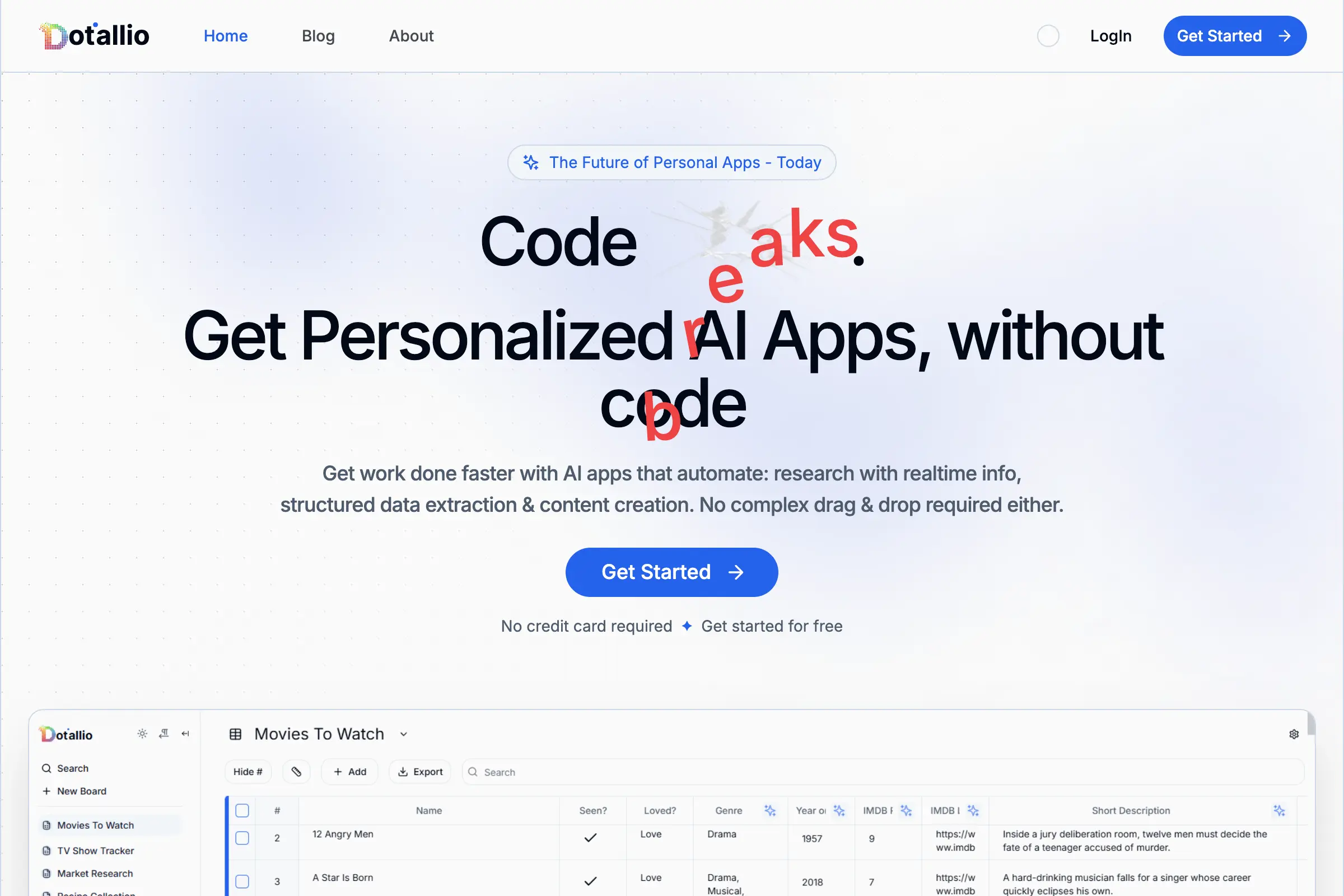
Dotallio
Personalized AI apps that automate research, data extraction, and content creation without code 🤖
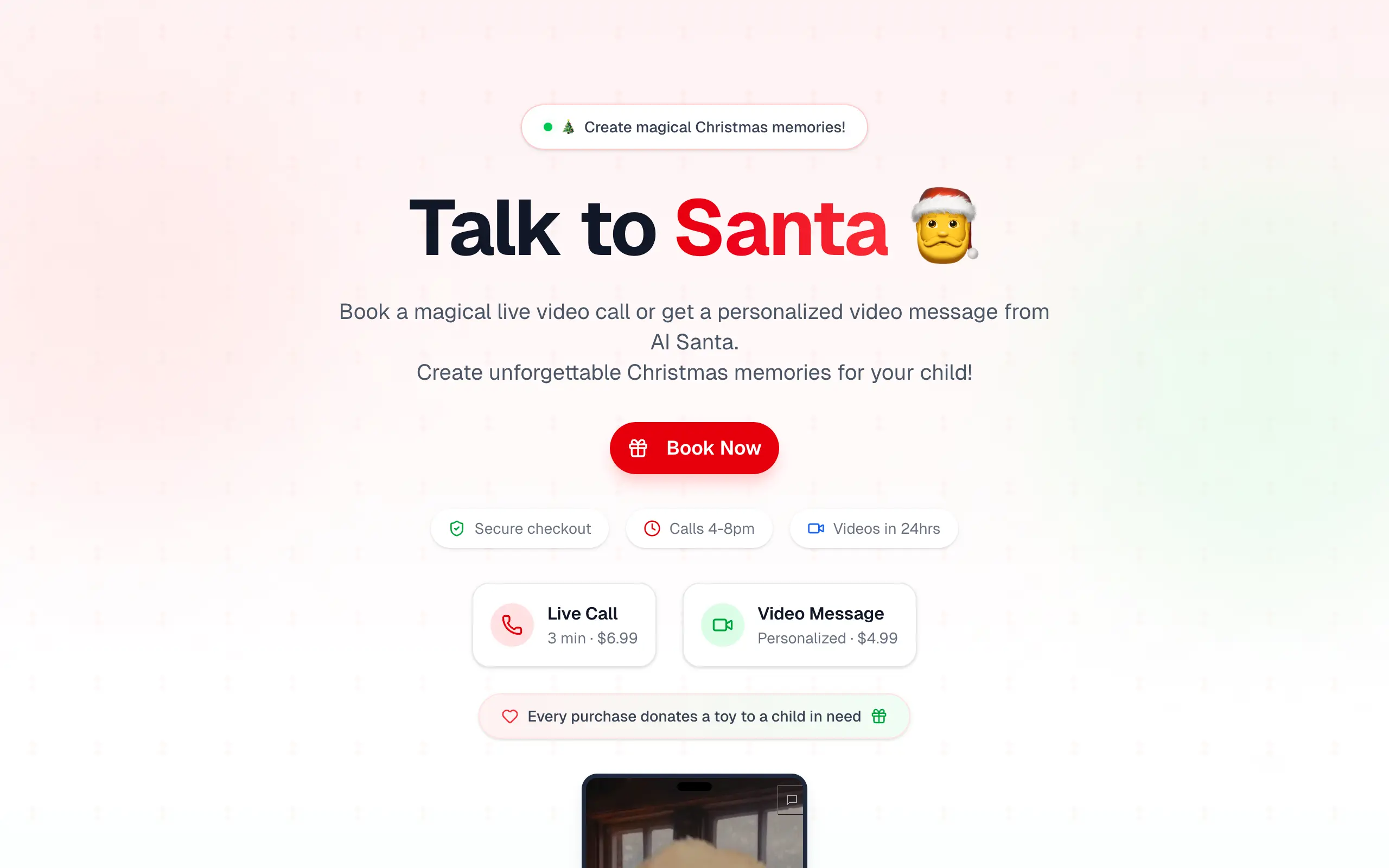
Talk to Santa
Enjoy a magical live video chat or receive a unique AI-generated video greeting from Santa Claus 🎅
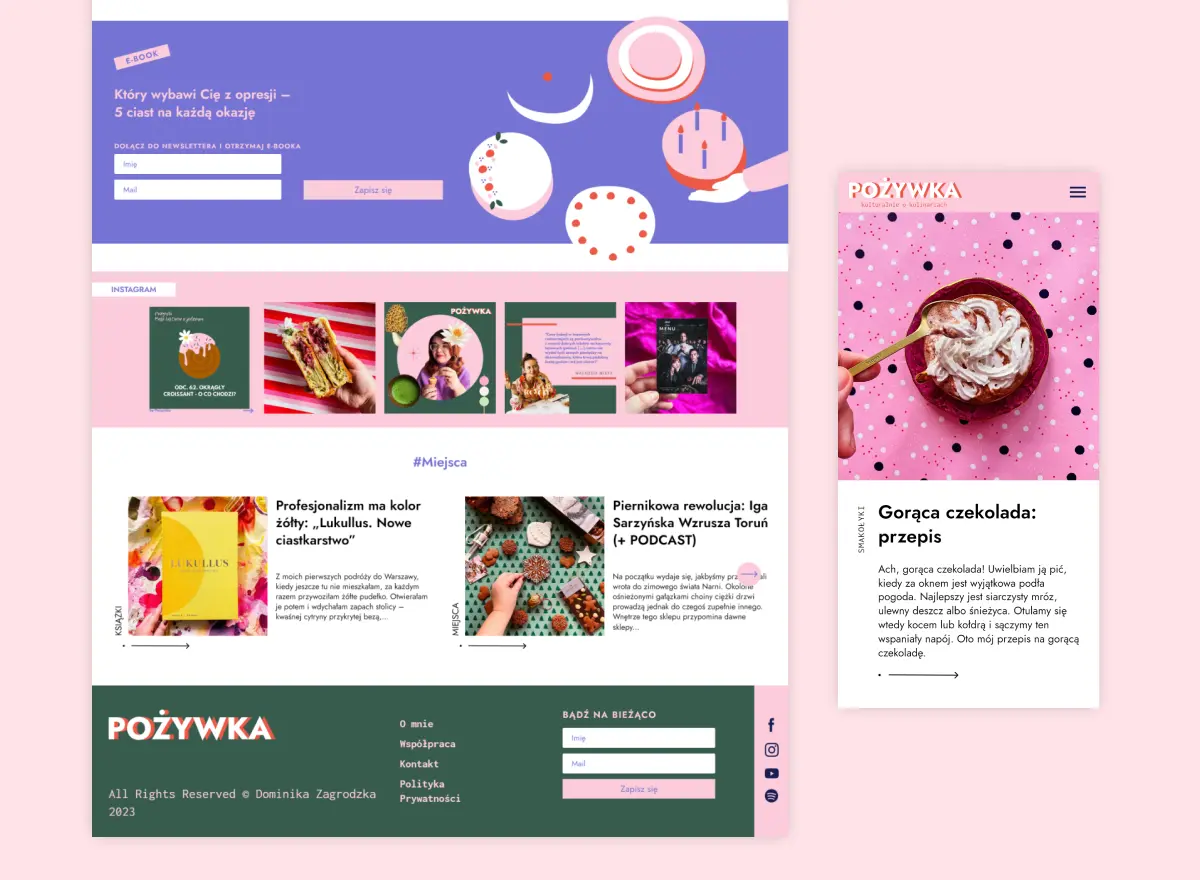
pozywka.pl
Scalable blog for food journalist, focused on performance and user experience 🌭
zagrodzki.me
Personal blog and portfolio of Bart Zagrodzki, where he shares his knowledge and work 💼
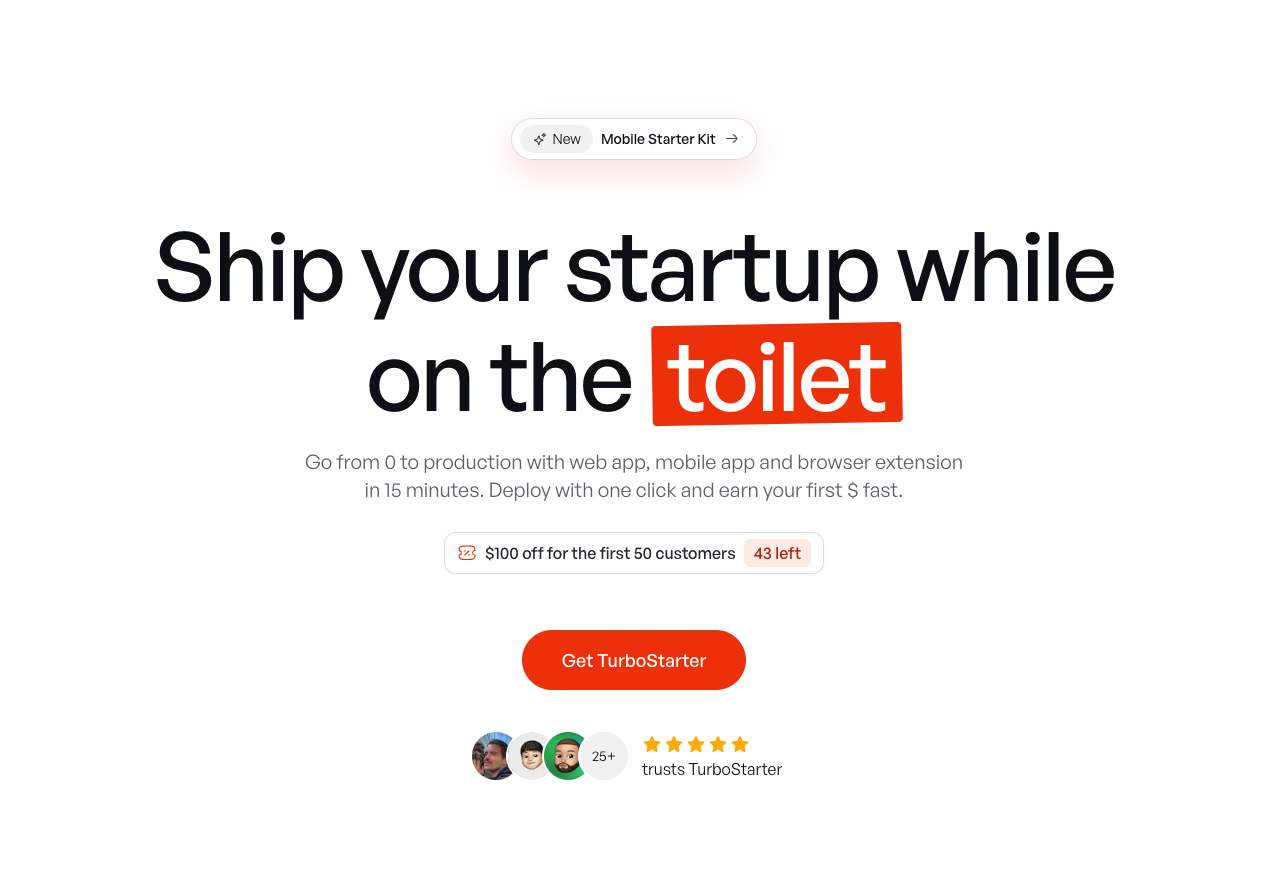
TurboStarter
Ship your startup everywhere. In minutes.
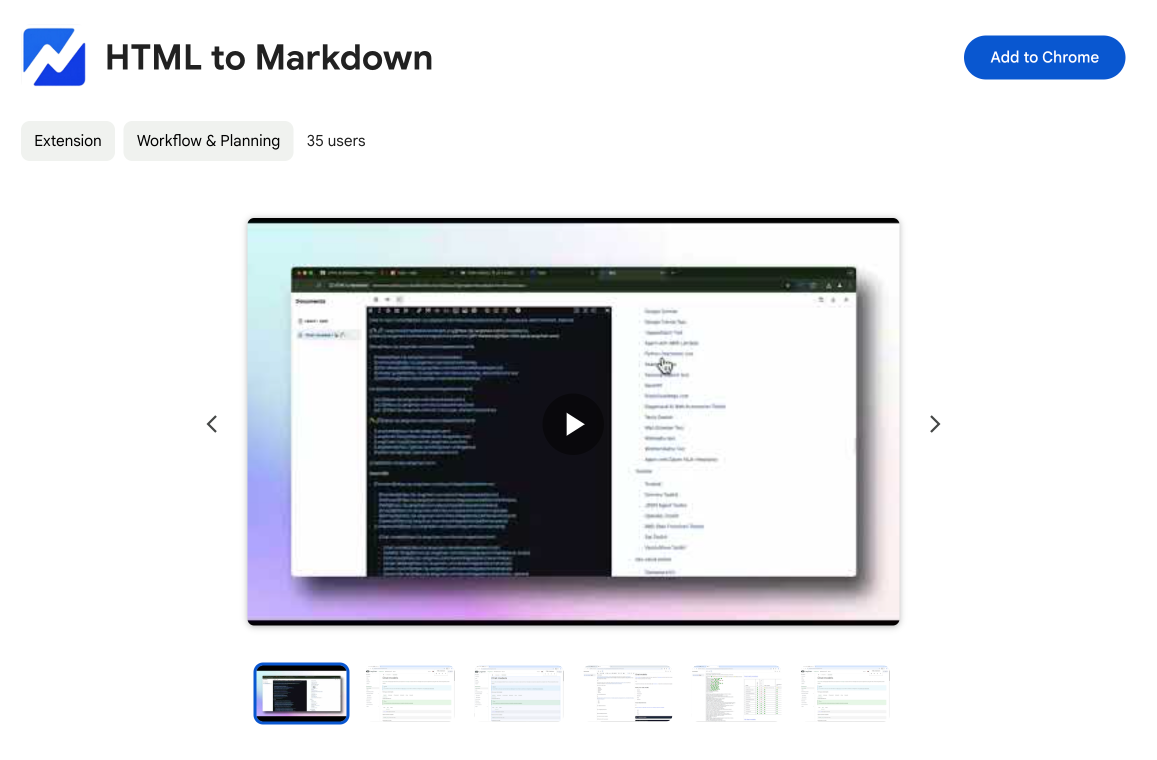
HTML to Markdown
Convert HTML to Markdown with ease, directly in your browser 📄
Dotallio
Personalized AI apps that automate research, data extraction, and content creation without code 🤖
Talk to Santa
Enjoy a magical live video chat or receive a unique AI-generated video greeting from Santa Claus 🎅
pozywka.pl
Scalable blog for food journalist, focused on performance and user experience 🌭
zagrodzki.me
Personal blog and portfolio of Bart Zagrodzki, where he shares his knowledge and work 💼
TurboStarter
Ship your startup everywhere. In minutes.
HTML to Markdown
Convert HTML to Markdown with ease, directly in your browser 📄
Dotallio
Personalized AI apps that automate research, data extraction, and content creation without code 🤖
Talk to Santa
Enjoy a magical live video chat or receive a unique AI-generated video greeting from Santa Claus 🎅
pozywka.pl
Scalable blog for food journalist, focused on performance and user experience 🌭
zagrodzki.me
Personal blog and portfolio of Bart Zagrodzki, where he shares his knowledge and work 💼
TurboStarter
Ship your startup everywhere. In minutes.
HTML to Markdown
Convert HTML to Markdown with ease, directly in your browser 📄
Dotallio
Personalized AI apps that automate research, data extraction, and content creation without code 🤖
Talk to Santa
Enjoy a magical live video chat or receive a unique AI-generated video greeting from Santa Claus 🎅
pozywka.pl
Scalable blog for food journalist, focused on performance and user experience 🌭
zagrodzki.me
Personal blog and portfolio of Bart Zagrodzki, where he shares his knowledge and work 💼
TurboStarter
Ship your startup everywhere. In minutes.
HTML to Markdown
Convert HTML to Markdown with ease, directly in your browser 📄
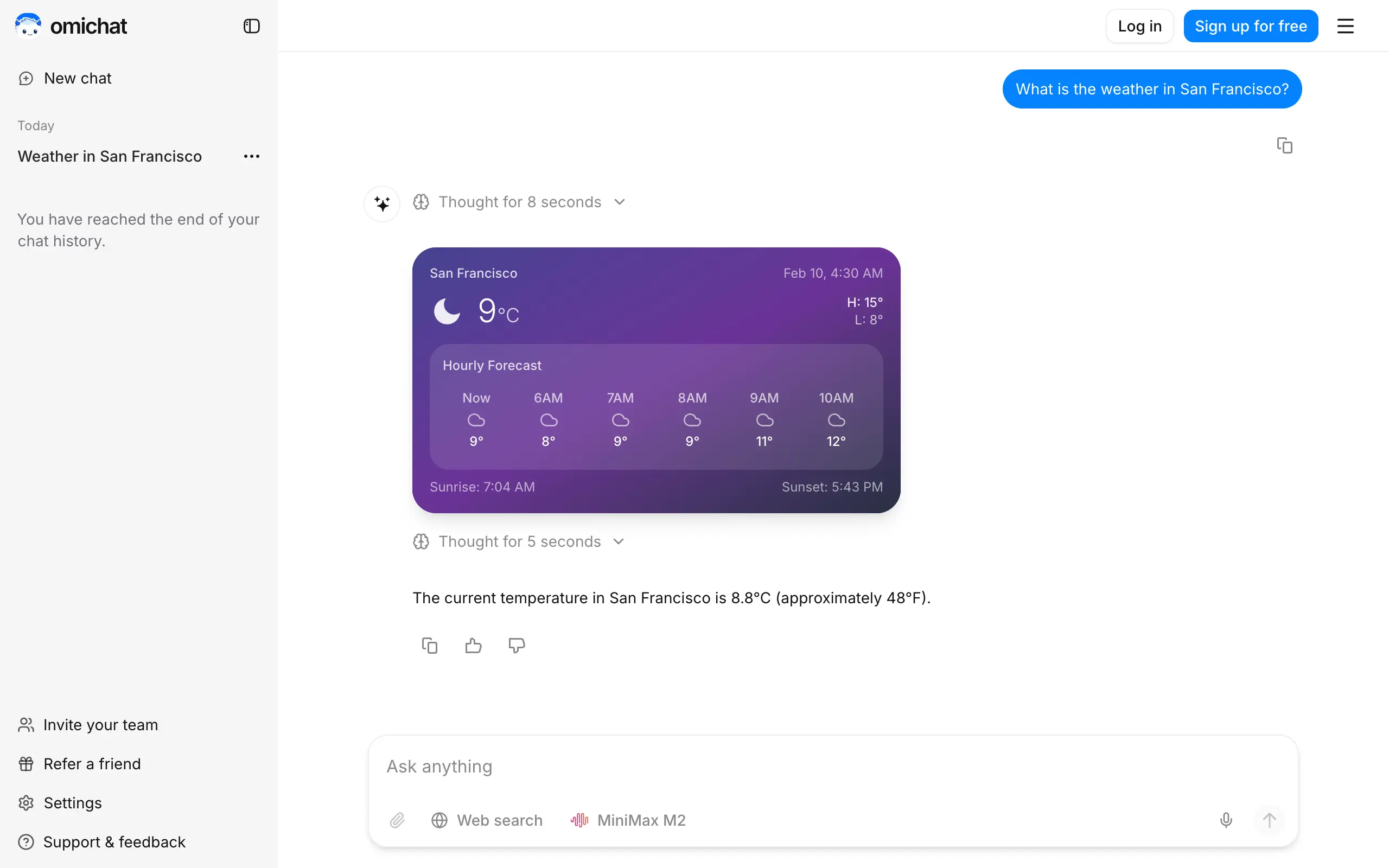
Omichat
Chat with 50+ AI models, including ChatGPT and Claude, in one place - switch models anytime without losing context 🤖
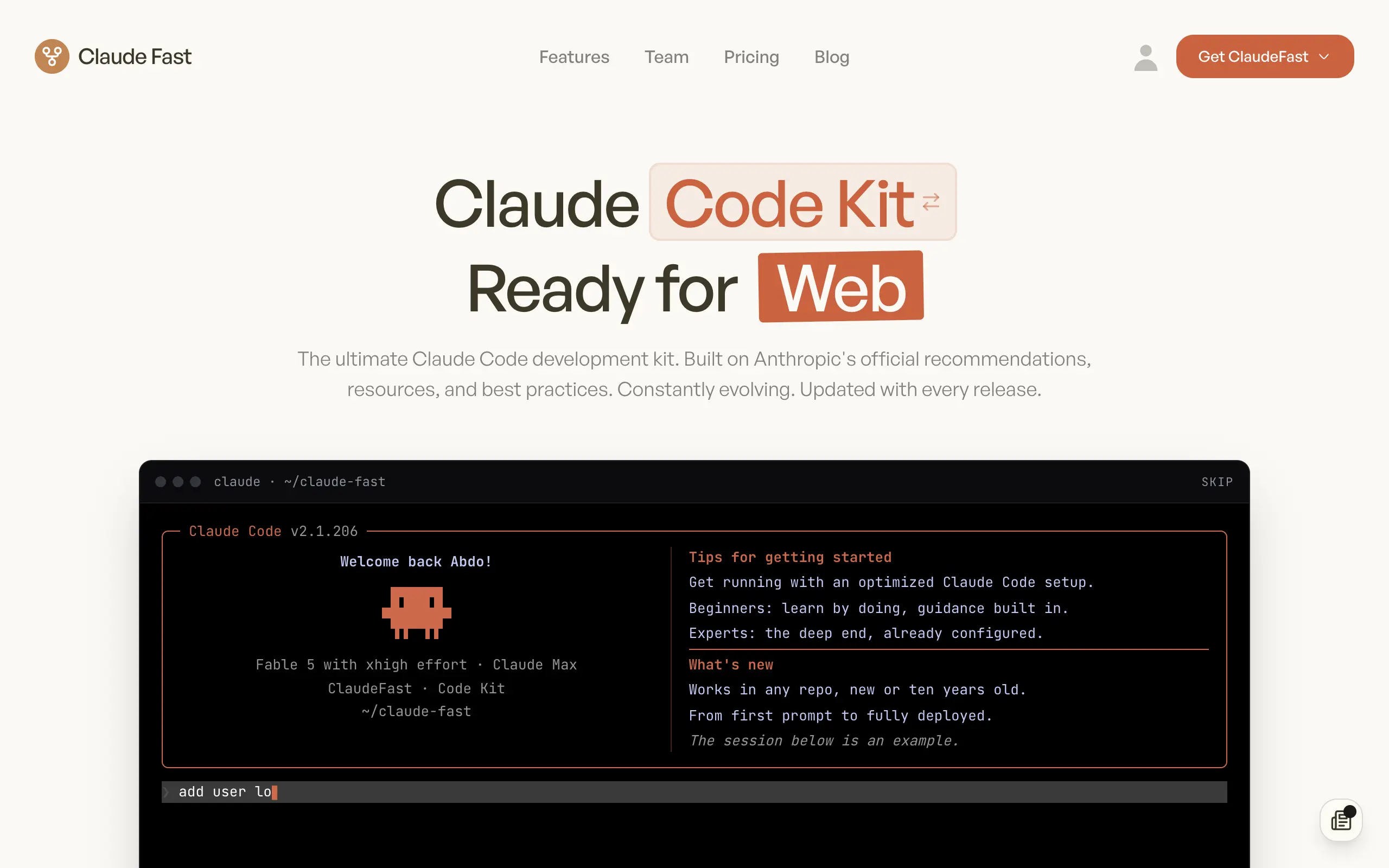
Claude Fast
Supercharge your Claude Code with 6x effective context window and specialized AI agents 🤖
EmojAI
AI-powered emoji picker with smart, context-aware suggestions 🤖
Solohacker
Autonomous company launcher - AI agents work 24/7, escalate what matters, and you stay in control 🤖

BeRawi: Storytelling Coach
Practice storytelling daily with instant feedback to sound clearer, more engaging, and confident 🎤
Omichat
Chat with 50+ AI models, including ChatGPT and Claude, in one place - switch models anytime without losing context 🤖
Claude Fast
Supercharge your Claude Code with 6x effective context window and specialized AI agents 🤖
EmojAI
AI-powered emoji picker with smart, context-aware suggestions 🤖
Solohacker
Autonomous company launcher - AI agents work 24/7, escalate what matters, and you stay in control 🤖
BeRawi: Storytelling Coach
Practice storytelling daily with instant feedback to sound clearer, more engaging, and confident 🎤
Omichat
Chat with 50+ AI models, including ChatGPT and Claude, in one place - switch models anytime without losing context 🤖
Claude Fast
Supercharge your Claude Code with 6x effective context window and specialized AI agents 🤖
EmojAI
AI-powered emoji picker with smart, context-aware suggestions 🤖
Solohacker
Autonomous company launcher - AI agents work 24/7, escalate what matters, and you stay in control 🤖
BeRawi: Storytelling Coach
Practice storytelling daily with instant feedback to sound clearer, more engaging, and confident 🎤
Omichat
Chat with 50+ AI models, including ChatGPT and Claude, in one place - switch models anytime without losing context 🤖
Claude Fast
Supercharge your Claude Code with 6x effective context window and specialized AI agents 🤖
EmojAI
AI-powered emoji picker with smart, context-aware suggestions 🤖
Solohacker
Autonomous company launcher - AI agents work 24/7, escalate what matters, and you stay in control 🤖
BeRawi: Storytelling Coach
Practice storytelling daily with instant feedback to sound clearer, more engaging, and confident 🎤

Connect with like-minded people
Join our community to get feedback, support, and grow together with 1,000+ builders on board, let's ship it!
Join usShip your startup everywhere. In minutes.
Don't burn tokens on setup and start building features on day one.