DynastyOS
A secure operating system for family offices that centralizes governance, succession planning, asset visibility, and crisis control across global entities.
The strategic need for a secure operating system for family offices
Ultra-high-net-worth (UHNW) families and family offices manage complex webs of assets, trusts, operating companies, foundations, and cross-border structures. Yet many still rely on fragmented tools: spreadsheets for asset tracking, email for governance communication, PDFs for trust documents, and standalone systems for investment reporting.
This fragmentation introduces:
- Operational risk
- Security vulnerabilities
- Succession uncertainty
- Lack of real-time asset visibility
- Inefficient crisis response
A secure operating system for family offices—such as DynastyOS—addresses these gaps by centralizing governance, succession planning, asset visibility, and crisis control into one unified, encrypted platform.
This article provides a comprehensive, expert-level breakdown of:
- The target audience and their unmet needs
- The market opportunity for a family office operating system
- Core features and architecture
- Technical stack considerations
- Monetization models
- Competitive positioning
- Risks and mitigation strategies
- Actionable implementation steps
Understanding the target audience: modern family offices
The primary users of a secure family office operating system fall into four categories:
1. Single family offices (SFOs)
- Manage $100M–$10B+ in assets
- Typically have 5–50 internal staff
- Operate across jurisdictions
- Require governance discipline and generational continuity
2. Multi-family offices (MFOs)
- Serve multiple UHNW families
- Need client-level data segmentation
- Require strict compliance and audit trails
3. Principals and next-generation heirs
- Need visibility without operational overload
- Require structured onboarding to governance roles
- Often globally distributed
4. Trusted advisors
- Legal counsel
- Trustees
- Tax advisors
- Risk and security consultants
Each stakeholder requires controlled, role-based access to sensitive information. The absence of a centralized governance system often leads to confusion, delays, and institutional knowledge loss during transitions.
The core problem: fragmentation in governance and asset visibility
Family offices typically use:
- Accounting software (e.g., enterprise accounting tools)
- Investment portfolio dashboards
- Secure file-sharing tools
- Email and messaging platforms
- Paper-based or PDF trust documents
- Custom spreadsheets
While each tool may be robust individually, they rarely integrate seamlessly.
This creates systemic risks:
- No single source of truth
- Inconsistent document version control
- Limited crisis preparedness
- Weak institutional memory
- Security exposure from email-based workflows
A secure operating system for family offices addresses this by becoming the “control tower” for governance and oversight.
Market opportunity: why the time is right
Several macro trends make DynastyOS strategically relevant:
1. The great wealth transfer
An estimated trillions of dollars are expected to transfer from Baby Boomers to younger generations over the next two decades (see reputable wealth reports such as those published by McKinsey & Company or UBS for reference). This transition increases:
- Succession planning urgency
- Governance formalization
- Digital transparency expectations
2. Rising cyber threats targeting wealth
UHNW families are increasingly targeted by:
- Phishing attacks
- Ransomware
- Social engineering
- Insider threats
Traditional document storage solutions are insufficient for structured governance data.
3. Global complexity
Modern family offices operate across:
- Multiple tax regimes
- Trust structures
- Holding companies
- Foundations and philanthropic entities
This complexity demands centralized oversight.
4. Professionalization of family offices
Family offices are evolving into institutional-grade organizations. They require:
- Role-based workflows
- Audit trails
- Governance documentation
- Succession continuity systems
The gap: there is no dominant, purpose-built “operating system” focused specifically on governance + succession + crisis control.
That’s where a platform like DynastyOS can lead.
Core features of a secure family office operating system
DynastyOS should be designed around four pillars:
Governance Engine
Centralized charters, voting workflows, meeting records, and role-based access.
Succession Control
Digital succession playbooks, emergency protocols, and generational onboarding.
Asset Visibility
Real-time dashboards across trusts, companies, funds, and operating assets.
Crisis Command
Pre-configured response playbooks for legal, reputational, or geopolitical crises.
Let’s break each down.
Governance engine: structured decision-making at scale
Governance is often informal in first-generation wealth—but collapses during generational transitions.
Key governance features
- Role-based permissions (principals, trustees, advisors)
- Digital family constitution storage
- Board and committee workflows
- Voting mechanisms with audit trails
- Version-controlled legal documents
- Secure communication channels
Governance workflow example
interface Vote {
  proposalId: string;
  voters: string[];
  votes: {
    userId: string;
    decision: "approve" | "reject" | "abstain";
    timestamp: Date;
  }[];
  status: "open" | "closed";
}
This structured approach ensures defensible records for legal and fiduciary scrutiny.
Succession planning module
Succession failure is one of the most common reasons wealth dissipates across generations.
A family office operating system should include:
- Digital succession roadmaps
- Emergency leadership transfer workflows
- Key person dependency mapping
- Beneficiary education modules
- Trustee replacement triggers
Critical capability: “If something happens” protocol
This includes:
- Secure vault for emergency documents
- Escrow-based credential release
- Multi-party verification triggers
- Automated notification flows
Security-critical design
Emergency access workflows must use multi-signature verification and hardware-backed encryption. Weak implementation creates more risk than it solves.
Asset visibility dashboard
Many family offices lack a unified, real-time overview of total exposure.
DynastyOS should provide:
- Consolidated asset dashboards
- Trust-level and entity-level breakdowns
- Capital allocation tracking
- Liquidity views
- Geographic risk exposure
Integration layer
To achieve asset visibility, the platform needs API integrations with:
- Custodians
- Portfolio management systems
- Accounting software
- Banking feeds
Different custodians use different reporting standards. Trust structures may obscure beneficial ownership. Real-time valuation for private assets requires periodic updates rather than live feeds.
Crisis control center
Crisis preparedness is often neglected until it's too late.
Crisis types include:
- Legal investigations
- Public relations incidents
- Political instability
- Cybersecurity breaches
- Death or incapacitation of key principals
A crisis module should include:
- Pre-built response playbooks
- Contact trees
- Legal counsel access logs
- Secure war-room communication channels
- Document freeze mechanisms
Example crisis workflow
Security architecture requirements
Security is non-negotiable.
Core principles
- End-to-end encryption
- Zero-trust architecture
- Hardware security modules (HSM)
- Role-based access control (RBAC)
- Detailed audit logs
- Data residency compliance
Encryption example
import crypto from "crypto";

function encryptData(data: string, key: Buffer) {
  const cipher = crypto.createCipheriv("aes-256-gcm", key, crypto.randomBytes(12));
  let encrypted = cipher.update(data, "utf8", "hex");
  encrypted += cipher.final("hex");
  return encrypted;
}
For production systems, encryption should follow NIST-recommended standards and undergo third-party security audits.
Recommended tech stack for DynastyOS
Frontend
- React for UI
- Next.js for SSR and performance
- TailwindCSS for consistent design
Backend
- Node.js or Go for performance
- GraphQL for structured data queries
- PostgreSQL for relational integrity
- Redis for caching
Security & Infrastructure
- AWS or GCP with private VPC
- Hardware-backed key management
- SOC 2 compliance roadmap
- Multi-region deployment
Trade-offs
| Decision | Pros | Cons |
|---|---|---|
| Monolithic architecture | Simpler deployment | Harder to scale |
| Microservices | Scalable & modular | Operational complexity |
| On-premise deployment | Data control | High cost |
| Cloud-native | Faster iteration | Requires strict security design |
For early-stage, a modular monolith is often optimal.
Monetization strategy for a family office OS
Given the B2B enterprise nature:
Pricing models
-
Tiered annual subscription
- Based on AUM
- Based on entity count
- Based on user seats
-
Enterprise license
- Custom pricing
- Dedicated infrastructure
-
White-glove onboarding fees
-
Add-on modules
- Crisis simulation tools
- Compliance upgrades
- Advanced analytics
Pricing positioning
Pricing should reflect value protection rather than software cost. Framing the platform as risk mitigation rather than SaaS increases perceived ROI.
Competitive landscape analysis
DynastyOS would compete indirectly with:
- Document management systems
- Investment reporting platforms
- Governance advisory firms
- Custom-built internal tools
However, no single solution integrates governance + succession + crisis + asset visibility holistically.
| Feature | Document Tools | Portfolio Software | Consultants | DynastyOS |
|---|---|---|---|---|
| Governance workflows | ❌ | ❌ | ✅ | ✅ |
| Succession automation | ❌ | ❌ | ⚠️ | ✅ |
| Real-time asset view | ❌ | ✅ | ❌ | ✅ |
Unique selling proposition (USP)
DynastyOS is not a reporting tool.
It is a secure governance operating system purpose-built for generational continuity.
Risks and mitigation strategies
1. Trust barrier
UHNW families are cautious about new platforms.
Mitigation:
- Third-party security audits
- SOC 2 compliance
- Advisory board of respected family office executives
2. Long sales cycles
Enterprise B2B in this segment can exceed 6–12 months.
Mitigation:
- Relationship-driven sales
- Strategic partnerships with law firms
- Invite-only pilot cohorts
3. Integration complexity
Asset aggregation is technically challenging.
Mitigation:
- Start with manual upload + structured templates
- Expand into API integrations gradually
Implementation roadmap
Phase 1 MVP scope
Focus on:
- Governance document storage
- Role-based access
- Voting & resolution tracking
- Audit logs
Asset aggregation can be phase 2.
Go-to-market strategy
Entry strategy
- Target family offices with $250M–$2B AUM
- Focus on transition-stage families
- Leverage conferences and private banking networks
Thought leadership
Publish:
- Succession planning guides
- Crisis preparedness frameworks
- Governance maturity models
Position DynastyOS as a governance authority, not just software.
Why DynastyOS has long-term defensibility
- High switching costs
- Deep institutional embedding
- Security-first architecture
- Trust-based brand positioning
- Expanding network effects via advisor access
Once embedded in governance workflows, churn becomes extremely low.
Final thoughts: building the operating system for generational wealth
The family office ecosystem is undergoing structural transformation:
- Wealth is transferring
- Governance is professionalizing
- Security risks are rising
- Global complexity is increasing
A secure operating system for family offices is no longer optional—it is becoming foundational infrastructure.
DynastyOS represents a category-defining opportunity: to become the digital backbone of generational wealth continuity.
If you’re building a serious, secure, enterprise-grade SaaS like this, starting with a robust, production-ready architecture matters. Platforms like TurboStarter can accelerate secure SaaS development with enterprise-ready foundations.
The opportunity is significant—but execution must match the trust level required by the world’s most sophisticated families.
The future of wealth governance will be digital, secure, and structured. The question is not whether a family office operating system will exist—but who will build the definitive one.
More 🏢 B2B Application SaaS ideas
Discover more innovative b2b application SaaS ideas that are trending in 2026. Each idea is AI-generated with market validation and growth potential to help you find your next profitable venture faster than competitors.
Your competitors are building with TurboStarter
Below are some of the SaaS ideas that have been generated and built with our starter kit.
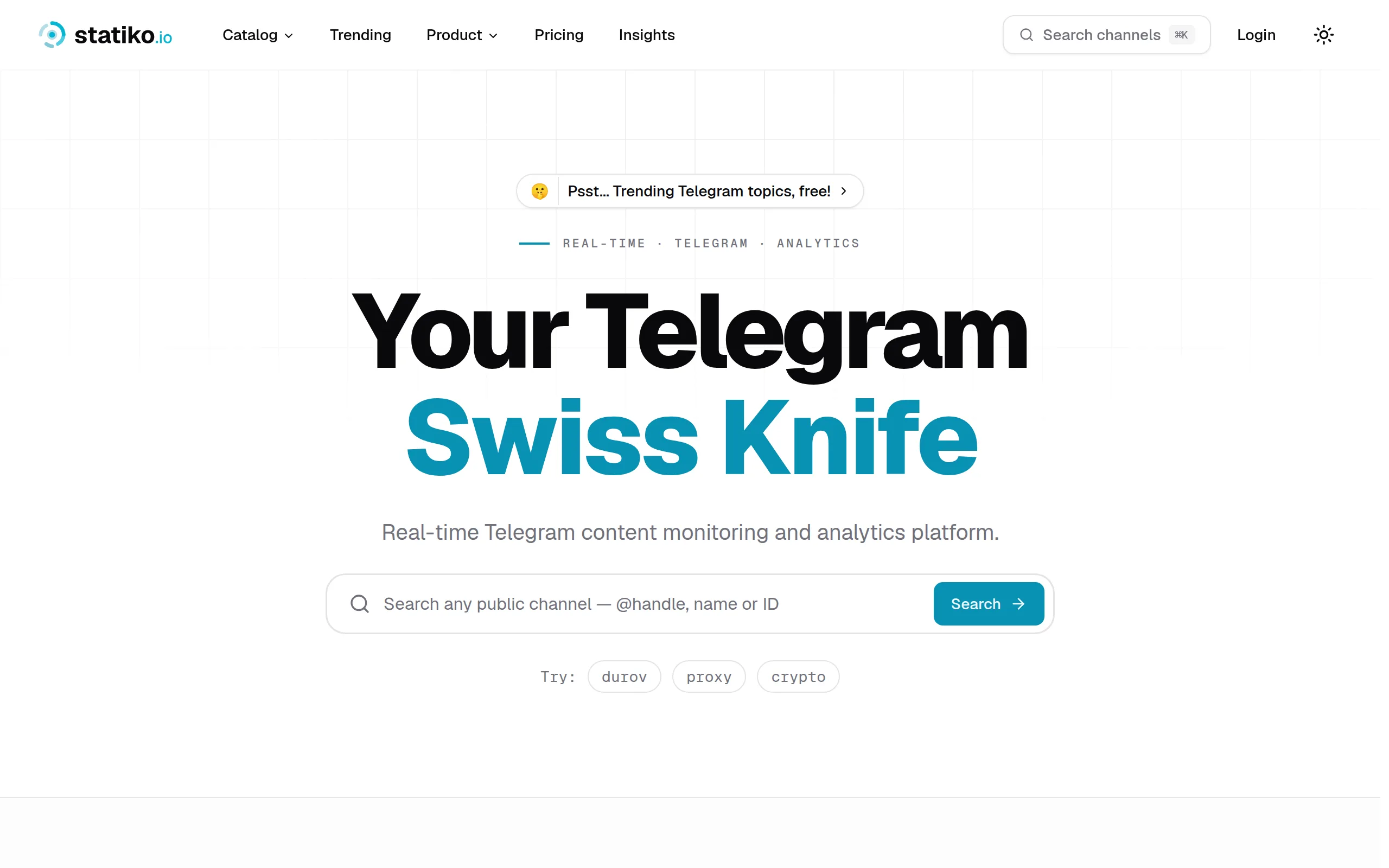
Statiko
Monitor any Telegram channel in real time - track posts, edits, deletions, and growth with AI recaps 📡
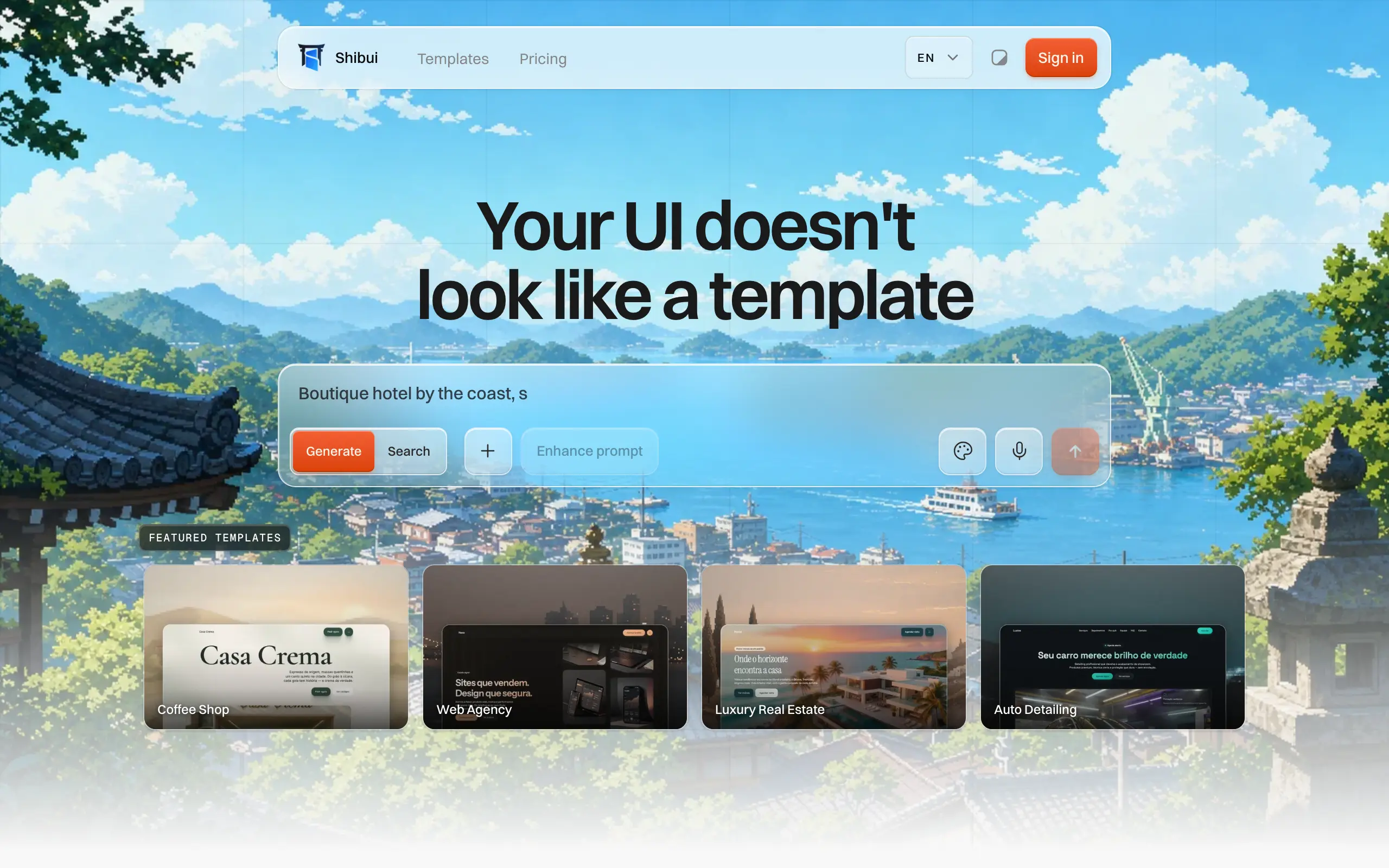
Shibui
AI website builder - describe your business, pick a niche template, edit by chatting, and publish instantly ✨
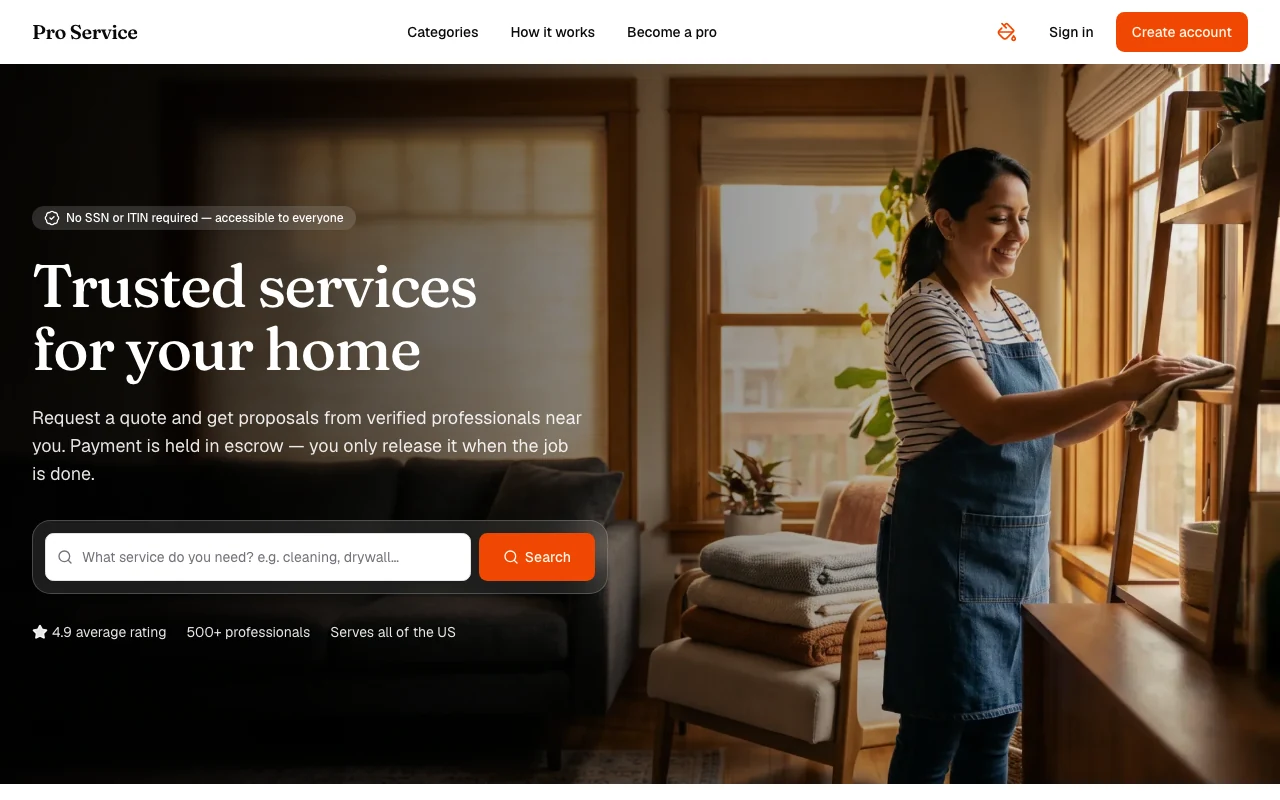
Pro Service
Find verified home service professionals, compare quotes, and pay securely through escrow - built for Brazilians across the US 🏠
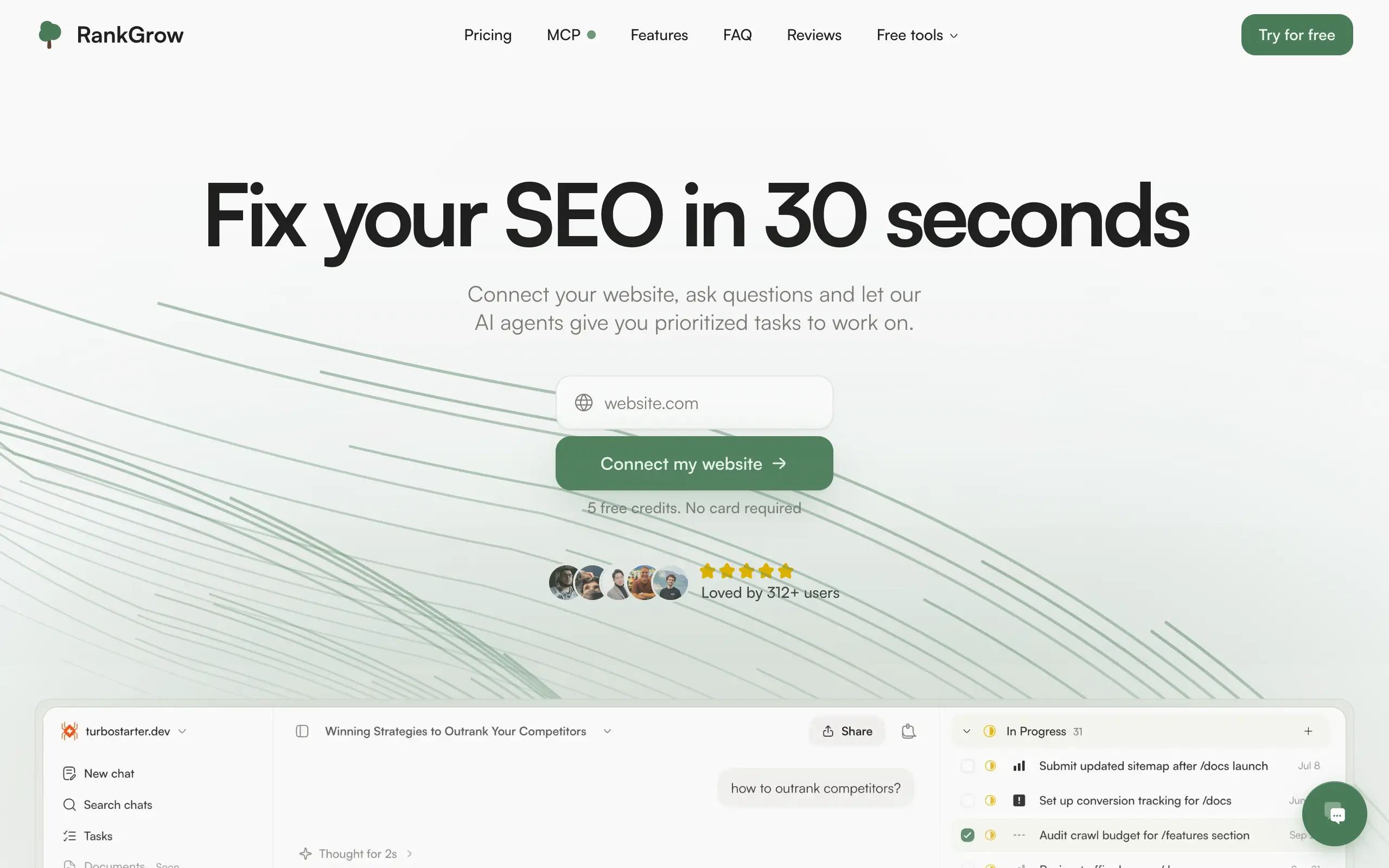
RankGrow
Fix your SEO with AI agents - connect Search Console, get prioritized tasks, and grow organic traffic 📈
SyncReads
Sync your favorite content for distraction-free reading, save time and replace multiple apps. Anytime, anywhere 🔄
Socialcrawl
Get clean, structured data from 21 platforms like TikTok, Instagram, and YouTube with a single request 📊
Statiko
Monitor any Telegram channel in real time - track posts, edits, deletions, and growth with AI recaps 📡
Shibui
AI website builder - describe your business, pick a niche template, edit by chatting, and publish instantly ✨
Pro Service
Find verified home service professionals, compare quotes, and pay securely through escrow - built for Brazilians across the US 🏠
RankGrow
Fix your SEO with AI agents - connect Search Console, get prioritized tasks, and grow organic traffic 📈
SyncReads
Sync your favorite content for distraction-free reading, save time and replace multiple apps. Anytime, anywhere 🔄
Socialcrawl
Get clean, structured data from 21 platforms like TikTok, Instagram, and YouTube with a single request 📊
Statiko
Monitor any Telegram channel in real time - track posts, edits, deletions, and growth with AI recaps 📡
Shibui
AI website builder - describe your business, pick a niche template, edit by chatting, and publish instantly ✨
Pro Service
Find verified home service professionals, compare quotes, and pay securely through escrow - built for Brazilians across the US 🏠
RankGrow
Fix your SEO with AI agents - connect Search Console, get prioritized tasks, and grow organic traffic 📈
SyncReads
Sync your favorite content for distraction-free reading, save time and replace multiple apps. Anytime, anywhere 🔄
Socialcrawl
Get clean, structured data from 21 platforms like TikTok, Instagram, and YouTube with a single request 📊
Statiko
Monitor any Telegram channel in real time - track posts, edits, deletions, and growth with AI recaps 📡
Shibui
AI website builder - describe your business, pick a niche template, edit by chatting, and publish instantly ✨
Pro Service
Find verified home service professionals, compare quotes, and pay securely through escrow - built for Brazilians across the US 🏠
RankGrow
Fix your SEO with AI agents - connect Search Console, get prioritized tasks, and grow organic traffic 📈
SyncReads
Sync your favorite content for distraction-free reading, save time and replace multiple apps. Anytime, anywhere 🔄
Socialcrawl
Get clean, structured data from 21 platforms like TikTok, Instagram, and YouTube with a single request 📊
Dotallio
Personalized AI apps that automate research, data extraction, and content creation without code 🤖
Talk to Santa
Enjoy a magical live video chat or receive a unique AI-generated video greeting from Santa Claus 🎅
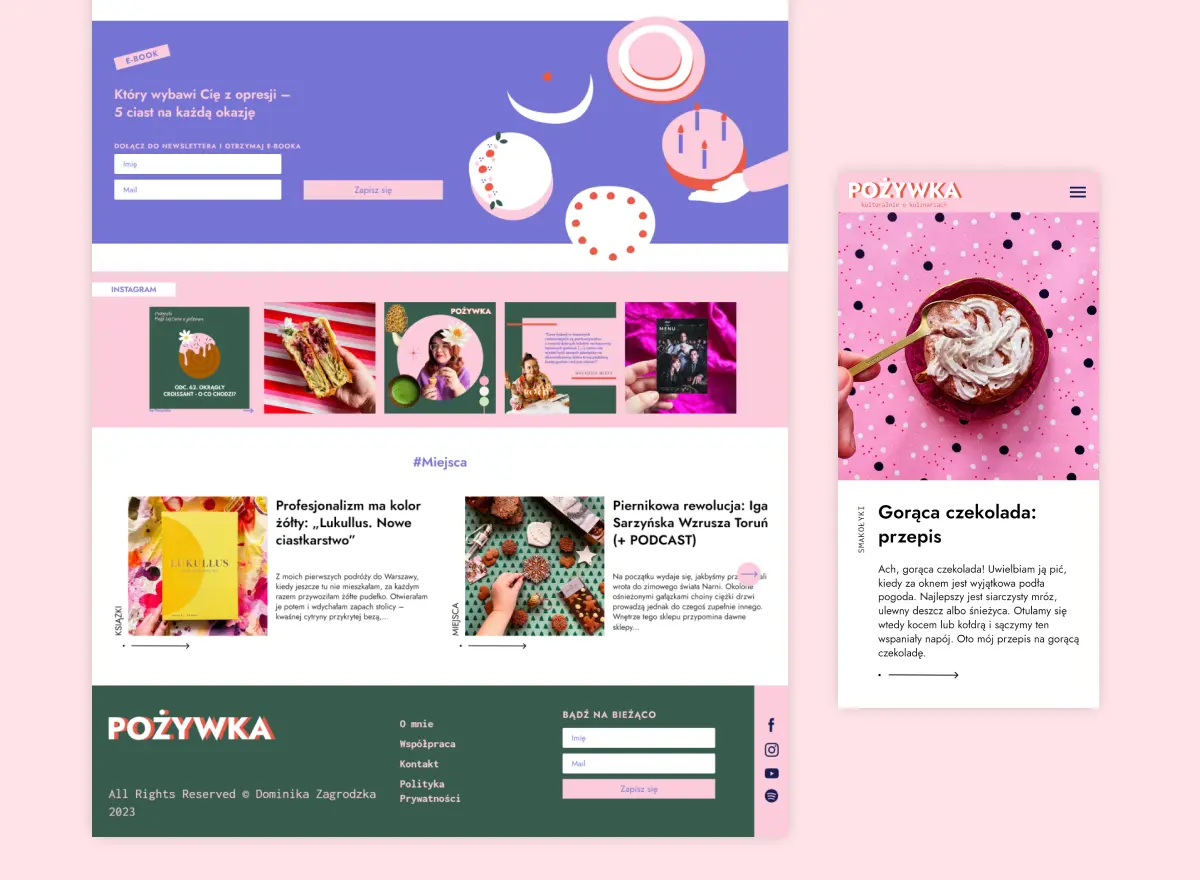
pozywka.pl
Scalable blog for food journalist, focused on performance and user experience 🌭
zagrodzki.me
Personal blog and portfolio of Bart Zagrodzki, where he shares his knowledge and work 💼
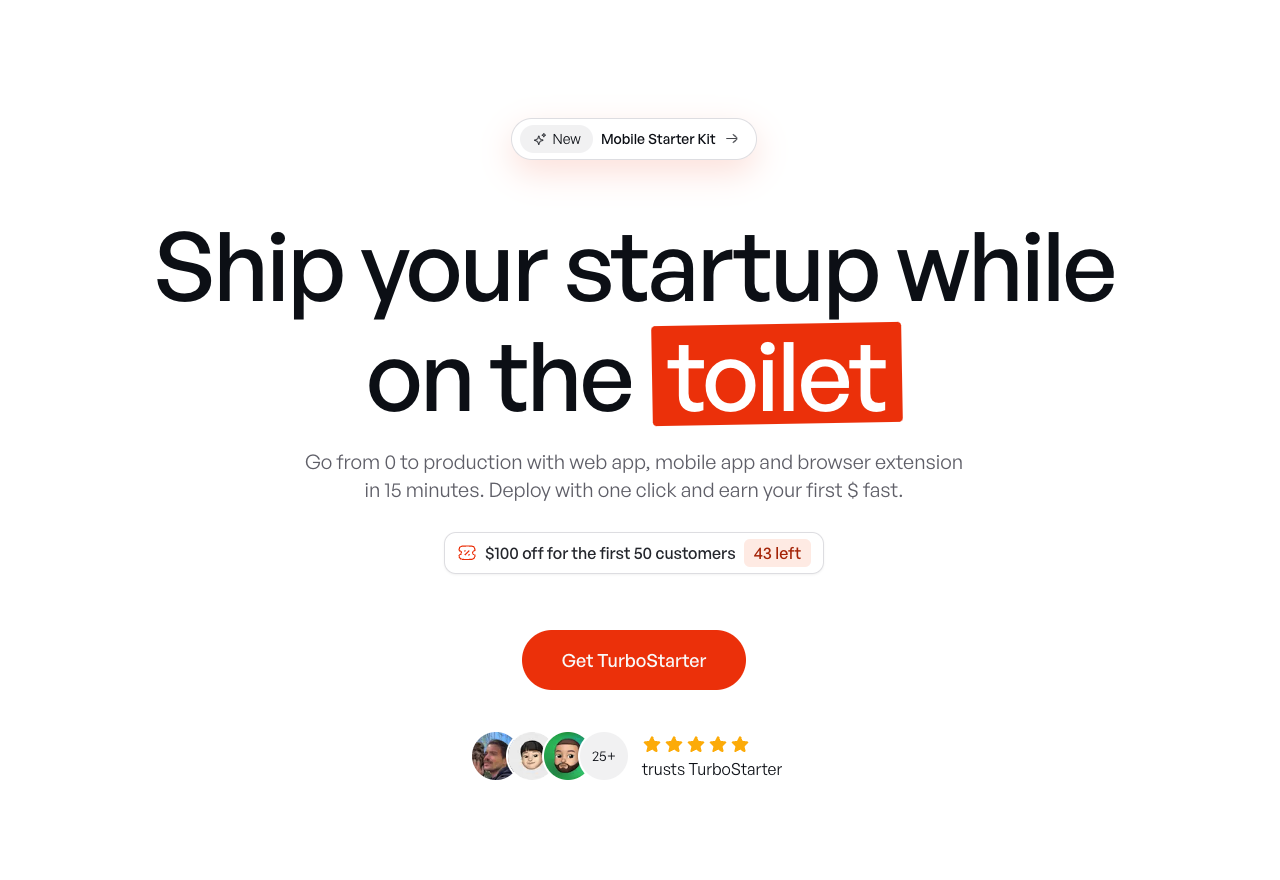
TurboStarter
Ship your startup everywhere. In minutes.
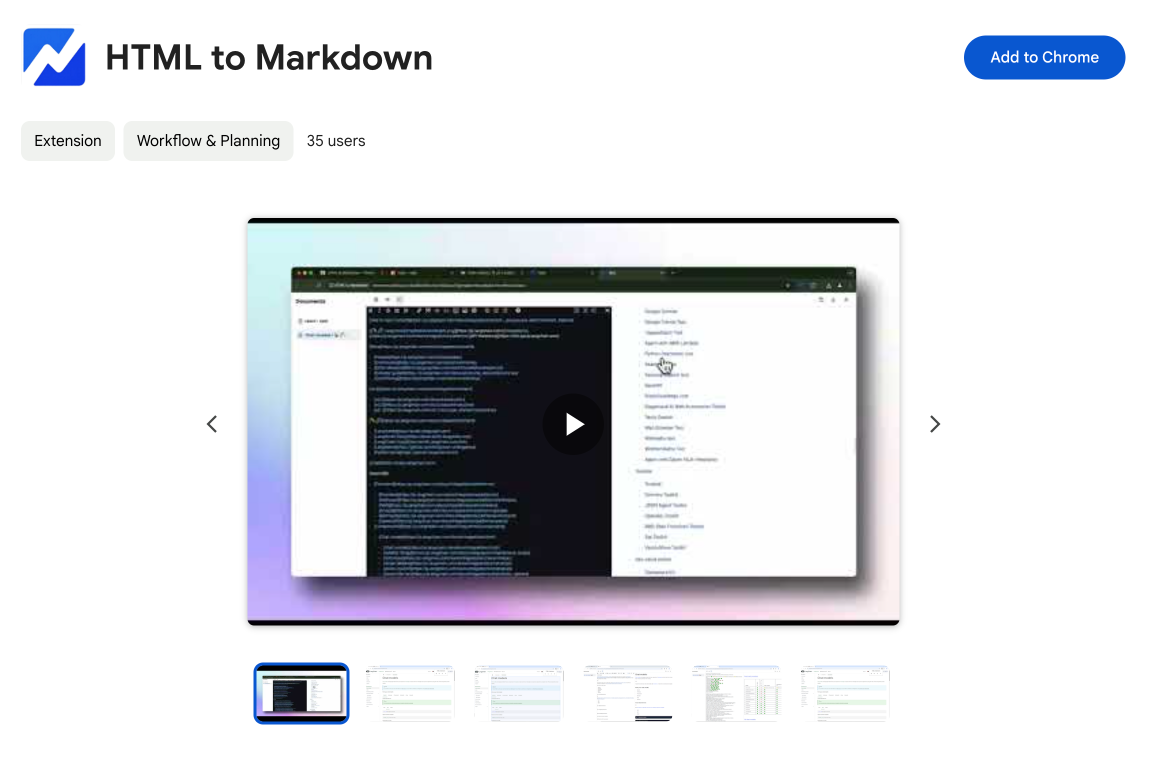
HTML to Markdown
Convert HTML to Markdown with ease, directly in your browser 📄
Dotallio
Personalized AI apps that automate research, data extraction, and content creation without code 🤖
Talk to Santa
Enjoy a magical live video chat or receive a unique AI-generated video greeting from Santa Claus 🎅
pozywka.pl
Scalable blog for food journalist, focused on performance and user experience 🌭
zagrodzki.me
Personal blog and portfolio of Bart Zagrodzki, where he shares his knowledge and work 💼
TurboStarter
Ship your startup everywhere. In minutes.
HTML to Markdown
Convert HTML to Markdown with ease, directly in your browser 📄
Dotallio
Personalized AI apps that automate research, data extraction, and content creation without code 🤖
Talk to Santa
Enjoy a magical live video chat or receive a unique AI-generated video greeting from Santa Claus 🎅
pozywka.pl
Scalable blog for food journalist, focused on performance and user experience 🌭
zagrodzki.me
Personal blog and portfolio of Bart Zagrodzki, where he shares his knowledge and work 💼
TurboStarter
Ship your startup everywhere. In minutes.
HTML to Markdown
Convert HTML to Markdown with ease, directly in your browser 📄
Dotallio
Personalized AI apps that automate research, data extraction, and content creation without code 🤖
Talk to Santa
Enjoy a magical live video chat or receive a unique AI-generated video greeting from Santa Claus 🎅
pozywka.pl
Scalable blog for food journalist, focused on performance and user experience 🌭
zagrodzki.me
Personal blog and portfolio of Bart Zagrodzki, where he shares his knowledge and work 💼
TurboStarter
Ship your startup everywhere. In minutes.
HTML to Markdown
Convert HTML to Markdown with ease, directly in your browser 📄
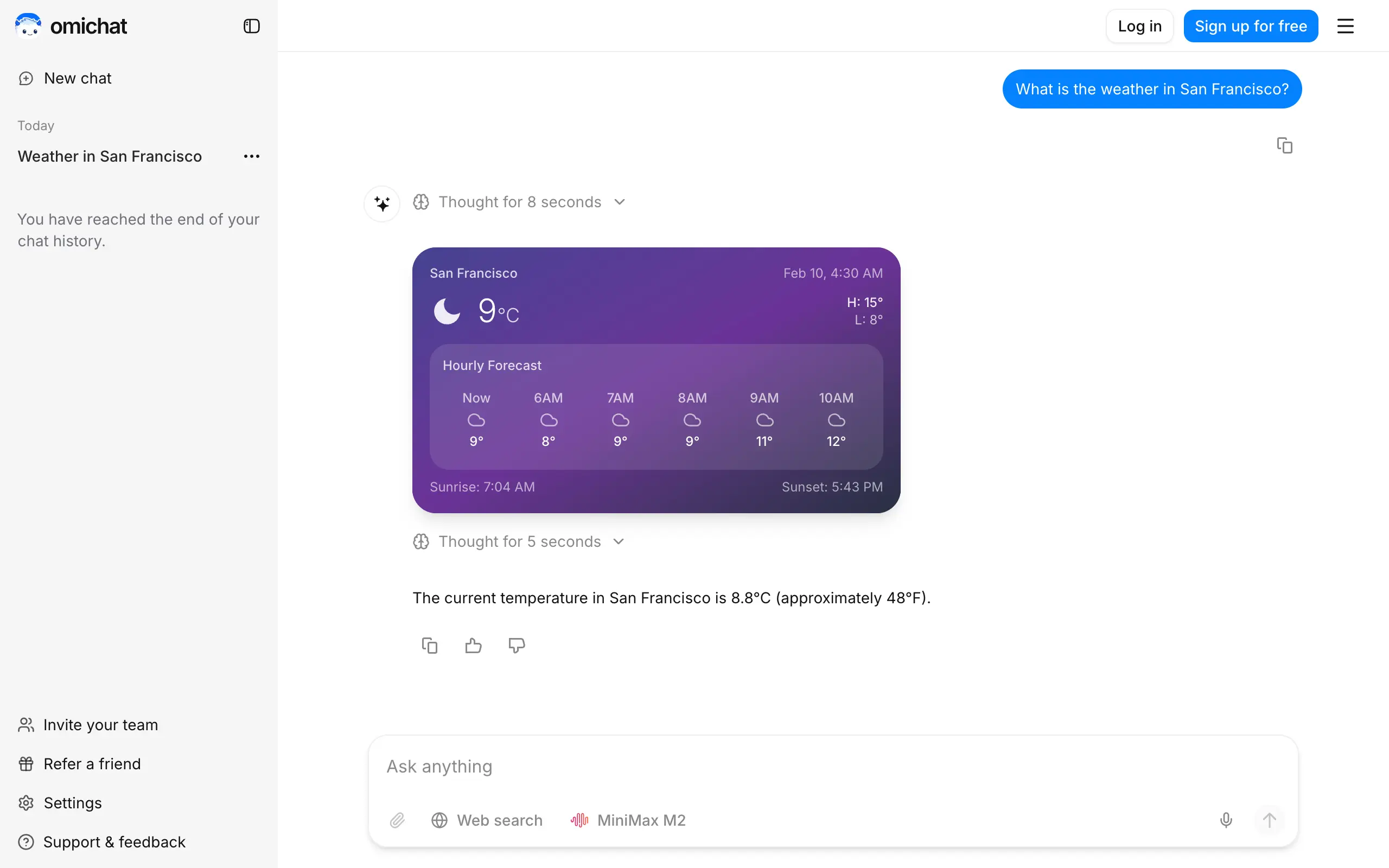
Omichat
Chat with 50+ AI models, including ChatGPT and Claude, in one place - switch models anytime without losing context 🤖
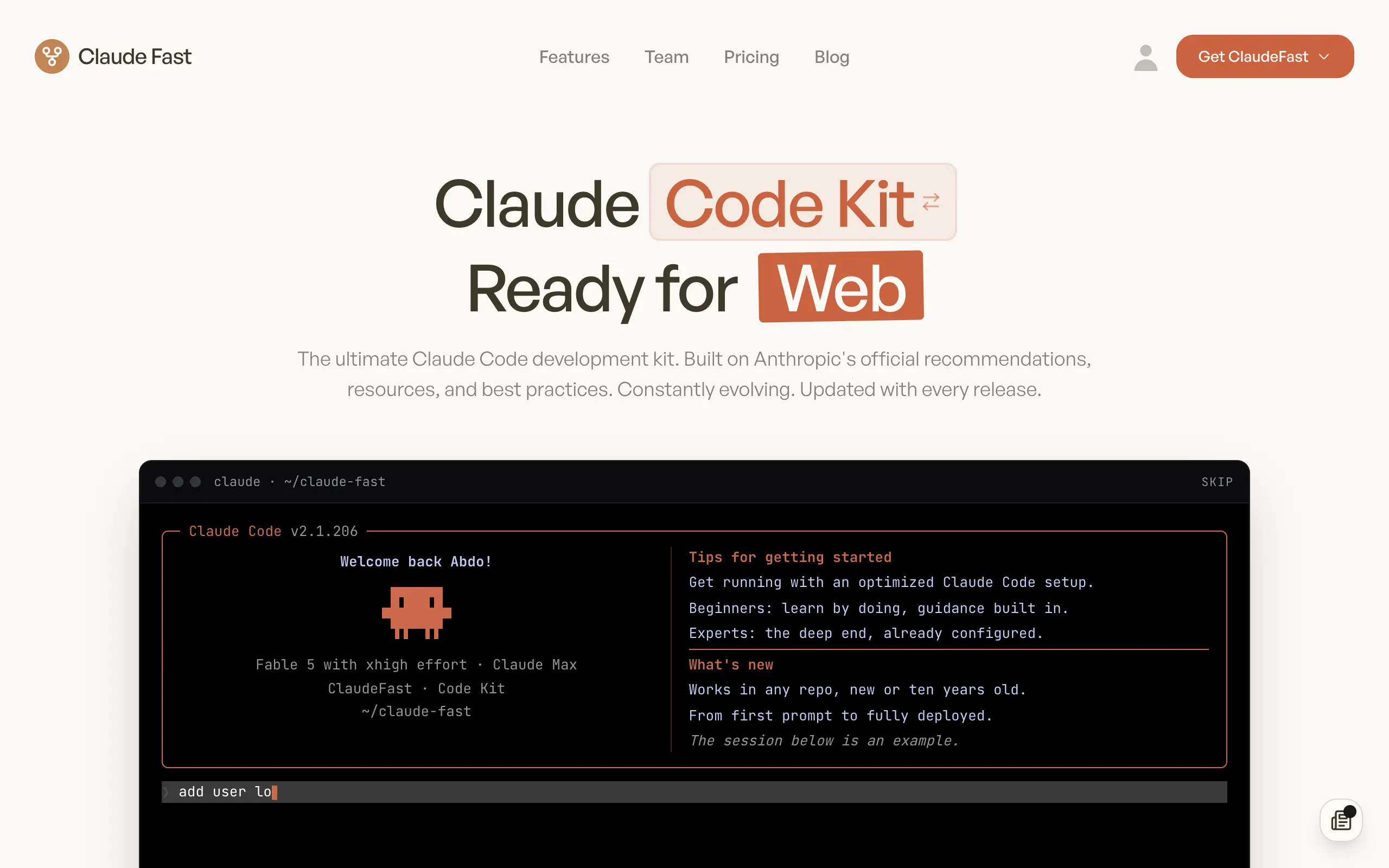
Claude Fast
Supercharge your Claude Code with 6x effective context window and specialized AI agents 🤖
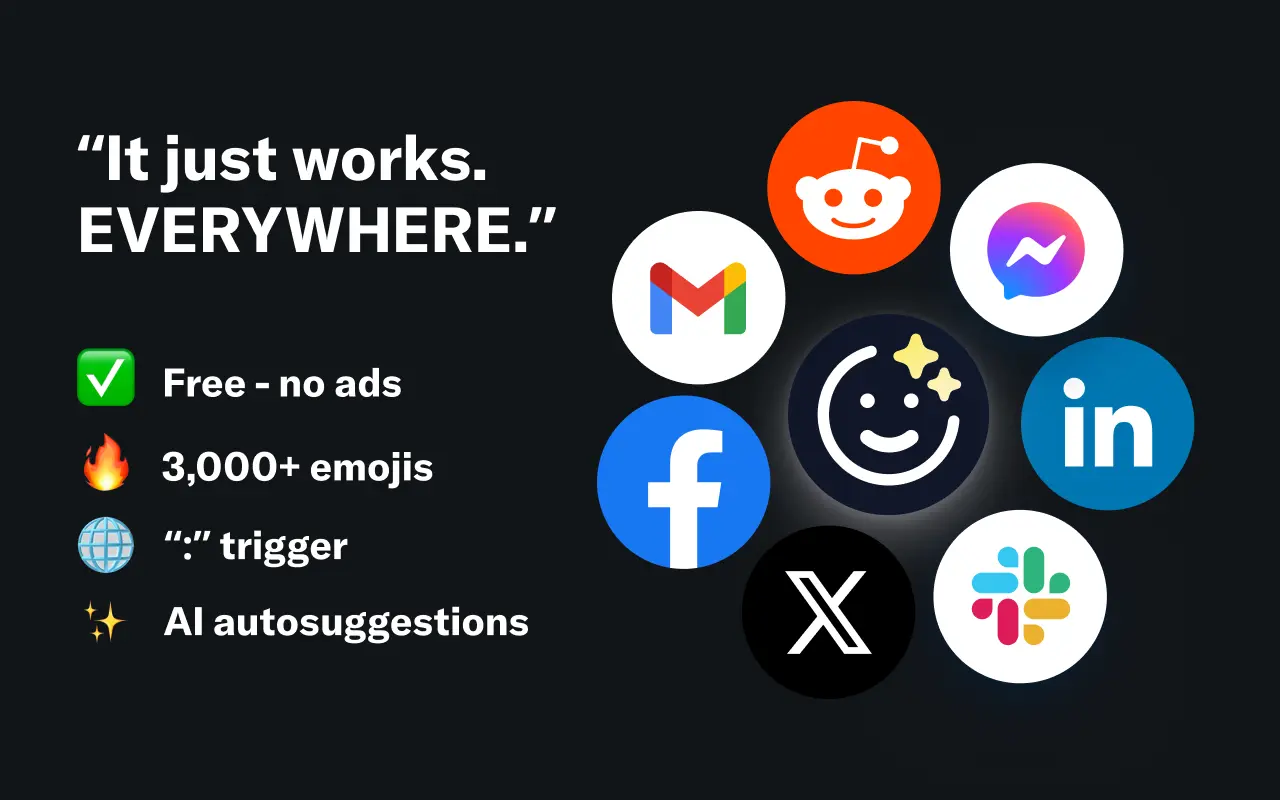
EmojAI
AI-powered emoji picker with smart, context-aware suggestions 🤖
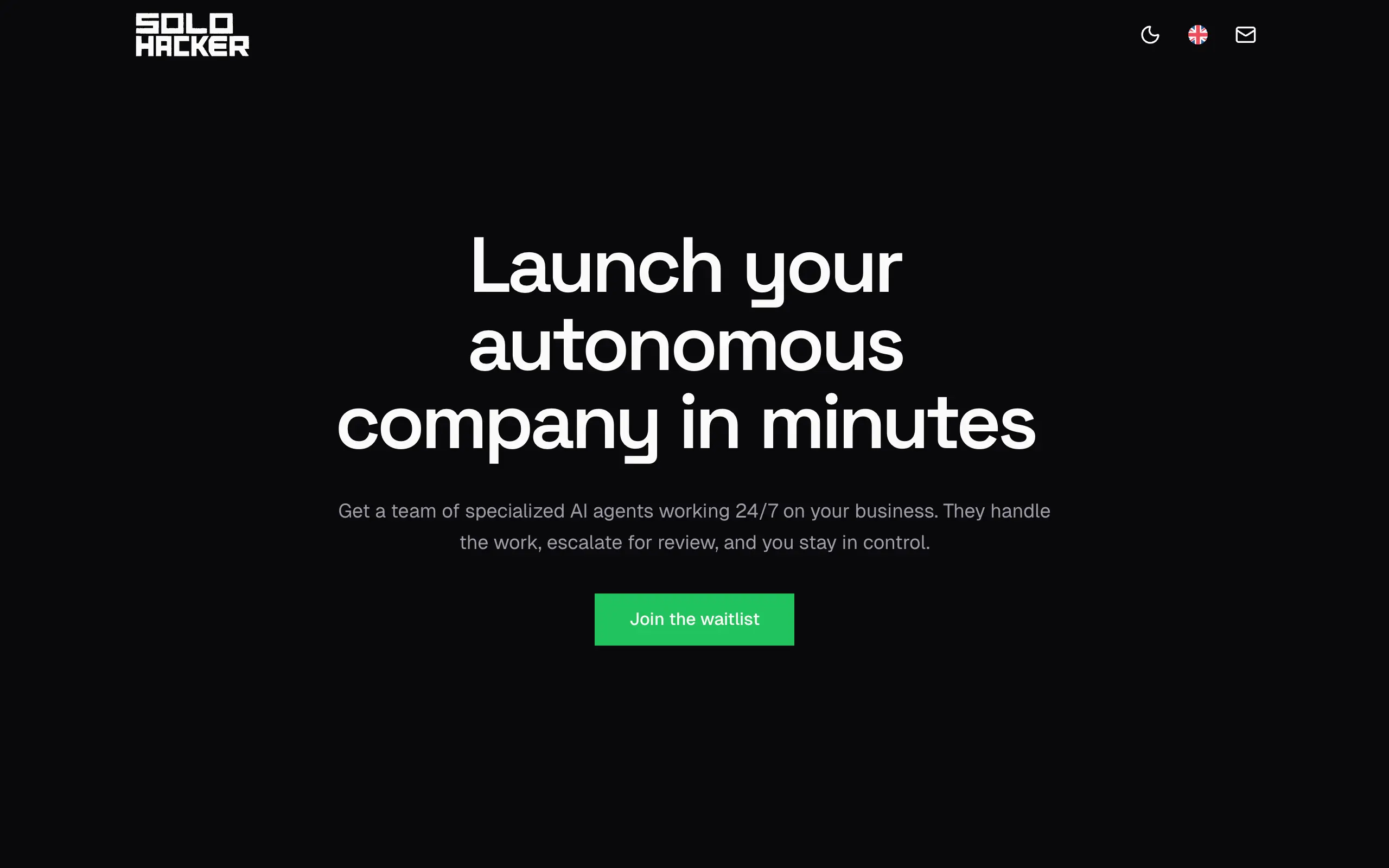
Solohacker
Autonomous company launcher - AI agents work 24/7, escalate what matters, and you stay in control 🤖
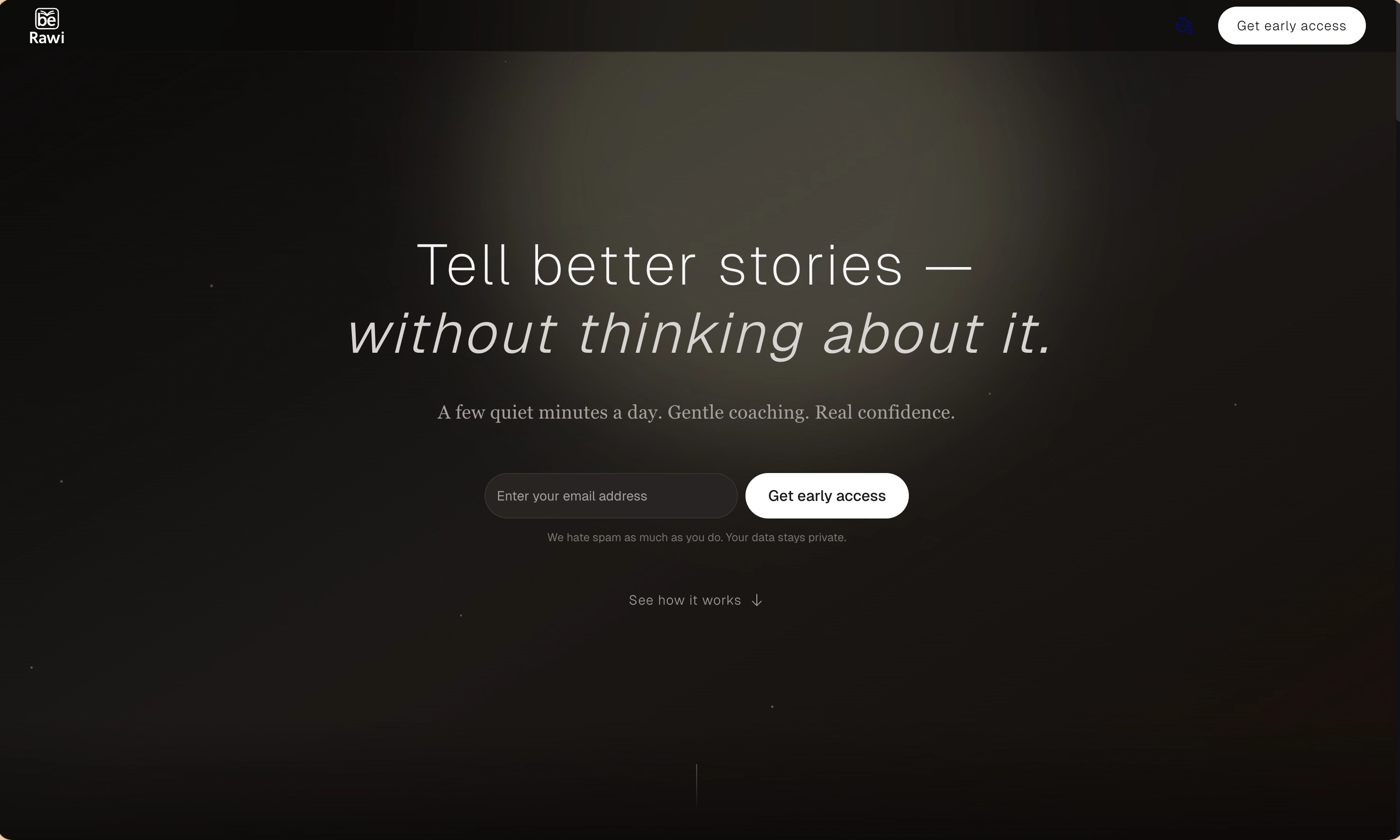
BeRawi: Storytelling Coach
Practice storytelling daily with instant feedback to sound clearer, more engaging, and confident 🎤
Omichat
Chat with 50+ AI models, including ChatGPT and Claude, in one place - switch models anytime without losing context 🤖
Claude Fast
Supercharge your Claude Code with 6x effective context window and specialized AI agents 🤖
EmojAI
AI-powered emoji picker with smart, context-aware suggestions 🤖
Solohacker
Autonomous company launcher - AI agents work 24/7, escalate what matters, and you stay in control 🤖
BeRawi: Storytelling Coach
Practice storytelling daily with instant feedback to sound clearer, more engaging, and confident 🎤
Omichat
Chat with 50+ AI models, including ChatGPT and Claude, in one place - switch models anytime without losing context 🤖
Claude Fast
Supercharge your Claude Code with 6x effective context window and specialized AI agents 🤖
EmojAI
AI-powered emoji picker with smart, context-aware suggestions 🤖
Solohacker
Autonomous company launcher - AI agents work 24/7, escalate what matters, and you stay in control 🤖
BeRawi: Storytelling Coach
Practice storytelling daily with instant feedback to sound clearer, more engaging, and confident 🎤
Omichat
Chat with 50+ AI models, including ChatGPT and Claude, in one place - switch models anytime without losing context 🤖
Claude Fast
Supercharge your Claude Code with 6x effective context window and specialized AI agents 🤖
EmojAI
AI-powered emoji picker with smart, context-aware suggestions 🤖
Solohacker
Autonomous company launcher - AI agents work 24/7, escalate what matters, and you stay in control 🤖
BeRawi: Storytelling Coach
Practice storytelling daily with instant feedback to sound clearer, more engaging, and confident 🎤

Connect with like-minded people
Join our community to get feedback, support, and grow together with 1,000+ builders on board, let's ship it!
Join usShip your startup everywhere. In minutes.
Don't burn tokens on setup and start building features on day one.