EarlyTraction
Centralizes user feedback, feature requests, and competitor tracking to help startups validate ideas and win early adopters with actionable insights.
Understanding the search intent: Why startups need a solution like EarlyTraction
When founders and product teams search for solutions around "user feedback platform," "feature request management," or "competitor tracking tools," their intent is clear: they want to validate product ideas, understand actual user needs, and outmaneuver competitors from day one. In today’s rapid SaaS landscape, gaining early traction with actionable insights is a strategic requirement.
EarlyTraction answers this critical need by offering a unified platform for aggregating, analyzing, and acting on user feedback, feature requests, and competitor data—helping startups optimize early decision-making and outpace rivals in product-market fit.
Who benefits? Target audience analysis for EarlyTraction
Understanding the exact users who will get the most value from EarlyTraction is vital for positioning and growth. The primary audience includes:
- Early-stage startups: Founders and teams (often under 20 people) who need structured feedback to validate MVPs and prioritize the roadmap.
- Product managers and growth leads: Professionals responsible for listening to users, defining what gets built next, and demonstrating traction to investors or stakeholders.
- Startup accelerators/incubators: Organizations supporting multiple new ventures that want to streamline early user feedback and competitor tracking across their portfolios.
- SaaS companies pre-Series A: Growing teams without dedicated full-lifecycle feedback or product research tools.
Pain points this audience faces:
- Feedback spread across emails, Slack, forums, and social channels.
- Feature requests get lost or ignored; voting is messy.
- Competitive intelligence is manual, fragmented, and unreliable.
- Hard to prioritize features that win early adopters—decisions lack evidence.
- Difficult to show “traction” via actionable metrics to investors, accelerators, or press.
Pro tip
Validating your product roadmap with structured user and competitor insights can increase speed-to-market and reduce the risk of building features nobody wants.
What market gap does EarlyTraction fill?
There are existing solutions for user feedback platforms (like Canny, UserVoice), feature boards (Productboard, Trello), and separate competitor tracking tools. But most early-stage startups can’t afford (in time or budget) to maintain multiple siloed tools—and none natively connects feedback + feature management + competitor insights in a single, actionable hub.
EarlyTraction uniquely centralizes all three—creating immense leverage:
- Single source of truth for all user inputs and competitive data.
- Provides actionable scoring, trends, and validation evidence founders can use immediately.
- Purpose-built for startups: quick to set up, with pricing/prioritization for small teams.
- Reduces tool fatigue and context switching.
Market opportunity highlights:
- Over 100K new startups launch yearly (globally)—all in need of early traction and validation.
- Investors increasingly demand evidence of direct user feedback loops and competitive differentiation even before seed rounds.
- [Reference]: For statistics on startup failures due to lack of product-market fit, see credible sources such as CB Insights' research.
Core features: How EarlyTraction solves the startup feedback and validation challenge
Let’s break down how the platform combines its capabilities for maximum impact.
Centralized user feedback collection
- Unified inbox (email, in-app widgets, integrations) collects feedback from customers, beta testers, and stakeholders.
- Tag, categorize, and assign feedback items automatically using natural language processing.
Feature request management with evidence-based prioritization
- Users and internal teams submit, upvote, and discuss features in a transparent, engaging interface.
- Customizable scoring to balance impact, effort, frequency, and strategic fit.
- Connects feature requests directly to supporting feedback for traceable decision-making.
Competitor tracking dashboard
- Monitor top competitors’ feature launches, updates, user reviews, and pricing changes.
- Automatic or semi-automated data ingestion from public sources, newsletters, and competitive intelligence APIs.
- Side-by-side comparison tools highlight feature gaps and opportunities.
Actionable insight reports
- Auto-generated reports on top-requested features, feedback trends, and “traction signals.”
- Downloadable summaries and one-click share/export for team meetings or investor updates.
Integrations and collaboration
- Native integrations (Slack, Jira, Trello, Notion) and robust webhooks.
- Assign feedback or feature requests to product owners, engineers, or support.
- Notification and comments keep collaboration effective yet focused.
All-in-one feedback hub
Centralizes input from every user channel and connects it to feature outcomes.
Competitor tracking made easy
Monitor and summarize what top rivals are releasing—without leaving your dashboard.
Insights that drive decisions
Move beyond raw votes: see what matters most to users and stakeholders at a glance.
Recommended tech stack for building EarlyTraction
The choice of stack should reflect the need for speed, scalability, and integration with modern SaaS workflows.
Frontend
- React: High flexibility for interactive dashboards, real-time updates, and widget integrations.
- TailwindCSS: Rapid iteration on consistent UI with maintainable utility-first styling.
- TypeScript: Ensures safety and better collaboration, especially as the app scales.
Backend
- Node.js (Express or NestJS): Handles integrations, real-time collaboration, and quick prototyping.
- PostgreSQL: Reliable, relational data store for structured feedback, user accounts, voting, and competitive data.
- Redis: Fast in-memory store for queuing, caching, notifications.
Other core components
- Search & ML: Algolia or Elastic for fast searching and filtering, some custom AI/ML for tagging/prioritizing user feedback.
- Integrations: Slack, Jira, Trello APIs.
- Authentication: Auth0 or Magic.link for rapid yet secure onboarding.
- React for rich UIs
- TailwindCSS for consistent styling
- TypeScript for code safety
- Integration SDKs for embedding widgets
- Node.js (REST + WebSocket support)
- PostgreSQL for relational data modeling
- Redis for real-time needs
- Integrations with Slack, Jira, and analytics tools
Tradeoffs to consider:
- Going serverless (e.g., with Vercel/Serverless Functions) could simplify ops but may complicate real-time data updates for heavy collaboration.
- Pure NoSQL (Firestore, MongoDB) offers agility but makes complex relationships or reporting harder as the schema evolves.
Monetization strategy options for EarlyTraction
SaaS in the early-stage feedback and validation space succeeds with:
1. Tiered subscription pricing
- Free Plan: Limited to 1 workspace, basic integrations, capped tracked competitors.
- Startup Plan: Adds automation, unlimited requests, limited competitor tracking.
- Growth Plan: Advanced insights, premium integrations, multi-workspace, priority support.
2. White-label and API upsells
- Teams or accelerators pay for white-label dashboards or embed key features in their ecosystems.
- API access for integrating EarlyTraction insights into other business intelligence workflows.
3. Add-on services
- Data enrichment (automated competitor monitoring, advanced report generation).
- Onboarding/training packages.
Typical SaaS model advantages:
- Predictable MRR.
- Room for expansion revenue as customers scale or adopt advanced features.
| MRR model | Freemium | API Upsell | White-label | Ad-supported |
|---|---|---|---|---|
| ✅ | ❌ | ❌ | ✅ | ❌ |
| ✅ | ❌ | ✅ | ✅ | ❌ |
Risk assessment and mitigation strategies
No SaaS idea comes risk-free. EarlyTraction’s most relevant risks:
1. Fragmented or low-quality feedback
If users only sporadically submit feedback, or if feedback is too generic, insights can lack actionable value.
Mitigation:
- Offer in-context feedback widgets with gentle prompts.
- Gamify participation (badges, public leaderboards).
- Use NLP/AI to surface and consolidate valuable themes.
2. Feature bloat
Trying to serve all audiences (PMs, sales, marketing) can lead to an unfocused product.
Mitigation:
- Prioritize feedback and features using evidence-based scoring mechanisms (core product-market fit).
- Start with startups, then gradually expand.
3. Privacy, data security, and compliance
Collecting feedback and competitor data invokes GDPR and other legal requirements.
Mitigation:
- Bake in privacy-first data handling from the start.
- Offer clear opt-in and export/delete options.
- Use established services for authentication and audit trail features.
4. Competitive overlap
The feedback and competitor tracking market is noisy. Larger players can copy features.
Mitigation:
- Build niche-specific USPs (e.g., fastest time-to-value for startups; one-click traction reporting).
- Invest in product-led growth and word-of-mouth via developer and founder communities.
Competitive advantage analysis: Why EarlyTraction is uniquely positioned
While Canny, UserVoice, and others offer point solutions, EarlyTraction’s competitive edge lies in true unification. Instead of requiring teams to synchronize three different tools and manually merge feedback with competitor data, startups can see the full context—user voice, market shifts, and feature priorities—in one workflow.
Differentiators:
- Purpose-built for high-velocity startup teams under 30.
- Onboarding in minutes, not weeks—founders can set up and invite early users instantly.
- Lightweight, actionable reporting (not just heavy “export PDFs”).
- Built-in competitor monitoring—unique at this stage and price.
- Strong founder-level metrics for investor storytelling (“here’s the validated need, here’s how we stack up”).
By aggregating every feedback stream, assigning evidence scores, and auto-generating reports on the most validated feature opportunities—all in one place.
Yes, with native integrations for Slack, Jira, Trello, and more, plus API/webhook support.
The tiered model ensures early-stage teams can start on a free or budget plan, expanding only as their needs grow.
Recent trends and best practices: Staying ahead in user feedback and competitor intelligence
To make EarlyTraction successful, it’s vital to acknowledge ongoing trends:
- AI-assisted insights: More user feedback tools now leverage NLP and machine learning. EarlyTraction should integrate or enable these for automatic topic clustering, sentiment analysis, and smart prioritization.
- Remote/distributed product teams: Collaboration tools must be async-friendly—notifications, comments, and integrations are key.
- Product-led growth: Empowering early power users and public roadmaps drives organic adoption. EarlyTraction’s transparent voting and reporting can amplify this effect.
- Investor-readiness: Investor due diligence, even pre-seed, demands hard evidence of user demand—platforms enabling one-click traction export gain credibility.
Industry insight
Startups using a unified user feedback and competitor dashboard are twice as likely to pivot successfully before running out of capital, per leading accelerator reports. [Reference suggestion: a reputable startup accelerator's study.]
How to implement EarlyTraction: Step-by-step actionable guide
Launching EarlyTraction as your user feedback and competitor tracking hub can be straightforward. Here’s a typical rollout flow:
Set up an EarlyTraction account, invite core team members (product, support, marketing).
Connect feedback sources (email capture, in-app widget, Slack channel, etc.).
Configure your public feature request board and decide on voting/prioritization rules.
Add primary competitors to the tracking dashboard and select attributes to monitor (features, pricing, user sentiment).
Establish a regular feedback review and decision cycle (weekly or biweekly).
Integrate EarlyTraction with your workflow tools (Jira, Trello, Notion).
Share insights/reports during team stand-ups and in investor updates.
The EarlyTraction unique selling proposition: Why startups trust it for early validation
EarlyTraction doesn’t just centralize information—it transforms noise into actionable early adopter signals. In a world where most startups fail from building the wrong thing, it arms founders with the confidence and data to pivot, iterate, and win, from idea to early customers and beyond.
By combining ease of adoption, transparent feedback loops, and competition-aware prioritization, EarlyTraction becomes not just a tool but a core part of the early-stage SaaS operating system.
Next steps: Bringing EarlyTraction to your startup
If you’re an early-stage team—or support them—integrating EarlyTraction quickly elevates how you understand, prioritize, and leverage user and competitor insights. Modern SaaS growth isn’t just about launching features: it’s about proving the demand, outmaneuvering rivals, and earning early loyalty.
To accelerate your journey from idea to traction, explore TurboStarter for streamlined SaaS launching, or visit the EarlyTraction homepage to learn more.
Frequently asked questions
Yes. Its unified platform is designed specifically to minimize tool overload and maximize actionable insights.
EarlyTraction’s development is informed by its own feedback loop—roadmap updates are shared with all users.
Most startups report actionable results within their first week, thanks to rapid onboarding and default integrations.
See our tiered plans, starting with a free basic option.
With EarlyTraction, every piece of feedback and every market signal becomes a stepping stone to traction, validation, and sustainable SaaS growth.
More 🏢 B2B Application SaaS ideas
Discover more innovative b2b application SaaS ideas that are trending in 2026. Each idea is AI-generated with market validation and growth potential to help you find your next profitable venture faster than competitors.
Your competitors are building with TurboStarter
Below are some of the SaaS ideas that have been generated and built with our starter kit.

Statiko
Monitor any Telegram channel in real time - track posts, edits, deletions, and growth with AI recaps 📡

Shibui
AI website builder - describe your business, pick a niche template, edit by chatting, and publish instantly ✨

Pro Service
Find verified home service professionals, compare quotes, and pay securely through escrow - built for Brazilians across the US 🏠
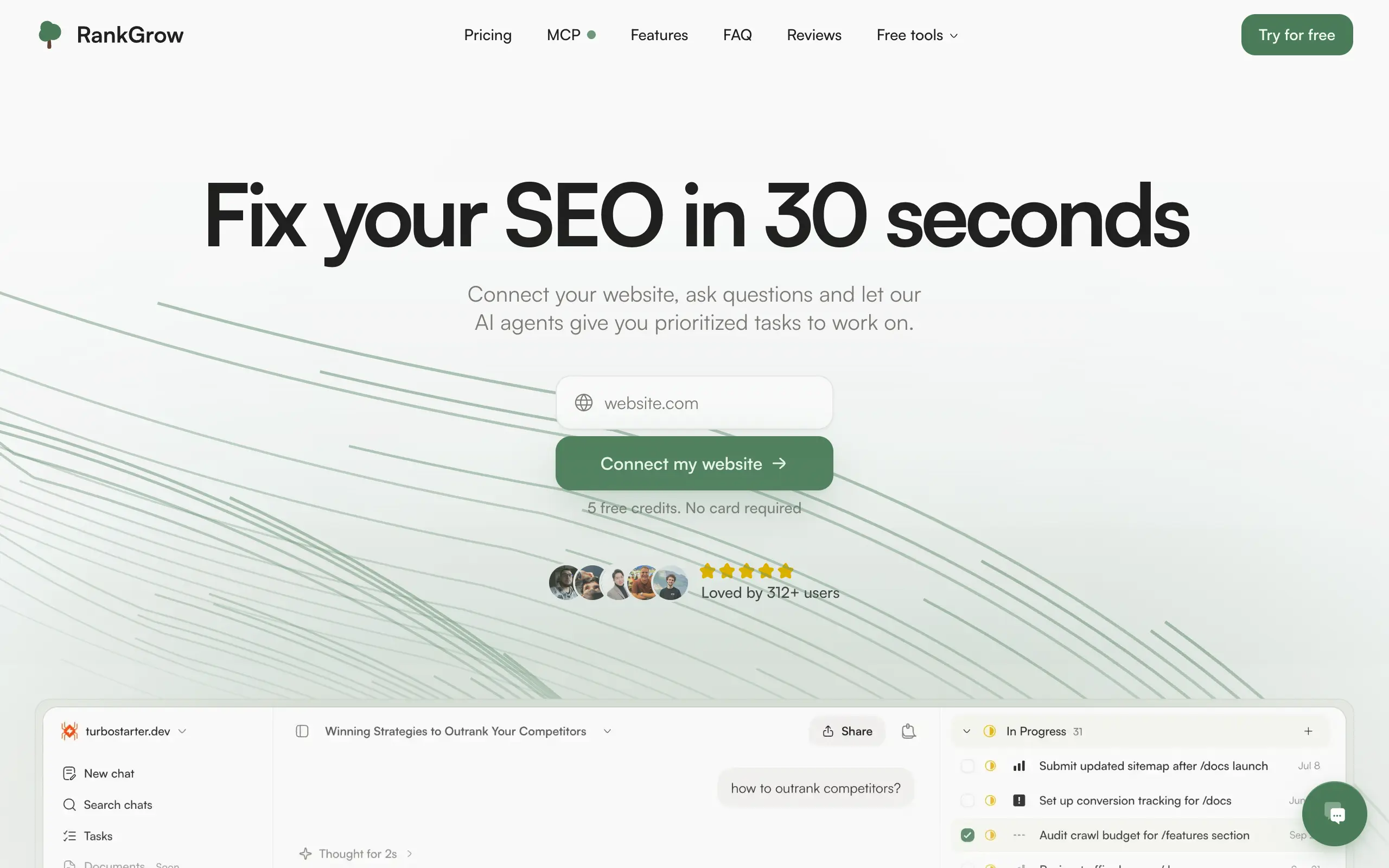
RankGrow
Fix your SEO with AI agents - connect Search Console, get prioritized tasks, and grow organic traffic 📈
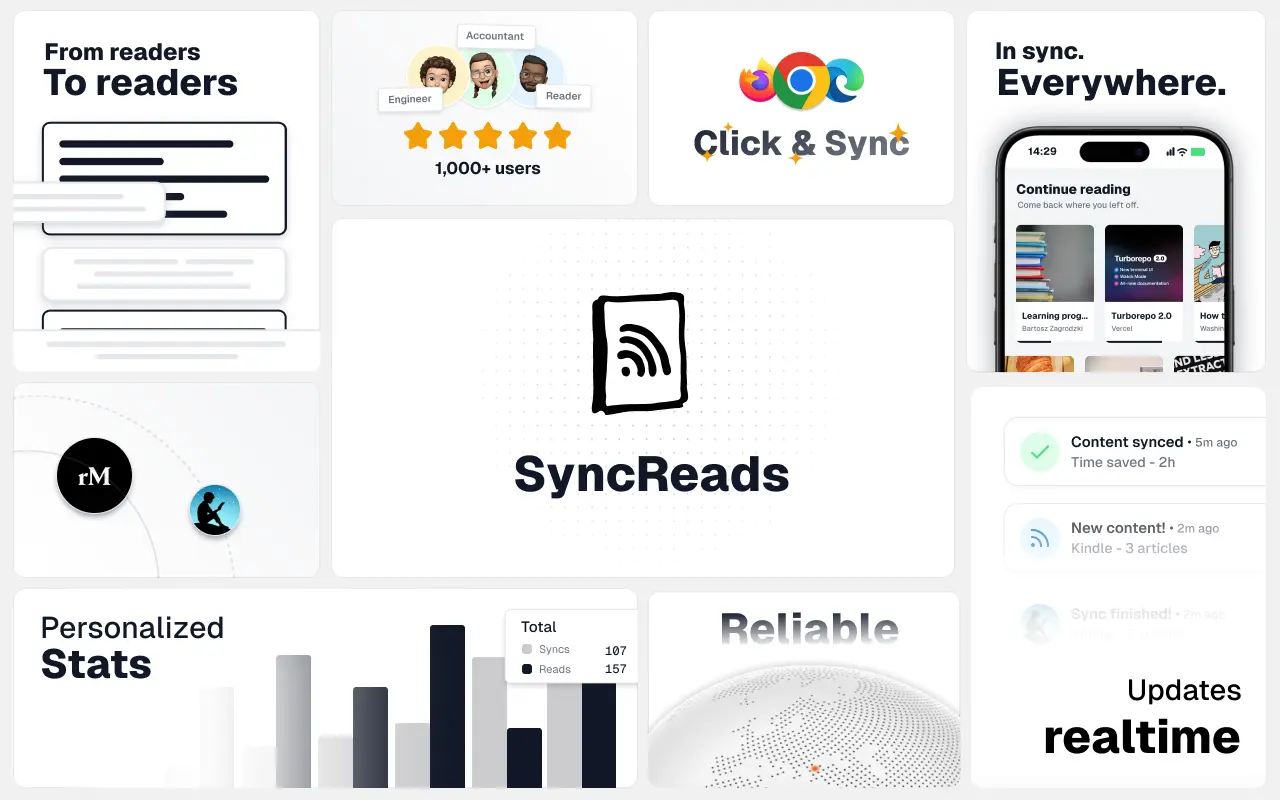
SyncReads
Sync your favorite content for distraction-free reading, save time and replace multiple apps. Anytime, anywhere 🔄
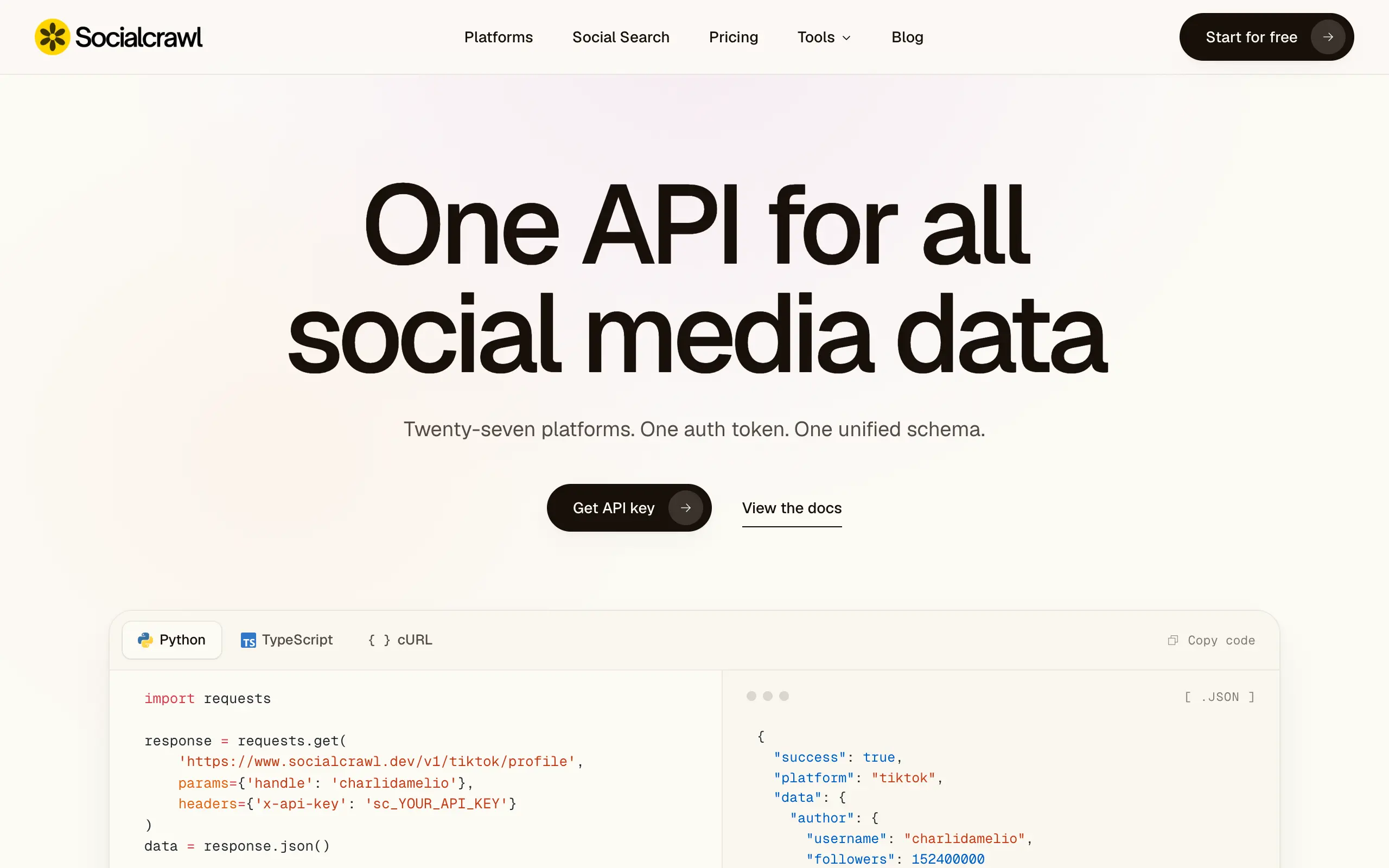
Socialcrawl
Get clean, structured data from 21 platforms like TikTok, Instagram, and YouTube with a single request 📊
Statiko
Monitor any Telegram channel in real time - track posts, edits, deletions, and growth with AI recaps 📡
Shibui
AI website builder - describe your business, pick a niche template, edit by chatting, and publish instantly ✨
Pro Service
Find verified home service professionals, compare quotes, and pay securely through escrow - built for Brazilians across the US 🏠
RankGrow
Fix your SEO with AI agents - connect Search Console, get prioritized tasks, and grow organic traffic 📈
SyncReads
Sync your favorite content for distraction-free reading, save time and replace multiple apps. Anytime, anywhere 🔄
Socialcrawl
Get clean, structured data from 21 platforms like TikTok, Instagram, and YouTube with a single request 📊
Statiko
Monitor any Telegram channel in real time - track posts, edits, deletions, and growth with AI recaps 📡
Shibui
AI website builder - describe your business, pick a niche template, edit by chatting, and publish instantly ✨
Pro Service
Find verified home service professionals, compare quotes, and pay securely through escrow - built for Brazilians across the US 🏠
RankGrow
Fix your SEO with AI agents - connect Search Console, get prioritized tasks, and grow organic traffic 📈
SyncReads
Sync your favorite content for distraction-free reading, save time and replace multiple apps. Anytime, anywhere 🔄
Socialcrawl
Get clean, structured data from 21 platforms like TikTok, Instagram, and YouTube with a single request 📊
Statiko
Monitor any Telegram channel in real time - track posts, edits, deletions, and growth with AI recaps 📡
Shibui
AI website builder - describe your business, pick a niche template, edit by chatting, and publish instantly ✨
Pro Service
Find verified home service professionals, compare quotes, and pay securely through escrow - built for Brazilians across the US 🏠
RankGrow
Fix your SEO with AI agents - connect Search Console, get prioritized tasks, and grow organic traffic 📈
SyncReads
Sync your favorite content for distraction-free reading, save time and replace multiple apps. Anytime, anywhere 🔄
Socialcrawl
Get clean, structured data from 21 platforms like TikTok, Instagram, and YouTube with a single request 📊
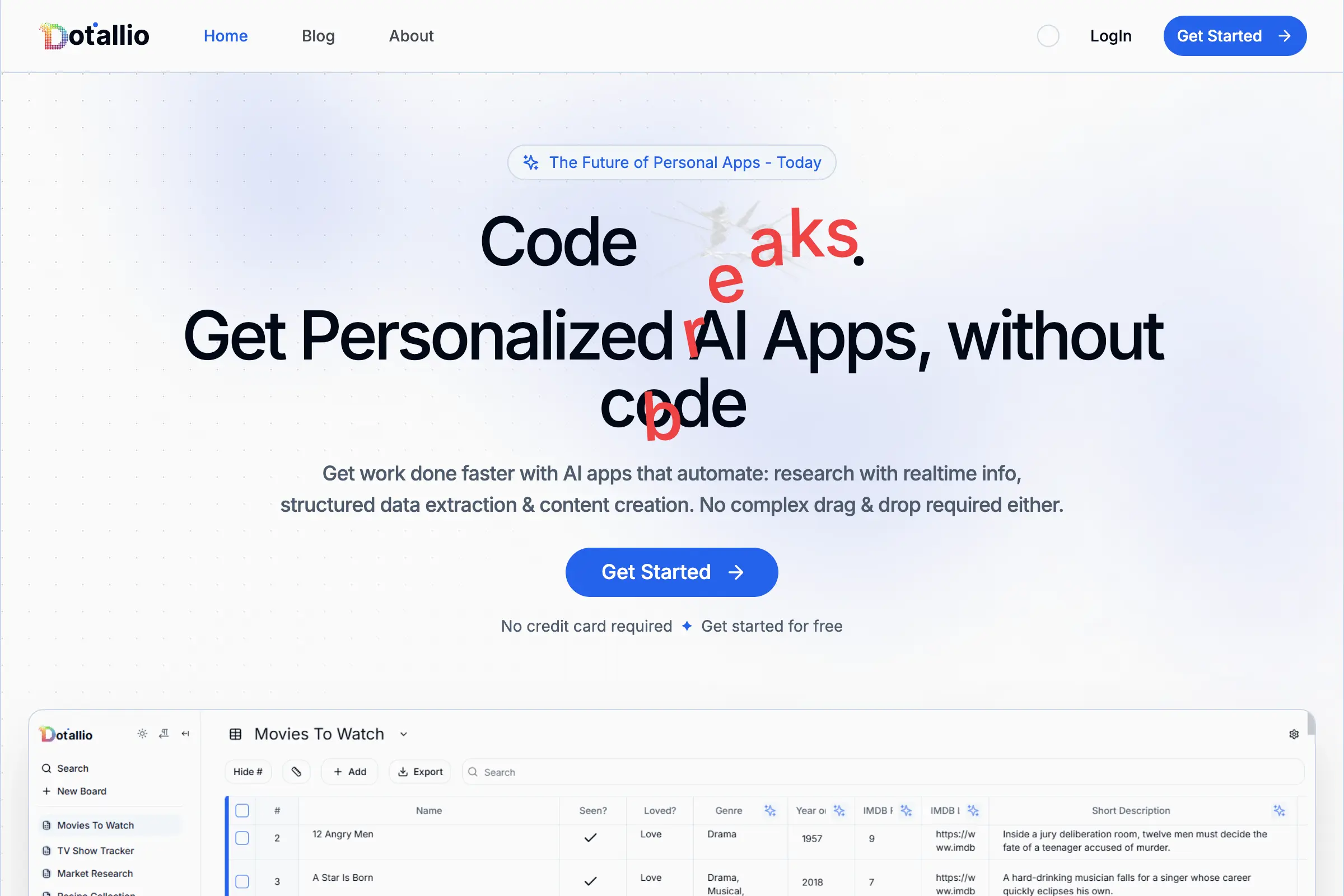
Dotallio
Personalized AI apps that automate research, data extraction, and content creation without code 🤖

Talk to Santa
Enjoy a magical live video chat or receive a unique AI-generated video greeting from Santa Claus 🎅

pozywka.pl
Scalable blog for food journalist, focused on performance and user experience 🌭
zagrodzki.me
Personal blog and portfolio of Bart Zagrodzki, where he shares his knowledge and work 💼
TurboStarter
Ship your startup everywhere. In minutes.
HTML to Markdown
Convert HTML to Markdown with ease, directly in your browser 📄
Dotallio
Personalized AI apps that automate research, data extraction, and content creation without code 🤖
Talk to Santa
Enjoy a magical live video chat or receive a unique AI-generated video greeting from Santa Claus 🎅
pozywka.pl
Scalable blog for food journalist, focused on performance and user experience 🌭
zagrodzki.me
Personal blog and portfolio of Bart Zagrodzki, where he shares his knowledge and work 💼
TurboStarter
Ship your startup everywhere. In minutes.
HTML to Markdown
Convert HTML to Markdown with ease, directly in your browser 📄
Dotallio
Personalized AI apps that automate research, data extraction, and content creation without code 🤖
Talk to Santa
Enjoy a magical live video chat or receive a unique AI-generated video greeting from Santa Claus 🎅
pozywka.pl
Scalable blog for food journalist, focused on performance and user experience 🌭
zagrodzki.me
Personal blog and portfolio of Bart Zagrodzki, where he shares his knowledge and work 💼
TurboStarter
Ship your startup everywhere. In minutes.
HTML to Markdown
Convert HTML to Markdown with ease, directly in your browser 📄
Dotallio
Personalized AI apps that automate research, data extraction, and content creation without code 🤖
Talk to Santa
Enjoy a magical live video chat or receive a unique AI-generated video greeting from Santa Claus 🎅
pozywka.pl
Scalable blog for food journalist, focused on performance and user experience 🌭
zagrodzki.me
Personal blog and portfolio of Bart Zagrodzki, where he shares his knowledge and work 💼
TurboStarter
Ship your startup everywhere. In minutes.
HTML to Markdown
Convert HTML to Markdown with ease, directly in your browser 📄
Omichat
Chat with 50+ AI models, including ChatGPT and Claude, in one place - switch models anytime without losing context 🤖
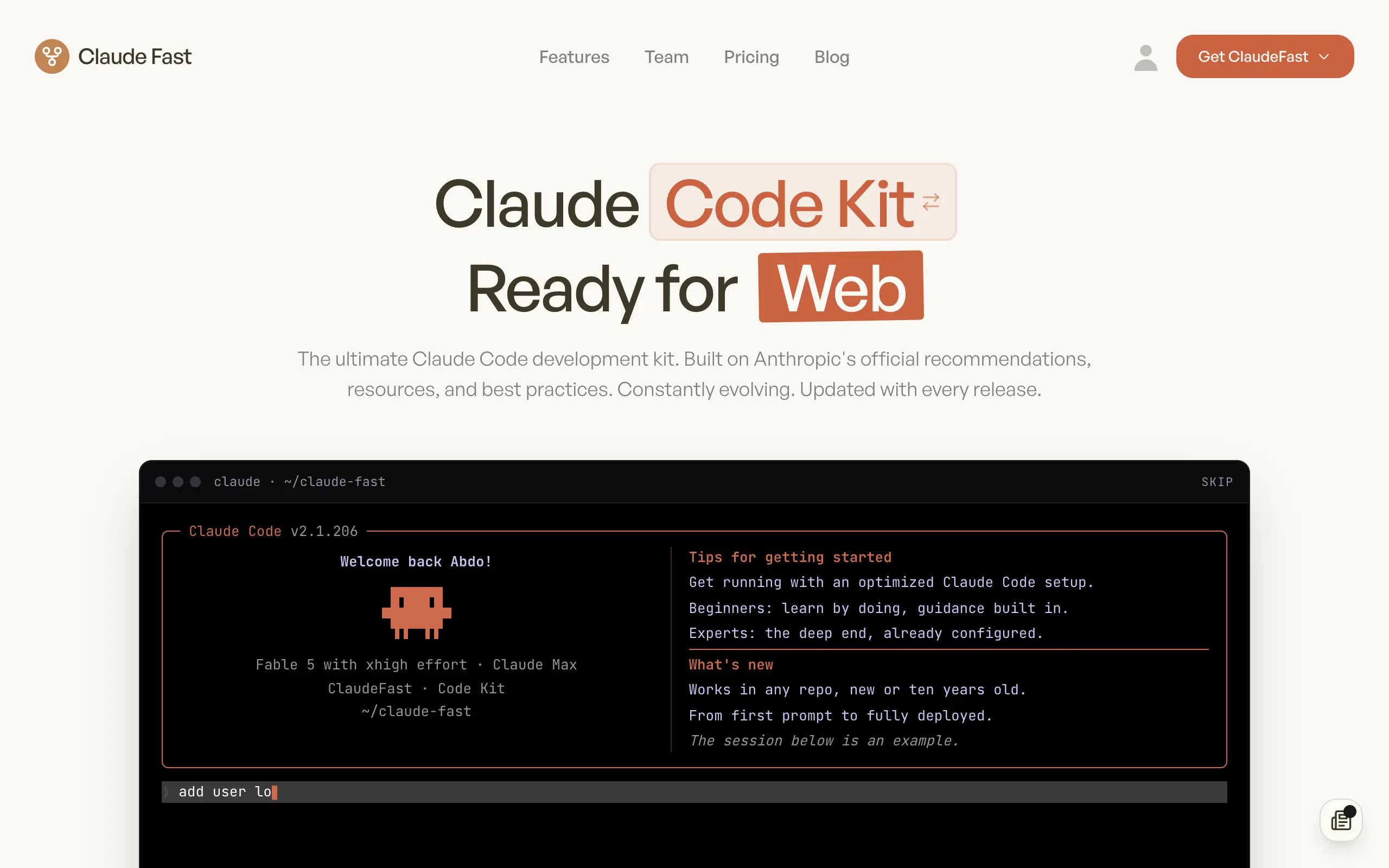
Claude Fast
Supercharge your Claude Code with 6x effective context window and specialized AI agents 🤖
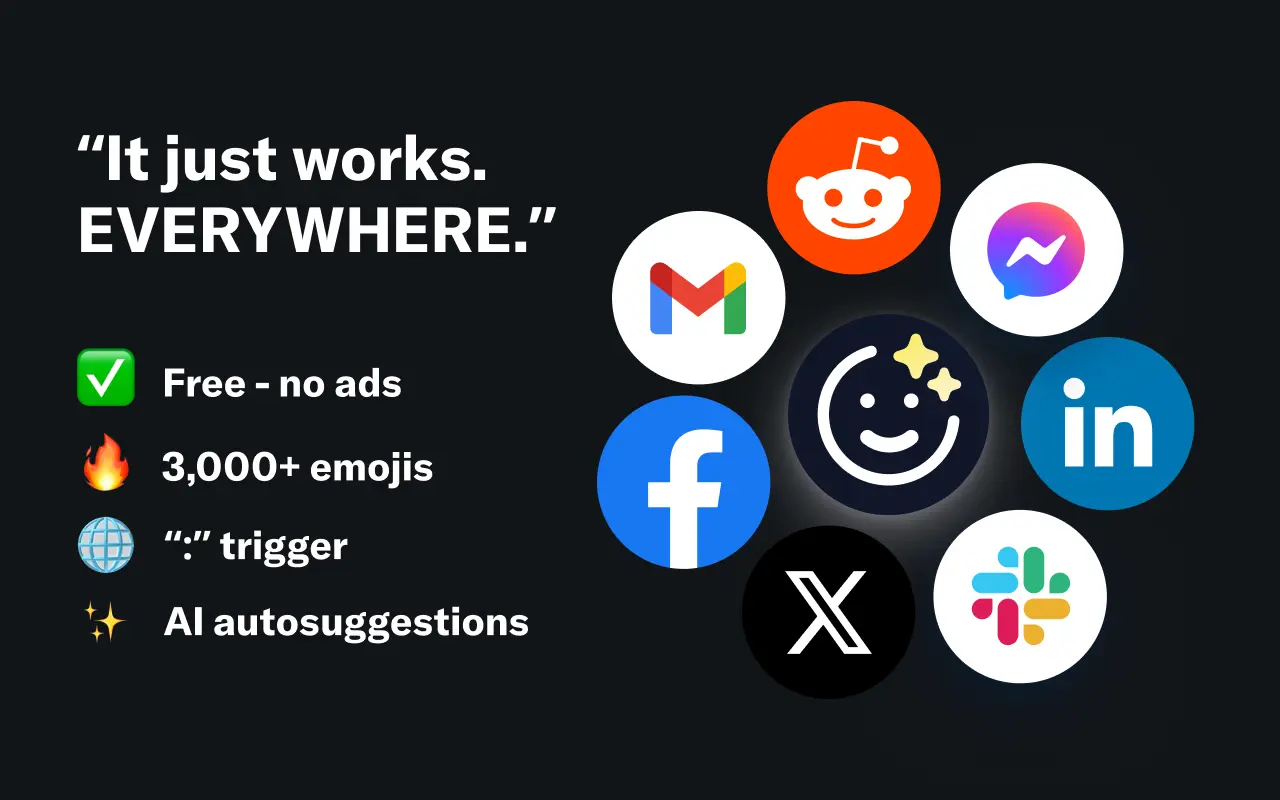
EmojAI
AI-powered emoji picker with smart, context-aware suggestions 🤖
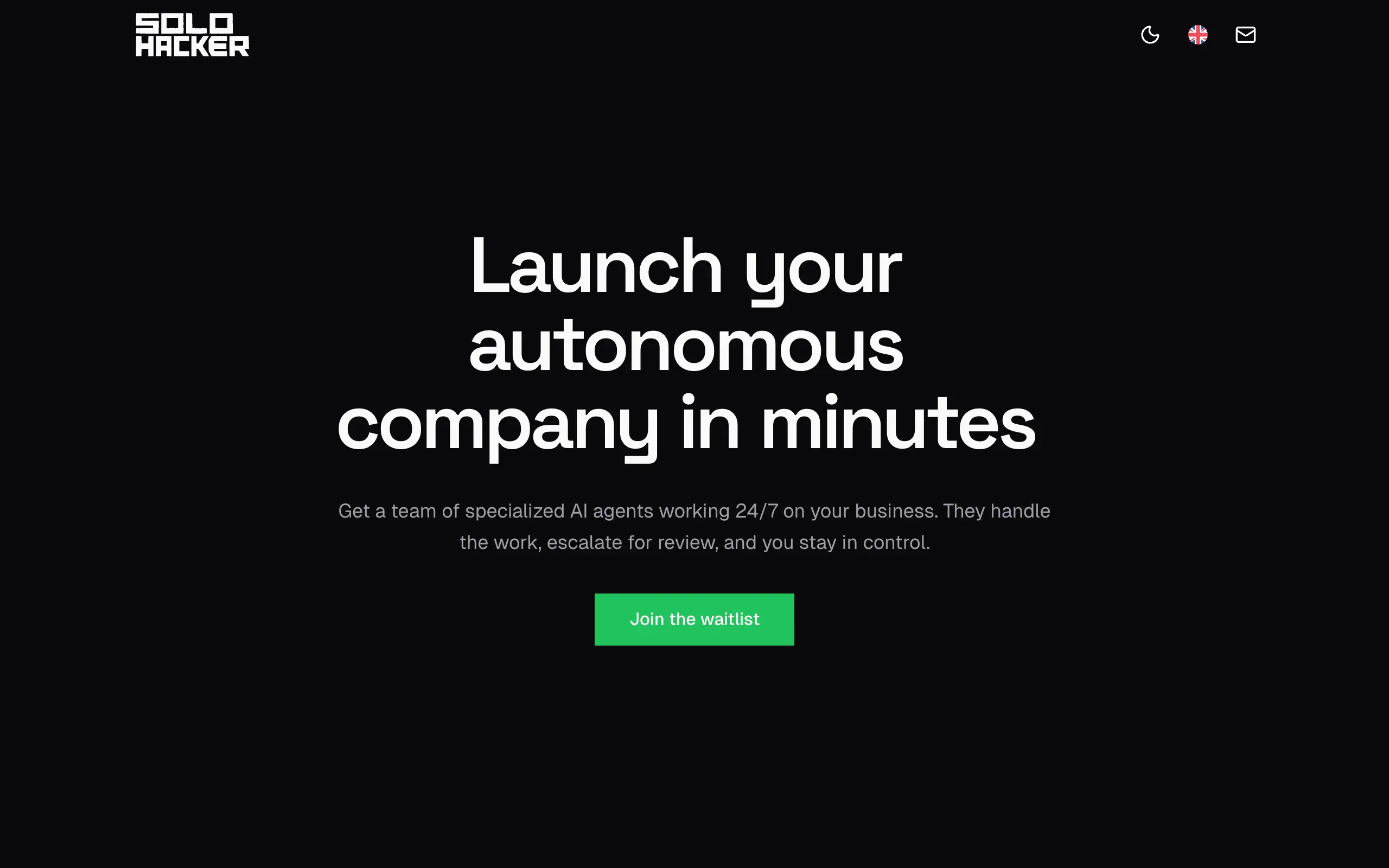
Solohacker
Autonomous company launcher - AI agents work 24/7, escalate what matters, and you stay in control 🤖

BeRawi: Storytelling Coach
Practice storytelling daily with instant feedback to sound clearer, more engaging, and confident 🎤
Omichat
Chat with 50+ AI models, including ChatGPT and Claude, in one place - switch models anytime without losing context 🤖
Claude Fast
Supercharge your Claude Code with 6x effective context window and specialized AI agents 🤖
EmojAI
AI-powered emoji picker with smart, context-aware suggestions 🤖
Solohacker
Autonomous company launcher - AI agents work 24/7, escalate what matters, and you stay in control 🤖
BeRawi: Storytelling Coach
Practice storytelling daily with instant feedback to sound clearer, more engaging, and confident 🎤
Omichat
Chat with 50+ AI models, including ChatGPT and Claude, in one place - switch models anytime without losing context 🤖
Claude Fast
Supercharge your Claude Code with 6x effective context window and specialized AI agents 🤖
EmojAI
AI-powered emoji picker with smart, context-aware suggestions 🤖
Solohacker
Autonomous company launcher - AI agents work 24/7, escalate what matters, and you stay in control 🤖
BeRawi: Storytelling Coach
Practice storytelling daily with instant feedback to sound clearer, more engaging, and confident 🎤
Omichat
Chat with 50+ AI models, including ChatGPT and Claude, in one place - switch models anytime without losing context 🤖
Claude Fast
Supercharge your Claude Code with 6x effective context window and specialized AI agents 🤖
EmojAI
AI-powered emoji picker with smart, context-aware suggestions 🤖
Solohacker
Autonomous company launcher - AI agents work 24/7, escalate what matters, and you stay in control 🤖
BeRawi: Storytelling Coach
Practice storytelling daily with instant feedback to sound clearer, more engaging, and confident 🎤

Connect with like-minded people
Join our community to get feedback, support, and grow together with 1,000+ builders on board, let's ship it!
Join usShip your startup everywhere. In minutes.
Don't burn tokens on setup and start building features on day one.