EcoCommerce Suite
All-in-one dashboard for enterprises to monitor gas emissions and directly purchase verified green energy credits or offsets from a vetted provider marketplace.
EcoCommerce Suite is an ambitious SaaS platform designed for the B2B market. At its core, it enables enterprises to not only track gas emissions through sophisticated analytics but also to act directly by purchasing verified green energy credits and offsets within a vetted marketplace. This comprehensive guide breaks down the EcoCommerce Suite value proposition and equips you with deep, actionable insights to validate and launch such a solution.
Understanding the target audience for EcoCommerce Suite
Delivering high-impact results means intimately understanding user intent. The target audience shapes product design, messaging, and go-to-market strategy.
Who benefits from an eco-commerce dashboard?
- Large enterprises with significant carbon footprints: Multinational corporations and Fortune 1000 companies increasingly face internal and external pressure to decarbonize.
- Sustainability managers and ESG compliance teams: Individuals required to provide transparency and reporting on emissions, and to prove climate action efforts.
- Industry sectors with regulatory scrutiny: Energy, transportation, manufacturing, logistics, and mining are under particular pressure from governments and investors to curb emissions.
- Enterprises pursuing green branding: Companies seeking market differentiation and reputational advantages by demonstrating environmental stewardship.
- Marketplace providers and brokers: Entities offering verified credits or renewable energy who want access to enterprise buyers.
What are their key pain points and search intents?
Most enterprises searching for solutions like EcoCommerce Suite are motivated by one or more of the following:
- Accurate emissions monitoring: They need tools to quantify their Scope 1, 2, and 3 greenhouse gas (GHG) emissions in line with evolving standards.
- Regulatory compliance: Keeping up with frameworks such as the GHG Protocol or European Union’s CSRD directive is complex.
- Simplification and automation: Many rely on manual, spreadsheet-heavy processes, introducing inefficiency and error.
- Actionable offsets and credits: There’s a demand for an integrated place to buy vetted credits or offsets, with transparent auditing to avoid accusations of greenwashing.
- Trust: Only credits with robust verification are seen as valuable, due to frequent media coverage of offset fraud.
- Reporting and transparency: Automated, auditable, and standards-aligned reporting for internal and external stakeholders.
User intent summary:
“I want a single, trustworthy dashboard to monitor our emissions, measure climate impact, and directly act by purchasing legitimate, verifiable green energy credits or offsets—without having to juggle spreadsheets or vet every provider myself.”
Market opportunity and gap analysis
Understanding the “why now?” is key for both product strategy and SEO authority.
The booming sustainability market
- Sustainability software (ESG and carbon accounting platforms) is projected to exceed $10 billion globally by 2027, as per sources like Statista and McKinsey.
- ESG compliance is no longer optional. As of 2024, over 70 countries have adopted or are drafting corporate climate disclosure laws.
- Green credits and offsets—the so-called “voluntary carbon market"—is poised to grow at a CAGR >20% through 2030.
What’s missing in current solutions?
- Fragmentation: Enterprises juggle multiple systems: spreadsheets, carbon accounting tools, and separate offset brokers or opaque marketplaces.
- Lack of direct action: Many dashboards only monitor, without enabling immediate, verified climate action.
- Trust deficit: Concerns about “junk credits” and provider reliability make procurement risky.
- Manual, error-prone workflows: Siloed data and hand-built reports lead to audit risks and inefficiencies.
Opportunity for EcoCommerce Suite
EcoCommerce Suite bridges these gaps by integrating:
- Unified emissions tracking
- Automated actionable insights
- Direct access to a marketplace of pre-vetted, highly credible renewable energy credits and offsets
- B2B transaction, compliance, and reporting—all under one pane of glass
Core features: solving the problem end-to-end
To deliver both authority and trust, a next-gen eco-commerce platform must feature robust, integrated capabilities.
1. Advanced emission monitoring & analytics
- Scopes 1, 2, 3 coverage: Import utility data, transport logs, supplier data, and more.
- Customizable dashboards: Real-time metrics, trend analysis, and benchmarking.
- Standards-aligned data collection: Supports GHG Protocol, SBTi, and relevant ISO standards.
- Automated data ingestion: Via secure APIs or smart spreadsheet importers.
2. Verified green credit & offset marketplace
- Pre-vetted provider network: Only display credits verified by respected registries (e.g., Gold Standard, Verra, UNFCCC CDM).
- Filter & compare: Search credits by type (renewable energy, reforestation, methane capture), location, and verification body.
- Direct purchase: In-platform transactions simplify procurement and decrease cycle times.
- Receipt and chain-of-custody: PDFs or digital records for ESG audits.
3. Compliance and reporting automation
- One-click ESG/CSRD/GHG reporting: Export reports tailored to the latest global standards.
- Audit-ready data: Immutable logs and automated recordkeeping to speed up external or internal reviews.
4. Integrations and extensibility
- API-first architecture: Easy integration with ERP, HR, IoT, and utility data sources.
- SSO/security: Enterprise authentication support (OAuth, SAML, etc.).
- Notifications & workflow automation: Alerts for non-compliance, purchase needs, and emissions milestones.
5. User experience and trust-building
- Transparent provider ratings and audits
- Educational content: Contextual help, FAQs, and best-practice guides on offsetting and compliance.
- White-label and customization options for large corporates.
EcoCommerce Suite aligns with global standards (GHG Protocol, Science Based Targets initiative, EU’s CSRD, and relevant ISO guidance). The platform structures data to facilitate exports and audits, ensuring seamless, up-to-date compliance.
The marketplace focuses on clean, verifiable credits (renewable energy, reforestation, methane capture) from top global registries (such as Gold Standard, Verra, and UNFCCC CDM), with in-dashboard verification for each.
Yes, multi-tenant architecture allows separate business units to monitor their own emissions and procure credits within one master account.
Recommended tech stack and architecture decisions
Selecting the right stack is foundational to delivering enterprise-grade security, scalability, and user experience. Trade-offs and best practices matter for both development and SEO.
Core components
- Frontend: React + TypeScript for a robust, type-safe, and snappy user interface.
- UI framework: TailwindCSS for rapid, consistent design systems, with possible integration of a component library like Radix UI.
- Backend: Node.js or Python (Django) for scalable APIs. Python offers mature data analysis packages, while Node.js provides high I/O performance.
- Database: PostgreSQL for ACID compliance and advanced reporting. Add Redis for real-time data caching.
- Cloud & serverless: Consider AWS, Azure, or Google Cloud for global scalability and security certifications.
- Authentication: Auth0 or Azure Active Directory for SSO and granular access control.
- Integrations: RESTful/GraphQL APIs, secure webhooks for ERP/IoT systems.
- Reporting and PDF exports: Puppeteer or WeasyPrint.
Trade-offs and considerations
- React vs alternatives: React’s component ecosystem and SEO-friendliness (with SSR) make it a top-runner, but Vue.js is also popular for greenfield SaaS.
- Node vs Python: Node.js is fast for I/O-heavy workloads, while Python excels for analytics but may scale less efficiently for high-concurrency APIs.
- Cloud vendor: AWS offers rich features but comes with complex pricing; Google Cloud is strong in AI and carbon-aware hosting; Azure may appeal to enterprises for integration with Microsoft stacks.
| Real-time analytics | Customizable dashboards | API integrations | PDF reporting | Multi-tenant |
|---|---|---|---|---|
| ✅ | ❌ | ❌ | ✅ | ❌ |
| ✅ | ❌ | ✅ | ✅ | ❌ |
Monetization strategies: pricing what enterprises value
How should EcoCommerce Suite capture enterprise value while supporting its sustainability mission?
1. Subscription SaaS model
- Tiered plans: Varying limits on user seats, data sources, dashboard customizations, and support levels.
- Enterprise pricing: Custom quotes for global firms with advanced requirements or white-label needs.
- Freemium or trial: Allow limited emissions monitoring, but require upgrade for marketplace access.
2. Transaction fees for marketplace use
- Commission on credit/offset sales: Small % fee on transactions, passed onto providers or buyers.
- Premium listing fees: Vetted providers can pay for priority placement or enhanced analytics.
3. Added-value services
- API access for integrations: Charge for enterprise-level integrations or specialized data exports.
- Consulting & onboarding: Optional guided onboarding, compliance consulting, and sustainability planning.
Example monetization breakdown
Growth plan
Unlimited users, standard support, capped monthly credits purchasing, basic report exports.
Enterprise suite
White-label portal, priority support, unlimited transaction limits, custom compliance reporting.
Marketplace partner premium
Enhanced exposure in the marketplace and priority analytics, paid for by providers.
Risks, compliance, and trust: what could go wrong and how to address it
Building a platform for enterprise sustainability means anticipating critical challenges.
Key risks
- Credibility of offsets: The voluntary carbon market has faced scandals about “junk" credits.
- Changing regulations: The compliance landscape moves fast, risking misaligned reporting.
- Data privacy and security: Handling sensitive enterprise ESG data is a major liability.
- Vendor lock-in: Enterprises wary of being “stuck” with one provider.
- Complex B2B integrations: Integrating with legacy systems or custom data sources.
Mitigation strategies
- Continuous vetting of credit providers: Create a rigorous onboarding and periodic review process for marketplace partners.
- Multi-standard reporting: Support multiple and evolving ESG frameworks out of the box.
- Enterprise-grade security: End-to-end encryption, SSO/SAML, regular pentests, 24/7 monitoring.
- Clear data export policies: Easy export and migration features to prevent lock-in anxiety.
- Partner ecosystem: Develop an API/app marketplace to support broader integration.
Why trust is the #1 differentiator
Without institutional trust—verified credits, immutable audit logs, transparent rating systems—a platform like EcoCommerce Suite cannot succeed in the B2B sustainability landscape.
Competitive advantage: how EcoCommerce Suite stands out
Articulating unique selling points is vital for SEO and user decision-making.
Unique selling proposition (USP)
- Integrated actionability: Most competitors only offer analytics or require using third-party brokers for credits; EcoCommerce Suite enables direct, auditable climate action within the very same dashboard.
- Verified-only marketplace: No “junk” credits—only partners passing the highest global standards, curated and re-verified regularly.
- One-click ESG-grade reporting: Automated, up-to-date compliance reporting with immutability and traceability.
- API-first extensibility: Easy integrations into existing tech stacks.
- Exceptional UX: Removal of spreadsheet dependency; intuitive, enterprise-ready dashboards.
What would an SEO-driven feature comparison look like?
| Feature | EcoCommerce Suite | Standard ESG Platforms | Credit Marketplaces only |
|---|---|---|---|
| Unified dashboard | ✅ | ✅ | ❌ |
| Direct credit purchasing | ✅ | ❌ | ✅ |
| Provider vetting | ✅ | Partial/❌ | ❌ |
| Automated compliance reports | ✅ | ✅ | ❌ |
| Enterprise SSO/API | ✅ | ✅ | ❌ |
| Transparent audit trails | ✅ | Partial | ❌ |
Action-oriented implementation steps
Building an eco-commerce SaaS is complex. Here’s an expert-recommended execution roadmap:
Resources for getting started
- For MVP development acceleration, consider low-code SaaS launch platforms such as TurboStarter.
- Engage early with data privacy, audit, and infosec specialists.
- Monitor evolving green credit standards via authoritative sources (GHG Protocol, Gold Standard).
Conclusion: why now is the time for EcoCommerce Suite
Enterprises face mounting regulatory, market, and societal pressure to decarbonize. Existing tools are fragmented, compliance is only getting harder, and the voluntary carbon market is fraught with trust issues. EcoCommerce Suite is uniquely positioned to solve all of these with:
- Unified dashboards for emissions and action
- Direct access to pre-vetted, trustworthy offsets and credits
- Automated, audit-proof reporting
By embracing trusted standards, rigorous provider vetting, and future-proof architecture, EcoCommerce Suite stands out as the comprehensive B2B solution for climate accountability.
Frequently asked questions
Every credit provider is manually and digitally vetted for compliance with the highest international standards (e.g., Gold Standard, Verra), and all transactions have an immutable audit trail within the dashboard.
Yes, the platform offers open APIs, CSV/XLS export, and PDF reporting designed for maximum interoperability with current enterprise systems.
All providers face mandatory quarterly reviews, and users can flag or rate credits in real time, feeding into our active curation process.
EcoCommerce Suite offers an all-in-one dashboard for emissions insight and immediate, auditable climate action—closing the loop on enterprise sustainability for the next era of transparent, data-driven decarbonization.
More 🏢 B2B Application SaaS ideas
Discover more innovative b2b application SaaS ideas that are trending in 2026. Each idea is AI-generated with market validation and growth potential to help you find your next profitable venture faster than competitors.
Your competitors are building with TurboStarter
Below are some of the SaaS ideas that have been generated and built with our starter kit.
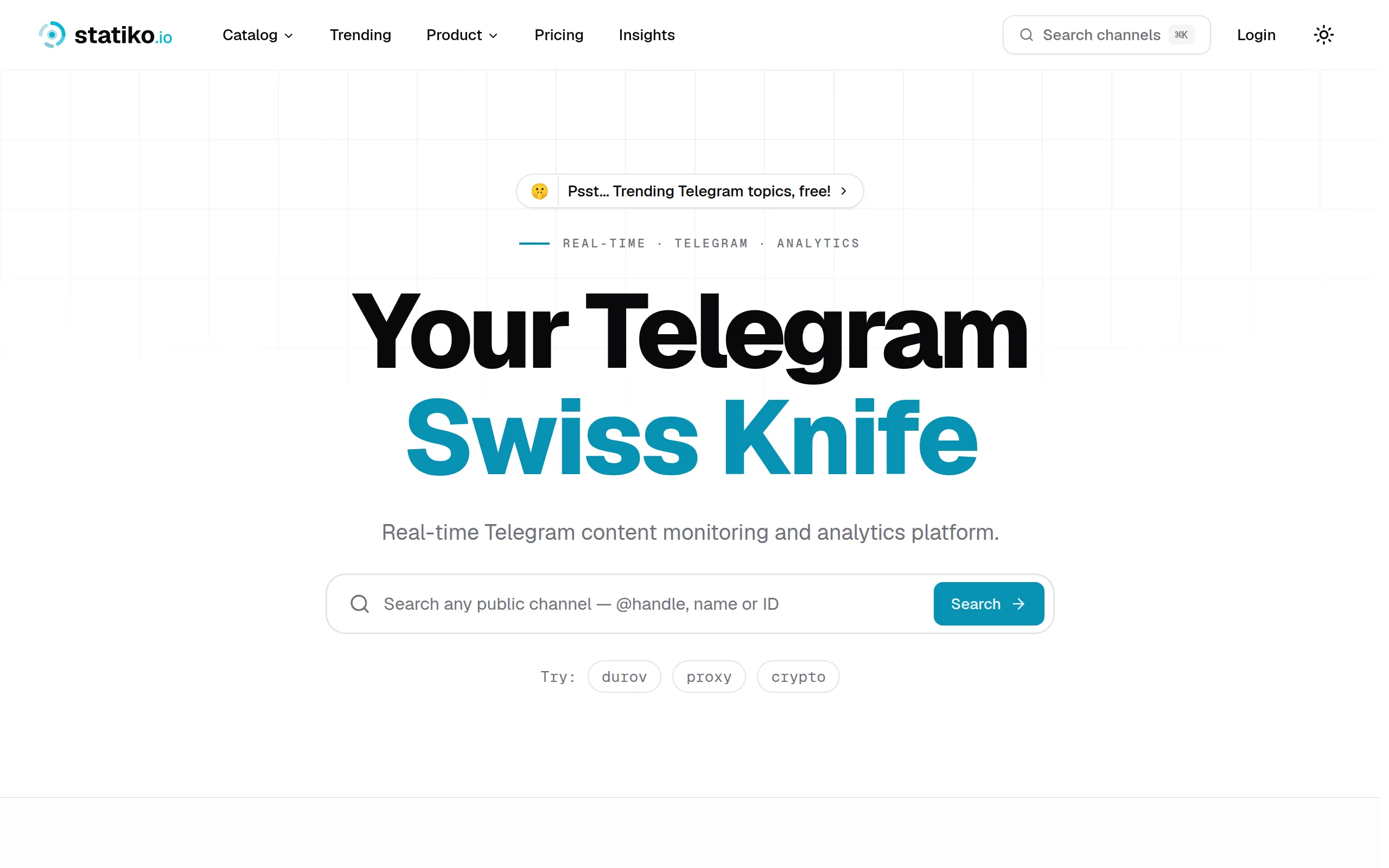
Statiko
Monitor any Telegram channel in real time - track posts, edits, deletions, and growth with AI recaps 📡

Shibui
AI website builder - describe your business, pick a niche template, edit by chatting, and publish instantly ✨

Pro Service
Find verified home service professionals, compare quotes, and pay securely through escrow - built for Brazilians across the US 🏠
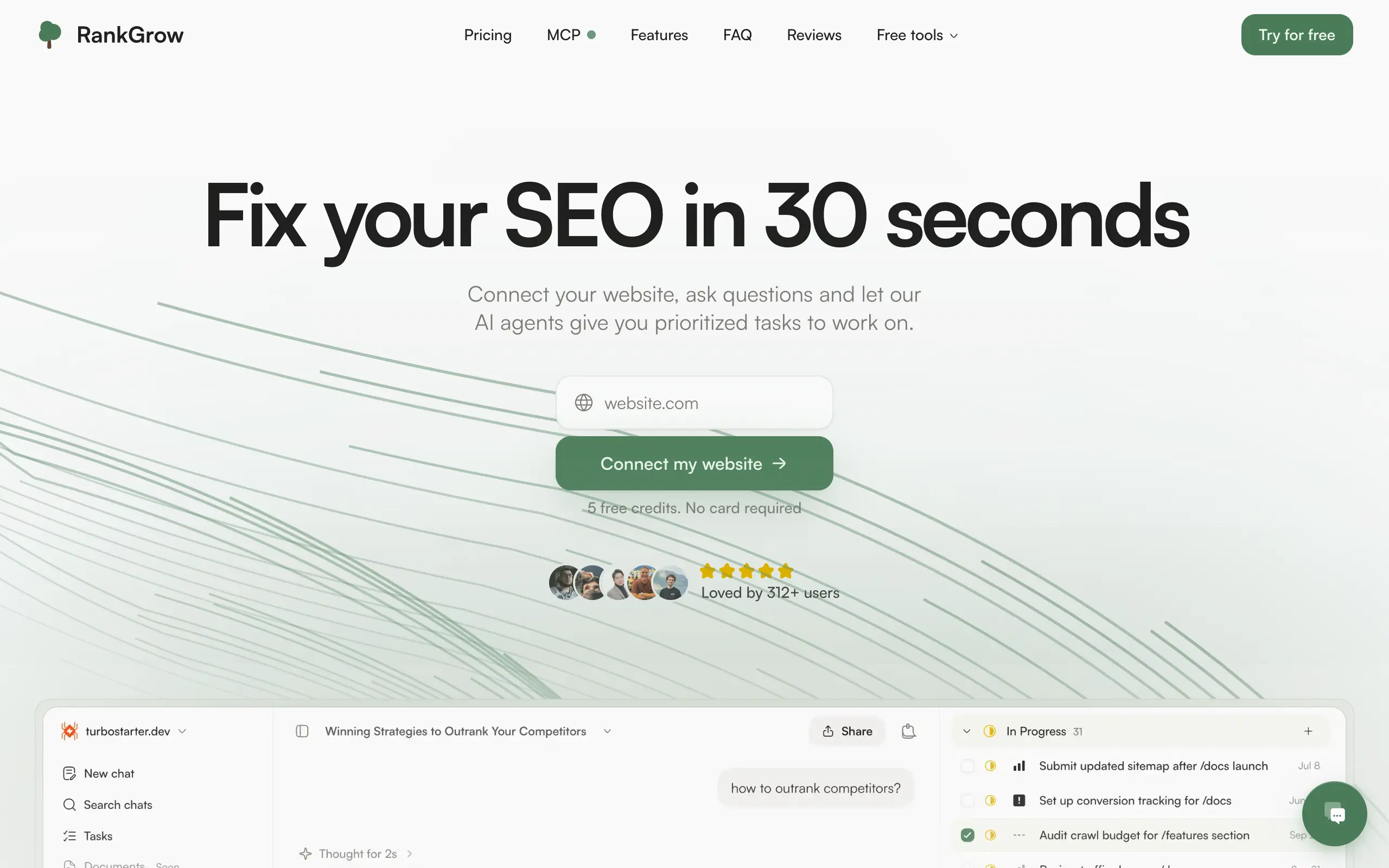
RankGrow
Fix your SEO with AI agents - connect Search Console, get prioritized tasks, and grow organic traffic 📈
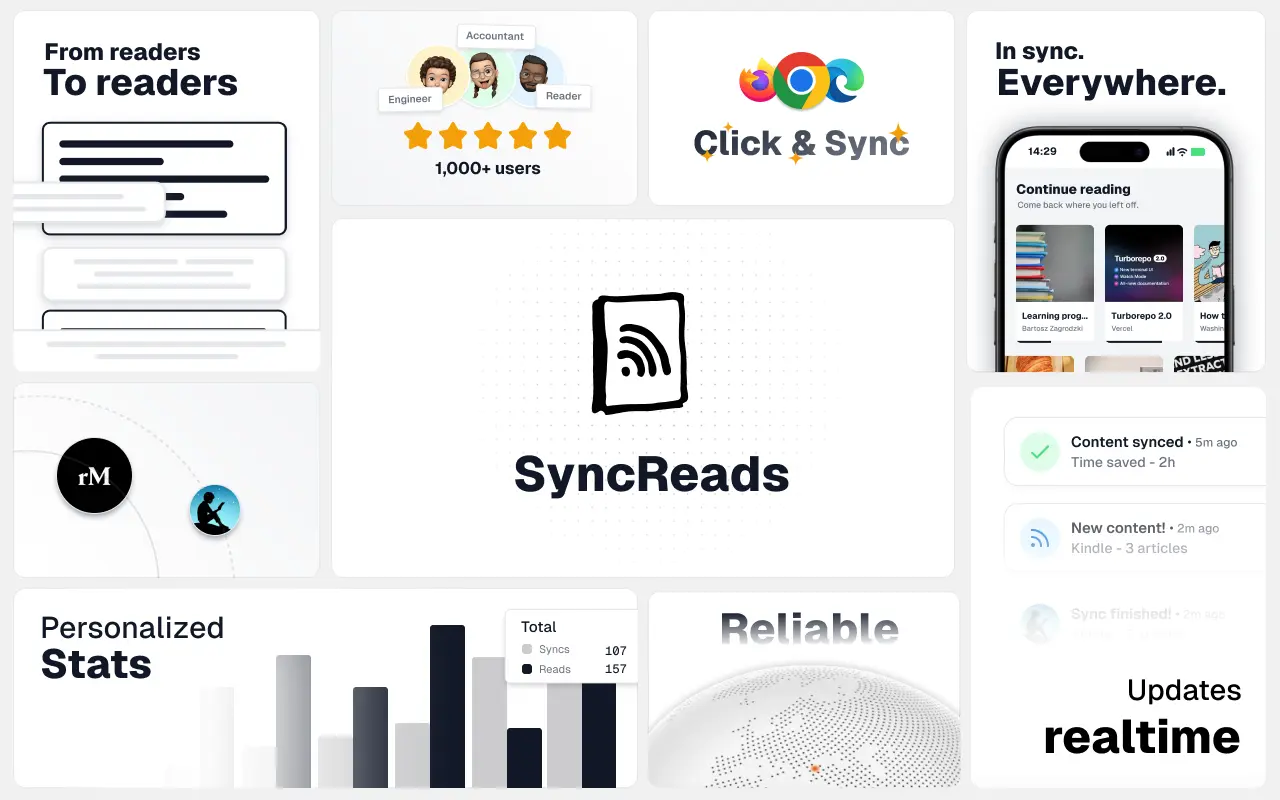
SyncReads
Sync your favorite content for distraction-free reading, save time and replace multiple apps. Anytime, anywhere 🔄
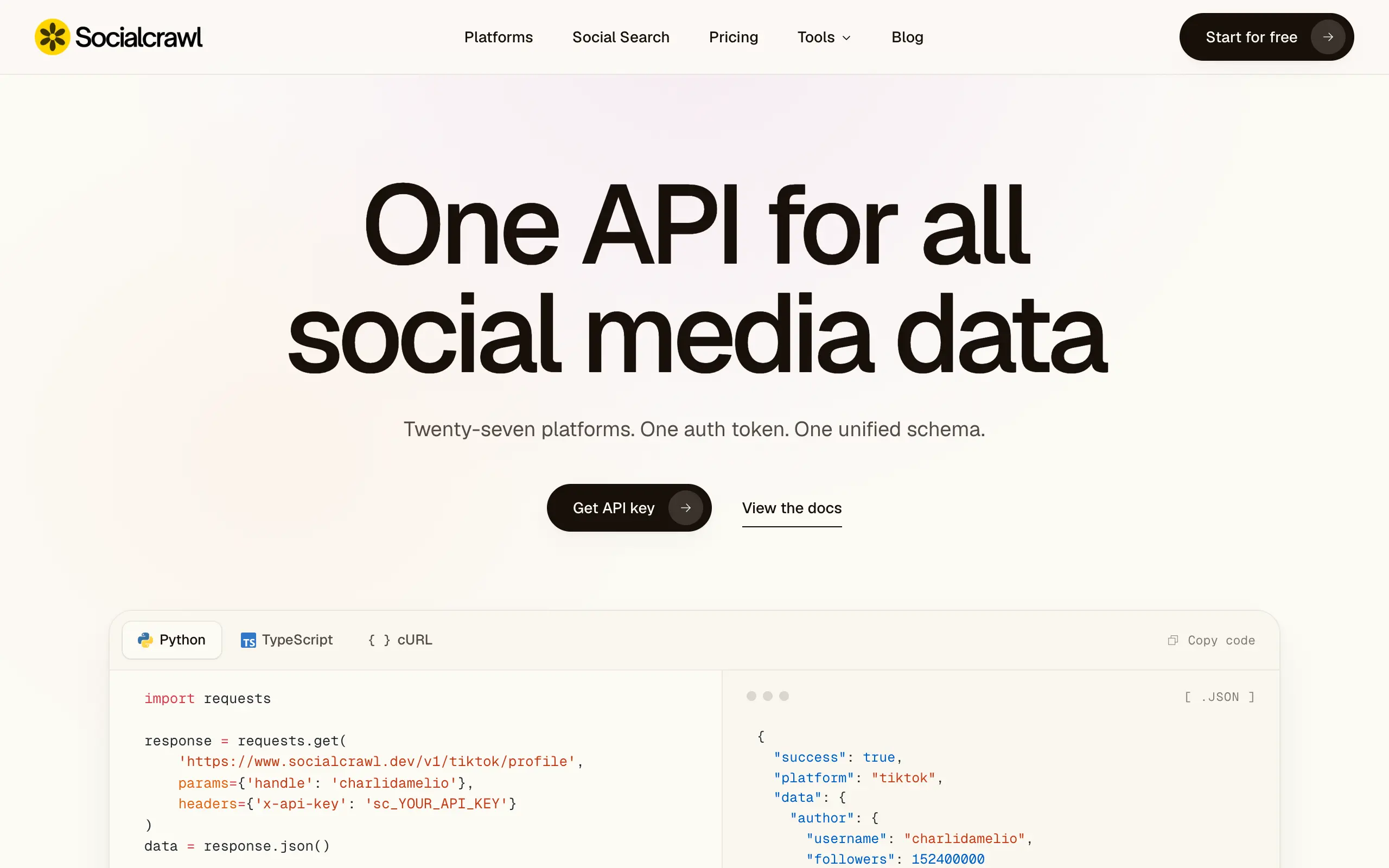
Socialcrawl
Get clean, structured data from 21 platforms like TikTok, Instagram, and YouTube with a single request 📊
Statiko
Monitor any Telegram channel in real time - track posts, edits, deletions, and growth with AI recaps 📡
Shibui
AI website builder - describe your business, pick a niche template, edit by chatting, and publish instantly ✨
Pro Service
Find verified home service professionals, compare quotes, and pay securely through escrow - built for Brazilians across the US 🏠
RankGrow
Fix your SEO with AI agents - connect Search Console, get prioritized tasks, and grow organic traffic 📈
SyncReads
Sync your favorite content for distraction-free reading, save time and replace multiple apps. Anytime, anywhere 🔄
Socialcrawl
Get clean, structured data from 21 platforms like TikTok, Instagram, and YouTube with a single request 📊
Statiko
Monitor any Telegram channel in real time - track posts, edits, deletions, and growth with AI recaps 📡
Shibui
AI website builder - describe your business, pick a niche template, edit by chatting, and publish instantly ✨
Pro Service
Find verified home service professionals, compare quotes, and pay securely through escrow - built for Brazilians across the US 🏠
RankGrow
Fix your SEO with AI agents - connect Search Console, get prioritized tasks, and grow organic traffic 📈
SyncReads
Sync your favorite content for distraction-free reading, save time and replace multiple apps. Anytime, anywhere 🔄
Socialcrawl
Get clean, structured data from 21 platforms like TikTok, Instagram, and YouTube with a single request 📊
Statiko
Monitor any Telegram channel in real time - track posts, edits, deletions, and growth with AI recaps 📡
Shibui
AI website builder - describe your business, pick a niche template, edit by chatting, and publish instantly ✨
Pro Service
Find verified home service professionals, compare quotes, and pay securely through escrow - built for Brazilians across the US 🏠
RankGrow
Fix your SEO with AI agents - connect Search Console, get prioritized tasks, and grow organic traffic 📈
SyncReads
Sync your favorite content for distraction-free reading, save time and replace multiple apps. Anytime, anywhere 🔄
Socialcrawl
Get clean, structured data from 21 platforms like TikTok, Instagram, and YouTube with a single request 📊
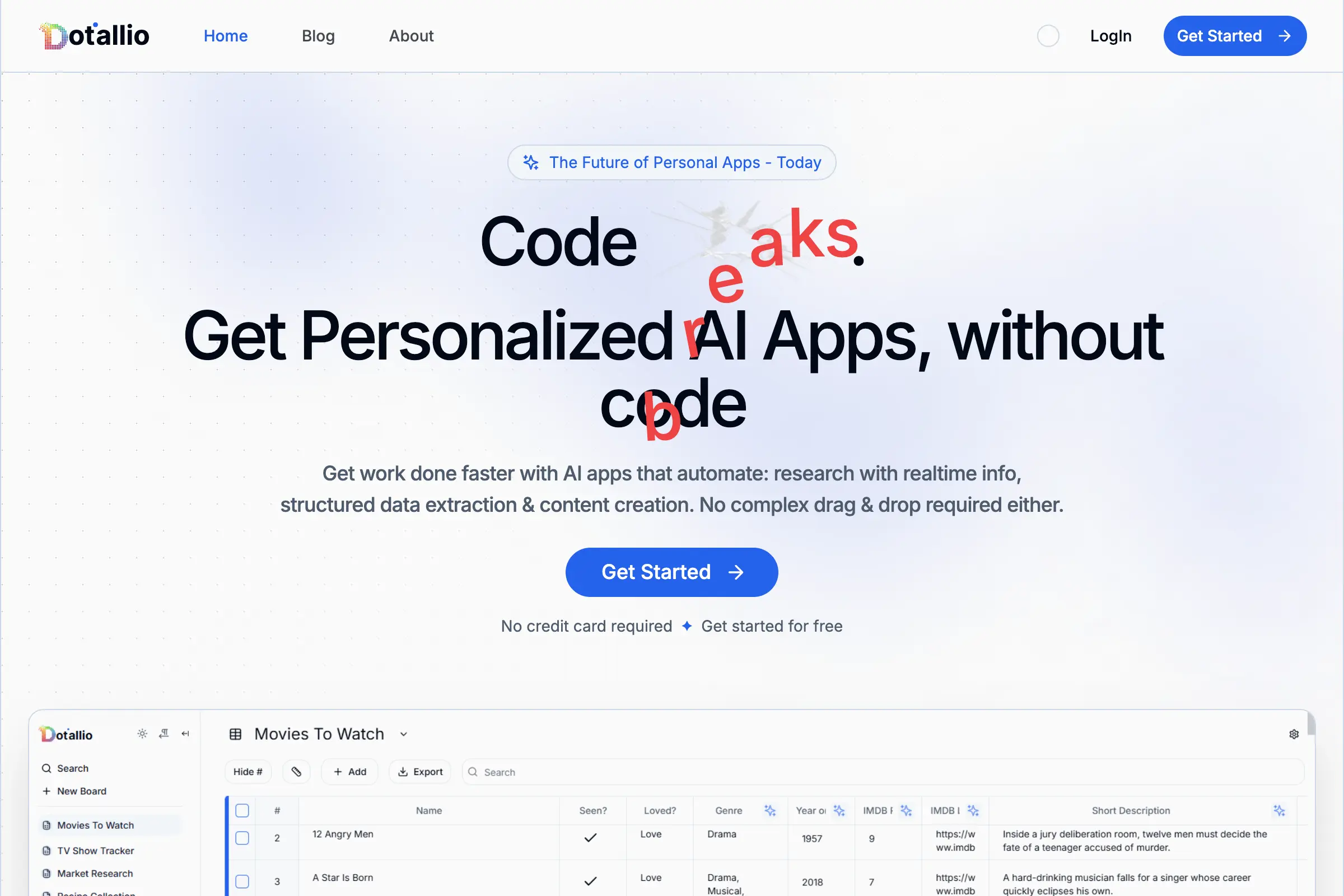
Dotallio
Personalized AI apps that automate research, data extraction, and content creation without code 🤖

Talk to Santa
Enjoy a magical live video chat or receive a unique AI-generated video greeting from Santa Claus 🎅

pozywka.pl
Scalable blog for food journalist, focused on performance and user experience 🌭
zagrodzki.me
Personal blog and portfolio of Bart Zagrodzki, where he shares his knowledge and work 💼
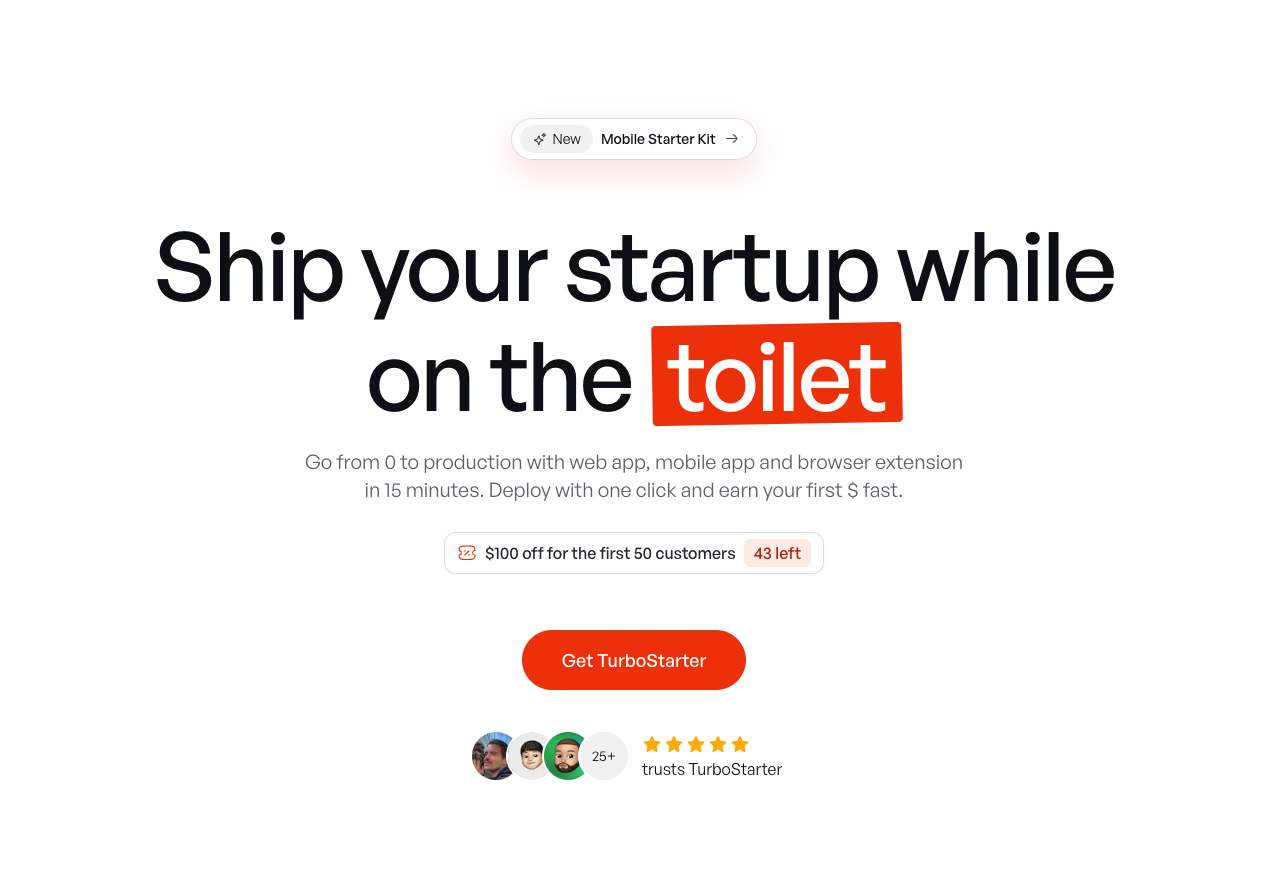
TurboStarter
Ship your startup everywhere. In minutes.
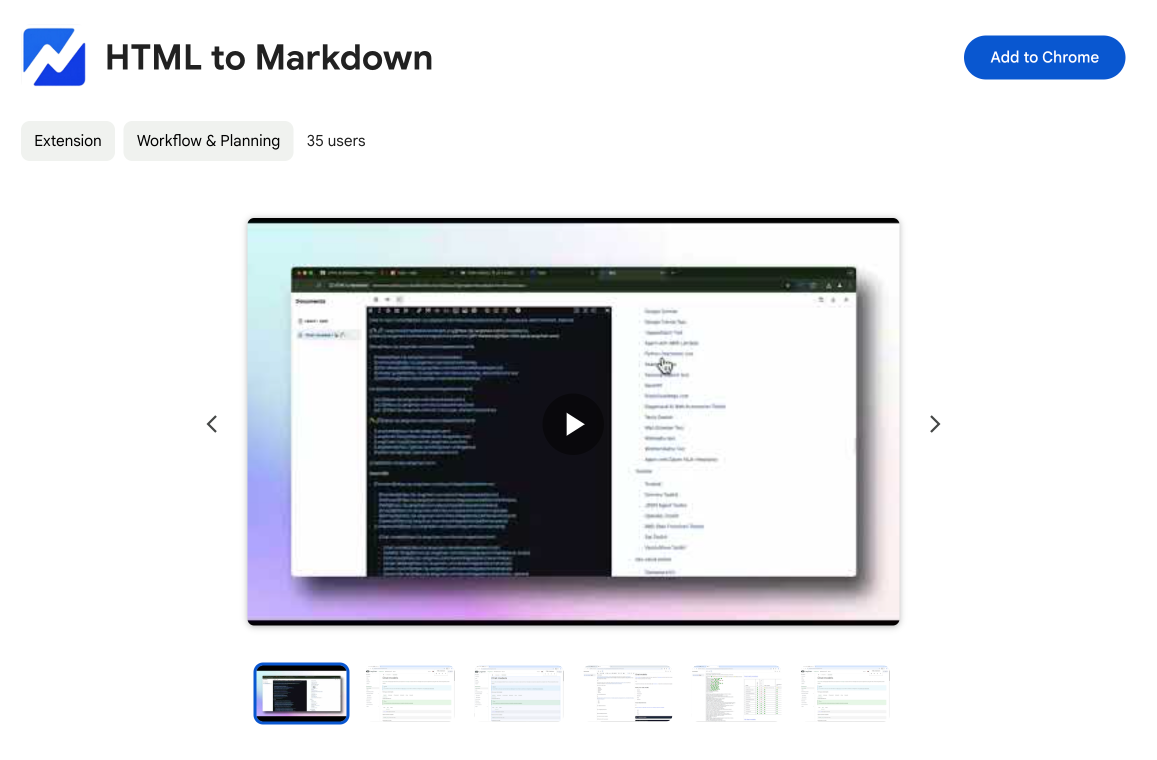
HTML to Markdown
Convert HTML to Markdown with ease, directly in your browser 📄
Dotallio
Personalized AI apps that automate research, data extraction, and content creation without code 🤖
Talk to Santa
Enjoy a magical live video chat or receive a unique AI-generated video greeting from Santa Claus 🎅
pozywka.pl
Scalable blog for food journalist, focused on performance and user experience 🌭
zagrodzki.me
Personal blog and portfolio of Bart Zagrodzki, where he shares his knowledge and work 💼
TurboStarter
Ship your startup everywhere. In minutes.
HTML to Markdown
Convert HTML to Markdown with ease, directly in your browser 📄
Dotallio
Personalized AI apps that automate research, data extraction, and content creation without code 🤖
Talk to Santa
Enjoy a magical live video chat or receive a unique AI-generated video greeting from Santa Claus 🎅
pozywka.pl
Scalable blog for food journalist, focused on performance and user experience 🌭
zagrodzki.me
Personal blog and portfolio of Bart Zagrodzki, where he shares his knowledge and work 💼
TurboStarter
Ship your startup everywhere. In minutes.
HTML to Markdown
Convert HTML to Markdown with ease, directly in your browser 📄
Dotallio
Personalized AI apps that automate research, data extraction, and content creation without code 🤖
Talk to Santa
Enjoy a magical live video chat or receive a unique AI-generated video greeting from Santa Claus 🎅
pozywka.pl
Scalable blog for food journalist, focused on performance and user experience 🌭
zagrodzki.me
Personal blog and portfolio of Bart Zagrodzki, where he shares his knowledge and work 💼
TurboStarter
Ship your startup everywhere. In minutes.
HTML to Markdown
Convert HTML to Markdown with ease, directly in your browser 📄
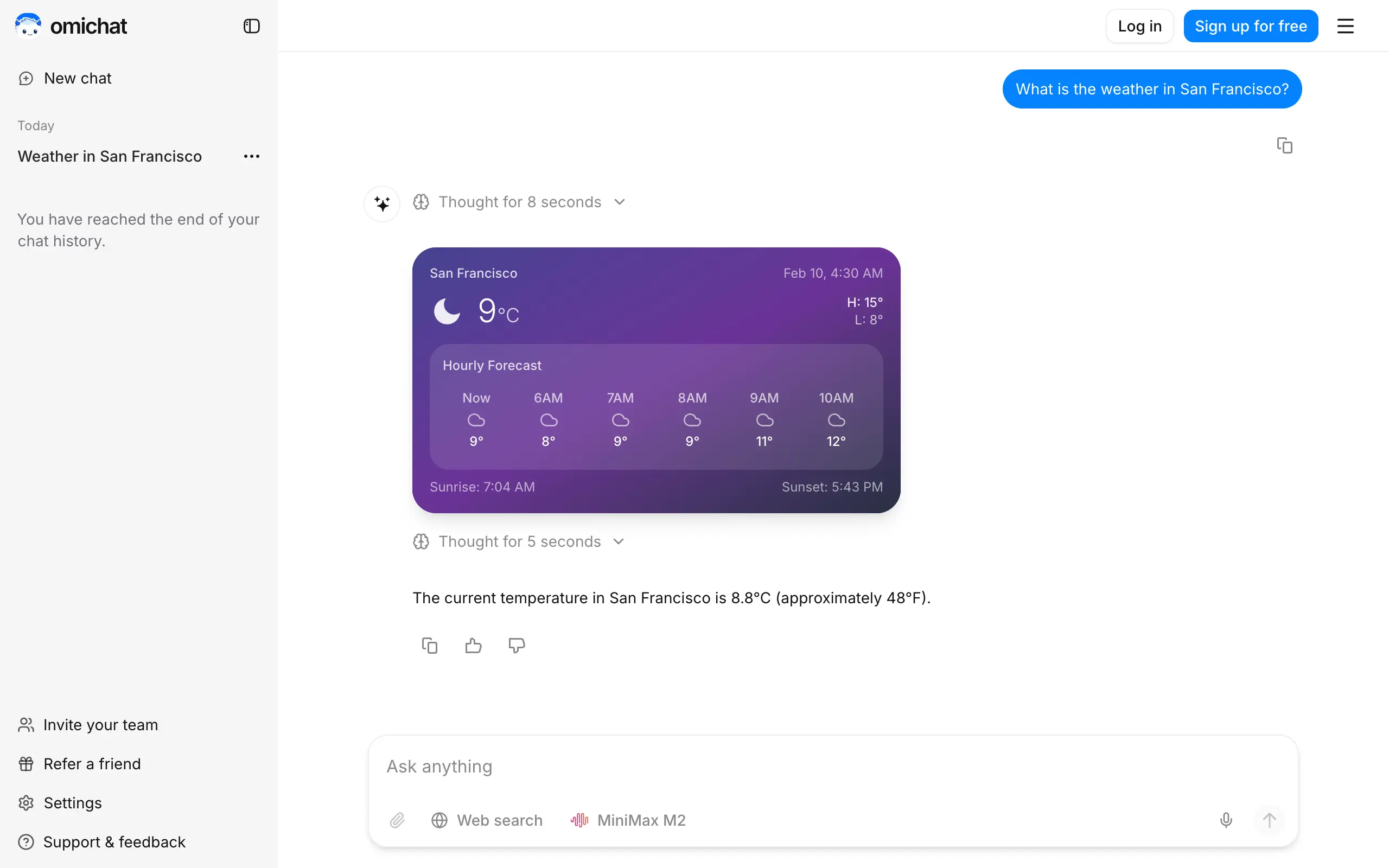
Omichat
Chat with 50+ AI models, including ChatGPT and Claude, in one place - switch models anytime without losing context 🤖
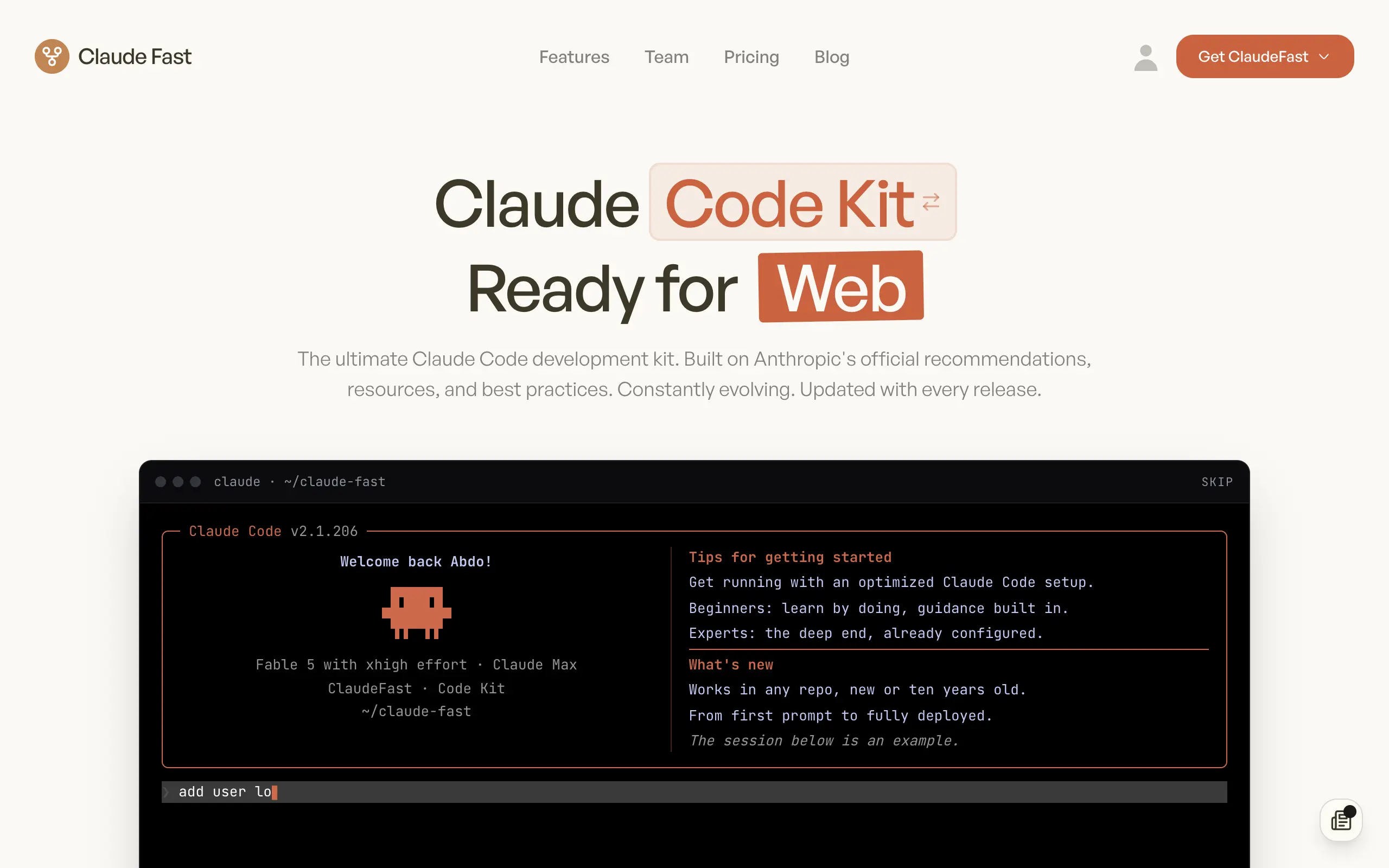
Claude Fast
Supercharge your Claude Code with 6x effective context window and specialized AI agents 🤖
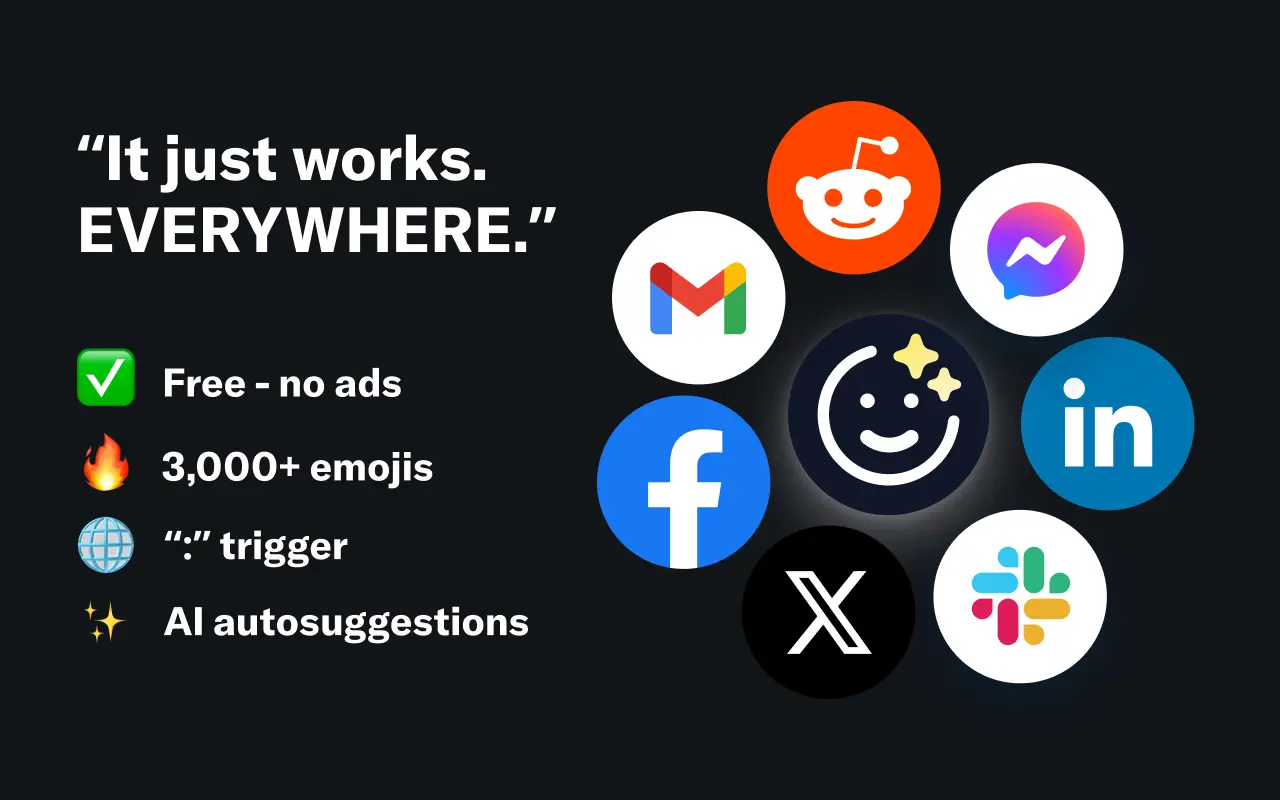
EmojAI
AI-powered emoji picker with smart, context-aware suggestions 🤖
Solohacker
Autonomous company launcher - AI agents work 24/7, escalate what matters, and you stay in control 🤖
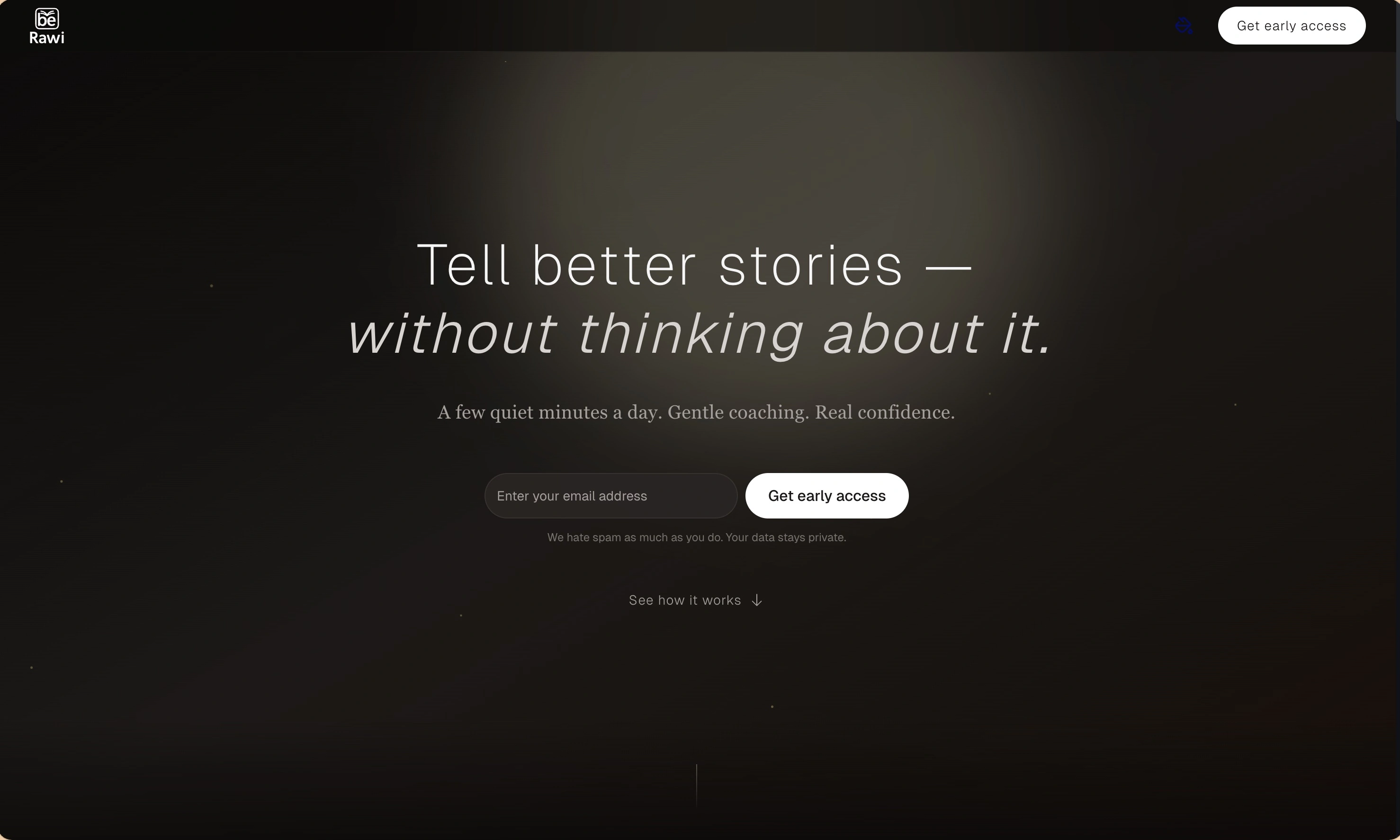
BeRawi: Storytelling Coach
Practice storytelling daily with instant feedback to sound clearer, more engaging, and confident 🎤
Omichat
Chat with 50+ AI models, including ChatGPT and Claude, in one place - switch models anytime without losing context 🤖
Claude Fast
Supercharge your Claude Code with 6x effective context window and specialized AI agents 🤖
EmojAI
AI-powered emoji picker with smart, context-aware suggestions 🤖
Solohacker
Autonomous company launcher - AI agents work 24/7, escalate what matters, and you stay in control 🤖
BeRawi: Storytelling Coach
Practice storytelling daily with instant feedback to sound clearer, more engaging, and confident 🎤
Omichat
Chat with 50+ AI models, including ChatGPT and Claude, in one place - switch models anytime without losing context 🤖
Claude Fast
Supercharge your Claude Code with 6x effective context window and specialized AI agents 🤖
EmojAI
AI-powered emoji picker with smart, context-aware suggestions 🤖
Solohacker
Autonomous company launcher - AI agents work 24/7, escalate what matters, and you stay in control 🤖
BeRawi: Storytelling Coach
Practice storytelling daily with instant feedback to sound clearer, more engaging, and confident 🎤
Omichat
Chat with 50+ AI models, including ChatGPT and Claude, in one place - switch models anytime without losing context 🤖
Claude Fast
Supercharge your Claude Code with 6x effective context window and specialized AI agents 🤖
EmojAI
AI-powered emoji picker with smart, context-aware suggestions 🤖
Solohacker
Autonomous company launcher - AI agents work 24/7, escalate what matters, and you stay in control 🤖
BeRawi: Storytelling Coach
Practice storytelling daily with instant feedback to sound clearer, more engaging, and confident 🎤

Connect with like-minded people
Join our community to get feedback, support, and grow together with 1,000+ builders on board, let's ship it!
Join usShip your startup everywhere. In minutes.
Don't burn tokens on setup and start building features on day one.