EcoYield Simulator
Sustainability and cost simulation software that helps beverage packaging companies model material choices, carbon impact, and supplier scenarios before production begins.
Why beverage packaging companies need an eco-yield simulator now
Sustainability is no longer a marketing add-on in the beverage industry. It is a core operational constraint. Rising regulatory pressure, carbon reporting mandates, retailer sustainability scorecards, and consumer demand for low-impact packaging are fundamentally changing how beverage brands and packaging suppliers make decisions.
At the same time, margins are tight. Aluminum prices fluctuate. Recycled PET (rPET) supply is volatile. Paperboard costs vary by region. Transportation emissions are under scrutiny. Choosing the “greenest” material without understanding true lifecycle cost and carbon impact can easily erode profitability.
This is where an EcoYield Simulator becomes strategically critical.
EcoYield Simulator is a B2B sustainability and cost simulation software designed for beverage packaging companies. It allows decision-makers to model:
- Material choices (aluminum, PET, rPET, glass, paperboard, bioplastics)
- Carbon footprint impact (scope 1, 2, and 3 emissions)
- Supplier scenarios and geographic sourcing
- Production and transport variables
- Total cost of ownership before manufacturing begins
The result? Data-driven packaging decisions that optimize for sustainability and profitability simultaneously.
This guide explores the market opportunity, core features, tech stack, monetization strategy, risks, competitive positioning, and implementation roadmap for building and launching EcoYield Simulator successfully.
Understanding user search intent
When someone searches for:
- “Packaging carbon footprint calculator”
- “Beverage packaging sustainability software”
- “Material cost and carbon simulation tool”
- “Lifecycle assessment software for packaging”
They are typically looking for:
- A solution to evaluate packaging sustainability impact
- A way to compare materials before production
- Tools to meet ESG and regulatory requirements
- Methods to reduce cost while improving environmental performance
EcoYield Simulator must directly address this intent by:
- Offering scenario modeling
- Providing clear, actionable metrics
- Integrating financial and carbon data
- Delivering decision-ready reports for leadership and compliance teams
Target audience analysis
Primary audience: beverage packaging manufacturers
These companies produce cans, bottles, cartons, and containers for beverage brands. Their priorities include:
- Reducing material costs
- Meeting client sustainability targets
- Securing long-term supply chain resilience
- Complying with environmental regulations
Pain points:
- Uncertainty around carbon intensity of materials
- Inconsistent supplier sustainability data
- Difficulty modeling total cost across scenarios
- Lack of centralized simulation tools
Secondary audience: beverage brands (CPG companies)
Brands increasingly set aggressive ESG targets such as:
- 30–50% reduction in packaging emissions
- 100% recyclable packaging goals
- Increased recycled content mandates
They need:
- Pre-production impact forecasting
- Data-backed sustainability claims
- Investor-ready reporting
- Risk analysis for material shifts
Tertiary audience: procurement & sustainability consultants
Consultancies helping brands with carbon accounting and lifecycle analysis (LCA) can use EcoYield Simulator as a decision-support tool rather than manually building spreadsheets.
Market opportunity and gap identification
Industry context
The global sustainable packaging market is growing rapidly, driven by:
- ESG investment trends
- Corporate sustainability commitments
- Regulatory pressure (e.g., EU Packaging and Packaging Waste Regulation)
- Extended Producer Responsibility (EPR) laws
According to widely cited industry research reports (e.g., from McKinsey, BCG, and market intelligence firms), sustainability-linked decisions increasingly influence procurement and supply contracts.
However, current tools fall into two categories:
-
Full LCA enterprise software
- Expensive
- Complex
- Consultant-heavy
- Not optimized for beverage packaging workflows
-
Basic carbon calculators
- Overly simplistic
- Lack supplier modeling
- Ignore cost impact
The market gap
There is a clear opportunity for:
A specialized, beverage-focused sustainability and cost simulation platform that bridges financial modeling and carbon analytics.
EcoYield Simulator fills this gap by:
- Focusing specifically on beverage packaging
- Combining cost modeling + carbon modeling
- Enabling supplier scenario comparison
- Providing production-stage simulations
Core features of EcoYield Simulator
The product should revolve around modular simulation capabilities.
Material scenario modeling
Compare aluminum, PET, rPET, glass, paperboard, and emerging materials across cost, emissions, recyclability, and transport impact.
Carbon footprint engine
Calculate scope 1, 2, and 3 emissions using standardized lifecycle factors and customizable datasets.
Supplier comparison dashboard
Model multiple suppliers across geography, energy mix, logistics distance, and pricing.
Cost-impact optimizer
Simulate trade-offs between lower carbon footprint and material cost to find optimal balance.
Material scenario modeling
Users should be able to:
- Input packaging type (can, bottle, carton)
- Select material composition
- Adjust recycled content percentage
- Define weight per unit
- Set production volume
The simulator then outputs:
- Total material cost
- Carbon footprint per unit
- Total emissions (annualized)
- Cost per kg CO₂ avoided (if switching)
Carbon impact modeling
The carbon footprint engine should:
- Use industry-standard emission factors
- Allow region-specific energy mix inputs
- Include transport emissions modeling
- Account for end-of-life scenarios (landfill, recycling, incineration)
Key output metrics
- kg CO₂e per unit
- Scope 3 contribution breakdown
- Emission hotspots
- Reduction percentage vs baseline
Data credibility is critical
To maintain trust and E-E-A-T, the carbon database must be regularly updated and ideally aligned with internationally recognized methodologies such as ISO 14040/44 lifecycle assessment frameworks.
Supplier scenario analysis
This is a powerful differentiator.
Users can compare:
- Supplier A (low cost, coal-powered region)
- Supplier B (higher cost, renewable-heavy grid)
- Supplier C (closer geography, reduced transport)
Outputs:
- Carbon delta
- Cost delta
- Risk exposure (e.g., regulatory risk in certain regions)
This transforms sustainability from a compliance task into a strategic sourcing lever.
Competitive advantage analysis
EcoYield Simulator focuses on beverage packaging workflows, faster simulations, and procurement-level usability rather than complex academic LCA modeling.
It eliminates human error, standardizes emission factors, and provides visualization dashboards for executive decision-making.
It integrates financial modeling, supplier comparisons, and production variables — not just emissions math.
Technology stack recommendation
Building a sustainability simulation SaaS requires scalability, performance, and transparency.
Frontend
- React for dynamic dashboard interfaces
- TailwindCSS for rapid, responsive UI development
- Data visualization libraries (e.g., charting tools)
Backend
- Node.js or Python (FastAPI) for simulation engine
- PostgreSQL for structured data
- Cloud infrastructure (AWS, GCP, or Azure)
Why React?
- Component-based dashboards
- Strong ecosystem
- Real-time state updates for simulation results
Simulation engine logic example
// simplified carbon impact calculation example

type ScenarioInput = {
  materialWeightKg: number;
  emissionFactorKgCO2PerKg: number;
  transportDistanceKm: number;
  transportFactorKgCO2PerKm: number;
};

function calculateCarbonImpact(input: ScenarioInput) {
  const materialEmissions =
    input.materialWeightKg * input.emissionFactorKgCO2PerKg;

  const transportEmissions =
    input.transportDistanceKm * input.transportFactorKgCO2PerKm;

  return materialEmissions + transportEmissions;
}
In production, this engine would include:
- Lifecycle stages
- Energy mix adjustments
- Recycling credit calculations
- Scenario comparison logic
Data architecture considerations
The carbon database should include:
- Material emission factors by region
- Energy grid intensity data
- Transport modes and emission rates
- End-of-life assumptions
Data must be:
- Version-controlled
- Auditable
- Transparent to enterprise users
This enhances trustworthiness and aligns with ESG reporting needs.
Monetization strategy
EcoYield Simulator is a B2B SaaS product. Strong monetization pathways include:
1. Tiered subscription model
| Plan | Target | Features |
|---|---|---|
| Starter | Small packaging firms | Basic material modeling |
| Pro | Mid-market | Supplier comparison + advanced reporting |
| Enterprise | Global corporations | Custom datasets, API access, dedicated support |
2. Usage-based pricing
Charge based on:
- Number of simulations run
- Production volume modeled
- Number of supplier scenarios
3. Enterprise licensing
For large beverage conglomerates:
- Multi-user access
- Custom carbon datasets
- Integration with ERP systems
Go-to-market strategy
Step 1: Niche down
Target:
- Mid-sized beverage packaging manufacturers
- Regions with strict ESG regulations (EU, North America)
Step 2: Partner with sustainability consultants
Offer co-branded simulation reports.
Step 3: Publish thought leadership
Topics:
- “Aluminum vs PET carbon comparison”
- “How recycled content impacts packaging cost”
- “Scope 3 emissions in beverage supply chains”
This builds authority and organic SEO traffic.
Risks and mitigation strategies
| Risk | Impact | Likelihood | Mitigation | Priority |
|---|---|---|---|---|
| Inaccurate carbon data | High | Medium | Partner with verified data providers | High |
| Complex user interface | Medium | Medium | Invest in UX testing | Medium |
Additional risks:
- Regulatory shifts
- Supplier resistance to transparency
- Data integration challenges
Building MVP efficiently
Instead of overengineering, focus on:
- Core material comparison
- Basic carbon modeling
- Clean dashboard
- CSV export functionality
You can accelerate development using a production-ready SaaS boilerplate like TurboStarter, which provides:
- Authentication
- Subscription management
- Billing integration
- Prebuilt SaaS architecture
This allows the team to focus on simulation logic and data integrity rather than infrastructure plumbing.
Implementation roadmap
KPIs for success
Track:
- Monthly recurring revenue (MRR)
- Average simulations per customer
- Customer retention rate
- Carbon reduction enabled (marketing metric)
- Customer acquisition cost (CAC)
Long-term expansion opportunities
- API integration with ERP systems
- AI-driven material optimization suggestions
- Predictive carbon pricing risk modeling
- Integration with carbon credit marketplaces
- Scope 3 reporting dashboards
Why EcoYield Simulator can win
The core differentiation lies in:
- Beverage-specific focus
- Dual optimization (cost + carbon)
- Supplier scenario modeling
- Actionable executive reporting
In a world where sustainability decisions directly impact profitability and regulatory compliance, decision-makers need clarity — not complexity.
EcoYield Simulator transforms sustainability from:
A compliance burden
into
A strategic competitive advantage.
Final thoughts
The beverage industry is under unprecedented pressure to reduce carbon emissions, improve recyclability, and maintain profitability. Companies that rely on static spreadsheets and disconnected data will struggle to compete.
A dedicated sustainability and cost simulation platform like EcoYield Simulator enables:
- Confident material transitions
- Smarter supplier negotiations
- Data-backed ESG reporting
- Proactive regulatory compliance
For founders, this represents a high-value B2B SaaS opportunity positioned at the intersection of sustainability, supply chain optimization, and financial modeling.
The key to success lies in:
- Data credibility
- User-centric design
- Clear ROI demonstration
- Strong industry positioning
If executed with precision and domain expertise, EcoYield Simulator can become the go-to decision intelligence platform for beverage packaging sustainability worldwide.
More 🏢 B2B Application SaaS ideas
Discover more innovative b2b application SaaS ideas that are trending in 2026. Each idea is AI-generated with market validation and growth potential to help you find your next profitable venture faster than competitors.
Your competitors are building with TurboStarter
Below are some of the SaaS ideas that have been generated and built with our starter kit.
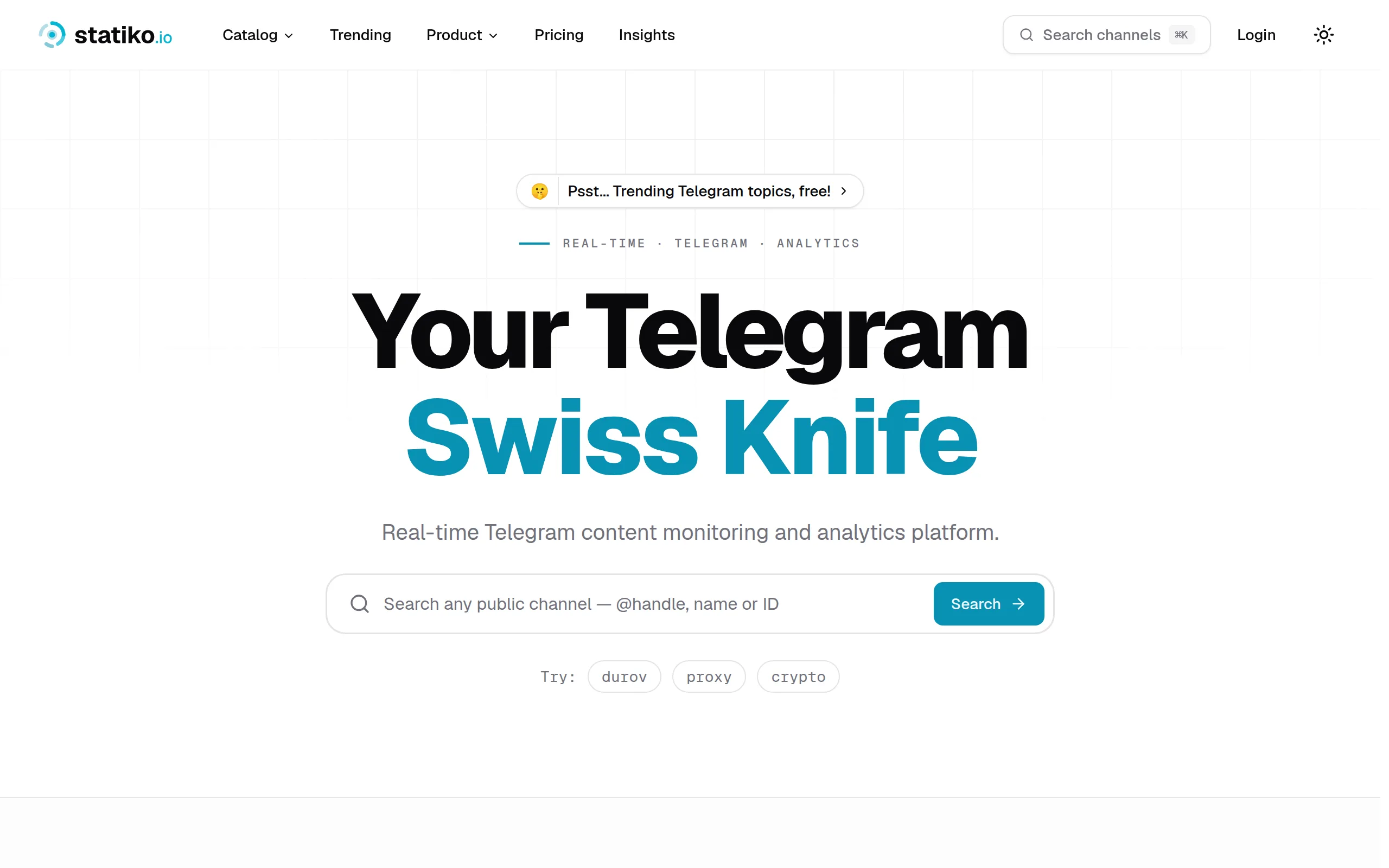
Statiko
Monitor any Telegram channel in real time - track posts, edits, deletions, and growth with AI recaps 📡
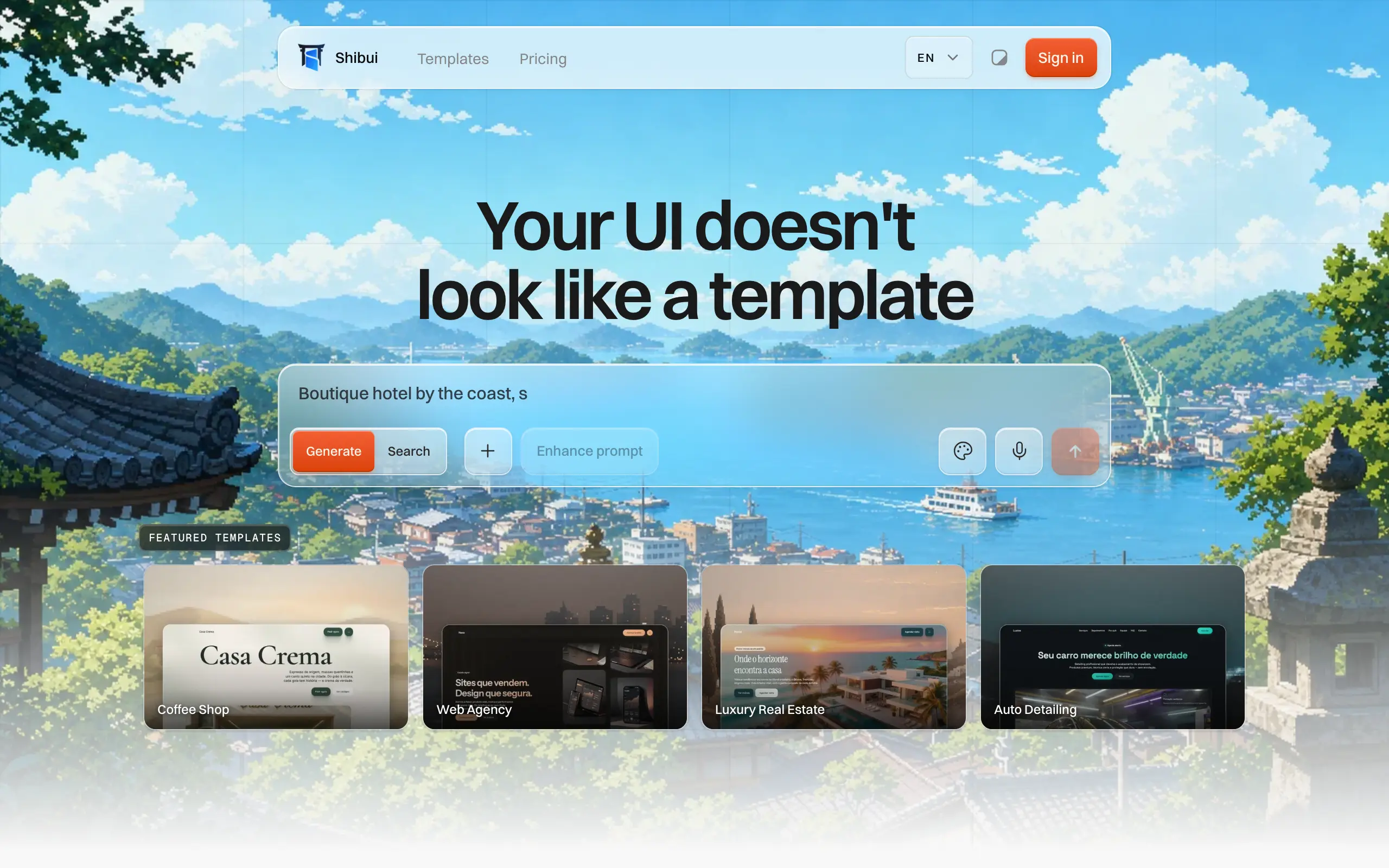
Shibui
AI website builder - describe your business, pick a niche template, edit by chatting, and publish instantly ✨

Pro Service
Find verified home service professionals, compare quotes, and pay securely through escrow - built for Brazilians across the US 🏠
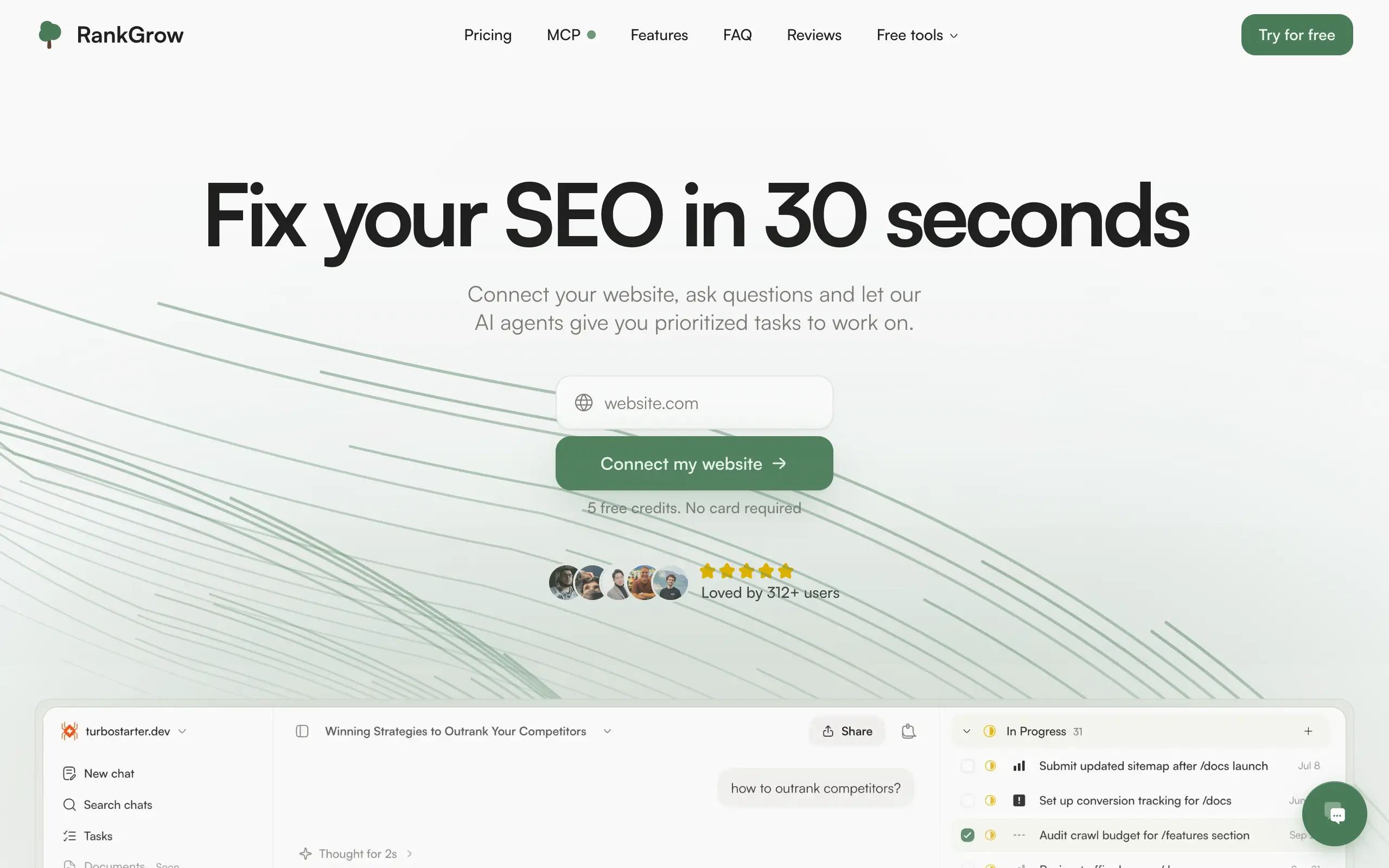
RankGrow
Fix your SEO with AI agents - connect Search Console, get prioritized tasks, and grow organic traffic 📈
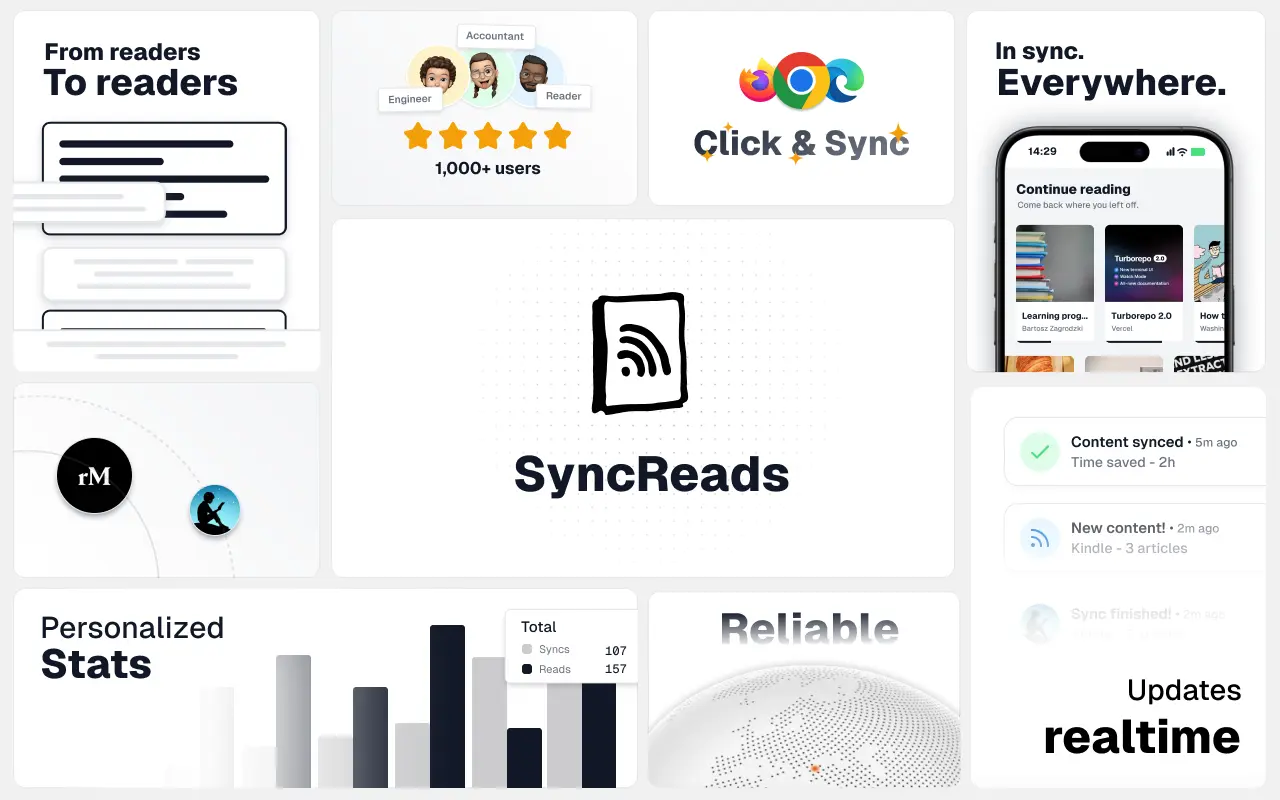
SyncReads
Sync your favorite content for distraction-free reading, save time and replace multiple apps. Anytime, anywhere 🔄
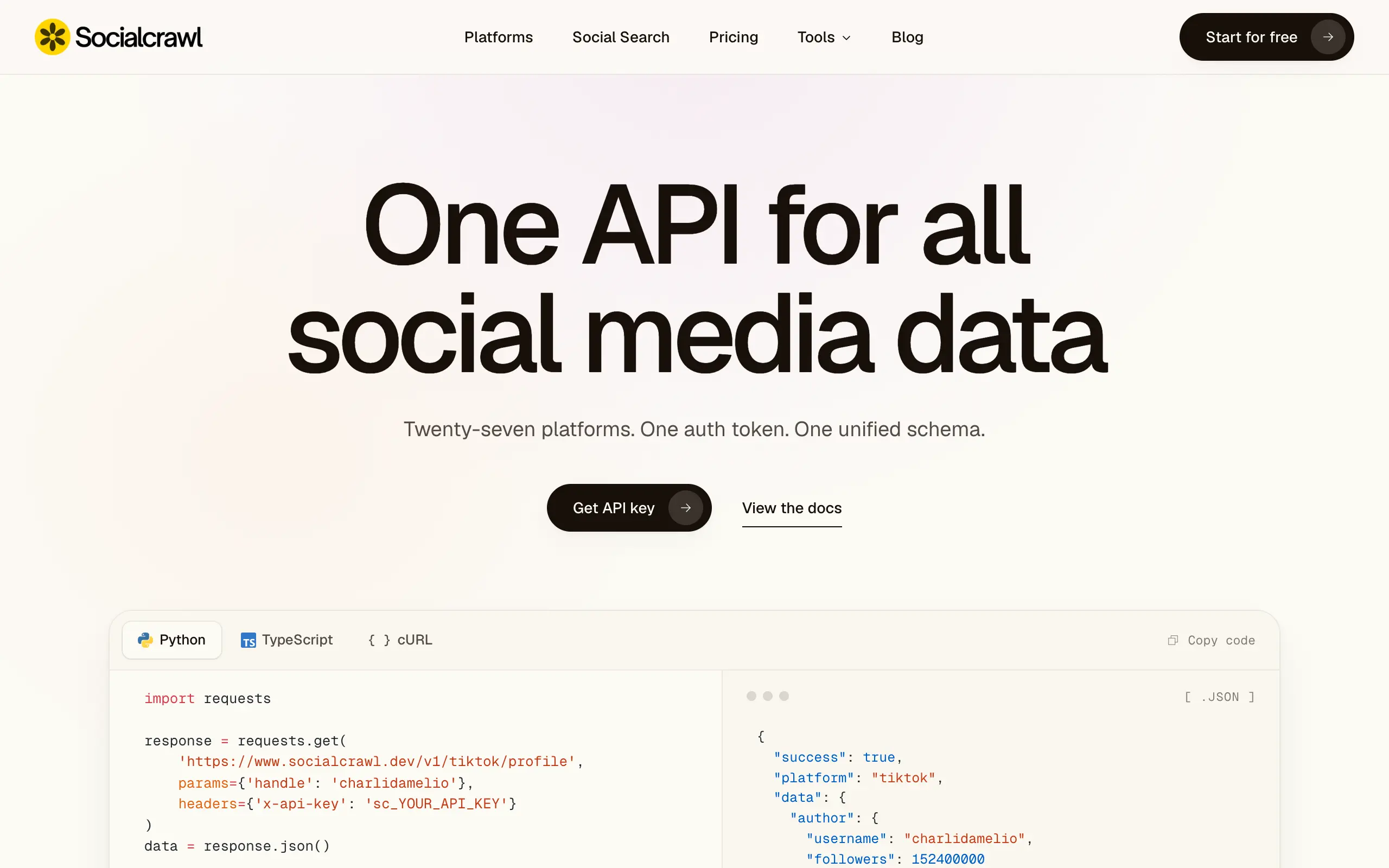
Socialcrawl
Get clean, structured data from 21 platforms like TikTok, Instagram, and YouTube with a single request 📊
Statiko
Monitor any Telegram channel in real time - track posts, edits, deletions, and growth with AI recaps 📡
Shibui
AI website builder - describe your business, pick a niche template, edit by chatting, and publish instantly ✨
Pro Service
Find verified home service professionals, compare quotes, and pay securely through escrow - built for Brazilians across the US 🏠
RankGrow
Fix your SEO with AI agents - connect Search Console, get prioritized tasks, and grow organic traffic 📈
SyncReads
Sync your favorite content for distraction-free reading, save time and replace multiple apps. Anytime, anywhere 🔄
Socialcrawl
Get clean, structured data from 21 platforms like TikTok, Instagram, and YouTube with a single request 📊
Statiko
Monitor any Telegram channel in real time - track posts, edits, deletions, and growth with AI recaps 📡
Shibui
AI website builder - describe your business, pick a niche template, edit by chatting, and publish instantly ✨
Pro Service
Find verified home service professionals, compare quotes, and pay securely through escrow - built for Brazilians across the US 🏠
RankGrow
Fix your SEO with AI agents - connect Search Console, get prioritized tasks, and grow organic traffic 📈
SyncReads
Sync your favorite content for distraction-free reading, save time and replace multiple apps. Anytime, anywhere 🔄
Socialcrawl
Get clean, structured data from 21 platforms like TikTok, Instagram, and YouTube with a single request 📊
Statiko
Monitor any Telegram channel in real time - track posts, edits, deletions, and growth with AI recaps 📡
Shibui
AI website builder - describe your business, pick a niche template, edit by chatting, and publish instantly ✨
Pro Service
Find verified home service professionals, compare quotes, and pay securely through escrow - built for Brazilians across the US 🏠
RankGrow
Fix your SEO with AI agents - connect Search Console, get prioritized tasks, and grow organic traffic 📈
SyncReads
Sync your favorite content for distraction-free reading, save time and replace multiple apps. Anytime, anywhere 🔄
Socialcrawl
Get clean, structured data from 21 platforms like TikTok, Instagram, and YouTube with a single request 📊
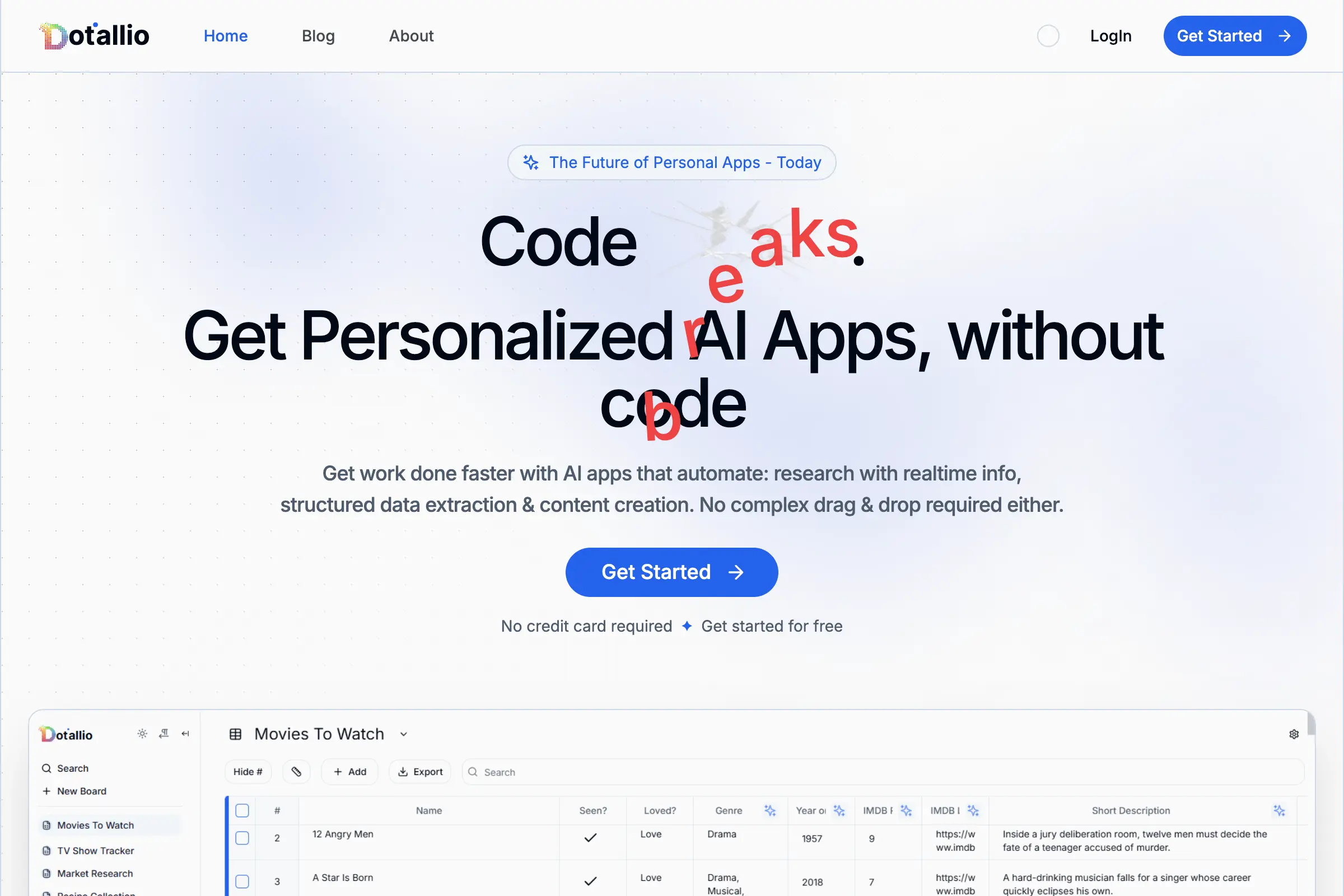
Dotallio
Personalized AI apps that automate research, data extraction, and content creation without code 🤖

Talk to Santa
Enjoy a magical live video chat or receive a unique AI-generated video greeting from Santa Claus 🎅
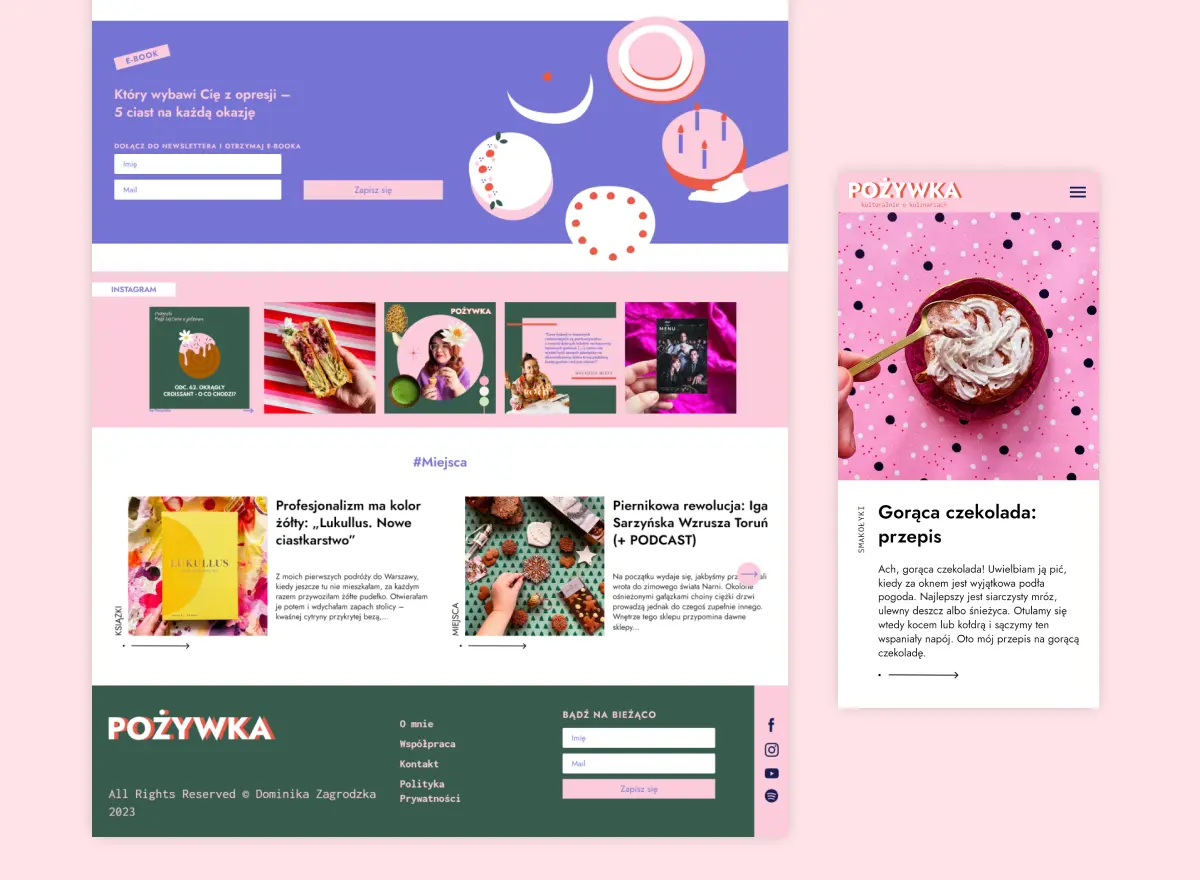
pozywka.pl
Scalable blog for food journalist, focused on performance and user experience 🌭
zagrodzki.me
Personal blog and portfolio of Bart Zagrodzki, where he shares his knowledge and work 💼
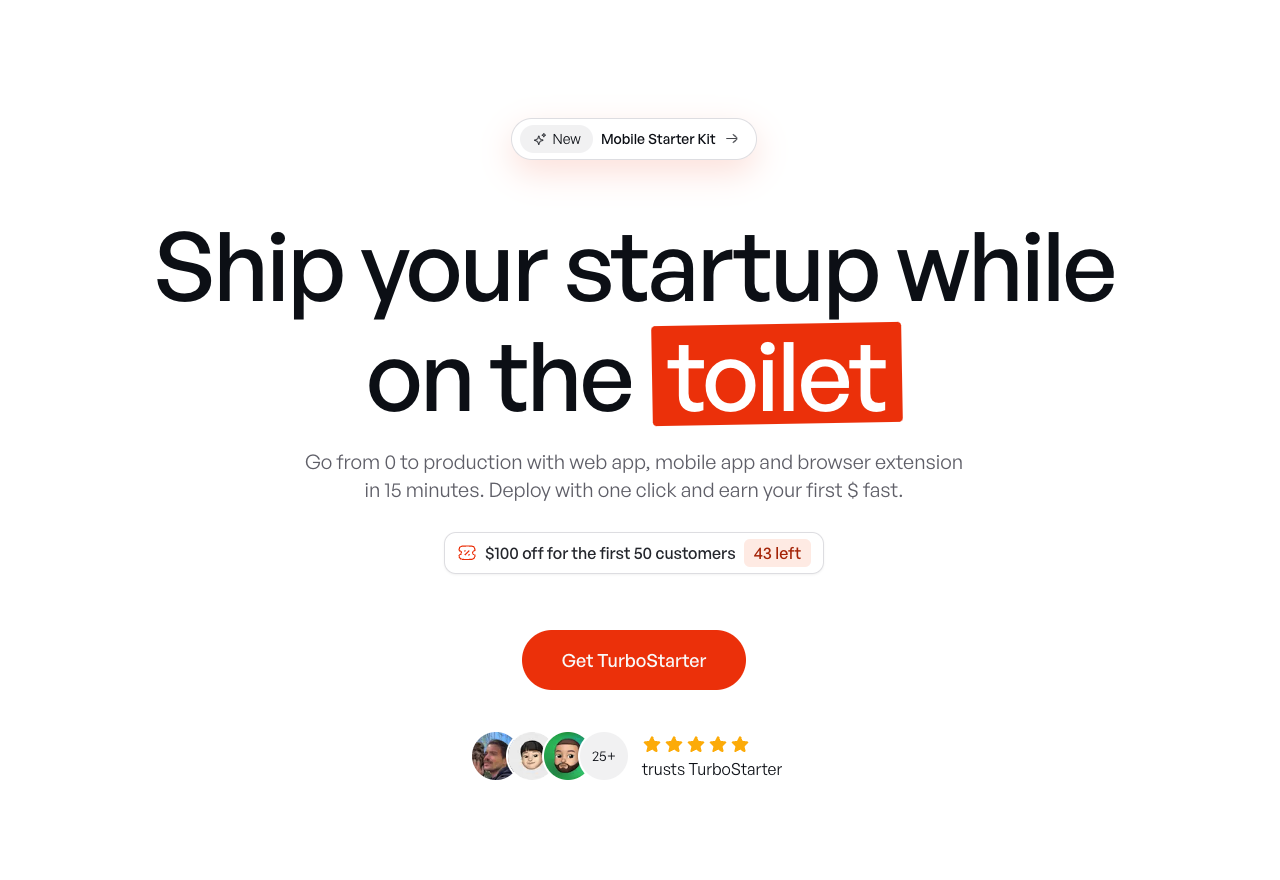
TurboStarter
Ship your startup everywhere. In minutes.
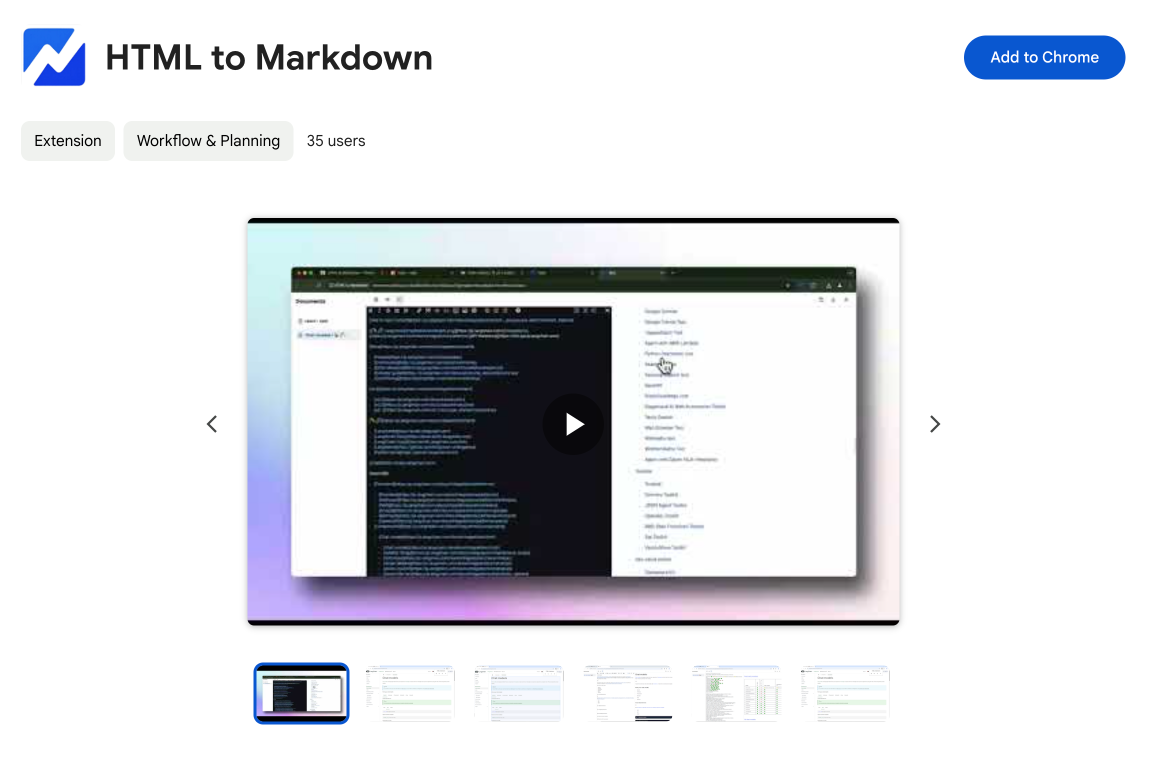
HTML to Markdown
Convert HTML to Markdown with ease, directly in your browser 📄
Dotallio
Personalized AI apps that automate research, data extraction, and content creation without code 🤖
Talk to Santa
Enjoy a magical live video chat or receive a unique AI-generated video greeting from Santa Claus 🎅
pozywka.pl
Scalable blog for food journalist, focused on performance and user experience 🌭
zagrodzki.me
Personal blog and portfolio of Bart Zagrodzki, where he shares his knowledge and work 💼
TurboStarter
Ship your startup everywhere. In minutes.
HTML to Markdown
Convert HTML to Markdown with ease, directly in your browser 📄
Dotallio
Personalized AI apps that automate research, data extraction, and content creation without code 🤖
Talk to Santa
Enjoy a magical live video chat or receive a unique AI-generated video greeting from Santa Claus 🎅
pozywka.pl
Scalable blog for food journalist, focused on performance and user experience 🌭
zagrodzki.me
Personal blog and portfolio of Bart Zagrodzki, where he shares his knowledge and work 💼
TurboStarter
Ship your startup everywhere. In minutes.
HTML to Markdown
Convert HTML to Markdown with ease, directly in your browser 📄
Dotallio
Personalized AI apps that automate research, data extraction, and content creation without code 🤖
Talk to Santa
Enjoy a magical live video chat or receive a unique AI-generated video greeting from Santa Claus 🎅
pozywka.pl
Scalable blog for food journalist, focused on performance and user experience 🌭
zagrodzki.me
Personal blog and portfolio of Bart Zagrodzki, where he shares his knowledge and work 💼
TurboStarter
Ship your startup everywhere. In minutes.
HTML to Markdown
Convert HTML to Markdown with ease, directly in your browser 📄
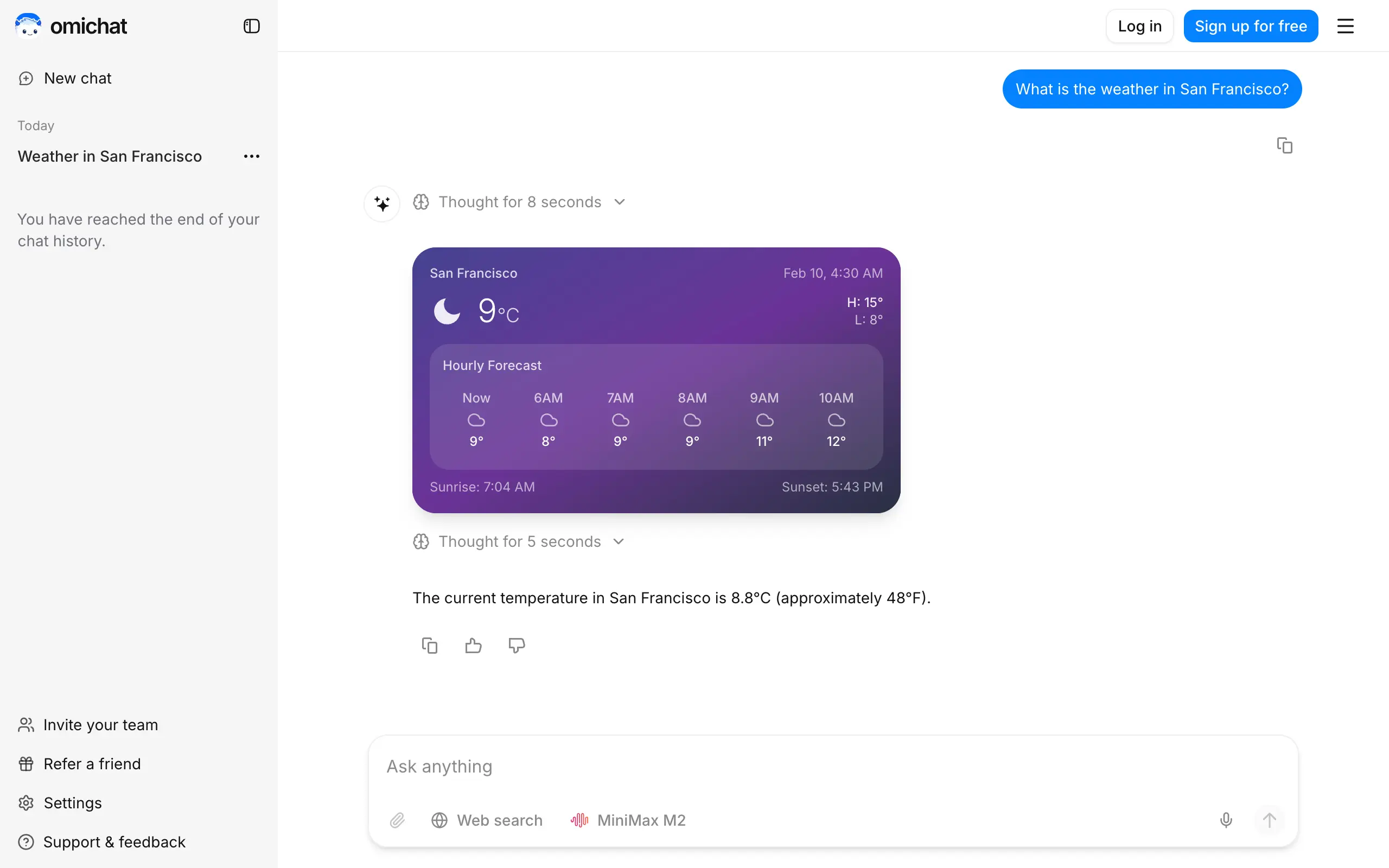
Omichat
Chat with 50+ AI models, including ChatGPT and Claude, in one place - switch models anytime without losing context 🤖
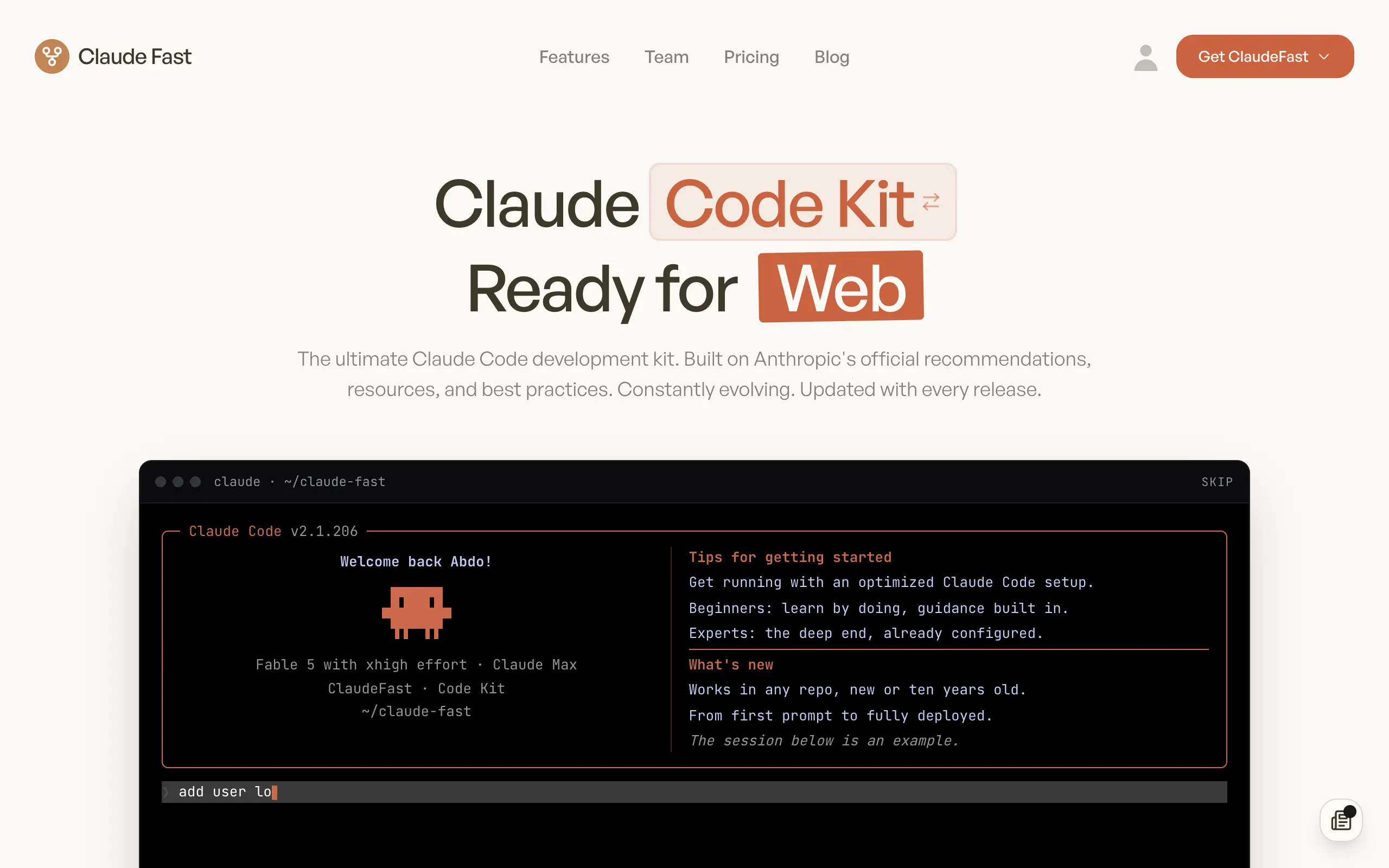
Claude Fast
Supercharge your Claude Code with 6x effective context window and specialized AI agents 🤖
EmojAI
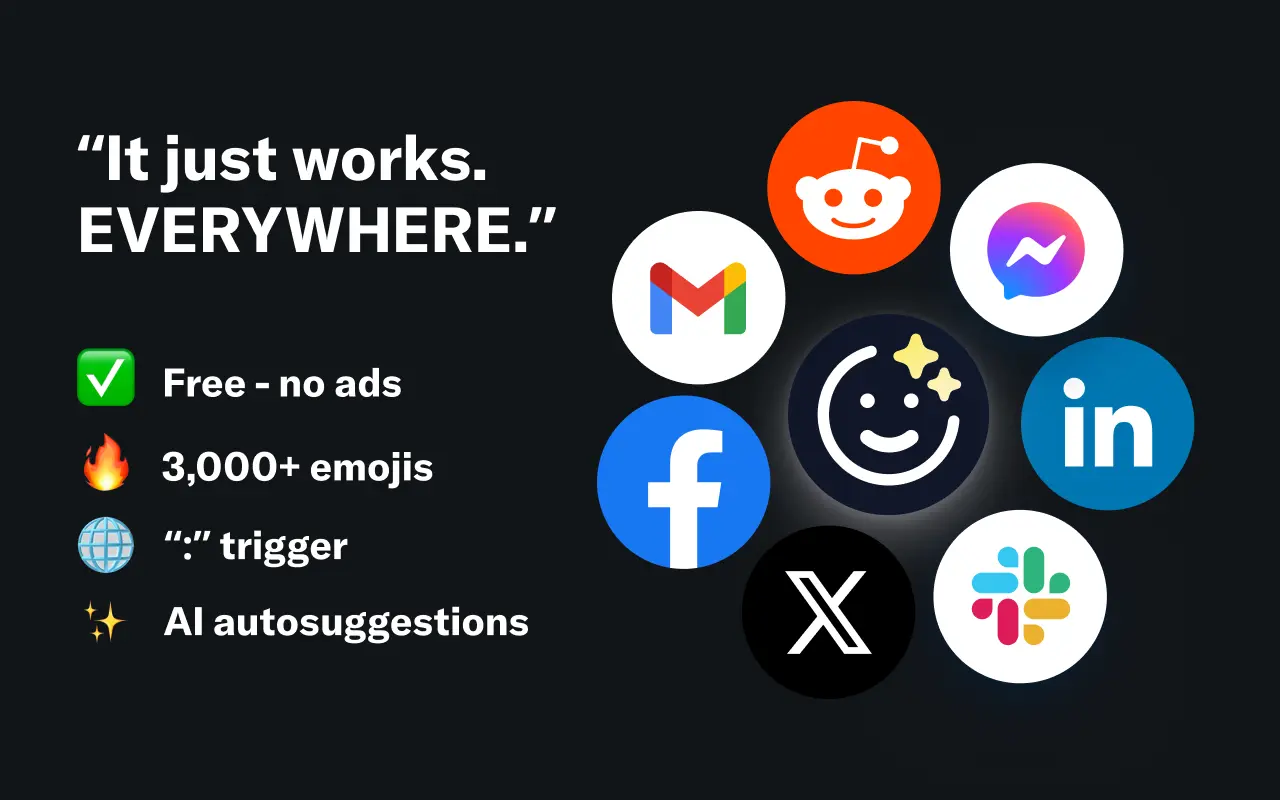
AI-powered emoji picker with smart, context-aware suggestions 🤖

Solohacker
Autonomous company launcher - AI agents work 24/7, escalate what matters, and you stay in control 🤖
BeRawi: Storytelling Coach
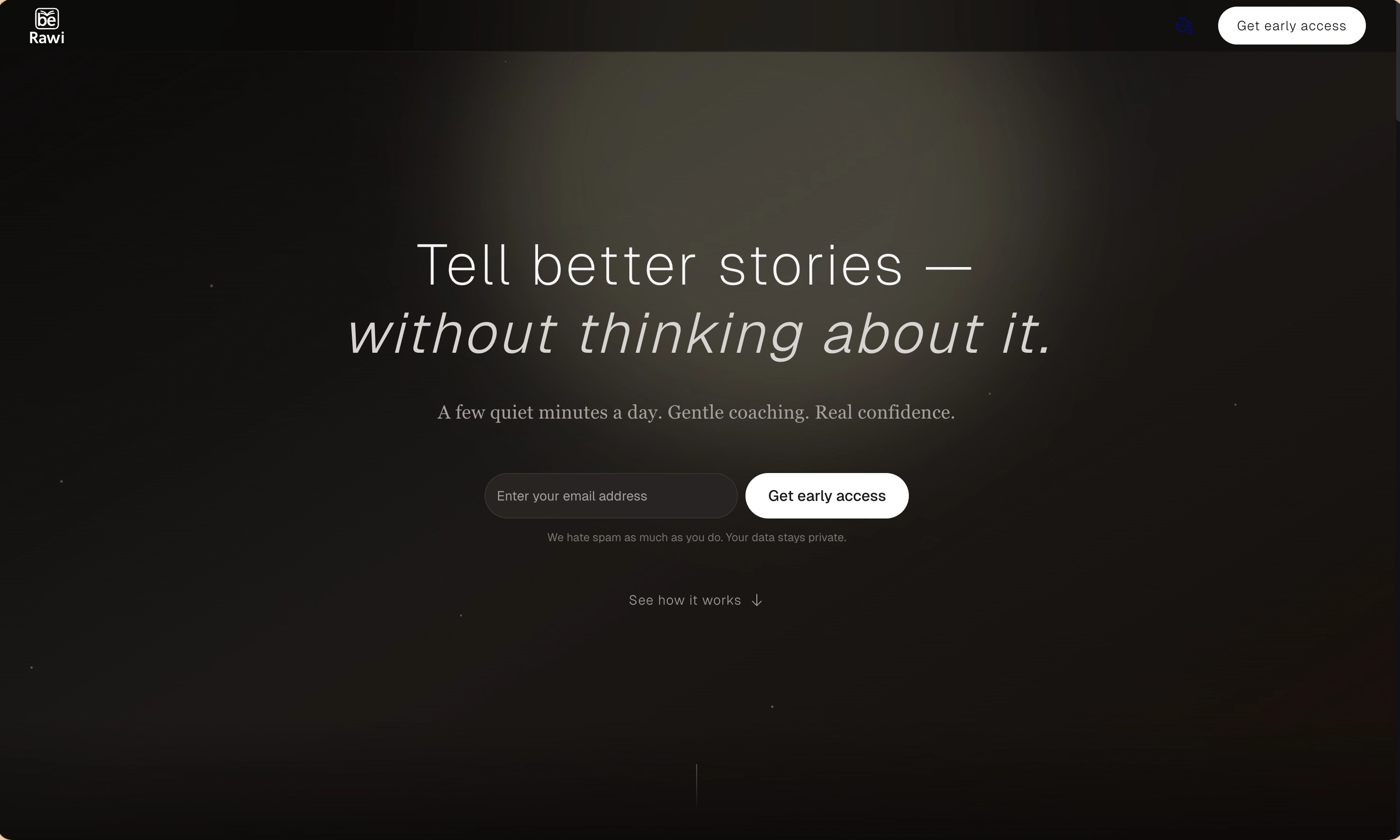
Practice storytelling daily with instant feedback to sound clearer, more engaging, and confident 🎤
Omichat
Chat with 50+ AI models, including ChatGPT and Claude, in one place - switch models anytime without losing context 🤖
Claude Fast
Supercharge your Claude Code with 6x effective context window and specialized AI agents 🤖
EmojAI
AI-powered emoji picker with smart, context-aware suggestions 🤖
Solohacker
Autonomous company launcher - AI agents work 24/7, escalate what matters, and you stay in control 🤖
BeRawi: Storytelling Coach
Practice storytelling daily with instant feedback to sound clearer, more engaging, and confident 🎤
Omichat
Chat with 50+ AI models, including ChatGPT and Claude, in one place - switch models anytime without losing context 🤖
Claude Fast
Supercharge your Claude Code with 6x effective context window and specialized AI agents 🤖
EmojAI
AI-powered emoji picker with smart, context-aware suggestions 🤖
Solohacker
Autonomous company launcher - AI agents work 24/7, escalate what matters, and you stay in control 🤖
BeRawi: Storytelling Coach
Practice storytelling daily with instant feedback to sound clearer, more engaging, and confident 🎤
Omichat
Chat with 50+ AI models, including ChatGPT and Claude, in one place - switch models anytime without losing context 🤖
Claude Fast
Supercharge your Claude Code with 6x effective context window and specialized AI agents 🤖
EmojAI
AI-powered emoji picker with smart, context-aware suggestions 🤖
Solohacker
Autonomous company launcher - AI agents work 24/7, escalate what matters, and you stay in control 🤖
BeRawi: Storytelling Coach
Practice storytelling daily with instant feedback to sound clearer, more engaging, and confident 🎤

Connect with like-minded people
Join our community to get feedback, support, and grow together with 1,000+ builders on board, let's ship it!
Join usShip your startup everywhere. In minutes.
Don't burn tokens on setup and start building features on day one.