EduMed Collaboration Suite
Secure, cross-institutional communication and project management tool for educators and healthcare professionals to collaborate on student/patient care.
Understanding the need for a secure collaboration suite in education and healthcare
In today's interconnected world, the boundaries between education and healthcare are increasingly blurred. Educators and healthcare professionals often need to collaborate on student and patient care, share sensitive information, and manage complex projects across institutions. However, existing tools rarely address the unique privacy, compliance, and workflow needs of these sectors. This is where the EduMed Collaboration Suite steps in—a secure, cross-institutional communication and project management platform designed specifically for educators and healthcare professionals.
This article provides a comprehensive analysis of the EduMed Collaboration Suite, exploring its target audience, market opportunity, core features, recommended tech stack, monetization strategies, risks, competitive advantages, and actionable steps for implementation. Whether you're seeking inspiration, validation, or a roadmap for launching a similar SaaS, you'll find expert insights and practical guidance here.
Who is the EduMed Collaboration Suite for? Target audience analysis
Understanding the target audience is crucial for any B2B SaaS, especially in regulated domains like education and healthcare. The EduMed Collaboration Suite is tailored for:
- Educators: School counselors, special education coordinators, academic advisors, and teachers who need to coordinate with healthcare providers on student well-being.
- Healthcare professionals: School nurses, psychologists, therapists, and external medical practitioners involved in student or patient care.
- Institutional administrators: Compliance officers, IT managers, and program directors responsible for data security and inter-institutional collaboration.
- Allied professionals: Social workers, case managers, and community health liaisons who bridge the gap between education and healthcare.
Key user needs
- Secure communication: Exchange of sensitive student/patient data must comply with regulations like HIPAA and FERPA.
- Project management: Coordinating care plans, interventions, and follow-ups across teams and institutions.
- Cross-institutional access: Seamless collaboration between schools, clinics, and external partners.
- Auditability and compliance: Detailed logs, permissions, and reporting for regulatory requirements.
Why focus on both education and healthcare?
The intersection of education and healthcare is a growing field, with increasing emphasis on holistic student and patient care. Collaborative tools that bridge these sectors are in high demand but remain underserved by generic solutions.
Identifying the market opportunity and gaps
The global market for education and healthcare collaboration tools is expanding rapidly, driven by:
- Rising mental health concerns among students and patients, requiring coordinated interventions.
- Remote and hybrid care models post-pandemic, increasing the need for digital collaboration.
- Stringent data privacy regulations (e.g., HIPAA, FERPA, GDPR) that generic tools like Slack or Trello cannot fully address.
- Fragmented workflows: Most institutions rely on email, spreadsheets, or siloed EHR/EMR systems, leading to inefficiencies and compliance risks.
Market size and trends
- The global healthcare collaboration market is projected to reach $59.86 billion by 2028 (source).
- EdTech spending is expected to surpass $404 billion by 2025 (source).
- Integrated care models are being adopted by over 60% of US school districts (source).
Gaps in existing solutions
- Lack of compliance: Mainstream tools are not designed for HIPAA/FERPA.
- Poor cross-institutional support: Most platforms are siloed within a single organization.
- Limited healthcare-education integration: Few tools offer features tailored to both sectors.
Core features and solution details
The EduMed Collaboration Suite is purpose-built to address the unique needs of educators and healthcare professionals. Here’s a breakdown of its core features:
1. Secure, compliant messaging
- End-to-end encryption for all messages and file transfers.
- Role-based access controls to ensure only authorized users can view sensitive data.
- Audit trails for all communications, supporting compliance with HIPAA and FERPA.
2. Cross-institutional project management
- Shared workspaces for multi-institutional teams.
- Task assignment and tracking for care plans, interventions, and follow-ups.
- Customizable workflows to match institutional protocols.
3. Integrated document management
- Secure file storage with granular permissions.
- Version control and collaborative editing.
- Automated document retention policies for compliance.
4. Real-time collaboration tools
- Video conferencing with secure, institution-verified access.
- Shared notes and whiteboards for case discussions.
- Integrated calendar and scheduling for meetings and interventions.
5. Compliance and reporting
- Automated compliance checks for HIPAA, FERPA, and GDPR.
- Detailed activity logs and exportable reports.
- Incident management for data breaches or policy violations.
6. API and integrations
- EHR/EMR integration for healthcare data exchange.
- LMS integration for educational records.
- Single sign-on (SSO) with institutional identity providers.
End-to-end encryption
Protects all communications and files, ensuring privacy and compliance.
Cross-institutional workspaces
Enables seamless collaboration between schools, clinics, and external partners.
Automated compliance
Built-in checks and reporting for HIPAA, FERPA, and GDPR.
Recommended tech stack for EduMed Collaboration Suite
Choosing the right tech stack is critical for building a secure, scalable, and compliant SaaS platform. Here’s a recommended stack, with trade-offs and alternatives:
Frontend
- React (reactjs.org): Modern, component-based UI library with strong community support.
- TypeScript (typescriptlang.org): Adds type safety, reducing bugs in complex applications.
- Tailwind CSS (tailwindcss.com): Utility-first CSS framework for rapid, consistent styling.
Backend
- Node.js (nodejs.org): Scalable, event-driven server environment.
- NestJS (nestjs.com): Progressive Node.js framework with built-in support for TypeScript and modular architecture.
- Prisma (prisma.io): Type-safe ORM for database access.
Database
- PostgreSQL (postgresql.org): Robust, open-source relational database with strong security features.
- MongoDB (mongodb.com): Option for unstructured data or document storage.
Real-time communication
- WebSockets (via Socket.IO): For secure, real-time messaging and notifications.
- Jitsi Meet (jitsi.org): Open-source video conferencing, can be self-hosted for compliance.
Security and compliance
- OAuth 2.0 / OpenID Connect: For secure authentication and SSO.
- Vault (vaultproject.io): Secrets management and encryption.
- Audit logging: Custom or via Wazuh for SIEM integration.
Deployment and DevOps
- Docker (docker.com): Containerization for consistent deployments.
- Kubernetes (kubernetes.io): Orchestration for scalability and high availability.
- TurboStarter (TurboStarter): For rapid SaaS prototyping, boilerplate setup, and best-practice security defaults.
Trade-offs and considerations
- Self-hosted vs. cloud: Self-hosting (e.g., Jitsi, Vault) increases control and compliance but requires more DevOps expertise.
- Relational vs. NoSQL: PostgreSQL is ideal for structured, auditable data; MongoDB can be used for flexible document storage.
- Custom vs. off-the-shelf: Building custom compliance features ensures fit but increases development time.
Why use TurboStarter?
TurboStarter accelerates SaaS development with secure, production-ready templates, saving months of engineering time and reducing compliance risks.
Monetization strategy options
A B2B SaaS like EduMed Collaboration Suite can adopt several monetization models:
1. Subscription-based pricing
- Per-user/month: Standard in SaaS, with tiered pricing for different feature sets.
- Institutional licenses: Bulk pricing for schools, districts, or healthcare networks.
2. Usage-based pricing
- Pay-as-you-go: Charges based on active users, storage, or API calls.
- Premium features: Advanced compliance, integrations, or analytics as add-ons.
3. White-label and enterprise solutions
- Custom branding: For large institutions wanting their own look and feel.
- On-premises deployment: For organizations with strict data residency requirements.
4. Integration and API fees
- Third-party integrations: Charge for connecting to EHR, LMS, or other systems.
- Marketplace model: Allow partners to build and sell add-ons.
| Subscription | Usage-based | White-label | API fees | Marketplace |
|---|---|---|---|---|
| ✅ | ❌ | ❌ | ✅ | ❌ |
| ✅ | ❌ | ✅ | ✅ | ❌ |
Potential risks and mitigation strategies
Launching a SaaS in the education and healthcare space comes with unique risks. Here’s how to address them:
1. Compliance and data breaches
- Risk: Non-compliance with HIPAA/FERPA can result in heavy fines and reputational damage.
- Mitigation: Implement end-to-end encryption, regular security audits, and automated compliance checks.
2. User adoption and change management
- Risk: Resistance from staff used to legacy tools.
- Mitigation: Offer intuitive UX, comprehensive onboarding, and integration with existing systems.
3. Integration complexity
- Risk: Difficulty connecting with diverse EHR, LMS, and identity systems.
- Mitigation: Provide robust APIs, pre-built connectors, and dedicated integration support.
4. Scalability and uptime
- Risk: Downtime or slow performance during peak usage.
- Mitigation: Use cloud-native infrastructure, auto-scaling, and active monitoring.
5. Vendor lock-in
- Risk: Institutions may fear being tied to a single provider.
- Mitigation: Support data export, open standards, and transparent SLAs.
Use encryption, access controls, audit logs, and regular third-party security assessments. Stay updated on regulatory changes and provide staff training.
Have an incident response plan, notify affected parties promptly, and work with legal/compliance teams to address the breach and prevent recurrence.
Competitive advantage analysis
The EduMed Collaboration Suite stands out in a crowded market by focusing on the intersection of education and healthcare, with features and compliance tailored to both. Here’s how it compares to generic tools:
Unique selling propositions (USPs)
- Purpose-built for education and healthcare: Unlike Slack, Microsoft Teams, or Trello, EduMed is designed for cross-institutional, regulated collaboration.
- End-to-end compliance: Automated checks and reporting for HIPAA, FERPA, and GDPR.
- Seamless cross-institutional workflows: Shared workspaces, granular permissions, and integration with both EHR and LMS systems.
- Rapid deployment and customization: Modular architecture and white-label options.
How EduMed Collaboration Suite compares
| Feature | EduMed Collaboration Suite | Generic Project Management | Generic Messaging |
|---|---|---|---|
| HIPAA/FERPA compliance | ✅ | ❌ | ❌ |
| Cross-institutional support | ✅ | ❌ | ❌ |
| Healthcare-education workflows | ✅ | ❌ | ❌ |
| Custom integrations | ✅ | ✅ | ❌ |
| Auditability | ✅ | ✅ | ❌ |
Actionable implementation steps
Ready to build or launch a secure, cross-institutional collaboration suite for educators and healthcare professionals? Here’s a step-by-step roadmap:
Conclusion: Why EduMed Collaboration Suite is the future of cross-institutional care
The EduMed Collaboration Suite fills a critical gap at the intersection of education and healthcare, offering a secure, compliant, and user-friendly platform for cross-institutional collaboration. By focusing on the unique needs of educators and healthcare professionals, leveraging a modern tech stack, and prioritizing compliance, EduMed stands out as a best-in-class solution.
If you're looking to build or deploy a similar SaaS, leveraging tools like TurboStarter can dramatically reduce time-to-market and ensure your platform meets the highest standards of security and compliance.
Frequently asked questions
Yes, while it's optimized for cross-institutional collaboration, it also provides value for single schools or clinics needing secure, compliant communication and project management.
All data is encrypted in transit and at rest, with strict access controls and audit logs. The platform is designed to meet or exceed HIPAA, FERPA, and GDPR requirements.
Absolutely. EduMed offers robust APIs and pre-built connectors for popular EHR and LMS platforms, ensuring seamless data exchange.
EduMed provides comprehensive onboarding, training resources, and dedicated support to ensure smooth adoption and integration.
By addressing the real-world needs of educators and healthcare professionals, the EduMed Collaboration Suite is poised to become the gold standard for secure, cross-institutional collaboration in student and patient care.
More 🏢 B2B Application SaaS ideas
Discover more innovative b2b application SaaS ideas that are trending in 2026. Each idea is AI-generated with market validation and growth potential to help you find your next profitable venture faster than competitors.
Your competitors are building with TurboStarter
Below are some of the SaaS ideas that have been generated and built with our starter kit.
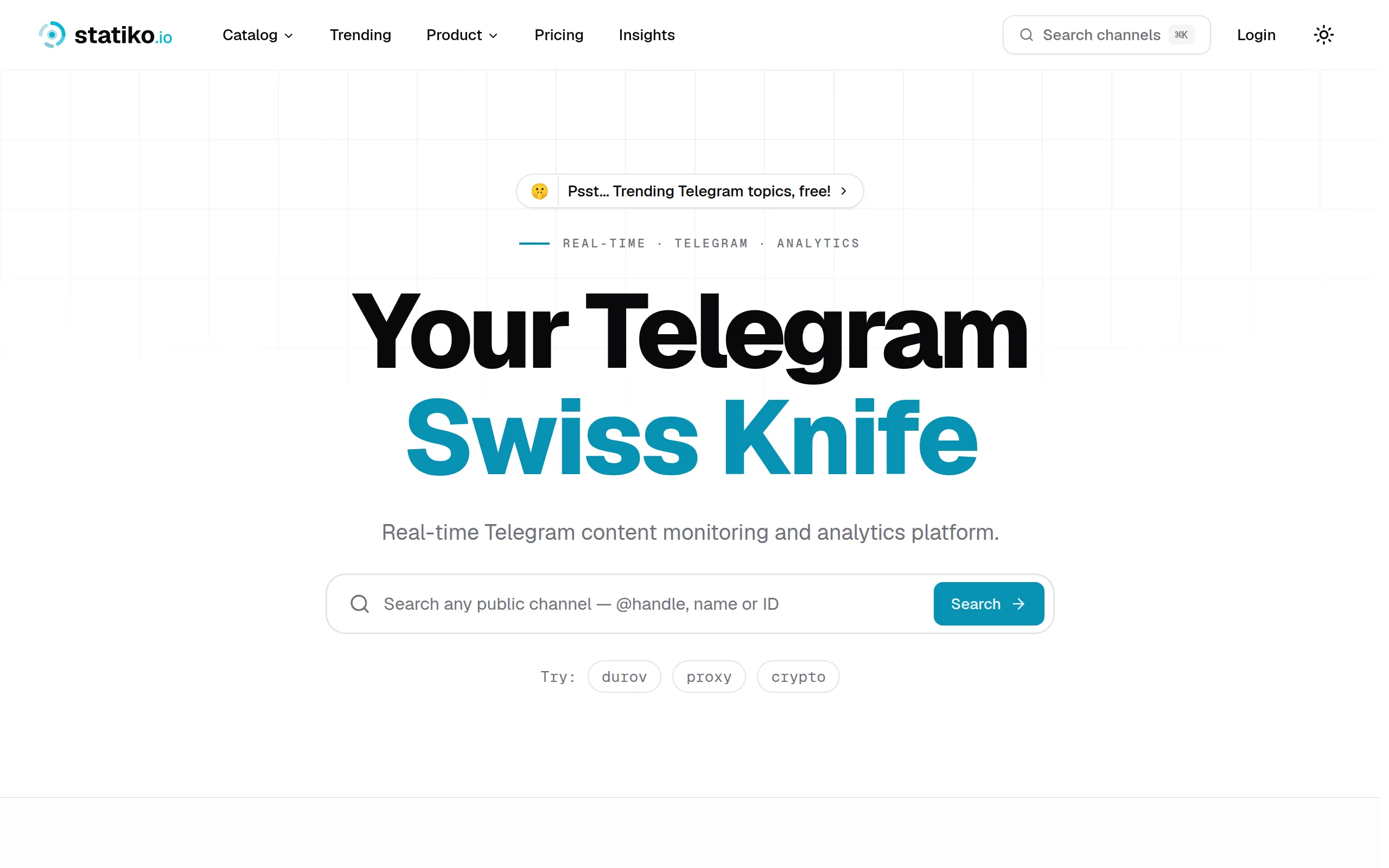
Statiko
Monitor any Telegram channel in real time - track posts, edits, deletions, and growth with AI recaps 📡

Shibui
AI website builder - describe your business, pick a niche template, edit by chatting, and publish instantly ✨
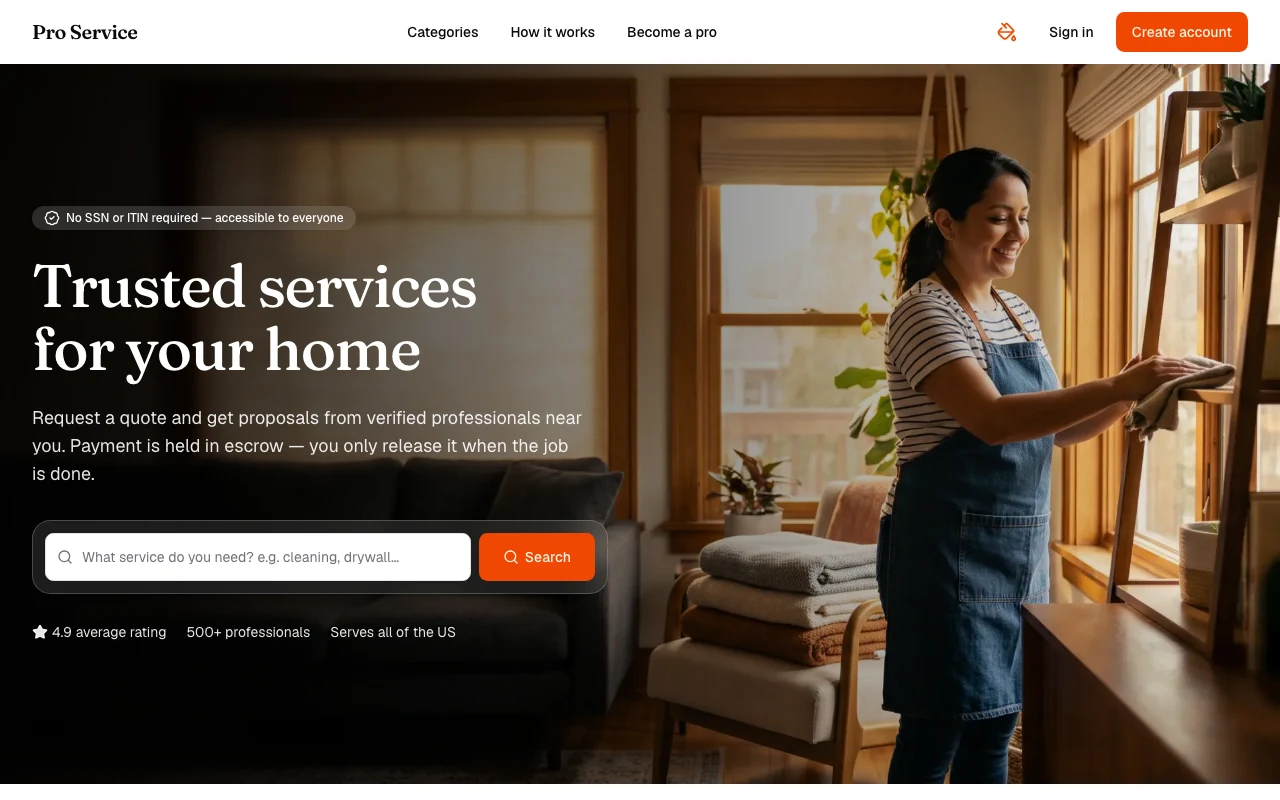
Pro Service
Find verified home service professionals, compare quotes, and pay securely through escrow - built for Brazilians across the US 🏠
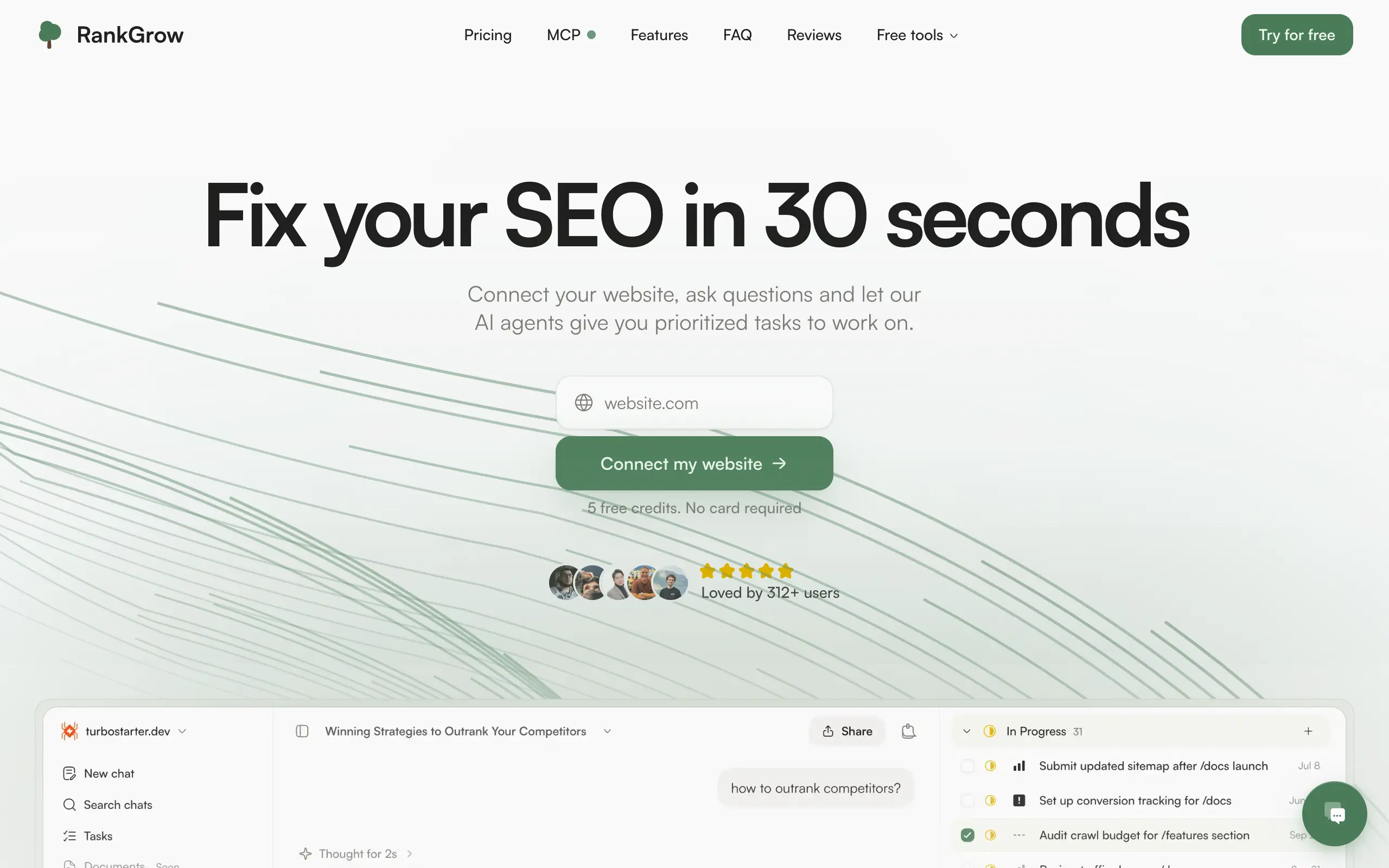
RankGrow
Fix your SEO with AI agents - connect Search Console, get prioritized tasks, and grow organic traffic 📈
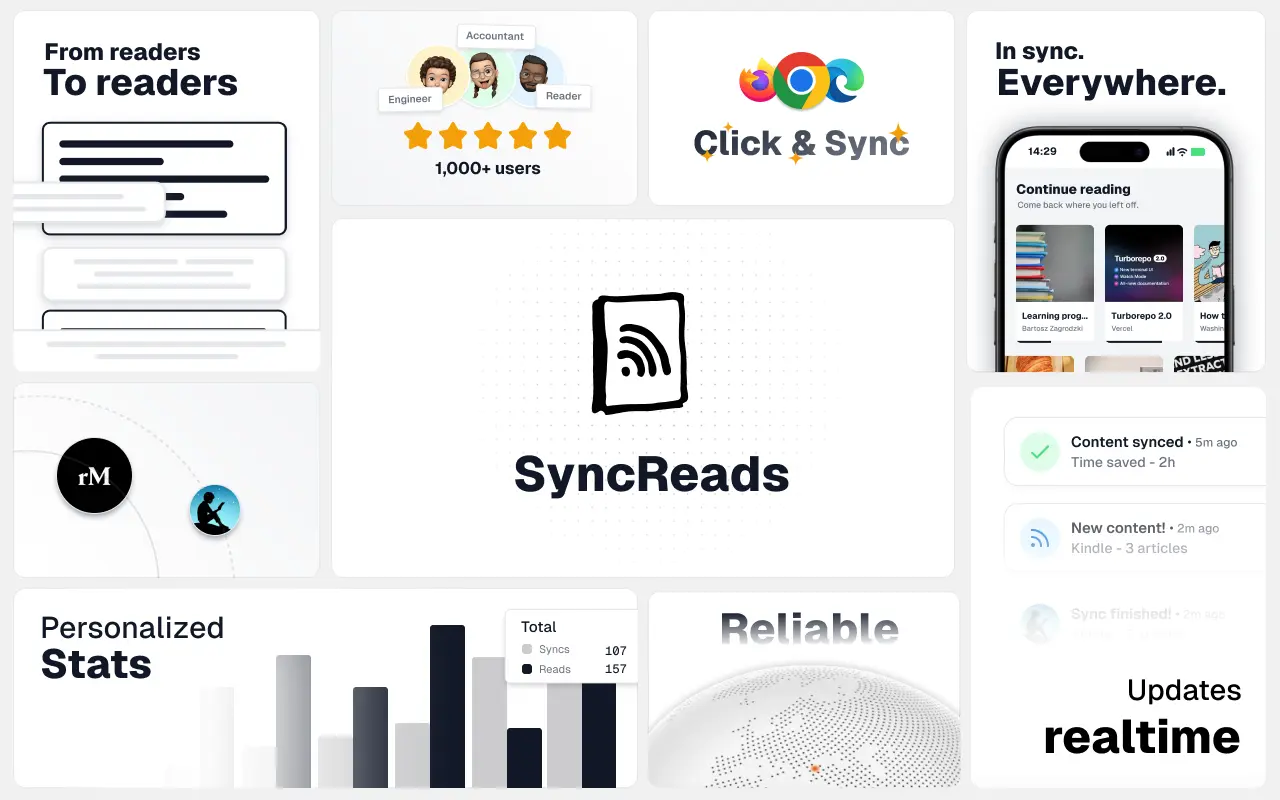
SyncReads
Sync your favorite content for distraction-free reading, save time and replace multiple apps. Anytime, anywhere 🔄
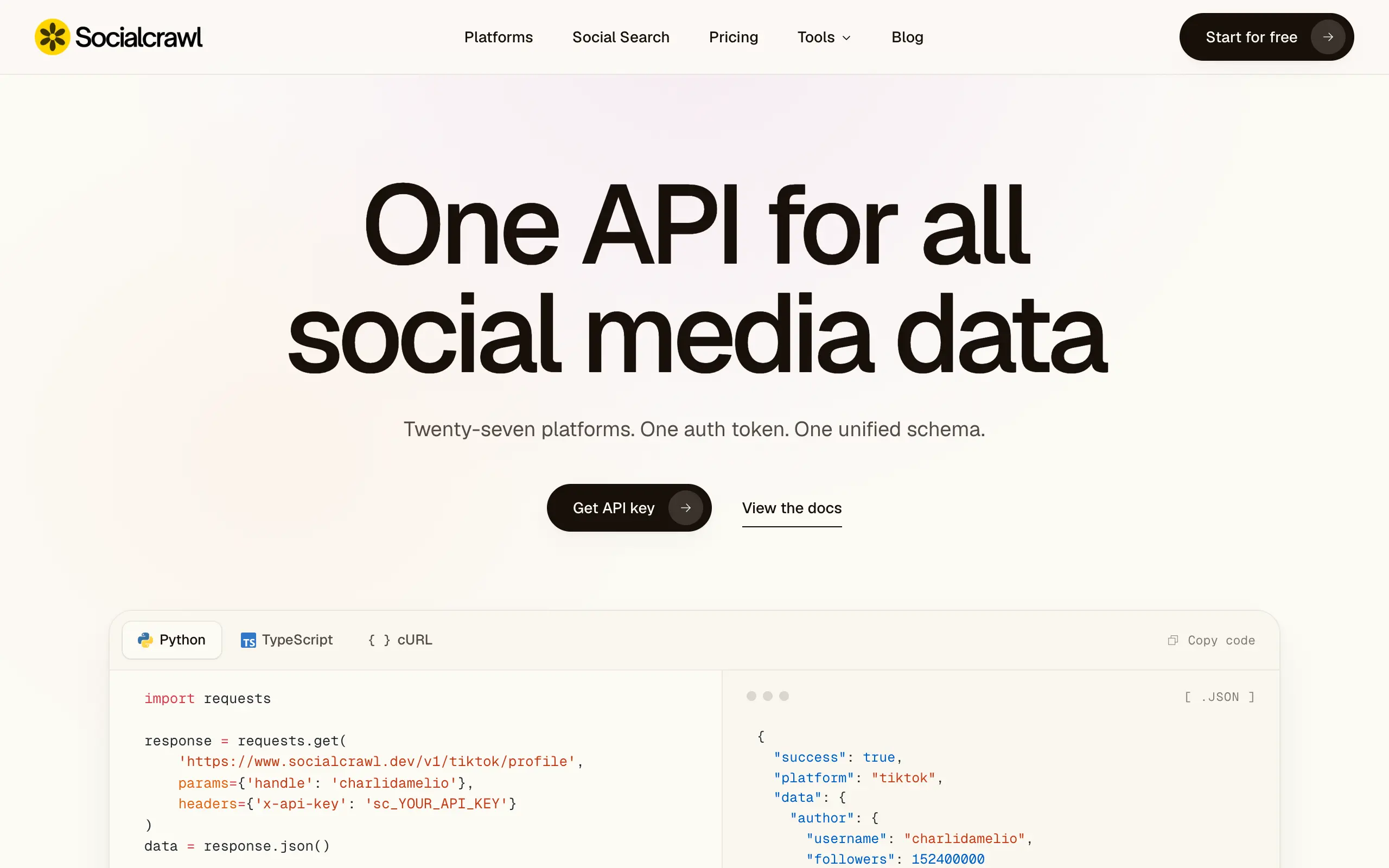
Socialcrawl
Get clean, structured data from 21 platforms like TikTok, Instagram, and YouTube with a single request 📊
Statiko
Monitor any Telegram channel in real time - track posts, edits, deletions, and growth with AI recaps 📡
Shibui
AI website builder - describe your business, pick a niche template, edit by chatting, and publish instantly ✨
Pro Service
Find verified home service professionals, compare quotes, and pay securely through escrow - built for Brazilians across the US 🏠
RankGrow
Fix your SEO with AI agents - connect Search Console, get prioritized tasks, and grow organic traffic 📈
SyncReads
Sync your favorite content for distraction-free reading, save time and replace multiple apps. Anytime, anywhere 🔄
Socialcrawl
Get clean, structured data from 21 platforms like TikTok, Instagram, and YouTube with a single request 📊
Statiko
Monitor any Telegram channel in real time - track posts, edits, deletions, and growth with AI recaps 📡
Shibui
AI website builder - describe your business, pick a niche template, edit by chatting, and publish instantly ✨
Pro Service
Find verified home service professionals, compare quotes, and pay securely through escrow - built for Brazilians across the US 🏠
RankGrow
Fix your SEO with AI agents - connect Search Console, get prioritized tasks, and grow organic traffic 📈
SyncReads
Sync your favorite content for distraction-free reading, save time and replace multiple apps. Anytime, anywhere 🔄
Socialcrawl
Get clean, structured data from 21 platforms like TikTok, Instagram, and YouTube with a single request 📊
Statiko
Monitor any Telegram channel in real time - track posts, edits, deletions, and growth with AI recaps 📡
Shibui
AI website builder - describe your business, pick a niche template, edit by chatting, and publish instantly ✨
Pro Service
Find verified home service professionals, compare quotes, and pay securely through escrow - built for Brazilians across the US 🏠
RankGrow
Fix your SEO with AI agents - connect Search Console, get prioritized tasks, and grow organic traffic 📈
SyncReads
Sync your favorite content for distraction-free reading, save time and replace multiple apps. Anytime, anywhere 🔄
Socialcrawl
Get clean, structured data from 21 platforms like TikTok, Instagram, and YouTube with a single request 📊
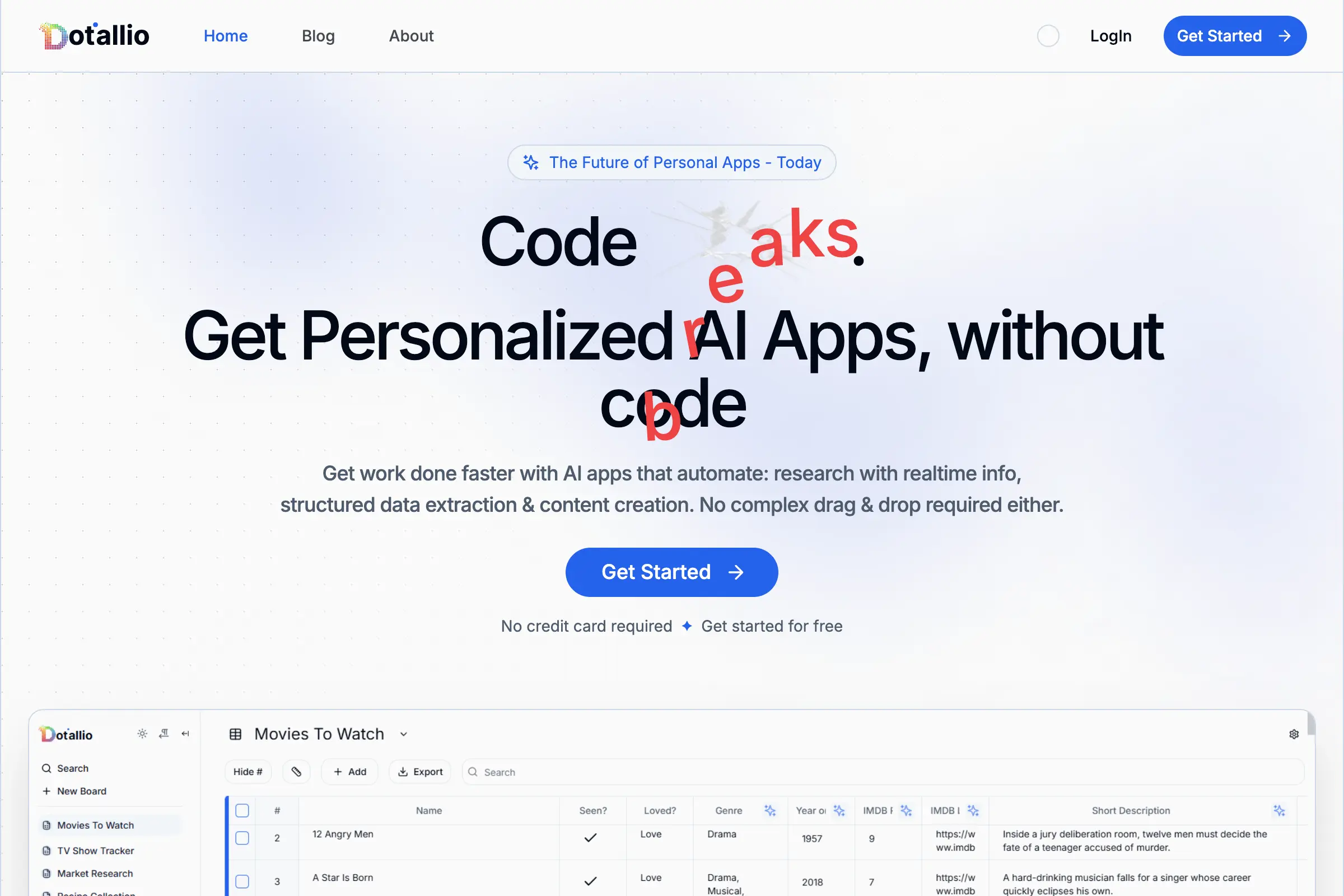
Dotallio
Personalized AI apps that automate research, data extraction, and content creation without code 🤖
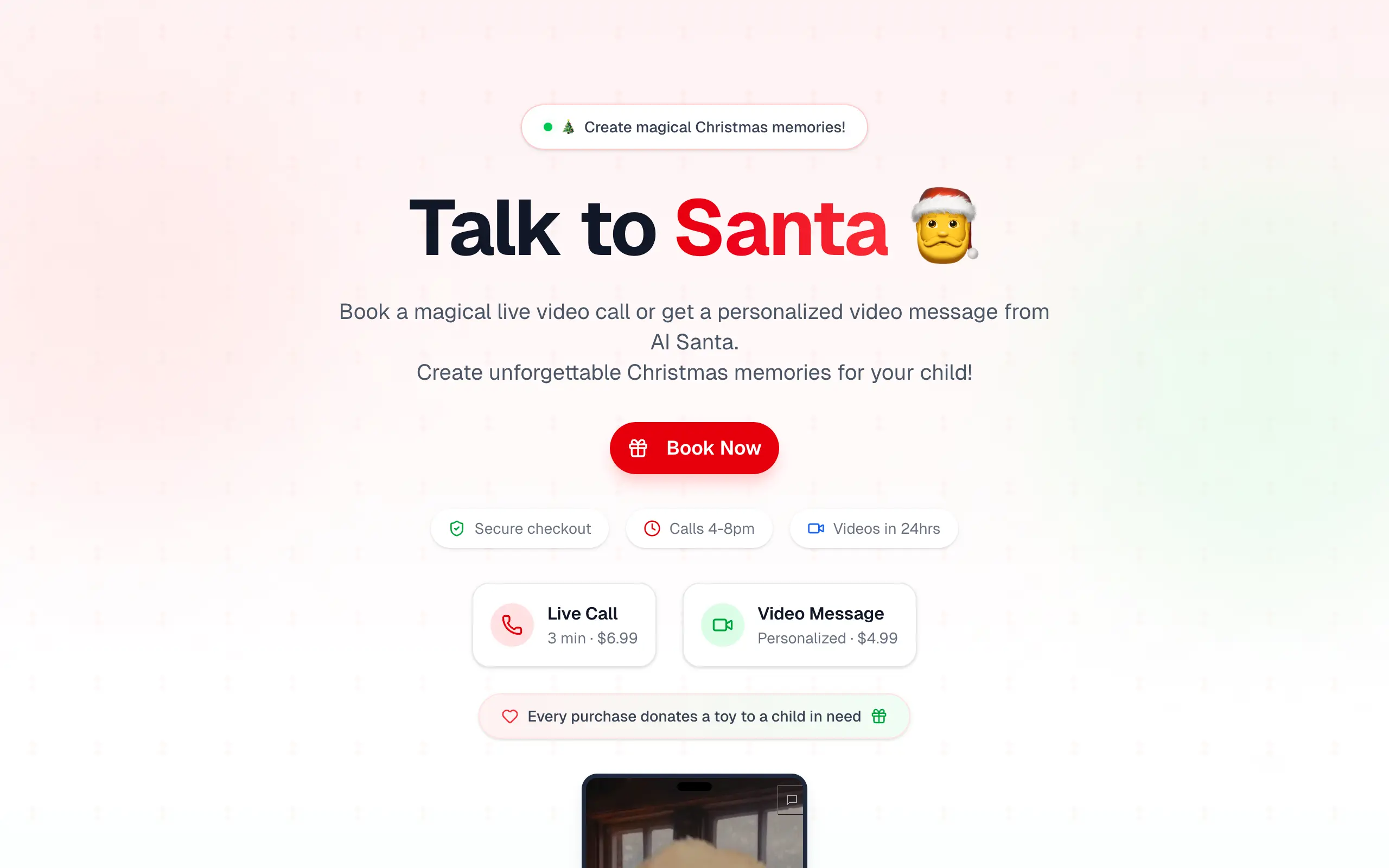
Talk to Santa
Enjoy a magical live video chat or receive a unique AI-generated video greeting from Santa Claus 🎅
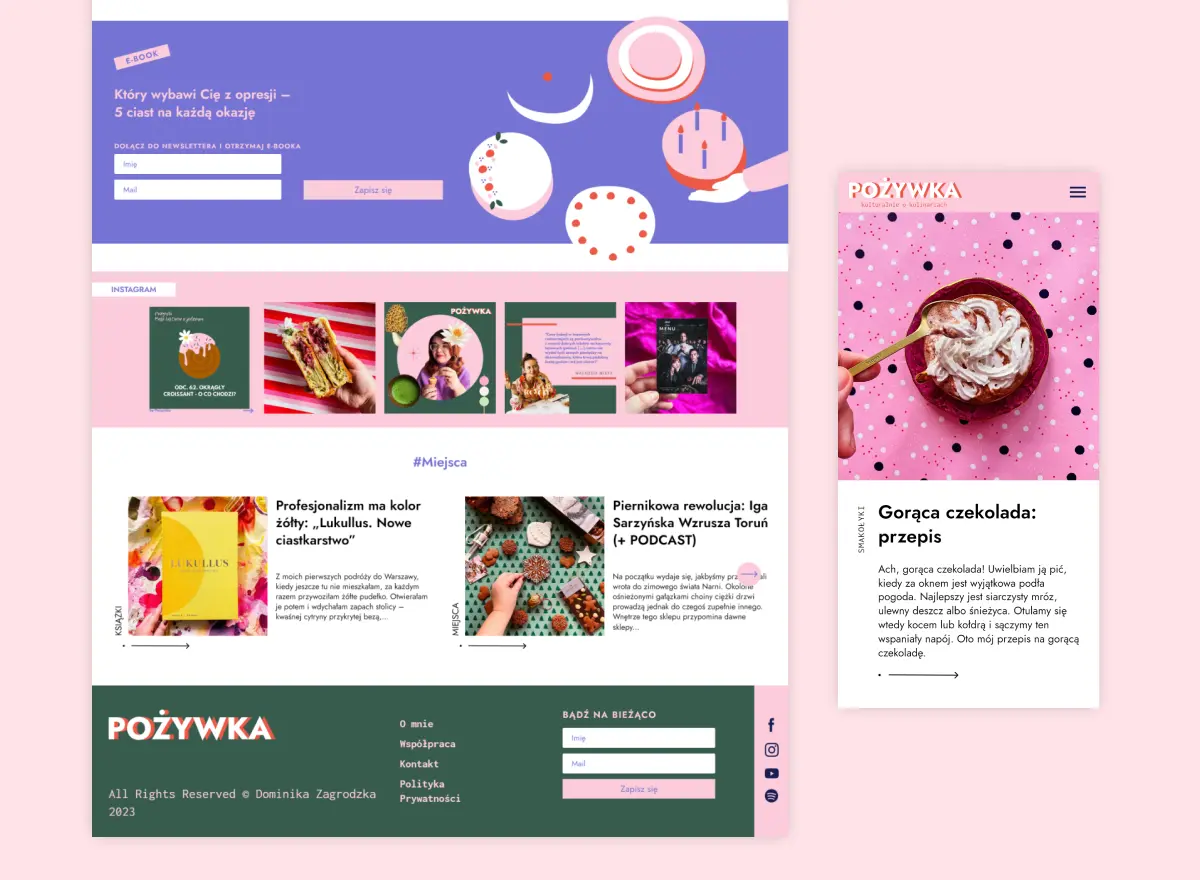
pozywka.pl
Scalable blog for food journalist, focused on performance and user experience 🌭
zagrodzki.me
Personal blog and portfolio of Bart Zagrodzki, where he shares his knowledge and work 💼
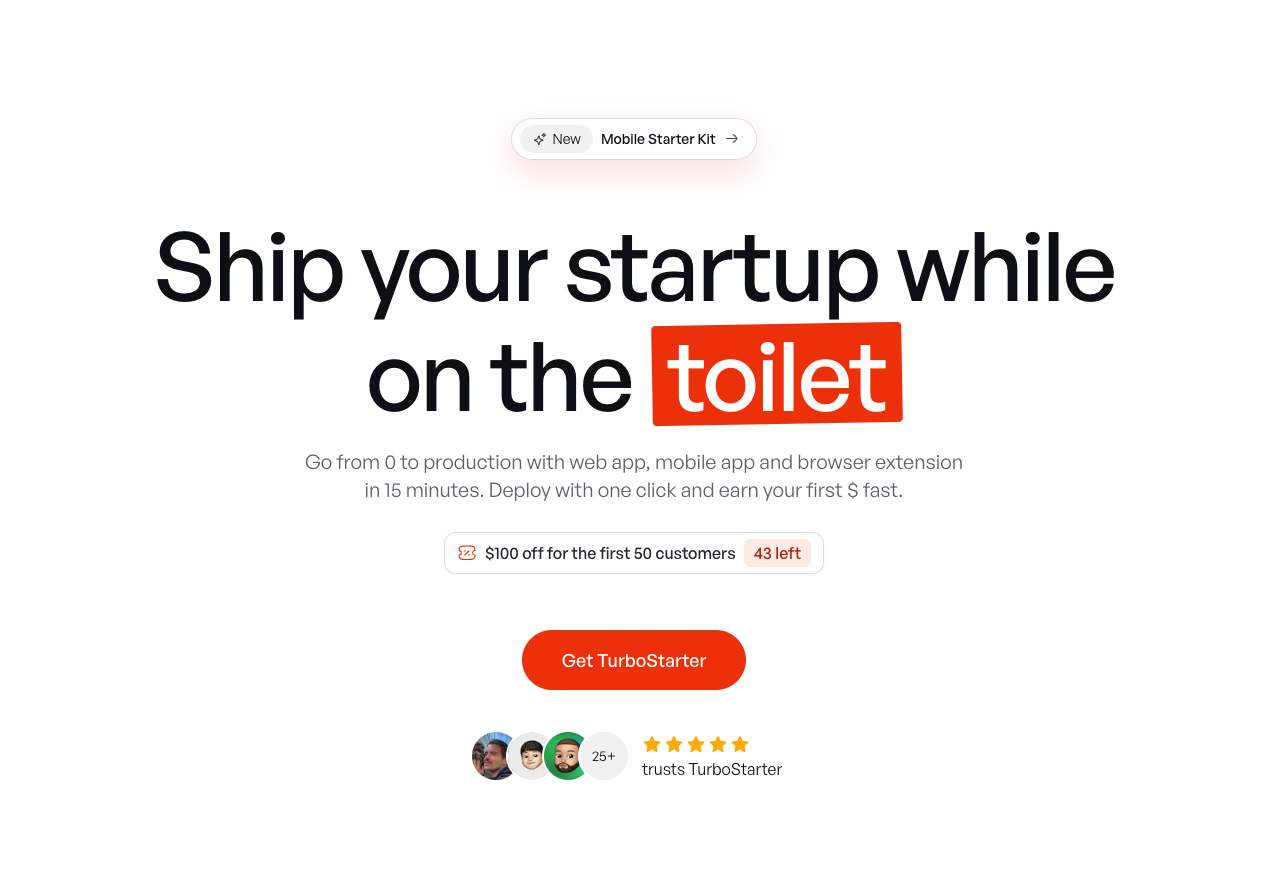
TurboStarter
Ship your startup everywhere. In minutes.
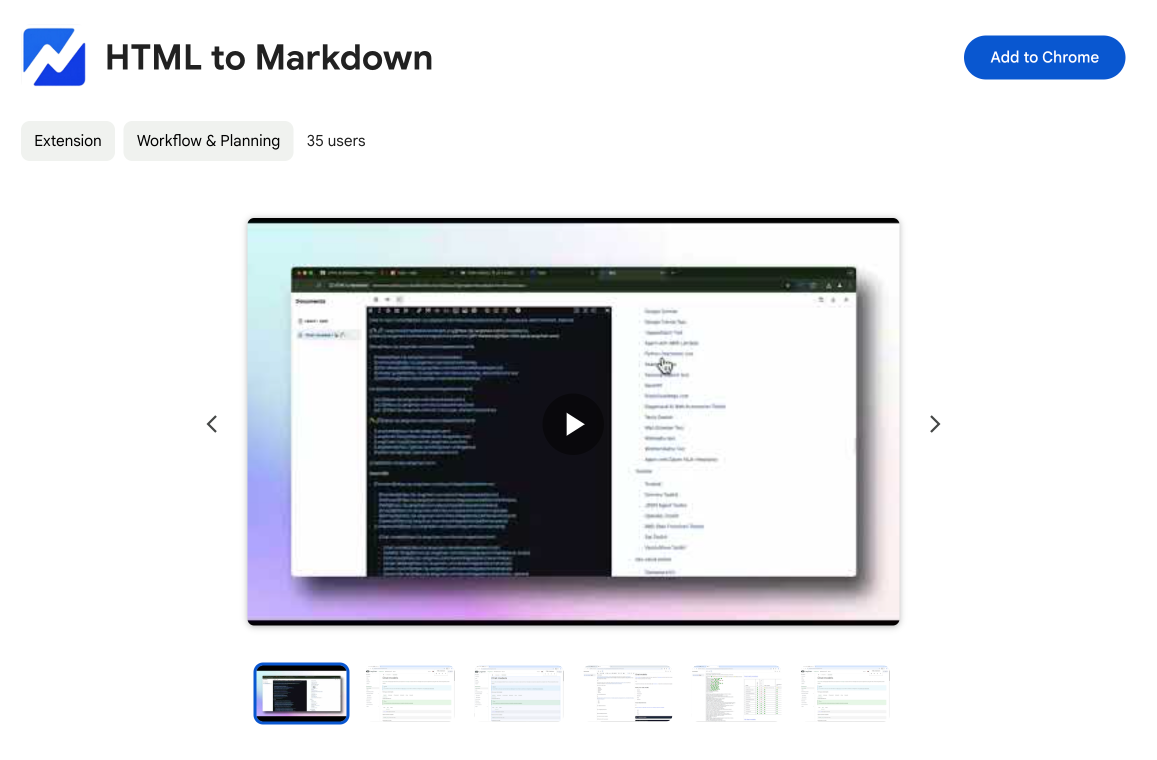
HTML to Markdown
Convert HTML to Markdown with ease, directly in your browser 📄
Dotallio
Personalized AI apps that automate research, data extraction, and content creation without code 🤖
Talk to Santa
Enjoy a magical live video chat or receive a unique AI-generated video greeting from Santa Claus 🎅
pozywka.pl
Scalable blog for food journalist, focused on performance and user experience 🌭
zagrodzki.me
Personal blog and portfolio of Bart Zagrodzki, where he shares his knowledge and work 💼
TurboStarter
Ship your startup everywhere. In minutes.
HTML to Markdown
Convert HTML to Markdown with ease, directly in your browser 📄
Dotallio
Personalized AI apps that automate research, data extraction, and content creation without code 🤖
Talk to Santa
Enjoy a magical live video chat or receive a unique AI-generated video greeting from Santa Claus 🎅
pozywka.pl
Scalable blog for food journalist, focused on performance and user experience 🌭
zagrodzki.me
Personal blog and portfolio of Bart Zagrodzki, where he shares his knowledge and work 💼
TurboStarter
Ship your startup everywhere. In minutes.
HTML to Markdown
Convert HTML to Markdown with ease, directly in your browser 📄
Dotallio
Personalized AI apps that automate research, data extraction, and content creation without code 🤖
Talk to Santa
Enjoy a magical live video chat or receive a unique AI-generated video greeting from Santa Claus 🎅
pozywka.pl
Scalable blog for food journalist, focused on performance and user experience 🌭
zagrodzki.me
Personal blog and portfolio of Bart Zagrodzki, where he shares his knowledge and work 💼
TurboStarter
Ship your startup everywhere. In minutes.
HTML to Markdown
Convert HTML to Markdown with ease, directly in your browser 📄
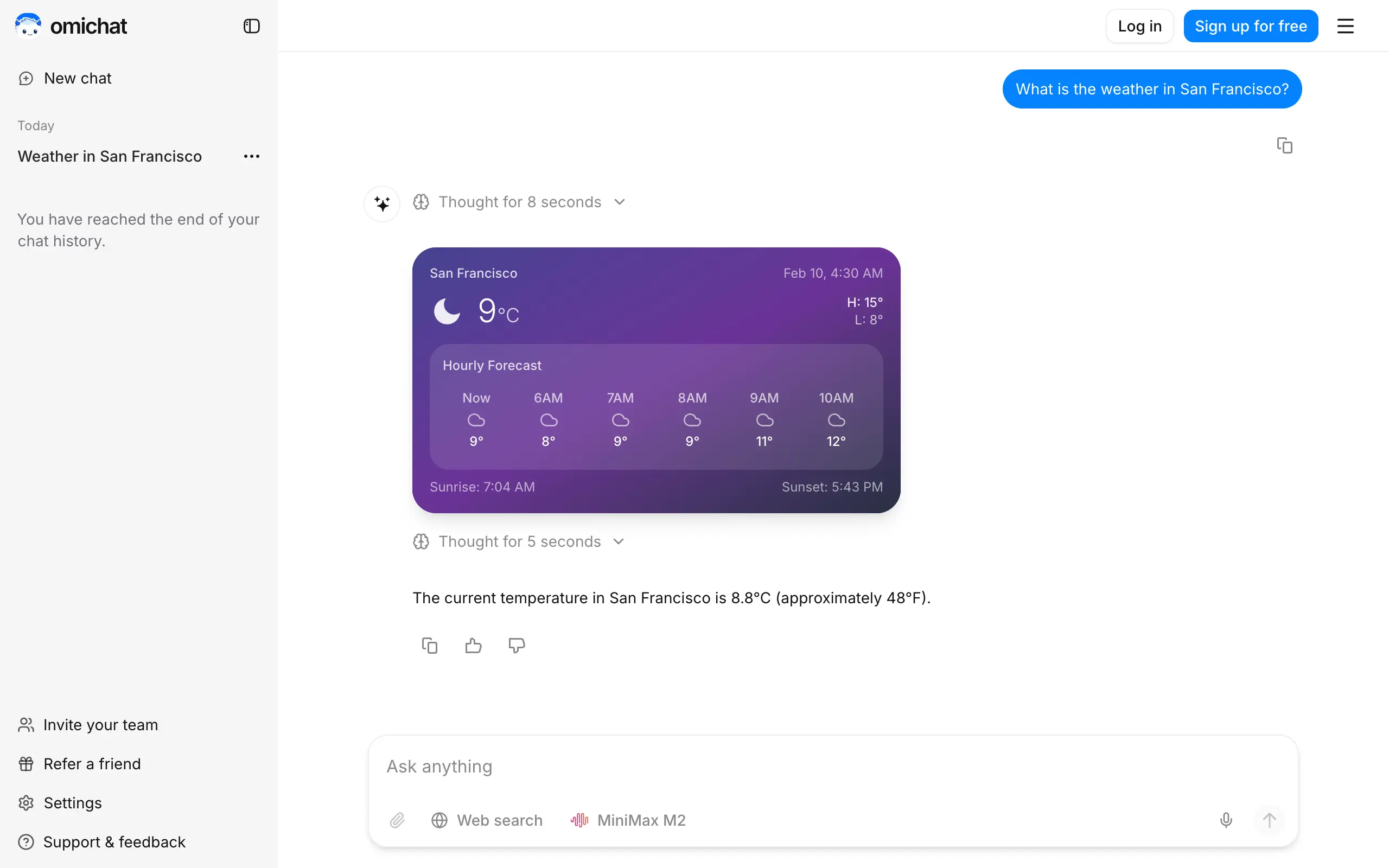
Omichat
Chat with 50+ AI models, including ChatGPT and Claude, in one place - switch models anytime without losing context 🤖
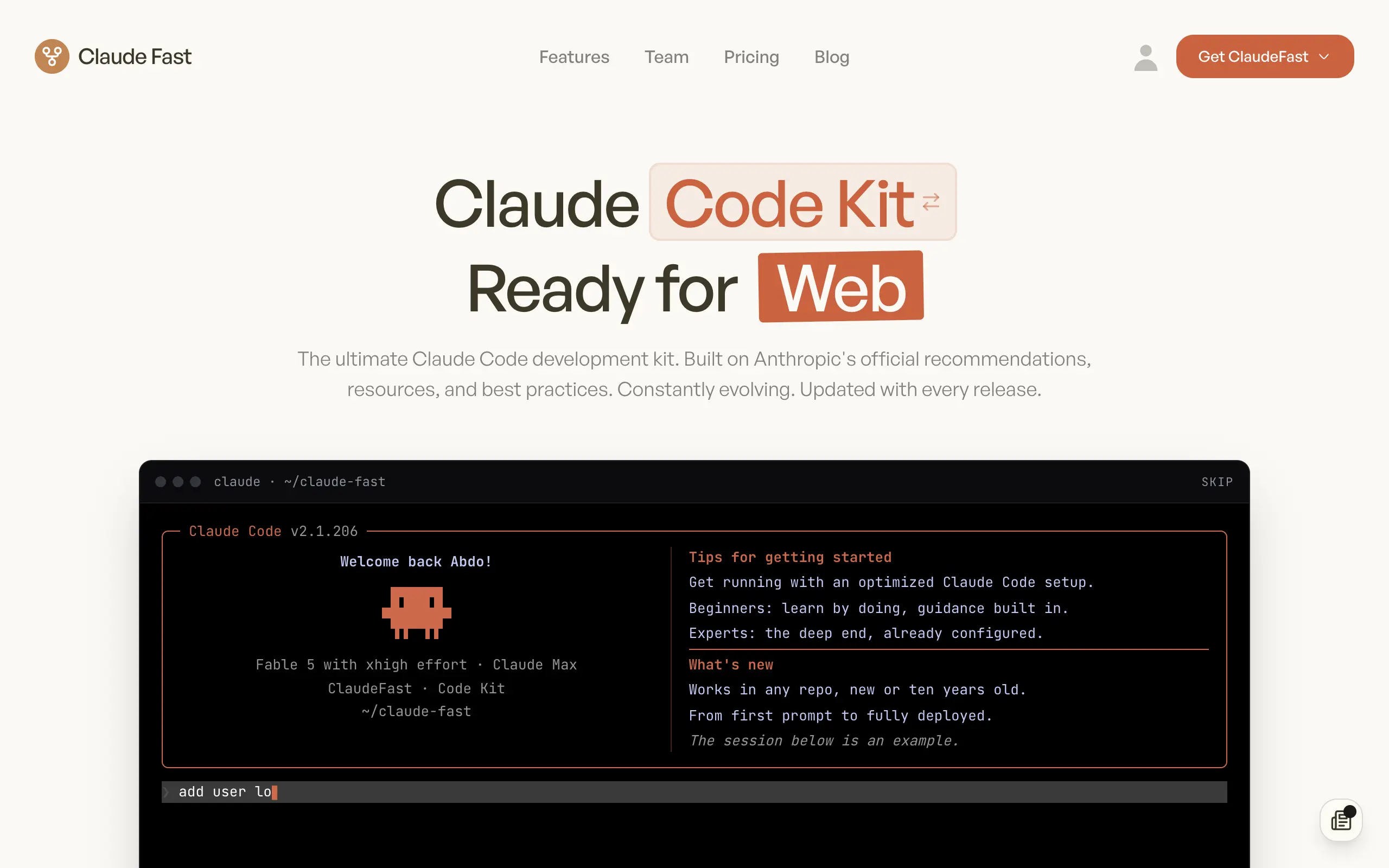
Claude Fast
Supercharge your Claude Code with 6x effective context window and specialized AI agents 🤖
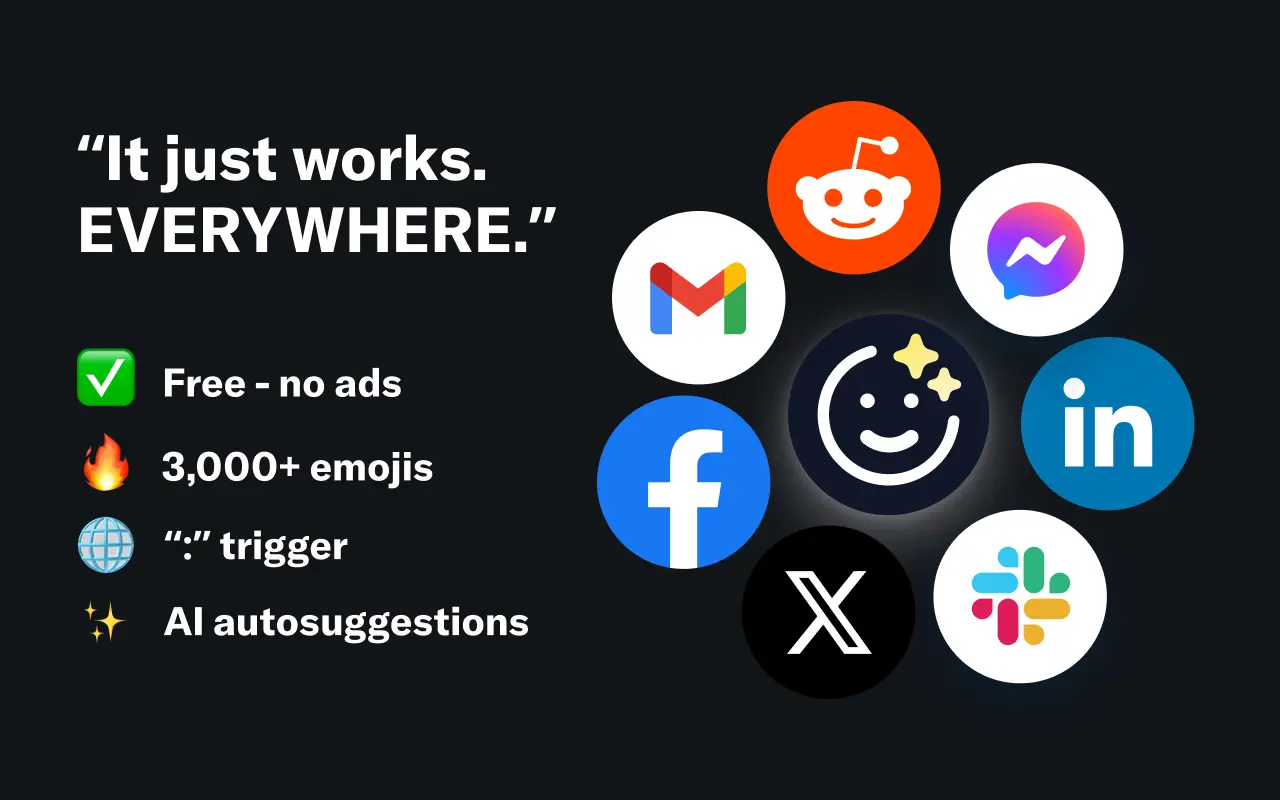
EmojAI
AI-powered emoji picker with smart, context-aware suggestions 🤖
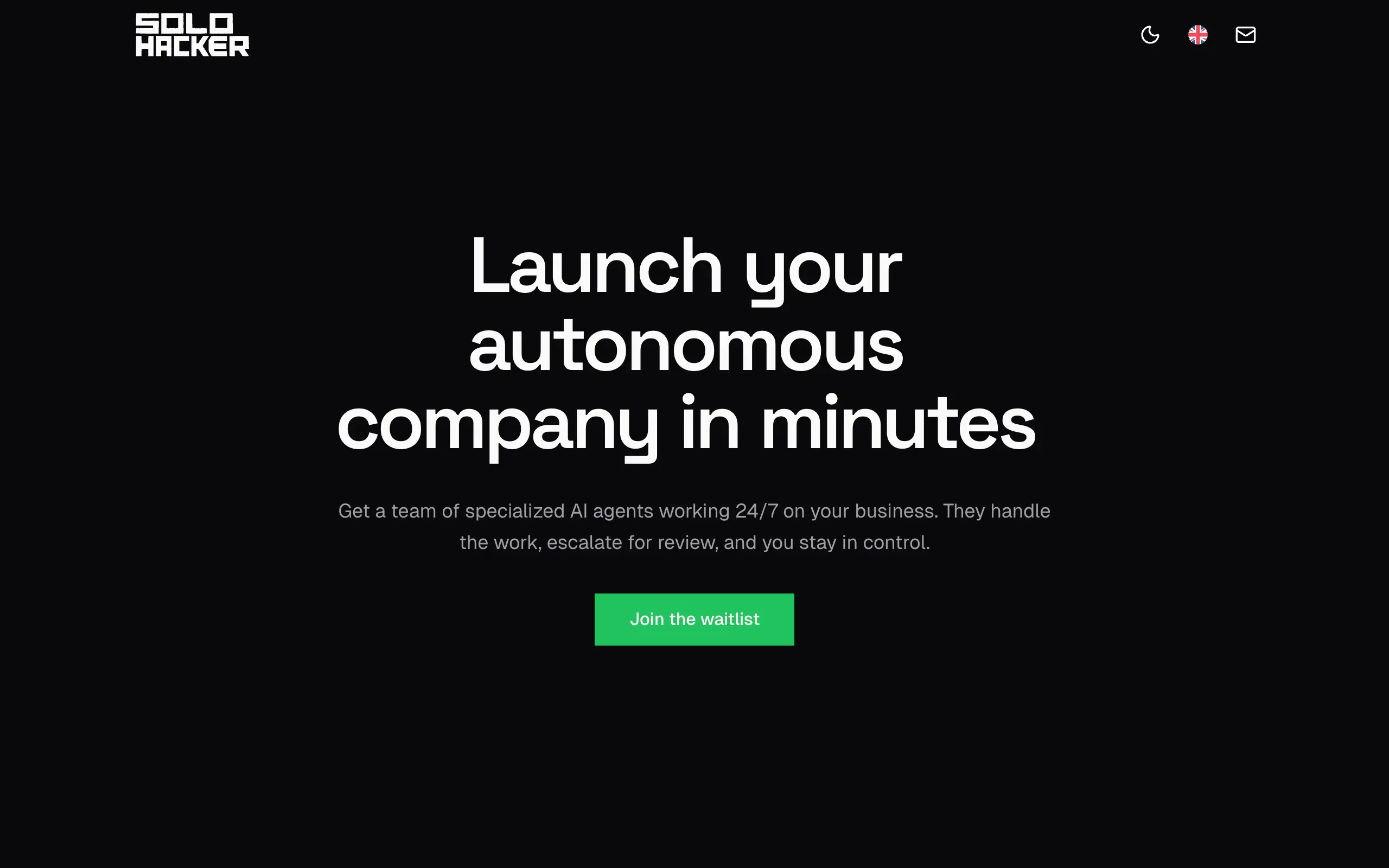
Solohacker
Autonomous company launcher - AI agents work 24/7, escalate what matters, and you stay in control 🤖
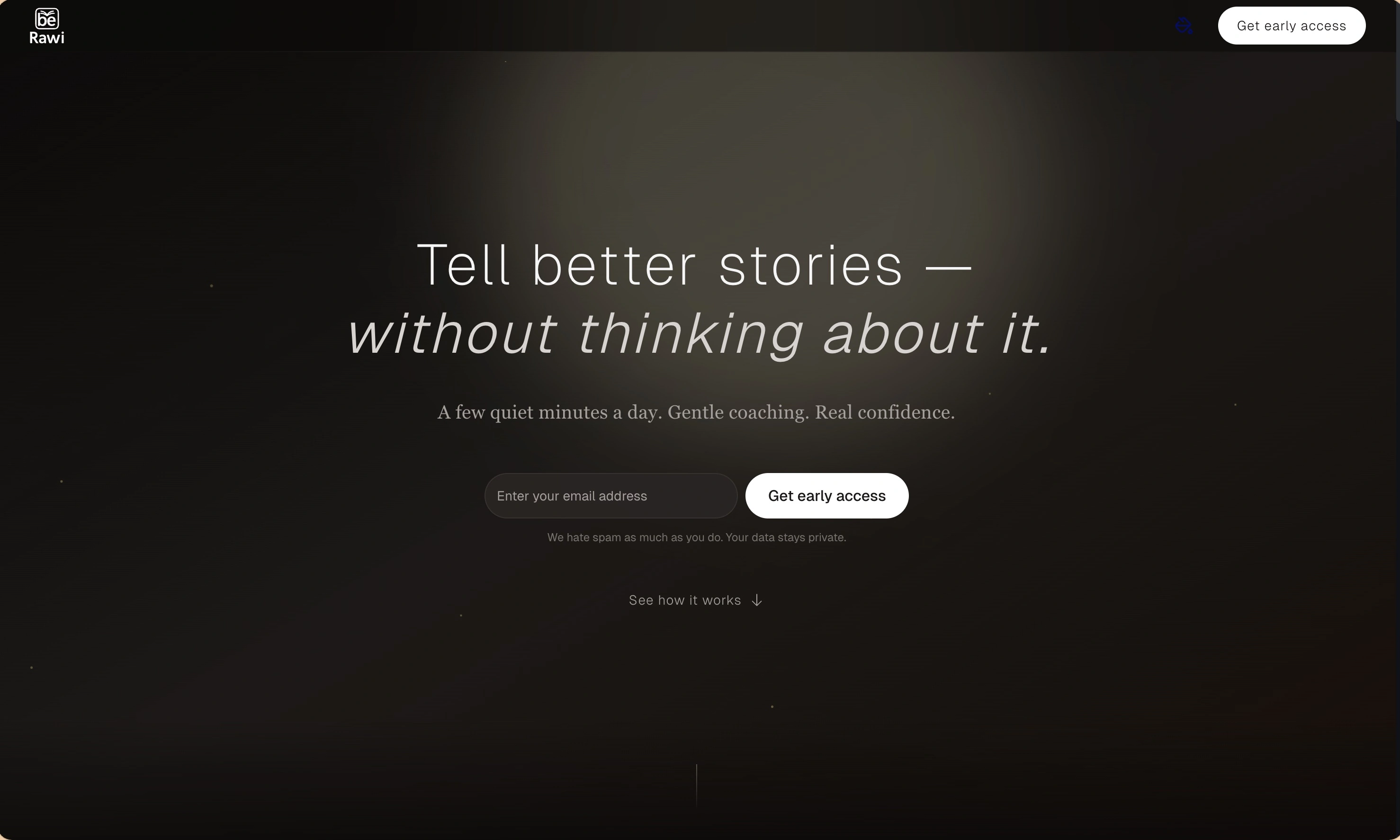
BeRawi: Storytelling Coach
Practice storytelling daily with instant feedback to sound clearer, more engaging, and confident 🎤
Omichat
Chat with 50+ AI models, including ChatGPT and Claude, in one place - switch models anytime without losing context 🤖
Claude Fast
Supercharge your Claude Code with 6x effective context window and specialized AI agents 🤖
EmojAI
AI-powered emoji picker with smart, context-aware suggestions 🤖
Solohacker
Autonomous company launcher - AI agents work 24/7, escalate what matters, and you stay in control 🤖
BeRawi: Storytelling Coach
Practice storytelling daily with instant feedback to sound clearer, more engaging, and confident 🎤
Omichat
Chat with 50+ AI models, including ChatGPT and Claude, in one place - switch models anytime without losing context 🤖
Claude Fast
Supercharge your Claude Code with 6x effective context window and specialized AI agents 🤖
EmojAI
AI-powered emoji picker with smart, context-aware suggestions 🤖
Solohacker
Autonomous company launcher - AI agents work 24/7, escalate what matters, and you stay in control 🤖
BeRawi: Storytelling Coach
Practice storytelling daily with instant feedback to sound clearer, more engaging, and confident 🎤
Omichat
Chat with 50+ AI models, including ChatGPT and Claude, in one place - switch models anytime without losing context 🤖
Claude Fast
Supercharge your Claude Code with 6x effective context window and specialized AI agents 🤖
EmojAI
AI-powered emoji picker with smart, context-aware suggestions 🤖
Solohacker
Autonomous company launcher - AI agents work 24/7, escalate what matters, and you stay in control 🤖
BeRawi: Storytelling Coach
Practice storytelling daily with instant feedback to sound clearer, more engaging, and confident 🎤

Connect with like-minded people
Join our community to get feedback, support, and grow together with 1,000+ builders on board, let's ship it!
Join usShip your startup everywhere. In minutes.
Don't burn tokens on setup and start building features on day one.