ExpenseSync
A cloud-based expense tracking platform designed for small to medium-sized businesses, offering seamless integration with popular accounting software and real-time analytics to optimize financial management.
Overview of the Expense Tracking Platform
This platform is a next-generation cloud-based solution designed to simplify and streamline expense tracking for small to medium-sized businesses. By offering seamless integration with well-known accounting software and real-time analytics, it empowers companies to manage their finances efficiently and make data-driven decisions. The platform stands out by unifying digital expense management with robust connectivity to other essential business tools.
The solution is built to solve common challenges businesses face with traditional manual expense tracking systems. By automating data entry, providing intuitive dashboards, and offering impeccable user experiences, the platform saves time and reduces errors. With its flexible design and scalable architecture, businesses can adjust to growth while keeping a keen eye on their financial health.
A key benefit is its ability to integrate into existing workflows, easing the transition for teams familiar with other accounting tools. Using modern technology, the platform enhances data transparency and improves overall operational efficiency.
Target Audience: Who Will Benefit?
The expense tracking platform is primarily designed for B2B markets. It focuses on serving small to medium-sized enterprises (SMEs) that need:
- Accurate expense recording: To reduce discrepancies in financial reports.
- Real-time data analysis: For proactive decision-making.
- Cloud-based solutions: For access anytime, anywhere.
- Seamless integration: With popular accounting software to avoid manual double entries.
- Scalability: To support growth without needing complete overhauls.
Detailed Audience Segmentation
- Startups: Often need rapid implementation without heavy overhead costs, so a streamlined and intuitive platform is ideal.
- SMBs and SMEs: With growing teams, these businesses need a system that minimizes paperwork and synchronizes seamlessly with their existing accounting platforms.
- Accountants and Bookkeepers: Professionals who benefit from integration with legacy accounting software to avoid tedious data transfer tasks.
- Finance Managers: Who value real-time insights and analytics to guide business strategy and ensure budget adherence.
- Tech-savvy professionals: Who appreciate a modern, cloud-first approach to financial management.
Tip
Consider tailoring the onboarding experience for different user roles within the business to ensure maximum productivity and minimal training overhead.
Market Opportunity in the Expense Management Industry
Businesses today are increasingly moving towards automation and digital transformation, rendering manual expense tracking ineffective. This platform taps into a market that is witnessing exponential growth driven by:
- Demand for automation: Companies are shifting from spreadsheets and paper receipts to fully automated, cloud-based platforms.
- The rise of remote work: Cloud solutions offer a significant edge when team members operate from different locations.
- Enhanced data analytics: Businesses require real-time insights to stay competitive, and traditional tools simply cannot deliver the speed or depth of modern analytics.
- Integration needs: With the proliferation of specialized software tools, businesses are looking for centralized systems that can tie all their tools together.
- Security and compliance: As data breaches become more frequent, companies need solutions built with modern security practices in mind.
Additional details regarding the market:
- The financial software market is predicted to see sustained growth due to increased business digitization.
- There is a clear trend where business owners and finance teams are actively seeking integrated solutions that simplify not just expense tracking but overall financial management.
- Regulatory changes across regions demand accurate, auditable, and real-time financial data, further boosting the platform's value proposition.
Companies tapping into this opportunity will not only save time but will also greatly reduce operational costs. The platform capitalizes on these ongoing trends, providing seamless integration and automation capabilities that match modern business requirements.
Robust Tech Stack for Modern Business Needs
The technical architecture powering the platform is both scalable and secure. It's built on a robust stack that emphasizes cloud scalability, real-time data processing, and secure integrations with third-party software. Here are some of the core elements:
- Cloud Infrastructure: Leveraging AWS, Azure, or Google Cloud ensures high-availability, scalability, and robust security.
- Backend Services: Node.js or Python provide the foundation for building RESTful APIs, offering the essential backbone for integrating various data sources.
- Frontend Framework: React or Vue.js is used to create dynamic, responsive user interfaces that deliver a superior user experience.
- Database Management: PostgreSQL and MongoDB provide robust storage for transactional data and analytical processes.
- Data Analytics: Real-time analytics are powered by tools like Apache Kafka for streaming data and a powerful data visualization library like D3.js.
- Automation & Integration: Utilizing services like Zapier or native API connectors to integrate directly with popular accounting software such as QuickBooks, Xero, or FreshBooks.
For teams looking for rapid implementation, TurboStarter provides a comprehensive starter kit that accelerates web, mobile, and browser extension development. This kit offers modular components and best practices in a plug-and-play format, reducing development overhead and ensuring best-in-class performance.
Below is an example of a simple code snippet that demonstrates how modern module implementations work:
const test = () => {
  console.log("this is a code snippet!");
}Our backend leverages the power of Node.js combined with Express to create scalable APIs. Meanwhile, our front-end utilizes React, enabling dynamic rendering and flexible component reuse.
Monetization Strategy
Developing a sustainable monetization strategy is key to ensuring the platform's longevity and continued development. The approach focuses on various revenue streams that create recurring income:
- Subscription-based model: Monthly or annual subscriptions tailored to different business sizes and levels of functionality.
- Freemium model with in-app purchases: Offering a free tier with basic features, while premium functionalities can be unlocked through additional payments. This provides a taste of the core value proposition before users commit.
- Pay-As-You-Go: For companies that may prefer scaling the costs directly with their usage, this model offers flexibility.
- Partnerships and integrations fees: By integrating with popular accounting software and other online business tools, there is an opportunity to charge for enhanced data connectivity.
- Custom solutions and white-labeling: For larger enterprises seeking a more customized solution, there is potential for bespoke implementations and branding.
Benefits of the Subscription Model
- Predictable revenue stream: Facilitates budgeting and operational planning.
- Customer loyalty: Encourages long-term relationships rather than one-off purchases.
- Scalability: As companies grow, they are more likely to upgrade their accounts which supports increased revenue.
By aligning the monetization strategy with the needs of the target audience, the platform can ensure sustained growth and reinvestment in further feature development, enhancing its long-term competitive position.
Identifying and Mitigating Risks
Any innovative platform must be proactive in understanding and mitigating potential risks that might impact its operations. Here are some core areas where risks may arise and the strategies to counteract them:
- Data Security and Privacy:
- The platform will manage sensitive financial data; therefore, robust encryption and compliance with regulations like GDPR and CCPA are essential.
- Regular security audits and penetration testing must be instituted to proactively discover vulnerabilities.
- Integration Stability:
- Relying on third-party accounting software means needing strict protocols for API changes. Establishing strong SLAs and real-time monitoring can mitigate these risks.
- User Adoption:
- Transitioning from legacy systems is always challenging. To ease this, investing in comprehensive onboarding and customer support training ensures that users can efficiently adopt the new platform.
- Market Competition:
- Fintech is a rapidly evolving field. The platform must continuously innovate, gather user feedback, and adapt to market changes.
- Scalability Issues:
- A platform handling real-time analytics must scale with the user's demand, which requires horizontal scaling and microservice architecture.
- Regulatory Risks:
- With finance-related applications, staying updated with financial regulations globally is crucial. This may require legal advisory teams to ensure compliance.
Risk Advisory
Always invest in continuous monitoring systems and maintain a dedicated security team to handle emerging threats before they escalate.
Mitigating these risks involves not only technological investments but also strategic partnerships, thorough user training, and robust backend processes. This proactive stance minimizes probability of data breaches, service disruptions, and financial discrepancies.
Competitive Advantages in One Platform
The expense tracking platform differentiates itself in several key ways that provide it significant advantages over competitors:
- Seamless Integration with Accounting Tools:
- The platform is designed to work with popular accounting software, reducing the need for duplicate data entry and minimizing human error. This interconnectedness is one of the core differentiators.
- Real-Time Analytics and Reporting:
- Business leaders can access dashboards that provide up-to-the-minute insights on expenses. This level of detail empowers timely decision-making based on practical financial data.
- User-Friendly Interface:
- The focus on intuitive design ensures that even non-technical users can navigate the system effortlessly. This translates to faster onboarding and reducing training costs.
- Flexible Subscription Models:
- Whether it’s a startup with limited funds or a growing SME that needs advanced features, the flexible monetization plans cater to various business sizes. This approach appeals to a broad market segment.
- High-Level Data Security:
- With built-in compliance measures and top-tier encryption standards, businesses can trust that their sensitive financial data is protected.
- Rapid Implementation:
- For teams seeking to accelerate development, solutions like TurboStarter and its pre-built components can reduce time-to-market. This is particularly valuable in competitive markets where every day counts.
Feature highlight
Seamless integration between expense management and accounting software means reduced manual efforts, real-time data updates, and increased productivity.
How It Stands Out in a Crowded Market
Unlike many expense tracking applications that require cumbersome data imports and offer basic functionalities, this platform is designed with advanced features such as:
- Automated receipt scanning: Using OCR (Optical Character Recognition) to automatically capture and record expense details.
- Customizable analytics dashboards: Allowing managers to set up personalized views relevant to their business operations.
- Cloud-based resilience: Ensuring that data is accessible at all times and backed up securely.
- Interoperability with multiple systems: Minimizing the need for intermediary systems or manual data transfers between disparate software.
The strategic design, cutting-edge technology, and refined user experience ensure that the system is both robust and highly adaptive, positioning it well against legacy systems and newer entrants alike.
Addressing the Tech Stack with Modern Tools
A deep dive into the technological foundation reveals how the combination of modern frameworks and cloud-native architecture positions the platform for longevity. Our modular approach allows for iterative development and rapid enhancements, maintaining a balance between innovation and stability.
Key components of the tech stack include:
- Frontend Technologies:
The use of React (or similar frameworks like Vue.js) allows for dynamic rendering and improved user engagement. Components can be reused across the platform, ensuring consistency and reducing development time. - Backend Infrastructure:
Developing with Node.js or Python frameworks accelerates API creation and ensures high performance.
Sample code snippet illustrating modern practices:const fetchData = async () => { try { const response = await fetch('/api/expenses'); const data = await response.json(); console.log(data); } catch (error) { console.error("Error fetching data", error); } } - Data Layer:
The use of PostgreSQL for transactional data and MongoDB for document-based storage enables flexible data management that scales with business growth. - Real-Time Processing:
Integrating solutions such as Kafka enables the platform to handle real-time data streams, ensuring analytics remain current. - DevOps and CI/CD Pipelines:
Automation tools ensure seamless deployment and continuous integration, reducing downtime and accelerating feature delivery.
For teams aiming for rapid development and deployment, leveraging TurboStarter offers a pre-configured environment with best practices already implemented. This streamlines the development process, allowing teams to focus on custom integrations and unique features.
Monetization, Integration, and Scaling – A Holistic Approach
An effective integration strategy doesn't stop at connecting data (and that's what sets this platform apart) – it extends into how the platform can maintain growth while ensuring scalability. Here's how the approach unfolds:
- Dynamic Pricing Models:
By offering multiple pricing tiers, businesses can select a plan aligned with their operational scale. This opens up the platform as a preferred choice among growing companies. - Value-Added Services:
Services such as premium support, advanced analytics modules, and customized reporting add additional revenue channels. - API-Driven Ecosystem:
Opening up a developer API allows partner applications to interface directly with the system for added features. This strategy fosters an ecosystem that can help drive expansion and engagement.
Weighing the Risks and Preparing for the Future
The path to innovation comes with its fair share of challenges. Addressing potential pitfalls is not about casting doubt, but about constructing robust mitigation strategies that future-proof the platform:
- Integration Dependencies:
Contingency plans should be established if an integration partner updates or modifies their API protocols. It is crucial to keep a dedicated monitoring service in place to catch any discrepancies early. - Scalability Pressures:
With increasing data volume from real-time analytics comes the need for expanded server capacity and advanced caching strategies to maintain performance. - Regulatory Compliance:
As data management requirements evolve, maintaining agile compliance strategies ensures that the platform meets global standards. - User Experience Challenges:
Feedback loops need to be embedded within the product lifecycle so that user pain points are quickly identified and resolved.
An iterative approach in development will ensure that the platform remains adaptable, resilient, and primed to catch emerging trends.
Final Thoughts and Implementation Steps
In summary, this expense tracking platform is set to redefine how small to medium-sized businesses handle their financial operations. By integrating cutting-edge technology with data analytics, intuitive design, and a flexible pricing strategy, the platform paves the way for a modern, integrated experience that addresses contemporary challenges.
The key differentiators include:
- Real-time analytics to foster proactive decision-making.
- Seamless API integrations which reduce manual data entry.
- A cloud-first approach that enhances both scalability and data security.
- Flexible monetization options that cater to every business size.
- A clear focus on user experience, ensuring swift adoption and minimal friction.
To distill and guide your journey, consider these implementation steps:
By following these steps, businesses and development teams can ensure a smooth rollout of this innovative expense tracking platform. Continuous refinement, responsiveness to user feedback, and an unwavering focus on security and scalability will help build a lasting competitive advantage.
This platform represents more than a tool—it is a transformative solution that empowers companies to optimize their financial management practices, making them better equipped to navigate an increasingly complex business environment. With high potential for growth, a low barrier to entry for new clients, and a robust support structure, it stands as a compelling asset in the modern financial technology landscape.
The future of expense management is here, and by aligning technology with user-centric design principles, the platform promises to deliver tangible value with every transaction recorded and every insight generated.
In conclusion, the platform’s successful implementation involves a balanced blend of market insight, agile development practices, and a keen focus on cybersecurity. Embracing rapid development tools and starter kits like TurboStarter can accelerate this process, enabling businesses to stay ahead in a dynamic market. Whether you are a small startup or an expanding SME, these strategic actions help unlock a seamless, integrated financial management experience.
Feel free to reach out if further guidance is needed on implementation, integration techniques, or additional feature enhancements. The future of expense tracking is bright, and this platform is poised to lead the way in digital financial innovation.
More 🏢 B2B Application SaaS ideas
Discover more innovative b2b application SaaS ideas that are trending in 2026. Each idea is AI-generated with market validation and growth potential to help you find your next profitable venture faster than competitors.
Your competitors are building with TurboStarter
Below are some of the SaaS ideas that have been generated and built with our starter kit.

Statiko
Monitor any Telegram channel in real time - track posts, edits, deletions, and growth with AI recaps 📡

Shibui
AI website builder - describe your business, pick a niche template, edit by chatting, and publish instantly ✨

Pro Service
Find verified home service professionals, compare quotes, and pay securely through escrow - built for Brazilians across the US 🏠

RankGrow
Fix your SEO with AI agents - connect Search Console, get prioritized tasks, and grow organic traffic 📈
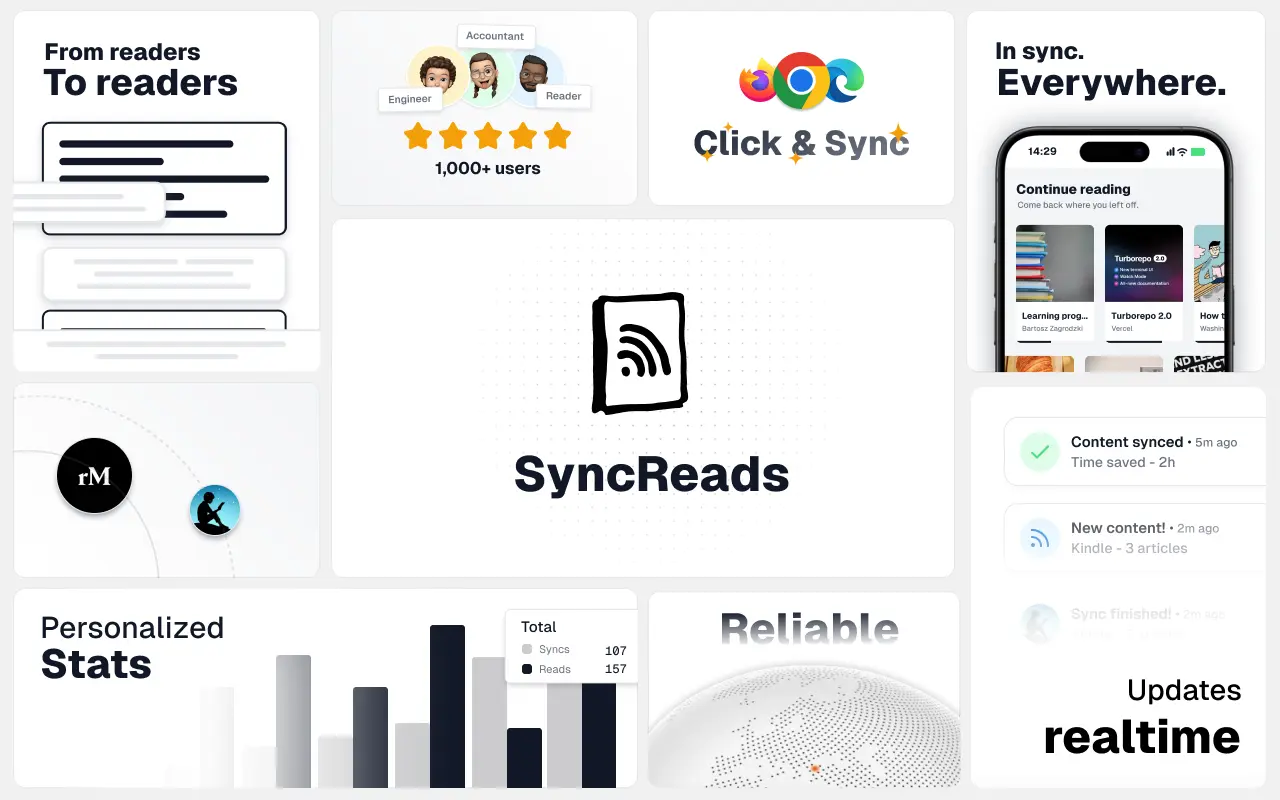
SyncReads
Sync your favorite content for distraction-free reading, save time and replace multiple apps. Anytime, anywhere 🔄
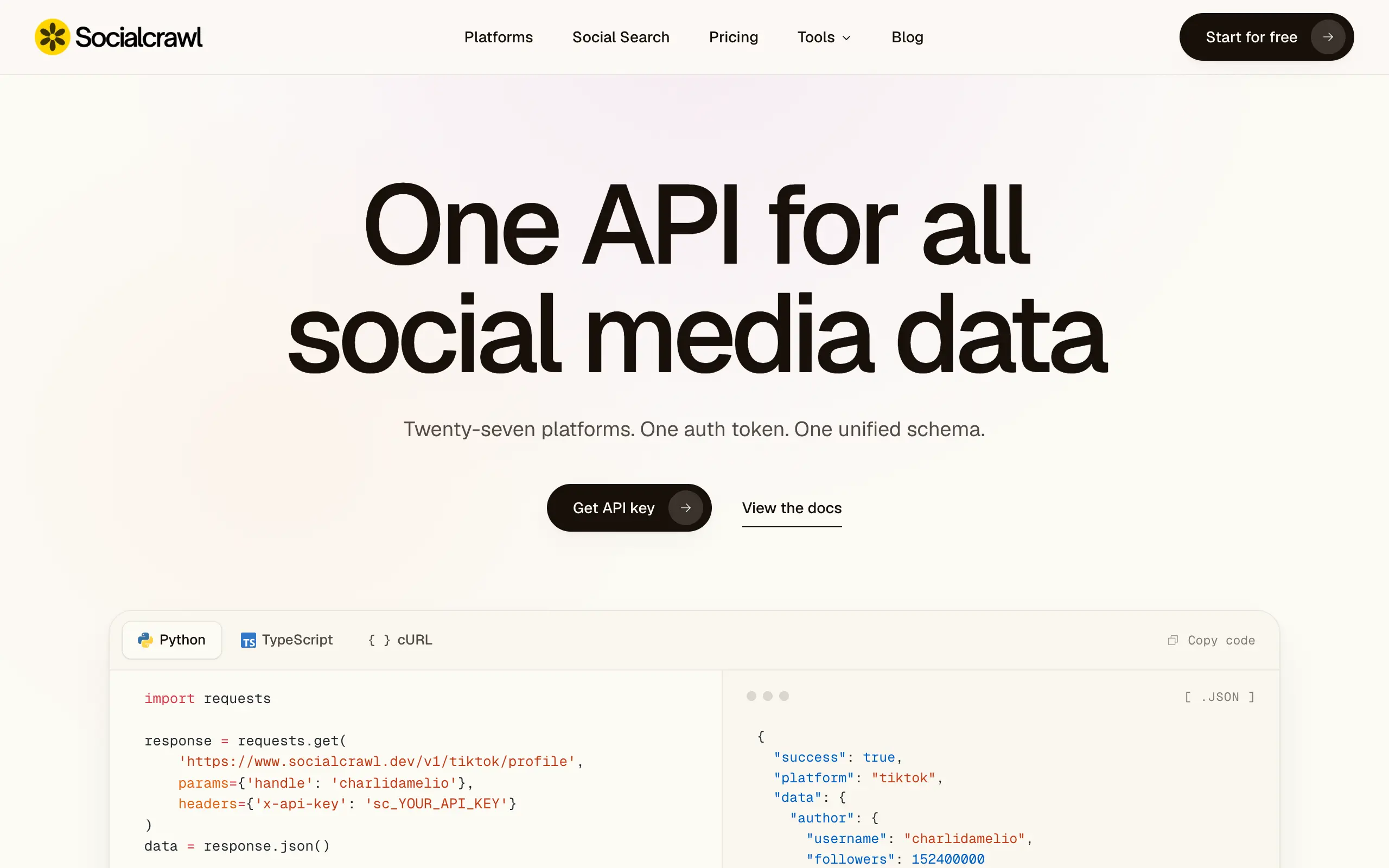
Socialcrawl
Get clean, structured data from 21 platforms like TikTok, Instagram, and YouTube with a single request 📊
Statiko
Monitor any Telegram channel in real time - track posts, edits, deletions, and growth with AI recaps 📡
Shibui
AI website builder - describe your business, pick a niche template, edit by chatting, and publish instantly ✨
Pro Service
Find verified home service professionals, compare quotes, and pay securely through escrow - built for Brazilians across the US 🏠
RankGrow
Fix your SEO with AI agents - connect Search Console, get prioritized tasks, and grow organic traffic 📈
SyncReads
Sync your favorite content for distraction-free reading, save time and replace multiple apps. Anytime, anywhere 🔄
Socialcrawl
Get clean, structured data from 21 platforms like TikTok, Instagram, and YouTube with a single request 📊
Statiko
Monitor any Telegram channel in real time - track posts, edits, deletions, and growth with AI recaps 📡
Shibui
AI website builder - describe your business, pick a niche template, edit by chatting, and publish instantly ✨
Pro Service
Find verified home service professionals, compare quotes, and pay securely through escrow - built for Brazilians across the US 🏠
RankGrow
Fix your SEO with AI agents - connect Search Console, get prioritized tasks, and grow organic traffic 📈
SyncReads
Sync your favorite content for distraction-free reading, save time and replace multiple apps. Anytime, anywhere 🔄
Socialcrawl
Get clean, structured data from 21 platforms like TikTok, Instagram, and YouTube with a single request 📊
Statiko
Monitor any Telegram channel in real time - track posts, edits, deletions, and growth with AI recaps 📡
Shibui
AI website builder - describe your business, pick a niche template, edit by chatting, and publish instantly ✨
Pro Service
Find verified home service professionals, compare quotes, and pay securely through escrow - built for Brazilians across the US 🏠
RankGrow
Fix your SEO with AI agents - connect Search Console, get prioritized tasks, and grow organic traffic 📈
SyncReads
Sync your favorite content for distraction-free reading, save time and replace multiple apps. Anytime, anywhere 🔄
Socialcrawl
Get clean, structured data from 21 platforms like TikTok, Instagram, and YouTube with a single request 📊
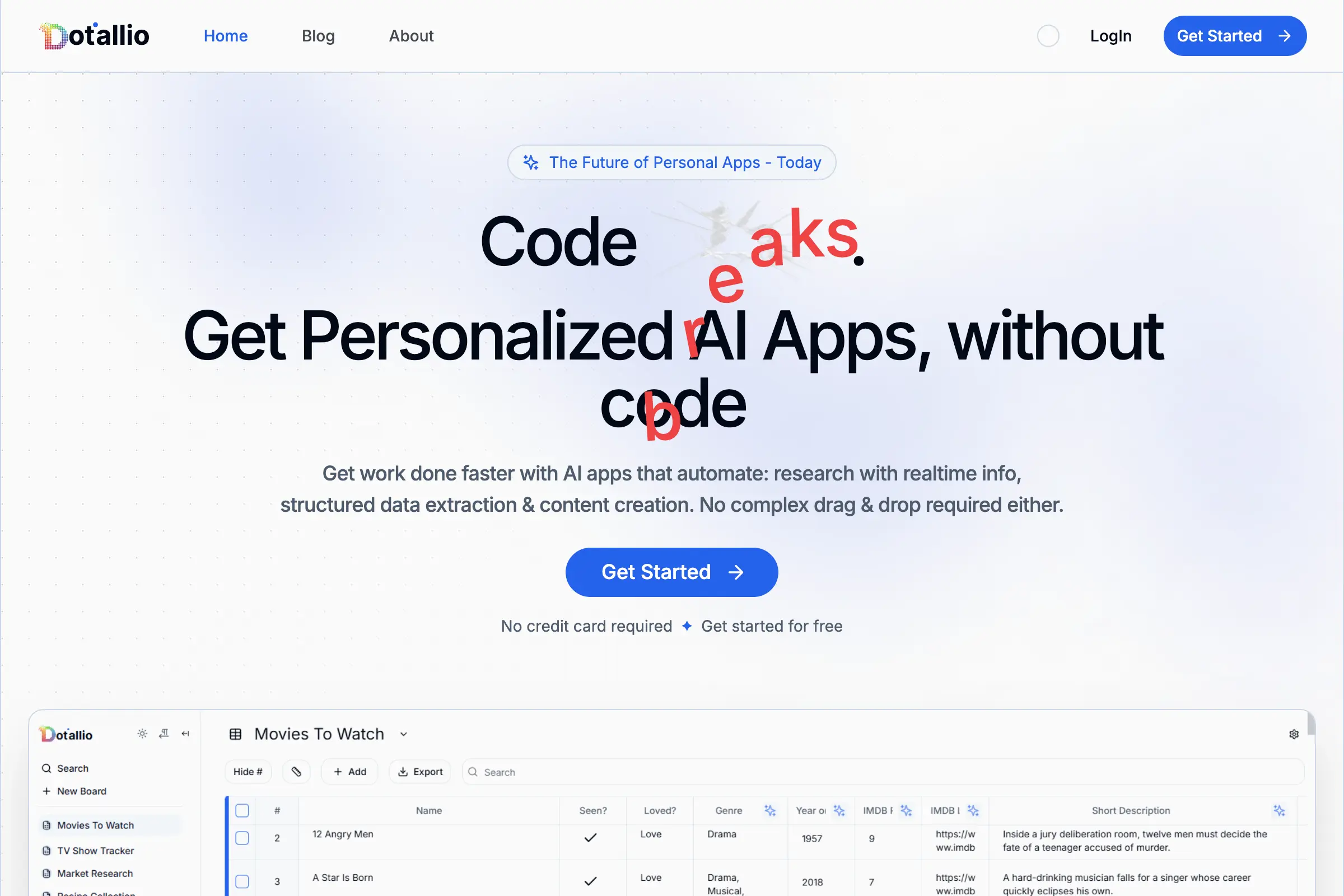
Dotallio
Personalized AI apps that automate research, data extraction, and content creation without code 🤖

Talk to Santa
Enjoy a magical live video chat or receive a unique AI-generated video greeting from Santa Claus 🎅

pozywka.pl
Scalable blog for food journalist, focused on performance and user experience 🌭
zagrodzki.me
Personal blog and portfolio of Bart Zagrodzki, where he shares his knowledge and work 💼
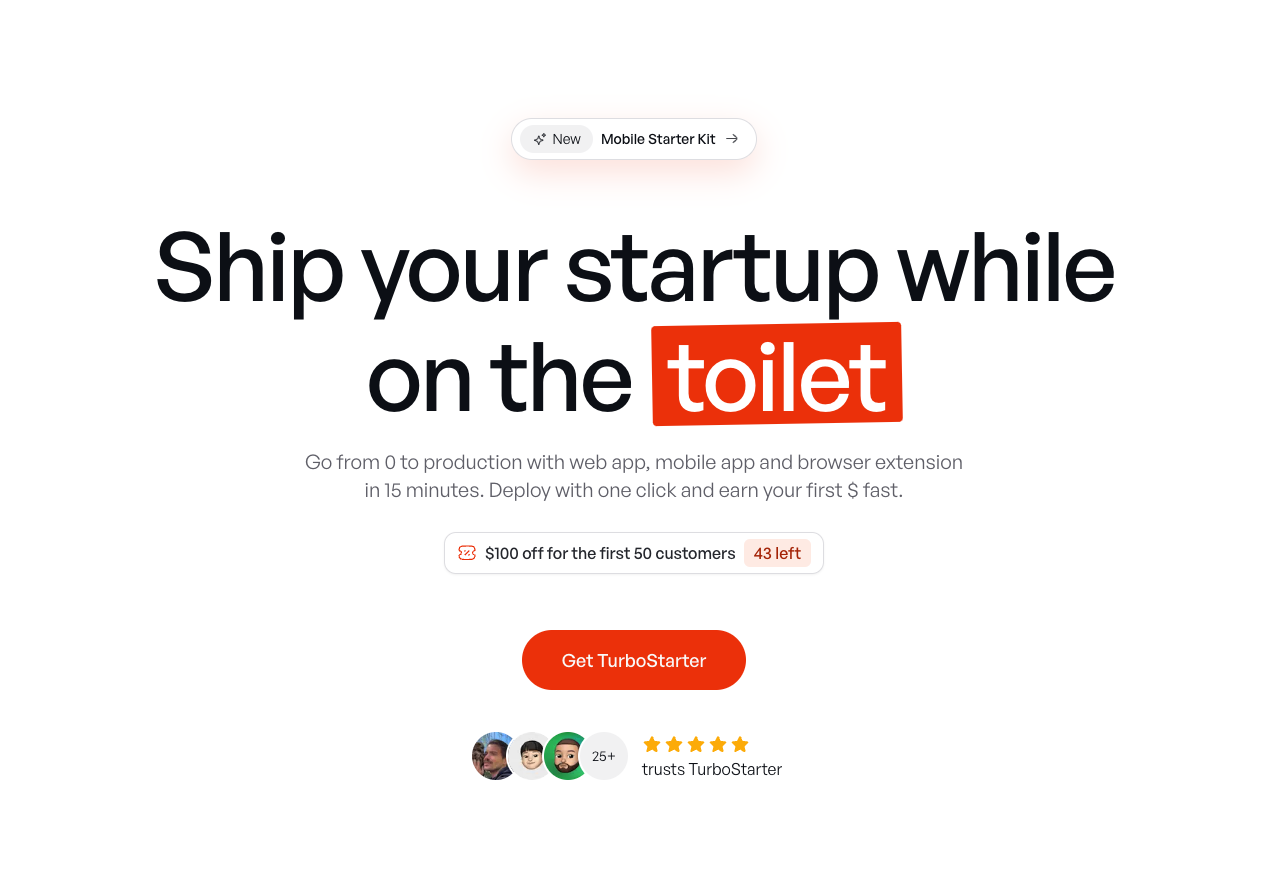
TurboStarter
Ship your startup everywhere. In minutes.
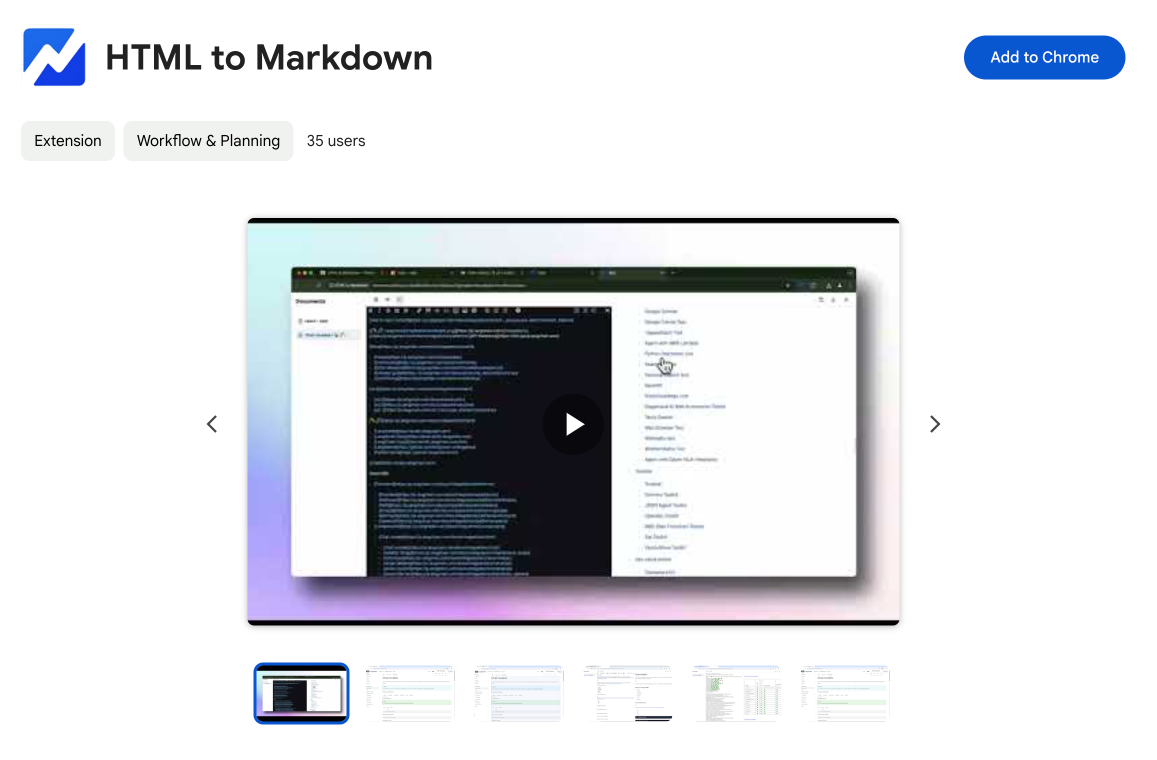
HTML to Markdown
Convert HTML to Markdown with ease, directly in your browser 📄
Dotallio
Personalized AI apps that automate research, data extraction, and content creation without code 🤖
Talk to Santa
Enjoy a magical live video chat or receive a unique AI-generated video greeting from Santa Claus 🎅
pozywka.pl
Scalable blog for food journalist, focused on performance and user experience 🌭
zagrodzki.me
Personal blog and portfolio of Bart Zagrodzki, where he shares his knowledge and work 💼
TurboStarter
Ship your startup everywhere. In minutes.
HTML to Markdown
Convert HTML to Markdown with ease, directly in your browser 📄
Dotallio
Personalized AI apps that automate research, data extraction, and content creation without code 🤖
Talk to Santa
Enjoy a magical live video chat or receive a unique AI-generated video greeting from Santa Claus 🎅
pozywka.pl
Scalable blog for food journalist, focused on performance and user experience 🌭
zagrodzki.me
Personal blog and portfolio of Bart Zagrodzki, where he shares his knowledge and work 💼
TurboStarter
Ship your startup everywhere. In minutes.
HTML to Markdown
Convert HTML to Markdown with ease, directly in your browser 📄
Dotallio
Personalized AI apps that automate research, data extraction, and content creation without code 🤖
Talk to Santa
Enjoy a magical live video chat or receive a unique AI-generated video greeting from Santa Claus 🎅
pozywka.pl
Scalable blog for food journalist, focused on performance and user experience 🌭
zagrodzki.me
Personal blog and portfolio of Bart Zagrodzki, where he shares his knowledge and work 💼
TurboStarter
Ship your startup everywhere. In minutes.
HTML to Markdown
Convert HTML to Markdown with ease, directly in your browser 📄
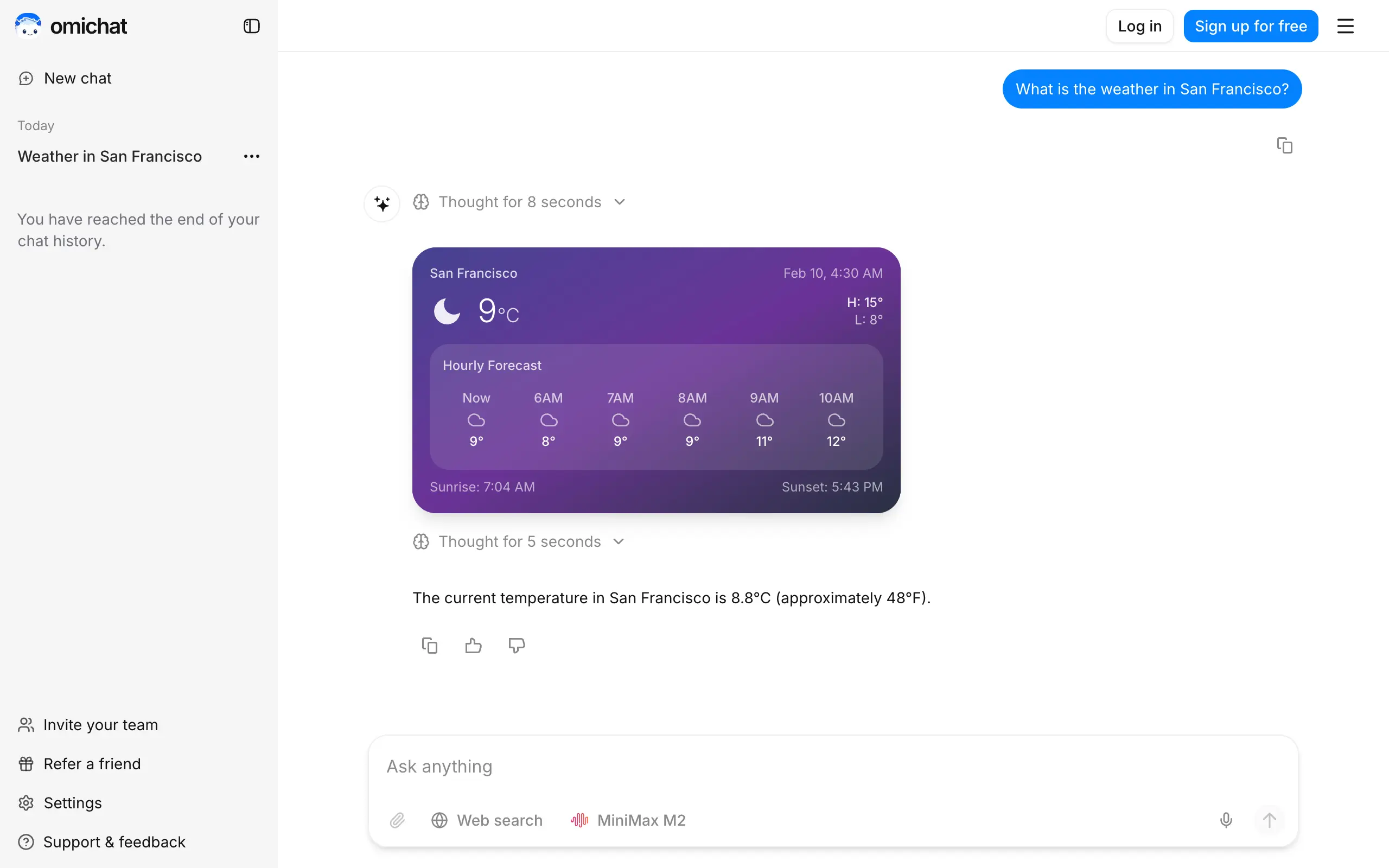
Omichat
Chat with 50+ AI models, including ChatGPT and Claude, in one place - switch models anytime without losing context 🤖
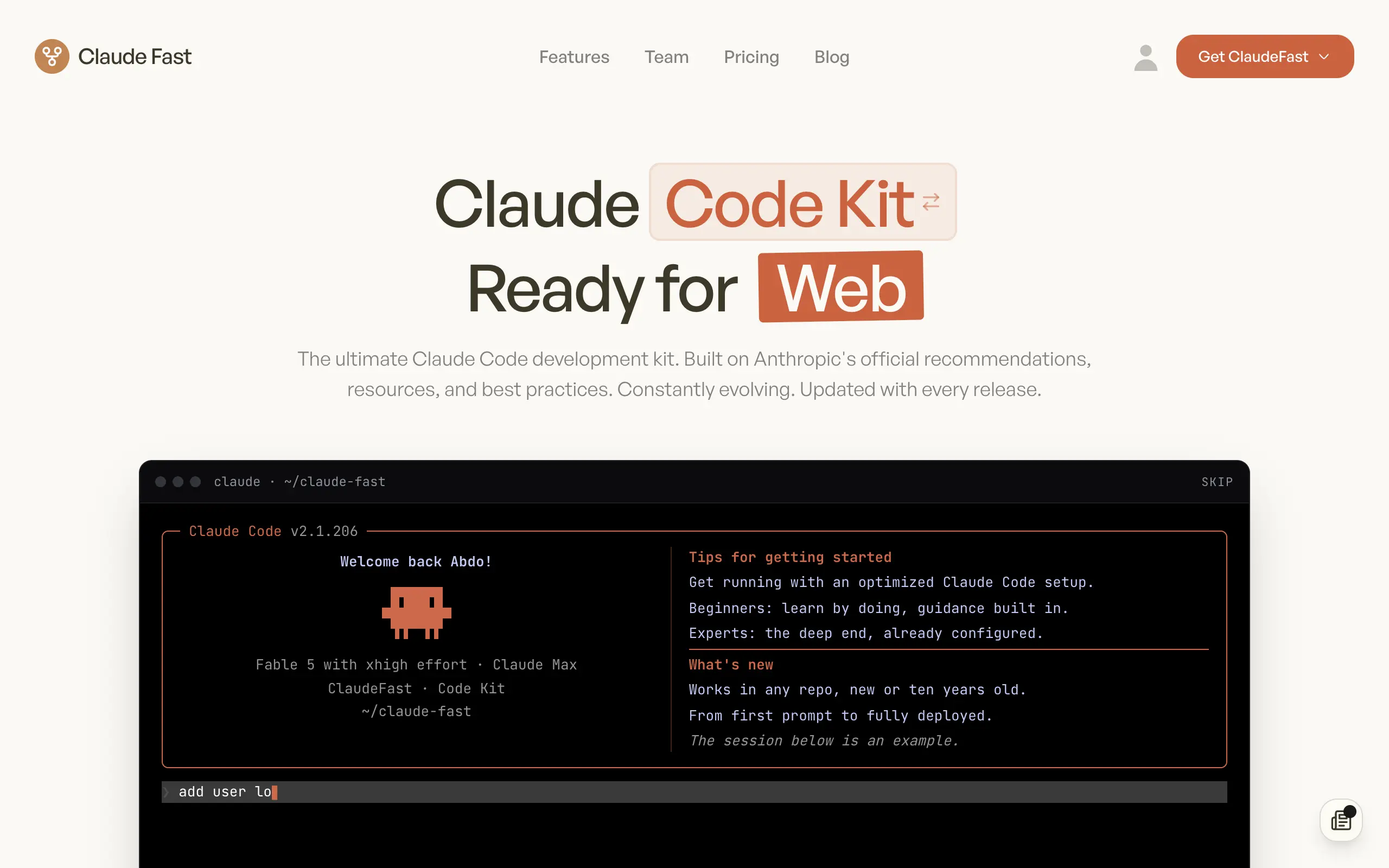
Claude Fast
Supercharge your Claude Code with 6x effective context window and specialized AI agents 🤖

EmojAI
AI-powered emoji picker with smart, context-aware suggestions 🤖

Solohacker
Autonomous company launcher - AI agents work 24/7, escalate what matters, and you stay in control 🤖

BeRawi: Storytelling Coach
Practice storytelling daily with instant feedback to sound clearer, more engaging, and confident 🎤
Omichat
Chat with 50+ AI models, including ChatGPT and Claude, in one place - switch models anytime without losing context 🤖
Claude Fast
Supercharge your Claude Code with 6x effective context window and specialized AI agents 🤖
EmojAI
AI-powered emoji picker with smart, context-aware suggestions 🤖
Solohacker
Autonomous company launcher - AI agents work 24/7, escalate what matters, and you stay in control 🤖
BeRawi: Storytelling Coach
Practice storytelling daily with instant feedback to sound clearer, more engaging, and confident 🎤
Omichat
Chat with 50+ AI models, including ChatGPT and Claude, in one place - switch models anytime without losing context 🤖
Claude Fast
Supercharge your Claude Code with 6x effective context window and specialized AI agents 🤖
EmojAI
AI-powered emoji picker with smart, context-aware suggestions 🤖
Solohacker
Autonomous company launcher - AI agents work 24/7, escalate what matters, and you stay in control 🤖
BeRawi: Storytelling Coach
Practice storytelling daily with instant feedback to sound clearer, more engaging, and confident 🎤
Omichat
Chat with 50+ AI models, including ChatGPT and Claude, in one place - switch models anytime without losing context 🤖
Claude Fast
Supercharge your Claude Code with 6x effective context window and specialized AI agents 🤖
EmojAI
AI-powered emoji picker with smart, context-aware suggestions 🤖
Solohacker
Autonomous company launcher - AI agents work 24/7, escalate what matters, and you stay in control 🤖
BeRawi: Storytelling Coach
Practice storytelling daily with instant feedback to sound clearer, more engaging, and confident 🎤

Connect with like-minded people
Join our community to get feedback, support, and grow together with 1,000+ builders on board, let's ship it!
Join usShip your startup everywhere. In minutes.
Don't burn tokens on setup and start building features on day one.