FacturaFlow
Automated e-Invoicing (RO e-Factura) and SPV compliance platform for Romanian SMEs, with seamless ERP sync and real-time ANAF validation.
Why automated e-invoicing for Romania is no longer optional
Romania’s mandatory RO e-Factura system has fundamentally changed how businesses issue and report invoices. What used to be a simple accounting workflow is now a compliance-critical process that requires:
- Structured XML invoices in UBL format
- Submission to ANAF’s SPV (Spațiul Privat Virtual)
- Real-time validation and confirmation
- Proper archiving and traceability
For Romanian SMEs, this shift has created both friction and opportunity.
FacturaFlow is designed as an automated e-Invoicing (RO e-Factura) and SPV compliance platform tailored specifically for Romanian small and medium-sized businesses. It ensures seamless ERP synchronization and real-time ANAF validation, eliminating manual errors and compliance risks.
This article provides a comprehensive breakdown of:
- Market opportunity and regulatory drivers
- Target audience and pain points
- Core features and technical architecture
- Monetization strategy
- Competitive positioning
- Risks and mitigation
- Step-by-step implementation roadmap
If you're exploring building or investing in an e-Factura SaaS platform, this guide is built to answer your questions with strategic depth and practical insight.
Understanding the Romanian e-Factura landscape
Romania has accelerated digital tax reporting in recent years, introducing:
- SAF-T (D406) reporting
- e-Transport
- RO e-Factura mandatory B2B reporting
As of 2024, most B2B transactions must be reported through the RO e-Factura system. Invoices are legally valid only after validation by ANAF and receiving a unique ID.
Why this matters for SMEs
Large enterprises have internal IT teams and ERP integrations. Romanian SMEs often rely on:
- Basic accounting software
- Manual invoice generation
- External accountants
- Excel-based workflows
This creates serious friction:
- XML formatting complexity
- SPV authentication challenges
- API instability
- Rejection handling and correction loops
- Lack of real-time visibility
There is clear market demand for a simple, automated, compliance-first solution built specifically for SMEs.
Target audience analysis
Primary audience: Romanian SMEs
Profile characteristics:
- 1–250 employees
- Turnover between €100k and €20M
- Limited internal IT resources
- External accounting firms
- ERP or invoicing tools like SmartBill, Saga, WinMentor, or custom ERP
Key industries:
- Wholesale & retail
- Construction
- Manufacturing
- Professional services
- Distribution
Secondary audience: Accounting firms
Accounting firms manage compliance for dozens or hundreds of clients. They need:
- Centralized dashboard
- Multi-client management
- Error alerts
- Compliance reporting
Core pain points
Manual XML complexity
SMEs struggle with generating UBL-compliant XML invoices required by ANAF.
ANAF rejections
Frequent validation errors without clear explanation delay cash flow.
SPV integration issues
Token expiration, certificate problems, and failed submissions are common.
ERP disconnection
Data mismatch between ERP and ANAF submissions creates accounting inconsistencies.
Market opportunity and gap
Regulatory-driven demand
Unlike optional SaaS tools, RO e-Factura compliance is mandatory. This creates:
- High urgency
- Legal risk for non-compliance
- Recurring usage patterns
- Long-term stickiness
Market size estimation
Romania has over 500,000 active SMEs. Even if only:
- 20% adopt a specialized e-Factura platform
- Average subscription is €25–€60/month
This represents a multi-million-euro annual recurring revenue opportunity.
Existing solutions and their limitations
Most current solutions fall into three categories:
- ERP add-ons (complex, expensive)
- Accounting software integrations (limited automation)
- Basic API connectors (technical, not SME-friendly)
Few platforms combine:
- Seamless ERP sync
- Real-time ANAF validation
- Clear error explanations
- Audit-ready documentation
- Accountant collaboration tools
This is FacturaFlow’s positioning advantage.
Core features of FacturaFlow
1. Automated RO e-Factura XML generation
- Converts ERP invoice data into ANAF-compliant UBL XML
- Schema validation before submission
- Automatic VAT logic checks
2. Real-time ANAF validation
- Direct API submission to ANAF
- Live status tracking
- Automatic retries for temporary failures
- Clear human-readable error explanations
3. SPV authentication management
- Secure certificate storage
- Token refresh automation
- Expiration alerts
- Multi-certificate support
4. ERP synchronization
Supported integration approaches:
- REST API connectors
- Webhooks
- Scheduled data sync
- CSV fallback import
5. Compliance dashboard
- Submission status overview
- Rejection rates
- Audit logs
- Invoice archive
6. Accountant collaboration portal
- Multi-client access
- Role-based permissions
- Bulk processing tools
Technical architecture and recommended tech stack
A compliance-focused SaaS must prioritize:
- Reliability
- Security
- Scalability
- Auditability
Frontend
Why?
- Fast development
- Excellent dashboard UX
- SEO-friendly marketing site
Backend
- Node.js with NestJS
- OR .NET Core (strong enterprise ecosystem in Romania)
Trade-offs:
- Node.js: Faster iteration, strong API ecosystem
- .NET: Enterprise trust, strong XML tooling
Database
- PostgreSQL
- Redis for queue management
Infrastructure
- AWS or EU-based cloud provider
- Containerization with Docker
- Queue-based architecture for submission retries
Example invoice submission flow
// Simplified example of submission flow
async function submitInvoice(invoiceData) {
  const xml = generateUBL(invoiceData);
  const validation = await validateXML(xml);

  if (!validation.valid) {
    throw new Error("Invalid invoice format");
  }

  const response = await sendToANAF(xml);

  return response.status;
}
Security and compliance considerations
Because FacturaFlow processes financial data, security is critical.
Required measures
- End-to-end encryption (TLS 1.2+)
- Encrypted certificate storage
- GDPR compliance
- Role-based access control
- Full audit logs
Security is not optional
ANAF integration means handling sensitive fiscal data. Any breach could cause legal liability and reputational damage.
Competitive advantage analysis
Below is a high-level comparison of potential positioning:
| Feature | FacturaFlow | Generic ERP Plugin | Basic API Connector | Accounting Software Add-on | Manual Workflow |
|---|---|---|---|---|---|
| Real-time validation | ✅ | ❌ | ❌ | ⚠️ Limited | ❌ |
| ERP sync | ✅ | ✅ | ❌ | ❌ |
Key differentiation
- Built exclusively for Romanian compliance
- SME-first UX
- Accountant-centric collaboration tools
- Proactive validation before ANAF submission
- Detailed rejection explanations
Monetization strategy
Subscription tiers
- Up to 200 invoices/month
- 1 ERP integration
- Email support
- €29/month
- Up to 2,000 invoices/month
- Multiple ERP integrations
- Accountant access
- Priority support
- €79/month
- Unlimited invoices
- Dedicated onboarding
- SLA guarantees
- Custom pricing
Additional revenue streams
- Setup & onboarding fees
- ERP integration services
- Compliance consulting
- White-label for accounting firms
Risks and mitigation strategies
Regulatory changes
Mitigation:
- Dedicated compliance monitoring team
- Modular validation engine
ANAF API instability
Mitigation:
- Retry queue
- Fallback processing
- Transparent status notifications
Market competition
Mitigation:
- Niche positioning (SME-first)
- Strong accountant partnerships
- Superior UX
Implementation roadmap
MVP scope recommendation
Focus only on:
- XML generation
- ANAF submission
- Basic dashboard
- Error explanation layer
Avoid:
- Complex analytics
- Over-engineered AI features
- Multi-country expansion at launch
Go-to-market strategy
Phase 1: Accountant-led distribution
Accounting firms are natural multipliers.
Offer:
- Free trial
- Revenue-sharing model
- Co-branded dashboard
Phase 2: Direct SME acquisition
Channels:
- SEO for keywords like:
- "automatizare e-Factura"
- "integrare ANAF SPV"
- "software e-Factura România"
- Google Ads
- LinkedIn targeting finance managers
Phase 3: ERP partnerships
Integrate and co-market with Romanian ERP vendors.
Long-term expansion potential
Once stable in Romania:
- Expand to other EU e-invoicing systems (Peppol)
- Add SAF-T automation
- Add cash-flow forecasting
- Develop AI-based compliance alerts
FacturaFlow can evolve into a compliance automation hub for Eastern Europe.
Actionable steps to build FacturaFlow
- Conduct structured SME discovery interviews
- Analyze ANAF API documentation
- Design modular XML validation engine
- Build secure certificate handling layer
- Deploy MVP using scalable cloud setup
- Partner with 3 accounting firms for beta
- Implement feedback loop for rejection reasons
- Launch SEO-driven marketing campaign
For faster SaaS setup with authentication, billing, and dashboard scaffolding, platforms like TurboStarter can significantly reduce development time.
Why FacturaFlow can win
- Mandatory compliance = guaranteed demand
- High switching cost once integrated
- Recurring revenue model
- Clear SME pain point
- Strong local regulatory moat
Romania’s digital tax evolution is accelerating. SMEs need clarity, automation, and reliability — not complexity.
FacturaFlow positions itself not as just another invoicing tool, but as a trusted compliance infrastructure partner for Romanian businesses.
Final thoughts
The shift to mandatory RO e-Factura is irreversible. SMEs that fail to automate risk:
- Rejected invoices
- Cash flow delays
- Compliance penalties
- Operational inefficiencies
A well-executed, SME-focused platform like FacturaFlow has strong market potential, defensibility through regulation, and recurring SaaS economics.
For founders and product builders, this is not just another SaaS idea — it’s a strategic opportunity in a regulation-driven market with built-in demand.
The key to success lies in:
- Compliance precision
- UX simplicity
- Deep ERP integration
- Accountant ecosystem partnerships
Build it right, and FacturaFlow becomes essential infrastructure for Romanian SMEs navigating the future of digital taxation.
More 🏢 B2B Application SaaS ideas
Discover more innovative b2b application SaaS ideas that are trending in 2026. Each idea is AI-generated with market validation and growth potential to help you find your next profitable venture faster than competitors.
Your competitors are building with TurboStarter
Below are some of the SaaS ideas that have been generated and built with our starter kit.
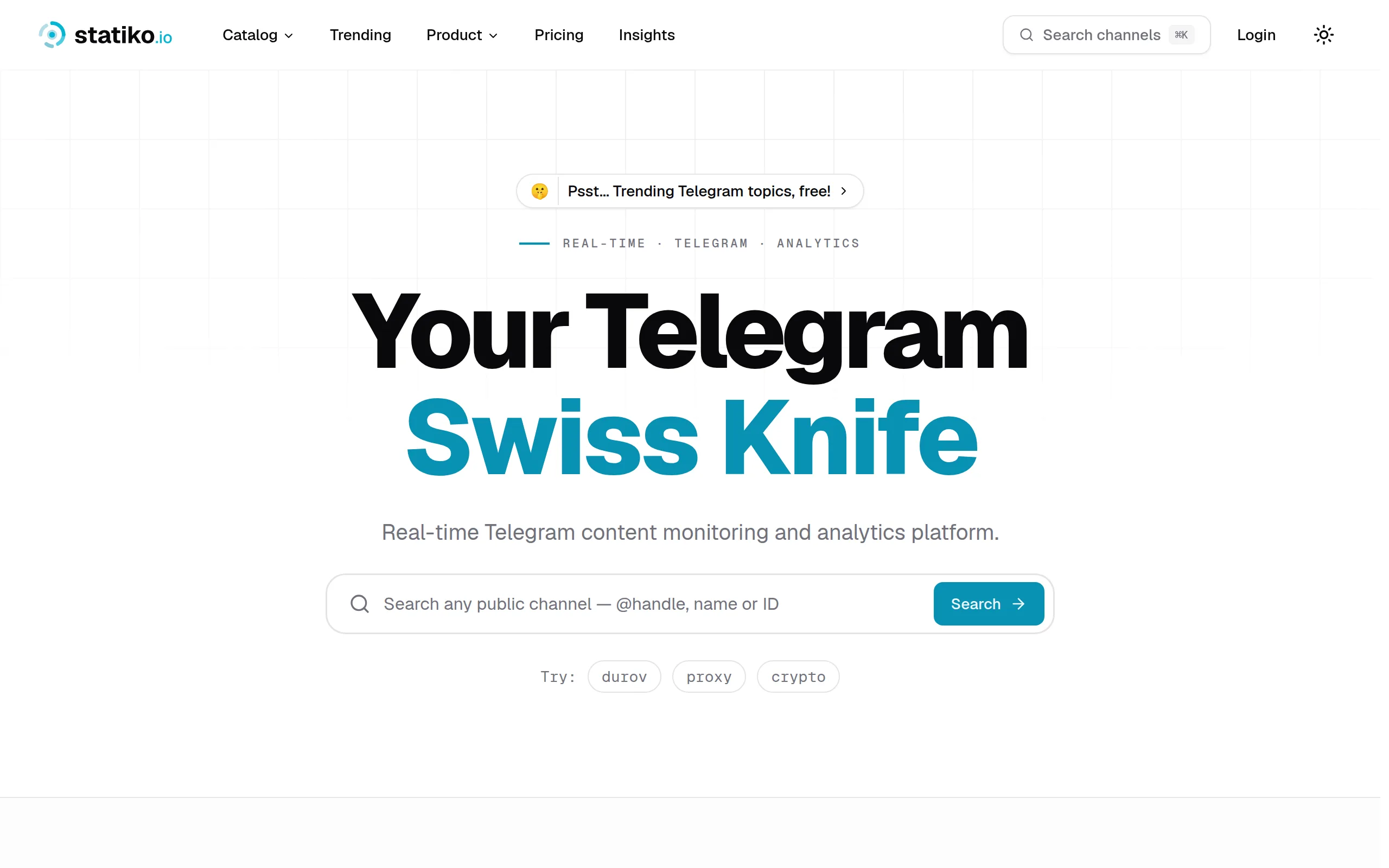
Statiko
Monitor any Telegram channel in real time - track posts, edits, deletions, and growth with AI recaps 📡

Shibui
AI website builder - describe your business, pick a niche template, edit by chatting, and publish instantly ✨
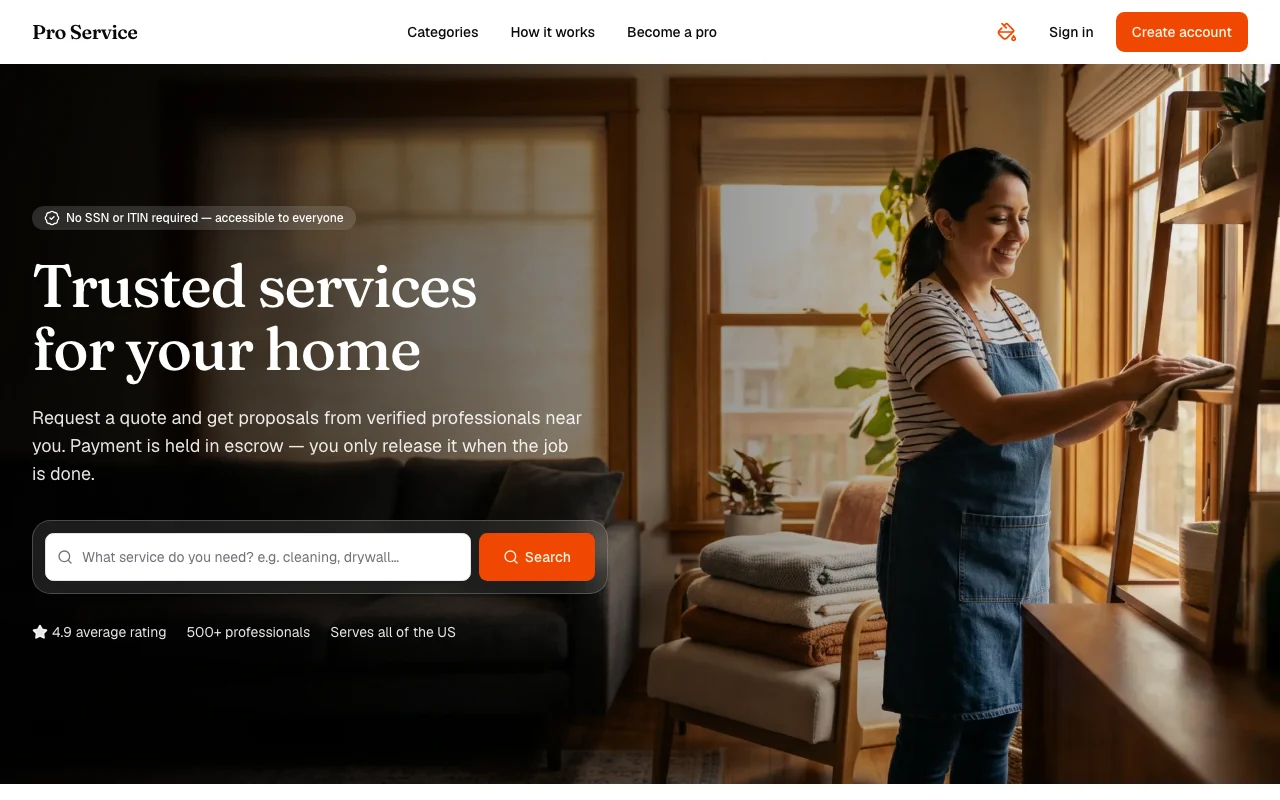
Pro Service
Find verified home service professionals, compare quotes, and pay securely through escrow - built for Brazilians across the US 🏠
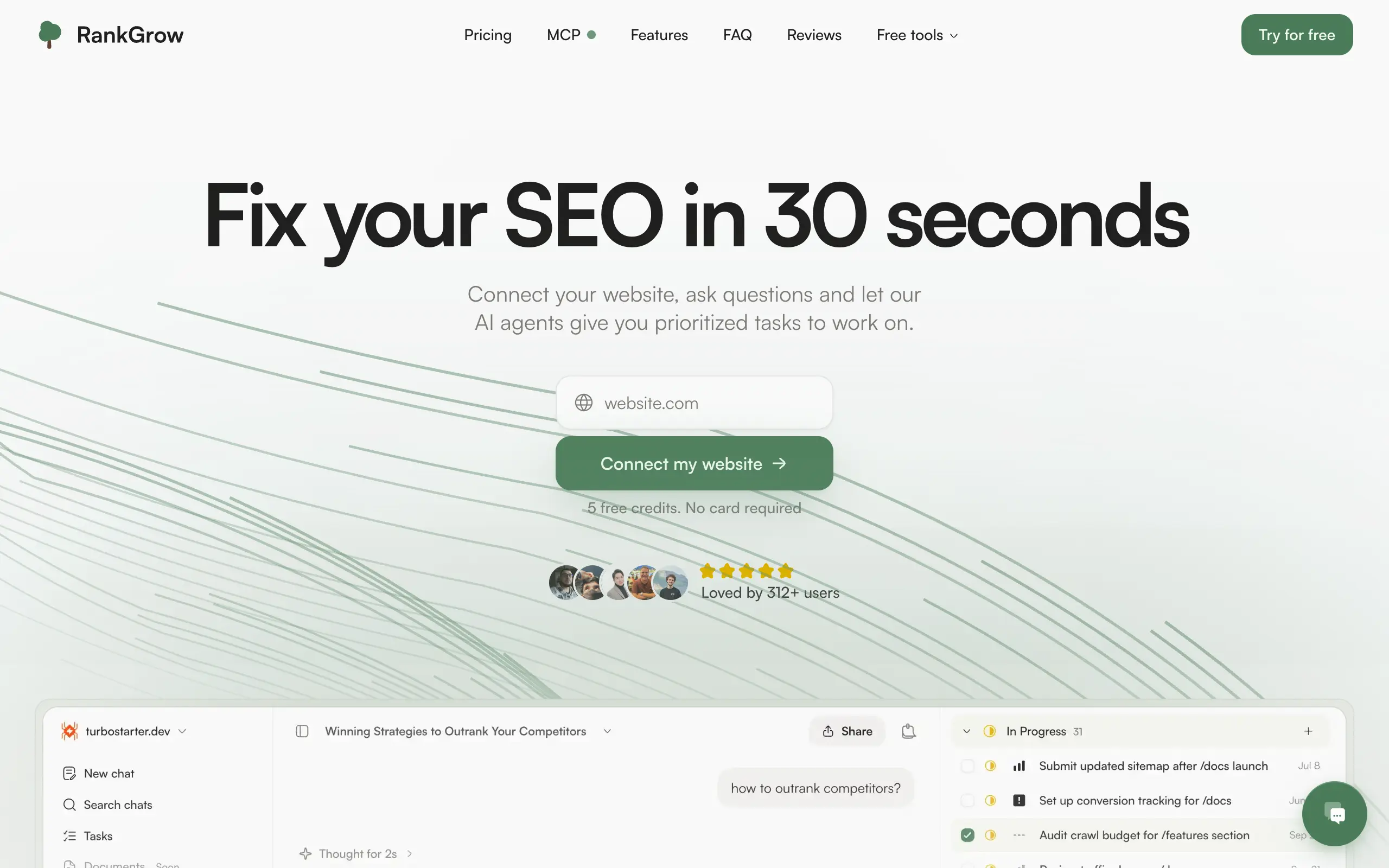
RankGrow
Fix your SEO with AI agents - connect Search Console, get prioritized tasks, and grow organic traffic 📈
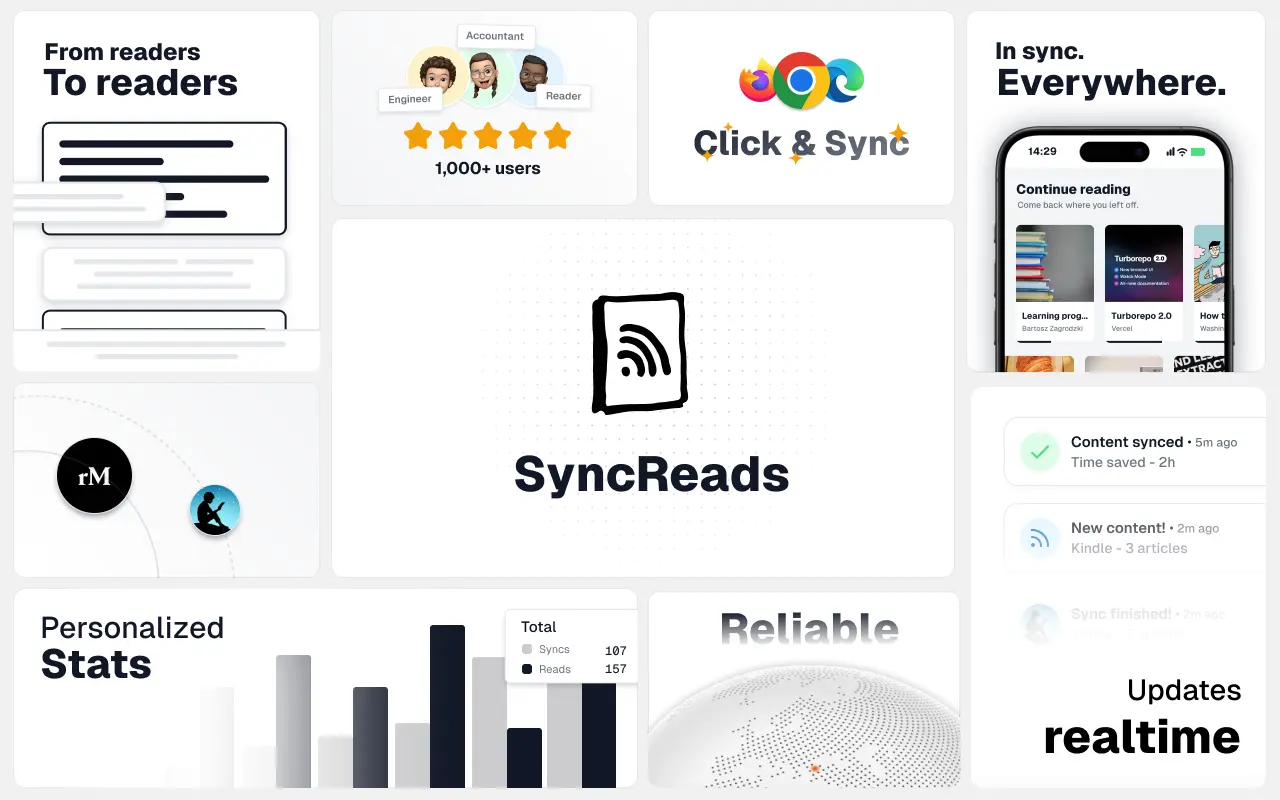
SyncReads
Sync your favorite content for distraction-free reading, save time and replace multiple apps. Anytime, anywhere 🔄
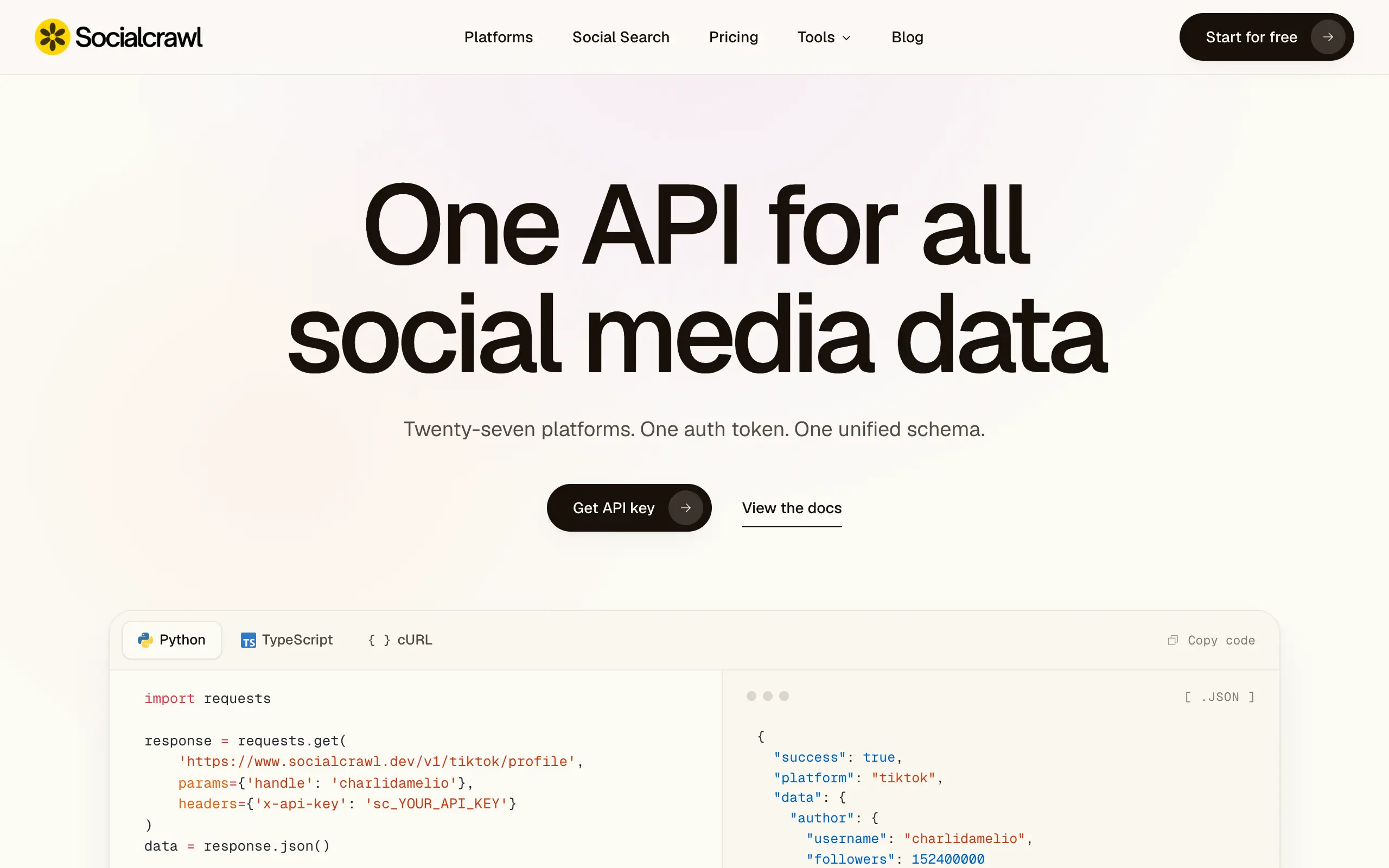
Socialcrawl
Get clean, structured data from 21 platforms like TikTok, Instagram, and YouTube with a single request 📊
Statiko
Monitor any Telegram channel in real time - track posts, edits, deletions, and growth with AI recaps 📡
Shibui
AI website builder - describe your business, pick a niche template, edit by chatting, and publish instantly ✨
Pro Service
Find verified home service professionals, compare quotes, and pay securely through escrow - built for Brazilians across the US 🏠
RankGrow
Fix your SEO with AI agents - connect Search Console, get prioritized tasks, and grow organic traffic 📈
SyncReads
Sync your favorite content for distraction-free reading, save time and replace multiple apps. Anytime, anywhere 🔄
Socialcrawl
Get clean, structured data from 21 platforms like TikTok, Instagram, and YouTube with a single request 📊
Statiko
Monitor any Telegram channel in real time - track posts, edits, deletions, and growth with AI recaps 📡
Shibui
AI website builder - describe your business, pick a niche template, edit by chatting, and publish instantly ✨
Pro Service
Find verified home service professionals, compare quotes, and pay securely through escrow - built for Brazilians across the US 🏠
RankGrow
Fix your SEO with AI agents - connect Search Console, get prioritized tasks, and grow organic traffic 📈
SyncReads
Sync your favorite content for distraction-free reading, save time and replace multiple apps. Anytime, anywhere 🔄
Socialcrawl
Get clean, structured data from 21 platforms like TikTok, Instagram, and YouTube with a single request 📊
Statiko
Monitor any Telegram channel in real time - track posts, edits, deletions, and growth with AI recaps 📡
Shibui
AI website builder - describe your business, pick a niche template, edit by chatting, and publish instantly ✨
Pro Service
Find verified home service professionals, compare quotes, and pay securely through escrow - built for Brazilians across the US 🏠
RankGrow
Fix your SEO with AI agents - connect Search Console, get prioritized tasks, and grow organic traffic 📈
SyncReads
Sync your favorite content for distraction-free reading, save time and replace multiple apps. Anytime, anywhere 🔄
Socialcrawl
Get clean, structured data from 21 platforms like TikTok, Instagram, and YouTube with a single request 📊
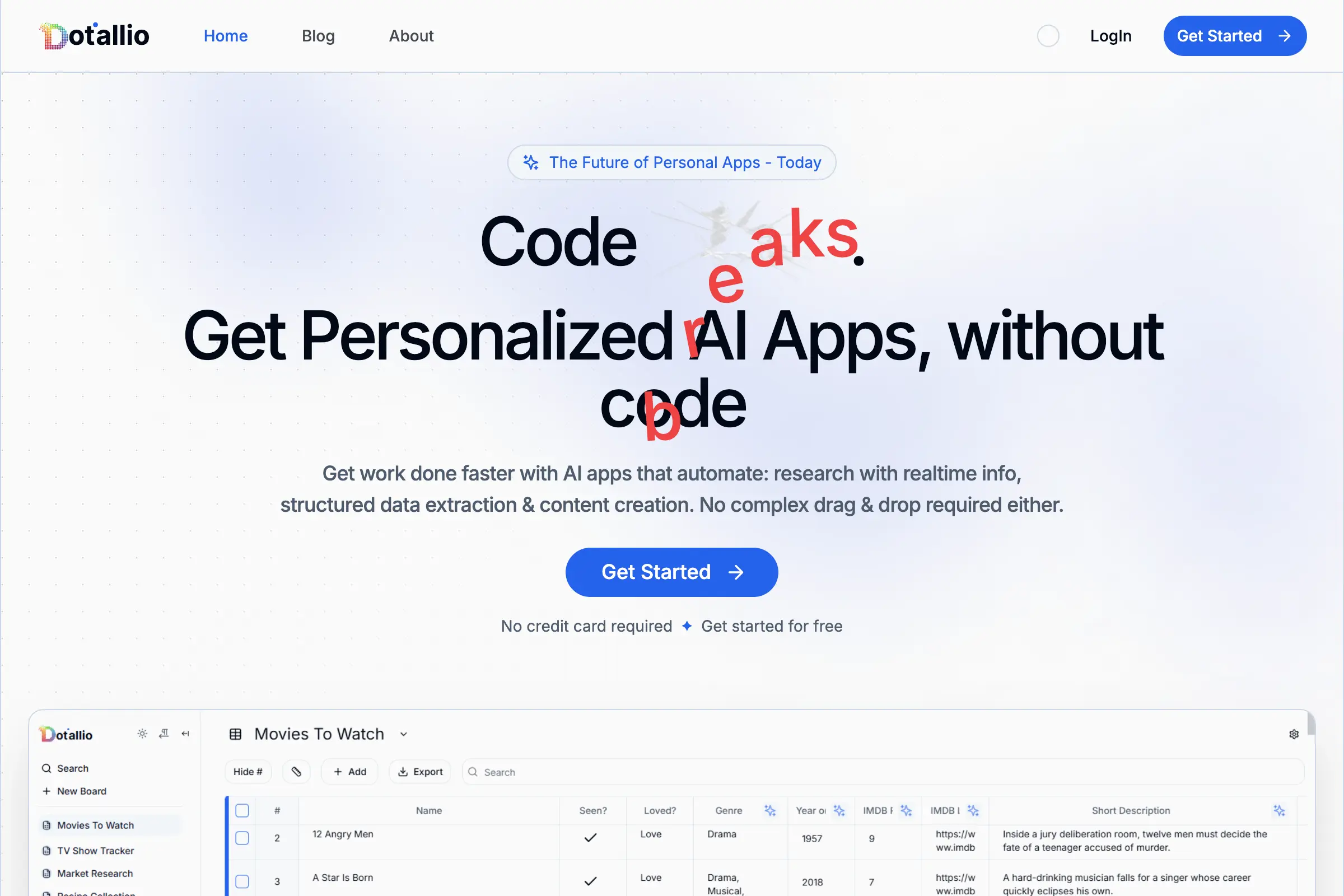
Dotallio
Personalized AI apps that automate research, data extraction, and content creation without code 🤖

Talk to Santa
Enjoy a magical live video chat or receive a unique AI-generated video greeting from Santa Claus 🎅
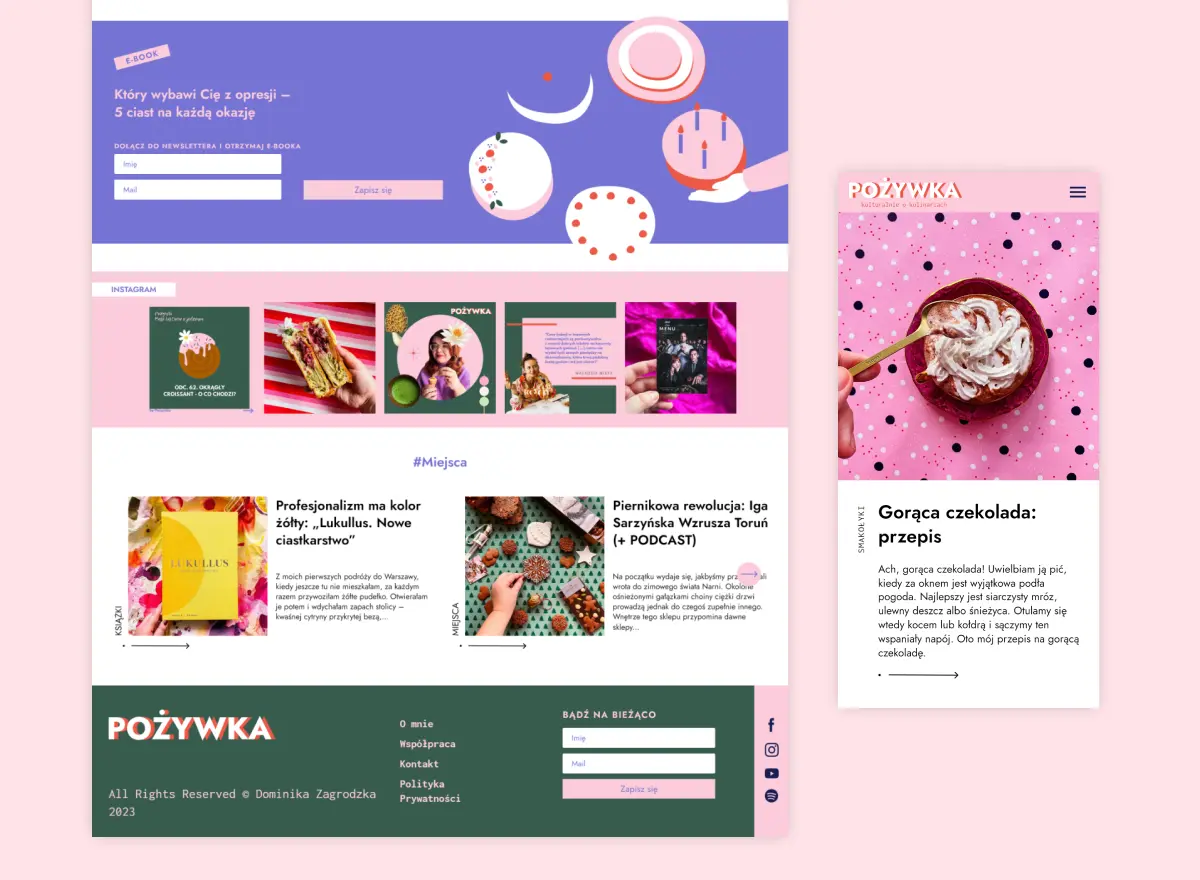
pozywka.pl
Scalable blog for food journalist, focused on performance and user experience 🌭
zagrodzki.me
Personal blog and portfolio of Bart Zagrodzki, where he shares his knowledge and work 💼
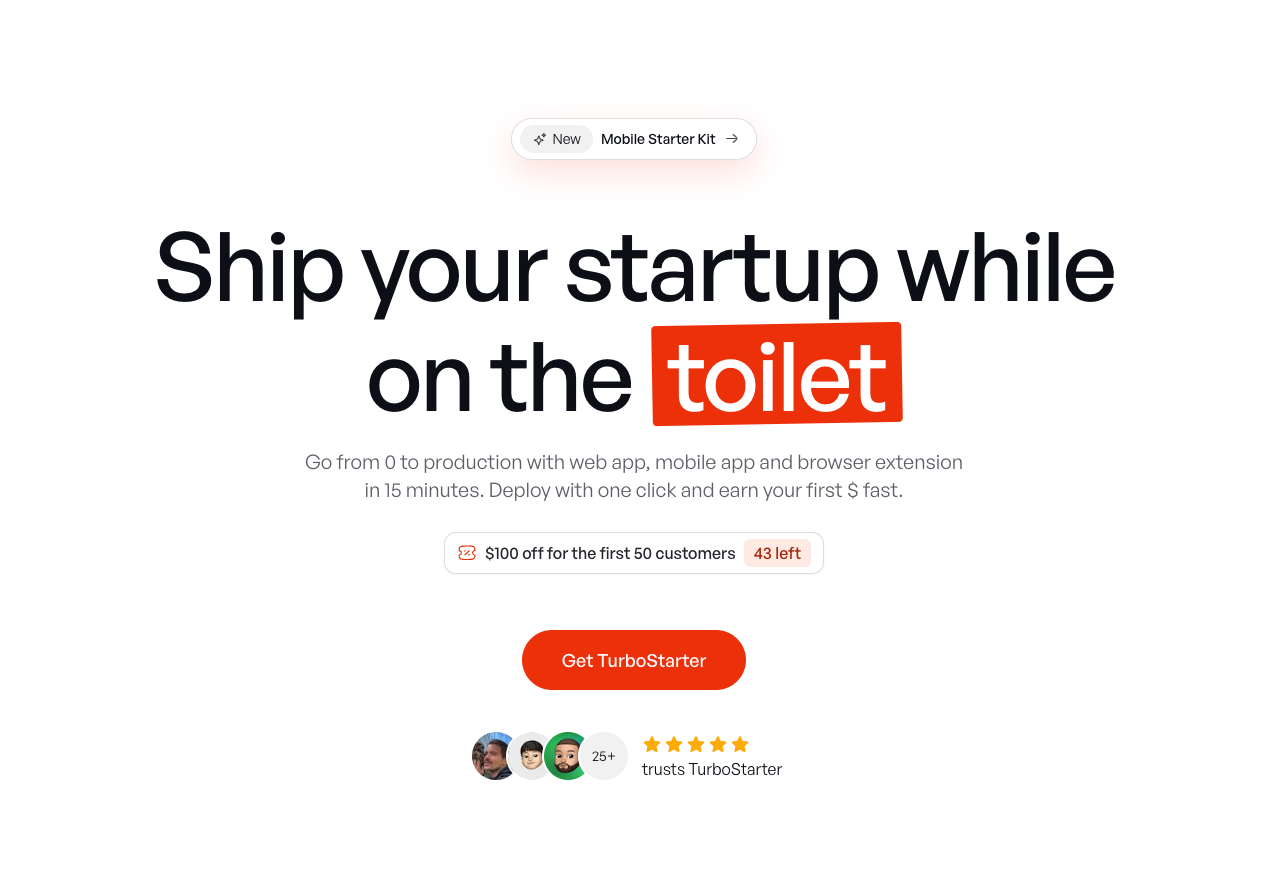
TurboStarter
Ship your startup everywhere. In minutes.
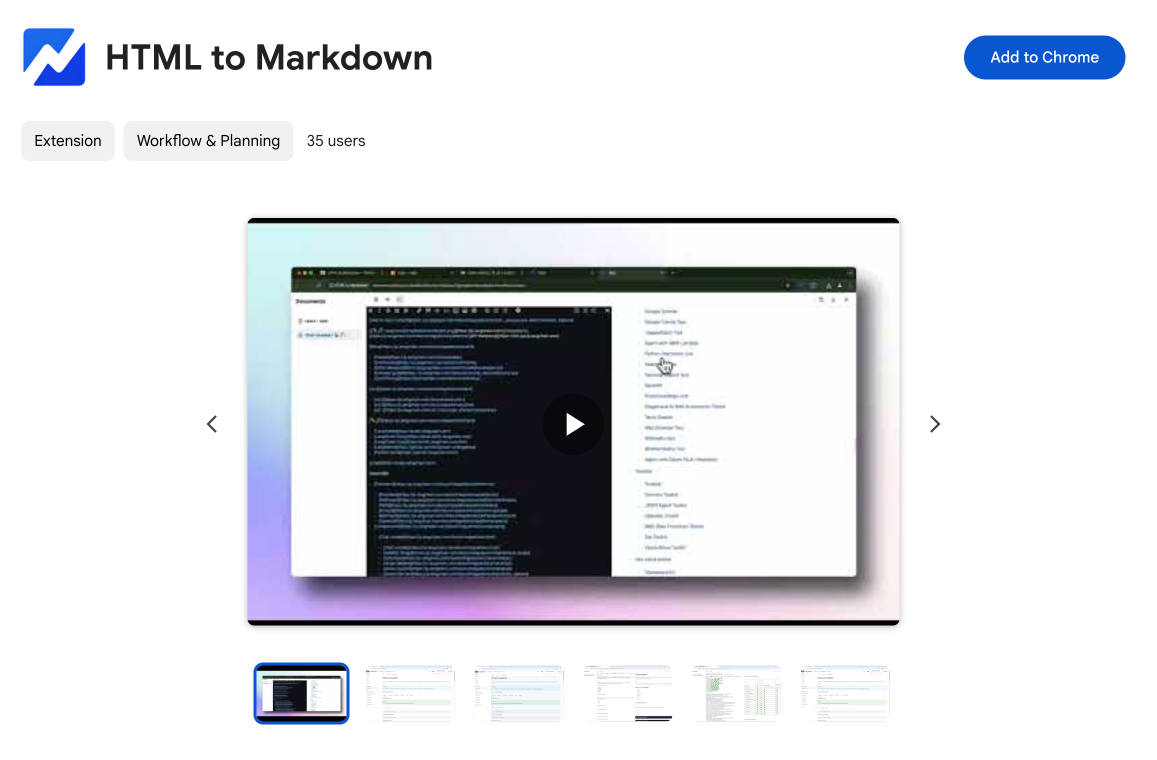
HTML to Markdown
Convert HTML to Markdown with ease, directly in your browser 📄
Dotallio
Personalized AI apps that automate research, data extraction, and content creation without code 🤖
Talk to Santa
Enjoy a magical live video chat or receive a unique AI-generated video greeting from Santa Claus 🎅
pozywka.pl
Scalable blog for food journalist, focused on performance and user experience 🌭
zagrodzki.me
Personal blog and portfolio of Bart Zagrodzki, where he shares his knowledge and work 💼
TurboStarter
Ship your startup everywhere. In minutes.
HTML to Markdown
Convert HTML to Markdown with ease, directly in your browser 📄
Dotallio
Personalized AI apps that automate research, data extraction, and content creation without code 🤖
Talk to Santa
Enjoy a magical live video chat or receive a unique AI-generated video greeting from Santa Claus 🎅
pozywka.pl
Scalable blog for food journalist, focused on performance and user experience 🌭
zagrodzki.me
Personal blog and portfolio of Bart Zagrodzki, where he shares his knowledge and work 💼
TurboStarter
Ship your startup everywhere. In minutes.
HTML to Markdown
Convert HTML to Markdown with ease, directly in your browser 📄
Dotallio
Personalized AI apps that automate research, data extraction, and content creation without code 🤖
Talk to Santa
Enjoy a magical live video chat or receive a unique AI-generated video greeting from Santa Claus 🎅
pozywka.pl
Scalable blog for food journalist, focused on performance and user experience 🌭
zagrodzki.me
Personal blog and portfolio of Bart Zagrodzki, where he shares his knowledge and work 💼
TurboStarter
Ship your startup everywhere. In minutes.
HTML to Markdown
Convert HTML to Markdown with ease, directly in your browser 📄
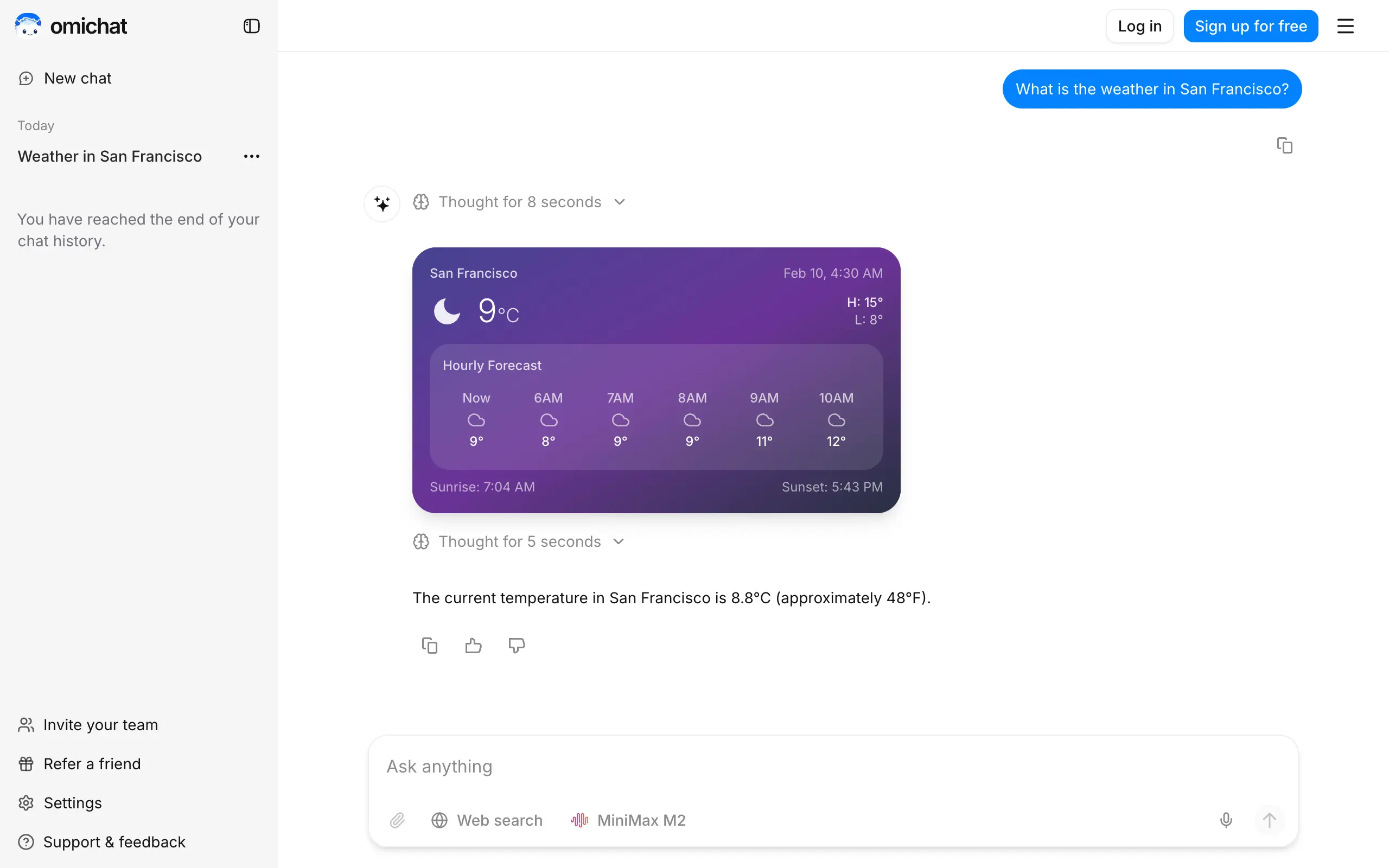
Omichat
Chat with 50+ AI models, including ChatGPT and Claude, in one place - switch models anytime without losing context 🤖
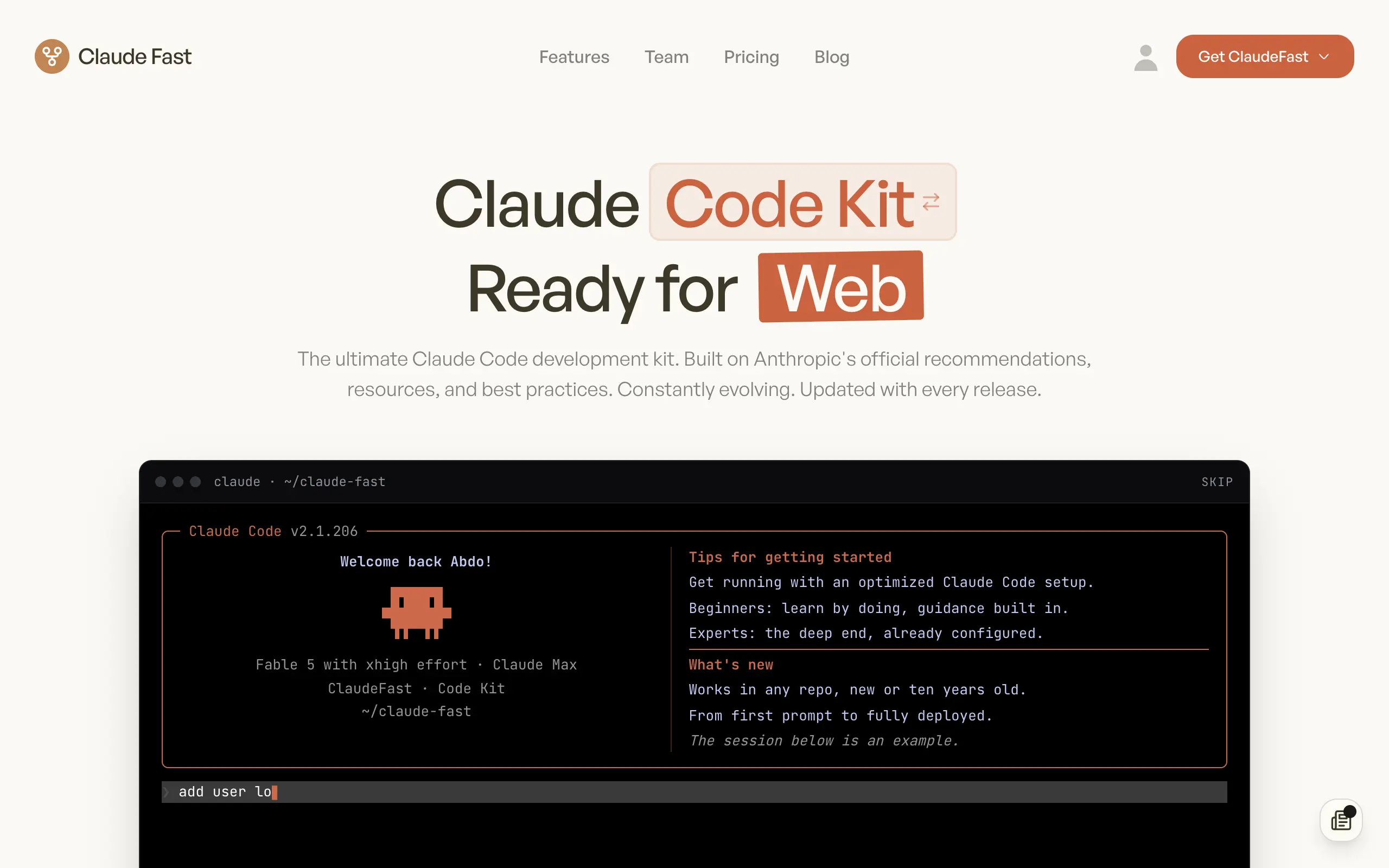
Claude Fast
Supercharge your Claude Code with 6x effective context window and specialized AI agents 🤖
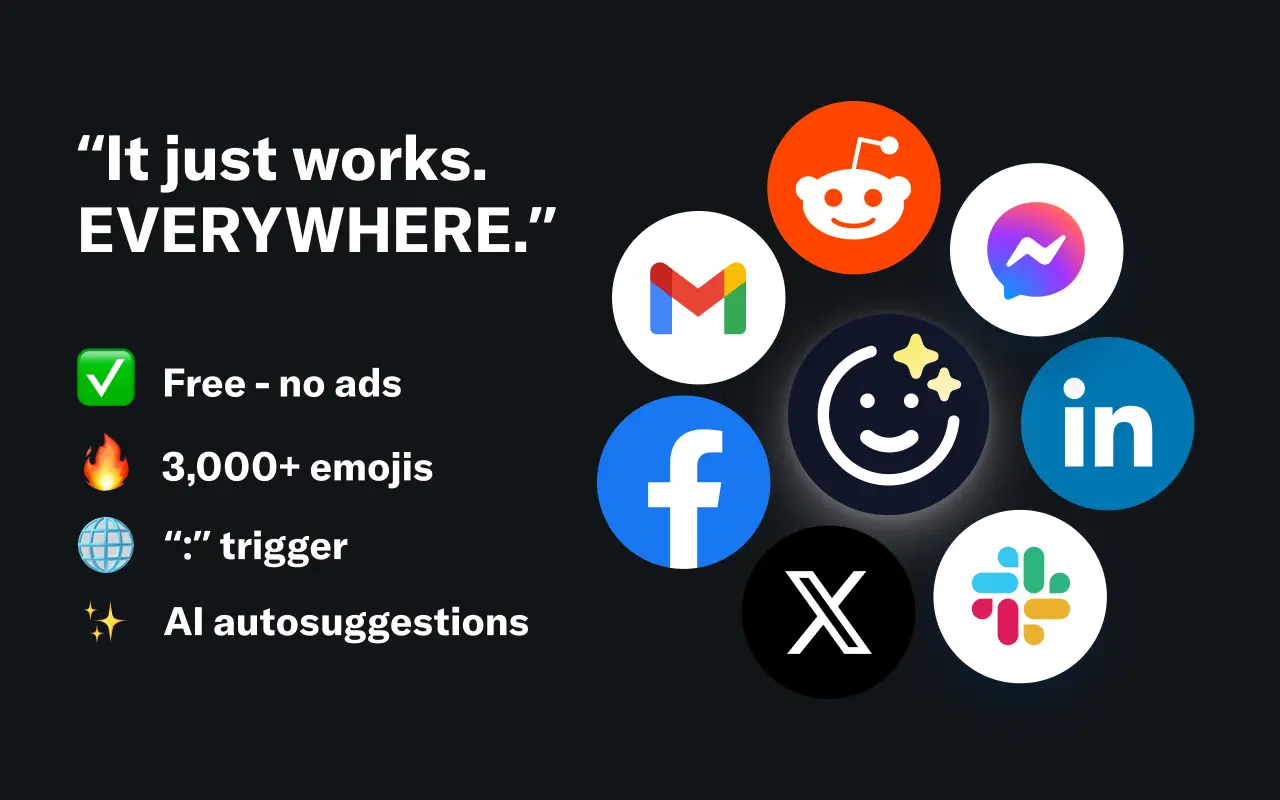
EmojAI
AI-powered emoji picker with smart, context-aware suggestions 🤖
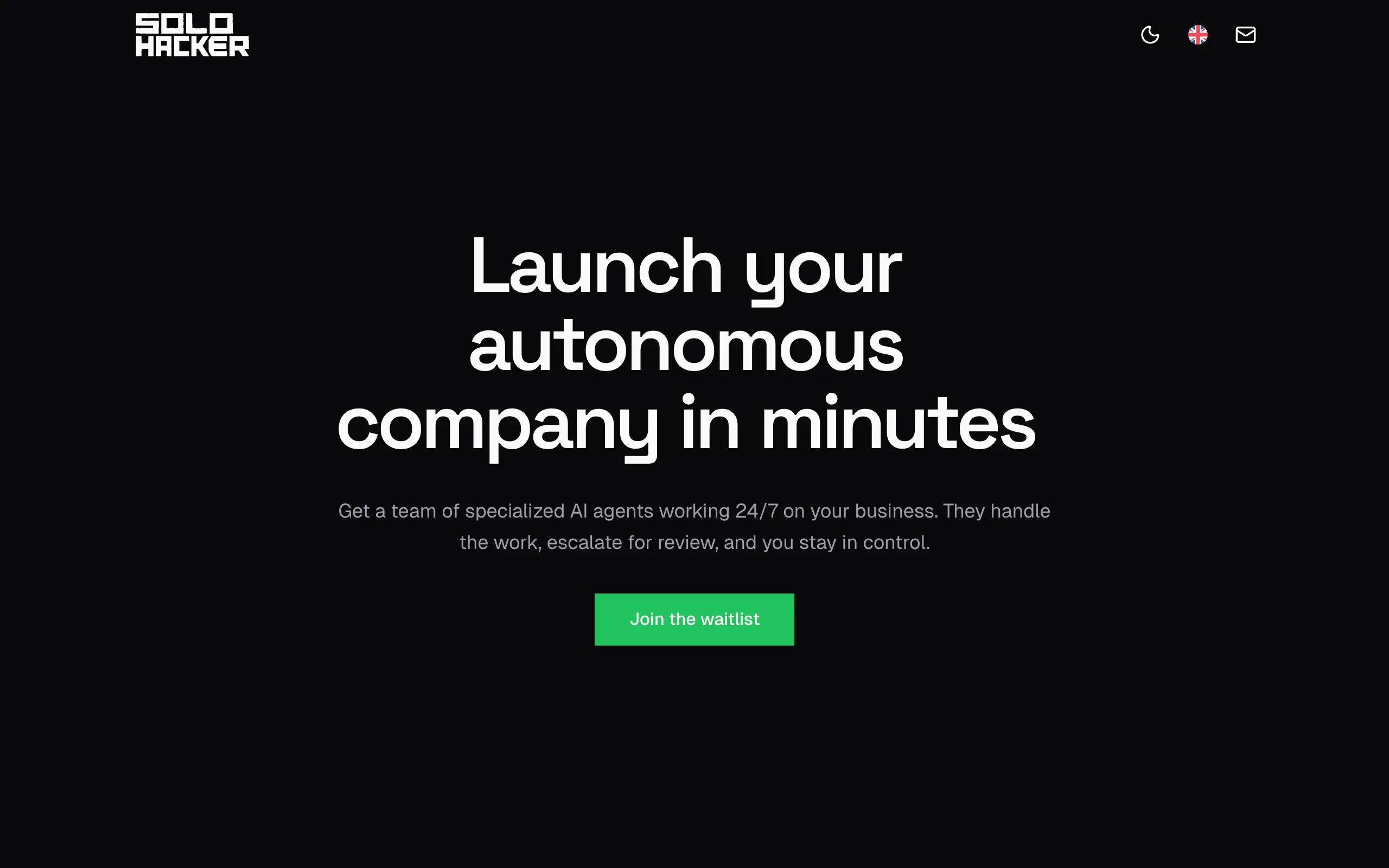
Solohacker
Autonomous company launcher - AI agents work 24/7, escalate what matters, and you stay in control 🤖
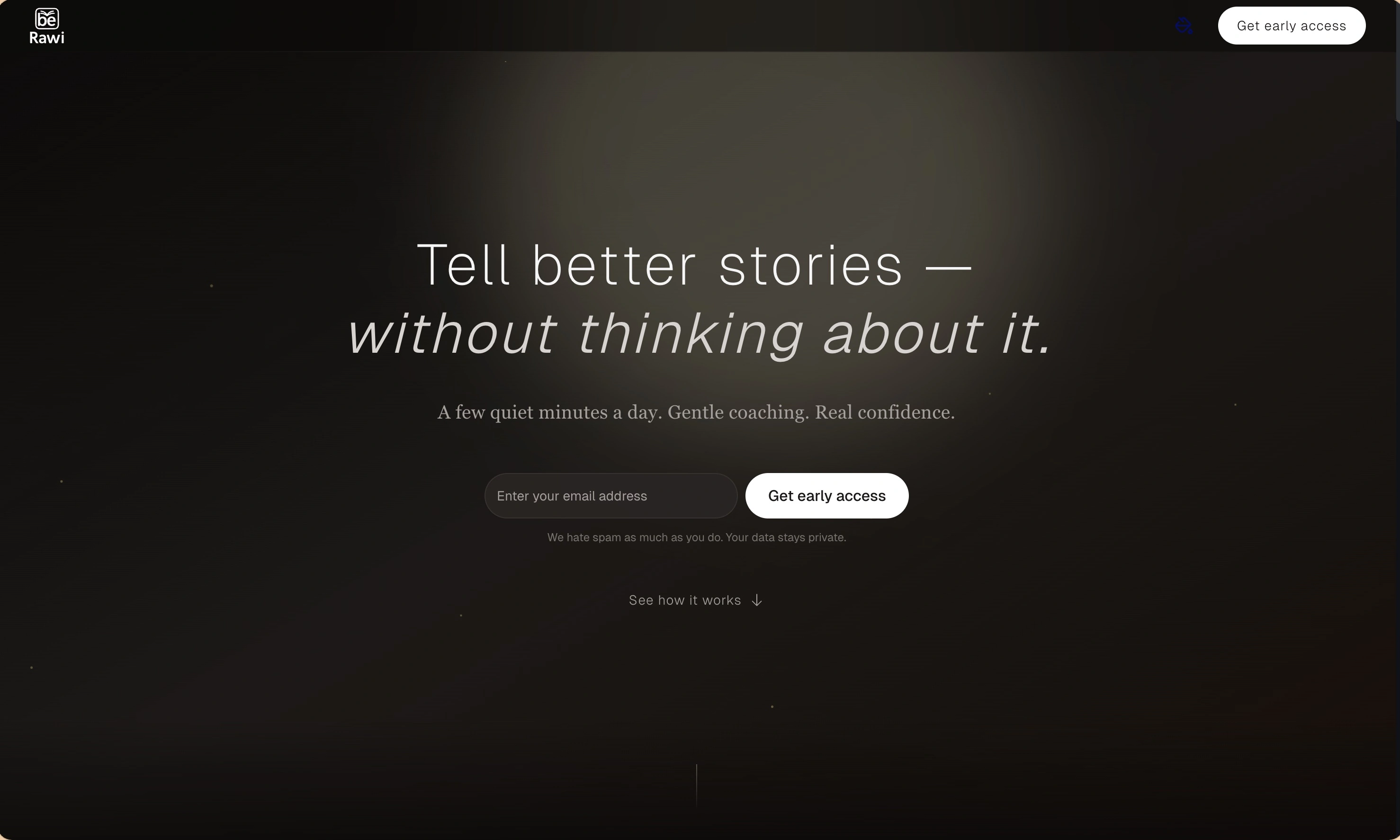
BeRawi: Storytelling Coach
Practice storytelling daily with instant feedback to sound clearer, more engaging, and confident 🎤
Omichat
Chat with 50+ AI models, including ChatGPT and Claude, in one place - switch models anytime without losing context 🤖
Claude Fast
Supercharge your Claude Code with 6x effective context window and specialized AI agents 🤖
EmojAI
AI-powered emoji picker with smart, context-aware suggestions 🤖
Solohacker
Autonomous company launcher - AI agents work 24/7, escalate what matters, and you stay in control 🤖
BeRawi: Storytelling Coach
Practice storytelling daily with instant feedback to sound clearer, more engaging, and confident 🎤
Omichat
Chat with 50+ AI models, including ChatGPT and Claude, in one place - switch models anytime without losing context 🤖
Claude Fast
Supercharge your Claude Code with 6x effective context window and specialized AI agents 🤖
EmojAI
AI-powered emoji picker with smart, context-aware suggestions 🤖
Solohacker
Autonomous company launcher - AI agents work 24/7, escalate what matters, and you stay in control 🤖
BeRawi: Storytelling Coach
Practice storytelling daily with instant feedback to sound clearer, more engaging, and confident 🎤
Omichat
Chat with 50+ AI models, including ChatGPT and Claude, in one place - switch models anytime without losing context 🤖
Claude Fast
Supercharge your Claude Code with 6x effective context window and specialized AI agents 🤖
EmojAI
AI-powered emoji picker with smart, context-aware suggestions 🤖
Solohacker
Autonomous company launcher - AI agents work 24/7, escalate what matters, and you stay in control 🤖
BeRawi: Storytelling Coach
Practice storytelling daily with instant feedback to sound clearer, more engaging, and confident 🎤

Connect with like-minded people
Join our community to get feedback, support, and grow together with 1,000+ builders on board, let's ship it!
Join usShip your startup everywhere. In minutes.
Don't burn tokens on setup and start building features on day one.