FertiLeave
Privacy-first fertility benefits navigation for employers, helping employees manage clinic steps, reimbursements, and leave without exposing sensitive health data.
Why privacy-first fertility benefits navigation is an employer imperative
Fertility benefits can be life-changing, but using them is often exhausting. Employees may need to coordinate fertility clinics, insurance coverage, employer reimbursement programs, medical leave, travel, medication schedules, and documentation while protecting deeply personal health information.
That administrative burden creates a meaningful gap in today’s benefits market. Many employers offer fertility coverage or reimbursement budgets, yet employees still struggle to understand what is covered, what actions come next, and how to request leave without disclosing more medical detail than necessary.
FertiLeave is a privacy-first fertility benefits navigation platform for employers. It helps employees manage clinic-related steps, reimbursement workflows, and leave planning while giving HR teams the aggregate insight they need without exposing sensitive reproductive health data.
The core opportunity is not simply to build another fertility benefit. It is to create the operational layer that makes existing fertility benefits usable, trusted, and measurable.
The central product principle
FertiLeave should separate employee health details from employer administration. Employees need individualized guidance and secure document handling. Employers need policy workflows, utilization trends, and program outcomes at an aggregated level.
The fertility benefits navigation problem FertiLeave solves
A fertility benefit can look generous in an employee handbook and still fail in practice. The employee may not know whether medications, lab work, donor services, embryo storage, genetic testing, or travel are included. They may be uncertain about clinic documentation, reimbursement deadlines, or the leave options available for appointments and recovery.
Meanwhile, HR and benefits teams face a different challenge. They want to support employees fairly and consistently, but they should not become a repository for fertility diagnoses, treatment plans, or clinical documentation.
Traditional benefits portals rarely solve this. They are designed for broad enrollment, policy documents, and generic claims information. Fertility journeys are more time-sensitive, emotionally difficult, and administratively fragmented than a standard benefits workflow.
A well-designed fertility benefits navigation software product addresses the gap through three connected experiences:
- "Employee guidance": personalized next steps, eligibility explanations, reimbursement checklists, and leave planning.
- "Privacy controls": consent-based data sharing, role-based access, and a strict distinction between health data and employment data.
- "Employer administration": configurable benefits policies, approved leave workflows, aggregate adoption analytics, and employee support tools.
The product must make a difficult process feel organized without making employees feel monitored.
Target audience for fertility benefits navigation software
FertiLeave is a B2B SaaS product, but the product must be designed for several users with different incentives, permissions, and emotional needs.
Primary buyer: people leaders and benefits decision-makers
The primary economic buyer is likely a VP of People, Chief People Officer, Head of Total Rewards, Benefits Director, or HR leader at a mid-market or enterprise employer. These teams are responsible for benefit competitiveness, retention, employee wellbeing, and benefits utilization.
They need answers to practical questions:
- Is our fertility benefit accessible to employees in different locations and family structures?
- Are employees actually using the benefit we pay for?
- Can we manage fertility-related leave consistently across managers and departments?
- How do we support employees without collecting sensitive medical information?
- Can we demonstrate value at renewal time without compromising privacy?
For this audience, FertiLeave should be positioned as a benefits utilization and privacy infrastructure platform, not a medical provider or diagnostic tool.
Primary end user: employees navigating fertility care
Employees are the users whose trust determines whether the platform succeeds. This audience includes people pursuing IVF, intrauterine insemination, egg freezing, fertility preservation before medical treatment, reciprocal IVF, surrogacy-related planning, donor-assisted reproduction, and other family-building paths.
Their needs vary, but recurring pain points include:
- Understanding employer coverage and reimbursement rules
- Organizing clinic requests, receipts, and benefit documentation
- Planning time away from work with minimal disclosure
- Finding the next administrative step when treatment timelines change
- Knowing whom to ask without repeatedly explaining personal circumstances
- Avoiding the fear that managers or HR can see sensitive details
The FertiLeave employee experience should be inclusive by design. Language should not assume gender, marital status, sexual orientation, diagnosis, or a single path to parenthood.
Secondary users: HR operations, payroll, and managers
HR operations teams may administer leave requests, coordinate with payroll, and answer policy questions. Payroll teams may need limited data to process paid leave or reimbursements. Managers may need to approve scheduling accommodations without any access to medical context.
The product should support these roles through minimum necessary access. A manager does not need to know that an employee is undergoing fertility treatment. They may only need to know that an approved protected leave or flexible scheduling arrangement applies.
Employees
Need confidential, practical guidance through clinic, reimbursement, and leave tasks.
Benefits leaders
Need configurable programs, measurable adoption, and equitable employee support.
HR and payroll
Need policy-aligned workflows without access to clinical details.
Market opportunity and the gap in employer fertility benefits
Employer-sponsored fertility benefits have become a strategic differentiator in competitive talent markets. However, expanding coverage is not the same as removing access barriers.
The current market is fragmented across several categories:
- Fertility clinics and telehealth providers deliver clinical care.
- Health plans and specialty benefit vendors handle coverage, networks, and prior authorization.
- Reimbursement platforms process eligible expenses.
- HRIS and leave management systems manage employment records and time away.
- Employee assistance programs may provide general emotional support.
- Benefits consultants help employers design programs and choose vendors.
Each category solves a piece of the employee journey. Few create a privacy-preserving bridge between them.
The unmet need: workflow coordination without health-data exposure
The strongest market gap is the space between care delivery and employment administration. Employees need a secure way to translate complex treatment logistics into employment-safe actions.
For example, an employee may need to:
- Confirm whether a clinic expense is eligible under the company’s fertility reimbursement policy.
- Collect a receipt or explanation of benefits from the appropriate source.
- Submit documentation through a secure workflow.
- Request intermittent leave for appointments.
- Share only the information necessary for leave approval.
- Track reimbursement status and available remaining benefit funds.
Without a dedicated system, these steps happen through personal spreadsheets, email inboxes, HR tickets, generic expense tools, and uncomfortable conversations. That process is inefficient and can increase privacy risk.
Why the timing is favorable
Several trends make this SaaS idea timely:
- Employers are under pressure to offer more inclusive family-building benefits.
- Employees increasingly expect consumer-grade experiences from workplace tools.
- Privacy expectations are rising, particularly around reproductive health information.
- Distributed workforces make consistent manager handling more difficult.
- Benefits teams need utilization evidence to defend program budgets.
- Reimbursement-based fertility programs are common but can be hard to navigate.
When validating the market, cite current data from authoritative organizations such as the Society for Human Resource Management, the International Foundation of Employee Benefit Plans, Mercer, WTW, and major health-benefit research firms. Use the most recent annual reports, clearly label the publication year, and avoid presenting broad market estimates as universal facts.
Avoid an overbroad market claim
Do not claim that every employer needs fertility navigation software. The strongest early fit is an employer that already offers a fertility benefit, fertility reimbursement, family-building leave, or a broader reproductive health strategy but lacks an employee-friendly operating layer.
FertiLeave’s unique value proposition
FertiLeave stands out when it is positioned around privacy-preserving coordination, rather than attempting to replace clinical care, insurance administration, or legal leave management.
Its unique selling proposition can be expressed simply:
FertiLeave helps employees use fertility benefits and plan time away from work without requiring them to expose sensitive fertility information to managers or general HR staff.
This positioning creates a clear distinction from broad benefits portals, fertility providers, and standalone reimbursement systems.
The FertiLeave privacy model
Privacy cannot be a marketing layer added after product development. It needs to shape the data architecture, access model, notifications, analytics, and customer contract.
A privacy-first product design should include:
- "Data minimization": collect only the information needed to complete a specific employee task.
- "Purpose limitation": use collected information only for the stated workflow, such as reimbursement review or leave administration.
- "Role-based access control": limit what each user can see according to their role.
- "Consent-based sharing": require a clear employee choice before information moves between spaces.
- "Separation of systems": separate employee health-related content from employer administrative records where feasible.
- "Aggregate reporting": give employers trend-level reporting with small-group suppression to avoid re-identification.
- "Auditability": record who accessed sensitive information and why.
- "Retention controls": define how long documents and workflow data are retained, then delete them according to policy.
The platform should never imply that technical controls alone determine regulatory status. Privacy, legal obligations, and benefit-plan administration differ by jurisdiction and contract structure. Employers should consult qualified counsel and privacy professionals before implementation.
A better employee experience than a static benefits guide
A PDF benefit guide tells employees what may be available. FertiLeave should tell them what to do next.
A useful employee dashboard could display:
- Current fertility benefit balance or reimbursement allowance
- Personalized checklist based on selected journey goals
- Documentation requirements in plain language
- Reimbursement submission status
- Leave planning steps and policy summaries
- Secure messages with a benefits navigator
- A timeline of upcoming non-clinical tasks
- Privacy settings and data-sharing controls
The goal is not to direct medical treatment. The goal is to reduce administrative friction around accessing an employer-sponsored benefit.
Core FertiLeave features for an effective MVP
A focused minimum viable product is essential. Fertility benefits navigation contains many possible integrations and services, but early product-market fit will come from solving a narrow, high-frequency workflow exceptionally well.
1. Employer policy configuration
Employers need to model their actual benefits rules without engineering work. An admin workspace should allow benefits teams to configure:
- Eligible employee populations
- Waiting periods and eligibility dates
- Lifetime and annual reimbursement caps
- Eligible expense categories
- Required documentation types
- Reimbursement submission windows
- Leave policy options
- Regional variations
- Escalation paths for exceptions
Policy configuration should create a human-readable employee view. Internal rules and employee language should not be identical. The system needs a policy engine that can express nuance while presenting clear, compassionate guidance.
2. Employee fertility journey navigator
The navigator is the core engagement experience. Rather than asking employees to disclose a diagnosis, it can begin with optional, non-clinical goals such as “exploring fertility preservation,” “starting treatment,” “using a fertility reimbursement benefit,” or “planning time away.”
Based on the selected goal and employer plan design, FertiLeave can generate an administrative checklist.
Possible checklist items include:
- Review eligibility criteria
- Confirm available benefit amount
- Understand eligible categories
- Prepare reimbursement documents
- Learn how to request schedule flexibility
- Review leave policy options
- Submit a reimbursement request
- Contact a navigator for non-clinical support
This approach respects privacy while still creating a useful personalized experience.
3. Secure reimbursement workflow
For reimbursement-based programs, the product should make submission simple while minimizing manual back-and-forth.
A strong workflow includes:
- Mobile-friendly receipt and document upload
- Document type prompts
- Required-field validation
- Eligibility rules before submission
- Status tracking
- Secure clarification requests
- Export or integration options for payroll and finance
- A clear record of approved, rejected, and pending expenses
The first version does not need sophisticated optical character recognition or automated adjudication. A guided submission flow and robust operations queue can be more valuable than an ambitious automation layer.
4. Leave and accommodation planning
Leave is where privacy concerns become especially acute. Employees need guidance, while managers need only operationally relevant information.
FertiLeave should offer a leave planner that helps employees understand:
- Company fertility-related leave policies
- Paid time off options
- Flexible scheduling options
- Relevant state or local leave considerations where applicable
- Required notice periods
- Which documents are needed, if any
- What their manager will and will not see
The platform should generate an employment-safe request. For example, an employee could submit “medical leave request” or “approved intermittent leave request” without exposing fertility treatment details to a manager.
5. Human navigation and escalation
A fully self-service product may not be enough. Fertility benefit questions often involve edge cases, time sensitivity, and emotional strain.
FertiLeave can offer support through trained benefits navigators who are explicitly scoped to non-clinical guidance. Their role is to explain employer benefit rules, help employees complete workflows, and direct users to appropriate official resources or care professionals when questions exceed the product’s scope.
The platform should clearly distinguish:
- Benefits navigation
- Administrative support
- Emotional support referrals
- Clinical questions
- Legal and tax questions
That boundary improves trust and reduces operational risk.
6. Privacy-preserving employer analytics
Employers need to understand whether their benefits are working. The answer is not a dashboard of individual employee journeys.
Instead, provide aggregate metrics such as:
- Eligible employee awareness rate
- Navigator engagement rate
- Reimbursement completion rate
- Average time to reimbursement decision
- Aggregate utilization by region, when group size thresholds are met
- Leave workflow completion rate
- Anonymous satisfaction trends
- Common policy confusion points
Use minimum cohort sizes and suppress or combine categories when data could identify an individual. The exact threshold should be reviewed with privacy counsel and depend on company size, geography, and data sensitivity.
| Capability | Employee value | Employer value | Privacy requirement | MVP priority |
|---|---|---|---|---|
| Policy navigator | Clear next steps | Fewer repetitive questions | Role-based access | High |
| Reimbursement workflow | Less paperwork friction | Consistent administration | Encrypted document handling | High |
| Leave planner | Confidential planning | Consistent processes | Manager data minimization | High |
| Advanced integrations | Reduced duplicate entry | Operational efficiency | Vendor security review | Later |
Recommended tech stack for FertiLeave
The right FertiLeave tech stack must balance product velocity with the security and operational maturity expected from an HR and health-adjacent SaaS platform.
Frontend and application layer
For a modern web application, use React with Next.js. This combination supports responsive employee experiences, secure server-side application logic, admin portals, and content-rich policy guidance.
Tailwind CSS is a practical choice for building a consistent design system quickly. Accessibility should be built into the component library from the start, including keyboard navigation, focus management, readable error states, and support for assistive technologies.
TypeScript is strongly recommended. Strict typing reduces errors in a product where permission boundaries, reimbursement statuses, and policy rules must be consistently represented across the interface and API.
Backend and data layer
A relational database such as PostgreSQL is a strong default for employer accounts, user roles, benefit rules, reimbursement requests, leave workflows, and audit logs. Its transactional guarantees are valuable when dealing with approvals, balances, and state changes.
A backend built with Node.js and a type-safe API layer can keep the stack coherent for an early team. For complex policy rules, avoid embedding all business logic in frontend conditions. Use a dedicated policy evaluation service or a carefully designed domain layer that can be tested independently.
Consider these architecture boundaries:
- "Identity domain": authentication, account provisioning, multifactor authentication, and organization membership.
- "Benefits domain": policies, eligibility, reimbursement rules, and employee checklists.
- "Leave domain": requests, approvals, status, and manager-safe notifications.
- "Sensitive document domain": encrypted uploads, access logs, retention, and deletion.
- "Analytics domain": de-identified or aggregated reporting datasets.
Authentication and authorization trade-offs
Using a mature identity provider can significantly reduce risk and accelerate enterprise readiness. Enterprise customers may expect single sign-on, System for Cross-domain Identity Management provisioning, multifactor authentication, and detailed access controls.
The trade-off is vendor cost and implementation complexity. For an early pilot, email-based authentication with strong multifactor support may be sufficient. For larger employers, SAML single sign-on and automated deprovisioning become important buying requirements.
Authorization deserves more attention than authentication. Every sensitive record should be protected by tenant isolation, role checks, and purpose-aware access rules. A support navigator should not automatically have access to every employee document. An employer admin should not be able to browse individual fertility information.
Infrastructure and security foundations
Use a mature cloud provider with encryption at rest, encryption in transit, key management, logging, backups, and region controls. Infrastructure choices should be driven by security architecture and customer requirements, not only by developer convenience.
The security baseline should include:
- Encryption in transit using modern TLS
- Encryption at rest for databases, storage, and backups
- Separate environments for development, staging, and production
- Secrets management instead of credentials in source code
- Immutable audit logs for sensitive actions
- Dependency scanning and vulnerability management
- Regular penetration testing as the product matures
- Incident response procedures
- Disaster recovery and backup testing
- Vendor risk assessments for any subprocessors
Direct clinic integrations can improve convenience, but they are usually not the best first build. They add long sales cycles, inconsistent data formats, security reviews, and complex consent requirements. Start by helping employees organize documents and actions they already control. Prioritize clinic integrations only when pilot customers demonstrate that the workflow is a material blocker.
AI can assist with document categorization, policy search, and draft workflow explanations, but it should not provide medical advice or make high-impact eligibility decisions without review. Any AI feature should have strict data controls, human escalation, transparent limitations, and careful testing for incorrect or overly confident responses.
Monetization strategies for FertiLeave
FertiLeave should use a B2B pricing model that aligns with employer benefit administration while accounting for the higher support and security needs of sensitive workflows.
Per eligible employee per month pricing
A per eligible employee per month model is familiar to benefits buyers and supports predictable recurring revenue. It works especially well when FertiLeave serves all benefits-eligible employees, not only people who disclose an immediate fertility need.
Advantages include:
- Predictable annual budgeting
- Alignment with benefits procurement norms
- Lower stigma than charging based on identified fertility users
- Revenue stability as engagement fluctuates
The challenge is demonstrating value when utilization is initially low. The sales motion must emphasize readiness, benefit accessibility, privacy safeguards, and employee experience rather than only active-case volume.
Platform fee plus usage-based operations
Another approach is a base annual platform fee plus a per-case fee for reimbursement processing or dedicated navigator support.
This can be attractive for smaller employers with limited expected utilization. It also makes the service component more visible in the pricing structure.
The downside is that usage-based pricing can create procurement complexity and may feel misaligned with employees’ need for confidential support. Carefully frame the model around employer administration, never around individual employee health status.
Enterprise package and implementation fees
Larger employers may pay for:
- Custom policy configuration
- HRIS or payroll integrations
- Single sign-on
- Dedicated customer success support
- Custom privacy and analytics requirements
- Branded employee communications
- Multi-country policy management
A one-time implementation fee is reasonable when onboarding includes policy mapping, data migration, integrations, and employee rollout planning. Avoid excessive customization that turns the company into a consulting business before the core product is repeatable.
Competitive advantage in the fertility benefits software market
FertiLeave will encounter established fertility benefit vendors, health plan solutions, leave management systems, reimbursement tools, and HR platforms. Competing head-on with every category would dilute the product.
The durable competitive advantage is a combination of workflow specialization, privacy architecture, employer configurability, and employee trust.
How FertiLeave differs from broad benefits platforms
Broad benefits platforms are useful for enrollment and general information, but they often lack a guided workflow for a sensitive multi-step process. FertiLeave can offer purpose-built reimbursement checklists, treatment-adjacent leave planning, and consent-driven communication.
How FertiLeave differs from fertility care providers
Care providers focus on clinical outcomes and patient care. FertiLeave should not compete on clinical advice. It makes employer benefits and workplace administration easier to navigate around the care experience.
How FertiLeave differs from leave management tools
Leave management tools often excel at formal leave requests and compliance workflows. Their experiences may not explain fertility benefit eligibility, reimbursement procedures, or the emotional privacy needs of employees in treatment.
FertiLeave can either integrate with those systems or provide a focused front-end that converts a complex fertility-related need into a minimal-disclosure administrative request.
The trust moat
In sensitive categories, the best product feature is often credible restraint. FertiLeave should earn trust by being clear about what it does not do:
- It does not diagnose or recommend treatment.
- It does not disclose fertility details to managers.
- It does not sell employee health data.
- It does not use identifiable data for employer analytics.
- It does not require employees to reveal more than is needed for a workflow.
Trust compounds through product behavior, contracts, security documentation, and every interaction with a navigator.
Risks and mitigation strategies
Building fertility benefits navigation software involves real legal, technical, ethical, and commercial risks. Addressing them early is an advantage, not a distraction.
Privacy and regulatory risk
Fertility information is highly sensitive. Depending on how FertiLeave operates, applicable obligations may include employment privacy requirements, consumer privacy laws, health-data laws, contractual obligations, and, in some arrangements, health insurance privacy rules.
Mitigation actions include:
- Engage specialist privacy and employment counsel early.
- Map every data field to a defined business purpose.
- Conduct data protection impact assessments where appropriate.
- Use employee consent flows that are clear and revocable where feasible.
- Maintain a documented retention and deletion schedule.
- Complete regular access reviews and security assessments.
- Ensure contracts clearly define customer, platform, and subprocessor responsibilities.
Incorrect policy guidance risk
Benefit rules can be complex and change annually. Incorrect guidance could frustrate employees or create financial disputes.
Mitigation actions include:
- Use versioned policy configuration with effective dates.
- Require employer approval of employee-facing policy content.
- Display plain-language disclaimers where policy interpretation may vary.
- Create a clear escalation path to HR, plan administrators, or legal counsel.
- Test policy logic with real-world edge cases before launch.
Low employee adoption risk
Employees may avoid a fertility platform if they fear employer visibility or do not understand its purpose.
Mitigation actions include:
- Lead every launch communication with privacy protections.
- Let employees access general benefit information before creating a detailed profile.
- Avoid invasive onboarding questions.
- Offer confidential navigator support.
- Use inclusive, non-assumptive language.
- Provide manager education focused on process, not personal health details.
Long enterprise sales cycles
Benefits software often involves HR, legal, information security, finance, procurement, and executive stakeholders.
Mitigation actions include:
- Start with design partners in the mid-market.
- Offer a lightweight pilot with clear boundaries.
- Build security documentation early.
- Create a standard implementation playbook.
- Quantify administrative time saved and employee experience improvements.
- Develop integrations only after validating repeatable demand.
Go-to-market strategy for FertiLeave
The first customer segment should be employers with an existing fertility reimbursement program or a strong family-building benefits strategy but limited navigation infrastructure.
Ideal early customers may have:
- 250 to 5,000 employees
- A distributed or hybrid workforce
- A dedicated HR or total rewards leader
- An existing reimbursement benefit that creates manual work
- A culture that publicly prioritizes inclusion and wellbeing
- Willingness to pilot a privacy-focused employee experience
Build a design partner program
Recruit five to ten design partners rather than trying to launch broadly. In return for favorable early pricing, partners can provide policy documents, workflow access, anonymized process feedback, and structured interviews with HR administrators.
The design partner program should validate:
- Which reimbursement documents create the most friction
- What minimum data HR truly needs for leave administration
- Whether employees trust an employer-sponsored navigator
- How much configuration is required across customers
- Which analytics matter at renewal time
- Whether the product can reduce email, ticket, and spreadsheet work
Do not measure success solely by user signups. Measure task completion, time to reimbursement decision, employee confidence, support resolution time, and privacy comprehension.
Actionable implementation roadmap
FertiLeave should launch with a narrow promise: make fertility reimbursement and leave workflows understandable, secure, and minimally disclosive.
Interview benefits leaders, HR operations teams, and employees who have navigated fertility benefits. Map the real workflow from clinic expense to reimbursement and time-away request. Focus on administrative pain, not clinical details.
Define the privacy architecture before designing the dashboard. Create a data inventory, user-role matrix, access rules, retention policy, and aggregate analytics policy.
Build the MVP around policy configuration, employee checklists, secure document submission, reimbursement status tracking, and manager-safe leave requests.
Recruit design partners that already offer fertility reimbursement or family-building benefits. Configure their policy manually if needed to learn which rules are truly repeatable.
Add trained non-clinical benefits navigation for complex questions. Track escalations to identify product gaps and improve self-service guidance.
Establish enterprise readiness with audit logging, role-based access controls, vendor documentation, incident response planning, and security testing.
Use pilot results to refine packaging, pricing, and integrations. Expand only after proving that FertiLeave improves benefit utilization without sacrificing employee trust.
For founders building the initial secure SaaS workflow, TurboStarter can accelerate the foundation with a production-oriented starting point, allowing the team to focus engineering effort on FertiLeave’s policy engine, privacy model, and employee experience.
Final perspective: make fertility benefits usable, not merely available
FertiLeave has a compelling position in the employee benefits market because it addresses a problem that coverage alone cannot solve. Employers may fund fertility care, but employees still need a private, understandable path through the administrative work surrounding that care.
The strongest version of FertiLeave is not a generic wellness portal and not a clinical platform. It is a trusted fertility benefits navigation system that turns opaque policies, reimbursement paperwork, and leave uncertainty into clear actions.
To win, the product should remain focused on four principles:
- Employee dignity through inclusive language and minimal disclosure
- Privacy by design through data minimization and strict access controls
- Operational value through configurable workflows and reduced HR friction
- Measurable trust through aggregate insights that never compromise individual confidentiality
If FertiLeave can make employees feel supported without making them feel exposed, it can become a valuable infrastructure layer for modern fertility and family-building benefits.
More 🏢 B2B Application SaaS ideas
Discover more innovative b2b application SaaS ideas that are trending in 2026. Each idea is AI-generated with market validation and growth potential to help you find your next profitable venture faster than competitors.
Your competitors are building with TurboStarter
Below are some of the SaaS ideas that have been generated and built with our starter kit.
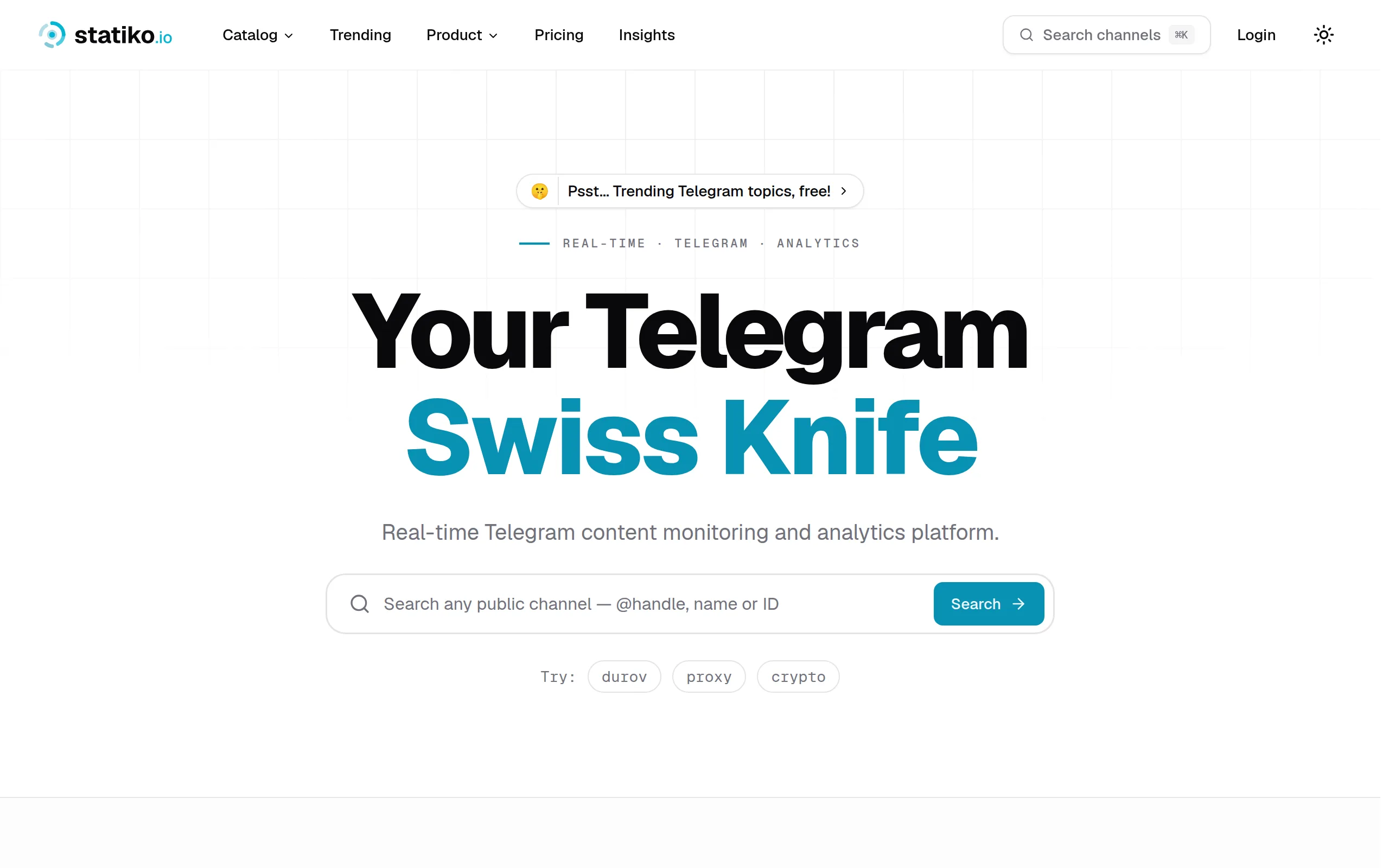
Statiko
Monitor any Telegram channel in real time - track posts, edits, deletions, and growth with AI recaps 📡

Shibui
AI website builder - describe your business, pick a niche template, edit by chatting, and publish instantly ✨
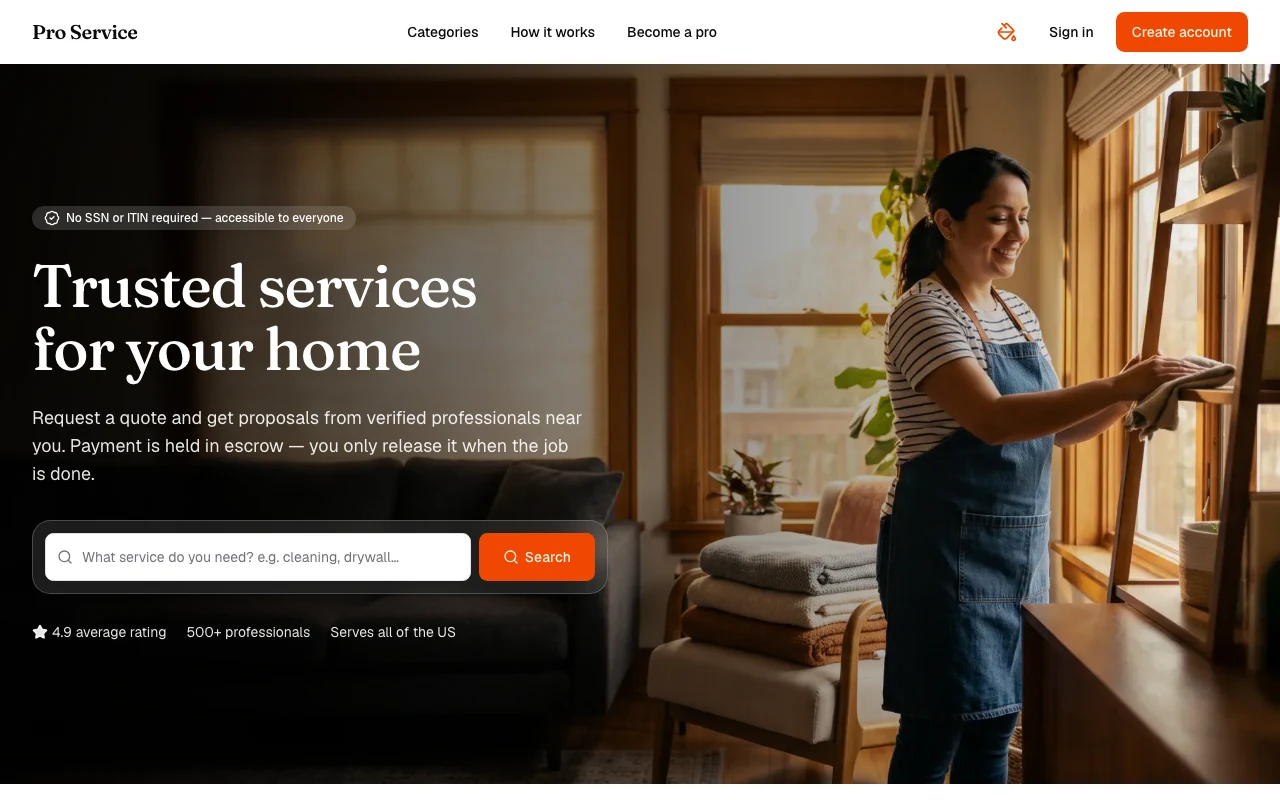
Pro Service
Find verified home service professionals, compare quotes, and pay securely through escrow - built for Brazilians across the US 🏠
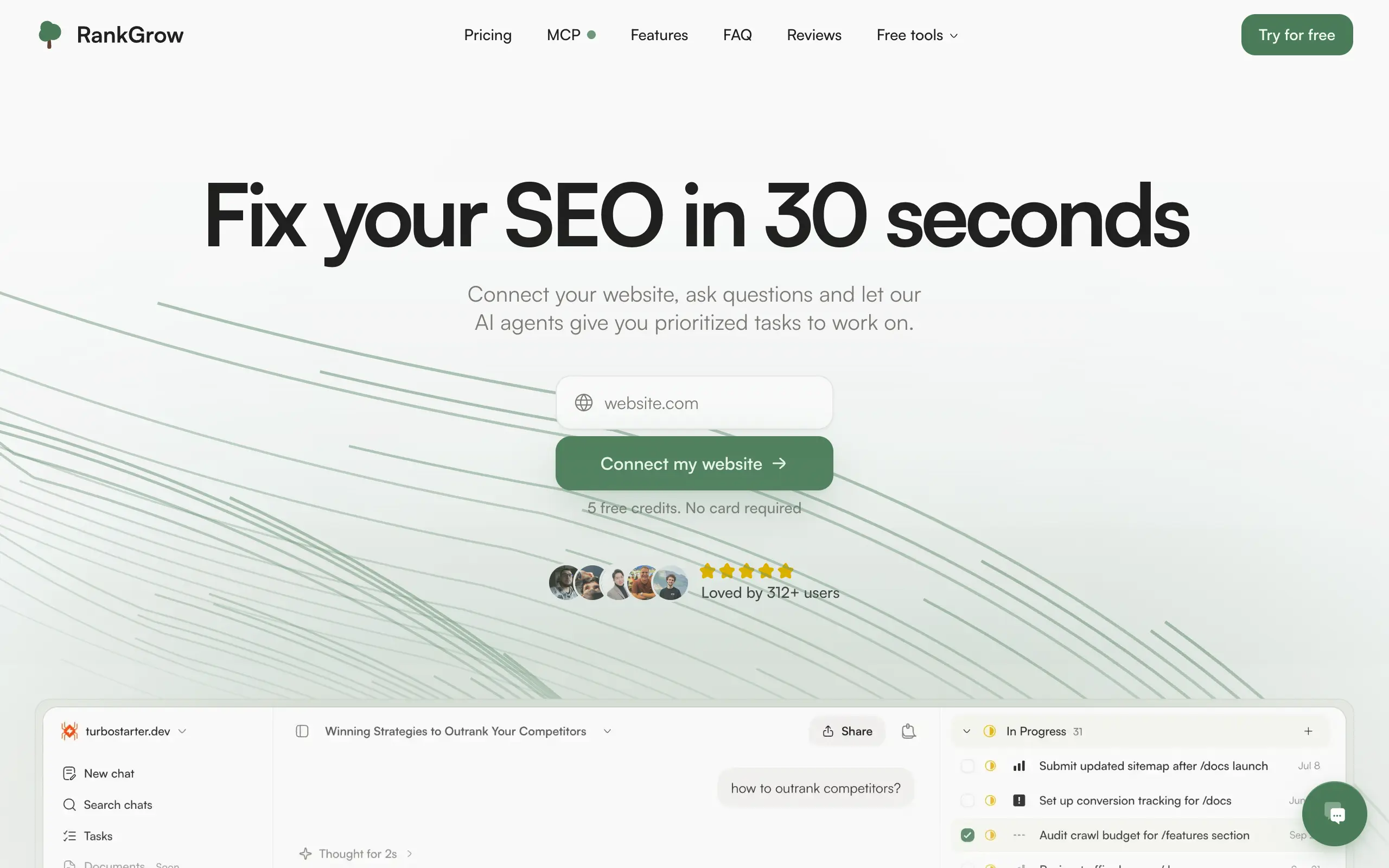
RankGrow
Fix your SEO with AI agents - connect Search Console, get prioritized tasks, and grow organic traffic 📈
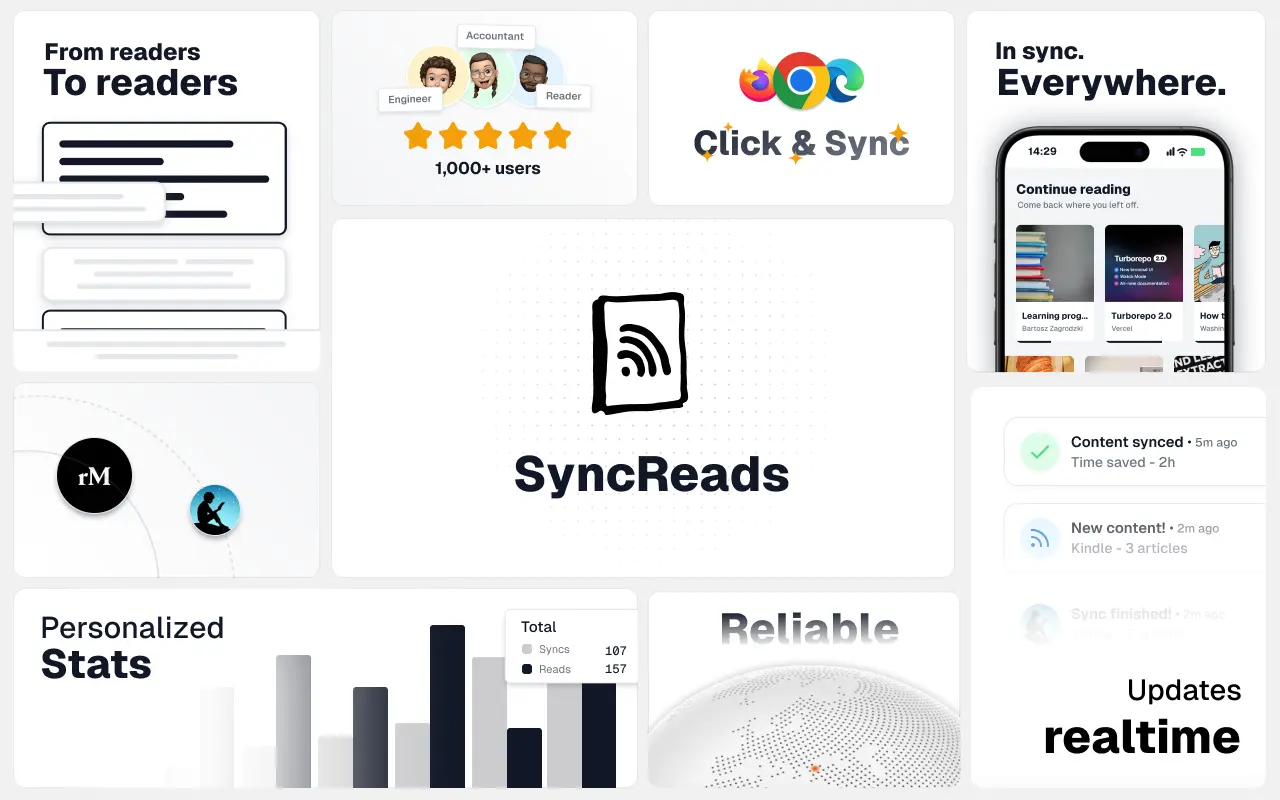
SyncReads
Sync your favorite content for distraction-free reading, save time and replace multiple apps. Anytime, anywhere 🔄
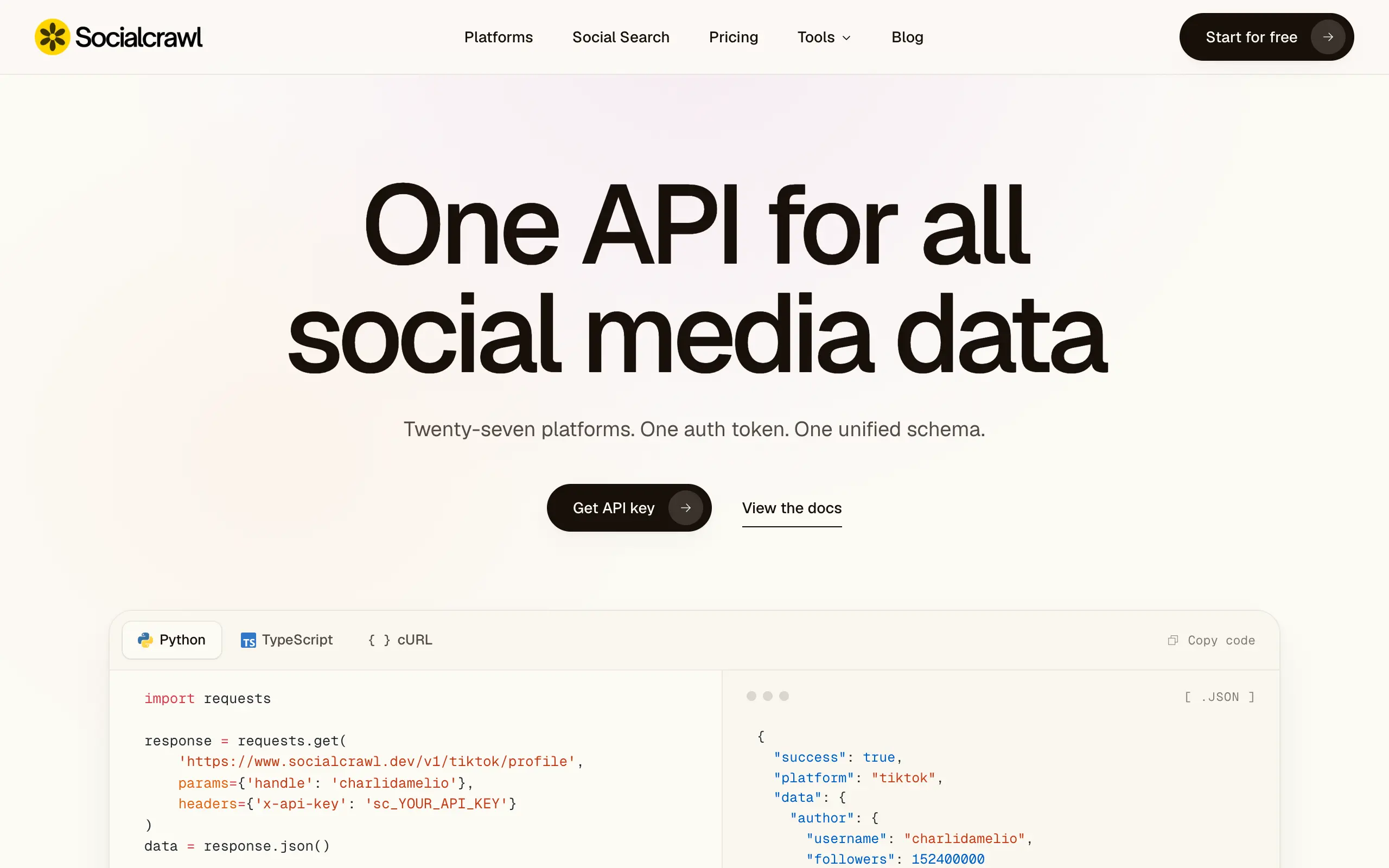
Socialcrawl
Get clean, structured data from 21 platforms like TikTok, Instagram, and YouTube with a single request 📊
Statiko
Monitor any Telegram channel in real time - track posts, edits, deletions, and growth with AI recaps 📡
Shibui
AI website builder - describe your business, pick a niche template, edit by chatting, and publish instantly ✨
Pro Service
Find verified home service professionals, compare quotes, and pay securely through escrow - built for Brazilians across the US 🏠
RankGrow
Fix your SEO with AI agents - connect Search Console, get prioritized tasks, and grow organic traffic 📈
SyncReads
Sync your favorite content for distraction-free reading, save time and replace multiple apps. Anytime, anywhere 🔄
Socialcrawl
Get clean, structured data from 21 platforms like TikTok, Instagram, and YouTube with a single request 📊
Statiko
Monitor any Telegram channel in real time - track posts, edits, deletions, and growth with AI recaps 📡
Shibui
AI website builder - describe your business, pick a niche template, edit by chatting, and publish instantly ✨
Pro Service
Find verified home service professionals, compare quotes, and pay securely through escrow - built for Brazilians across the US 🏠
RankGrow
Fix your SEO with AI agents - connect Search Console, get prioritized tasks, and grow organic traffic 📈
SyncReads
Sync your favorite content for distraction-free reading, save time and replace multiple apps. Anytime, anywhere 🔄
Socialcrawl
Get clean, structured data from 21 platforms like TikTok, Instagram, and YouTube with a single request 📊
Statiko
Monitor any Telegram channel in real time - track posts, edits, deletions, and growth with AI recaps 📡
Shibui
AI website builder - describe your business, pick a niche template, edit by chatting, and publish instantly ✨
Pro Service
Find verified home service professionals, compare quotes, and pay securely through escrow - built for Brazilians across the US 🏠
RankGrow
Fix your SEO with AI agents - connect Search Console, get prioritized tasks, and grow organic traffic 📈
SyncReads
Sync your favorite content for distraction-free reading, save time and replace multiple apps. Anytime, anywhere 🔄
Socialcrawl
Get clean, structured data from 21 platforms like TikTok, Instagram, and YouTube with a single request 📊
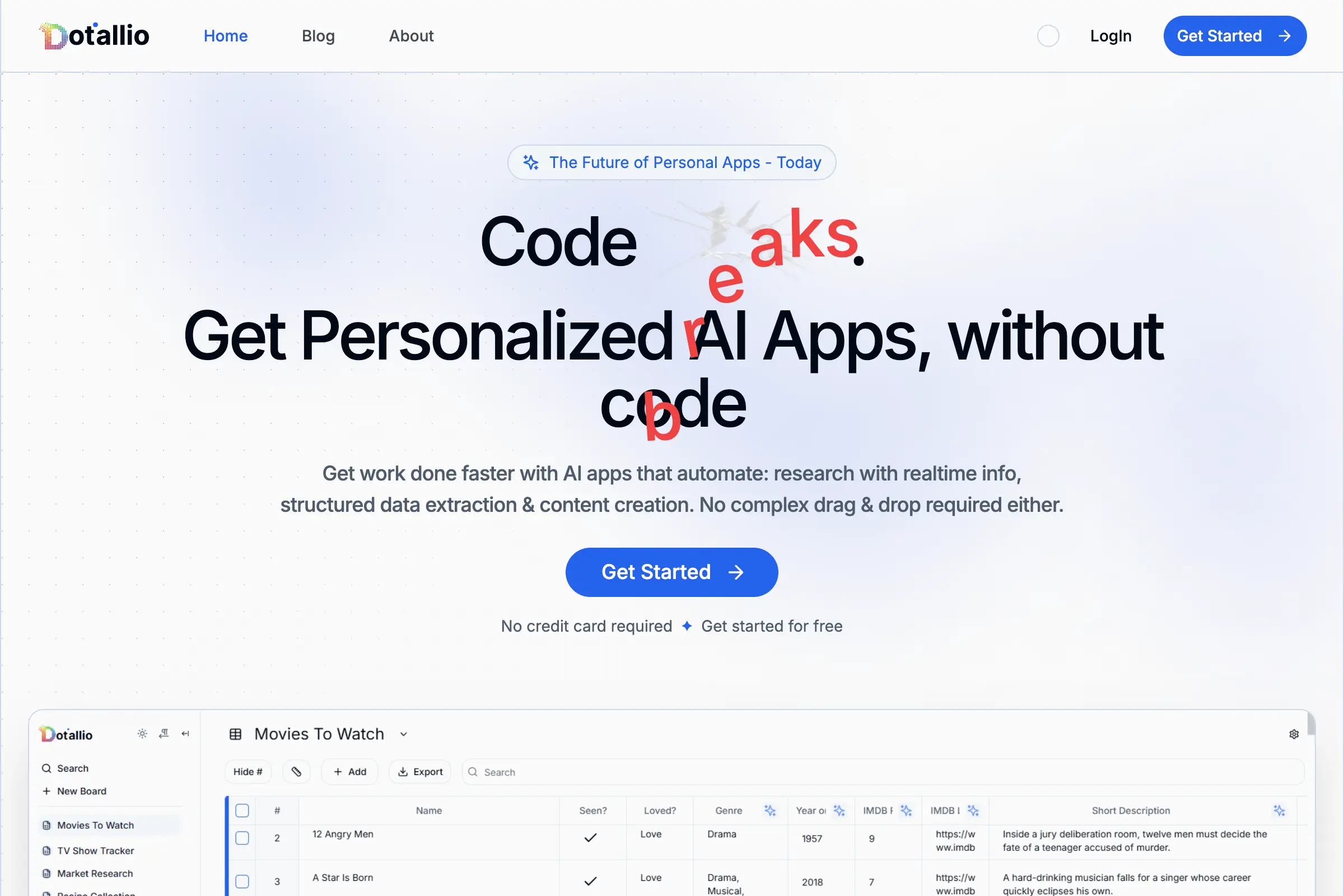
Dotallio
Personalized AI apps that automate research, data extraction, and content creation without code 🤖
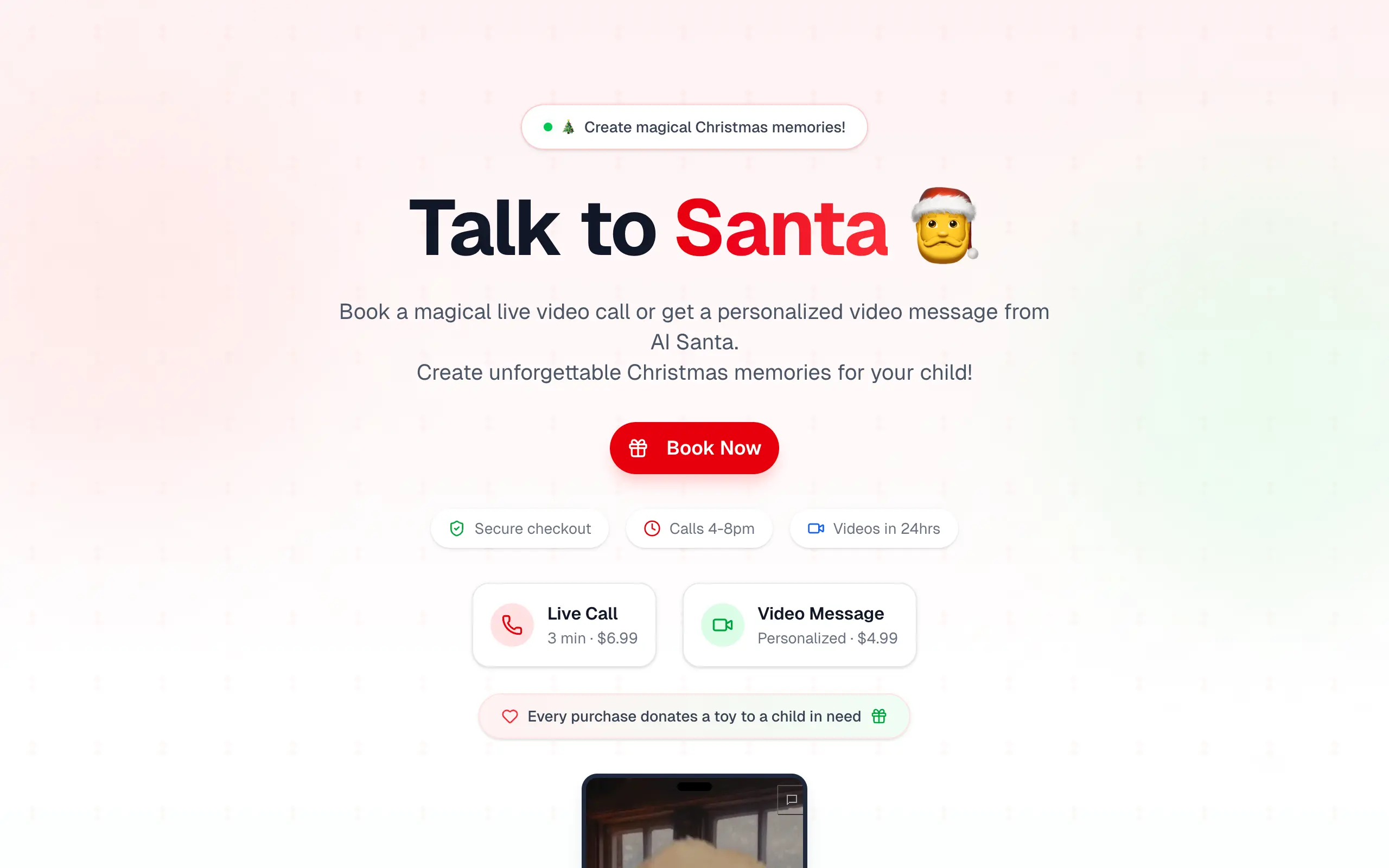
Talk to Santa
Enjoy a magical live video chat or receive a unique AI-generated video greeting from Santa Claus 🎅
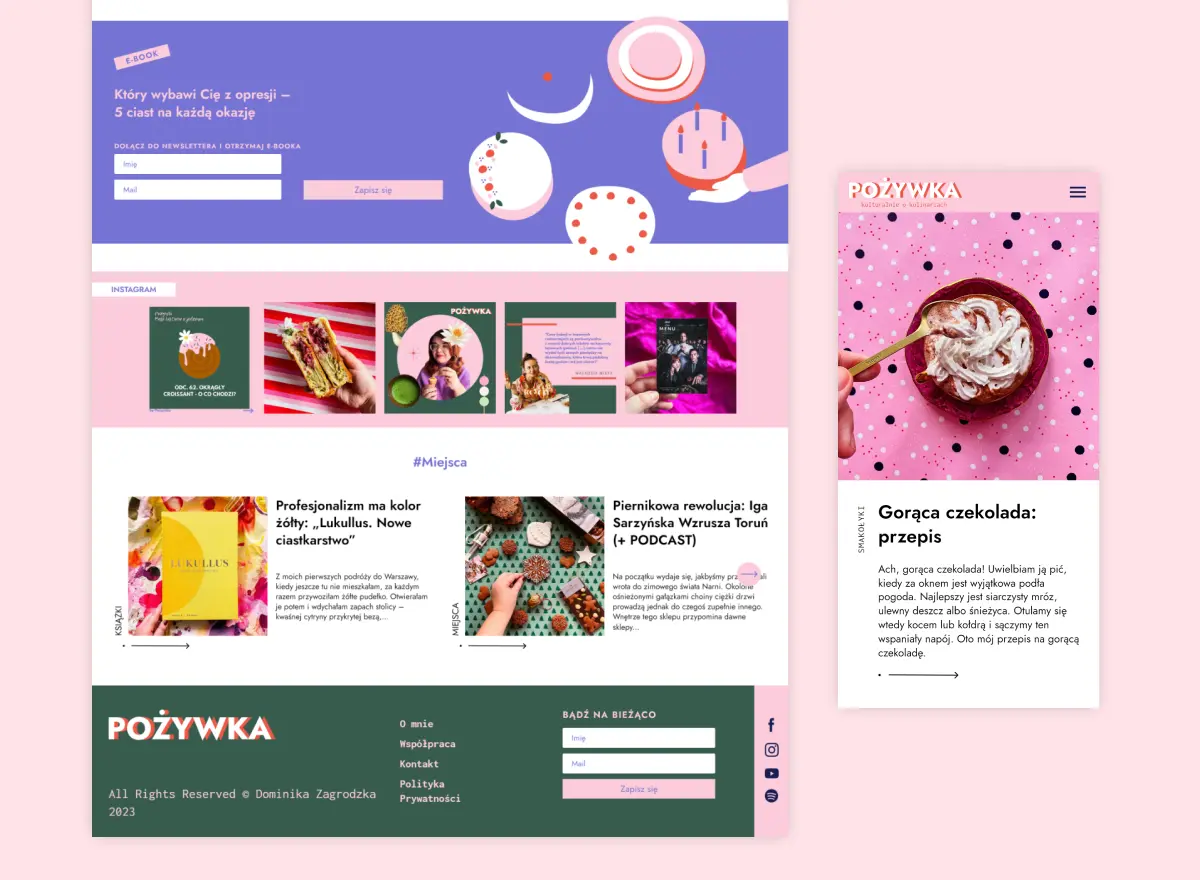
pozywka.pl
Scalable blog for food journalist, focused on performance and user experience 🌭
zagrodzki.me
Personal blog and portfolio of Bart Zagrodzki, where he shares his knowledge and work 💼
TurboStarter
Ship your startup everywhere. In minutes.
HTML to Markdown
Convert HTML to Markdown with ease, directly in your browser 📄
Dotallio
Personalized AI apps that automate research, data extraction, and content creation without code 🤖
Talk to Santa
Enjoy a magical live video chat or receive a unique AI-generated video greeting from Santa Claus 🎅
pozywka.pl
Scalable blog for food journalist, focused on performance and user experience 🌭
zagrodzki.me
Personal blog and portfolio of Bart Zagrodzki, where he shares his knowledge and work 💼
TurboStarter
Ship your startup everywhere. In minutes.
HTML to Markdown
Convert HTML to Markdown with ease, directly in your browser 📄
Dotallio
Personalized AI apps that automate research, data extraction, and content creation without code 🤖
Talk to Santa
Enjoy a magical live video chat or receive a unique AI-generated video greeting from Santa Claus 🎅
pozywka.pl
Scalable blog for food journalist, focused on performance and user experience 🌭
zagrodzki.me
Personal blog and portfolio of Bart Zagrodzki, where he shares his knowledge and work 💼
TurboStarter
Ship your startup everywhere. In minutes.
HTML to Markdown
Convert HTML to Markdown with ease, directly in your browser 📄
Dotallio
Personalized AI apps that automate research, data extraction, and content creation without code 🤖
Talk to Santa
Enjoy a magical live video chat or receive a unique AI-generated video greeting from Santa Claus 🎅
pozywka.pl
Scalable blog for food journalist, focused on performance and user experience 🌭
zagrodzki.me
Personal blog and portfolio of Bart Zagrodzki, where he shares his knowledge and work 💼
TurboStarter
Ship your startup everywhere. In minutes.
HTML to Markdown
Convert HTML to Markdown with ease, directly in your browser 📄
Omichat
Chat with 50+ AI models, including ChatGPT and Claude, in one place - switch models anytime without losing context 🤖
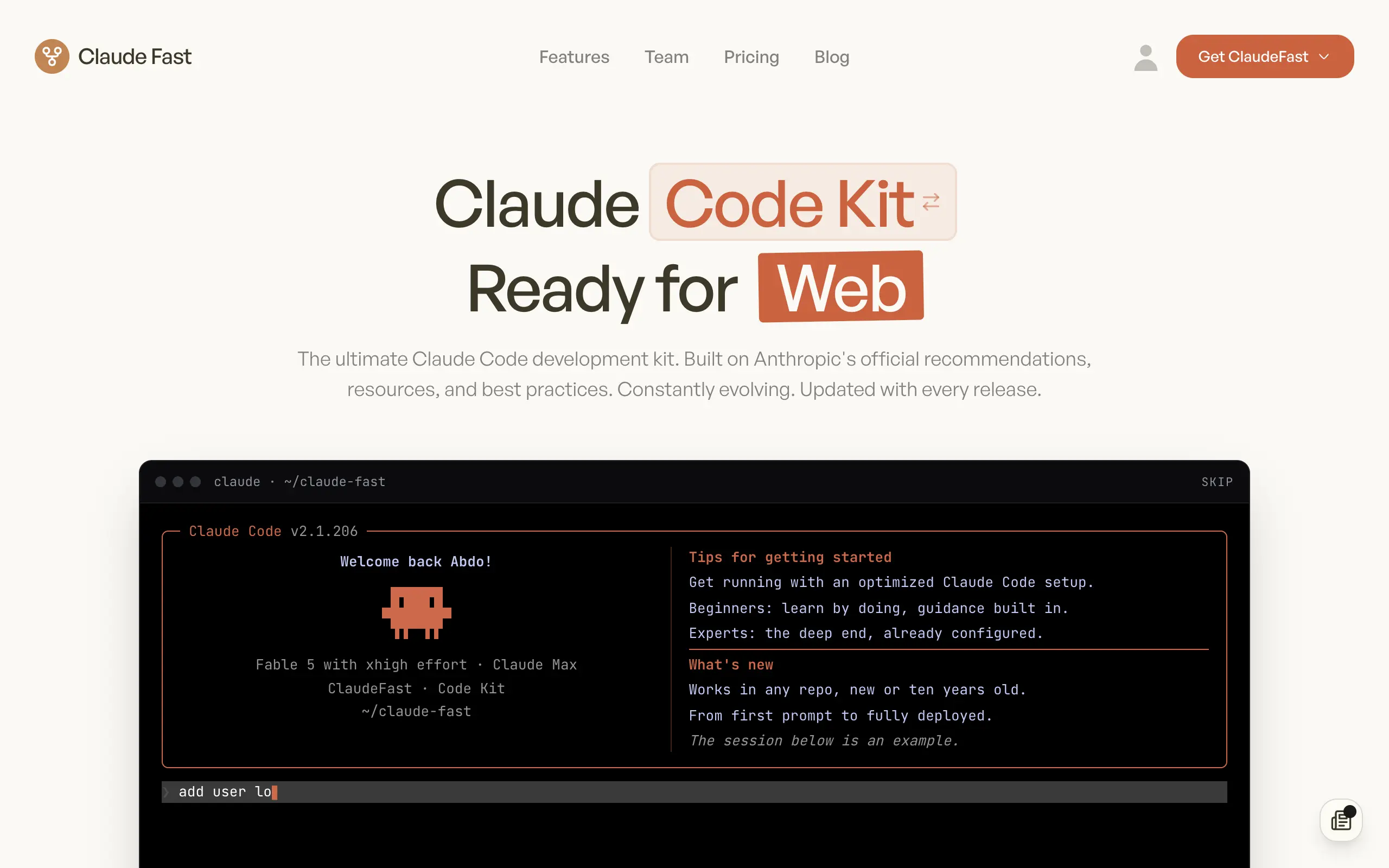
Claude Fast
Supercharge your Claude Code with 6x effective context window and specialized AI agents 🤖
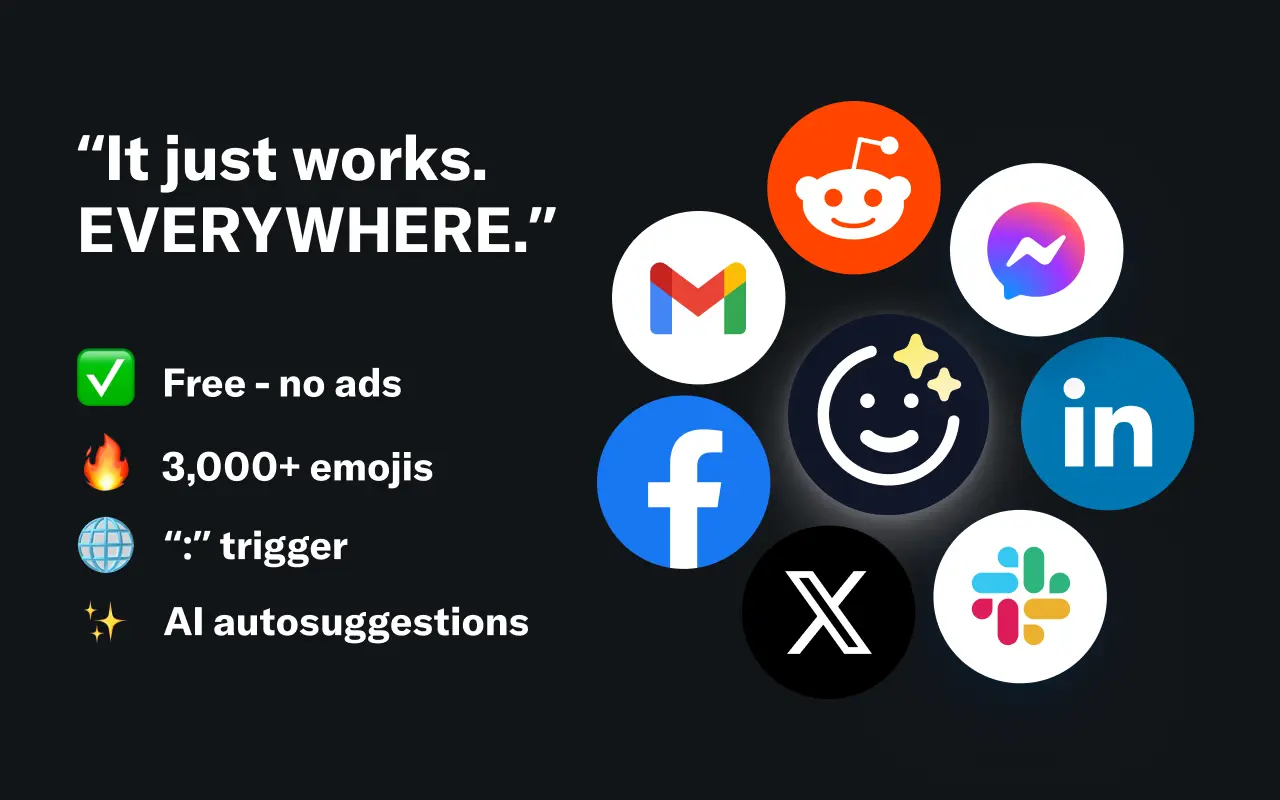
EmojAI
AI-powered emoji picker with smart, context-aware suggestions 🤖
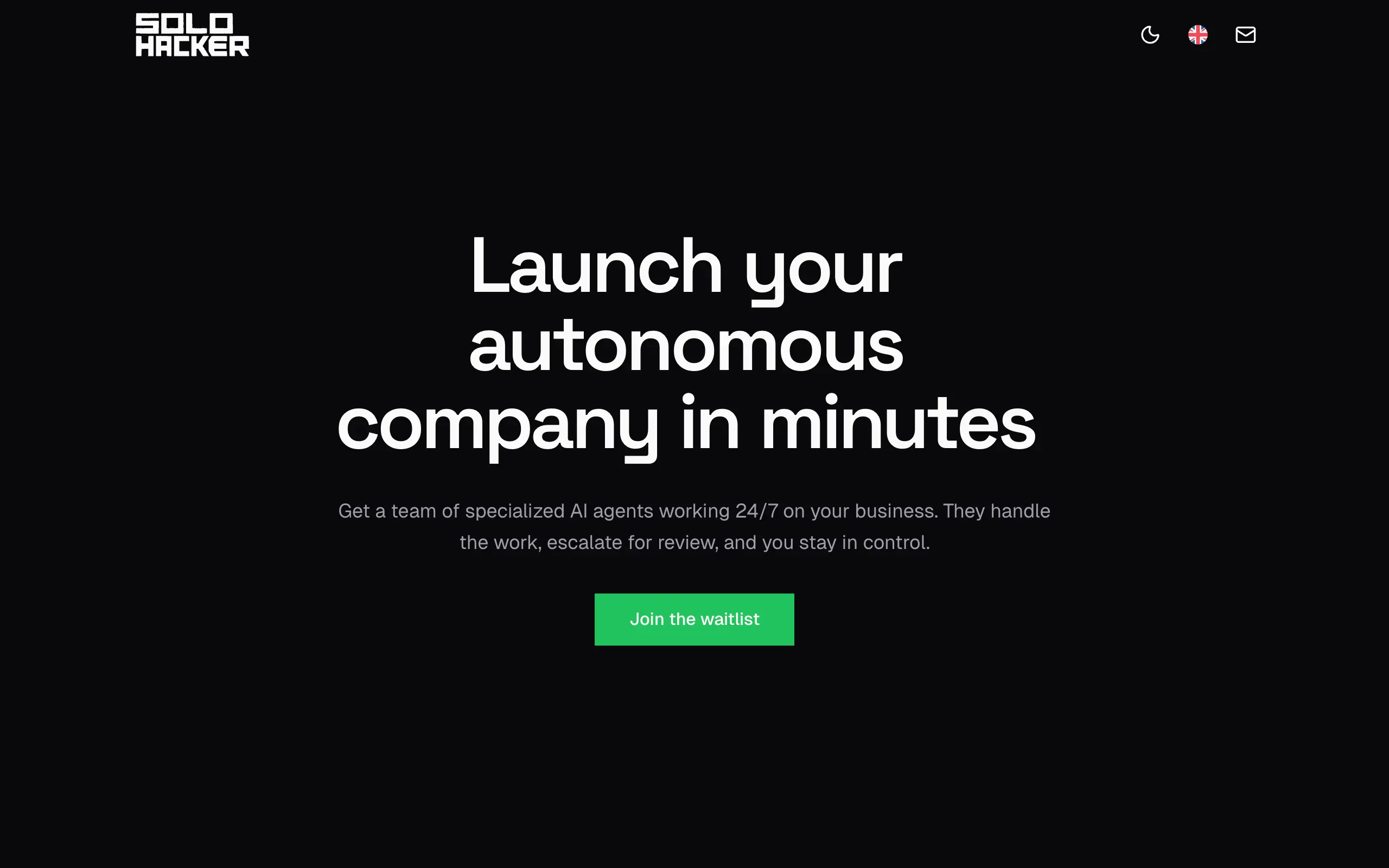
Solohacker
Autonomous company launcher - AI agents work 24/7, escalate what matters, and you stay in control 🤖
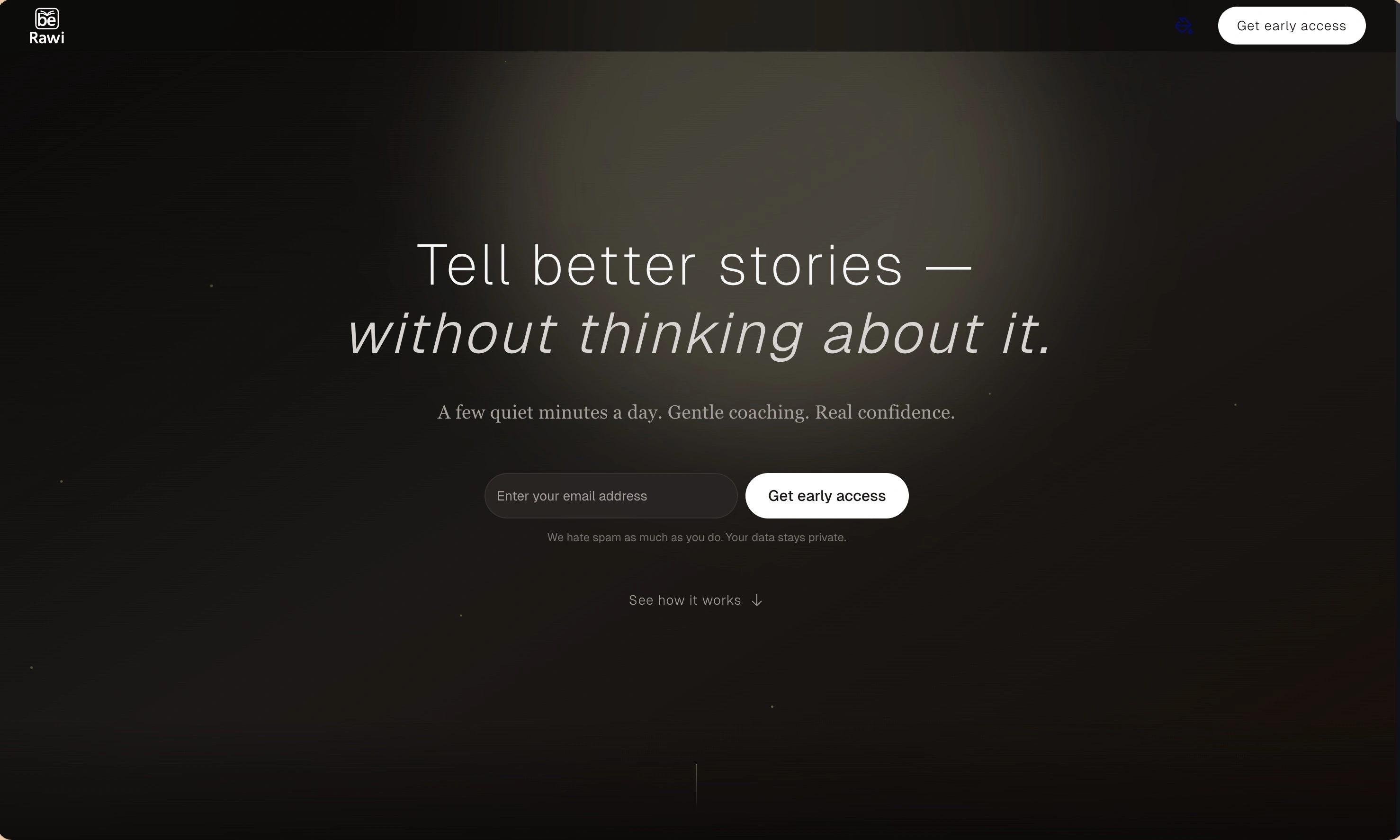
BeRawi: Storytelling Coach
Practice storytelling daily with instant feedback to sound clearer, more engaging, and confident 🎤
Omichat
Chat with 50+ AI models, including ChatGPT and Claude, in one place - switch models anytime without losing context 🤖
Claude Fast
Supercharge your Claude Code with 6x effective context window and specialized AI agents 🤖
EmojAI
AI-powered emoji picker with smart, context-aware suggestions 🤖
Solohacker
Autonomous company launcher - AI agents work 24/7, escalate what matters, and you stay in control 🤖
BeRawi: Storytelling Coach
Practice storytelling daily with instant feedback to sound clearer, more engaging, and confident 🎤
Omichat
Chat with 50+ AI models, including ChatGPT and Claude, in one place - switch models anytime without losing context 🤖
Claude Fast
Supercharge your Claude Code with 6x effective context window and specialized AI agents 🤖
EmojAI
AI-powered emoji picker with smart, context-aware suggestions 🤖
Solohacker
Autonomous company launcher - AI agents work 24/7, escalate what matters, and you stay in control 🤖
BeRawi: Storytelling Coach
Practice storytelling daily with instant feedback to sound clearer, more engaging, and confident 🎤
Omichat
Chat with 50+ AI models, including ChatGPT and Claude, in one place - switch models anytime without losing context 🤖
Claude Fast
Supercharge your Claude Code with 6x effective context window and specialized AI agents 🤖
EmojAI
AI-powered emoji picker with smart, context-aware suggestions 🤖
Solohacker
Autonomous company launcher - AI agents work 24/7, escalate what matters, and you stay in control 🤖
BeRawi: Storytelling Coach
Practice storytelling daily with instant feedback to sound clearer, more engaging, and confident 🎤

Connect with like-minded people
Join our community to get feedback, support, and grow together with 1,000+ builders on board, let's ship it!
Join usShip your startup everywhere. In minutes.
Don't burn tokens on setup and start building features on day one.