Fleetmark
Gives owner-operators of wedding and event florists a single place to schedule deliveries and bill clients. Florists recover the hours lost each week to juggling texts and spreadsheets.
Fleetmark is a scheduling and billing tool built for owner-operators of wedding and event florists. It replaces the mix of texts, spreadsheets and invoice apps that florists use to coordinate deliveries and get paid. The idea has potential in 2026 because event florists run small, deadline-driven operations that horizontal tools handle badly, and the gap is a good fit for a focused vertical SaaS: delivery scheduling and billing software for event florists.
Key takeaways
- Target customer: owner-operators of wedding and event florist businesses with 1 to 10 staff and a few freelance drivers or helpers.
- Pricing angle: flat monthly subscription (for example $29 to $79/month), optionally with a small fee on payments collected through Fleetmark.
- Biggest risk: florists are seasonal, busy and loyal to their current mess, so switching cost and low willingness to try new tools can stall adoption.
- Time to MVP: roughly 3 to 5 weeks for one developer using a starter kit like TurboStarter for auth, billing and the database.
What problem does Fleetmark solve for event florists?
Event florists lose hours every week coordinating deliveries and chasing payments across disconnected tools. Fleetmark gives them one place for both: a delivery calendar tied directly to the client's order and invoice.
Who is the ideal customer?
The sharpest starting profile is the owner-operator of a wedding and event florist who does the design work, the client communication and the bookkeeping. They typically have a small team, a part-time driver or two, and a calendar that spikes on Fridays and Saturdays in peak season.
They are not buying enterprise software. They want to stop answering "what time are you arriving?" texts at 9 p.m.
What do they do today?
The current workaround is a patchwork:
- Group texts and WhatsApp threads with drivers, venues and planners for delivery times and setup instructions.
- A spreadsheet or shared calendar listing events, addresses and arrival windows.
- A generic invoicing app or manual PDF invoices for deposits, balances and add-ons.
- Memory and sticky notes for venue access rules, load-in times and who signs for the delivery.
Why does the workaround fail?
It fails at the exact moments that matter. A venue changes the load-in window by text, the spreadsheet is not updated, and a driver arrives late with perishable product. The invoice is a separate document, so nobody notices that a balance is unpaid until after the event.
Each tool works alone. The cost is the time spent reconciling them, plus the occasional expensive mistake.
Is there a market opportunity for florist scheduling and billing software?
Yes, but it is a niche opportunity rather than a venture-scale one. The gap is between horizontal tools that do not understand event logistics and floral-industry software that is typically built around retail shops and order entry.
What does the existing software cover?
Existing options fall into a few categories:
- Floral shop point-of-sale and order platforms, which focus on storefront orders and wire services, not multi-stop event delivery with venue details.
- General scheduling and route tools, which handle drivers and stops but know nothing about deposits, balances or event dates.
- Invoicing and payment tools such as Stripe invoicing or QuickBooks, which bill well but have no concept of a delivery window.
- Event and wedding CRMs, which manage leads and contracts, often with no delivery operations.
Why is 2026 a good time?
Several trends point the same way. Clients expect to pay by card or link, not by check. Small service businesses are increasingly comfortable adopting a vertical tool if setup takes minutes. And AI-assisted development lowers the cost of building a narrow product for a narrow audience.
The honest caveat: the market is small per customer. You are building a profitable niche product, not a platform for every small business.
What should the Fleetmark MVP include?
Build the smallest product that connects a booked event to a delivery slot and an invoice. Everything else can wait until paying customers ask for it.
What are the four core features?
Event delivery calendar
A day and week view of deliveries with venue, arrival window, setup notes and assigned driver.
Client invoicing
Create deposit and balance invoices from an event, with online card payment and automatic reminders.
Driver and venue sharing
A simple link or SMS that shows drivers and venue contacts the schedule, with confirmation and change alerts.
Event record
One page per event holding client details, venue rules, delivery timing and payment status together.
What should you cut at first?
Cut route optimization, inventory and stem costing, a full CRM, native mobile apps and multi-location support. Each is a legitimate feature request, but none is needed to prove that florists will pay for scheduling plus billing.
What is the aha moment?
The aha moment is the first time a venue changes a load-in time and the florist updates it in one place. The driver is notified, the client sees the right information and the invoice stays attached. If a florist experiences that during their first week, the tool has earned its place.
How is Fleetmark different from spreadsheets and existing tools?
Fleetmark's unique selling point is that delivery logistics and billing live on the same event record. Most alternatives do one half well and ignore the other.
| Option | Event delivery scheduling | Deposit and balance billing | Built for florists |
|---|---|---|---|
| Fleetmark | ✅ | ✅ | ✅ |
| Spreadsheets and texts | Manual | Manual | ❌ |
| Floral shop software | Limited | Limited | ✅ |
| Generic route or scheduling apps | ✅ | ❌ | ❌ |
| Invoicing apps | ❌ | ✅ | ❌ |
The comparison that matters most is against the spreadsheet. It is free, flexible and familiar, so Fleetmark has to be faster for the weekly routine, not just more powerful.
How would Fleetmark make money?
The simplest model is a flat monthly subscription, because owner-operators dislike unpredictable bills. There are three realistic options.
Option 1: flat subscription tiers
Charge something like $29/month for solo florists and $79/month for teams with multiple drivers. If you assume 3% of trial visitors convert, you need many trials, so the pricing should be simple enough to decide on in one sitting.
Option 2: subscription plus a payment fee
Keep the subscription low and take a small percentage on invoices paid through Fleetmark. This aligns revenue with the value delivered, but it adds payment-processing complexity and some florists will resent the extra fee.
Option 3: seasonal or annual plans
Wedding florists have a strong peak season. An annual plan with a discount reduces churn during quiet months, which is the main revenue problem for any seasonal business.
Which growth channel works first?
Start with direct outreach and community presence, not ads. Florist Facebook groups, wedding vendor networks, floral wholesaler communities and local planner referrals are where owners already trade advice. Ten personal onboarding calls will teach you more than a month of paid acquisition.
How do you validate Fleetmark before building it?
Spend one to two weeks proving that florists feel the pain and will commit money. Do this before writing any code.
Interview eight to ten florists
Ask them to walk you through their last three events: how deliveries were arranged, what went wrong and how they billed. Listen for specific costly incidents rather than general agreement.
Ship a one-page landing site
State one promise, such as "One place for your deliveries and your invoices", with a short demo mockup and a waitlist form. Send it to every interviewee.
Ask for a pre-sale or a deposit
Offer a discounted founding-member price for the first year. Even three or four paid commitments are a stronger signal than fifty waitlist emails.
Run a manual concierge test
Build the schedule and invoices for two florists by hand in a shared document for one event week. If they keep asking for it, you have found the core workflow.
What tech stack should you use to build Fleetmark?
Use a mainstream web stack with a mobile-friendly interface and spend as little time as possible on infrastructure. A starter kit such as TurboStarter provides a ready-made monorepo for web and mobile apps, plus the parts every SaaS needs, so you can focus on scheduling and billing logic.
What does TurboStarter handle for you?
It covers authentication, billing for your own subscriptions, the database, emails, file storage, organizations and teams, background tasks and an admin panel. For Fleetmark that means each florist business can be an organization with staff and drivers as members, without you building that from scratch.
You still build the differentiating pieces: the event model, the delivery calendar, client invoices and the notification flow. A mobile app can come later, since the mobile setup shares the same monorepo.
How should you model the data?
Keep the core model small. An event owns its deliveries and invoices:
type Event = {
  id: string;
  organizationId: string;
  clientName: string;
  eventDate: string;
  venueName: string;
  venueNotes?: string;
};

type Delivery = {
  id: string;
  eventId: string;
  arrivalWindowStart: string;
  arrivalWindowEnd: string;
  driverId?: string;
  status: "scheduled" | "confirmed" | "delivered";
};

type Invoice = {
  id: string;
  eventId: string;
  kind: "deposit" | "balance" | "addon";
  amountCents: number;
  status: "draft" | "sent" | "paid";
};
Which payment approach fits client invoices?
Your own subscription billing and your customers' client payments are different problems. Choose deliberately.
Lets each florist receive payments directly into their own account while Fleetmark creates and tracks invoices. It supports a platform fee but adds onboarding steps and compliance work. Pick it once florists ask for in-app payments.
The florist pastes their own payment link or marks invoices as paid manually. It is far faster to ship and has no payment compliance burden, but it feels less complete. Pick it for the first MVP.
What could make Fleetmark fail?
Most failure modes are about adoption and economics, not technology.
Biggest risk: florists will not switch from what already works
Spreadsheets and texts are free and familiar. If setup takes more than a few minutes, or the first week does not visibly save time, owner-operators will quietly go back. Mitigate this by onboarding the first customers yourself, importing their existing events and measuring whether they still use Fleetmark after their next busy weekend.
Other risks and how to handle them
- Seasonality: revenue and engagement drop in the off-season. Offer annual plans and add off-season value such as quoting and consultation scheduling.
- Small market size: a narrow niche caps growth. Plan to expand to adjacent event vendors, such as rental and catering companies, once the florist workflow works.
- Payment and compliance complexity: handling client money adds responsibility. Start with payment links and add managed payments only when demand is clear.
What is a 30-day plan to launch Fleetmark?
Aim to have paying pilot customers by the end of the month.
Week 1: validate
Run the interviews, publish the landing page and ask for pre-sales.
Week 2: scaffold the product
Set up the monorepo with TurboStarter, configure authentication, organizations and subscription billing, and build the event data model.
Week 3: build the core loop
Ship the delivery calendar, event page and invoice creation. Add email or SMS notifications for schedule changes.
Week 4: onboard pilots
Import real events for five florists, watch how they use it and fix the top three friction points.
Pick ten florists you can reach this week and book the interviews. The code is the easy part; the conversations decide whether this becomes a business.
FAQ
Interview eight to ten owner-operators about their last three events, then test a landing page and ask for a founding-member pre-sale. Paid commitments from even a few florists are a stronger signal than a large waitlist.
A reasonable starting range is $29 to $79 per month, assuming the product saves a few hours each week. Test two price points in your pre-sale conversations rather than guessing.
Competition comes from floral shop software, generic scheduling and route apps, invoicing tools and, most of all, spreadsheets and text threads. Few tools combine event delivery logistics with deposit and balance billing for florists specifically.
A TypeScript web app with a relational database such as Postgres suits the structured event, delivery and invoice data. Using a starter kit like TurboStarter saves the setup work for authentication, billing and teams.
A solo developer can typically ship a first version in three to five weeks with a starter kit. Costs are mostly your time, plus modest hosting, email and SMS fees, which grow with usage.
More 🏢 B2B Application SaaS ideas
Discover more innovative b2b application SaaS ideas that are trending in 2026. Each idea is AI-generated with market validation and growth potential to help you find your next profitable venture faster than competitors.
Your competitors are building with TurboStarter
Below are some of the SaaS ideas that have been generated and built with our starter kit.

Monitor any Telegram channel in real time - track posts, edits, deletions, and growth with AI recaps 📡

AI website builder - describe your business, pick a niche template, edit by chatting, and publish instantly ✨
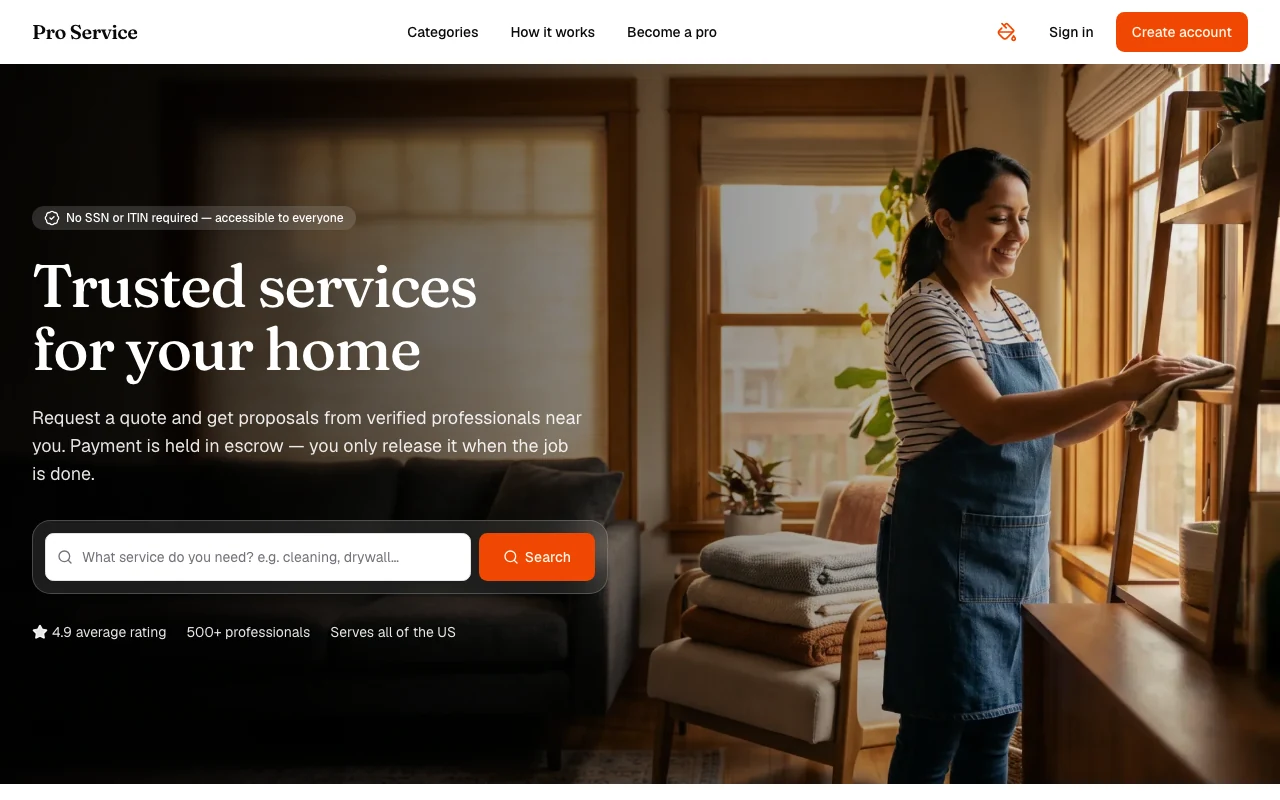
Find verified home service professionals, compare quotes, and pay securely through escrow - built for Brazilians across the US 🏠
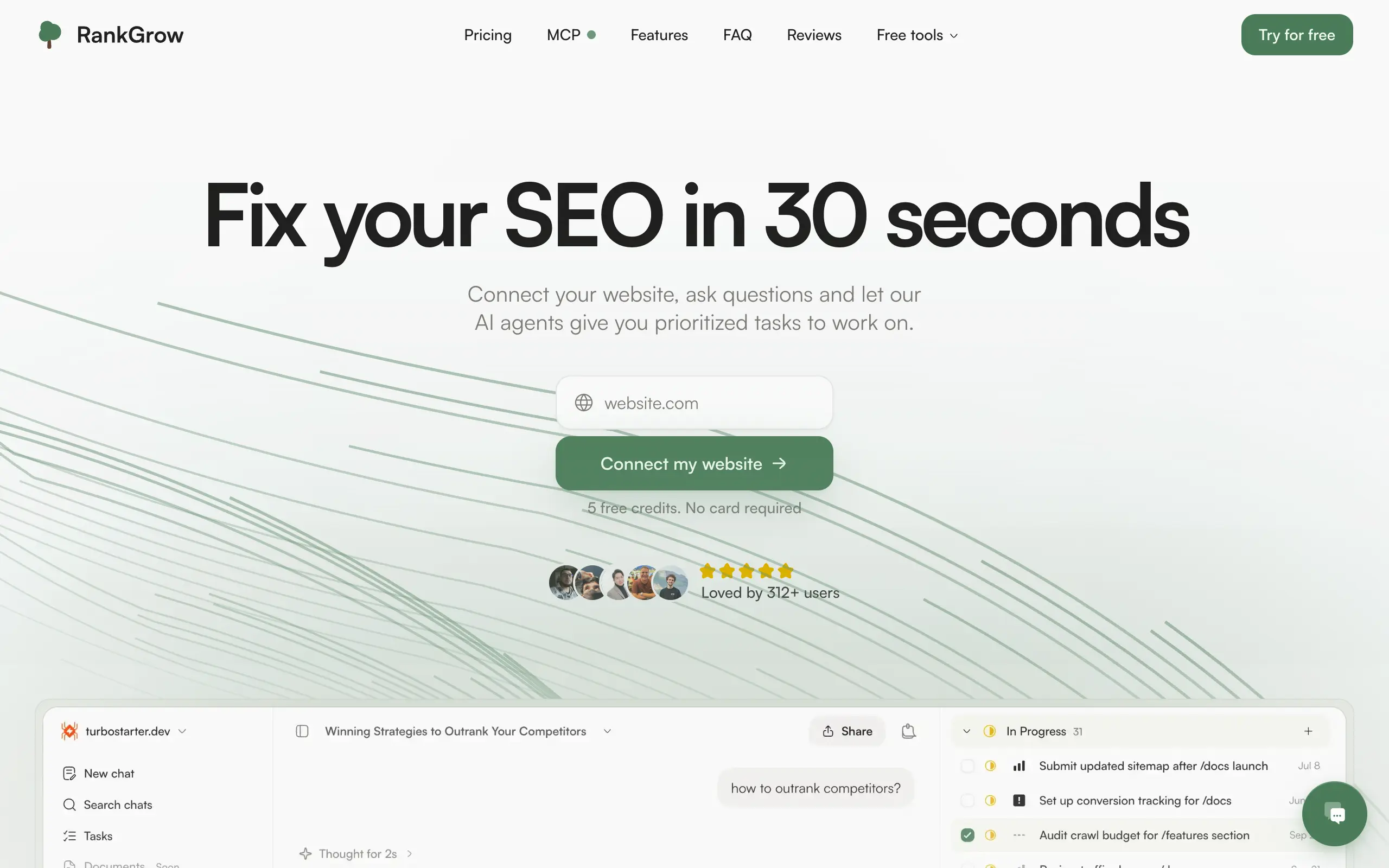
Fix your SEO with AI agents - connect Search Console, get prioritized tasks, and grow organic traffic 📈
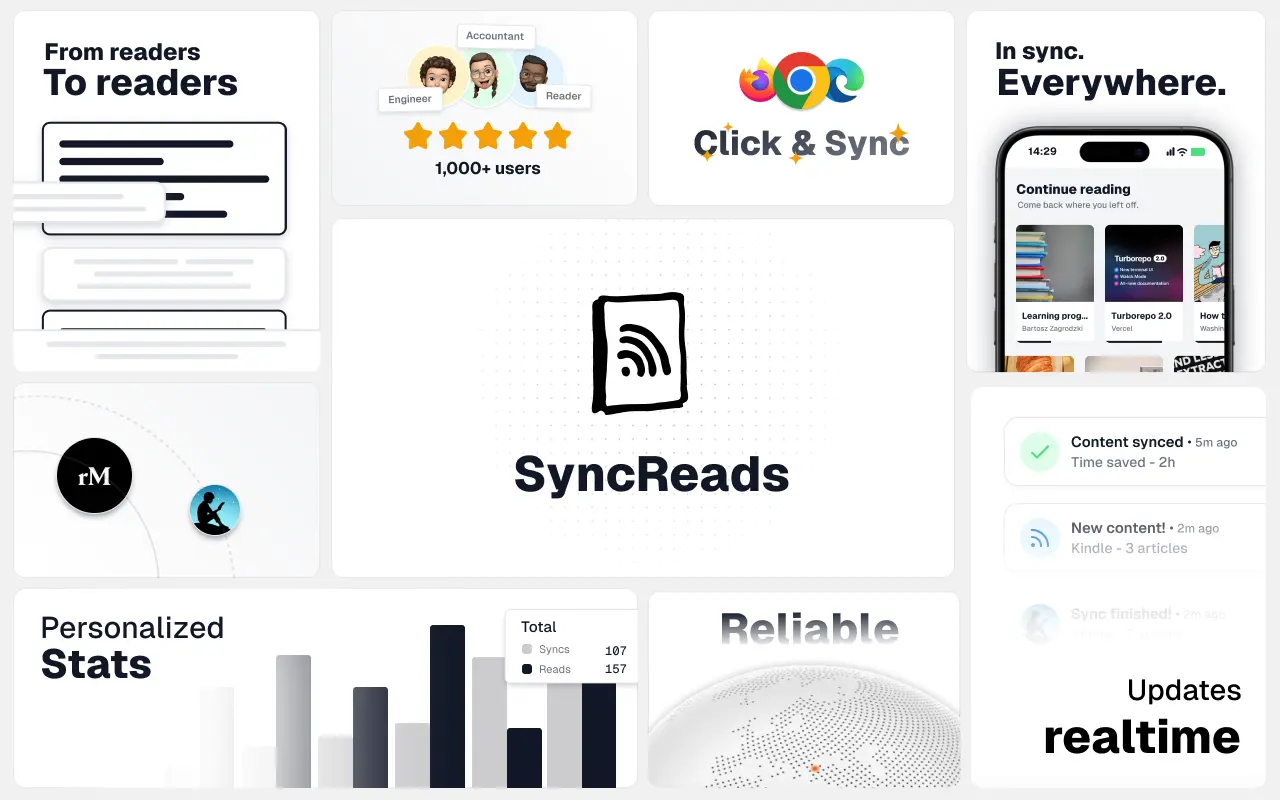
Sync your favorite content for distraction-free reading, save time and replace multiple apps. Anytime, anywhere 🔄
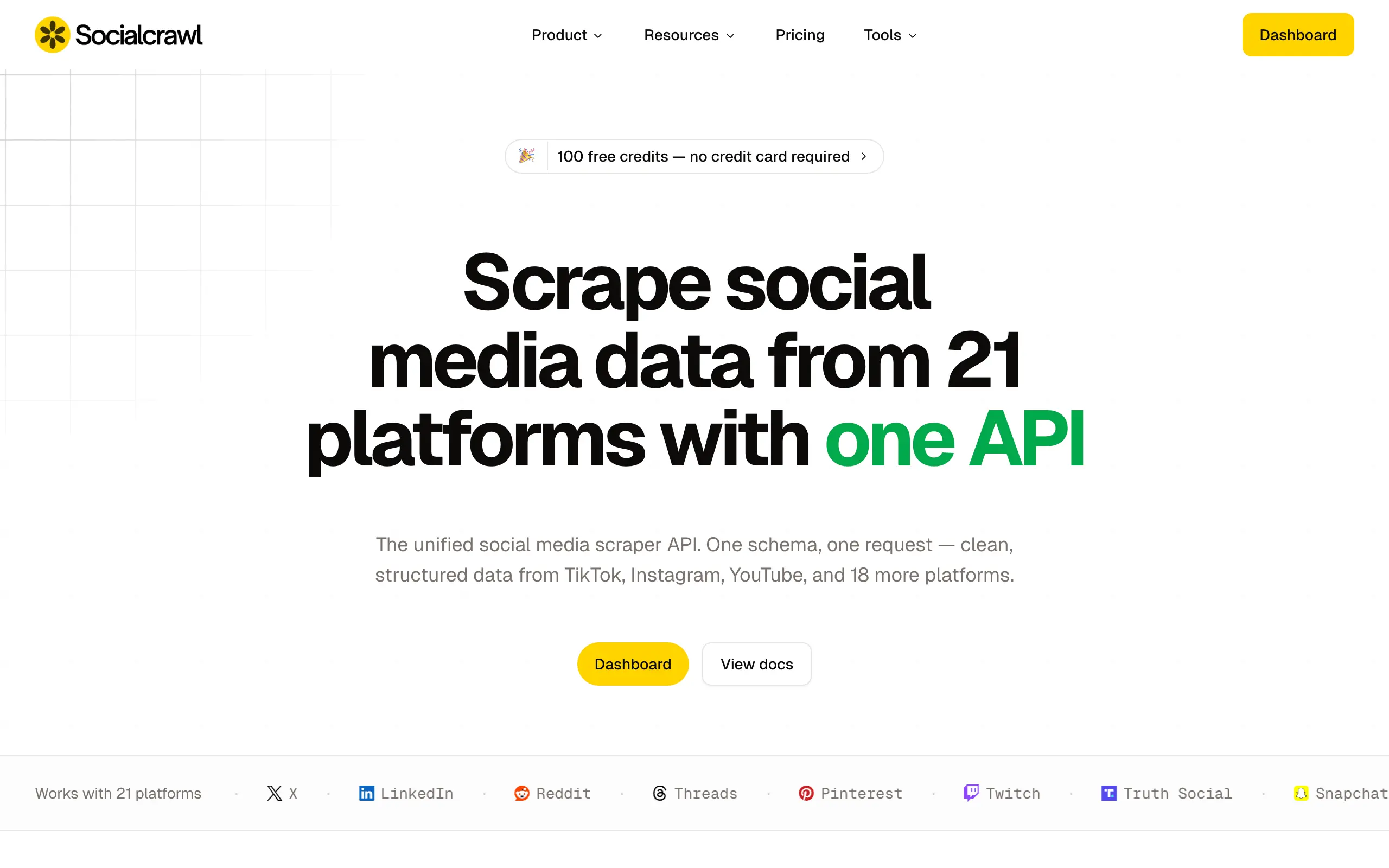
Get clean, structured data from 21 platforms like TikTok, Instagram, and YouTube with a single request 📊
Monitor any Telegram channel in real time - track posts, edits, deletions, and growth with AI recaps 📡
AI website builder - describe your business, pick a niche template, edit by chatting, and publish instantly ✨
Find verified home service professionals, compare quotes, and pay securely through escrow - built for Brazilians across the US 🏠
Fix your SEO with AI agents - connect Search Console, get prioritized tasks, and grow organic traffic 📈
Sync your favorite content for distraction-free reading, save time and replace multiple apps. Anytime, anywhere 🔄
Get clean, structured data from 21 platforms like TikTok, Instagram, and YouTube with a single request 📊
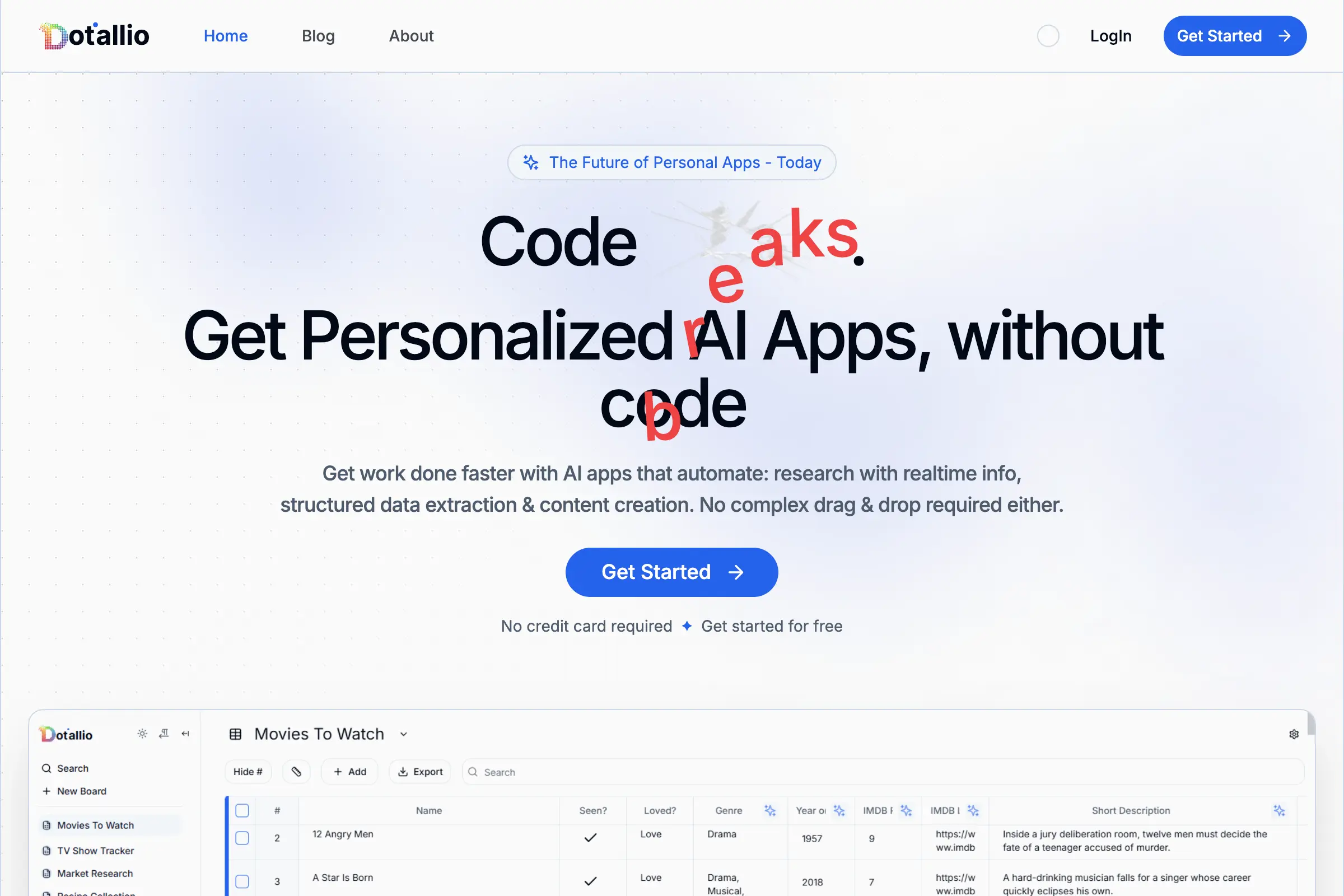
Personalized AI apps that automate research, data extraction, and content creation without code 🤖
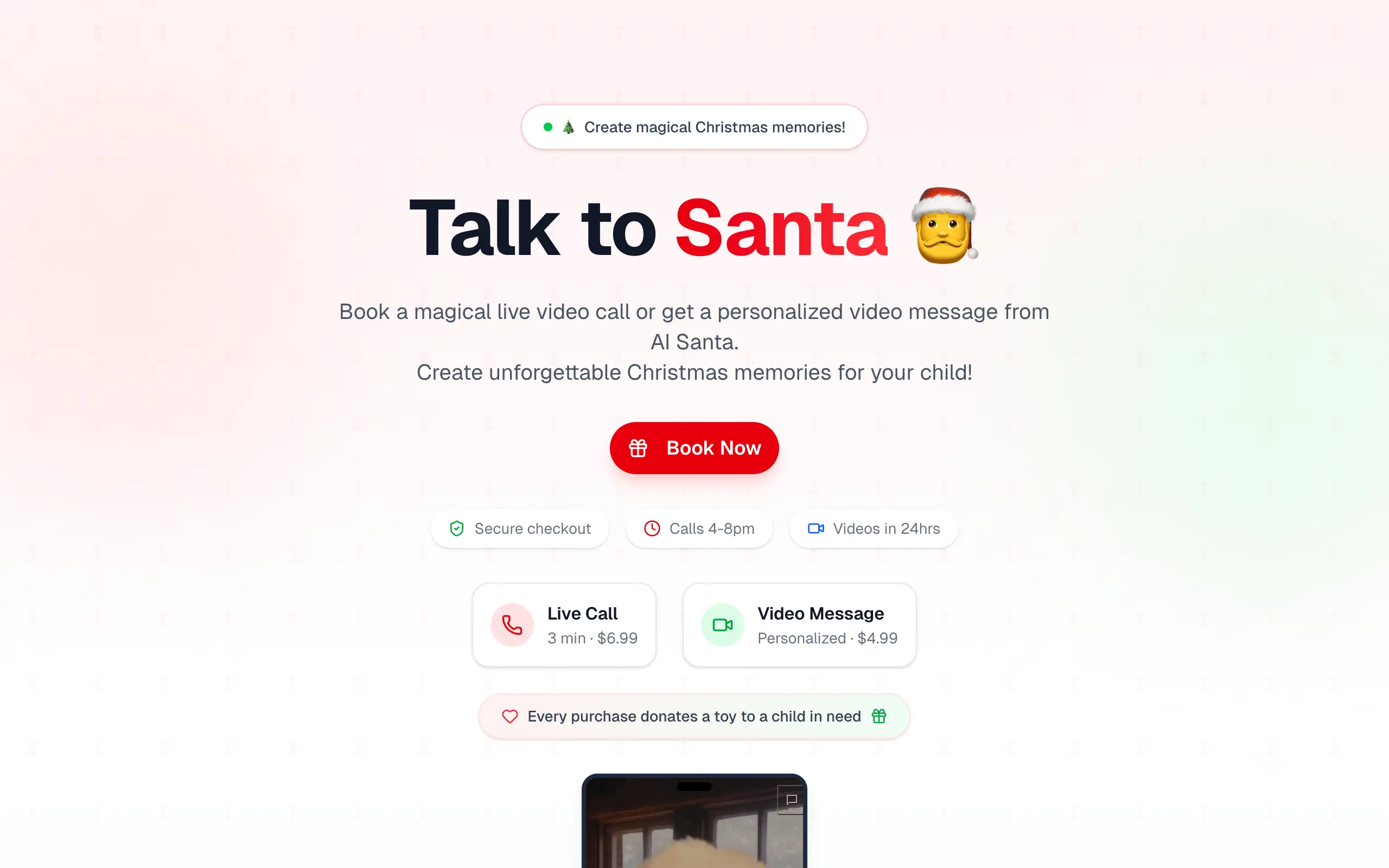
Enjoy a magical live video chat or receive a unique AI-generated video greeting from Santa Claus 🎅
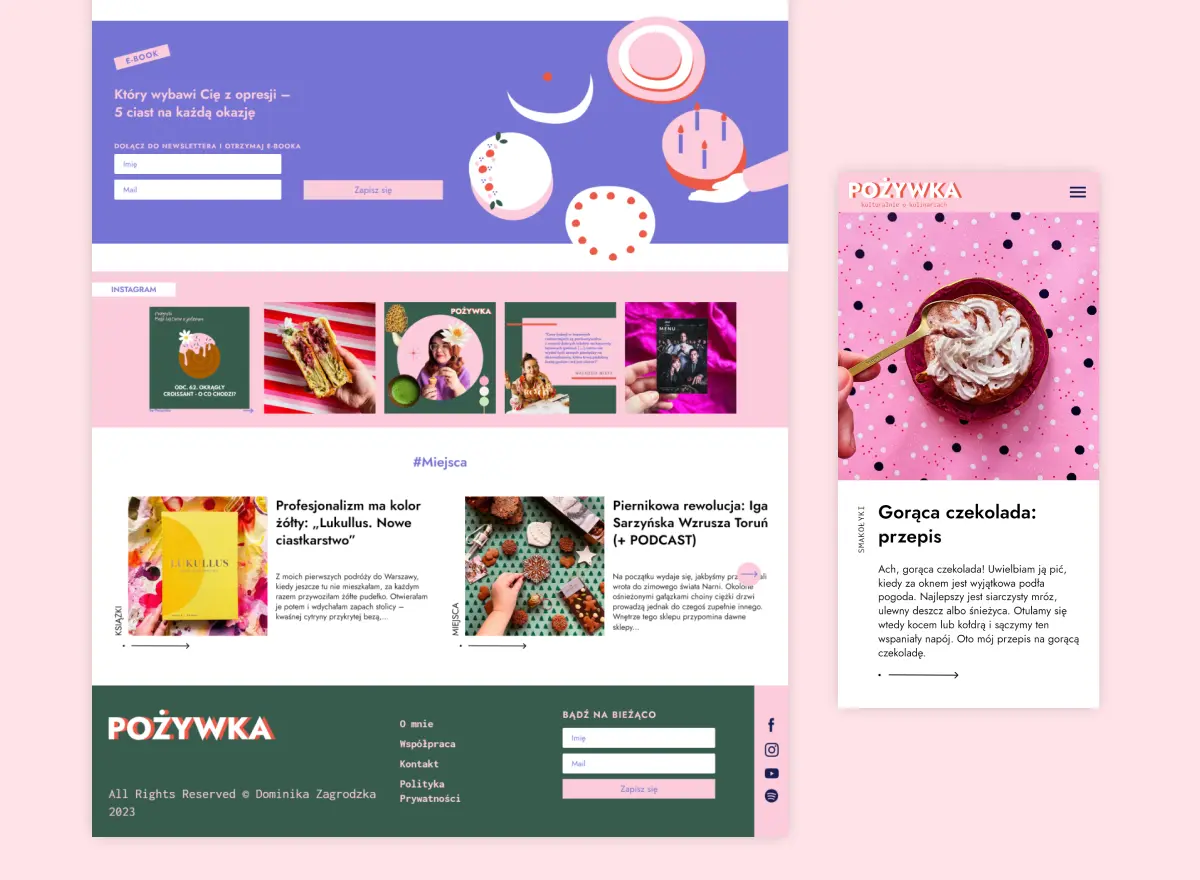
Scalable blog for food journalist, focused on performance and user experience 🌭
Personal blog and portfolio of Bart Zagrodzki, where he shares his knowledge and work 💼
Ship your startup everywhere. In minutes.
Convert HTML to Markdown with ease, directly in your browser 📄
Personalized AI apps that automate research, data extraction, and content creation without code 🤖
Enjoy a magical live video chat or receive a unique AI-generated video greeting from Santa Claus 🎅
Scalable blog for food journalist, focused on performance and user experience 🌭
Personal blog and portfolio of Bart Zagrodzki, where he shares his knowledge and work 💼
Ship your startup everywhere. In minutes.
Convert HTML to Markdown with ease, directly in your browser 📄
Chat with 50+ AI models, including ChatGPT and Claude, in one place - switch models anytime without losing context 🤖
Supercharge your Claude Code with 6x effective context window and specialized AI agents 🤖
AI-powered emoji picker with smart, context-aware suggestions 🤖
Autonomous company launcher - AI agents work 24/7, escalate what matters, and you stay in control 🤖
Practice storytelling daily with instant feedback to sound clearer, more engaging, and confident 🎤
Chat with 50+ AI models, including ChatGPT and Claude, in one place - switch models anytime without losing context 🤖
Supercharge your Claude Code with 6x effective context window and specialized AI agents 🤖
AI-powered emoji picker with smart, context-aware suggestions 🤖
Autonomous company launcher - AI agents work 24/7, escalate what matters, and you stay in control 🤖
Practice storytelling daily with instant feedback to sound clearer, more engaging, and confident 🎤

Connect with like-minded people
Join our community to get feedback, support, and grow together with 1,000+ builders on board, let's ship it!
Join usShip your startup everywhere. In minutes.
Don't burn tokens on setup and start building features on day one.